厚切り豚バラが決め手!『四川風、回鍋肉(ホイコーロー)』=豚バラとキャベツの炒めもの
私の場合は、回鍋肉と言えば、名古屋で学生時代にお世話になりました、
『餃子の王将』さんの
回鍋肉を思い出します。
(豚バラの薄切りとキャベツ、ピーマンの甘辛みそ炒めといった感じでした)
確か餃子とセットになったものをよく頼んでいました。
回鍋肉、餃子5個、大盛ライス、スープが付いて550円といった感じです。
こちらでも結婚以来色々試して、
四川式の、乾燥納豆を入れるレシピなども試した結果、
現在はこんな感じで、
*日本式(名古屋式?)の甘辛みそ味+
*四川式ピリ辛ソース+豆板醤のミックスで
バランスを取っております。
このレシピ、生粋のアメリカ人の妻にも大好評で、
月1で作っている我が家の人気メニューです。
それではさっそく
こんな感じで進めて行きましょう。
*材料:皮付きばら肉で、
*作り方:中国式に「2度調理式」で行きます。
*見た目とお味:ピリ辛、苦み、甘・辛の醍醐味、、、、
*感想:
*材料:皮付きの豚バラで、、、
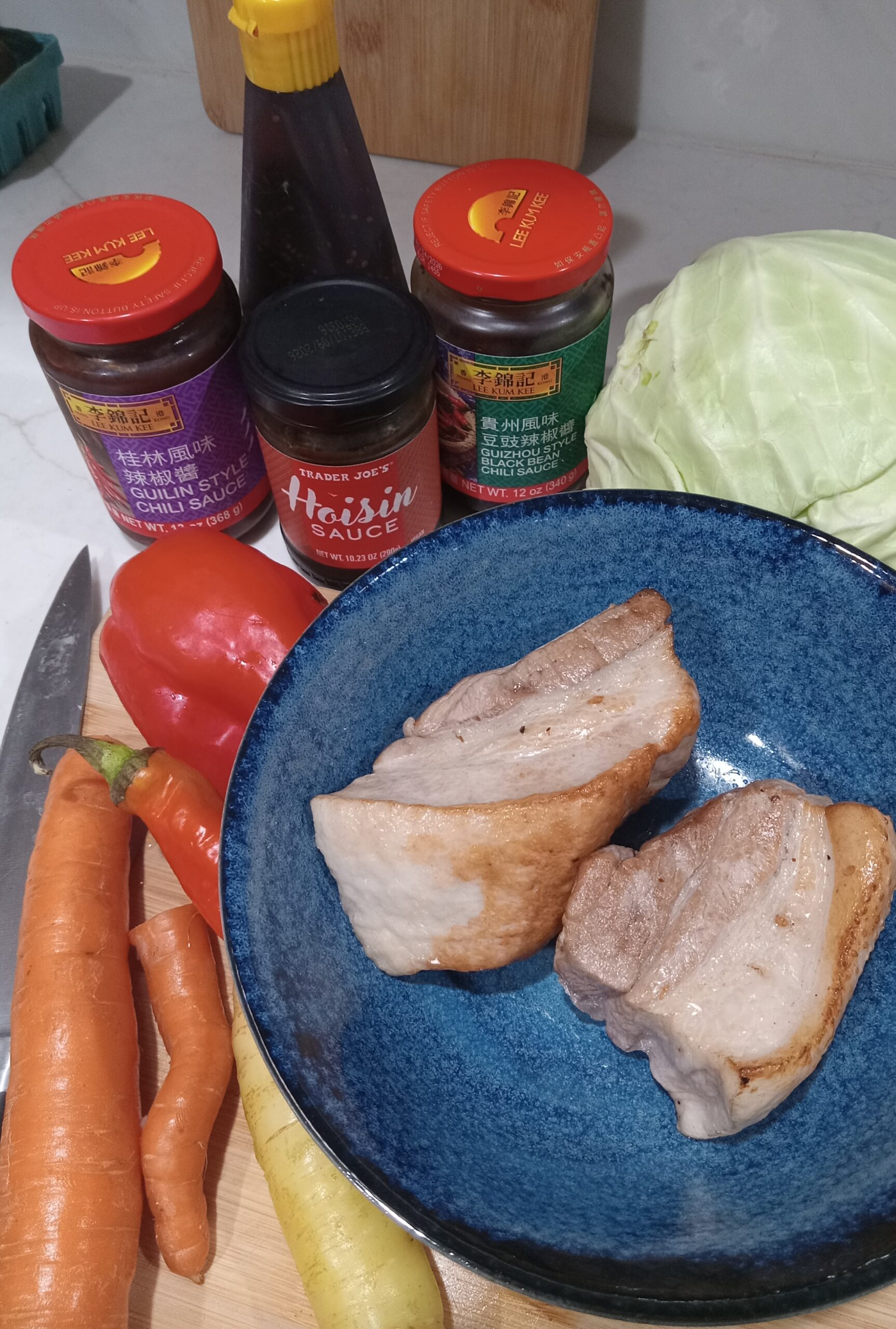
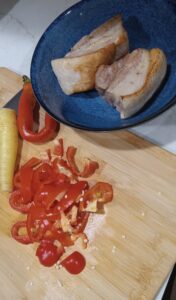
(豚バラ肉は皮つきのものを使いました、独特の噛み応えが魅力です。)
#材料:(4人前)
*豚バラ肉【皮つき】ーーーーーー700g(1.5パウンド)
*キャベツーーーーーーー大を半個分
*人参ーーーーー中2本
*パプリカーーーーー 中2個
*リーク又は万能ねぎーーーーーー適宜(トッピング)
*ショウガ―ーーーー親指大のもの1欠け
*アボカドオイル(その他どんな植物油でもOK)ーーーーー大さじ3杯
調味料:
*甘みそ又は甜麺醤ーーーーーー大さじ2杯
*発酵黒豆のチリソース(四川式)----大さじ2
*豆板醤ーーーーー大さじ2杯(食べたいご飯の量に応じて、すこし少なめに)
*四川胡椒ーーーーー適宜
*塩・コショウーーーー適宜
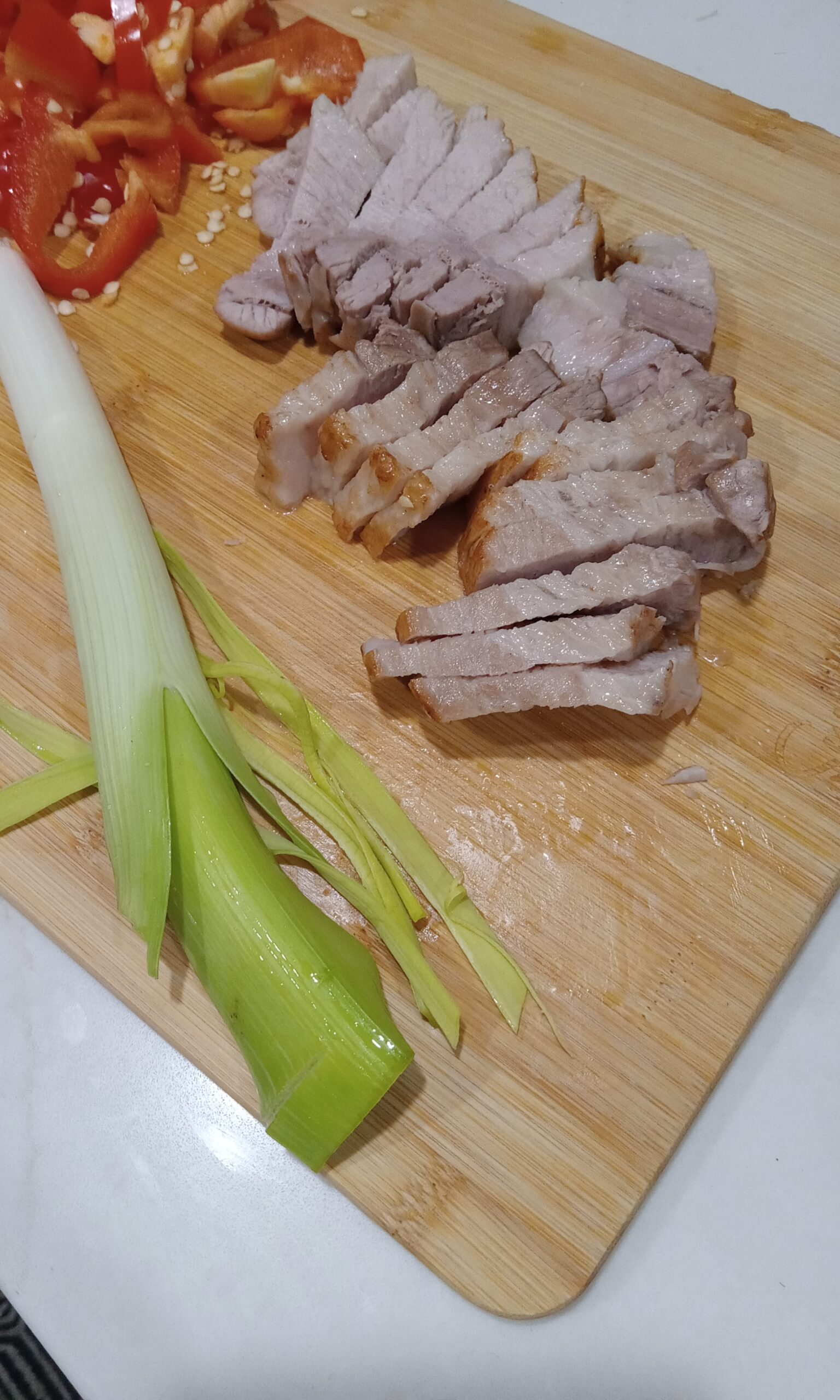
*作り方:中国式の、2度調理方法で、、、
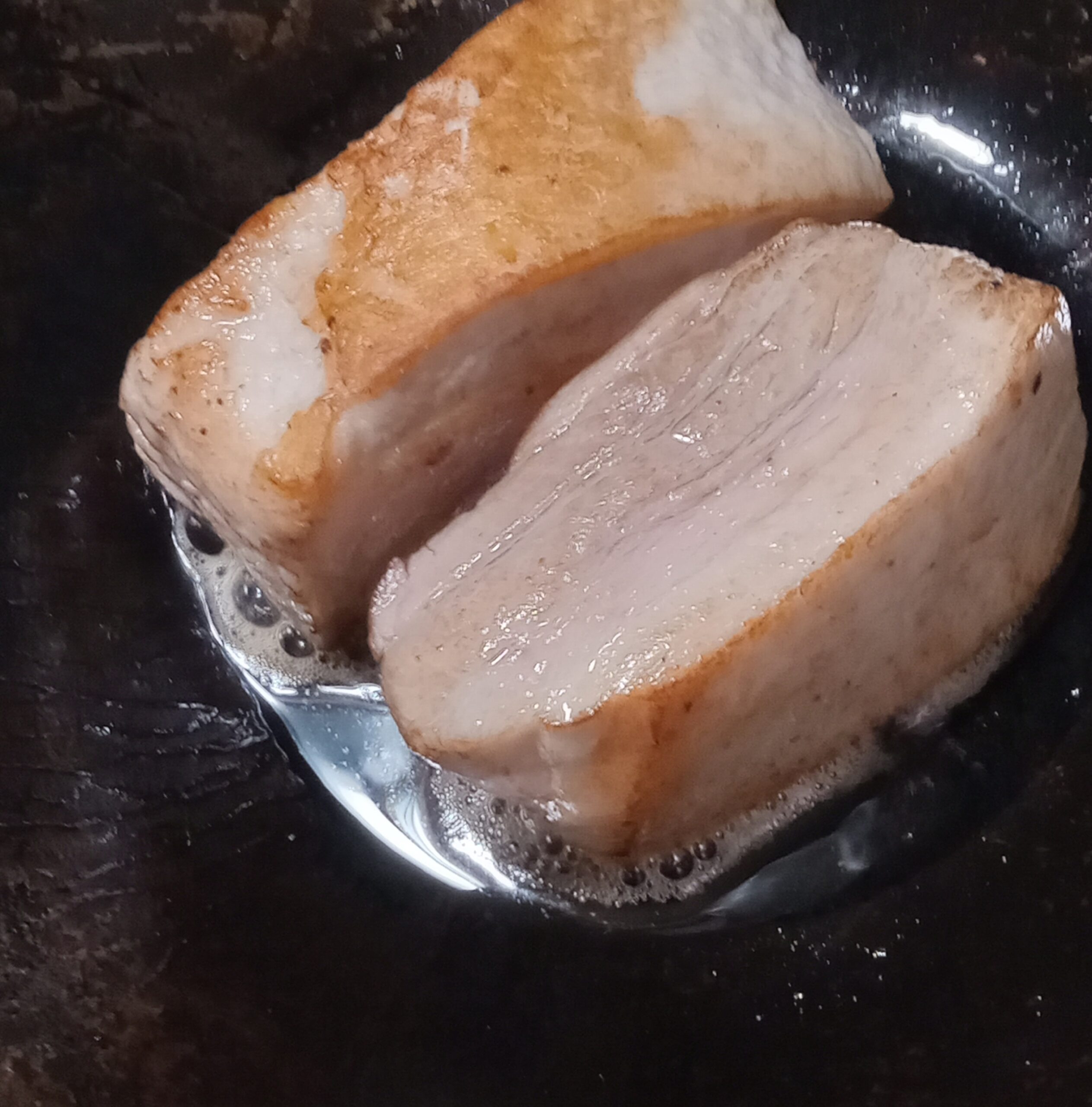
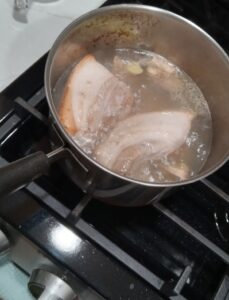
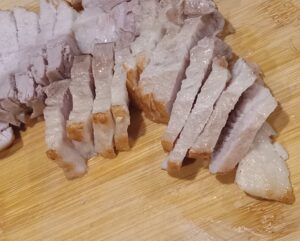
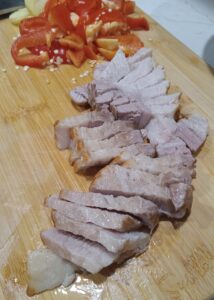
今回の回鍋肉は、『餃子の王将』さんのものとは違い、中華式に、2度調理する方法(煮る部分と炒める部分を分ける)で、本格的な味を目指します。
2度の調理とはつまり、
*豚バラを大きなままで表面に焦げ目をつけた後、しょうがを入れて煮上げます。
*炒めた野菜と合わせて出来上がり。
となります。
では、行ってみましょう!
#作り方:
1、強火に熱したフライパンに、トングを使って豚バラ(2等分します)の6面すべてに焼き色を付け、(各面1-2分)
2、大き目のお鍋に湯を沸かし、豚バラ肉とざく切りにしたショウガ、ネギを加えて中火で30分湯で、お皿にとって冷ましておきます。
3、フライパンにアボカドオイル大さじ2を入れ、中火でキャベツ、ニンジン、の順で7-8分炒めてボールにとり置きます。
4、1cm弱に厚切りした豚バラ肉を、アボカドオイル大さじ1を熱したフライパンで焼肉の要領で片面3-4分づつ火を入れ少し焦がします、
5、そこへ甜麺醤又は、名古屋の甘みそ大さじ2を投入、素早くかき混ぜ味を絡めたら、
6、とり置いてあった野菜、パプリカ、黒豆チリソース、豆板醤を投入して、2-3分強火で炒め、最後に、四川山椒とみじん切りのリーク又は万能ねぎを入れ、さらに2分炒めたら出来上がり。(豆板醤の量で、塩辛さを調整してください。)
7.飾りに万能ネギかリークのみじん切りを散らしてもいい感じです。
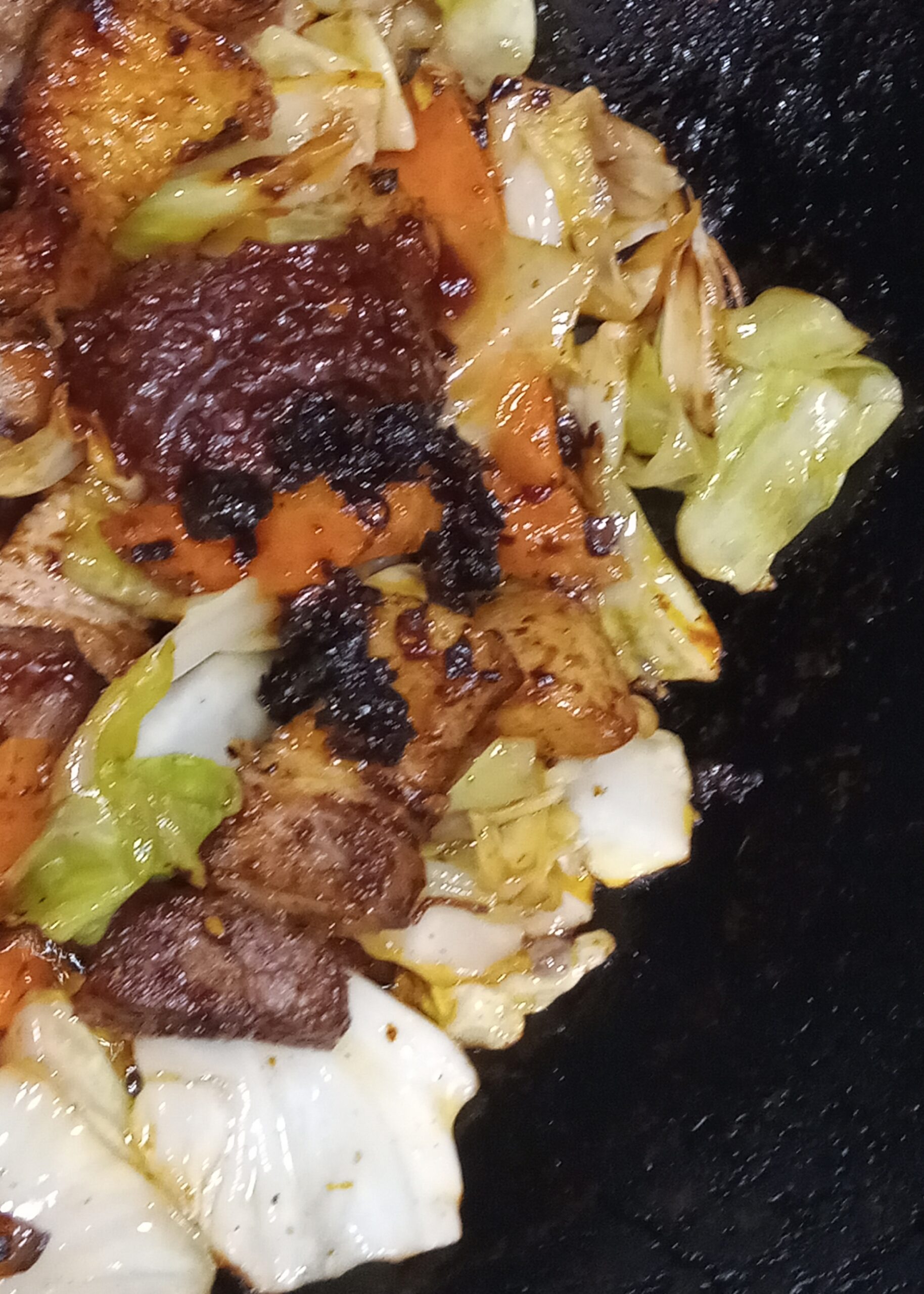
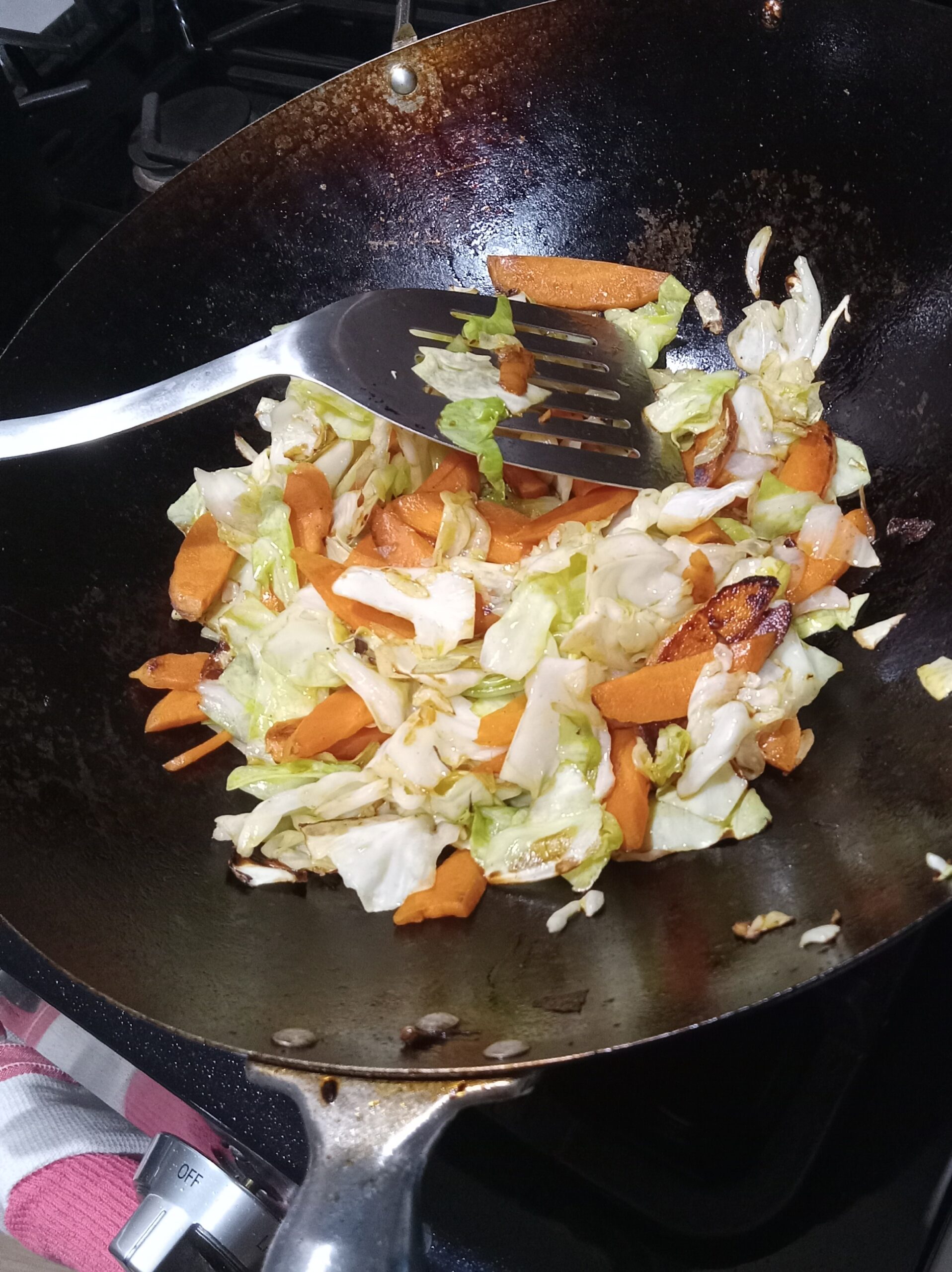
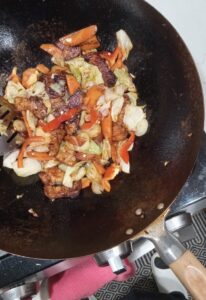
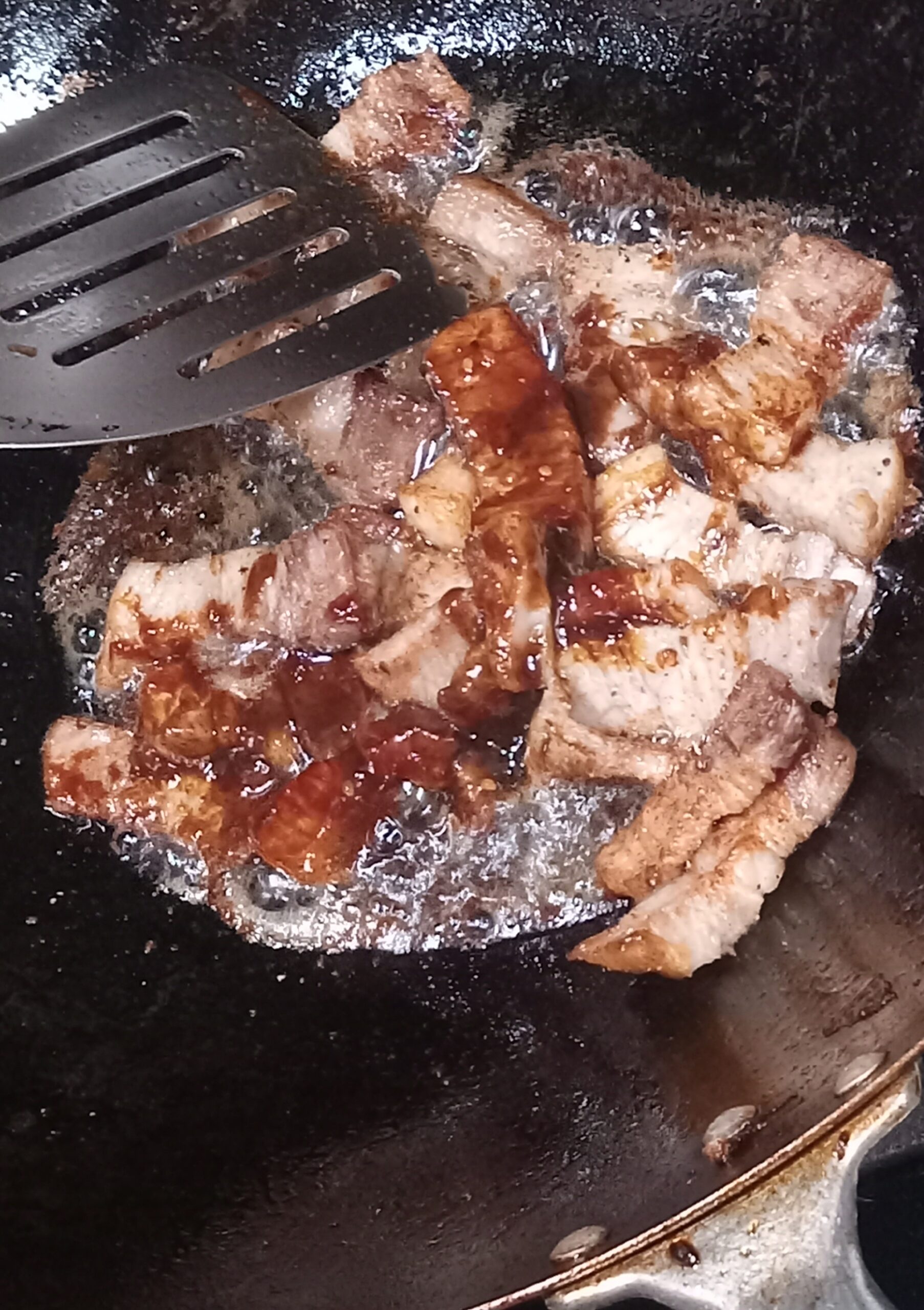
(甘辛味噌を若干焦がし気味にするのが秘結?)
*見た目とお味:ピリ辛・苦み・甘・辛の醍醐味、、、、
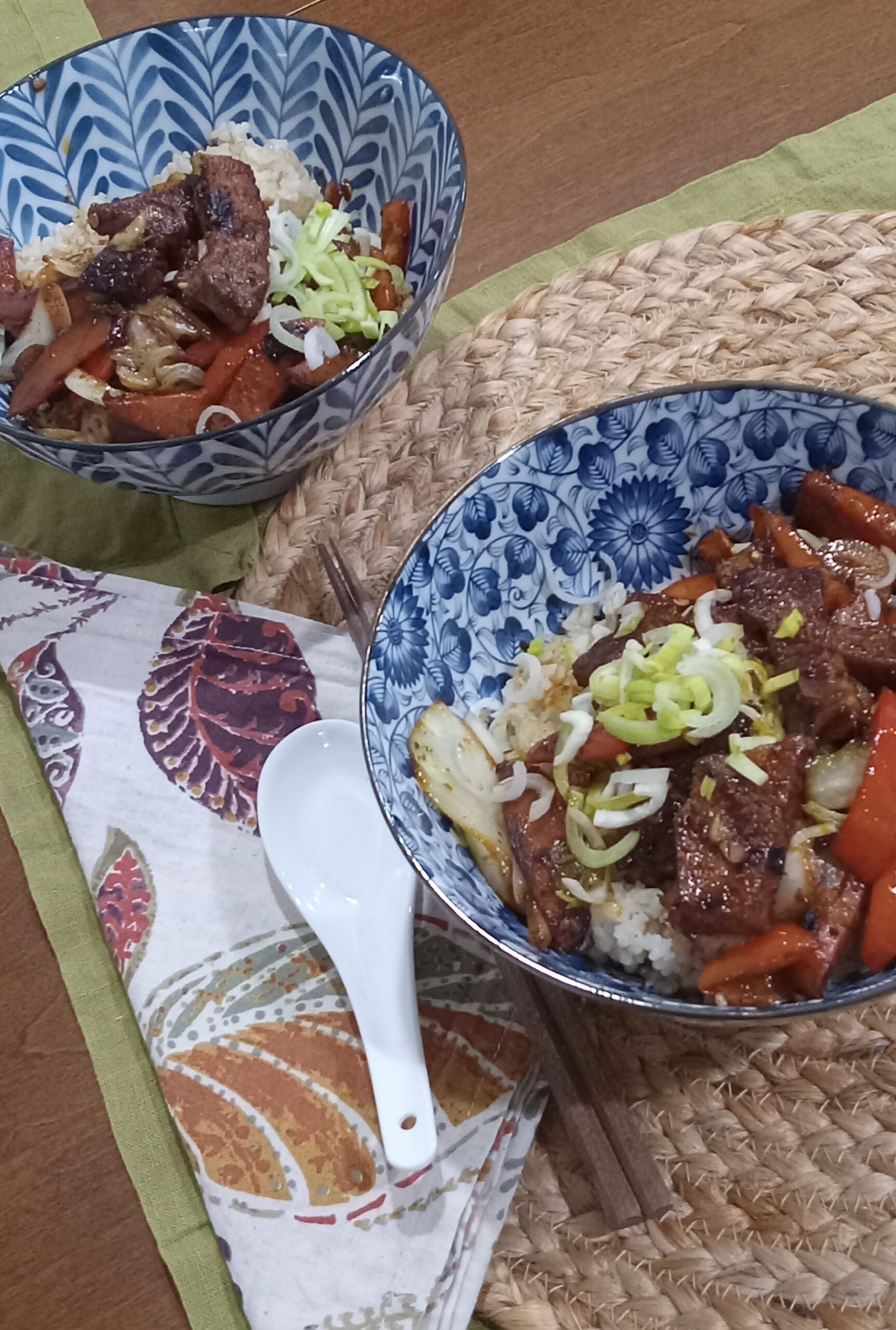
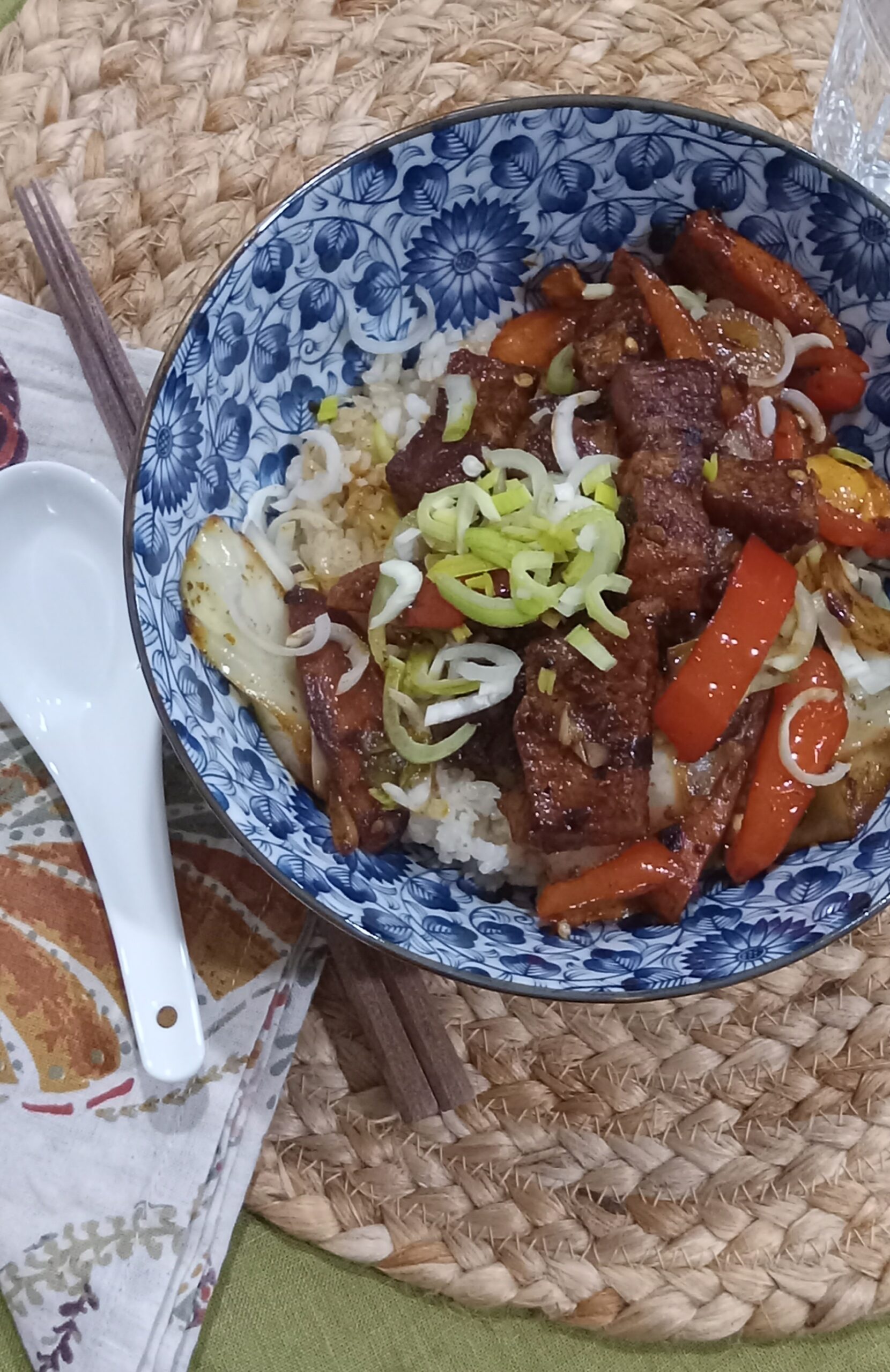
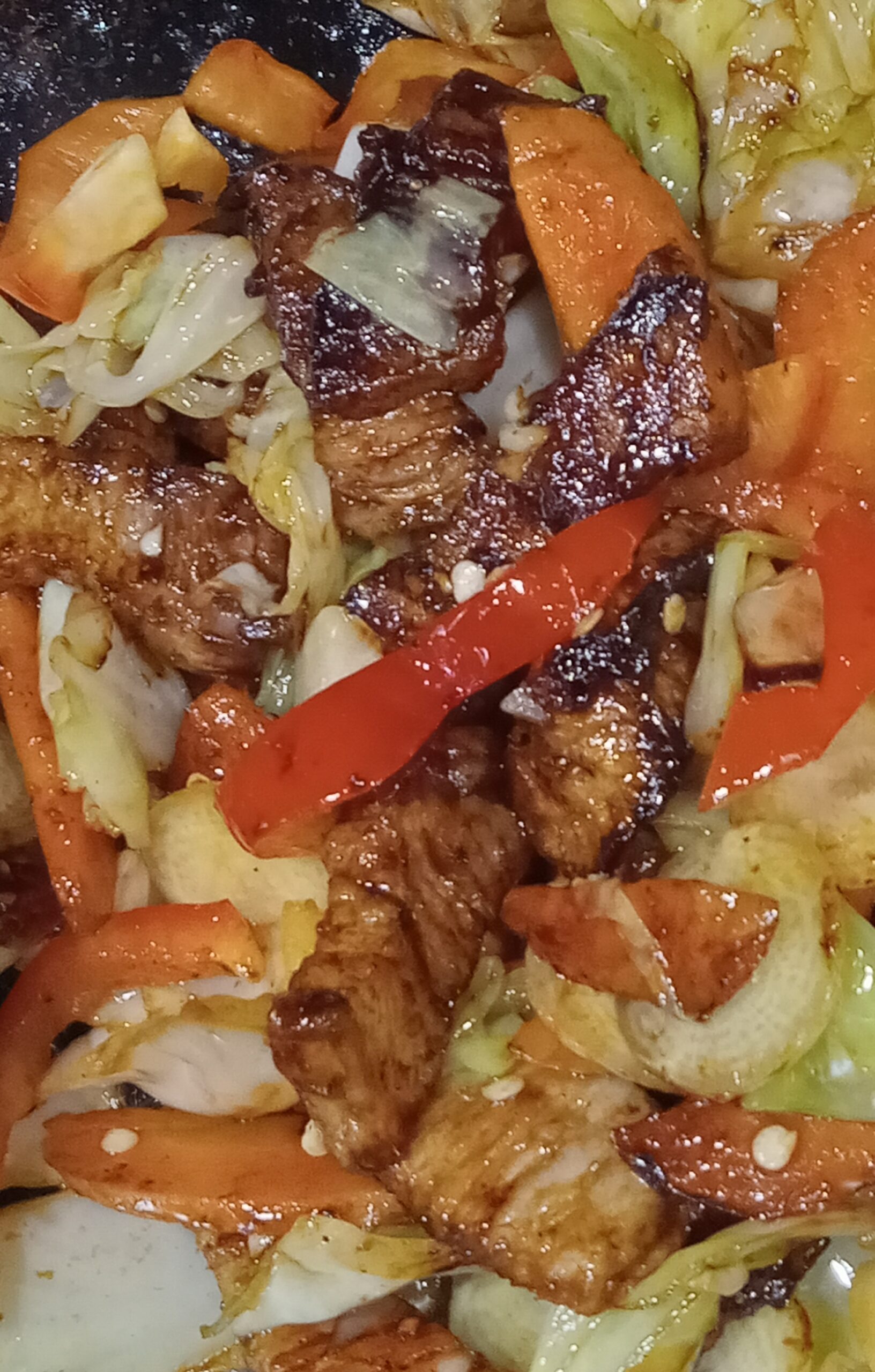
#見た目:
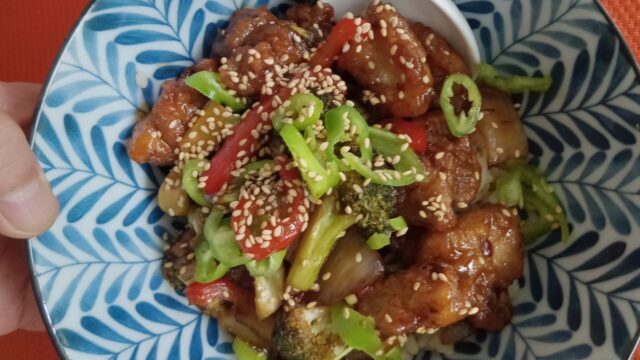
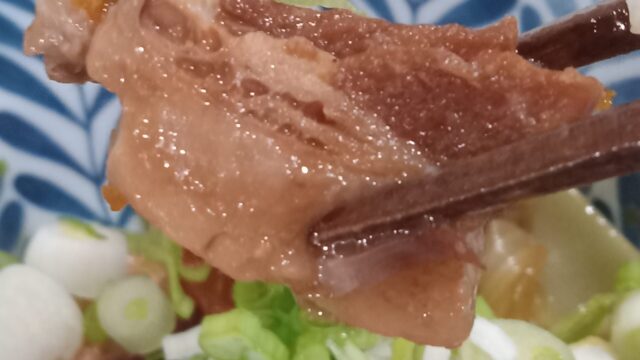
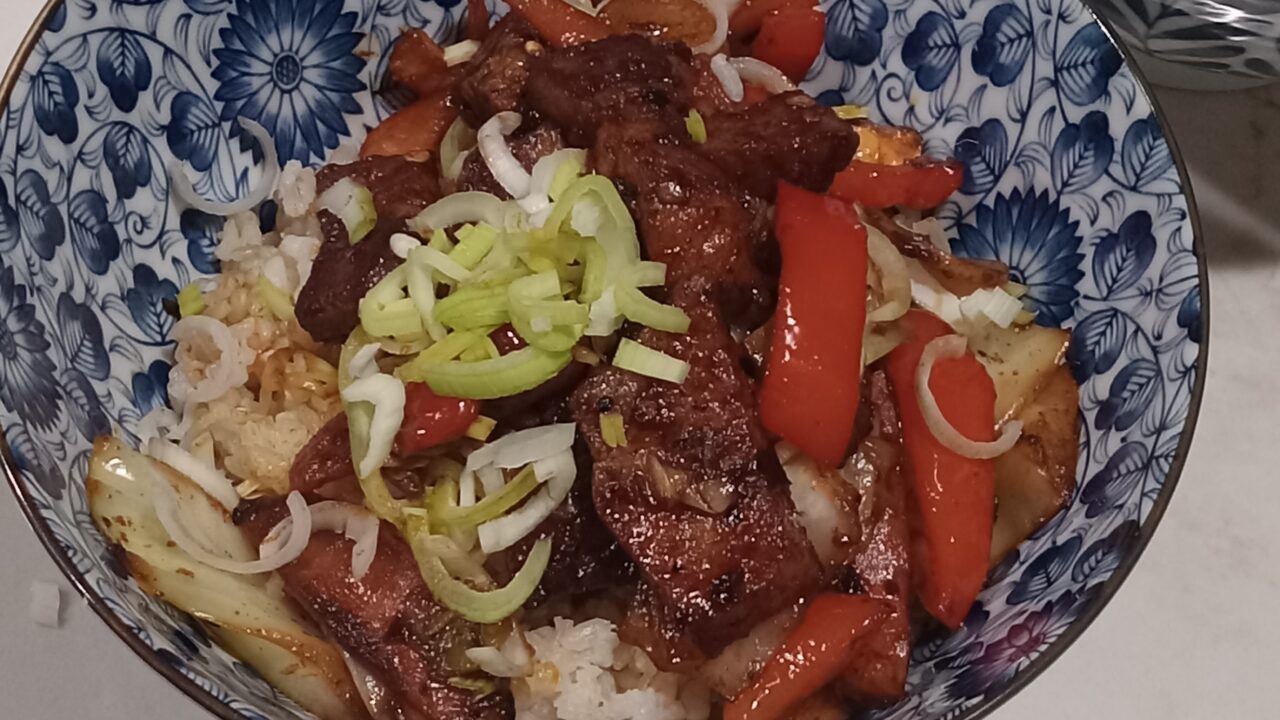
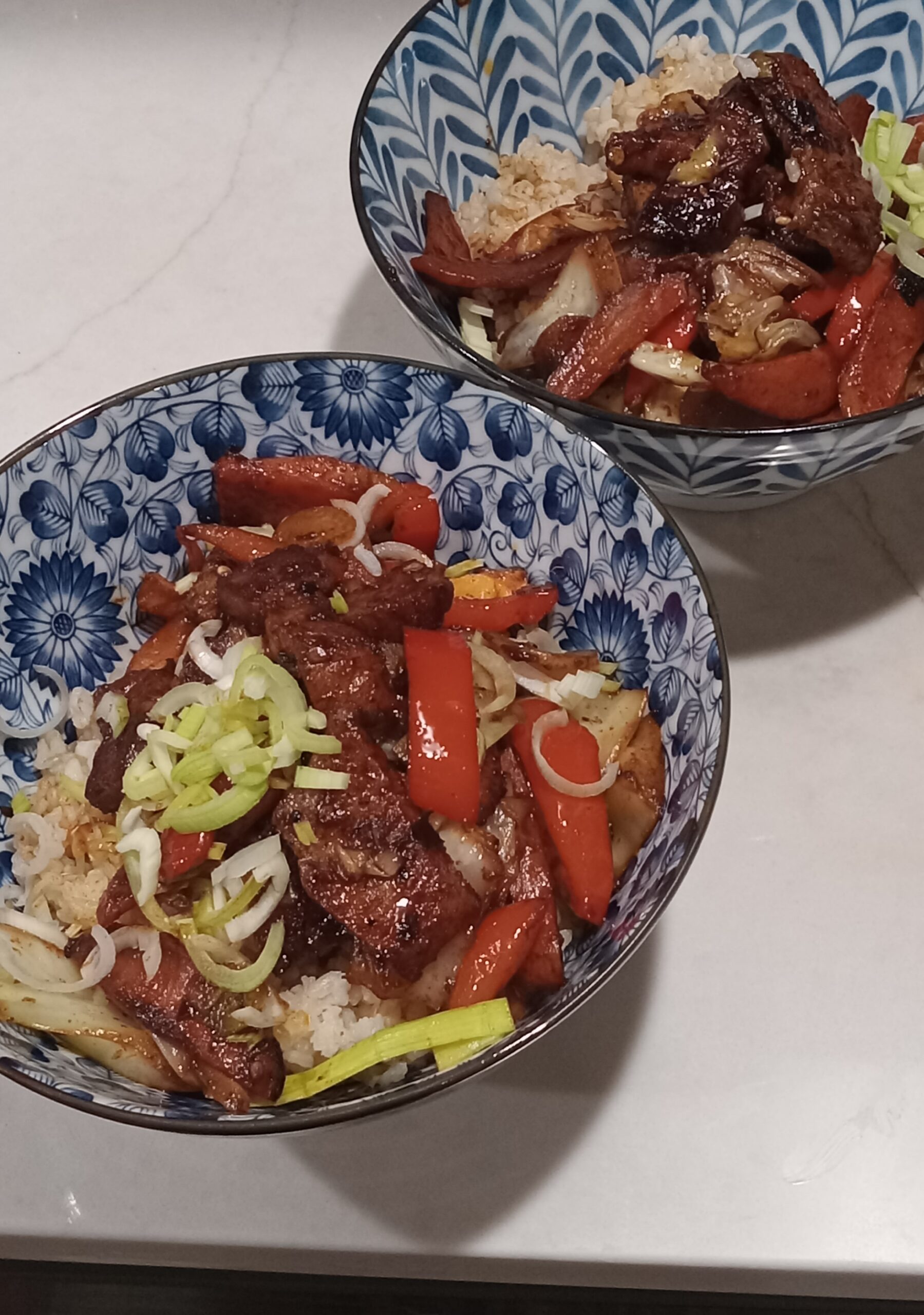
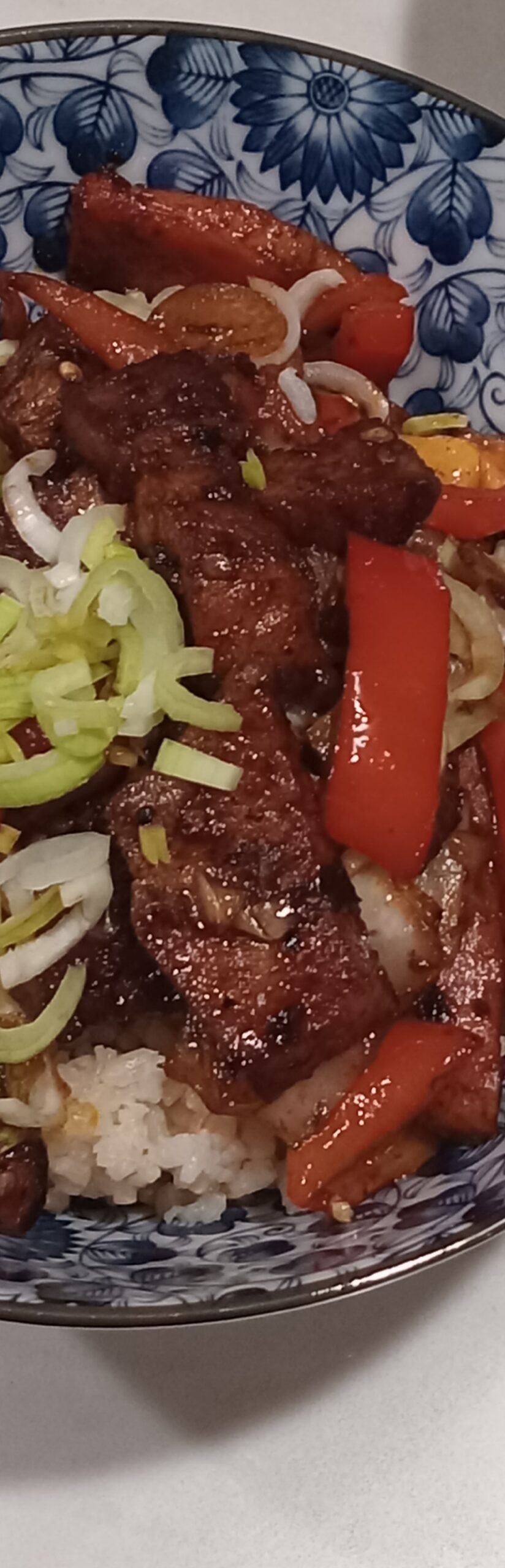
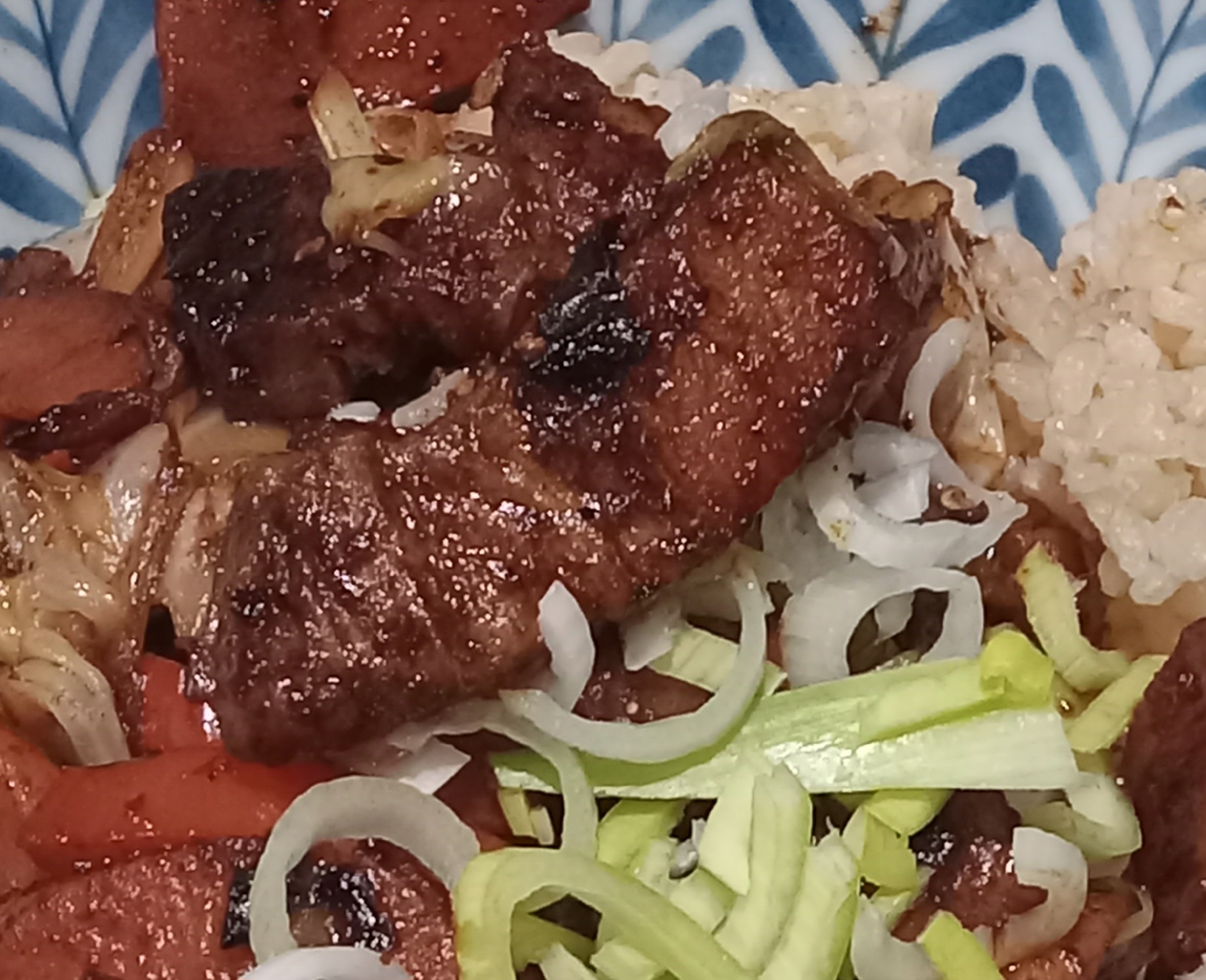
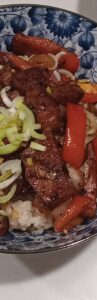
見た目は、『王将さんのホイコーロー』とは大きく違い、
色鮮やかな野菜炒めに、
韓国風のカルビ焼肉を載せた感じです。
(子供のころ、お隣が韓国風の焼肉屋さんで、そこで食べた豚カルビ焼肉そっくりです。)
色的にも、外観の迫力的にも非常にご飯に合いそうで、
見ているだけで、お腹がすいてきました。
#お味:ピリ辛、苦み、甘辛の醍醐味、、、
ご飯との相性は置いときまして、
*まずは、豚肉具軍をキャベツと一口
ーーーーー>こんがりした苦味と甘みあふれるカルビ焼肉に、キャベツの食感と甘み、四川山椒の辛味がかぶさり、キャッチーな爆弾的なお味と、複雑なスパイスが絡んで、なんとも言えない高揚感が味わえました。
*続いて、全体を混ぜて、御飯と一緒に
ーーーーー>今度は、甜麺醤の甘さと、豆板醤の塩辛さのバランスよさが引き立ち、野菜とお肉など食材の噛み応えがいい感じで、リズムを作ってました。
全体として、
個性の強い味の競演を、四川山椒が外側からまとめる形で、
見事にバランスを取っていました。
最後に、ほのかに香る、
発酵黒豆の
芳醇な残り香が
脳裏にこびりつきました。
*感想:中華チリソースX2 & 四川山椒 & 名古屋甘みそ:『つけてみそ、かけてみそ』
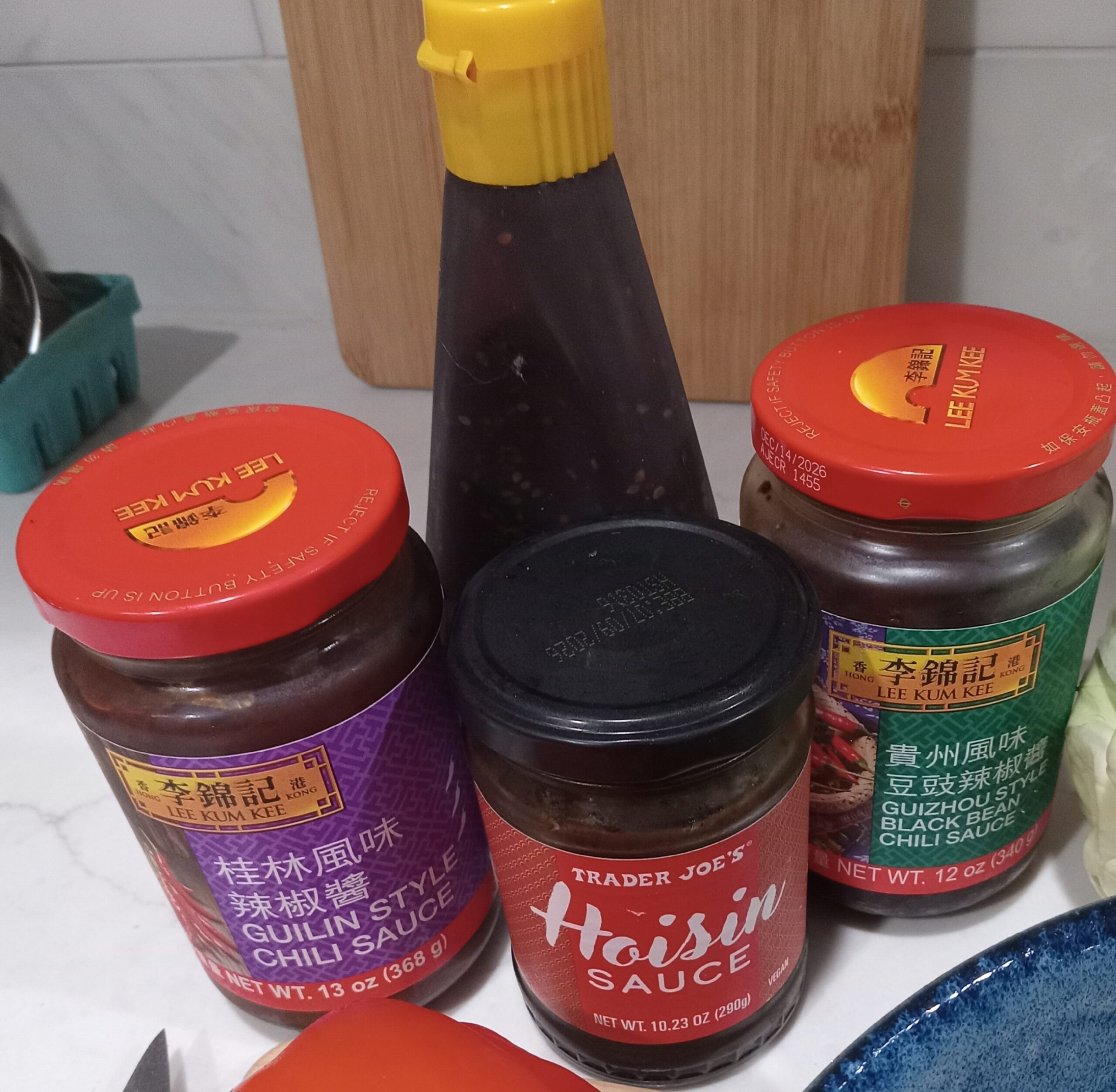
今回使いました、
上の写真にあります、調味料のコンビネーションが功を奏した結果となりました。
(四川山椒は写真を撮り忘れました)
*桂林スタイル豆板醤ーーー塩辛さとコクと旨味担当
*名古屋の甘みそ(なかも製、付けてみそ、かけてみそ)---甘辛担当
*豆鼓入りチリソースーーーーほのかな甘酸っぱさと深み担当
*四川山椒ーーーー独特の「マーラー(麻-辣ー」感を演出
この4つの調味スパイスが素晴らしいアンサンブルを奏でて、
他の食材の新鮮さと旨味、歯触り、噛み応えを引き出した感じでした。
多分また次回は少し違ったコンビネーションになると思いますが、
食文化における、
「一期一会」
はいかがでしょうか?
 宜しかったら、
ご自分のお好きなように調整して、
お試しください、、、、
!!!!!!!!!!!!!!!!!!!!!!!!!!!!!!!!!!! Translated in English!!!!!!!!!!!!!!!!!!!!!!!!!!!!!!!!!!!
Thick-cut pork belly is the key! Sichuan-style Twice-Cooked Pork (Hui Guo Rou) = Stir-fried pork belly and cabbage
For me, when I think of Twice-Cooked Pork, I remember the dish at
Gyoza no Ohsho
in Nagoya, where I spent my student days.
(It was thinly sliced pork belly stir-fried with cabbage and bell peppers in a sweet-spicy miso sauce.)
I often ordered it as part of a set with gyoza.
It was something like 550 yen for twice-cooked pork, 5 gyoza, a large rice bowl, and soup.
Since getting married, I’ve experimented with various versions here too.
After trying recipes like the Sichuan style with dried natto,
I’ve settled on this balance:
* Japanese-style (Nagoya-style?) sweet-spicy miso flavor +
* Sichuan-style spicy sauce + doubanjiang mix.
This recipe is a huge hit with my wife, a pure American,
and it’s a popular monthly menu item at our house.
So let’s get started right away.
Here’s how we proceed.
*Ingredients: Pork belly with skin
*Method: We’ll use the Chinese “double-cooking method”.
*Appearance and Flavor: Spicy heat, bitterness, the essence of sweet and spicy…
*Impressions:
*Ingredients: Pork belly with skin…
(We used pork belly with skin on—its unique chewiness is part of the appeal.)
#Ingredients: (Serves 4)
*Pork belly [with skin] ーーーーーー700g (1.5 pounds)
*Cabbage ーーーーーーーHalf a large head
*Carrots ーーーーー2 medium
*Bell peppers ーーーー 2 medium
* Leeks or green onions ーーーーーー As needed (for topping)
* Ginger ーーーーーーーー 1 thumb-sized piece
* Avocado oil (or any other vegetable oil) ーーーーーー 3 tablespoons
Seasonings:
* Sweet miso or sweet bean sauce ーーーーーー 2 tablespoons
* Fermented black bean chili sauce (Sichuan style) ---- 2 tablespoons
* Doubanjiang (chili bean paste) ーーーー 2 tablespoons (use slightly less depending on how much rice you plan to eat)
* Sichuan pepper ーーーー To taste
* Salt & Pepper ーーーー To taste
*Method: Using the Chinese-style double-cooking method…
This twice-cooked pork differs from Gyoza no Ohsho’s version. We’ll aim for an authentic Chinese flavor using the traditional two-step method (separating the simmering and stir-frying stages).
The two steps are:
*Sear large pieces of pork belly until browned on the surface, then add ginger and simmer.
*Combine with stir-fried vegetables to finish.
Alright, let’s get started!
#Method:
1. Heat a frying pan over high heat. Using tongs, sear all 6 sides of the pork belly (cut into 2 pieces) until browned (1-2 minutes per side).
2. Bring a large pot of water to a boil. Add the pork belly, roughly chopped ginger, and green onions. Simmer over medium heat for 30 minutes. Remove to a plate and let cool.
3. Heat 2 tablespoons of avocado oil in a frying pan over medium heat. Stir-fry the cabbage and carrots in that order for 7-8 minutes. Transfer to a bowl and set aside.
4. Slice the pork belly into thick pieces (just under 1cm thick). Heat 1 tablespoon of avocado oil in the frying pan. Cook the pork belly like you would for yakiniku, searing each side for 3-4 minutes until slightly charred.
5. Add 2 tablespoons of sweet bean sauce or Nagoya-style sweet miso paste. Stir quickly to coat everything with the sauce.
6. Add the reserved vegetables, bell pepper, black bean chili sauce, and doubanjiang (chili bean paste). Stir-fry over high heat for 2-3 minutes. Finally, add Sichuan peppercorns and finely chopped leeks or green onions. Stir-fry for another 2 minutes, then it’s done. (Adjust saltiness with the amount of doubanjiang.)
7. Garnish with chopped green onions or leeks for a nice touch.
(The secret? Slightly caramelizing the sweet-salty miso?)
*Appearance and taste: The essence of spicy, bitter, sweet, and savory…
#Appearance:
Visually, it differs greatly from ‘Oshō’s Hoi Kow Rō’.
It resembles a vibrant stir-fried vegetable dish
topped with Korean-style kalbi beef.
(It looks just like the pork kalbi I ate as a kid at the Korean barbecue place next door.)
Both the color and the striking appearance make it seem incredibly rice-friendly.
Just looking at it makes me hungry.
#Flavor: The essence of spicy, bitter, and sweet-savory…
Setting aside how well it pairs with rice,
*First, a bite of the pork mixture with cabbage
ーーーーー>The crispy, bitter-sweet kalbi bulgogi, combined with the texture and sweetness of cabbage, topped with Sichuan pepper’s heat, created a catchy, explosive flavor. The complex spices intertwined, delivering an indescribable sense of excitement.
*Next, mix everything together and eat with rice
ーーーーー>This time, the balanced sweetness of sweet bean sauce and the savory saltiness of chili bean paste stood out. The satisfying chewiness of the vegetables and meat created a nice rhythm.
Overall,
the Sichuan peppercorns masterfully balanced the strong, competing flavors,
binding them together from the outside.
Finally, the faint, lingering aroma of
fermented black beans
clung to my mind.
*Impression: Chinese Chili Sauce & Sichuan Pepper & Nagoya Sweet Miso
The combination of seasonings used this time,
shown in the photo above, proved successful.
(I forgot to photograph the Sichuan peppercorns)
*Guilin-style Doubanjiang——Responsible for saltiness, richness, and umami
*Nagoya sweet miso (Nakamo brand, Tsukete Miso, Kakete Miso)——Responsible for sweetness and spiciness
*Chili Sauce with Black Bean Paste——Provides subtle sweet-sour notes and depth
*Sichuan Pepper——Creates that unique “ma la” sensation
These four seasoning spices played a wonderful ensemble,
bringing out the freshness, umami, texture, and chewiness of the other ingredients.
Next time, I imagine the combination might be slightly different,
but in culinary culture,
“Once-in-a-lifetime encounter”
How about that?
If you like,
feel free to adjust it to your own taste
and give it a try…
Translated with DeepL.com

これはCTAサンプルです。
内容を編集するか削除してください。