ジージャン日誌【第1回】:年に一度の洗濯&糊付けーーー『リーバイスのジージャン:1st モデル(復刻レプリカ)』
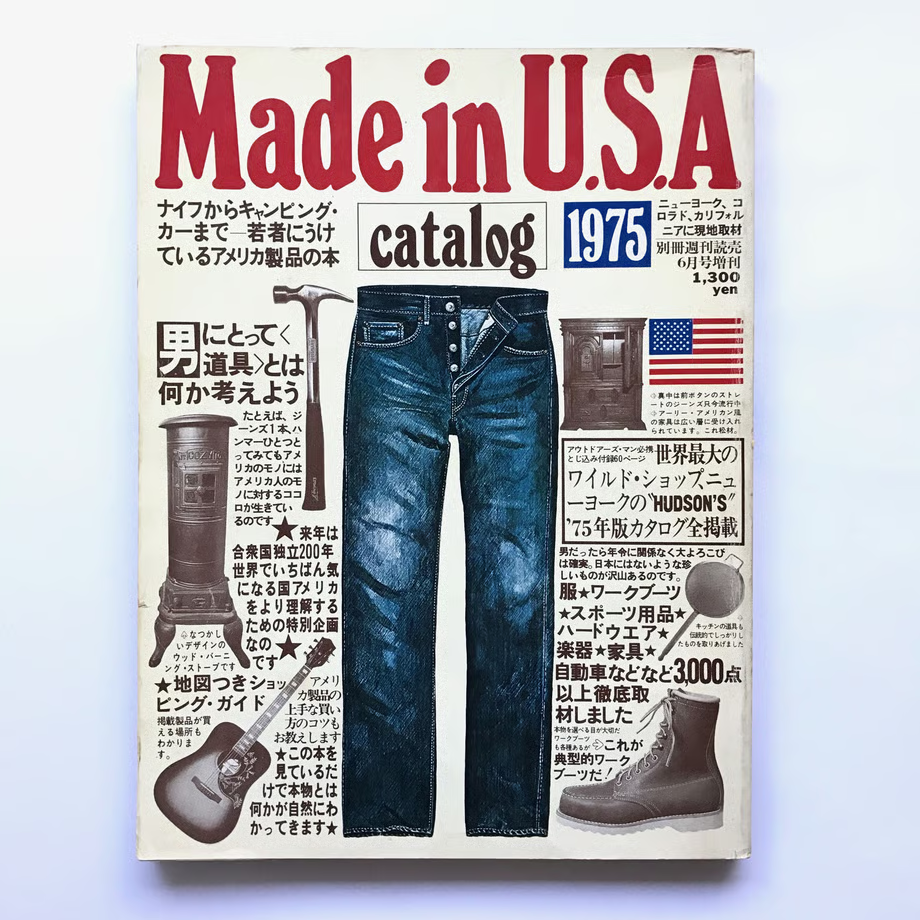
(読売新聞社刊:『Made in U.S.A. catalogue 1975』)
高校生時代に、ムック本『Made in U.S.A.』や雑誌『MONOマガジン』でアメリカ製品に対する興味の洗礼を受けた私たちの世代にとって、
米軍払い下げの
アルファインダストリーズ社製『MA-1』や
リバイスのジージャン『1st/2ndモデル』は
その時代を象徴する商品で、
その後成長した後も常に愛用する
定番中の定番アイテムとなっています。
毎年2月か3月の温かい週末を利用して、
ジージャンの洗濯と糊付け作業をしています。
それでは、
こんな感じでレポートしてみたいです。
*洗濯と糊付け作業:
*ジージャン2着のレポート:2nd(90年台、日本リーバイスの復刻版)1st(現役、アメリカ版のレプリカ)
*今年の2着の出来栄え:
*洗濯と糊付け作業:
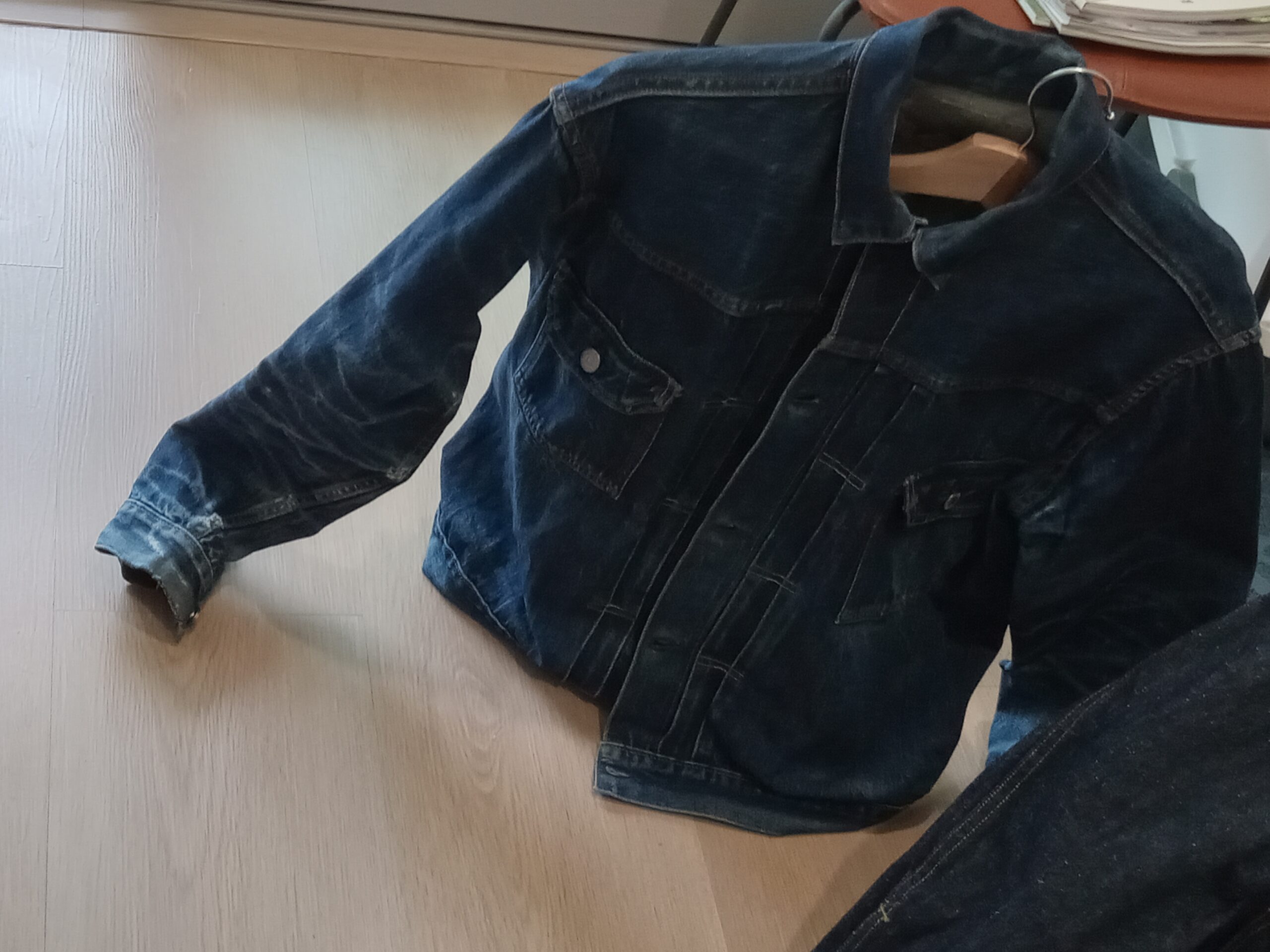
(糊付け・乾燥後には自立できるほど『パキパキ』になり、独り歩きしてしまいます、、、笑)
#洗濯と糊付け、それぞれの作業の目的
雑誌や本、ウェブサイトなどを参照して
最近5-6年続けています洗濯&糊付け作業ですが、
私の場合、理想のジージャンはこんな感じで、
*デニム・ジャケットはアン・ウオッシュのものを選び、
*なるべくきれいな深い藍色を残しつつ、
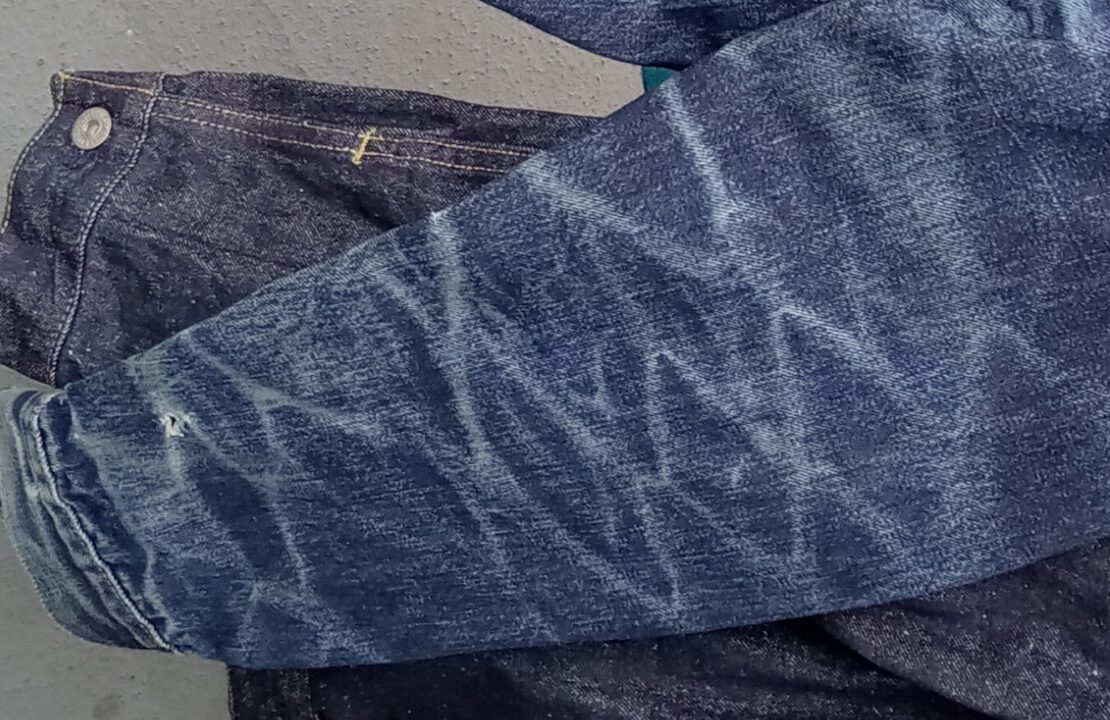
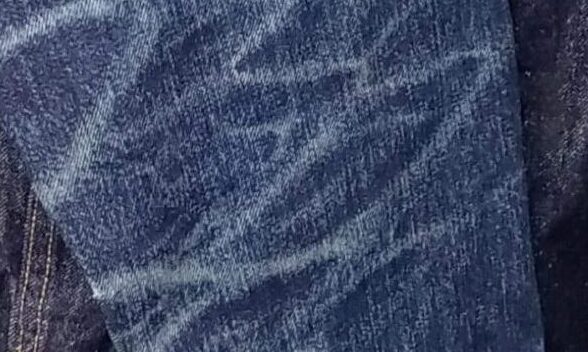
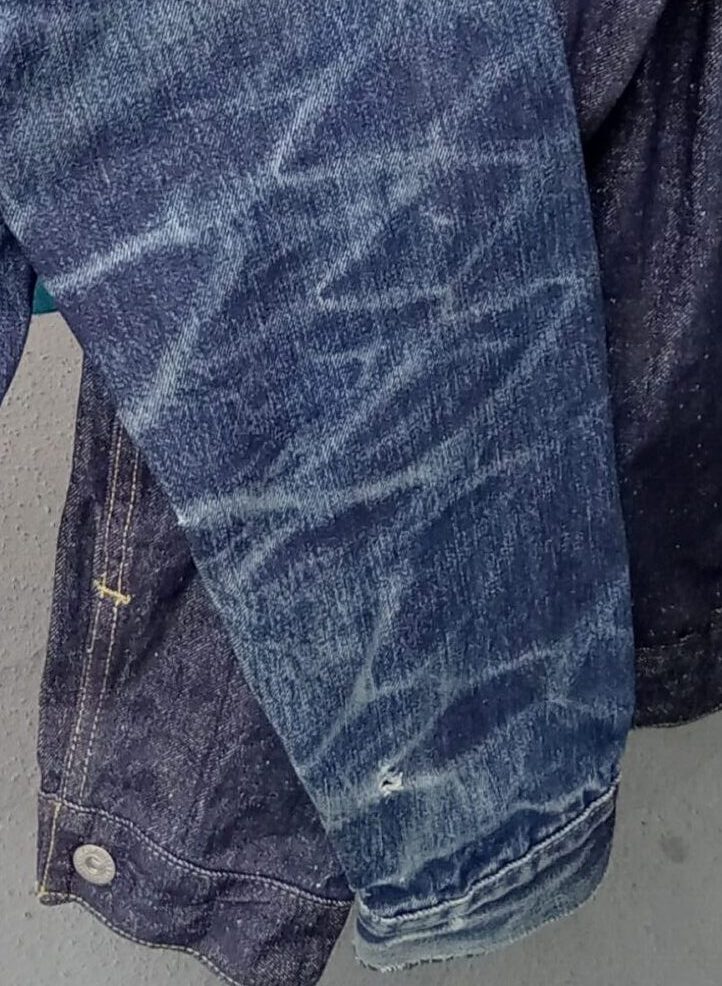
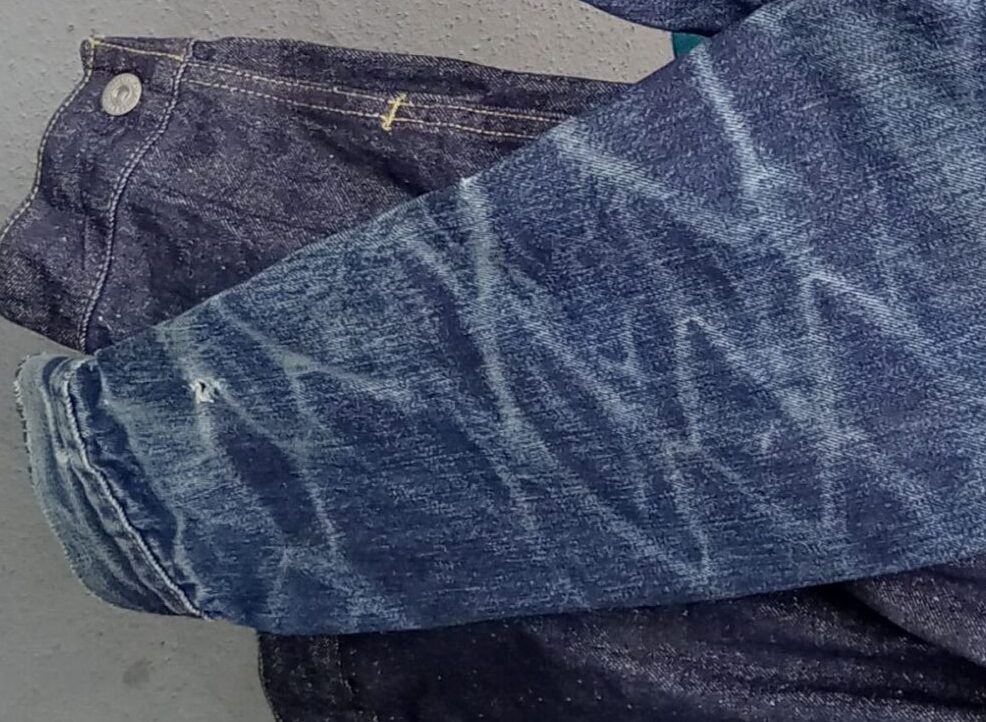
*ひじの表側などにはっきりとしたハチの巣状の白い跡を残す。
といったものです。
その為に、
毎年一回3月の初め頃、洗濯と糊付け作業を実行します。
それぞれの作業の目的は、
* 洗濯作業:深い藍色をなるべく色落ちさせないよう、1年分の泥や染み付いた汗や油をおとす事
* 糊付け作業:糊付け&乾燥後に始めて着用した時に、理想の皺が入り、更にその皺が一年中『立つ』ことで折れ線の『山部分』が摩擦により、色落ちして白くなるよう、糊を多めに【特にひじの表回り】にはしっかり付ける事
#洗濯作業:優しくぬるま湯で、、、
洗濯はこんな感じで進めていきます。
1、浴槽や洗面台に10cmほどお湯を張り、
2、その中にボタンを全てかけたジャケットを沈め、30分ほど付け置き、
3、汚れが目立つところを中心に、色落ちしないよう優しく押し洗い、
4、お湯を捨て、軽く絞って、乾燥機の低温15分で水切り終了。
これ以降は糊付け作業に続きます。
#糊付け作業:皺が立つよう糊は多めに、パキパキに仕上げます。
乾燥機で水を切った
半乾きの状態のジャケットに、
1、洗濯糊の代わりに、食用の ARROW ROOT(くず粉)を水300㏄に大さじ2杯ほど入れ沸騰後,中火でかき混ぜ、軟らかめのペースト状になれば出来上がりです。
2、ボタン全部を解いたジャケットを平らな台に乗せ、掌に洗濯糊適量を取り、糊が入りにくそうな部分(ひだ部分、襟の前後やひじの表側など)から掌全体を使い揉むように、しみこませます。
3、糊が全体に行きわたったら、ハンガーにかけ襟やひだ部分などの形を整え、日陰で半日(7-8時間)干したら出来上がりです。
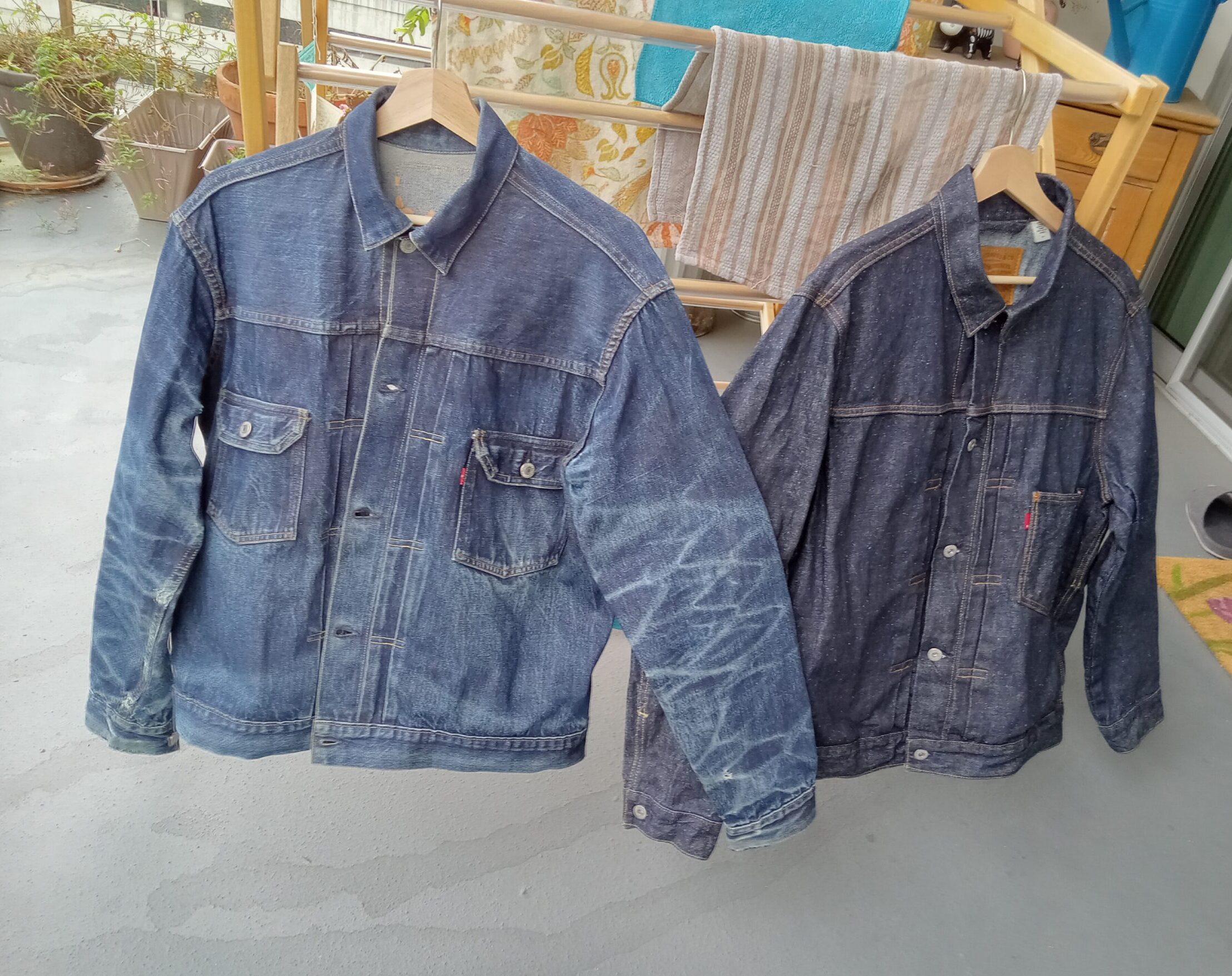
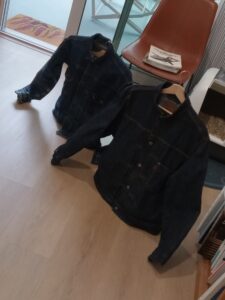
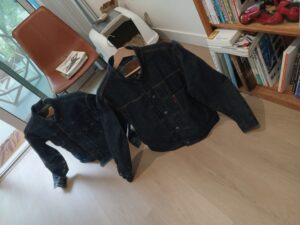
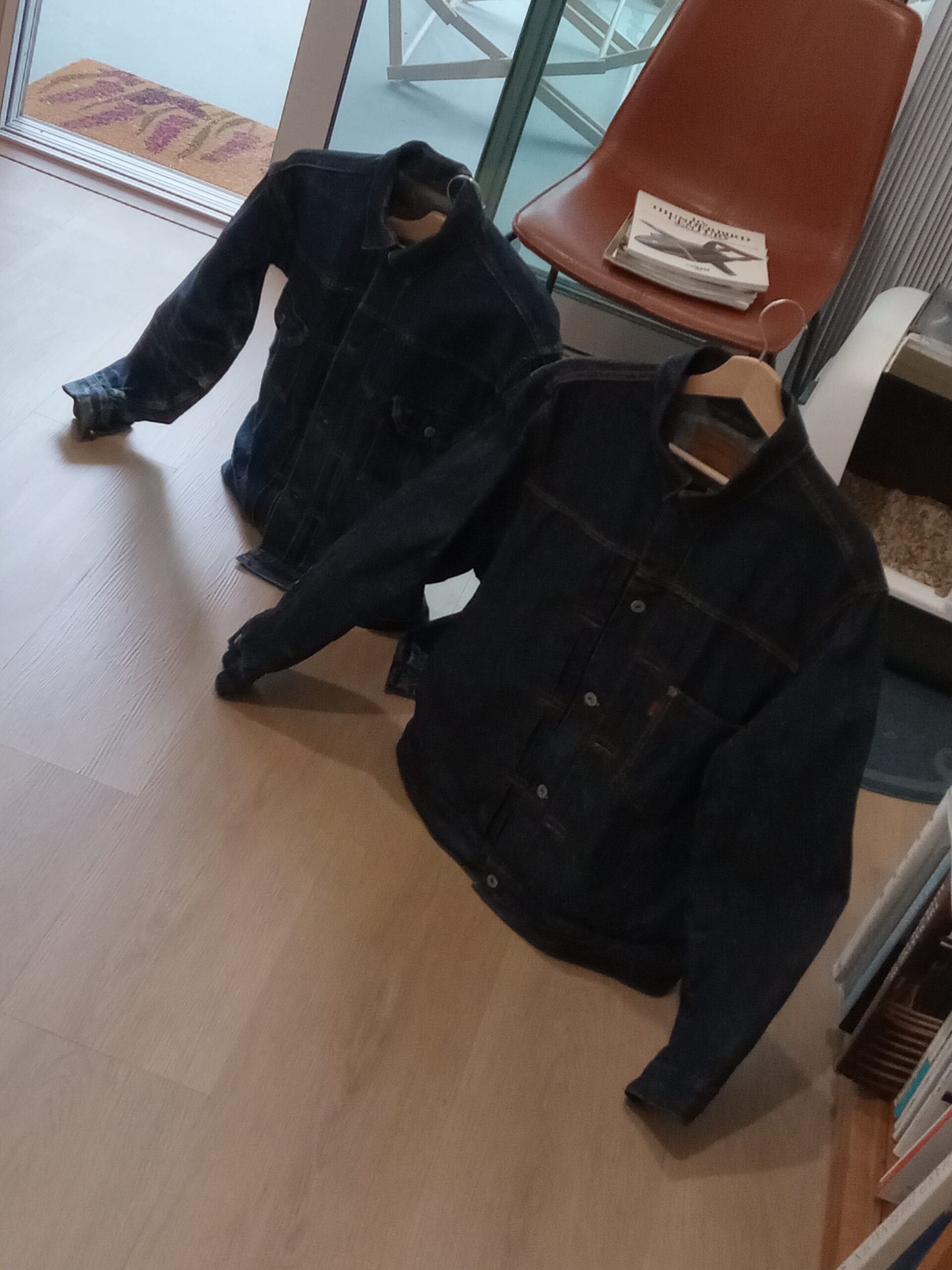 (乾燥後パリパリになったジャケットは自立可能です!!)
*ジージャンのご紹介 : 1st(最新のアメリカ版のレプリカ)2nd(90年代のバレンシア工場製の復刻もの)
1:現在入手可能な米国版レプリカ【1st モデル】:
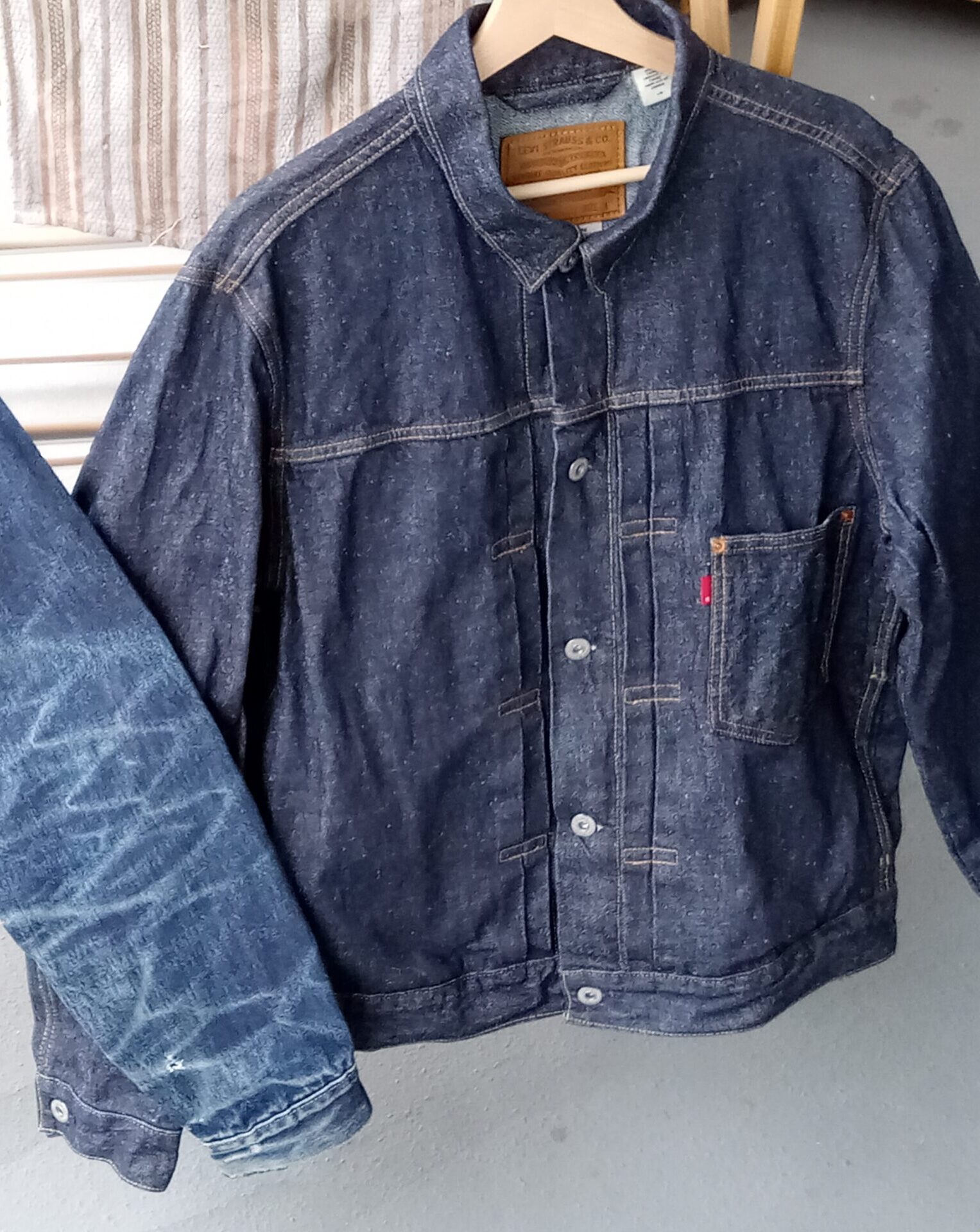
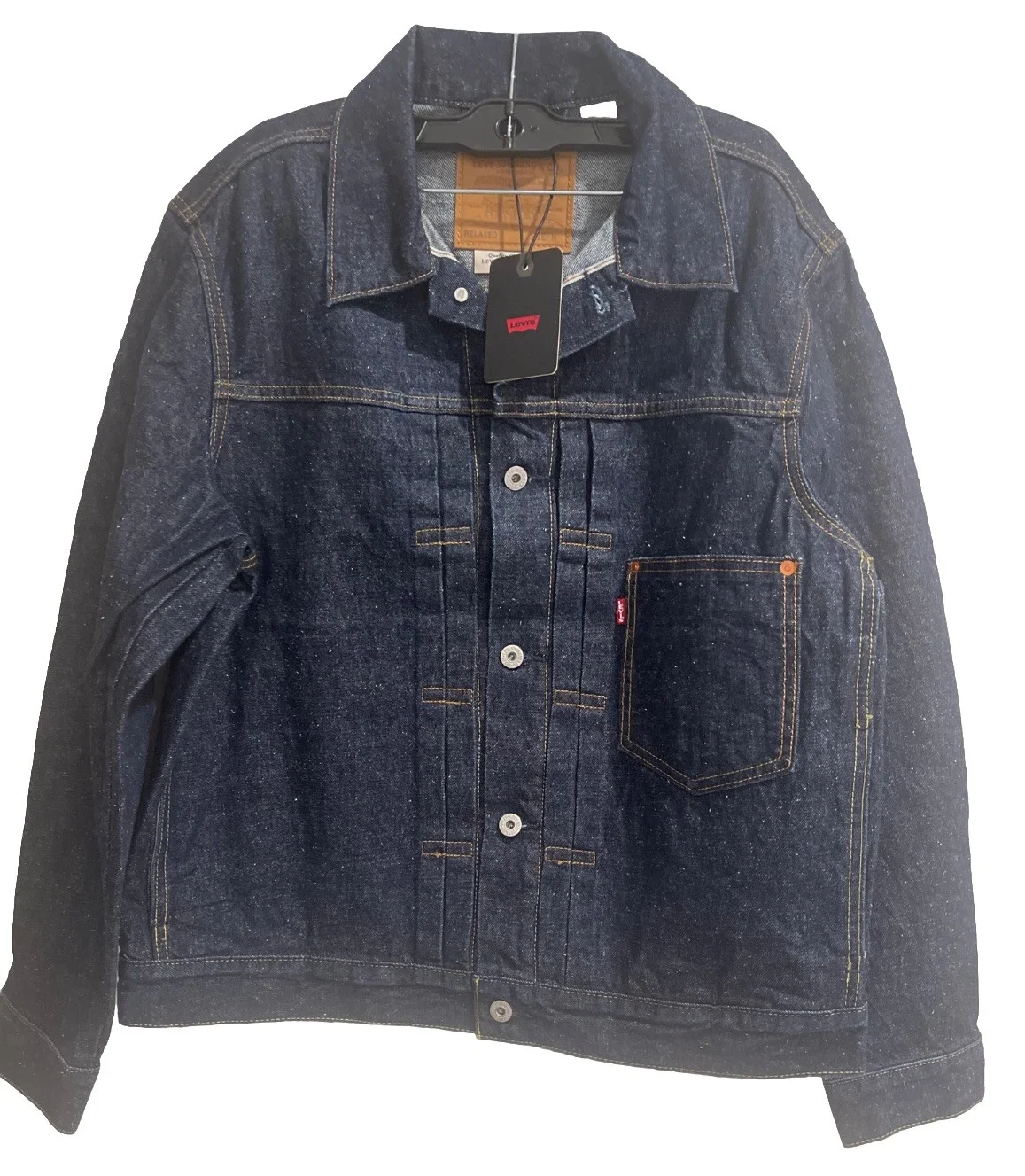
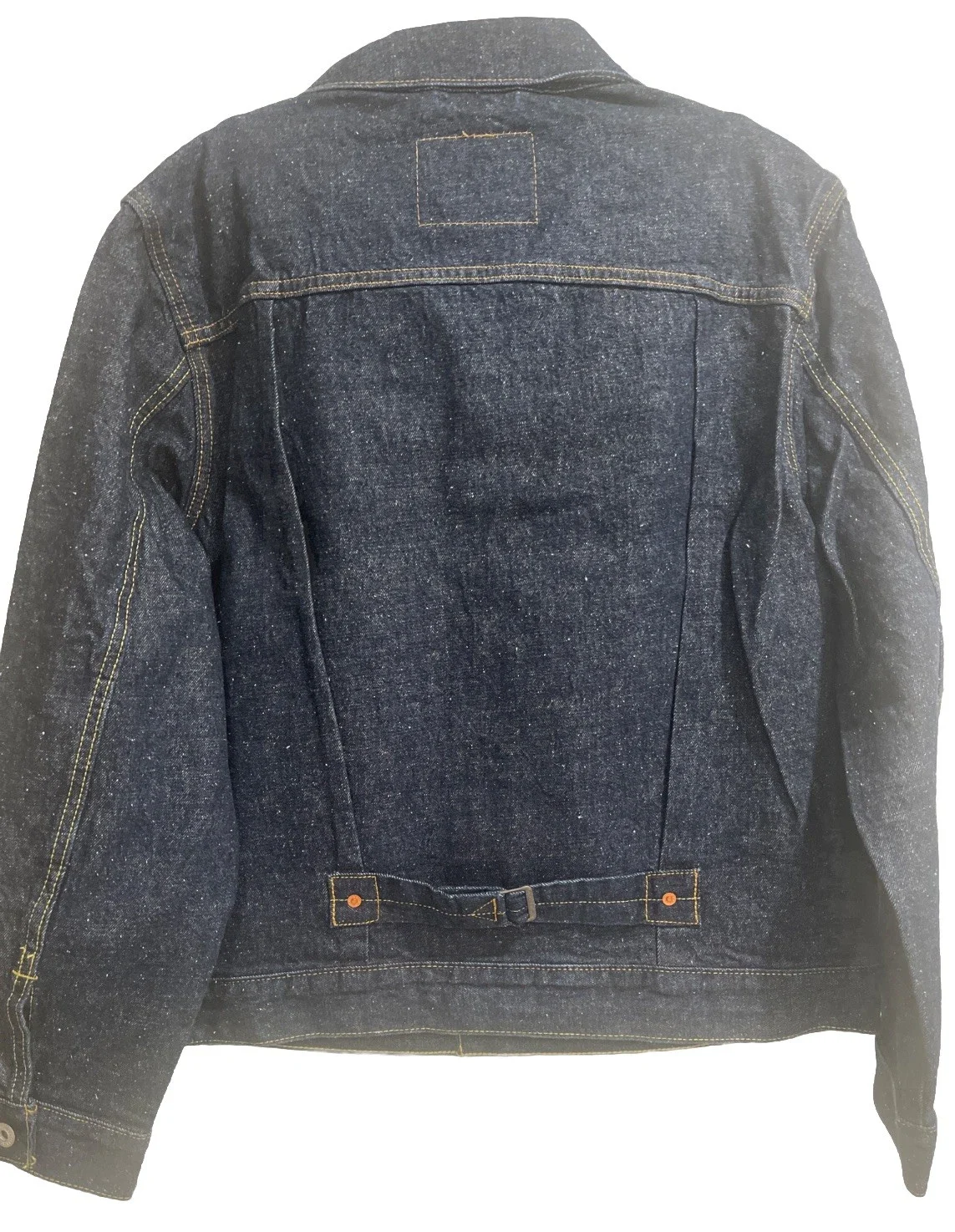
こちらは2月に新規購入したアメリカ・リーバイス(本家本元)のレプリカ商品です。
<https://www.ebay.com/itm/297677985504?mkevt=1&mkpid=0&emsid=e11400.m144671.l197929&mkcid=7&ch=osgood&euid=e03bd41c86d74b1295ce3ea8894c667e&bu=43168566588&exe=0&ext=0&osub=-1%7E1&crd=20260128203305&segname=11400>
#仕様内容:
*アメリカで企画されたレプリカモデルで、オリジナルの型紙からかなりルーズフィットに改造されています。
*最初XLをオーダーしてぶかぶかすぎたので、Lに変更しました。
*ポケットは1つでフラップは無し、ハンド・ウオーマー用のポケットが付いてます。
*生地は薄めで、インディゴは少し紫がかったもので、全体に白い「紬跡」のようなものが付着しています。
*薄手の生地なこともあってか、ザクっとした感じのドレスシャツっぽい着心地です。
今回は、初めての洗濯&糊付けということもあって、
「バキバキ」になるように、
濃いめの糊を多めに付けてみました。
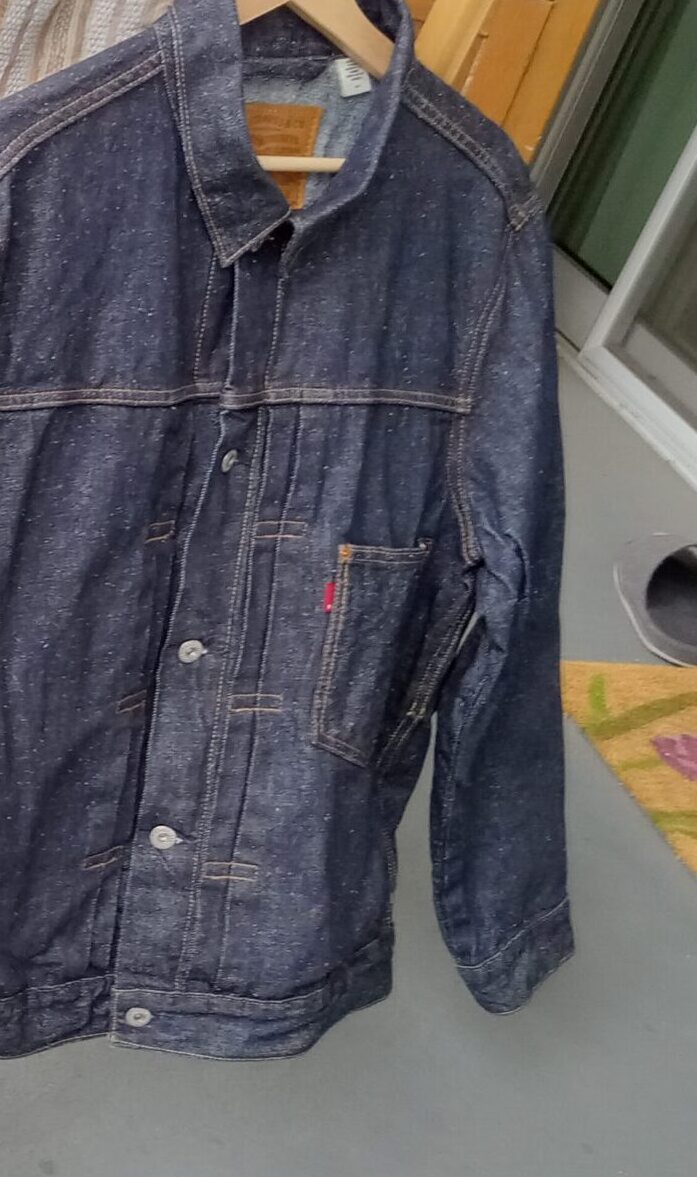
(白い綿埃のようなものが目立ちます)
2:25年ぐらい前に大阪で購入した
日本リーバイスの復刻物の【2nd バレンシア工場モデル】
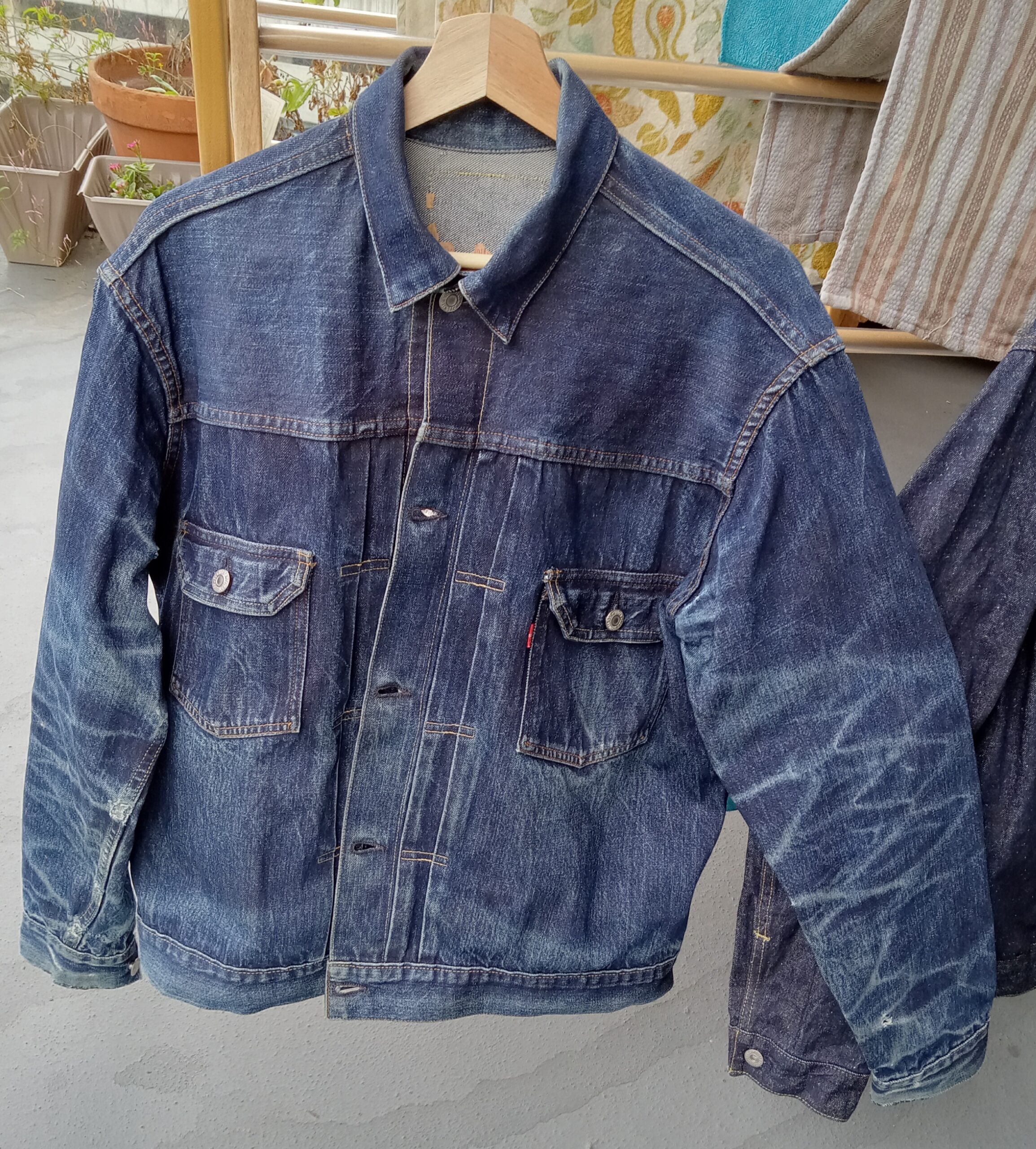
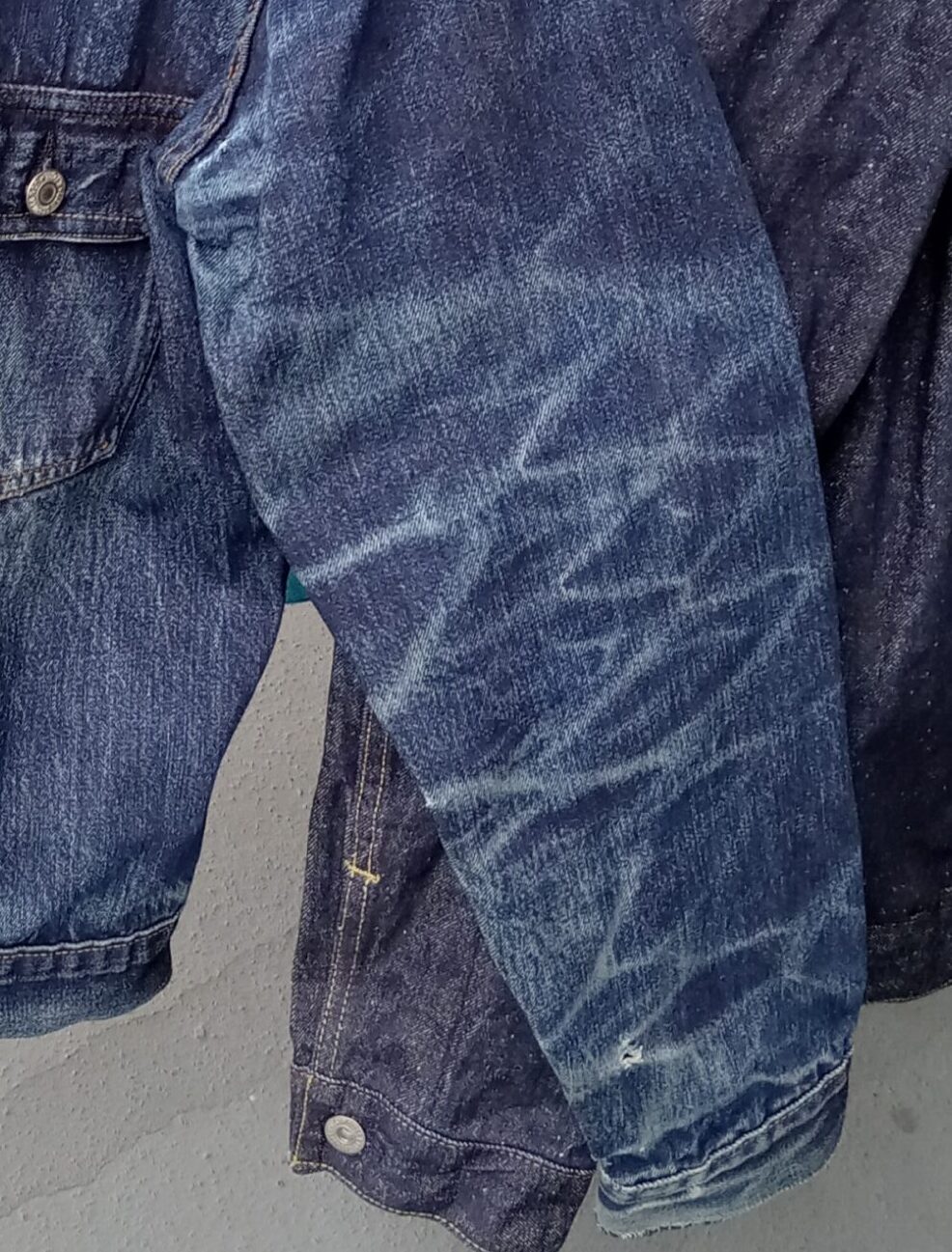
こちらは、25年ほど前にビサの更新のため神戸の米国大使館を訪れた帰り、大阪のアメリカ村で売れ残っていた大きなサイズのもの(48インチ)を買いました。
その後、二の腕回りがきつかったのでおろしてなかったのですが、6年ほど前に奮起してお湯洗いして、【Shurink to FIT】を実践、スタジオで立体物を制作するときには真夏以外は常に着用して、ひじ表の【ハチの巣】を育ててきました。それ以来毎年一度、洗濯と糊付けを行ってきました。今回が7度目です。
多分これと同じものです。
https://buyee.jp/mercari/item/m60248781688?conversionType=Mercari_DirectSearch
#仕様内容:
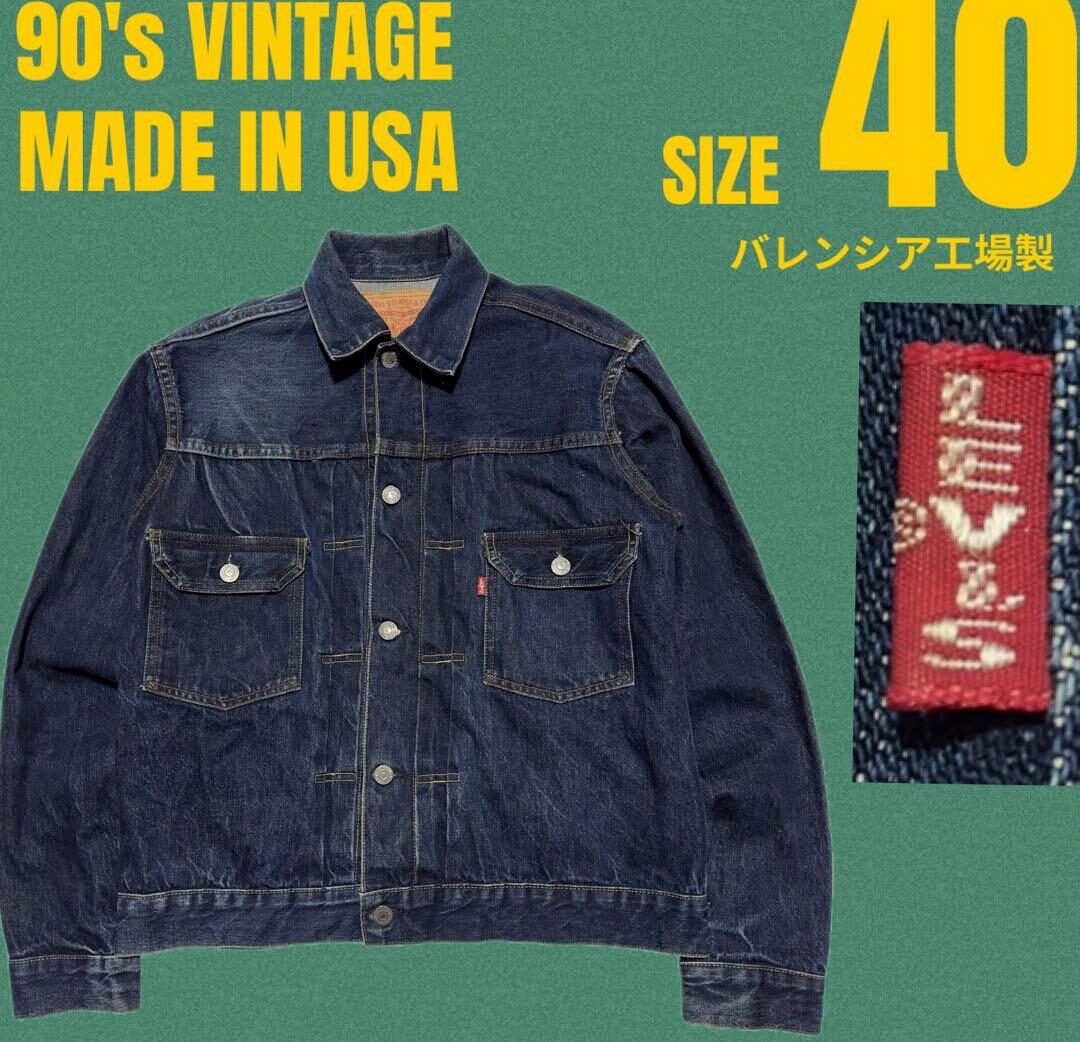
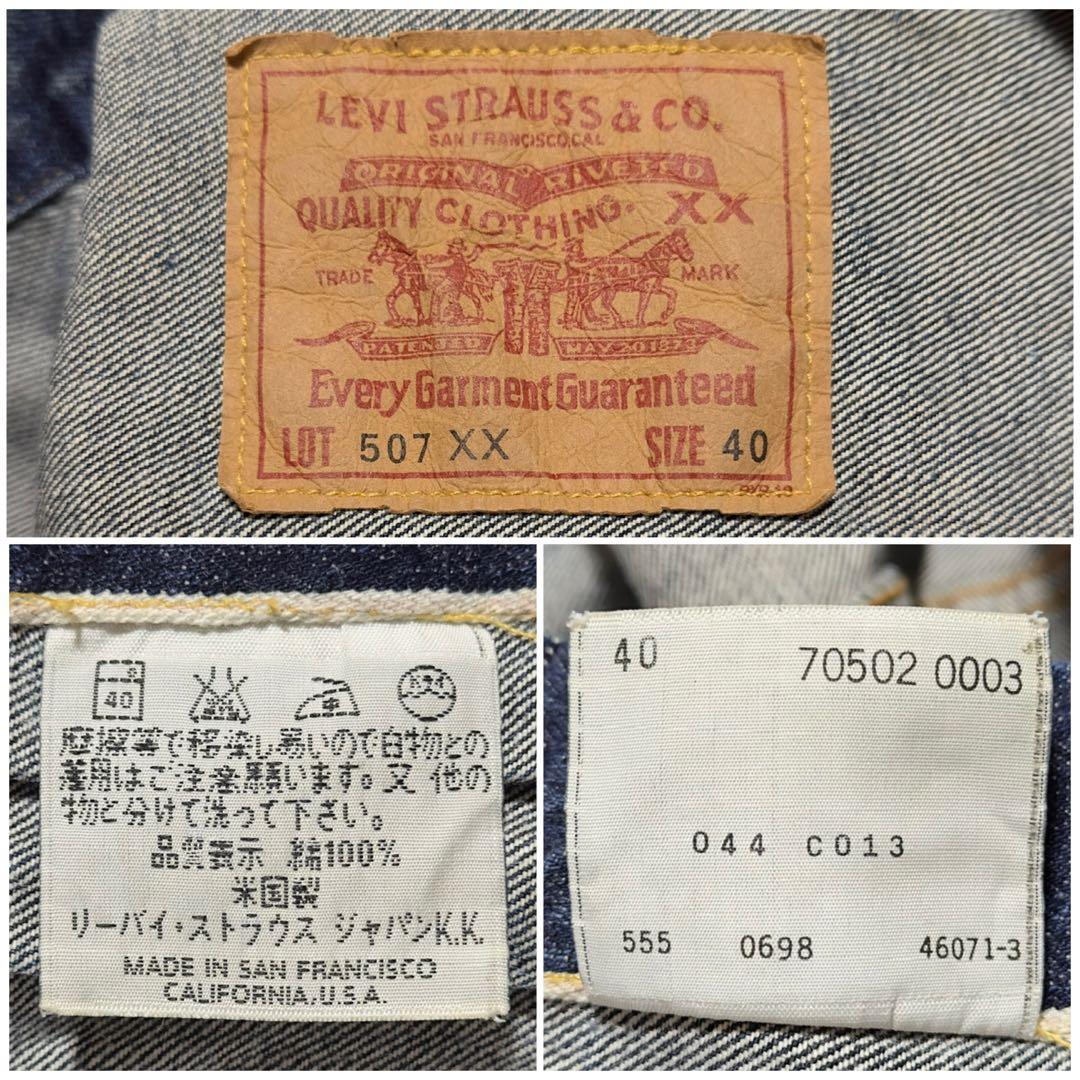
モデル: 507XX(TYPE II / 2nd 復刻)
製造年月: 1998年6月
生産国: MADE IN USA(バレンシア工場)
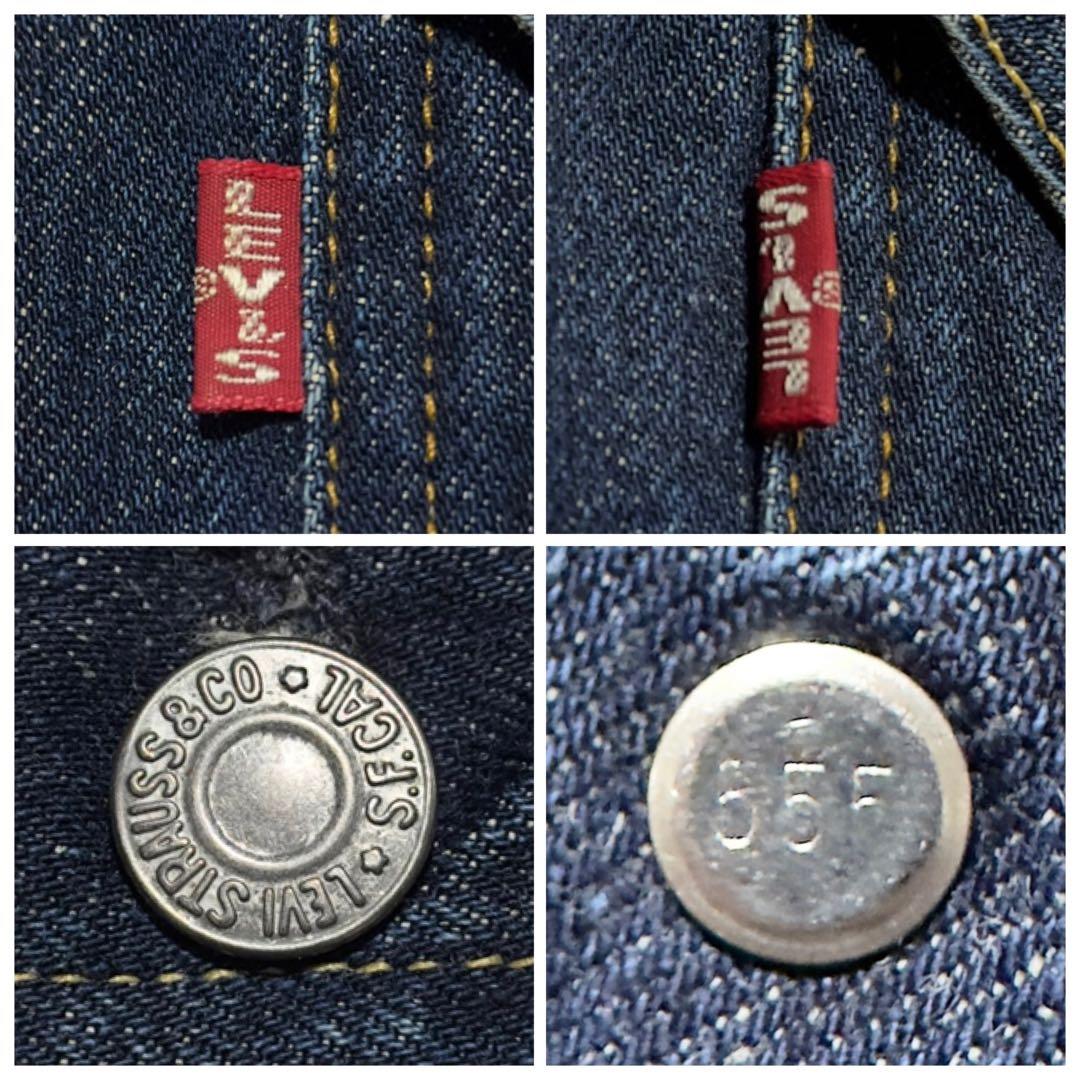
ボタン裏刻印: 555
*おそらく1998年頃、リーバイスジャパンが本国のサンフランシスコの、バレンシア工場で生産した物を輸入して日本で売られたものです。(私はその売れ残りを2000年前後に買いました)
*型紙のアレンジはないようで、着心地はタイトで特に腕回りは少しきつめでしたが、7年後の今は伸びて体になじんでます。(笑)
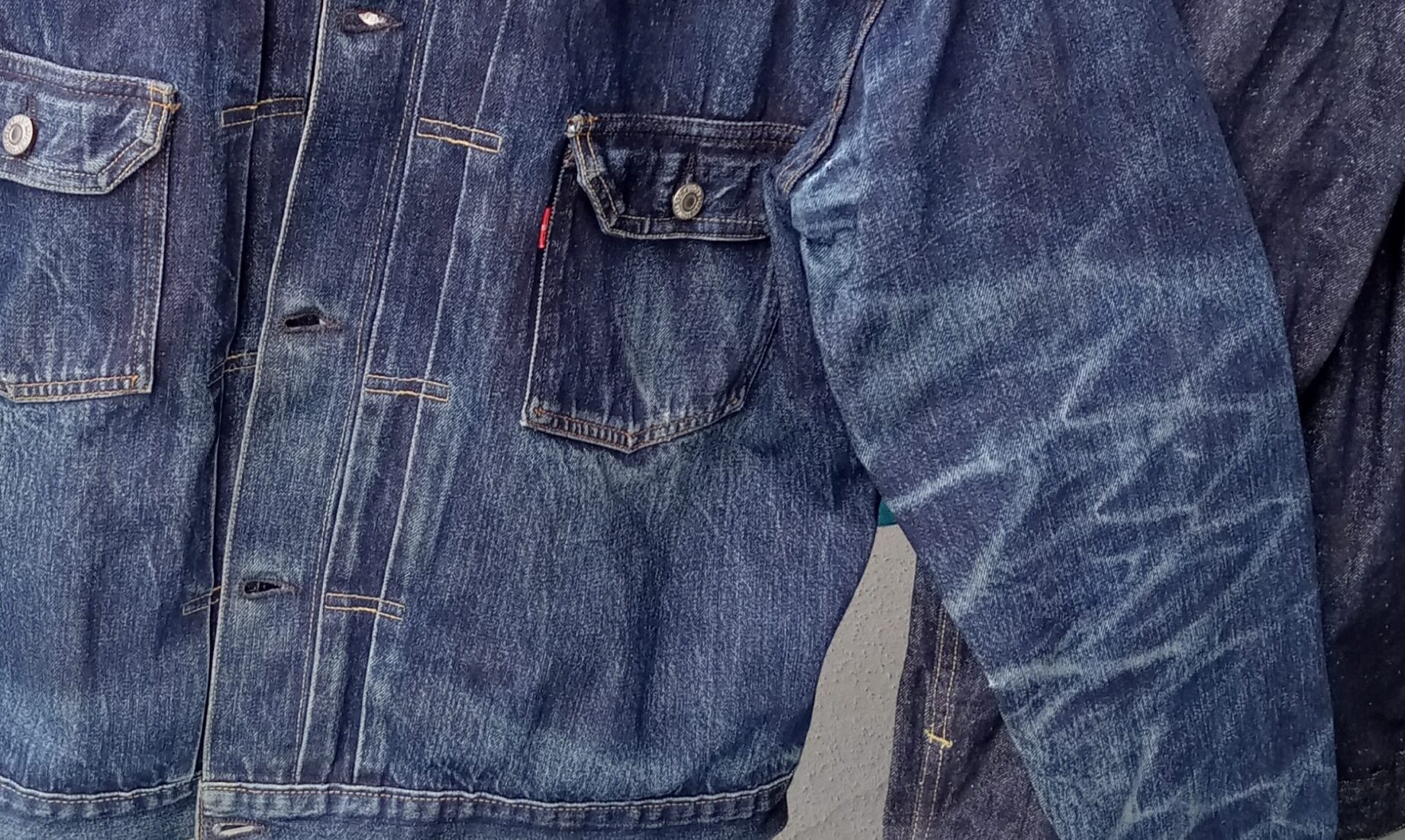
*袖寸が長すぎたので、カフス部分を改造して細くしてあり、そのかいもあり常にひじの表側にこれでもかというぐらいの皺が入り、【ハチの巣】の醸造に役立っています。(笑)
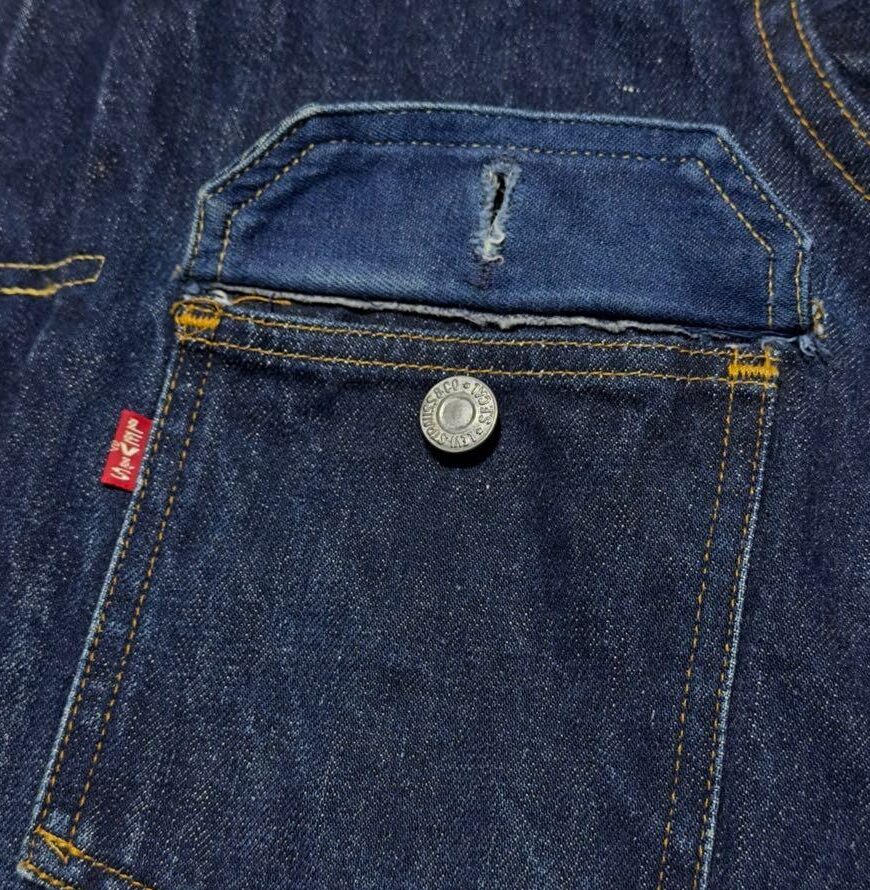
*ボタンの裏側には『555』の刻印が=バレンシア工場製の証です。
*ポケットのフラップ裏がライトオンスのデニム地で仕上げられています。(これはヴィンテージの初期モデルに見られる仕様を再現したもので、バレンシア製の中でも細部にまで拘り抜かれた希少なディテールだそうです。嬉)
このジャケットには思い出がありまして、
山火事で焼け出された折、文字通り
『着の身着のまま』
状態で、
これ以外の衣服は
ほとんどすべて焼けてしまいました。
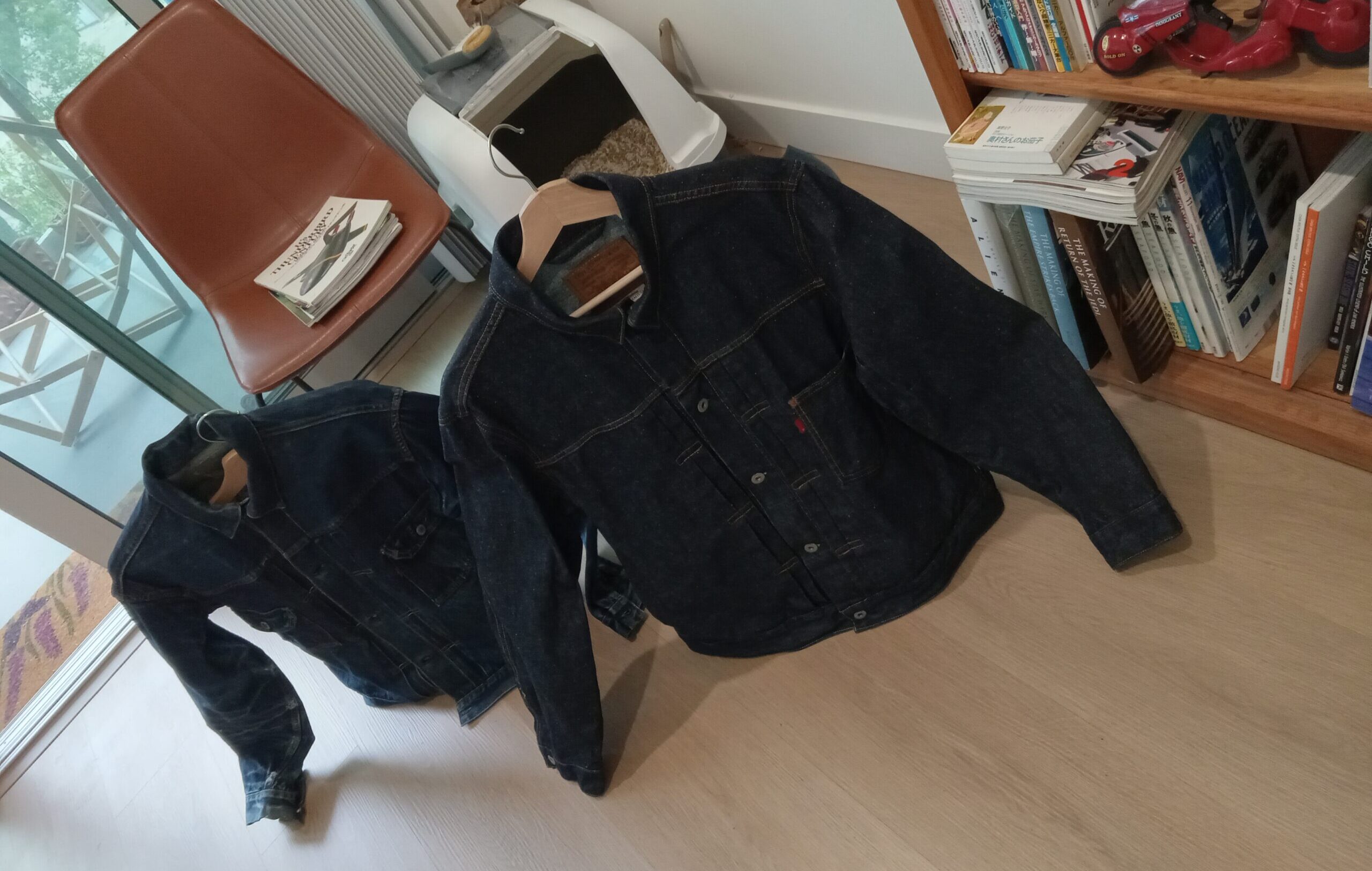
*今年の2着の出来栄え: いい感じの『立ち姿』でした。
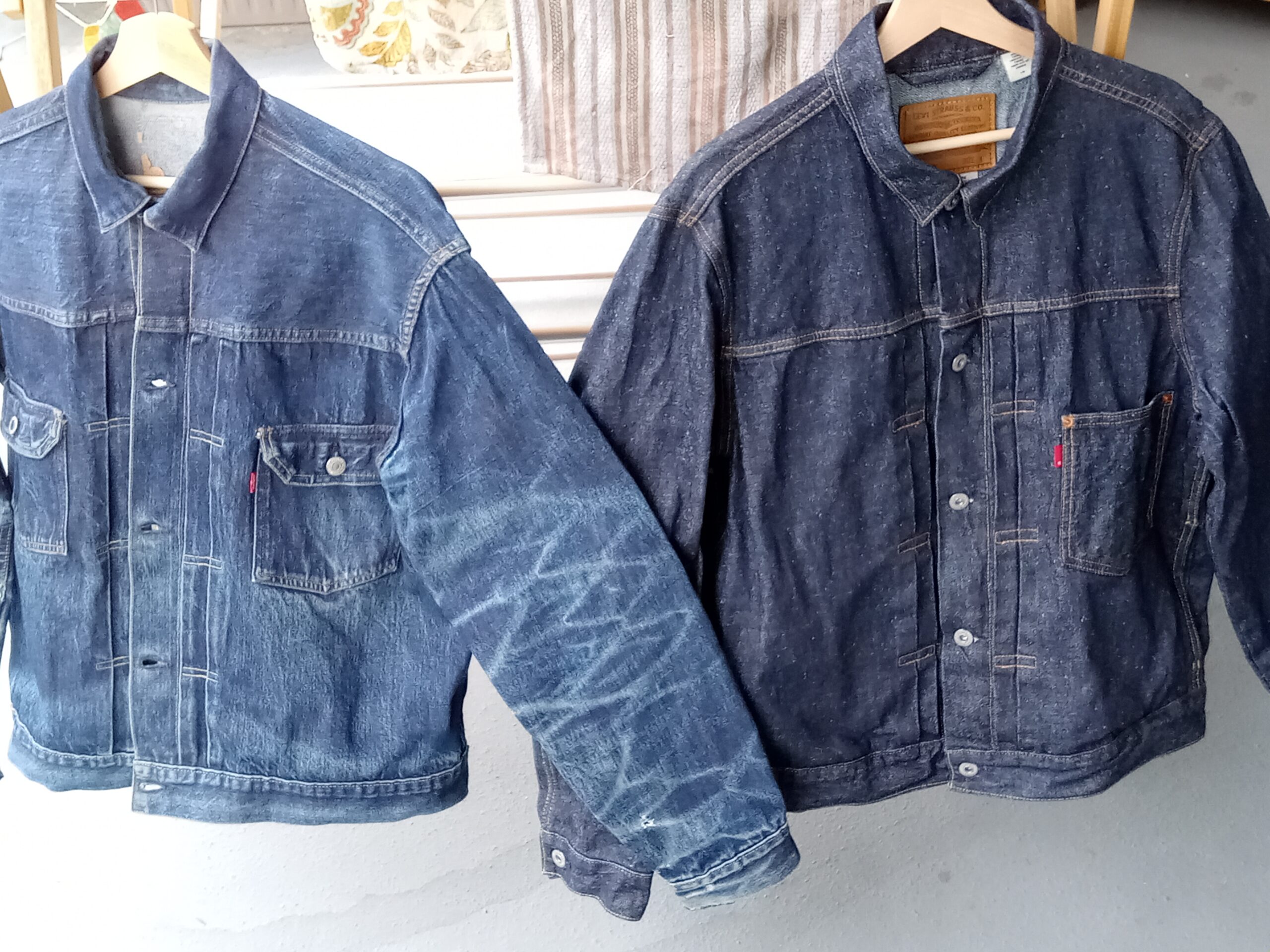
それぞれ時代や経緯、イメージや着心地が極端に違う2着のジャケットですが、
こうして同時に洗濯+糊付けできたことで、
『ペアーでの愛着』
がわいてきました。
#最後に、着心地です:
*新品の1stのほうはゆったりとした着心地で、来た時のシルエットはMA-1的に『丸っこい』感じです、ゴワゴワとした糊が一定の硬さをもって、着ていてなんか安心です。
*セカンド君は、相変わらずタイトな着心地で、シルエットは至極「直線的」でなんだかスパルタンな印象です。
また来年も
レポートしてみたいです。
お楽しみに――
本ブログと記事内容につきまして:
ブログ記事を書くにあたり私の目標は、立体造形(料理も含めて)とのかかわりを通じて、私個人の特徴的(ネジ曲がり方も含めて)な評価軸を解明することで、「美しさ・美味しさ」に対する好奇心や、探求心を、どのように満足・充足させてきたのかを明記しておくことです。
従いまして、記事の中に出てくる、数字や年号、微細なデータなどには細心の注意を払っておりますが、時に大きな間違いや勘違いを犯していることも考えられます。特に自動車記事における主要諸元や、年号などには紛らわしいものも多く、あくまで参考程度に考えていただければ幸いです。
私としては、記事の中で個人的な外観デザインや味覚の評価、そこから広がる後半部分につなげるための、『流れ』を作るための客観的材料として年号やデータを挿入している感じです。あくまで重視したいのは、私個人の頭の中で起こる、記憶の錯そう的混沌から生まれる新たな『見方』や『情報の予想外のつながり』です。その勢いを作り出す、『流れ』の一環として、諸データが副次的に必要となるわけです。
話がそれますが、大好きな落語の世界に「三題噺」という、その場て会場から募った3つのお題を使って1つのお話に仕立てるといったお遊びがございますが、私はそれに近いことを立体造形の特徴や(料理のお味)をお題にして行っている感じがします。その中で頭の中に去来する数々の着想が、全く予想外で楽しく、次回からの記事内容を大幅に変えたり、新展開につながっています。
当ブロブの仕組み:
『好奇心の点と線 x 気まぐれ脳内回路=予想外の新展開』
こんな自分勝手なブログですが、今後ともよろしくお願いいたします。
追記:上記の『流れ』を作る為に必要な写真はできる限り、個人所有のミニカー・自前の料理などを使い撮影しておりますが、その他の必要最小限の図版や写真を他のブログ主様の記事や諸会社ホームページなどからお借りしております。(記事内容に合うよう加工させていただき、使用時は最小の解像度で載せております。)問題がある場合、ご連絡いただければ直ちに降ろさせていただきます。
追記2:当ブログ記事に掲載のミニカー写真等(個人撮影)は許可なしで、どのようにお使いいただいても結構です。私個人の創造性はこの世のもの、と言う認識の上で記事を製作しています。
!!!!!!!!!!!!!!!!!!!!!!!!!!!!!!!!!!! Translated in English !!!!!!!!!!!!!!!!!!!!!!!!!!!!!!!!!!!
Annual Washing & Starching—“Levi’s Denim Jacket: 1st Model (Reissue Replica)”
(Published by Yomiuri Shimbun: “Made in U.S.A. catalogue 1975”)
For our generation, who were first introduced to American products through the mook ‘Made in U.S.A.’ and the magazine ‘MONO Magazine’ during our high school days,
U.S. military surplus
Alpha Industries ‘MA-1’ jackets and
Levi’s denim jackets ‘1st/2nd Model’
were iconic products of that era,
and have remained
the ultimate classics that we continue to cherish
even as we’ve grown older.
Every year, I take advantage of a warm weekend in February or March
to wash and starch my denim jackets.
So,
I’d like to share a report on the process.
* Washing and Starching:
* Report on 2 Denim Jackets: 2nd (1990s Japanese reissue) 1st (American-style replica)
* How this year’s two jackets turned out:
* Washing and starching:
(After starching and drying, they become so stiff they can stand on their own—they practically walk away on their own… lol)
# The purpose of washing and starching
Referring to magazines, books, and websites,
I’ve been doing this washing and starching routine for the past 5–6 years,
and in my case, my ideal denim jacket looks like this:
* Choose an unwashed denim jacket,
* Preserve the deep indigo blue as much as possible,
* And leave distinct honeycomb-like white marks on the outer elbows.
That’s the goal.
To achieve this,
I perform the washing and starching process once a year, around the beginning of March.
The purpose of each step is as follows:
* Washing: To remove a year’s worth of dirt, sweat stains, and oil while minimizing fading of the deep indigo blue
* Starching: Apply a generous amount of starch—especially around the outer elbows—so that when the jacket is worn for the first time after starching and drying, it develops the ideal creases. Furthermore, by keeping those creases “standing” throughout the year, the “peaks” of the crease lines will rub against the fabric, causing the color to fade and turn white.
#Washing: Gently in lukewarm water…
Here’s how to proceed with washing.
1. Fill a bathtub or sink with about 10 cm of warm water.
2. Submerge the jacket with all buttons fastened and let it soak for about 30 minutes.
3. Gently press-wash, focusing on areas with visible dirt, taking care not to cause color bleeding.
4. Drain the water, lightly wring out the jacket, and finish draining in the dryer on low heat for 15 minutes.
Next, proceed to the starching process.
#Starching: Apply a generous amount of starch to create crisp creases and achieve a crisp, crisp finish.
Apply to the jacket while it is still slightly damp
after being spun dry in the dryer.
1. Instead of laundry starch, mix about 2 tablespoons of edible ARROW ROOT (kuzu powder) into 300 ml of water. Bring to a boil, then stir over medium heat until it forms a soft paste.
2. Place the jacket—with all buttons undone—on a flat surface. Take an appropriate amount of starch in your palm and work it into areas where it tends not to penetrate well (such as pleats, the front and back of the collar, and the outer elbows) by rubbing with your entire palm.
3. Once the starch is evenly distributed, hang the jacket on a hanger and adjust the shape of the collar and pleats. Let it dry in the shade for half a day (7–8 hours), and it’s done.
(Once dry, the jacket will be crisp and stiff enough to stand on its own!!)
Introducing two denim jackets: 1st (the latest U.S. replica) 2nd (a Japanese reissue from the 90s)
1: Currently available US-style replica [1st Model]:
This is a replica product from Levi’s USA (the original brand) that I purchased in February.
<https://www.ebay.com/itm/297677985504?mkevt=1&mkpid=0&emsid=e11400.m144671.l197929&mkcid=7&ch=osgood& euid=e03bd41c86d74b1295ce3ea8894c667e&bu=43168566588&exe=0&ext=0&osub=-1%7E1&crd=20260128203305&segname=11400>
#Specifications:
* This is a replica model designed in the U.S., modified from the original pattern to create a significantly looser fit.
* I initially ordered an XL, but it was too baggy, so I changed it to an L.
* It has one pocket without a flap, and it includes a hand-warmer pocket.
* The fabric is on the thin side; the indigo has a slight purple tint, and there are white “tsumugi-like” marks all over it.
* Perhaps because of the thin fabric, it has a crisp, dress-shirt-like feel.
Since this was my first time selecting and starching the fabric,
I applied a generous amount of thick starch
to make it crisp and stiff.
(White lint-like specks are noticeable)
2: A reissue of the Japanese Levi’s 【2nd Valencia Factory Model】
purchased in Osaka about 25 years ago
I bought this large size (48 inches) at America-mura in Osaka on my way back from visiting the U.S. Embassy in Kobe to renew my visa about 25 years ago.
After that, I didn’t wear them because they were too tight around the upper arms, but about six years ago, I decided to take the plunge, washed them in hot water, and practiced the “Shurink to FIT” method. I’ve worn them constantly—except in the height of summer—while creating three-dimensional pieces in the studio, allowing the “honeycomb” texture on the outer elbows to develop. Since then, I’ve washed and starched them once a year. This is the seventh time.
This is probably the same one.
https://buyee.jp/mercari/item/m60248781688?conversionType=Mercari_DirectSearch
# Specifications:
Model: 507XX (TYPE II / 2nd Reissue)
Date of Manufacture: June 1998
Country of Origin: MADE IN USA (Valencia Factory)
Stamp on Button Back: 555
*This was likely produced around 1998 at the Valencia factory in San Francisco, USA, by Levi’s Japan, then imported and sold in Japan. (I bought the leftover stock around 2000.)
*There doesn’t seem to be any alteration to the pattern, so the fit was tight, especially around the arms, but now, seven years later, it has stretched and molded to my body. (lol)
*The sleeves were too long, so I altered the cuffs to make them narrower. Thanks to that, there are always wrinkles on the outside of my elbows—so many it’s almost excessive—which helps create a “honeycomb” texture. (lol)
* The back of the buttons is stamped with “555”—proof that it was made at the Valencia factory.
* The underside of the pocket flaps is finished with light-weight denim. (This recreates a specification found in early vintage models and is said to be a rare detail among Valencia-made items, showing meticulous attention to even the smallest details. Yay!)
I have a memory associated with this jacket.
When I was displaced by a wildfire, I was literally
“clothed only in the clothes on my back,”
and
almost all of my other clothes
were burned to ashes.
*The finish on this year’s two jackets: They had a nice “stand-up” look.
These two jackets are extremely different in terms of era, history, image, and comfort,
but being able to wash and starch them together like this
has made me feel a
“special bond as a pair.”
#Finally, the fit:
*The brand-new first one has a relaxed fit, and when worn, the silhouette has a “round” MA-1-like feel. The stiff starch provides a certain firmness, which makes me feel somehow reassured when wearing it.
*The second one, as always, has a tight fit, with an extremely “straight-lined” silhouette that gives off a somewhat Spartan impression.
I’d like to
report on this again next year.
Stay tuned――
Translated with DeepL.com

これはCTAサンプルです。
内容を編集するか削除してください。