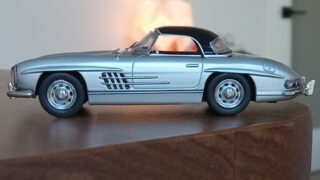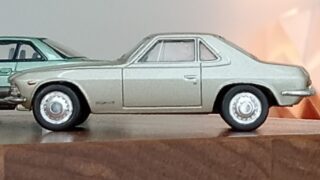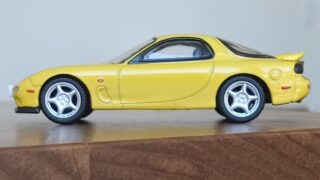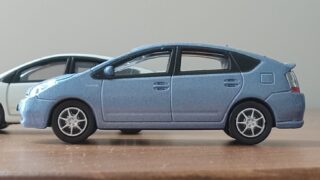
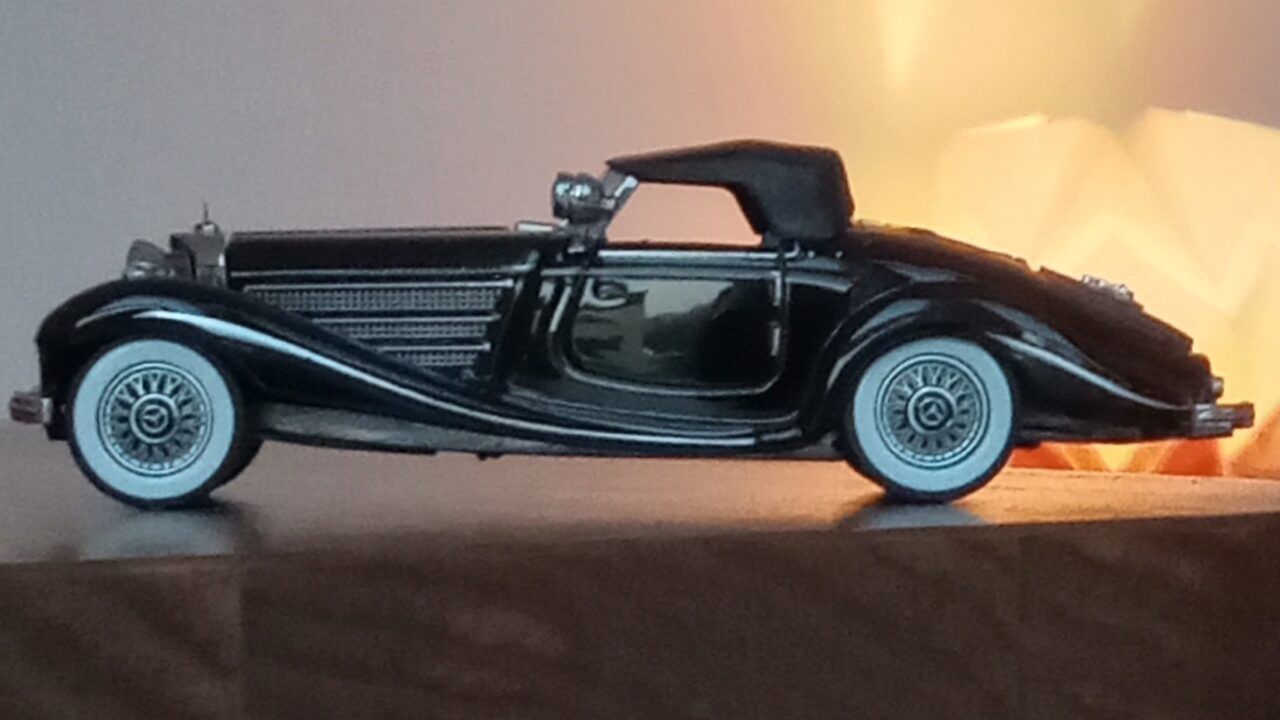
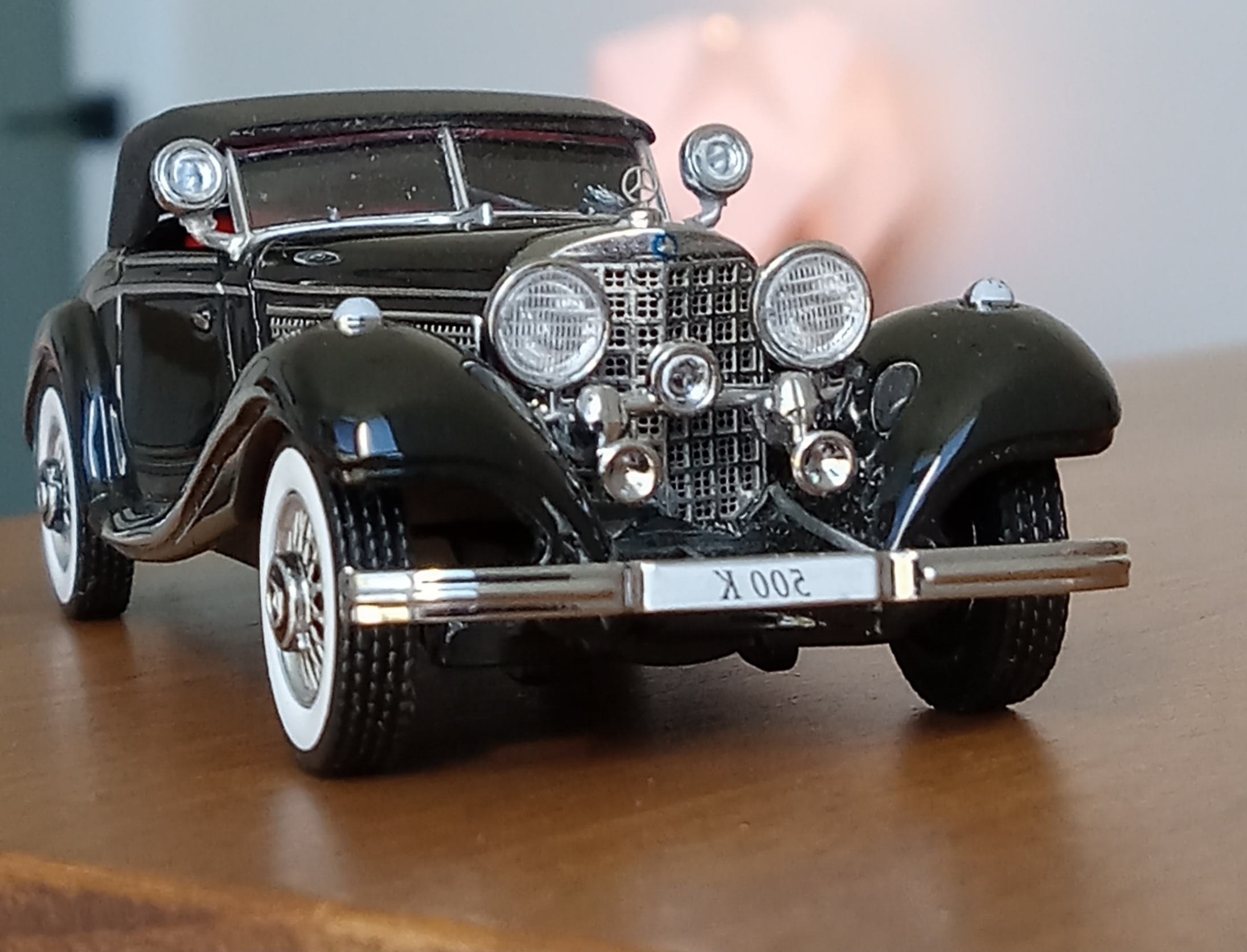
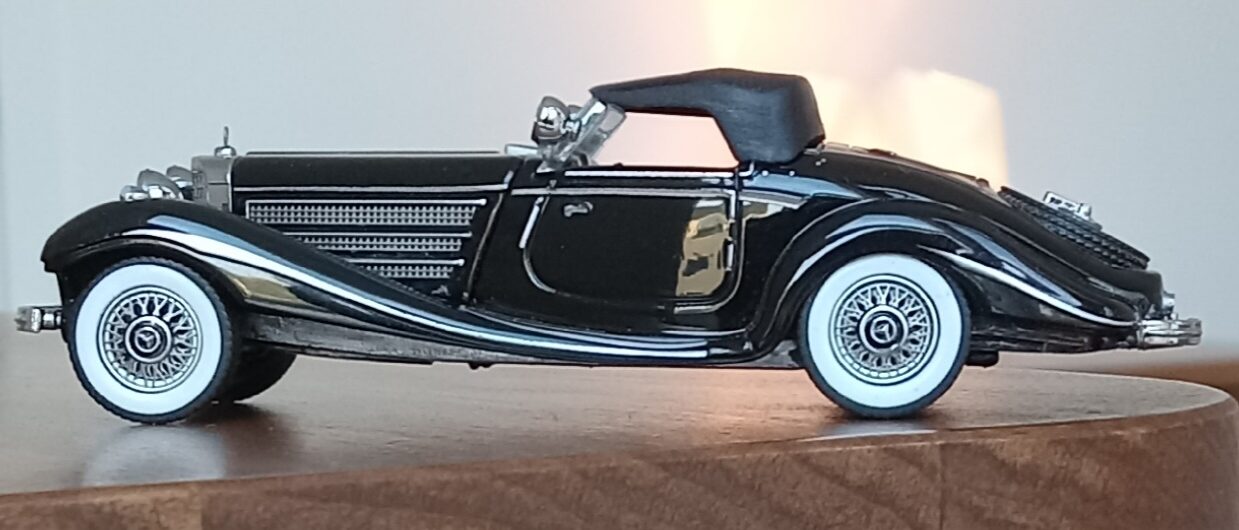
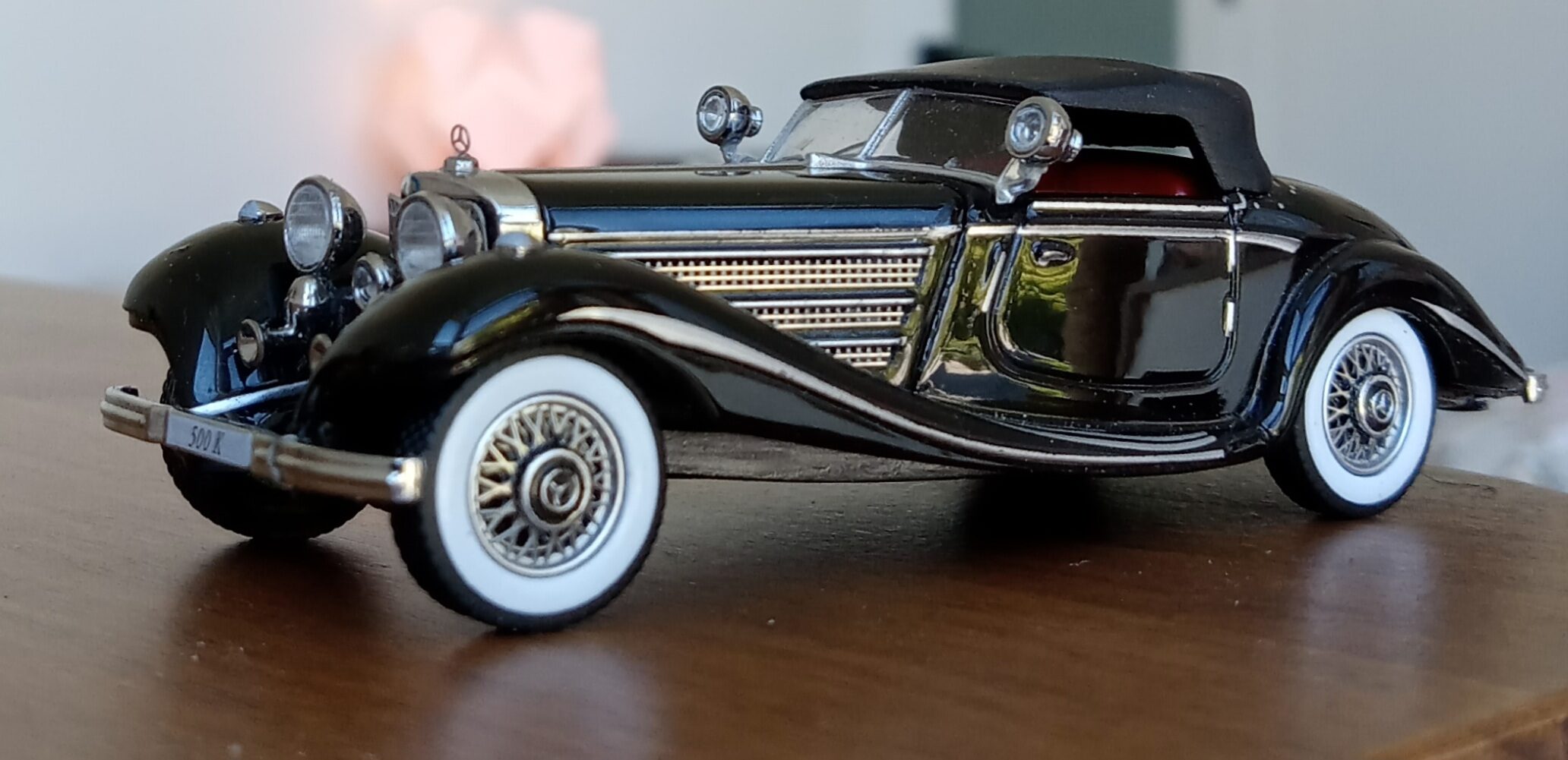
第22回ーー2ドア・クーペの系譜: 4回【ドイツ編】ダイムラー・ベンツ 500K スペシャル・ロードスター、 1936(外装色:黒、内装色:赤)
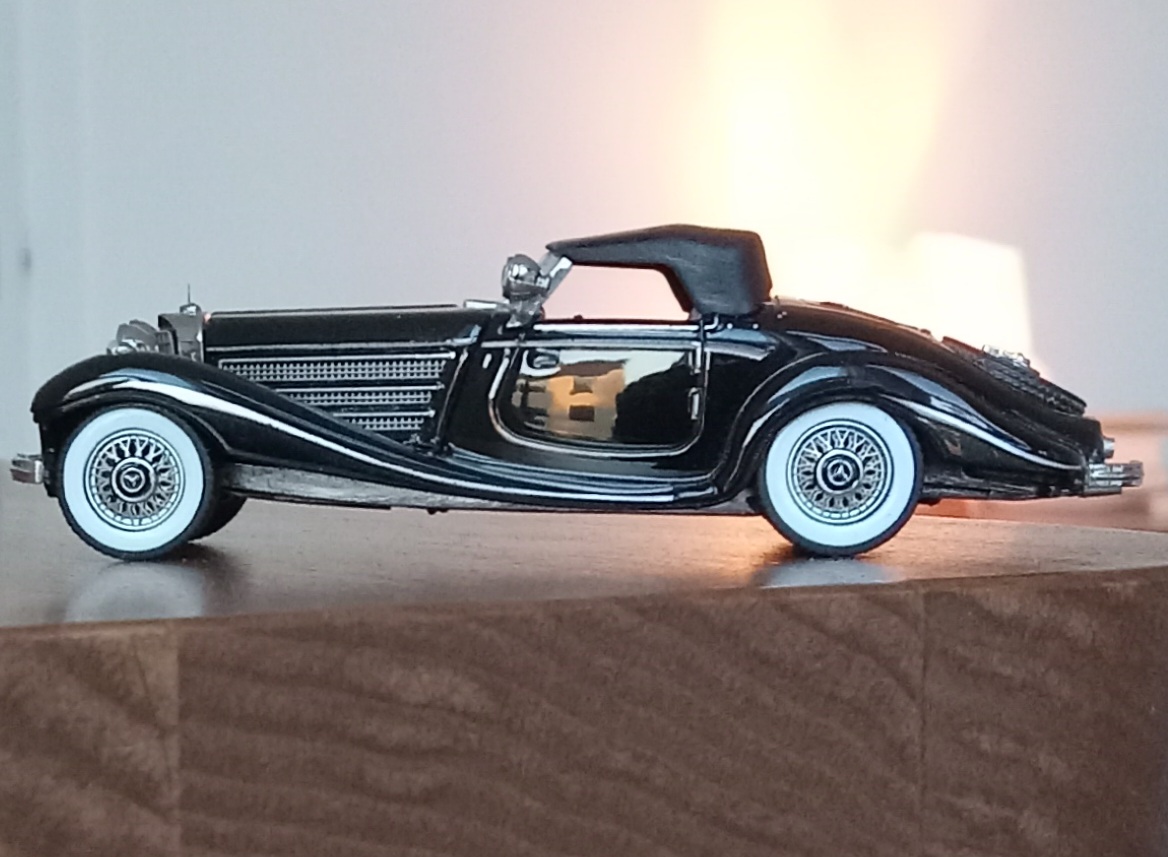
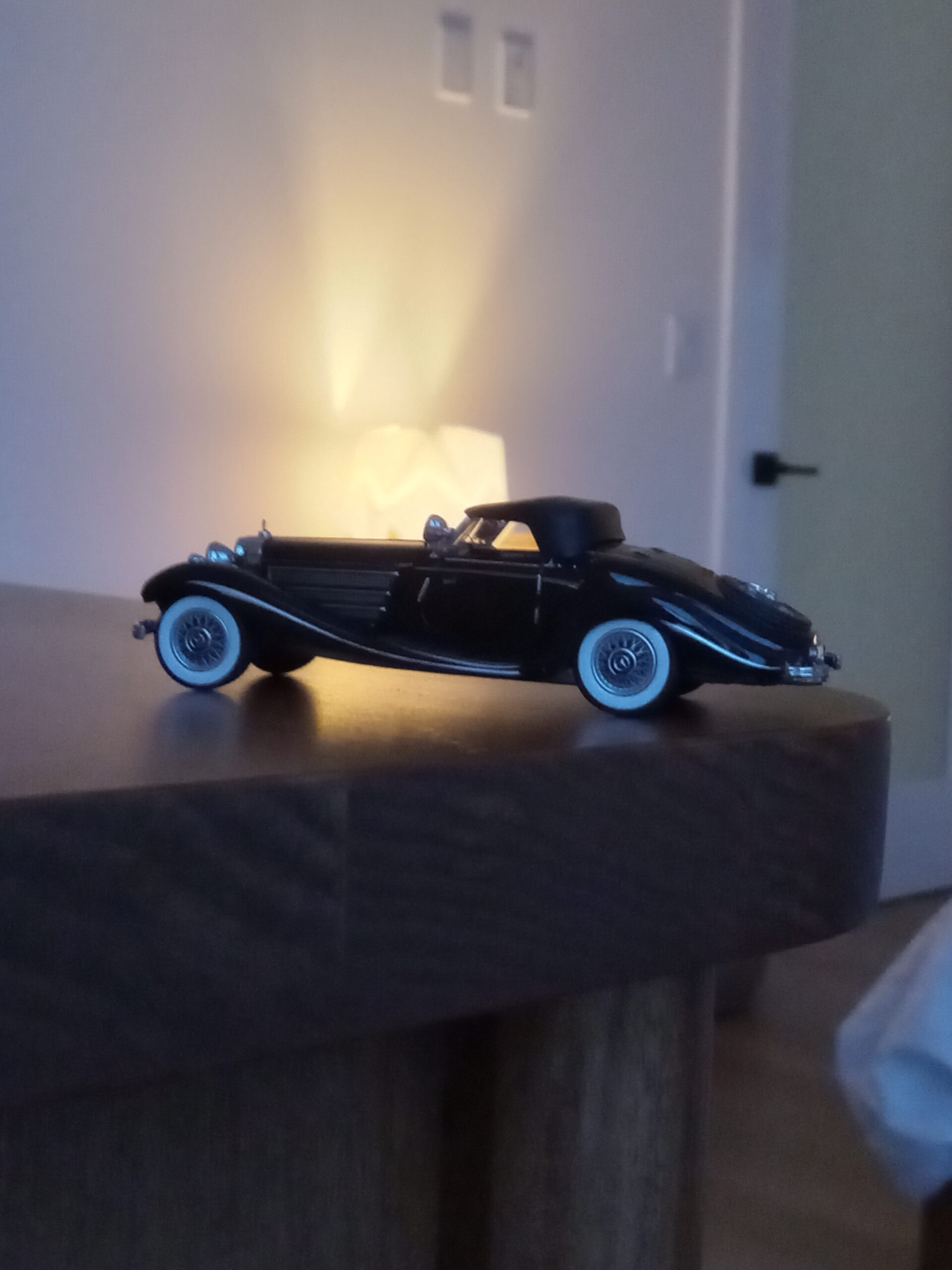
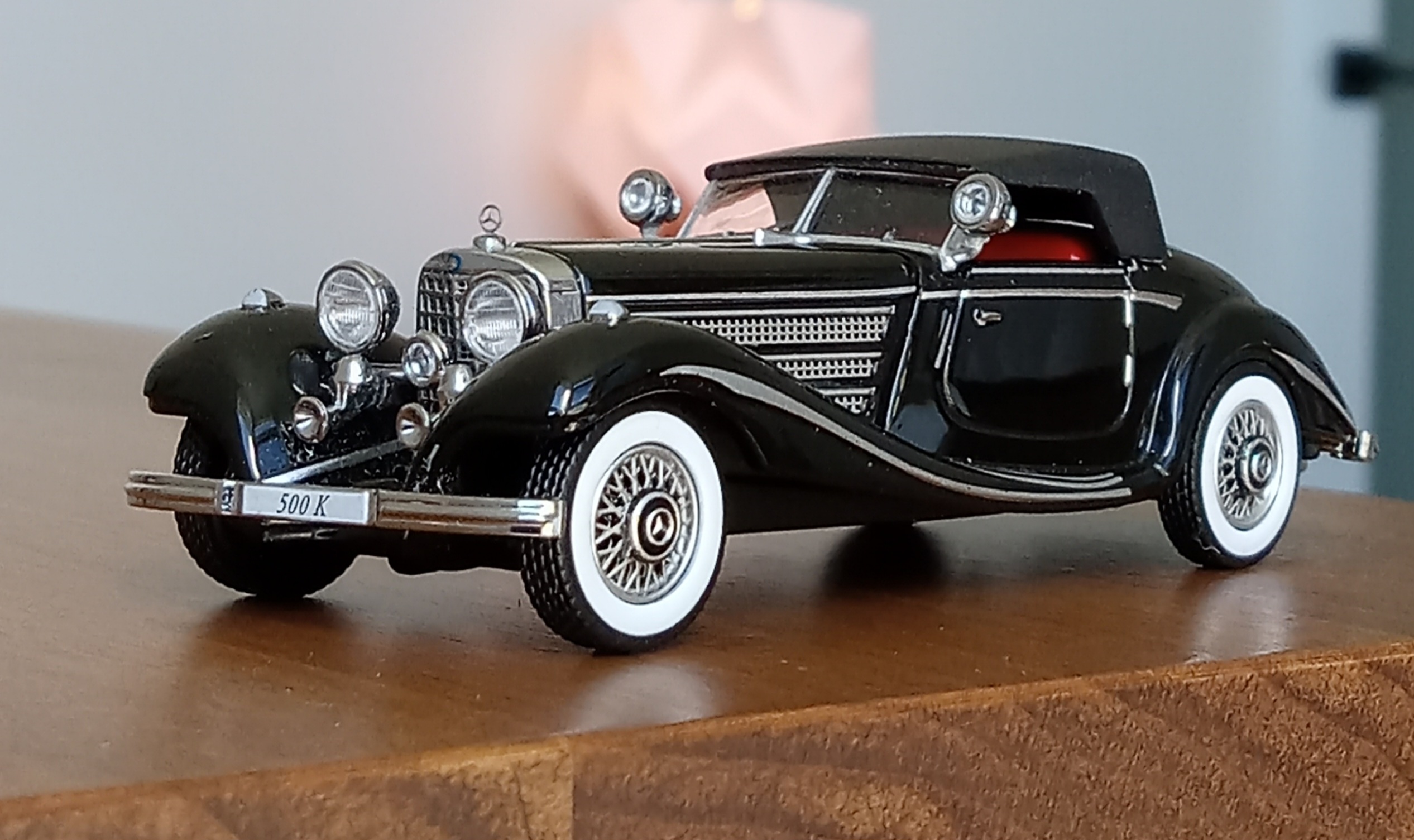
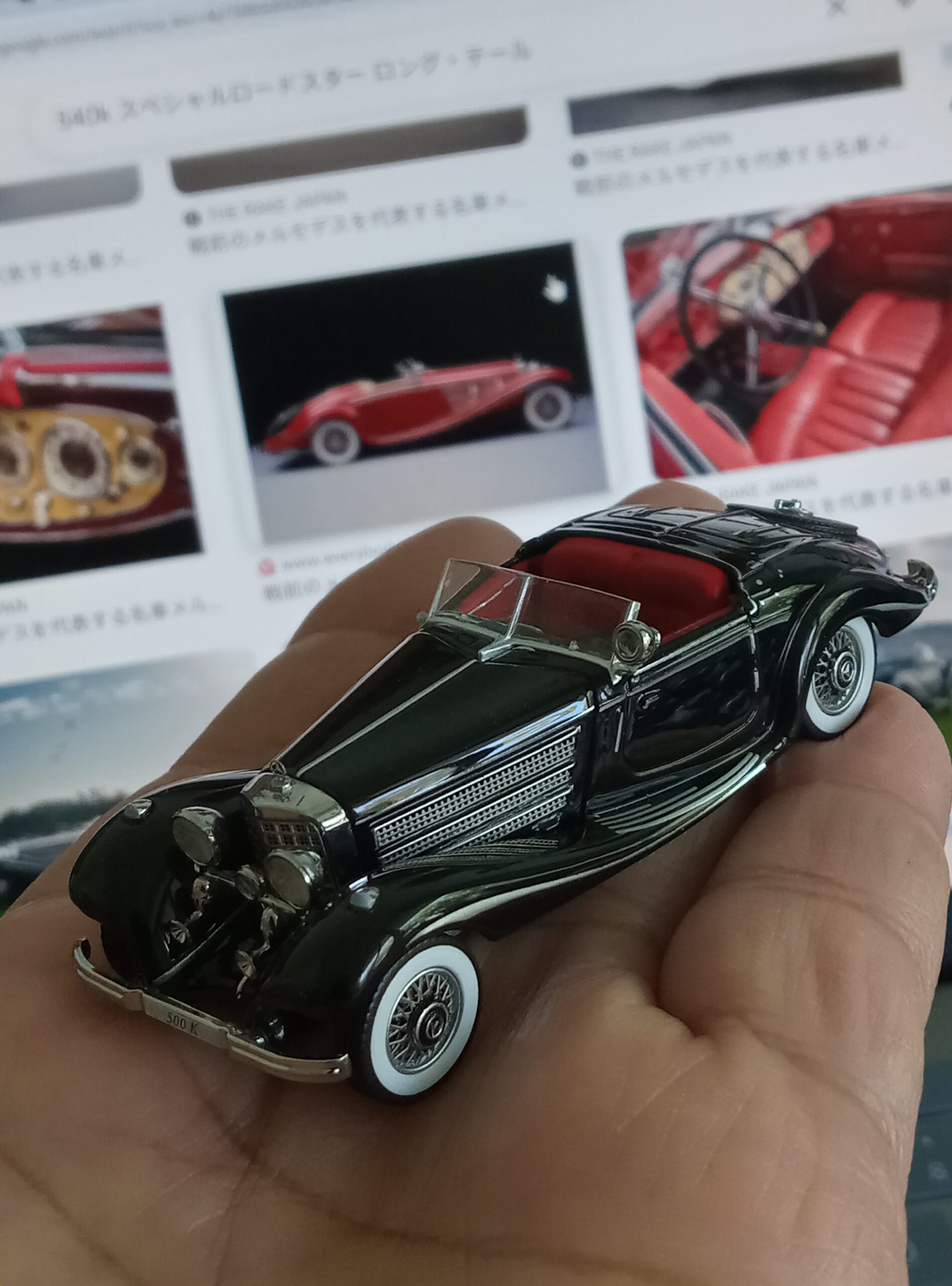
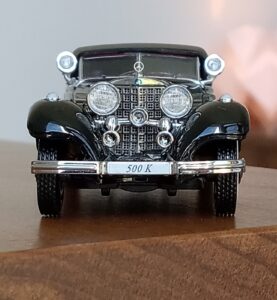
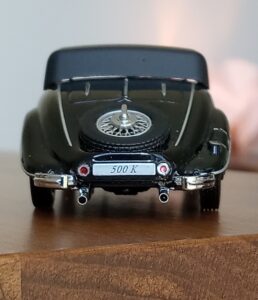
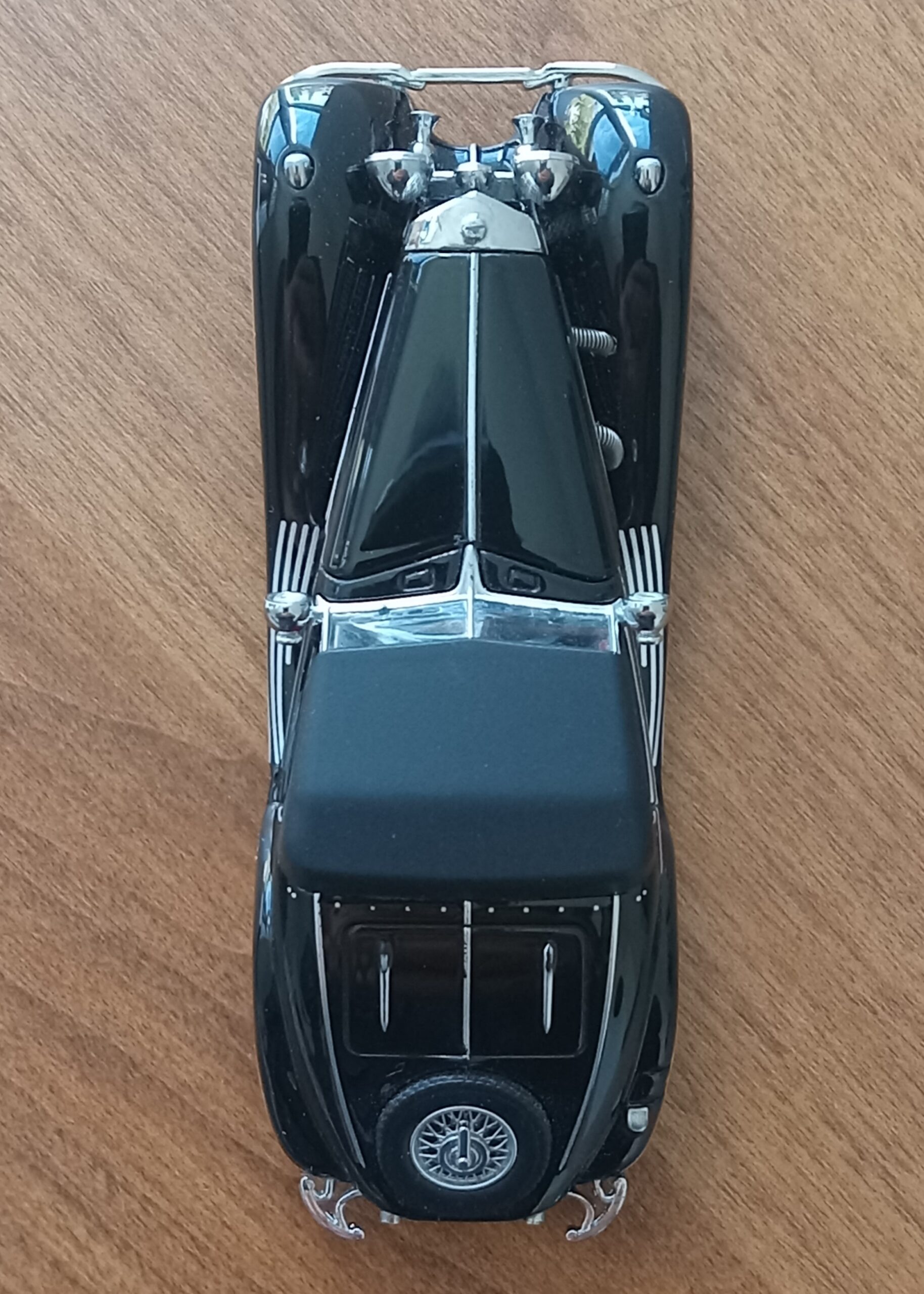
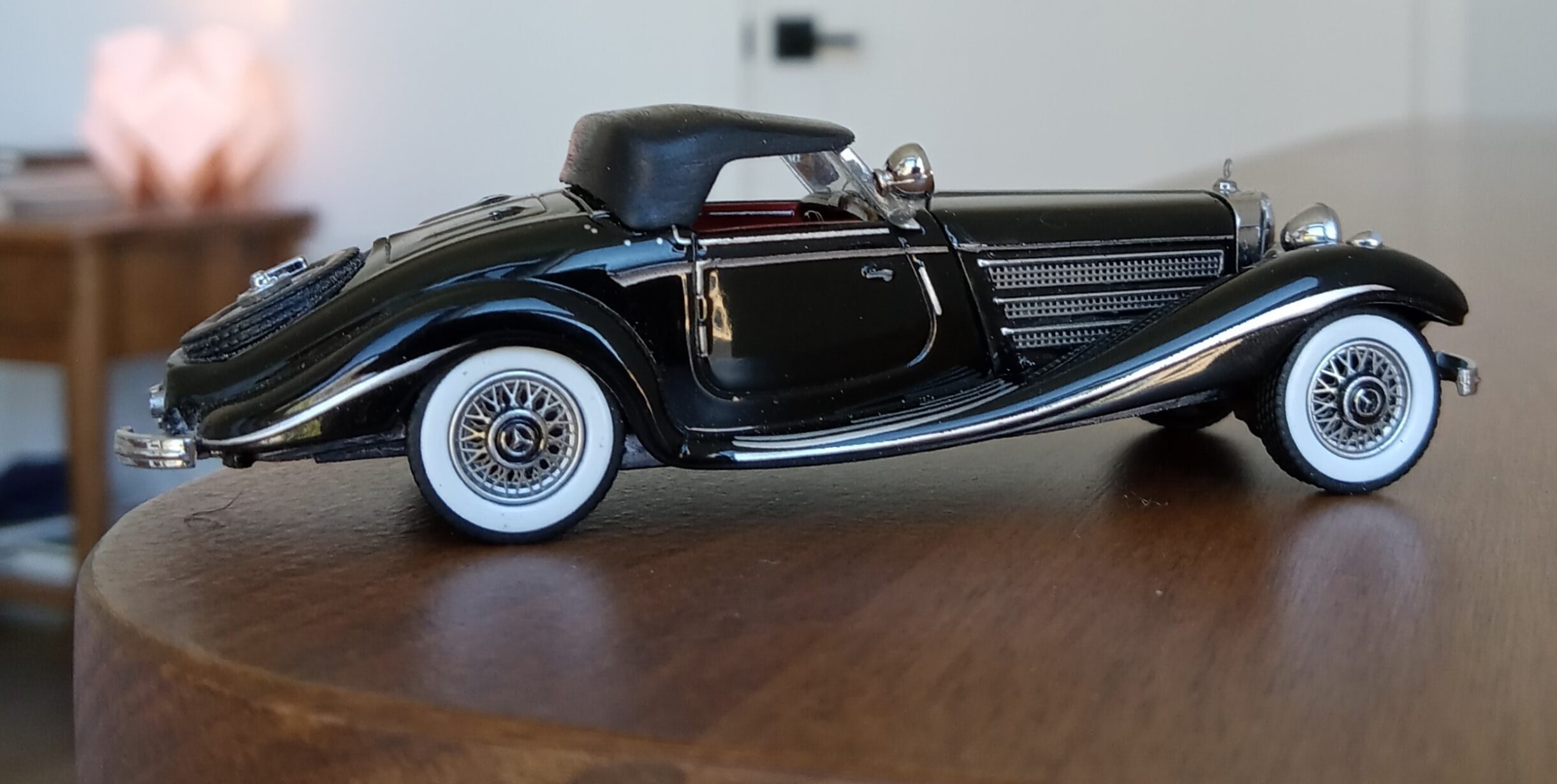
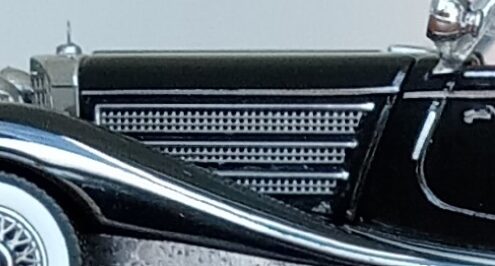
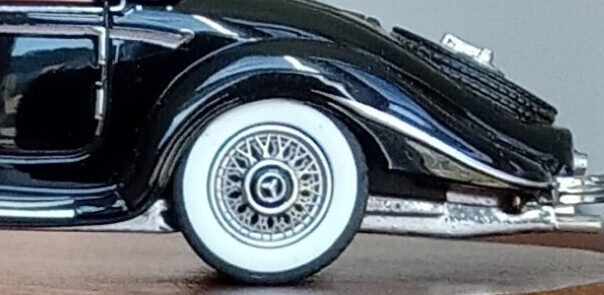
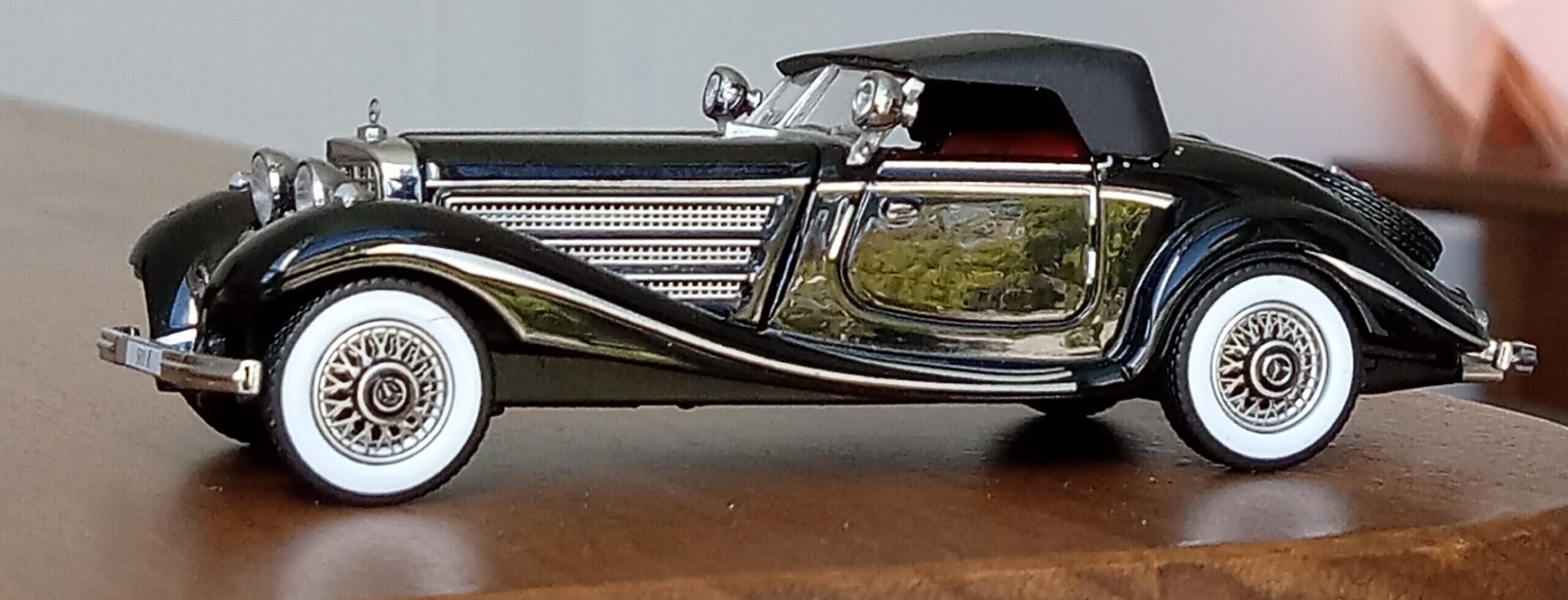
(撮影に使用した模型:リバティ―64社製、1/64 ダイムラー・ベンツ500K スペシャル・ロードスター、1936(外装色:黒、内装色:赤))
改造箇所:
*ホワイトレター・タイヤを同社の(銀色&青内装)のものから移植、
*前後車軸の受け部分を3㎜ほど削り車高を下げ、
*資料を基に、風防のフレームを後ろへ傾斜、
*低くなった分ソフトトップの基部も2㎜程、現物合わせで削り、
*ボディーの後端をやっとこにて1㎜程上に曲げて、勢いをつける。
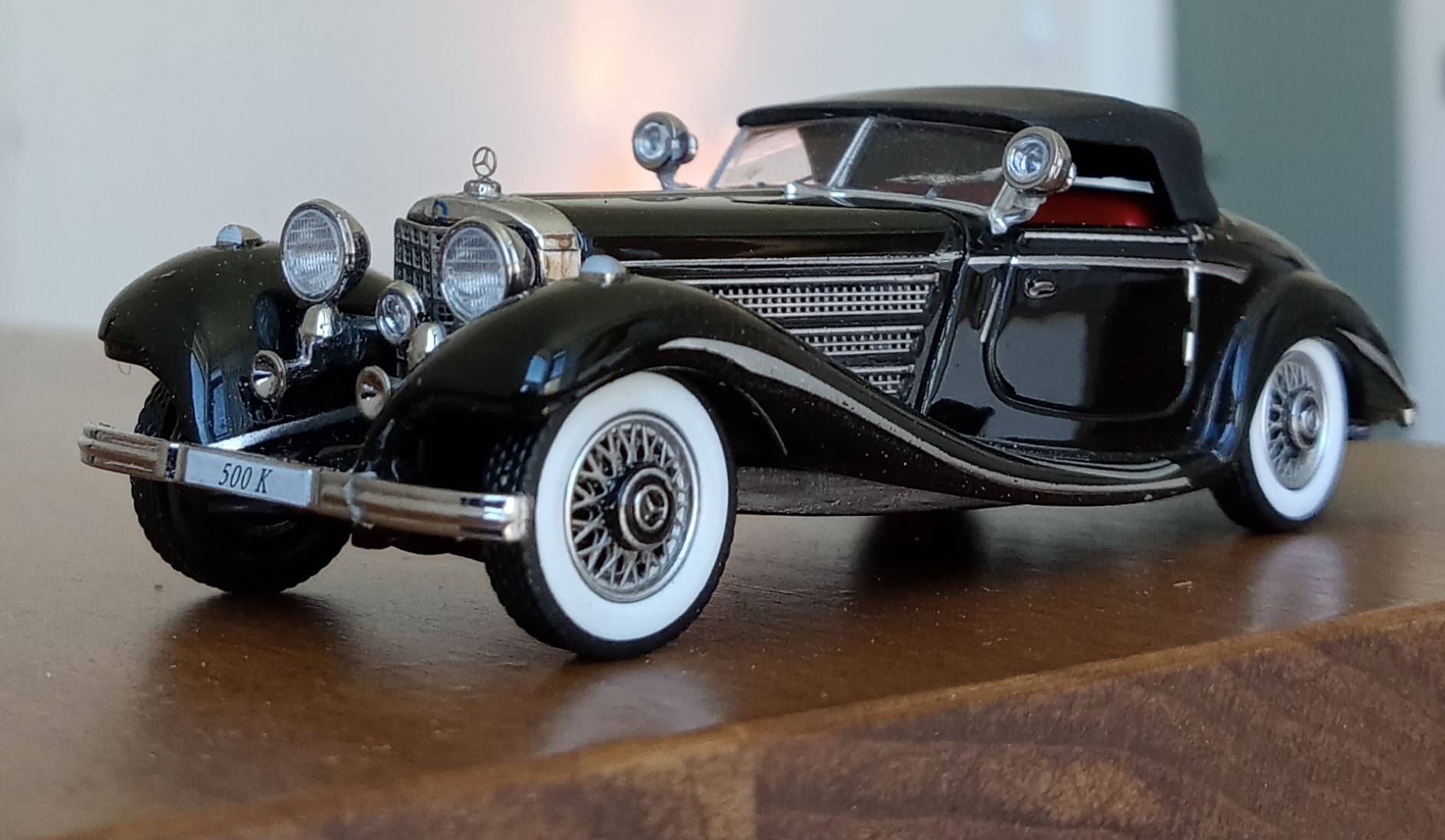
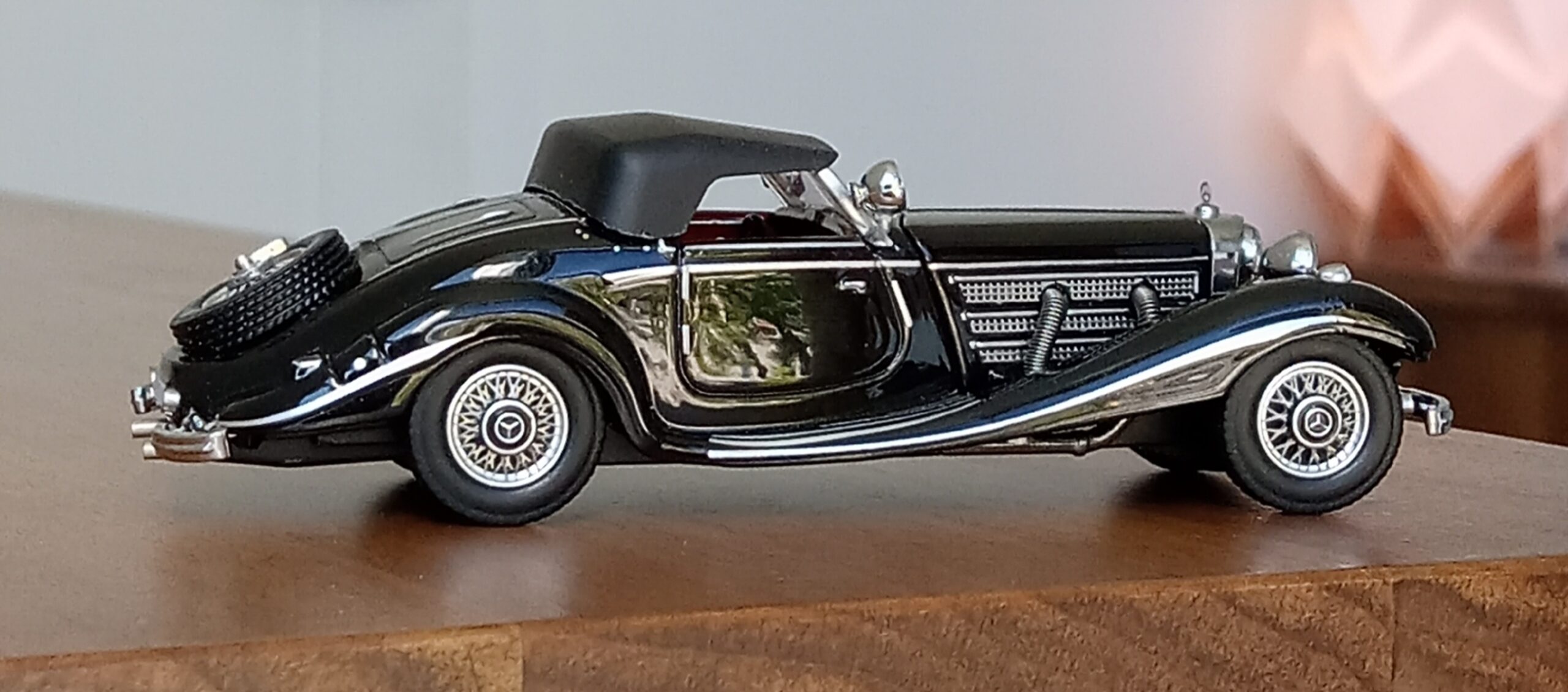
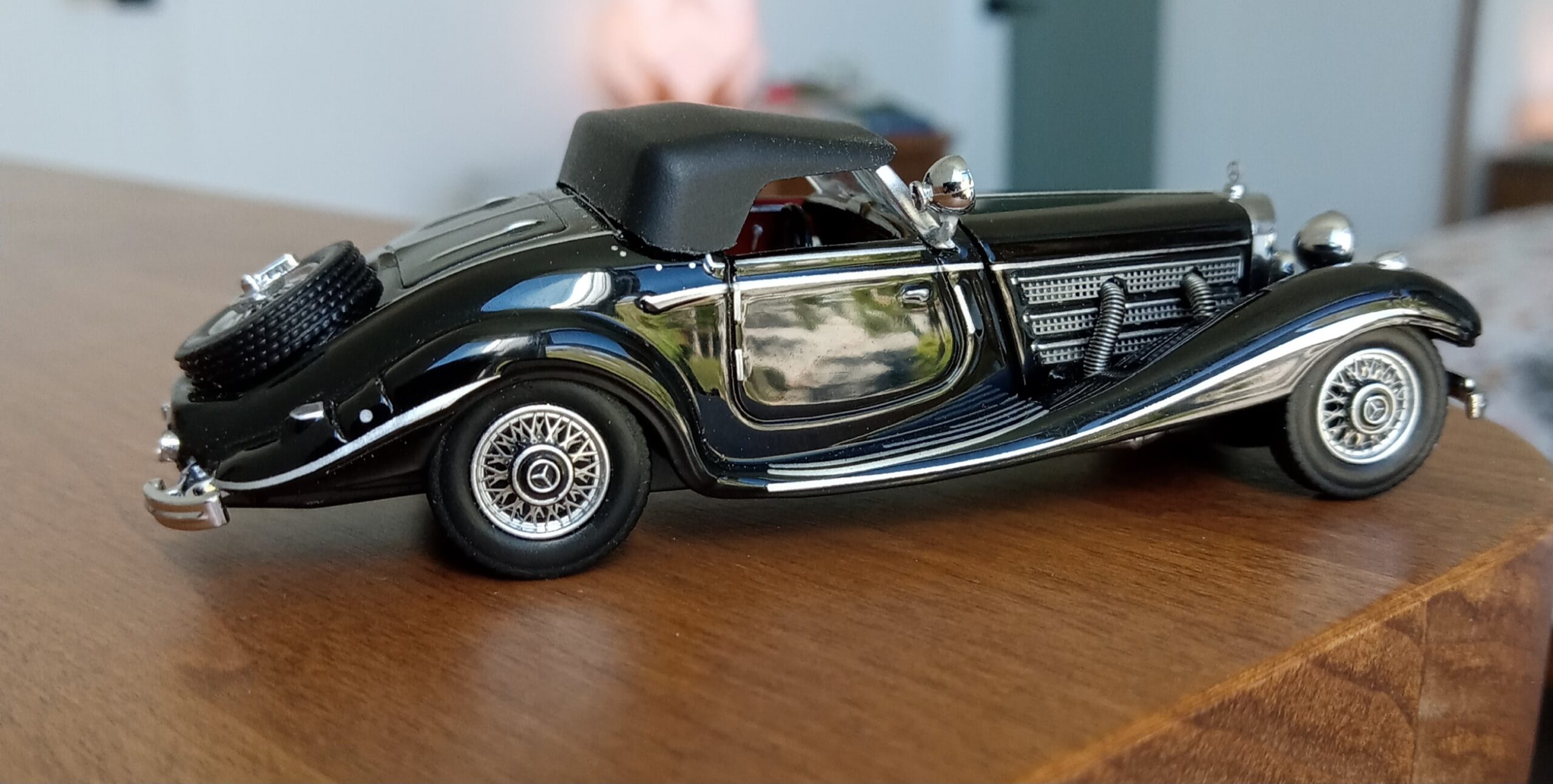
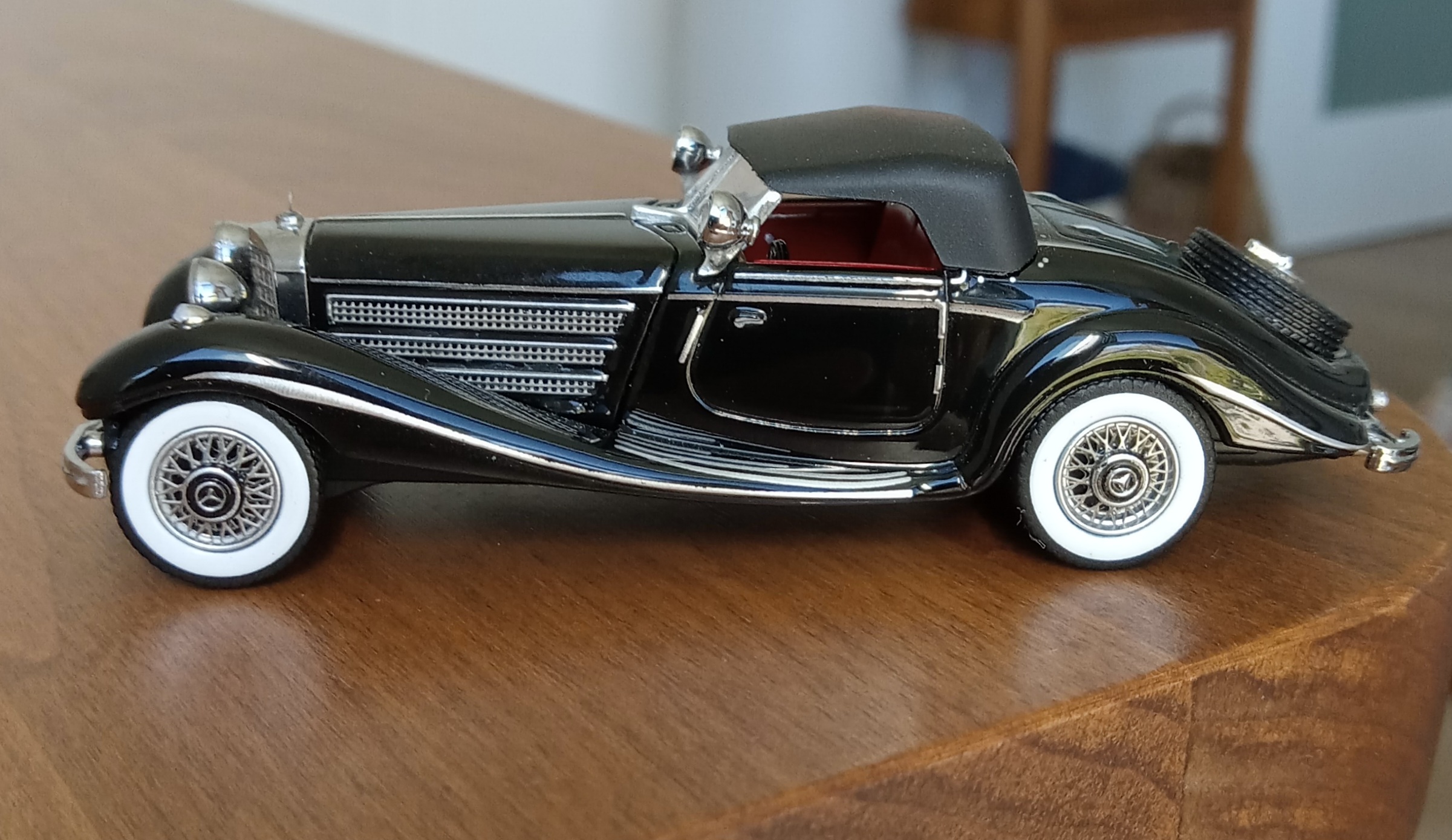
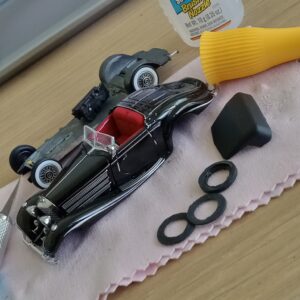
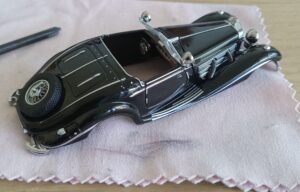
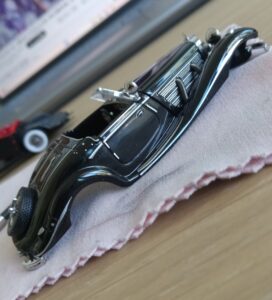
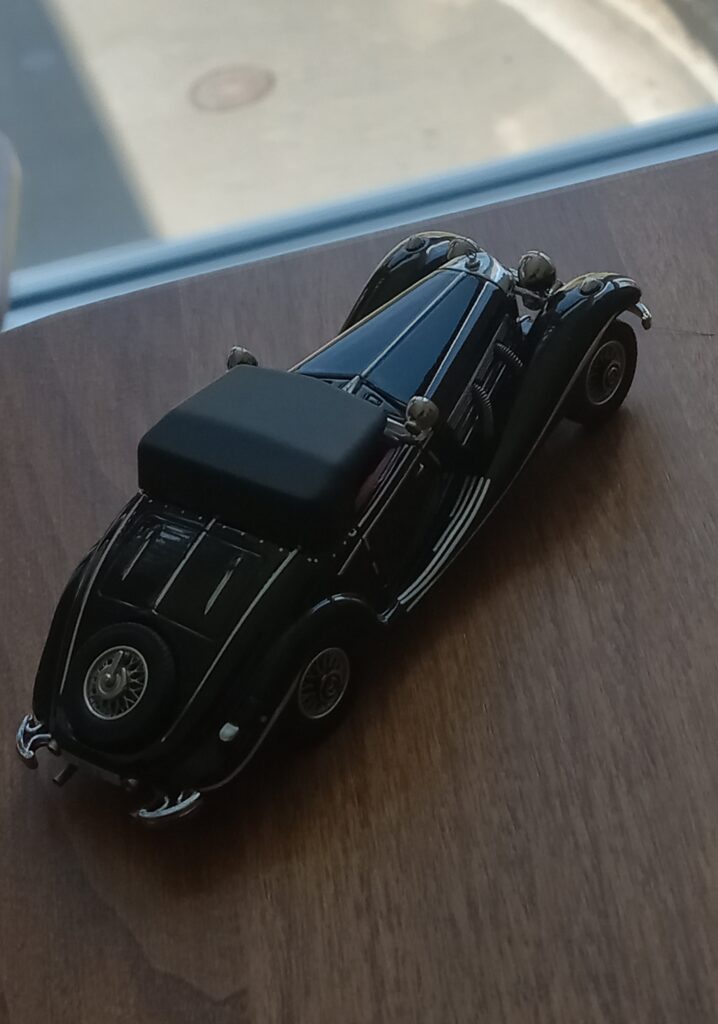
改造箇所 Part2:
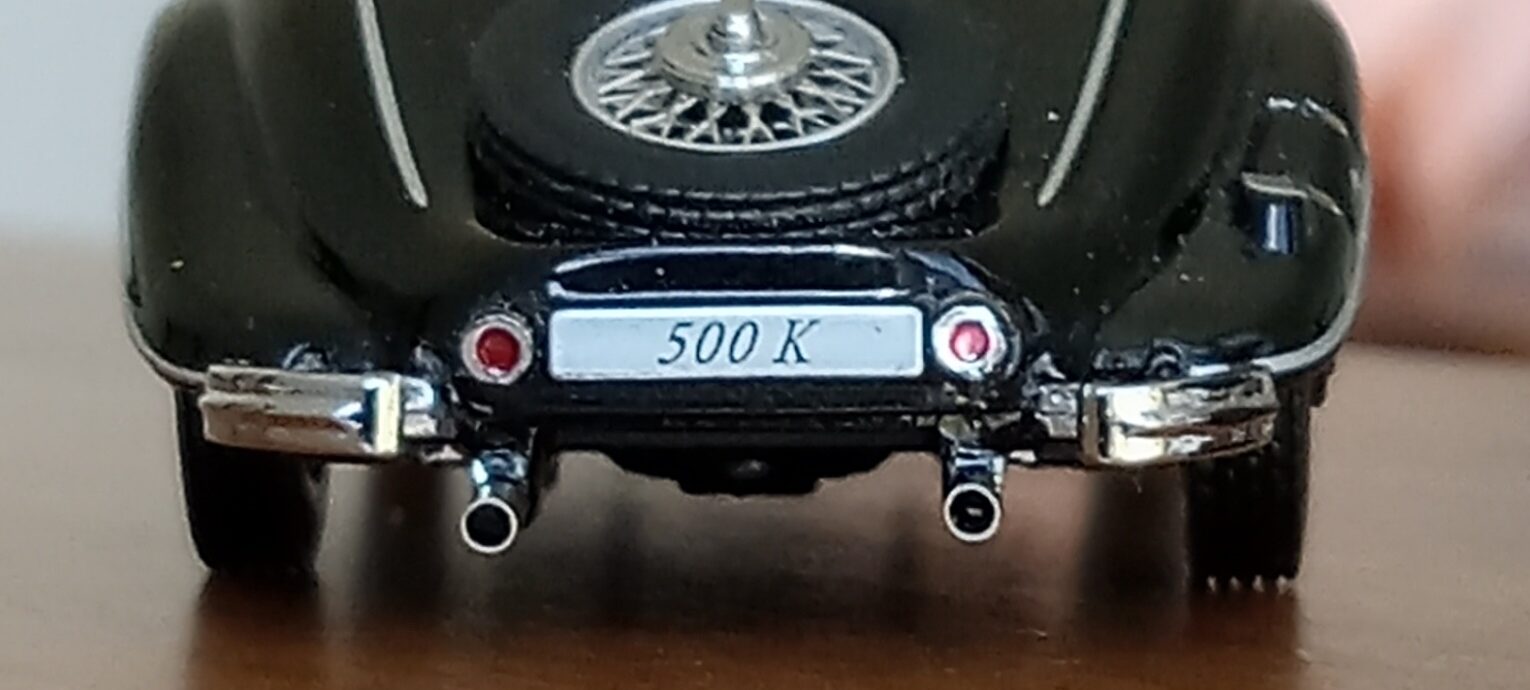
何とかロングテールバージョンに近づけるため、
*分解後、リアデッキ部分にタオルを巻いて、ペンチで平らに少しづつ成型、
*リアバンパーを左右逆に再接着ーーーー>テール部分が長く見えます。
*フロントの車軸部分で1mm上げ、リアの車軸部分を1mm下げる。
ーーーーーー>リアにかけて「流れる」ような勢いを作りました。
#好みの自動車デザインーー2ドアクーペの系譜:
第22回目の今回は、『2ドアクーペの系譜』と題しまして、各国のお国柄や、外観デザインの個性が強く表れる、高級2ドア(GT)クーペ / ロードスターについてお話ししてみたいです。
【注意:オープンカーを含む】
以下の要領で進めていきます。
第4回の今回は【ドイツ車編】
1936年型
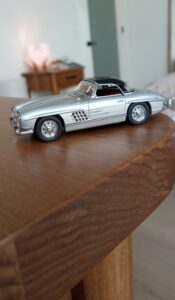
ダイムラー・ベンツ 500K
スペシャル・ロードスターについてのお話です。
【2ドア・クーペの系譜:目次】
【米国車編】
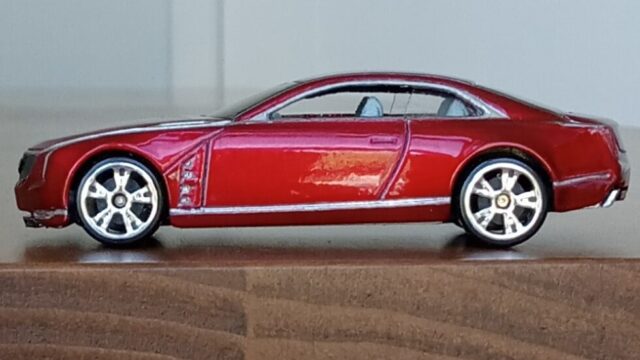
第1回:キャデラック・エルミラージュ、2013(メタリック・レッド)
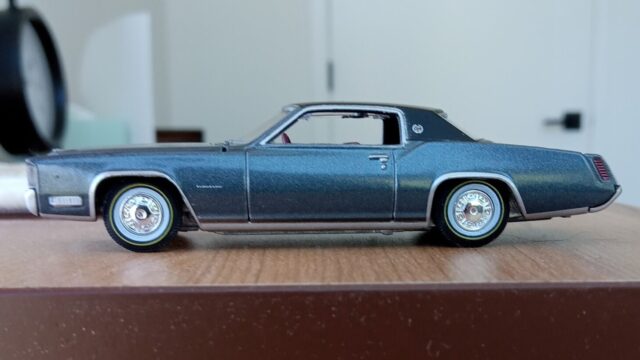
第2回:リンカーン・コンチネンタル MK4、1972(ブラック)
第3回:マーキュリー・クーガー, 1967(LTメタリック・グリーン)
【ドイツ車編】
第4回:MB 500K スペシャル・ロードスター、1936(ブラック)
第5回:MB 300SL ロードスター、1957(シルバー)
第6回:MB SLS AMR ガルウイング、2010(ブラック)
【英国車編】
第7回:ジャガーXKR, 1996(ダークメタリック・グリーン)
第8回:アストン・マーチン One-77(LTメタリック・ブルー)
【日本車・日産編】
第9回:ニッサン 初代シルビア、1965(シャンペン・ゴールド)
第10回:ニッサン 5代目シルビア、1988(LTメタリック・グリーン)
【日本車・マツダ編】
第11回:マツダ コスモ・スポーツ、1967(シルバー)
第12回:マツダ ユーノス・コスモ、タイプ‐S(2トン:黒&グレー)
【日本車・トヨタ編】
第13回:トヨタ/ヤマハ・2000GT、1967(アイボリー・ホワイト)
第14回:トヨタ・2代目ソアラ, 1986 (2トン:黒&グレー)
第15回:レクサス LC【GWZ100型】、2017(メタリック・レッド)
#史上最も美しいクルマベスト10:常連1位の貫禄!
『世界一美しい自動車リスト』が行われるたびに、
常時1位か2位にランクされる車があります。
その一つが、
ダイムラー・ベンツ500K、
スペシャル・ロードスターです。
(詳しくは、スペシャルロードスターの、ハイ・ドア / ロングテール / カバードスペア仕様が最強です。)
1930年台後半、両大戦の端境期の不安定な時期に、
パリやスペイン、ハリウッドなどのエンターテインメントの中心地は、
つかの間の喧騒に満ちたデカダン(退廃主義的)な様相を呈していました。
この時代のヨーロッパ各国の大排気量自動車のシャーシには、
イタリアやスペインのカロッツェリアが華やかな2ドアのロードスターボディーを架装し、映画スターや有名歌手達が乗り回していました。
(この状況は、前回書かせていただいた、第2次大戦後のハリウッドにおける、キャデラックやリンカーンの2ドアクーペの隆盛と似通ったものかもしれませんね。)
そんな豪華なロードスターの中でも、
もっとも時代を象徴していたのは、
ナチス台頭を横眼に、大排気量の高性能車を供給していた、ダイムラーベンツ社の最上級2ドア・オープン・モデルの、
500K スペシャル・ロードスターです。
さらに、さらに、
その中で私が敬愛するのは、
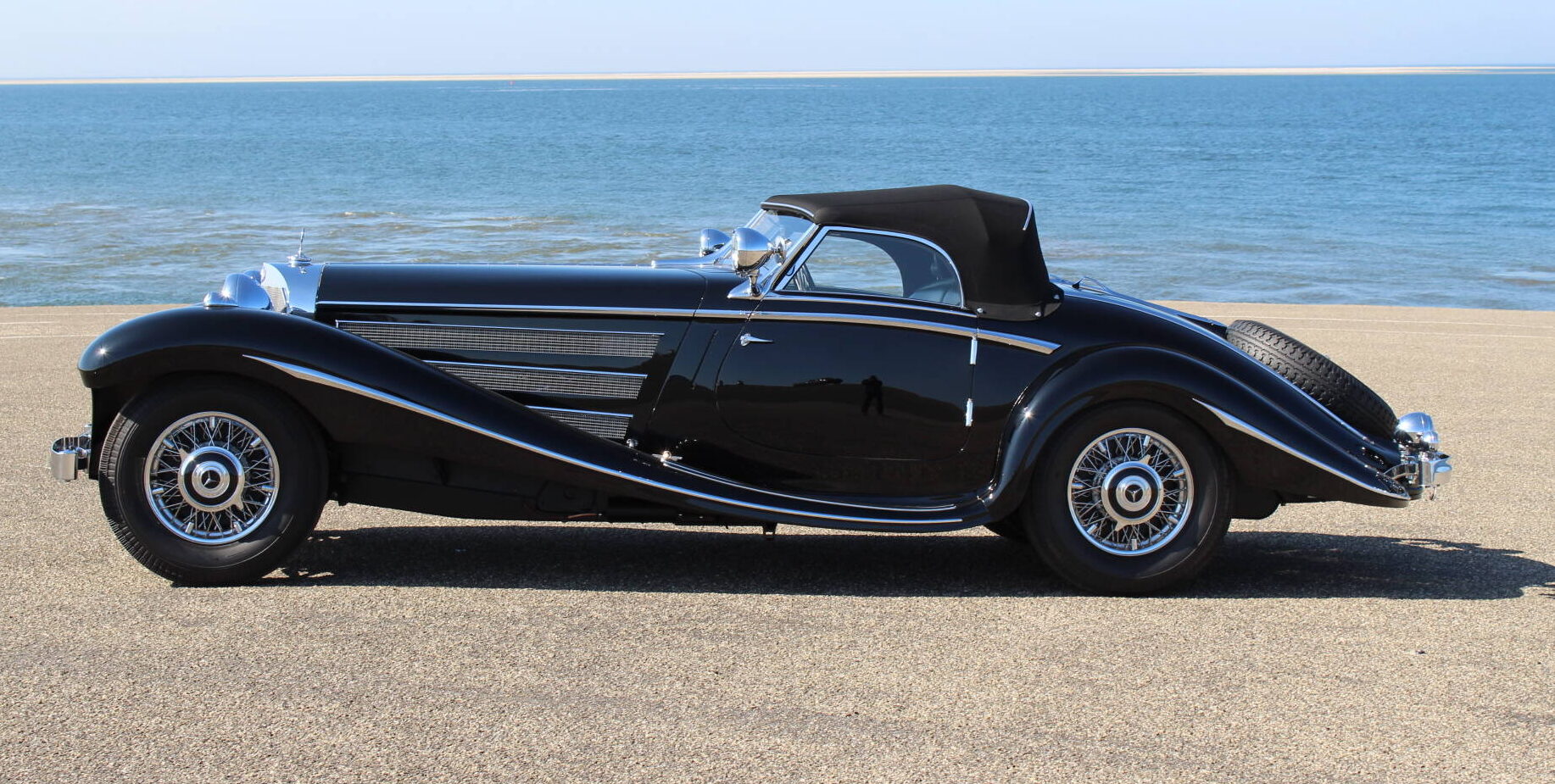
生産数6台という、超希少なモデル、
スペシャル・ロードスターの
*ハイ・ドア(ドア上部の見切りが高い)
*ロング・テール(リアタイヤ上部のデッキ部分が低く、その後のテール部分が長い)
*カバード・スペア(スペアタイヤの金属製カバー付き)
のバリエーションです。
(残念ながら、リバティー64のミニカーは、通常テール版です】
今回はそんな、
私が敬愛するMBスペシャル・ロードスターについて
以下のようにご紹介していきたいです。
*実車解説:
*デザイン的特徴:
*『私』とMB スペシャル・ロードスター
*三題噺:ロングテール・
*その他の大戦前のロードスターたち
*実車解説 : 第2次大戦前、最高のロードスター
メルセデス・ベンツ 500K スペシャル・ロードスター(W29)は、ダイムラー・ベンツ社により1934年から1936年にかけて製造された、戦前を代表する伝説的なラグジュアリー・スポーツカーで、主な特徴は以下の通りです。NNN
N
N
n
- エンジン: 5.0L 直列8気筒スーパーチャージャー付エンジンを操縦性の向上と、外観の見栄えのため、ノーマル・シャーシに比べ175mm後方へ「セットバック」して搭載。
n - パワー: スーパーチャージャー作動時に最大160馬力を発揮し、当時としては驚異的な最高速度160km/h(100mph)に到達しました。
n - 名称の由来: モデル名の「K」はドイツ語でスーパーチャージャーを意味する「Kompressor」の頭文字で、『5リットルの過給機付きエンジン』を意味しました。
n
n
n
- スタイリング: フリードリッヒ・ガイガーによる設計で、流麗なフェンダー、長いボンネット、後方に傾斜したラジエーターなど、アール・デコ様式の美学と流線形デザインを完璧な度合いでブレンドした、至高の美しさを体現しています。
n - 希少価値: 500Kシリーズ全体で342台が製造されましたが、最高級の「スペシャル・ロー
ドスター」仕様はわずか29台(一説には最大50台)ほどしか生産されませんでした。
n - 価格: 当時の販売価格は28,000ライヒスマルクで、高級住宅が1軒買えるほどの超高額車でした。
n
- オークション: 現代のオークションでは極めて高い人気を誇り、過去には約600万ユーロ(約9.5億円以上)で落札された記録もあります。
n - 展示: 日本国内では、名古屋近郊(長久手市)のトヨタ博物館などでその優雅な姿を見ることができます。
#主要諸元:
- 型式:W29
- 総排気量: ルーツ式ブロワー型スーパーチャージャー付、5.0L 直列8気筒 OHV
- 最高出力 : 通常時 100hp / スーパーチャージャー作動時 160hp @ 3400 rpm
- 最大トルク:431 Nm (318 lb-ft) / 2,200 rpm
- 駆動方式:FR(フロントエンジン、リアドライブ)
- 定員:2名(非常時4名乗車可能な個体もあり)
- 車体形式:2ドア、(2+2シート)、コンバーチブル・クーペ
- ホイールベース:3,290 mm
- 全長:5,245 mm
- 全幅:1,905 mm
- 全高:1,651 mm
- 車両重量:
約2,700kg
*外観デザイン上の特徴:【流線形デザイン時代の女神】
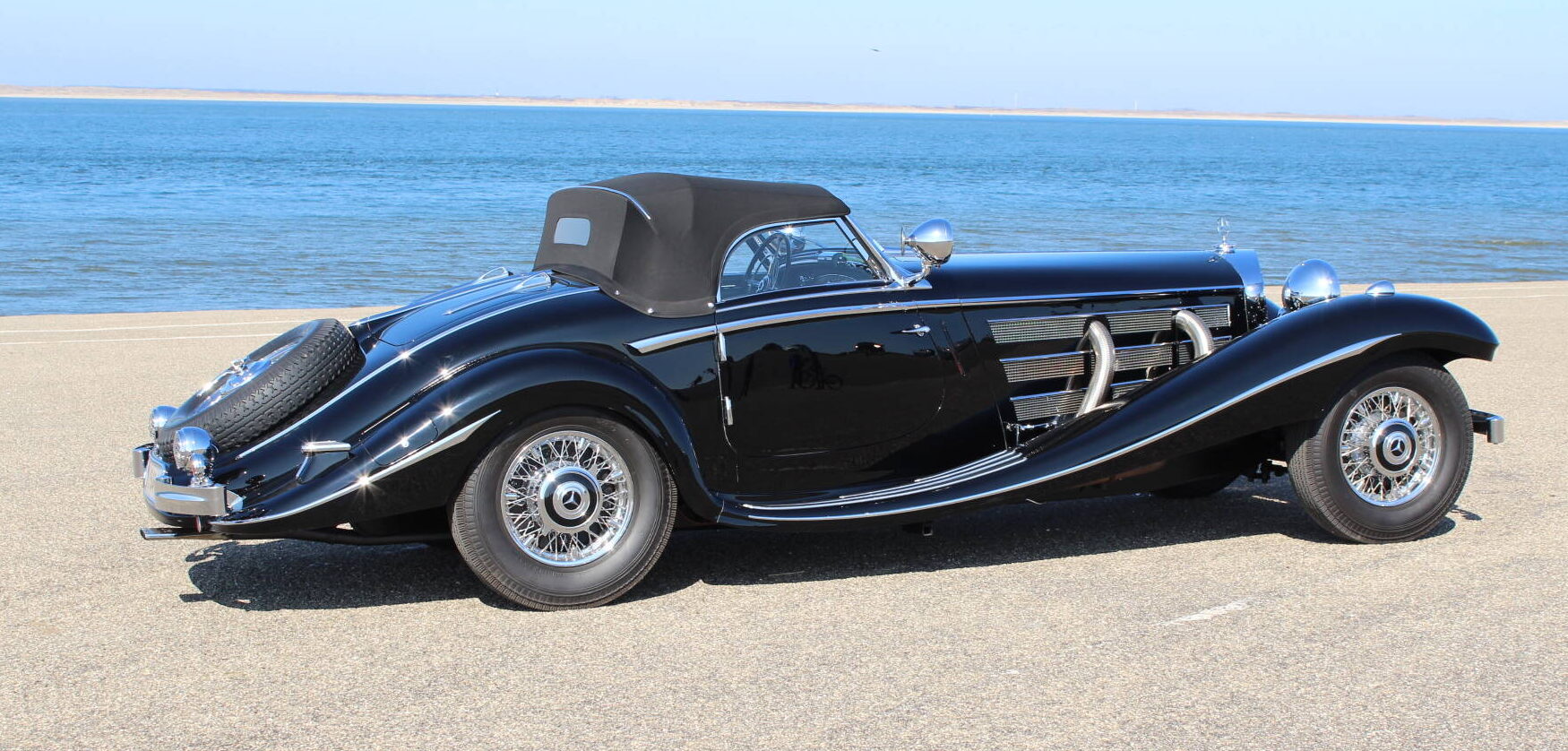
ドイツ自動車デザイン界の巨人、ブルーノ・サッコ以前のメルセデスベンツのデザインすべての責任者、フリードリッヒ・ガイガーによる設計の、超高性能かつ超高級、優雅かつ流麗なデザインにはどのような特徴があるのでしょうか、
以下の6個の特徴に付き、
順を追って見て行きましょう。
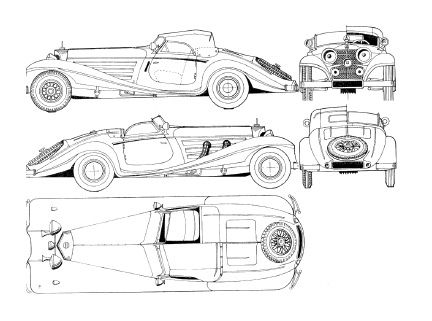
1、5メートルを超える全長を端から端まで有効に使って、流線型ボディーとその4隅に配された4つの流線形フェンダーの位置関係からくる『類まれに』美しいプロポーション
2、当時のラテン系2ドアロードスターの華美で突拍子の無いデザインと一線を隔す、抑揚の効いた流線形・アールデコ調のグラフィック処理
3、ロングテール版で一層顕著な前から後ろに伸びるスピード感あふれる『逆水滴型』のデザイン造形
4、エンジンを175㎜後方へ『セット・バック』して搭載することによって得られた、獲物を狙うネコかの猛獣のような『今にもとびかかりそうなスタンス』
ーーーーーー>後のすべてのFRスポーツカーに受け継がれた『獰猛・俊敏な』血統です。
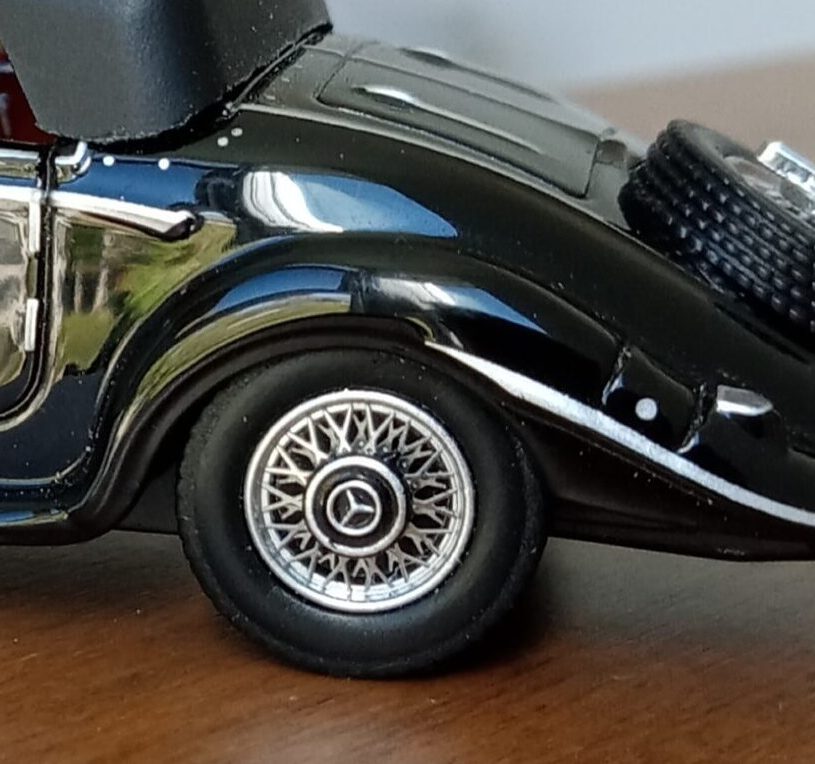
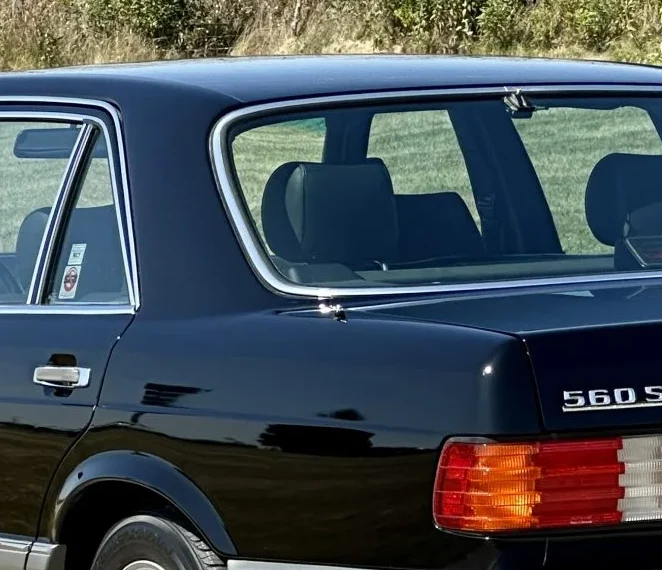
5、リアフェンダーやその上のデッキ部分に感じられる厚い鉄板をプレスした「硬さ」が、
ーーーーーーー>なぜかサッコプレートで有名なW123型セダンのリアフェンダーからテールランプにかけての硬質感につながります。
n
nb
n
n
1、5メートルを超える全長を端から端まで有効に使った、流線型メイン・ボディーとその4隅に配された4つの流線形フェンダーの位置関係からくる『類まれに』美しいプロポーション
(5つの水滴型の尾を引く紡錘形の配置が完璧です。)
ーーーー>戦後自動車設計がユニボディー化された後にも真似され続ける理想のプロポーション
2、当時のラテン系2ドアロードスターの華美で突拍子も無いデザインと一線を隔す、抑揚の効いた流線形・アールデコ調のグラフィック処理
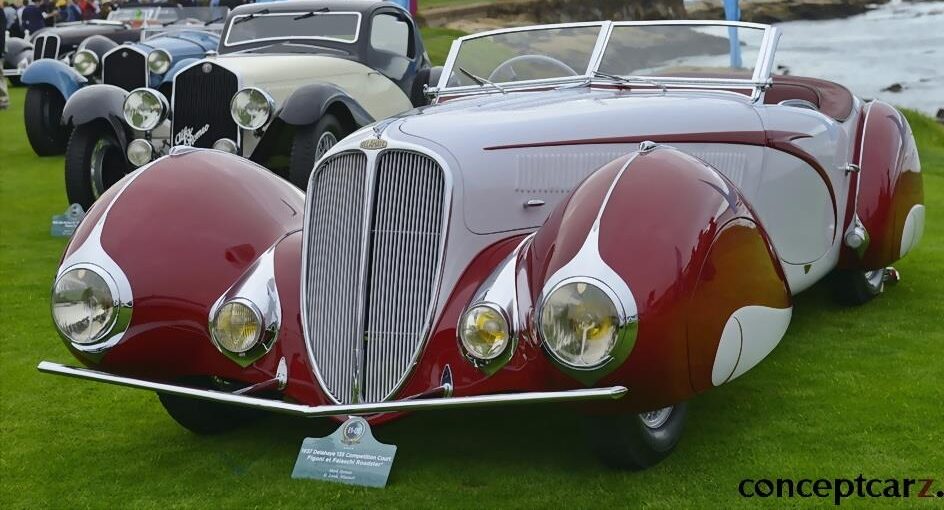
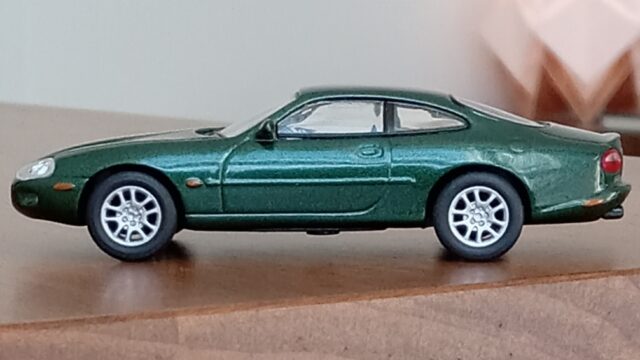
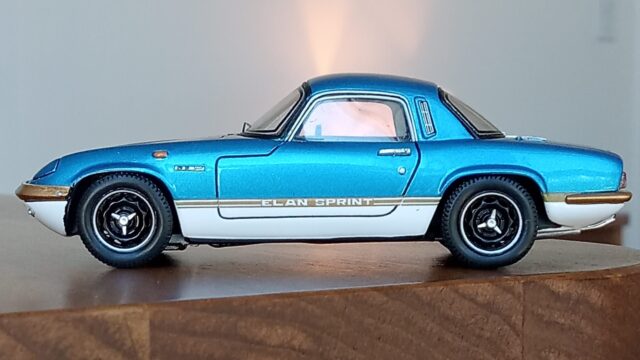
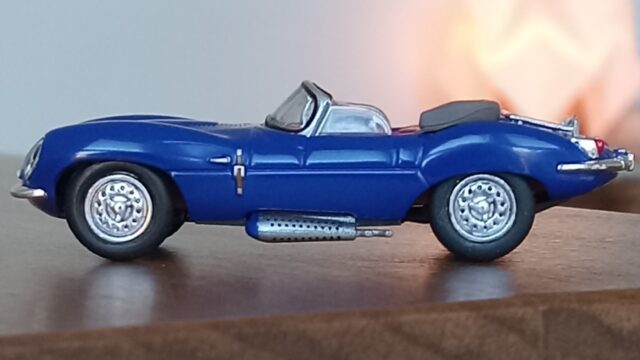
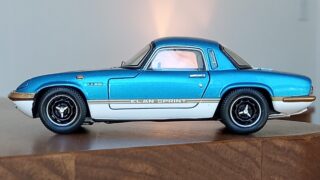
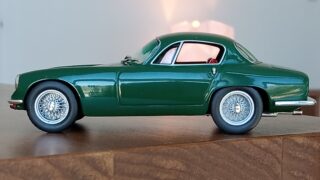
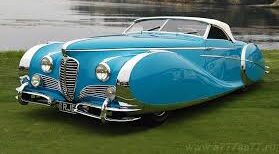
(上下、同時期の他国の高級スポーツカーたち)
3、ロングテール版で一層顕著な前から後ろに伸びるスピード感あふれる『逆水滴型』のデザイン造形
(当時の最先端の流体力学の応用と、イメージ的なシンボリズムが強力なインパクトを生んでいます。)
ーーーーー>書家入魂の一筆書きのように、前方から丸く入り、流れるような波型の尾を引きながら後方へ抜けていきます。
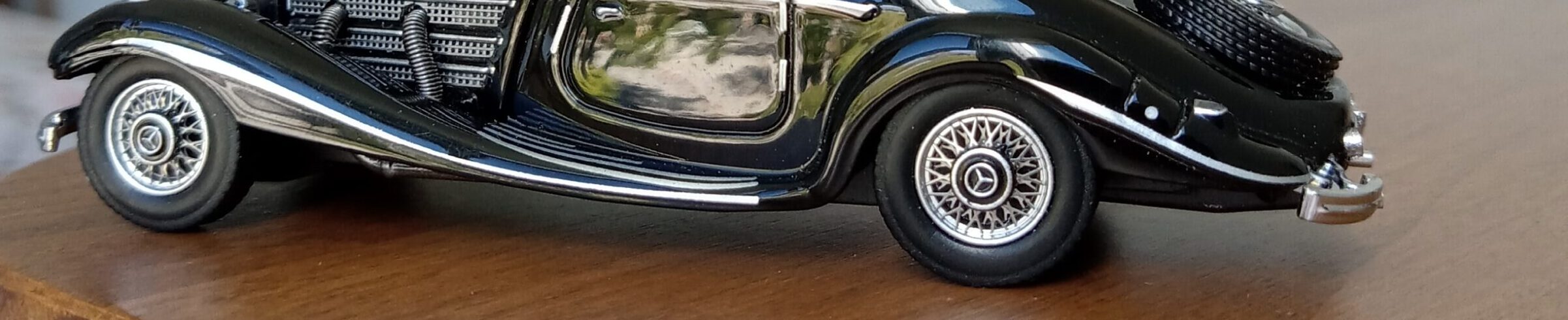

4、エンジンを175㎜後方へ『セット・バック』して搭載することによって得られた、獲物を狙うネコ科の猛獣のような『今にも飛びかかりそうな:引き絞られたスタンス』
ーーーーーー>後のすべてのFRスポーツカーに受け継がれた『獰猛・俊敏な』血統です。
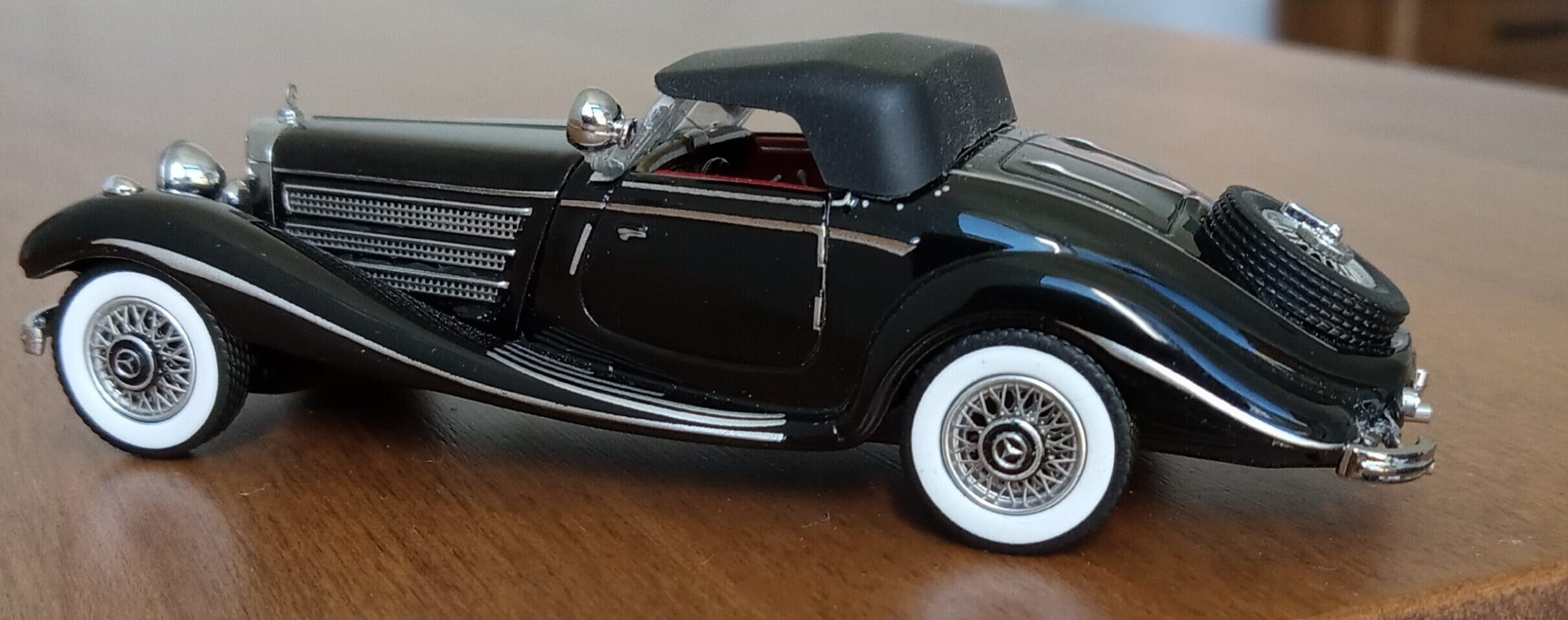
5、リアフェンダーやその上のデッキ部分に感じられる厚い鉄板をプレスした「硬さ」が、
ーーーーーーー>なぜかサッコ・プレートで有名なW126型セダンのリアフェンダーからテールランプにかけての硬質感につながります。
次は500K スペシャルロードスターについての、
個人的な体験に付いて書いていきます。
*『私』とMB 500Kスペシャルロードスター
既に中学校の頃から自動車図鑑や雑誌記事などで、
『自動車史上最も美しいクルマ・リスト』等でいつもジャガーE-タイプと共に首位を競い合っていた印象がありました。
そんな中、モノグラム社製のプラモデルや、ジョーハン製のキットでモデル化された機種が何だか『これじゃ無い感』が強かったこともあり忘れかけていた時、
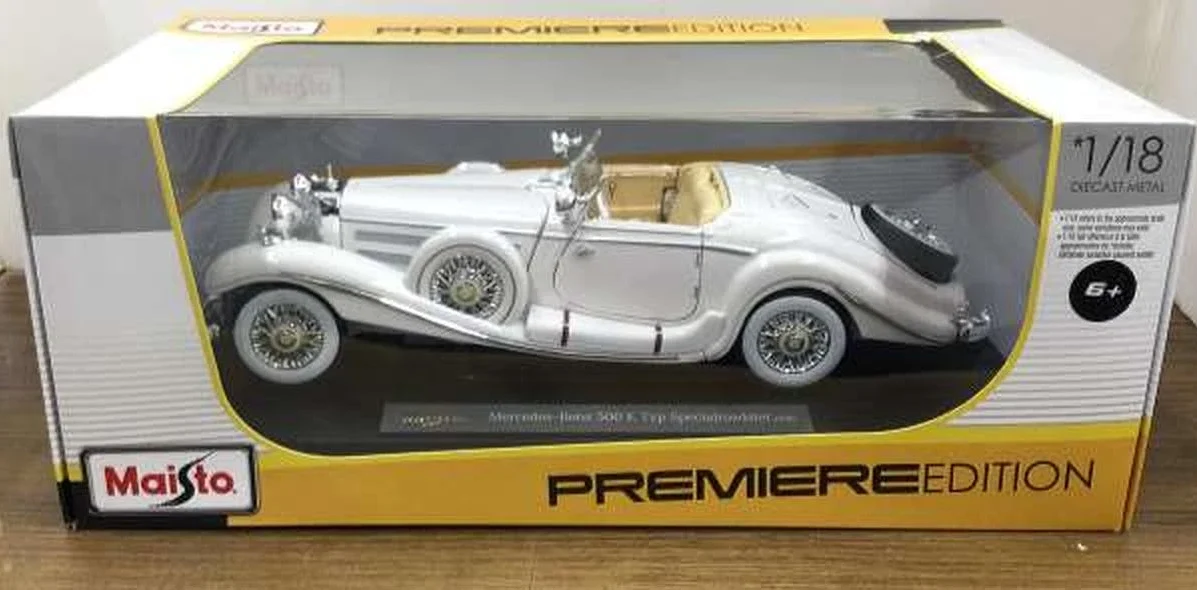
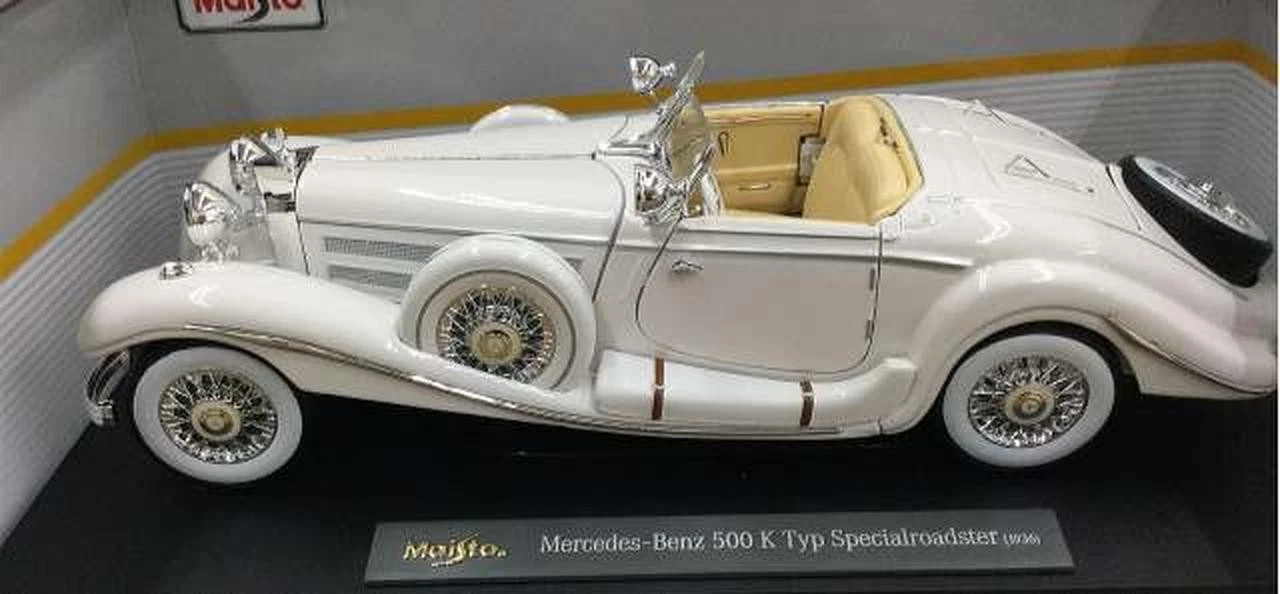
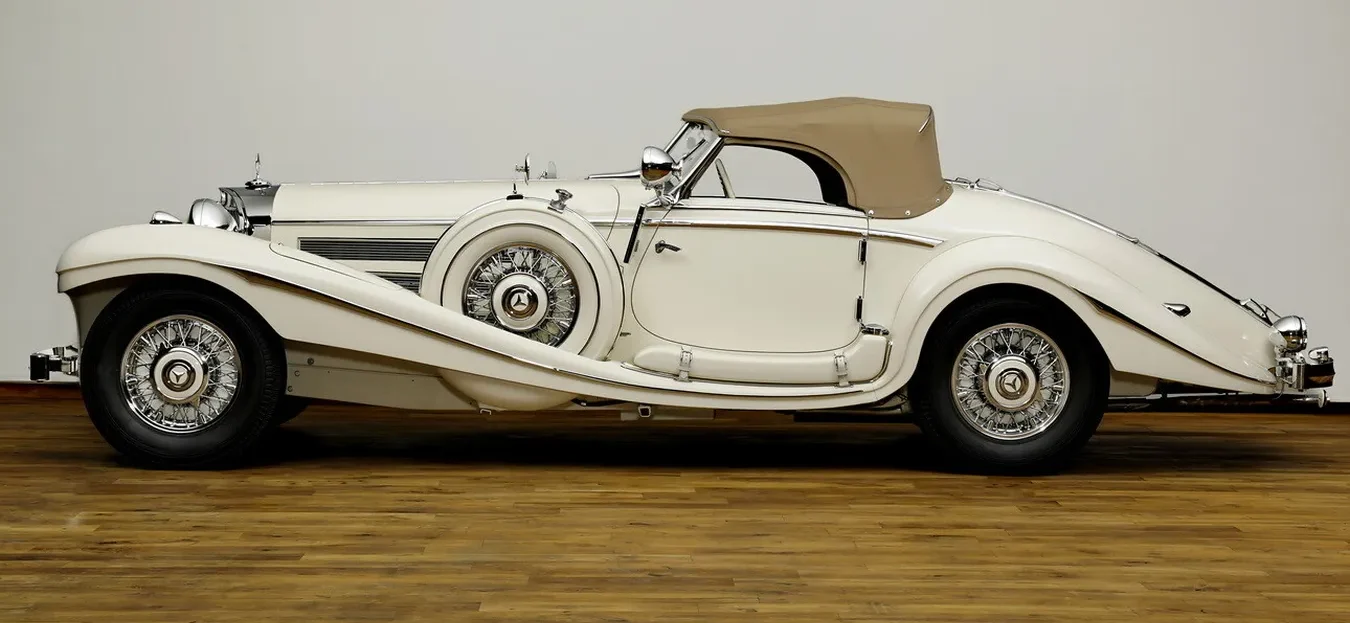
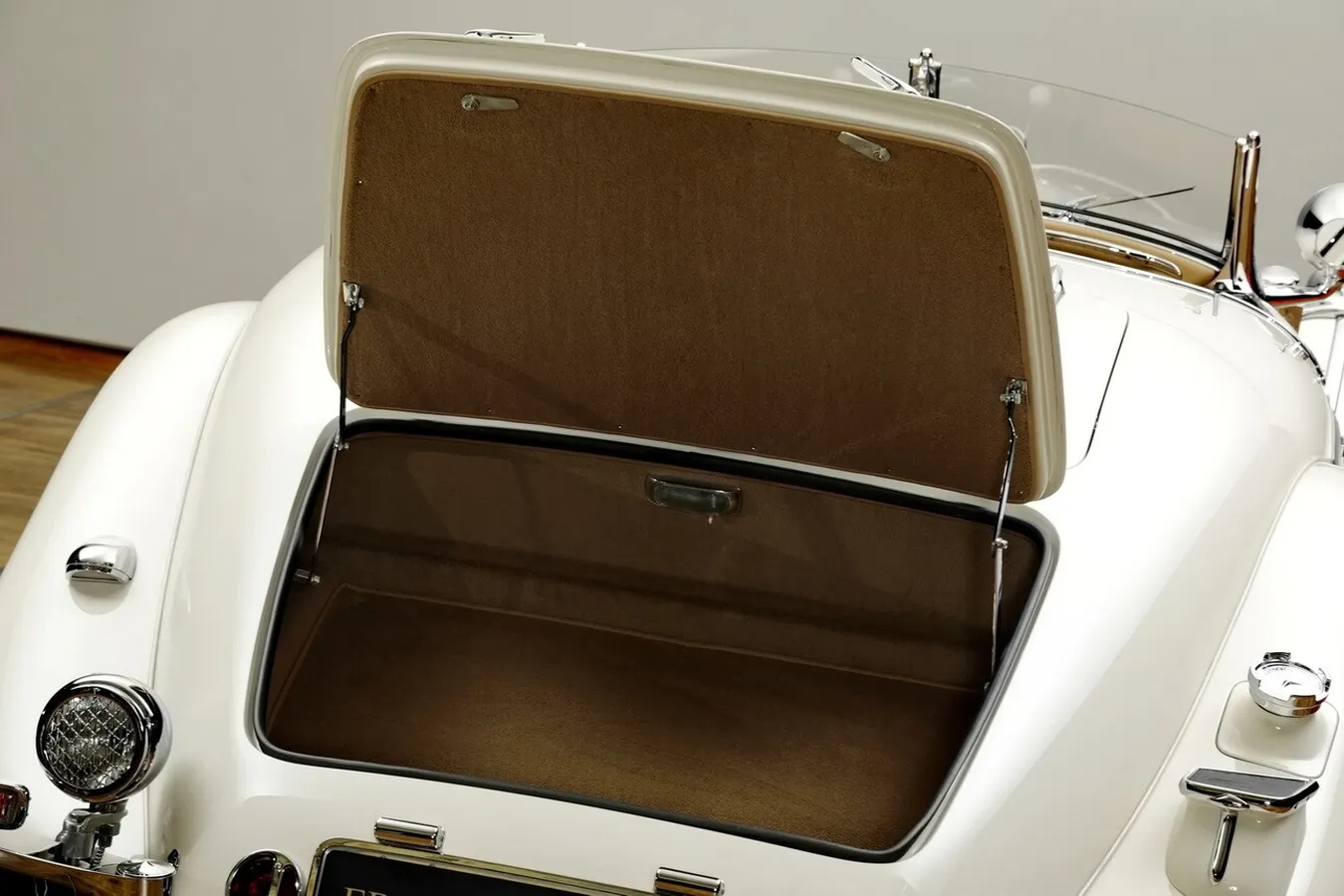
マイスト社製、1/18ダイキャストモデル MB500K スペシャルロードスター(ホワイト)
(このモデルはおそらく下のアイボリーカラーの実車をモデル化したもので、非常に珍しい、スペアタイヤをエンジン両横に搭載してリアの本来のスペアタイヤ部分は四角いトランクになっているバージョン(マハラジャ・バージョン)です。モデルでは、トランクの代わりにスペアタイヤを積んでいますが、、、、)
1990年代後半、
偶然訪れたアメリカ版ホビー量販店
『ホビーシャック・パサデナ店』で見つけた
マイスト社製
1/18メルセデスベンツ540Kスペシャルロードスター
(ダイキャストモデル)を、
速攻、購入したことで
この車種についての『一目惚れ』が発病しました。
それでは、順を追って
私のMB500K、立体モデル体験を見て行きましょう、
#『MB/500K』立体モデル体験:
*モノグラム社製、1/24プラキット メルセデスベンツ540K(シルバー)
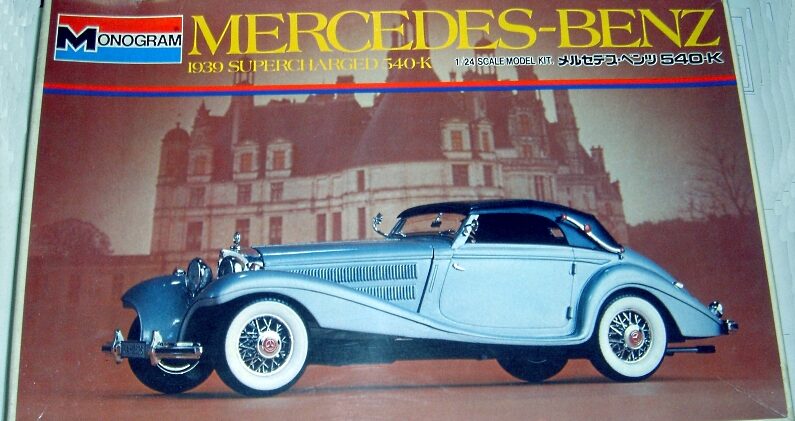
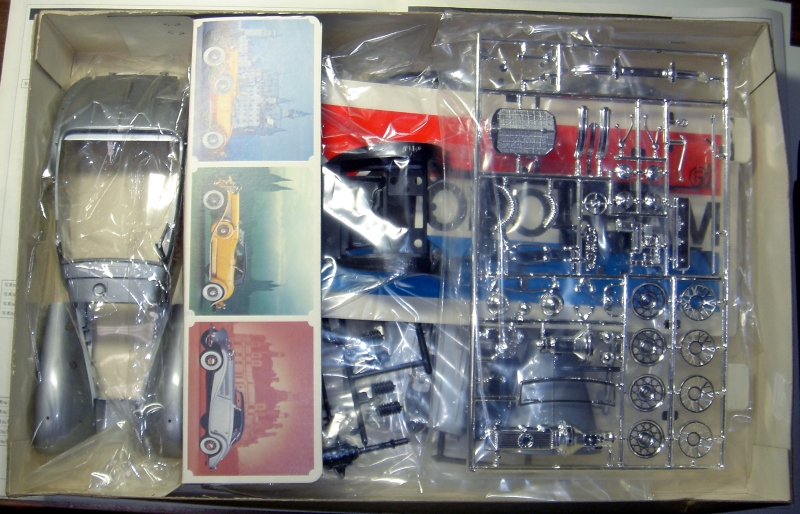
(当時のバンダイ再包装版のモノグラムキットには、写真入りの設計図が付いてきて、子供心に、特別感が漂っていました。残念ながら、3人乗り(後席は横すわりです)のショートテール・バージョンで、『何かが違う感』が漂っておりました。)
ーーーー>未組み立て
*ジョーハン社製、1/25プラキット版 メルセデスベンツ 500K(ロードスター・ハードトップ)
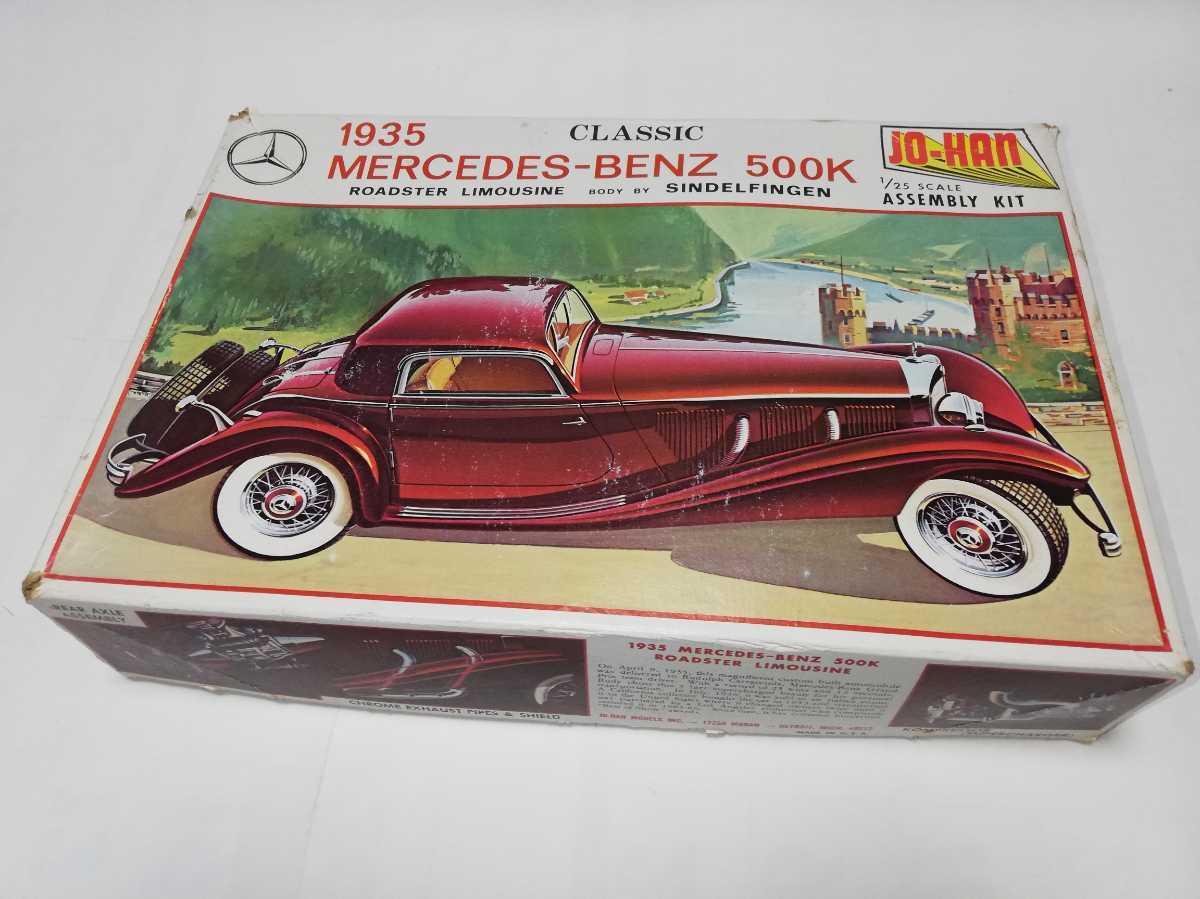
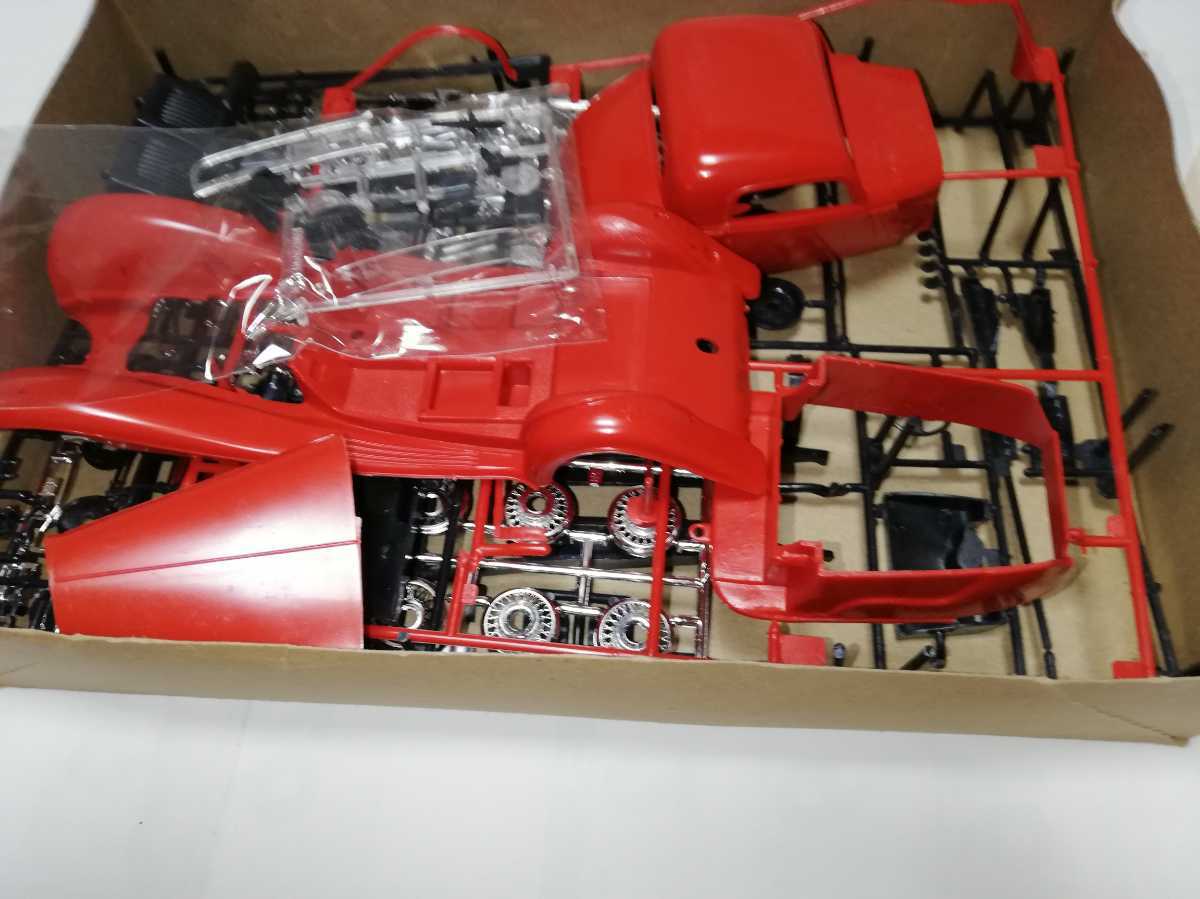
(こちらはショート・テイル、ハイ・ドアライン、ダブルスペアタイヤ仕様のハードトップといった希少バージョンをモデル化しています。ジョーハン社のキットは当時非常に個性的なパーツ・ランナー分割や箱絵、モノグラムとまた一味違った彫刻の細かさが魅力で、傑作/クライスラータービンカークラッシック・シリーズなど色々集めておりました。)
ーーーー>未組み立て
*ポケール社製、1/8マルチマテリアル・キット メルセデスベンツ540K (Cabrio Special)
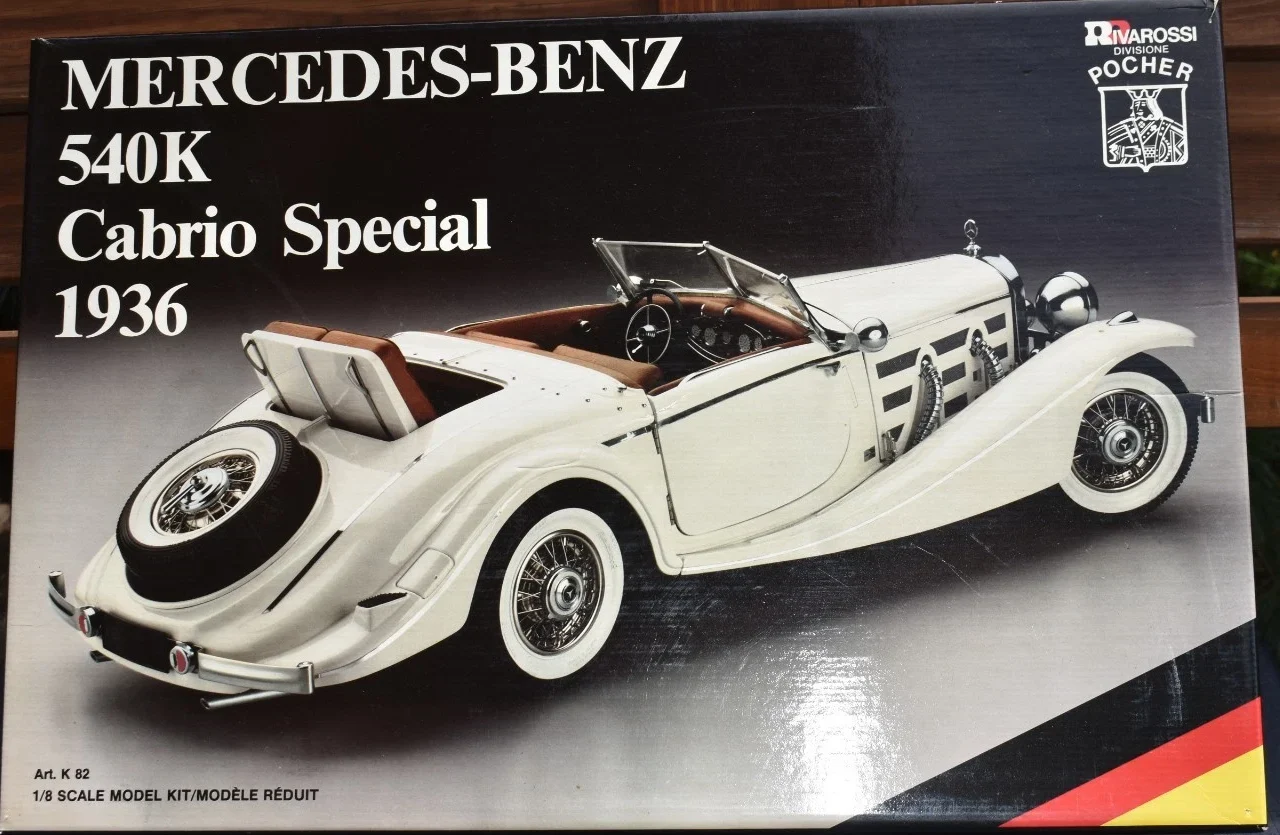
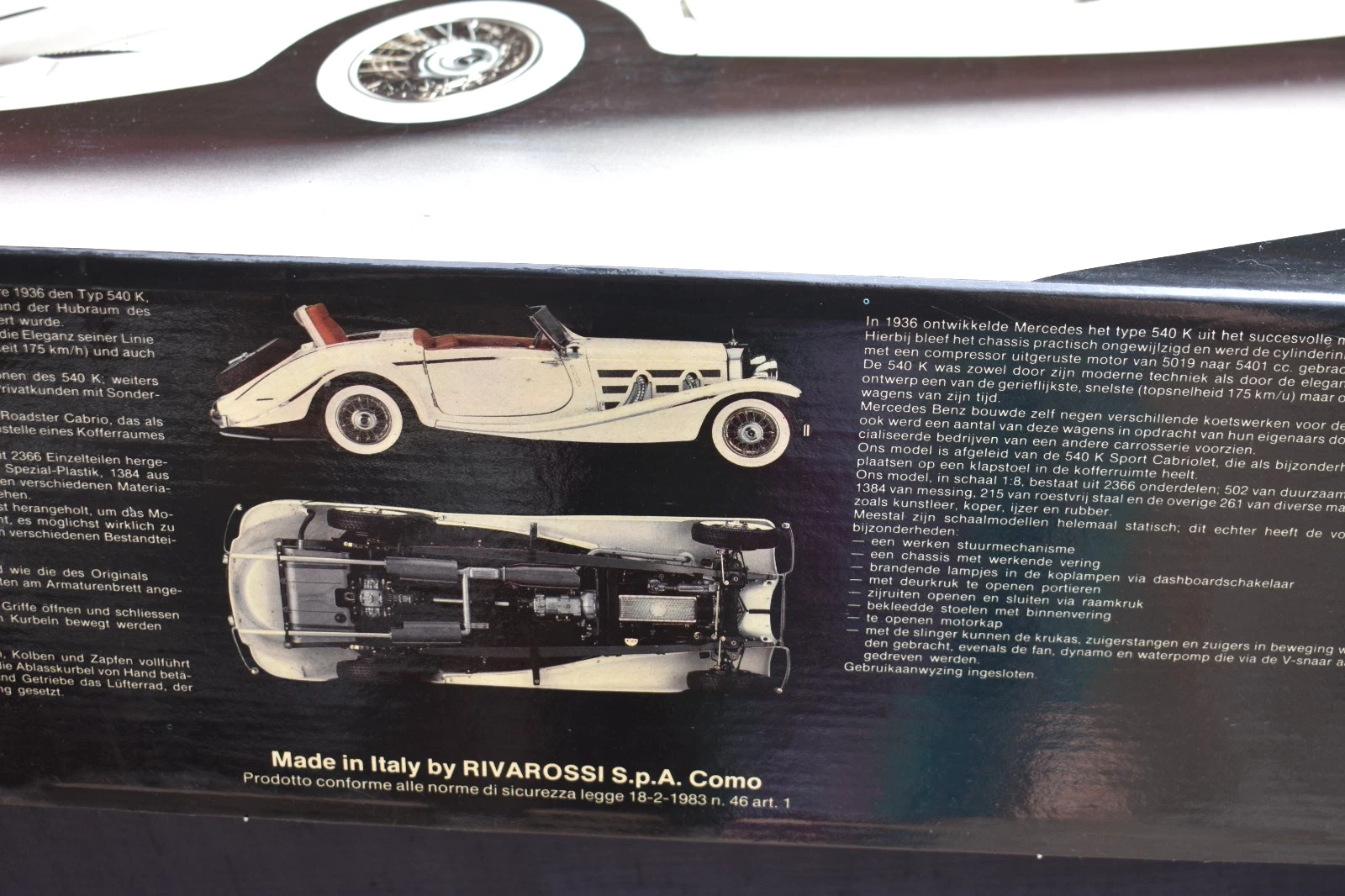
(スペシャルロードスターを再現していますが、フロントフェンダー下の白い部分が異常に大きく、サイドビューに違和感があります。ボディー後端部分も尻下がり気味で、全体の印象を悪くしています。この違和感が原因で、同じ会社製の、ロールスロイスの2ドアハードトップを購入した経験があります。)
ーーー>他の部分の出来がいいだけに惜しまれました。
*グンゼ/エレール社製、1/24プラキット メルセデスベンツ 500K スペシャルロードスター(白成型)
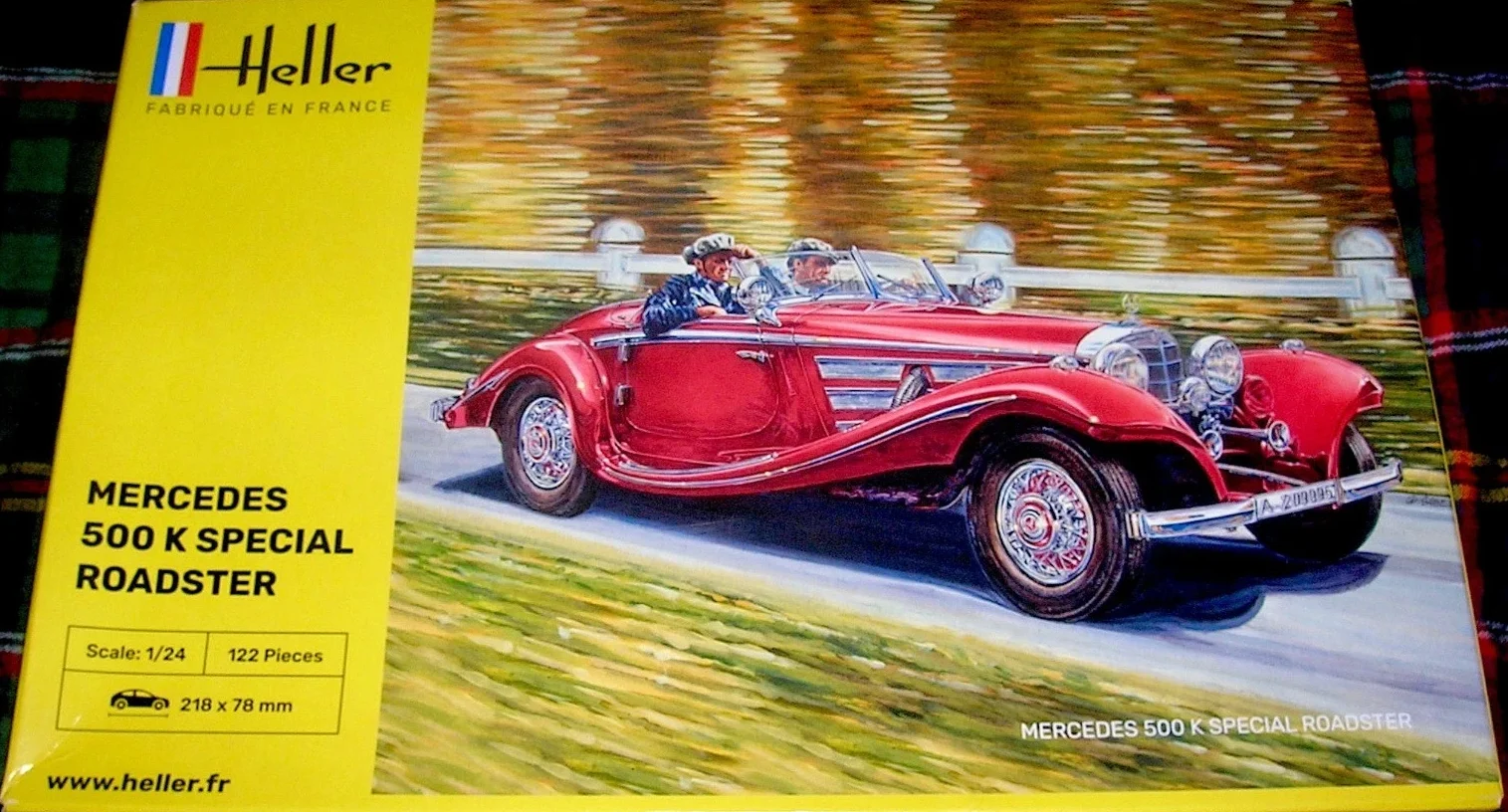
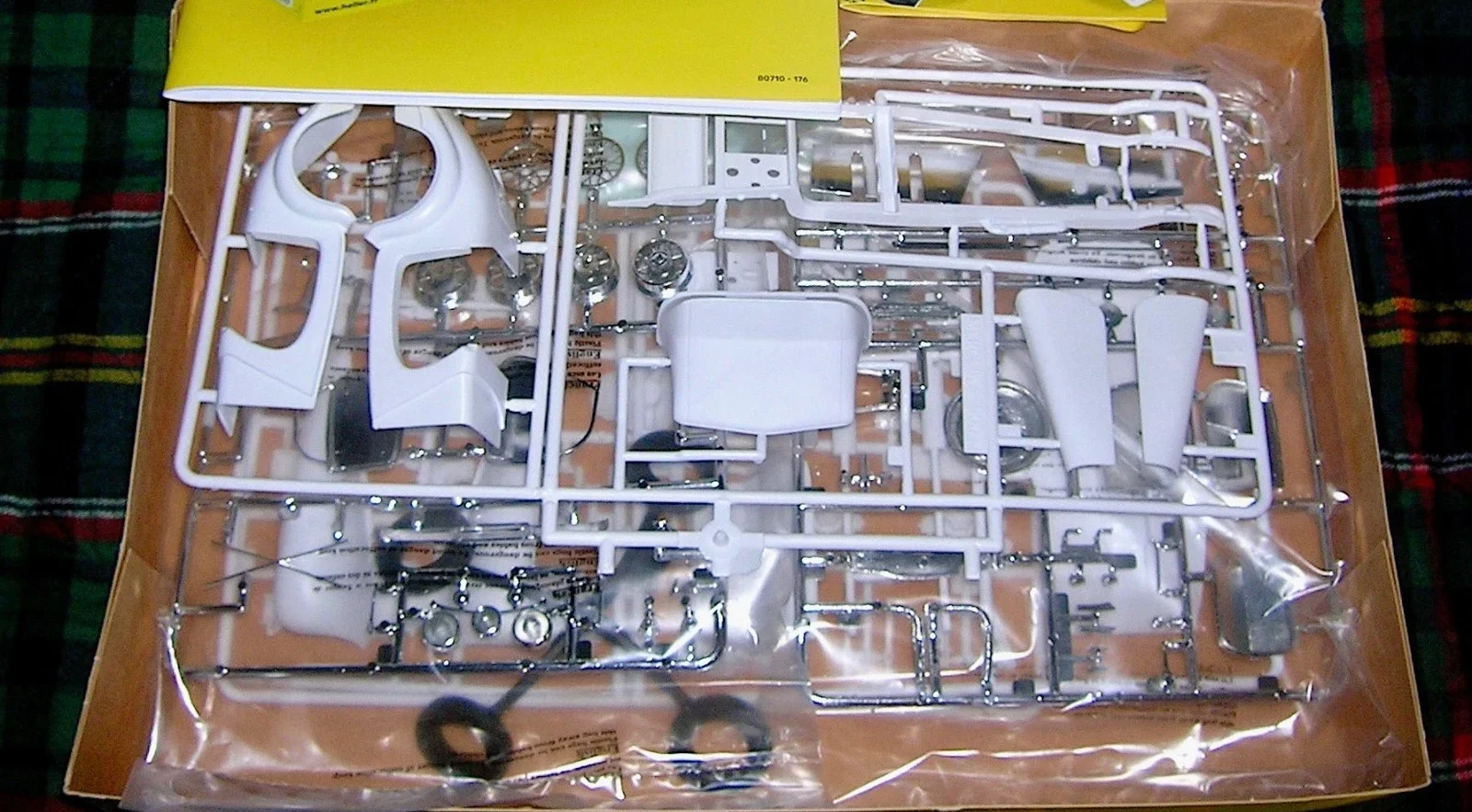
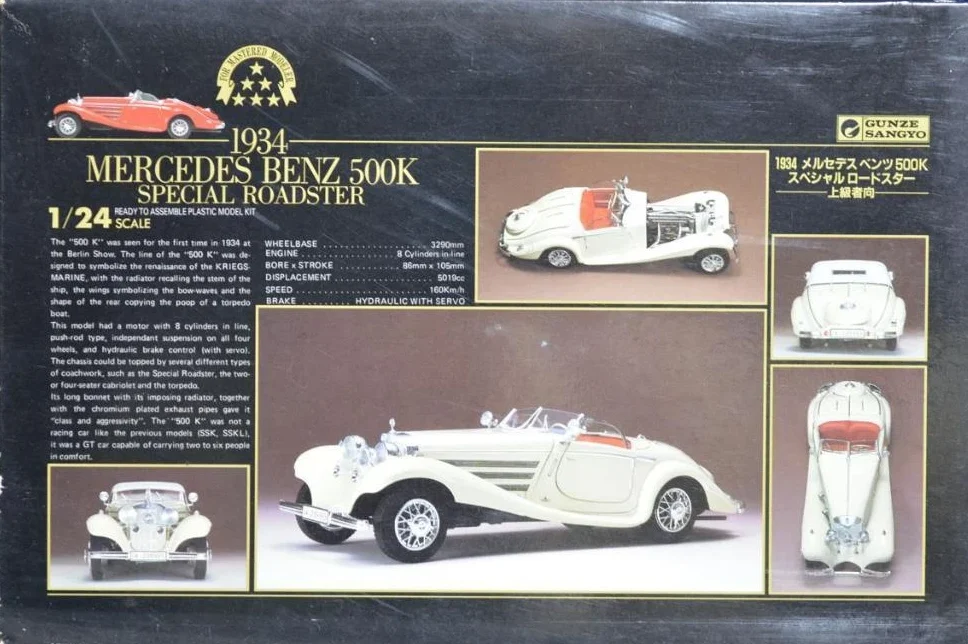
(これぞまさに、大変貴重な1/24キット、ロングテールのスぺシャルロードスターを完璧にモデル化しています。グンゼのキットと並んで、優雅で、伸びやかなボディーを素晴らしいテンションで立体化!ゴッホのような印象画風の箱絵も魅力的な逸品です。)
ーーーー>いつか組んでみたいキットです
*学研/アカデミー社製、1/16 メルセデスベンツ 500K スペシャルロードスター(マハラジャ使用も再現可)
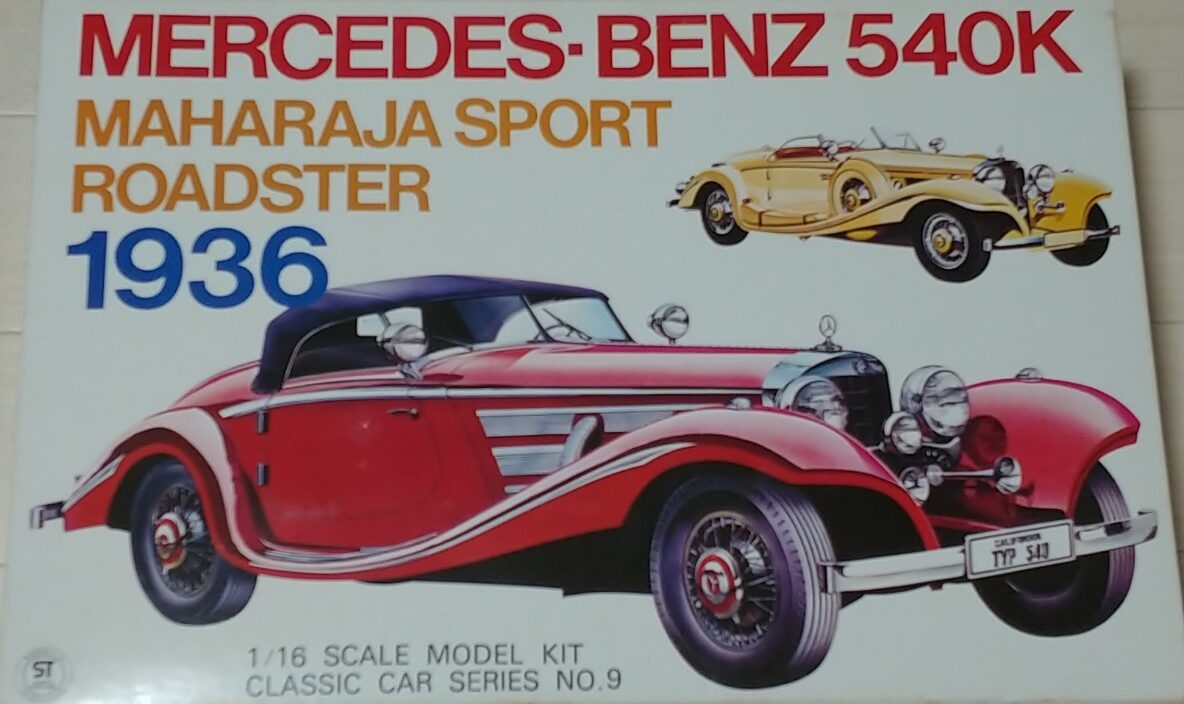
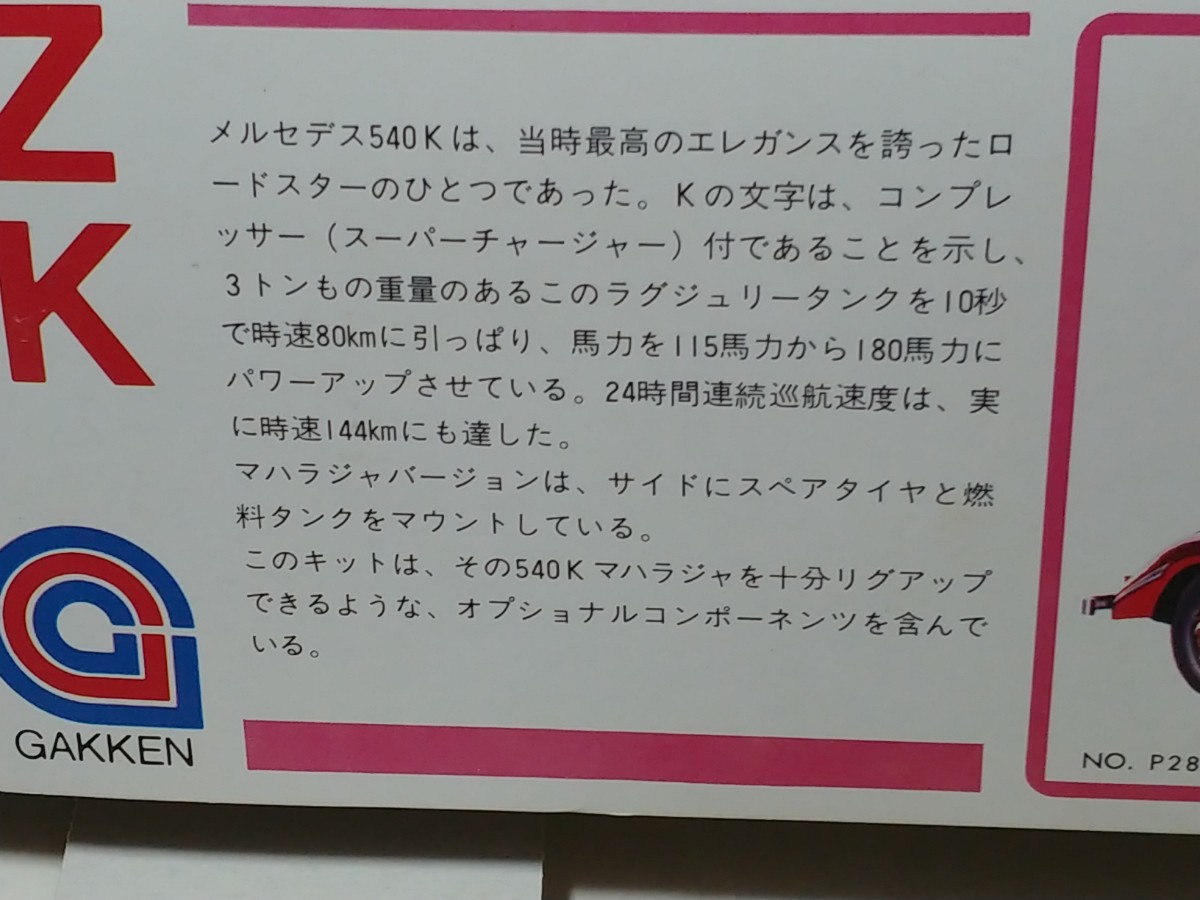
(このキット、行きつけのおもちゃ屋さんの棚に30年ほど売れ残っておいてありました。おもちゃ屋さんはつぶれてしまいましたが、キットはどこへ行ったのでしょうか?
ブログサイトなどの画像を見る限りかなりいい感じで『のびのびとしたボディーの流れ』を再現しているみたいです。)
*IXO社製、1/43 メルセデスベンツ 500K スペシャルロードスター(銀)
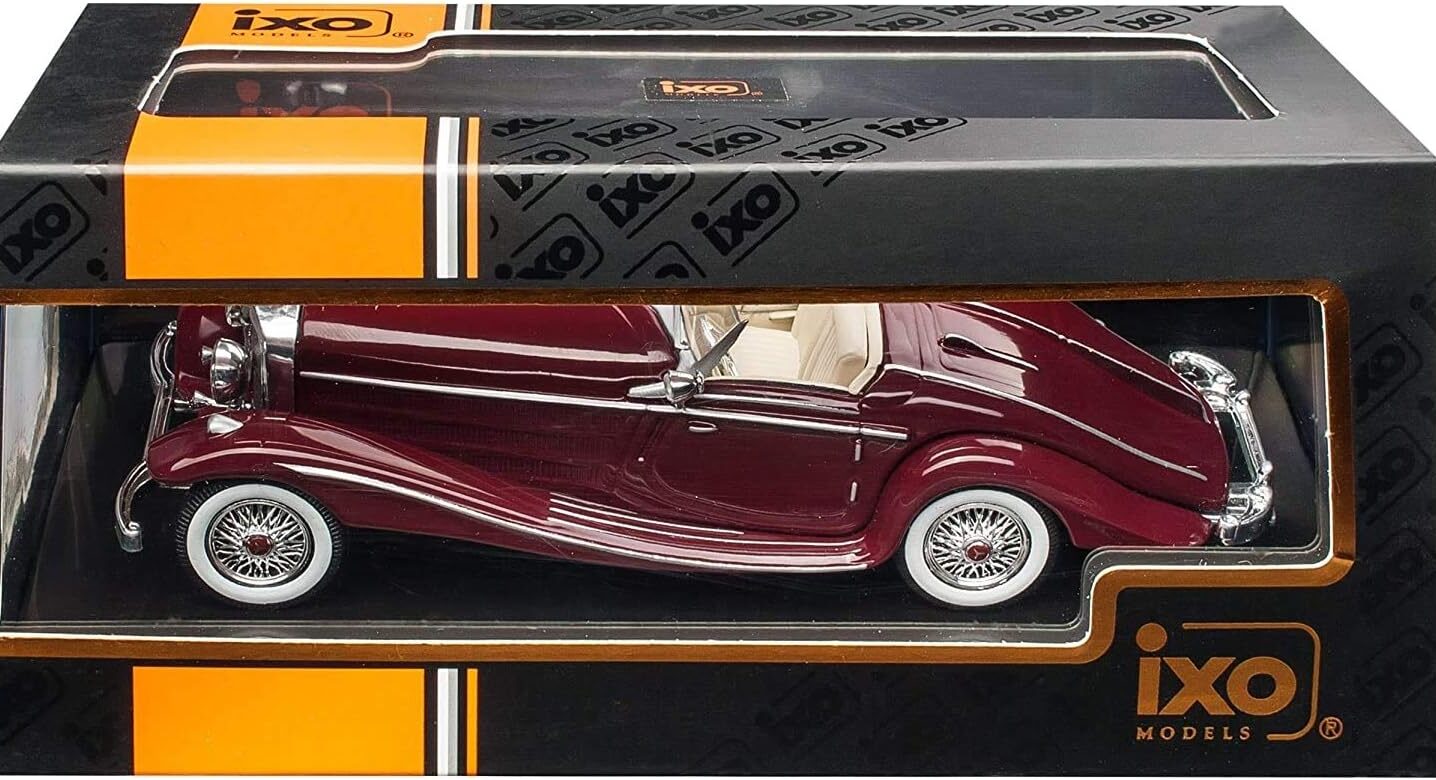
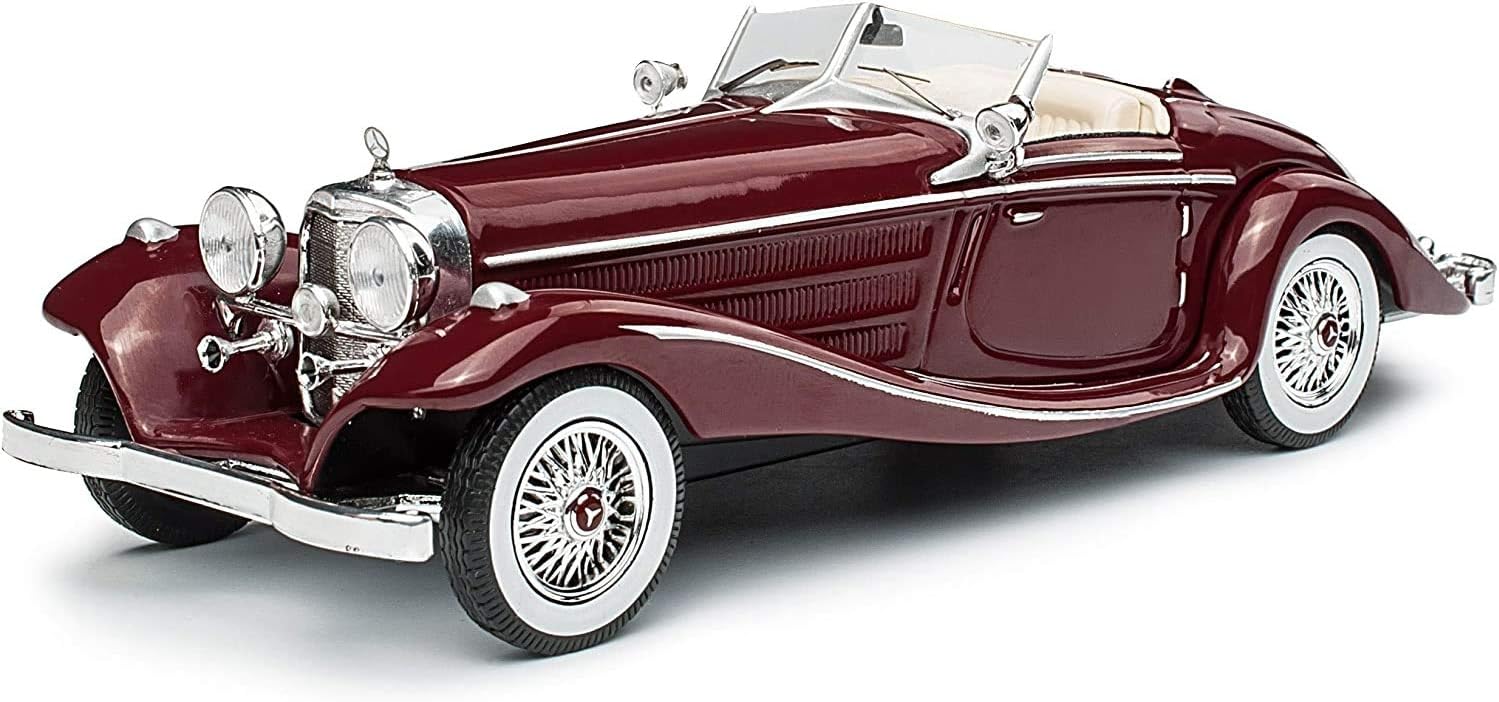
(1/43の廉価なダイキャスト版なのですが、スペシャルロードスターの全体像を上手にトレースしています、惜しむらくはボンネットの高さとボリュームが少しオーバーなのと、ボディー後半が若干尻下がりなことです。(ロングテールバージョンでないものを取材したのかも、、、、)
*リバティー社製、1/64 メルセデスベンツ 500K スペシャルロードスター(Black)
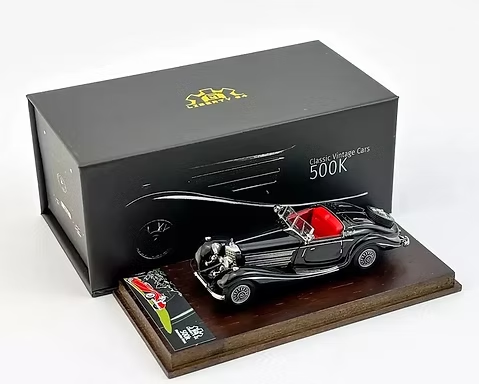
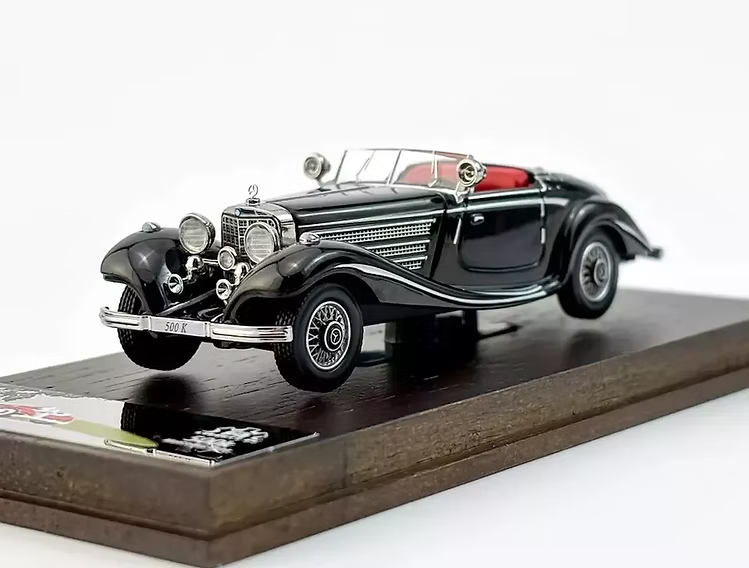
(満を持して発売された、精密な1/64ミニカーです、フォトエッチやメッキパーツを多用して小スケールを無視したような輝きを持った逸品です。全体のデッサンは、IXOの1/43版そっくりで、ボンネットが高めで、尻下がりなのは、要改造ポイントでした。)
ーーー>ハードトップ版の発売され、カラーバリエーションも豊富です
*CMC社製、1/24 マルチマテリアル、完成品 メルセデスベンツ 500K スペシャルロードスター(各色)
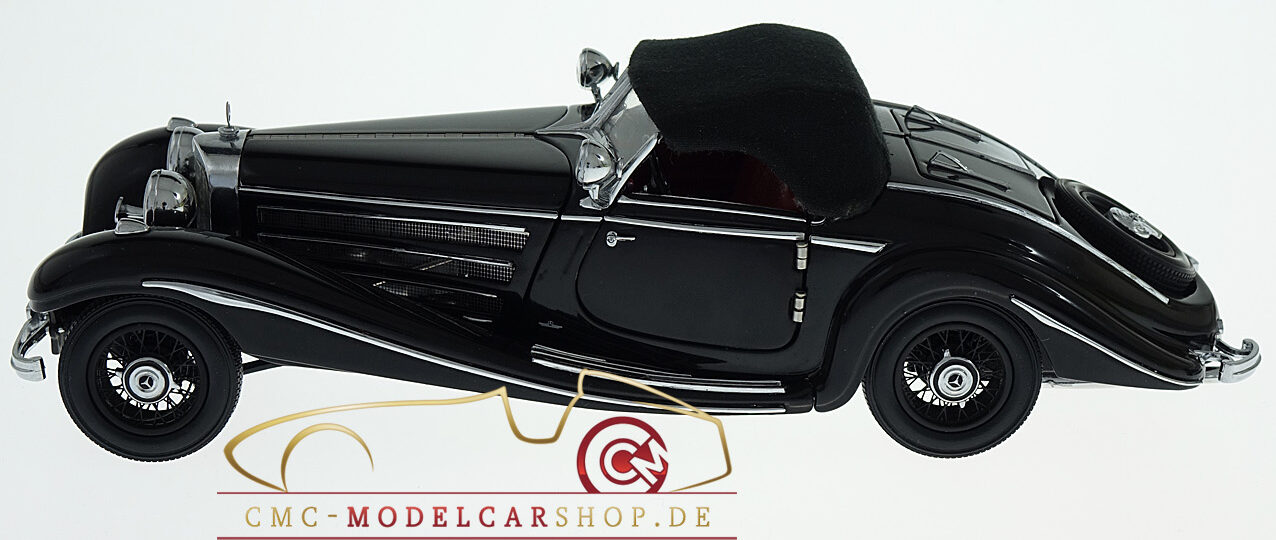
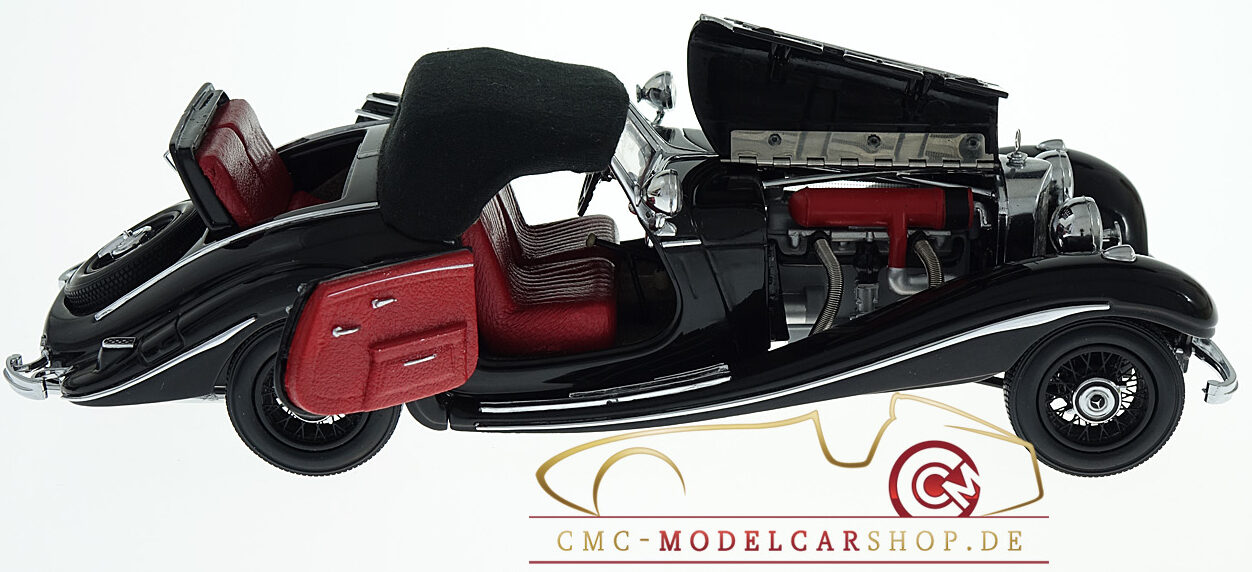
(こちらはミュージアムクオリティーで有名なドイツのCMC社製の1/24完成品です。ロングテールのスペシャルロードスターを完璧にモデル化しています。今年同モデルの1/18版モデルも出る予定なので、その出来具合が興味津々です。)
ーーーー>幌部分のキャンバス地がスケール感を損なってますがご愛嬌ということで、、、
その他、トヨタ自動車博物館、コンコースエレガンスなどで、
500Kの実車を直接見る機会に恵まれました。
残念ながらロングテールバージョンのスペシャルロードスターには縁がなく、
今後何とか直接見る機会を作りたいです。
*『三題噺』:ロングテール / 大恐慌 / ストイック
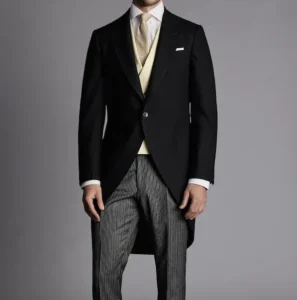


今回のメルセデスベンツ 500K スペシャルロードスターの回
を締めくくるにあたりまして、
こんなお題、3題を頂戴しました。
*『ロングテール』
*『大恐慌』
*『ストイック』
それでは
一席お付き合いのほどを願っておきますが、、、、
この記事の最初のほうに出てきたんですが、
1936年型のMB500Kスペシャルロードスターの中でも私の敬愛するのは、
*ハイ・ドア+
*ロング・テールで、
*カバード・スペアのもので、
この3つがそろった単体が最強だといいましたが、
そもそもこんな『ロイヤルストレートフラッシュ』のような単体は3-5台程度しか現存していないと、言われていまして、
この希少性からオークションでの取引時には
世界中のファンが総立ち状態です。
こんな凄まじく耽美的で享楽的なデザインが現出した背景には、
1936年当時の世界情勢が強く反映されています。
1929年にニューヨークのウオール街はじけた投資バブル、長引く大恐慌時代から立ち直る列強各国に後れを取ったドイツでは既にヒットラーの元、ナチス一党の独裁体制が敷かれ、迫りくる第2次大戦前の民生用・軍事用混合の工業製品生産に力を振り絞る会社の中にダイムラー・ベンツも存在しました。
1930年代半ばのヨーロッパでは、軍国主義の名の下、国際自動車レースが国威発揚の場として人気を博し、ドイツのアウト・ユニオン、ダイムラー社も空力特性をいかした大排気量・大出力のレースカーの設計に血眼で挑んでいました。
そんな中、
高性能レースカーに当時の最先端のデザイン衣装を着せた少量生産の2ドア・オープンカーが音楽、演劇界や映画界の大スターにもてはやされ、モンテカルロや、コートダジュール等の華やかな舞台ではフランス、イタリア、スペイン、ドイツ産のロードスターの花が咲いていました。
こんな感じで、
*フランスでは、ブガッティ、ドライエ、ドラージュ、タルボ・ラーゴ、
*イタリアで、ランチア、アルファロメオ、イソッタ
*スペインでは、イスパノ・スイザ、エリザルデ等
*イギリスで、ロールスロイス、ダイムラー、ベントレー、ラゴンダ
*アメリカで、キャデラック、リンカーン、パッカード、コード、ラサール
そしてドイツでは、
*ダイムラーベンツ、ホルヒ、マイバッハなどが、
世界各国の皇室や、要人向けの防弾ガラス仕様の高級セダンや、スーパーチャージャー付きの高性能スポーツ・2ドア車を提供していました。
ここで注目したいのが、
今回の主題、のMB500K スペシャルロードスターの立ち位置です。
ラテン系、米国系の高級2ドアクーペたちがこぞって、
*享楽的、悦楽的であるだけにとどまらず、
*ともすれば下品で廃れやすい即興的、刹那的な意匠を瞬間的に高性能なシャーシに焼き付けた感じ、
それに対して、
我らが、500Kスペシャルロードスターは、
*耽美的な側面は十分すぎるほどありながら、
*更には、同社の機械的、工作的に超高度な技術の追求と同様に、
*美的感性のストイックなまでの追求が度を超えて、素晴らしく、
*将来的に古典となりうる永続性に富んだ、立体造形の『美の極致』を成し得ていると感じます。
そのニュアンスは、いささか陳腐ではありますが、
クラッシック音楽界での、
モーツアルトに対しての
ベートーベンに通ずる風格と恭悦がみなぎっています。

おりしも、きな臭い時代が到来しそうな昨今、
超絶な富裕層と、99%以上の中間・貧困層が対立する局面を迎えた現実世界を象徴している、百花繚乱状態にある『ハイパー・カー』市場からも、
最高速は350k/h程度でお茶を濁し、
*富裕層受け狙いの即興性や、
*刹那的なデカダンな香りが匂うのを
見逃さずにはいられません。
後の世に、『ハイパー・カーが
第3次大戦突入の象徴だった』などと、記されないことを本気で祈りつつ、
長ーい長ーい、
MB500K スペシャルロードスターについての
たわごとを終わりたいとおもいます、
ロングテールなだけに、、、、
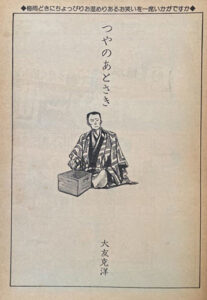
お後がよろしいようで、、、
ペンペン
最後に、
退廃感漂う大戦前の欧米列強の高性能2ドアスポーツカーを
見ておきましょう。
*その他の大戦前の高性能スポーツ・ロードスターたち
えぐみだらけで、吐き気がしそうですが、
それぞれ『珍味』としての味覚の芳醇さは否めない、
第2次世界大戦直前に咲いた、2ドア・ロードスターの世界です。
私の好みとしてはこのあたりです。
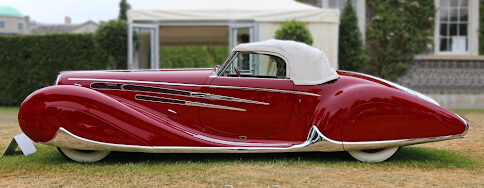
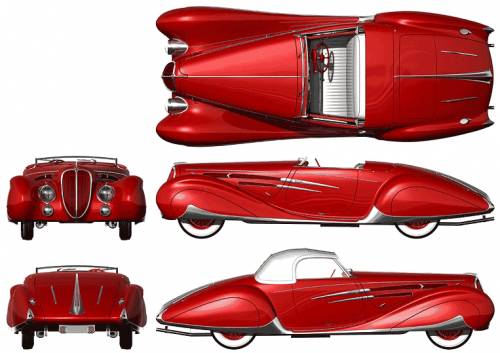
*ドライエ 165 フィゴーニ製ロードスター、 1939(メタリック・レッド)
(サイドビューのプロポーションならMB500Kスペシャルロードスターに勝るとも劣らない美しさと、フェンダーカバーによる流線形な一体感は秀逸、フロントデザインが若干派手目で、永続性ではMB500Kスペシャルロードスターに軍配が、、、)
ーーーーー>いい意味で、MBスペシャルロードスターの永遠のライバル
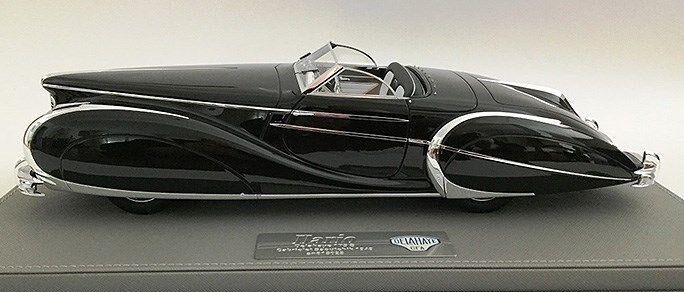
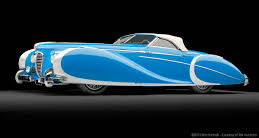
*ドライエ・タイプ175 ソーチック製ロードスター、1949(フレンチ・ブルー)
(戦前の「フラムボワイヤン」デザイン復活の有終の美を飾るモーターボートのようなスピード感あふれる外観が素晴らしいです。とってつけたような小型の窓枠+幌のデザインも私的には『ツボ』です。)
ーーーーー>こちらもフロントデザインの『厚化粧ぶり』が玉に瑕なのは否めません。
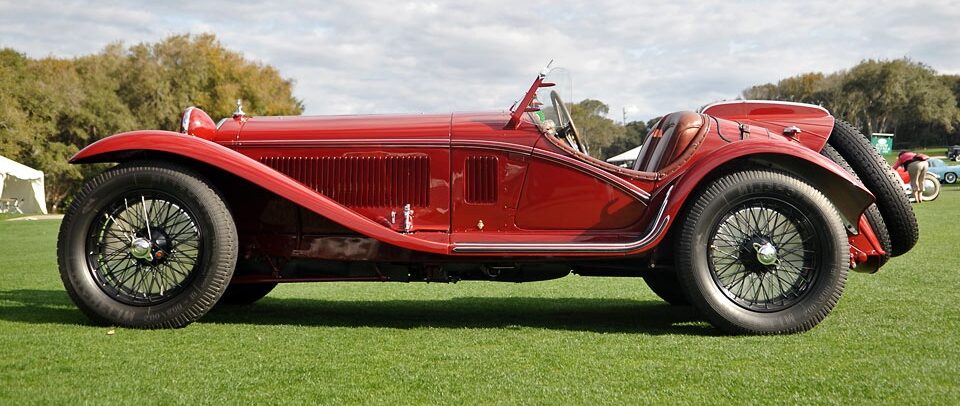
*アルファ・ロメオ 8C 2300、1932(アルファ・レッド)
(貴族階級や富裕層が既に国外逃亡していた、ムッソリーニの社会主義独裁政権下では高級な大型2ドアロードスターの需要が見込めなかったからか、戦前イタリアスポーツカーはもっぱらスパルタンなレースカー仕込みのものが大半でした。そんな中外観が最も美しいのがこちらの8C2300となりました。)
ーーーーー>風防を兼ねたスぺア・タイヤカバーがチャーミングですね!
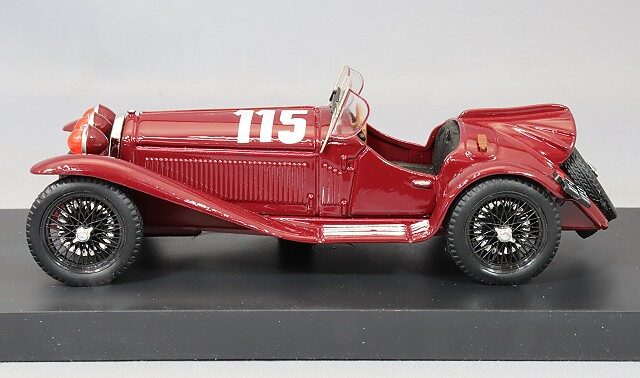
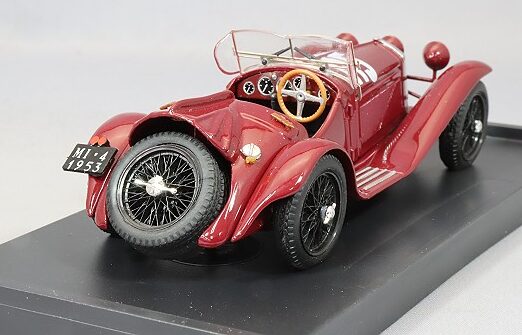
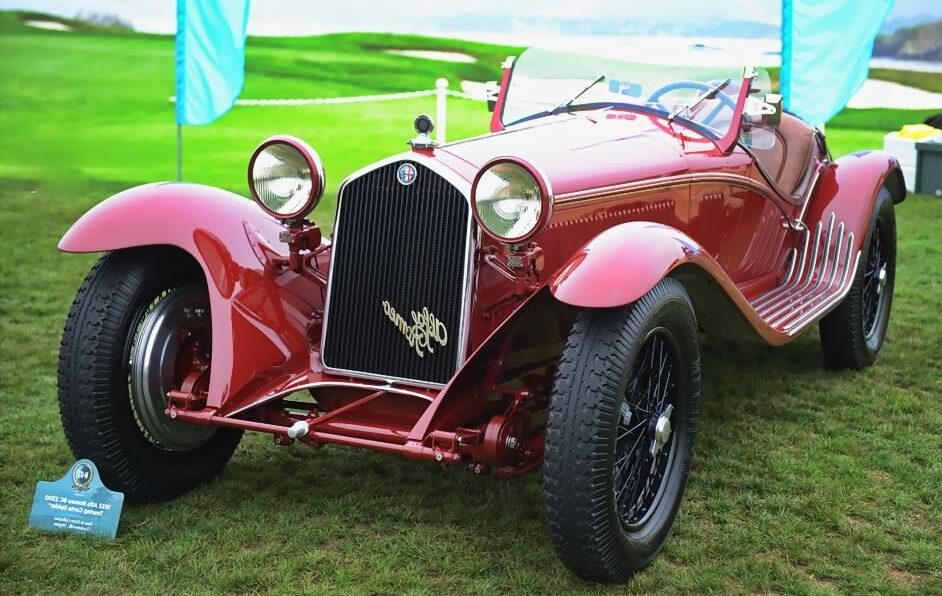
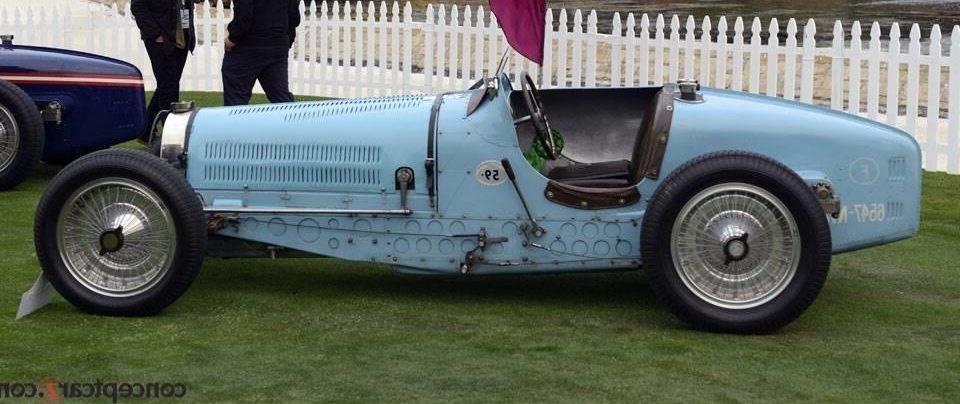
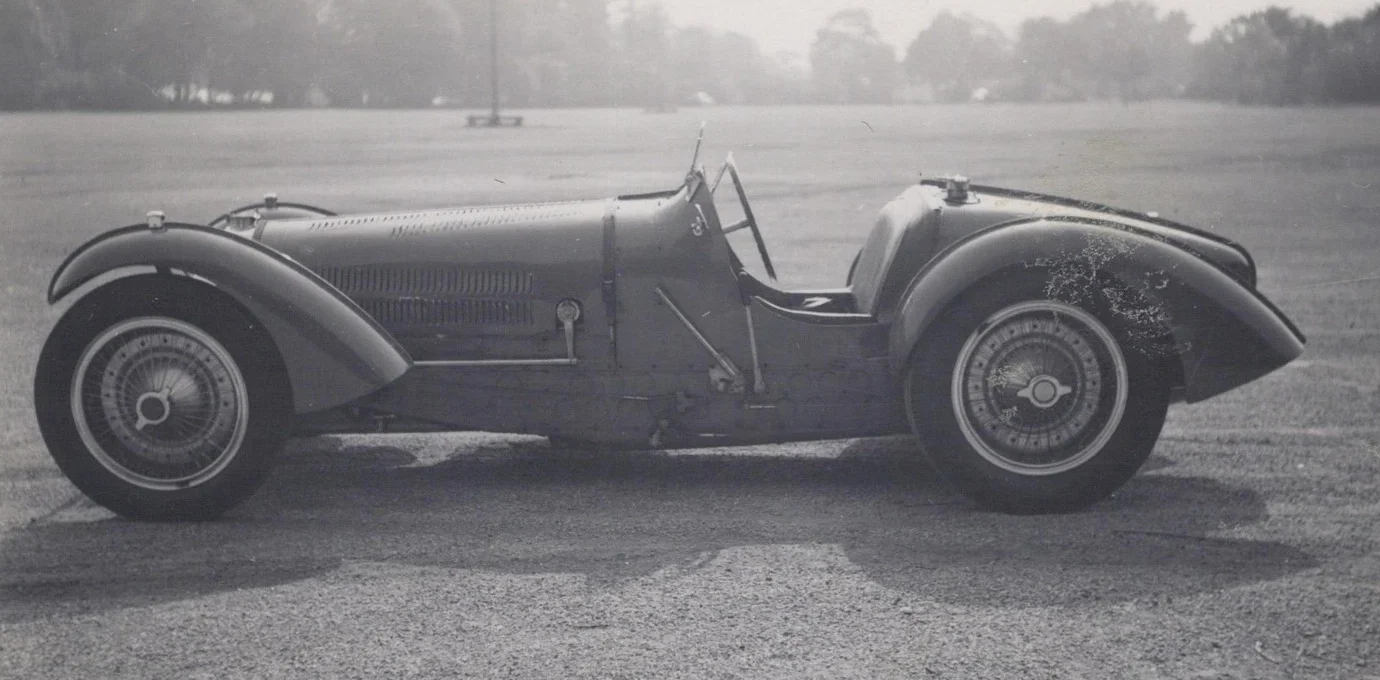
*ブガッティ・タイプ59 レース仕様, 1934(フレンチ・ブルー)
(葉巻型レーシングカーの元祖のような、シンプルなボディーが後方に引っ張られる感じで搭載されてます。ピアノ線で出来たホイールスポークが芸術的な質感!)
ーーーー>クラムシャル型のフェンダーをつけたバージョンも素敵です。
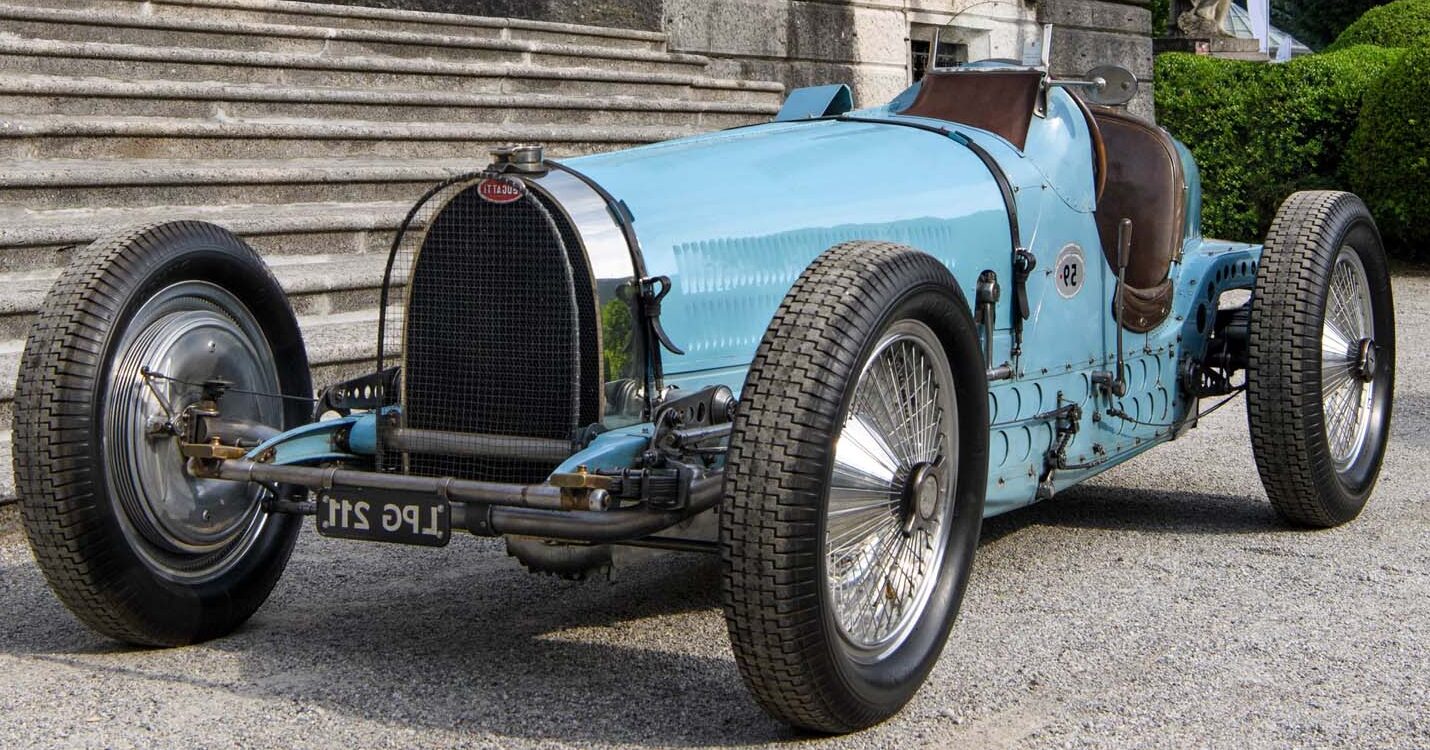
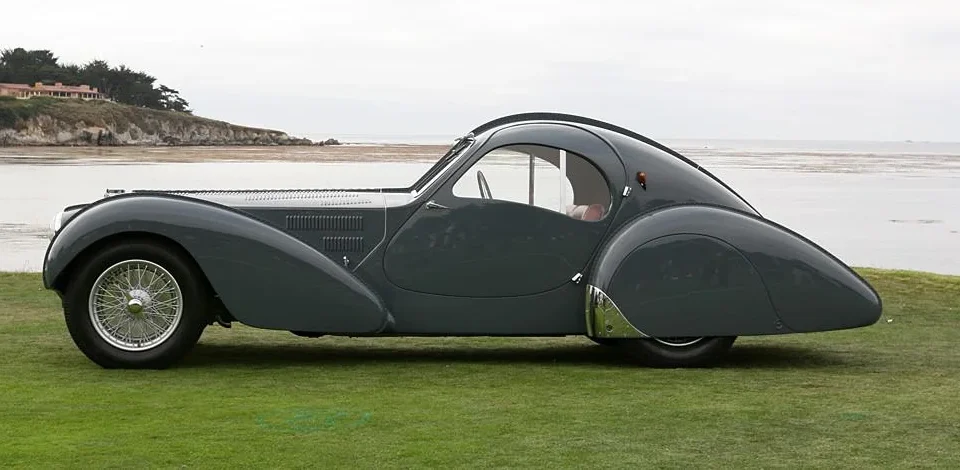
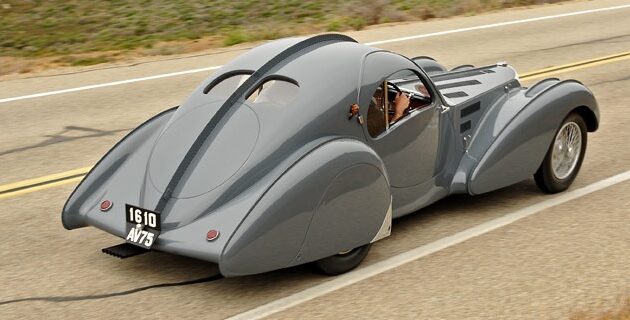
*ブガッティ・タイプ57 SC アトランティーク、1936 (ニュートラル・グレイ)
(自動車コレクター界の『モナリザ』と称されるのも納得のアールデコ時代の工芸・芸術的逸品。エットーレ・ブガッティ―の才気がさえる大胆不敵なラインどりに元ずくプロファイルとセンターラインの『ジュラルミン製プロトタイプのリベット止めの名残=背鰭』が記憶に刻まれます。)
ーーーーへそ曲がり(邪道)な私は、リアフェンダーが独立して後ろに流れる、こちらの車体番号57473番の個体にひかれます。
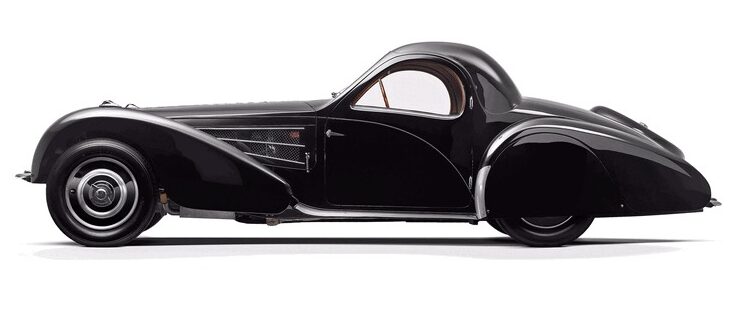
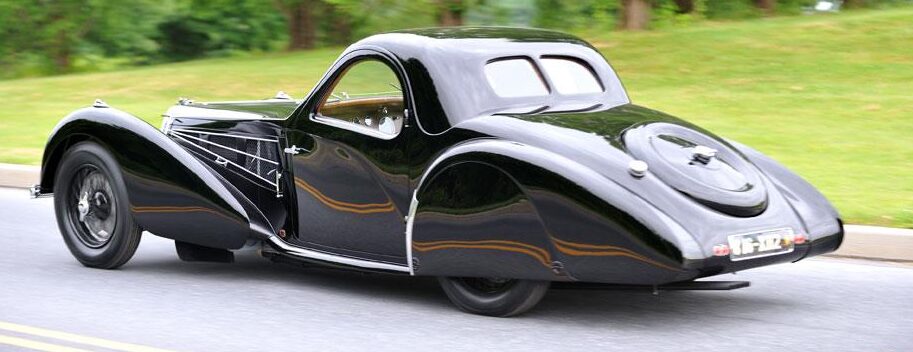
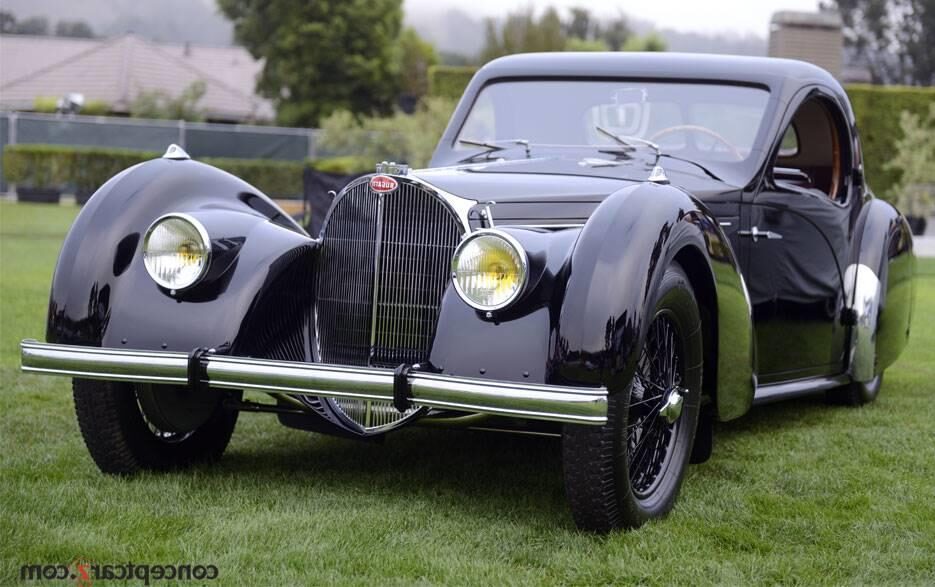
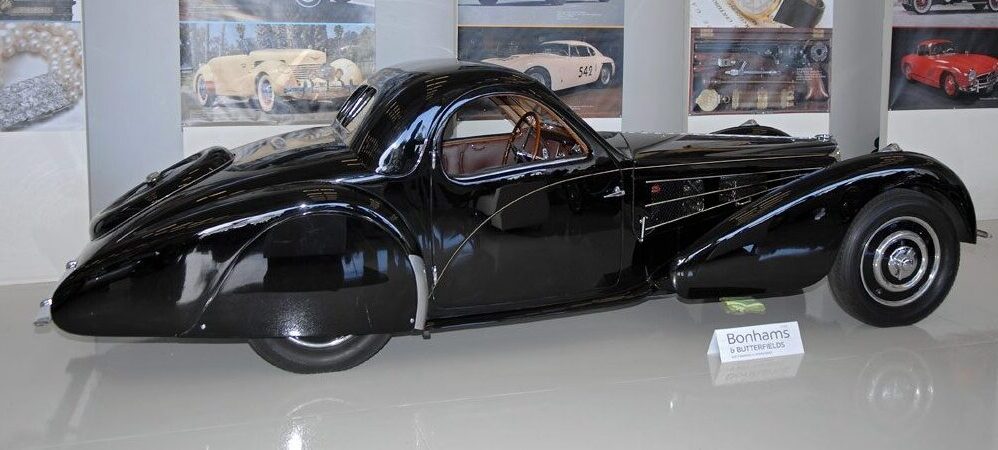
*ブガッティ・タイプ57 S ガングロフ製 クーペ、1937 (ブラック)
(カロッツェリア・ガングロフ製のボディーは非常に小さなクーペキャビンが可愛らしく、後ろに伸びるボディーラインを強調)
ーーーーーーーー>エットーレの影響は少なめですが美しい個体です。
第2次大戦前の喧騒の中、
*美しい空力を加味した立体造形
*スーパーチャージャー付の直列8気筒
*アールデコ式のグラフィック様式等を
最高の状態でパッケージして
『自動車の発展はひとまずここまで』的な、
到達点を示したこれらの自動車たちは、
現在の自動車が迎えている、
*AI制御の自動車のスマートフォーン化の流れ
*モーター使用による家電化等の
大きな転換期とよく似たフェーズにあったと感じます。
願わくば、
内燃機関からモーター制御への転換がスムーズに進んで、
新たな活力ある自動車デザインが現れるのを願って、
長い記事を終わりたいです。
次回は、
同じくダイムラーベンツ 300SL ロードスター
について書かせていただきます。
本ブログと記事内容につきまして:
ブログ記事を書くにあたり私の目標は、立体造形(料理も含めて)とのかかわりを通じて、私個人の特徴的(ネジ曲がり方も含めて)な評価軸を解明することで、「美しさ・美味しさ」に対する好奇心や、探求心を、どのように満足・充足させてきたのかを明記しておくことです。
従いまして、記事の中に出てくる、数字や年号、微細なデータなどには細心の注意を払っておりますが、時に大きな間違いや勘違いを犯していることも考えられます。特に自動車記事における主要諸元や、年号などには紛らわしいものも多く、あくまで参考程度に考えていただければ幸いです。
私としては、記事の中で個人的な外観デザインや味覚の評価、そこから広がる後半部分につなげるための、『流れ』を作るための客観的材料として年号やデータを挿入している感じです。あくまで重視したいのは、私個人の頭の中で起こる、記憶の錯そう的混沌から生まれる新たな『見方』や『情報の予想外のつながり』です。その勢いを作り出す、『流れ』の一環として、諸データが副次的に必要となるわけです。
話がそれますが、大好きな落語の世界に「三題噺」という、その場て会場から募った3つのお題を使って1つのお話に仕立てるといったお遊びがございますが、私はそれに近いことを立体造形の特徴や(料理のお味)をお題にして行っている感じがします。その中で頭の中に去来する数々の着想が、全く予想外で楽しく、次回からの記事内容を大幅に変えたり、新展開につながっています。
当ブロブの仕組み:
『好奇心の点と線 x 気まぐれ脳内回路=予想外の新展開』
こんな自分勝手なブログですが、今後ともよろしくお願いいたします。
追記:上記の『流れ』を作る為に必要な写真はできる限り、個人所有のミニカー・自前の料理などを使い撮影しておりますが、その他の必要最小限の図版や写真を他のブログ主様の記事や諸会社ホームページなどからお借りしております。(記事内容に合うよう加工させていただき、使用時は最小の解像度で載せております。)問題がある場合、ご連絡いただければ直ちに降ろさせていただきます。
追記2:当ブログ記事に掲載のミニカー写真等(個人撮影)は許可なしで、どのようにお使いいただいても結構です。私個人の創造性はこの世のもの、と言う認識の上で記事を製作しています。
!!!!!!!!!!!!!!!!!!!!!!!!!!!!!! Translation in English !!!!!!!!!!!!!!!!!!!!!!!!!!!!!!!
Part 22—The Lineage of Two-Door Coupes: Part 4 [Germany] Daimler-Benz 500K Special Roadster, 1936 (Exterior Color: Black, Interior Color: Red)
(Model used for photography: Liberty 64, 1/64 scale Daimler-Benz 500K Special Roadster, 1936 (Exterior color: Black, Interior color: Red))
Modifications:
* Whitewall tires transplanted from the same manufacturer’s (silver & blue interior) model,
* Front and rear axle mounts shaved down by about 3 mm to lower the ride height,
* Based on reference materials, tilted the windshield frame backward,
* To match the lowered height, shaved about 2 mm off the base of the soft top by fitting it to the actual car,
* Used pliers to bend the rear edge of the body up by about 1 mm to give it a more dynamic look.
Modifications Part 2:
To make it resemble the long-tail version as much as possible,
* After disassembly, wrapped a towel around the rear deck and gradually shaped it flat with pliers,
* Reattached the rear bumper with the left and right sides reversed ーーーー> The tail section now looks longer.
* Raised the front axle by 1 mm and lowered the rear axle by 1 mm.
————> This created a “flowing” momentum toward the rear.
# Favorite Car Designs — The Lineage of 2-Door Coupes:
For this 22nd installment, titled “The Lineage of the 2-Door Coupe,” I’d like to discuss luxury 2-door (GT) coupes and roadsters, which strongly reflect the national characteristics and unique exterior design styles of various countries.
[Note: Includes convertibles]
We will proceed as follows.
This 4th installment is the [German Cars Edition]
1936
Daimler-Benz 500K
Special Roadster.
[The Lineage of 2-Door Coupes: Table of Contents]
[American Cars]
Part 1: Cadillac El Mirage, 2013 (Metallic Red)
Part 2: Lincoln Continental MK4, 1972 (Black)
Part 3: Mercury Cougar, 1967 (Light Metallic Green)
【German Cars】
Part 4: MB 500K Special Roadster, 1936 (Black)
Part 5: MB 300SL Roadster, 1957 (Silver)
Part 6: MB SLS AMR Gullwing, 2010 (Black)
[British Cars]
Part 7: Jaguar XKR, 1996 (Dark Metallic Green)
Part 8: Aston Martin One-77 (Light Metallic Blue)
[Japanese Cars: Nissan]
Part 9: Nissan First-Generation Silvia, 1965 (Champagne Gold)
Episode 10: Nissan 5th-generation Silvia, 1988 (Light Metallic Green)
[Japanese Cars: Mazda Edition]
Episode 11: Mazda Cosmo Sport, 1967 (Silver)
Episode 12: Mazda Eunos Cosmo, Type-S (Two-tone: Black & Gray)
[Japanese Cars: Toyota Edition]
Episode 13: Toyota/Yamaha 2000GT, 1967 (Ivory White)
Episode 14: Toyota 2nd-generation Soarer, 1986 (Two-tone: Black & Gray)
Episode 15: Lexus LC [GWZ100], 2017 (Metallic Red)
#Top 10 Most Beautiful Cars of All Time: The Prestige of a Regular No. 1!
Whenever the “List of the World’s Most Beautiful Cars” is compiled,
there is a car that consistently ranks first or second.
One of them is the
Daimler-Benz 500K,
Special Roadster.
(For more details, the Special Roadster’s High Door / Long Tail / Covered Spare tire configuration is the ultimate choice.)
In the late 1930s, during the unstable interwar period between the two world wars,
entertainment hubs like Paris, Spain, and Hollywood
exhibited a decadent atmosphere filled with fleeting excitement.
On the chassis of large-displacement automobiles from various European countries during this era,
Italian and Spanish carrozzerie mounted glamorous two-door roadster bodies, which were driven around by movie stars and famous singers.
(This situation may be similar to the rise of Cadillac and Lincoln two-door coupes in post-World War II Hollywood, which I wrote about last time.)
Among such luxurious roadsters,
the one that best symbolized the era was
Daimler-Benz’s top-of-the-line two-door open model,
the 500K Special Roadster,
which supplied high-performance, large-displacement cars while keeping a wary eye on the rise of the Nazis.
Furthermore,
the one I particularly admire among them
is the ultra-rare model,
of which only six were produced:
the Special Roadster
* High Door (with a high door sill)
* Long Tail (with a low deck above the rear tires and an extended tail section)
* Covered Spare (with a metal cover for the spare tire)
variations.
(Unfortunately, the Liberty 64 die-cast model is the standard tail version.)
In this post,
I would like to introduce
the MB Special Roadster, which I deeply admire,
as follows.
* Real Car Overview:
* Design Features:
* “Me” and the MB Special Roadster
* Three-Part Story: Long Tail
* Other Pre-War Roadsters
* Car Overview: The Finest Roadster of the Pre-World War II Era
The Mercedes-Benz 500K Special Roadster (W29), manufactured by Daimler-Benz from 1934 to 1936, is a legendary pre-war luxury sports car. Its main features are as follows: NNN
N
N
1. Outstanding Performance
n
n
Engine: A 5.0L inline-8 supercharged engine was mounted 175 mm further back than on the standard chassis to improve handling and enhance the vehicle’s appearance “set back” by 175 mm compared to the standard chassis to improve handling and enhance the vehicle’s appearance.
n
Power: With the supercharger engaged, it delivered a maximum of 160 horsepower and reached a top speed of 160 km/h (100 mph)—an astonishing figure for its time.
n
Origin of the Name: The “K” in the model name stands for “Kompressor,” the German word for supercharger, signifying a “5-liter supercharged engine.”
n
n
n
n
n
n
n
n
n
n
n
n
n
n
n
n
n
n
n
n
n
n
n
n
n
n
n
n
n
n
n2. Design and Rarity
n
Styling: Designed by Friedrich Geiger, it embodies supreme beauty by perfectly blending Art Deco aesthetics with streamlined design, featuring sleek fenders, a long hood, and a rear-sloping radiator grille.
n
Rarity: While 342 units of the 500K series were produced in total, only about 29 (or up to 50, according to some sources) of the top-of-the-line “Special Roadster” models were ever built.
n
Price: The original selling price was 28,000 Reichsmarks, making it an extremely expensive car—costing as much as a luxury home.
n
n
3. Historical Value and the Present
n
Auctions: It enjoys extremely high popularity at modern auctions, with a record high of approximately 6 million euros (over 950 million yen) achieved in the past.
n
Exhibitions: In Japan, its elegant form can be seen at venues such as the Toyota Museum near Nagoya (in Nagakute City).
# Key Specifications:
Model: W29
Total Displacement: 5.0L inline-8 OHV with Roots-type supercharger
Maximum Power: 100 hp (standard) / 160 hp @ 3,400 rpm (with supercharger engaged)
Maximum Torque: 431 Nm (318 lb-ft) / 2,200 rpm
Drivetrain: FR (front-engine, rear-wheel drive)
Seating Capacity: 2 passengers (some models can accommodate 4 passengers in emergencies)
Body Style: 2-door, (2+2 seating), convertible coupe
Wheelbase: 3,290 mm
Overall Length: 5,245 mm
Overall Width: 1,905 mm
Overall Height: 1,651 mm
Curb Weight:
Approx. 2,700 kg
*Exterior Design Features: [The Goddess of the Streamlined Design Era]
Designed by Friedrich Geiger—the man responsible for all Mercedes-Benz designs prior to Bruno Sacco, the giant of German automotive design—what are the defining characteristics of this ultra-high-performance, ultra-luxurious, elegant, and flowing design?
Let’s examine the following six features
in order.
1. Exceptionally beautiful proportions resulting from the effective use of the entire length—exceeding 5 meters—from end to end, and the positioning of the streamlined body and the four streamlined fenders at its four corners
2. A graphic treatment featuring dynamic, streamlined Art Deco styling that sets it apart from the flamboyant and eccentric designs of the Latin-style two-door roadsters of the time
3. The “reverse teardrop” design, which conveys a sense of speed stretching from front to back—a feature even more pronounced in the long-tail version.
4. The “set-back” stance, achieved by mounting the engine 175 mm further rearward, giving it the appearance of a cat or predator ready to pounce on its prey.
ーーーーーー> This is the “ferocious and agile” lineage inherited by all subsequent FR sports cars.
5. The “rigidity” felt in the thick pressed steel of the rear fenders and the deck section above them
ーーーーーーー>somehow connects to the solid feel extending from the rear fenders to the taillights of the W123 sedan, famous for its Sacco plates.
n
nb
n
n
1. The “exceptionally” beautiful proportions resulting from the streamlined main body—which makes effective use of the entire length exceeding 5 meters from end to end—and the positioning of the four streamlined fenders at its four corners
(The spindle-shaped layout with five teardrop-shaped tails is perfect.)
ーーーー>Ideal proportions that continued to be emulated even after post-war automotive design shifted to monocoque construction
2. Distinct from the flamboyant and outlandish designs of contemporary Latin-style two-door roadsters, the car features dynamic, streamlined Art Deco-inspired styling
(Above and below: luxury sports cars from other countries of the same era)
3. The “reverse teardrop” design form, exuding a sense of speed as it stretches from front to back—a feature even more pronounced in the long-tail version
(The application of cutting-edge fluid dynamics of the era, combined with symbolic imagery, creates a powerful impact.)
ーーーーー> Like a calligrapher’s soul-infused single stroke, it curves in from the front and flows backward, trailing a wavy tail.
4. The “tight, poised stance”—like a feline predator ready to pounce—achieved by mounting the engine 175 mm further back
ーーーーーー>This is the “ferocious and agile” lineage passed down to all subsequent FR sports cars.
5. The “stiffness” felt in the thick pressed steel panels of the rear fenders and the deck area above them
ーーーーーーー>somehow connects to the solid feel of the area from the rear fenders to the taillights on the W126 sedan, which is famous for its Sacco plates.
Next, I’ll write about my personal experience
with the 500K Special Roadster.
*“Me” and the MB 500K Special Roadster
Ever since junior high school, through car encyclopedias and magazine articles,
I had the impression that it was always competing for the top spot alongside the Jaguar E-Type on lists like “The Most Beautiful Cars in Automotive History.”
Amidst this, I had almost forgotten about it because the models made from Monogram plastic kits or JOHAN kits just didn’t quite feel right—but then,
Meist 1/18 Diecast Model MB 500K Special Roadster (White)
(This model is likely based on the ivory-colored production car shown below. It’s a very rare version—the “Maharaja Version”—where the spare tires are mounted on either side of the engine, and the original rear spare tire compartment has been converted into a square trunk. In the model, however, the spare tires are mounted in the trunk instead…)
In the late 1990s,
I stumbled upon the American hobby store
“Hobby Shack Pasadena” and found
the Maisto
1/18 Mercedes-Benz 540K Special Roadster
(die-cast model),
and immediately bought it,
which sparked my “love at first sight” for this model.
Now, let’s take a step-by-step look
at my experience with the MB500K model kit,
# “MB/500K” Model Kit Experience:
* Monogram 1/24 scale plastic kit: Mercedes-Benz 540K (Silver)
(The Monogram kit, re-released by Bandai at the time, came with illustrated blueprints, which gave it a special feel to my childish eyes. Unfortunately, it was the three-seater (with side-facing rear seats) short-tail version, so there was a lingering sense that “something wasn’t quite right.”)
ーーーー>Unassembled
* Johan 1/25 scale plastic model kit: Mercedes-Benz 500K (Roadster Hardtop)
(This kit reproduces a rare version featuring a short tail, high door line, and a hardtop with dual spare tires. Johann’s kits were appealing for their unique part and sprue layout, box art, and the intricate detailing that set them apart from Monogram. I collected various models, including masterpieces like the Chrysler Turbine Car Classic Series.)
ーーーー>Unassembled
*Poker 1/8 Multi-Material Kit: Mercedes-Benz 540K (Cabrio Special)
(This kit reproduces the Special Roadster, but the white section under the front fenders is abnormally large, creating a jarring effect in the side view. The rear end of the body also slopes downward slightly, detracting from the overall impression. Because of this awkwardness, I once purchased a Rolls-Royce 2-door hardtop from the same manufacturer.)
ーーー>It’s a shame, especially since the rest of the kit is so well-made.
* Gunze/Heller, 1/24 Plastic Kit: Mercedes-Benz 500K Special Roadster (White Mold)
(This is truly a very rare 1/24 scale kit that perfectly captures the long-tail Special Roadster. Alongside Gunze’s kit, it beautifully captures the elegant, flowing body with superb detail! The box art, reminiscent of a Van Gogh-style impressionist painting, is also a charming highlight.)
—> A kit I’d love to build someday
*Gakken/Academy, 1/16 Mercedes-Benz 500K Special Roadster (Can also be built to resemble the Maharaja’s version)
(This kit sat unsold on the shelf at my local toy store for about 30 years. The toy store has since closed down, but I wonder where the kit went?
Judging by the images on blogs and other sites, it looks like it does a pretty good job of capturing the ‘fluid, flowing lines of the body.’)
*IXO, 1/43 Mercedes-Benz 500K Special Roadster (Silver)
(This is an inexpensive 1/43 die-cast version, but it skillfully captures the overall silhouette of the Special Roadster. The only drawbacks are that the hood is a bit too high and bulky, and the rear end slopes down slightly. (Perhaps they based it on a non-long-tail version…))
* Liberty, 1/64 Mercedes-Benz 500K Special Roadster (Black)
(This is a highly anticipated, precision 1/64 scale model. It makes extensive use of photo-etched and plated parts, resulting in a masterpiece with a brilliance that seems to defy its small scale. The overall silhouette is almost identical to the IXO 1/43 version; the high hood and sloping rear end were key points requiring modification.)
ーーー> A hardtop version has been released, and there are plenty of color variations available
*CMC, 1/24 Multi-Material, Ready-to-Display Mercedes-Benz 500K Special Roadster (Various Colors)
(This is a 1/24 ready-to-display model from CMC, a German company renowned for museum-quality products. It perfectly captures the long-tail Special Roadster. A 1/18 version of this model is scheduled for release this year, so I’m very curious to see how it turns out.)
ーーーー>The canvas material used for the top slightly detracts from the sense of scale, but let’s just chalk that up to its charm…
In addition, I’ve had the opportunity to see the actual 500K in person at the Toyota Automobile Museum and Concours d’Elegance events.
Unfortunately, I haven’t had the chance to see the Long Tail version of the Special Roadster yet,
so I’d like to find a way to see it in person in the future.
*“Three-Theme Story”: Long Tail / Great Depression / Stoic
To wrap up this installment on the Mercedes-Benz 500K Special Roadster,
I’ve been given these three topics:
* “Long Tail”
* “Great Depression”
* “Stoic”
So then,
I hope you’ll bear with me for a moment…
As mentioned earlier in this article,
among the 1936 MB 500K Special Roadsters, the one I hold in the highest regard is the one that features:
* High doors +
* Long Tail,
* Covered Spare,
I’ve said that a single car featuring all three of these is the ultimate,
but it’s said that only about 3–5 such “Royal Straight Flush” examples actually exist today,
and because of this rarity, whenever one comes up at auction,
fans from all over the world are on their feet.
The background behind the emergence of such an incredibly decadent and hedonistic design
strongly reflects the global situation of 1936.
Following the investment bubble that burst on Wall Street in New York in 1929 and the prolonged Great Depression, Germany—lagging behind other major powers in their recovery—had already established a Nazi one-party dictatorship under Hitler. Among the companies straining every muscle to produce a mix of civilian and military industrial goods in the run-up to World War II was Daimler-Benz.
In mid-1930s Europe, under the banner of militarism, international automobile races gained popularity as a venue for showcasing national prestige. German companies such as Auto Union and Daimler were fiercely competing to design high-displacement, high-output race cars that leveraged aerodynamic characteristics.
Amidst this,
small-production two-door convertibles—high-performance race cars clad in the cutting-edge designs of the era—were fancied by major stars of the music, theater, and film worlds. On glamorous stages such as Monte Carlo and the Côte d’Azur, roadsters from France, Italy, Spain, and Germany were in full bloom.
In this way,
* In France: Bugatti, Draye, Darracq, Talbot-Lago,
* In Italy: Lancia, Alfa Romeo, Isotta
* In Spain: Hispano-Suiza, Elizalde, etc.
* In the UK: Rolls-Royce, Daimler, Bentley, Lagonda
* In the United States: Cadillac, Lincoln, Packard, Cord, LaSalle
And in Germany,
* Daimler-Benz, Horch, Maybach, and others,
provided luxury sedans with bulletproof glass for royal families and dignitaries around the world, as well as high-performance supercharged two-door sports cars.
What I’d like to highlight here is
the position of the MB500K Special Roadster, the subject of this discussion.
While the luxury two-door coupes from Latin America and the U.S.
*did not merely stop at being hedonistic and pleasure-seeking,
*but rather seemed to instantly imprint a design—one that was at times vulgar, fleeting, and ephemeral—onto a high-performance chassis,
In contrast,
our 500K Special Roadster,
* while possessing more than enough aesthetic appeal,
* goes even further, mirroring the company’s pursuit of cutting-edge mechanical and engineering technology,
* with a stoic dedication to aesthetic sensibility that transcends all bounds,
* achieving the “ultimate beauty” of three-dimensional form, rich in the enduring quality to become a classic in the future.
Though the analogy may be somewhat trite,
it exudes a dignity and reverence
comparable to that of Beethoven
in relation to Mozart in the world of classical music.
Especially in these times, as a turbulent era seems to be approaching,
even from the “hypercar” market—which is in a state of wild proliferation and symbolizes the real-world reality where the ultra-wealthy clash with the middle and lower classes comprising over 99% of the population—
I cannot help but notice
* the improvisational flair aimed at appealing to the wealthy,
* and the whiff of fleeting decadence
that permeates the scene.
Sincerely hoping that future generations will not record that “hypercars
were a symbol of the outbreak of World War III,”
I’d like to wrap up this loooong, loooong
ramble about the MB500K Special Roadster,
given its long tail, after all…
Well then, that’s all for now…
Pen-pen
Finally,
let’s take a look at the high-performance two-door sports cars
from the Western powers before the war,
which exude a sense of decadence.
*Other pre-war high-performance sports roadsters
They’re so over-the-top they make me feel sick,
but there’s no denying the rich, “exotic” flavor each one offers.
This is the world of two-door roadsters that bloomed just before World War II.
These are my personal favorites.
* Dreyfus 165 Figoni Roadster, 1939 (Metallic Red)
(In terms of side-view proportions, its beauty rivals that of the MB 500K Special Roadster; the streamlined, seamless look created by the fender covers is superb. The front design is a bit flashy, though, so when it comes to timeless appeal, the MB 500K Special Roadster takes the prize…)
ーーーーー>In a good way, the MB Special Roadster’s eternal rival
* Dreyer Type 175, Sautic Roadster, 1949 (French Blue)
(Its motorboat-like, speed-infused exterior—which serves as the perfect finale to the revival of the pre-war “Flamboisier” design—is simply stunning. Personally, I’m also a big fan of the design featuring the small, almost tacked-on window frames and the soft top.)
ーーーーー>It’s undeniable that the “heavy-handed” front-end styling is a bit of a flaw here as well.
* Alfa Romeo 8C 2300, 1932 (Alfa Red)
(Perhaps because there was little demand for large, luxury two-door roadsters under Mussolini’s socialist dictatorship—a time when the aristocracy and wealthy had already fled the country—most pre-war Italian sports cars were primarily spartan, race-inspired models. Amidst this, the 8C 2300 stands out as the most beautiful in terms of exterior design.)
ーーーーー>The spare tire cover, which doubles as a windshield, is quite charming!
* Bugatti Type 59 Race Spec, 1934 (French Blue)
(It features a simple body—reminiscent of the original cigar-shaped racing car—that appears to be pulled backward. The piano wire wheel spokes give it an artistic texture!)
ーーーー> The version with clamshell-style fenders is also lovely.
* Bugatti Type 57 SC Atlantique, 1936 (Neutral Gray)
(A masterpiece of Art Deco craftsmanship and artistry—it’s no wonder it’s hailed as the “Mona Lisa” of the automotive collecting world. The profile, rooted in Ettore Bugatti’s bold and daring lines, and the “dorsal fin”—a remnant of the riveted duralumin prototype visible along the centerline—are etched into memory.)
ーーーーAs a contrarian (unorthodox) person, I’m drawn to this particular car, chassis number 57473, where the rear fenders flow independently backward.
* Bugatti Type 57 S Gangloff Coupe, 1937 (Black)
(The body by Carrozzeria Gangloff features a charmingly compact coupe cabin that accentuates the body lines extending toward the rear.)
ーーーーーーーー> While it bears less of Ettore’s influence, it is a beautiful example.
Amid the turmoil before World War II,
* Three-dimensional design incorporating beautiful aerodynamics
* A supercharged inline-8 engine
* Art Deco-style graphics, etc.
Packaged in the finest condition,
these automobiles, which seemed to declare,
“The evolution of the automobile has reached its peak for now,”
I feel were in a phase very similar to
the major turning point currently facing modern automobiles:
* The trend toward smartphone-like AI-controlled vehicles
* The shift toward home appliance-like functionality through the use of electric motors, etc.
I would like to conclude this lengthy article
I hope
that the transition from internal combustion engines to motor control proceeds smoothly,
and that new, vibrant automotive designs emerge.
With that, I’d like to conclude this lengthy article.
Next time,
I’ll be writing about
the Daimler-Benz 300SL Roadster as well.
Regarding this blog and its content:
My goal in writing these blog posts is to document how I have satisfied and fulfilled my curiosity and desire to explore “beauty and deliciousness” by elucidating my personal, distinctive criteria for evaluation—including my own quirks—through my engagement with three-dimensional forms (including cooking).
Consequently, while I pay meticulous attention to the numbers, dates, and detailed data appearing in the articles, it is possible that I may occasionally make significant errors or misunderstandings. In particular, key specifications and dates in automotive articles can often be confusing, so I would appreciate it if you would consider them merely as a reference.
Personally, I feel that I insert dates and data into the articles as objective material to create a “flow” that connects my personal assessments of exterior design and taste to the broader themes explored in the latter half. What I ultimately prioritize are the new “perspectives” and “unexpected connections between information” that emerge from the chaotic jumble of memories in my own mind. The various data points are needed secondarily as part of that “flow” to generate that momentum.
This is a bit of a tangent, but in the world of rakugo—a form of traditional Japanese storytelling I love—there’s a playful format called “sandaibana,” where the performer weaves a single story using three topics solicited from the audience on the spot. I feel like I’m doing something similar, using the characteristics of three-dimensional forms and (the taste of food) as my prompts. The countless ideas that flit through my mind during this process are completely unexpected and delightful, often drastically altering the content of future articles or leading to new developments.
How This Blog Works:
“Spots and Lines of Curiosity x Whimsical Mental Circuits = Unexpected New Developments”
This blog may be a bit self-indulgent, but I hope you’ll continue to follow along.
Note: To create the “flow” described above, I use my own miniature cars and home-cooked meals for photos whenever possible. However, I do borrow the absolute minimum necessary illustrations and photos from other bloggers’ posts and company websites. (I edit them to fit the article’s content and post them at the lowest possible resolution.) If there are any issues, please contact me and I will remove them immediately.
P.S. 2: You are free to use the photos of die-cast cars and other images (taken by me) featured in this blog’s posts in any way you like without permission. I create these posts with the understanding that my personal creativity belongs to the world.
Translated with DeepL.com

これはCTAサンプルです。
内容を編集するか削除してください。