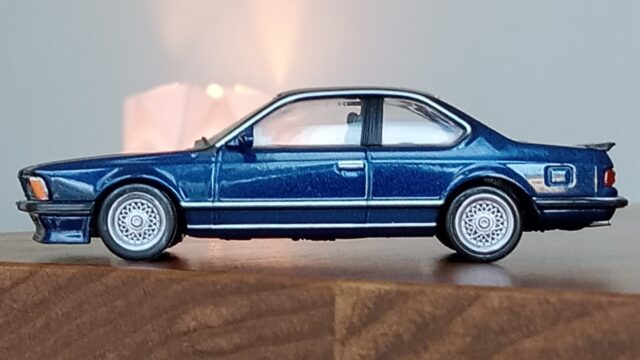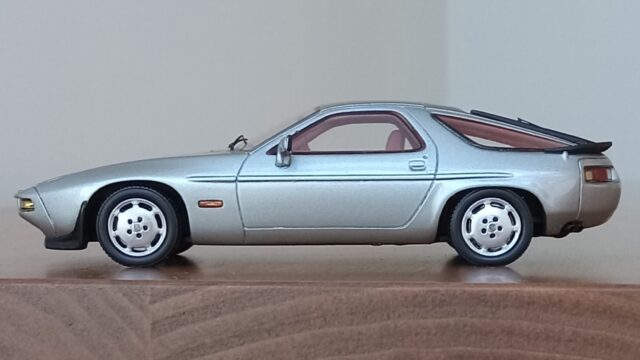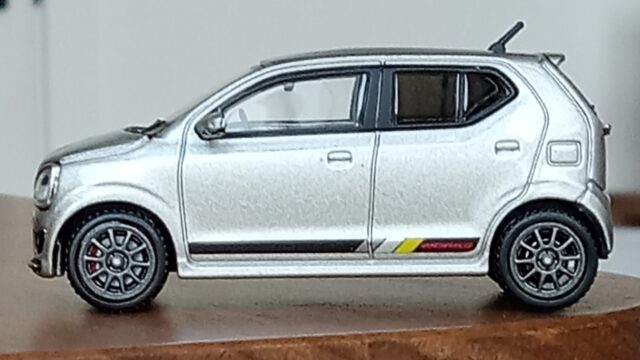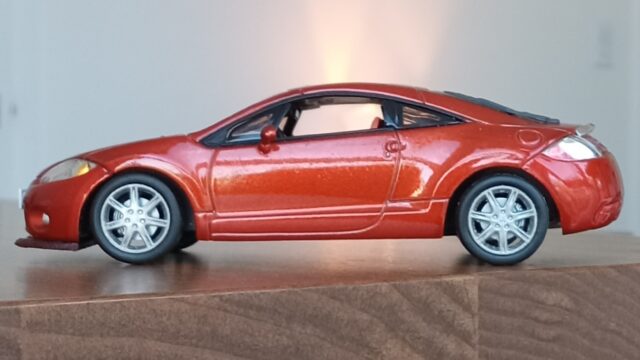
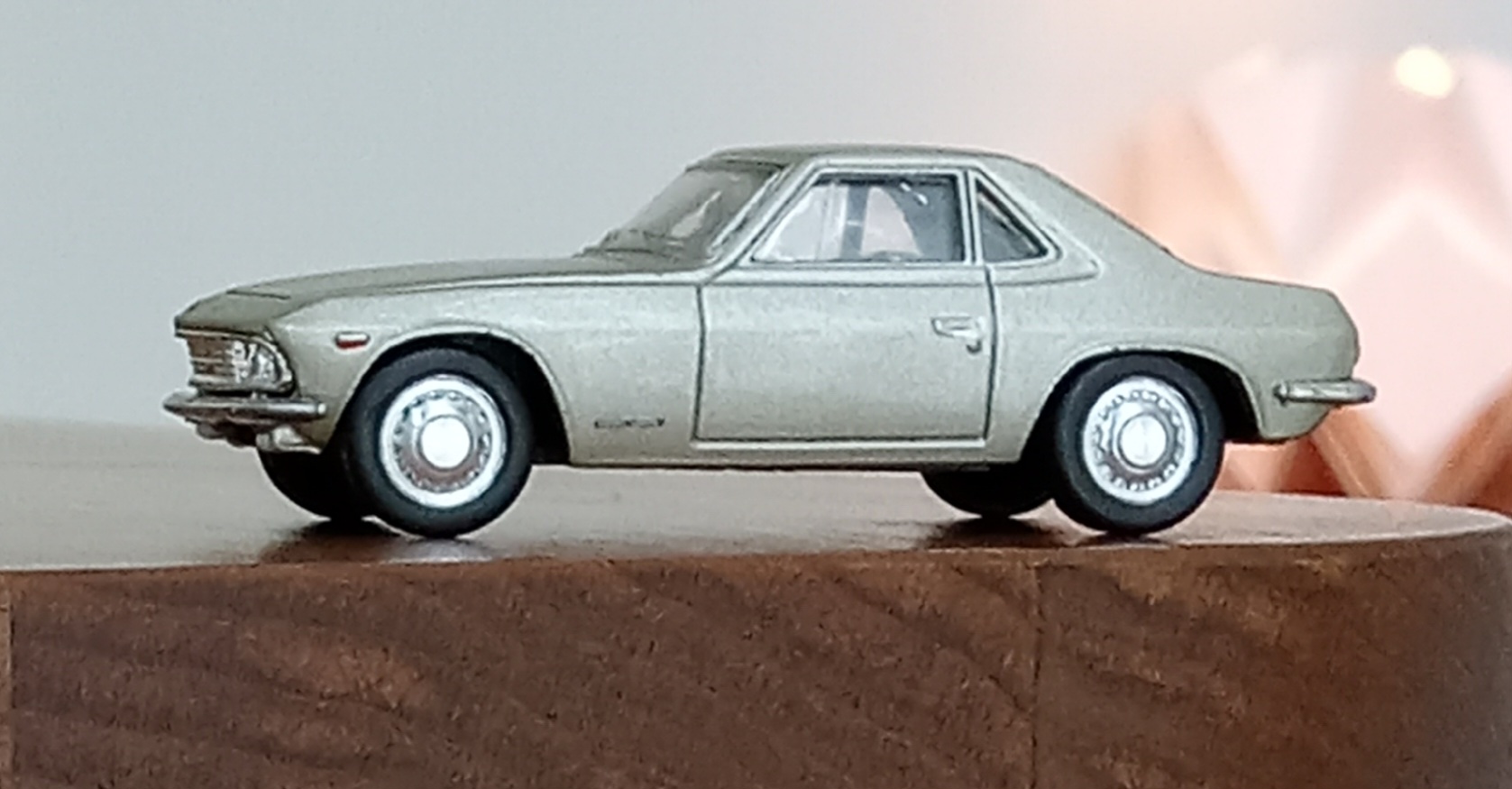
第30回ーー2ドア・クーペの系譜: 第10回【日本車編】ニッサン 初代シルビア、1965(シャンペン・ゴールド) Nissan Silvia、 1965
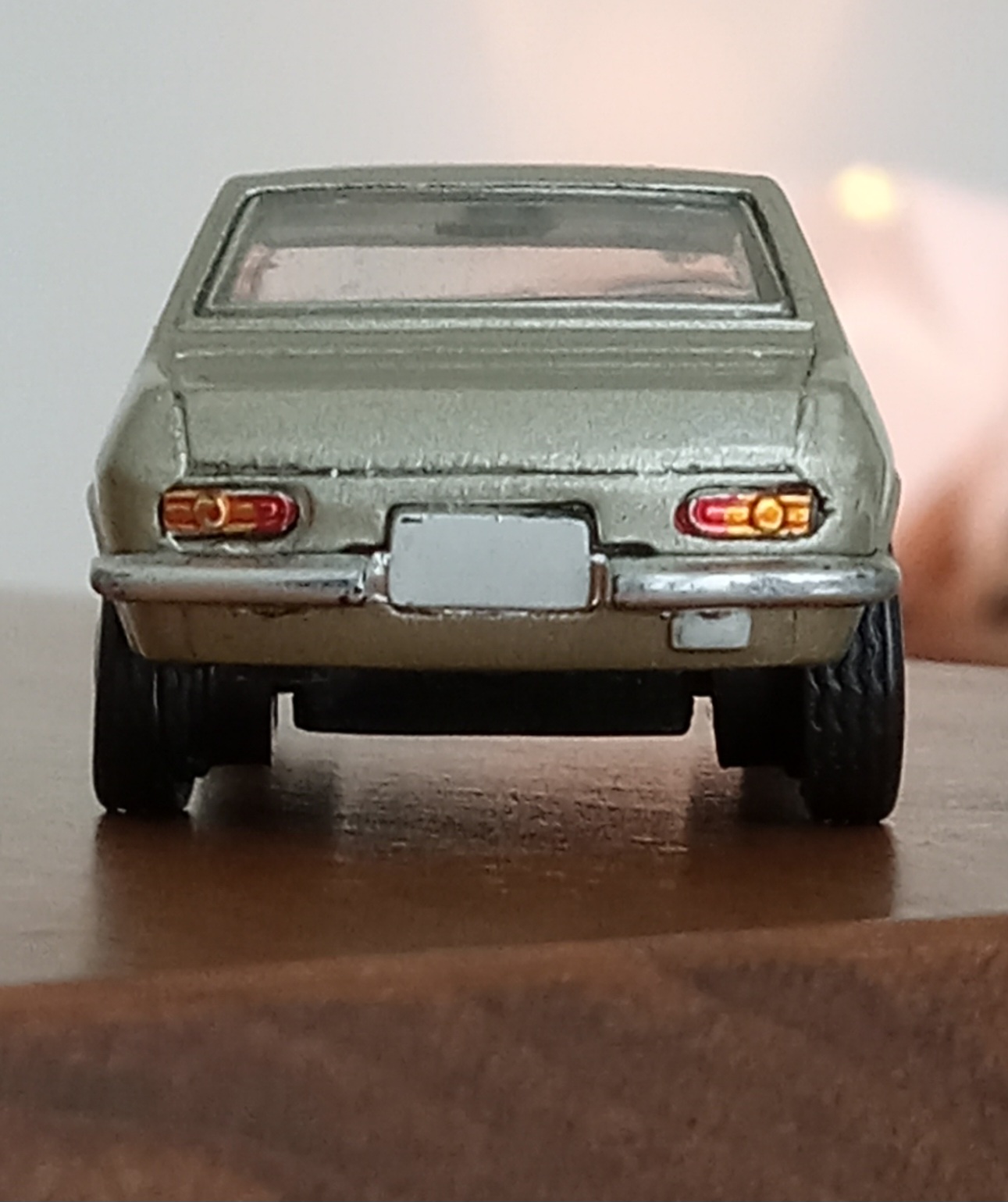
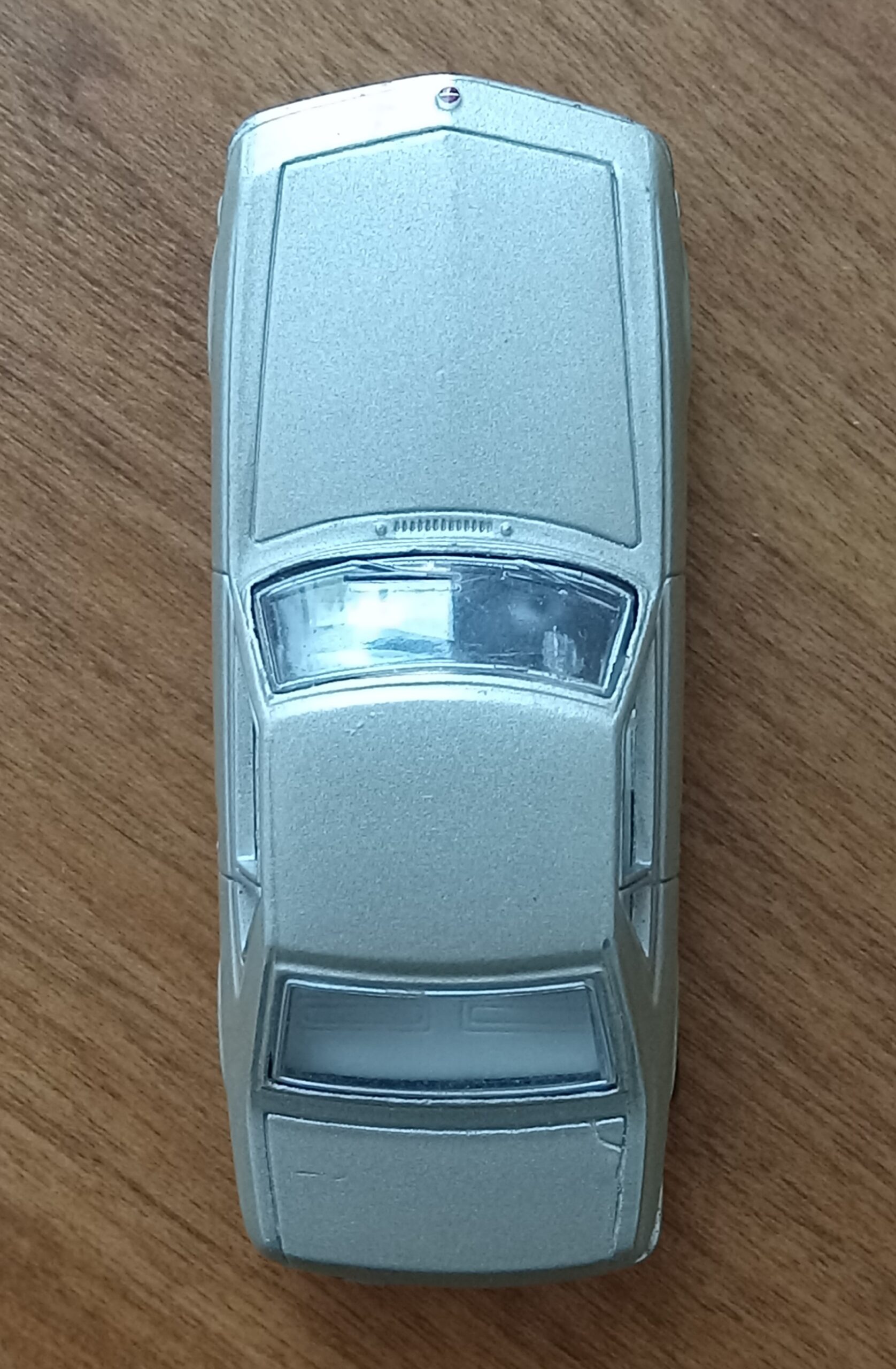
2台の写真モデル:
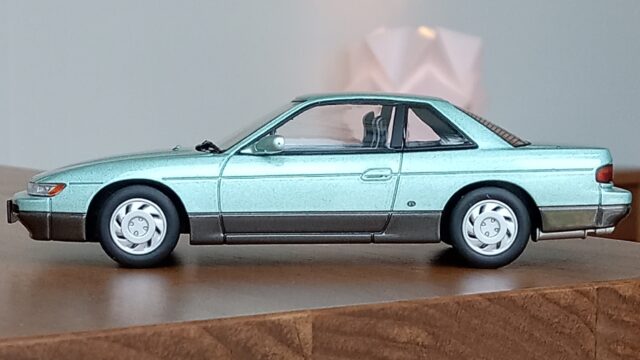
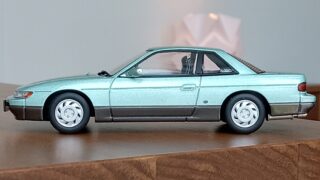
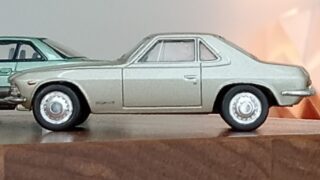
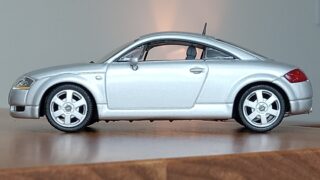
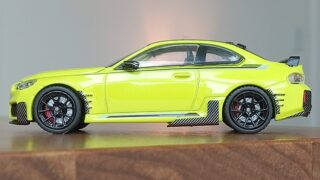
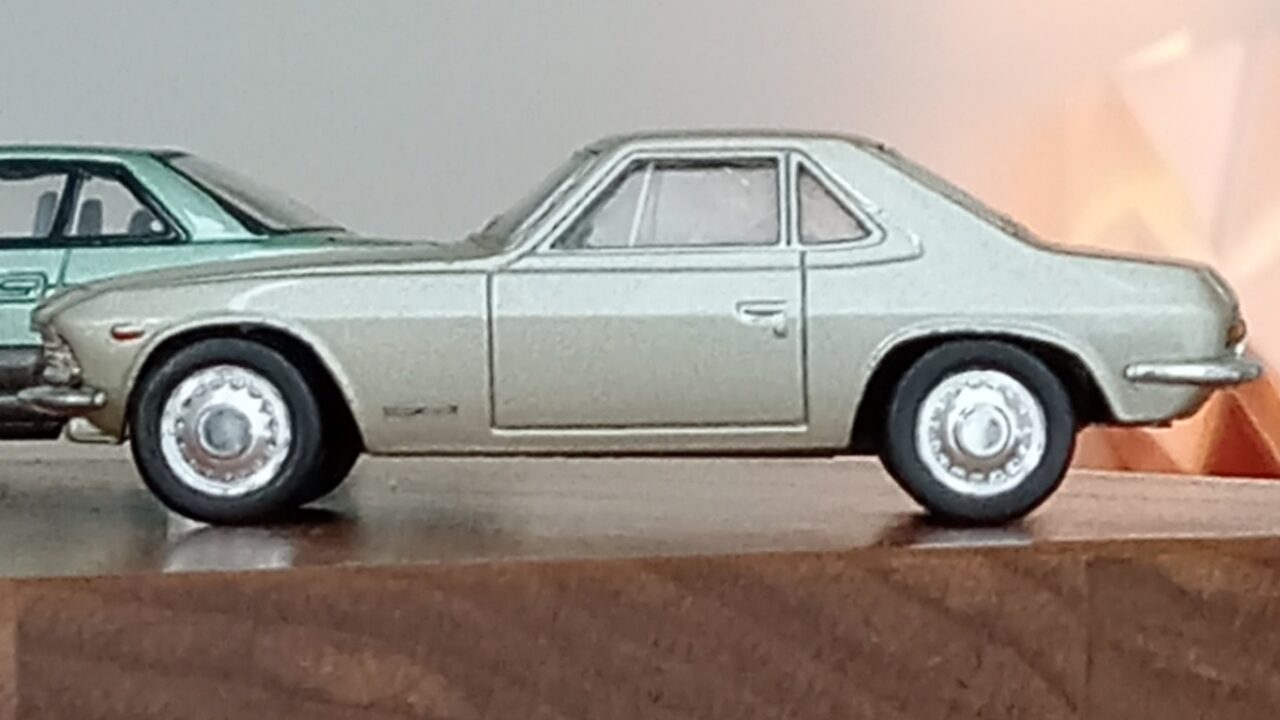
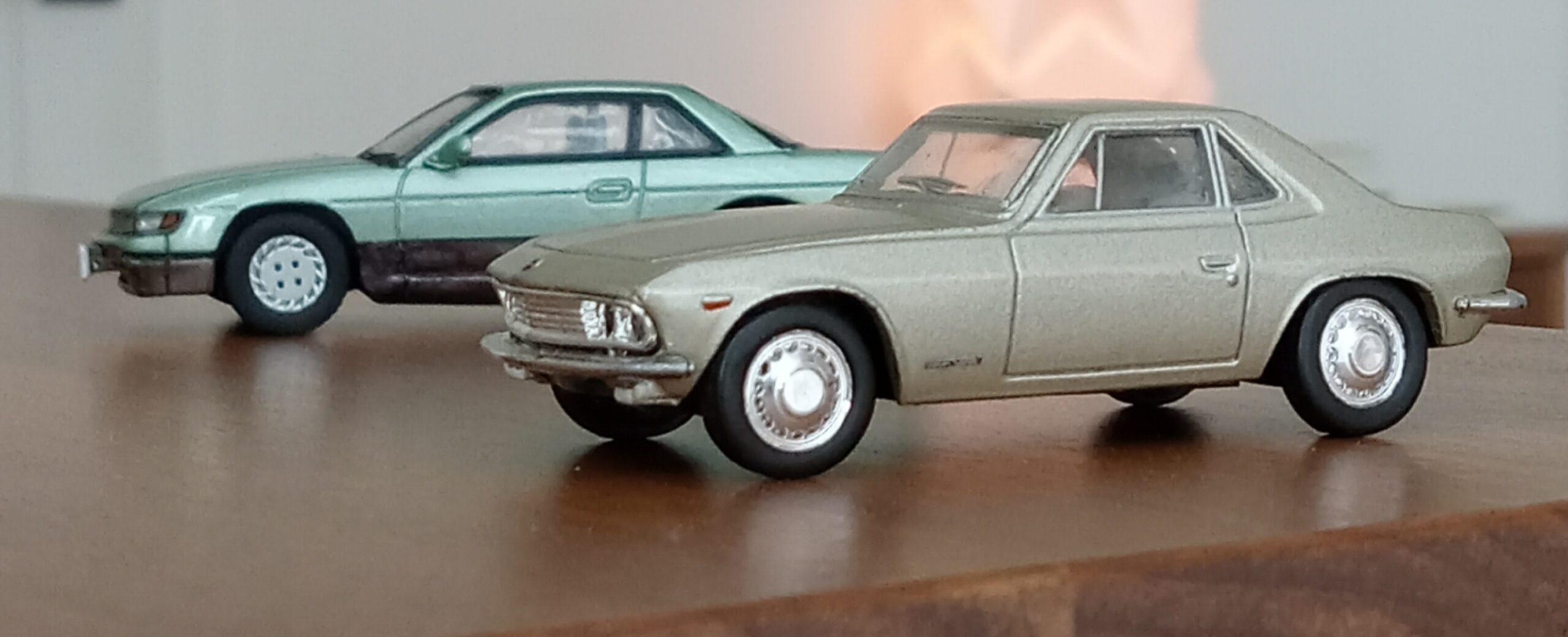
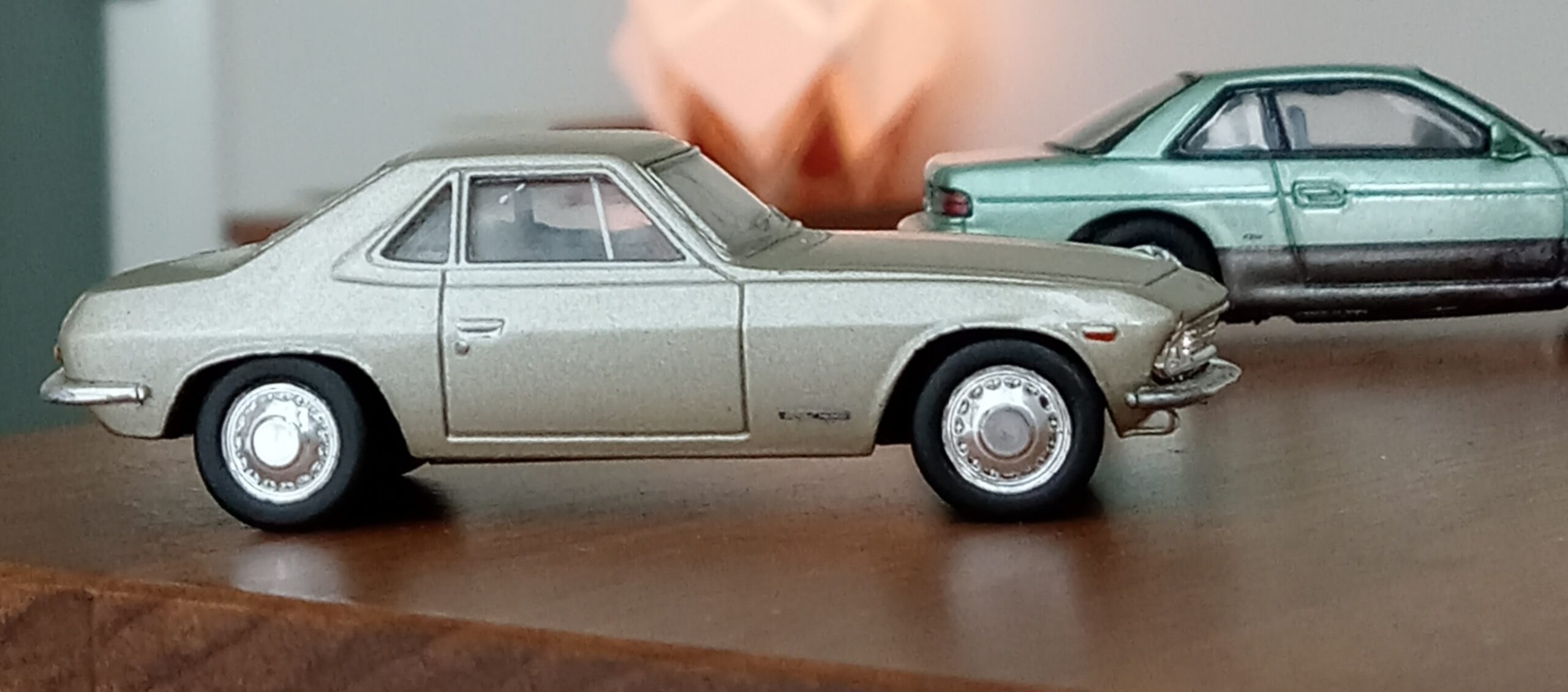
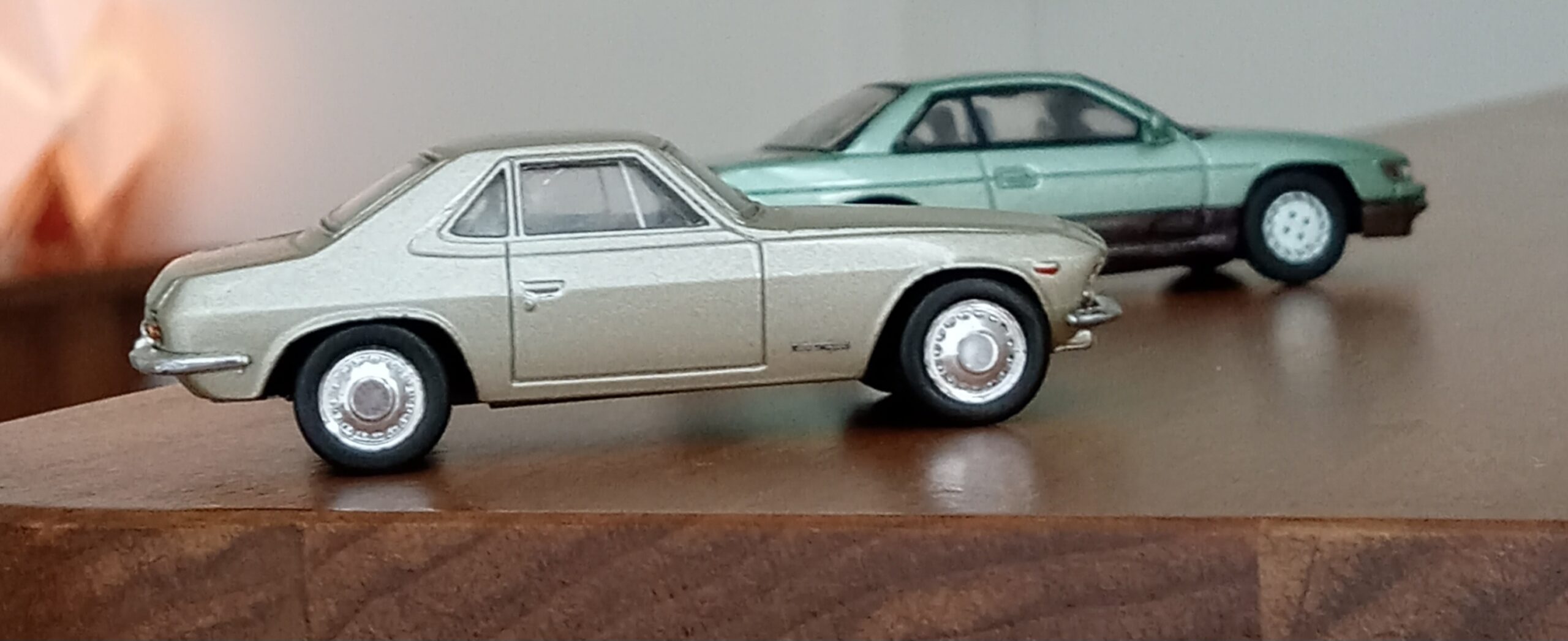
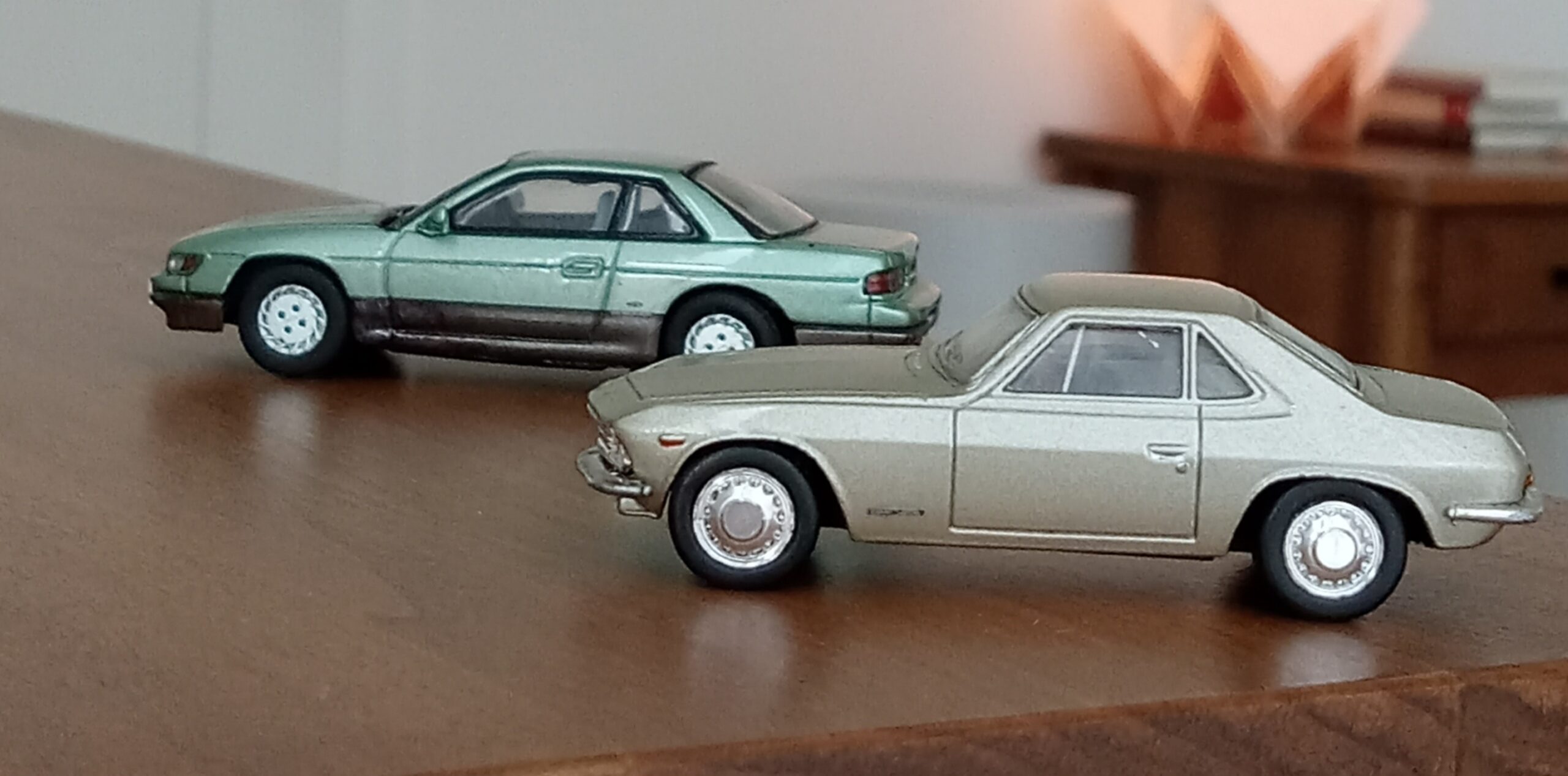
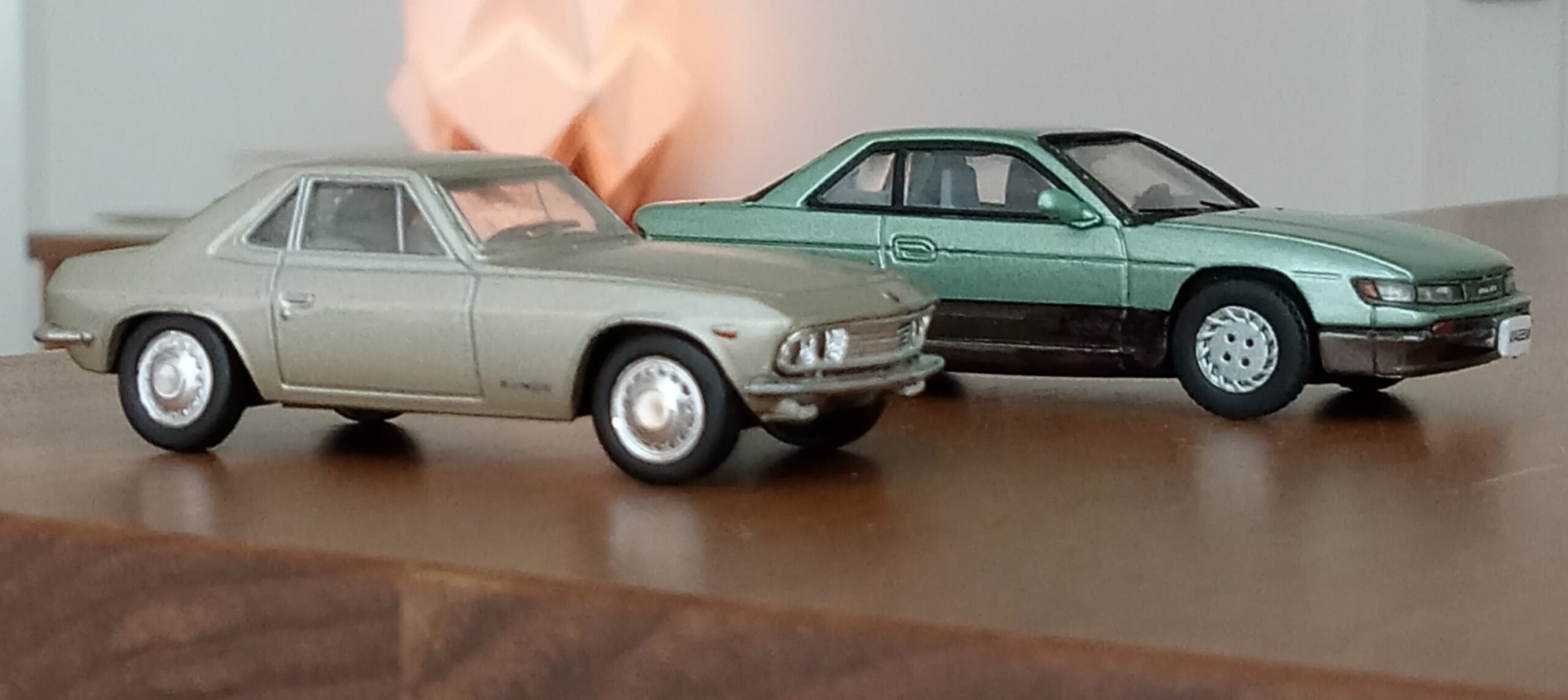
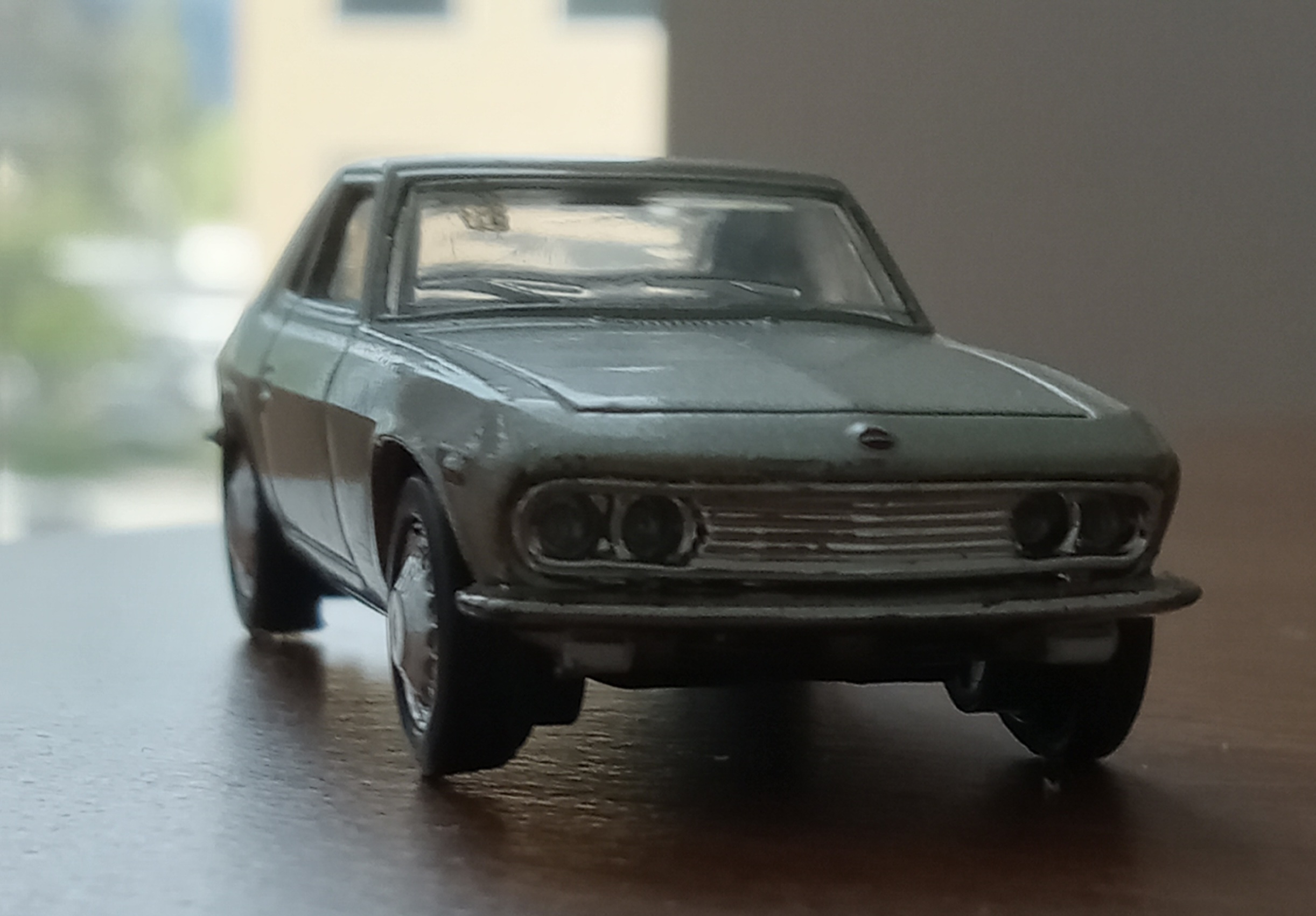
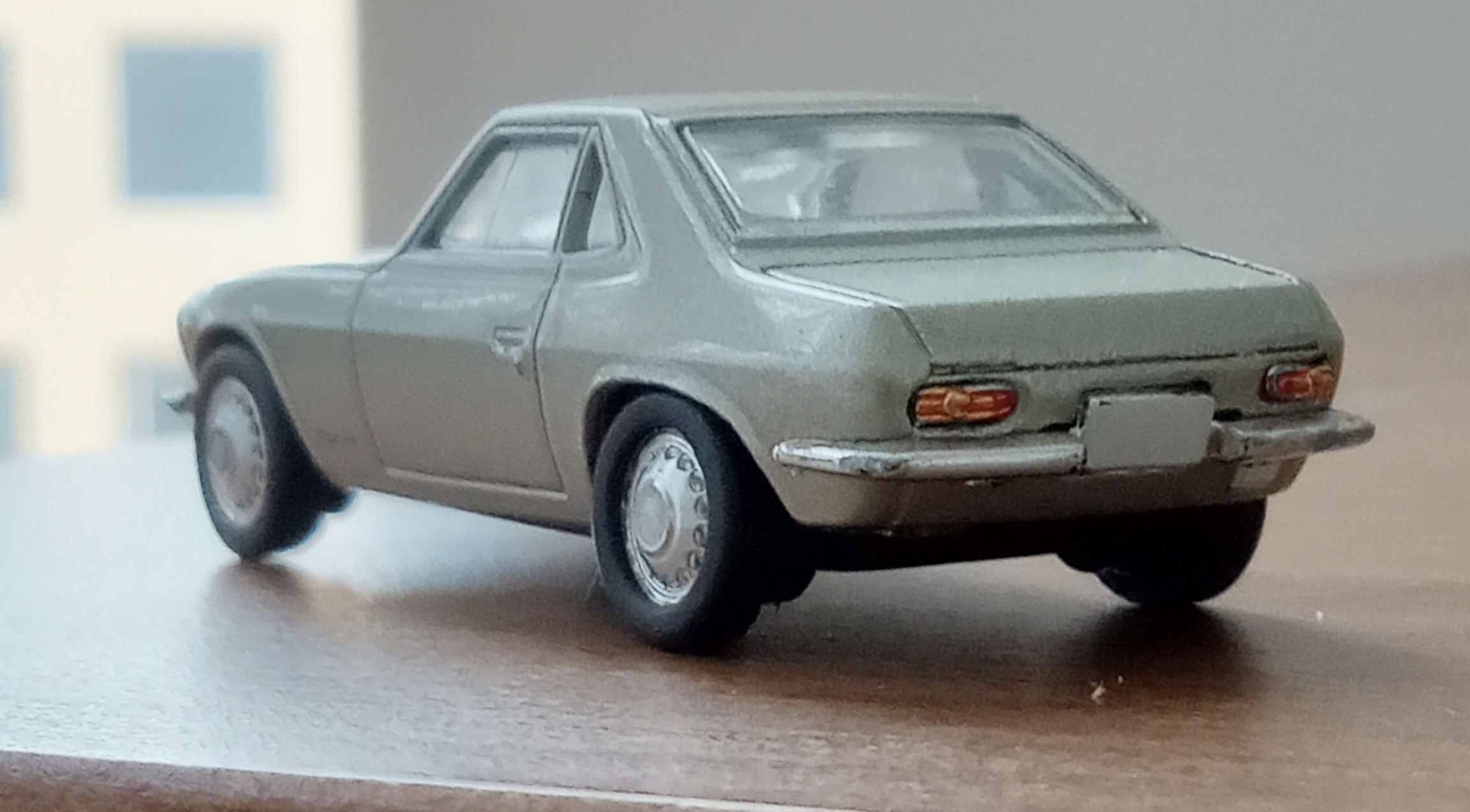
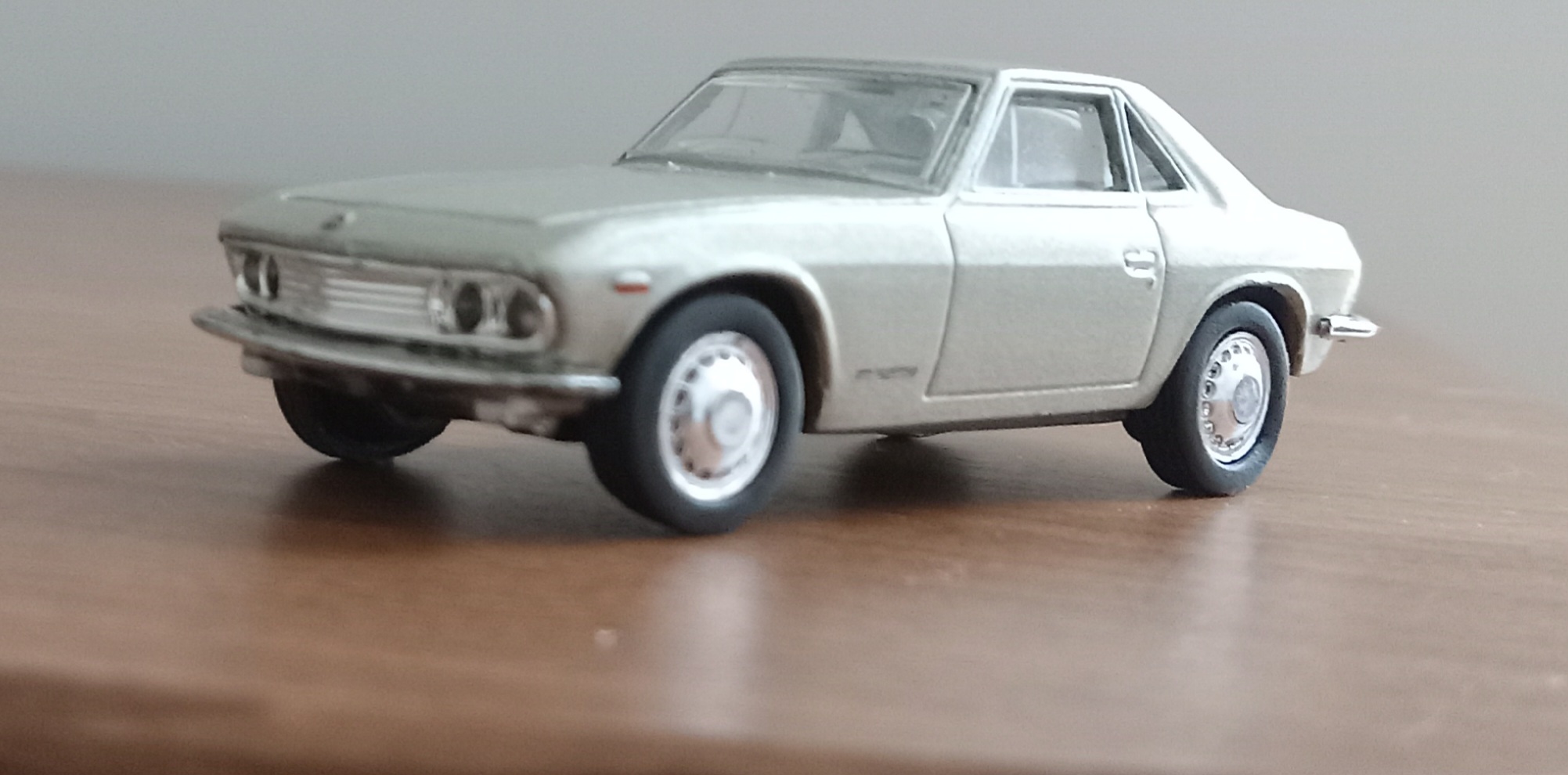
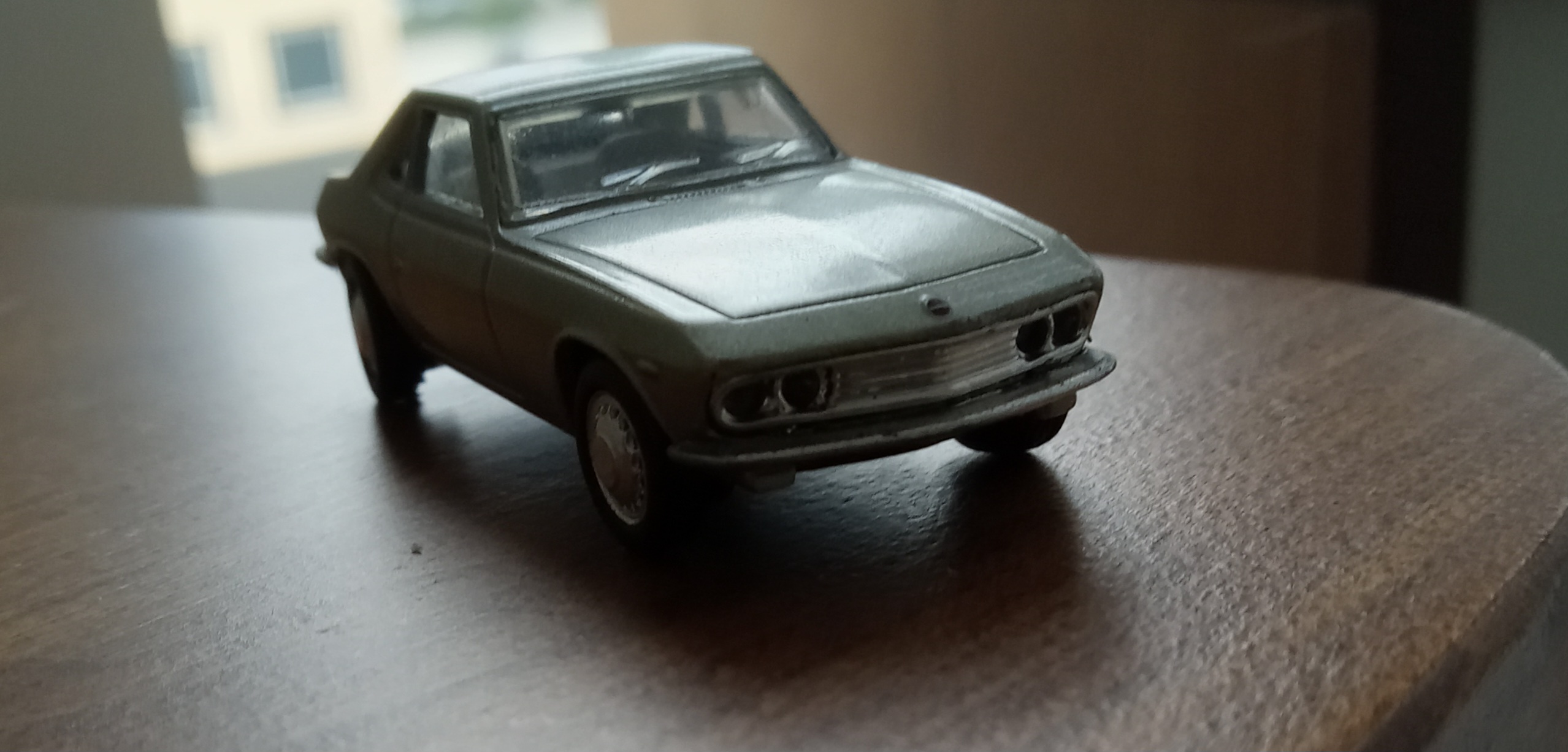
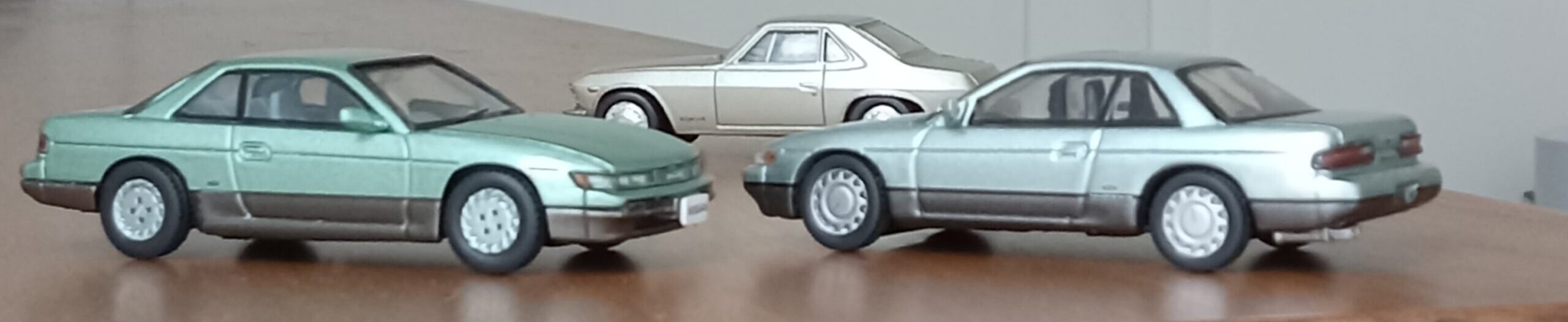
(京商製、1/64 初代シルビア(シャンペンゴールド):改造箇所ーーーーーータイヤの幅詰め後、車軸を微調整)(ディアゴスティーニ社製、「日本の名車」シリーズ:5代目シルビア【S-13型】(ライム2トン):改造箇所ーーーフロント&リアバンパ部分を一度外して、接着面を削り、延滞のおさまり間をスムーズ化、タイヤ軸を調整して、スタンス感を最適化しました)
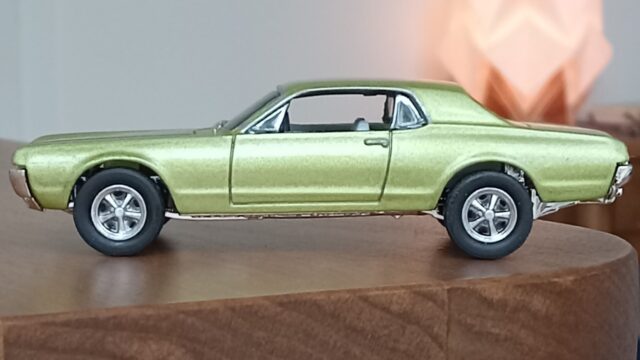
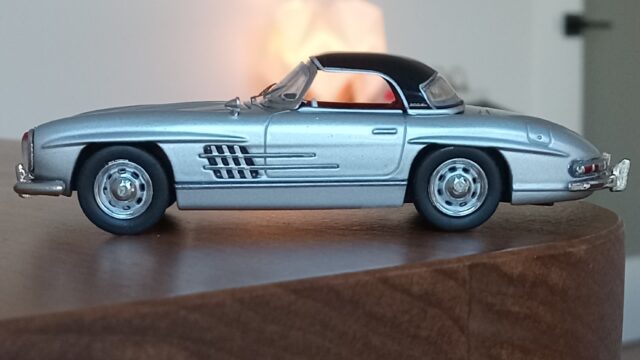
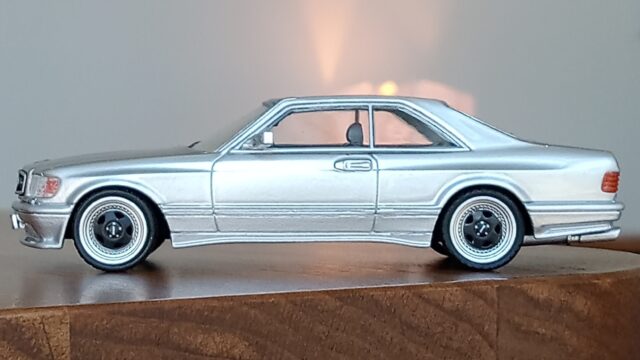
#好みの自動車デザインーー2ドアクーペの系譜:
第30回目の今回は、『2ドアクーペの系譜、第10回』と題しまして、各国のお国柄や、外観デザインの個性が強く表れる、高級2ドア(GT)クーペ / ロードスターについてお話ししてみたいです。【注意:オープンカーを含む】
以下の要領で進めていきます。
第10回の今回は【日本車・ニッサン編】
1965年型
初代シルビア・クーペ についてのお話です。
【2ドア・クーペの系譜:目次】
【米国車編】
第1回:キャデラック・エルミラージュ、2013(メタリック・レッド)
第2回:リンカーン・コンチネンタル MK4、1972(ブラック)
第3回:マーキュリー・クーガー, 1967(LTメタリック・グリーン)
【ドイツ車編】
第4回:MB 500K スペシャル・ロードスター、1936(ブラック)
第5回:MB 300SL ロードスター、1957(シルバー)
第6回:MB SLS AMR ガルウイング、2010(ブラック)
【英国車編】
第7回:マクラーレン・F1、1992(メタリック・オレンジ)
第8回:ジャガー・XKSS ロードスター、1957(ロイヤル・ブルー)
第9回:ジャガー XKR クーペ、1996(ダークメタリック・グリーン)
【日本車・ニッサン編】
第10回:ニッサン 初代シルビア、1965(シャンペン・ゴールド)
第11回:ニッサン 5代目シルビア、1988(LTメタリック・グリーン)
【イタリア車編】
第12回:フェラーリ 250TR ポンツーンフェンダー、1958(赤)
第13回:フェラーリ 250GTO、1962(イタリアン・レッド)
第14回:ランボルギーニ・コンセプトS、2005(パール・ホワイト)
【日本車・マツダ編】
第15回:マツダ コスモ・スポーツ、1967(シルバー)
第16回:マツダ ユーノス・コスモ、タイプ‐S、1990(2トン:黒&グレー)
【フランス車編】
第17回:ブガッティ・タイプ59、1935(フレンチ・ブルー)
第18回:シトロエン・SM、1970(シャンペーン・ゴールド)
第19回:ブガッティ・ラ・ヴォワチュール・ノワール、2019(黒)
【日本車・トヨタ編】
第20回:トヨタ/ヤマハ・2000GT、1967(アイボリー・ホワイト)
第21回:トヨタ・2代目ソアラ、1986 (2トン:黒&グレー)
第22回:レクサス LC【GWZ100型】、2017(メタリック・レッド)
【米国車編②】
第23回:ダッジ・チャレンジャー&プリムス・バラクーダ、1971
第24回:ダッジ・ヴァイパー SRT‐10 ACR、 2008(ブラック)
第25回:フォード・シェルビーGR-1 コンセプト、2004(クローム)
【日本車・ミツビシ編】
第26回:ミツビシ・ギャラン λ、1976(ブラウン・メタリック)
第27回:ミツビシ・エクリプス【北米仕様】、2006(オレンジ・メタ)
【ドイツ車編②】
第28回:BMW M635CSi、1984 (ダーク・メタリックブルー))
第29回:MB 560SEC AMG 6.0 ワイドボディー、1989(黒)
第30回:BMW M2 純正パフォーマンス・パーツ仕様、2025(ネオン・ライム)
【日本車・スバル編】
第31回:スバル・クロストレック XV, 2012(ライムグリーン・メタリック)
コルベットの系譜:(番外編)
第1回:1967年型 スティングレー【C2】コンバーチブル(ハードトップ・メタ青)
第2回:1972年型 コルベット 【C3】コンバーチブル(メタリック・ブルー)
第3回:1990年型 コルベット ZR-1【C4】クーペ(レッド)
第4回:スティングレー・コンセプト【先行開発車】、2009(プルー・メタリック)
#『輝く日産デザインの原石』

私の中での『初代シルビア』は、
父から聞いた、
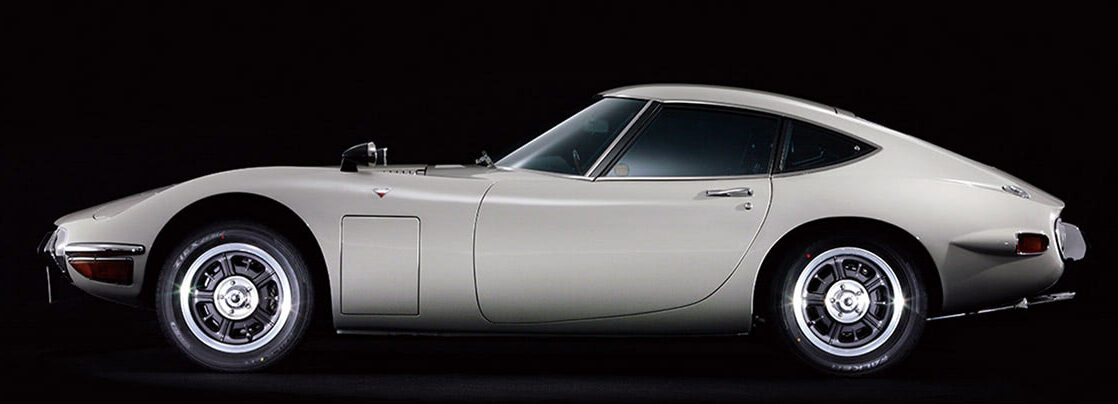 *トヨタ2000GT
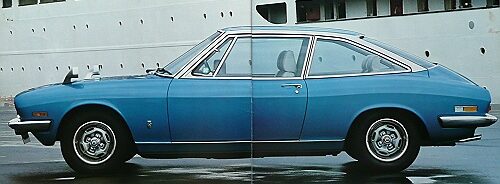 *いすゞ117クーペ
と並んだ、
*高価で、
*希少な手造りスポーツカー、
*めったに見ない3台のうちの一台、
*更に、その中でも一番希少な存在で、
初めて名古屋モーターショーの
クラシックカー・コーナーか何かで見た時にその
*こじんまりした、
*清楚で、凛とすました、
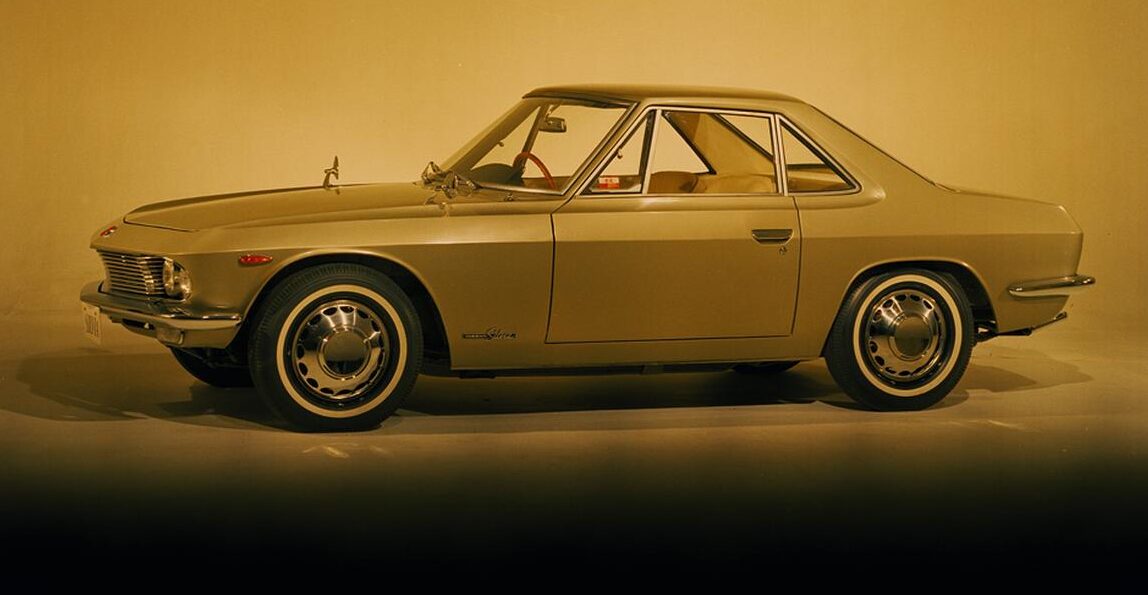
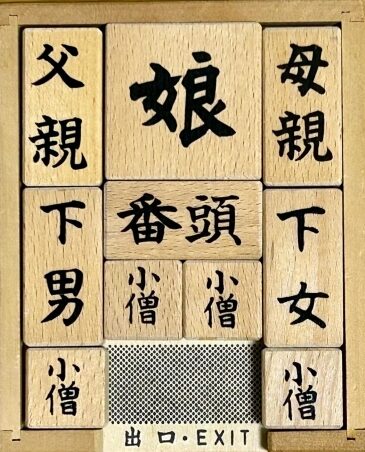
【箱入り娘感】に
びっくりした記憶があります。

【箱入り娘】と
『ダイヤモンド』の結合
から生まれた感じです。
それそれでは、
日本自動車史上の最初期に登場した、
『箱入り、ダイヤモンド』について、
こんな感じで、
見て行きます。
*実車解説:硬質、高質なクーペ
*外観デザインの特徴:ダイヤモンドカットの輝き
*『私』と初代シルビア:
*三題噺:宝石・継ぎ目なし・日本人離れ
*その他60年代の貴公子たち
*実車解説:硬質、高質、皇室的なクーペ?
概説:
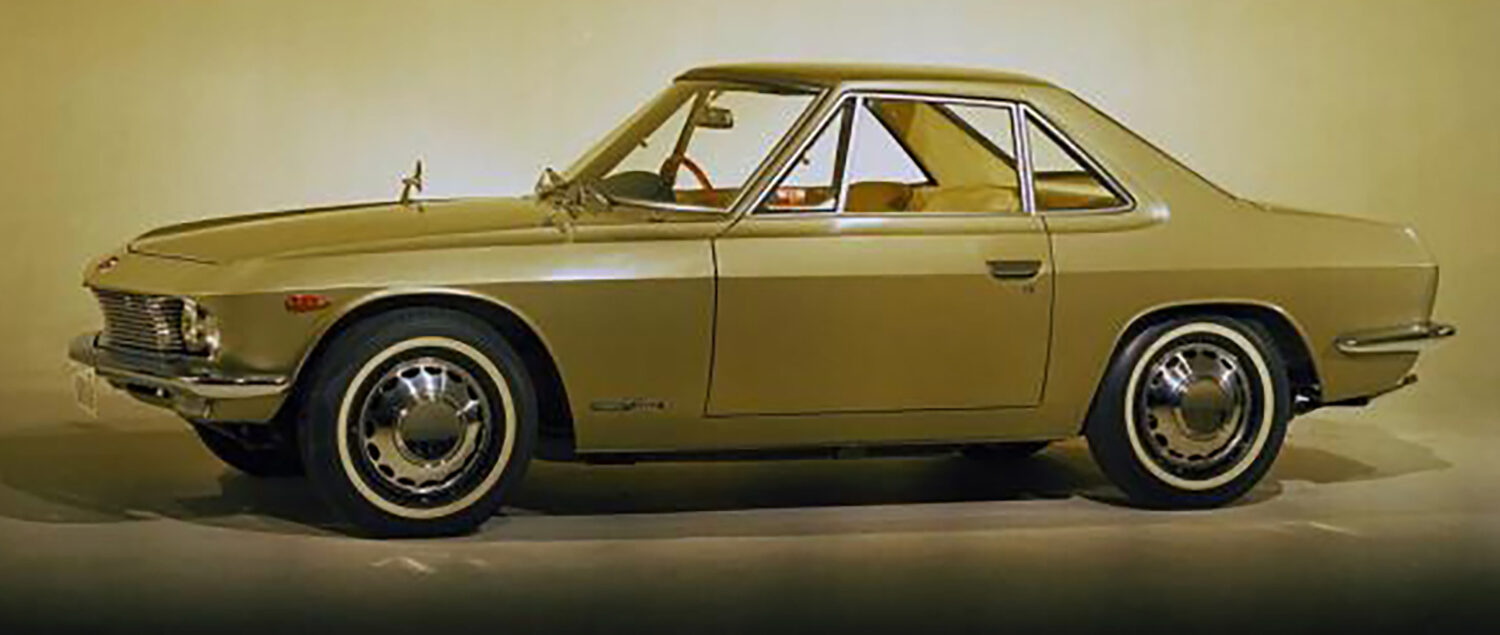
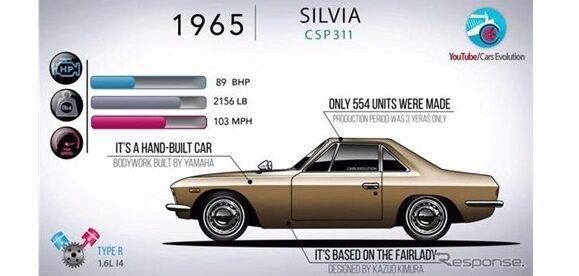
初代シルビア(CSP311型)は、1964年の東京モーターショーで「ダットサン・クーペ1500」として発表され、1965年4月に発売された日産の2シーター・スペシャルティカーです。職人の手作業による美しいボディラインが特徴で、生産台数はわずか554台という非常に希少な名車として知られています。
n
*クリスプカット:継ぎ目のない「宝石のカット」と称されたシャープで流麗なスタイリングが最大の特徴です。*手作業の製造:当時の職人が手作業でボディパネルを叩き出し、継ぎ目を削って仕上げるセミカスタムメイドでした。
n
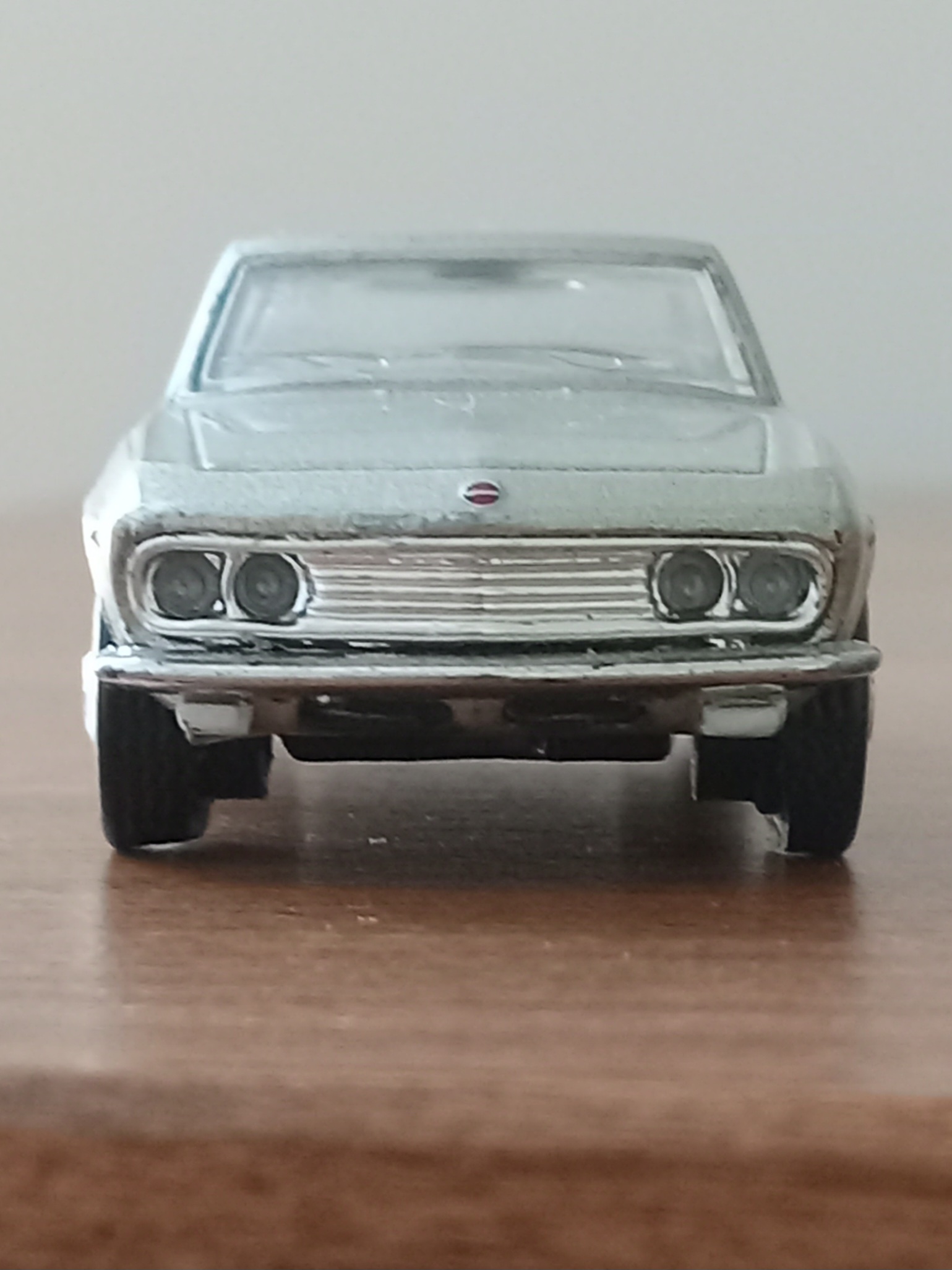
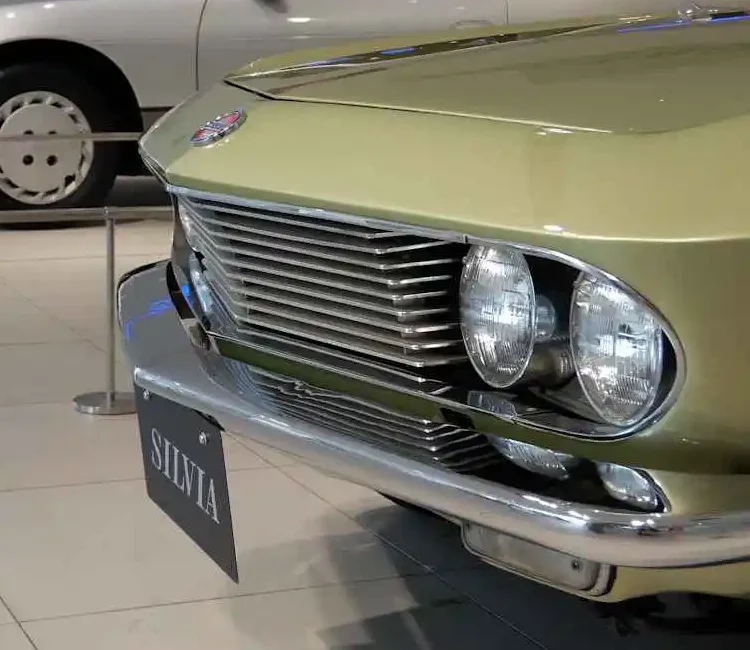
*フロントマスク:高級感のあるラジエーターグリルは、アルミ材を削り出して作られた非常に手の込んだ構造です。
*デザイナー:日産デザイン室の木村一男氏が担当し、ドイツ人デザイナーのアルブレヒト・フォン・ゲルツ氏が監修を行いました。
N
N
*当時の販売価格:約120万円で販売されました。
*他車との比較:当時のホンダ・S800(約66万円)や、日産の最高級セダンであったセドリック・スペシャル6(115万円)を上回るほどの超高額車でした。
N
N
n
n
N
N
N
#主要諸元:
- 型式:R型
- 総排気量: 1,595 cc
(水冷直列4気筒OHVキャブレター付き(SUツインキャブ)) - 最高出力 : 90 ps / 6,000 rpm
- 最大トルク:13.5 kgm / 4,000 rpm
最高速度:165 km/h
- 駆動方式:FR(フロントエンジン・後輪駆動)
- 定員:2名(+2)
- 車体形式:2ドア・クーペ
- ホイールベース:2,280 mm
- 全長:3,985 mm
- 全幅:1,510 mm
- 全高:1,275 mm
- 車両重量:
980 kg
*外観デザインの特徴:ダイヤモンド・カットの輝き
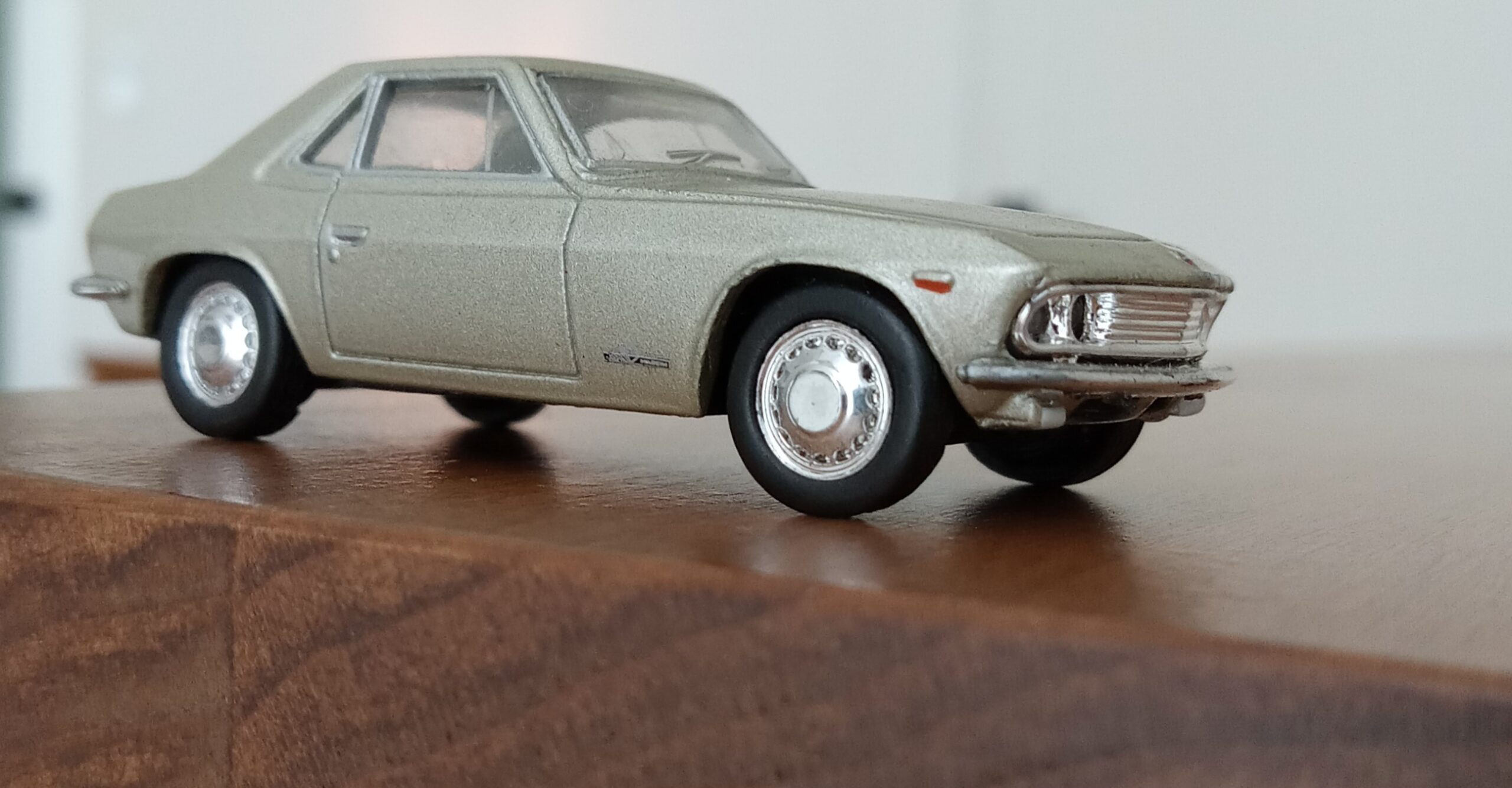
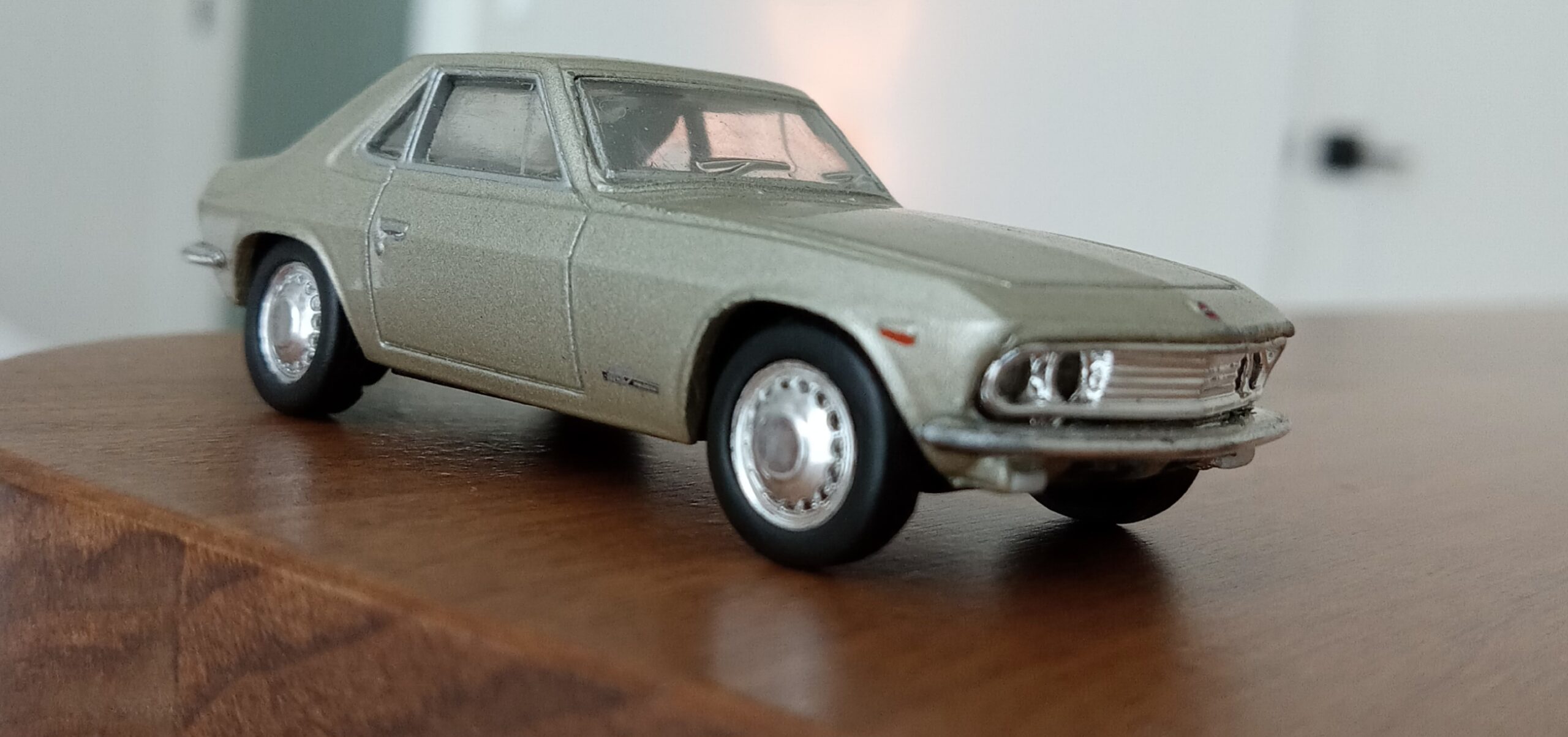
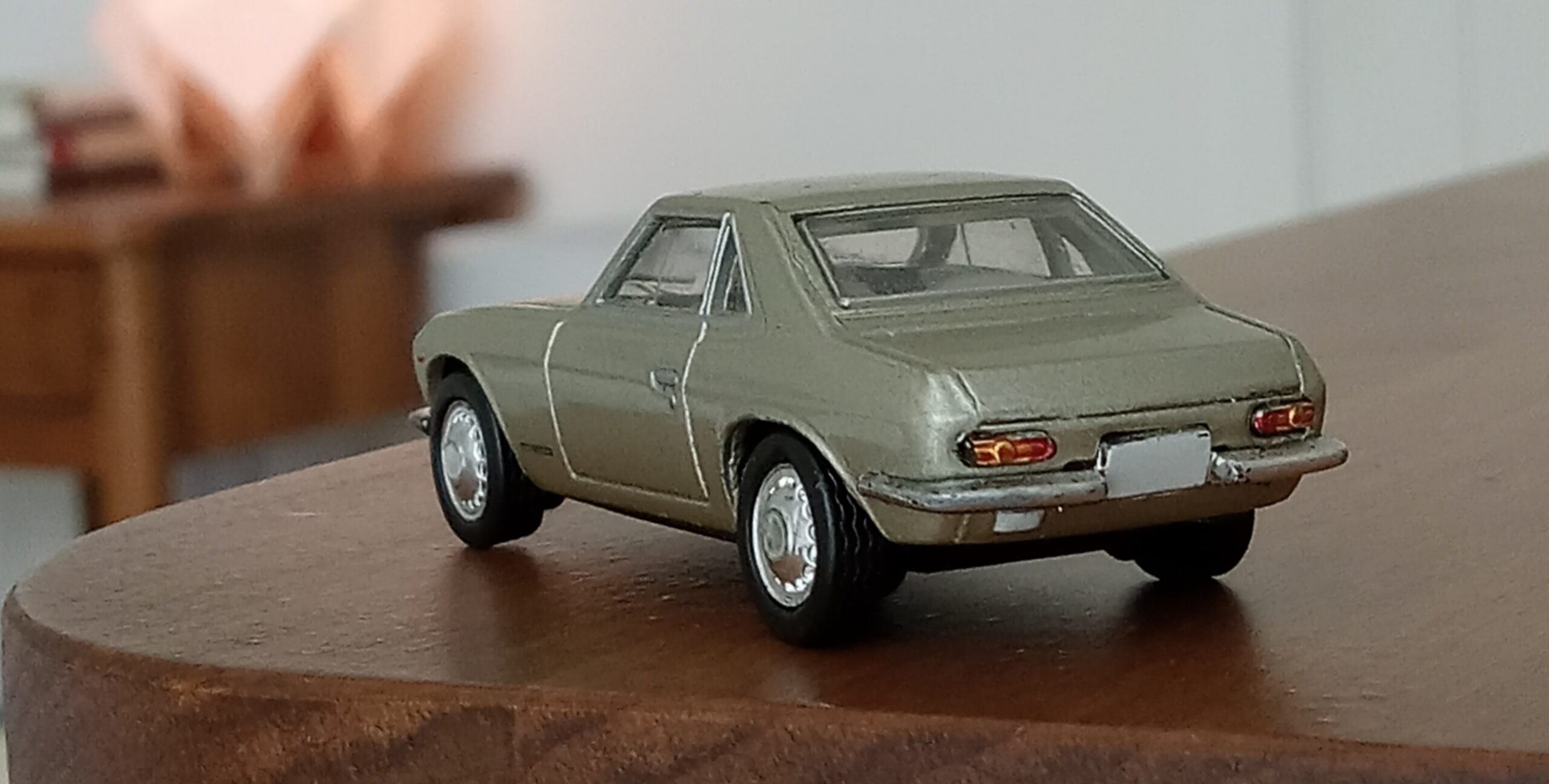
ニッサン発の高級2ドアクーペ
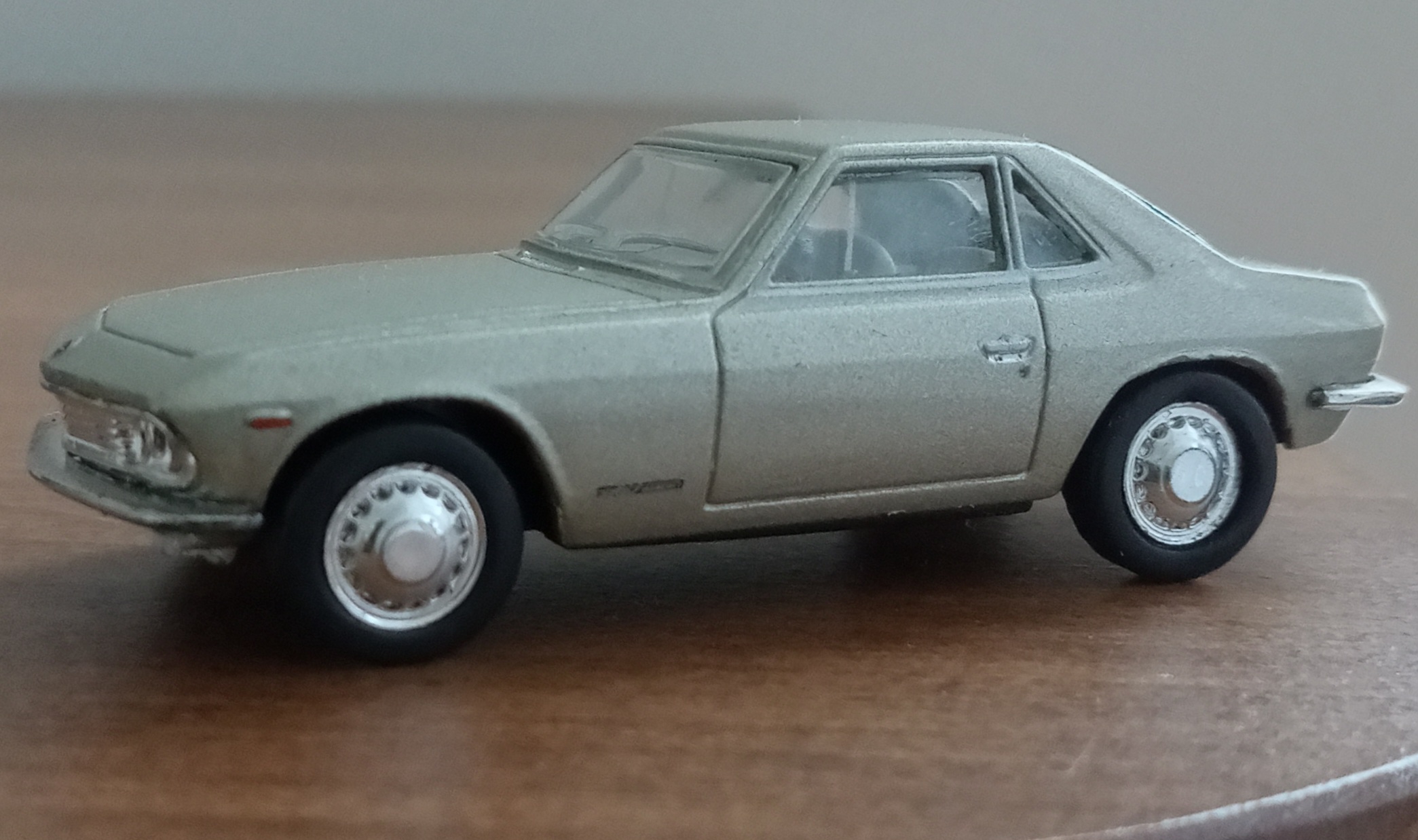
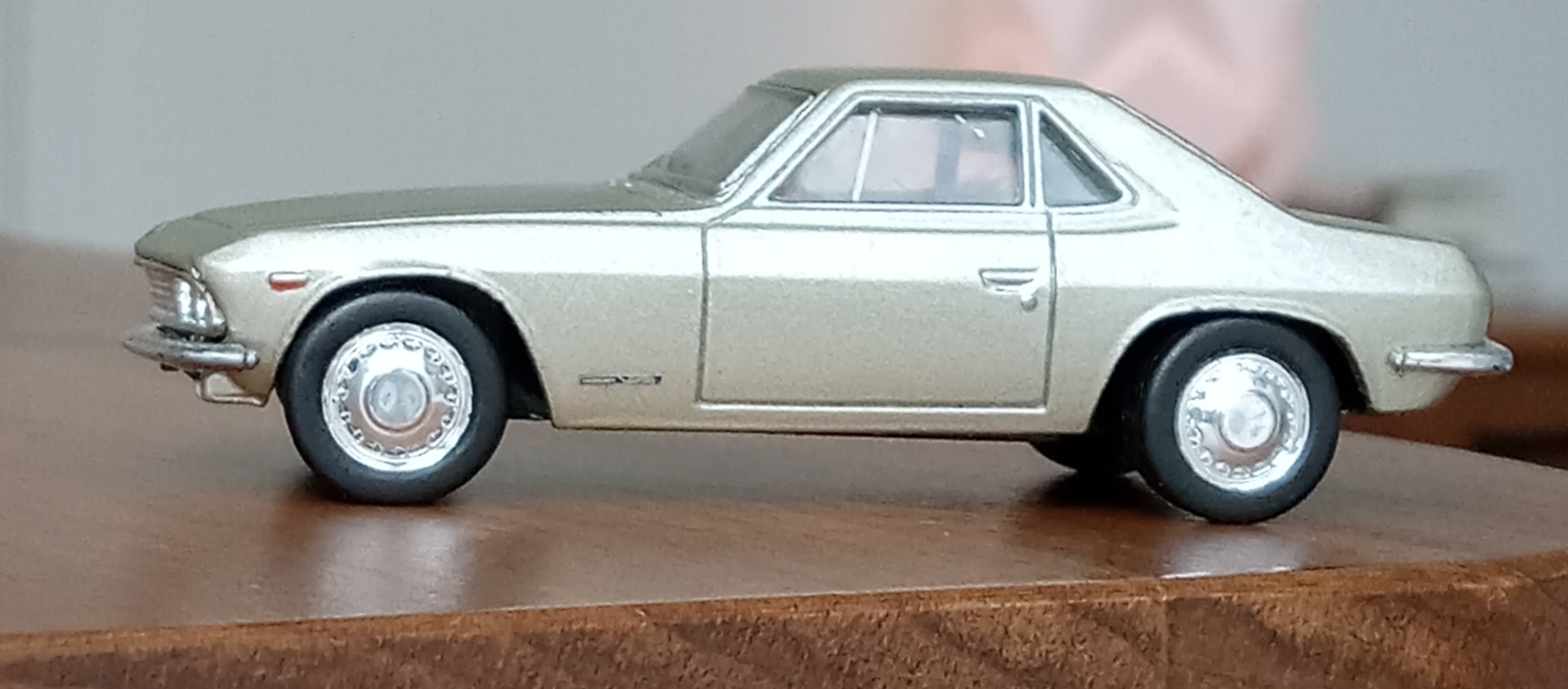
『シルビア』の外観デザインの特徴は
以下の5点でまとめてみます。
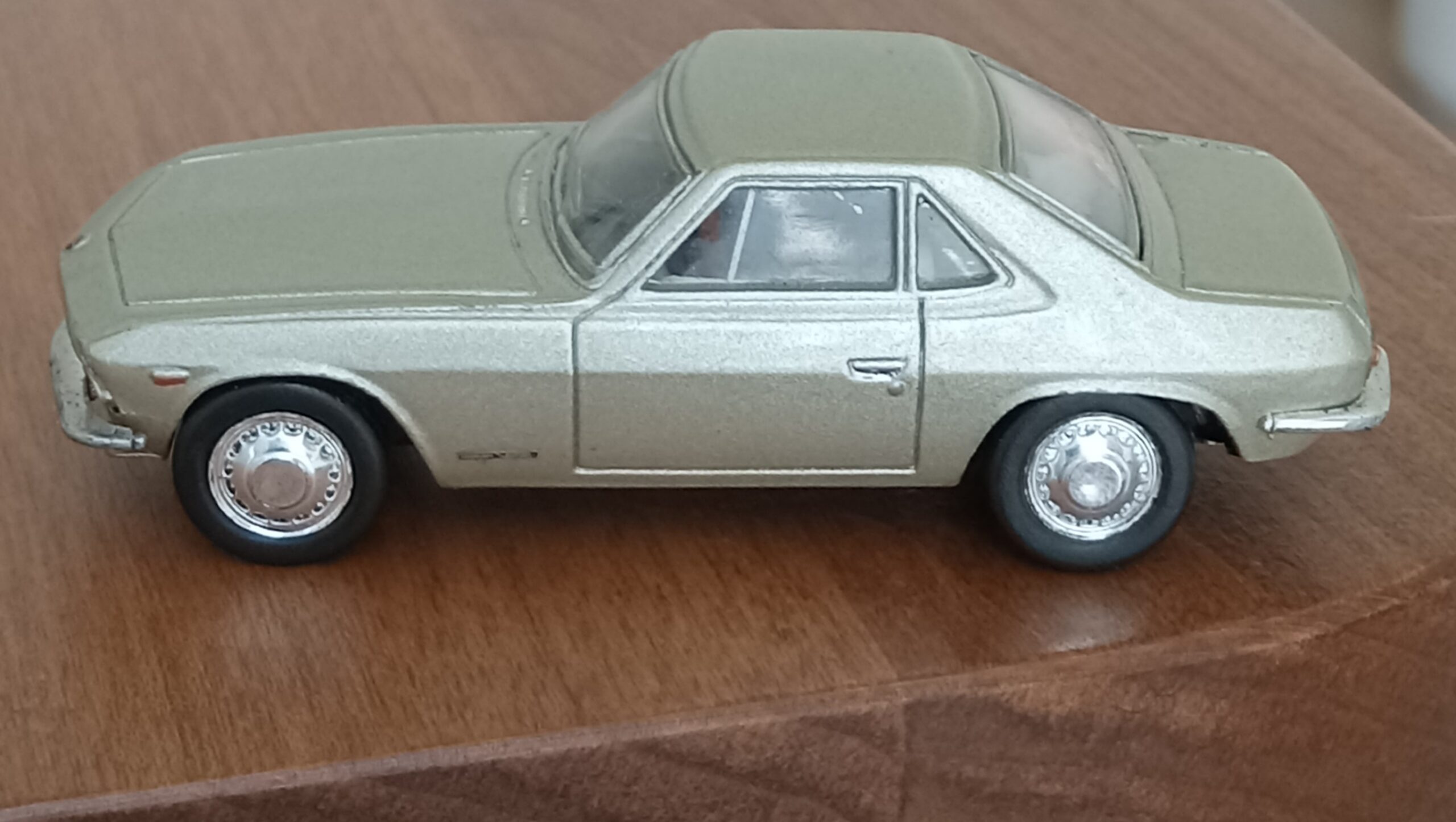
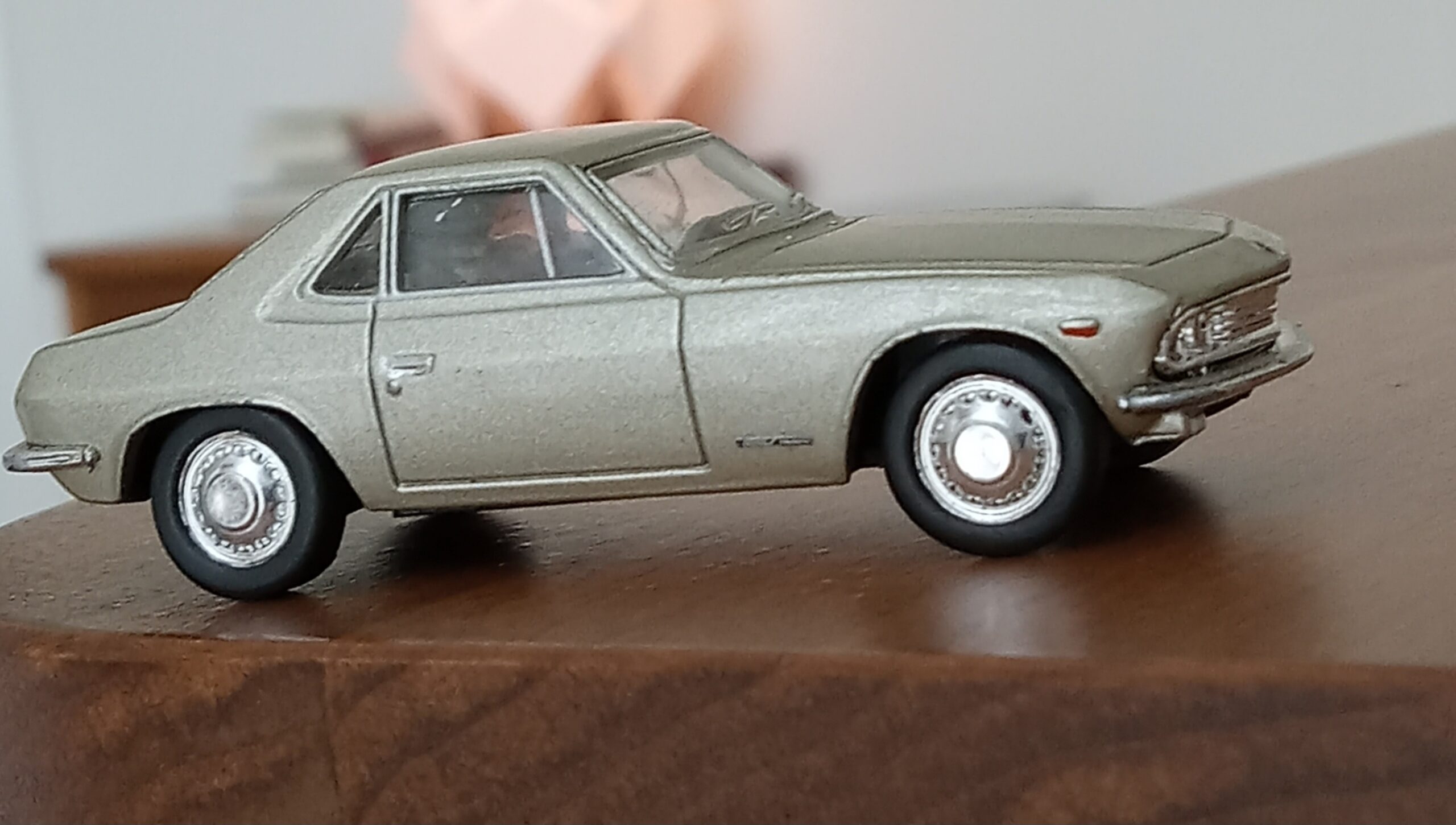
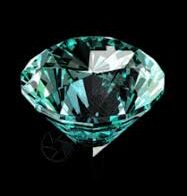
1:ダイヤモンドの『クリスタルカット』を模した『硬質/高質感』溢れる立体的な面構成
2:4メートルを切る全長に収めた、美しい2ドアクーペのプロポーション
3:14インチの比較的大径のタイヤを見事に収めた、美しいホイールのカットライン
4:キリっとした目鼻立ちが『貴公子』を思わせるフロントフェイシア
5:当時としては比較的幅広な全幅を使い切った、全後の絞り込みの効いたプラン・ビューデザインの達成感
6:当の日本車としては非常に珍しい、本革張りの白い内装が 『貴公子キャラ』を増長
では、
それぞれ詳しく見て行きます。
1:ダイヤモンドの『クリスタル・カット』を模した『硬質/高質感』溢れる立体的な面構成
(木村一男氏とフォン・ゲルツ氏の名タッグによる当時のヨーロッパ・デザインに負けない、まれに見ぬ美しさを魅せる立体造形が現出)
ーーーーーー>本物を目の前にした時の、カッチリした『オーラ』が忘れられません。
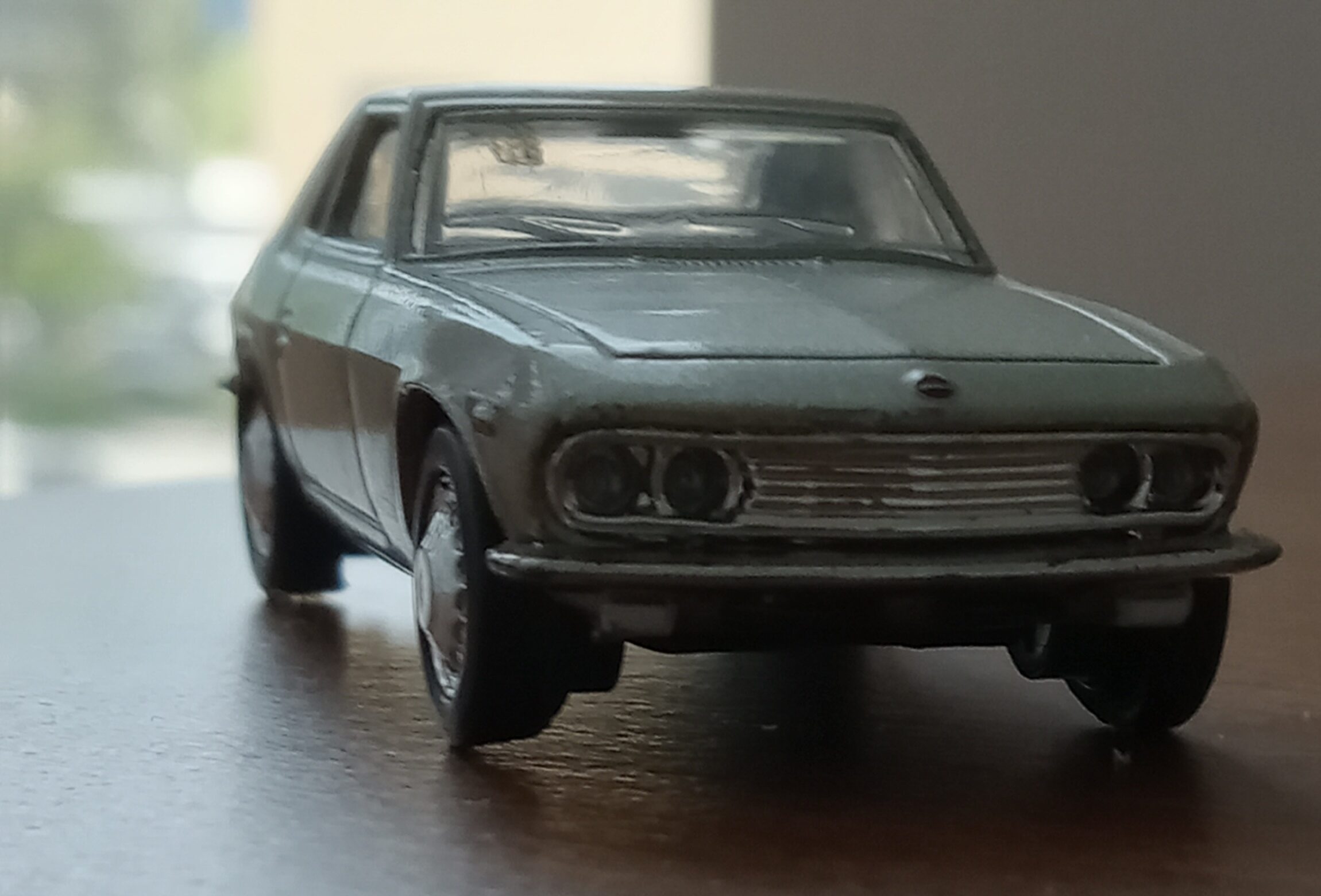
2:4メートルを切る全長に収めた、美しい2ドアクーペのプロポーションと伸びやかさを強調するCピラーからドアうえ、フロント・フェンダー上をえぐるスピード感あふれる凹面
(日本自動車市場で非常に珍しい2ドア・2シーター・クーペを見事なまでの『勢い』とまとまりで成立させた手腕は敬服に値します。)
ーーーーーー>今日の目で見ても古さは皆無、むしろ新鮮です。
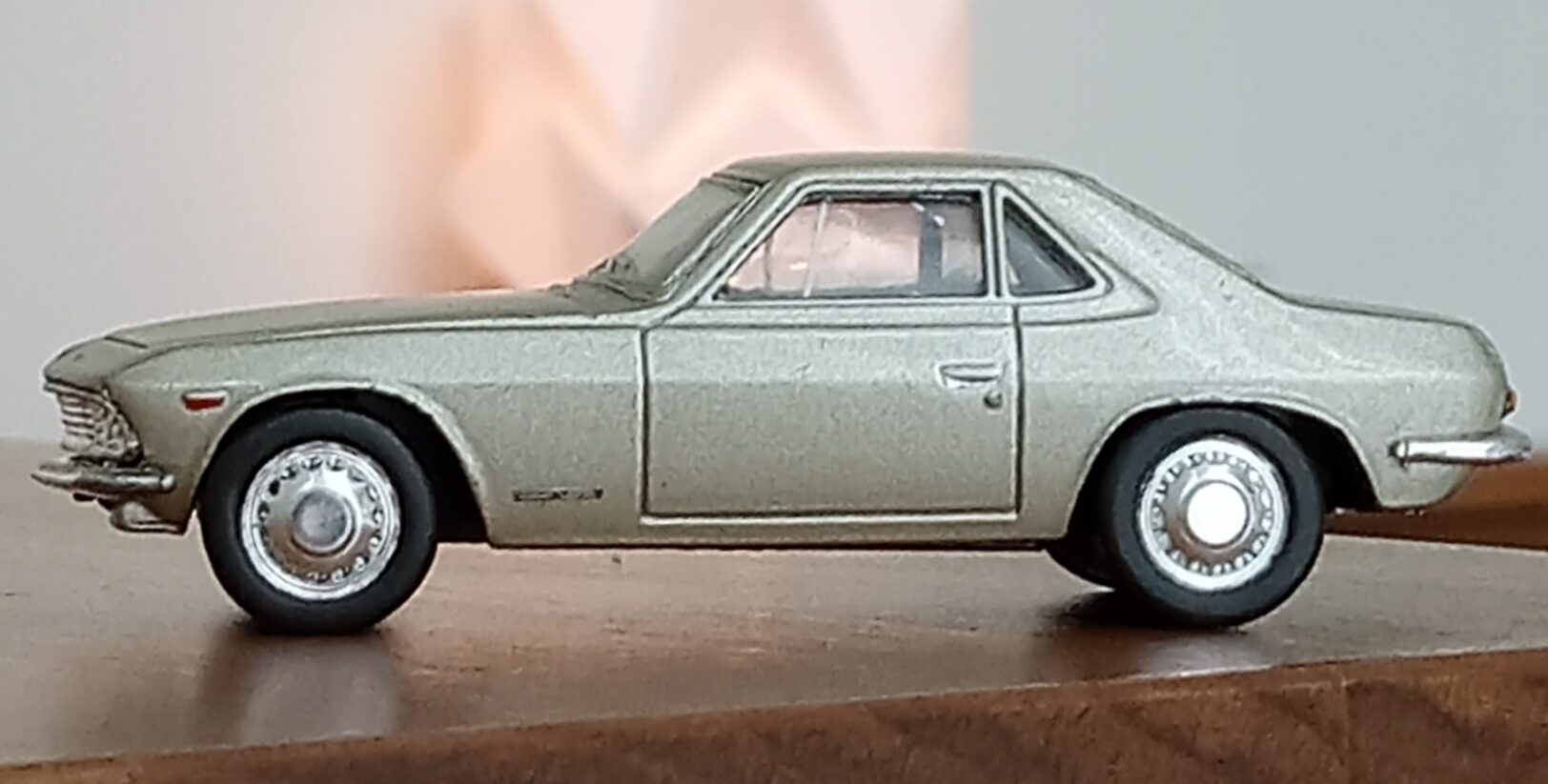
3:14インチの比較的大径のタイヤを見事に収めた、美しいホイールのカットライン
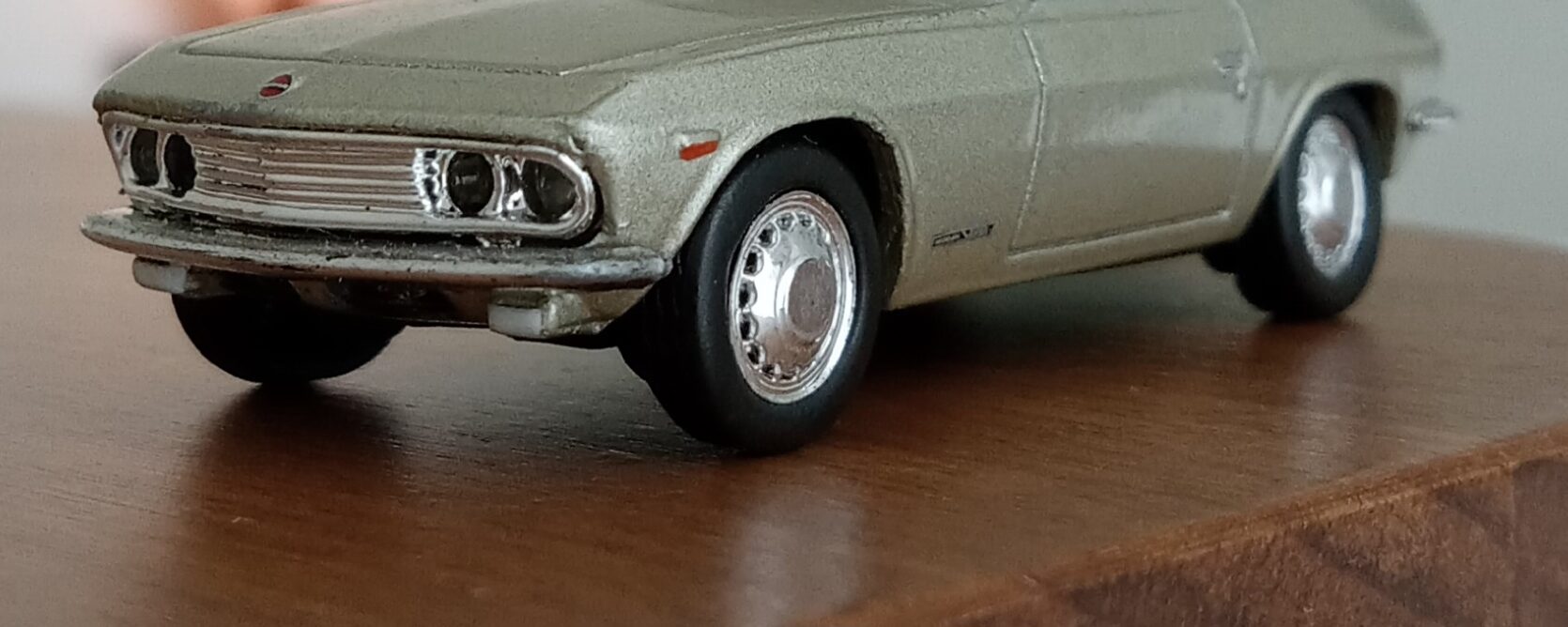
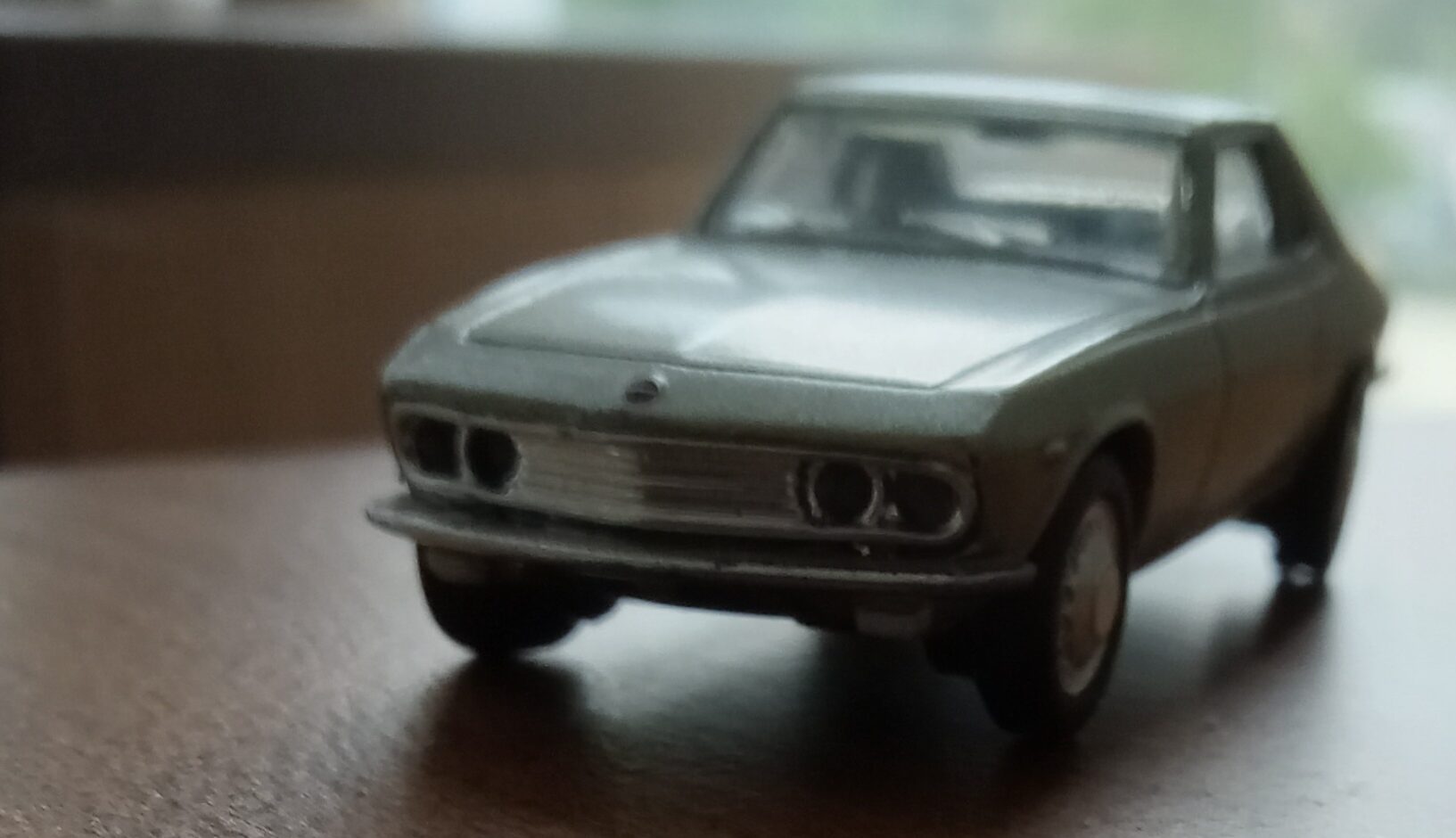
4:キリっとした目鼻立ちが『貴公子』を思わせるフロントフェイシア
ーーー>アルミ材から削り出されたフロントグリル、まさに職人の手仕事です!!
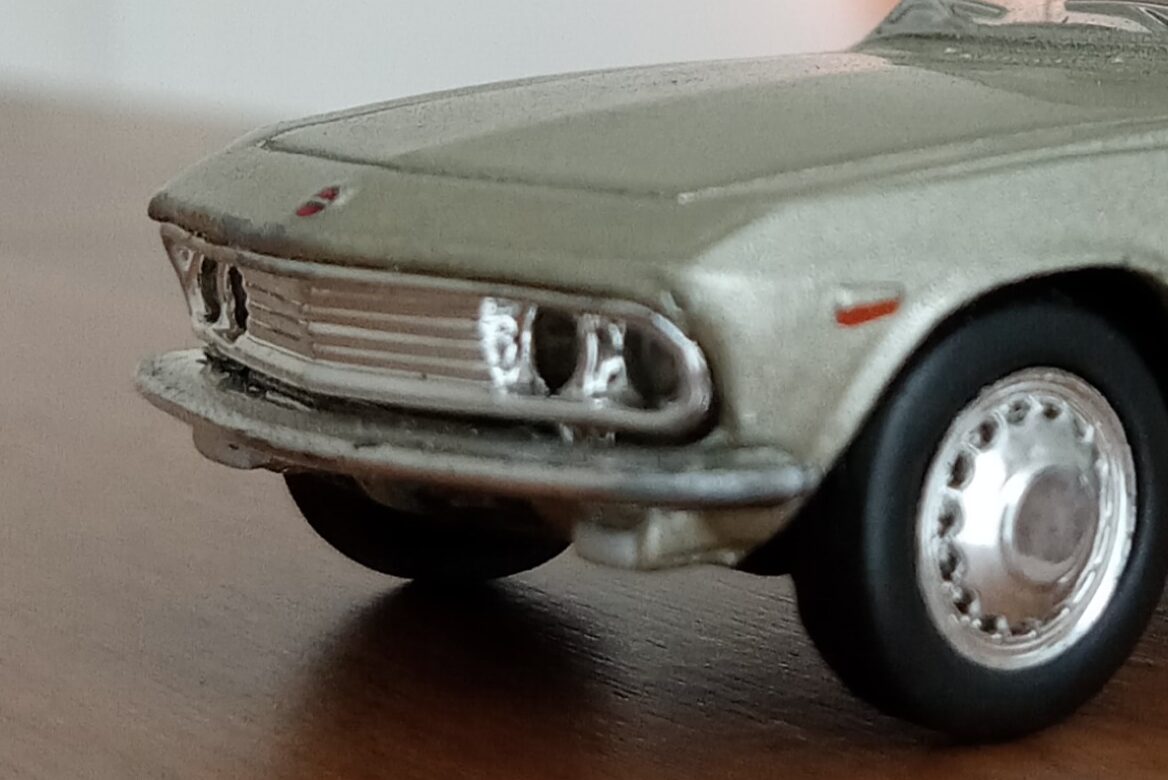
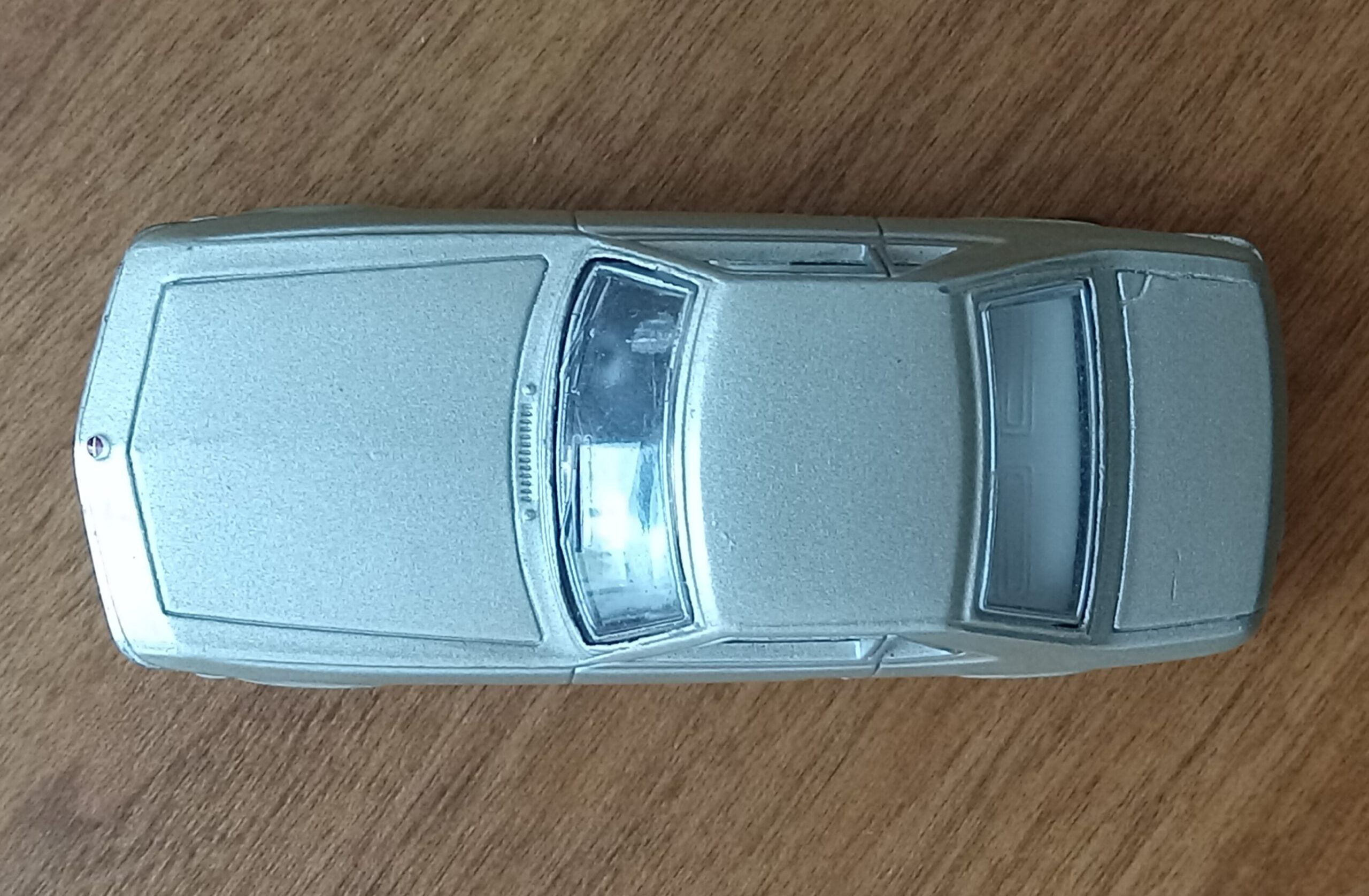
5:当時としては比較的幅広な全幅を使い切った、全後の絞り込みの効いたプラン・ビューデザインの達成感
ーーーーー>抑揚の効いたダイヤモンドの立体感に演出に一躍買ってます。
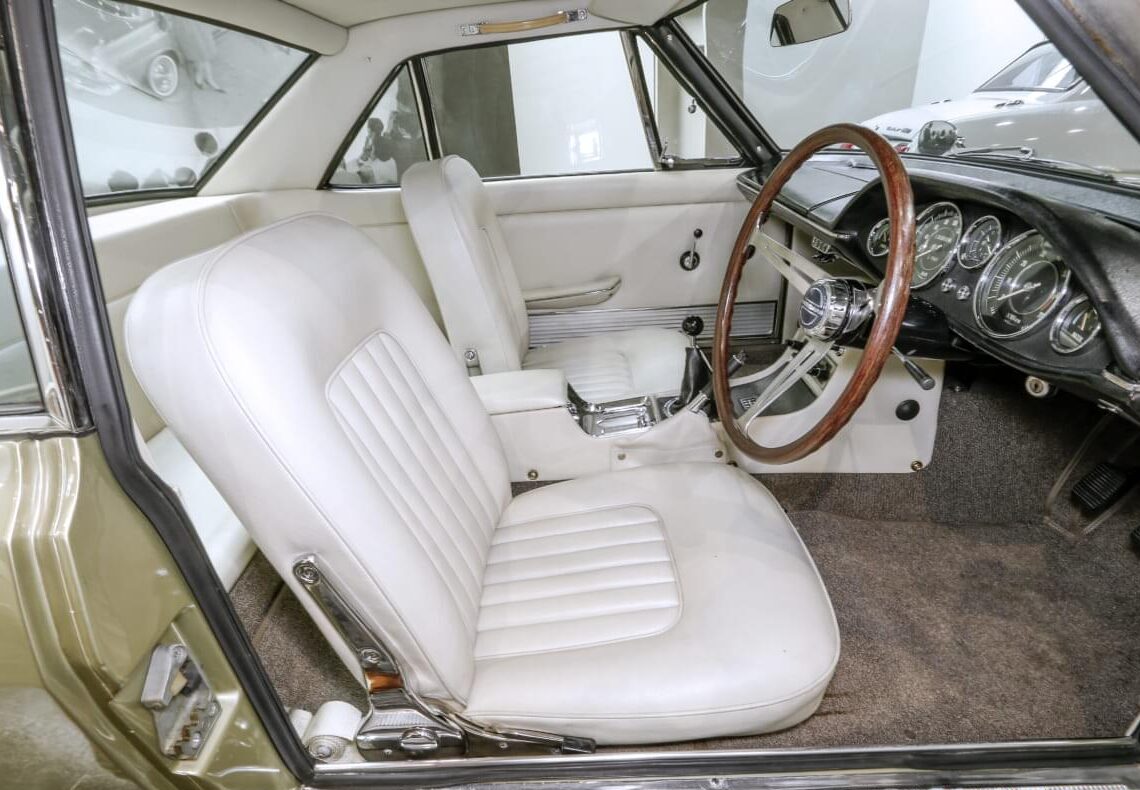
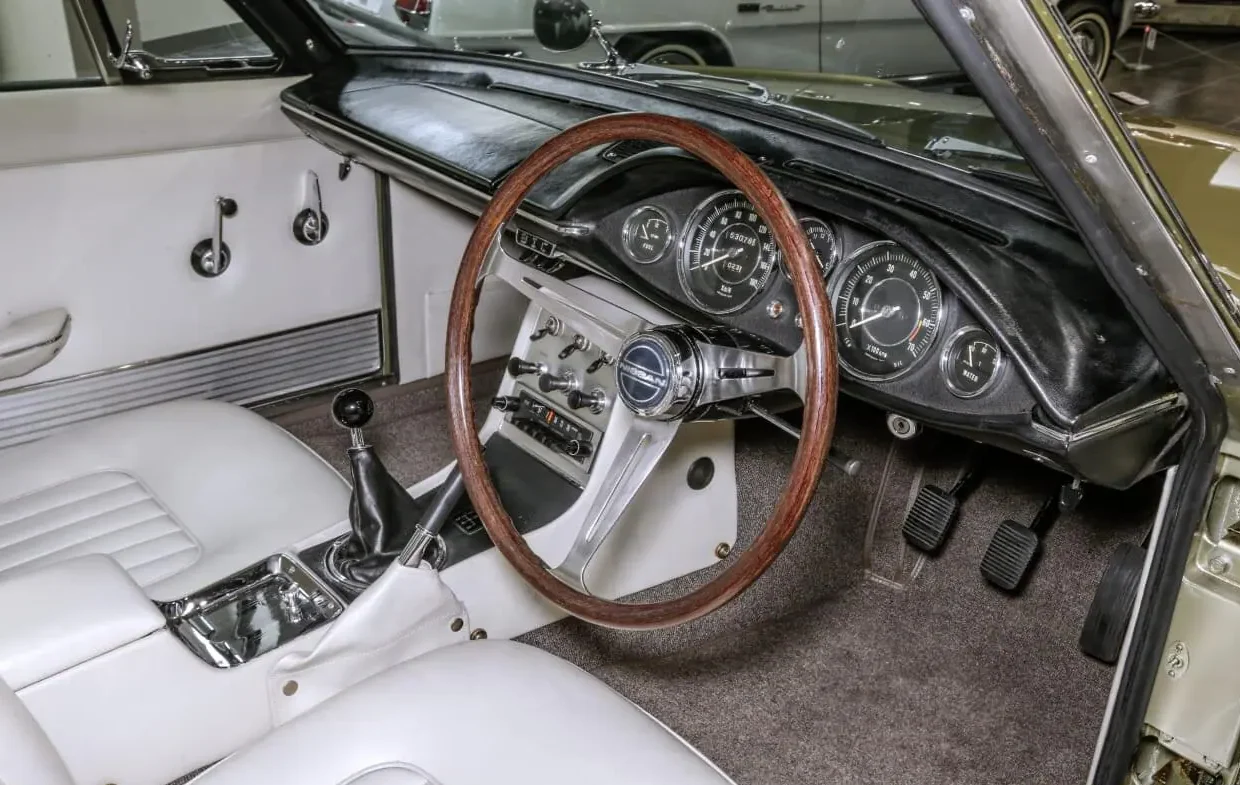
6:当の日本車としては非常に珍しい、本革張りの白い内装が、
ーーーーーーーー>『貴公子キャラ』を全面増強!
*『私』と初代シルビア:
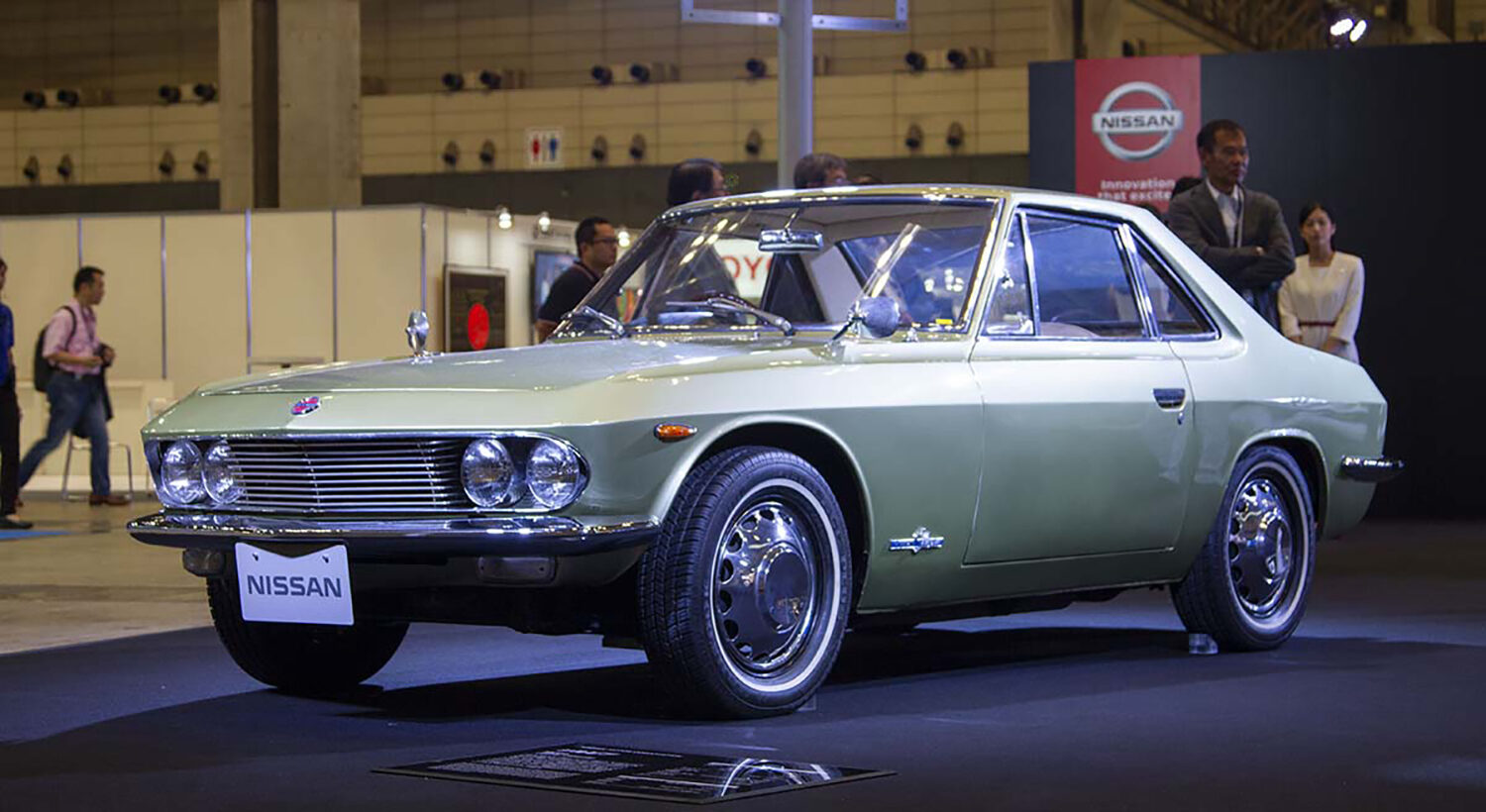
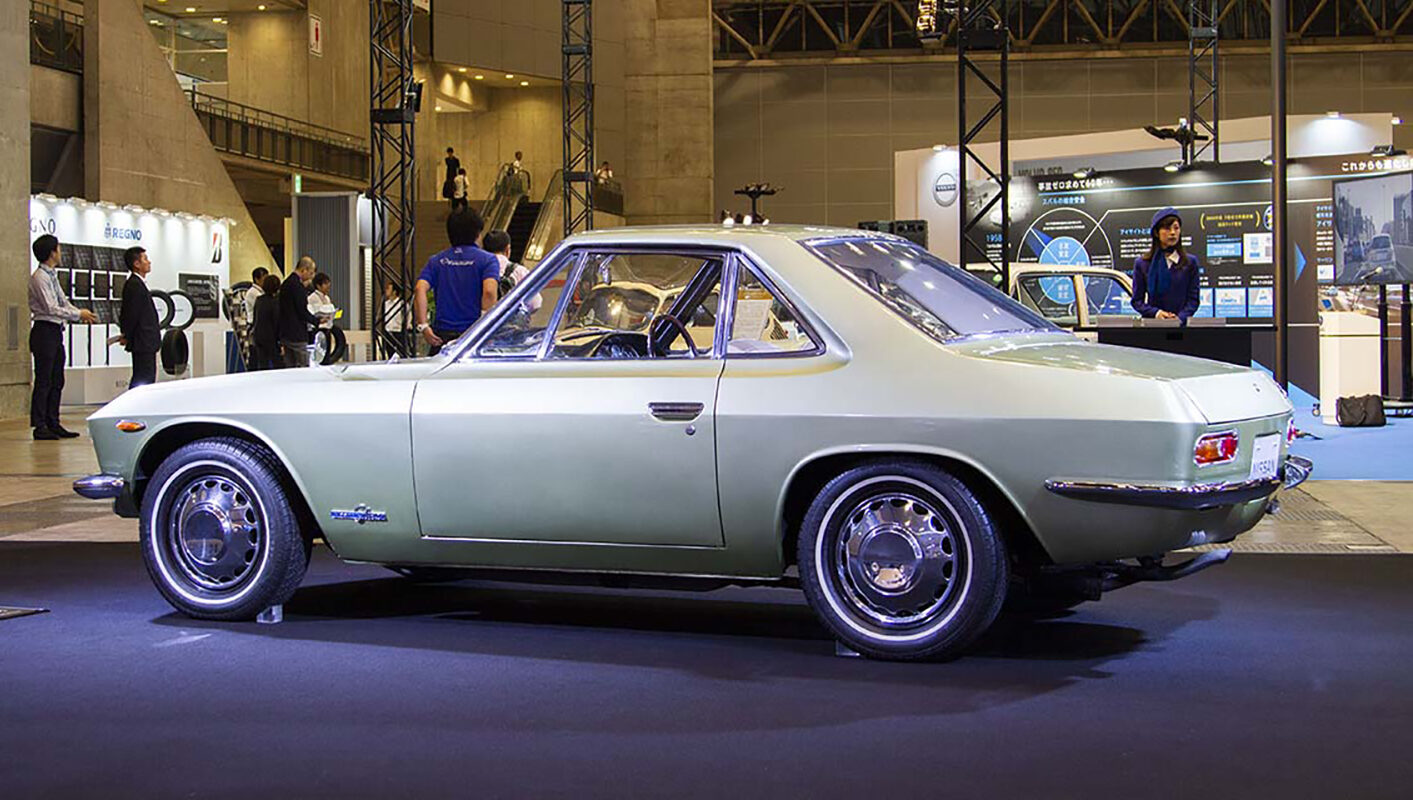
名古屋港の展示場で開かれた、
名古屋自動車ショーのクラシックカー展示の中に
ひっそりと一台の名車がたたずんでいました。
それが私が初代シルビアを始めてみた瞬間でした。
まさに『気品のカタマリ』のような
その上品な姿に、
それまで見たどんな名車にもない独特なオーラを感じていました。
その後は、
こんな感じで、立体造形を通して
その美しい造形を堪能してきました。
*イマイ科学社製、1/24 (プラキット)初代シルビア
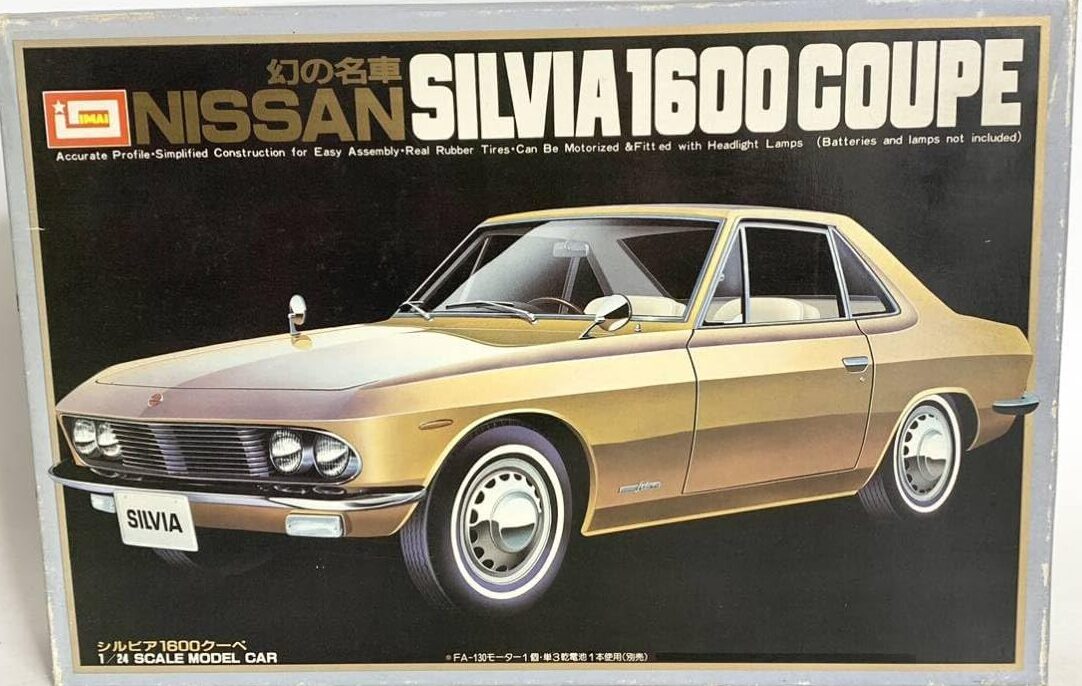
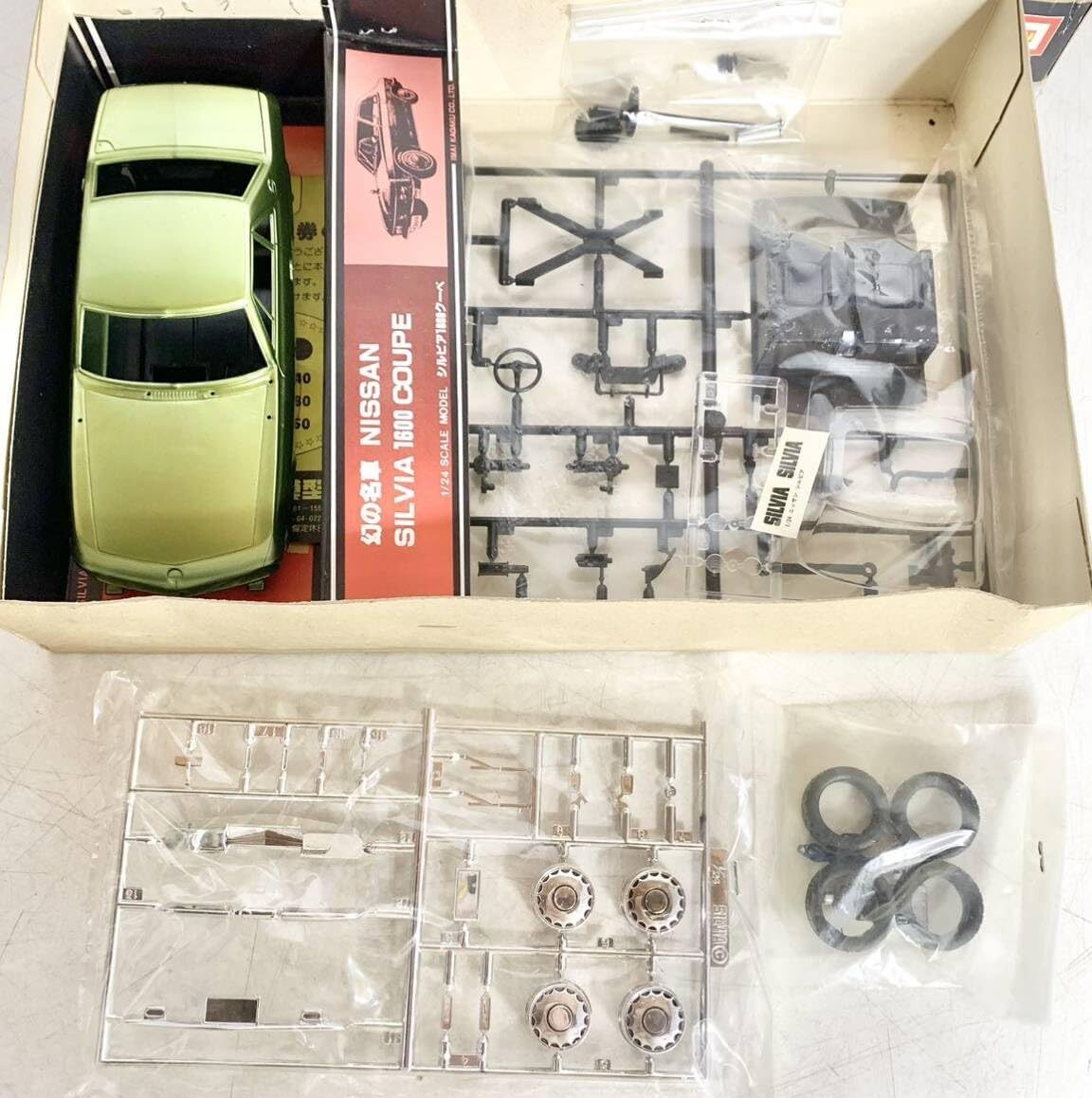
(薄い金色の成形色とカッチリしたボディー造形が魅力の逸品、あまりなじみのない今井製品ですがこの商品だけは認可があって増産されたのか、あちこちの模型店やおもちゃ屋さんで見かけました。)
*エブロ製、1/43 ダイキャスト完成品、初代シルビア(金メタ)
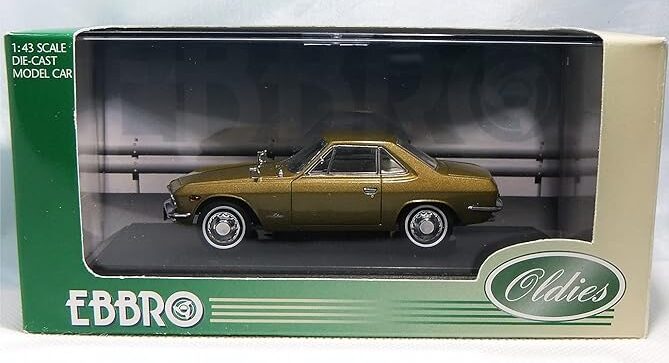
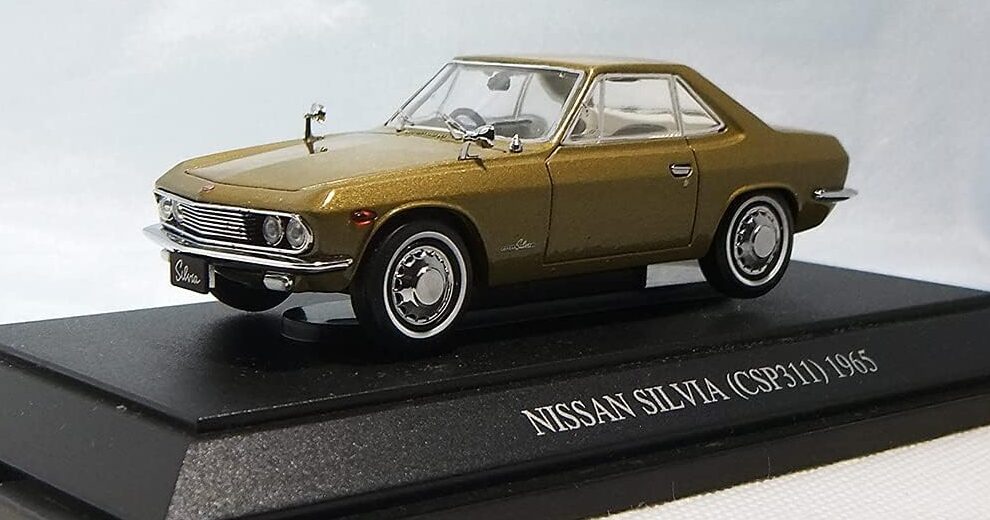
(満を持して発売された、非常にしっかりした造形のカッチリした自動車のカッチリしたミニカーでした。
ーーーーー>金色が少し濃い感じでしたが造形・タイヤサイズは完璧)
*アシェット/IXO/NOREV社製、1/43 ダイキャスト完成品、初代シルビア(ゴールド)
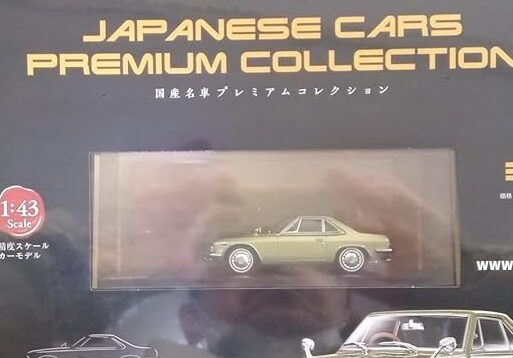
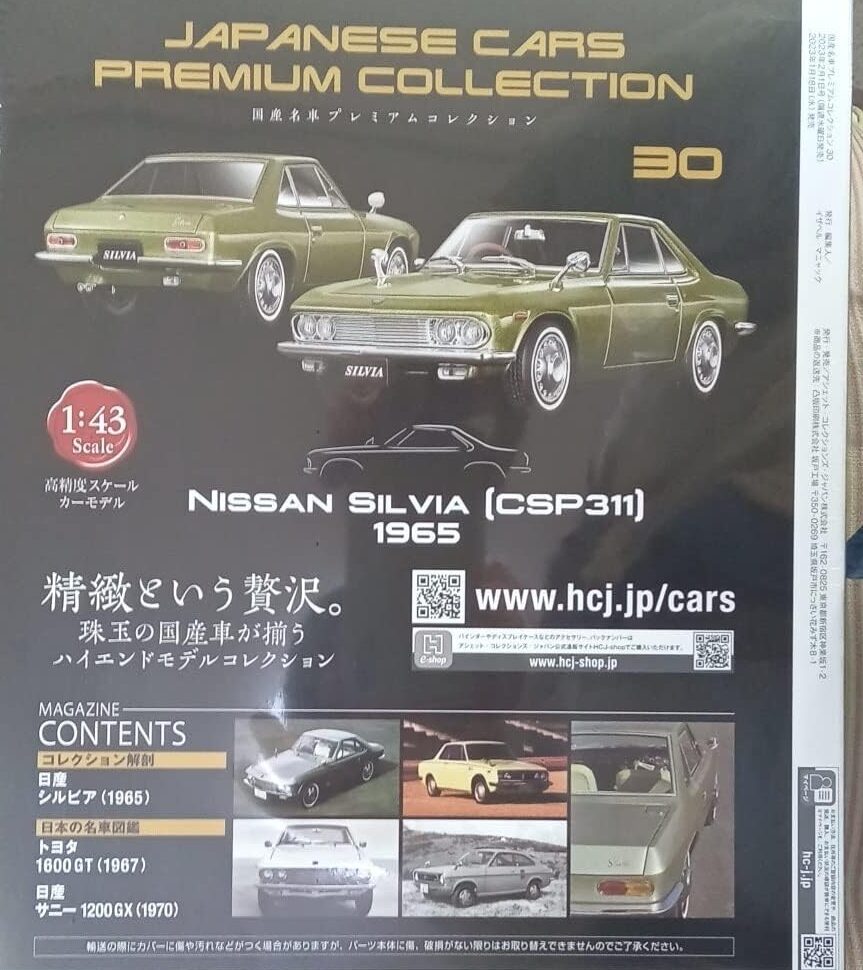
(こちらは『国産名車コレクション』シリーズで出ていたミニカーのアップデ―テッド版で、
ーーーーー>書店売りの低価格なシリーズがエブロを超える?程の素晴らしい出来に大変身。)
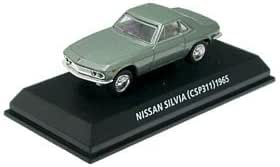
コナミ製、1/64『絶版名車コレクション』初代シルビア(シャンペーン・ゴールド)
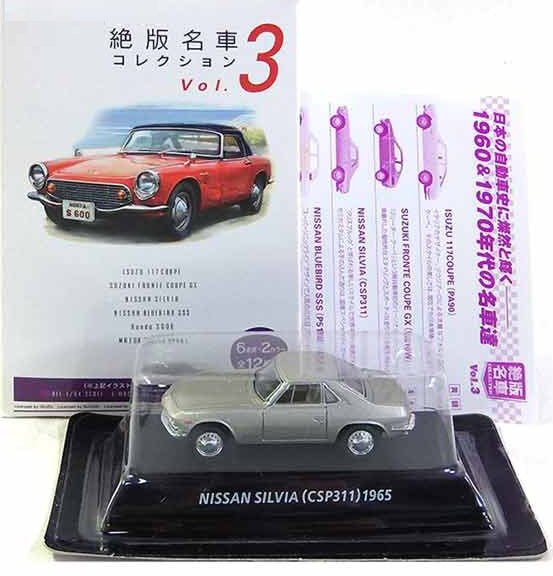
(この当時の、このスケールの限界と言ってもいいほどの、実車の特徴を完璧にとらえたキャスティング。
ーーーーー>タイヤの分厚さを切り取り、車高を若干低くしたら大化けです。)
それでは、(お待ちかね?)
『三題噺』時間です、、、
*三題噺:宝石・継ぎ目なし・日本人離れ

今回いただきましたお題は、
この三つ!
*宝石
*継ぎ目なし
*日本人離れ
エ~、一席おつきあいのほどを願っておきますがぁーー
世の中、
*玉石混合、
*鶏群の一鶴など
と申しまして、
良いもの、悪いモノ、面白いモノ、つまらないモノ、など
いろいろなものが雑多に存在しているものです。
そんな中、本当に素晴らしいものというのは、
めったにございません!!
そんな中、
日本の自動車業界の創成期の、
1960年台そんな宝石のような
自動車が日産から誕生しました。
それまでに日本車にはほとんど存在しなかった、
*小型のカッチットした2ドアクーペ、
*手仕事の粋を尽くした制作過程、
*時間と手間をかけたデザインの熟成度合い、が
ニッサンのデザイナー:木村一男さんと
ドイツ人デザイナー:フォン・ゲルツさんの
タッグマッチで、
見事に成立させています。
中でも最も手が込んでいるのが、
*『継ぎ目のないボディーの造形』です。
(職人がすべての面と面のエッジを手作業で叩き出して、
継ぎ目を整え、塗装を行ったそうです。)
話は変わりますが、
最近ユーチューブなどでよくその
素晴らしい成績を拝見させていただいています、
LAドジャースの『大谷選手』
個人的にはやはりその
*アッパー気味に見えるバットスイングから生まれる打球の描く放物線
*伝統的フォームから、最新のエグイ軌道を描く投球の軌跡
なんかに魅了されていますが、
このどちらも『日本人離れ』した内容ですね。
今回の初代シルビアも、
そんな『日本人(車)離れ』した
内容を誇るデザインが自慢でした、
私自身も海外で暮らすクリエーターとしてこの、『日本人離れした』、という称号に預かりたいと日夜励んできましたが、
実力とコミュ力が追い付かず、
『タダの日本人』止まりの
今日この頃です、、、泣
今回の初代シルビア、
日本が産んだ『走る宝石』、
まさに『鶏群の一鶴』となりにけり、、、

という事で、
お後がよろしいようで、、、、
ペンペン
*その他、60年代の貴公子(車)たち、、、
この時代の
各国産クーペスタイルの名車たちです。
個人的な好みですが、、
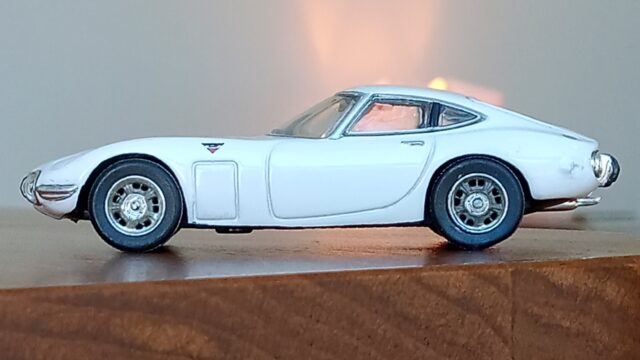
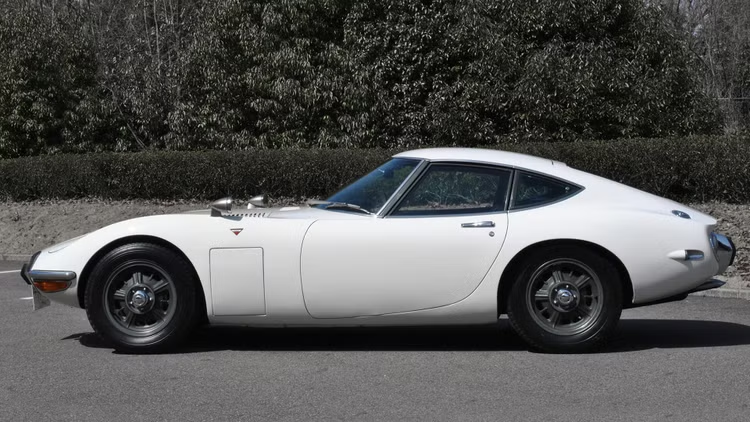
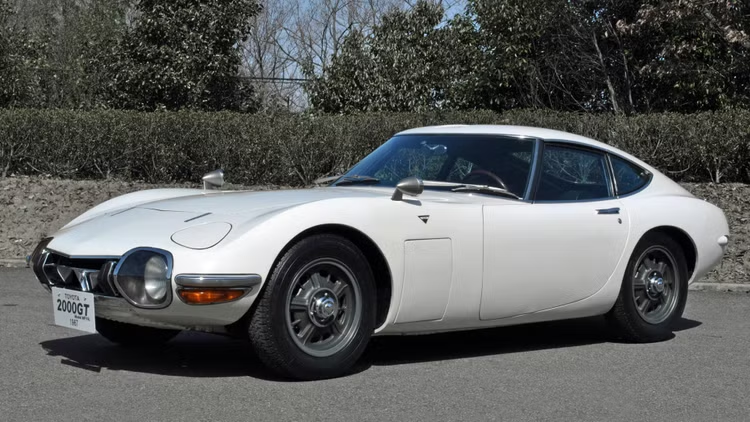
*トヨタ・ヤマハ、2000GT, 1967(アイボリー・ホワイト)
(言わずもがなの、トヨタ企画デザイン・ヤマハ発動機エンジン・チューニングと生産でうまれた世界的な名車です。流れるような、躍動感と気品にあふれるボディー造形がジャガー・EタイプやBMW507と並び称される流麗なクーペを形創っています。)
ーーーー>最もインパクトが強く、有名な日本車デザインの1つです。
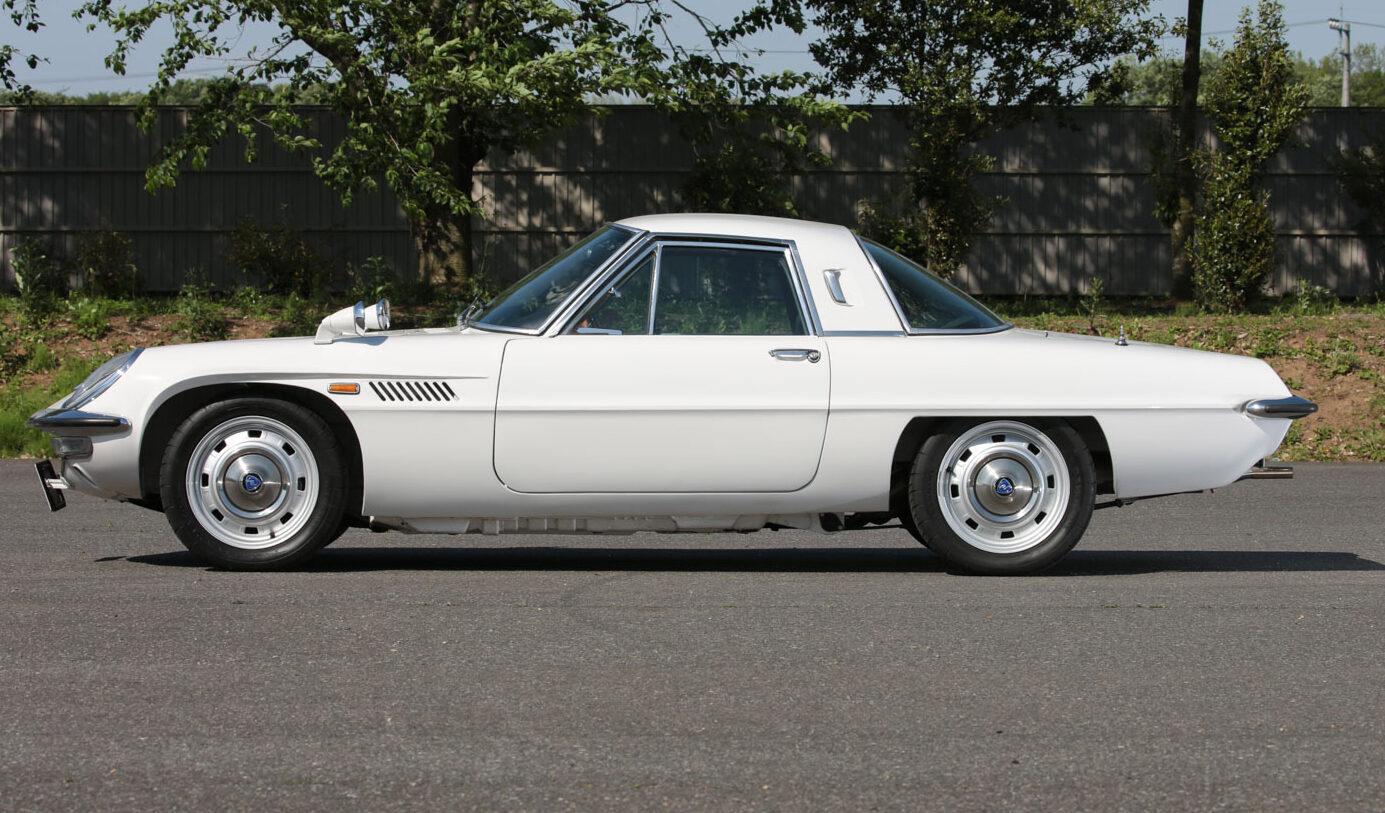
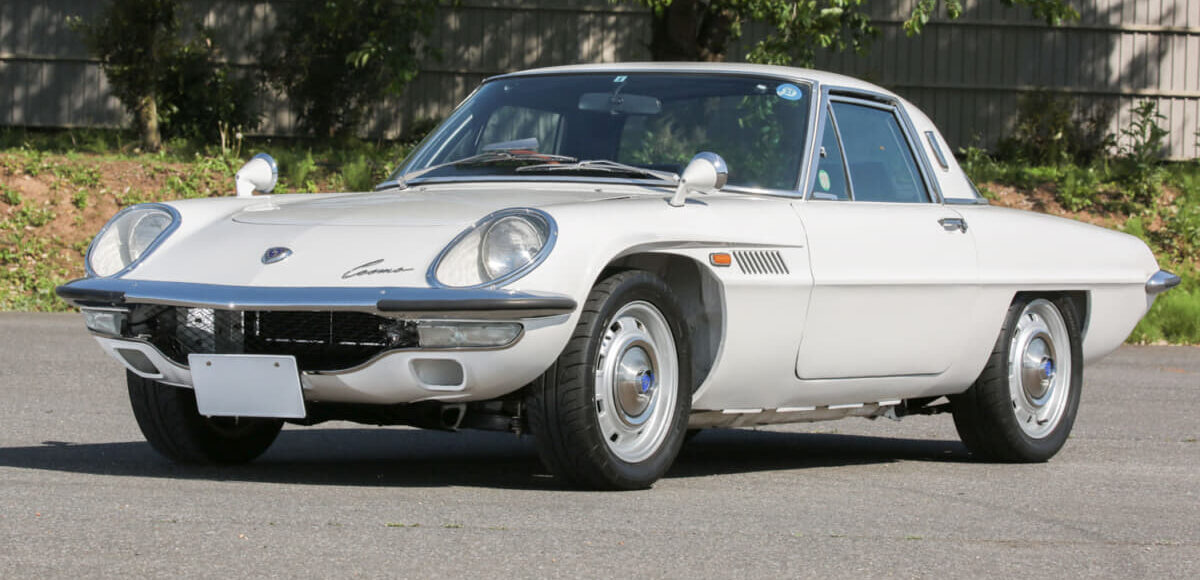
*マツダ、コスモ・スポーツクーペ、1969【後期型】(アイボリー・ホワイト)
(ロータリーエンジンをできる限り低く、後方へ搭載するマツダのスポーツFRレイアウトが既に実現、全長に比べて非常に長いリアオーバーハングがボディーを走るプレスラインと相まって、未来的なイメージを演出。)
ーーーーー>私たちの世代の男子にとっては、『帰って来たウルトラマン』のマット・ビハイクル号としてのイメージが強大です。
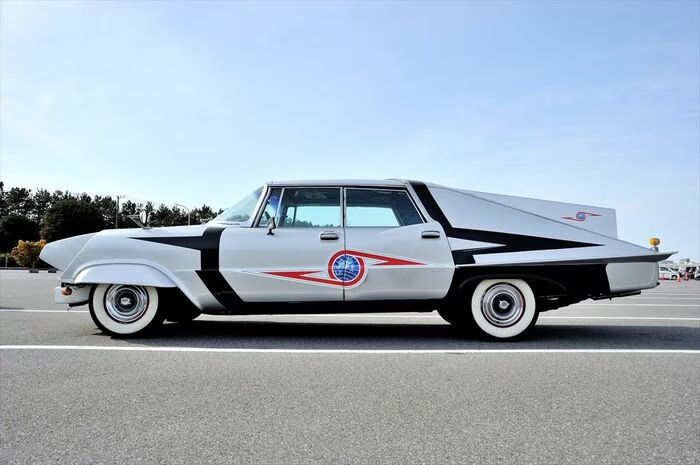
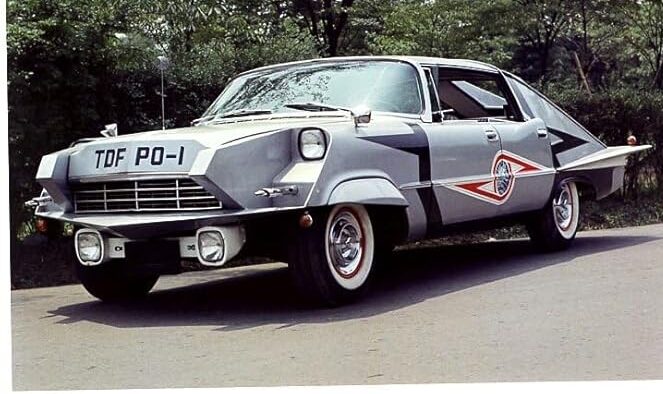
*テレビドラマ、ウルトラマン・セブン 『ポインター号』(銀と黒の2トン)
(マット・ビハイクル号とくれば、ポインターを出すしかありません!私の永遠のカッコイイメカNo.1です。実車は60年型クライスラー・インペリアルからの改造車です。)
ーーーーー>オリジナルとは全く異なる、絶妙な未来車加減が上手すぎます!
今回の初代シルビア、
日産デザインの黄金期に当たる、
80年代に復活する『アートフォース版シルビア』に先駆けること、
20年、デザインの日産に恥じない名車中の名車です。
次回は、
その『1988年型、
アートフォース版シルビア』のご紹介です。
お楽しみに――
本ブログと記事内容につきまして:
ブログ記事を書くにあたり私の目標は、立体造形(料理も含めて)とのかかわりを通じて、私個人の特徴的(ネジ曲がり方も含めて)な評価軸を解明することで、「美しさ・美味しさ」に対する好奇心や、探求心を、どのように満足・充足させてきたのかを明記しておくことです。
従いまして、記事の中に出てくる、数字や年号、微細なデータなどには細心の注意を払っておりますが、時に大きな間違いや勘違いを犯していることも考えられます。特に自動車記事における主要諸元や、年号などには紛らわしいものも多く、あくまで参考程度に考えていただければ幸いです。
私としては、記事の中で個人的な外観デザインや味覚の評価、そこから広がる後半部分につなげるための、『流れ』を作るための客観的材料として年号やデータを挿入している感じです。あくまで重視したいのは、私個人の頭の中で起こる、記憶の錯そう的混沌から生まれる新たな『見方』や『情報の予想外のつながり』です。その勢いを作り出す、『流れ』の一環として、諸データが副次的に必要となるわけです。
話がそれますが、大好きな落語の世界に「三題噺」という、その場て会場から募った3つのお題を使って1つのお話に仕立てるといったお遊びがございますが、私はそれに近いことを立体造形の特徴や(料理のお味)をお題にして行っている感じがします。その中で頭の中に去来する数々の着想が、全く予想外で楽しく、次回からの記事内容を大幅に変えたり、新展開につながっています。
当ブロブの仕組み:
『好奇心の点と線 x 気まぐれ脳内回路=予想外の新展開』
こんな自分勝手なブログですが、今後ともよろしくお願いいたします。
追記:上記の『流れ』を作る為に必要な写真はできる限り、個人所有のミニカー・自前の料理などを使い撮影しておりますが、その他の必要最小限の図版や写真を他のブログ主様の記事や諸会社ホームページなどからお借りしております。(記事内容に合うよう加工させていただき、使用時は最小の解像度で載せております。)問題がある場合、ご連絡いただければ直ちに降ろさせていただきます。
追記2:当ブログ記事に掲載のミニカー写真等(個人撮影)は許可なしで、どのようにお使いいただいても結構です。私個人の創造性はこの世のもの、と言う認識の上で記事を製作しています。
!!!!!!!!!!!!!!!!!!!!!!!!!!!!!!!!!!! Translated in English !!!!!!!!!!!!!!!!!!!!!!!!!!!!!!!!!!!
Part 30—The Lineage of 2-Door Coupes: Part 10 [Japanese Cars] Nissan First-Generation Silvia, 1965 (Champagne Gold) Nissan Silvia, 1965
Two Model Cars:
(Kyosho, 1/64 First-Generation Silvia (Champagne Gold): Modifications —— After narrowing the tire width, the axle was fine-tuned) (Diagostini, “Famous Japanese Cars” Series: 5th-Generation Silvia [S-13] (Lime Two-Tone): Modifications: Removed the front and rear bumpers, sanded the bonding surfaces, smoothed out the gaps, and adjusted the wheelbase to optimize the stance)
#Favorite Car Designs—The Lineage of 2-Door Coupes:
For this 30th installment, titled “The Lineage of 2-Door Coupes, Part 10,” I’d like to discuss luxury 2-door (GT) coupes and roadsters, which strongly reflect the national characteristics and unique exterior designs of various countries. [Note: Includes convertibles]
We will proceed as follows.
This 10th installment focuses on [Japanese Cars: Nissan Edition]
1965 Model
This installment focuses on the first-generation Silvia Coupe.
[The Lineage of 2-Door Coupes: Table of Contents]
[American Cars]
Part 1: Cadillac El Mirage, 2013 (Metallic Red)
Part 2: Lincoln Continental MK4, 1972 (Black)
Part 3: Mercury Cougar, 1967 (LT Metallic Green)
[German Cars Edition]
Part 4: MB 500K Special Roadster, 1936 (Black)
Part 5: MB 300SL Roadster, 1957 (Silver)
Part 6: MB SLS AMR Gullwing, 2010 (Black)
[British Cars]
Part 7: McLaren F1, 1992 (Metallic Orange)
Episode 8: Jaguar XKSS Roadster, 1957 (Royal Blue)
Episode 9: Jaguar XKR Coupe, 1996 (Dark Metallic Green)
[Japanese Cars / Nissan Edition]
Episode 10: Nissan First-Generation Silvia, 1965 (Champagne Gold)
Episode 11: Nissan 5th-generation Silvia, 1988 (LT Metallic Green)
[Italian Cars]
Episode 12: Ferrari 250TR Pontoon Fender, 1958 (Red)
Episode 13: Ferrari 250GTO, 1962 (Italian Red)
Episode 14: Lamborghini Concept S, 2005 (Pearl White)
[Japanese Cars / Mazda Edition]
Episode 15: Mazda Cosmo Sport, 1967 (Silver)
Episode 16: Mazda Eunos Cosmo Type-S, 1990 (Two-Tone: Black & Gray)
[French Cars]
Episode 17: Bugatti Type 59, 1935 (French Blue)
Episode 18: Citroën SM, 1970 (Champagne Gold)
Episode 19: Bugatti La Voiture Noire, 2019 (Black)
[Japanese Cars / Toyota Edition]
Episode 20: Toyota/Yamaha 2000GT, 1967 (Ivory White)
Episode 21: Toyota 2nd-generation Soarer, 1986 (Two-tone: Black & Gray)
Episode 22: Lexus LC [GWZ100], 2017 (Metallic Red)
[American Cars Part 2]
Episode 23: Dodge Challenger & Plymouth Barracuda, 1971
Episode 24: Dodge Viper SRT-10 ACR, 2008 (Black)
Episode 25: Ford Shelby GR-1 Concept, 2004 (Chrome)
The Corvette Lineage: (Special Edition)
Episode 1: 1967 Stingray [C2] Convertible (Hardtop, Metallic Blue)
Episode 2: 1972 Corvette [C3] Convertible (Metallic Blue)
Episode 3: 1990 Corvette ZR-1 [C4] Coupe (Red)
Part 4: Stingray Concept [Pre-production Prototype], 2009 (Prue Metallic)
#“The Raw Gem of Nissan’s Brilliant Design”
For me, the “First-Generation Silvia” was
the one I heard about from my father,
*Toyota 2000GT
*Isuzu 117 Coupe
—
*expensive,
*rare, handcrafted sports cars,
*one of three models you rarely see,
*and, among them, the rarest of all,
and when I first saw it
at the Classic Car Corner or something like that
at the Nagoya Motor Show,
*its compact size,
*its elegant, dignified, and composed appearance,
that “sheltered daughter” vibe
left a lasting impression on me.
It feels like it was born
from the combination
of a 【sheltered young lady】 and
a 『diamond』.
So then,
let’s take a look at
this 『sheltered, diamond』,
which appeared in the very early days
of Japanese automotive history,
in this manner.
* Car Overview: A Sturdy, High-Quality Coupe
* Exterior Design Features: The Sparkle of a Diamond Cut
* “Me” and the First-Generation Silvia:
* Three-Theme Story: Jewels, Seamless, Un-Japanese
* Other 1960s “Gentlemen”
* Car Overview: A Sturdy, High-Quality, Royal-Style Coupe?
Overview:
The first-generation Silvia (CSP311) is a two-seater specialty car from Nissan that was unveiled as the “Datsun Coupe 1500” at the 1964 Tokyo Motor Show and went on sale in April 1965. Characterized by beautiful body lines crafted by hand by master artisans, it is known as an extremely rare classic car with a production run of just 554 units.
Design Highlighting Artisanal Craftsmanship:
n
* Crisp Cut: Its sharp, flowing styling—often described as a “seamless gemstone cut”—is its most distinctive feature. * Handcrafted Construction: It was a semi-custom-made vehicle, with craftsmen of the era hand-hammering the body panels and sanding down the seams to achieve a seamless finish.
n
* Front Mask: The luxurious radiator grille features an extremely intricate structure, machined from solid aluminum.
* Designer: Kazuo Kimura of the Nissan Design Studio was in charge, with supervision by German designer Albrecht von Gertz.
n
n
N
n
m
Mechanics and Driving Performance:
n
* Base Chassis: Developed based on the chassis of the contemporary sports car, the “Fairlady 1600 (SP311).”
* Powertrain: It is equipped with a 1.6L R-type inline-4 OHV engine (twin-carburetor specification, 90 hp).
* Transmission: It adopted Japan’s first Porsche-type close-ratio 4-speed fully synchronized transmission.
n
N
n
m
n
Positioning as a Ultra-Luxury Car:
n
* List Price at the Time: It was sold for approximately 1.2 million yen.
* Comparison with Other Vehicles: It was an extremely expensive car, surpassing the price of the Honda S800 (approx. 660,000 yen) and the Cedric Special 6 (1.15 million yen), which was Nissan’s top-of-the-line sedan at the time.
n
N
n
m
Unlike the later 5th generation (S13) and final generation (S15), which were marketed as “FR sports coupes for young people,” the first generation stands as a “rolling work of art” that shines brilliantly in the history of Japanese automobiles.
n
N
n
m
n
n
N
N
N
#Key Specifications:
Model: R-type
Total Displacement: 1,595 cc
(Water-cooled inline-4 OHV with carburetor (SU twin carb))
Maximum Power: 90 PS / 6,000 rpm
Maximum Torque: 13.5 kgm / 4,000 rpm
Top Speed: 165 km/h
Drivetrain: FR (Front-engine, Rear-wheel drive)
Seating Capacity: 2 (plus 2)
Body Style: 2-door coupe
Wheelbase: 2,280 mm
Overall Length: 3,985 mm
Overall Width: 1,510 mm
Overall height: 1,275 mm
Curb weight:
980 kg
*Exterior Design Features: The Sparkle of Diamond Cut
A luxury 2-door coupe from Nissan
The exterior design features of the
“Silvia” can be summarized in the following five points:
1: A three-dimensional surface composition brimming with “hardness and high-quality feel,” modeled after a diamond’s “crystal cut”
2: Beautiful 2-door coupe proportions contained within an overall length of less than 4 meters
3: Beautiful wheel cut lines that perfectly accommodate the relatively large 14-inch tires
4: A front fascia with sharp, defined features reminiscent of a “gentleman”
5: A sense of accomplishment in the plan view design, which makes full use of the relatively wide overall width for its time and features a pronounced taper from front to rear
6: The white leather interior—extremely rare for a Japanese car at the time—further enhances the “aristocratic” character
Now,
let’s take a closer look at each point.
1: A three-dimensional surface composition brimming with “rigidity and high-quality feel,” modeled after a diamond’s “crystal cut”
(A three-dimensional form of rare beauty, created by the legendary partnership of Kazuo Kimura and von Gertz, that rivals the European designs of the time)
ーーーーーー>I can’t forget the crisp “aura” I felt when I saw the real thing in front of me.
2: A beautiful 2-door coupe with an overall length of less than 4 meters, featuring concave surfaces that emphasize its proportions and fluidity—from the C-pillar to the top of the doors and across the front fenders, creating a sense of speed
(The skill with which they created a 2-door, 2-seater coupe—extremely rare in the Japanese automotive market—with such magnificent “dynamism” and cohesion is truly admirable.)
ーーーーーー>Even viewed through today’s eyes, it shows absolutely no signs of age; if anything, it feels fresh.
3: Beautiful wheel cut lines that perfectly accommodate the relatively large 14-inch tires
4: A front fascia with sharp, defined features that evoke the image of a “dandy”
ーーー>The front grille, machined from solid aluminum—truly the work of a master craftsman!!
5: A sense of accomplishment in the plan view design, which makes full use of the relatively wide overall width for its time and features a pronounced taper from front to rear
ーーーーー>The three-dimensional effect of the diamond-shaped contours plays a major role in the overall presentation.
6: The white leather interior—extremely rare for a Japanese car at the time—
ーーーーーーーー>Fully amplifies the “aristocratic” character!
*“Me” and the First-Generation Silvia:
At the Nagoya Port exhibition hall,
among the classic cars on display at the
Nagoya Motor Show,
one legendary car stood quietly.
That was the moment I first laid eyes on the first-generation Silvia.
It was truly a “paragon of elegance.”
In its refined form,
I sensed a unique aura unlike any other legendary car I had ever seen.
Since then,
I have been savoring its beautiful design
through three-dimensional models like this.
* Imai Kagaku Co., Ltd., 1/24 Scale (Plastic Kit) First-Generation Silvia
(A masterpiece featuring a pale gold mold color and a crisp body design. While Imai products aren’t very well-known, this particular item must have been licensed for mass production, as I saw it in model shops and toy stores all over the place.)
* Eburo, 1/43 scale die-cast finished model, First-generation Silvia (gold metallic)
(Released at just the right moment,
(This was a solid, well-crafted die-cast model car that was released at just the right time.
ーーーーー>The gold color was a bit on the dark side, but the detailing and tire size were perfect)
* Manufactured by Hachette/IXO/NOREV, 1/43 die-cast ready-to-display model, First-generation Silvia (Gold)
(This is an updated version of the die-cast model originally released in the “Famous Japanese Cars Collection” series,
ーーーーー> It has undergone a remarkable transformation into a model of such superb quality that it rivals—or even surpasses—Ebro, despite being part of a low-priced series sold in bookstores.)
Konami, 1/64 “Out-of-Print Classic Car Collection” First-Generation Silvia (Champagne Gold)
(A casting that perfectly captures the real car’s features—you could say it pushed the limits of this scale at the time.
ーーーーー>If they trimmed down the thickness of the tires and lowered the ride height slightly, it would be a total game-changer.)
Now then, (have you been waiting for this?)
It’s time for “Three-Theme Stories”…
*Three-Theme Story: Jewel, Seamless, Un-Japanese
The themes I’ve been given this time are
these three!
*Jewel
*Seamless
*Un-Japanese
Well, I hope you’ll bear with me for a bit here—
In this world,
*it’s a mixed bag,
*a lone crane among a flock of chickens,
as the saying goes,
there are all sorts of things—good, bad, interesting, boring—
all jumbled together.
Amidst all that, truly wonderful things
are extremely rare!!
Amidst all that,
during the formative years of the Japanese automotive industry,
in the 1960s, a gem of a
car was born from Nissan.
Features that had been almost nonexistent in Japanese cars up until then—
* A compact, sleek two-door coupe,
* A manufacturing process that showcased the pinnacle of craftsmanship,
* A design that had been refined through time and effort—
were masterfully brought to life
through the collaboration
between Nissan designer Kazuo Kimura
and German designer von Gerz.
Among these features, the most intricate is
*the seamless body design.
(Apparently, craftsmen carefully sanded every seam by hand
before applying the paint.)
On a different note,
I’ve been seeing his
amazing performance quite often on YouTube and other platforms lately—
LA Dodgers’ “Shohei Ohtani.”
Personally, I’m particularly captivated by
* the parabolic trajectory of the ball resulting from his seemingly
* upward-swinging bat swing,
* and the cutting-edge, aggressive trajectory of his pitches
* delivered from a traditional form.
Both of these are truly
“un-Japanese” in nature.
This first-generation Silvia, too,
boasted a design that was
proudly “un-Japanese” (for a car),
As a creator living overseas, I’ve worked day and night hoping to earn this title of “un-Japanese,”
but my skills and communication abilities haven’t caught up,
and these days, I’m stuck as
“just a Japanese person”… sob
This first-generation Silvia,
Japan’s “running jewel,”
has truly become “a crane among chickens”…
And with that,
I’ll leave it here…
Pen-pen
*Other 1960s “princes” (cars)…
These are the legendary coupes
from various countries of that era.
This is just my personal preference, but…
* Toyota/Yamaha 2000GT, 1967 (Ivory White)
(Needless to say, this is a world-renowned masterpiece born from Toyota’s design and Yamaha Motor’s engine tuning and production. Its flowing, dynamic, and elegant body design creates a sleek coupe that stands alongside the Jaguar E-Type and BMW 507.)
ーーーー>It is one of the most impactful and famous Japanese car designs.
* Mazda Cosmo Sport Coupe, 1969 [Late Model] (Ivory White)
(Mazda’s sports FR layout—which positions the rotary engine as low and far back as possible—was already a reality. The extremely long rear overhang relative to the overall length, combined with the body’s flowing character lines, creates a futuristic image.)
ーーーーー>For boys of our generation, it’s strongly associated with the Matt Vehicle from *Ultraman Returns*.
*TV drama, Ultraman Seven: “Pointer” (silver and black two-ton truck)
(When it comes to the Matt Vehicle, I have to mention the Pointer! It’s my all-time favorite cool mecha. The actual vehicle was a modified 1960 Chrysler Imperial.)
ーーーーー>It’s so masterfully done—it strikes the perfect balance of futuristic design, completely different from the original!
This first-generation Silvia,
which predates the “Art Force Silvia” that made a comeback in the 1980s—
a period considered the golden age of Nissan design—
is a true masterpiece that has stood the test of time for 20 years, living up to Nissan’s legacy of design excellence.
Next time,
I’ll be introducing
that “1988 Art Force Silvia.”
Stay tuned――
Regarding this blog and its content:
My goal in writing these blog posts is to document how I have satisfied and fulfilled my curiosity and desire to explore “beauty and deliciousness” by elucidating my own unique (and somewhat eccentric) criteria for evaluation, shaped through my involvement with three-dimensional forms (including cooking).
Consequently, while I pay the utmost attention to the numbers, model years, and detailed data appearing in my articles, it is possible that I may occasionally make significant errors or misunderstandings. In particular, key specifications and model years in automotive articles can often be confusing, so I would appreciate it if you treated them as mere references.
For my part, I feel that I insert dates and data into the articles as objective material to create a “flow” that connects my personal evaluations of exterior design and taste to the broader themes explored in the latter half. What I ultimately prioritize are the new “perspectives” and “unexpected connections between information” that emerge from the chaotic jumble of memories in my own mind. The various data points are needed secondarily as part of that “flow” to generate that momentum.
As a slight digression, in the world of rakugo—a form of traditional Japanese storytelling I love—there is a playful format called “sandaibana,” where the performer weaves a single story using three topics solicited from the audience on the spot. I feel like I’m doing something similar here, using the characteristics of three-dimensional forms and (the taste of food) as my prompts. The myriad ideas that flit through my mind during this process are completely unexpected and delightful, often leading me to drastically change the content of future articles or sparking new developments.
How this blog works:
“Spots and lines of curiosity x whimsical mental circuits = unexpected new developments”
This blog may be a bit self-indulgent, but I hope you’ll continue to follow along.
Note:
To create the “flow” described above, I use my own miniature cars and home-cooked meals for photos whenever possible. However, I do borrow the absolute minimum necessary illustrations and photos from other bloggers’ articles and company websites. (I edit them to fit the article’s content and post them at the lowest possible resolution.) If there are any issues, please contact me and I will remove them immediately.
Update 2: You are free to use the photos of die-cast cars and other images (taken by me) featured in this blog’s articles in any way you like without permission. I create these articles with the understanding that my personal creativity belongs to me alone.
Translated with DeepL.com

これはCTAサンプルです。
内容を編集するか削除してください。