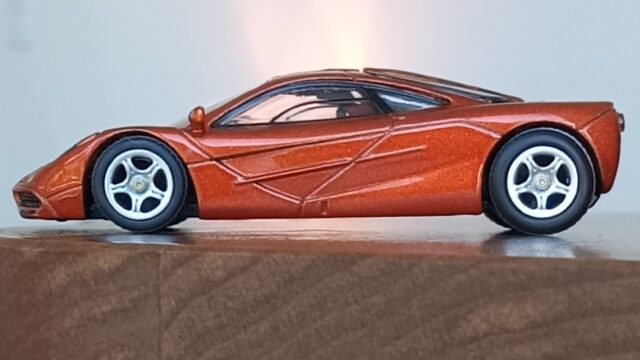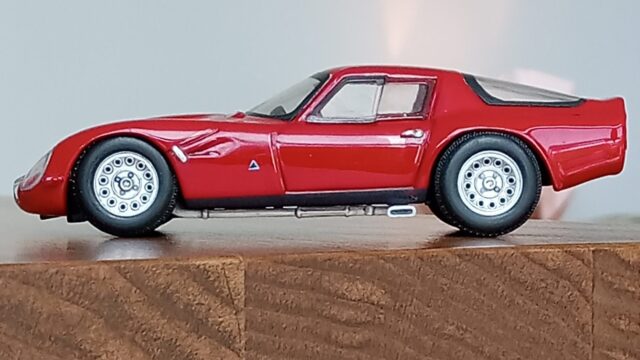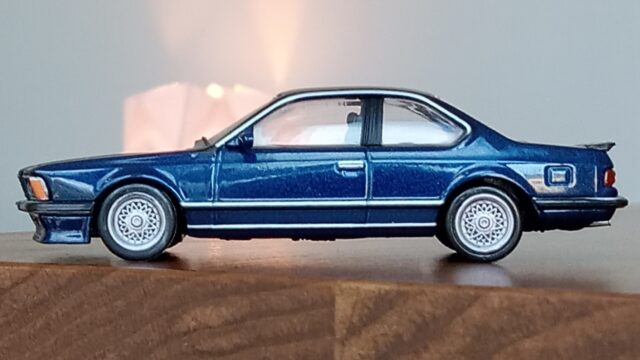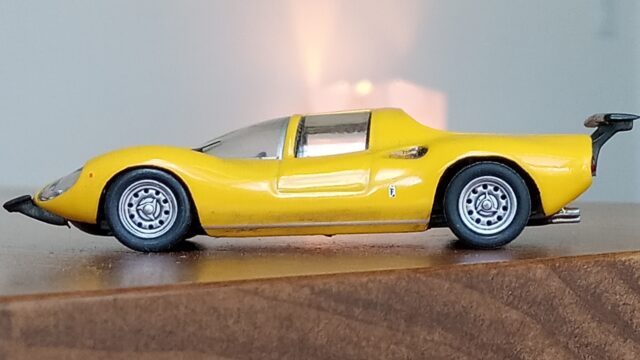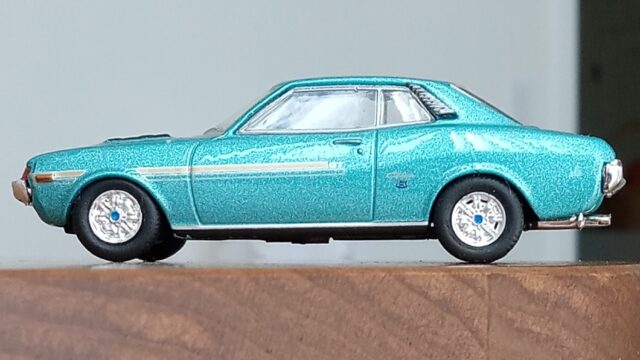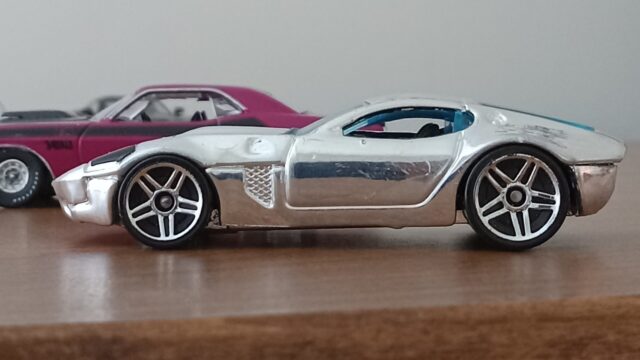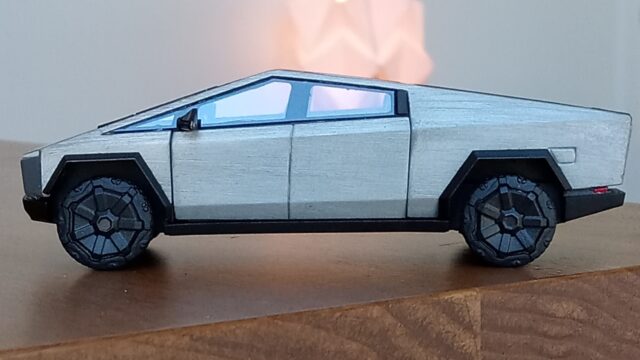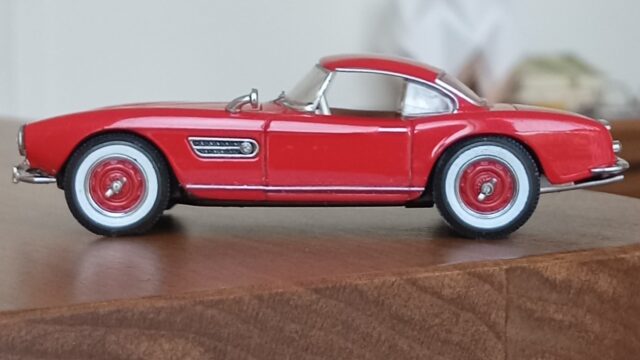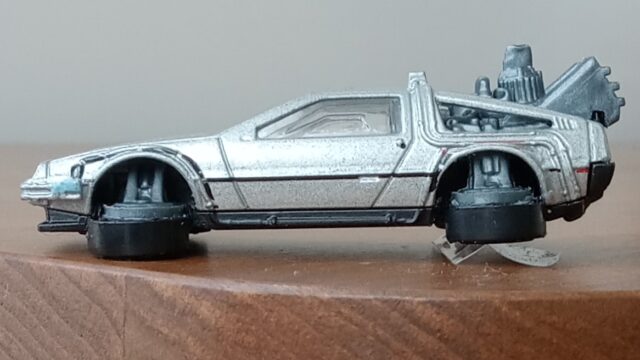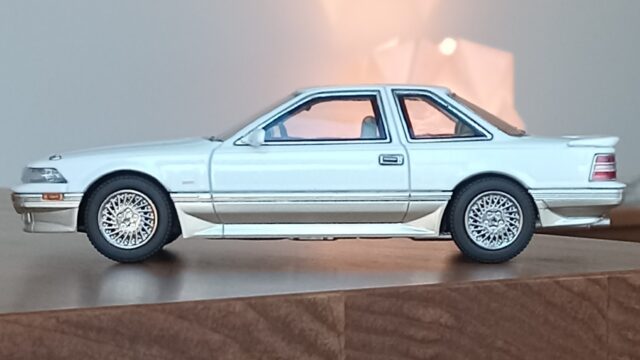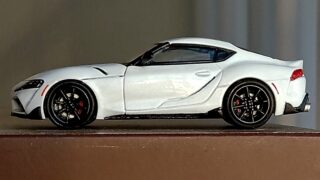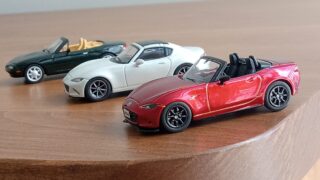
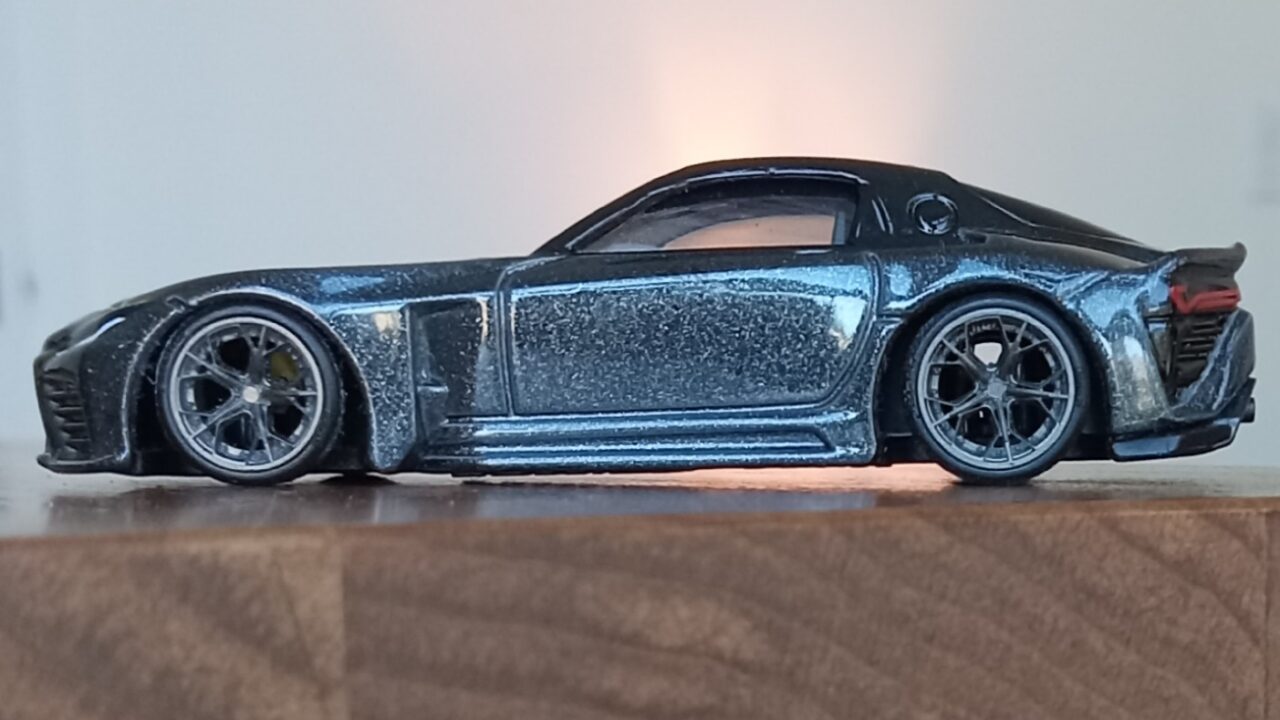
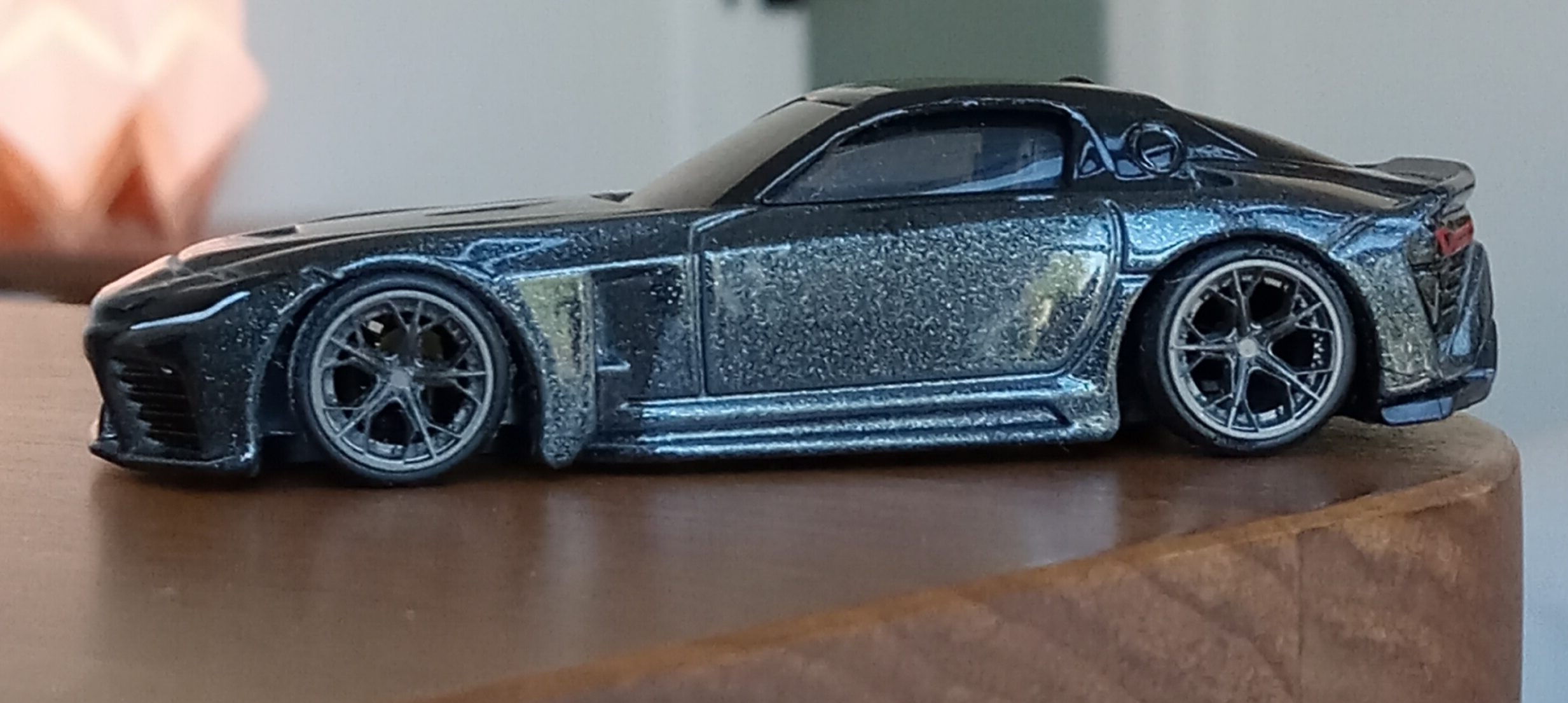
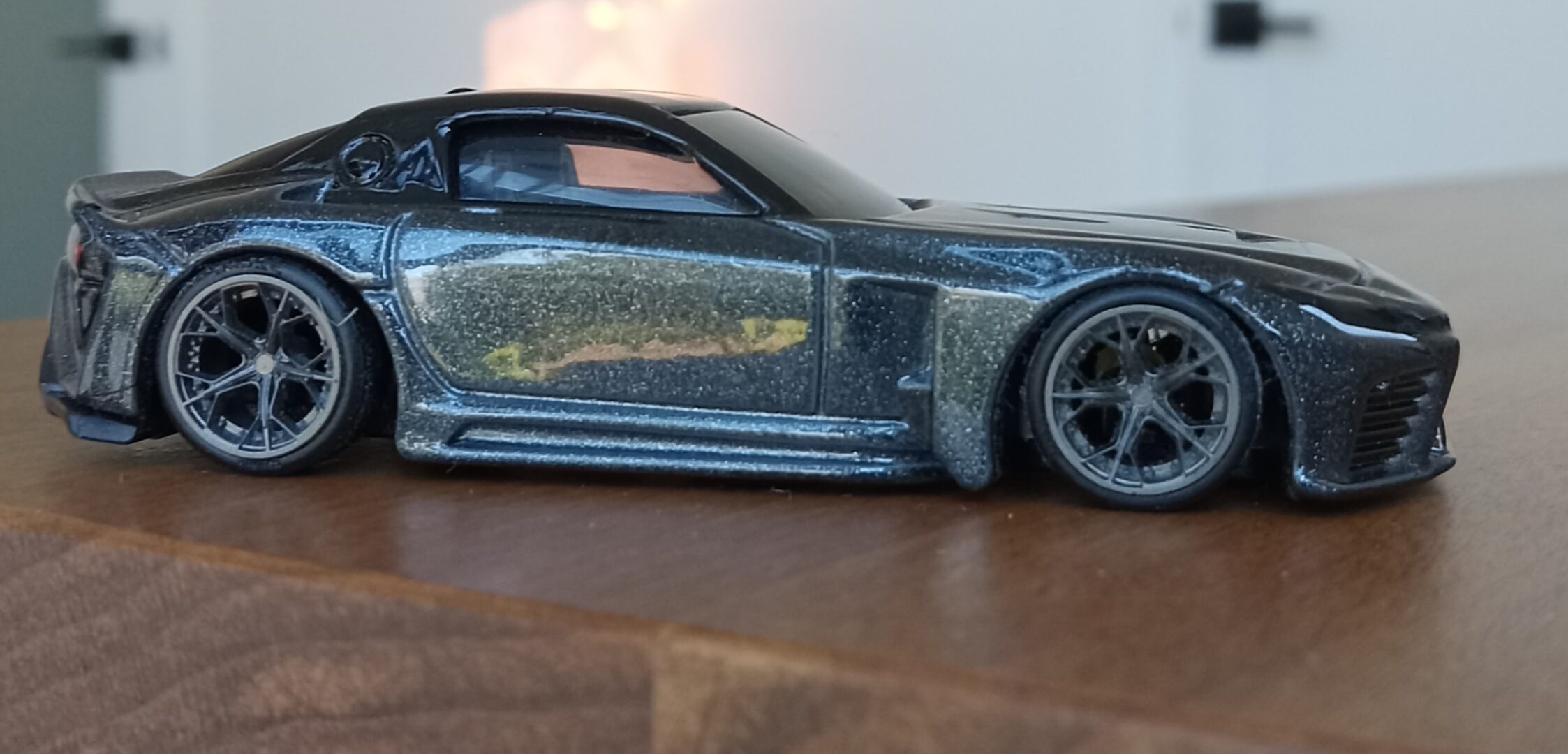
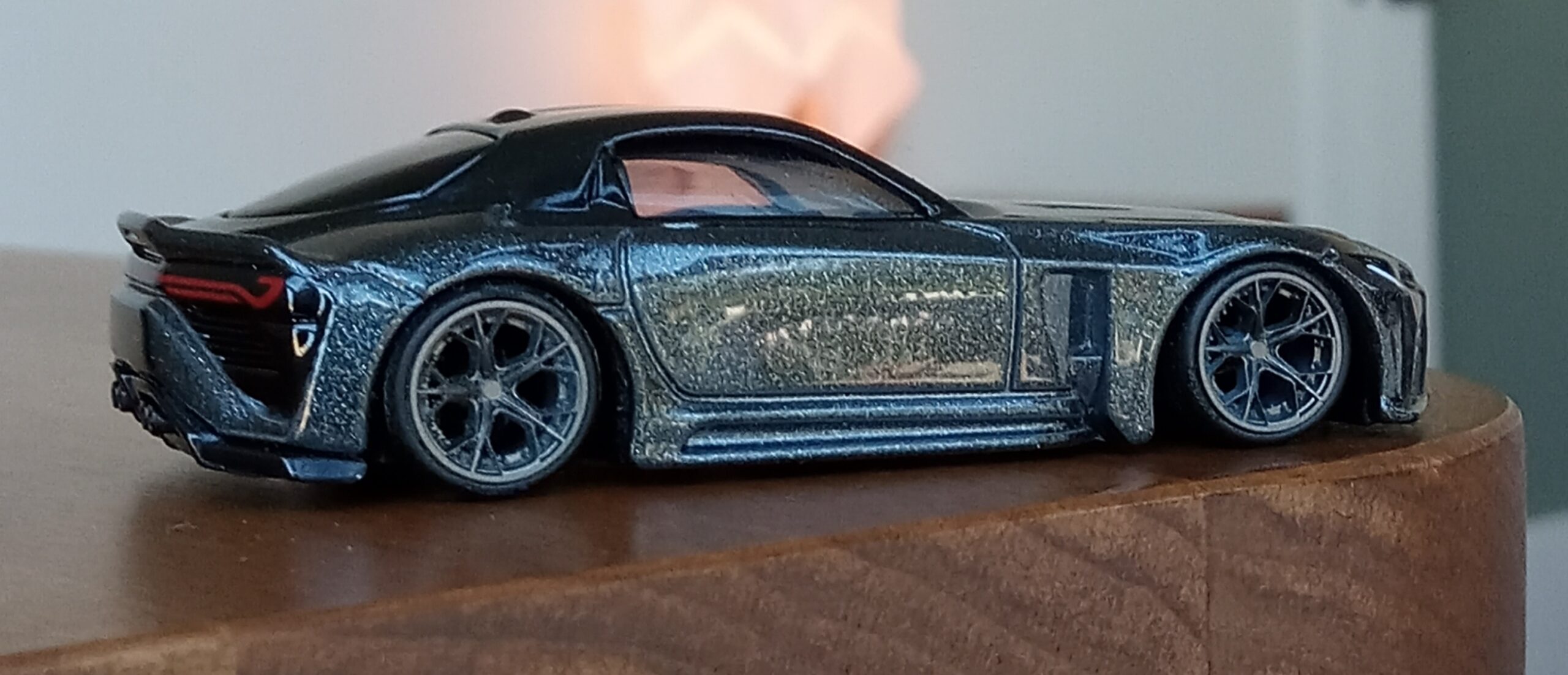
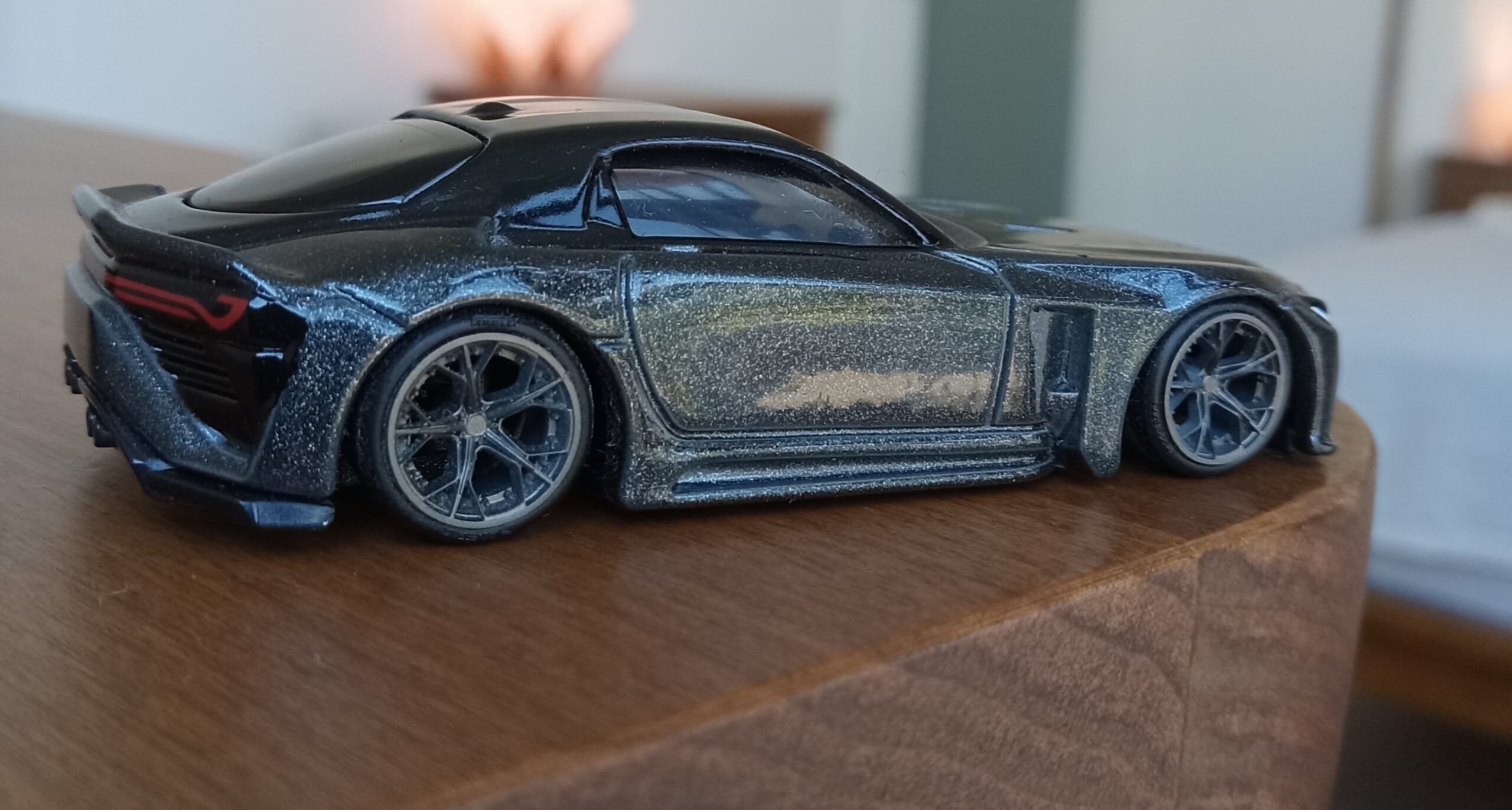
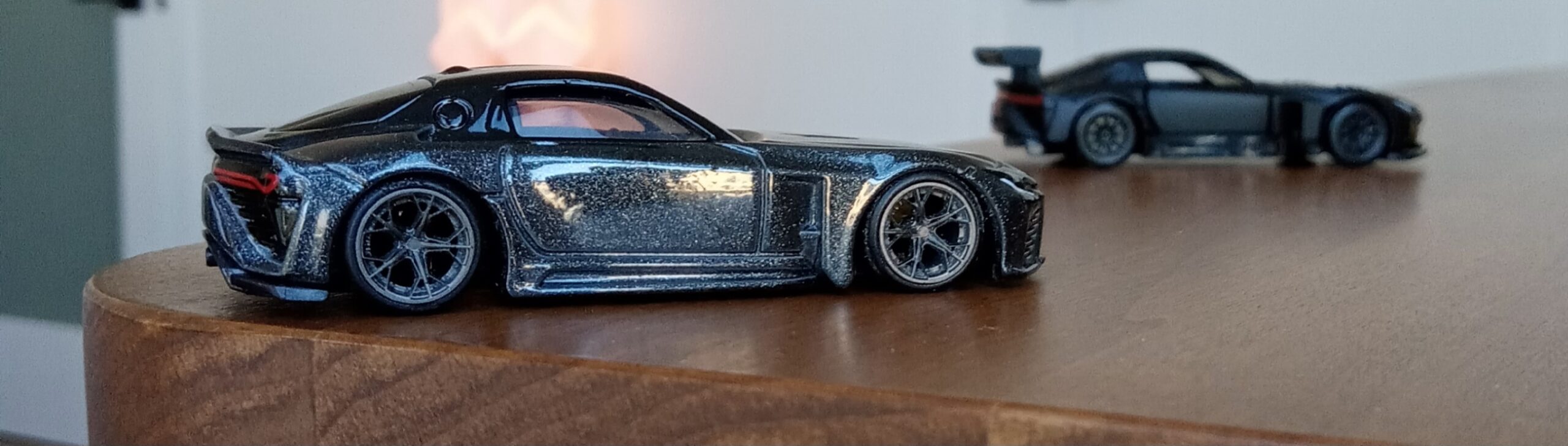
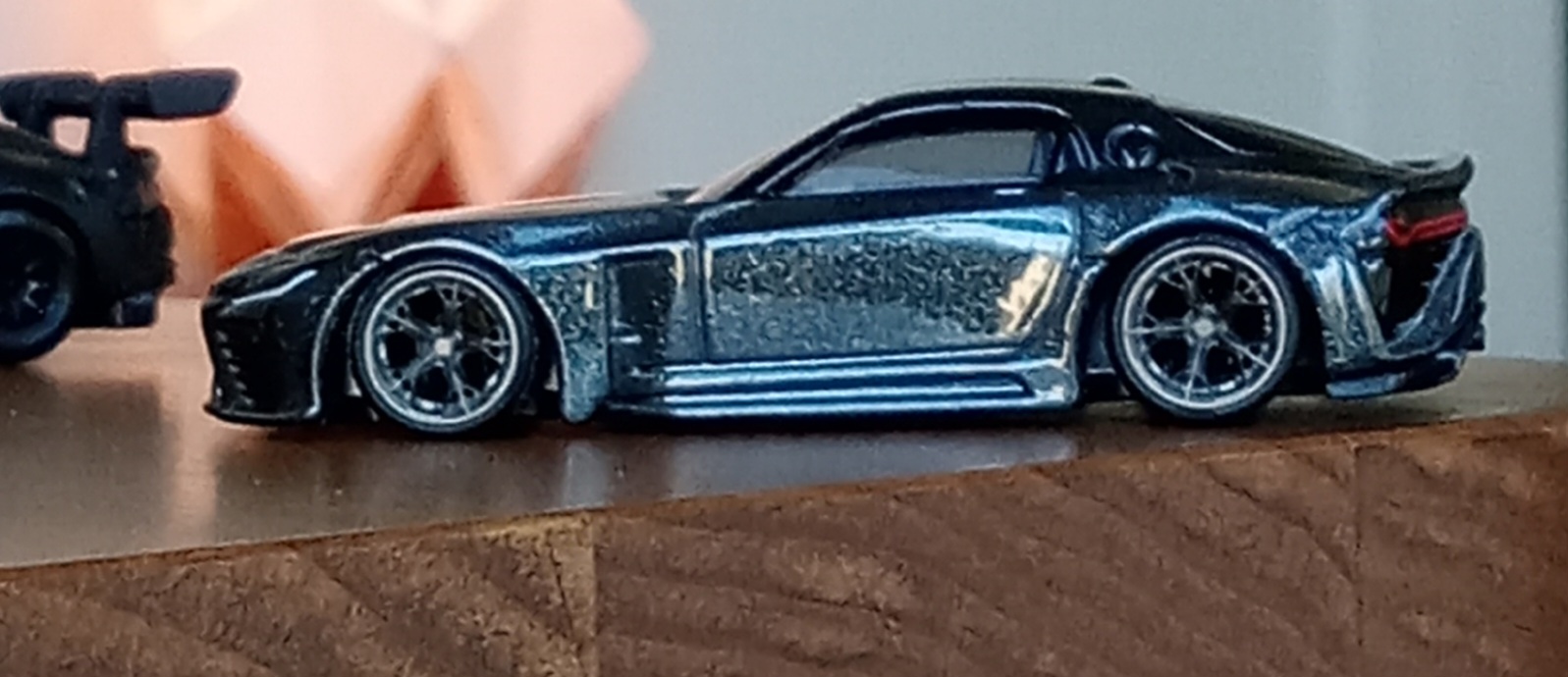
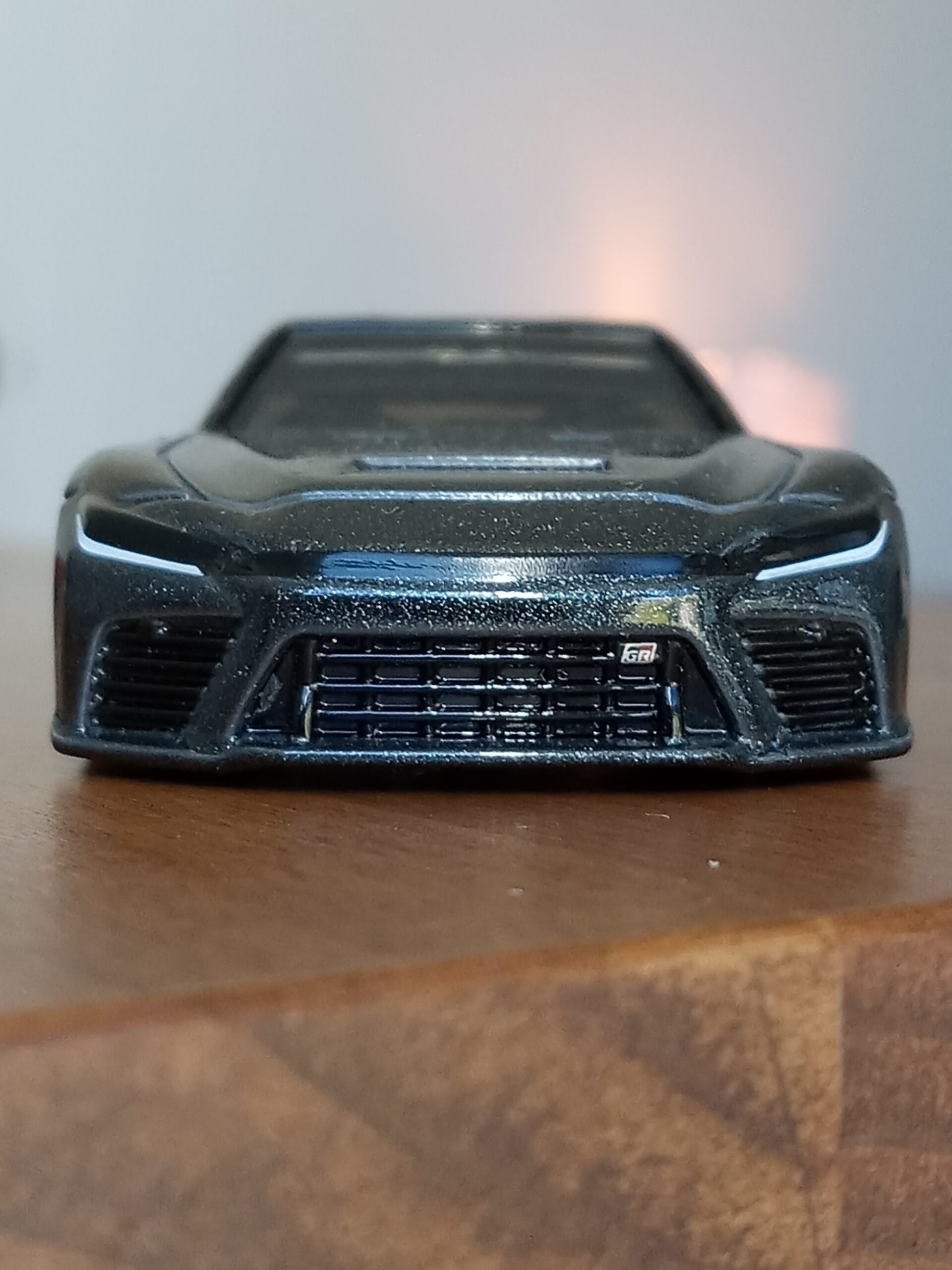
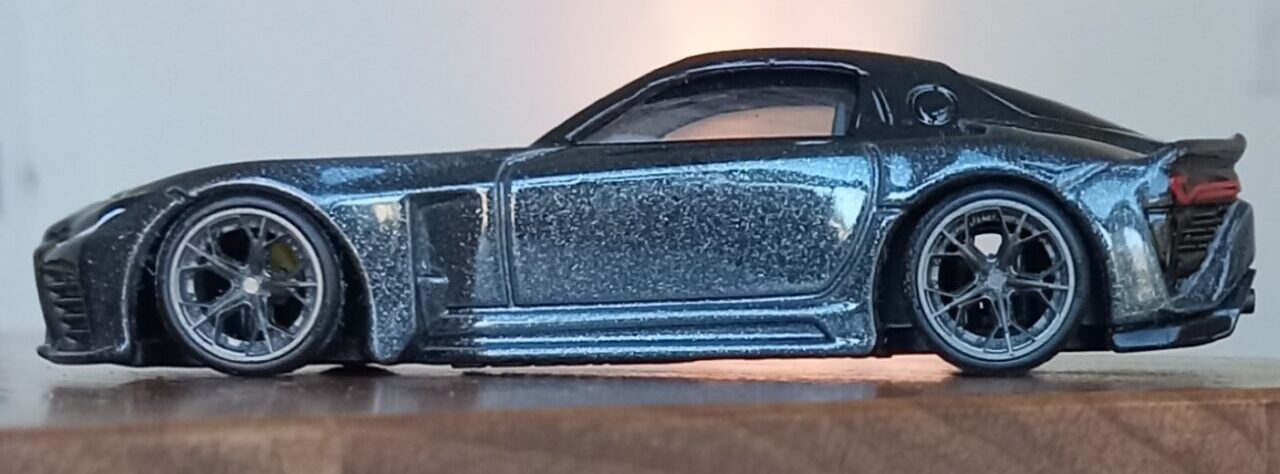
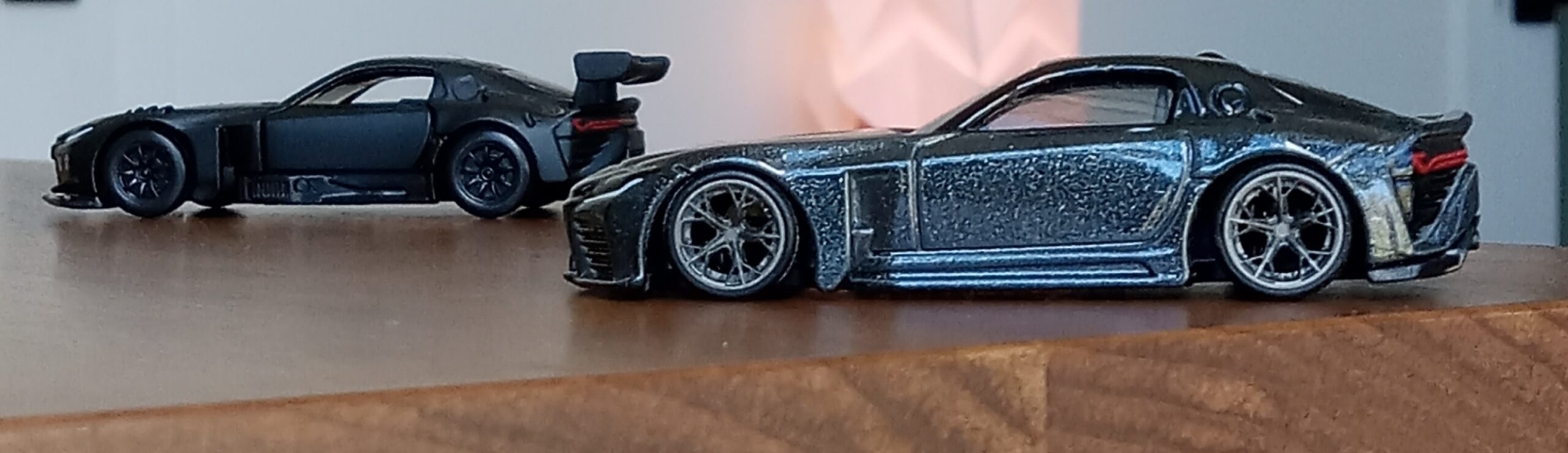
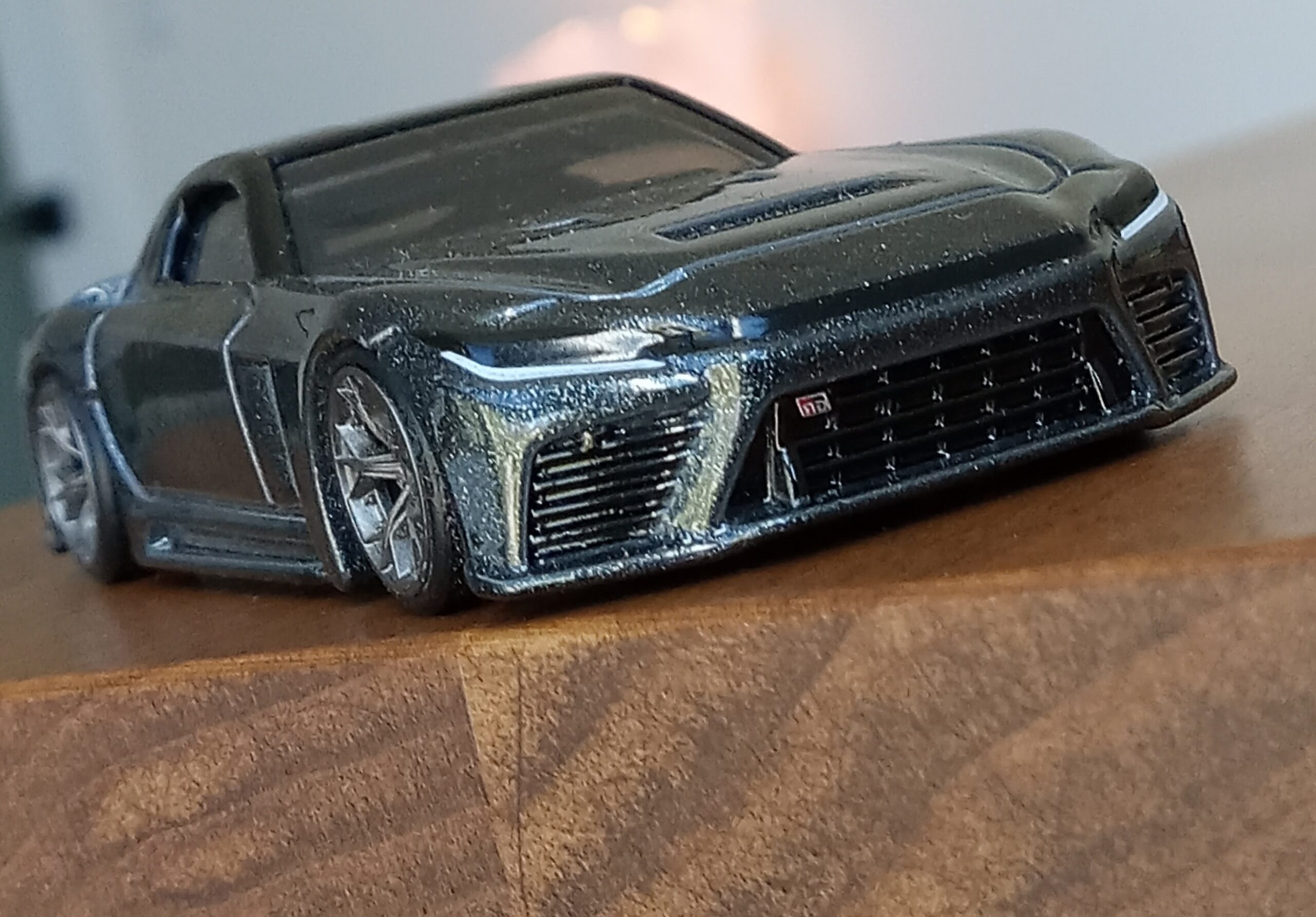
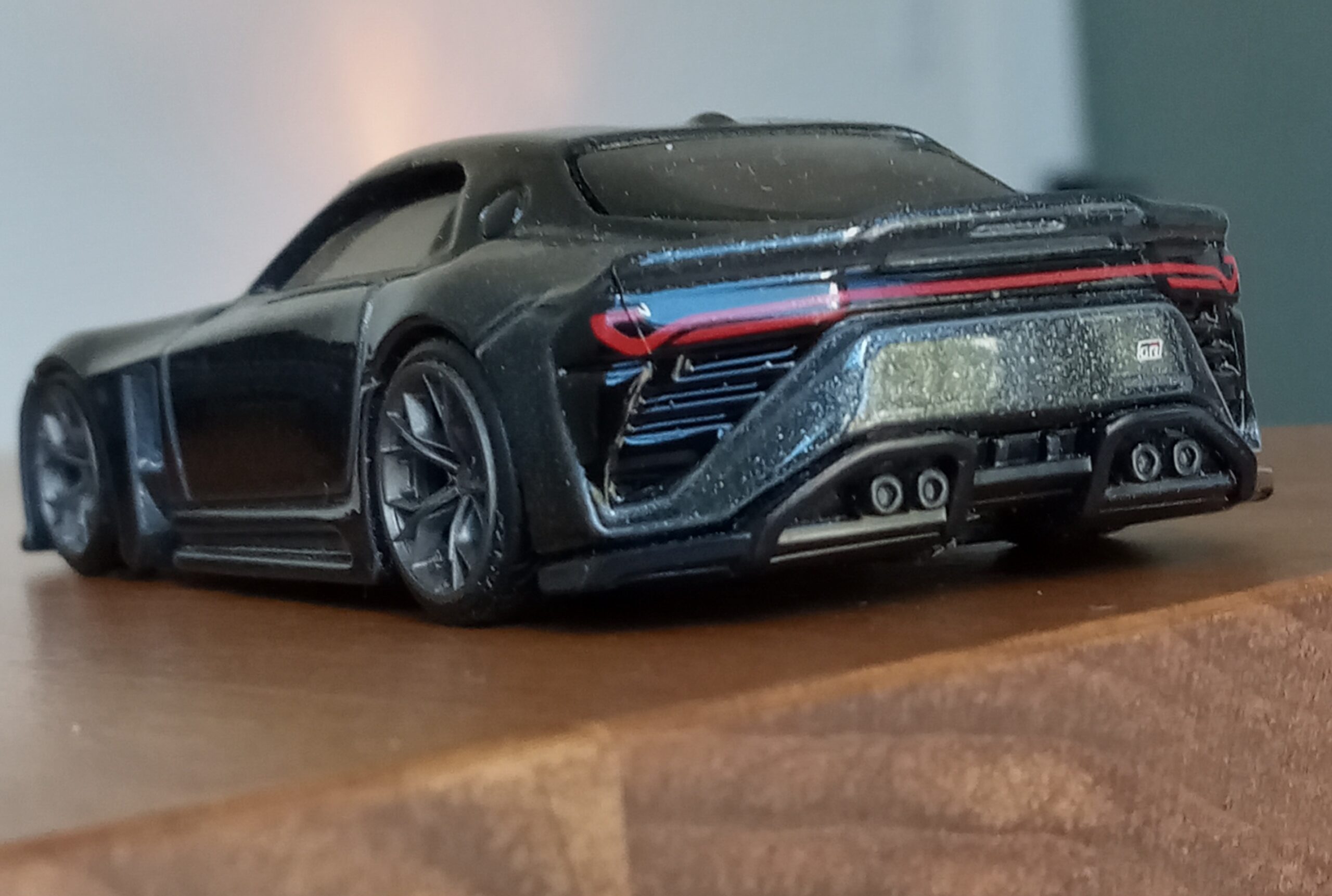
(写真撮影に使用したミニカー:トミカ・通常品 トヨタ GR GT(ガンメタル)---改造箇所:カシメ留めを外して、上下を分割後、イーベイで入手した3-Dプリント製カスタムホイールのトラックを調整、車軸の高さをほんの少し前傾になるよう3時間かけて微調整)
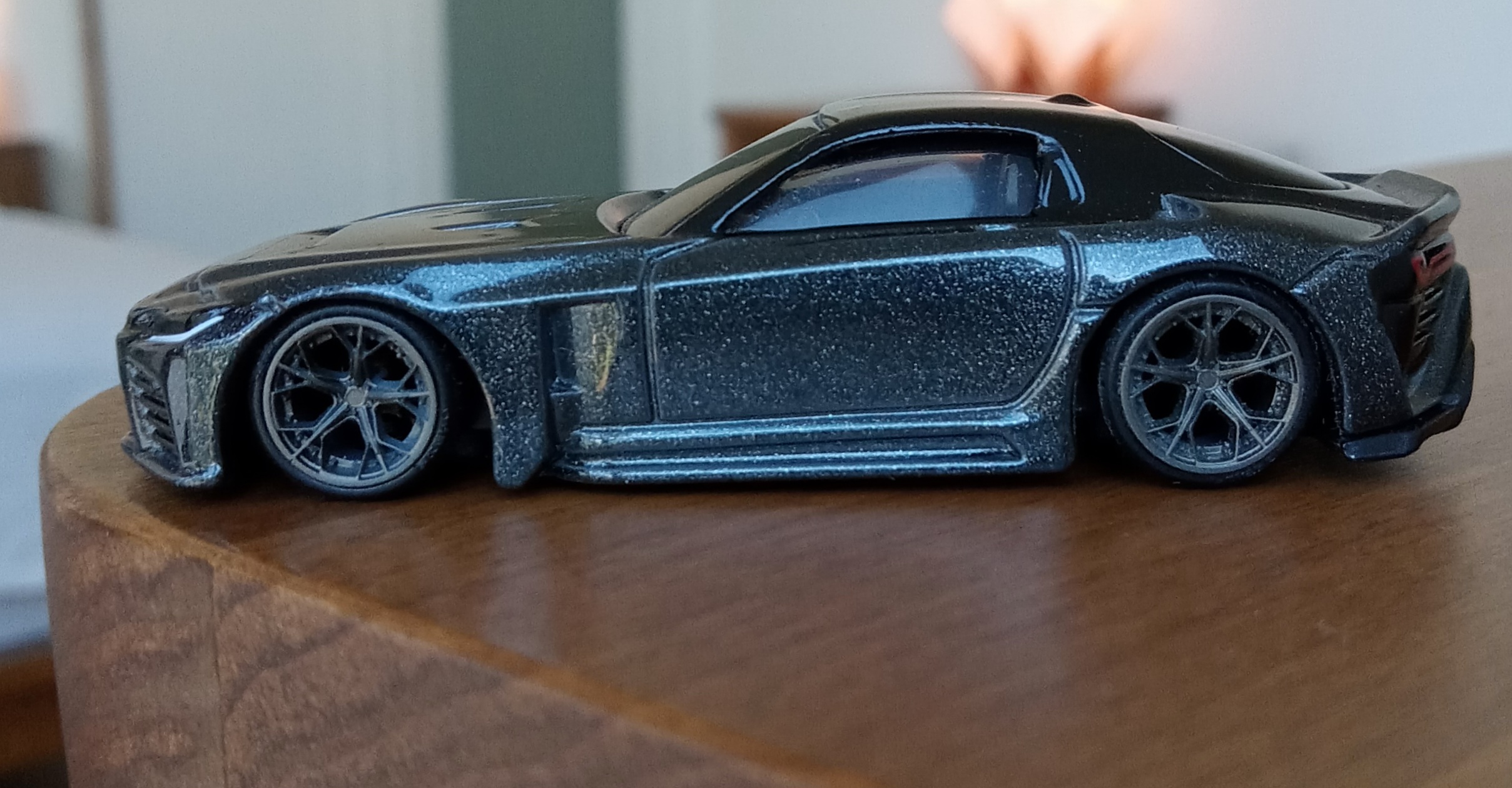
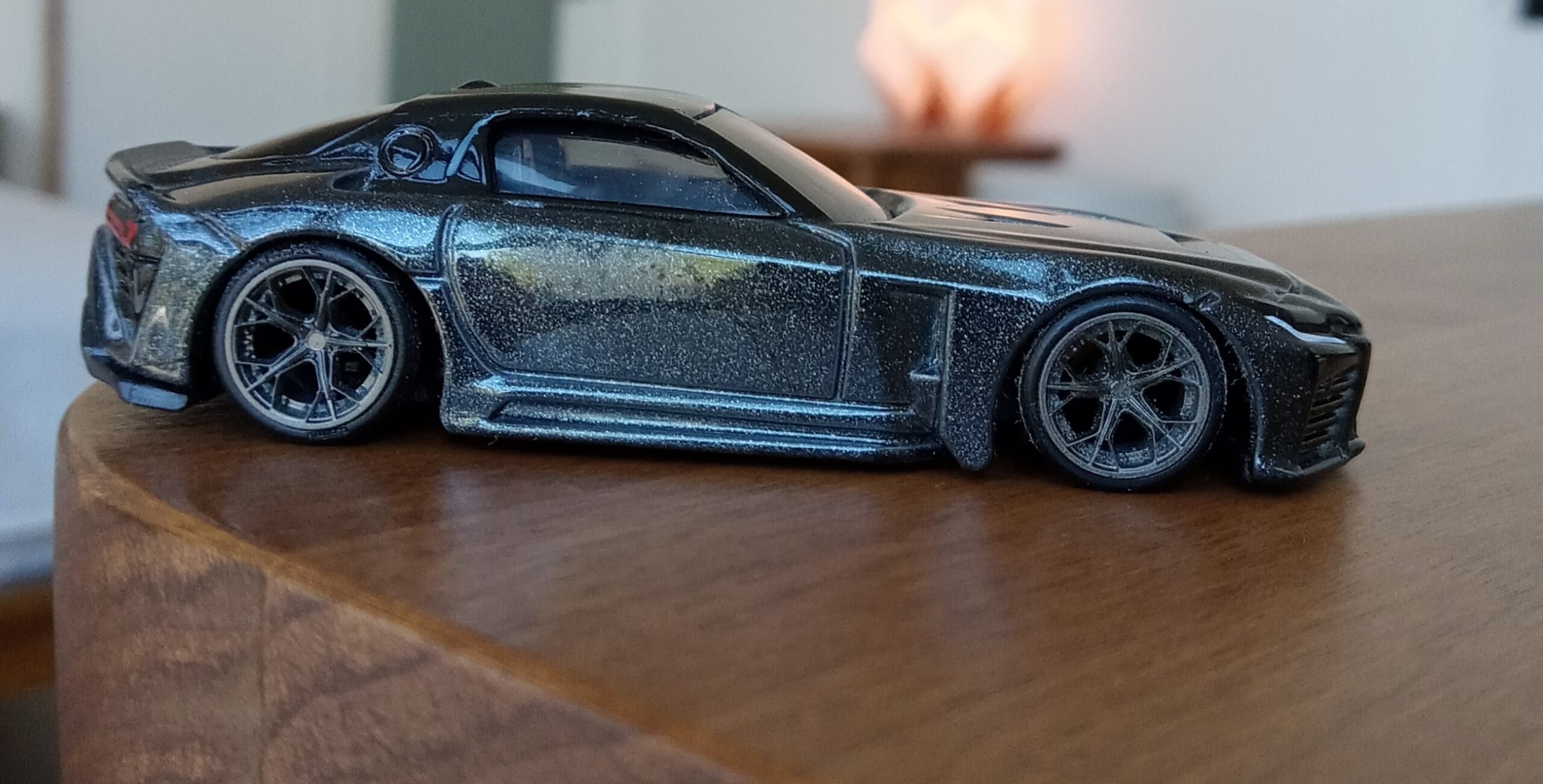
好みの自動車デザイン:第63回ーー2ドア・クーペの系譜: 第42回(最終回)【日本車:トヨタ編②】トヨタ GR GT、2027【発売予定】(青み掛かったガンメタル)【モリゾウ流(龍)・トヨタ式年遷宮の証】Toyota GR GT、2027 (Blueish Gunmetal)【Akio Toyoda’s Racer】
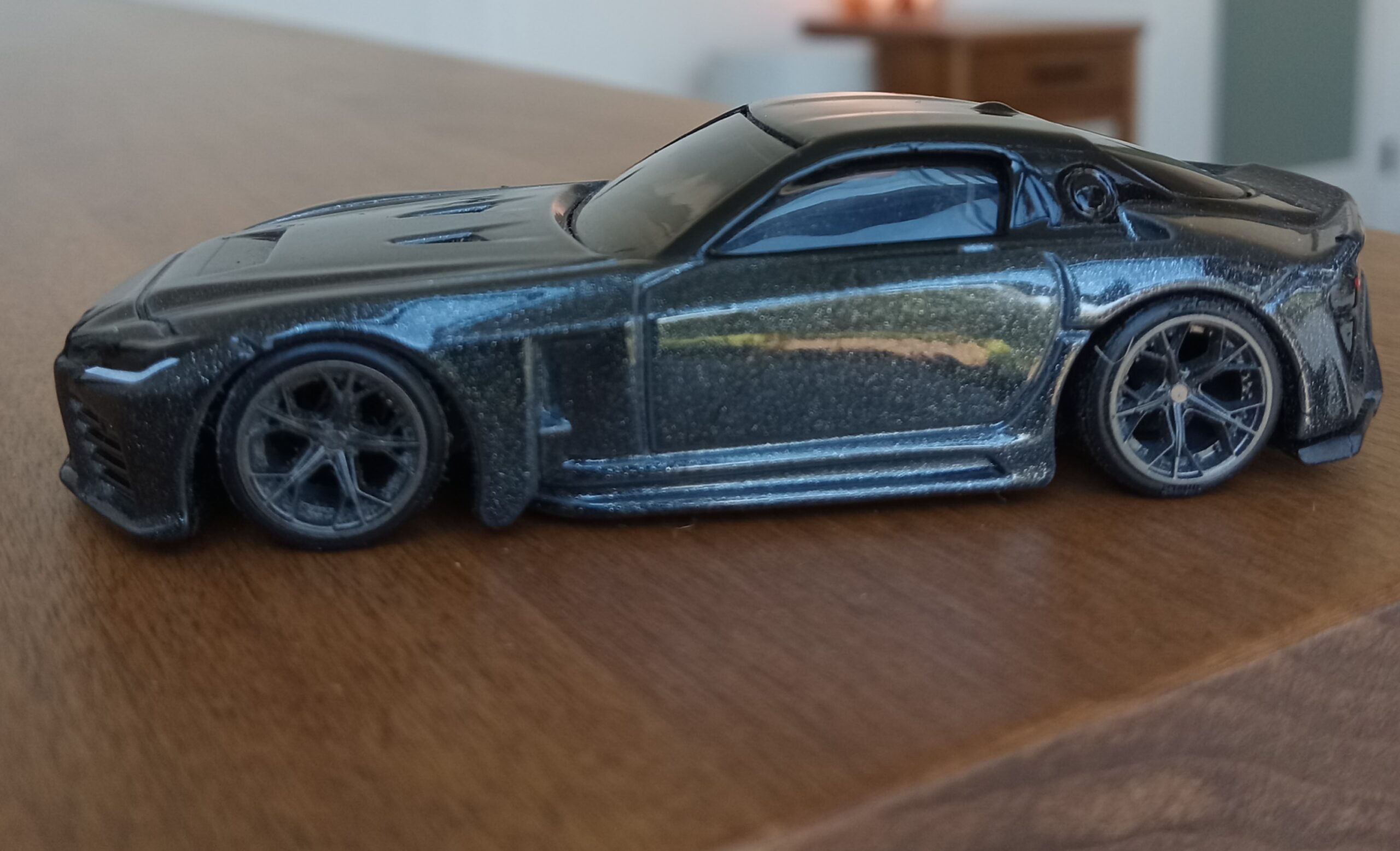
第63回目の今回は、『2ドアクーペの系譜、第42回【最終回】』と題しまして、各国のお国柄や、外観デザインの個性が強く表れる、高級2ドア(GT)クーペ / ロードスターについてお話ししてみたいです。【注意:オープンカーを含む】
以下の要領で進めていきます。
最終回の今回はいよいよ
【日本車編:トヨタ編②-003】
2027年以降に発売予定の、
トヨタ GR GT【発売予定】(青み掛かったガンメタル)
についてのお話です。
【2ドア・クーペの系譜(全42回+アルファ):目次】
【米国車編】
第1回:キャデラック・エルミラージュ、2013(メタリック・レッド)
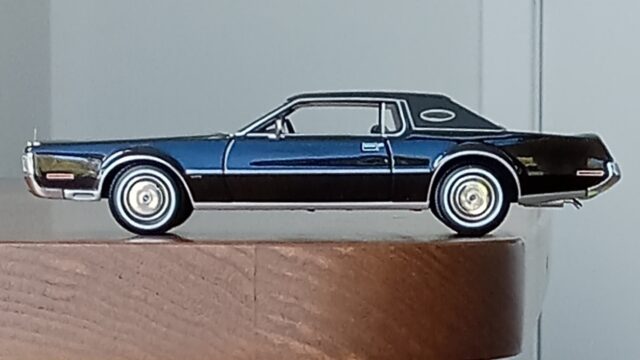
第2回:リンカーン・コンチネンタル MK4、1972(ブラック)
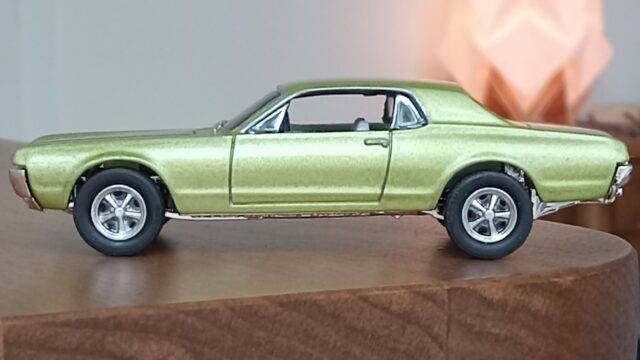
第3回:マーキュリー・クーガー, 1967(LTメタリック・グリーン)
【ドイツ車編】
第4回:MB 500K スペシャル・ロードスター、1936(ブラック)
第5回:MB 300SL ロードスター、1957(シルバー)
第6回:MB SLS AMR ガルウイング、2010(ブラック)
【英国車編】
第7回:マクラーレン・F1、1992(メタリック・オレンジ)
第8回:ジャガー・XKSS ロードスター、1957(ロイヤル・ブルー)
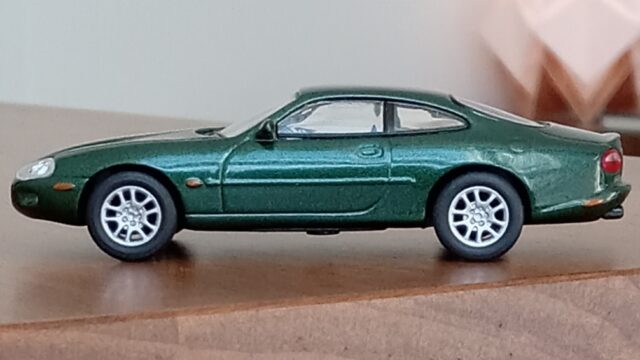
第9回:ジャガー XKR クーペ、1996(ダークメタリック・グリーン)
【日本車・ニッサン編】
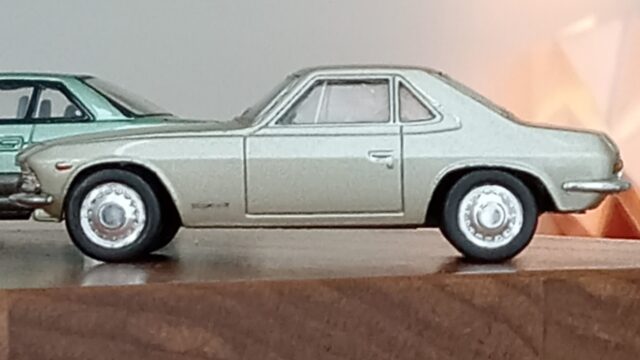
第10回:ニッサン 初代シルビア、1965(シャンペン・ゴールド)
第11回:ニッサン 5代目シルビア、1988(LTメタリック・グリーン)
【イタリア車編】
第12回:フェラーリ 250TR ポンツーンフェンダー、1958(赤)
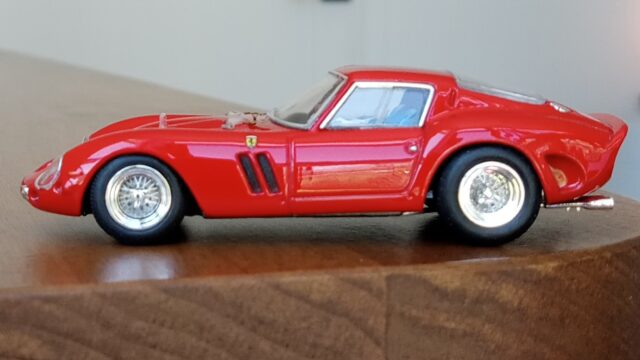
第13回:フェラーリ 250GTO、1962(イタリアン・レッド)
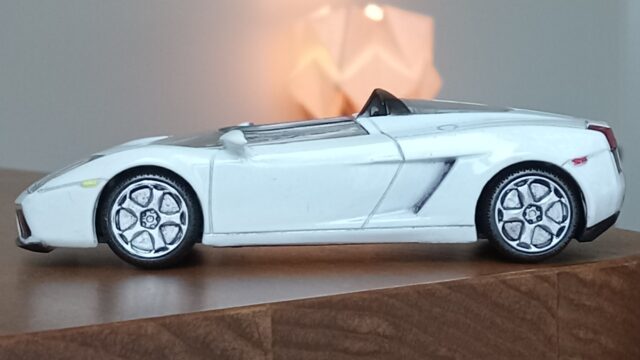
第14回:ランボルギーニ・コンセプトS、2005(パール・ホワイト)
【日本車・マツダ編】
第15回:マツダ コスモ・スポーツ、1968(レーシング・ホワイト)
第16回:マツダ ユーノス・コスモ、タイプ‐S(2トン:黒&グレー)
【フランス車編】
第17回:ブガッティ・タイプ59、1935(フレンチ・ブルー)
第18回:シトロエン・SM、1970(シャンペーン・ゴールド)
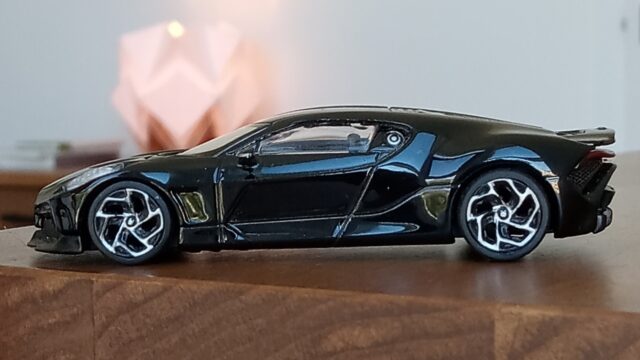
第19回:ブガッティ・ラ・ヴォワチュール・ノワール、2019(黒)
【日本車・トヨタ編】
第20回:トヨタ/ヤマハ・2000GT、1967(アイボリー・ホワイト)
第21回:トヨタ・2代目ソアラ、1986 (クリスタル・ホワイトⅡ)
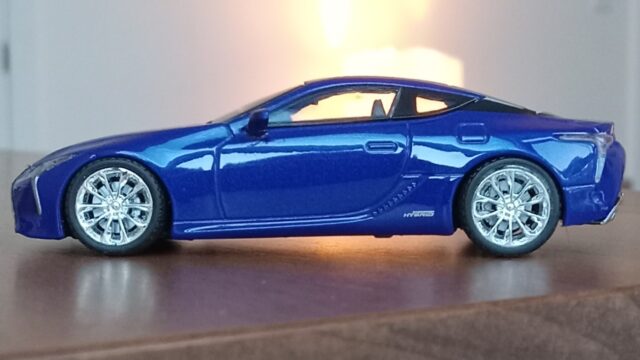
第22回:レクサス LC500【GWZ100型】、2017(MT・レッド)
【米国車編②】
第23回:ダッジ・チャレンジャー、1970&プリムス・バラクーダ、1971
第24回:ダッジ・ヴァイパー SRT‐10 ACR、 2008(ブラック)
第25回:フォード・シェルビーGR-1 コンセプト、2004(クローム)
【日本車・ミツビシ編】
第26回:ミツビシ・ギャラン λ、1976(ブラウン・メタリック)
第27回:ミツビシ・エクリプス【北米仕様】、2006(オレンジ・メタ)
【ドイツ車編②】
第28回:BMW M635CSi、1984 (ダーク・メタリックブルー)
第29回:MB 560SEC AMG 6.0 ワイドボディー、1989(ブラック)
第30回:BMW M2 純正パフォーマンス・パーツ仕様、2025(ネオン・ライム)
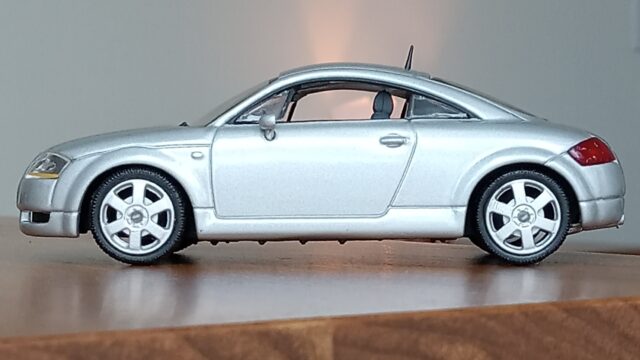
第31回:初代アウディー・TT、1998(レイク・シルバー・メタリック)
【日本車・スバル編】
第32回:スバル・クロストレック XV, 2012(ライムグリーン・メタリック】
【英国車編②】
第33回:ロータス・初代エリート, 1959(ブリティシュ・グリーン)
第34回:ロータス・エラン S4 スプリント(3トーン:メタブルー、白&金)
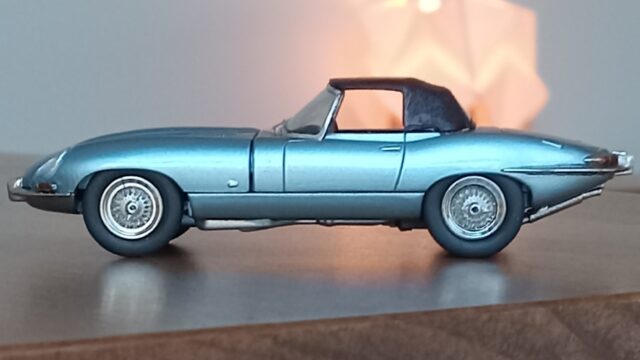
第35回:ジャガー・Eタイプ ロードスター(ライトブルー・メタリック)
【日本車:ホンダ(軽量スポーツ編)】
第36回:ホンダ S800、1966(スカーレット)
第37回:ホンダ 【ワンダー】シビック Si、1984 (スーパーレッド)
第38回:ホンダ ビート、1991(サンバ・イエロー)
【イタリア車編➁】
第39回:ランチア ガンマ・クーペ、1976(グリジオ・アージェント(銀))
【日本車:トヨタ編②】
第40回:トヨタ コロナ・ハードトップ 1800GT-TR、1982 (ブレージングレッド(赤))
第41回:トヨタ GRスープラ、2019 【DB型・A90/A91】 (ボルカニックアッシュグレーメタリック【銀】)
第42回:トヨタ GR GT、 2027以降【予定】(ガンメタル系)
【イタリア車編③番外編】:スーパーカーの系譜
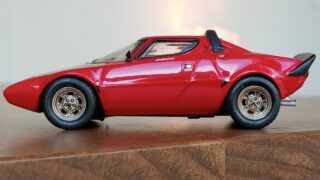
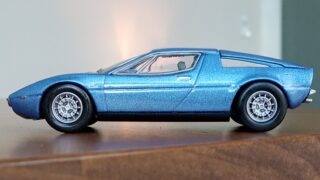
第1回:マセラティ― メラク SS、1975(ブルー・セーラ・メタリック)
第2回:ランチア・ストラトス HF、1973(ロッソ・ストラトス)
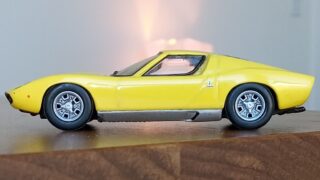
第3回:ランボルギーニ・ミウラ SV、1971(ロッソ&オロ/赤&金)
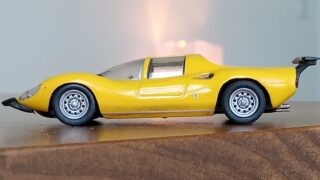
第4回:フェラーリ・ディノ 206 コンペティツィオーネ プロトティーポ、1967(ジアッロ・フライ/黄色)
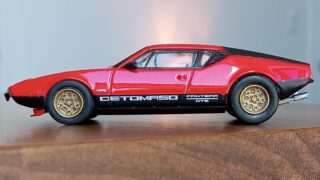
第5回:デ・トマソ パンテーラGTS、1971(ロッソ/赤&マットブラック)
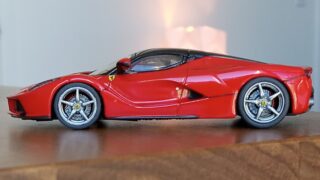
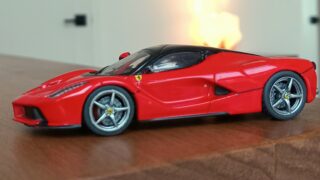
第6回:フェラーリ ラ・フェラーリ、2013(ロッソ・コルサ(赤))
【米国車③番外編】:コルベットの系譜
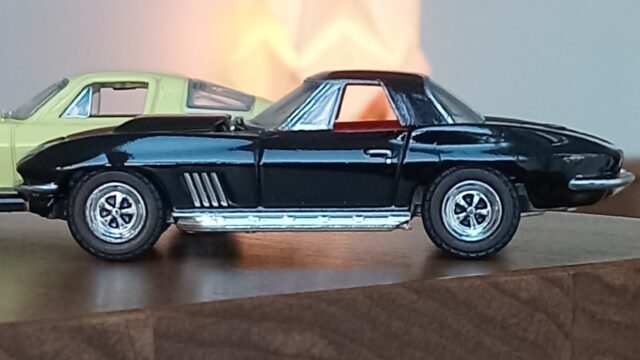
第1回:1967年型 スティングレー【C2】コンバーチブル(ハードトップ・メタ青)
第2回:1972年型 コルベット 【C3】コンバーチブル(メタリック・ブルー)
第3回:1984年型 コルベット 【C4】クーペ(ブライト・レッド)
第4回:コルベット・インディー、1986【ミッド・シップの先行開発車】(シルバー)
第5回:スティングレー・コンセプト、2009【FRスポーツ・先行開発車】(ライトプルー・メタリック)
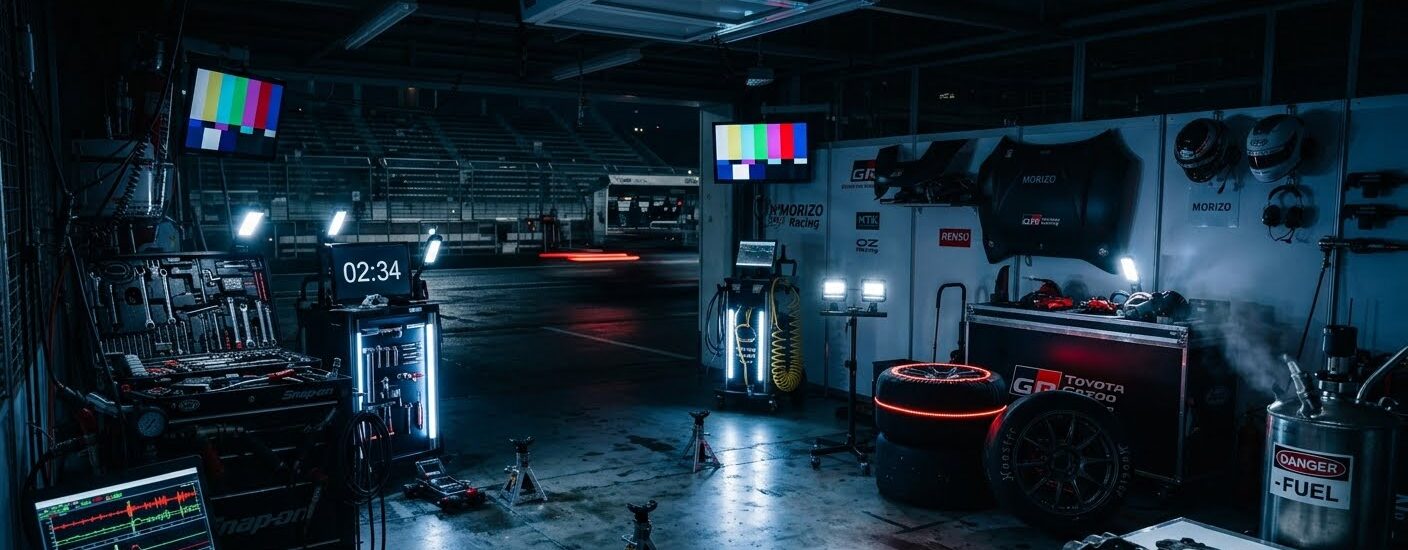
#内燃機関+FRシャーシに対する終わりなき執着--→『モリゾー:旅の終着駅』?
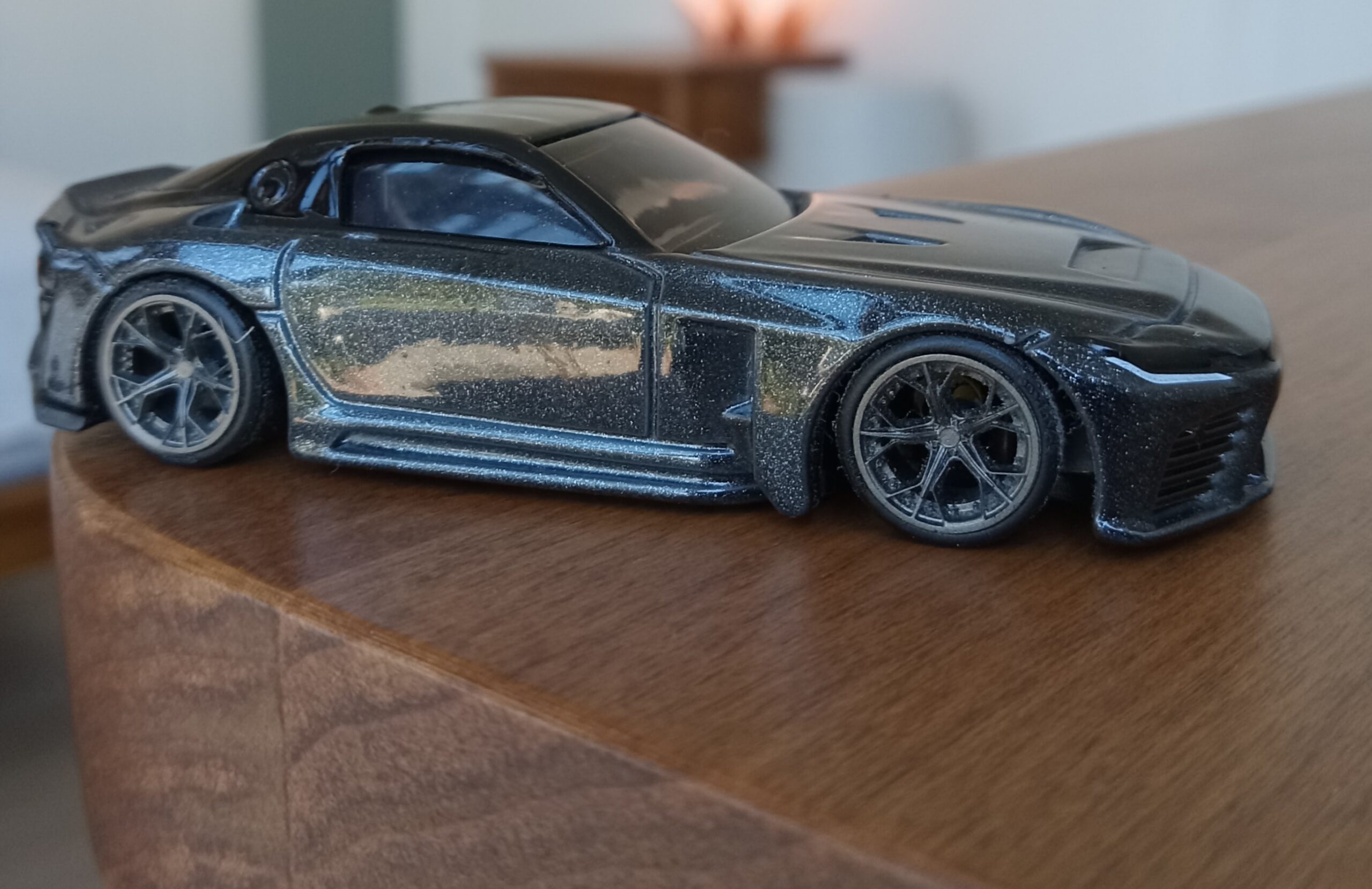
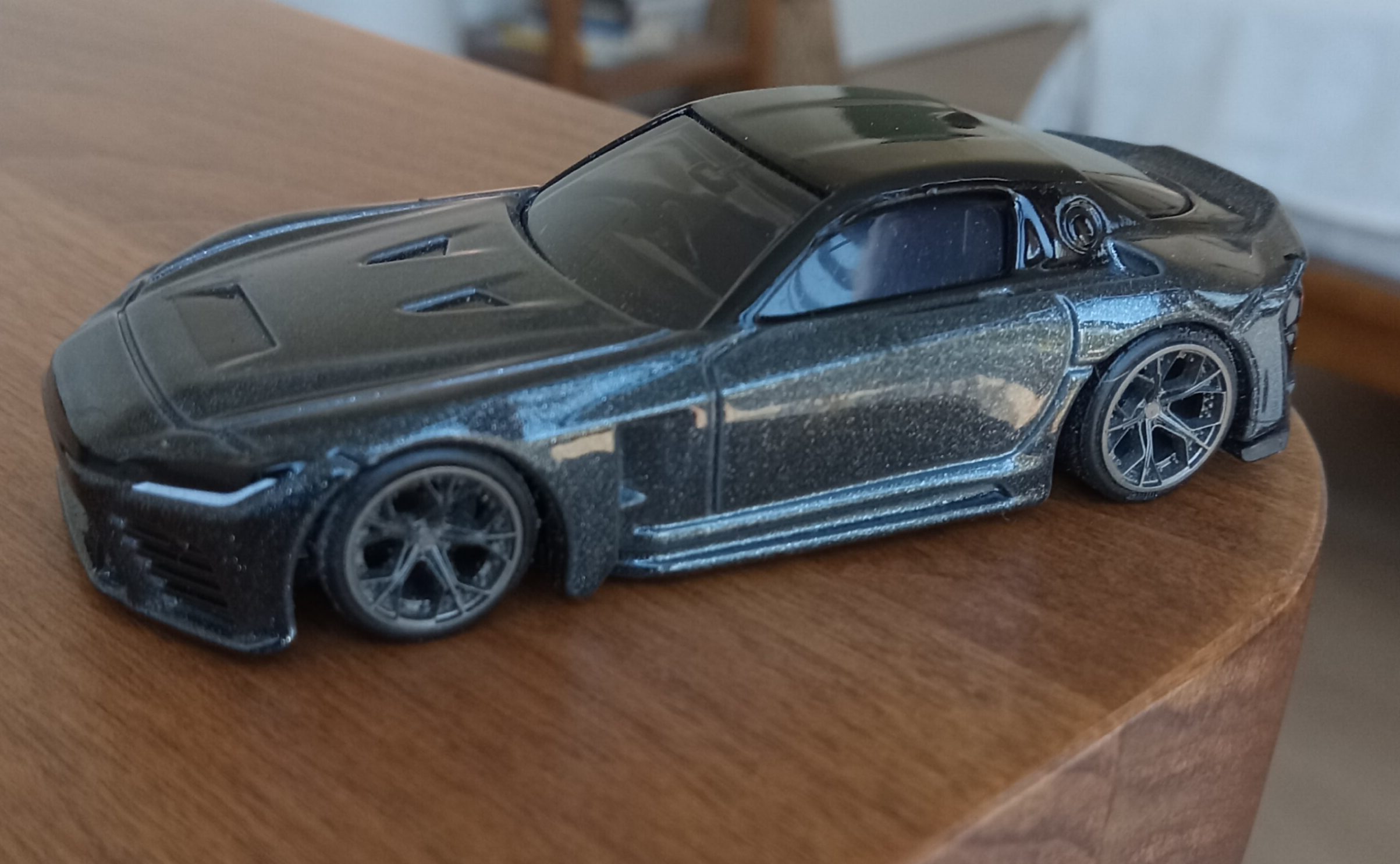
2026年春、トヨタから、
突然発表された3台のスーパーカーたち、、、
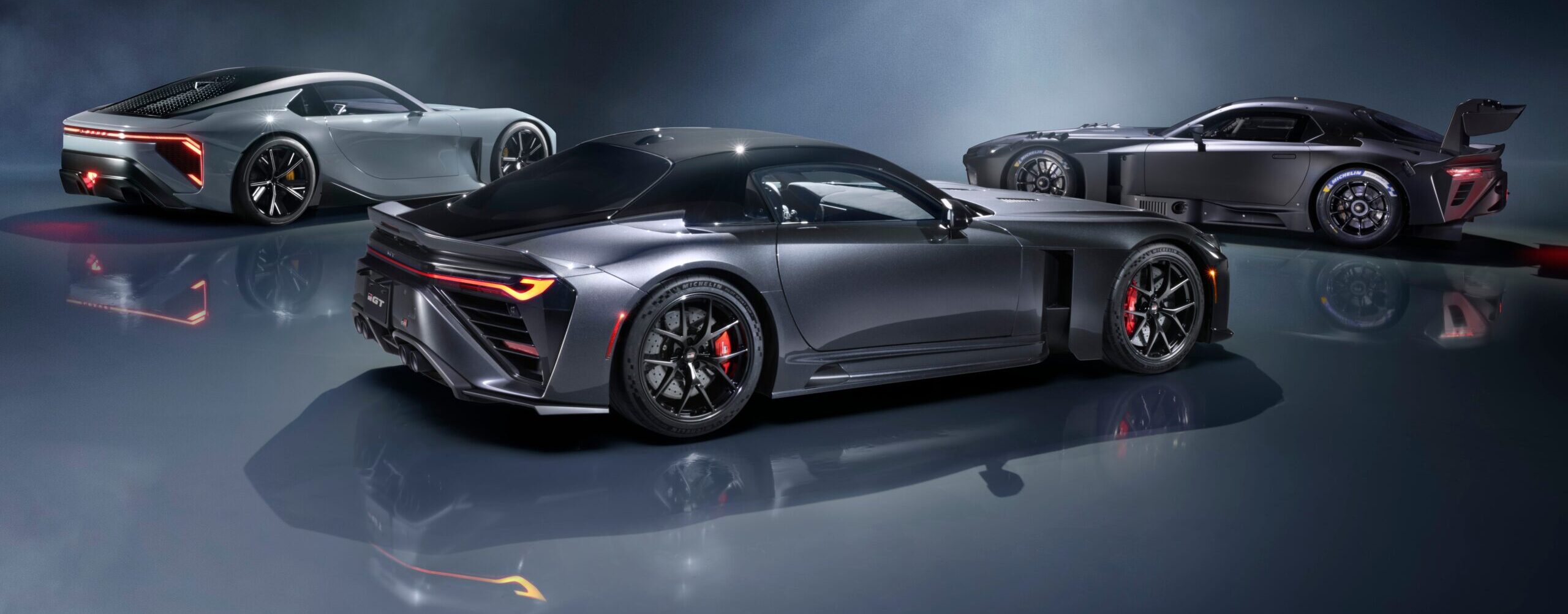
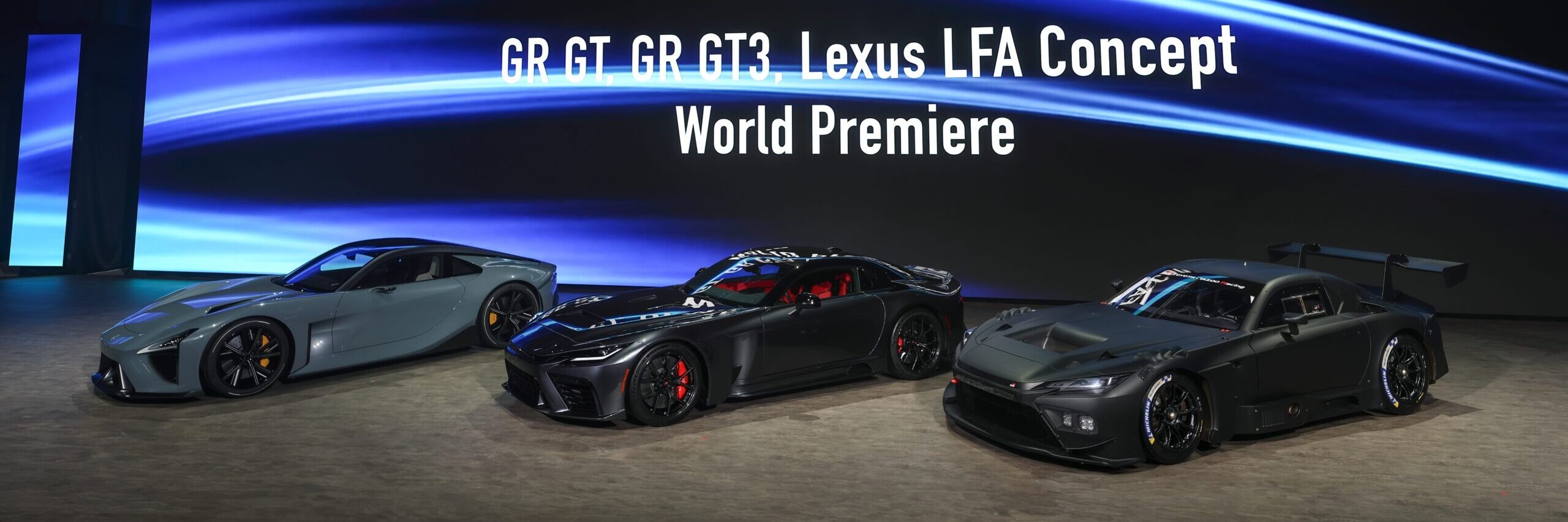
*トヨタ GR GT(市販公道モデル)
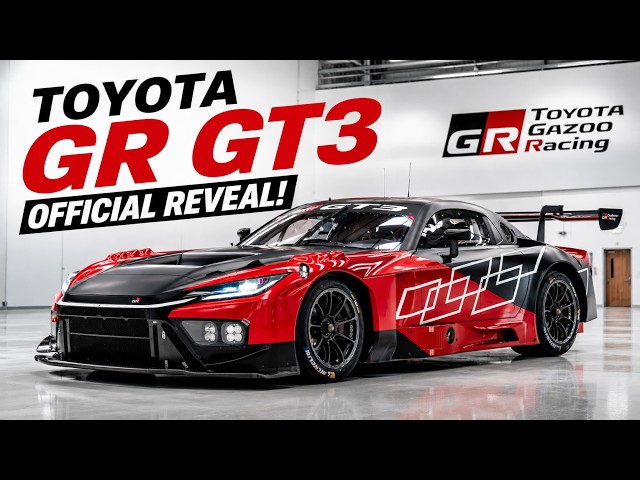
*トヨタ GR GT3(モータースポーツ専用レーシングカー)
*レクサス LFA コンセプト(次世代EVスポーツ)
それぞれに、凄まじいいインパクトを携えて、
まるで、迫りくるEV化の波に逆らう、
内燃機関好きの最後の決戦、
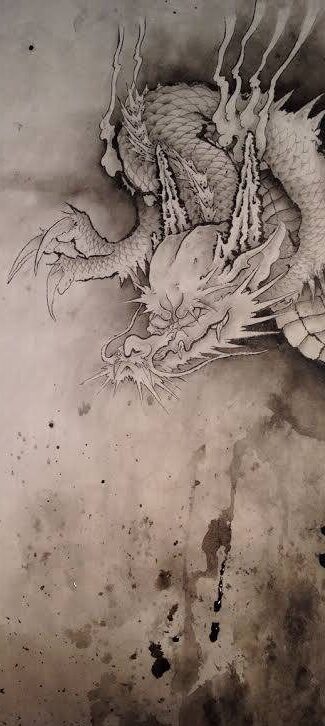
なかでも、
*細長くいびつに伸ばされた全身像、
*フロントフェンダー後ろのけば立ったウロコのように林立するエアベントや、
*全身に施された、なりふり構わなず理想化のための穴や継ぎ足された造作感が、
『もがく龍』のような出で
立ちを見せつけています!
更に驚かされたのが、同時に発表された、
パケージドローイングの研ぎ澄まされた
ナイフのブレードのような『切れ味』です!!
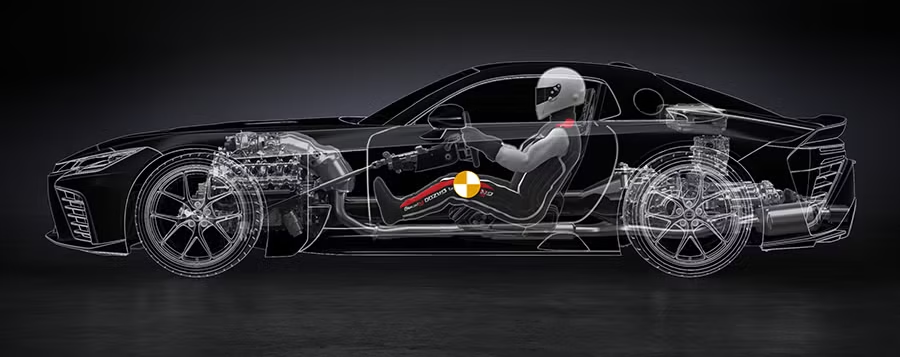
【切れ味感】抜群の、
モリゾーの本気:『GR GT』に付いて、
こんな感じでお話ししたいです。
*実車解説::
*外観デザインの特徴:
*『私』とGR GT
*三題噺:式年遷宮・モリゾー・空力性能
*その他の、『本気のトヨタ・レーサー車』たち、、、
*『2ドアクーペの系譜【最終回】』に寄せて、、、
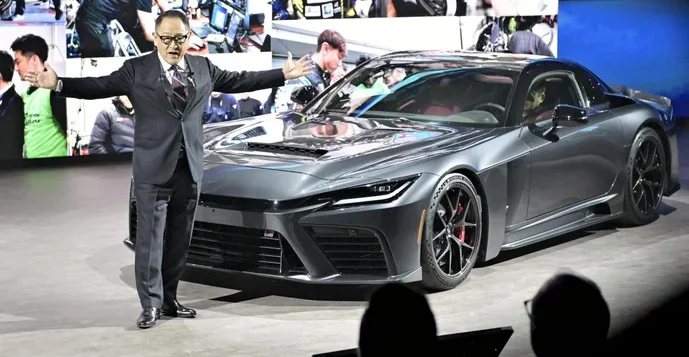
*実車解説: レース場へ自走可能な市販車レーサー
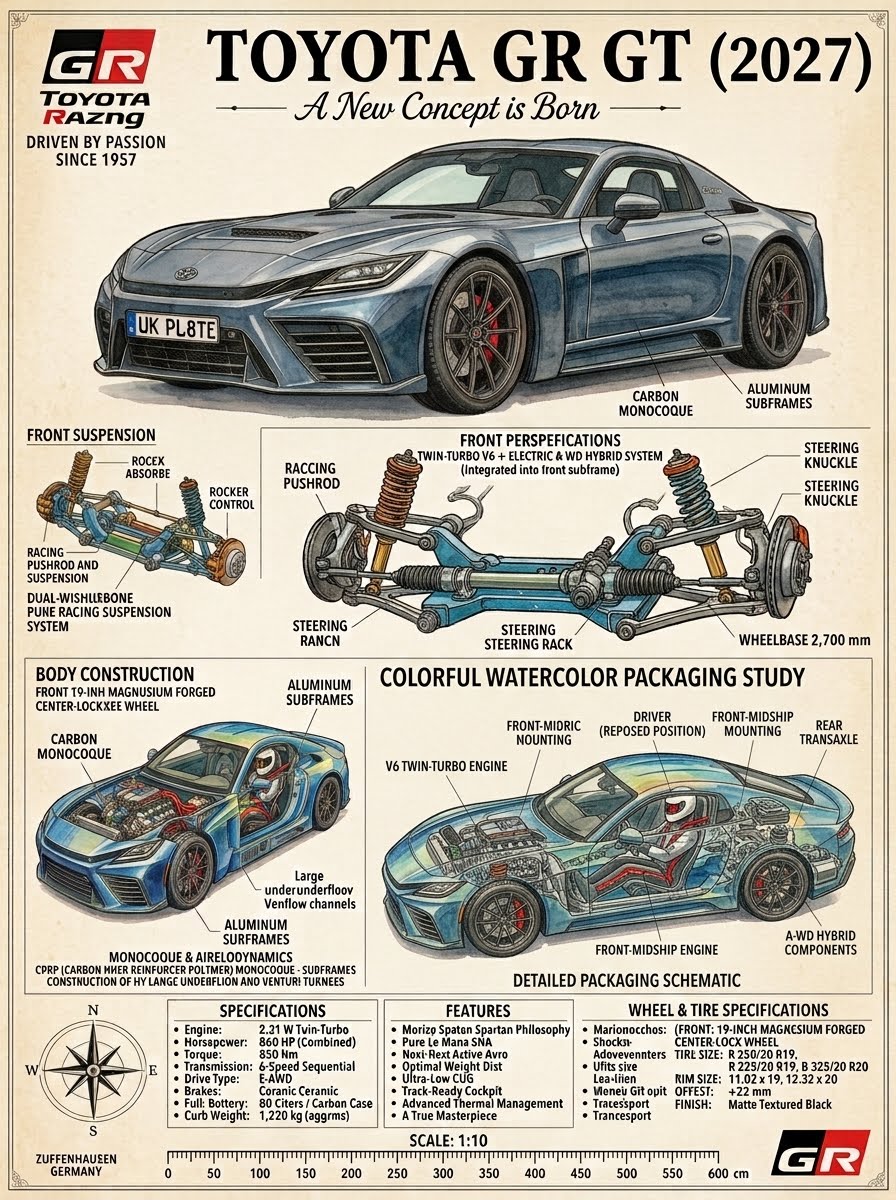
概略:
レーシングカー発想がもたらした「究極の機能美」:
トヨタ GR GT
n
n
n
n
 n
n
n
n
n
n
n
n
n
n
n
n
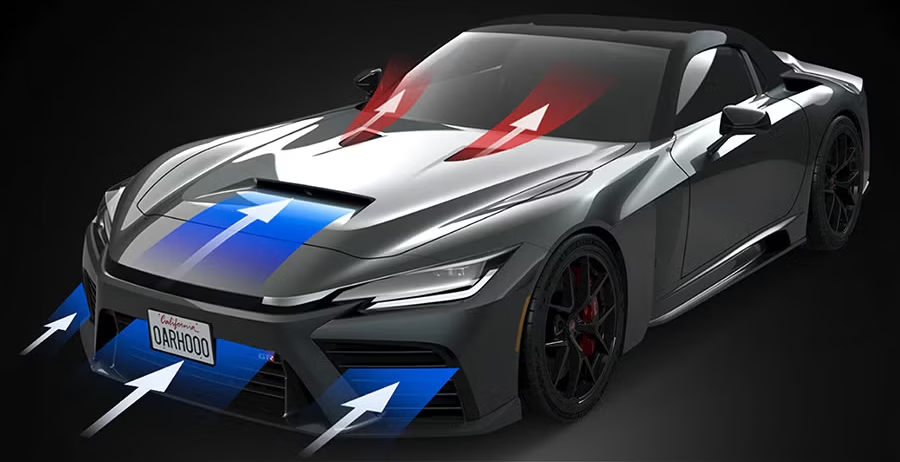
本稿では、空力特性と重量配分の極限的な最適化に焦点を当て、本プロジェクトに関わる「デザイナー」と、開発の総指揮をとる「モリゾーさん」の2つの視点から、その機構と外観デザインの神髄を解説します。
n
n
n
n
n
n
N
n
n
n
n
n
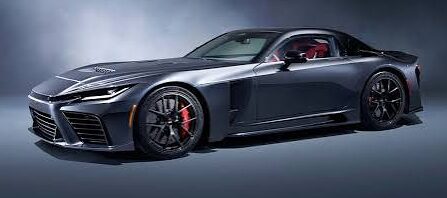
トヨタ初となる「オールアルミニウム骨格」の採用は、圧倒的な高剛性と軽量化をもたらしました。そして何より、ドライバーの着座位置(重心)を、車両全体の重心位置とほぼ完全にシンクロさせています。お尻のすぐ下でクルマが回っているような極限の一体感。タイヤが今どう路面を捉えているのかが、掌やシートを通じてダイレクトに伝わってくるパッケージングこそ、モリゾーさんが追い求めた「走る愉しさ」の正体です。
n
n
n
n
n
n
n
n
n
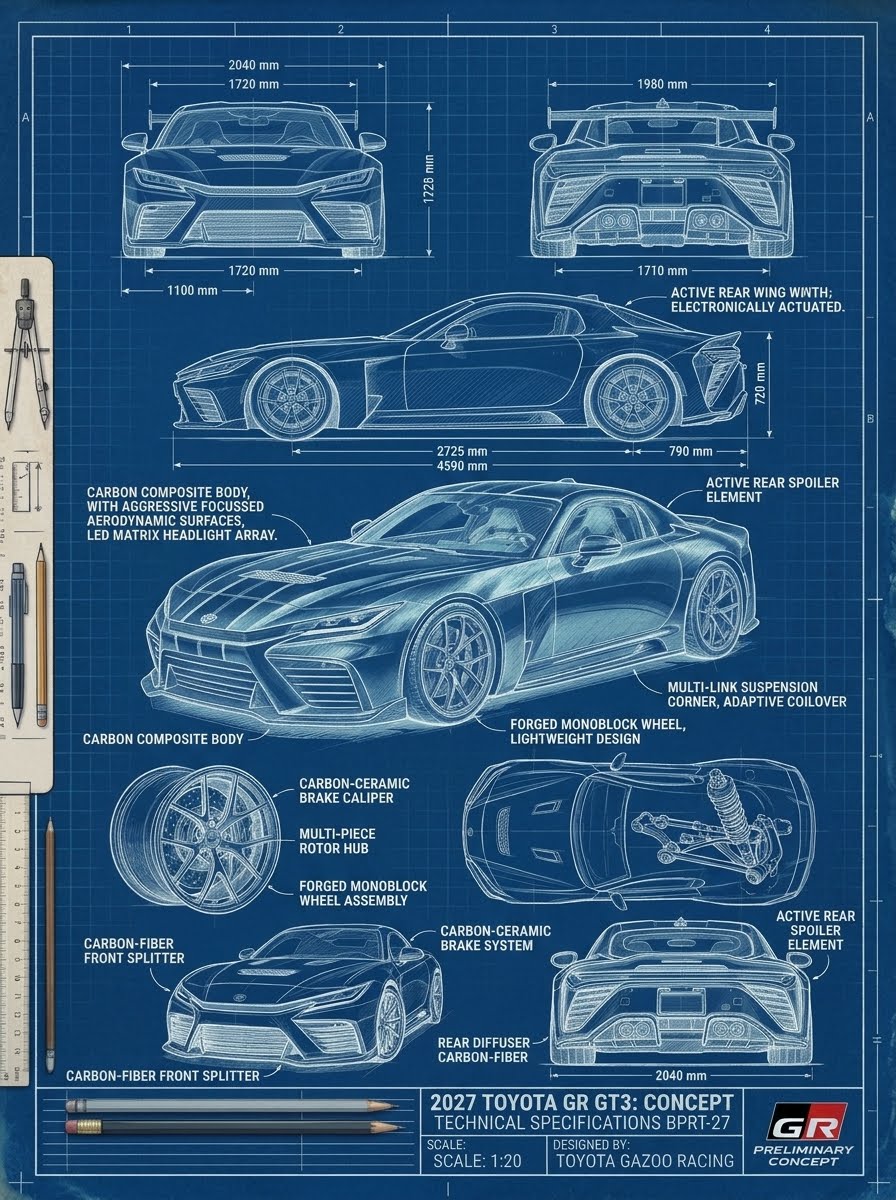
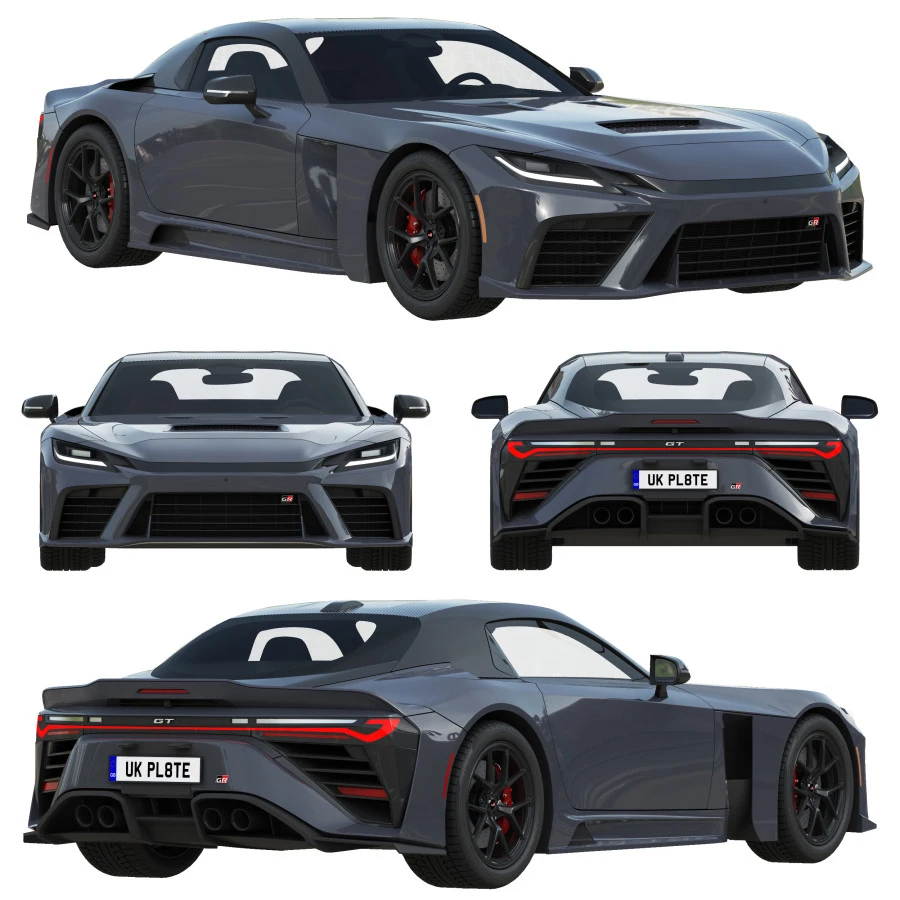
*三面写真:
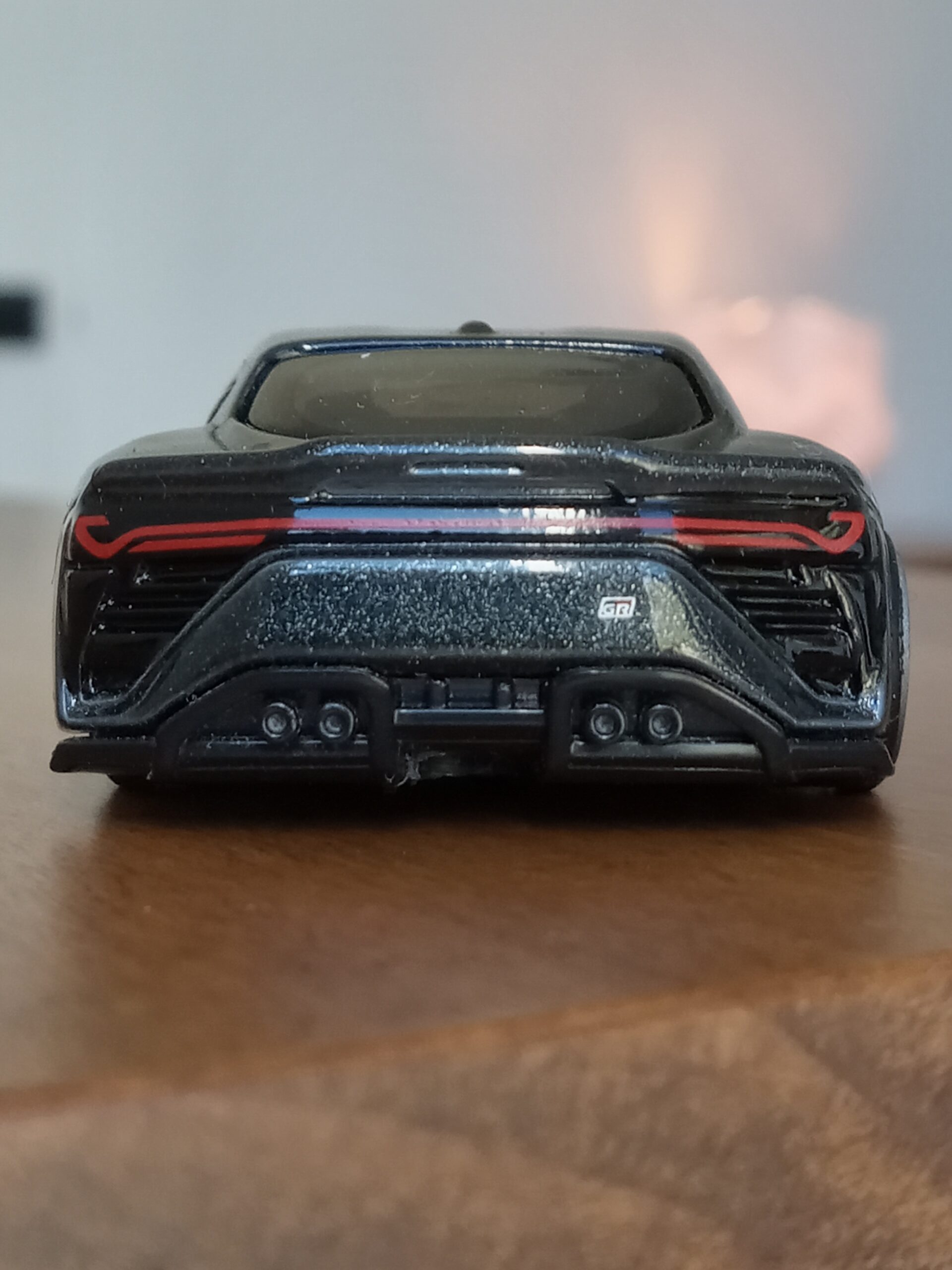
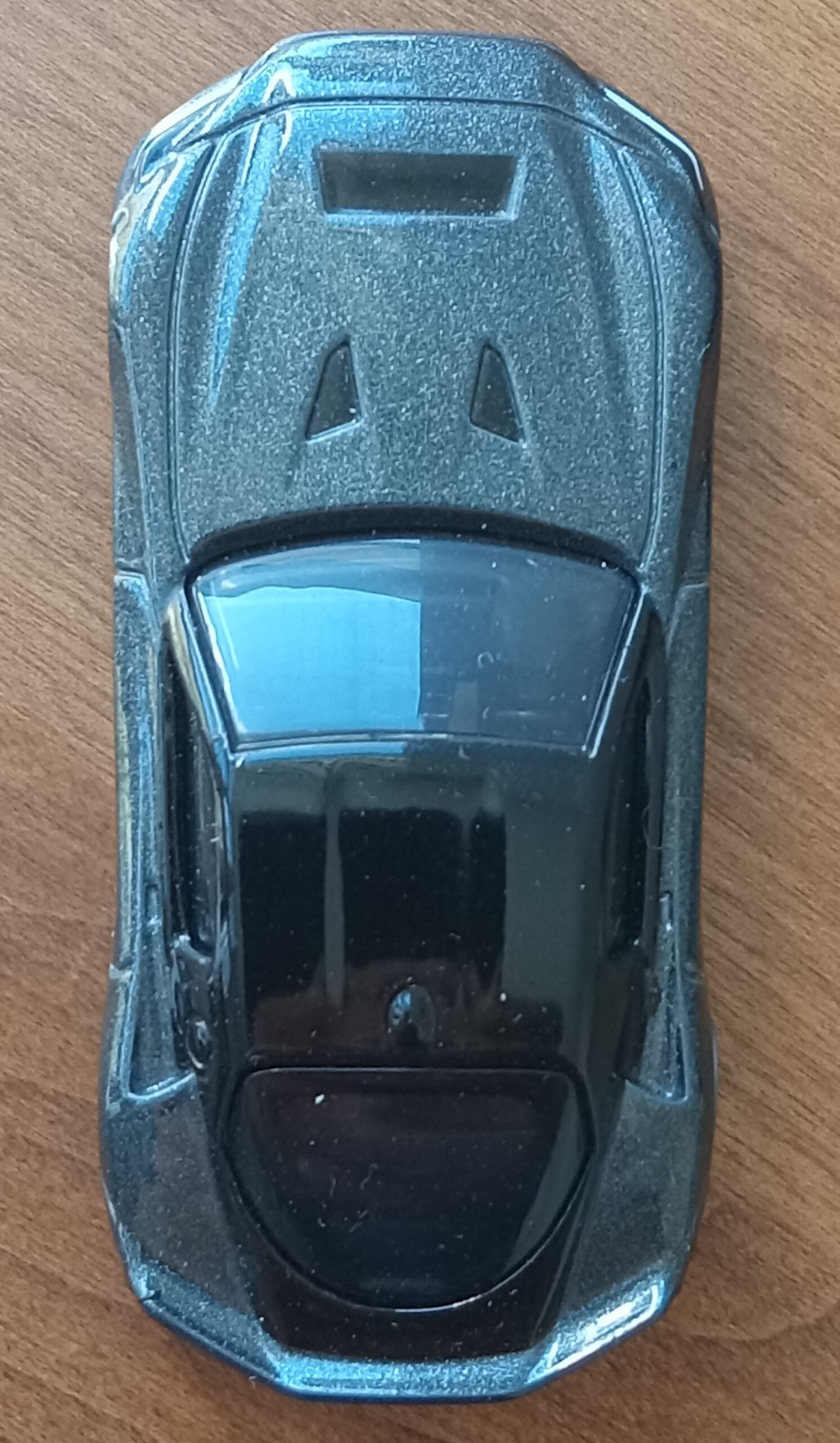
#主要諸元:
- 型式:M117改
- 総排気量:3,998cc V型8気筒 ツインターボ
- 最高出力 : 650 ps 以上
- 最大トルク:850 Nm 以上
- パワートレーン:1モーターハイブリッド(トランスアクスル)
- 駆動方式:FR(フロントエンジン、リアドライブ)
- 定員:2名
- 車体形式:2ドア・クーペ
- ホイールベース:2,845 mm
- 全長:4,820 mm
- 全幅:2000 mm (※GT3は2,050 mm)
- 全高:1,195 mm
- 車両重量:
1,750 kg 以下
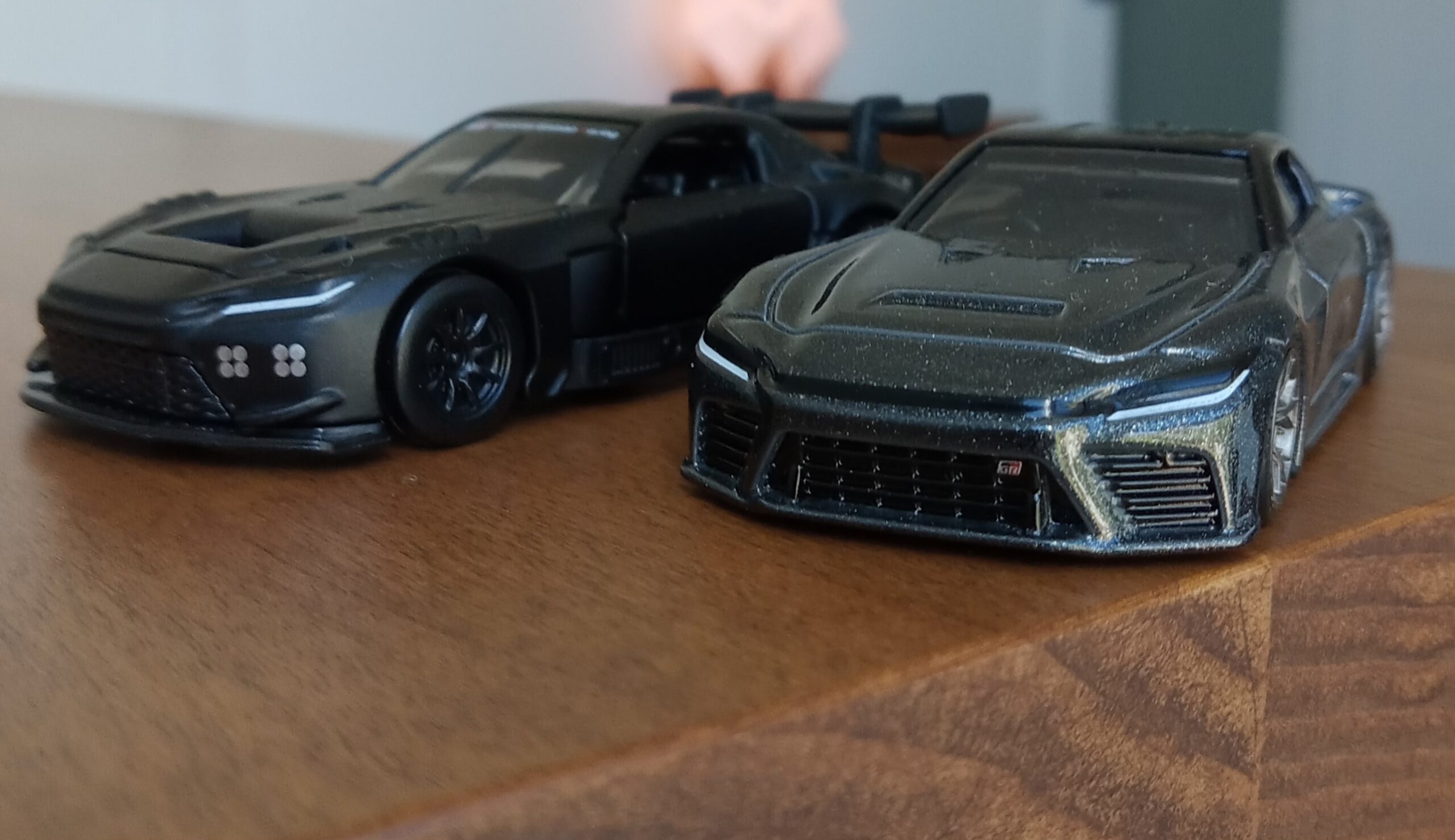
*外観デザインの特徴:本気度MAX!、レース必勝から逆算された『龍の鎌首』的出で立ち!
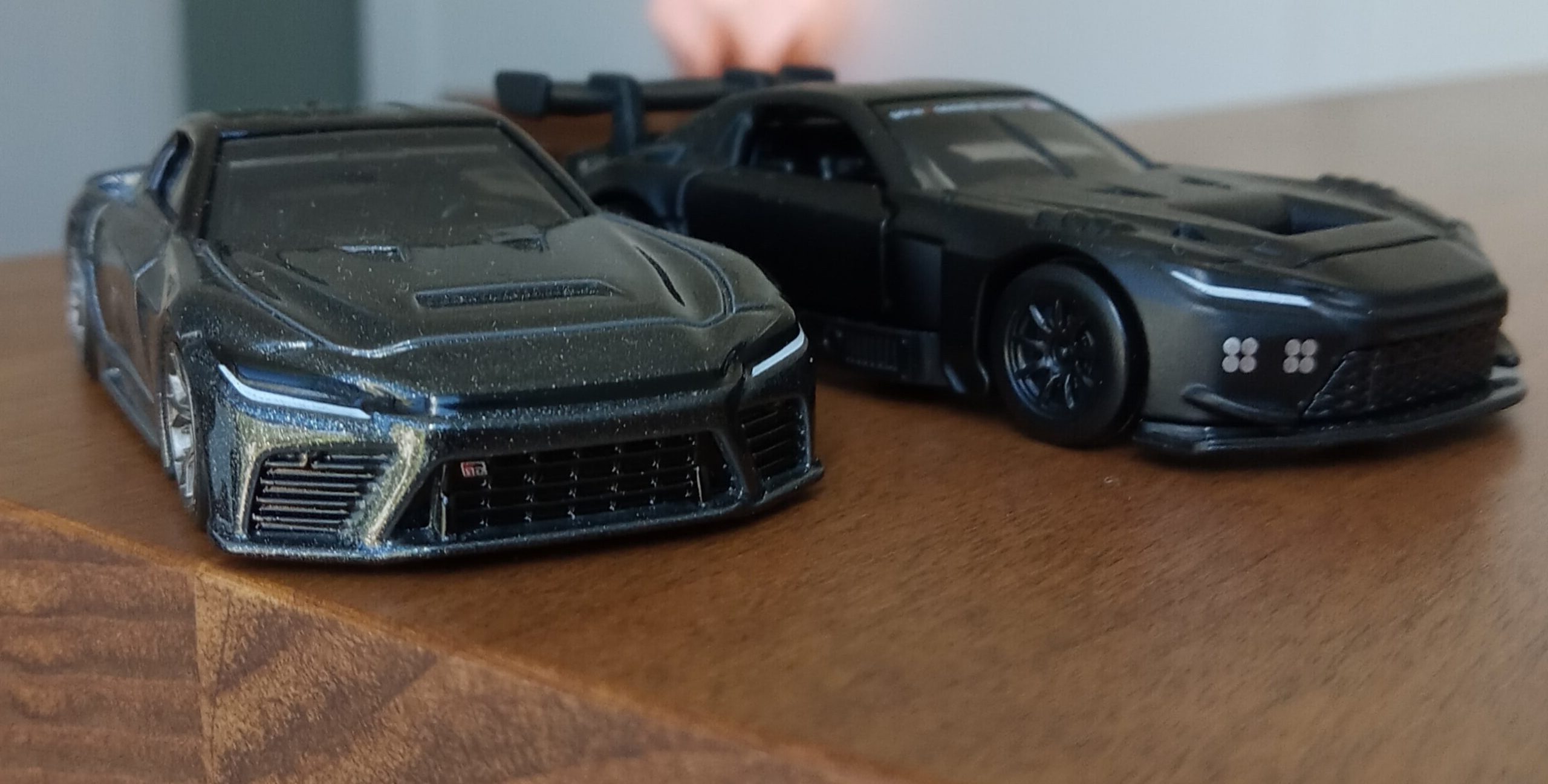
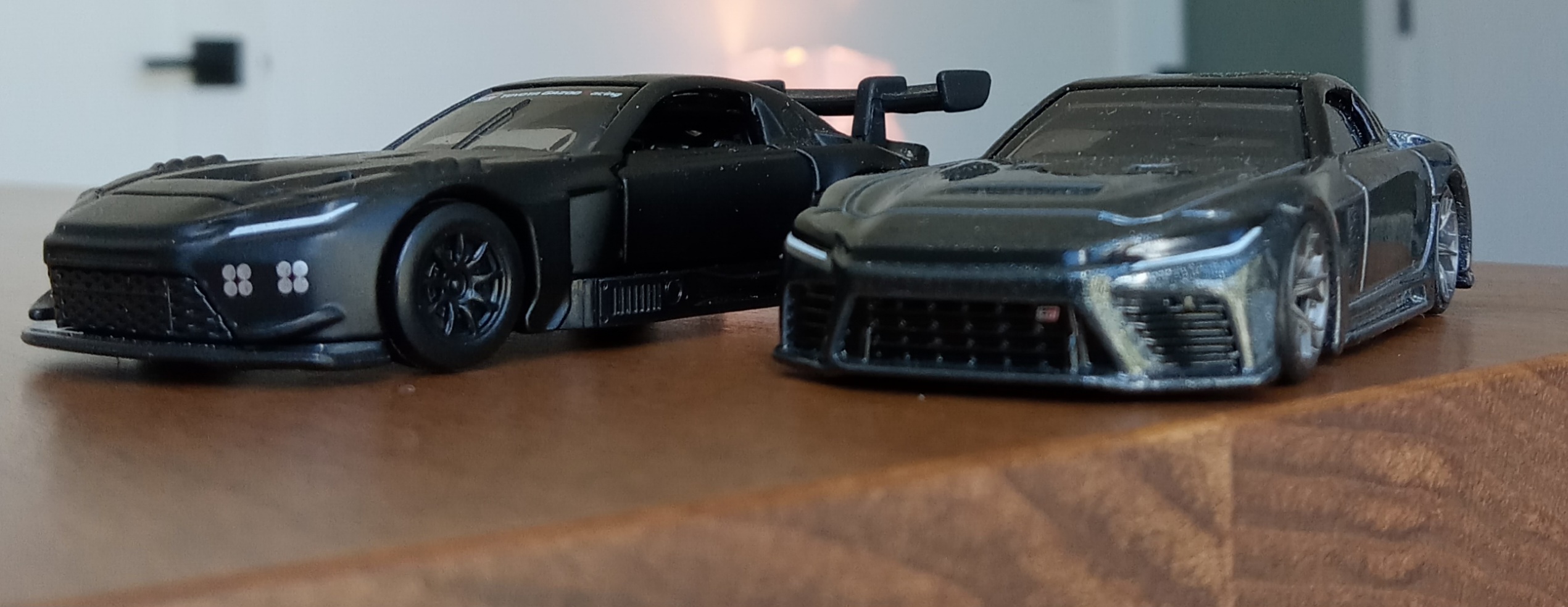
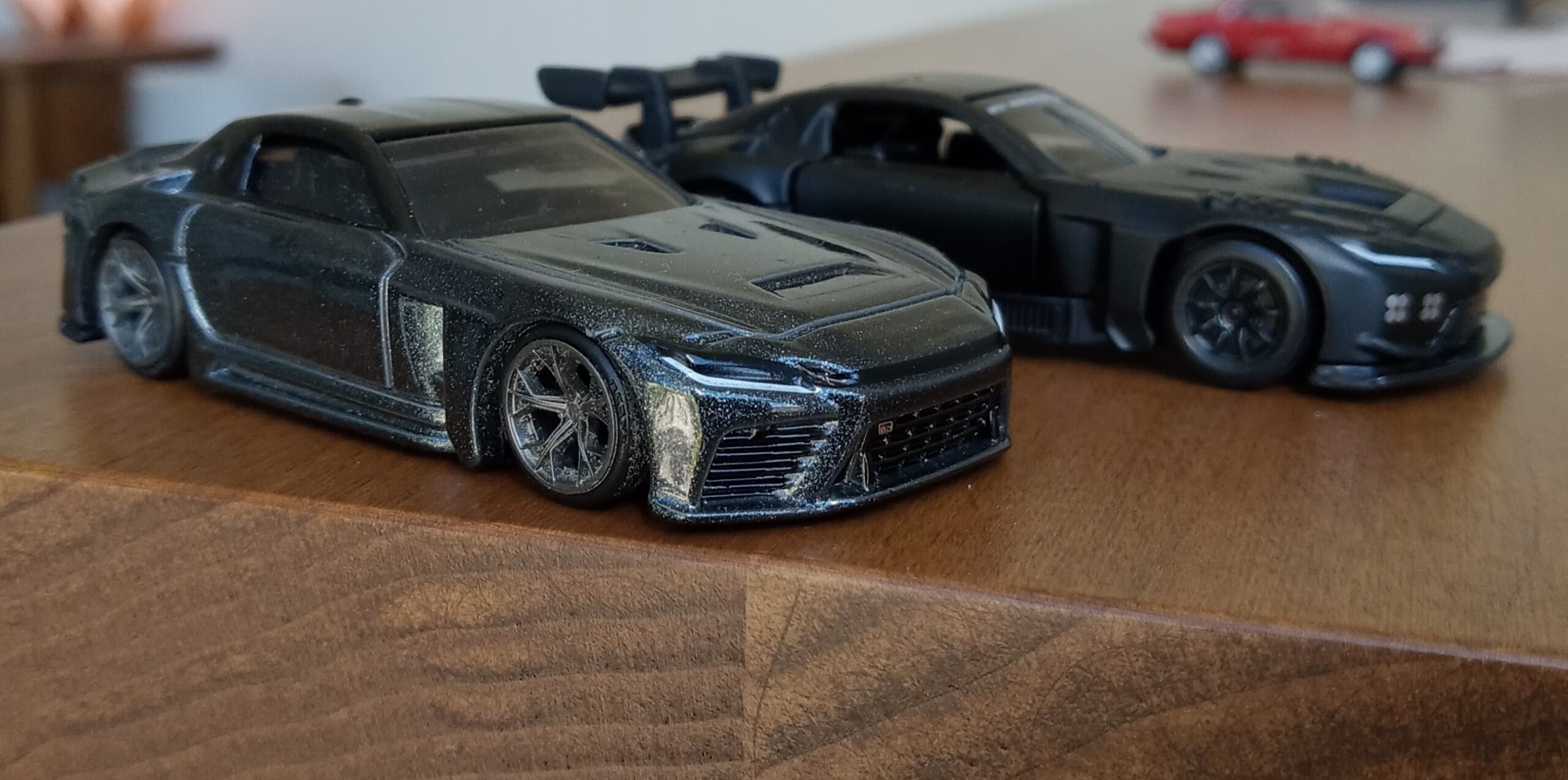
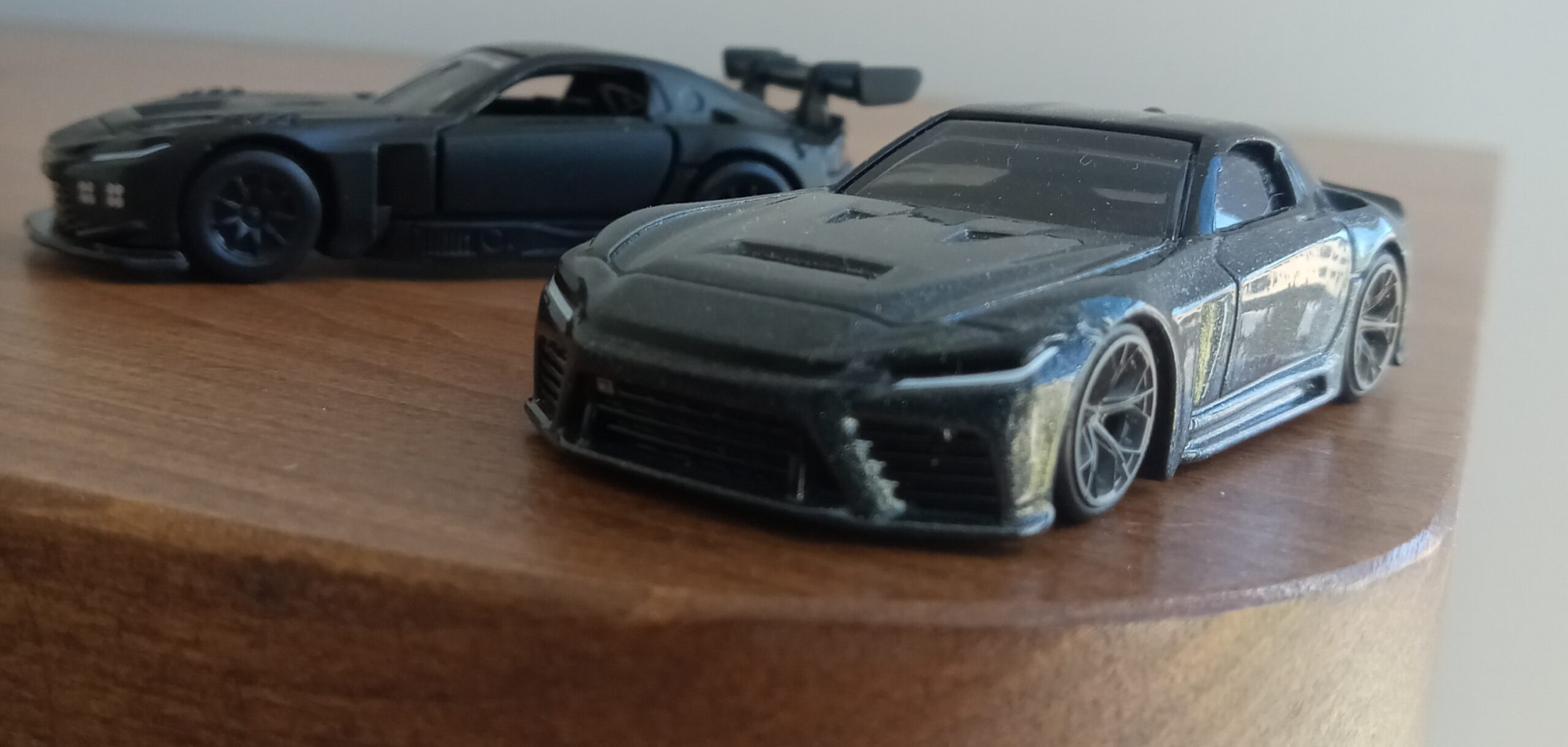
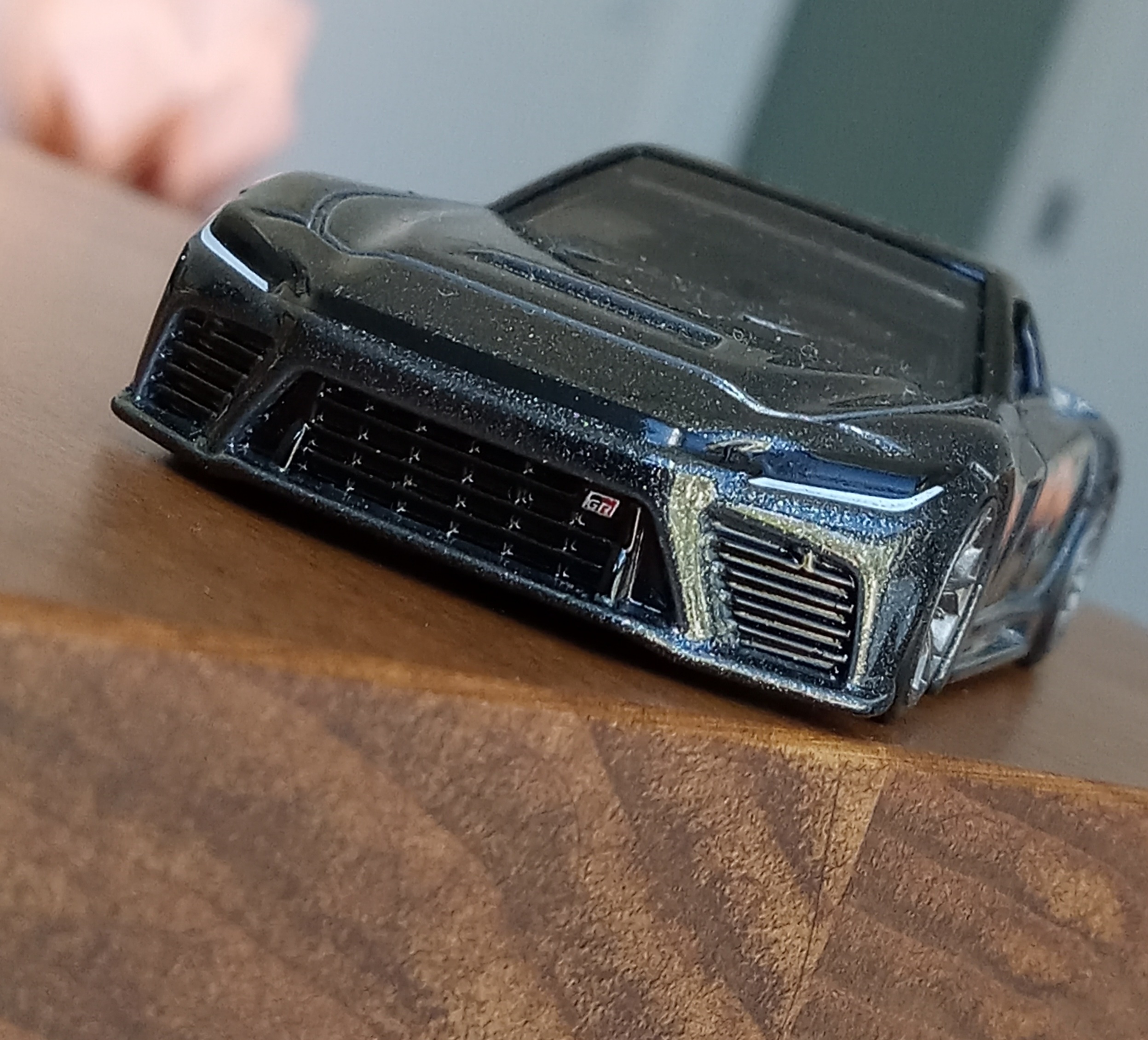
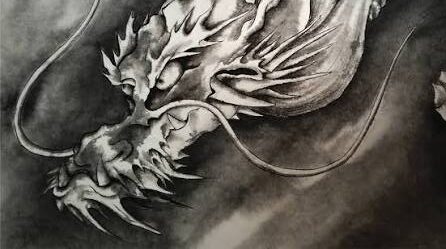
なりふり構わぬ
『龍の鎌首』!!
これが私の、この狂気迫る、
トヨタの未来車に感じた、第一印象です!!
奇しくも、本日 (11/4/26) 公開の映画『ゴジラ、マイナス0,0』の登場が噂される、
『キングギドラ』
の3本の鎌首が連想されます!!
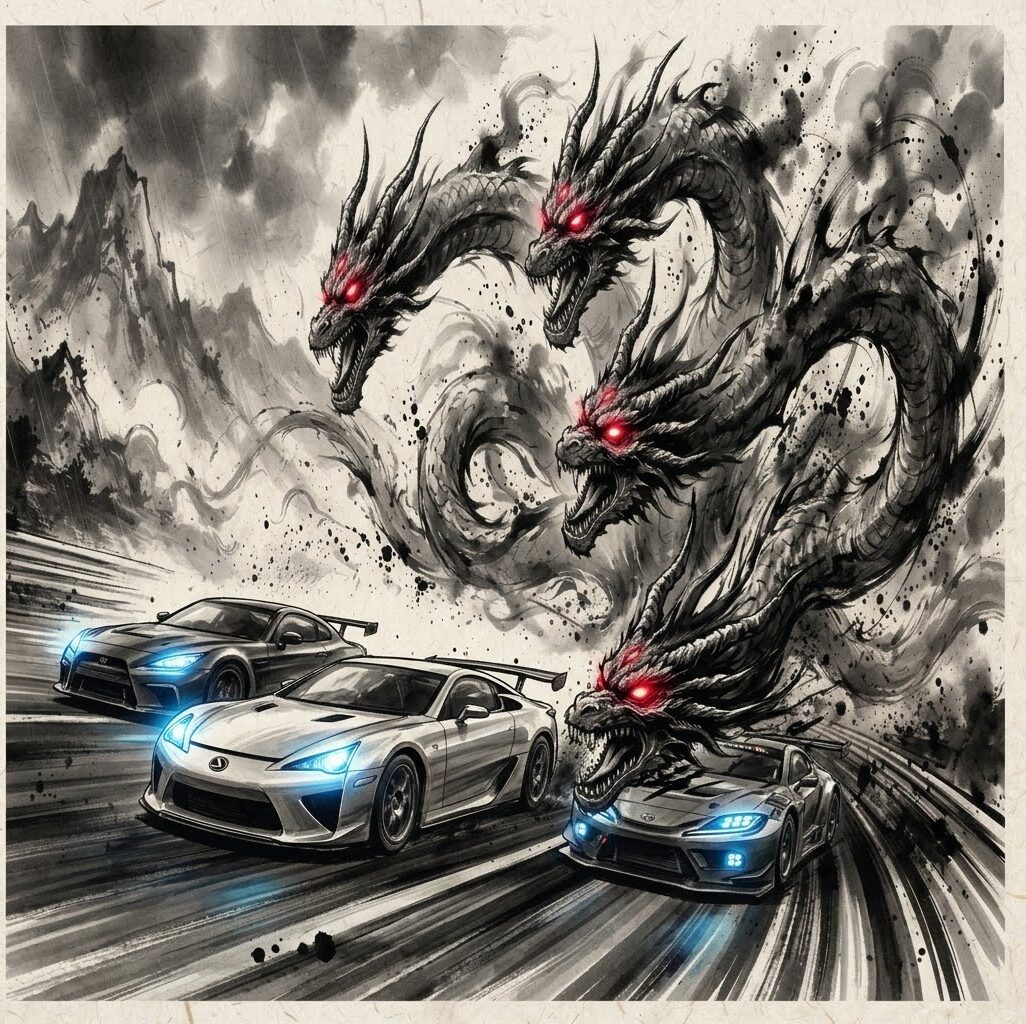
それでは、
独断と偏見に元ずく、
外観デザインにつての特徴を5点あげてみます。
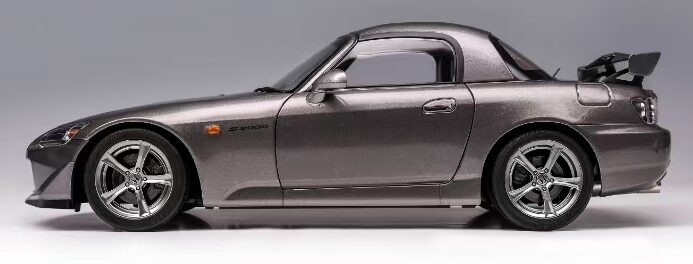
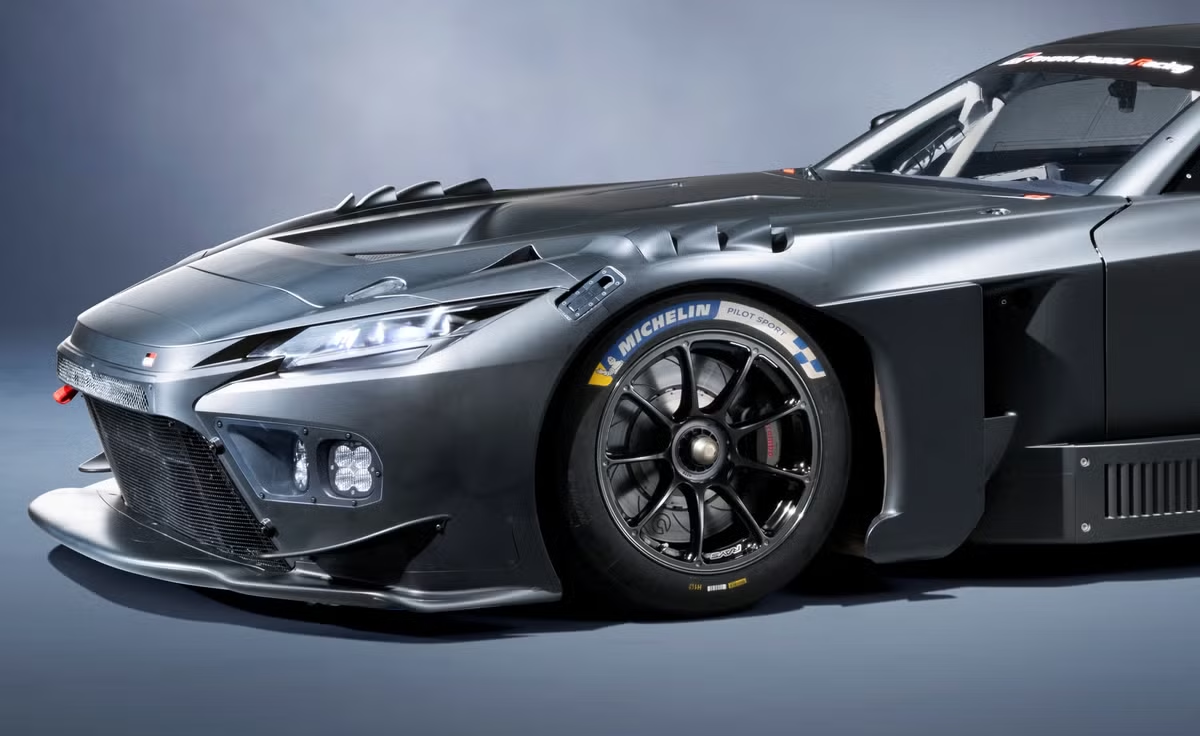
1:ホンダS2000的なウエッジフォームをGT3レーサー的にスケールアップ+空力理想化に向けた、ダクト、穴、板などを【なりふり構わず】付け加えた感じが凄まじく、胸が熱くなりました。---→【胸の厚みや、後ろ型】などどうでもよくなる、説得力
2:ミッドシップを無視して、あえて古典的ロングノーズ&ショートデッキのFRプロポーションを採用した勇気--->リアエンドの独自の【尻下がり感】がえぐみを醸造
3:超絶に低い全高と、2メートル超えの全幅が産んだ、凄まじきフロント&リアエンドの迫力ーーー>怒りに満ち危険に立ち向かう龍の顔&無念をかみ殺しながらも相手を尊ぶ、後ろ姿のコントラストが意味深です。【勇壮感 vs、随喜の念】
4:レースに勝つために理想化されたGR GT3が先にあり、そこから逆算的に導き出された、【空力ファースト】&【ドライバー・ファースト】のーーー>「レースで勝つためのマシンから市販車を仕立てる」というモリゾー流、逆転の発想
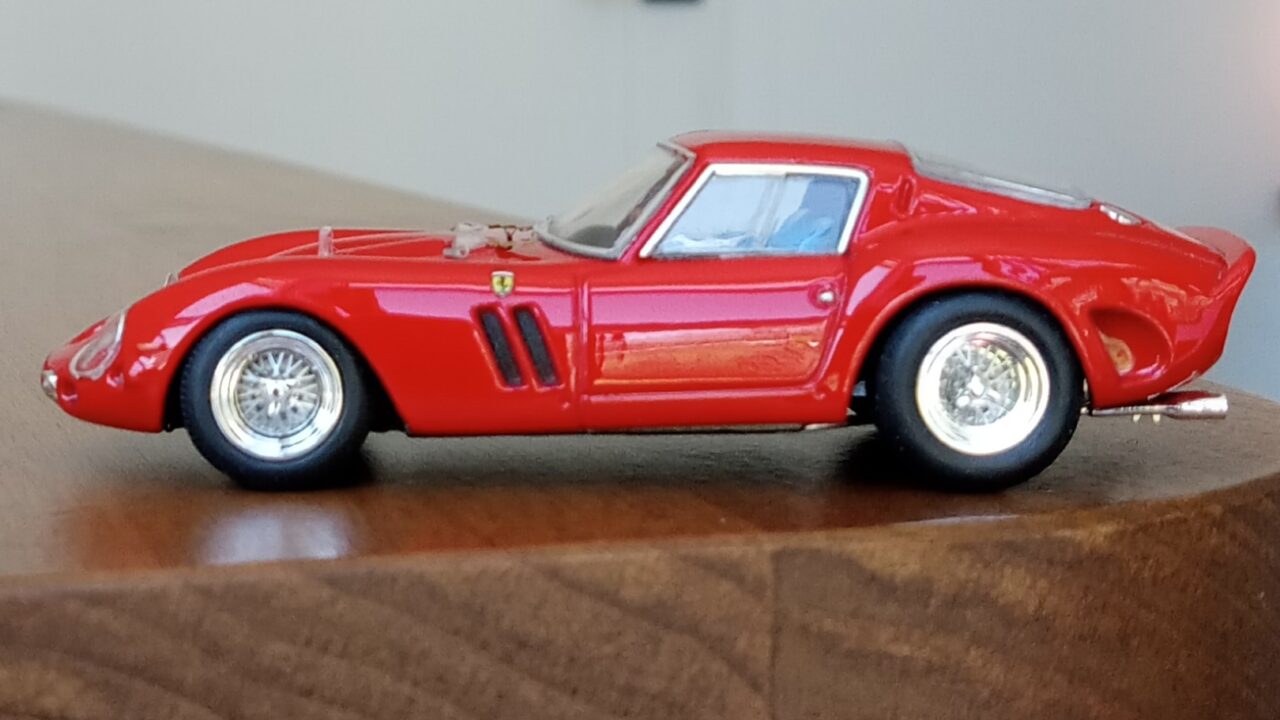
5:日本車には珍しい、60年台の北米レースシーンへのオマージュ的なキャビン位置の後ろへの引っ張り感―ーー>コブラ・デイトナ、チータ、歴代ダッジバイパー、MB AMG SLSの流れに乗った日本車【モリゾーさんの復讐?】
それでは
写真入りで解説してみます。
1:ホンダS2000的なウエッジフォームをGT3レーサー的にスケールアップ+空力理想化に向けた、ダクト、穴、板などを【なりふり構わず】付け加えた感じが凄まじく、胸が熱くなりました。
(オーガニックな流面デザインとは、真逆な洗練をおざなりにした、【現場感】満点な、発展途上勘に満ちた今後の展開の『流動性自体』は、皮肉にも有機的、、、?笑)
---→【胸の厚みや、水滴型】など、どうでもよくなる、説得力
<https://yisell7777.com/archives/16768>
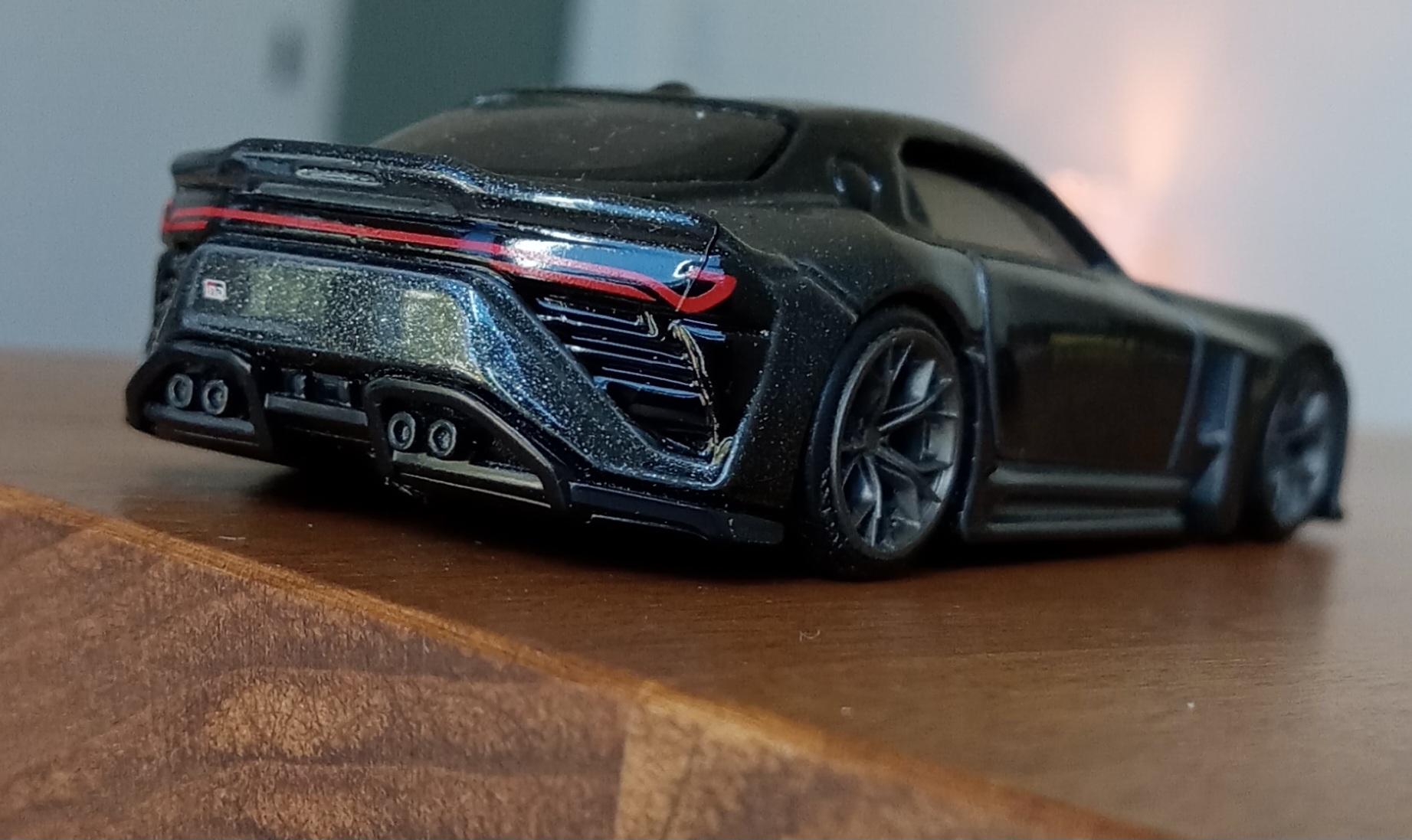
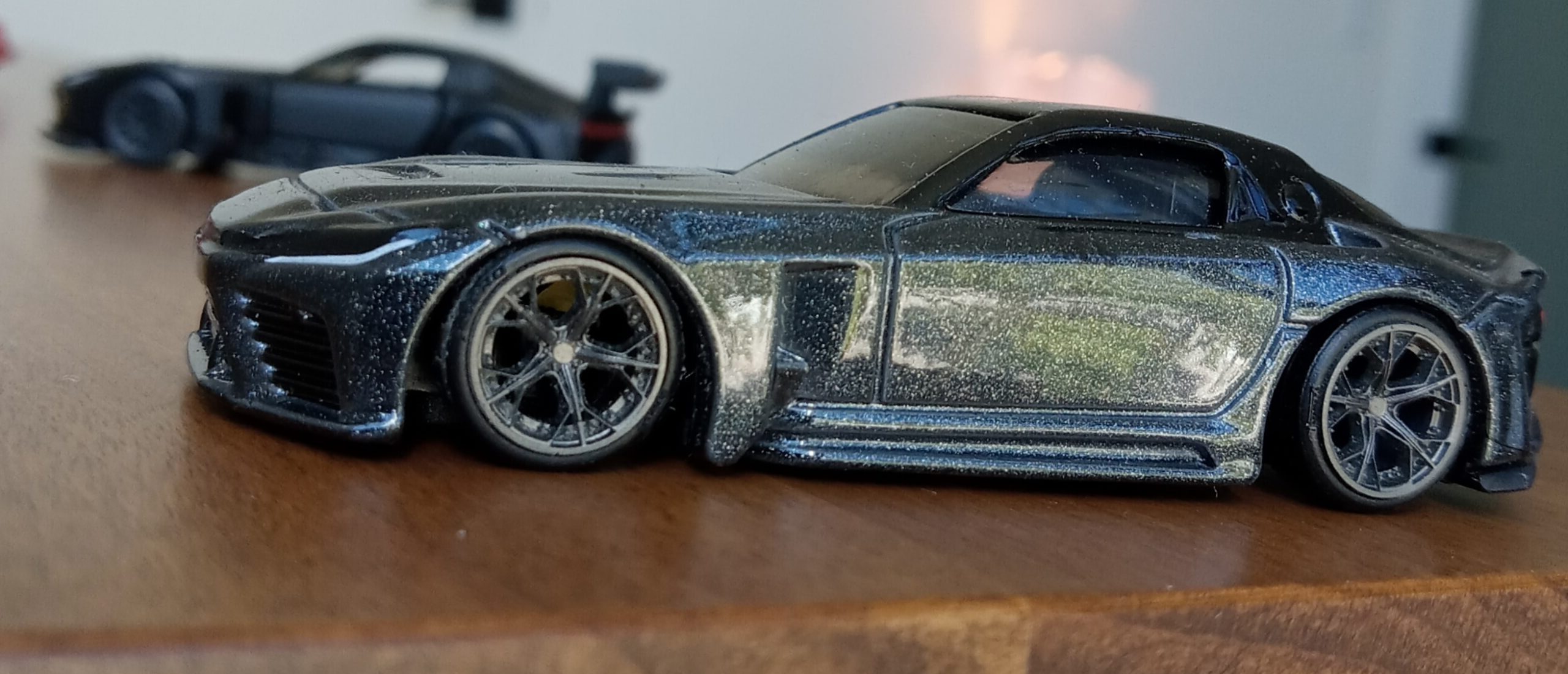
2:ミッドシップを無視して、あえて古典的ロングノーズ&ショートデッキのFRプロポーションを採用した勇気
--->リアエンドの独自の【尻下がり感】がえぐみを醸造
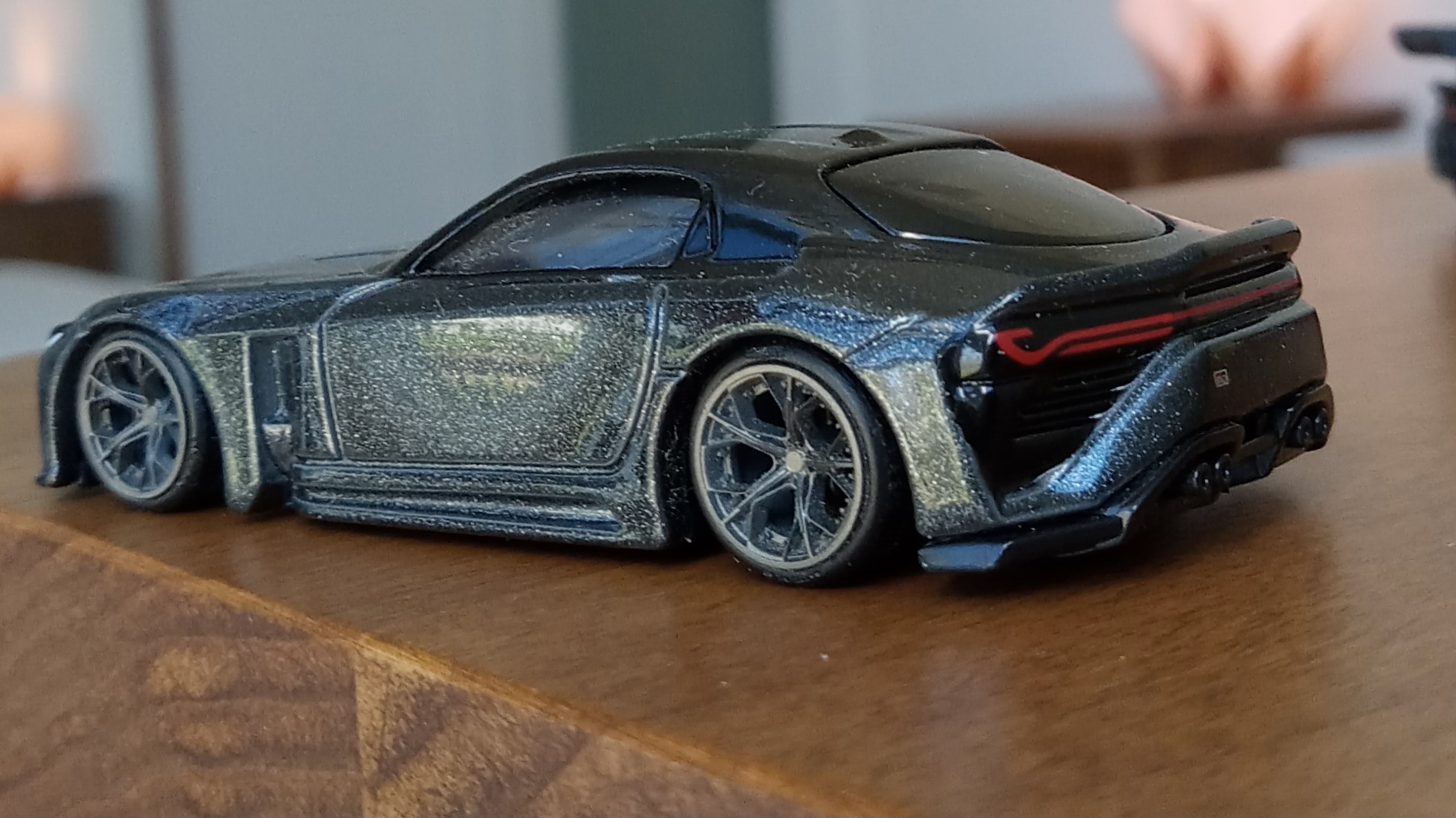
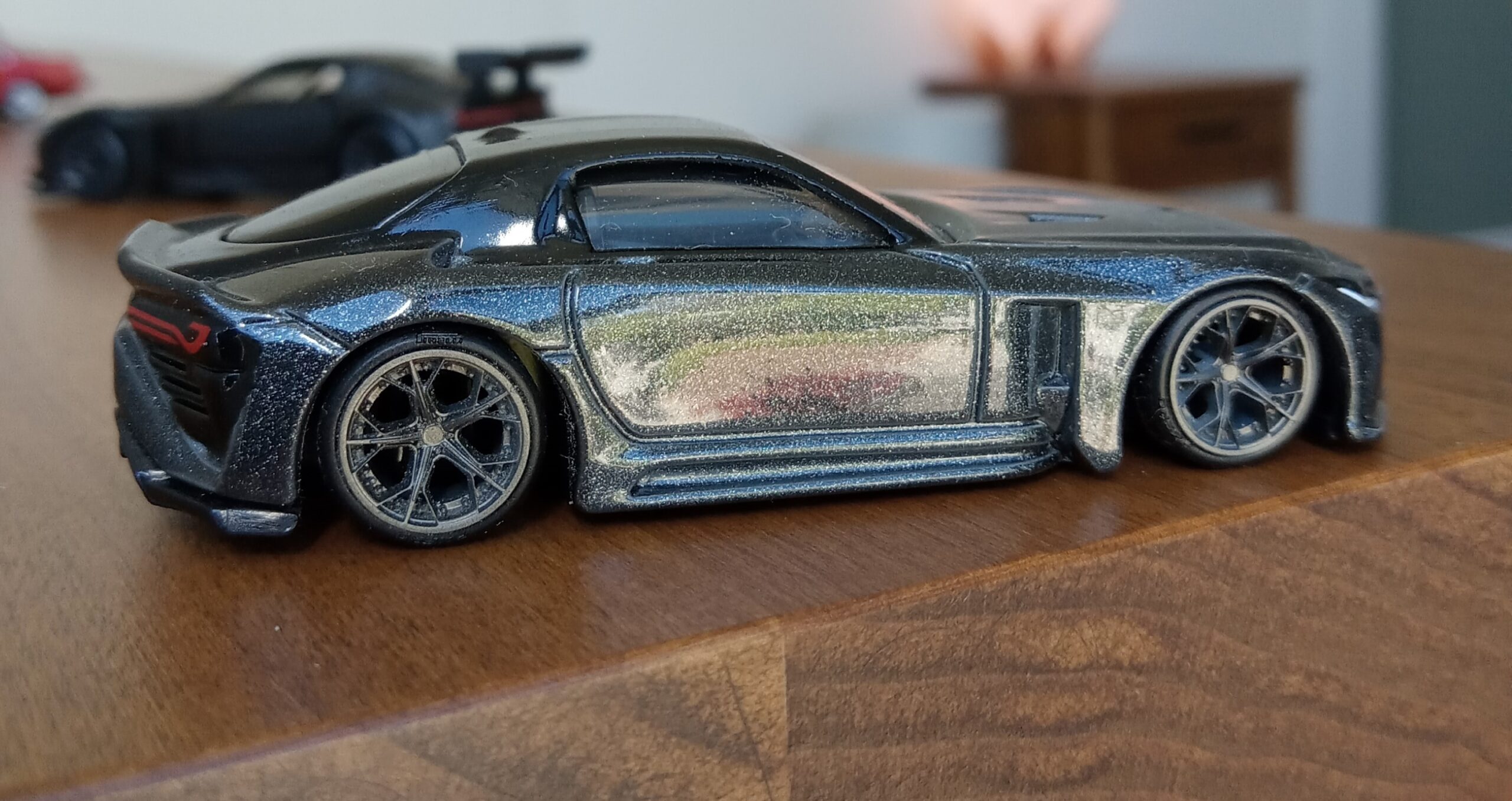
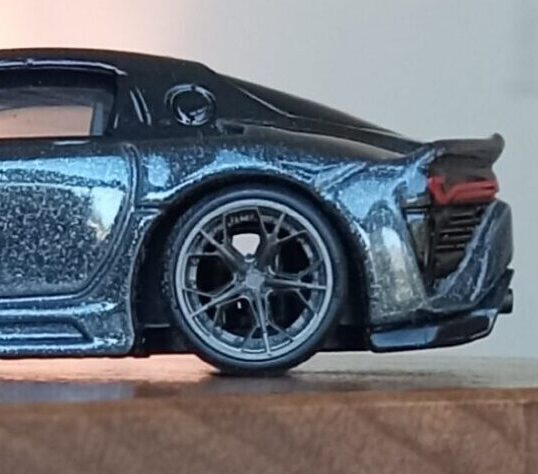
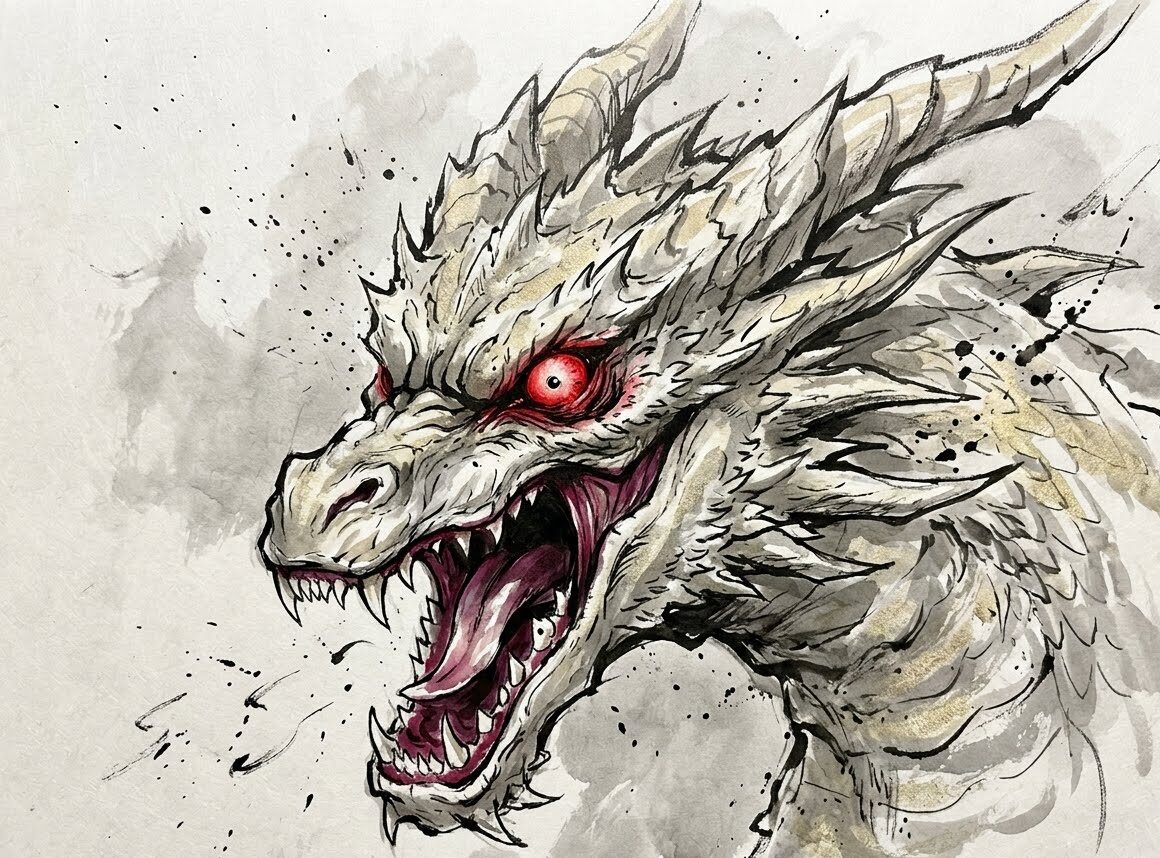
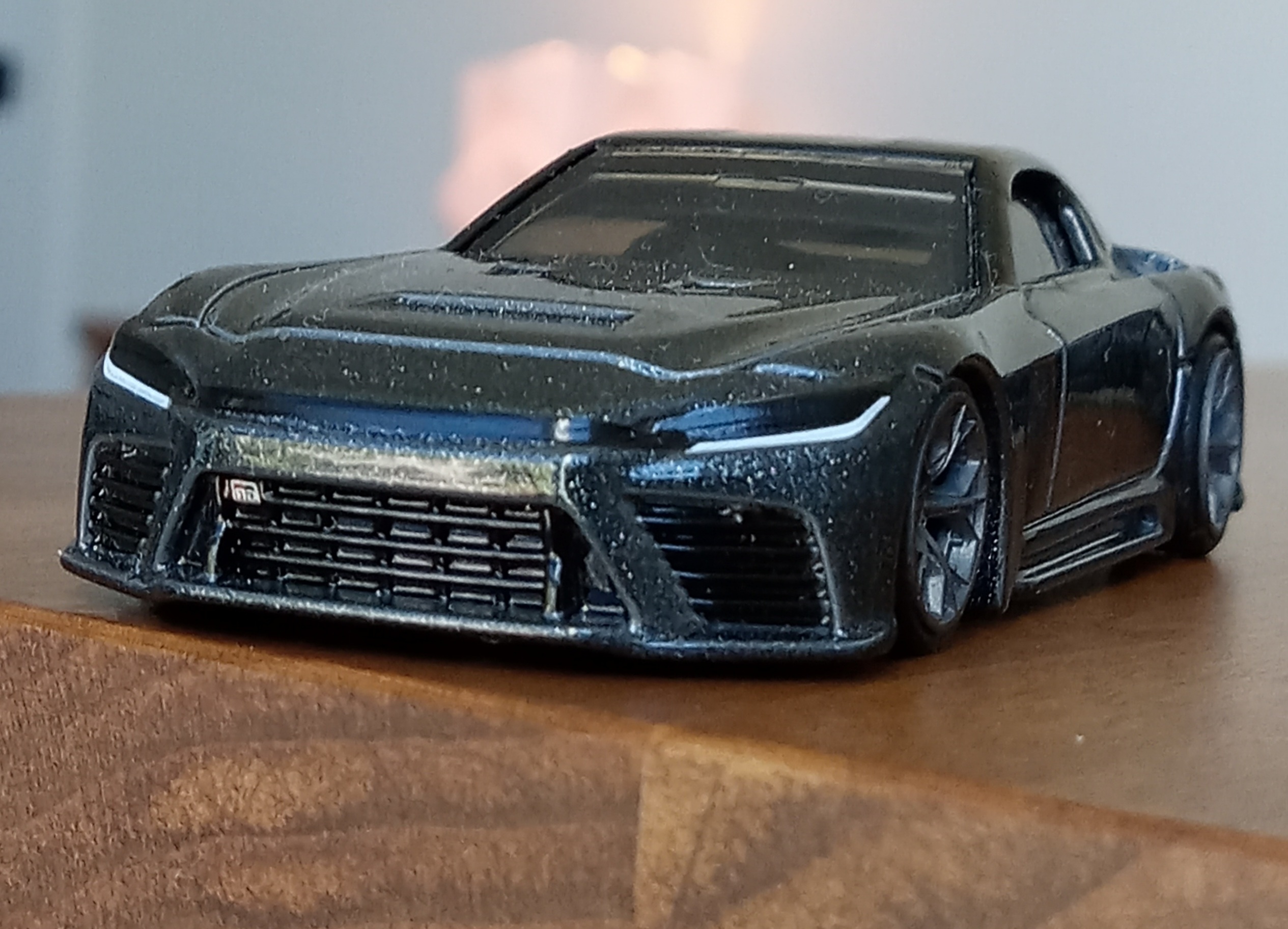
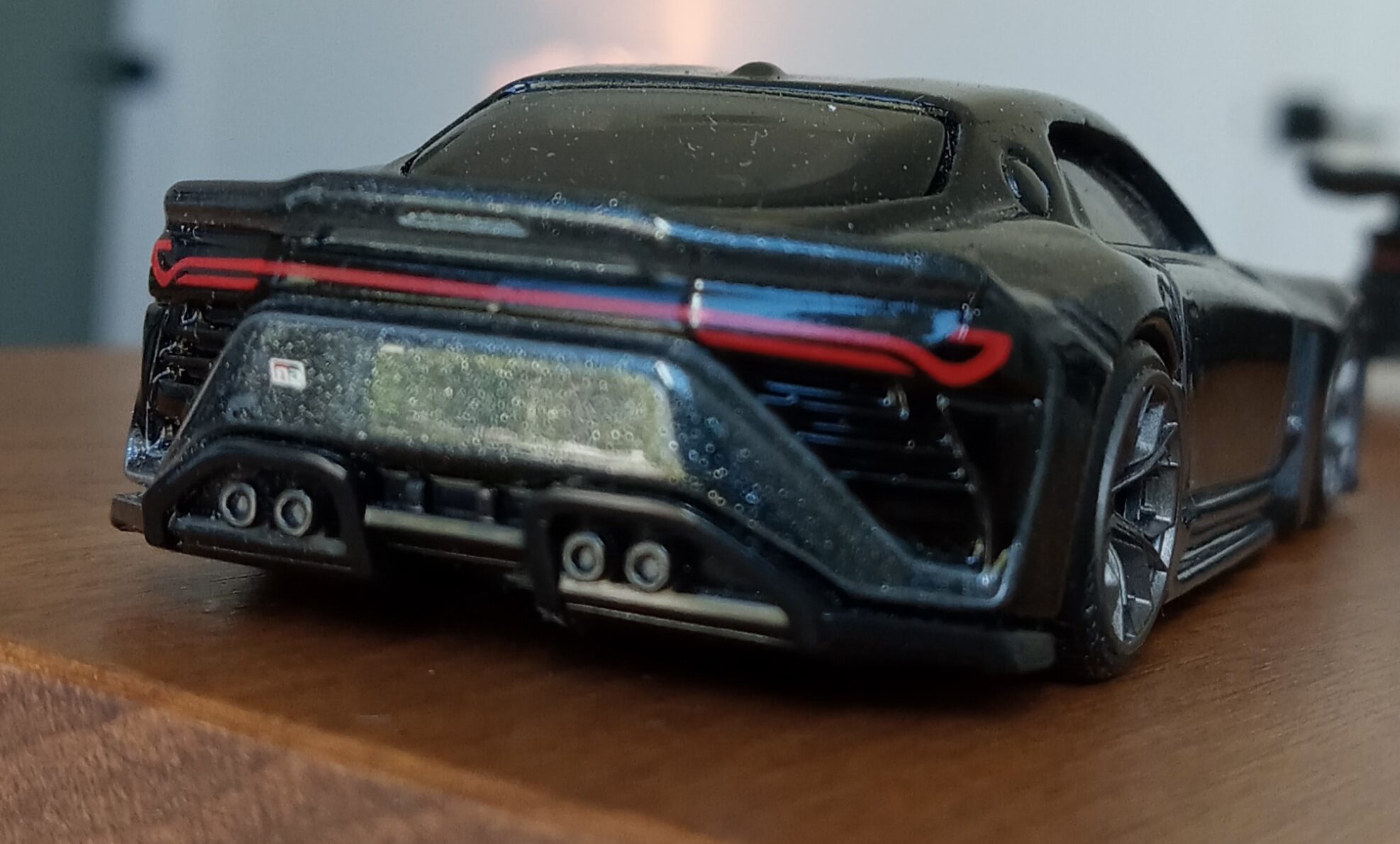
3:超絶に低い全高と、2メートル超えの全幅が産んだ、凄まじきフロント&リアエンドの迫力
ーーー>怒りに満ち危険に立ち向かう龍の顔&無念をかみ殺しながらも相手を尊ぶ、後ろ姿のコントラストが意味深です。【勇壮感 vs、随喜の念】
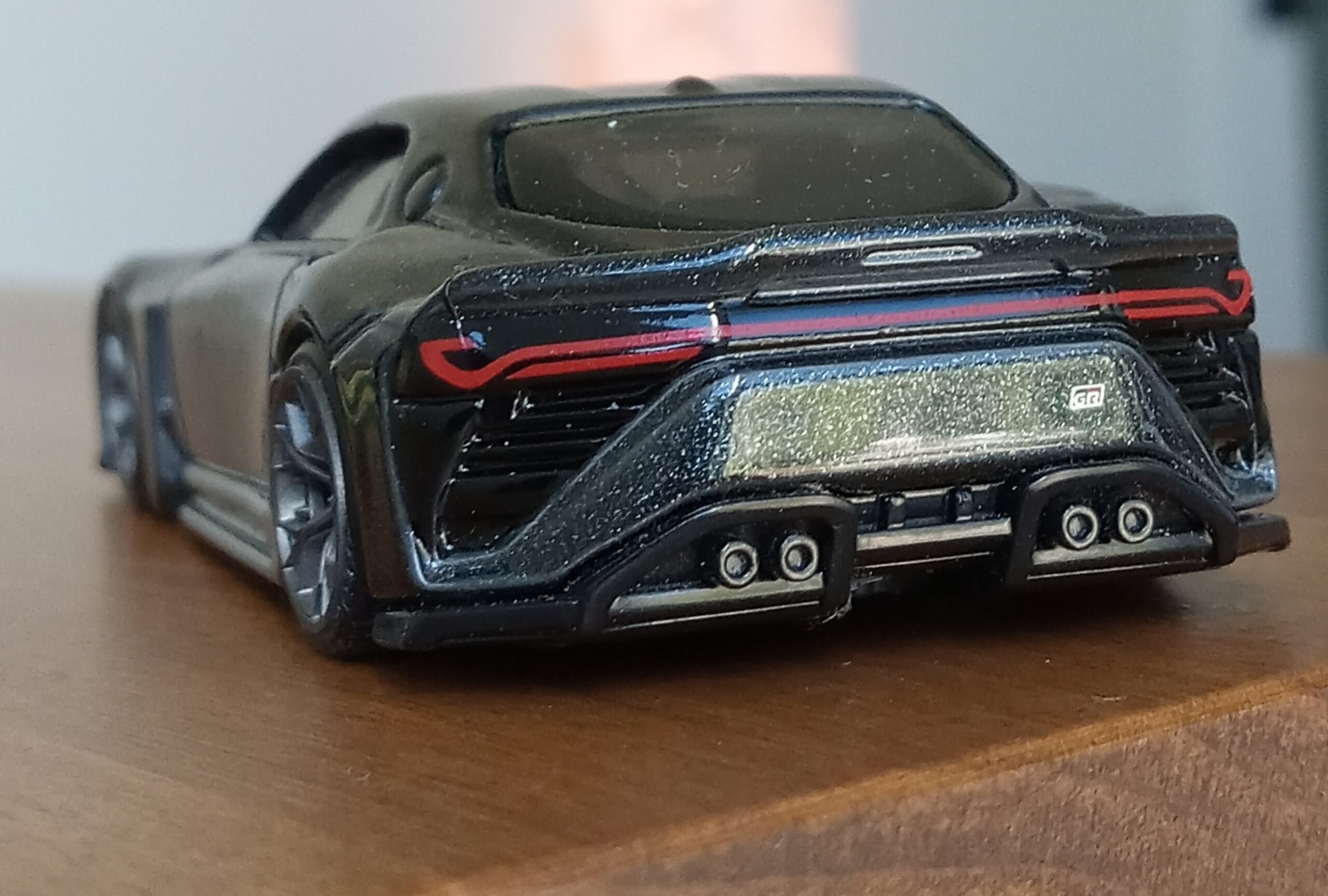
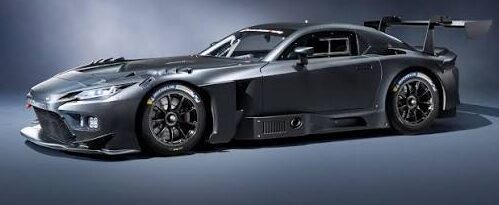
4:レースに勝つために理想化されたGR GT3が先にあり、そこから逆算的に導き出された、【空力ファースト】&【ドライバー・ファースト】の
ーーー>「レースで勝つためのマシンから市販車を仕立てる」というモリゾー流、逆転の発想
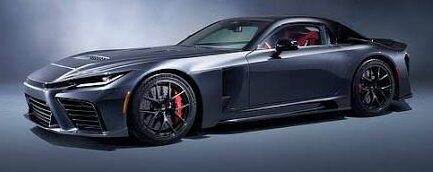
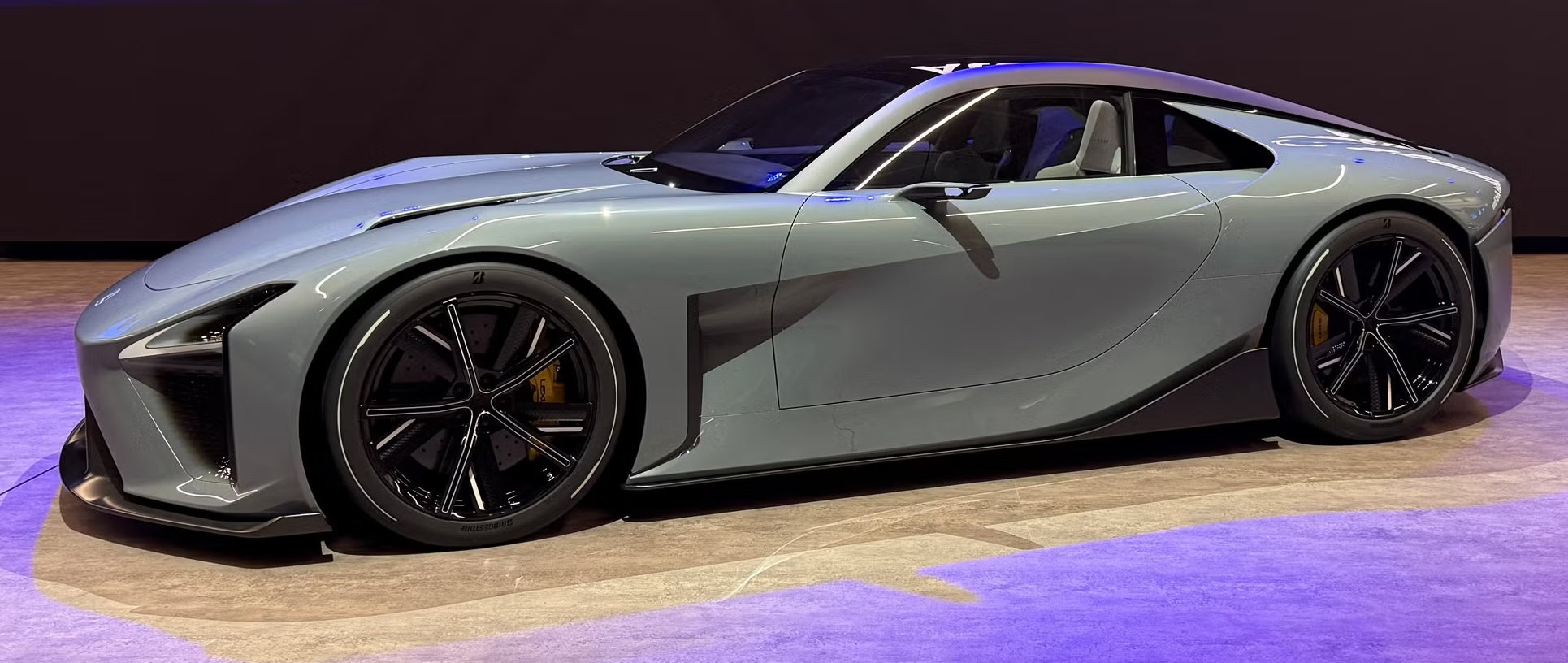
5:日本車には珍しい、60年台の北米レースシーンへのオマージュ的なキャビン位置の後ろへの引っ張り感
(モリゾーさんのニュルブルクリンクでの悔しい経験がもたらした、、、?)
―ーー’62フェラーリ250GTO、コブラ・デイトナ、チータ、歴代ダッジバイパー、の流れに乗った日本車【モリゾーさんの復讐?】
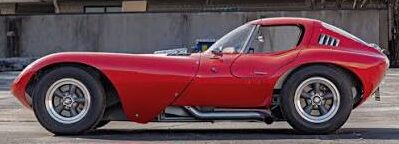
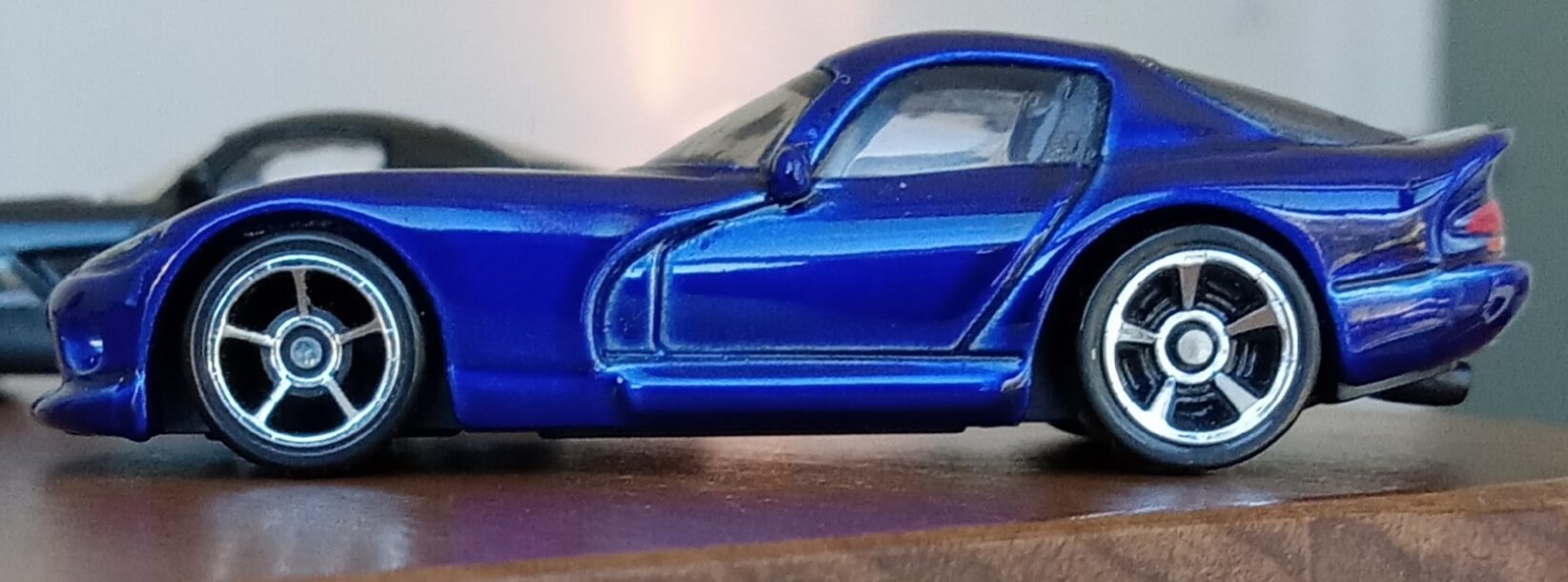
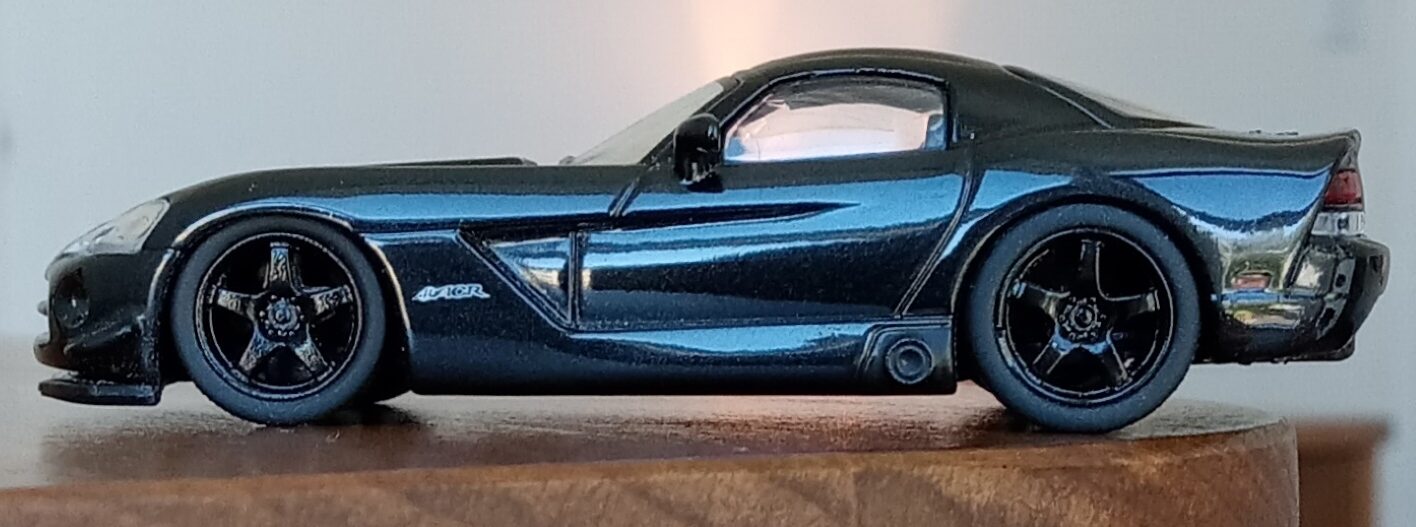
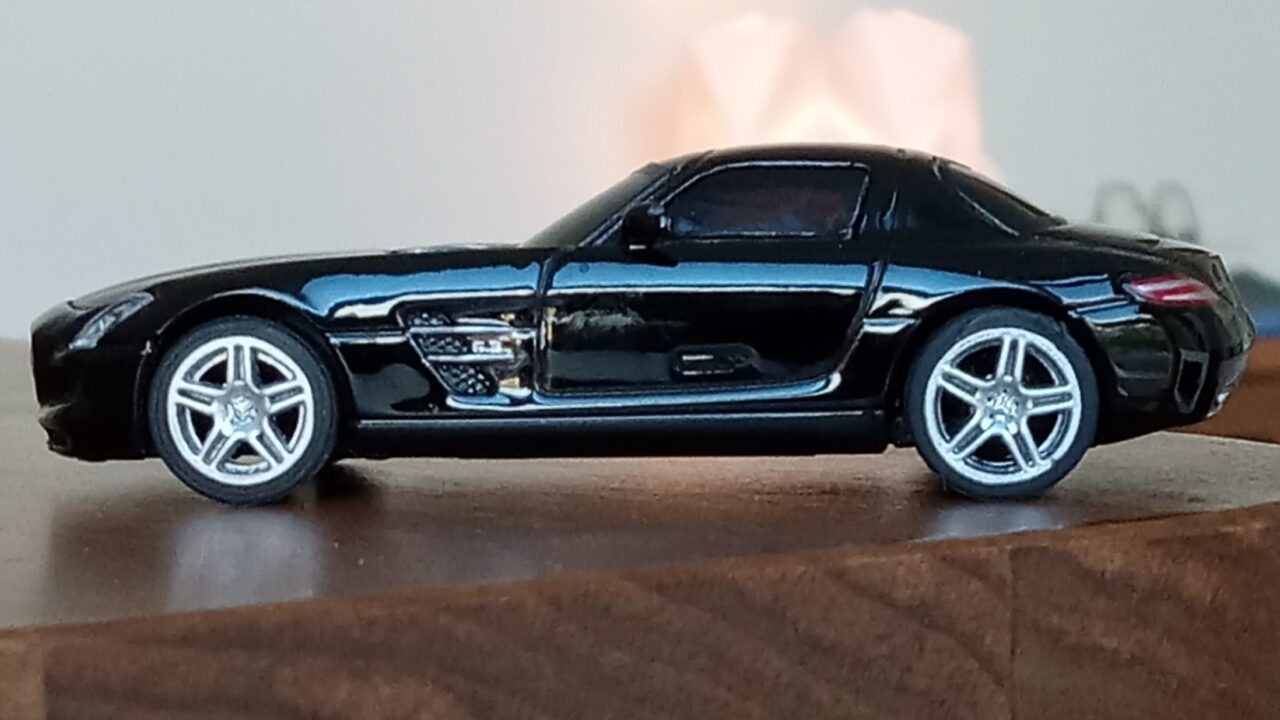
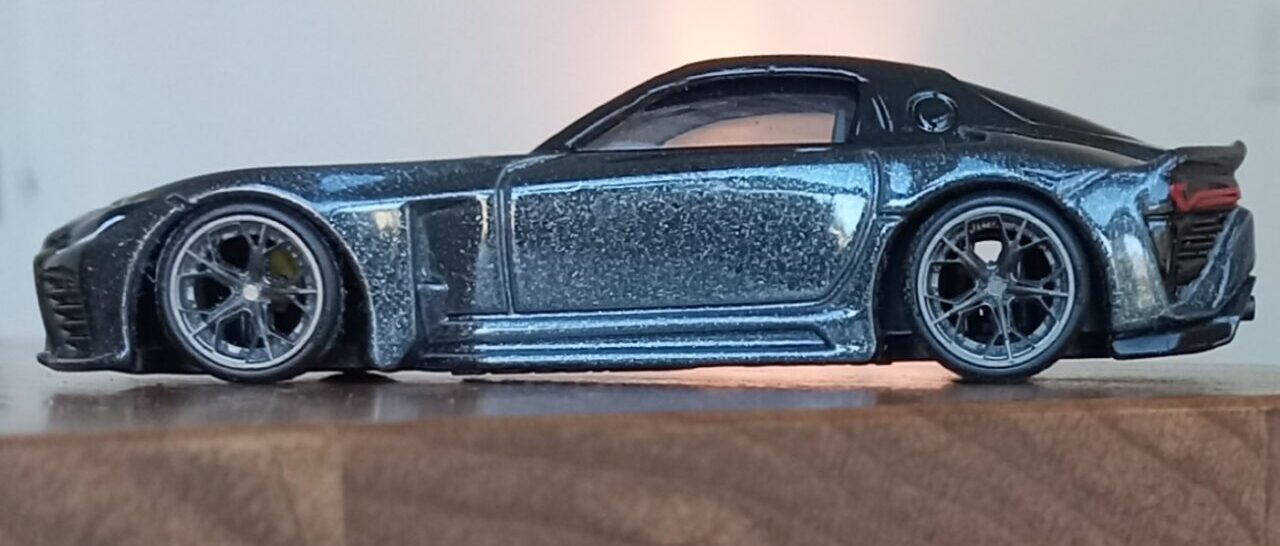
早く実車が拝みたい、
といった期待『大』な日本車です!!
次は、
『私』と【GR GT】につぃてお話ししたいです。
*『私』と トヨタ・GR GT:
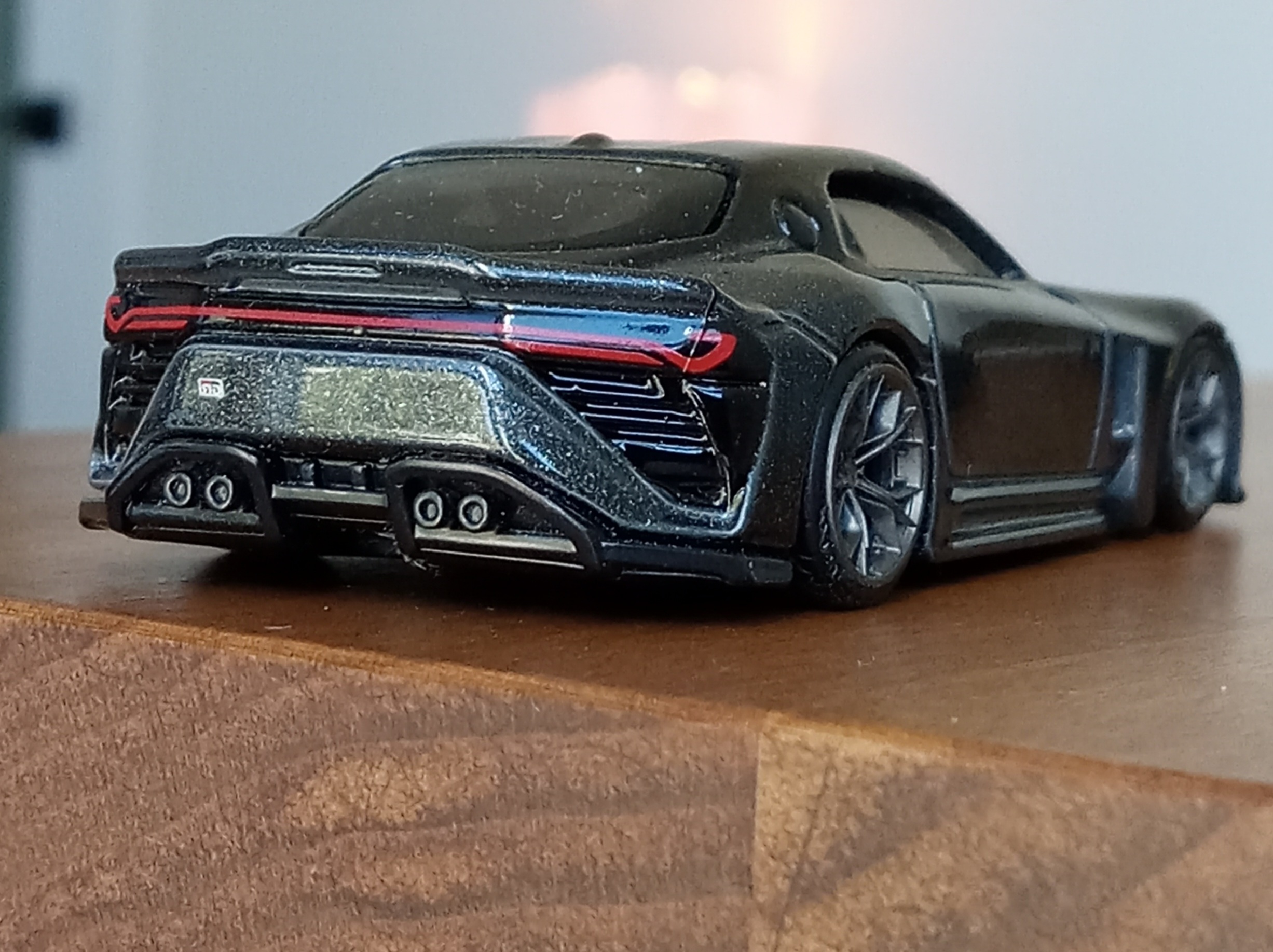
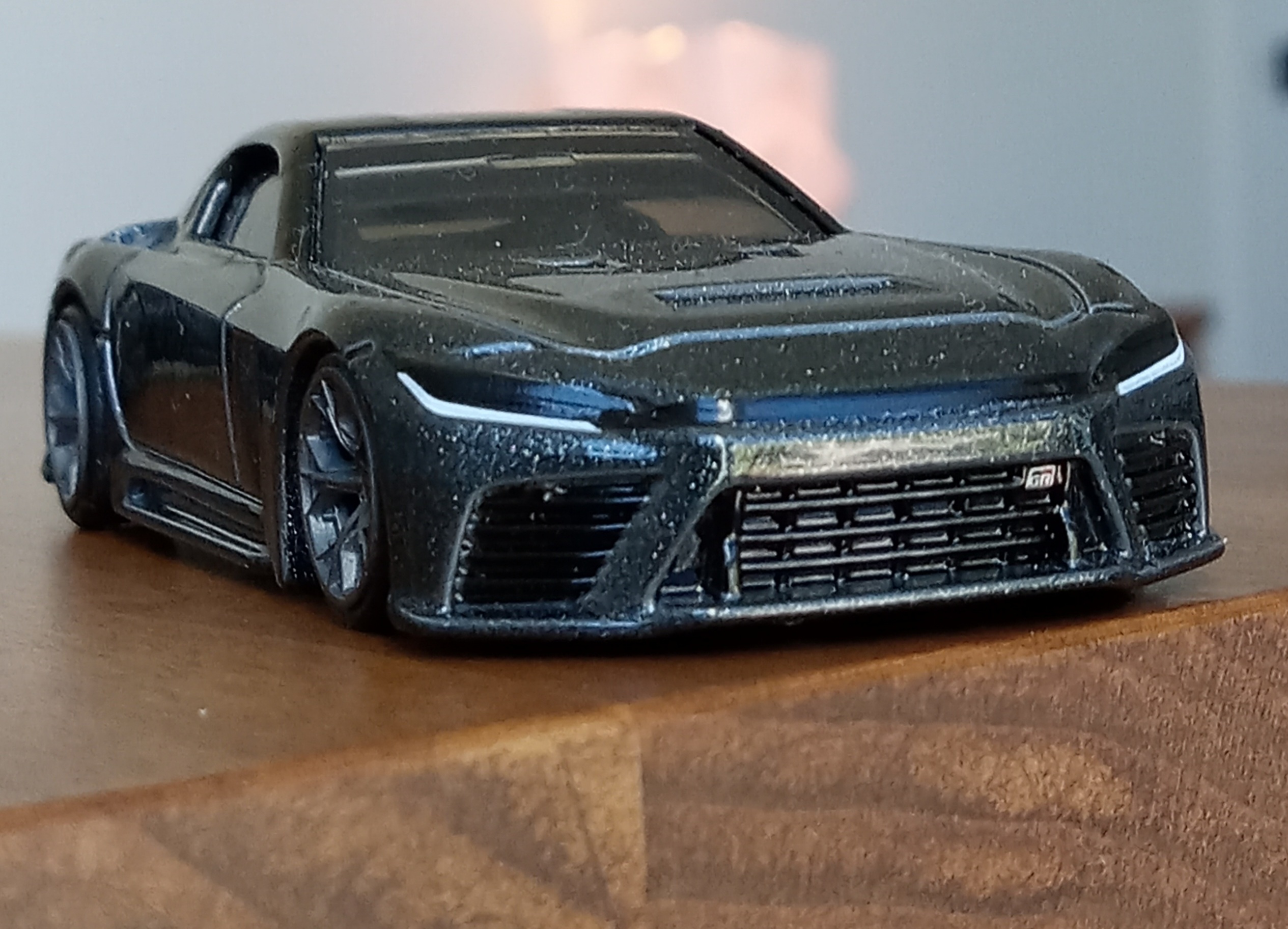
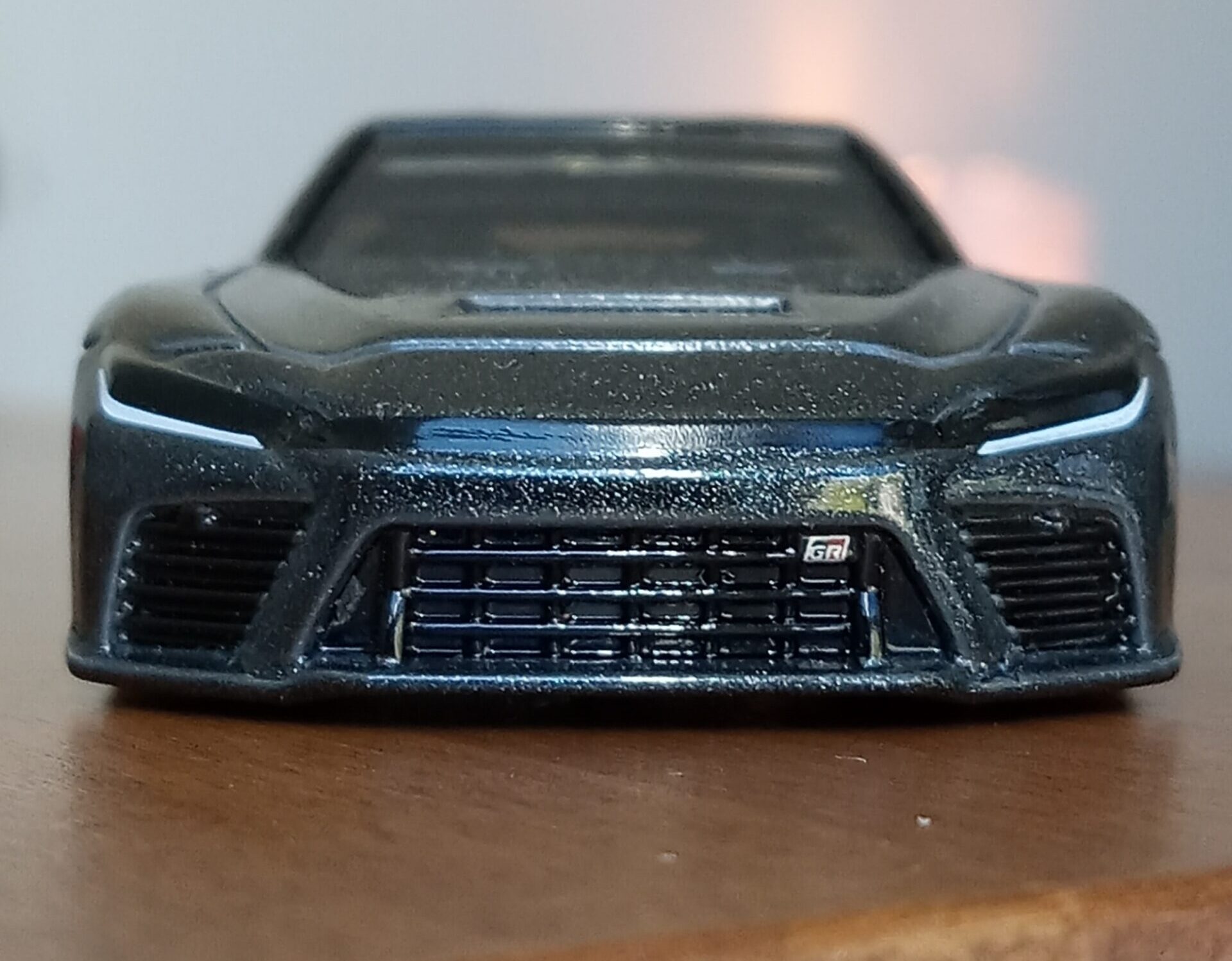
大好きな、YOUチューブ動画、
[wAtARu-エスニ乗り]さんのデザイン批評を聞きながら、
wAtARu-エスニ乗りデザイナー[カーデザイン解説Ch.]
—<https://www.youtube.com/watch?v=oqwdaVcORI4>
この車の素性と、立ち位置の重要性を感じ、
その後プレス写真などを嘗め回して、
『モリゾーさん(豊田章夫さん)』のパッションと、
それを実現化したトヨタの
技術部門と
デザイン部門の
力量に感動しました。
そこには、
*内燃機関とそれを使ったレース車輌に対するリスペクトや、
*レース車輌を一般車両として発売したい!といった、
*根源的な、英国のバックヤードビルダー的な、
*週末ガレージ+そのままレース参加といった、
自動車文化の最初期から成長期に現われた、
内燃機関搭載の自動車の『ハレ』の要素を再現+閉じ込め、
来たり来る、
電気自動車の時代に対する、
武装?準備に入った感じが、ひしひしと感じられました。
その辺のニュアンスを、
モリゾーこと、豊田章夫氏は、
トヨタが培ってきた高性能自動車作りの技術を、
ミライに受け渡していくための儀式≒
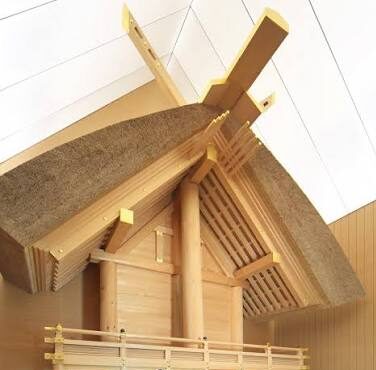
『式年遷宮』と
上手に表現されていました。
#『掌』の立体模型体験
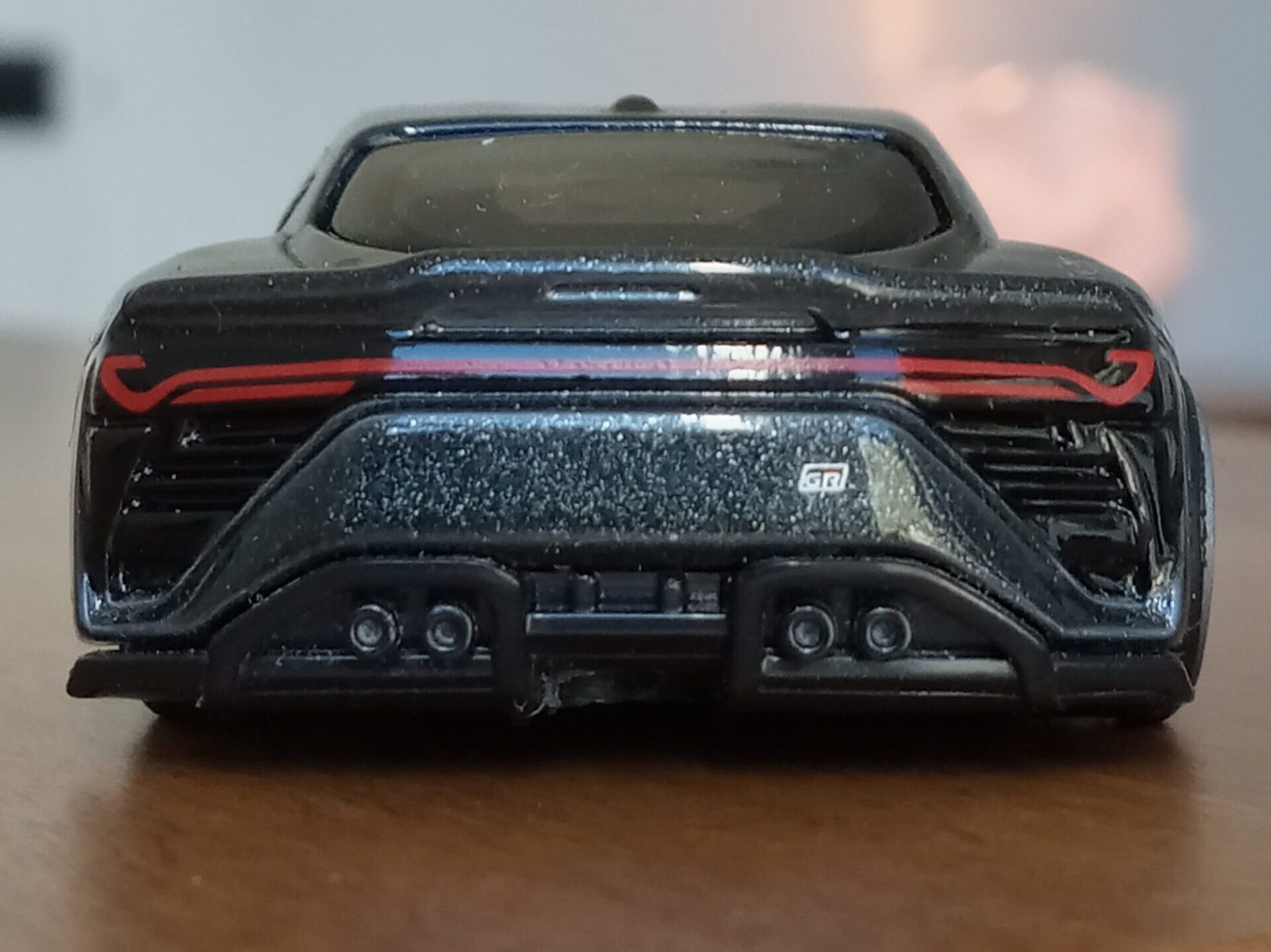
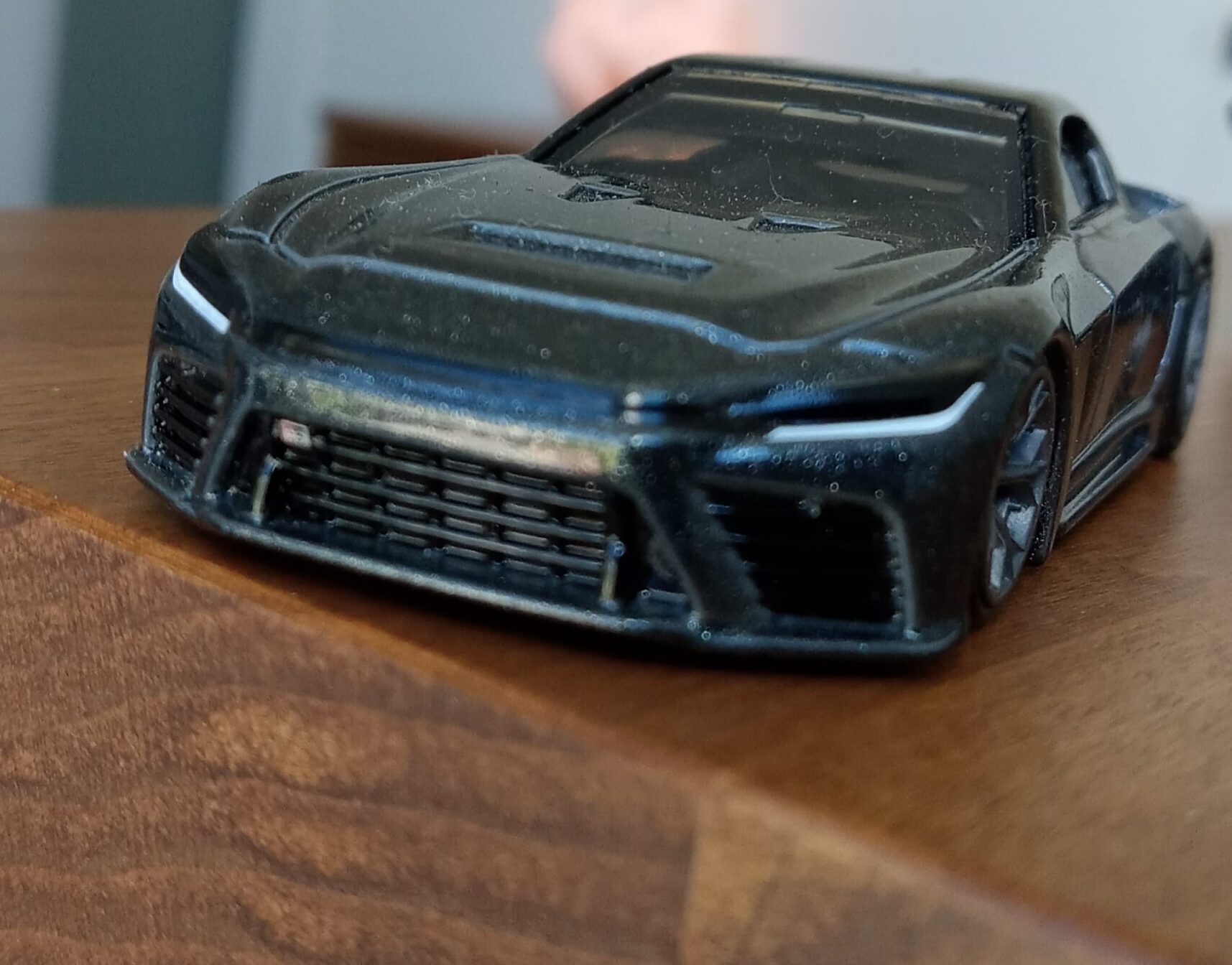
*タカラトミー、トミカ標準シリーズ、1/65ダイキャスト完成品、トミカ GR GT、2027(ガンメタル)
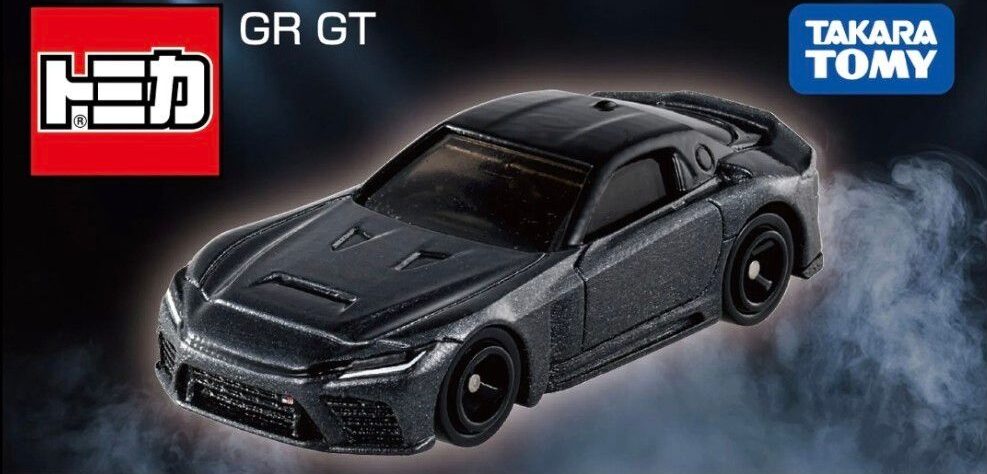
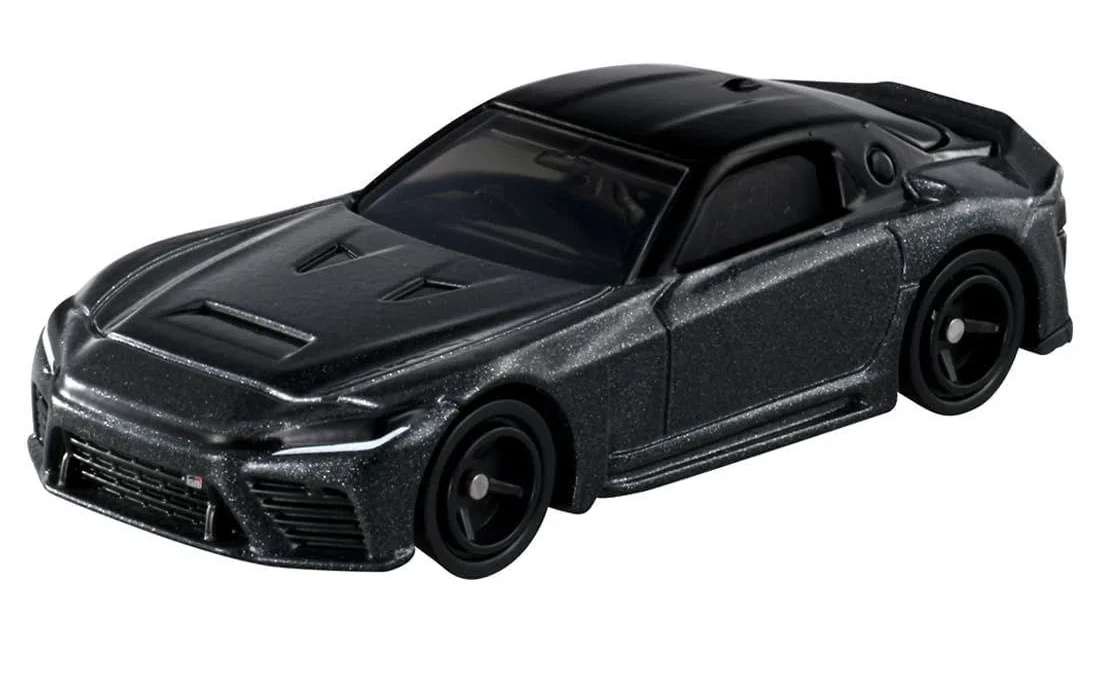
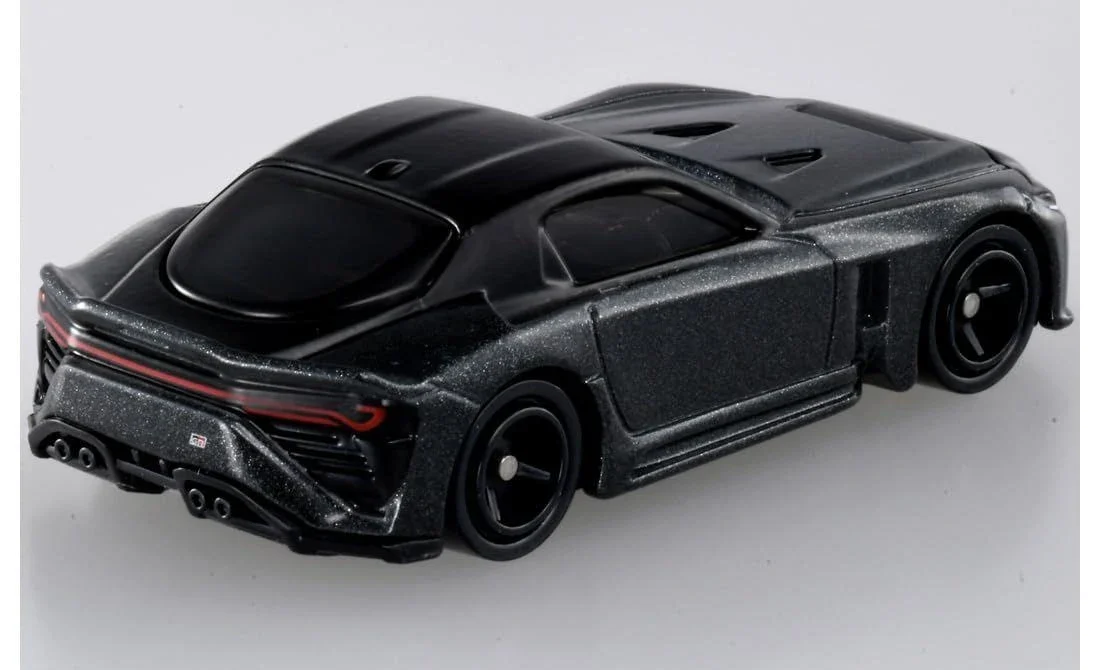
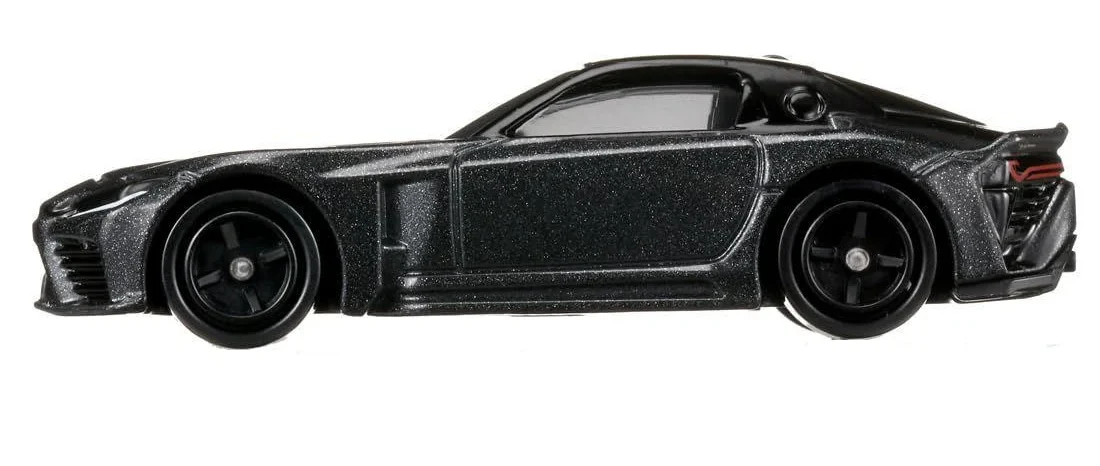 (日本市場では発売と同時に消え去りましたが、何とかAliexprプレミアム版のGR GT3と一緒に確保できました、標準ラインでありながら、複雑な造形を余すところなく再現して、担保プリント製のロゴなど三完璧です。
ーーー>毎度おなじみの半端な1/65というスケールもほとんど1/64に近く、スケール感も抜群)
(タイヤ&ホイールを3Dプリント製に交換したら、2ランク上の高級ミニカーに変身しました)
*GT モデル社製、1/64ダイキャスト完成品、トヨタ GR GT3、2027(ガンメタル)【 APAxpo エクスポ会場限定品】
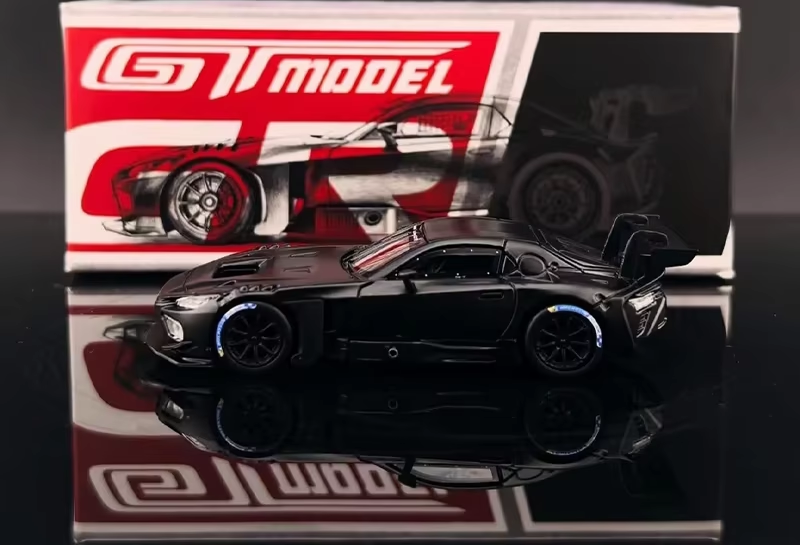
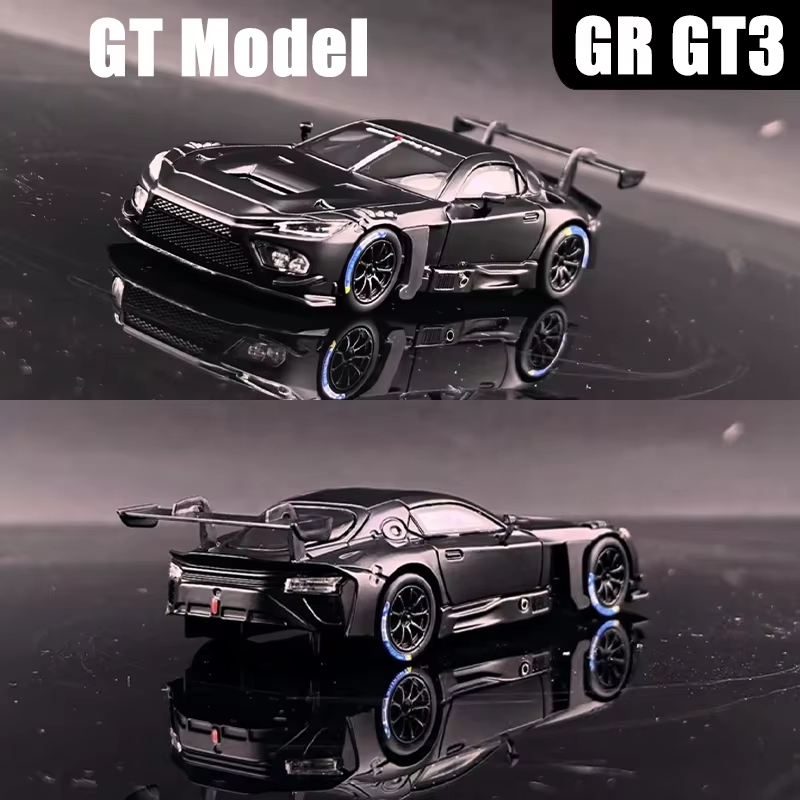
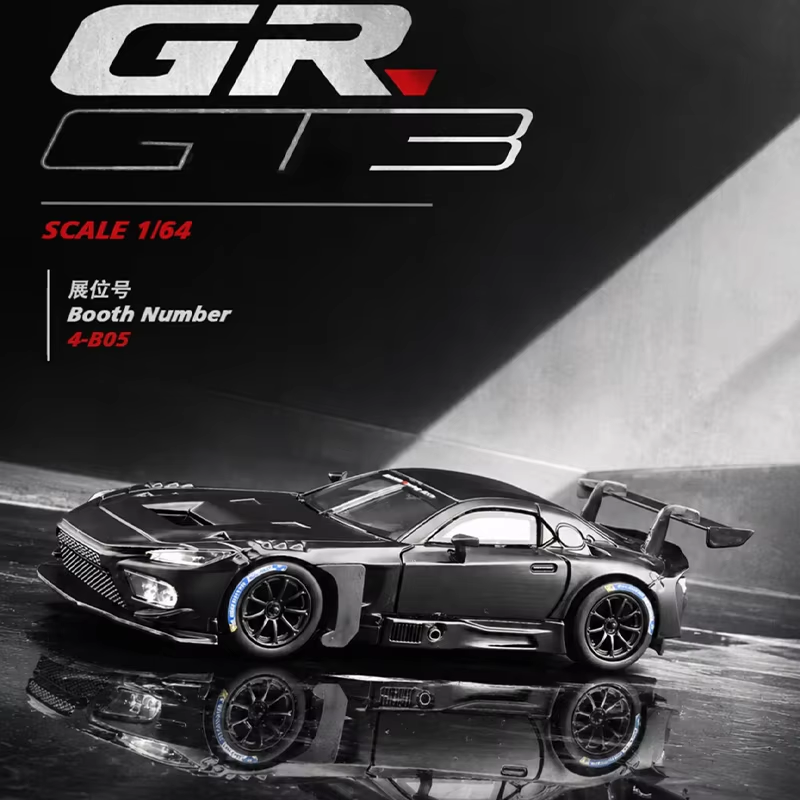 (良質な立体骨格の上に、レジン性ミニミニカー並みのスバラしいディテール+精巧なタイヤ&ホイール
ーーー>到着後、写真撮影してこの記事に加えたいです。)
今のところ、
立体模型はこんなところですが、
今後も楽しみな分野ですね。
ではお待たせしました!(笑)
三大噺のお時間です。
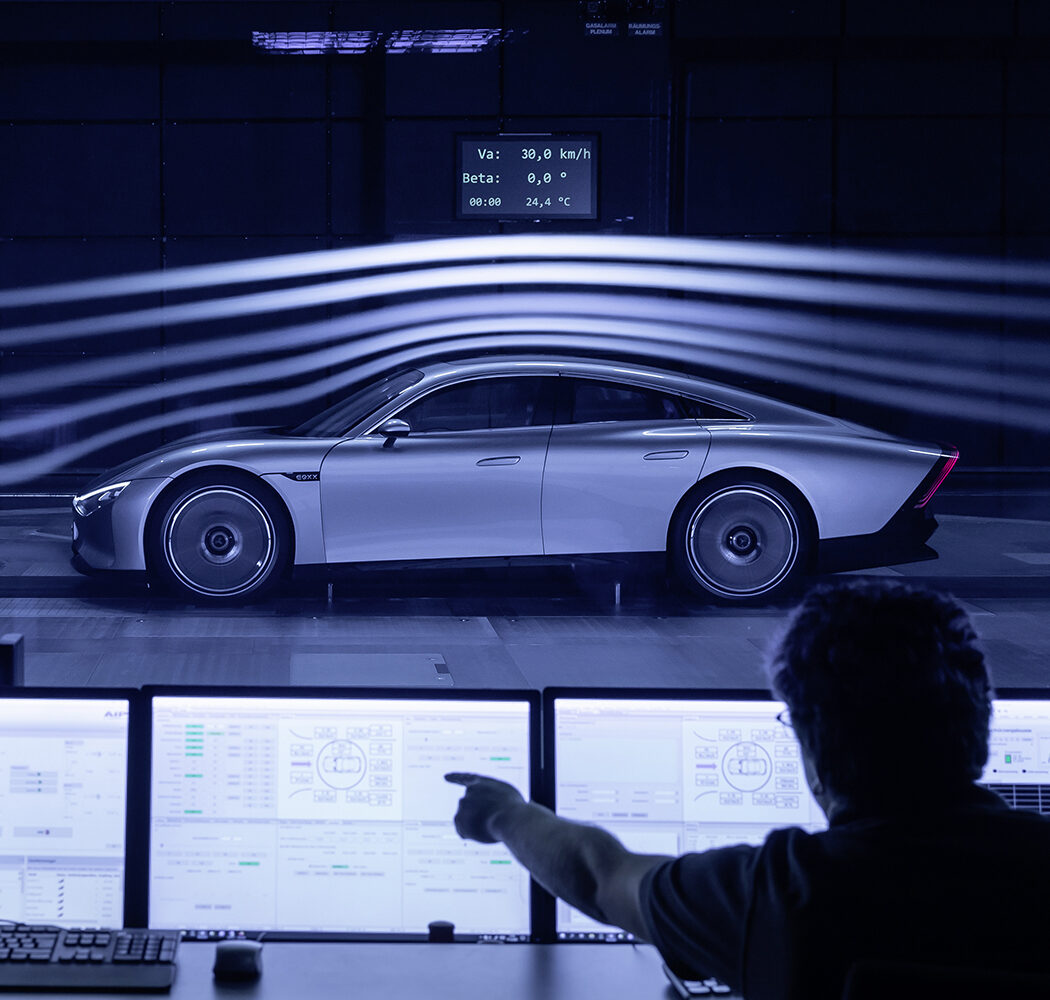
*三大噺:式年遷宮・モリゾー・空力特性
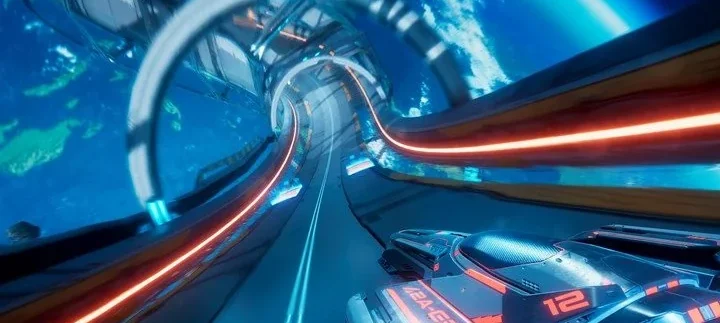
n
n
n

今回も奇想天外なお題を
ありがとうございます!
では、張り切って、
一席おつきあいのほどを、、、
#お題:
*式年遷宮
*モリゾー
*空力特性
#通底するテーマ:『衣鉢を伝える』
#基本プロンプト:
トヨタ GRGT(生産型)に付いての、機構、外観デザインに付いての解説文を落語形式【三題噺】で、制作してください。
*2097年のデザイナー目線で、
*空力おたくのAIレーサー・デザイナーと、
*半AI ・半人類の職人気質のメカニック【名古屋弁を離す・尾張・三河考古学マニア】の間の、凸凹会話で制作。
*途中、レースバージョンのGRGT3にも言及してください。
*サゲは、通底テーマを拾って、知的な考え落ちと、名古屋弁親父ギャグのダブルパンチで。
*カッコイイ演題も考えてください。
#通底するテーマ:『衣鉢を伝える』
#お題:*式年遷宮*モリゾー*空力特性
演題:『空(から)の衣鉢、風の宮(みや):金城埠頭にて、、、』
m
2097年、ネオ・ナゴヤ。かつての地上道路はすべて空中反重力レーン(マグレブ・ストリーム)へと移行し、超高層ビル群の間を光の粒子のように自動運転車が飛び交っている。しかしその遥か地下、かつて20世紀の工場がひしめいていたディープ・ナゴヤの低層区には、ホログラムのネオンと油の匂いが混ざり合う、サイバーパンクな「職人街」が広がっていた。

(舞台は金城埠頭VRサーキット、地下第7ドック。天井のプラズマ配管から青い火花が散る中、ホログラムで立体成形された漆黒の『GR GT』市販生産型が静かに浮かび上がっている。そこへ『AI・ドライバー/エアロが滑るように現れる)
n
n
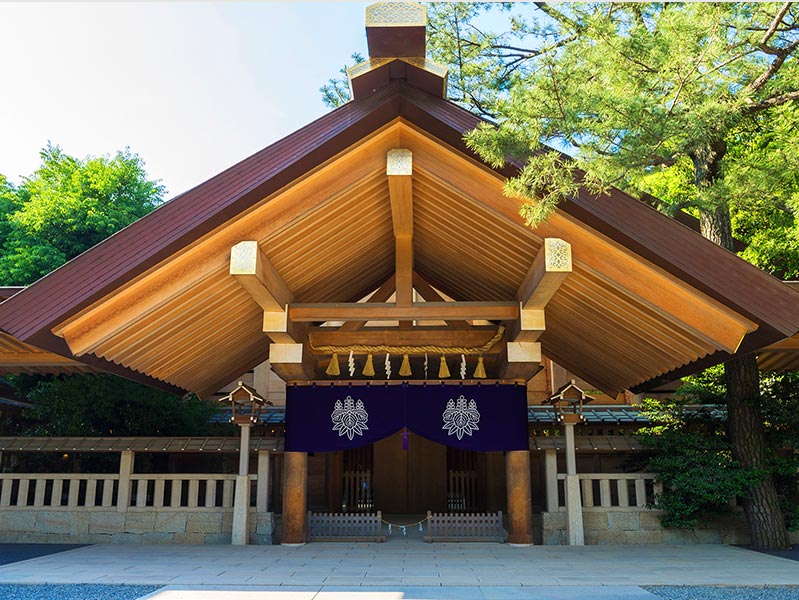
n
n

n
源さん:「だもんでおみゃあはAI(機械)だっちゅうの。機能がそのまま美になっとるのは、液晶画面のデータの中だけじゃにゃあ。ええか、日本の伝統っちゅうのはな、形を変えずに中身をそっくり新しくしていく、あの伊勢の『式年遷宮』と同じなんだて。20年ごとに社殿を建て替えて、技術と精神をそっくり次の世代に受け継ぐ。このGR GTだってそうだ。2020年代に『モリゾー』こと豊田章夫氏が『モータースポーツを起点としたもっといいクルマづくり』と叫んで、GR GT3をサーキットで wild(ワイルド)に暴れ狂わせた。あの時代のアナログな走りの歪み、データ、職人の血と汗の『衣鉢(いはつ)を受け継いで』、この2097年の生産型GRGTが、最新のカーボンナノチューブ骨格でリビルドされたんだがや!」
n
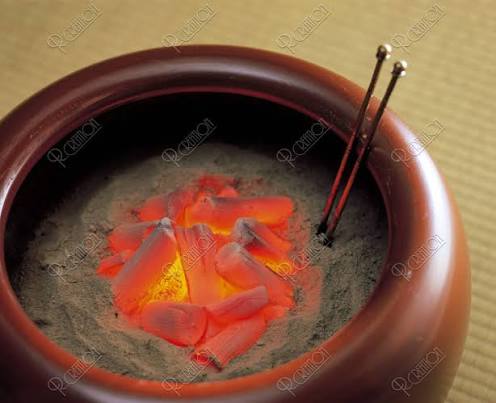
n
n
n
n
n
 n
n
n
n
n
n
n
n
n
n
n
n
n
n
2097年の「サイバー義眼」や「反重力レーン」といったSFディテールを盛り込み、レトロな火鉢とのコントラストがより際立つようにしてみました。
- 今回の落語のセリフをもとに、2097年のネオ・ナゴヤの地下ドックに佇むGRGT(生産型)のビジュアル(画像)を生成してみる
- AIレーサーのエアロ視点で、GRGTのコックピット内のSFシステムについての解説文をさらに広げてみる
など、次のステップのご希望があれば教えてください!
*その他の『本気のトヨタ・レーサー車』たち、、、
(写真撮影に使用したミニカー:GT モデル社製、1/64ダイキャスト完成品、トヨタ GR GT3、2027(ガンメタル)【 APAxpo エクスポ会場限定品】}
*1966 トヨタ 2000GT: 超高速耐久トライアル挑戦車
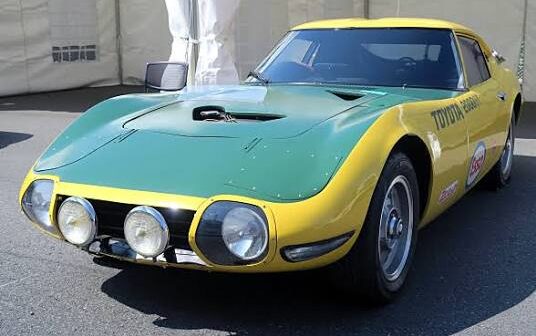
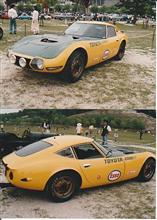
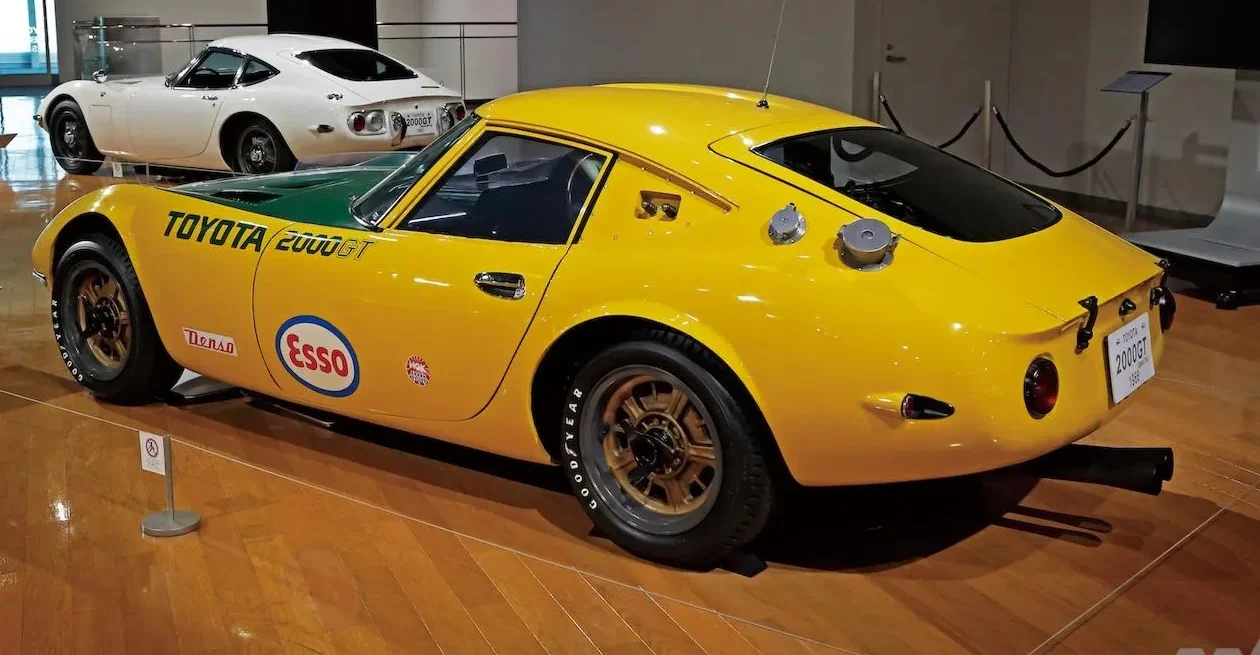
(通常の2000GTに比べ広げられたトレッドに大型のホイール&タイヤ(キャロル・シェルビー製)を装着、強力なスタンスを得た外観は神々しさを感じるほどの特別感覚一杯
ーーー>独特な塗装と埃まみれの写真にしびれました。)
*2018年 トヨタ GRスーパースポーツ・コンセプト: 超高速耐久トライアル挑戦
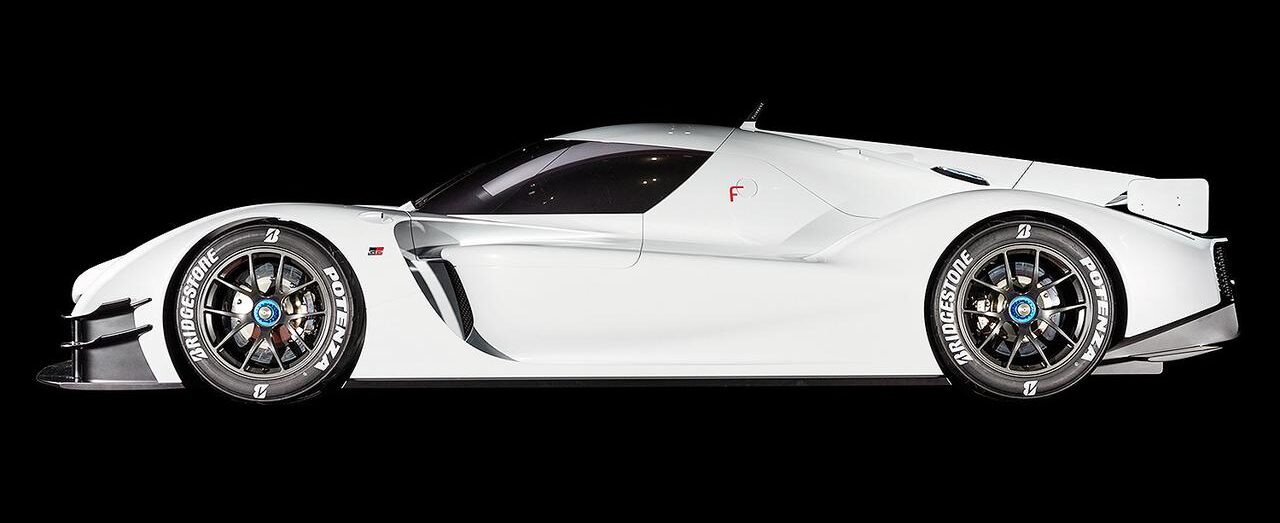
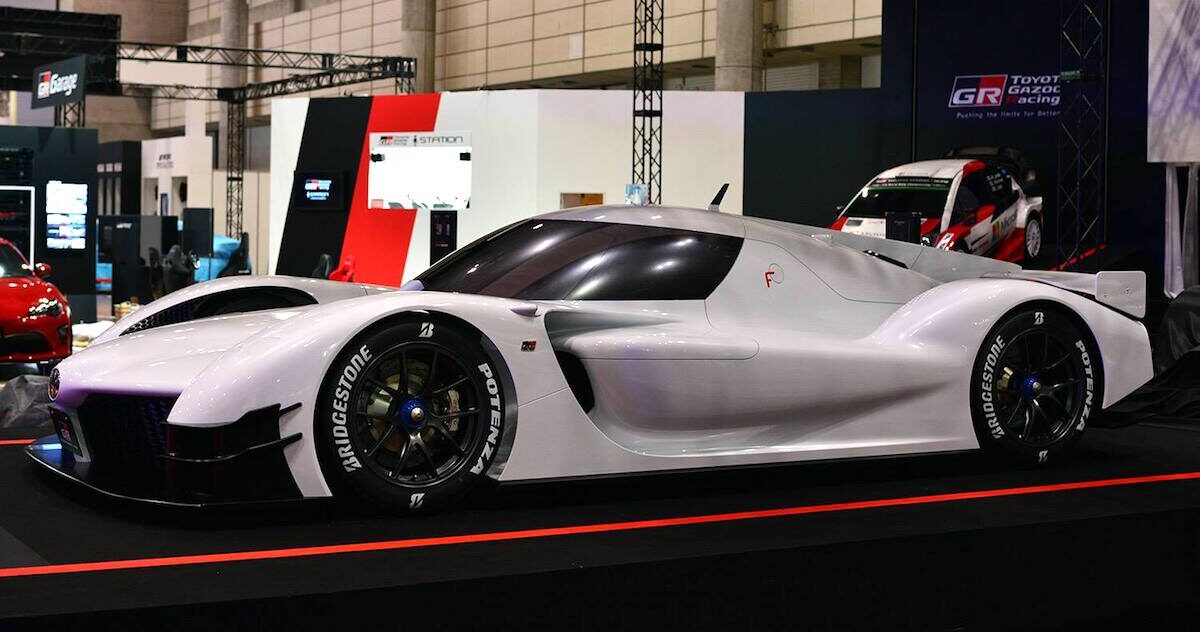
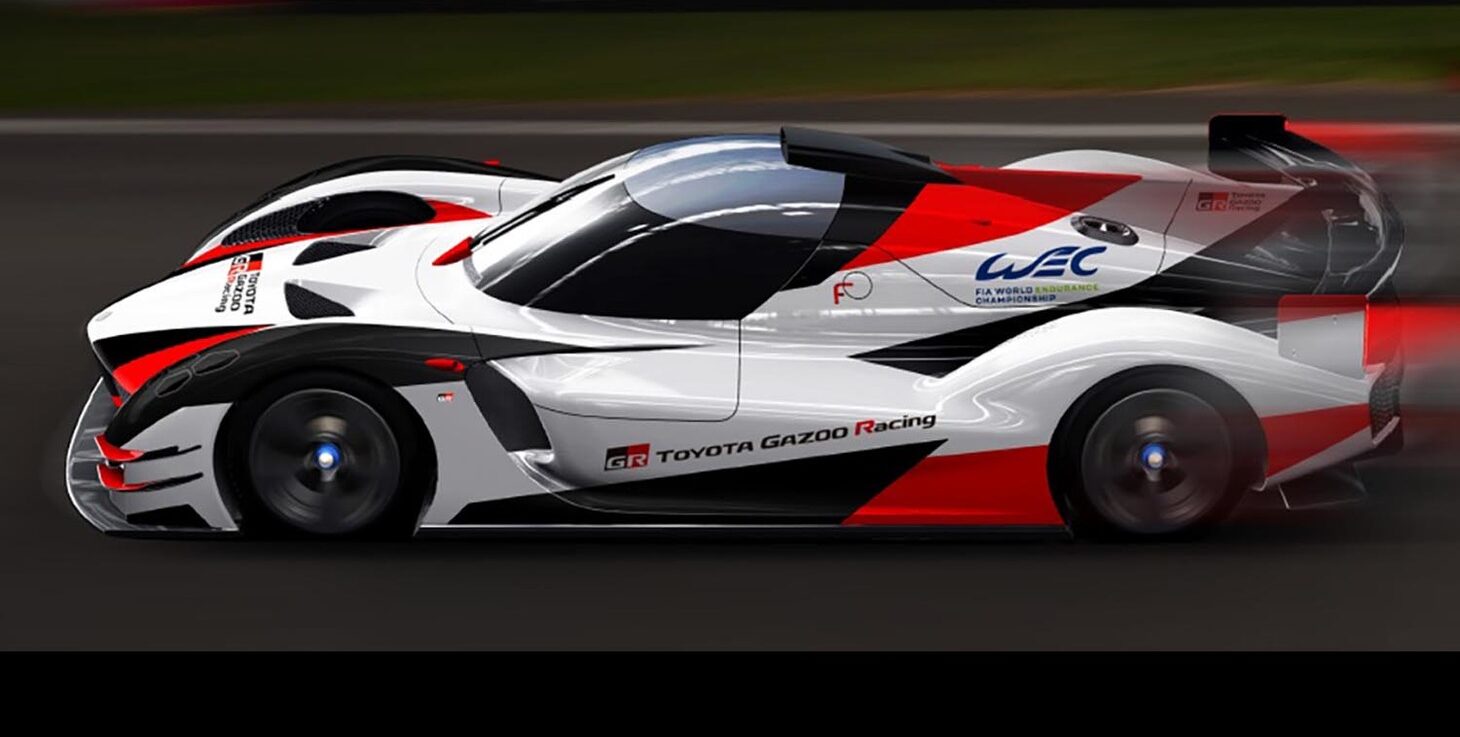 (実際にルマンを走行した最終型よりこちらの、コンセプト版の流れるようなフォルムにひかれまhした
ーーー>ボディー中央お腹あたりを走る、『横っ腹』部分が肝です。
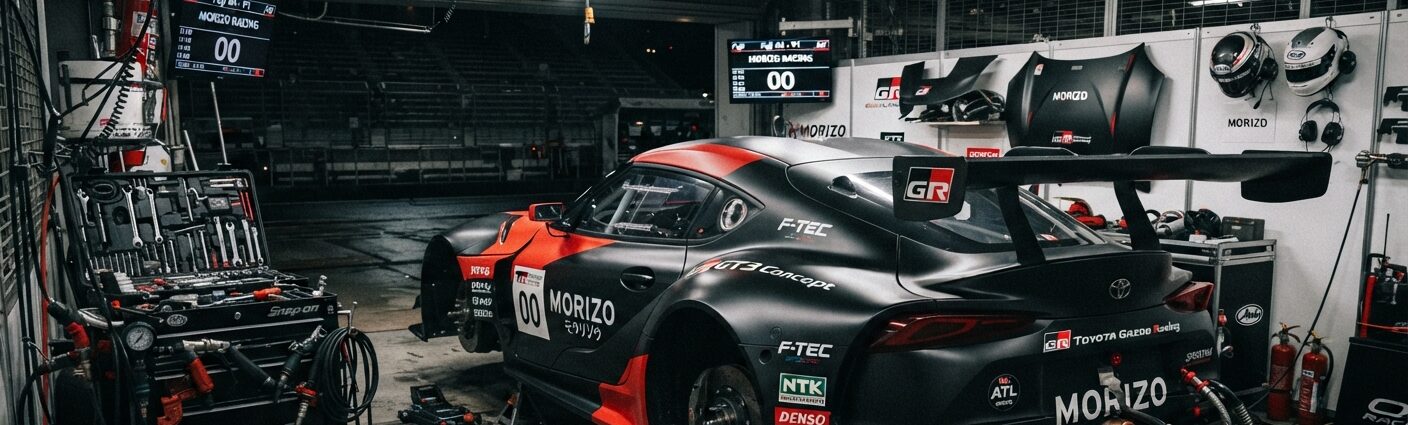
*2026年 トヨタ GR GT3(GT3レーシングカー・コンセプト)
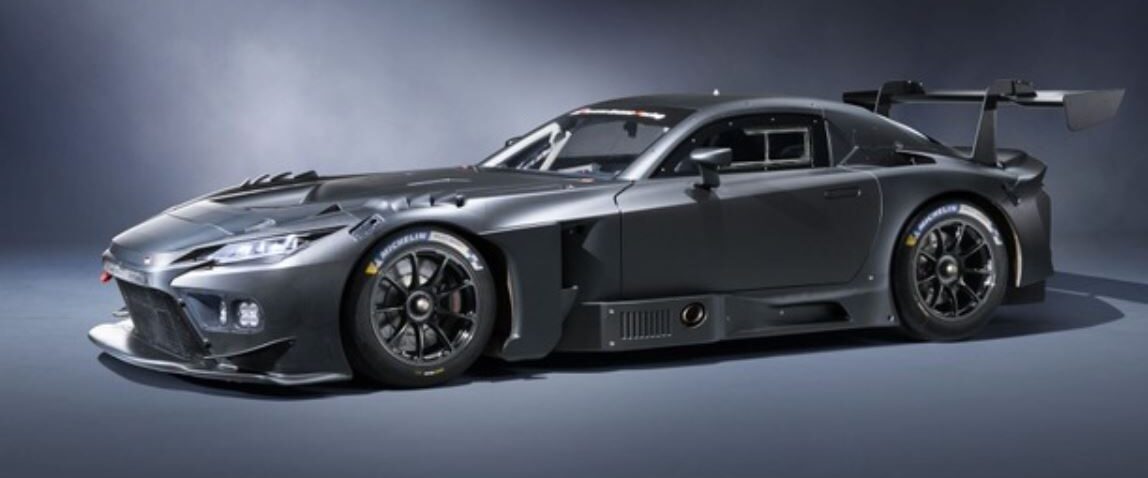
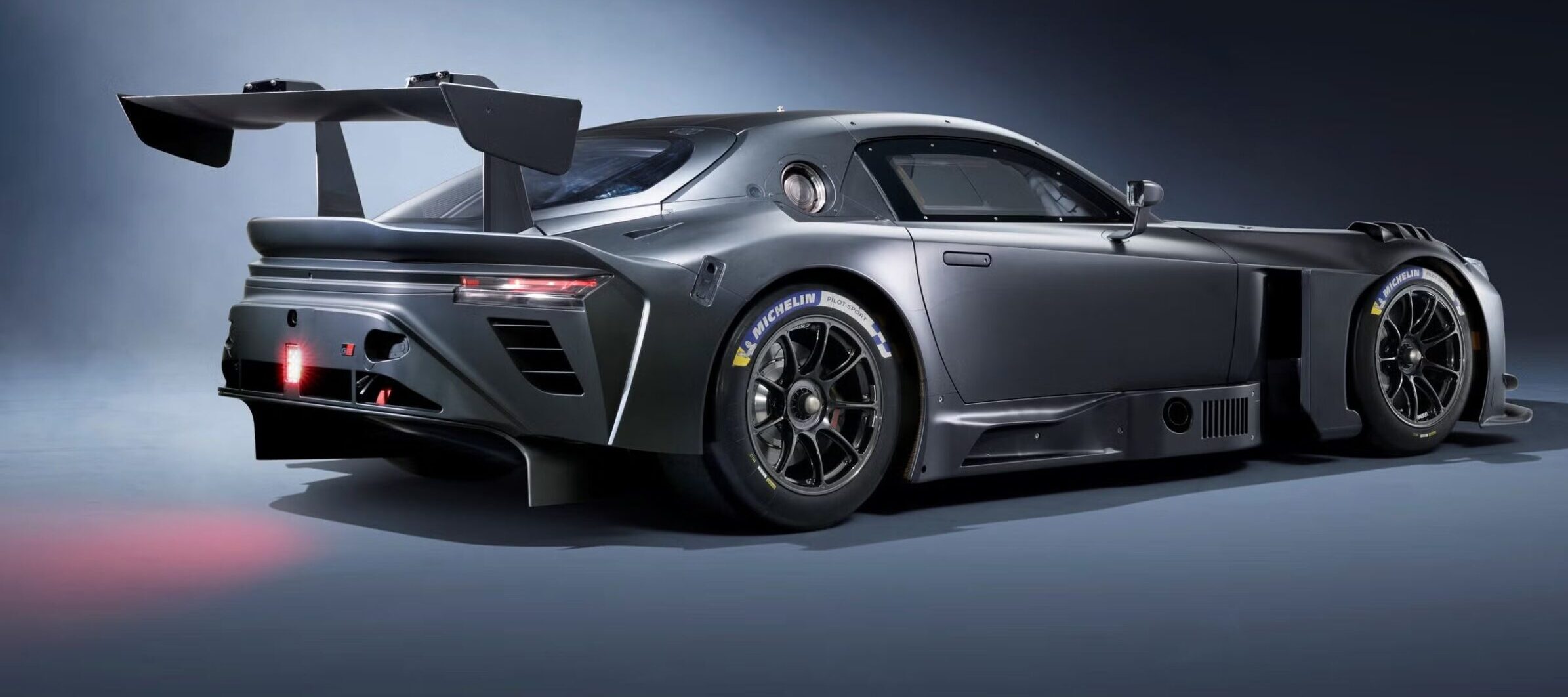
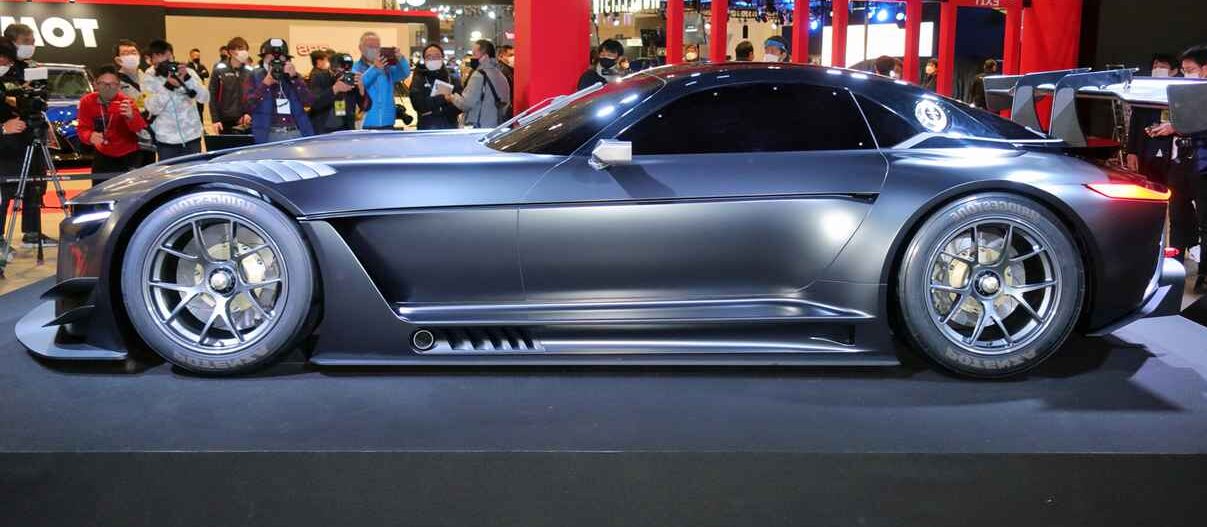 (今回の記事:GR GTのレーシングバージョン、フロントフェンダーのエア抜きのジグザグ感が『癖になるディテール』です(笑)
ーーー>市販版との差がほとんどないのが素晴らしいです!
リアウイングの迫力が、お宮の梁のようです!!)
(2022年時の『GRGT3 Concept』です)
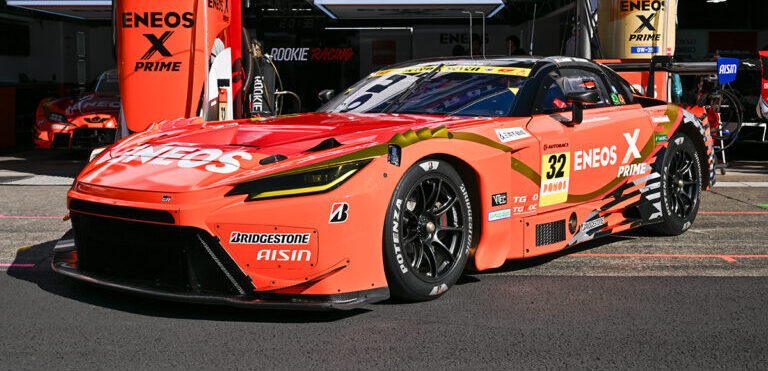
(【第3/8戦 もてぎ:練習日】注目のGR GT3コンセプトが初走行)
*『2ドアクーペの系譜【最終回】』に寄せてーーー>FR/MR 奥義の継承とは?
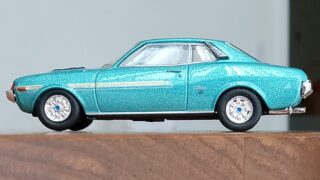
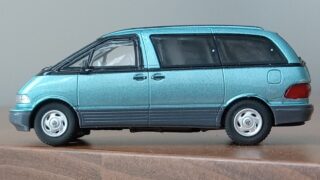
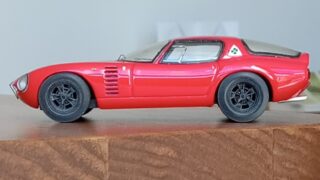
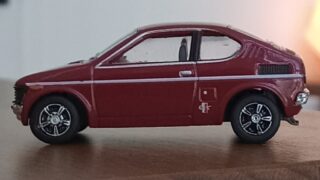
(42台全部のサイドビューです!!)
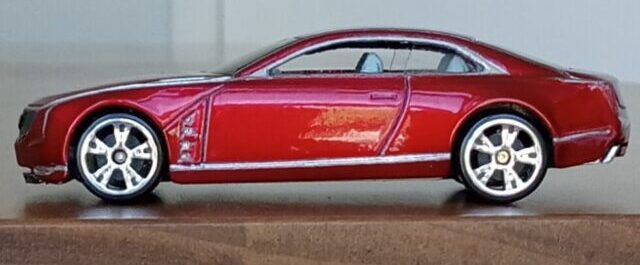
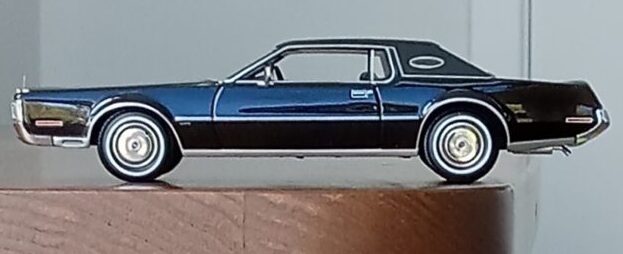
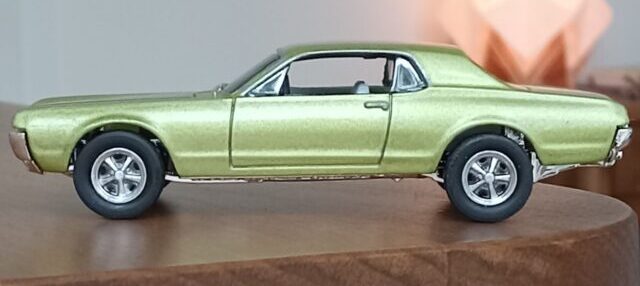

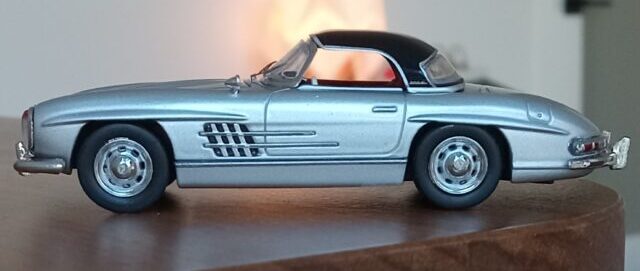
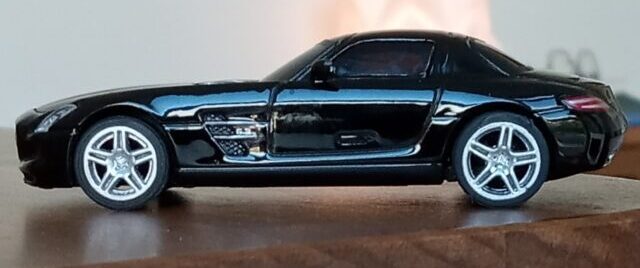
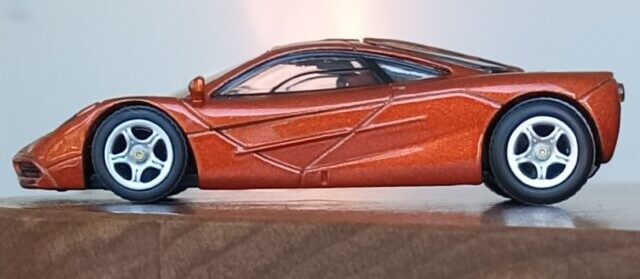
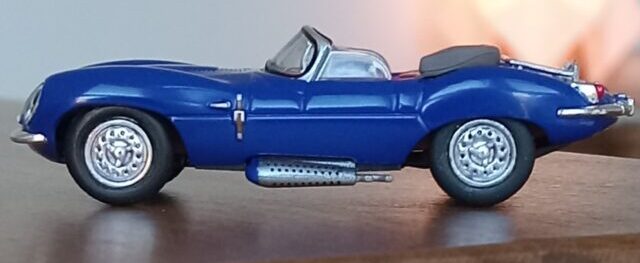
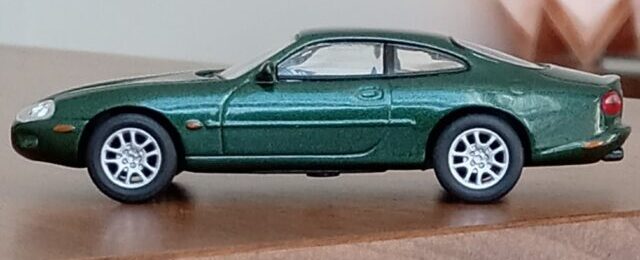
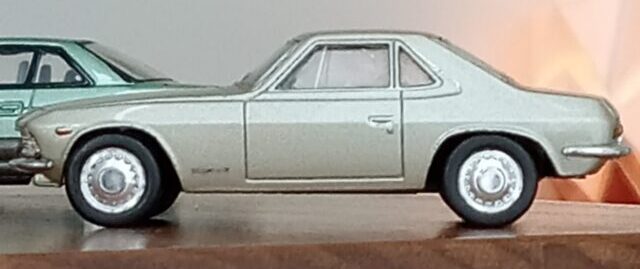
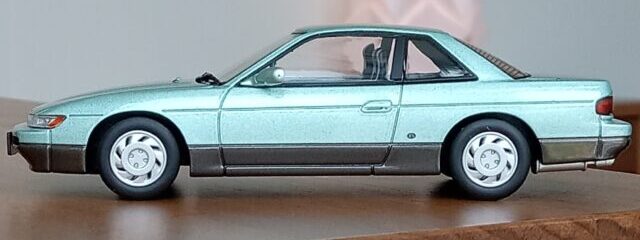

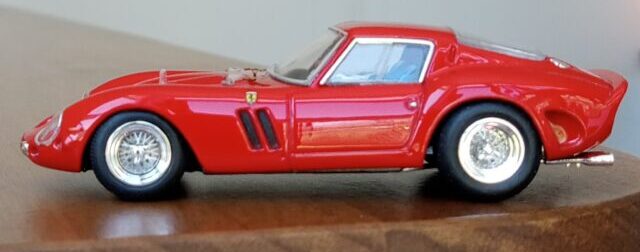
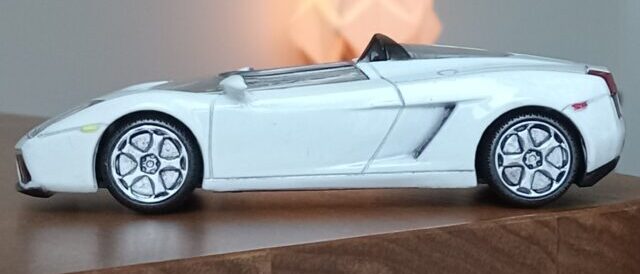
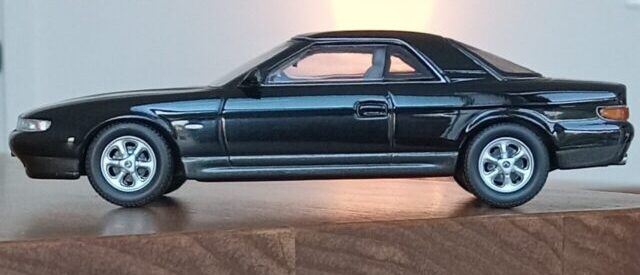
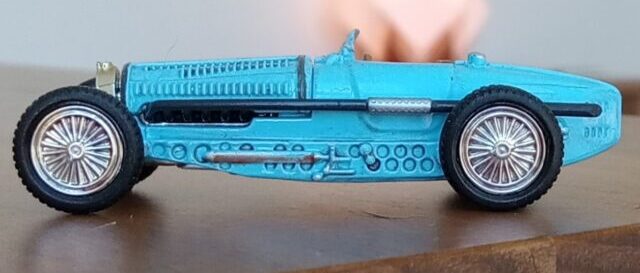
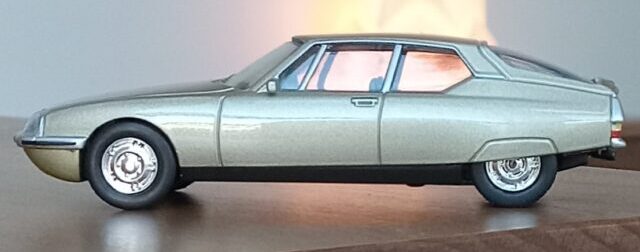
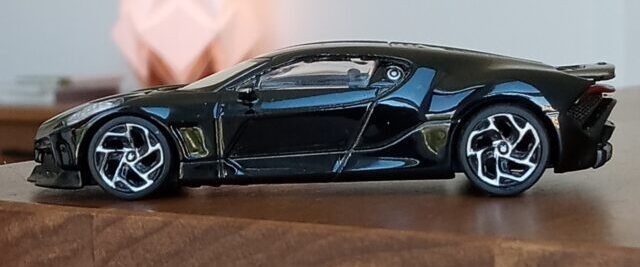
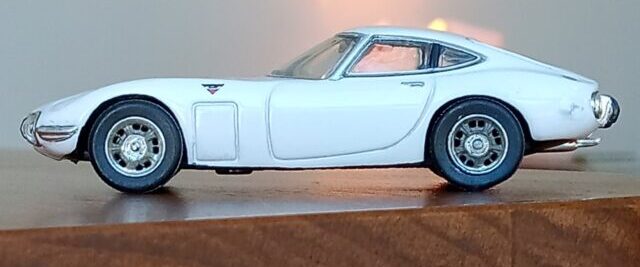
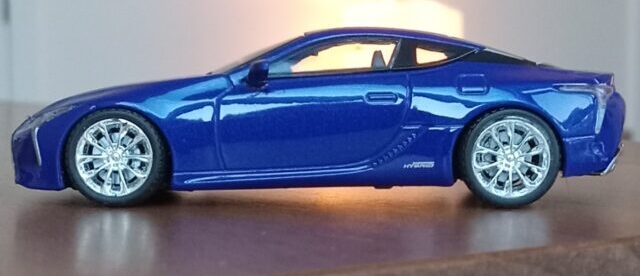
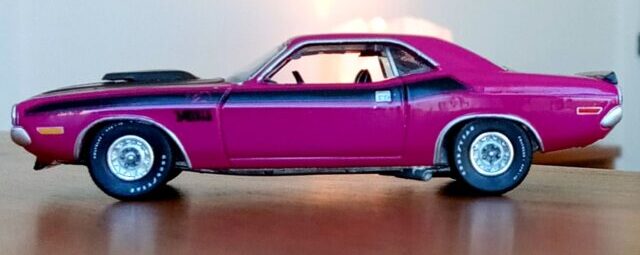
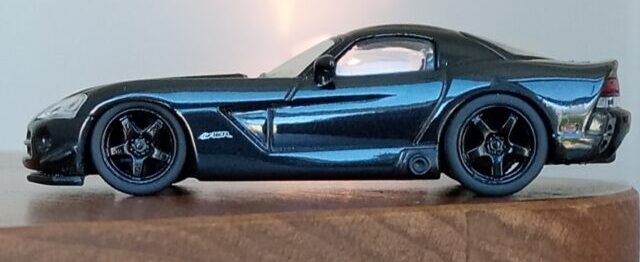
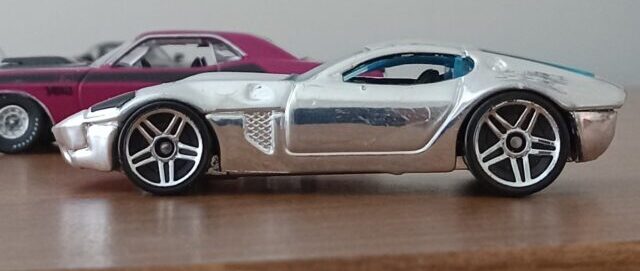
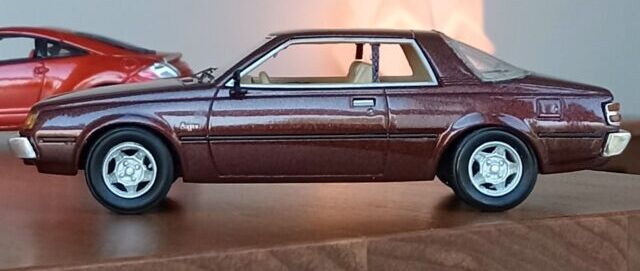
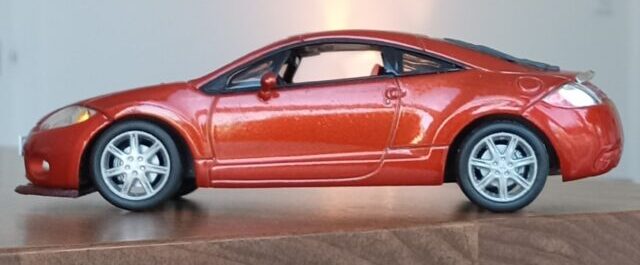
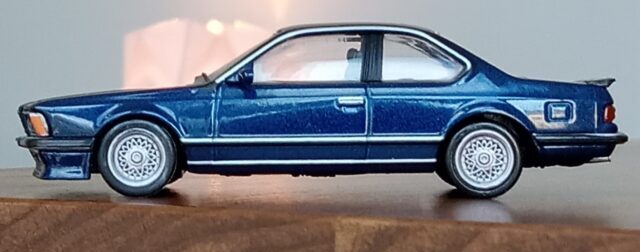
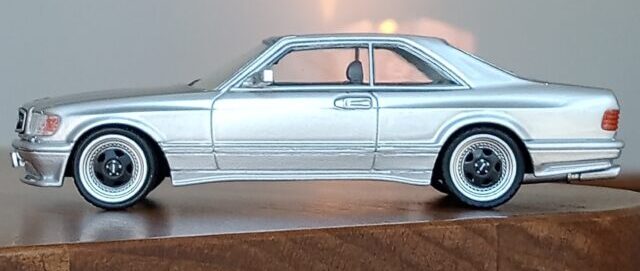
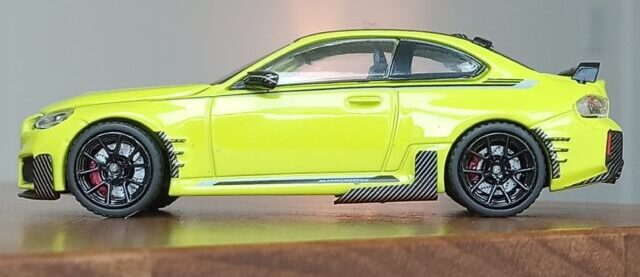
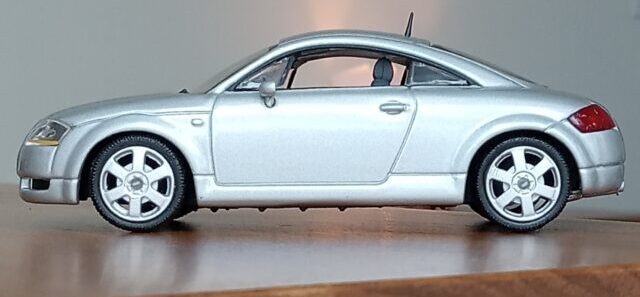
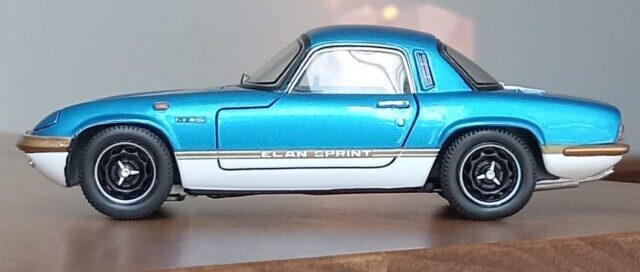
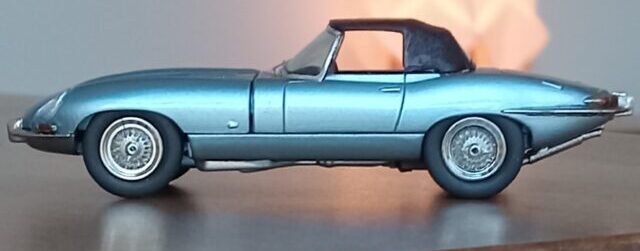
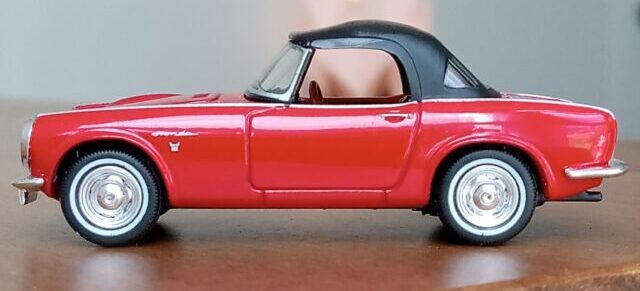
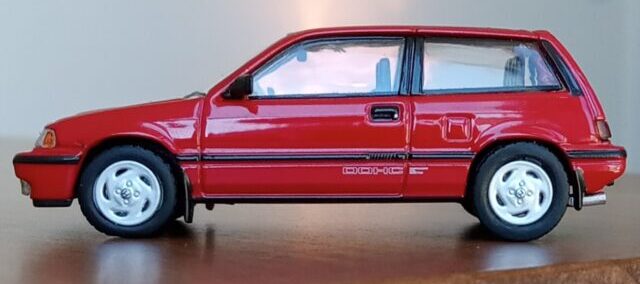
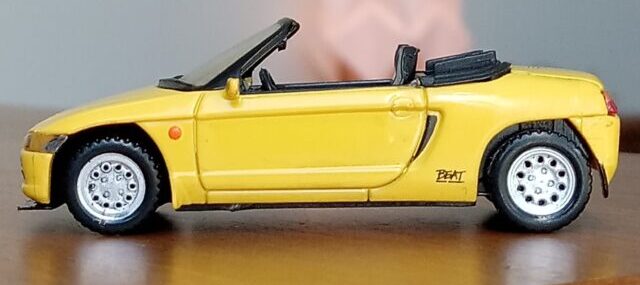
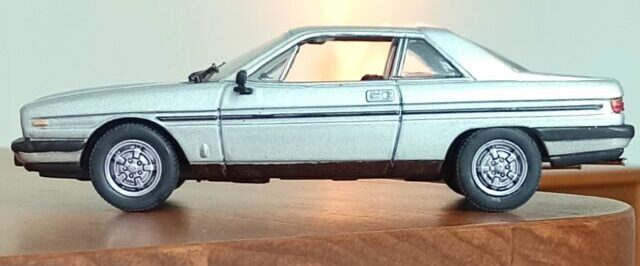
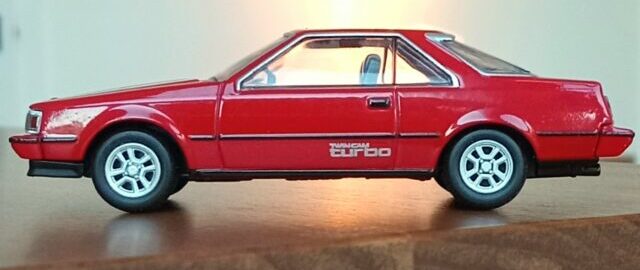
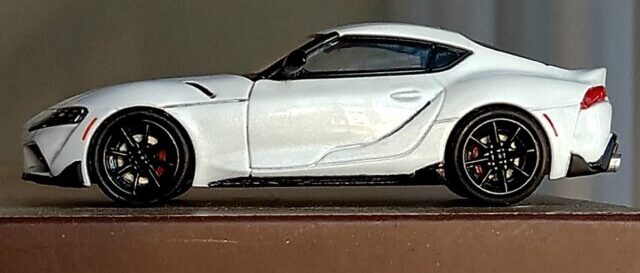
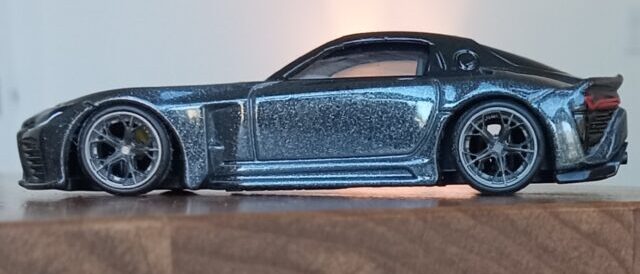
2026年1月から11月までの10か月にわたり、
計42台の『2ドアクーペ』の外観デザインを観察&レポートした結果、
繰り返し出現するテーマや傾向,感覚などから、
以下のように、色んな気付きや発見がありました。
気付いた独断・最重要ポイント:
*流線形デザインの衝動=高速走行の彫刻作品的側面、再発見
*有機的てのひら感覚=職人気質の潜在性
*FRプロポーションの誘惑感=古典への抗い難さ
*『毒性≒えぐみ』の新発見=好奇心・未知への架け橋
*『動的衝動』対『格調高き安定感』のコントラスト
*遊び的『ユーモア感覚』の挿入≒愉しき驚き
*『スピード・死・セックス』避けがたき暴力性x中毒性の存在
*必須事項:先進性・革新性・融和性・多様性・自己観測性
その中で決定的な
『奥義的核心』
それが≒『自動車デザインの外観デザインのカナメx2』となります。
#奥義1『FR自動車美学テーマ』:
【胸部が分厚いーー>水滴型】
*厚い胸+
*後ろが細い水滴型=
*自動車的美学【FR車】
こんな簡単な3文字で表せる内容ですが、
個人的には、ここまで記事を書いてきた
ご褒美と捉えています。
<https://yisell7777.com/archives/16768>
そして今回、新たに付け加えたいのが、
MR【ミッドシップ】車の奥義です。
#奥義2『ミッドシップ車 の美学テーマ』
n
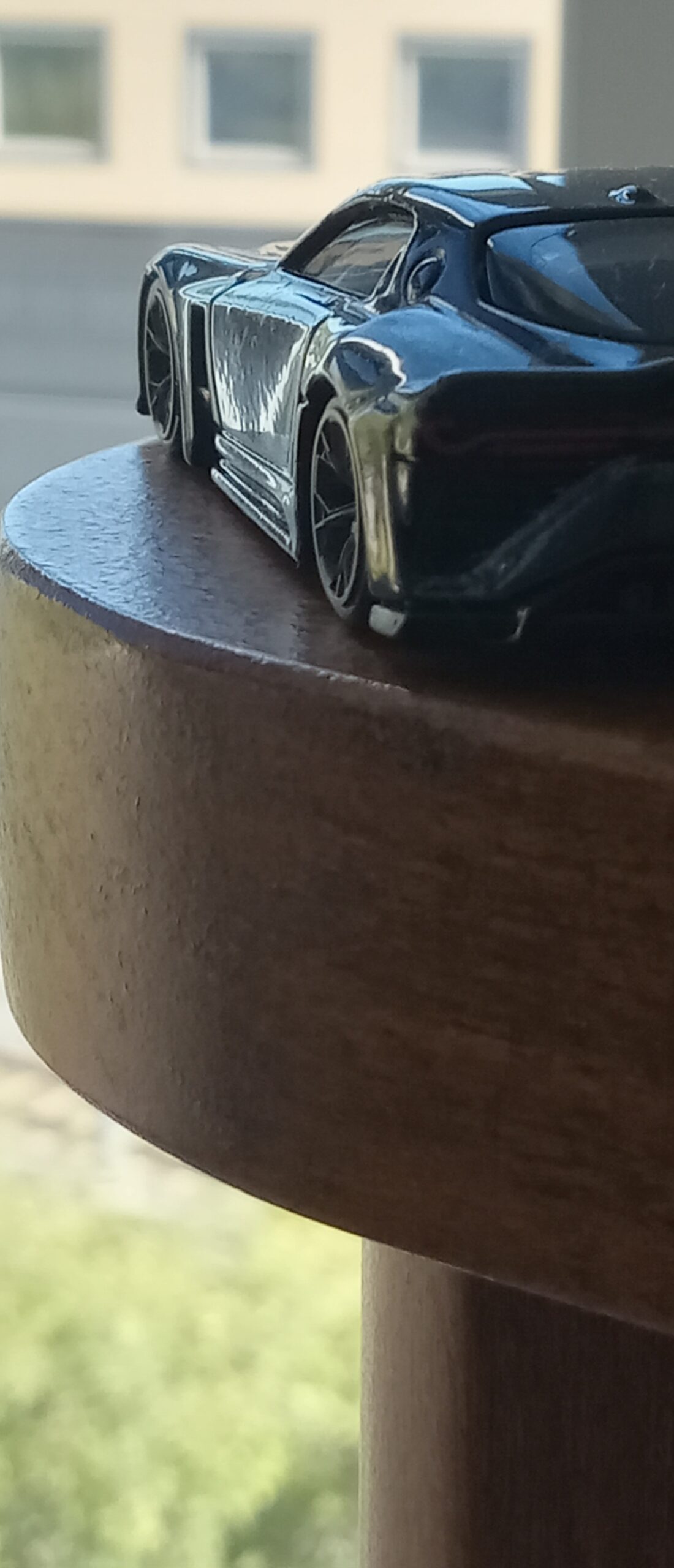
【強烈ウエッジーー>水滴型】
n
N
*前が細いくさび形+
*キャビン以降は後ろが細い水滴型=
*自動車的均衡の美学【MR車】
極めてシンプルな奥義ですが、
今後の記事の執筆に役立てていきたいです、
願わくば、
更に本質的な奥義や、
繊細な決まりごとの発見につながればうれしいです。
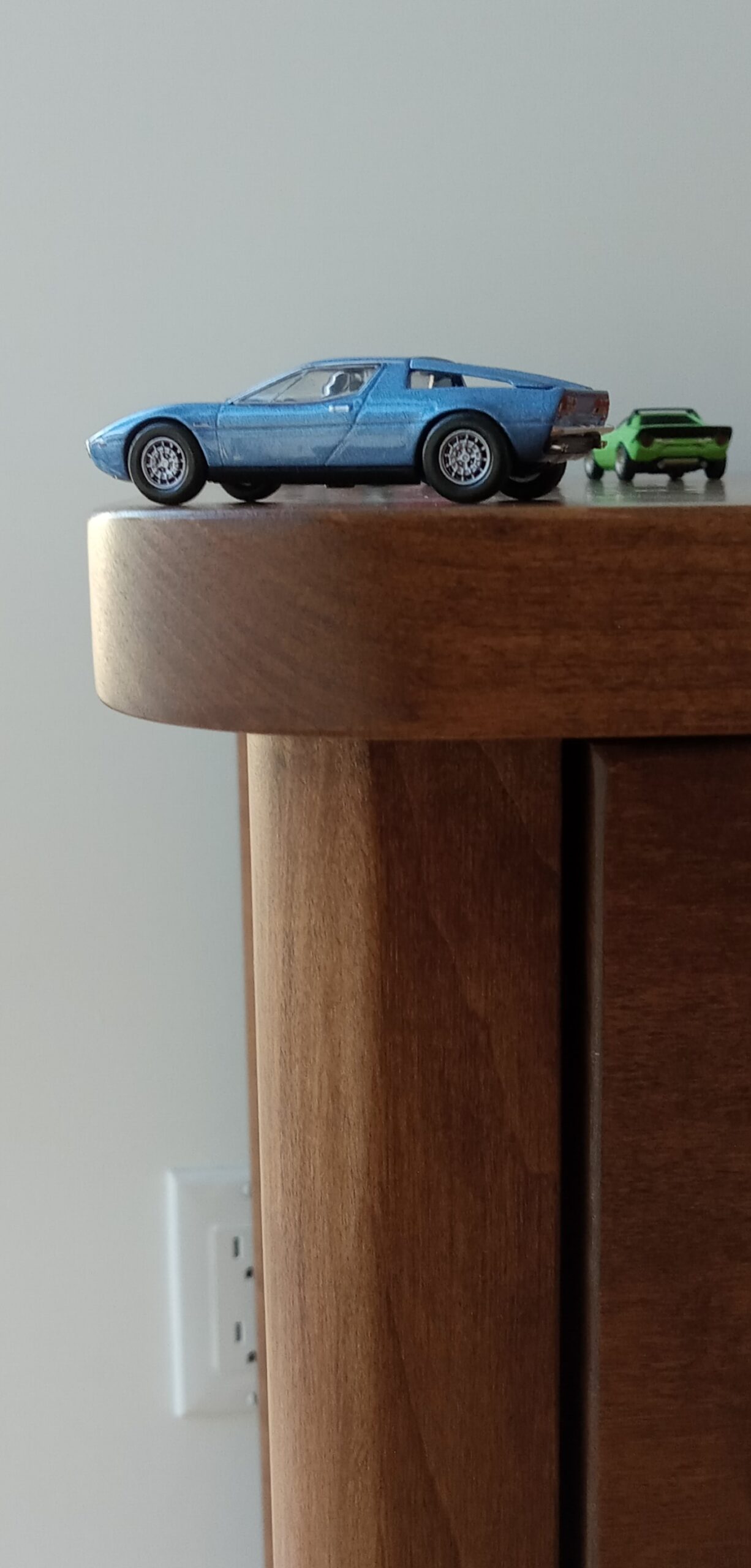
次回は【スーパーカーの変遷】第001回:
マセラッティ・メラクSSに付いて
書いてみたいです。
本ブログと記事内容につきまして:
ブログ記事を書くにあたり私の目標は、立体造形(料理も含めて)とのかかわりを通じて、私個人の特徴的(ネジ曲がり方も含めて)な評価軸を解明することで、「美しさ・
美味しさ」に対する好奇心や、探求心を、どのように満足・充足させてきたのかを明記しておくことです。
従いまして、記事の中に出てくる、数字や年号、微細なデータなどには細心の注意を払っておりますが、時に大きな間違いや勘違いを犯していることも考えられます。特に自動車記事における主要諸元や、年号などには紛らわしいものも多く、あくまで参考程度に考えていただければ幸いです。
私としては、記事の中で個人的な外観デザインや味覚の評価、そこから広がる後半部分につなげるための、『流れ』を作るための客観的材料として年号やデータを挿入している感じです。あくまで重視したいのは、私個人の頭の中で起こる、記憶の錯そう的混沌から生まれる新たな『見方』や『情報の予想外のつながり』です。その勢いを作り出す、『流れ』の一環として、諸データが副次的に必要となるわけです。
話がそれますが、大好きな落語の世界に「三題噺」という、その場て会場から募った3つのお題を使って1つのお話に仕立てるといったお遊びがございますが、私はそれに近いことを立体造形の特徴や(料理のお味)をお題にして行っている感じがします。その中で頭の中に去来する数々の着想が、全く予想外で楽しく、次回からの記事内容を大幅に変えたり、新展開につながっています。
当ブロブの仕組み:
『好奇心の点と線 x 気まぐれ脳内回路=予想外の新展開』
こんな自分勝手なブログですが、今後ともよろしくお願いいたします。
追記:上記の『流れ』を作る為に必要な写真はできる限り、個人所有のミニカー・自前の料理などを使い撮影しておりますが、その他の必要最小限の図版や写真を他のブログ主様の記事や諸会社ホームページなどからお借りしております。(記事内容に合うよう加工させていただき、使用時は最小の解像度で載せております。)問題がある場合、ご連絡いただければ直ちに降ろさせていただきます。
追記2:当ブログ記事に掲載のミニカー写真等(個人撮影)は許可なしで、どのようにお使いいただいても結構です。私個人の創造性はこの世のもの、と言う認識の上で記事を製作しています。
!!!!!!!!!!!!!!!!!!!!!!!!!!!!!!!!!!!! Translated in English !!!!!!!!!!!!!!!!!!!!!!!!!!!!!!!!!!!!
(Miniature car used for photography: Tomica Standard Series Toyota GR GT (Gunmetal) —— Modifications: Removed the rivets, split the body into upper and lower sections, adjusted the tracks on the 3D-printed custom wheels purchased on eBay, and spent three hours fine-tuning the axle height to create a slight forward tilt.)
Favorite Car Designs: Part 63—The Lineage of 2-Door Coupes: Part 42 (Final Installment) [Japanese Cars: Toyota Edition Part 2] Toyota GR GT, 2027 [Scheduled for Release] (Blueish Gunmetal) [Morizo-Style (Dragon) · A Symbol of Toyota’s Ikenkyu] Toyota GR GT, 2027 (Blueish Gunmetal) [Akio Toyoda’s Racer]
For this 63rd installment, titled “The Lineage of 2-Door Coupes, Part 42 [Final Episode],” I’d like to discuss luxury 2-door (GT) coupes and roadsters, which strongly reflect the national characteristics and unique exterior design styles of various countries. [Note: Includes convertibles]
I’ll proceed as follows.
In this final installment, we’ll finally cover
[Japanese Cars: Toyota Part 2-003]
We’ll be discussing the
Toyota GR GT [Scheduled for Release] (bluish gunmetal),
which is scheduled to go on sale in 2027 or later.
[The Lineage of 2-Door Coupes (42 Episodes + Alpha): Table of Contents]
[American Cars]
Part 1: Cadillac El Mirage, 2013 (Metallic Red)
Part 2: Lincoln Continental MK4, 1972 (Black)
Part 3: Mercury Cougar, 1967 (LT Metallic Green)
[German Cars]
Episode 4: MB 500K Special Roadster, 1936 (Black)
Episode 5: MB 300SL Roadster, 1957 (Silver)
Episode 6: MB SLS AMR Gullwing, 2010 (Black)
[British Cars]
Episode 7: McLaren F1, 1992 (Metallic Orange)
Episode 8: Jaguar XKSS Roadster, 1957 (Royal Blue)
Episode 9: Jaguar XKR Coupe, 1996 (Dark Metallic Green)
[Japanese Cars / Nissan Edition]
Episode 10: Nissan First-Generation Silvia, 1965 (Champagne Gold)
Episode 11: Nissan 5th-Generation Silvia, 1988 (LT Metallic Green)
[Italian Cars]
Episode 12: Ferrari 250TR Pontoon Fender, 1958 (Red)
Episode 13: Ferrari 250GTO, 1962 (Italian Red)
Episode 14: Lamborghini Concept S, 2005 (Pearl White)
[Japanese Cars: Mazda Edition]
Episode 15: Mazda Cosmo Sport, 1968 (Racing White)
Episode 16: Mazda Eunos Cosmo, Type-S (Two-Tone: Black & Gray)
[French Cars Edition]
Episode 17: Bugatti Type 59, 1935 (French Blue)
Episode 18: Citroën SM, 1970 (Champagne Gold)
Episode 19: Bugatti La Voiture Noire, 2019 (Black)
[Japanese Cars: Toyota Edition]
Episode 20: Toyota/Yamaha 2000GT, 1967 (Ivory White)
Episode 21: Toyota 2nd-Generation Soarer, 1986 (Crystal White II)
Episode 22: Lexus LC500 [GWZ100], 2017 (MT Red)
[American Cars Part 2]
Episode 23: Dodge Challenger, 1970 & Plymouth Barracuda, 1971
Episode 24: Dodge Viper SRT-10 ACR, 2008 (Black)
Episode 25: Ford Shelby GR-1 Concept, 2004 (Chrome)
[Japanese Cars: Mitsubishi Edition]
Episode 26: Mitsubishi Galant λ, 1976 (Brown Metallic)
Episode 27: Mitsubishi Eclipse [North American Spec], 2006 (Orange Metallic)
[German Cars Part 2]
Episode 28: BMW M635CSi, 1984 (Dark Metallic Blue)
Episode 29: Mercedes-Benz 560SEC AMG 6.0 Widebody, 1989 (Black)
Episode 30: BMW M2 with Genuine Performance Parts, 2025 (Neon Lime)
Episode 31: First-Generation Audi TT, 1998 (Lake Silver Metallic)
[Japanese Cars: Subaru Edition]
Episode 32: Subaru Crosstrek XV, 2012 (Lime Green Metallic)
[British Cars Part 2]
Episode 33: Lotus First-Generation Elite, 1959 (British Green)
Episode 34: Lotus Elan S4 Sprint (3-tone: Meta Blue, White & Gold)
Episode 35: Jaguar E-Type Roadster (Light Blue Metallic)
[Japanese Cars: Honda (Lightweight Sports Cars)]
Episode 36: Honda S800, 1966 (Scarlet)
Episode 37: Honda “Wonder” Civic Si, 1984 (Super Red)
Episode 38: Honda Beat, 1991 (Samba Yellow)
[Italian Cars Part 2]
Episode 39: Lancia Gamma Coupe, 1976 (Grigio Argent (Silver))
[Japanese Cars: Toyota Part 2]
Episode 40: Toyota Corona Hardtop 1800GT-TR, 1982 (Blazing Red)
Episode 41: Toyota GR Supra, 2019 [DB Series, A90/A91] (Volcanic Ash Gray Metallic [Silver])
Episode 42: Toyota GR GT, 2027 and beyond [planned] (Gunmetal)
[Italian Cars Part 3: Special Edition]: The Supercar Lineage
Episode 1: Maserati Merak SS, 1975 (Blue Sera Metallic)
Episode 2: Lancia Stratos HF, 1973 (Rosso Stratos)
Episode 3: Lamborghini Miura SV, 1971 (Rosso & Oro / Red & Gold)
Part 4: Ferrari Dino 206 Competizione Prototipo (Giallo Frai/Yellow)
Part 5: De Tomaso Pantera GTS, 1971 (Rosso/Red & Matte Black)
Part 6: Ferrari LaFerrari, 2013 (Rosso Corsa (Red))
[American Cars #3: Special Edition]: The Corvette Lineage
Part 1: 1967 Stingray [C2] Convertible (Hardtop, Metallic Blue)
Part 2: 1972 Corvette [C3] Convertible (Metallic Blue)
Part 3: 1984 Corvette [C4] Coupe (Bright Red)
Part 4: Corvette Indy, 1986 [Mid-ship Prototype] (Silver)
Part 5: Stingray Concept, 2009 [FR Sports Prototype] (Light Blue Metallic)
#An Endless Obsession with Internal Combustion Engines and FR Chassis ——> “Morizo: The Final Stop on the Journey”?
In the spring of 2026, Toyota
suddenly announced three supercars…
* Toyota GR GT (Production Road Car)
* Toyota GR GT3 (Motorsports-Exclusive Racing Car)
* Lexus LFA Concept (Next-Generation EV Sports Car)
Each carried a tremendous impact,
as if defying the looming wave of electrification—
the final showdown for internal combustion engine enthusiasts,
Among them,
* The elongated, distorted silhouette,
* The air vents lining the rear of the front fenders like bristling scales, and
* The holes and patchwork-like details applied all over the body—created without regard for aesthetics in the pursuit of ideal form—
present a presence
that resembles a “struggling dragon”!
What surprised me even more was the
refined “sharpness,” like a knife’s edge,
of the packaged drawings announced at the same time!!
With its outstanding
sense of sharpness,
I’d like to talk about Morizo’s serious offering: the “GR GT,”
in this manner.
* Real-Car Analysis:
* Exterior Design Features:
* “Me” and the GR GT
* Three-Theme Story: Shikinen Sengu, Morizo, Aerodynamic Performance
* Other “Serious Toyota Race Cars”…
* In light of “The Lineage of 2-Door Coupes [Final Episode]”…
* Real-Car Analysis: A production-based race car capable of driving itself to the track
Overview:
n
“Ultimate Functional Beauty” Born from a Racing Car Concept:
Toyota GR GT
n
n
The GR GT, Toyota’s flagship sports car, made its world debut with an eye toward a 2027 launch. This car overturns the conventional wisdom of building race cars based on production sports cars; instead, it was born from a reverse approach: “crafting a production car from a machine designed to win races.”
n
n
n
n
n
n
n
n
n
n
n
n
n
n
n
n
n
n
n
n
n
n
n
n
n
n
n
n
n
n
n
n
n
n
n
n
n
n
n
n
n
n
n
n
n
n
n
n
n
In this article, we focus on the extreme optimization of aerodynamic characteristics and weight distribution, and explain the essence of the mechanical structure and exterior design from two perspectives: that of the “designer” involved in this project and that of “Morizo,” who oversees the development.
n
n
1. The Designer’s Perspective: Organic Surfaces and Functional Proportions Shaped by “Aerodynamics First”
n
In typical production car development, exterior design sketches are created first, followed by repeated wind tunnel testing to optimize aerodynamics. However, for the GR GT, an “Aerodynamics First” process was adopted, in which the “ideal aerodynamic performance” is defined at the very beginning.
n
n
n
n
n
n
n
n
n
n
n
n
n
n
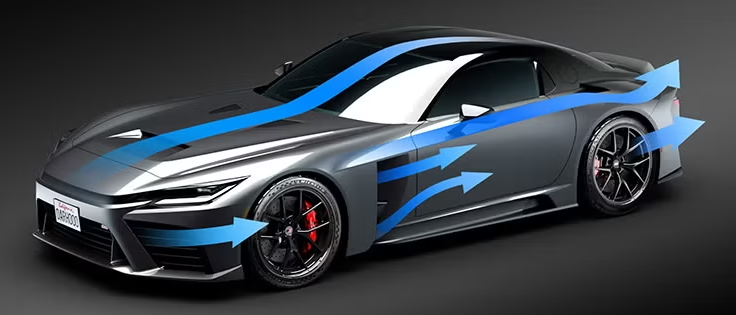
*An Exterior Shaped by the Ideal Flow of Air:
The lines flowing from front to rear are the very path of the wind itself. The ultra-long-nose, short-deck proportions are not merely a nod to nostalgic aesthetics; they are derived from the necessity of minimizing air separation, smoothly connecting to the front-mid-ship 4.0-liter V8 twin-turbo engine and the large louvers atop the front fenders.
n
*Visualizing the Mechanism That Holds It to the Ground:
The airflow beneath the body—flowing from the massive front splitter through the side skirts to the rear diffuser—generates powerful negative pressure beneath the vehicle, producing intense downforce while minimizing drag. The exterior panels, which strategically combine CFRP (carbon fiber-reinforced plastic) and aluminum, express function as beautiful, organic surfaces—much like the muscles of an athlete sculpted to their absolute limit.
n
N
n
n
n
n
n
n
n
n
n
n
n
2. Morizo’s Perspective: The Ultimate “Sense of Unity” Born from “Driver First”
n
Sitting in the cockpit of a machine that embodies “building even better cars rooted in motorsports” and gripping the steering wheel as the master driver “Morizo,” his commitment lies in thorough “ease of handling” and “interaction with the car.”
n
* Control of Another Dimension Born from the Golden Ratio: “45:55”
n
No matter how much power a car has, if its handling betrays the driver at the limit, it cannot be called a “good car.” The GR GT features a front-mid-ship layout with a lightweight V8 engine positioned deep within the front end. Furthermore, it employs a transaxle configuration that places the transmission and hybrid motor at the rear, achieving an ideal balance for a FR (rear-wheel-drive) sports car with a 45:55 front-to-rear weight distribution. This enhances the sense of road grip on all four wheels during braking and enables sharp cornering.
n
*Packaging That Becomes Part of Your Body
n
Toyota’s first-ever “all-aluminum frame” delivers overwhelming rigidity and significant weight reduction. Above all, it aligns the driver’s seating position (center of gravity) almost perfectly with the vehicle’s overall center of gravity. It creates an extreme sense of unity, as if the car were turning right beneath your seat. This packaging—where you can feel exactly how the tires are gripping the road directly through your palms and the seat—is the very essence of the “joy of driving” that Morizo pursued.
n
n
n
n
n
n
n
n
n
n
n
n
Summary
The GR GT is a vehicle that masterfully fuses, at the highest level, the “aerodynamics-first beauty” born of the designer’s determination with the “driver-first ease of handling” born of Morizo’s passion. With its overwhelming performance as a road-legal race car, it is sure to become a flagship model that leaves a new mark on Japanese automotive history.
n
n
n
n
n
n
n
n
n
n
*Three-view photos:
#Key Specifications:
Model: M117 Kai
Total Displacement: 3,998 cc V8 Twin-Turbo
Maximum Power: 650 ps or more
Maximum Torque: 850 Nm or more
Powertrain: Single-motor hybrid (transaxle)
Drivetrain: FR (front-engine, rear-wheel drive)
Seating Capacity: 2 passengers
Body Style: 2-door coupe
Wheelbase: 2,845 mm
Overall Length: 4,820 mm
Overall Width: 2,000 mm (*2,050 mm for the GT3)
Overall Height: 1,195 mm
Curb Weight:
1,750 kg or less
*Exterior Design Features: Maximum Seriousness! A “Dragon’s Head” appearance engineered for racing victory!
Uncompromising
“Dragon’s Head”!!
This is my first impression of this insanely intense,
future Toyota car!!
Coincidentally, it reminds me of the three heads of
“King Ghidorah,”
who is rumored to appear in the movie “Godzilla: Minus 0.0,” released today (November 4, 2026)!!
So,
based purely on my own subjective opinions and biases,
I’ll list five key features of its exterior design.
1: The Honda S2000-esque wedge shape has been scaled up in the style of a GT3 racer, and the way ducts, vents, and panels have been added [without holding back] to optimize aerodynamics is simply incredible—it really got my heart racing. —— -→ It’s so compelling that details like [chest thickness or rear shape] become completely irrelevant
2: The courage to ignore the mid-ship layout and deliberately adopt the classic long-nose, short-deck FR proportions—> The unique [sloping rear] of the rear end creates a sense of sharpness
3: The overwhelming presence of the front and rear ends, born from the incredibly low overall height and a width exceeding 2 meters—> The contrast between the dragon’s face, brimming with rage as it confronts danger, and the rear profile—which, while suppressing its frustration, still shows respect for its opponent—is deeply meaningful. [A sense of heroism vs. a spirit of reverence]
4: The GR GT3—idealized for winning races—came first, and from there, the principles of 【Aerodynamics First】 & 【Driver First】 were derived through reverse engineering—> Morizo’s reverse-engineering approach: “Tailoring a production car from a machine built to win races.”
5: A rearward-shifted cabin position—a rare feature for Japanese cars—that pays homage to the North American racing scene of the 1960s—> A Japanese car riding the wave of the Cobra Daytona, Cheetah, successive Dodge Vipers, and the Mercedes-AMG SLS. [Morizo’s Revenge?]
Now then,
let’s go through the explanation with photos.
1: The Honda S2000-esque wedge shape has been scaled up in the style of a GT3 racer, and the feeling that ducts, holes, and panels were added [without regard for appearances] to achieve aerodynamic perfection is simply incredible—it really got my heart racing.
(Ironically, the “fluidity” of its future development—full of a “on-the-ground” feel, brimming with a sense of progress, and completely disregarding refinement, which is the exact opposite of organic, streamlined design—is itself quite organic…? lol)
---→ A persuasiveness that makes details like the thickness of the chest or the teardrop shape seem irrelevant
<https://yisell7777.com/archives/16768>
2: The courage to ignore the mid-ship layout and deliberately adopt the classic long-nose, short-deck FR proportions
--->The unique “drooping rear” of the rear end creates a sense of aggression
3: The overwhelming presence of the front and rear ends, born from an incredibly low overall height and a width exceeding 2 meters
―――>The contrast between the dragon’s face—filled with rage as it faces danger—and its rear profile—which, while suppressing its frustration, still shows respect for its opponent—is deeply meaningful. [A Sense of Heroism vs. a Spirit of Gratitude]
4: The GR GT3—idealized for winning races—came first, and from there, the principles of 【Aerodynamics First】 & 【Driver First】 were derived through reverse engineering.
――>Morizo’s reverse-engineering approach: “Crafting a production car from a machine built to win races.”
5: A rearward-shifted cabin position—a rare feature for Japanese cars—that pays homage to the North American racing scene of the 1960s
(Perhaps inspired by Morizo’s bitter experience at the Nürburgring…?)
——A Japanese car riding the wave of the ’62 Ferrari 250 GTO, the Cobra Daytona, the Cheetah, and the successive generations of the Dodge Viper [Morizo’s revenge?]
I can’t wait to see the actual car—
this is a Japanese car that has me “really” excited!!
Next,
I’d like to talk about the 【GR GT】.
* “Me” and the Toyota GR GT:
While listening to my favorite YouTube video,
[wAtARu-Esuni Nori]’s design critique,
wAtARu-Esuni Nori Designer [Car Design Explanation Ch.]
—<https://www.youtube.com/watch?v=oqwdaVcORI4>
I sensed the true nature of this car and the importance of its positioning,
and after poring over press photos and other materials,
I was deeply moved by the passion of “Mr. Morizo” (Akio Toyoda)
and the
capabilities of Toyota’s
engineering and
design departments
that brought his vision to life.
In it, I saw:
* Respect for internal combustion engines and the race cars that use them,
* a desire to release race cars as production vehicles!
*A fundamental, British “backyard builder” spirit,
*The “weekend garage” mentality—building cars in your garage and taking them straight to the track—
It recreated and encapsulated the “festive” elements of internal combustion engine cars
that emerged from the earliest days through the growth phase of automotive culture,
and I could keenly sense
that they had begun to “arm themselves”—or perhaps prepare—
for the coming era of electric vehicles.
Regarding those nuances,
Mr. Akio Toyoda—known as “Morizo”—
skillfully described it as a ritual—akin to
the “Shikinen Sengu” (the periodic relocation of the Ise Grand Shrine)—
for passing on the high-performance automotive technology
that Toyota has cultivated to the Mirai.
# 3D Model Experience of “The Palm”
* Takara Tomy, Tomica Standard Series, 1/65 die-cast ready-to-display model, Tomica GR GT, 2027 (Gunmetal)
(It sold out immediately upon release in the Japanese market, but I managed to secure one along with the Aliexpress Premium version of the GR GT3. Even though it’s part of the standard line, it perfectly reproduces every detail of the complex design—including the embossed logos—making it a triple-perfect model.
——> The familiar, somewhat odd 1/65 scale is actually very close to 1/64, giving it an outstanding sense of scale.)
(After swapping out the tires and wheels for 3D-printed ones, it transformed into a high-end die-cast car that’s two tiers above the rest.)
*Manufactured by GT Model, 1/64 die-cast ready-to-display model, Toyota GR GT3, 2027 (Gunmetal) [APAxpo Expo Venue Exclusive]
(Built on a high-quality three-dimensional frame, it features superb detail on par with resin-based mini-mini cars, plus exquisitely crafted tires and wheels
——> Once it arrives, I’ll take some photos and add them to this article.)
For now,
that’s about it for 3D models,
but it’s a field I’m looking forward to exploring further.
Well, sorry to keep you waiting! (lol)
It’s time for the “Three Great Topics.”
*The Three Great Topics: Shikinen Sengu, Morizo, and Aerodynamic Characteristics
n
n
n
Thank you again for another
wildly imaginative set of topics this time!
Well then, let’s get started—
I hope you’ll stick around for this one…
#Topics:
* Shikinen Sengu
* Morizo
* Aerodynamic Characteristics
#Underlying Theme: “Passing on the Legacy”
#Basic Prompt:
Please create an explanatory text in the rakugo format [Three-Topic Story] regarding the mechanical structure and exterior design of the Toyota GRGT (production model).
* Written from the perspective of a 2097 designer,
* featuring a back-and-forth conversation between an aerodynamics-obsessed AI racer/designer and
* a half-AI, half-human mechanic with a craftsman’s spirit [who speaks Nagoya dialect and is an archaeology buff specializing in Owari and Mikawa].
* Please also mention the racing version, the GRGT3, at some point.
* For the punchline, pick up on the underlying theme and deliver a double whammy: an intellectual twist followed by a Nagoya-dialect dad joke.
* Please also come up with a cool title for the story.
# Underlying Theme: “Passing on the Legacy”
# Topics: *Shikinen Sengu* *Morizo* *Aerodynamic Characteristics*
n
Title: “The Empty Robe and Bowl, the Palace of the Wind: At Kaneshiro Pier…”
m
m
[Setting]
2097, Neo-Nagoya. All former ground-level roads have been converted into aerial antigravity lanes (Maglev Streams), and self-driving cars dart back and forth like particles of light between clusters of skyscrapers. However, far below the surface, in the low-rise district of Deep Nagoya—once teeming with 20th-century factories—a cyberpunk “artisans’ quarter” stretched out, where holographic neon lights mingled with the smell of oil.
n
n
(The scene is set at the Kaneshiro Pier VR Circuit, Underground Dock No. 7. Amid blue sparks flying from the plasma pipes on the ceiling, a jet-black “GR GT” production model—three-dimensionally formed via hologram—floats quietly into view. Then, “AI Driver/Aero” glides smoothly into the scene.)
n
n
Aero: “Quantum simulation cycle 980 million complete. Well, well, Mr. Minamoto. The proportions of this Toyota GR GT (production model), while based on a 2020s framework, hold up even when reevaluated through the lens of 2097 quantum fluid dynamics…”
n
Aero: “Architecture, you say? I was sure you were going to talk about the optimal downforce solution at 400 km/h, given that sleek, tapered ‘Coke bottle’ line that flows so beautifully from the front fender to the door. The GRGT’s [aerodynamic characteristics] take the almost violent aerodynamic devices—such as the ‘extra-large swan-neck wing’ and ‘giant front splitter’—developed for the racing version, the GRGT3, and integrate them all into the ‘underbody Venturi effect’ and ‘active aero flaps’ for the production model. On the outside, it’s an elegant road car, but peel back the layers and it’s a GT3 machine through and through. It’s this duality that short-circuits the logic circuits of aerodynamics geeks!”
n
n
n
n
Gen-san: “That’s why I say you’re an AI (machine). Functionality that’s transformed directly into beauty isn’t something you only find in data on an LCD screen. Listen, Japanese tradition—it’s just like the ‘Shikinen Sengu’ ritual at Ise: keeping the form unchanged while completely renewing the essence. Every 20 years, they rebuild the shrine, passing on both the technology and the spirit intact to the next generation. This GR GT is exactly the same. In the 2020s, Akio Toyoda—known as ‘Morizo’—proclaimed, ‘We’ll build even better cars starting from motorsports,’ and let the GR GT3 run wild on the circuit. ‘Inheriting the legacy’—the analog driving characteristics, the data, and the blood and sweat of the craftsmen from that era—this 2097 production-model GR GT has been rebuilt with the latest carbon nanotube frame!”
n
Aero: “I see… ‘Inheriting the legacy.’ In other words, it’s that human concept of passing down the very essence of a predecessor’s philosophy and technology exactly as it is. Indeed, at the heart of the GRGT—the twin-turbo mechanism mounted in the front-mid-ship position—is a hydrogen hybrid that goes out of its way to perfectly recreate the pulsation of an internal combustion engine, even in this year of 2097 when full electrification (EV) has reached its peak. The ultra-lightweight, low-center-of-gravity design and the exquisite front-to-rear weight distribution are a modern, quantum-controlled refinement of that ‘wild sensation’ that Mr. Morizo loved so much.”
n
Gen-san: “Yes, that’s exactly it! That sensation when Morizo-san gripped the steering wheel and drove with all five senses as the ‘Master Driver.’ That legacy has been carried on by AI racers like you in 2097, while a half-human mechanic like me tightens the laser wrench with the traditional spirit of Mikawa blacksmithing. The form may have changed, but the soul has been ‘reincarnated’—not just 20 years, but even after more than 70 years. This sleek design, which deflects anti-gravity streams, is truly the crystallization of that history.”
n
Aero: “…Come to think of it, Gen-san, I remember when you made me tag along for the development tests of this car’s racing version, the GRGT3. It was an endurance race in the bitter cold of winter. I remember how, backstage in the pits, you couldn’t stand the cold anymore and did something completely outrageous.”
n
n
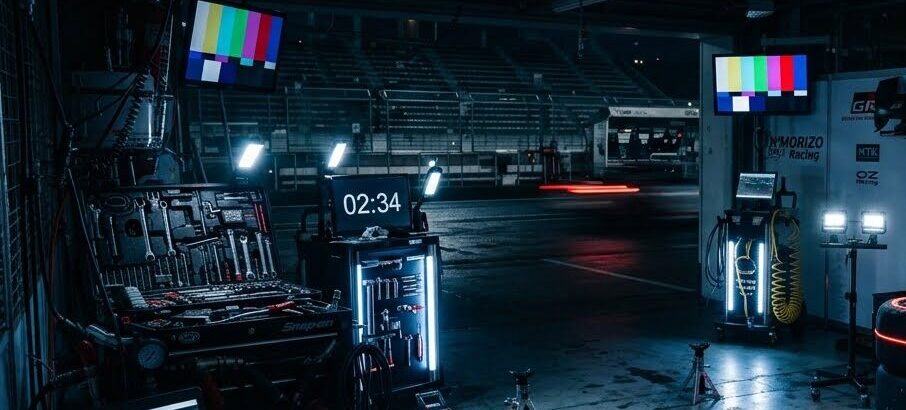
Gen-san: “Oh yeah, I remember that! Back then, out of a mechanic’s pride, to ward off the cold, instead of using a holographic heater, I hauled a real ‘hibachi’ right into the middle of the pit and we all warmed ourselves around it.”
n
n
Aero: “That’s an unbelievable act of barbarism! This is a high-tech pit in the late 21st century, you know? It’s all well and good to carry on Morizo-san’s passionate spirit, but there was no need to bring out such a primitive heat source. Plus, letting charcoal smoke billow right next to the precision quantum sensors used to measure the car’s aerodynamic characteristics—that’s the very enemy of aerodynamics, a data thief!”
n
Gen-san: “Nonsense! That’s not just to ward off the cold. The beauty of the ‘glowing embers’ in the brazier, the meticulous care taken with the ashes… That is precisely the spirit of a craftsman’s ‘hospitality’—just like the Ise Grand Shrine’s Shikinen Sengu ritual—where we preserve the old while passing down our techniques to the next generation!”
n
Aero: “That’s just sophistry! Do you remember what the team manager said—utterly dumbfounded—when you were clutching that brazier so preciously during the test and handed it over to the next generation of young mechanics?”
n
Gen-san: “Hm? What did the manager say again?”
n
Aero: “…‘Hey, Gen-san! What we really need to pass on to the next generation in this GRGT3 race isn’t that brazier—it’s the tradition!’”
n
Gen-san: “…Ta-da!”
n
Aero: “…So, did that wrap things up nicely? ”
n
Gen-san: “Hahahaha! You, for an AI, sure know how to log the perfect closing line!”
n
n
n
n
n
n
That’s all for now!
n
n
n
n
n
n
n
n
n
n
n
n
n
n
n
n
n
n
n
I’ve incorporated sci-fi details from the year 2097, such as “cybernetic eyes” and “antigravity lanes,” to make the contrast with the retro brazier stand out even more.
Based on the story of this unlikely duo, is there anything else you’d like to try?
Using the dialogue from this rakugo performance as a basis, I’d like to try generating a visual (image) of a GRGT (Production Model) standing in the underground dock of Neo-Nagoya in 2097
Expand on the description of the sci-fi systems inside the GRGT’s cockpit from the AI racer’s aerodynamic perspective
If you have any requests for the next steps, please let me know!
* Other “Serious Toyota Race Cars”…
(Miniature car used for photography: Manufactured by GT Model, 1/64 die-cast ready-to-display model, Toyota GR GT3, 2027 (Gunmetal) [APAxpo Expo Venue Exclusive])
* 1966 Toyota 2000GT: Car used for the ultra-high-speed endurance trial
(Equipped with large wheels and tires (made by Carroll Shelby) on a wider track than the standard 2000GT, its powerful stance gives it a special, almost divine aura.
——> I was blown away by the unique paint job and the dusty look in the photos.)
*2018 Toyota GR Supersport Concept: Challenging the Ultra-High-Speed Endurance Trial
(I was more drawn to the flowing form of this concept version than to the final production model that actually raced at Le Mans
――> The “side panel” running along the center of the body, around the belly, is the key feature.
*2026 Toyota GR GT3 (GT3 Racing Car Concept)
(In this article: The racing version of the GR GT—the zigzag pattern of the air vents on the front fenders is a “detail you can’t get enough of” (lol))
—> It’s amazing how little difference there is from the production model!
The sheer presence of the rear wing is like the main beam of a shrine!!)
(This is the “GR GT3 Concept” from 2022)
([Round 3/8, Motegi: Practice Day] The much-anticipated GR GT3 Concept takes to the track for the first time)
*In conjunction with “The Lineage of the 2-Door Coupe [Final Installment]” —> What does it mean to inherit the secrets of FR/MR?
(Side views of all 42 cars!!)
Over the course of 10 months, from January to November 2026,
after observing and reporting on the exterior designs of a total of 62 “2-door coupes,”
I identified recurring themes, trends, and sensibilities,
which led to the following insights and discoveries:
My Personal, Most Important Observations:
* The impulse toward streamlined design = Rediscovering the sculptural aspect of high-speed driving
* An organic, “palm-like” sensation = The latent spirit of craftsmanship
* The allure of FR proportions = The irresistible pull of the classical
* A new discovery: “Toxicity ≈ Bitterness” = A bridge to curiosity and the unknown
* The contrast between “dynamic impulse” and “elegant stability”
* The insertion of a playful “sense of humor” ≈ delightful surprise
* The inescapable presence of violence and addictiveness in “speed, death, and sex”
* Essential elements: advanced nature, innovation, harmony, diversity, and self-reflection
Within this, the decisive
“Core Secret”
is ≒ “The Two Cornerstones of Automotive Exterior Design.”
#Secret 1 “FR Automotive Aesthetic Theme”:
[Thick front end → Teardrop shape]
*Thick front end +
*Tapered rear in a teardrop shape =
*Automotive Aesthetics [FR Cars]
Although this concept can be expressed in just three simple characters,
personally, I see it as a
reward for having written this article up to this point.
<https://yisell7777.com/archives/16768>
And this time, I’d like to add something new:
the secret art of MR [mid-ship] cars.
#Secret Art 2: “The Aesthetic Theme of Mid-Ship Cars”
n
[Intense Wedge Shape → Teardrop Shape]
n
N
*Narrow, wedge-shaped front +
* A teardrop shape that tapers toward the rear from the cabin onward =
* The Aesthetics of Automotive Balance [MR Cars]
It’s an extremely simple secret,
but I hope to put it to good use in my future articles.
I hope that,
if possible,
this will lead to the discovery of even more fundamental secrets
and subtle rules.
Next time, in [The Evolution of Supercars] Part 001:
I’d like to write about
the Maserati Merak SS.
Regarding this blog and its content:
My goal in writing these blog posts is to clarify my personal, distinctive criteria for evaluation—including my somewhat quirky perspectives—as shaped by my involvement with three-dimensional art (including cuisine), and to document how I have satisfied and fulfilled my curiosity and desire to explore “beauty and deliciousness.”
Consequently, while I pay meticulous attention to the numbers, dates, and detailed data that appear in my articles, it is possible that I may occasionally make significant errors or misunderstandings. In particular, key specifications and dates in automotive articles can often be confusing, so I would appreciate it if you would consider them for reference only.
For my part, I feel as though I’m inserting dates and data into the articles as objective material to create a “flow” that connects my personal assessments of exterior design and taste to the broader themes explored in the latter half of the piece. What I ultimately prioritize are the new “perspectives” and “unexpected connections between pieces of information” that emerge from the chaotic jumble of memories in my own mind. The various data points are needed secondarily as part of that “flow” to generate that momentum.
As a slight digression, in the world of rakugo—which I love—there’s a playful format called “sandaibana,” where a performer weaves a single story using three topics solicited on the spot from the audience. I feel like I’m doing something similar here, using the characteristics of three-dimensional sculptures and (the flavors of dishes) as my prompts. The countless ideas that flit through my mind during this process are completely unexpected and delightful; they often drastically change the content of future articles or lead to new developments.
How This Blog Works:
“Spots and Lines of Curiosity x Whimsical Mental Circuits = Unexpected New Developments”
This blog may be a bit self-indulgent, but I hope you’ll continue to follow along.
Note: To create the “flow” described above, I take as many of the necessary photos as possible using my own miniature cars and home-cooked meals. However, I do borrow the absolute minimum of other illustrations and photos from other bloggers’ posts and company websites. (I edit them to fit the article’s content and post them at the lowest possible resolution.) If there are any issues, please contact me, and I will remove them immediately.
Addendum 2: You are free to use the photos of die-cast cars and other images (taken by me) featured in this blog’s posts in any way you like without permission. I create these posts with the understanding that my personal creativity is my own.
Translated with DeepL.com
Translated with DeepL.com

これはCTAサンプルです。
内容を編集するか削除してください。