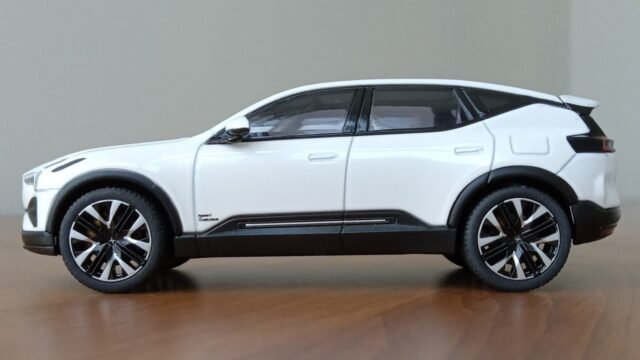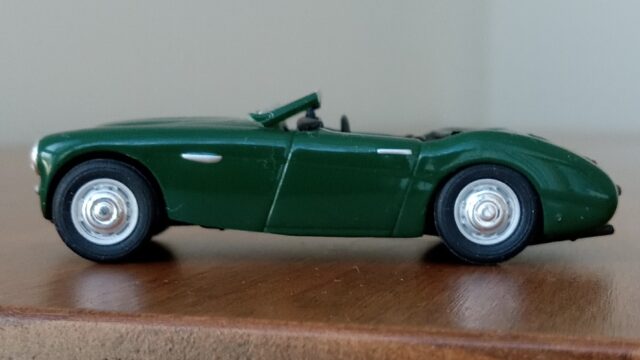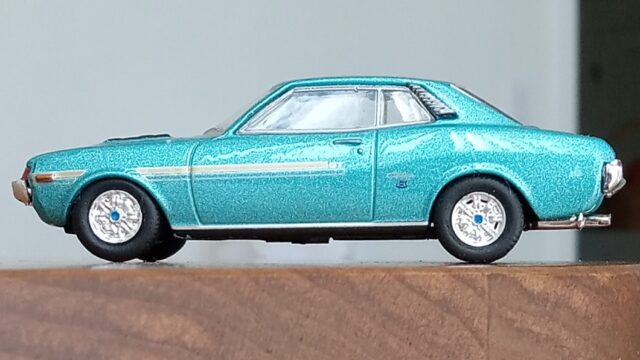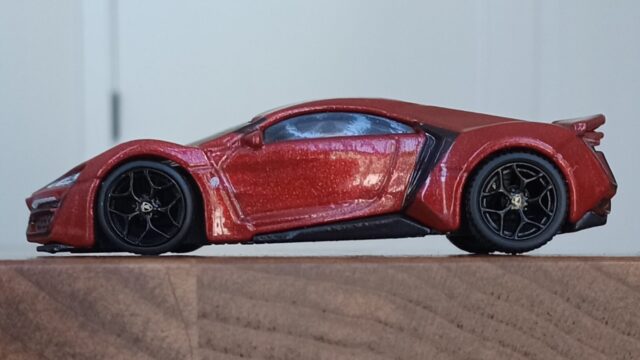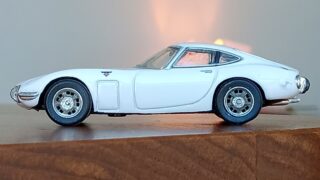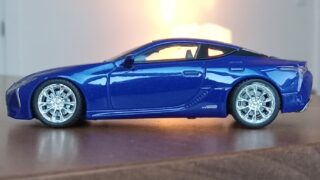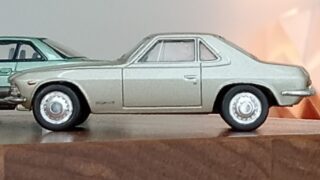
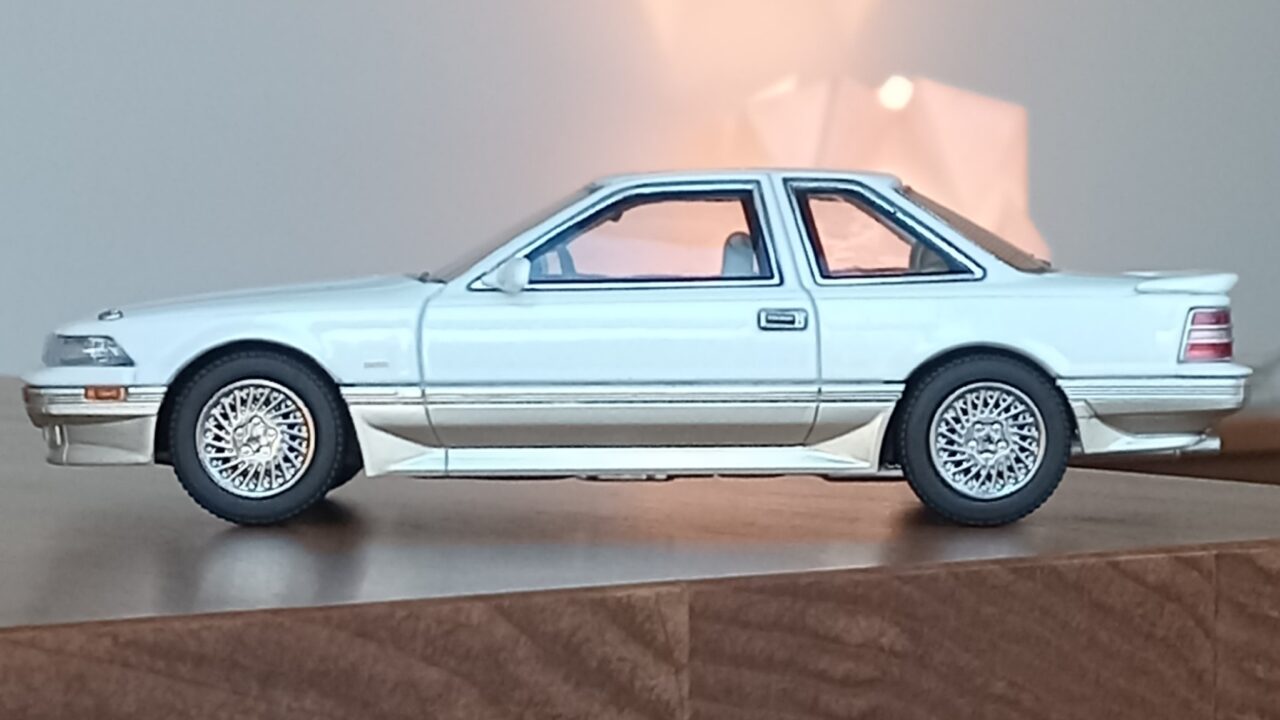
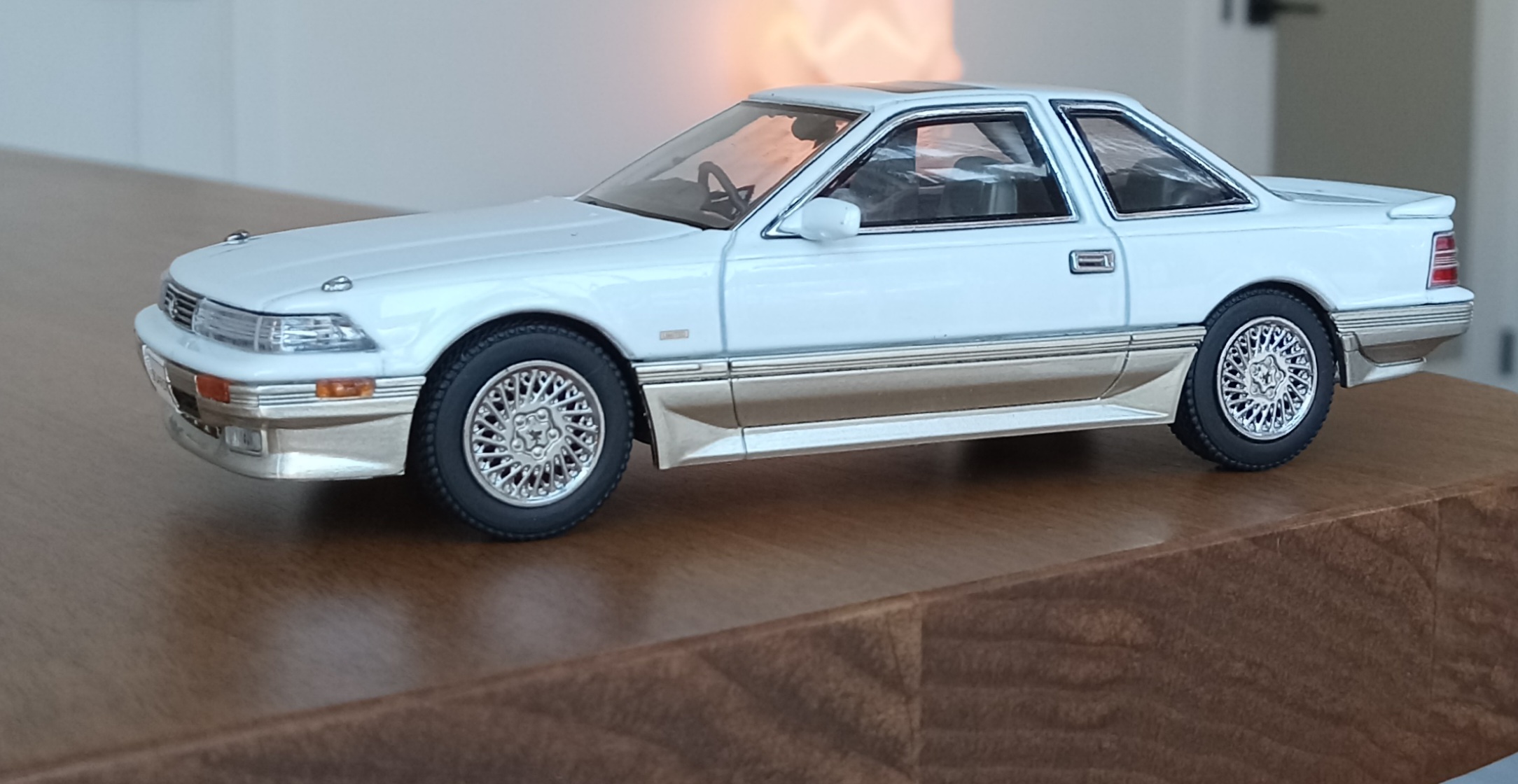
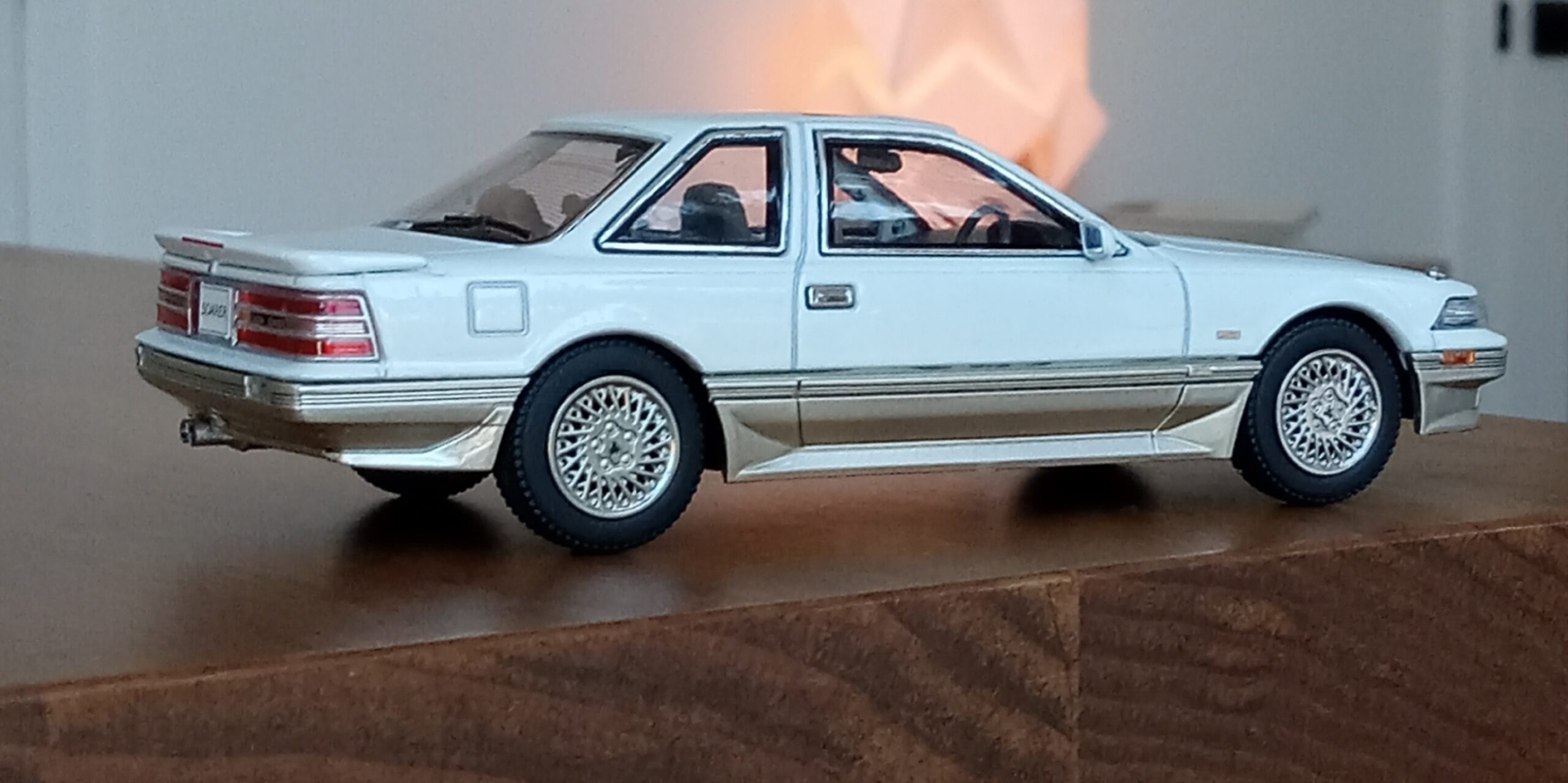
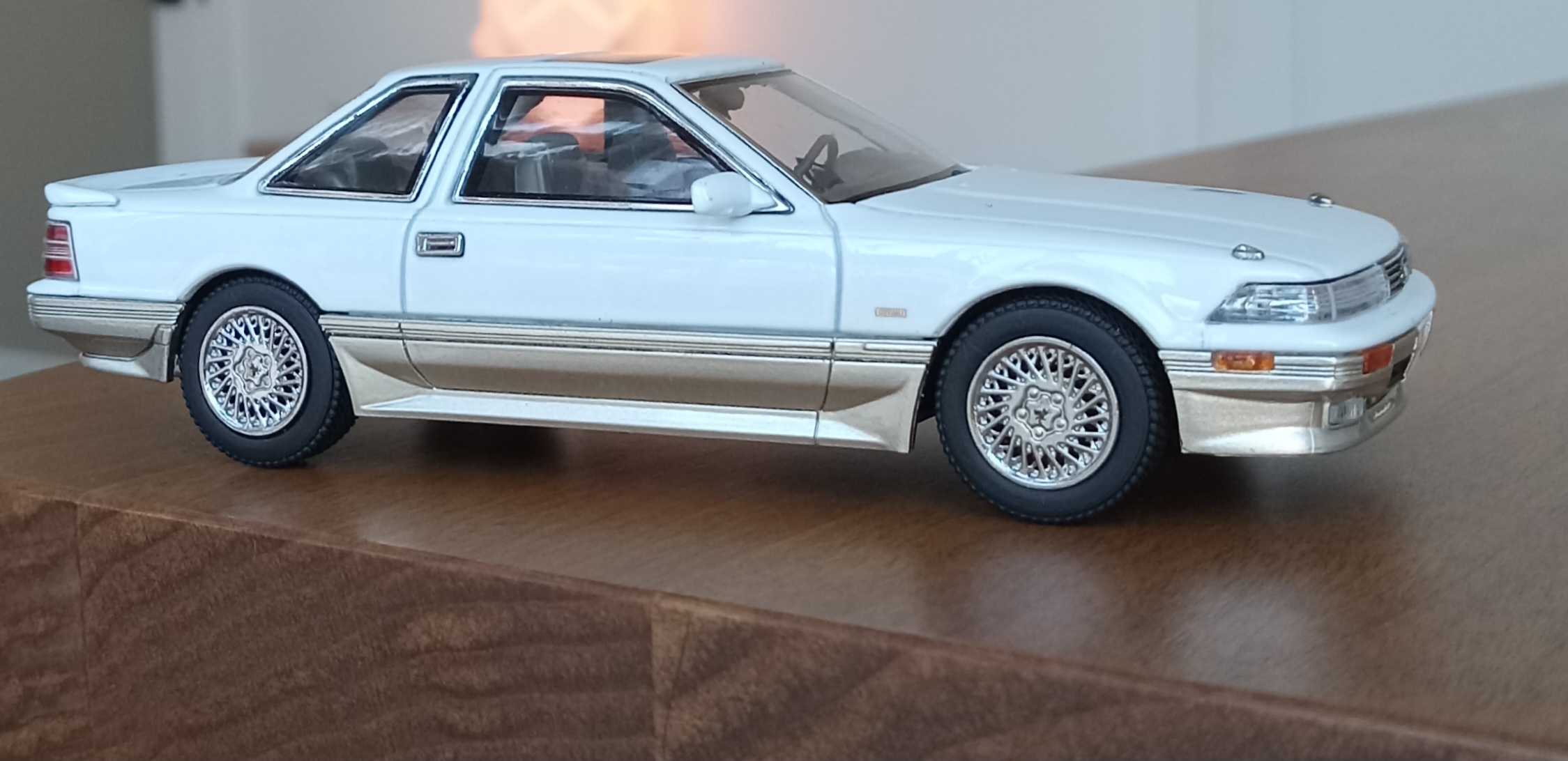
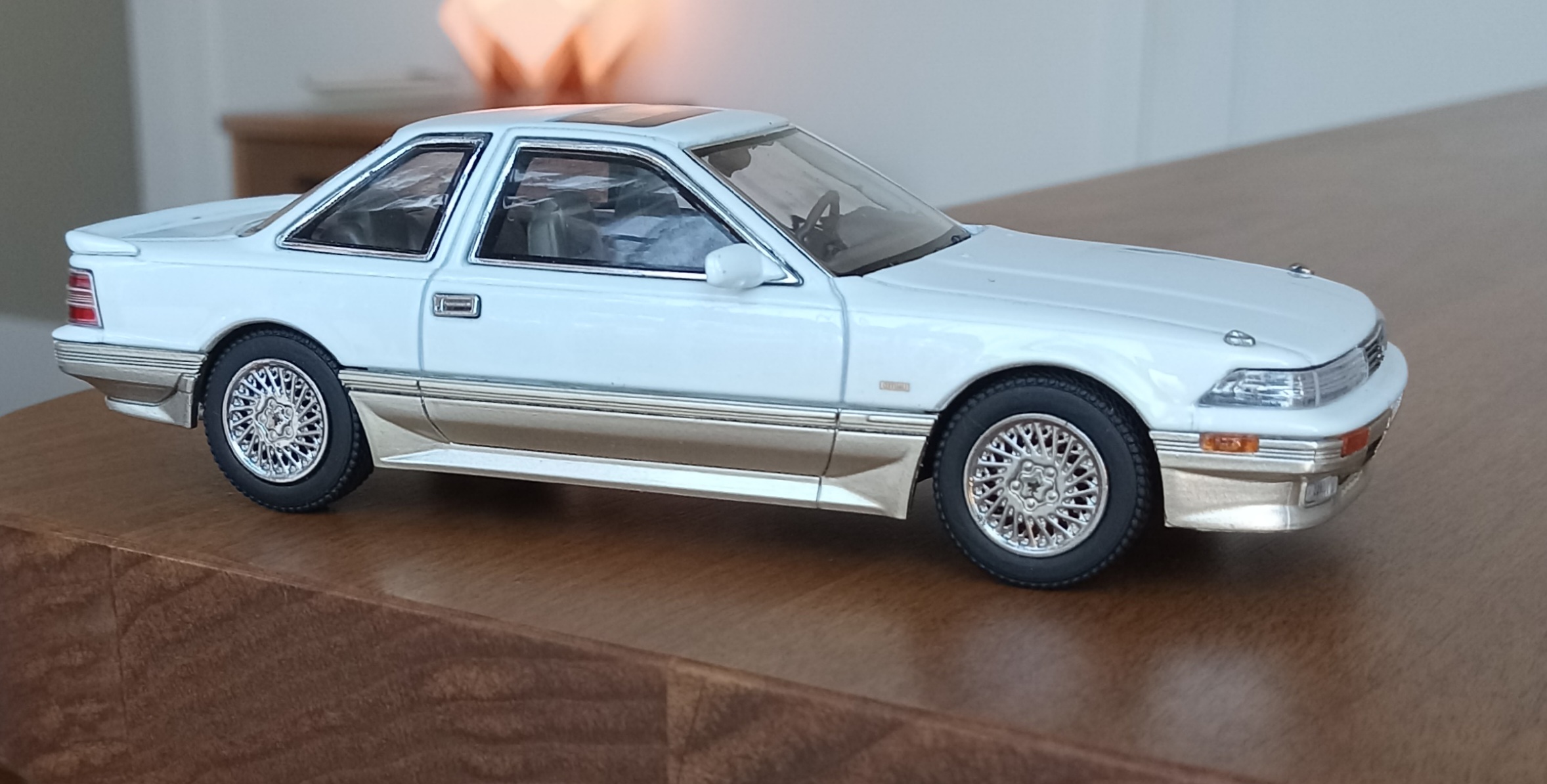
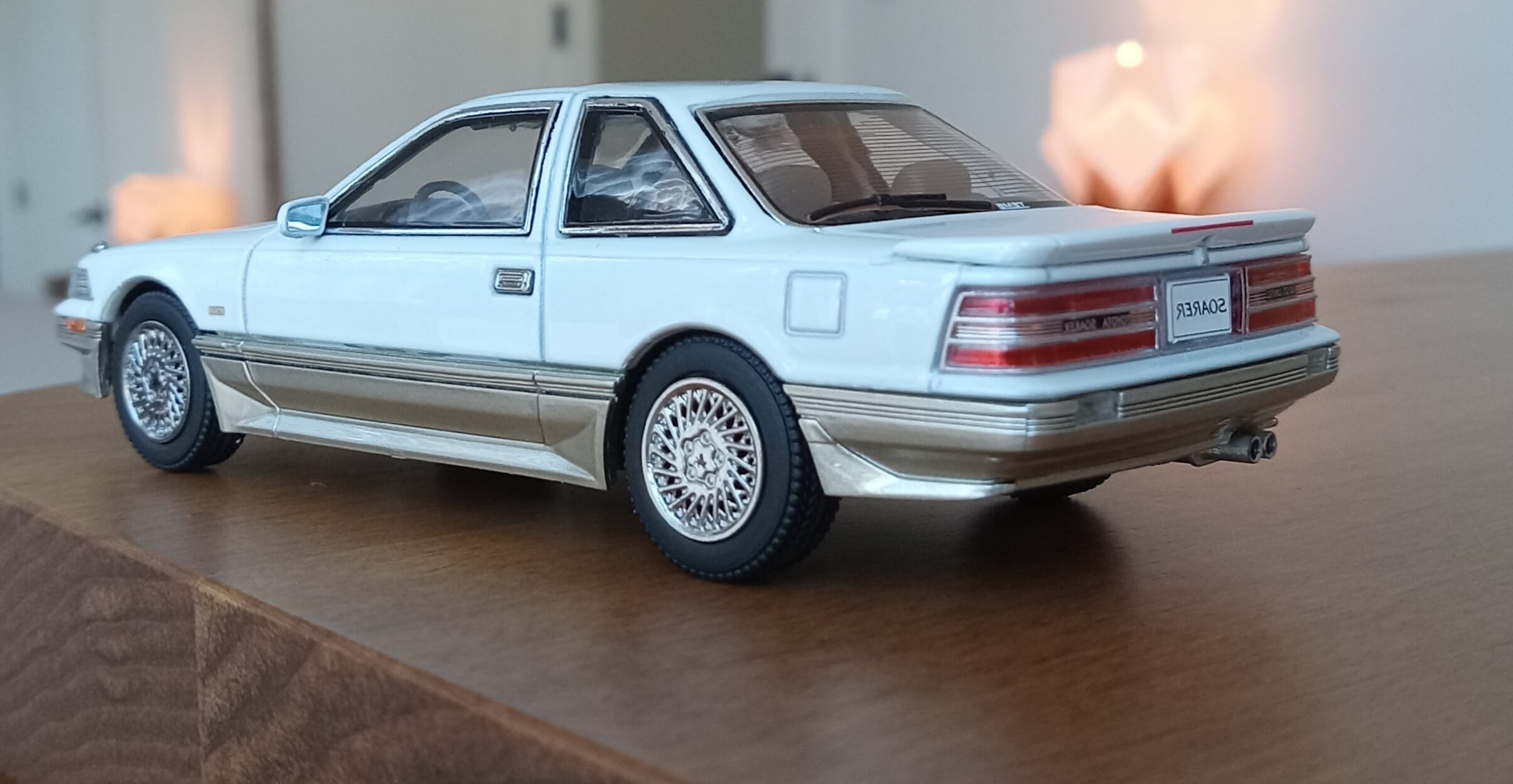
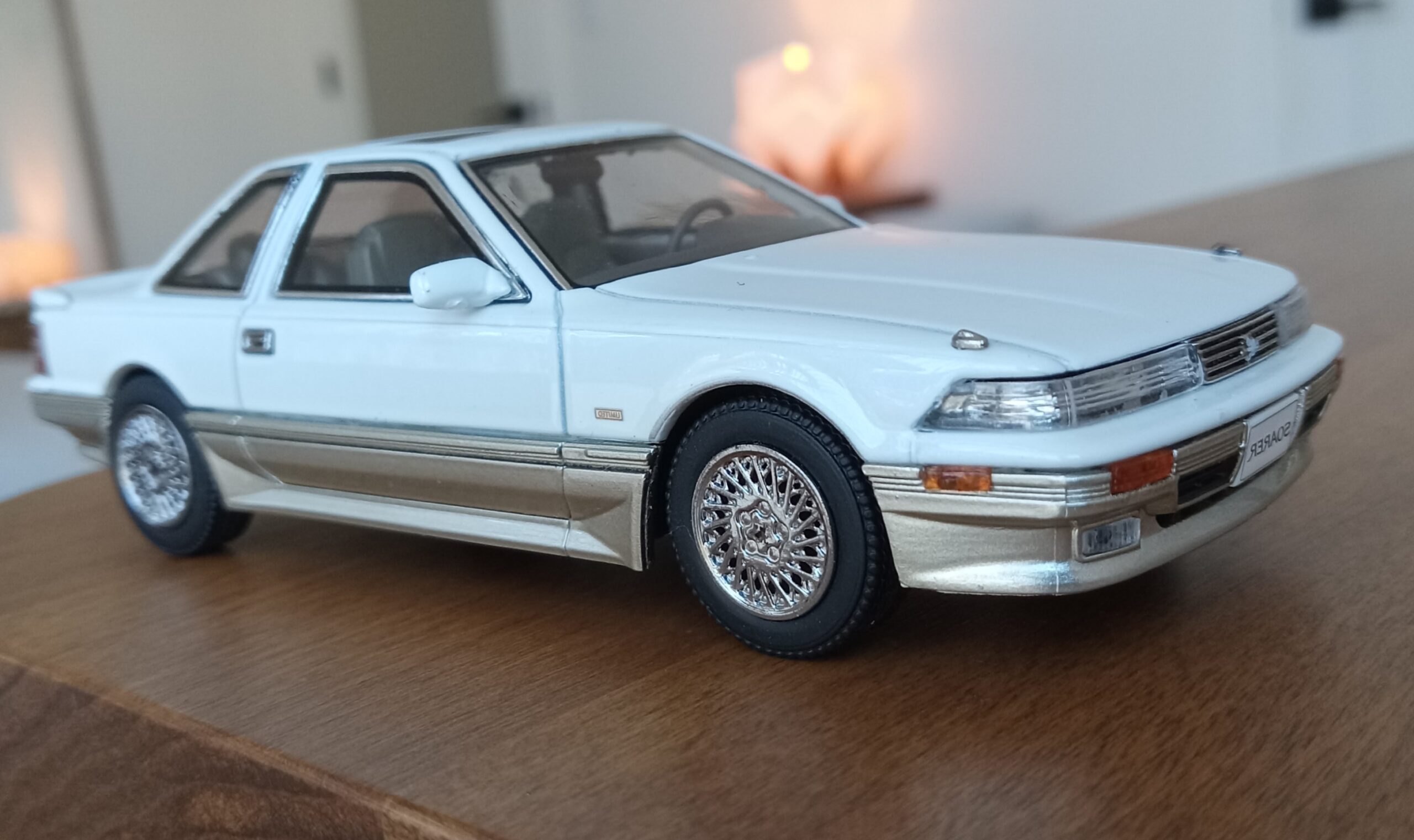
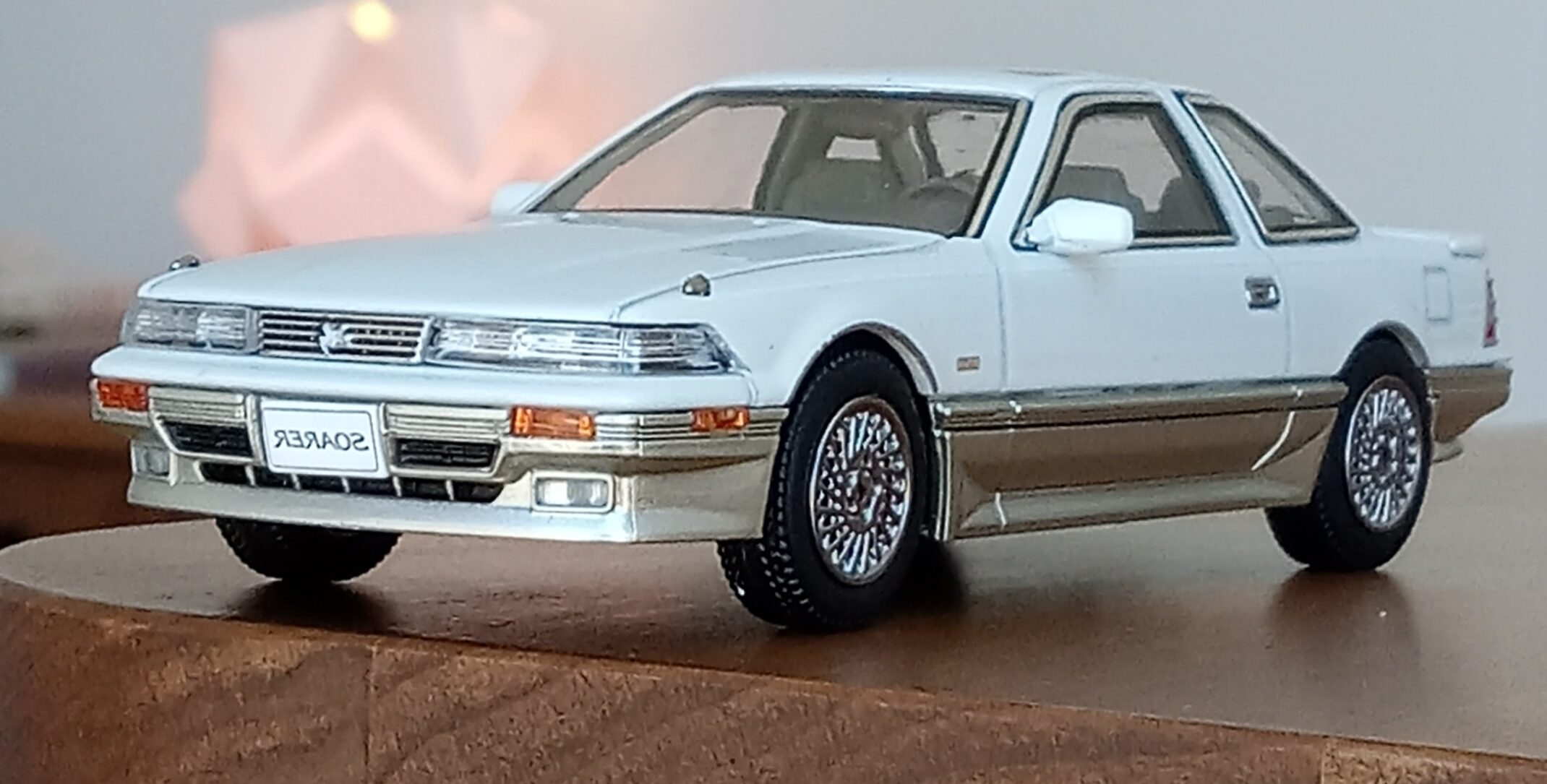
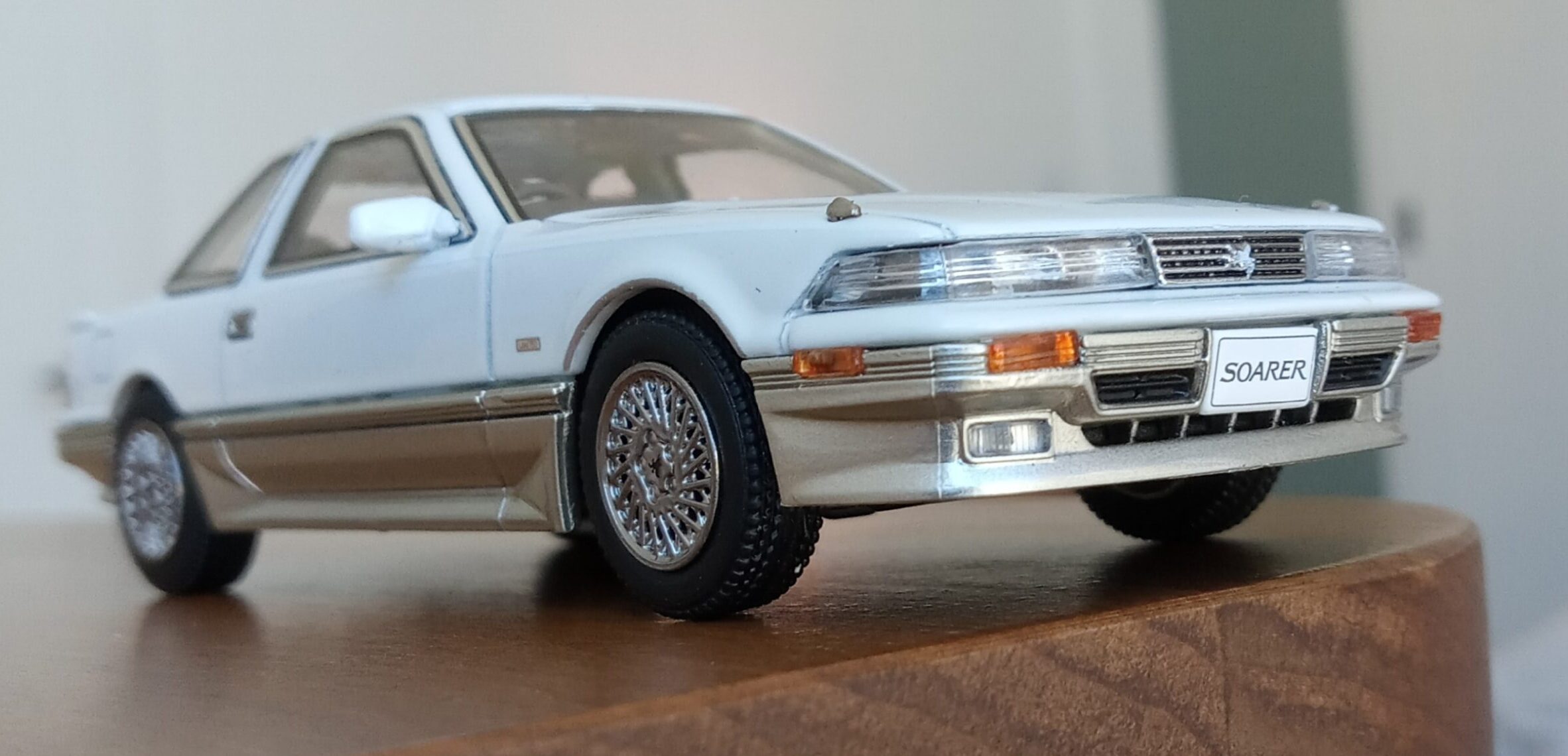
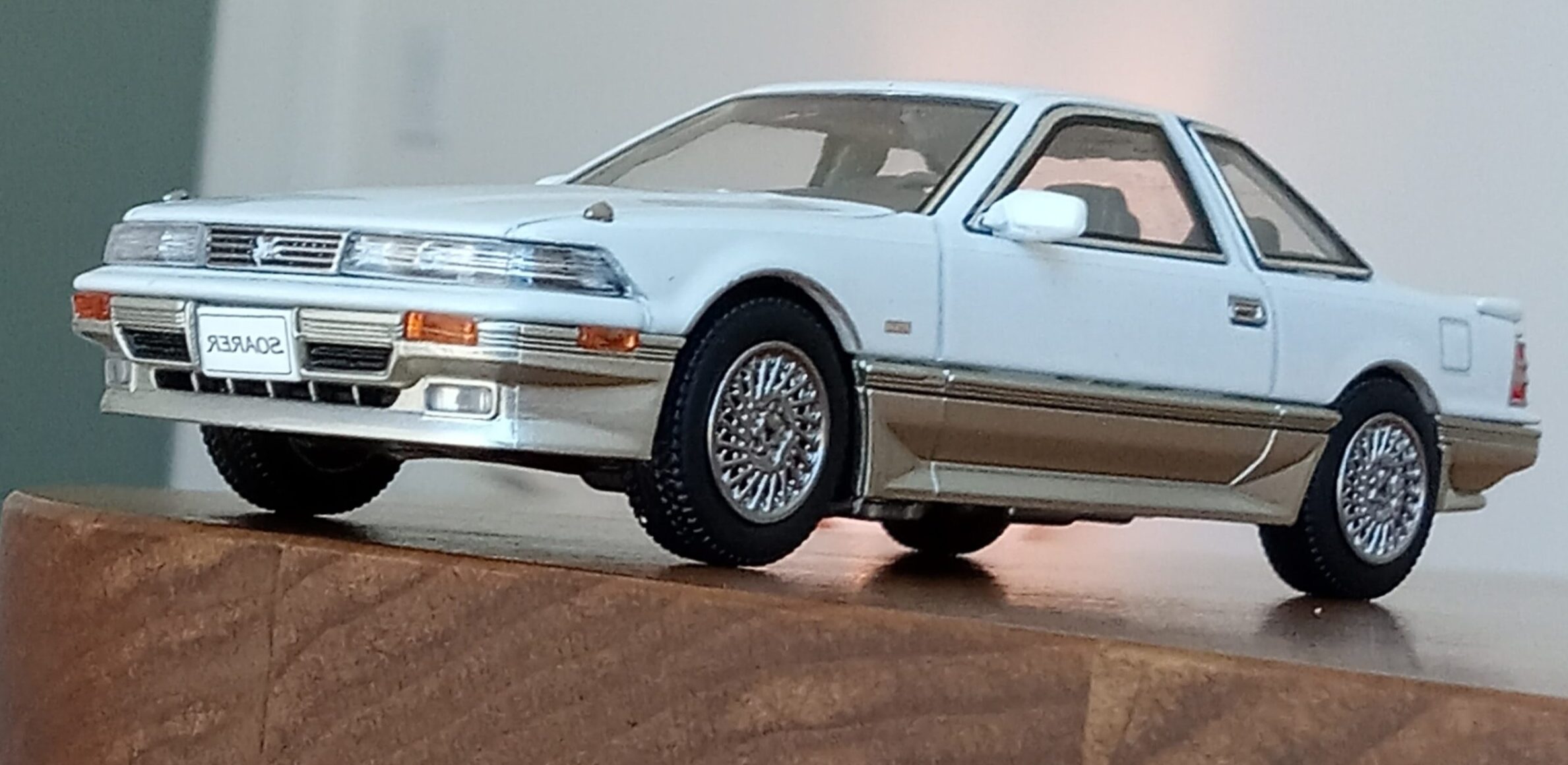
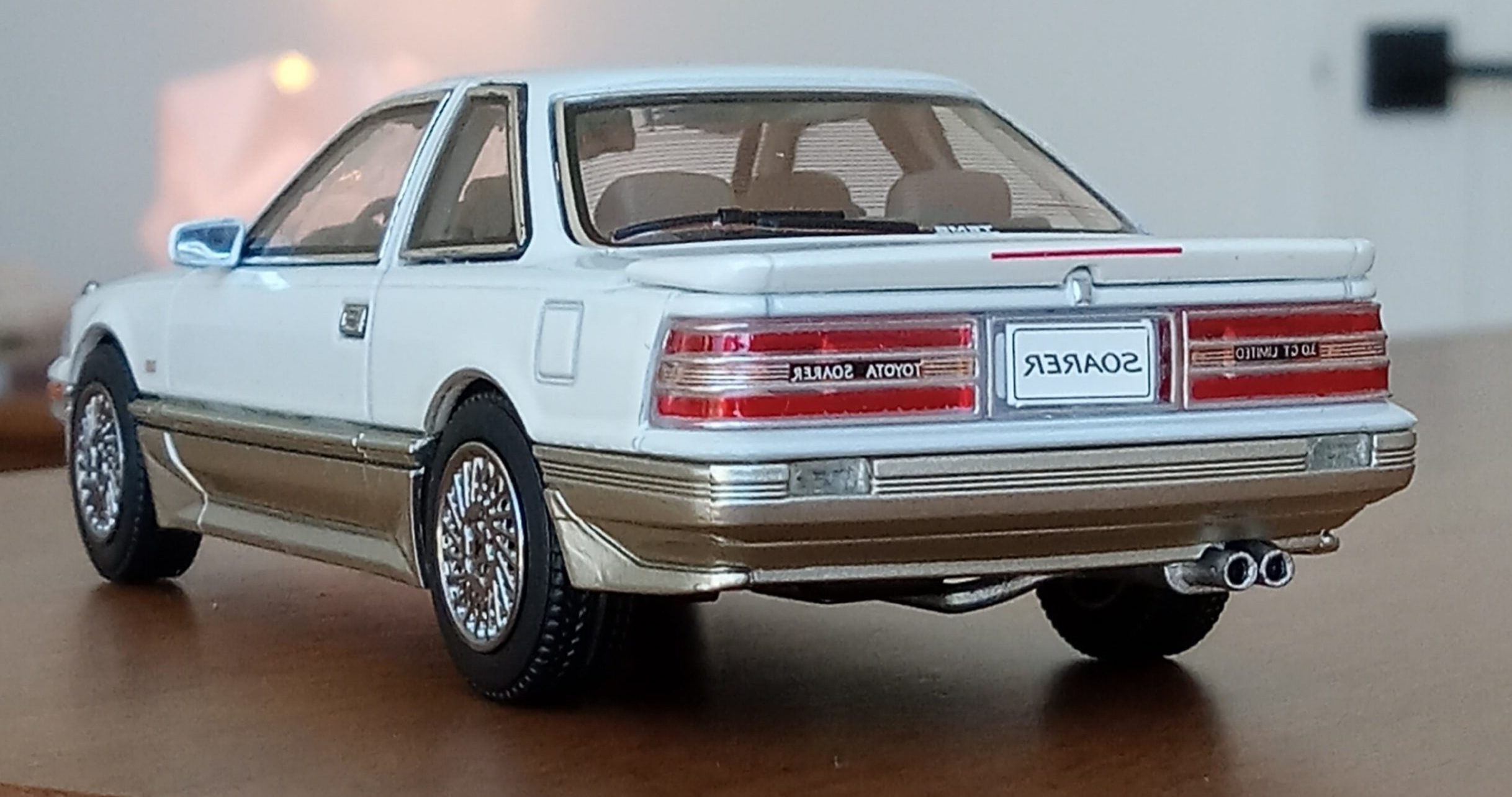
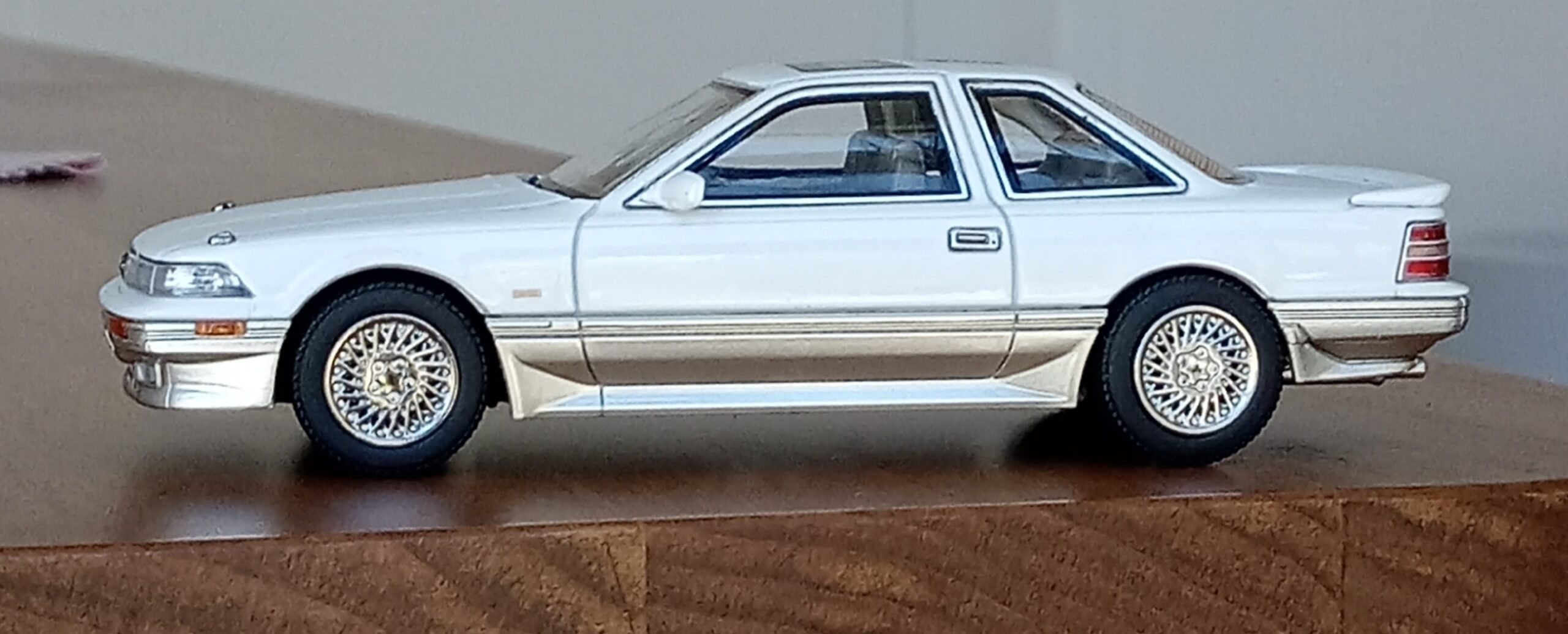
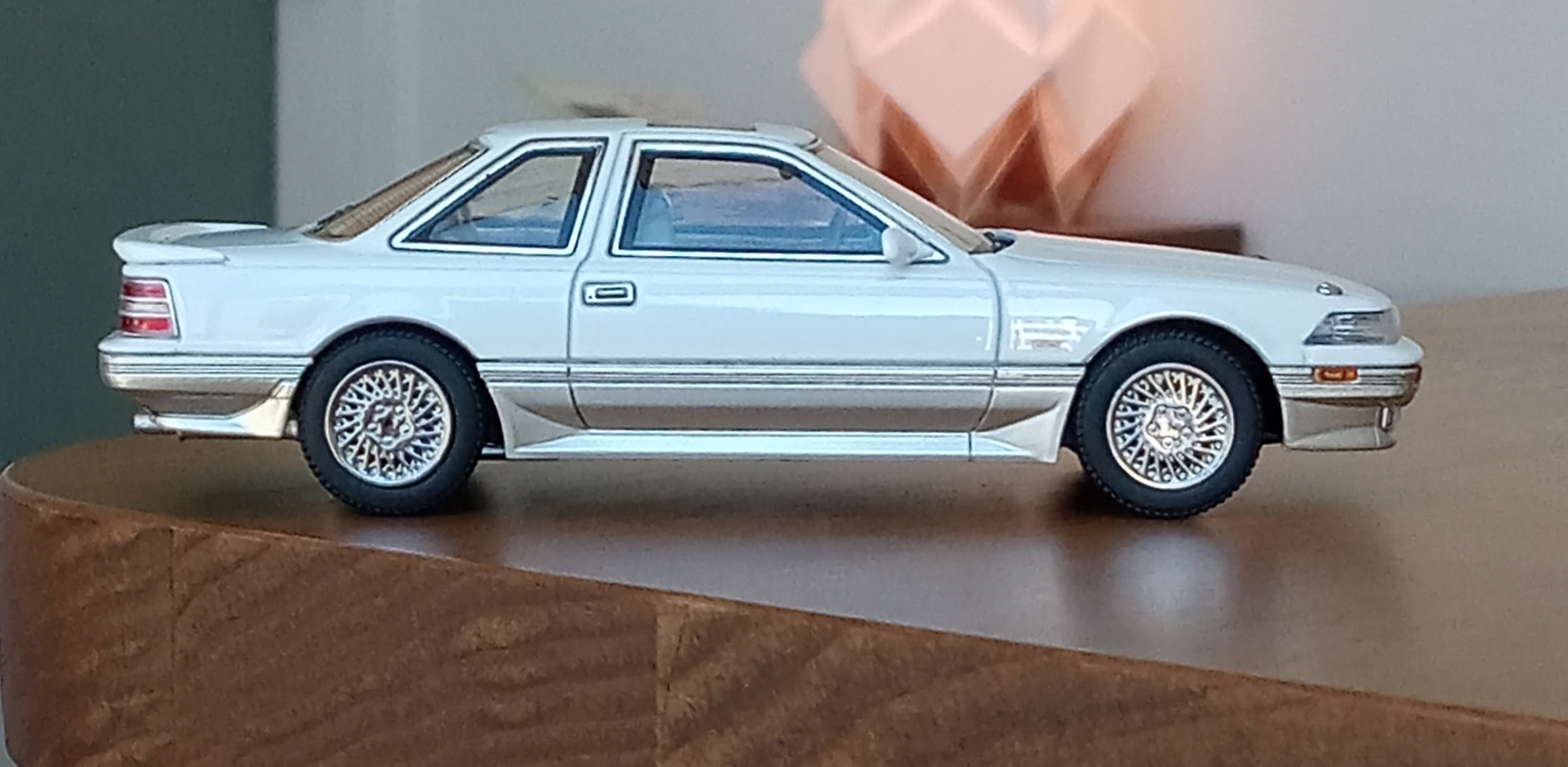
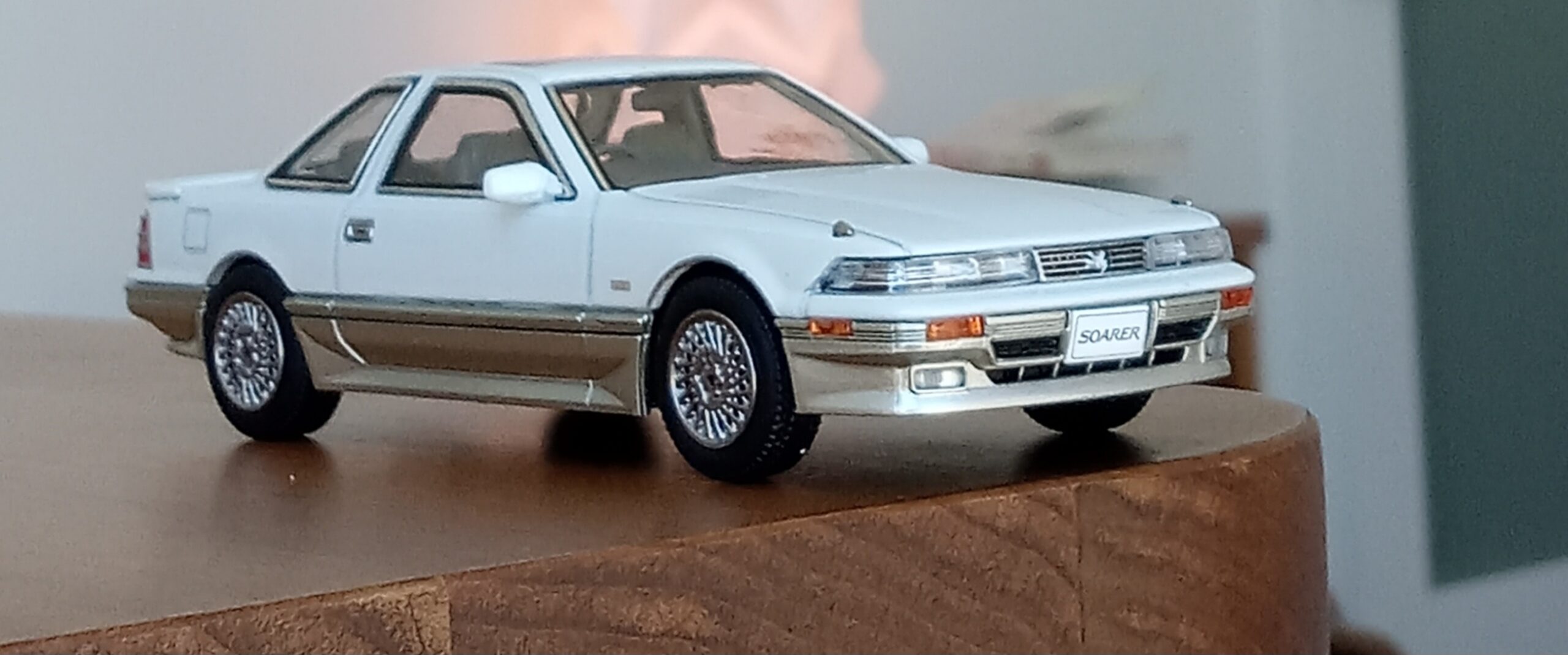
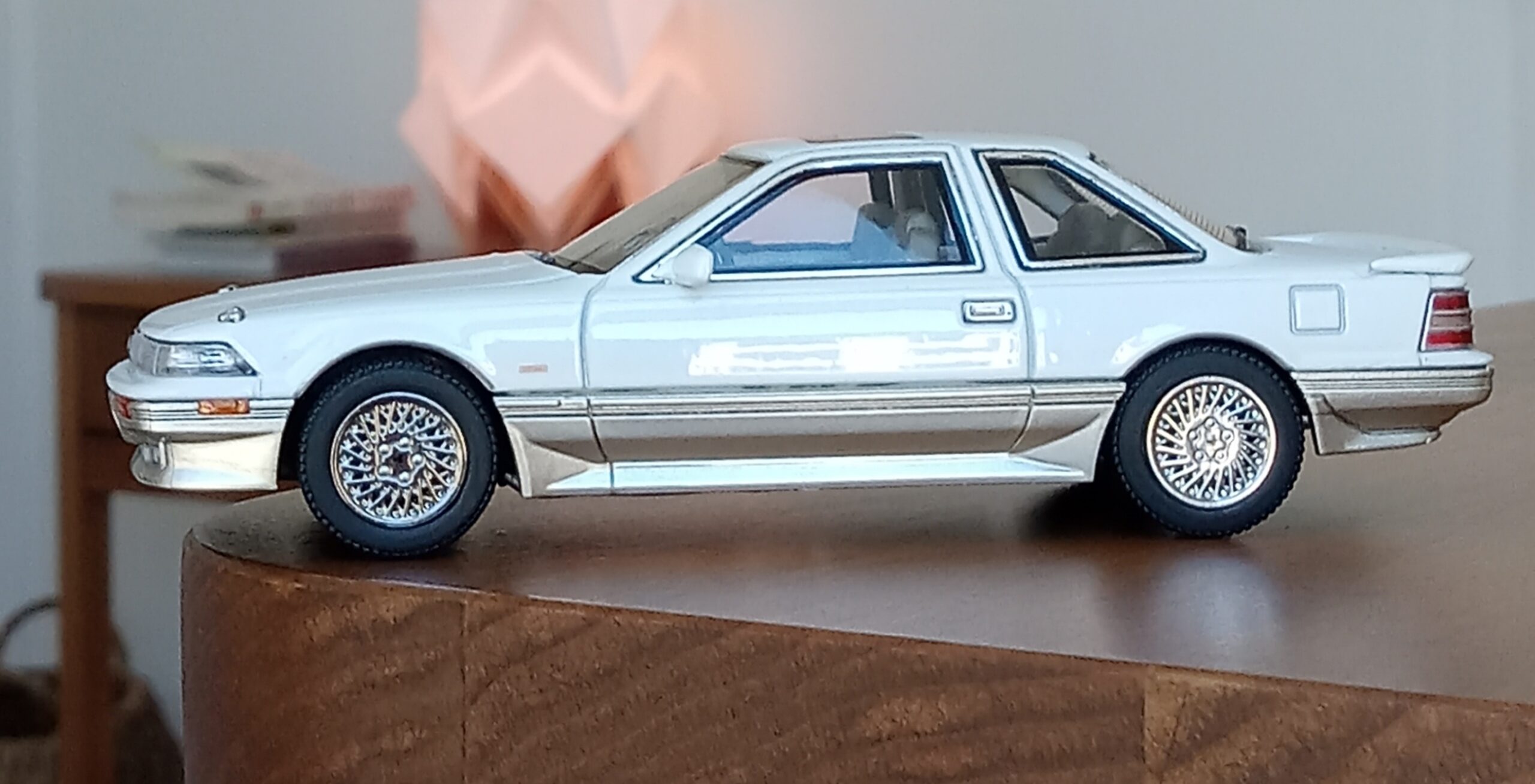
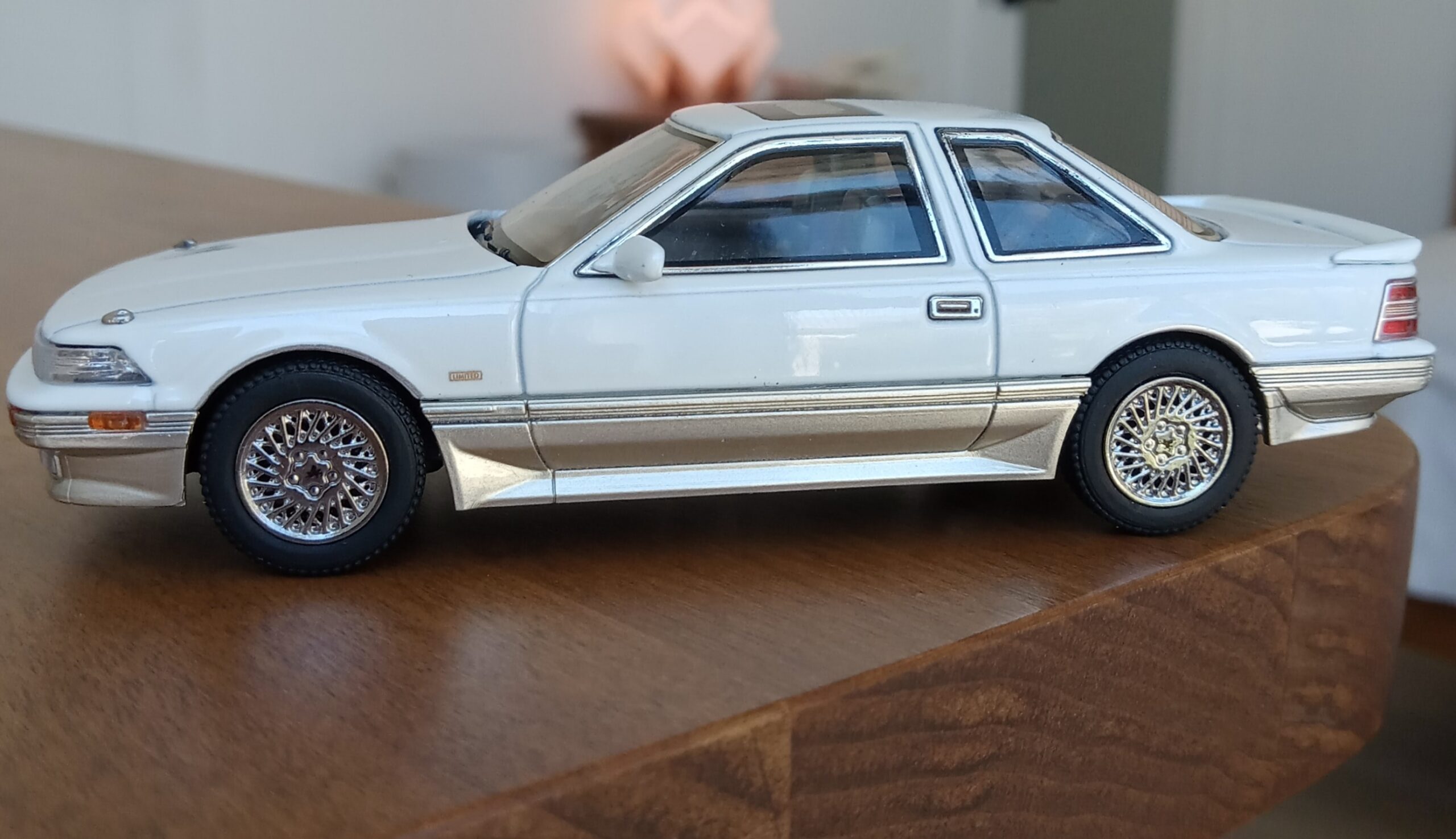
(ホビー・ジャパン社製、1/43ダイキャスト完成品、1986年型 トヨタ ソアラ3000GT【クリスタル・ホワイト・トーニングII】----改造箇所:車軸を外して、車幅、車高の微調整、ドア下のガーニッシュ部分を外して、内側に曲げながら再接着)
第41回ーー2ドア・クーペの系譜: 第21回【日本車・トヨタ編】 トヨタ 2代目ソアラ 3000GT【MZ20/21型】、1986 (クリスタル・ホワイト・トーニングII) 『白洲次郎の夢』 Toyota Soarer 3000GT, 1986『Dream came true to Jiro Shirasu』
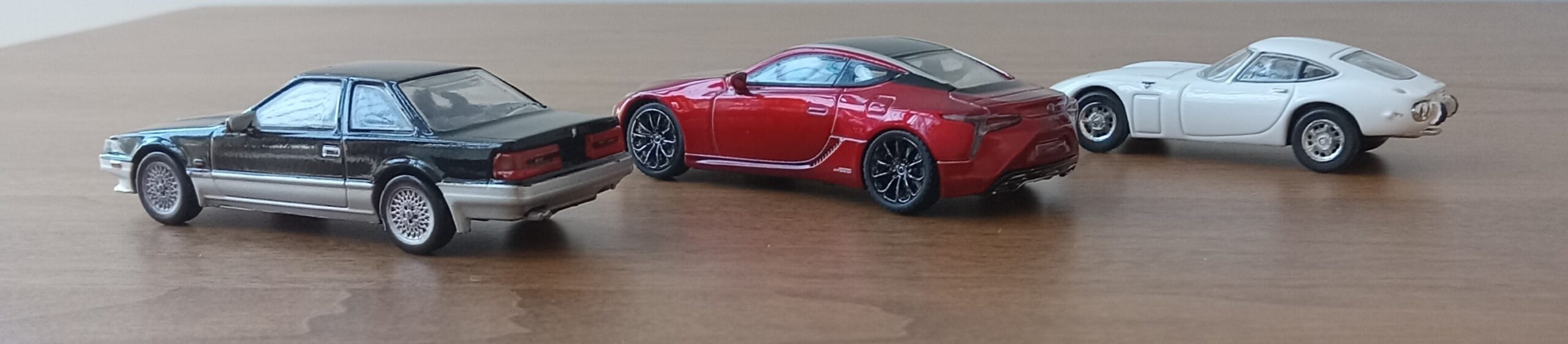
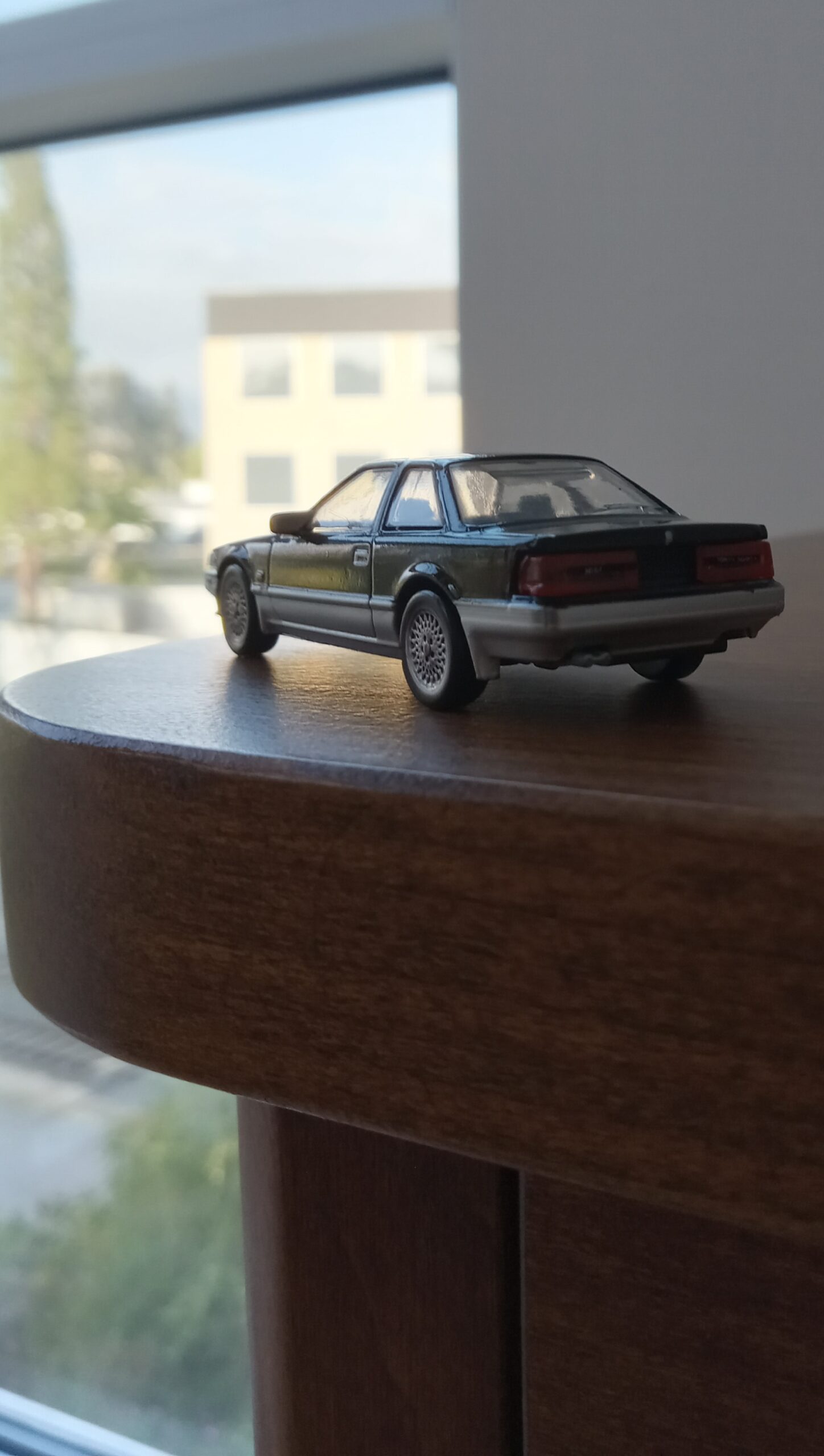
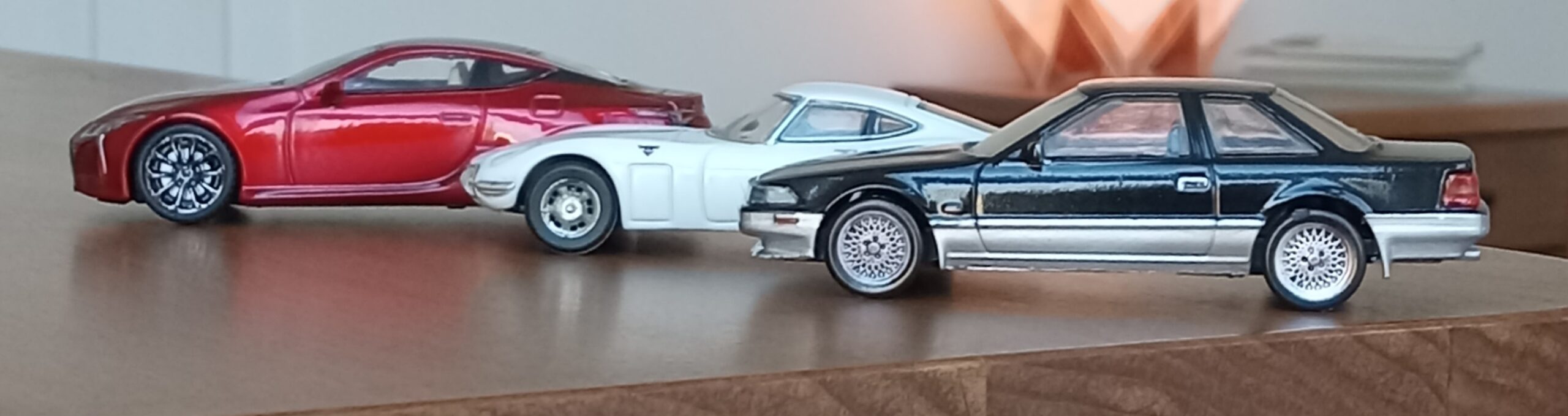
#好みの自動車デザインーー2ドア・クーペの系譜:
第41回目の今回は、『2ドアクーペの系譜、第21』と題しまして、各国のお国柄や、外観デザインの個性が強く表れる、高級2ドア(GT)クーペ / ロードスターについてお話ししてみたいです。【注意:オープンカーを含む】
以下の要領で進めていきます。
第21回の今回はいよいよ
【日本車・トヨタ編】としまして、
1986年発表の
トヨタ 2代目ソアラ 3000GT、(クリスタル・ホワイト・トーニングⅡ)
についてのお話です。
【2ドア・クーペの系譜:目次】
【米国車編】
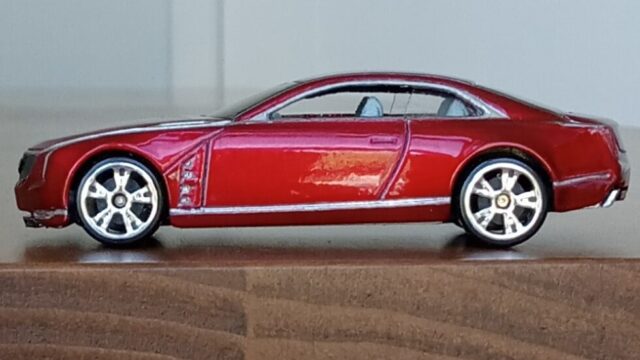
第1回:キャデラック・エルミラージュ、2013(メタリック・レッド)
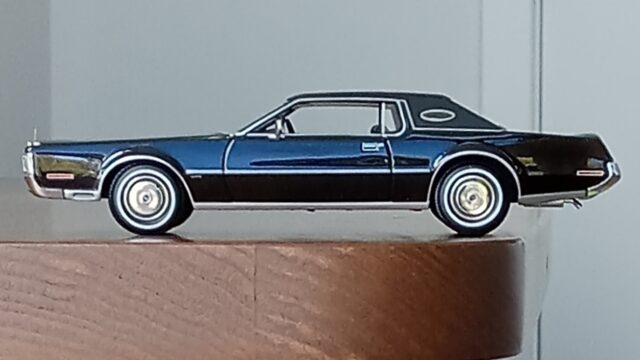
第2回:リンカーン・コンチネンタル MK4、1972(ブラック)
第3回:マーキュリー・クーガー, 1967(LTメタリック・グリーン)
【ドイツ車編】
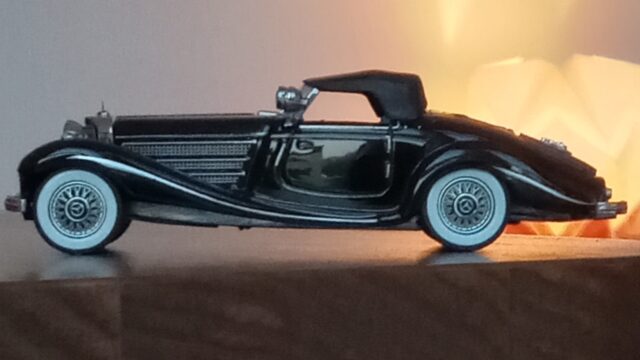
第4回:MB 500K スペシャル・ロードスター、1936(ブラック)
第5回:MB 300SL ロードスター、1957(シルバー)
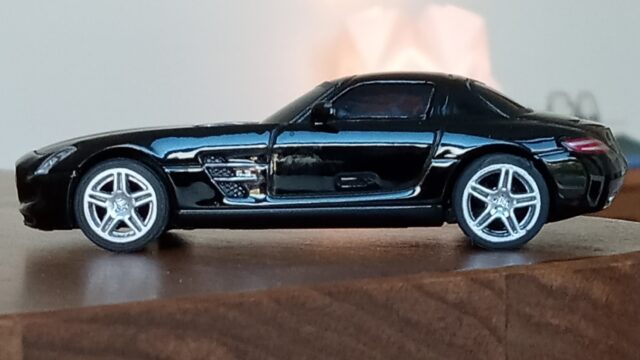
第6回:MB SLS AMR ガルウイング、2010(ブラック)
【英国車編】
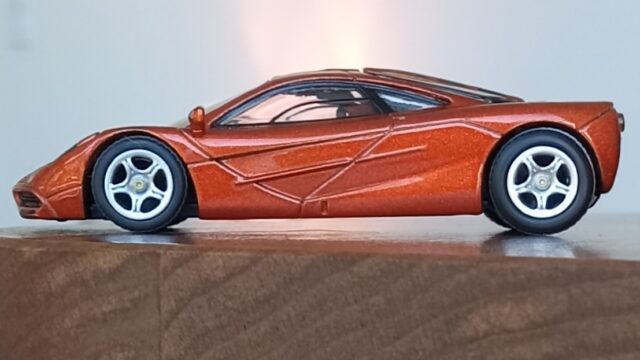
第7回:マクラーレン・F1、1992(メタリック・オレンジ)
第8回:ジャガー・XKSS ロードスター、1957(ロイヤル・ブルー)
第9回:ジャガー XKR クーペ、1996(ダークメタリック・グリーン)
【日本車・ニッサン編】
第10回:ニッサン 初代シルビア、1965(シャンペン・ゴールド)
第11回:ニッサン 5代目シルビア、1988(LTメタリック・グリーン)
【イタリア車編】
第12回:フェラーリ 250TR ポンツーンフェンダー、1958(赤)
第13回:フェラーリ 250GTO、1962(イタリアン・レッド)
第14回:ランボルギーニ・コンセプトS、2005(パール・ホワイト)
【日本車・マツダ編】
第15回:マツダ コスモ・スポーツ、1968(レーシング・ホワイト)
第16回:マツダ ユーノス・コスモ、タイプ‐S(2トン:黒&グレー)
【フランス車編】
第17回:ブガッティ・タイプ59、1935(フレンチ・ブルー)
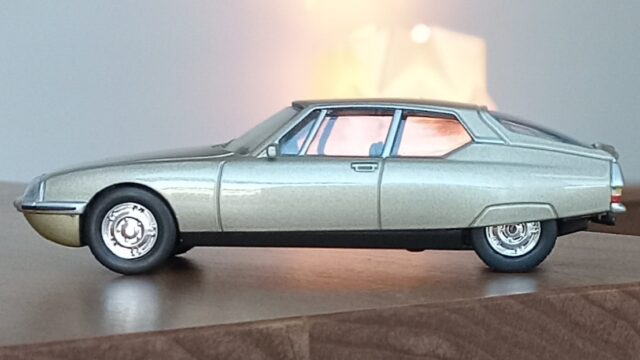
第18回:シトロエン・SM、1970(シャンペーン・ゴールド)
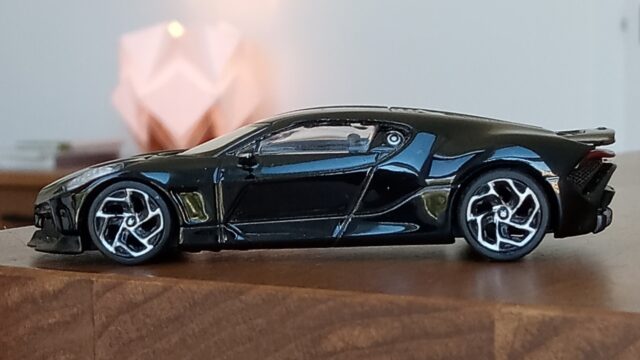
第19回:ブガッティ・ラ・ヴォワチュール・ノワール、2019(黒)
【日本車・トヨタ編】
第20回:トヨタ/ヤマハ・2000GT、1967(アイボリー・ホワイト)
第21回:トヨタ・2代目ソアラ、1986 (クリスタル・ホワイトⅡ)
第22回:レクサス LC【GWZ100型】、2017(メタリック・レッド)
【米国車編②】
第23回:ダッジ・チャレンジャー&プリムス・バラクーダ、1971
第24回:ダッジ・ヴァイパー SRT‐10 ACR、 2008(ブラック)
第25回:フォード・シェルビーGR-1 コンセプト、2004(クローム)
【日本車・ミツビシ編】
第26回:ミツビシ・ギャラン λ、1976(ブラウン・メタリック)
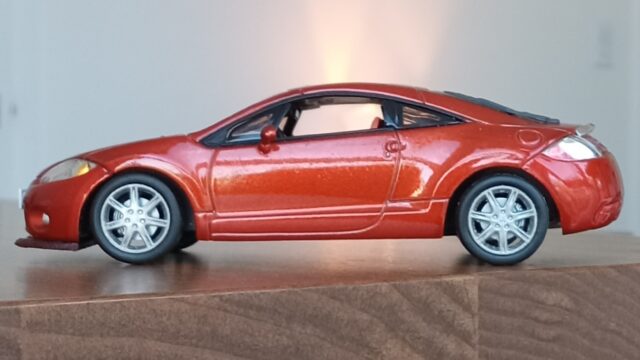
第27回:ミツビシ・エクリプス【北米仕様】、2006(オレンジ・メタ)
【ドイツ車編②】
第28回:BMW M635CSi、1984 (ダーク・メタリックブルー))
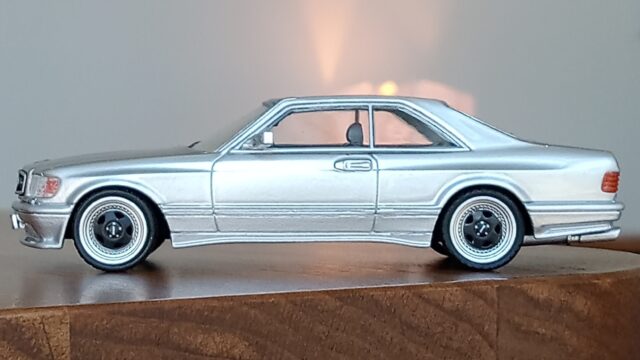
第29回:MB 560SEC AMG 6.0 ワイドボディー、1989(ブラック)
第30回:BMW M2 純正パフォーマンス・パーツ、2025(ネオン・ライム)
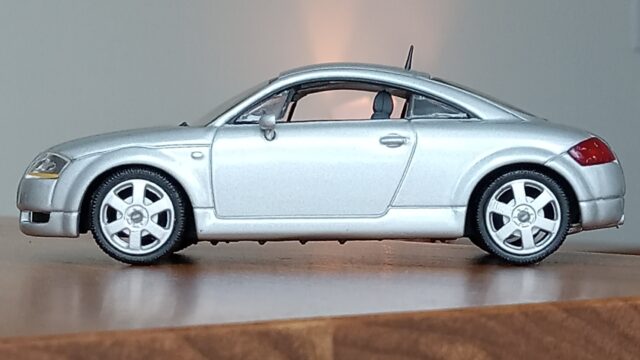
第31回:初代アウディー・TT、1998(レイク・シルバー・メタリック)
【日本車・スバル編】
第32回:スバル・クロストレック XV, 2012(ライムグリーン・メタリック】
【英国車編②】
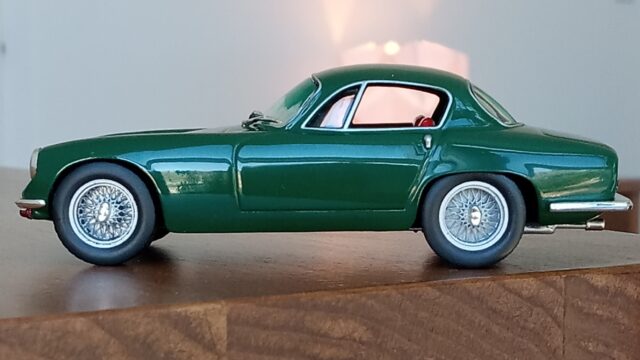
第33回:ロータス・初代エリート, 1959(ブリティシュ・グリーン)
第34回:ロータス・エラン S4 スプリント(2トン:ブルー、ホワイト&金)
第35回:ジャガー・Eタイプ ロードスター(ライトブルー・メタリック)
【日本車:ホンダ(軽量スポーツ編)】
第36回:ホンダ S800、1966(レッド)
第37回:ホンダ 初代CR-X 1.5i、1983(ブルー&シルバー2トン)
第38回:ホンダ ビート、1991(サンバ・イエロー)
【番外編】:コルベットの系譜
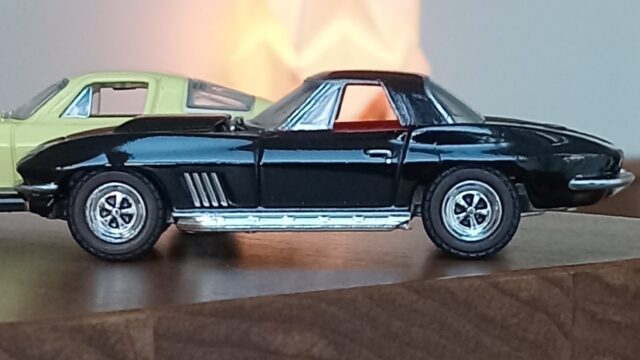
第1回:1967年型 スティングレー【C2】コンバーチブル(ハードトップ・メタ青)
第2回:1972年型 コルベット 【C3】コンバーチブル(メタリック・ブルー)
第3回:1984年型 コルベット クーペ【C4】(ブライト・レッド)
第4回:コルベット・インディー【ミッド・シップの先行開発車】(シルバー)
第5回:スティングレー・コンセプト【先行開発車】、2009(プルー・メタリック)
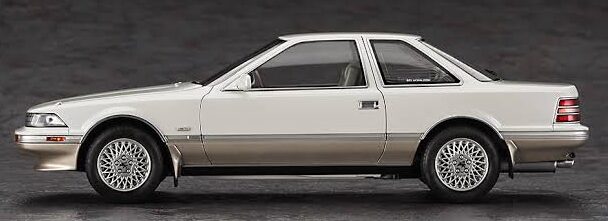
#日本式『ラグジュアリー・クーペ』の完成!
n
n
『二代目ソアラ』、
本当に美しい車です!
n
n
n
n
私が大学生の頃、
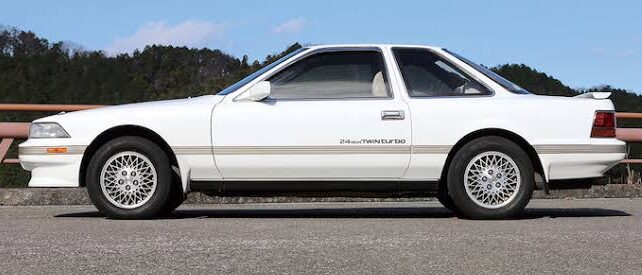 クルマ好きの父と弟が共闘して、
所有していたこともあり、
(白の2000㏄のスーパー・チャージャー版を)
それまでの、4ドアセダンの2ドア盤としての高級クーペに代わって、
メルセデスベンツのSLCやBMW6シリーズの様に、2ドアに特化した専用ボディーを持った高級クーペとして登場した、初代ソアラから5年の後登場した二代目は、
*日本的な美意識を反映した無理のない『富士びたい美人』
*初代のエッジを丸め、洗練された面構成、
*同時代のユーノスコスモが、8頭身に対して、
*6頭身の親しみやすい、プロポーション、
等々、初代の背伸びを、
自然体に落ち着かせた上、、
来るべき90年代のデザイン・トレンド:
『有機曲面』への布石が打たれました。
こんな感じで、
進めていきたいです。
*実車解説:白洲次郎が製作総指揮?
*外観デザインの特徴:『3本のピラーの延長線が1点に収束』
*『私』と二代目ソアラ:
*三題噺:
*その他のトヨタクーペたち、、、
*「二代目ソアラ3000GT」実車解説:白洲次郎の助言で、、、
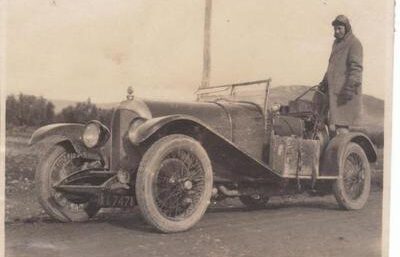
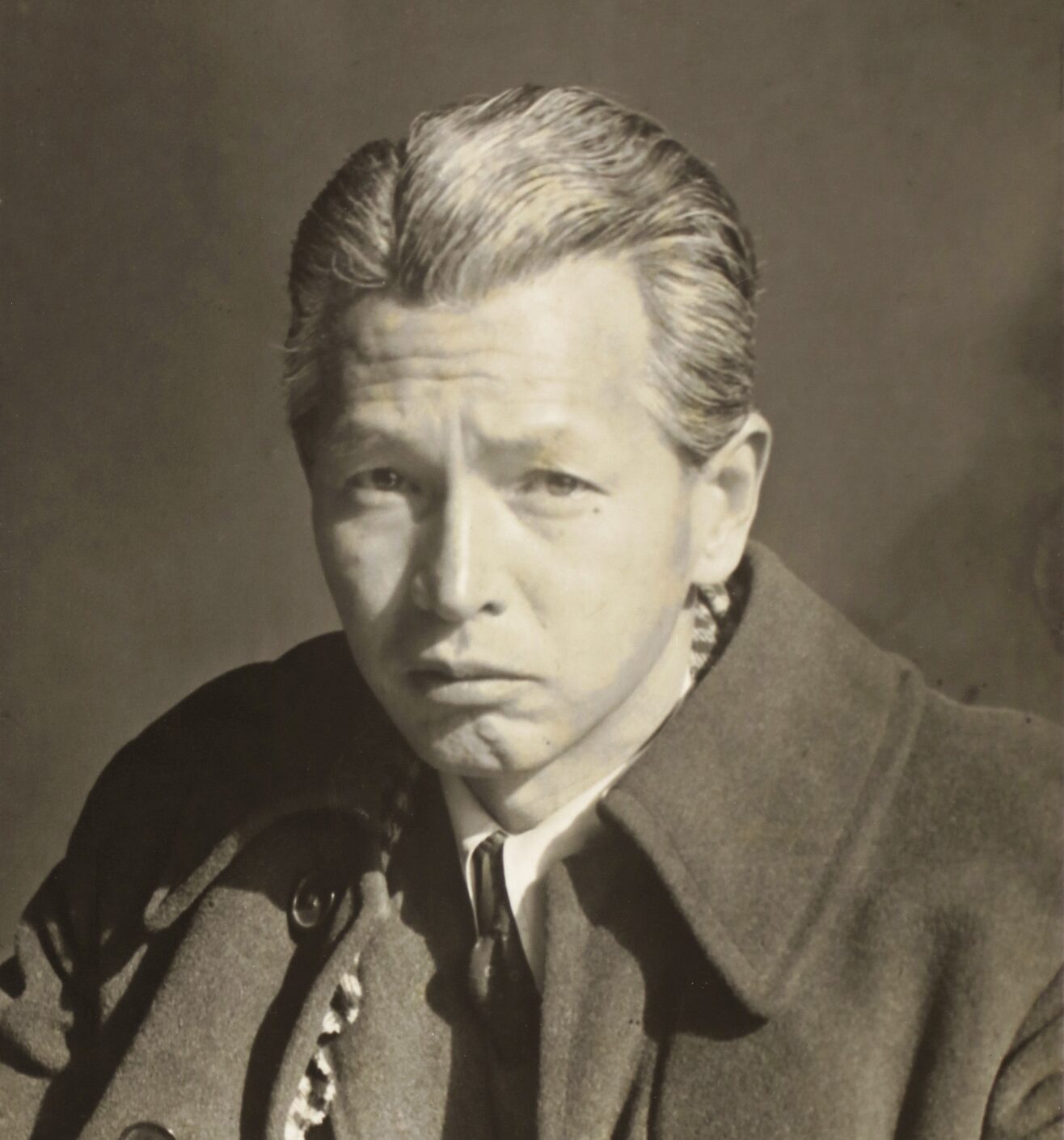
 (白洲次郎と彼のベントレー3.0L)
概略:
n
n
2代目ソアラ(1986年〜1991年販売)は、
バブル景気真っ只中に「世界にひとつ、日本にソアラ」のキャッチコピーで登場した高級パーソナルクーペです。中でも3.0GTは、当時の自主規制枠上限となる最高出力240馬力を発生する3L直列6気筒ターボエンジンを搭載し、国産最速の動力性能を誇ったフラッグシップモデルでした。
n
N
n
N
n
n
m
n
n
n
N
n
n
m
m
n
n
*エンジン: 排気量2,954ccの直列6気筒DOHCターボ「7M-GTEU型」を搭載。
*スペック: 初期型は最高出力230ps/最大トルク33.0kgmでしたが、のちの改良で最高出力240ps/トルク35.0kgmにパワーアップされました。
*走行性能: 当時の国産車としては最高峰の動力性能を誇り、圧倒的な加速力と高速巡航性能を実現しています。
n
N
2. 世界初・日本初の先進ハイテク装備:
n
*電子制御エアサスペンション: 最上級グレード「3.0GTリミテッド」などに設定され、路面状況に応じて車高や減衰力を自動制御する革新的なシステムでした
*スペースビジョンメーター: 未来的なデジタル表示と鏡面反射(ホログラフィック)技術を組み合わせた立体的なメーターパネルです。
*エレクトロマルチビジョン: タッチパネルやCRTモニターを採用し、エアコンやオーディオの操作を統合した先進システムです。
n
N
*インテリア: 本革シートや上質なウッドパネル、エクセーヌ(スエード調人工皮革)などをふんだんに使用し、極めてゴージャスな空間に仕上げられていました。
*外観スタイリング:
2代目トヨタ ソアラ(MZ20/21系)の3000GTは、初代の端正な3ボックススタイルを継承しつつ、継ぎ目のない「フラッシュサーフェイスキャノピー」により、気品ある流麗な佇まいと当時の先進技術を融合させた外観デザインが特徴です。
n
n
n
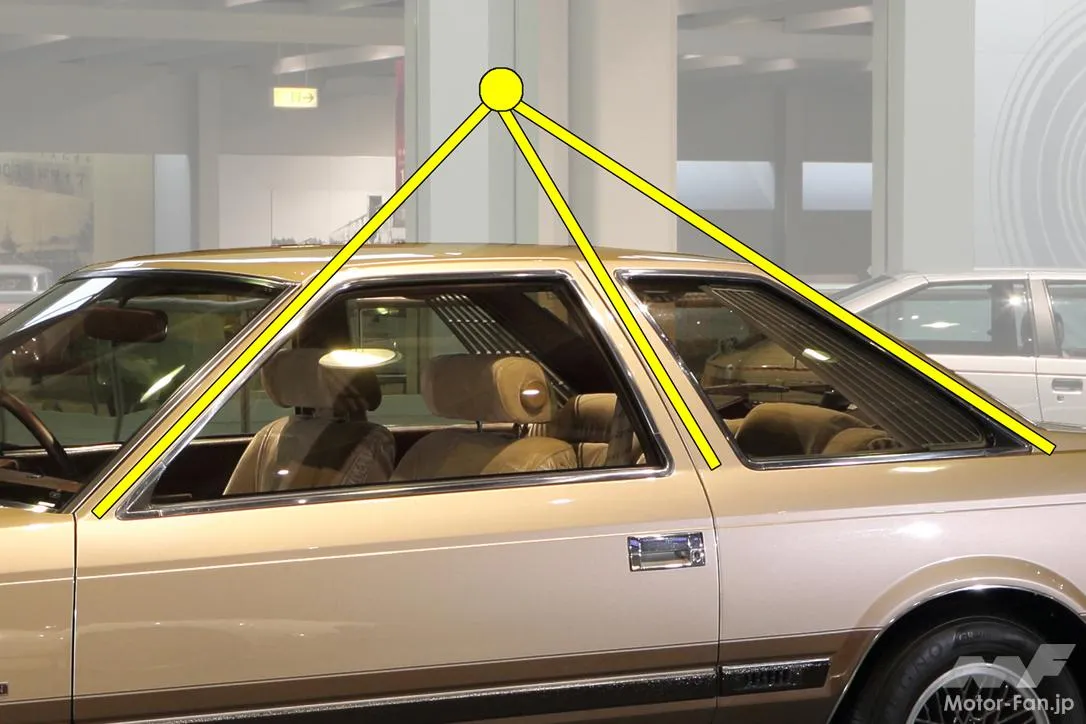 *黄金比率のプロポーション
サイドウィンドウの前後比率を6:4とし、各ピラー(A/B/C)の延長線が上方の1点で交わるという、初代で確立されたソアラ特有の美しいスタイリングを継承しています。
n
n
*曲面を活かした3ボックスフォルム
先代よりも若干ボディ全体を曲面化させ、すべての窓ガラスに当時の新技術である「3次曲面ガラス」を採用。継ぎ目のない滑らかな面構成とボディの一体感を実現しました。
*3000GT専用のワイドボディ
3.0GT系グレードは全幅が30mm拡大された1,725mmとなっており、クーペとしてのロー&ワイドで力強いプロポーションを強調しています。
*前期・後期の意匠変更
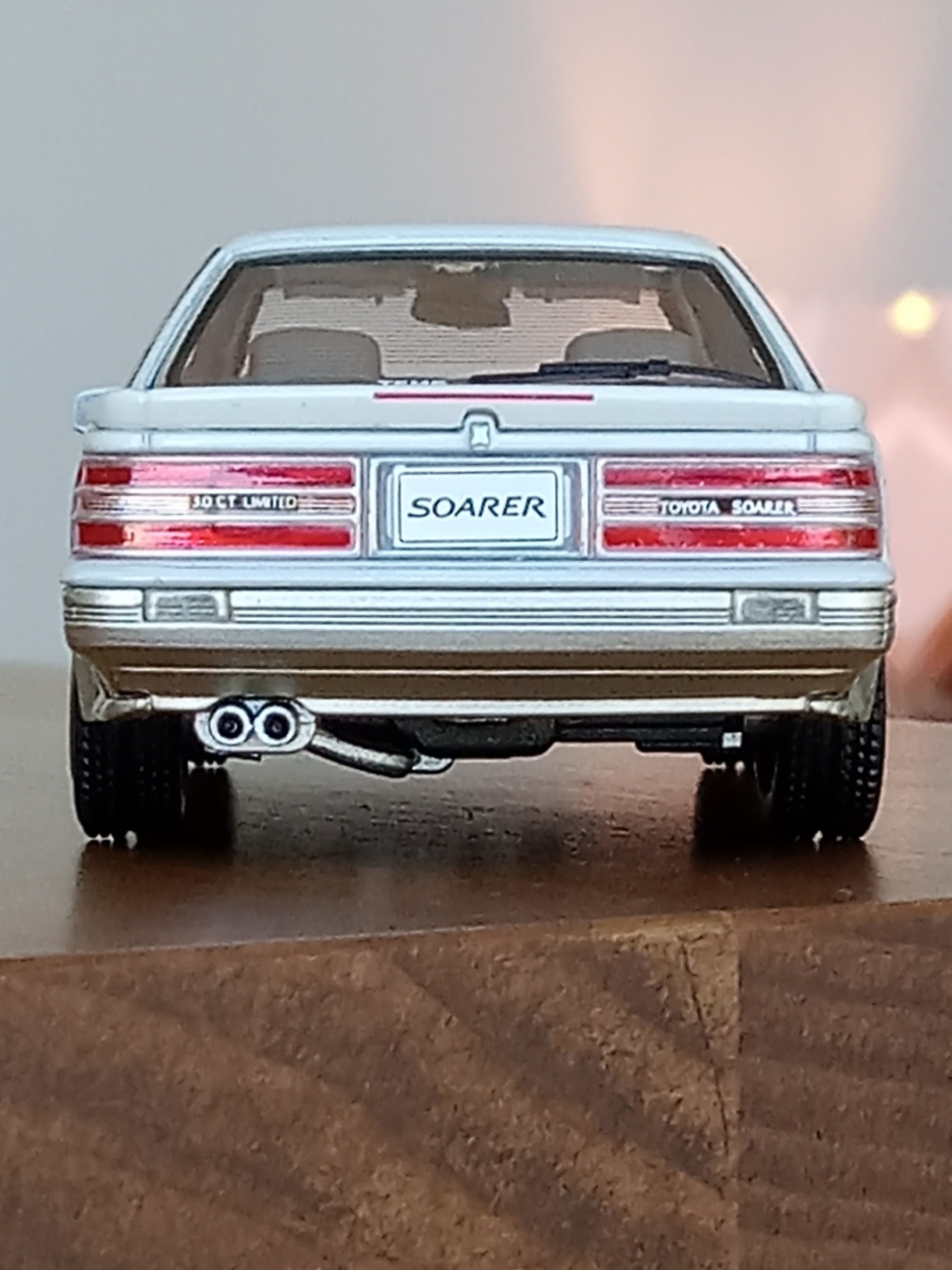
前期型はハニカムグリルに赤色のエンブレムが特徴でしたが、1988年のマイナーチェンジ以降の後期型ではフロントグリルが横桟デザインに変更。リアのコンビランプもメッキモールが2本となり3分割のデザインへと洗練されました。
*専用エンブレム
フロントグリル等には、伝統あるソアラの象徴として伝説の聖獣「グリフォン」をモチーフにしたエンブレムが配置されています。
n
*エアロキャビン: 1989年に500台限定で発売された電動格納式メタルトップオープン仕様「3.0GT エアロキャビン」も、現在まで語り継がれる伝説的なモデルです。
n
N
N
n
4、白洲次郎氏からの助言:
n
*初代へのダメ出しと交流の始まり
初代ソアラのオーナーであった白洲次郎は、当時のトヨタ首脳陣に手紙を送り、ハンドルの径、後席の広さ、バッテリー容量など5項目にわたる的確な改善点を指摘しました。これがきっかけで、開発責任者の岡田稔弘氏と深い交流が生まれました。
n
改善を進める手紙の内容:
1/ハンドルのダイアメーター(ハンドルの径)が足らん。(ステアリングの)細さは、よほどよくはなりましたが、もう少し細くしてもよいと思います。
2/ターニングラジアスが大きすぎる。せめてベンツの450なみになりませんか。
3/パワーステアリングはもう少し強力であってもいいと思います。
4/ソアラを4人乗りというのは詐欺です。2人か3人乗りにしてリフトバックにすべきです。小生のクルマをリフトバックに改造できませんか。
5/バッテリー、英国ではアクセラレーターというのですが、少しキャパシティは足りなくありませんか。
n
n
*「No Substitute」の魂
二代目ソアラの開発にあたり、白洲は「No Substitute(かけがえのないクルマを作れ)」という言葉を授けました。これは後に世界のレクサスにも繋がるような、妥協なき日本発の高級スポーツクーペを目指す開発陣の指針となりました。
n
N
*完成を見ずに他界
白洲は二代目の完成を心待ちにし、「完成したら乗る」と約束していましたが、1985年11月に発売の約3ヶ月前、この世を去りました。
n
n
*免許を持たない妻・正子の決断
その後、トヨタの岡田氏は完成した2代目ソアラを白洲家に持ち込みました。それを見た妻の正子は、自身が運転免許を持っていなかったにもかかわらず、「トヨタは将来日本を背負って立つ企業になる、その象徴的な車を買いましょう」と言い放ち、その場で購入を決めたという逸話が残されています。
n
N
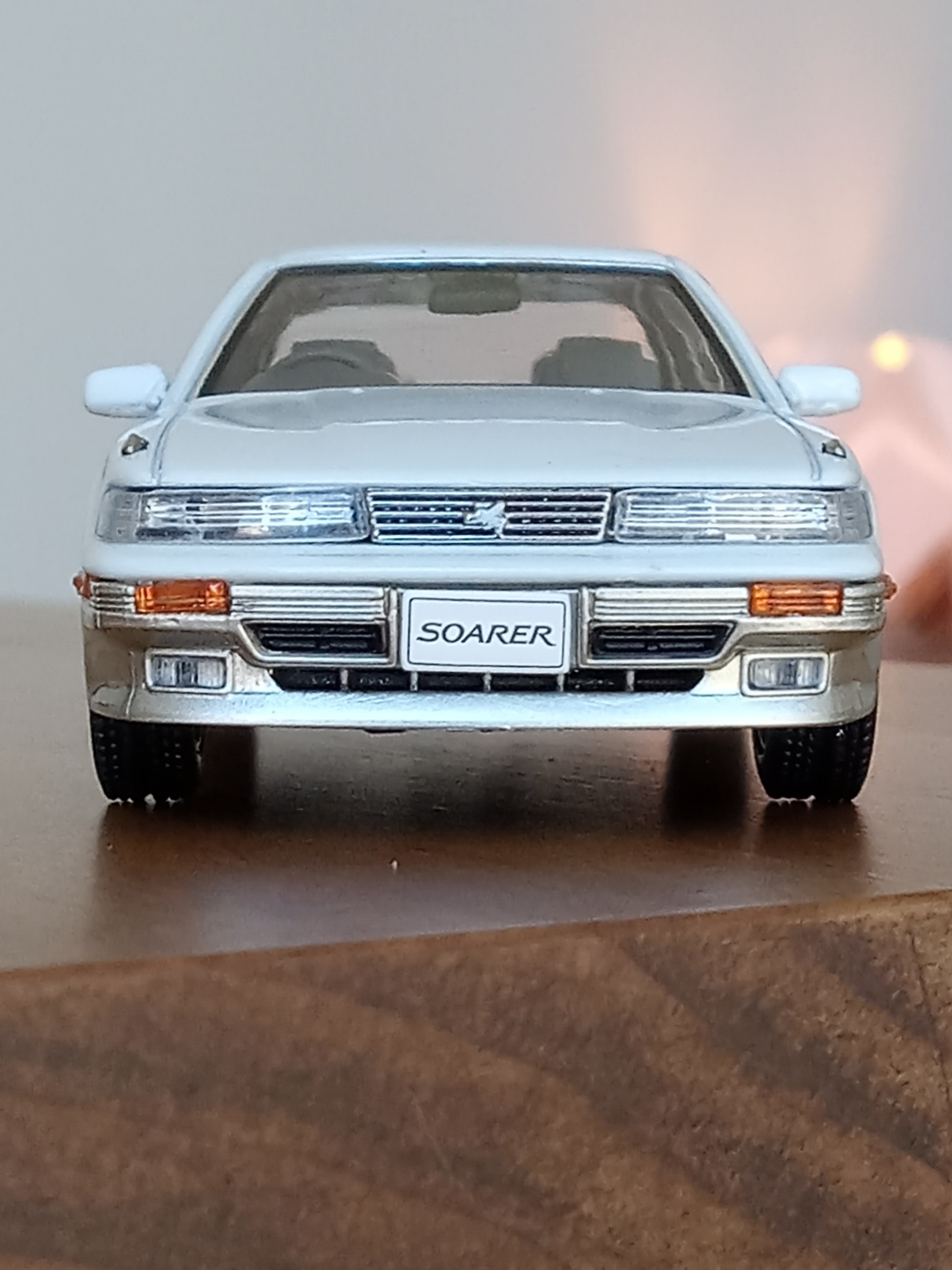
#主要諸元:
- 型式:7M-GTEU型
- 総排気量: 2,954 cc (直列6気筒DOHCターボ)
- 最高出力 : 230 ps / 5,600 rpm
- 最大トルク:33.0 kgm / 4,000 rpm
- 駆動方式:FR(フロントエンジン、リアドライブ)
- 定員:4名(2+2)
- 車体形式:2ドア・クーペ
- ホイールベース:2,590 mm
- 全長:4,675 mm
- 全幅:1,725 mm
- 全高:1,345 mm
- 車両重量:
1,500 kg
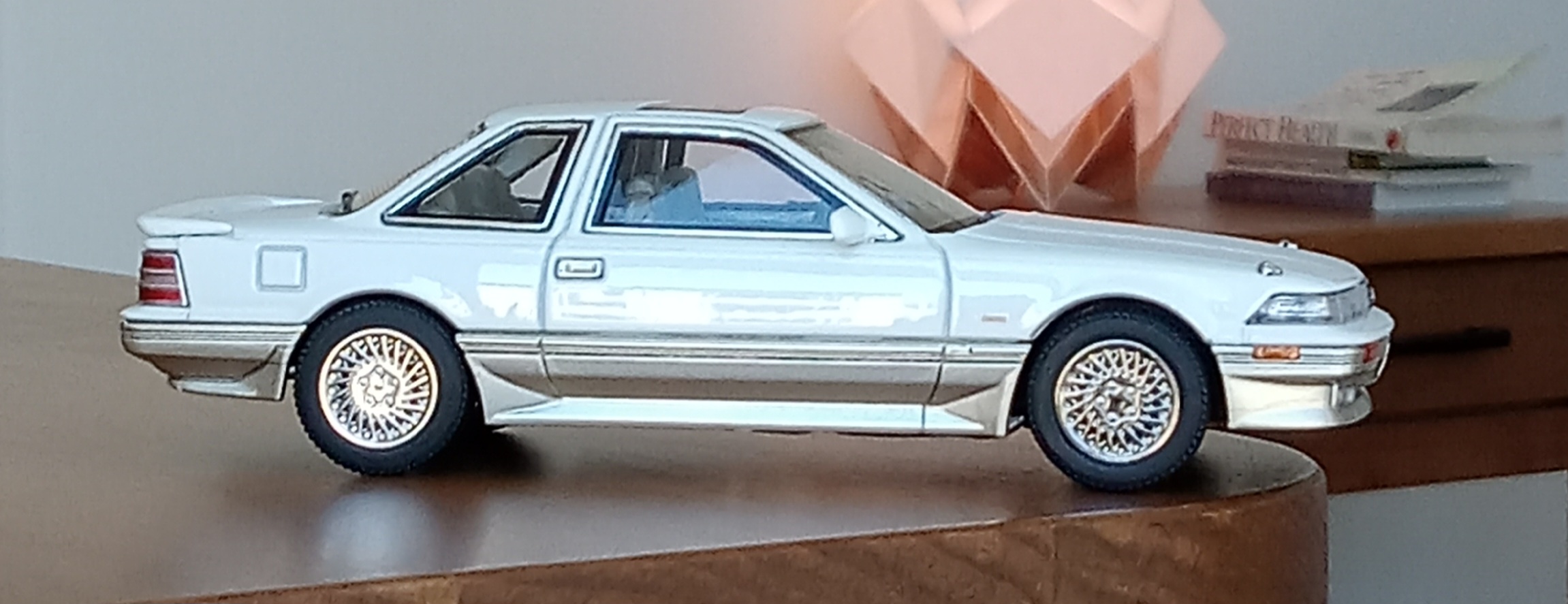
*外観デザインの特徴:『3本ピラーの延長線が1点に収束』
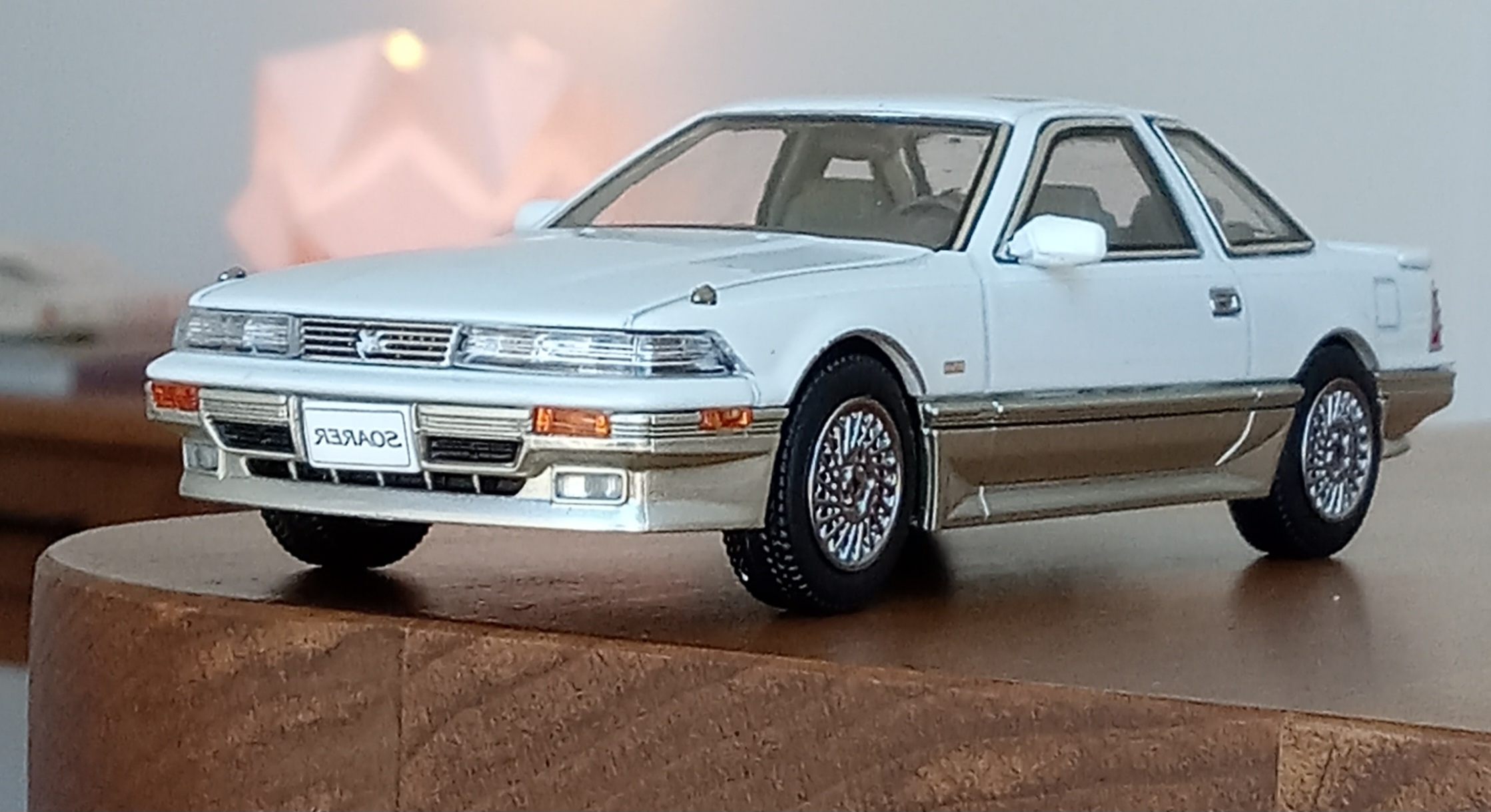
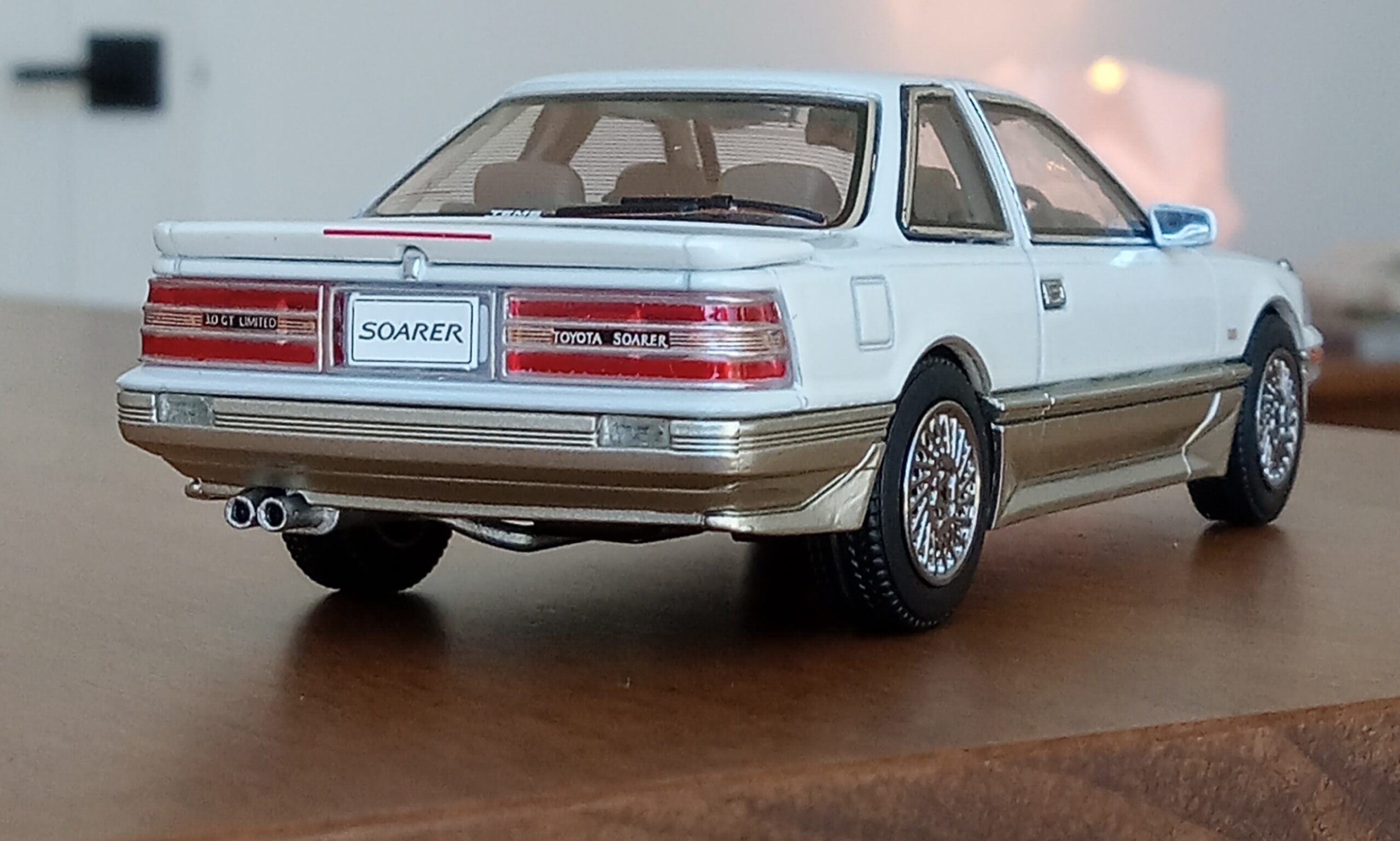
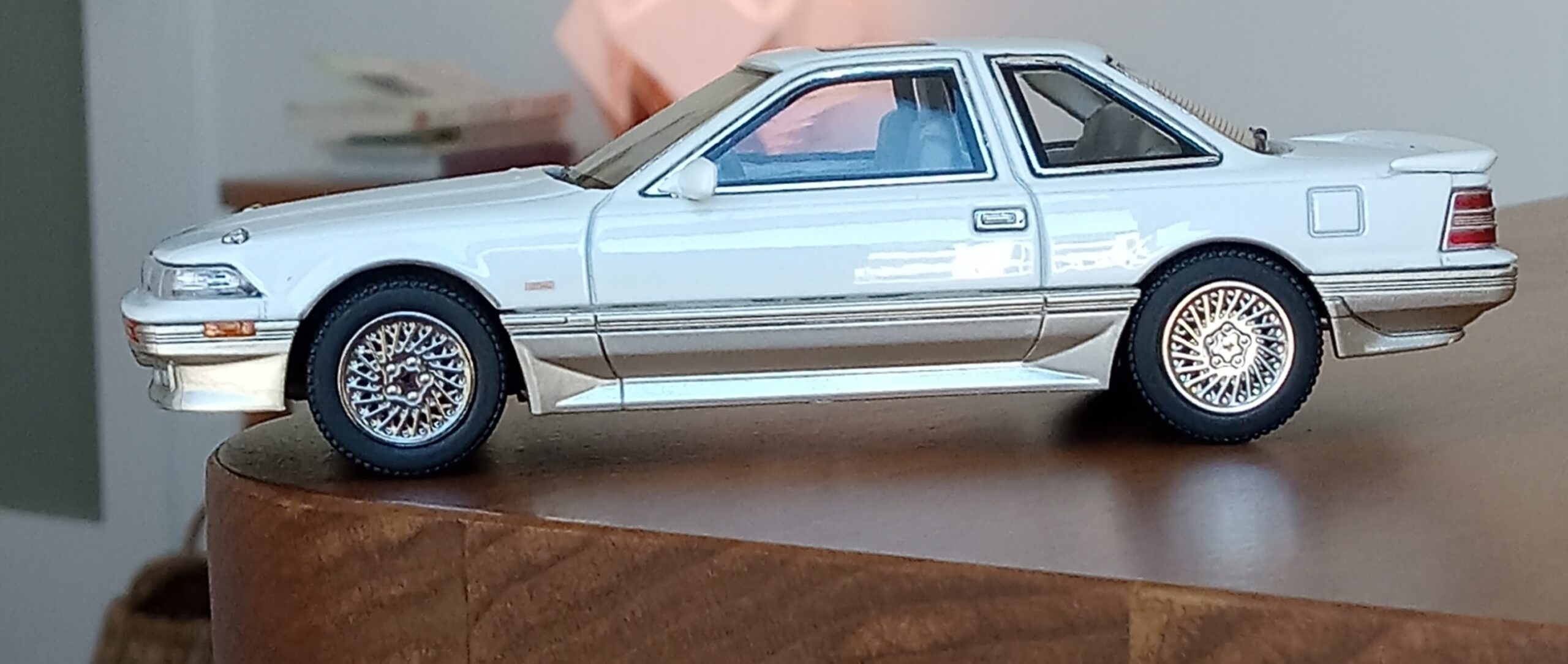
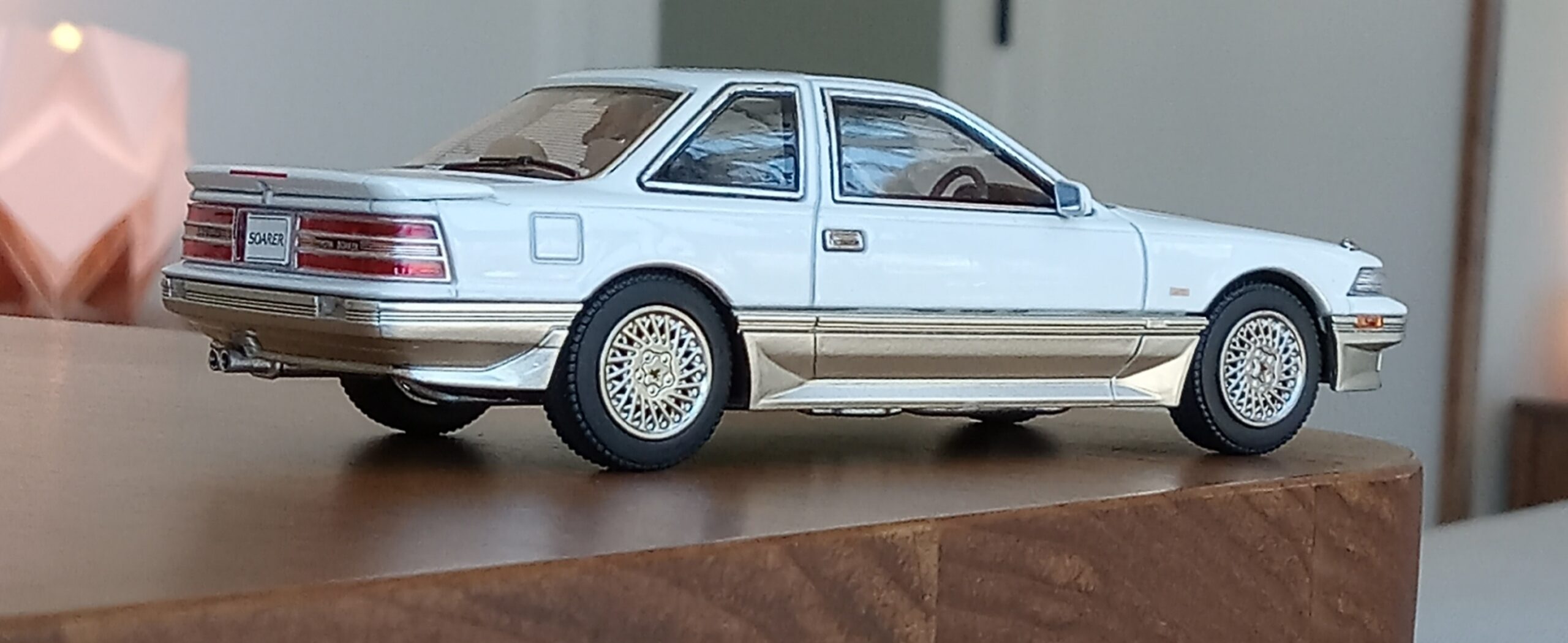
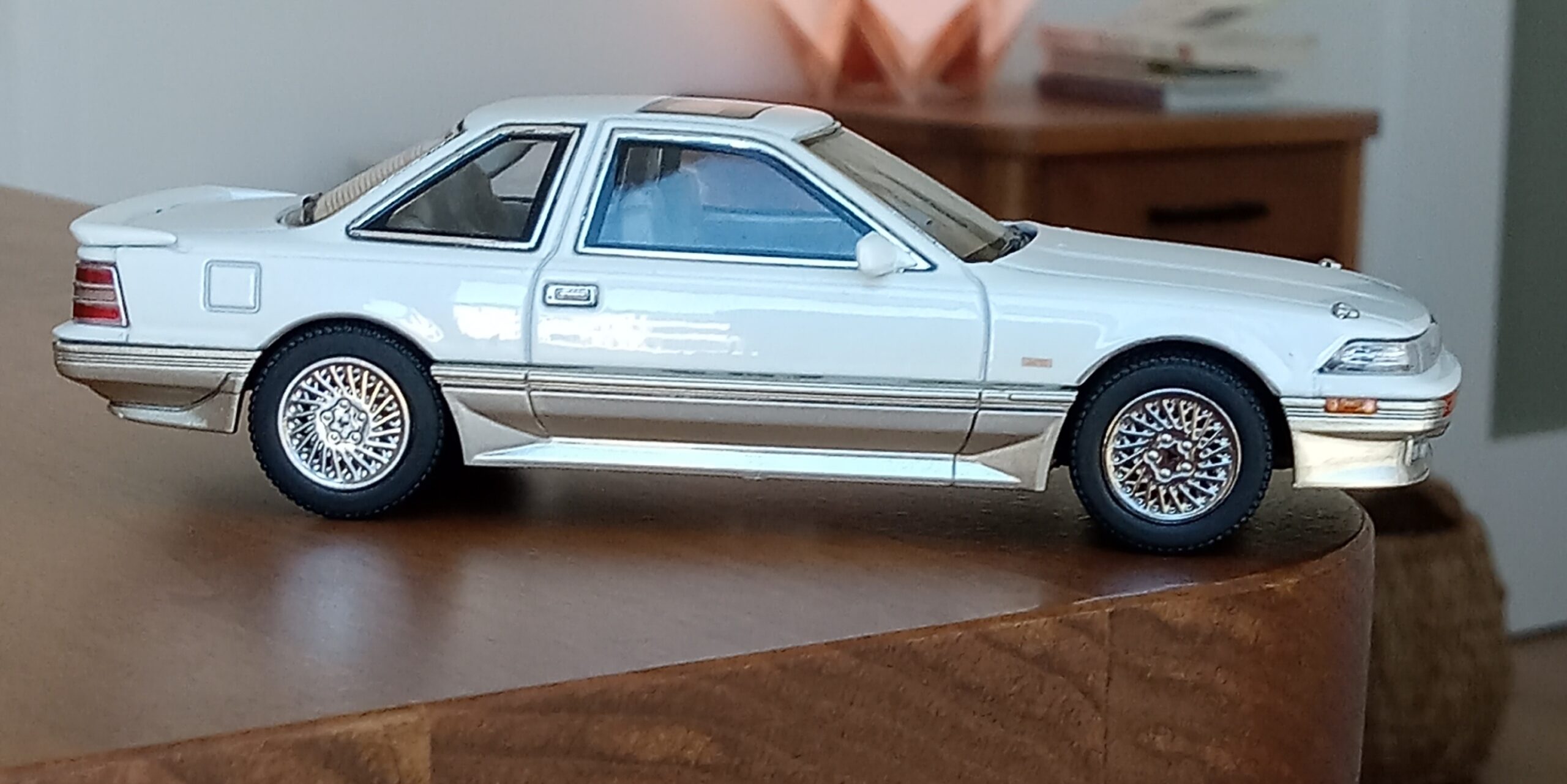
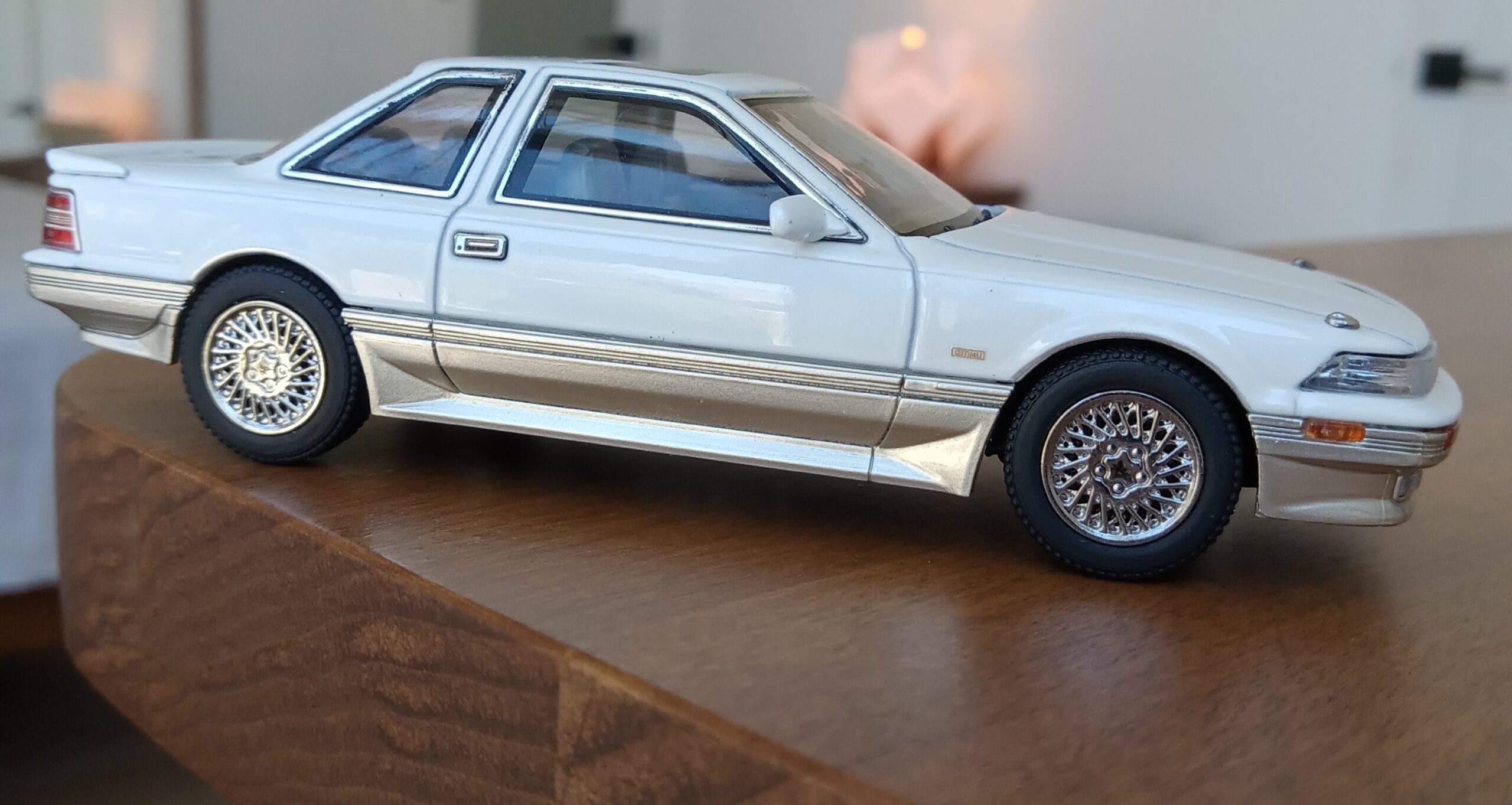
写真撮影中に、
同じような日本の2ドアクーペと比較してみて感じたのは、
この『2代目ソアラの全高が意外と高い(1,345 mm)』
ということでした。
そんな感じで、
意外な特徴を持った傑作クーペのデザイン的特徴を、
独断に基づいて5個並べてみました。
1:直線基調の初代ソアラからほぼサイズ固定で、あらゆる部分の角を丸めてチューニング、洗練度をキレキレに高めたデザインチームの手腕。
ーーーー>初代のデザイン時に既に固められたプロポーションの美しさが光ります。
2:同系統のユーノス・コスモや日産・シルビアなどの日本製クーペに比べて、格段に大きなキャビン、窓部分が醸し出す、なんとも味わい深い、「意外にしっかりしたジャケット姿的」な洒脱と、気取りの同居したスポーツ過ぎないセミ・フォーマルな造形キャラクター
3:奇をてらわない中庸な前後フェイシアのグラフィック
ーーーーー>当時のトヨタ・ハイソカーの頂点にふさわしい『凛』と澄ました表情です。
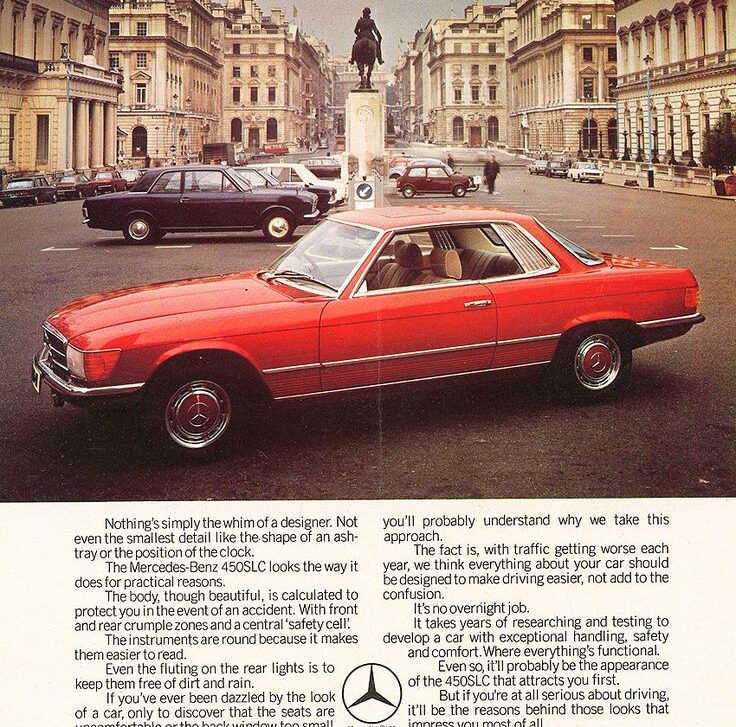
4:言わずもがなの、『ソアラ・DNA』=【一点で収束する、ABCピラーの立体的延長線】から来る、安定感+充実感=居住感
5:当時は希少だった、FR大型クーペの車軸位置とトレッドの理想化が成し遂げられた結果ーーーーー>それ以降の(ホイールベースが長大な)クーペではかえってバランスが崩れがちな、立派で、力強いスタンス感をすかさず達成!!
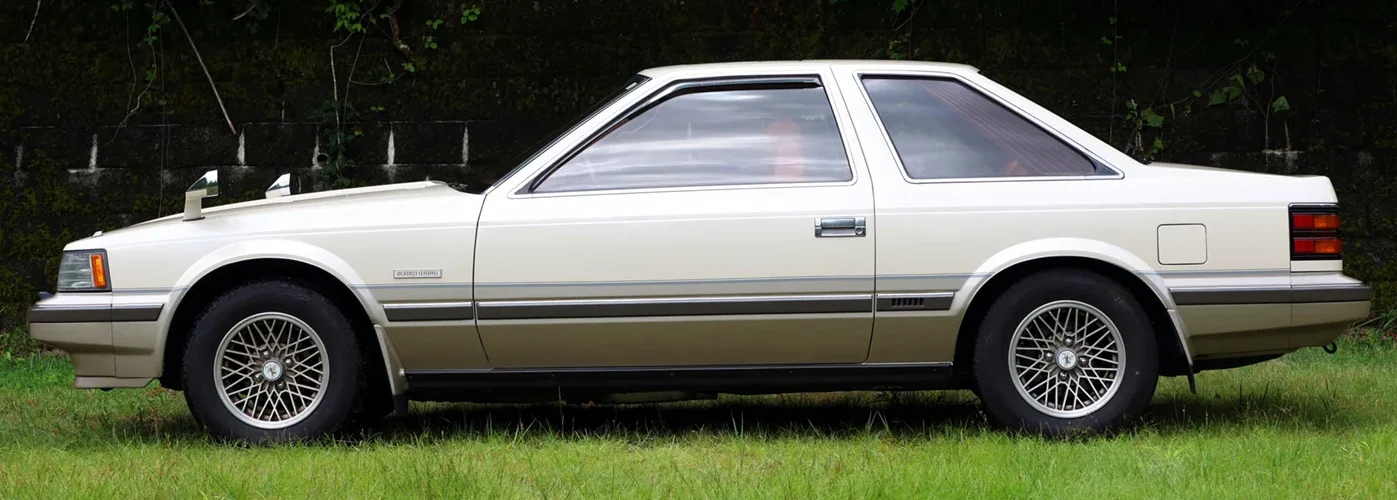
1:直線基調の初代ソアラからほぼサイズ固定で、あらゆる部分の角を丸めてチューニング、洗練度をキレキレに高めたデザインチームの手腕の凄さ。
(初代以上に一体感を増したボディーサイドと前後バンパー部分のサッコプレート処理+オプション?のエアロパーツも見どころです。)
ーーーー>初代のデザイン時に既に固められたプロポーションの美しさが光ります。
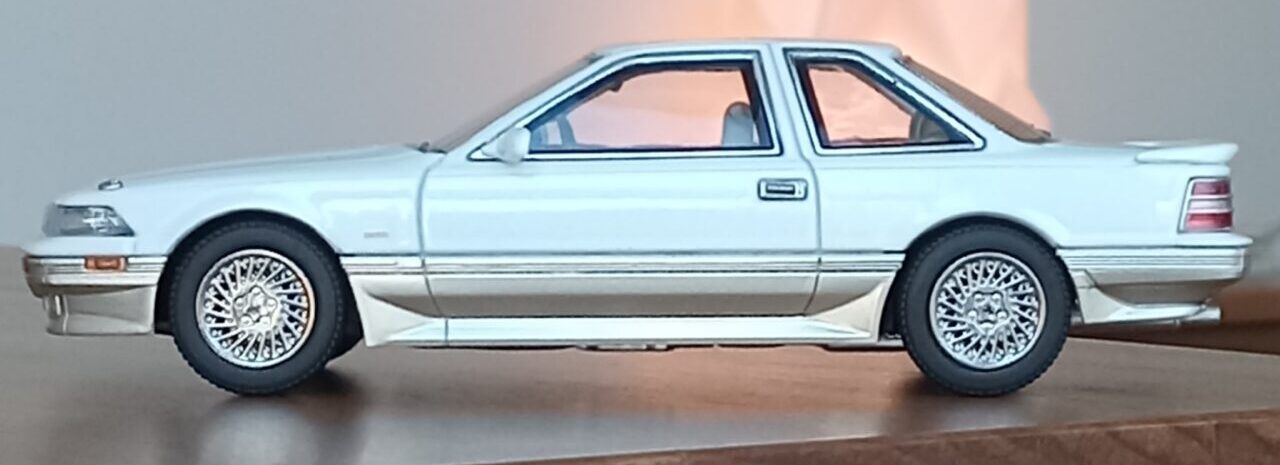
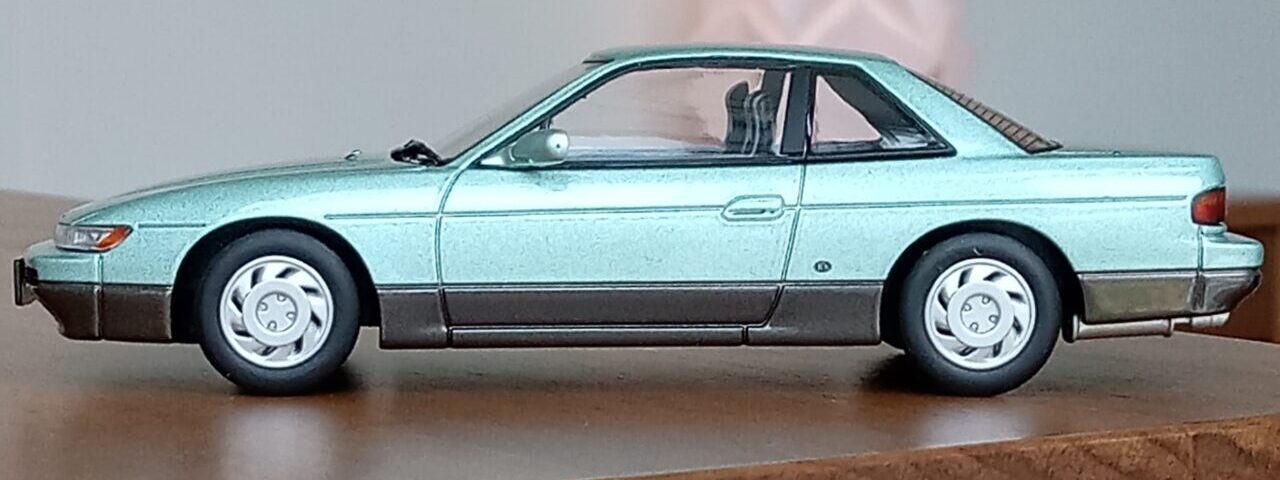
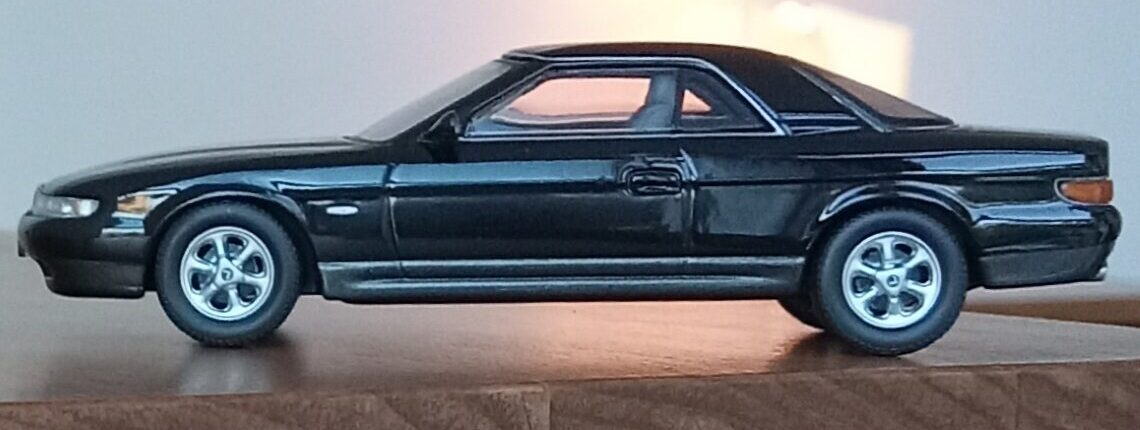
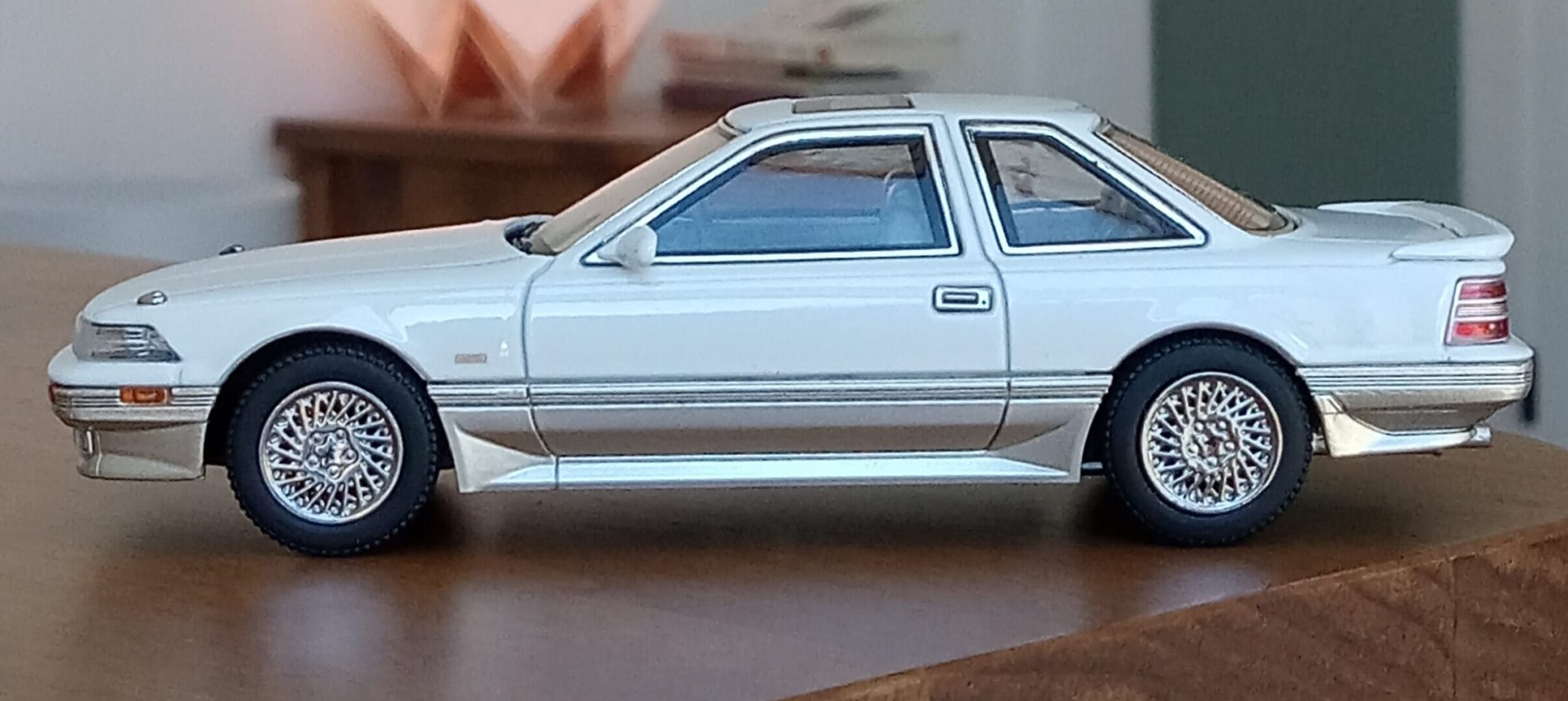
2:同系統のユーノス・コスモや日産・シルビアなどの日本製クーペに比べて、格段に大きなキャビン、窓部分が醸し出す、なんとも味わい深い、
———>「意外にしっかりしたジャケット姿的」な洒脱と、気取りの同居したスポーツ過ぎないセミ・フォーマルな造形キャラクター
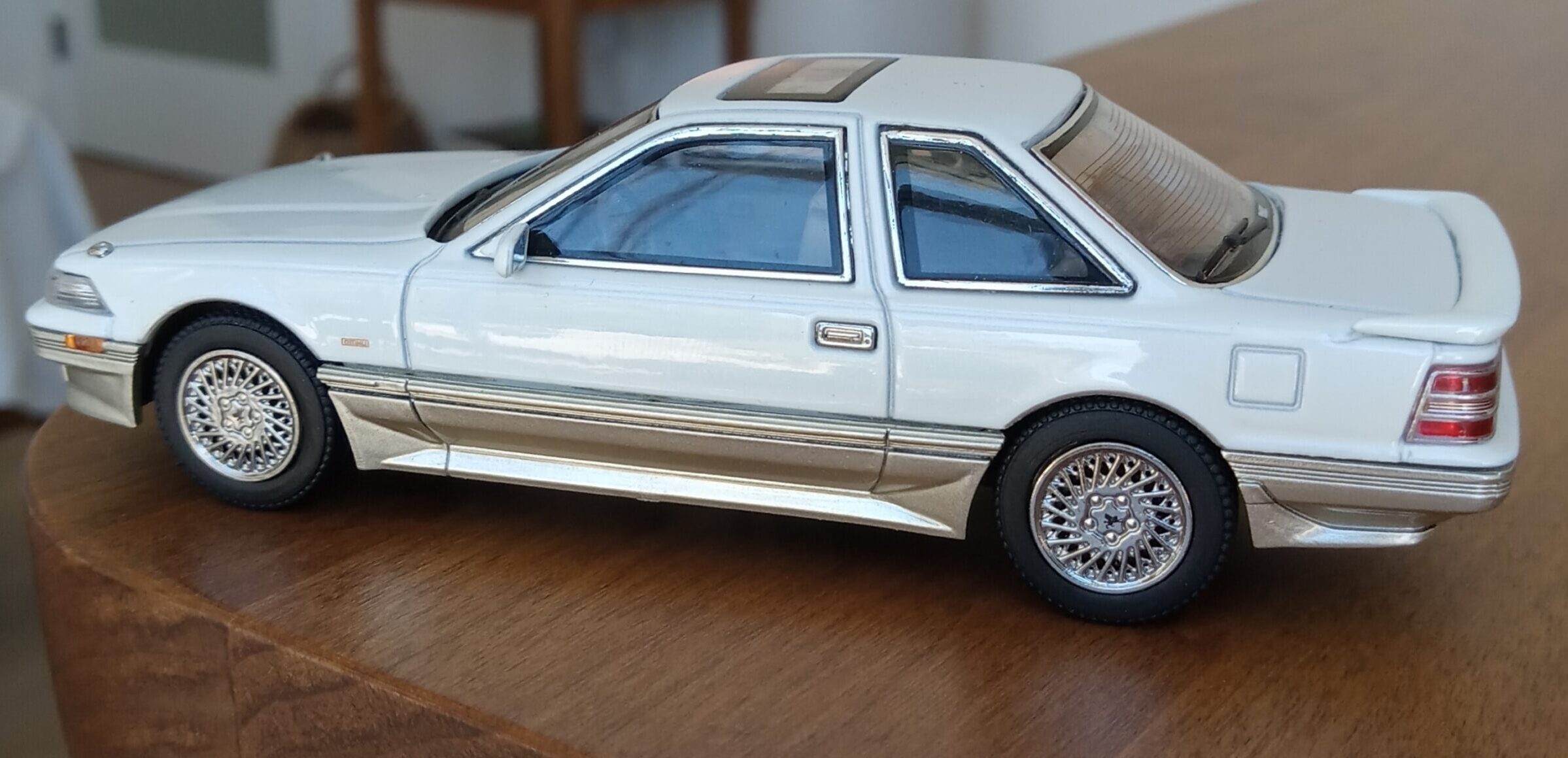
3:奇をてらわない中庸な前後フェイシアのグラフィック
ーーーーー>当時のトヨタ・ハイソカーの頂点にふさわしい『凛』と澄ました表情です。
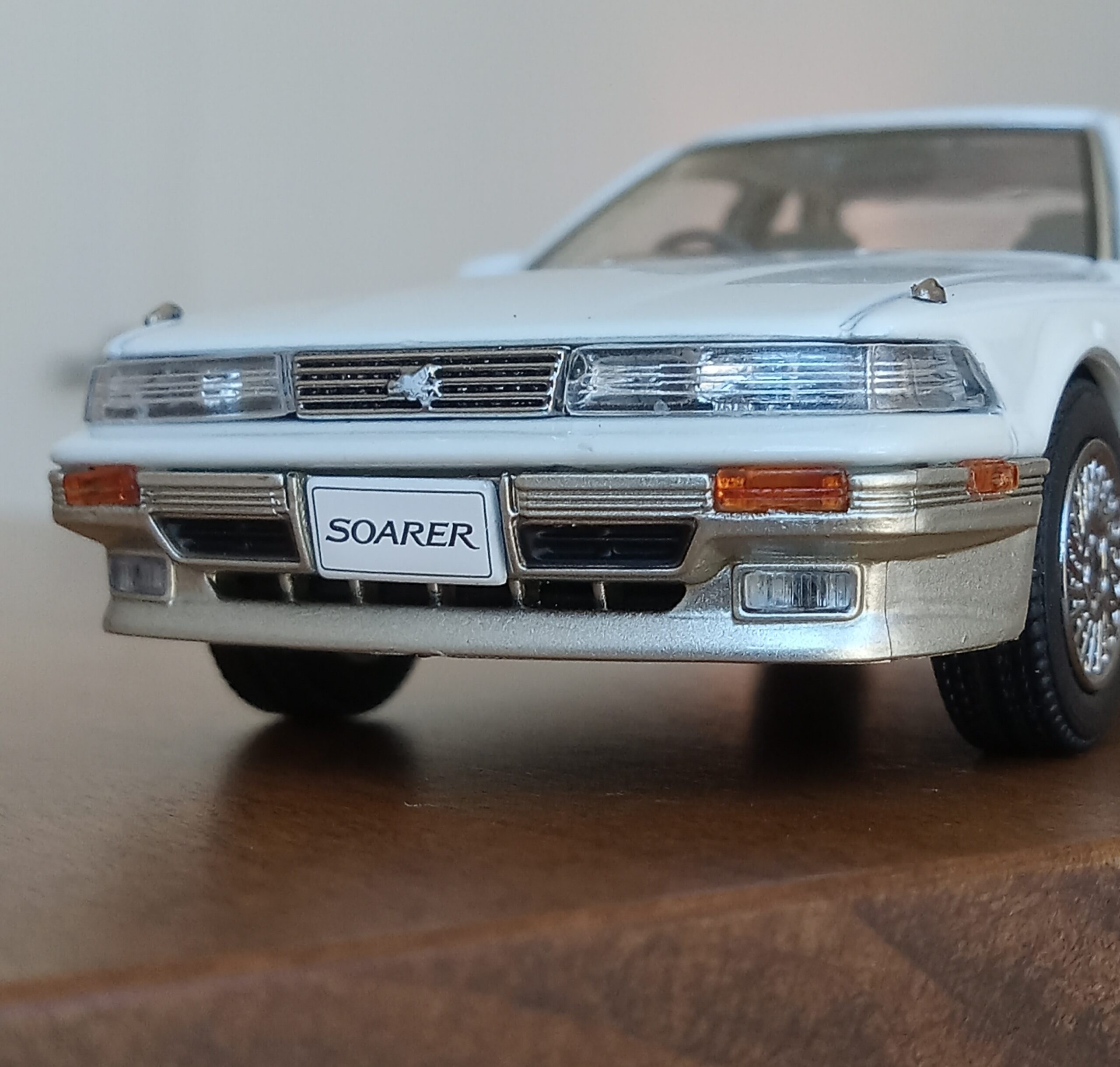
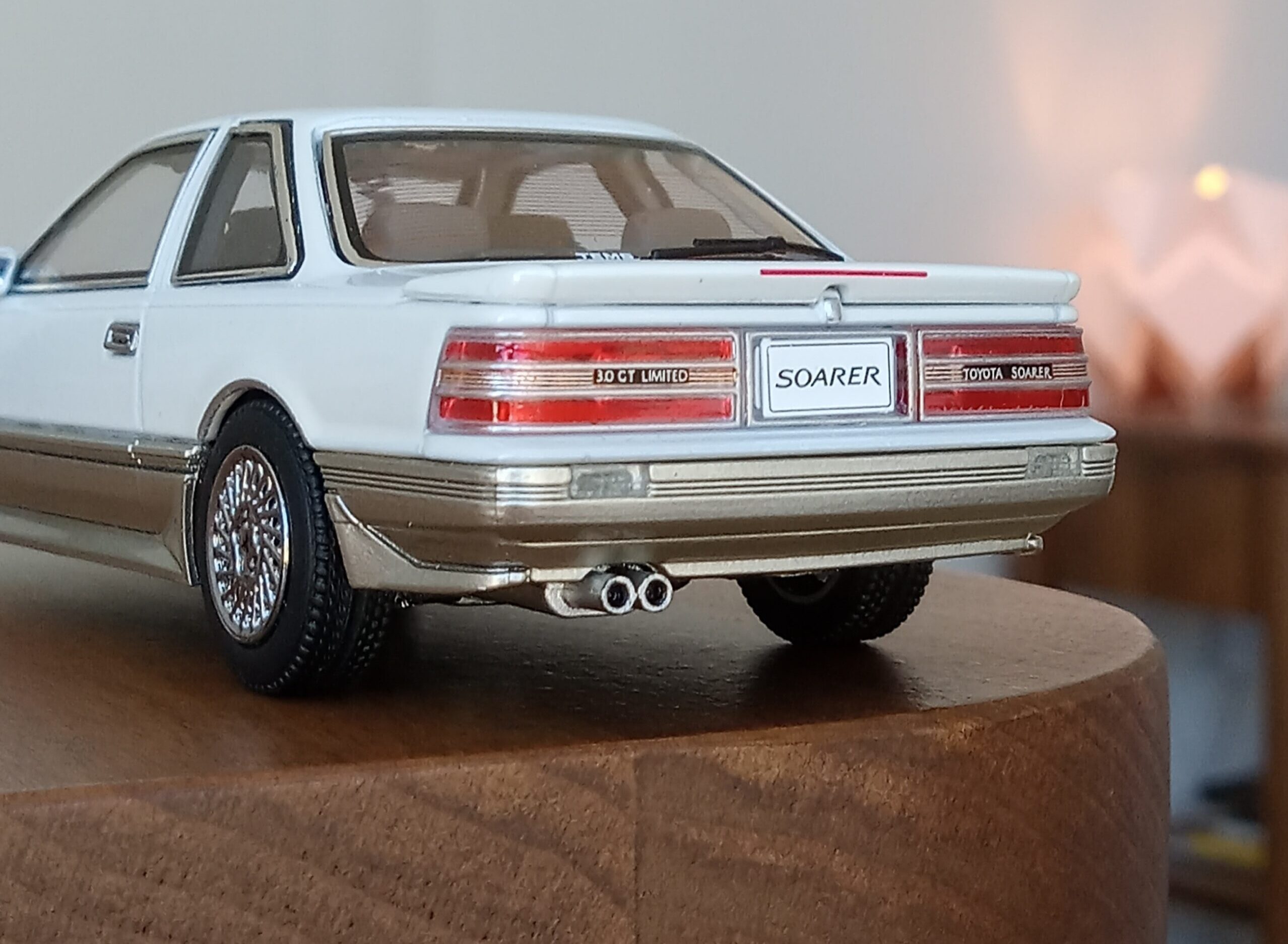
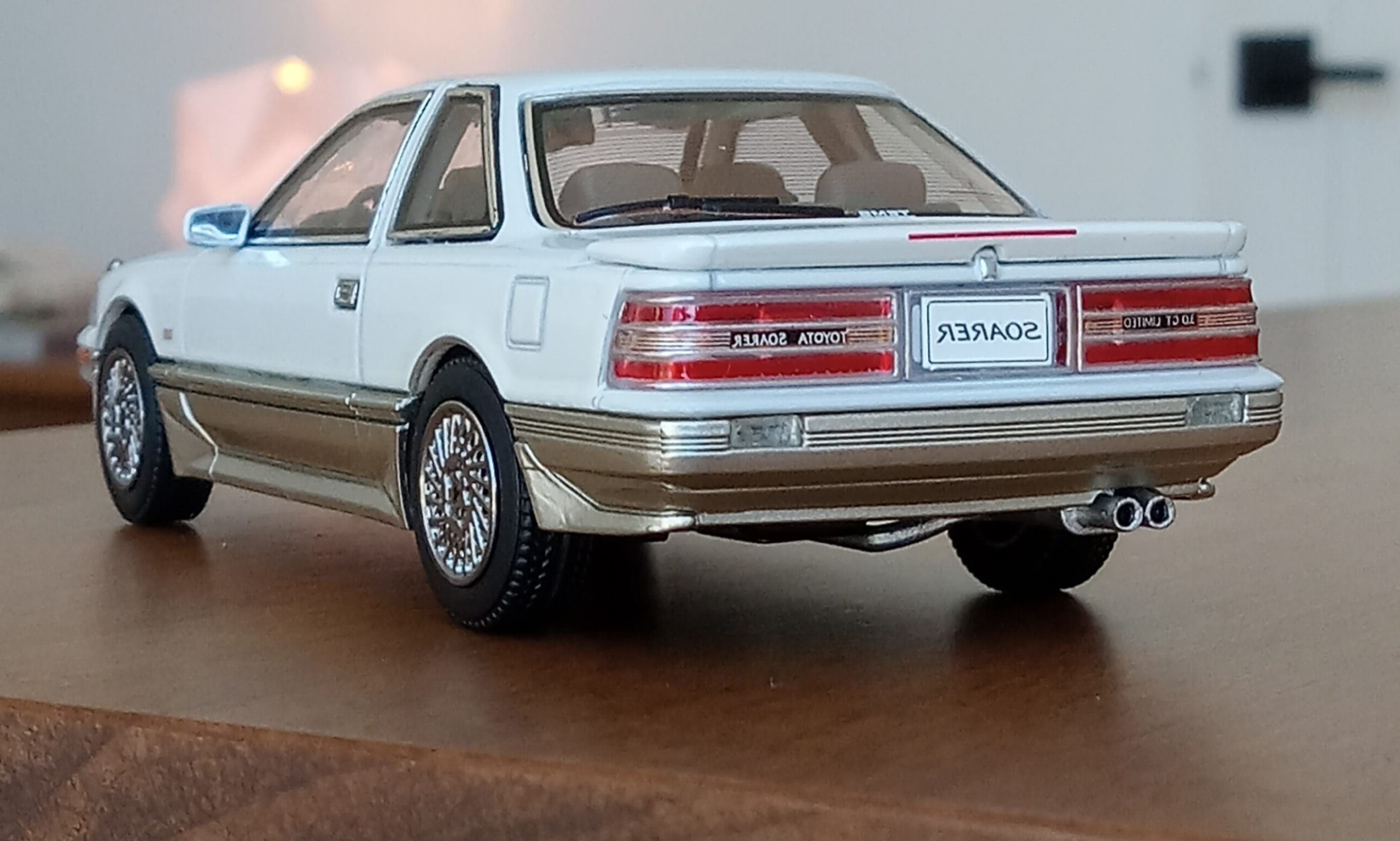
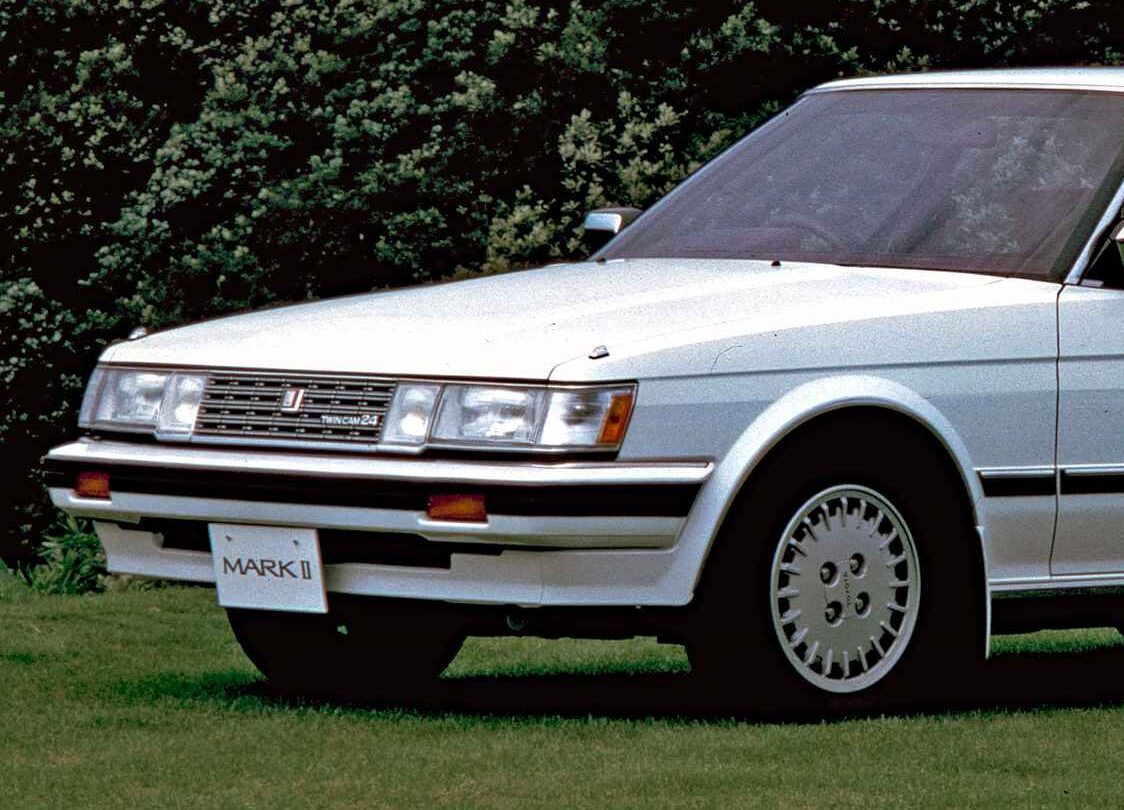
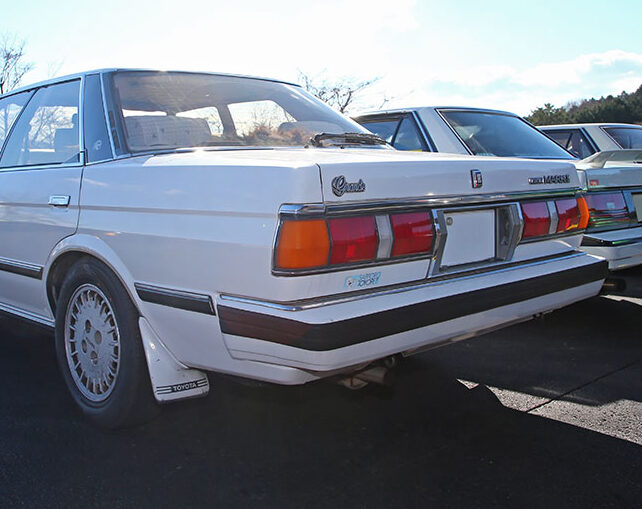 (当時のハイソカーの代表―――トヨタマーク2)
4:言わずもがなの、『ソアラ・DNA』=【一点で収束する、ABCピラーの立体的延長線】から来る、安定感+充実感=居住感
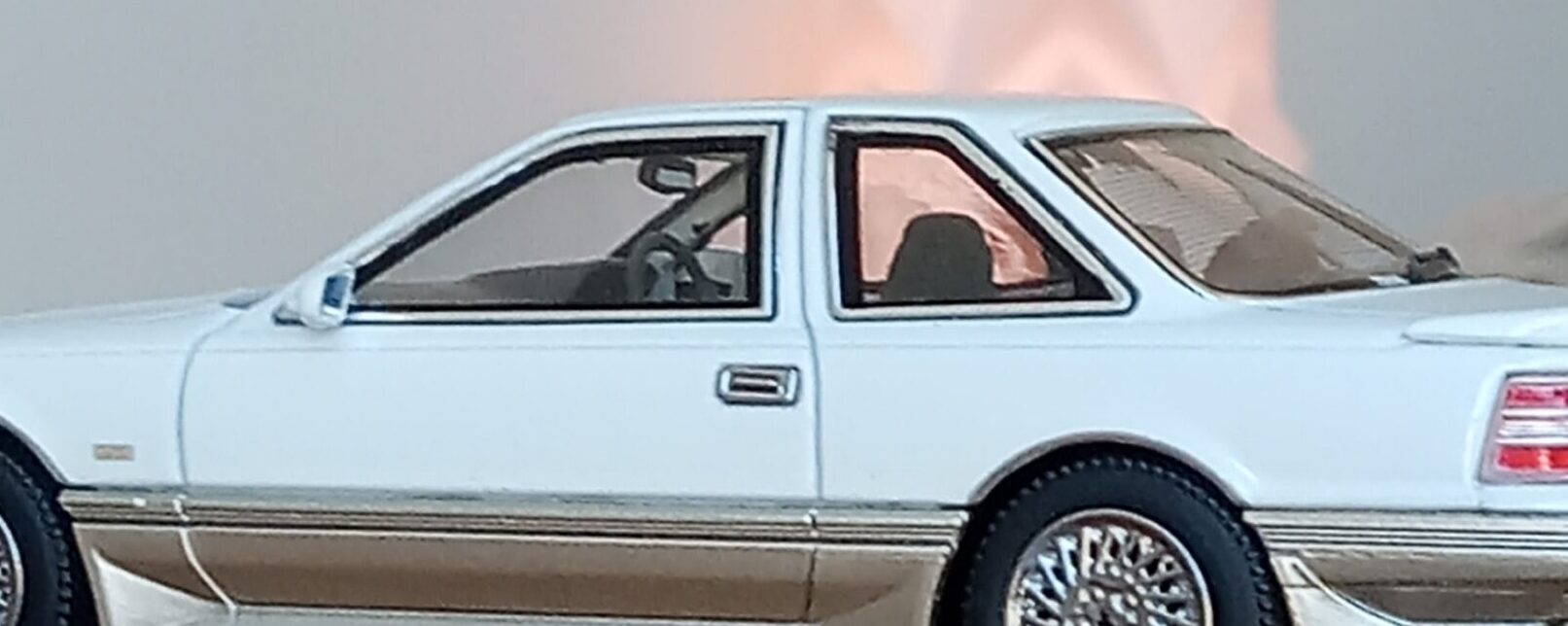
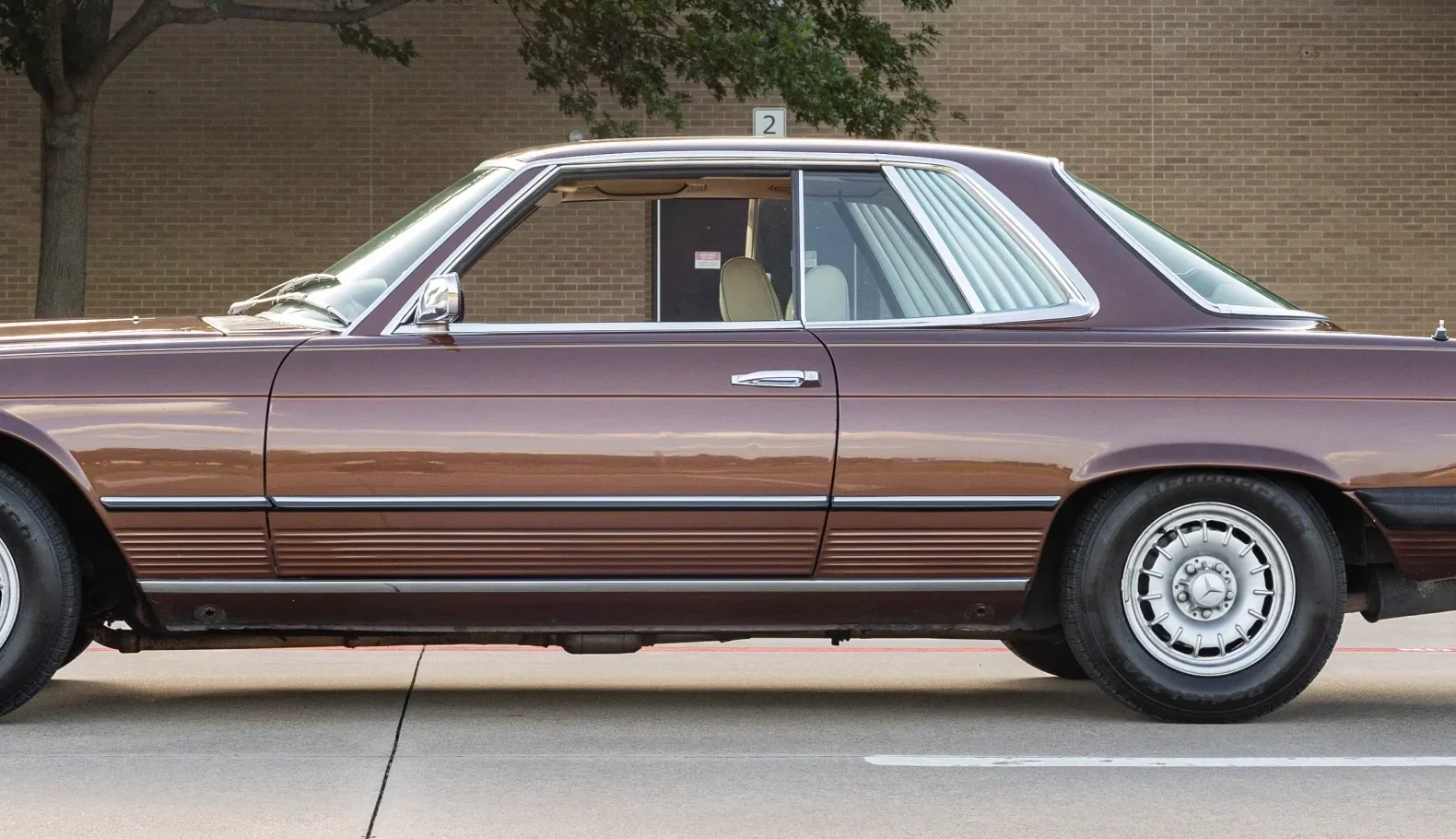
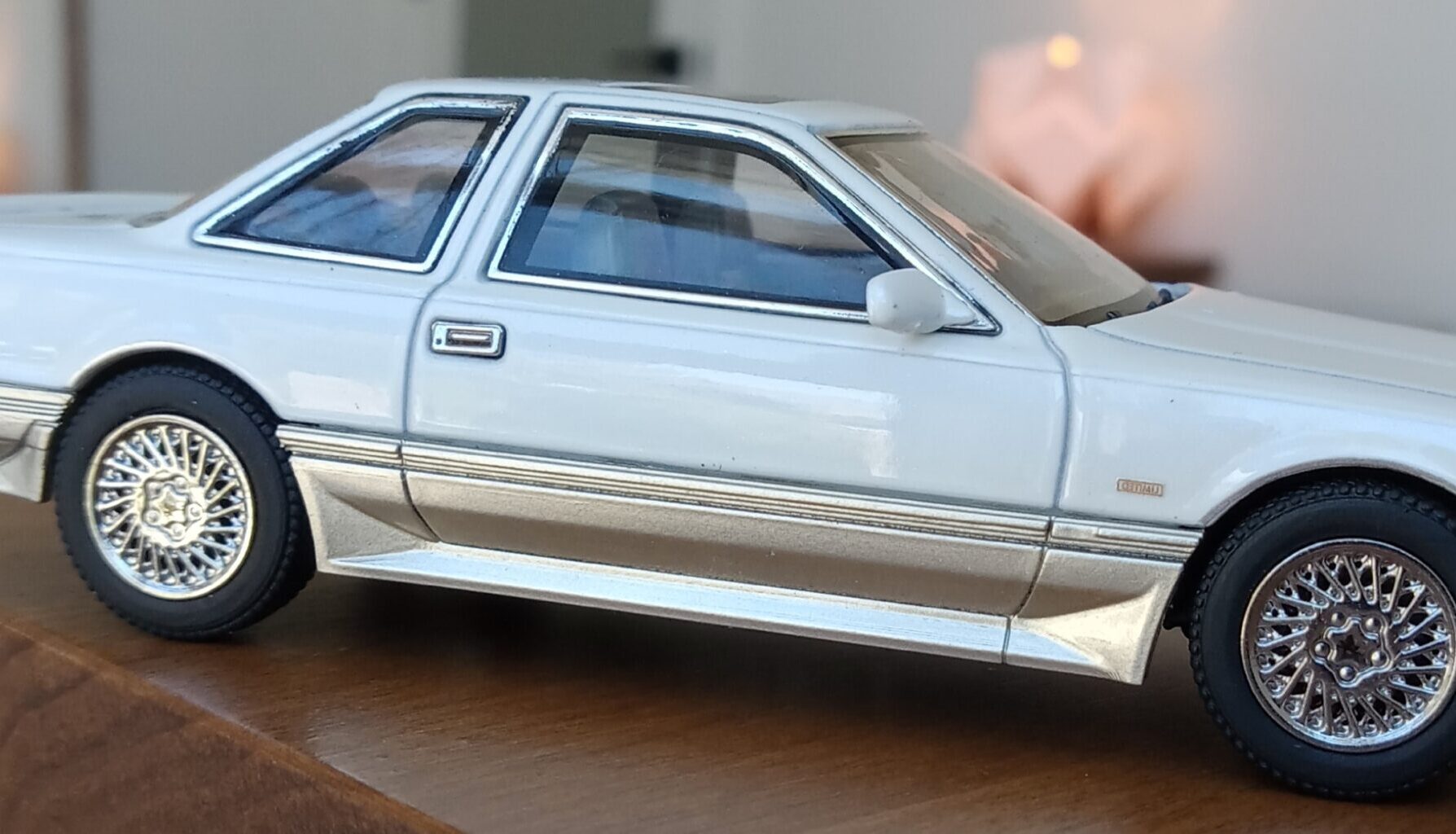 (1970年代後半型、メルセデスベンツ 450SLC)
5:当時は希少だった、FR大型クーペの車軸位置とトレッドの理想化が成し遂げられた結果
ーーーーー>それ以降の(ホイールベースが長大な)クーペではかえってバランスが崩れがちな、立派で、力強いスタンス感をすかさず達成!!
続きましては
私の個人体験をお話ししてみます、、、
*『私』と2代目ソアラ2000ツイン・ターボ仕様(スーパーホワイトll)
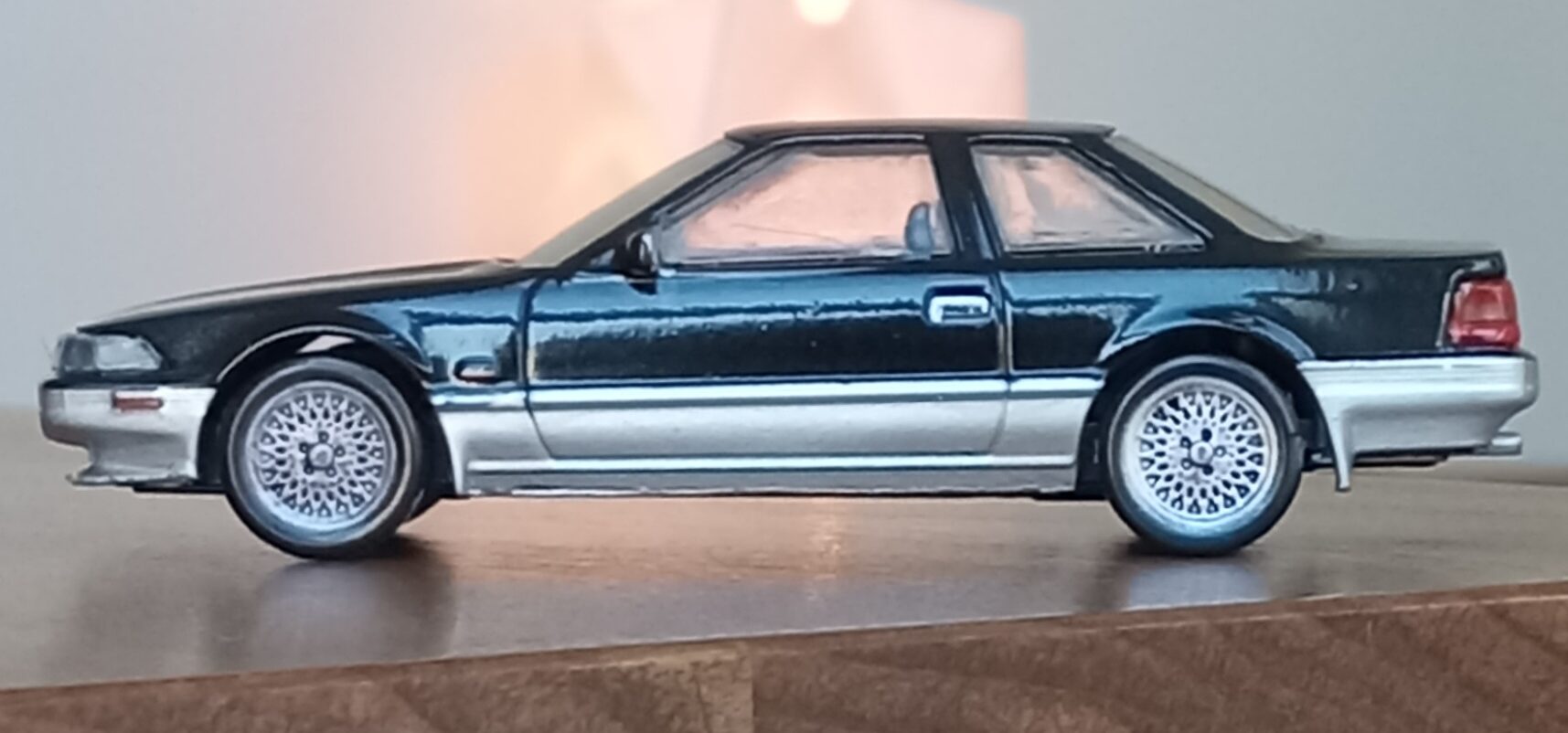
大学2年の頃、
私自身は初代バラード・CRX(青&銀の2トーン)にご執心、
そんな中、車好き一家の父、弟、私の3人は、
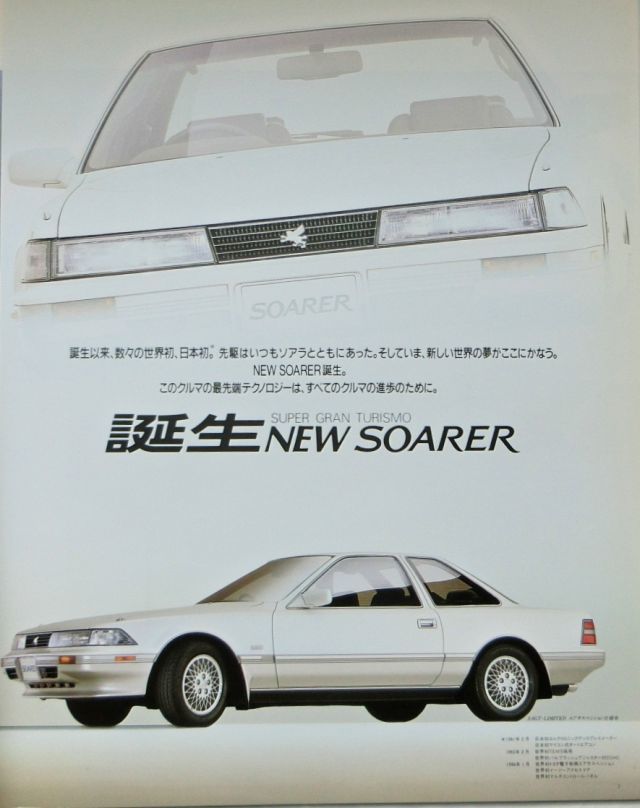
【新型ソアラ、新車発表会で頂いたカタログとにらめっこ】
の毎日でした。
*クラウンを2台乗り継いで、新型に触手が動かない父を何とか説得して、
*新型ソアラ2000GTツイン・ターボを買わせよう、
というのが私と弟の作戦で、
最終的には、弟がバイトでためた貯金をカンパする形で、
(≒彼と父の共同所有)
真新しい、
『エアロパーツ付きのツインターボ
(スーパーホワイト2)』が
我家にやってきました。
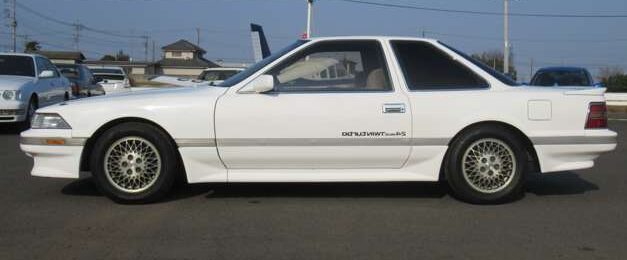
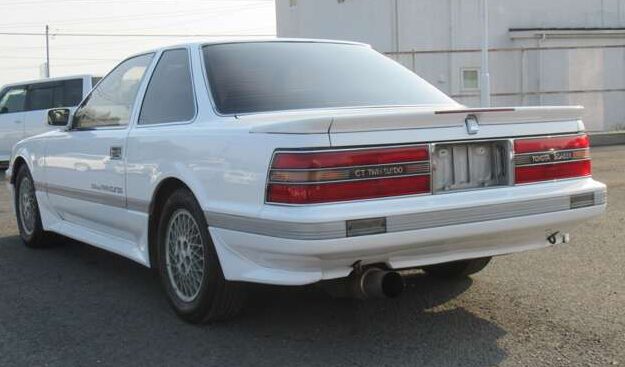
当初、家族全員のお気に入りとなり、
色々ドライブを楽しんだりしていたのですが、
このソアラの我が家での存在はかなり短命で、
確か、1年そこそこで「クラウン・アリスト」に
乗り換えてしまいました。
(父がゴルフに行く時、友人4人とそのゴルフバックが載せられない、というのが理由でした)
私の思い出としては、
*エアロパーツによって車高が低く見えるのはいいのですが、
*そのおかげでなぜだか、タイヤが若干小さく見えるかな、、、、
といったものでした
。
#2代目ソアラの立体物たち、、、
その後こんな感じで、
ソアラの立体物に触れてきました。
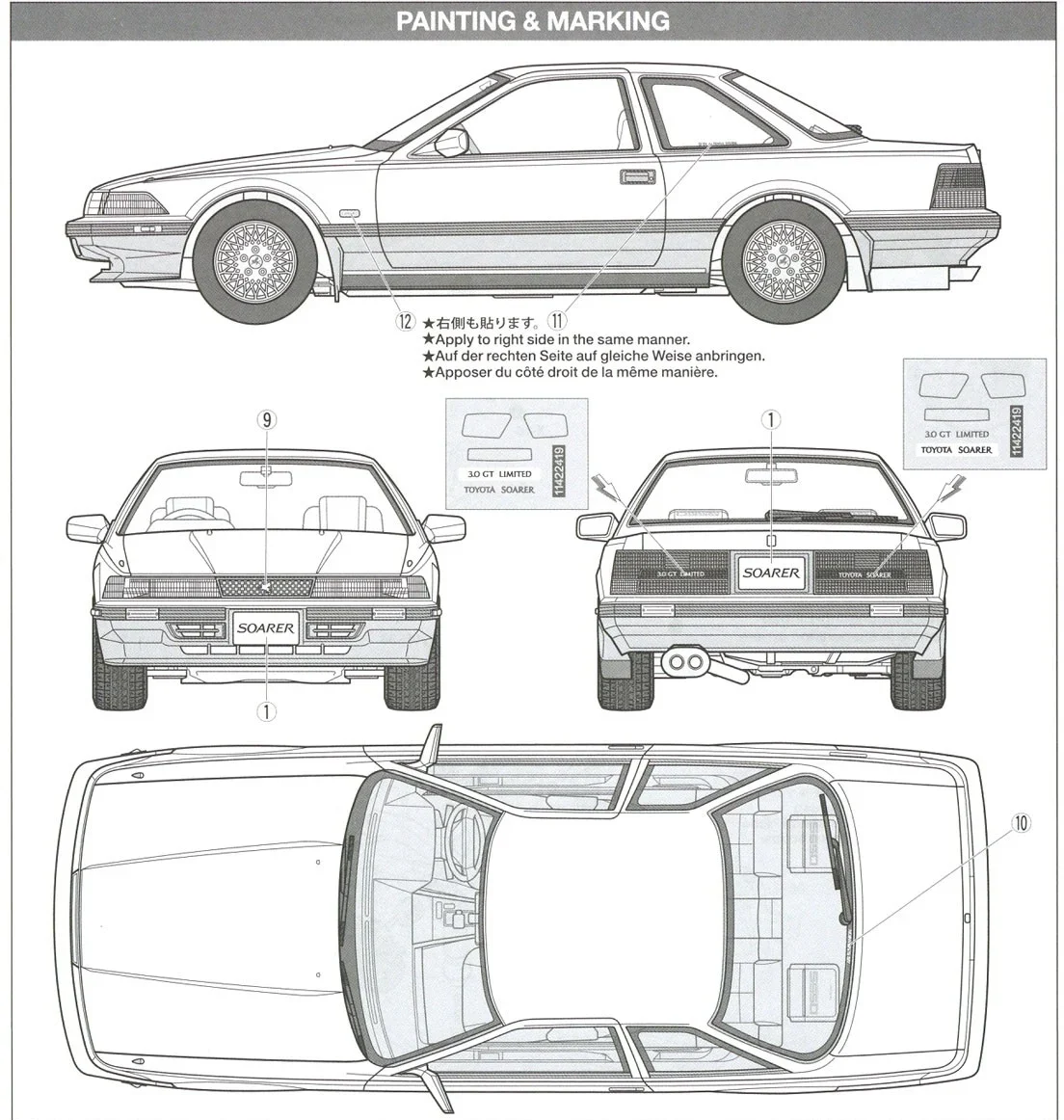
*タミヤ模型製、1/24プラキット、トヨタ・ソアラ3,0GT リミテッド
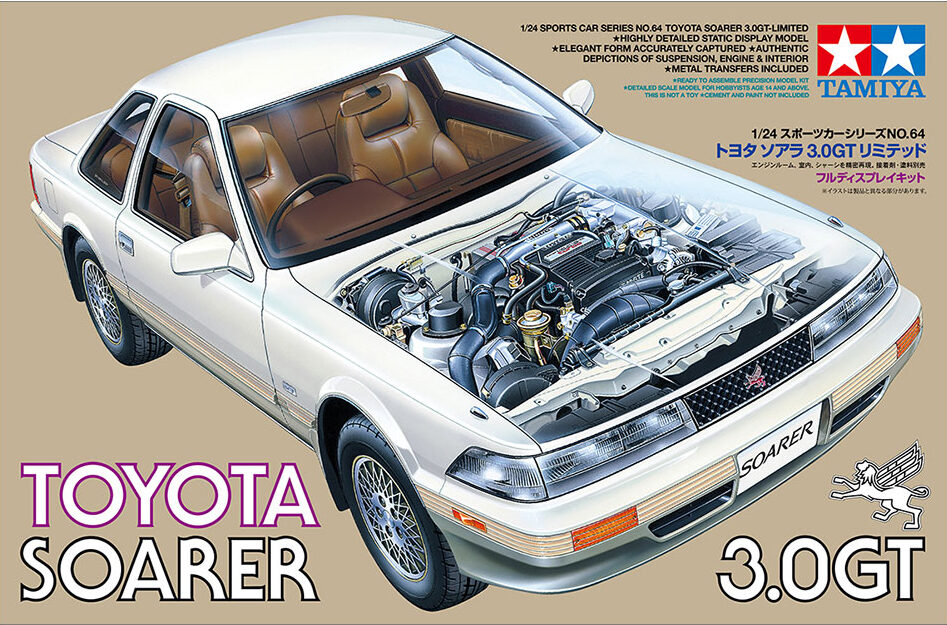
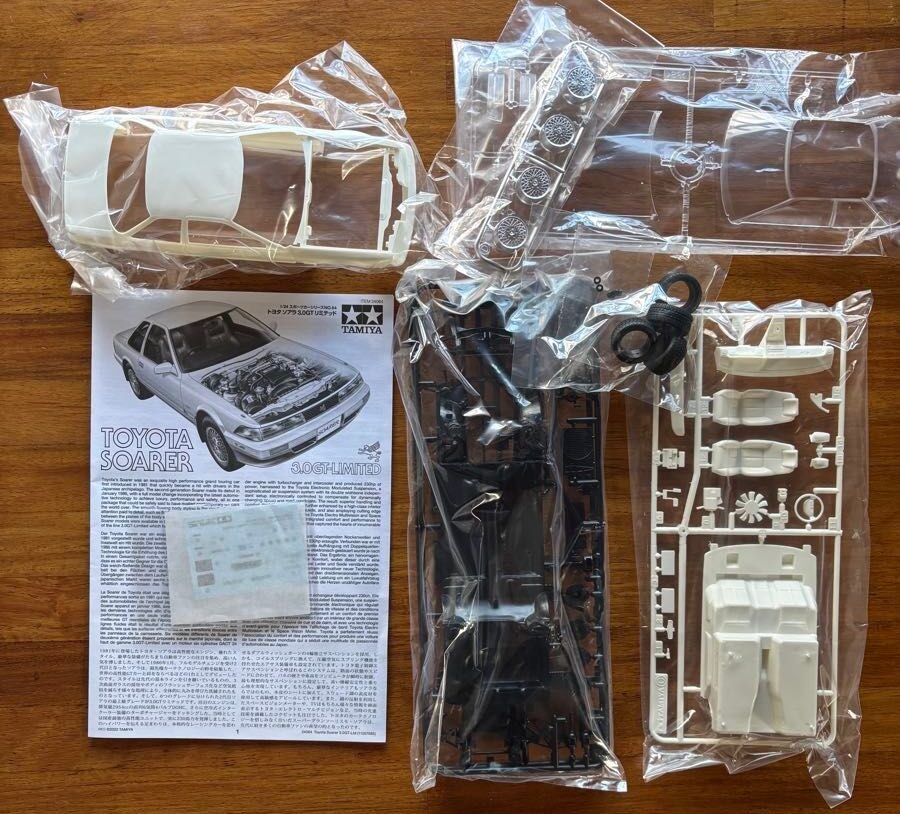
(日本車では珍しい、特別感たっぷりのエンジン付きキットで、全体のイメージをディフォルメを抑えて、絶妙な塩梅にとらえていました。
ーーーー>パッケージアートの高級感も手伝ってか、田宮の底力を感じました。
*フジミ模型製、1/24プラキット、トヨタ・ソアラ 3,0GT/リミテッド
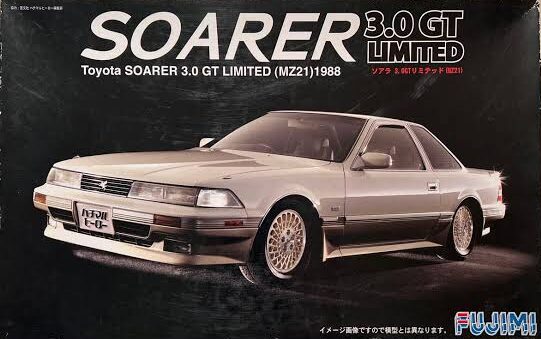
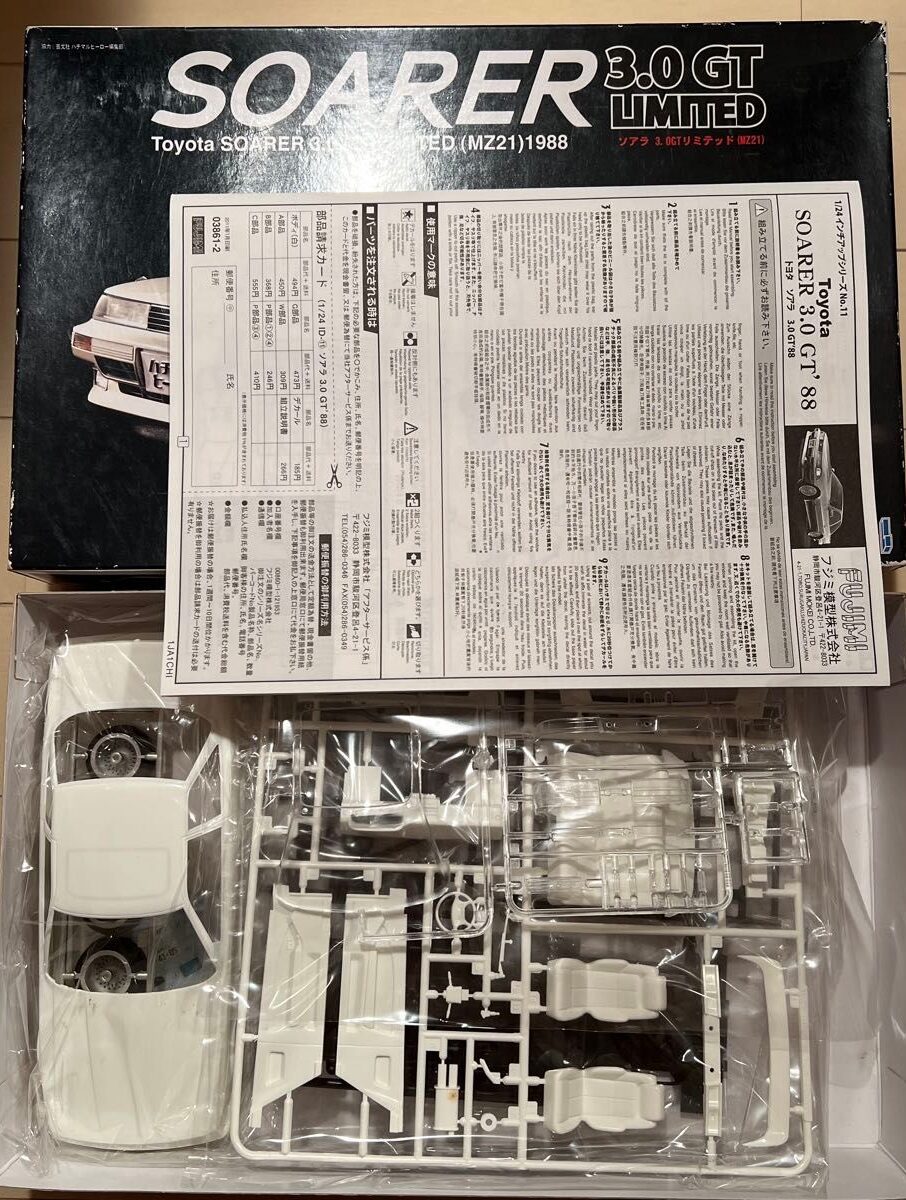
(確か、かなりしっかりしたエンジン付きの、日本車版エンスージアストシリーズのような、立ち位置でその他のハイソカーと一緒に括られたシリーズでした。
ーーーー>フジミが勢い付く前夜を象徴するキットです。【今ではレア?】)
*ハセガワ製、 1/24トヨタ ソアラ (Z20) 後期型 2.0GT-ツインターボL (1989) “フルエアロ” HC70
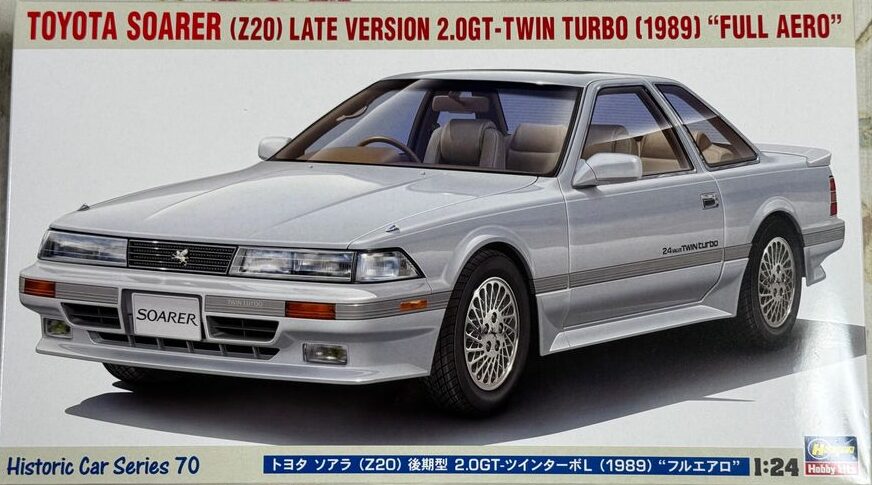
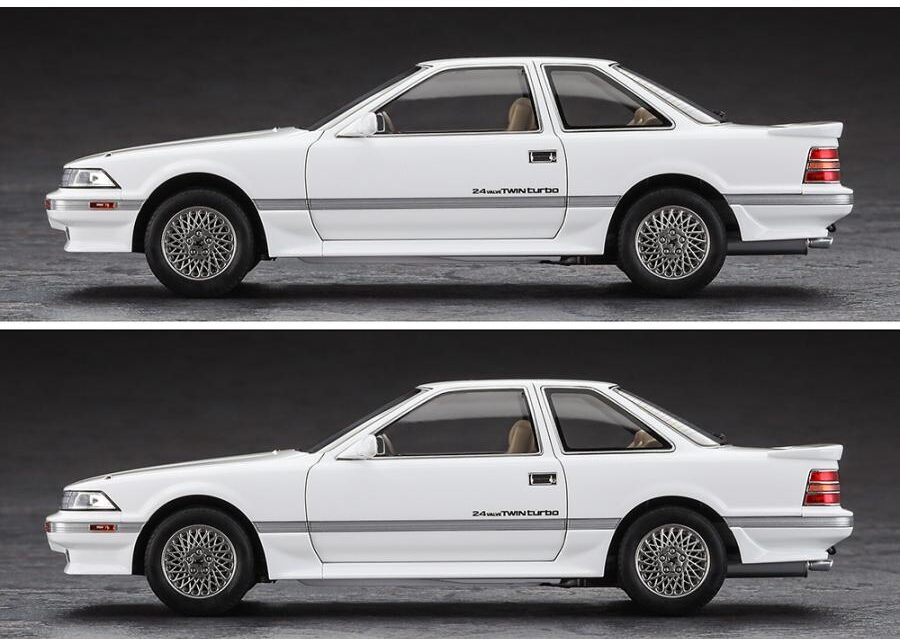
 (最新のキットで未見ですが、決定版的商品見本の作例の出来がすさまじく、
ーーー>後期型を完璧に再現しています。)
ここからは各種、
ミニカーのご紹介です。
*京商製、1/64ダイキャスト完成品、トヨタ・ソアラ 3,0GT・リミテッド
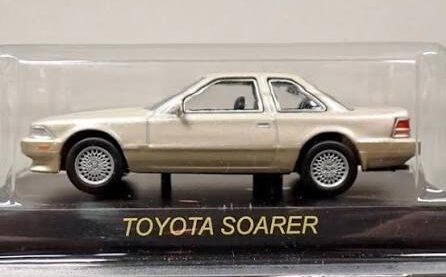
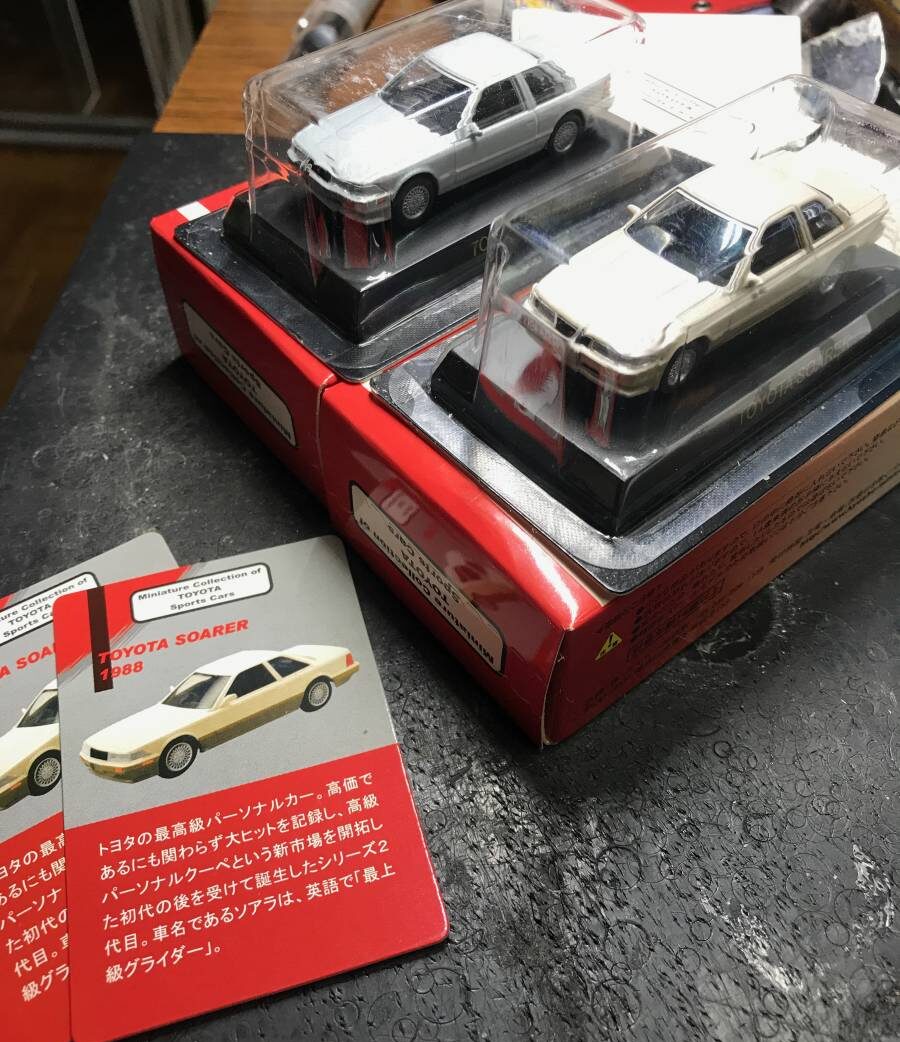 (京商製1/64ミニカーの最初期の設計のためか、デッサンに大胆さがなく、ボンネットやリアトランク周りの繊細なボリュームが乏しく、
ーーーーー>貧相で、迫力や、オーラを感じません、、、、)
*スタンド・ストーンズ社製、ガチャポン版、1/64プラ半完成品、 トヨタ・ソアラ Z20型 2代目SOARER ハチマル
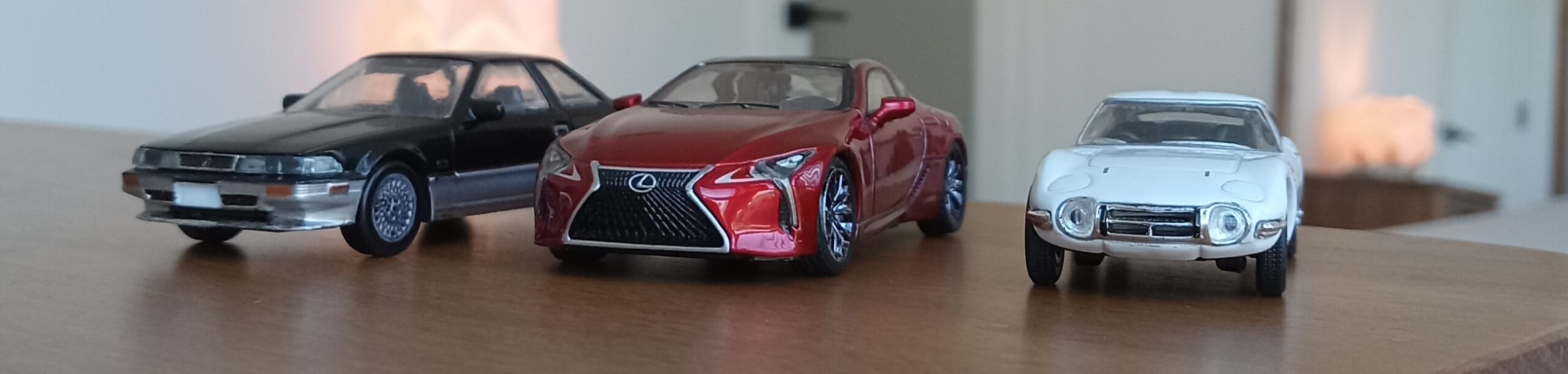
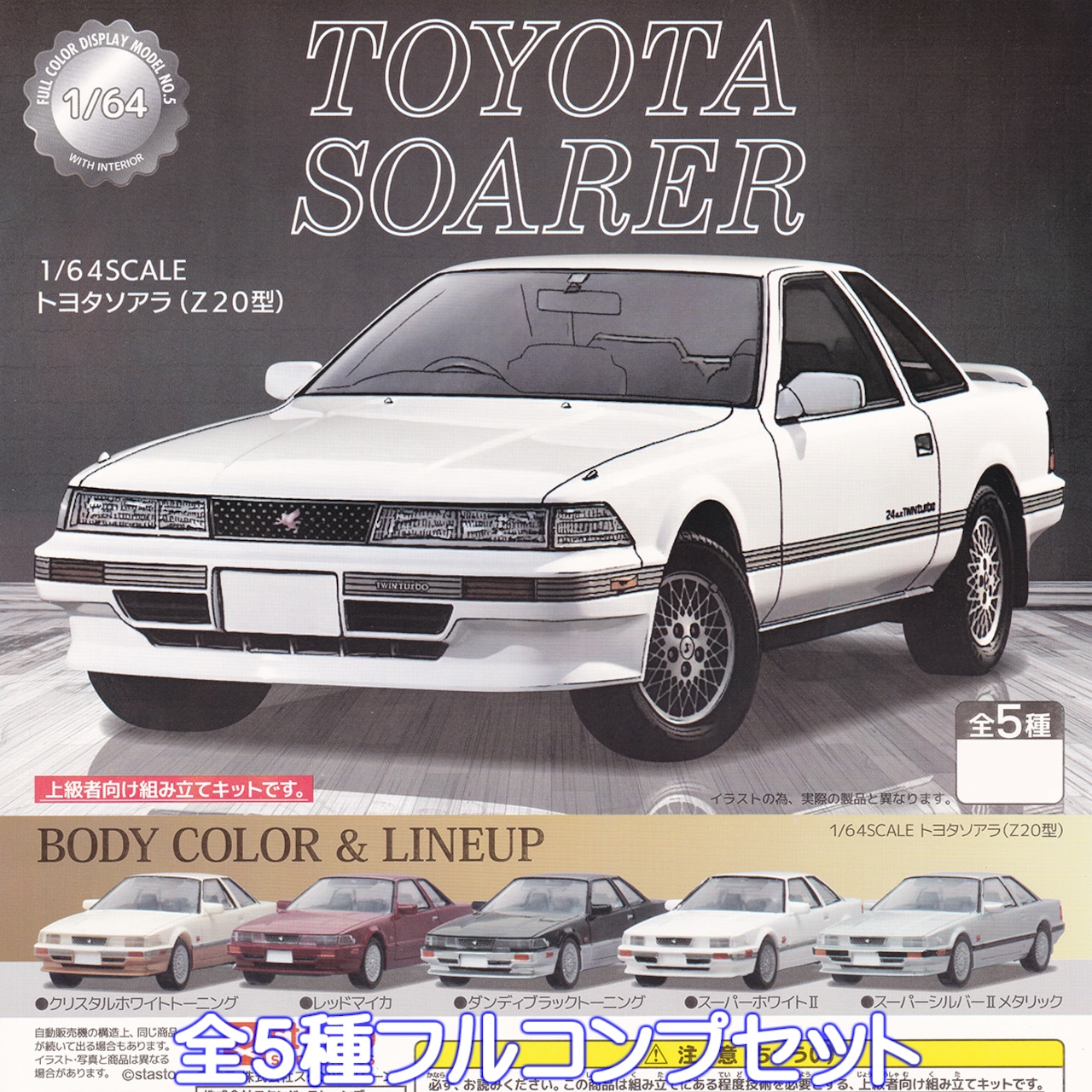
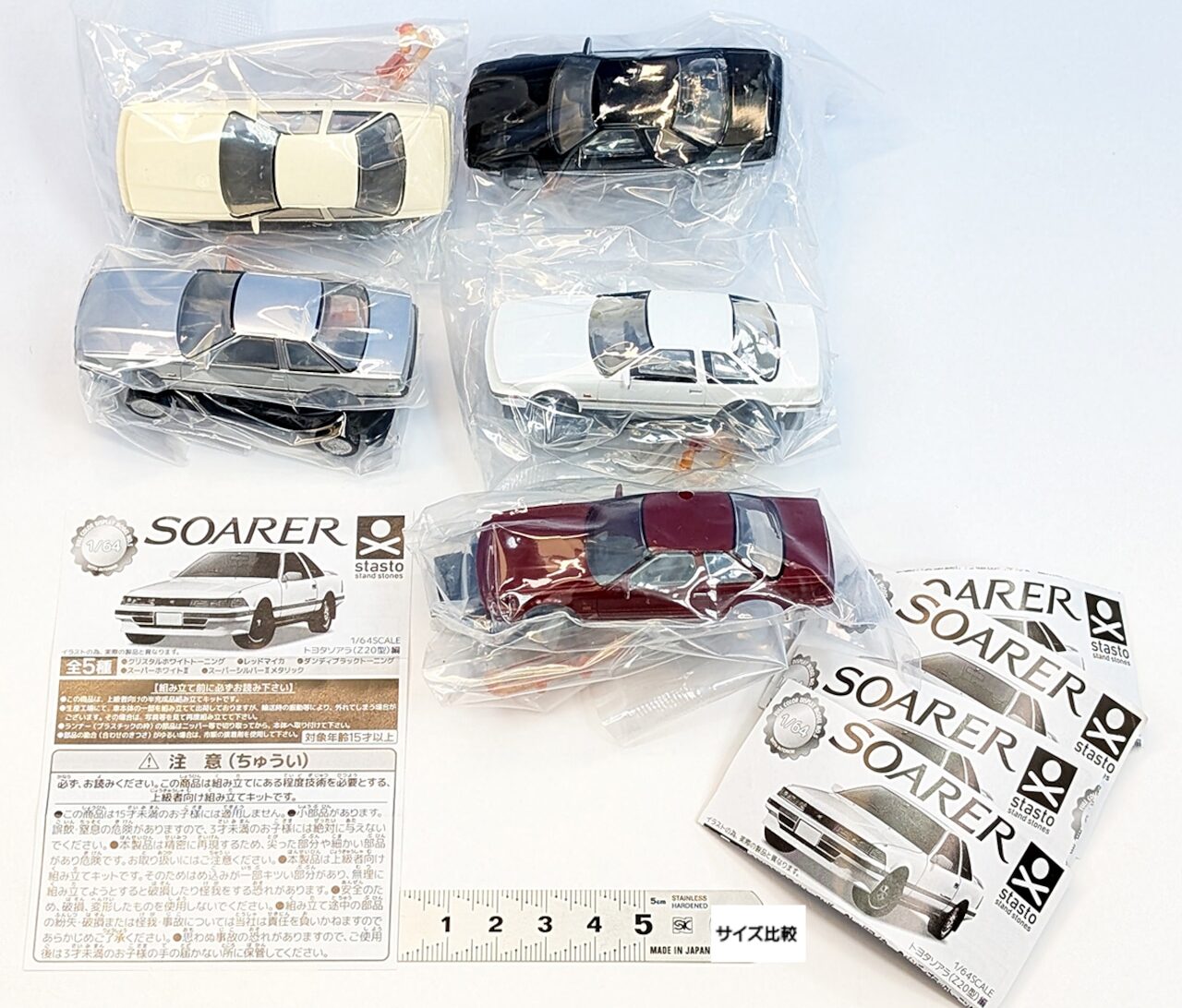
(発売延期されましたが、いざ発売されると、そのボディー造形のデッサンの正確さが優秀で、タイヤのトレッドを広くするだけで素晴らしいミニチュアが現れます。
---→塗装クオリティーの粗さと、マスキングが汚いのが玉に瑕)
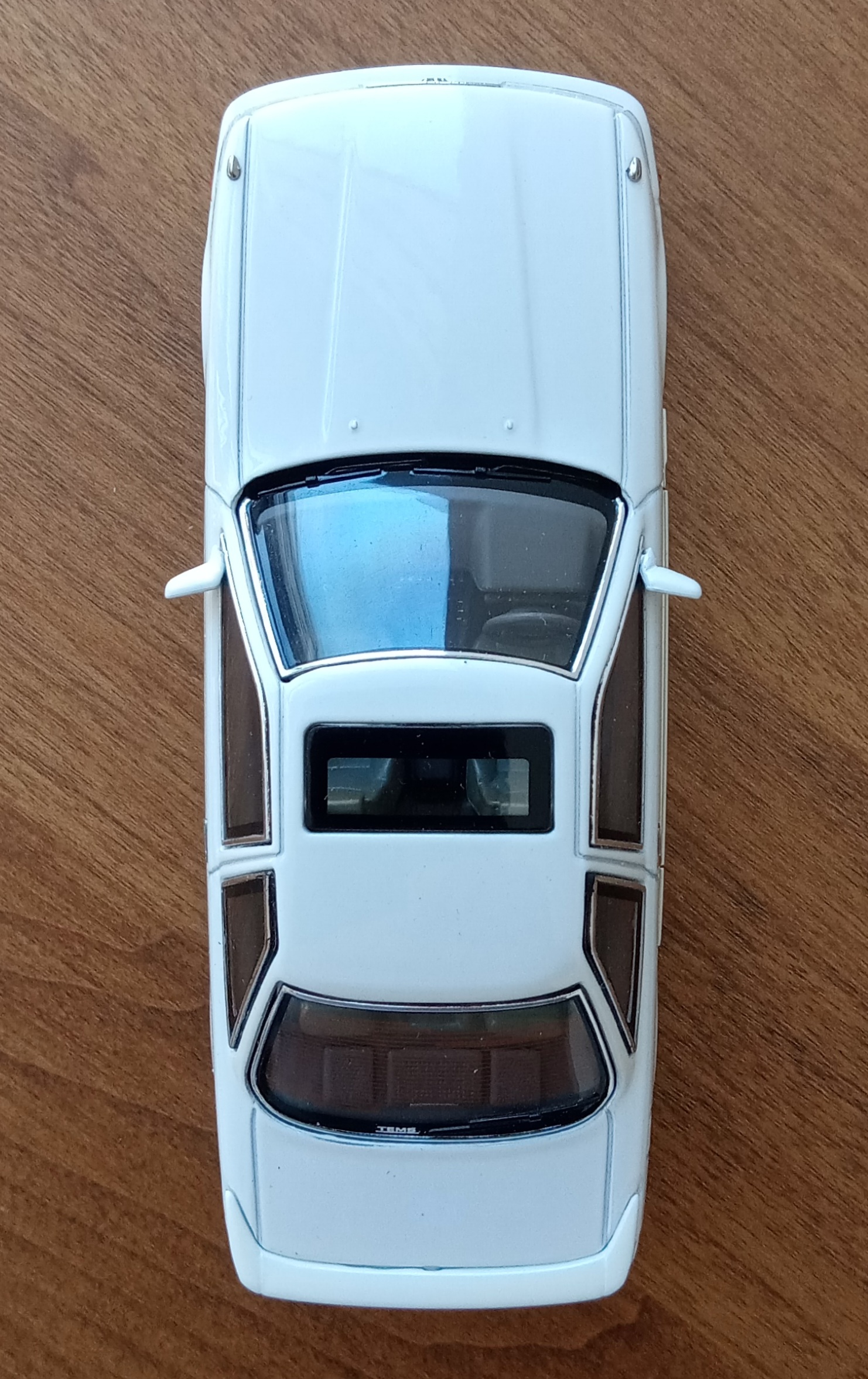
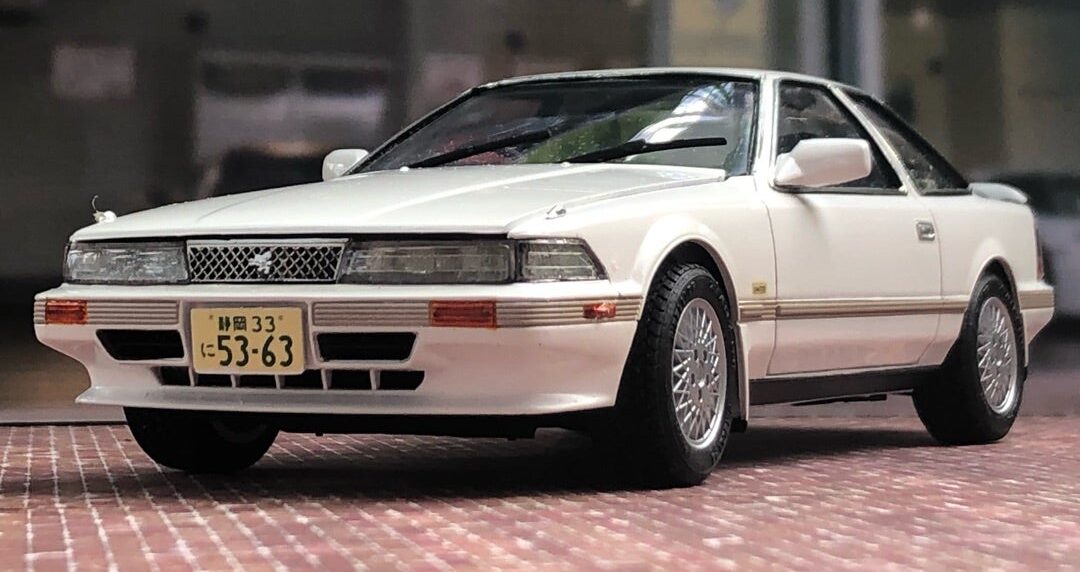
*ホビージャパン社製、HJD43シリーズ、1/43ダイキャスト完成品、トヨタ・ソアラ3.0GT/リミテッド(クリスタル・トーニングII)
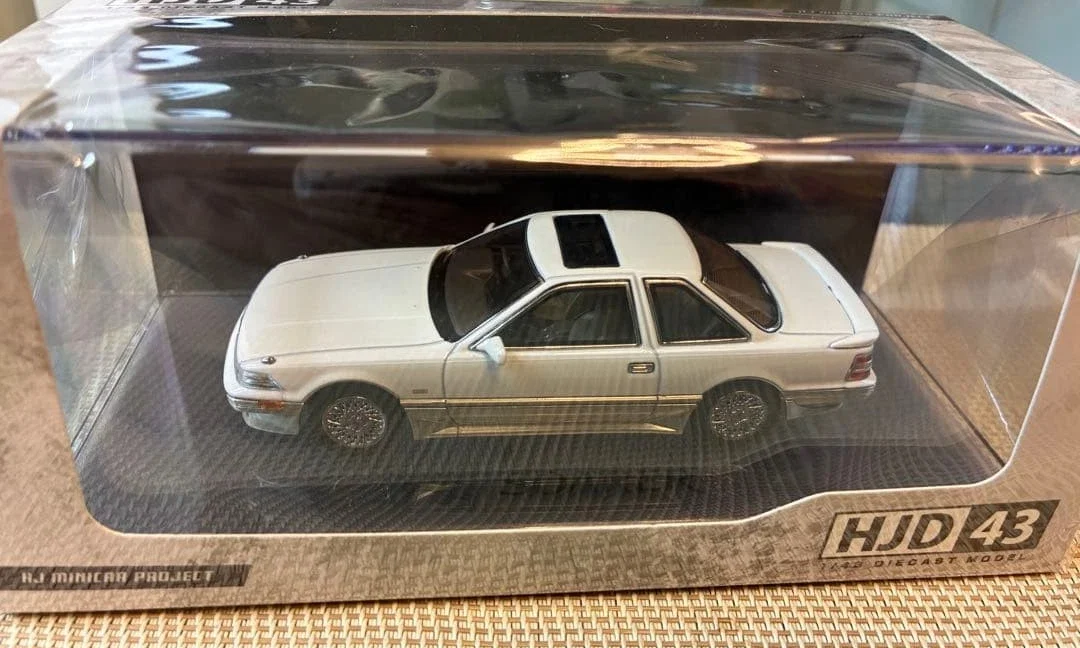
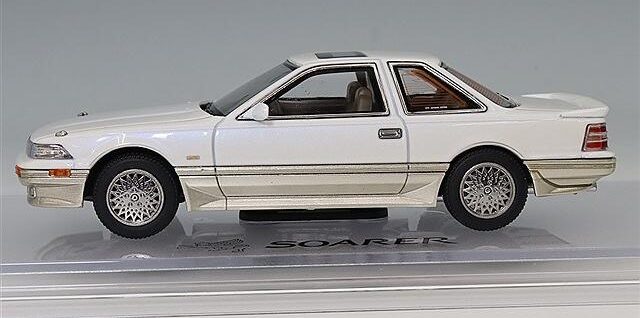
(今回に記事の写真撮影で使用したミニカーです。窓枠が若干オーバースケールなのを除けば、デッサン、塗装、ディテール再現とも素晴らしいミニカーです。
---→同じくHJ製のレジン版もあるようですが、更に出来がよさそうです。)
それでは恒例となりました
三題噺のお時間です!
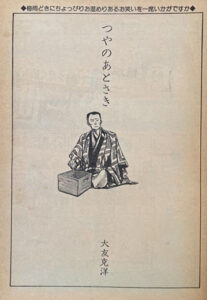
*三題噺:ハイソサエティー・450SLC・白洲次郎氏
今回もかなりランダムな
お題をいただいておりますが、
*ハイ・ソサエティー
*450SLC
*白洲次郎氏
上手に落とせますでしょうか?
それでは今回も「AI」とのタッグで、
何度も試行錯誤の上、
『くだらない落ち』が出来ました。(笑)
「艶姿(あですがた)ソアラ〜本物の紳士(プリンシプル)編〜」
n
n
隠居: 「おや、熊さん、またどこで目の保養をしてきやがったんだ」
n
帯びてやがる。ただの四角い箱じゃねぇ、あの品格はまさに 『ハイソサエティー 』そのものだ。乗ってる奴まで背筋がピンと伸びちまうような、そんなオーラを外観からプンプン発してやがったぜ」
お後がよろしいようで、、、ペンペン」
n
 n
nn
nn
n
n
nn
n
n
nn
*忘れられがち、、、日本のマイナー・クーペたち
バブル期到来を告げた、
トヨタ、クラウン、マーク2、ソアラなどのハイソカー軍団、
その陰に隠れてひっそりと咲いた
『あだ花達(他社の2ドア・クーペ)』に
フォーカスを当ててみたいです。
*ミツビシ・ギャラン λ、1976(ブラウン・メタリック)
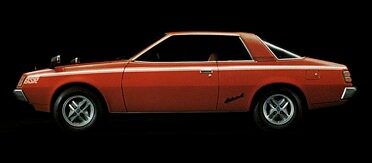
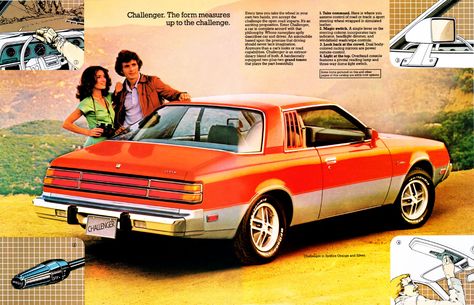
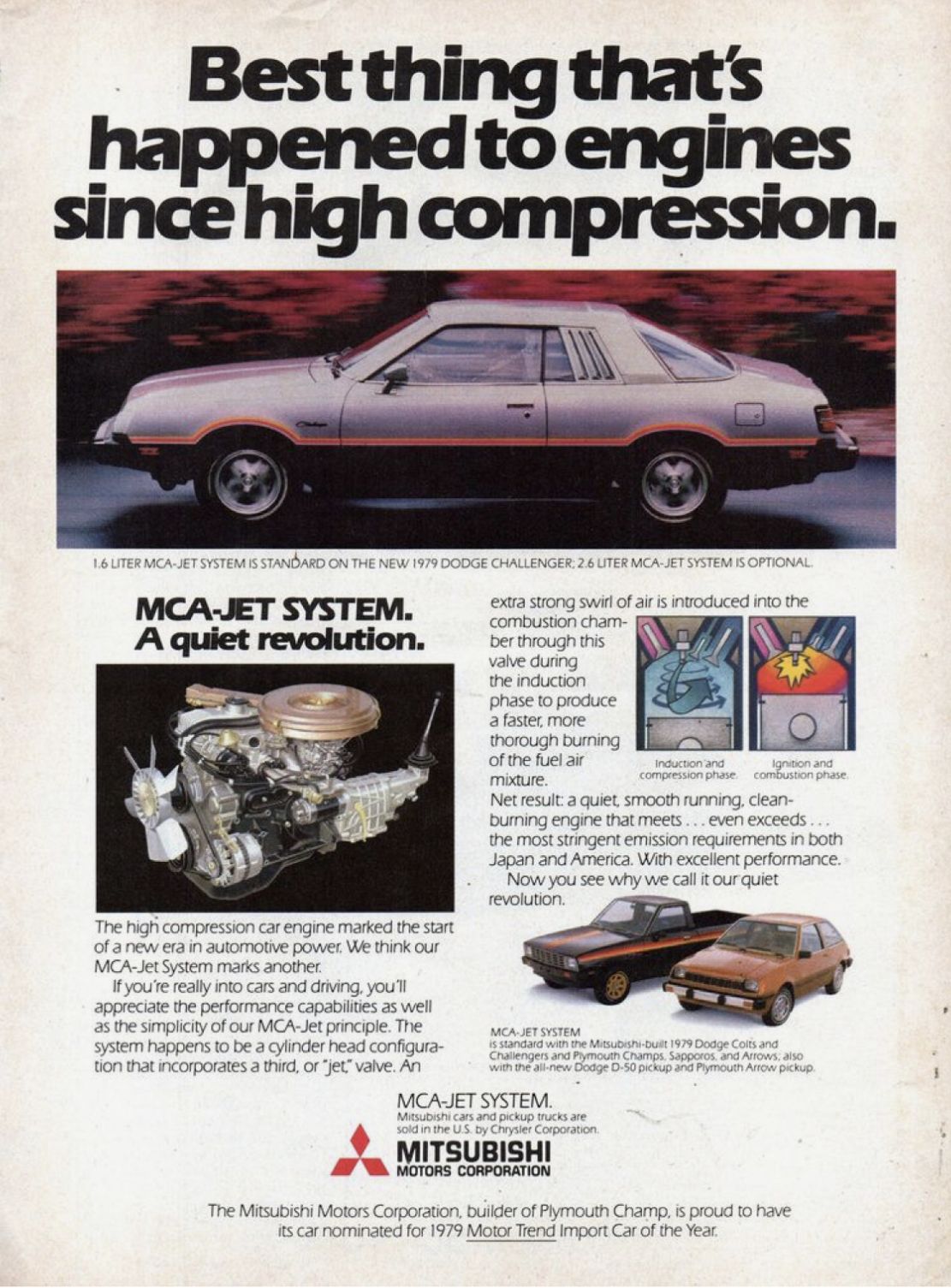
(米国名:【ミツビシ・Sapporo、ダッジ・チャレンジャー】クライスラーの販売網を通じて北米にも輸出された名車です。当時のアメリカデザインの最先端のトレンドを日本的な6頭身に見事に落とし込んだ、当時の三菱デザインチームの造形にかける熱意がみなぎっています。
---→今見ても新発見の多い、冒険心にあふれた『サムライ=カウボーイ』デザインです(何と、オーストラリアでも、三菱・スコーピオンの名前で売られてました。驚)
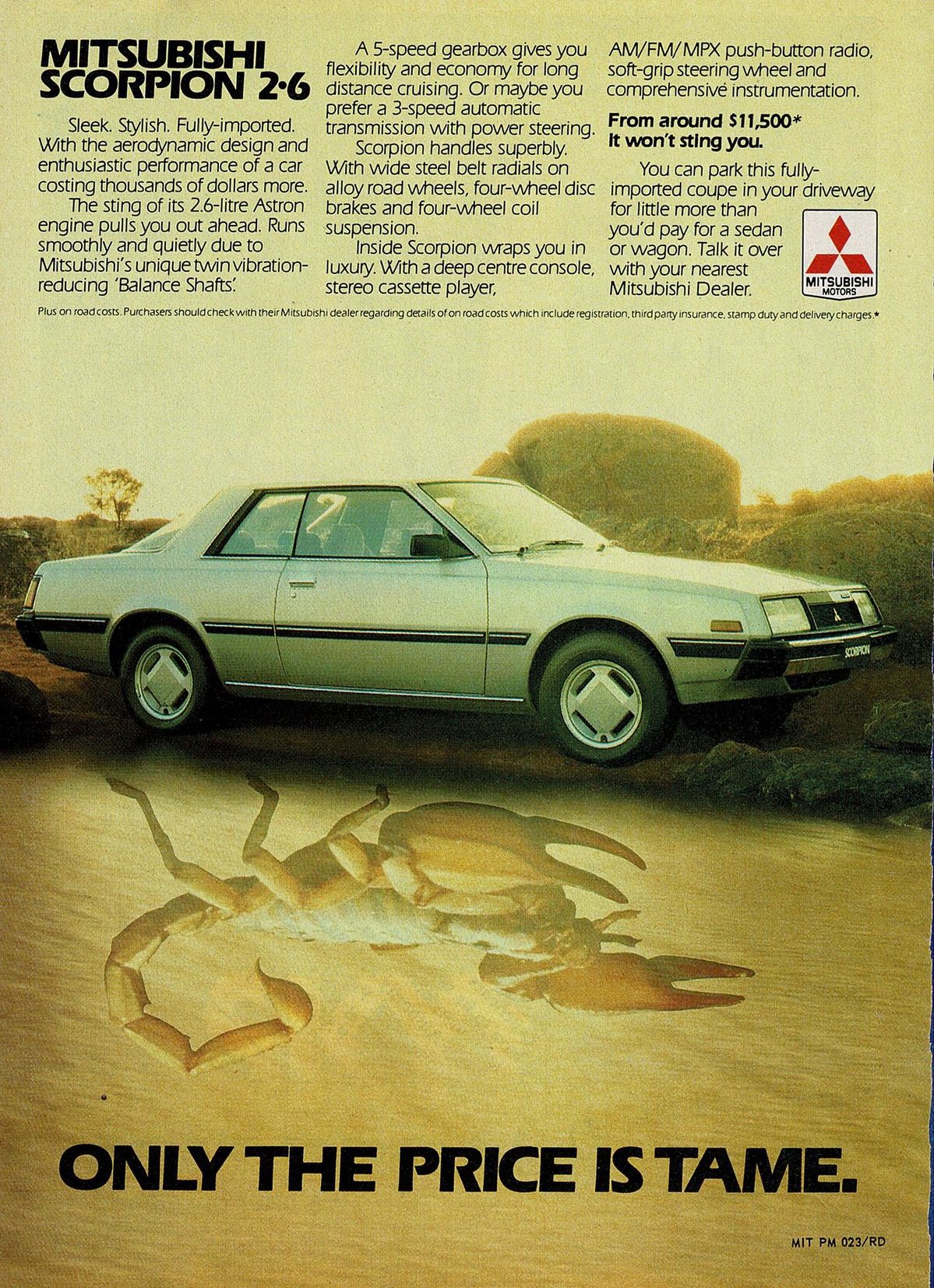
(オーストラリアでの名前は、スコーピオン
【さそり】でした!)
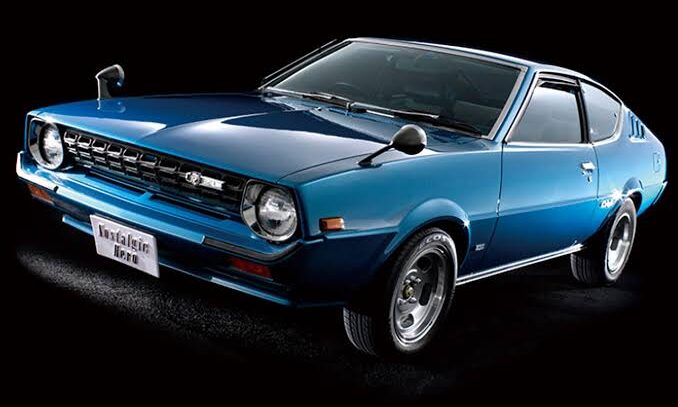
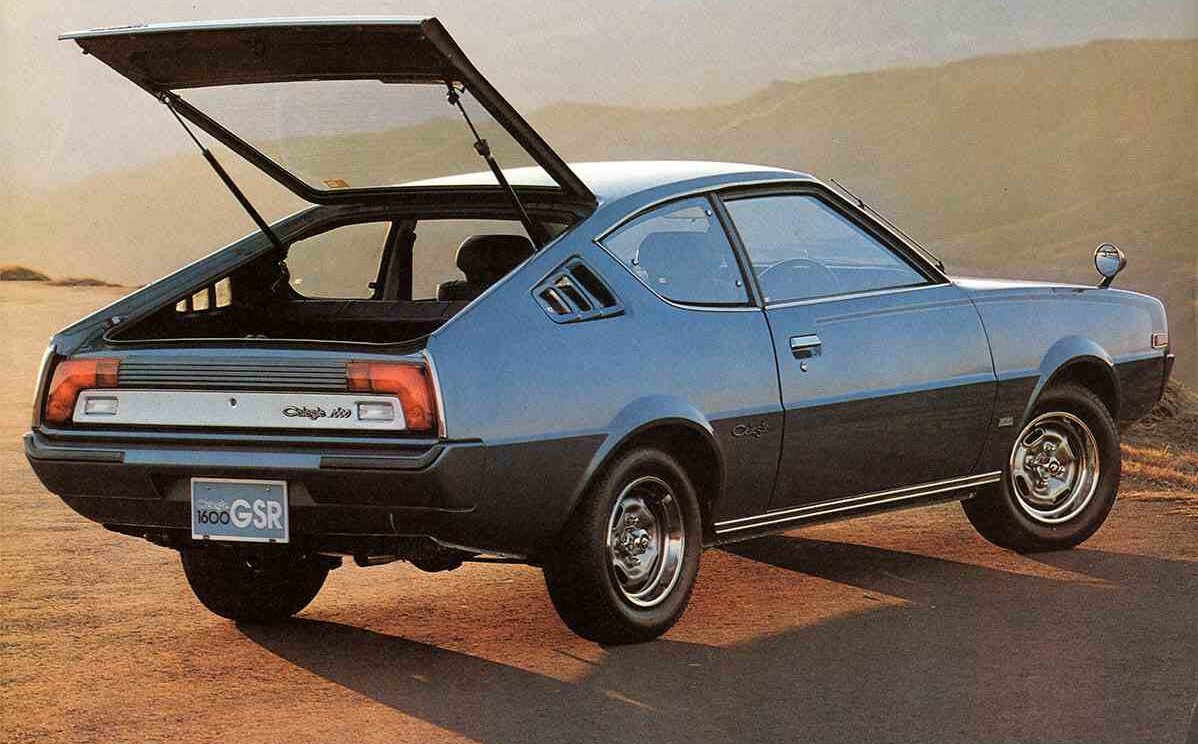
*三菱 ランサー・セレステ【プリムス・アロー】、1975(タヒチアン・ブルー)
(セリカリフトバックより小型ながら、すらりとしたプロポーションに目を見張った記憶があります。独特な青い外装色とピンストライプが日本版ポニー・カーのイメージにピッタリでした。)
---→アメリカにも大量に輸出されたようでLAで見た記憶もあります。
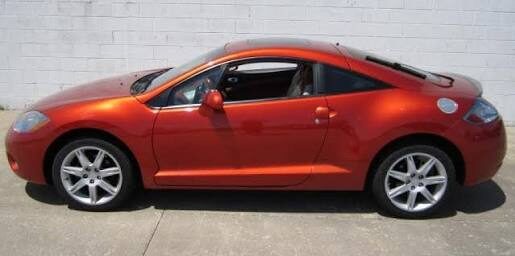
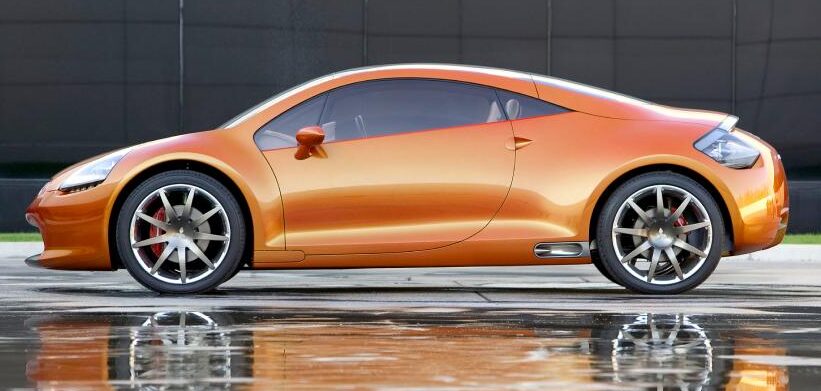
*ミツビシ・エクリプス【第4世代】、2005 (朱色系:サンセット・パールセント)
(超骨太な純アメリカンデザインの陰に見え隠れする、アウディーTTの面影が魅力?)
――ーー>ディテールに無頓着なアメリカン・ロックのようなビート感が今では希少
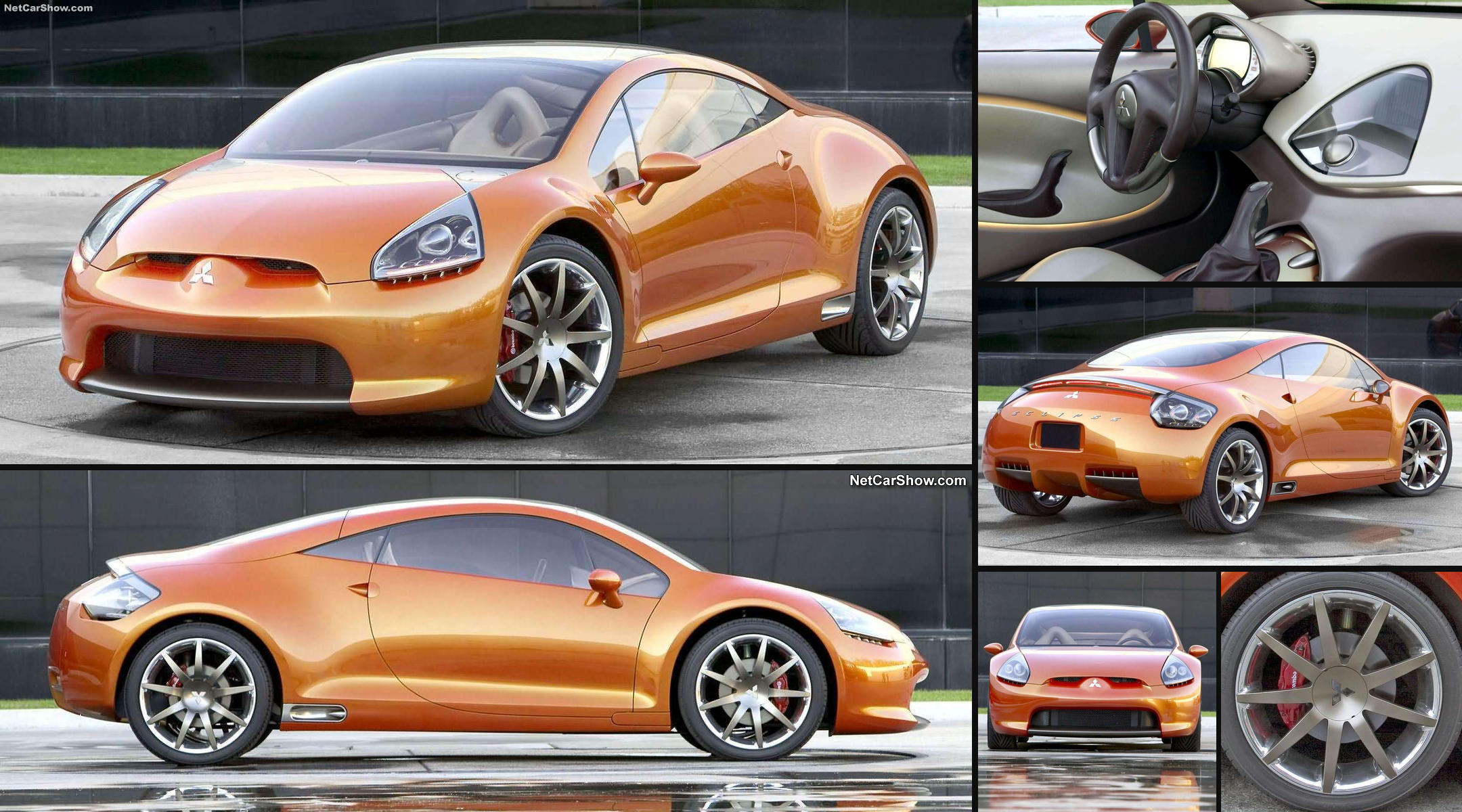
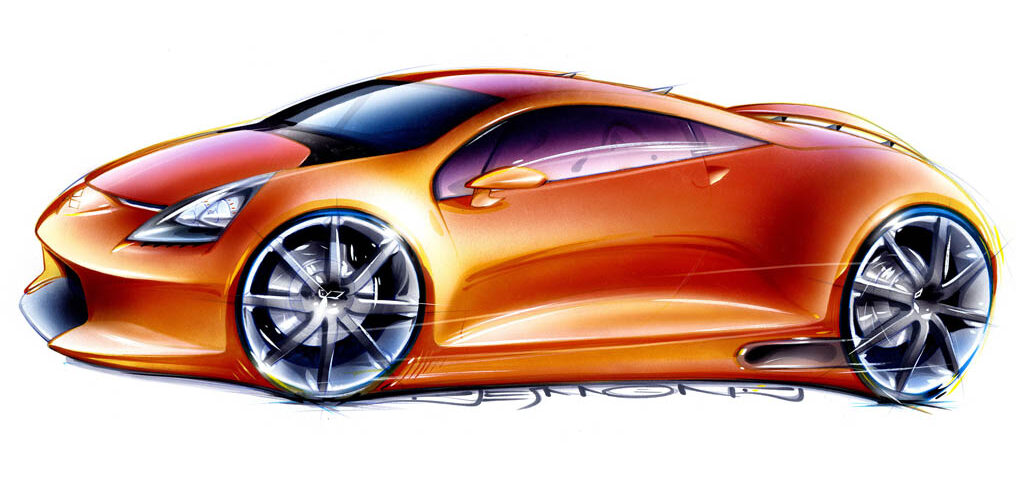
何だか三菱の希少車特集になってしまいましたが、笑
エクリプスとラムダに関しましては、
後程単独時事を書く予定で
鋭意準備中です。
それではソアラに付いての
長い記事はこの辺で、、、
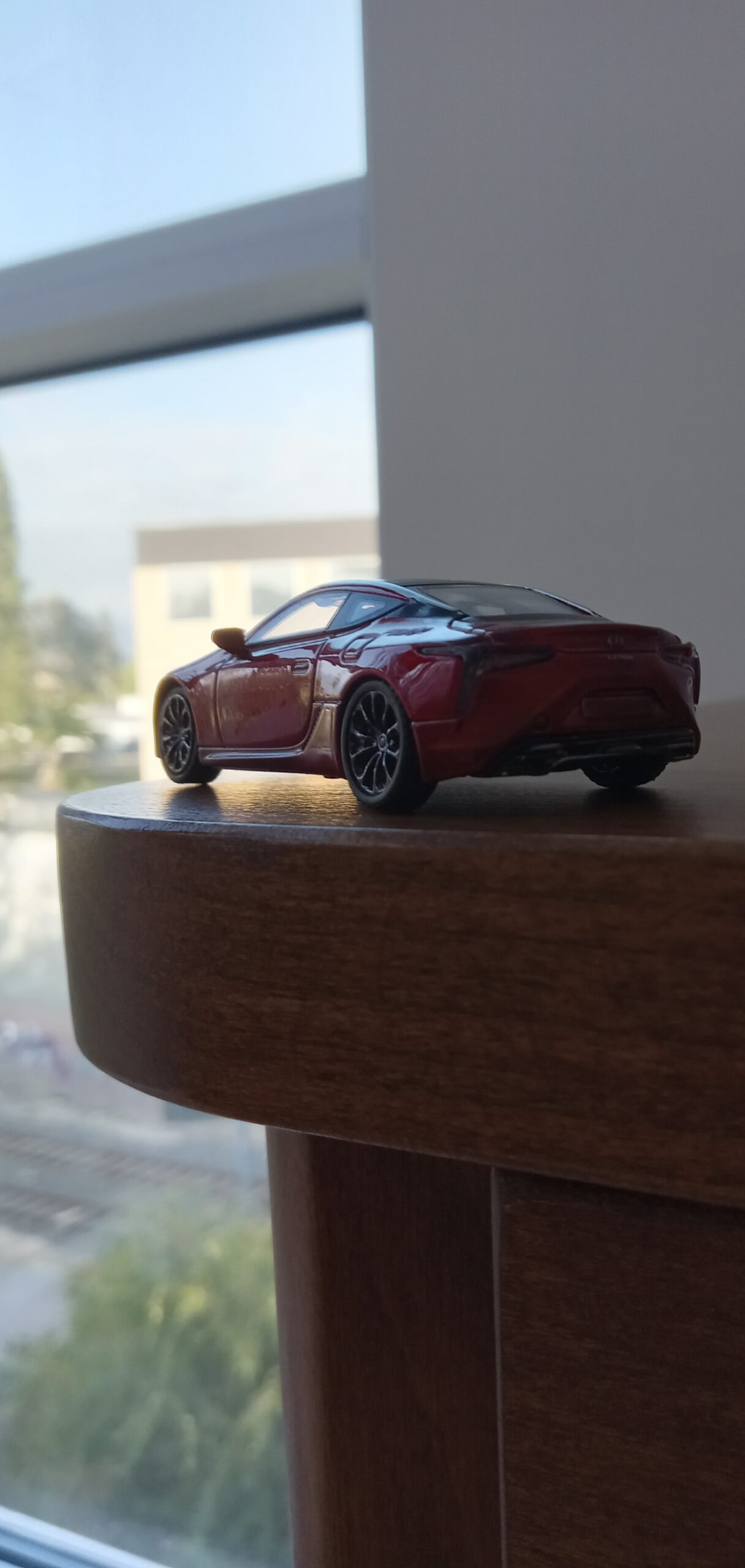 次回はトヨタのクーペ編最終話、
『レクサスLC』につてのお話です、、、
お楽しみに――
本ブログと記事内容につきまして:
ブログ記事を書くにあたり私の目標は、立体造形(料理も含めて)とのかかわりを通じて、私個人の特徴的(ネジ曲がり方も含めて)な評価軸を解明することで、「美しさ・美味しさ」に対する好奇心や、探求心を、どのように満足・充足させてきたのかを明記しておくことです。
従いまして、記事の中に出てくる、数字や年号、微細なデータなどには細心の注意を払っておりますが、時に大きな間違いや勘違いを犯していることも考えられます。特に自動車記事における主要諸元や、年号などには紛らわしいものも多く、あくまで参考程度に考えていただければ幸いです。
私としては、記事の中で個人的な外観デザインや味覚の評価、そこから広がる後半部分につなげるための、『流れ』を作るための客観的材料として年号やデータを挿入している感じです。あくまで重視したいのは、私個人の頭の中で起こる、記憶の錯そう的混沌から生まれる新たな『見方』や『情報の予想外のつながり』です。その勢いを作り出す、『流れ』の一環として、諸データが副次的に必要となるわけです。
話がそれますが、大好きな落語の世界に「三題噺」という、その場て会場から募った3つのお題を使って1つのお話に仕立てるといったお遊びがございますが、私はそれに近いことを立体造形の特徴や(料理のお味)をお題にして行っている感じがします。その中で頭の中に去来する数々の着想が、全く予想外で楽しく、次回からの記事内容を大幅に変えたり、新展開につながっています。
当ブロブの仕組み:
『好奇心の点と線 x 気まぐれ脳内回路=予想外の新展開』
こんな自分勝手なブログですが、今後ともよろしくお願いいたします。
追記:上記の『流れ』を作る為に必要な写真はできる限り、個人所有のミニカー・自前の料理などを使い撮影しておりますが、その他の必要最小限の図版や写真を他のブログ主様の記事や諸会社ホームページなどからお借りしております。(記事内容に合うよう加工させていただき、使用時は最小の解像度で載せております。)問題がある場合、ご連絡いただければ直ちに降ろさせていただきます。
追記2:当ブログ記事に掲載のミニカー写真等(個人撮影)は許可なしで、どのようにお使いいただいても結構です。私個人の創造性はこの世のもの、と言う認識の上で記事を製作しています。
!!!!!!!!!!!!!!!!!!!!!!!!!!!!!!!!!! Translated in English !!!!!!!!!!!!!!!!!!!!!!!!!!!!!!!!!!
(Manufactured by Hobby Japan, 1/43 scale die-cast ready-to-display model, 1986 Toyota Soarer 3000GT [Crystal White Toning II] ——— Modifications: Removed the axles and made minor adjustments to the width and height; removed the garnish trim below the doors, bent it inward, and reattached it)
Episode 41—The Lineage of 2-Door Coupes: Episode 21 [Japanese Cars: Toyota Edition] Toyota 2nd-Generation Soarer 3000GT [MZ20/21 Model], 1986 (Crystal White Toning II) “Jiro Shirasu’s Dream” Toyota Soarer 3000GT, 1986 “Dream Came True for Jiro Shirasu”
#Favorite Car Designs—The Lineage of 2-Door Coupes:
For this 41st installment, titled “The Lineage of 2-Door Coupes, Part 21,” I’d like to discuss luxury 2-door (GT) coupes and roadsters, which strongly reflect the national characteristics and unique exterior design styles of various countries. [Note: Includes convertibles]
I’ll proceed as follows.
For this 21st installment, we’ll finally move on to
[Japanese Cars: Toyota Edition],
featuring the
Toyota 2nd-generation Soarer 3000GT (Crystal White Toning II),
released in 1986.
[The Lineage of 2-Door Coupes: Table of Contents]
[American Cars]
Episode 1: Cadillac El Mirage, 2013 (Metallic Red)
Episode 2: Lincoln Continental MK4, 1972 (Black)
Episode 3: Mercury Cougar, 1967 (LT Metallic Green)
[German Cars]
Part 4: MB 500K Special Roadster, 1936 (Black)
Part 5: MB 300SL Roadster, 1957 (Silver)
Part 6: MB SLS AMR Gullwing, 2010 (Black)
[British Cars]
Part 7: McLaren F1, 1992 (Metallic Orange)
Part 8: Jaguar XKSS Roadster, 1957 (Royal Blue)
Part 9: Jaguar XKR Coupe, 1996 (Dark Metallic Green)
[Japanese Cars / Nissan Edition]
Episode 10: Nissan First-Generation Silvia, 1965 (Champagne Gold)
Episode 11: Nissan Fifth-Generation Silvia, 1988 (LT Metallic Green)
[Italian Cars Edition]
Episode 12: Ferrari 250TR Pontoon Fender, 1958 (Red)
Episode 13: Ferrari 250 GTO, 1962 (Italian Red)
Episode 14: Lamborghini Concept S, 2005 (Pearl White)
[Japanese Cars: Mazda Edition]
Episode 15: Mazda Cosmo Sport, 1968 (Racing White)
Episode 16: Mazda Eunos Cosmo, Type-S (2-Tone: Black & Gray)
[French Cars]
Episode 17: Bugatti Type 59, 1935 (French Blue)
Episode 18: Citroën SM, 1970 (Champagne Gold)
Episode 19: Bugatti La Voiture Noire, 2019 (Black)
[Japanese Cars: Toyota Edition]
Episode 20: Toyota/Yamaha 2000GT, 1967 (Ivory White)
Episode 21: Toyota 2nd-Generation Soarer, 1986 (Crystal White II)
Episode 22: Lexus LC [GWZ100], 2017 (Metallic Red)
[American Cars, Part 2]
Episode 23: Dodge Challenger & Plymouth Barracuda, 1971
Episode 24: Dodge Viper SRT-10 ACR, 2008 (Black)
Episode 25: Ford Shelby GR-1 Concept, 2004 (Chrome)
[Japanese Cars: Mitsubishi Edition]
Episode 26: Mitsubishi Galant λ, 1976 (Brown Metallic)
Episode 27: Mitsubishi Eclipse [North American Spec], 2006 (Orange Metallic)
[German Cars Part 2]
Episode 28: BMW M635CSi, 1984 (Dark Metallic Blue)
Episode 29: Mercedes-Benz 560SEC AMG 6.0 Widebody, 1989 (Black)
Episode 30: BMW M2 with Genuine Performance Parts, 2025 (Neon Lime)
[Japanese Cars: Subaru Edition]
Episode 31: Subaru Crosstrek XV, 2012 (Lime Green Metallic)
The Corvette Lineage: (Special Edition)
Episode 1: 1967 Stingray [C2] Convertible (Hardtop, Metallic Blue)
Episode 2: 1972 Corvette [C3] Convertible (Metallic Blue)
Episode 3: 1984 Corvette Coupe [C4] (Bright Red)
Part 4: Corvette Indy [Mid-Ship Pre-Production Prototype] (Silver)
Part 5: Stingray Concept [Pre-Production Prototype], 2009 (Metallic Blue)
#The Japanese-Style “Luxury Coupe” Is Complete!
n
n
The “Second-Generation Soarer”—
It really is a beautiful car!
n
n
n
n
Back when I was in college,
my car-loving father and younger brother joined forces
to own one—
(a white 2000cc supercharged model)—
Replacing the luxury coupes that were simply two-door versions of four-door sedans,
the second-generation Soarer—which debuted five years after the first generation—appeared as a luxury coupe with a dedicated two-door body, much like the Mercedes-Benz SLC or BMW 6 Series.
* A “Fuji-style beauty” that reflects Japanese aesthetic sensibilities without being overly dramatic
* Rounded edges from the first generation, with a refined surface composition,
* Compared to the contemporary Eunos Cosmo, which had an 8-head-to-body ratio,
* A friendly, 6-head-to-body ratio,
and so on—it took the first generation’s attempt to “reach beyond its means”
and settled it into a more natural form, while also
laying the groundwork for the design trend of the coming 1990s:
“organic curves.”
This is the direction
I’d like to take things.
* Real-car commentary: Jiro Shirasu as executive producer?
* Exterior design features: “The extended lines of the three pillars converge at a single point”
* “Me” and the second-generation Soarer:
* Three-topic story:
* Other Toyota coupes…
* “Second-Generation Soarer 3000GT” Real-Car Analysis: With advice from Jiro Shirasu…
(Jiro Shirasu and his Bentley 3.0L)
Overview:
n
n
The second-generation Soarer (sold from 1986 to 1991) was
a luxury personal coupe that debuted in the midst of the bubble economy with the tagline, “One in the world, the Soarer in Japan.” Among the lineup, the 3.0GT was the flagship model, boasting the fastest performance of any Japanese-made car at the time. It was equipped with a 3.0L inline-6 turbocharged engine that produced 240 horsepower—the maximum allowed under voluntary industry regulations at the time.
n
N
n
n
N
n
n
m
n
n
n
n
m
n
n
n
n
n
n
n
n
N
n
n
m
n
m
n
n
n
n
n
n
n
Key Features of the Second-Generation Soarer 3000GT:
n
1. Overwhelming Powertrain
* Engine: Equipped with a 2,954cc inline-6 DOHC turbocharged “7M-GTEU” engine.
* Specifications: The initial model delivered a maximum output of 230 ps and maximum torque of 33.0 kgm, but later upgrades boosted these figures to 240 ps and 35.0 kgm, respectively.
* Driving Performance: Boasting the highest level of power performance among Japanese cars at the time, it delivered overwhelming acceleration and high-speed cruising capabilities.
n
N
2. World-First and Japan-First Advanced High-Tech Features:
Under the theme of “a top-of-the-line prestige specialty model that brings together the very best of the world’s most advanced technologies,” a total of 101 new technologies were introduced.
n
* Electronically Controlled Air Suspension: Available on top-of-the-line models such as the “3.0GT Limited,” this innovative system automatically adjusted ride height and damping force according to road conditions.
* Space Vision Meter: A three-dimensional instrument panel combining futuristic digital displays with mirror reflection (holographic) technology.
* Electro Multi-Vision: An advanced system that integrated air conditioning and audio controls using touch panels and CRT monitors.
n
N
3. Luxurious Interior and Exterior Symbolizing the Bubble Era:
n
* Interior: Generous use of genuine leather seats, high-quality wood panels, and Exene (suede-like synthetic leather) created an exceptionally opulent cabin.
* Exterior Styling:
N
The 3000GT of the second-generation Toyota Soarer (MZ20/21 series) inherited the refined three-box style of the first generation while featuring an exterior design that fused an elegant, flowing presence with the advanced technology of the time, thanks to its seamless “Flash Surface Canopy.”
n
n
Specific exterior design features are as follows:
n
n
n
* Proportions Based on the Golden Ratio
It maintains the beautiful styling unique to the Soarer—established in the first generation—with a 6:4 front-to-rear ratio for the side windows and the extension lines of each pillar (A/B/C) converging at a single point at the top.
n
n
* Three-Box Form Utilizing Curved Surfaces
The overall body was made slightly more curved than the previous generation, and “third-order curved glass”—a new technology at the time—was adopted for all windows. This achieved a seamless, smooth surface composition and a sense of unity throughout the body.
* 3000GT-Exclusive Wide Body
The 3.0GT series grades feature an overall width of 1,725 mm—30 mm wider than before—emphasizing the low, wide, and powerful proportions of a coupe.
* Design Changes Between Early and Late Models
While the early model was characterized by a honeycomb grille with a red emblem, the late model—introduced after the 1988 facelift—featured a front grille with a horizontal slat design. The rear combination lamps were also refined to a three-section design with two chrome moldings.
* Exclusive Emblem
An emblem featuring the legendary mythical beast “Griffin”—a symbol of the Soarer’s rich heritage—is placed on the front grille and other areas.
n
* Aero Cabin: The “3.0GT Aero Cabin,” a convertible model with an electrically retractable metal top released in a limited run of 500 units in 1989, remains a legendary model that is still talked about today.
n
N
N
n
4. Advice from Jiro Shirasu:
n
* Criticism of the First Generation and the Beginning of Their Relationship
Jiro Shirasu, an owner of the first-generation Soarer, sent a letter to Toyota’s top executives at the time, pointing out five specific areas for improvement, including the steering wheel diameter, rear seat space, and battery capacity. This led to a deep relationship with Toshihiro Okada, the head of development.
n
Contents of the letter proposing improvements:
1. The steering wheel diameter is insufficient. While the steering wheel has become much thinner, I think it could be made a little thinner still.
2. The turning radius is too large. Couldn’t you at least make it comparable to that of the Mercedes-Benz 450?
3. I think the power steering could be a little stronger.
4/Calling the Soarer a four-seater is a scam. It should be a two- or three-seater with a liftback. Can’t you convert my car to a liftback?
5/The battery—which they call an “accelerator” in the UK—isn’t its capacity a bit insufficient?
n
n
*The Spirit of “No Substitute”
During the development of the second-generation Soarer, Shirasu bestowed the motto “No Substitute” (Build an irreplaceable car). This became the guiding principle for the development team as they aimed to create an uncompromising, Japanese-made luxury sports coupe—a vision that would later extend to Lexus worldwide.
n
N
*Passed Away Before Seeing Its Completion
Shirasu eagerly awaited the completion of the second-generation model, and “completion
n
n
*The Decision of Masako, Who Did Not Hold a Driver’s License
Later, Mr. Okada of Toyota brought the completed second-generation Soarer to the Shirazu residence. Upon seeing it, Masako—even though she did not hold a driver’s license herself—reportedly declared, “Toyota will become a company that leads Japan in the future; let’s buy this iconic car,” and decided to purchase it on the spot.
n
N
# Key Specifications:
Model: 7M-GTEU
Total Displacement: 2,954 cc (inline-6 DOHC turbo)
Maximum Power: 230 ps / 5,600 rpm
Maximum Torque: 33.0 kgm / 4,000 rpm
Drivetrain: FR (front-engine, rear-wheel drive)
Seating Capacity: 4 (2+2)
Body Style: 2-door coupe
Wheelbase: 2,590 mm
Overall Length: 4,675 mm
Overall Width: 1,725 mm
Overall Height: 1,345 mm
Curb Weight:
1,500 kg
*Exterior Design Feature: “The extended lines of the three pillars converge at a single point”
While taking photos,
I compared it to similar Japanese 2-door coupes and noticed that
“the second-generation Soarer’s overall height is surprisingly high (1,345 mm).”
That was my impression.
With that in mind,
I’ve listed five design features—based purely on my own judgment—
of this masterpiece coupe with its unexpected characteristics.
1: The design team’s skill in maintaining the size almost unchanged from the first-generation Soarer—which featured a straight-line theme—while rounding off the corners of every part to sharpen the car’s sophistication to a razor’s edge.
ーーーー>The beauty of the proportions, already established during the first-generation’s design, truly shines through.
2: Compared to Japanese coupes in the same class, such as the Eunos Cosmo and Nissan Silvia, the significantly larger cabin and window area exude a uniquely rich, “surprisingly well-tailored suit-like” charm—a semi-formal design character that blends nonchalance with a touch of sophistication, without being overly sporty.
3: The understated, balanced graphics of the front and rear fascias
ーーーーー> It has a dignified and composed expression befitting the pinnacle of Toyota’s high-end cars at the time.
4: Needless to say, the “Soarer DNA”—the three-dimensional extension of the A, B, and C pillars converging at a single point—delivers a sense of stability and substance, resulting in a comfortable, spacious feel
5: The result of achieving the ideal axle position and track width for a large FR coupe—a rarity at the time—> It instantly achieved a dignified, powerful stance—a balance that subsequent (long-wheelbase) coupes often struggled to maintain!!
1: The design team’s incredible skill is evident in how they maintained the size of the first-generation Soarer—with its linear lines—while rounding off the edges of every part to sharpen the design’s sophistication to a razor’s edge.
(The seamless integration of the body sides and front/rear bumper trim panels—which creates an even greater sense of unity than the first generation—plus the optional? aero parts are also highlights.)
——> The beauty of the proportions, already established during the first-generation’s design phase, truly shines through.
2: Compared to Japanese coupes in the same class, such as the Eunos Cosmo and Nissan Silvia, the significantly larger cabin and window areas create a truly distinctive,
—– —-> A semi-formal design character that blends a “surprisingly sharp, suit-and-tie” elegance with a touch of flair, without being overly sporty
3: The graphics on the front and rear fascias are moderate and unpretentious.
ーーーーー>It has a dignified and composed expression befitting the pinnacle of Toyota’s “high-society cars” at the time.
(A representative of the high-society cars of that era—the Toyota Mark II)
4: Needless to say, the “Soarer DNA”—the three-dimensional extension of the A, B, and C pillars converging at a single point—delivers a sense of stability and solidity, resulting in a comfortable, spacious feel
(Late 1970s Mercedes-Benz 450SLC)
5: The result of achieving the ideal axle position and track width for a large FR coupe—a rarity at the time
ーーーーー> It instantly achieved a magnificent, powerful stance—a balance that later (long-wheelbase) coupes often struggled to maintain!!
Next,
I’d like to share a personal experience of mine…
* “Me” and the second-generation Soarer 2000 Twin Turbo (Super White II)
Back when I was a sophomore in college,
I was completely obsessed with the first-generation Ballade CRX (blue & silver two-tone),
Amidst all that, the three of us—my father, my younger brother, and I, all car enthusiasts—
[spent every day poring over the catalog we received at the new Soarer’s launch event].
* After my father had owned two Crowns in a row and showed no interest in the new model, my brother and I managed to convince him
* to buy the new Soarer 2000GT Twin Turbo,
which was our plan,
and in the end, my younger brother chipped in the savings he’d earned from his part-time job,
(≈ joint ownership between him and my father)
A brand-new,
“Twin-Turbo with aero parts
(Super White 2)”
arrived at our house.
At first, it became a favorite of the whole family,
and we enjoyed going on all sorts of drives,
but this Soarer’s stay with us was quite short-lived;
if I recall correctly, after just a year or so, we
traded it in for a “Crown Aristo.”
(The reason was that when my father went golfing, he couldn’t fit four friends and their golf bags in the car.)
As for my memories of it:
* It was nice that the aero parts made the car look lower to the ground,
* but for some reason, that also made the tires look a little smaller…
That’s how I remember it
.
#Second-generation Soarer models…
Since then, I’ve been getting into
Soarer models like these.
* Tamiya Model, 1/24 scale plastic kit, Toyota Soarer 3.0GT Limited
(A rare find among Japanese cars—a kit that comes with an engine, giving it a truly special feel. It captured the overall image with just the right balance, keeping stylization to a minimum.
——> Perhaps aided by the luxurious feel of the package art, I could really sense Tamiya’s true potential.
* Fujimi Models, 1/24 scale plastic kit, Toyota Soarer 3.0GT/Limited
(If I recall correctly, this was a series positioned somewhat like a Japanese version of the Enthusiast Series—featuring a fairly robust engine—and was grouped alongside other high-end cars.
ーーーー>This kit symbolizes the eve of Fujimi’s rise to prominence. [Rare these days?])
* Hasegawa, 1/24 Toyota Soarer (Z20) Late Model 2.0GT-Twin Turbo L (1989) “Full Aero” HC70
(I haven’t seen the latest kit myself, but the quality of the reference model in the product catalog is incredible—
ーーー>it perfectly recreates the late-model version.)
From here on,
we’ll introduce various
* Kyosho, 1/64 die-cast ready-to-display model, Toyota Soarer 3.0GT Limited
(Perhaps because this was one of the very first designs for Kyosho’s 1/64 scale die-cast models, the design lacks boldness, and the delicate contours around the hood and trunk are underdeveloped,
ーーーーー>It looks flimsy and lacks any sense of presence or aura……)
* Manufactured by Stand Stones, Gachapon edition, 1/64 plastic semi-assembled model, Toyota Soarer Z20 Type, 2nd Generation SOARER “Hachimaru”
(Although its release was delayed, once it finally hit the shelves, the accuracy of the body design proved to be excellent; simply widening the tire treads would result in a magnificent miniature.
---→ The rough paint quality and sloppy masking are the only flaws)
* Manufactured by Hobby Japan, HJD43 Series, 1/43 die-cast ready-to-display model, Toyota Soarer 3.0GT/Limited (Crystal Toning II)
(This is the die-cast model used for the photos in this article. Aside from the window frames being slightly oversized, it’s a fantastic model in terms of design, paintwork, and detail reproduction.
---→ It seems there’s also a resin version made by HJ, and it looks like it’s even better quality.)
Now, it’s time for our now-traditional
“Three-Theme Story”!
*Three-Theme Story: High Society, 450SLC, Jiro Shirasu
Once again, I’ve been given some
pretty random topics:
* High Society
* 450SLC
* Jiro Shirasu
Will I be able to wrap this up nicely?
So, teaming up with “AI” once again,
and after much trial and error,
I’ve come up with a “silly punchline.” (lol)
n
Rakugo-Style Three-Theme Story
“The Alluring Silhouette of the Soara—The True Gentleman (Principle) Edition”
n
n
Retired Man: “Well, well, Mr. Kuma, where have you been feasting your eyes again?”
n
Mr. Kuma: “Oh man, Retired Man. Just now, at that corner down the street, I totally lost my mind over a car that passed me. What was that? A total stunner. Not an ounce of excess fat—just that flowing, coupe-like silhouette!”
n
Retired Man: “Well, well, I didn’t expect you to gush like that. Let’s see, what did it look like?”
n
An elegant canopy and “High Society”
n
Kuma-san: “First off, the line from the roof to the rear window is just like a handsome guy wearing a well-tailored suit. The edges are softened, yet it’s got a soft, rounded
curve to it. It’s not just some square box—that elegance is the very essence of ‘High Society.’ It was radiating an aura from its exterior that would make even the driver sit up straight.”
n
Retired Gentleman: “I see. From what you’re saying, that’s definitely a ‘Soarer! And the second generation, at that.’ The second generation, released in 1986, had its surfaces polished to a smooth finish to cut through the air even more efficiently. That glass, for instance, is the world’s first ‘third-order curved surface.’ Even the window glass blends seamlessly with the body’s curves, making it look like a single, seamless sculpture.”
n
A presence reminiscent of the Mercedes “450SLC”
n
Mr. Kuma: “Exactly! From the doors back to the C-pillar—is that what it’s called?—around that thick pillar, there was a certain European flair to it. It had the same balance of a solid, long, and elegant nose and cabin as that Mercedes ‘450SLC’ I saw back in the day. It had an indescribable elegance, like a Western lady walking around in a kimono.”
n
Retired Gentleman: “Oh, you hit the nail on the head there. The proportions of the long hood and the taut trunk are exquisite, and that low, wide, planted stance when viewed from the side is just irresistible. And yet, the ki—”
n
[Punchline (Big Payoff)]
n
Mr. Kuma: “Heh heh. Who knew there was such an amazing behind-the-scenes story to the development? I’d love to get behind the wheel of a car that cool—even just once—and make it my own.”
n
The Retiree: “That’d be nice, but for a guy like you, Mr. Kuma from the tenement who can’t even save a penny for tomorrow, you’d have to stand on your head to get your hands on one.”
n
Mr. Kuma: “Huh? Why’s that? Just like Mr. Okada, I’ve got plenty of enthusiasm, you know?”
n
The Retiree: “Even with enthusiasm, it’s no use if your wallet’s completely empty. The only car you could ever drive is, at best, a used handcart.”
n
Mr. Kuma: “What?! That’s just too much!”
——“On such a trivial note,
I suppose that’s all for now… Pen-pen”
n
n
n
n
n
n
n
n
nn
n
n
nn
*Often forgotten… Japan’s minor coupes
The fleet of high-end cars—
Toyota, Crown, Mark II, Soarer, and others—that heralded the arrival of the Bubble Economy,
I’d like to shine a spotlight on
the “forget-me-nots” (two-door coupes from other manufacturers)
that bloomed quietly in their shadow.
*Mitsubishi Galant λ, 1976 (Brown Metallic)
(U.S. names: [Mitsubishi Sapporo, Dodge Challenger]—a legendary car exported to North America through Chrysler’s sales network. It masterfully blends the cutting-edge trends of American design at the time with a Japanese-style six-head-proportion silhouette, radiating the passion of the Mitsubishi design team of that era for form.
---→Even today, this adventurous “Samurai-Cowboy” design offers many new discoveries (Believe it or not, it was even sold in Australia under the name Mitsubishi Scorpion. Surprising!)
(In Australia, it was called the Scorpion
[Scorpion]!)
* Mitsubishi Lancer Celeste [Plymouth Arrow], 1975 (Tahitian Blue)
(Although smaller than the Celica Liftback, I remember being struck by its sleek proportions. The unique blue exterior color and pin stripes perfectly matched the image of a Japanese “pony car.”)
---→ It seems a large number were exported to the U.S. as well; I recall seeing one in LA.
*Mitsubishi Eclipse [4th Generation], 2005 (Vermilion: Sunset Pearl Cent)
(Is its appeal the hint of an Audi TT lurking behind the ultra-muscular, all-American design?)
――ーー>That beat-driven vibe, reminiscent of American rock that pays no heed to details, is rare these days
Somehow this has turned into a special feature on rare Mitsubishi cars, haha.
As for the Eclipse and Lambda,
I plan to write separate articles about them later
and am currently working hard on them.
Well then, I’ll wrap up this
long post on the Soarer here…
Next time, the final installment of the Toyota coupe series:
a look at the “Lexus LC”…
Stay tuned――
Regarding this blog and its content:
My goal in writing these blog posts is to clarify my personal, distinctive criteria for evaluation—including my somewhat quirky perspectives—through my involvement with three-dimensional art (including cooking), and to document how I’ve satisfied and fulfilled my curiosity and desire to explore “beauty and deliciousness.”
Therefore, while I pay the utmost attention to the numbers, model years, and detailed data that appear in my articles, it’s possible that I may occasionally make significant errors or misunderstandings. In particular, key specifications and model years in automotive articles can often be confusing, so I would appreciate it if you treated them as general references only.
For my part, I feel that I’m inserting dates and data into the articles as objective material to create a “flow” that connects my personal assessments of exterior design and taste to the broader themes explored in the latter half of the piece. What I ultimately prioritize are the new “perspectives” and “unexpected connections between pieces of information” that emerge from the chaotic jumble of memories in my own mind. The various data points are needed secondarily as part of that “flow” to generate that momentum.
As a slight digression, in the world of rakugo—which I love—there’s a playful format called “san-dai-banashi,” where a performer weaves a single story using three topics solicited on the spot from the audience. I feel like I’m doing something similar, using the characteristics of three-dimensional sculptures and (the flavors of dishes) as my prompts. The countless ideas that flit through my mind during this process are completely unexpected and delightful; they often drastically change the content of future articles or lead to new developments.
How This Blog Works:
“Spots and Lines of Curiosity x Whimsical Mental Circuits = Unexpected New Developments”
This blog may be a bit self-indulgent, but I hope you’ll continue to follow along.
Note: To create the “flow” described above, I take as many of the necessary photos as possible using my own die-cast cars and home-cooked meals. However, I do borrow the absolute minimum required illustrations and photos from other bloggers’ posts and company websites. (I edit them to fit the article’s content and post them at the lowest possible resolution.) If there are any issues, please contact me and I will remove them immediately.
Addendum 2: You are free to use the photos of die-cast cars and other images (taken by me) featured in this blog’s posts in any way you like without permission. I create these posts with the understanding that my personal creativity belongs to me alone.
Translated by Deepl

これはCTAサンプルです。
内容を編集するか削除してください。