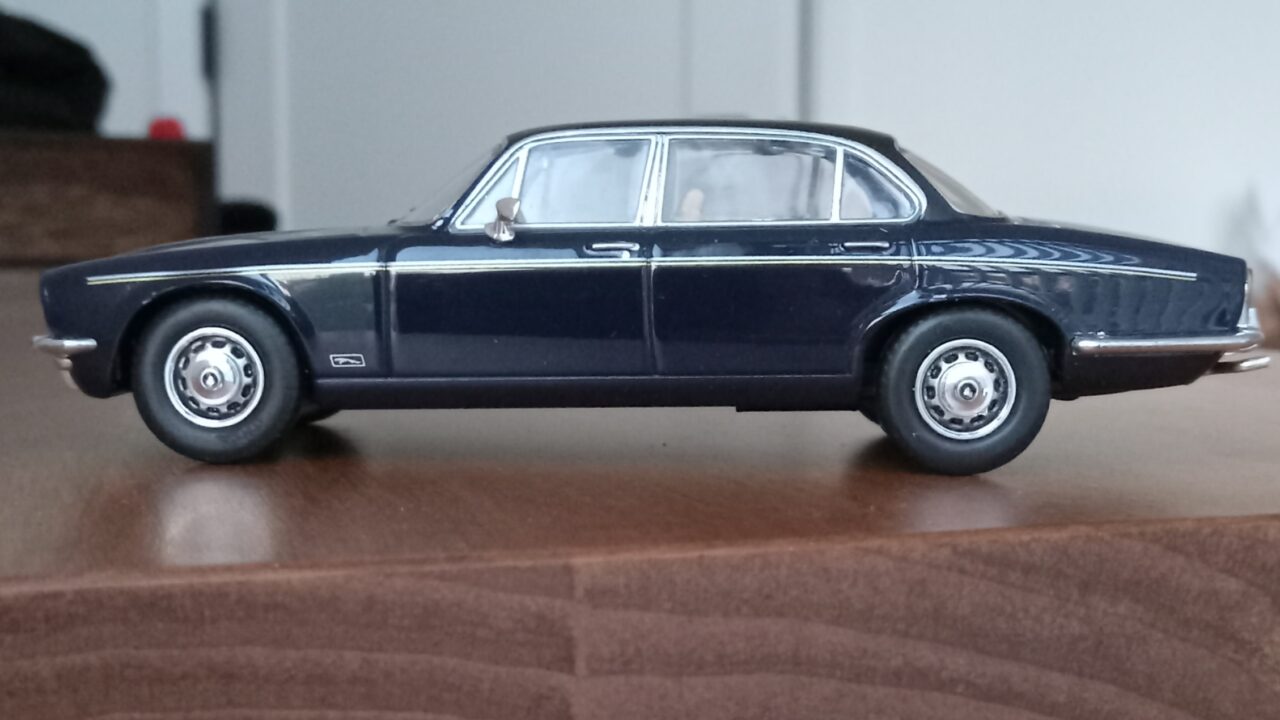
第15回:ジャガー XJ12 シリーズ2、1972
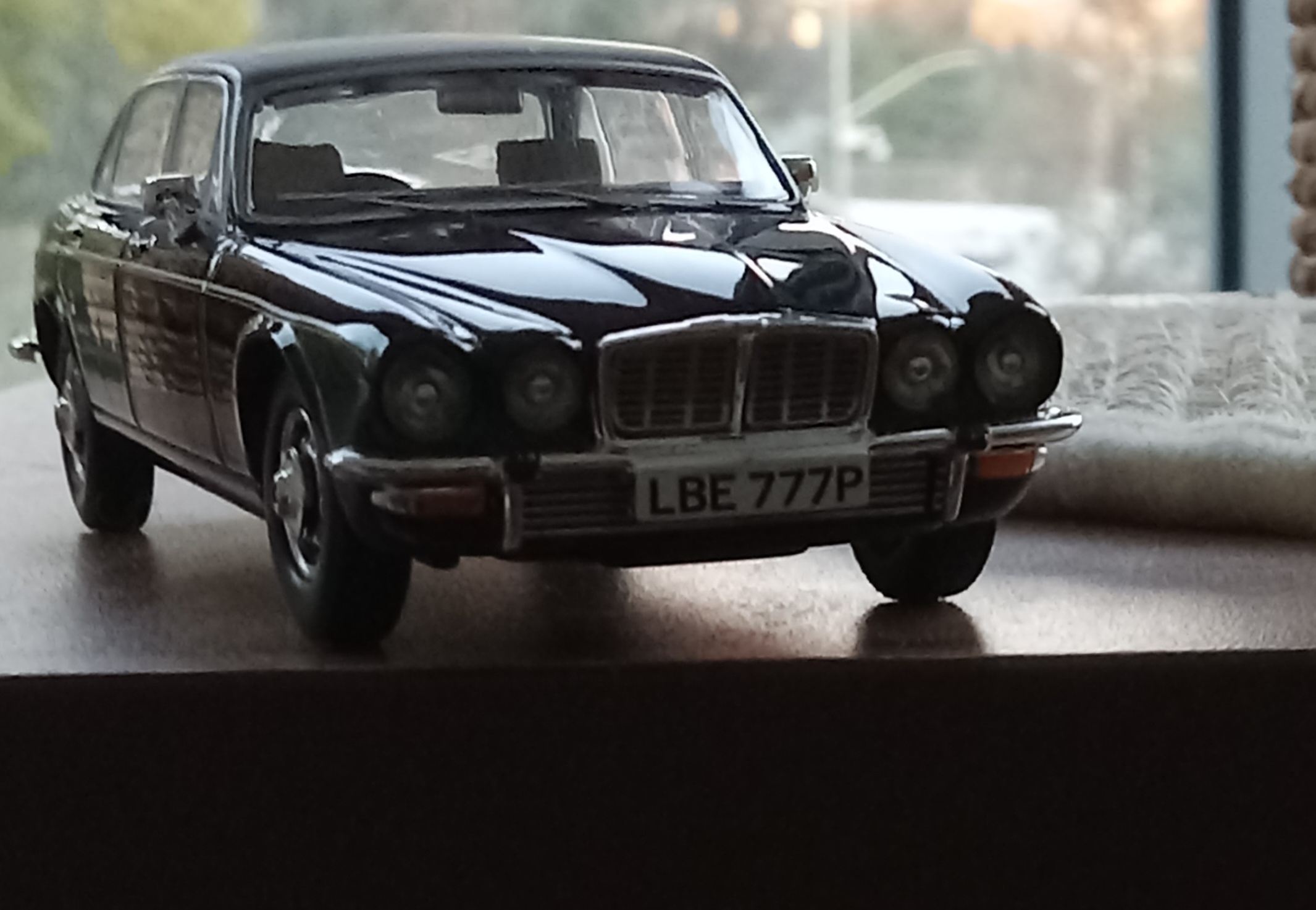
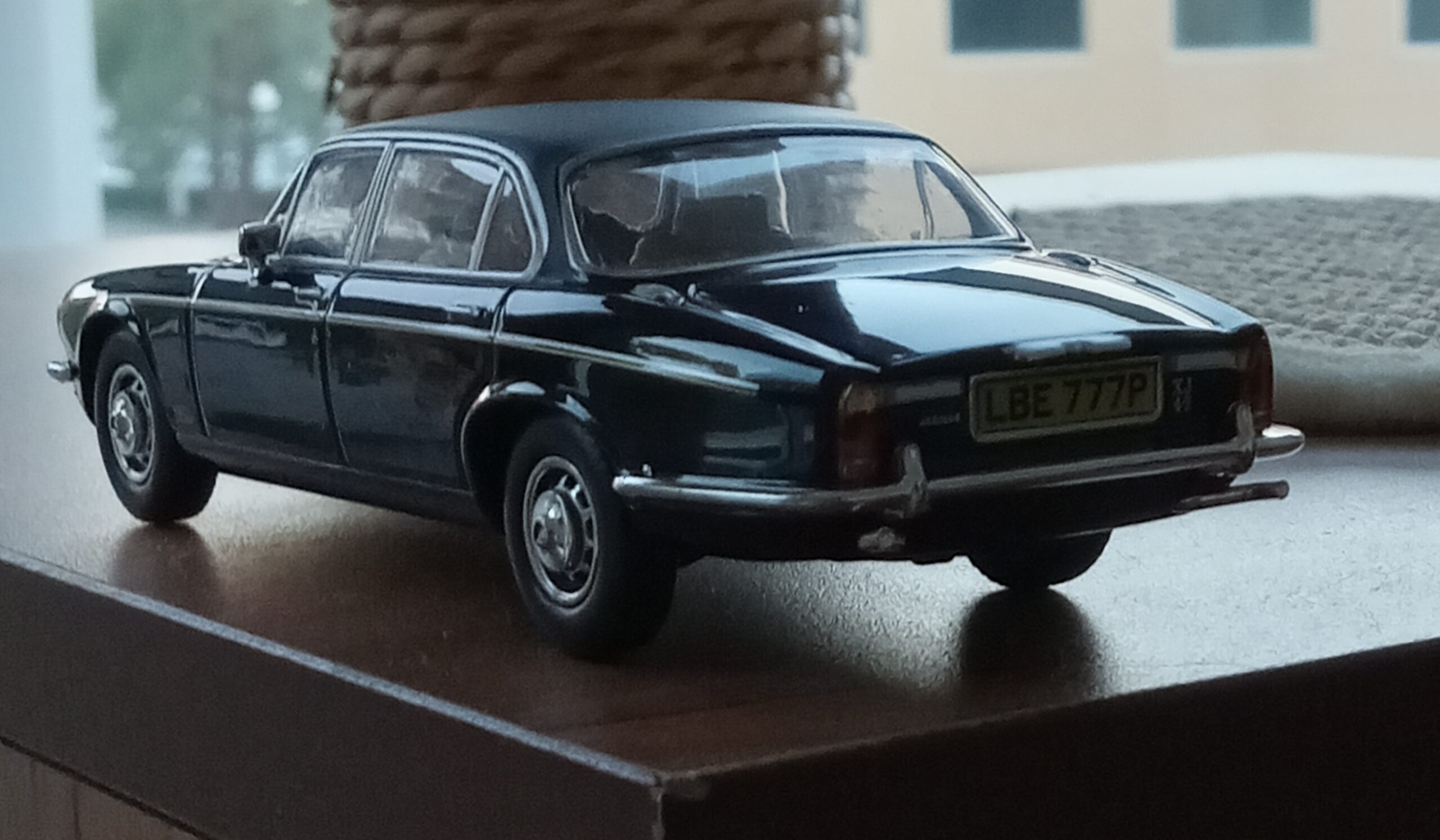
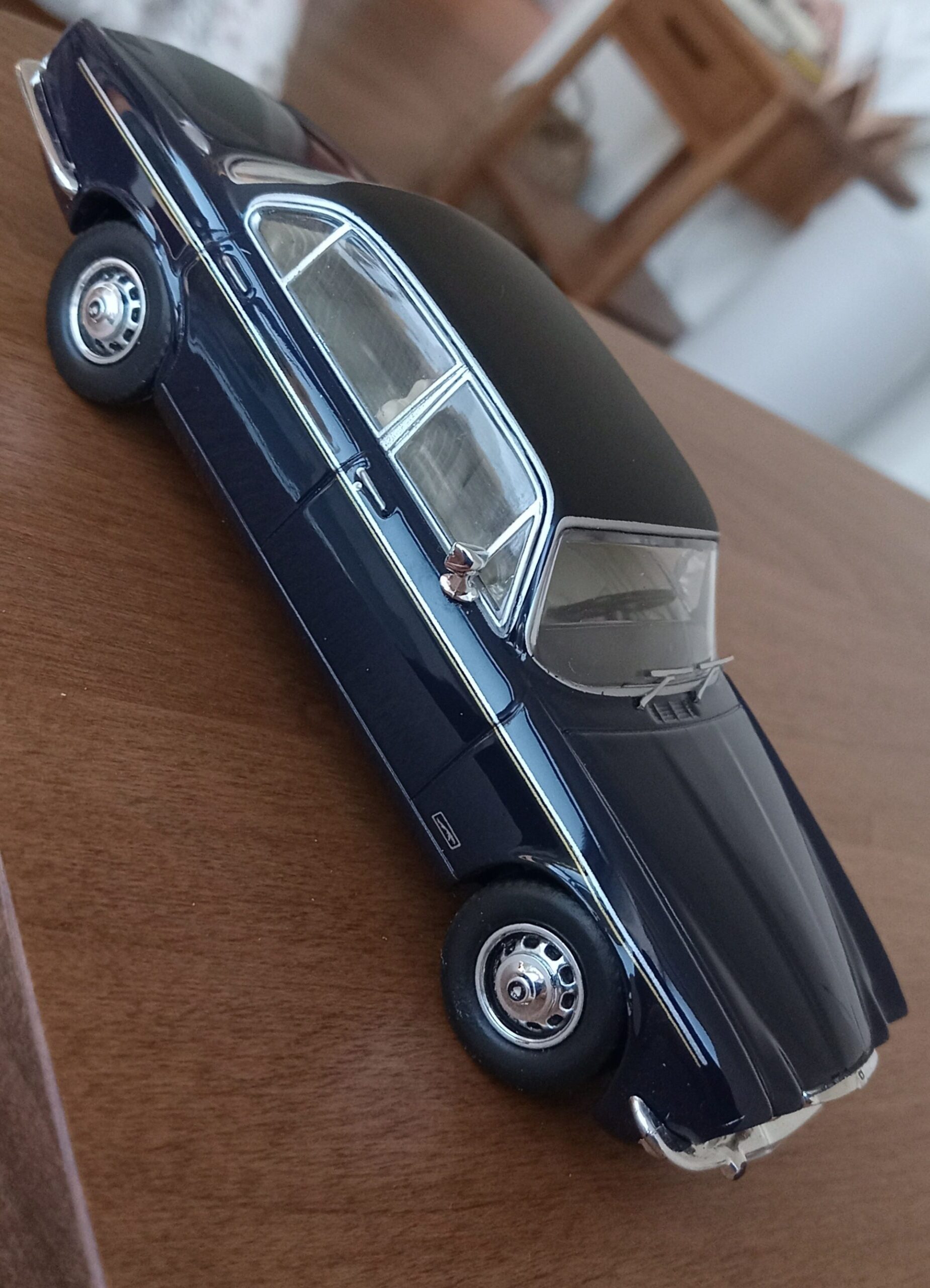
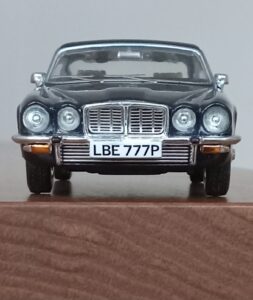
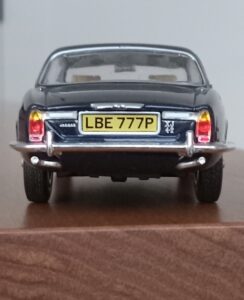
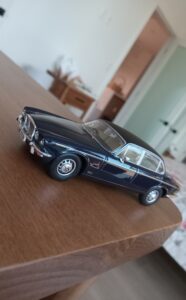
(CORGI/Vanguards社製、1/43 ジャガー SJ6 シリーズ2, 4.2ーLitre 1000個限定 871/1000)
私の中でジャガーXJ12は、
故、徳大寺有恒さんと
切っても切れない関係があります。
既に廃刊になってから日が長い、
二玄社刊の雑誌『NAVI』誌上での
編集長の
大川さんらとの対談『NAVI TALK』や英国車特集内で、
彼の名調子で語られた、
*ジャガーXJ6、XJ12、ダイムラー・ダブルシックスなどに対する評論
*彼自身が3代連続で所有したXJ12の体験談
*それらの、そこかしこに現れた英国車独特のうんちくの数々、、、、
それ以降の現在も、
彼の味わいあふれる言葉遣いや、経験に裏打ちされた薀蓄は常に私の中で生き続け、
私の自動車(や立体造形)に対する価値判断の
『繊細なニュアンス的一部』を形創っています。
こんな感じで、、、
*ひたひたと走る『猫足サスペンション』
*スイッチ類や、ステアリン、アクセル、ブレーキなど操作系の女性的で繊細な『タッチ』
*ジャガーにしか無いくすんだ外装色とエナメル塗装のニュアンス、
*外観の動物的に、生きた、たたずまい、、、、etc.
それでは、
いつもの要領で進めて行きましょう。
*実車解説:英国高級セダンのスタンダード
*デザイン的特徴:イタリアンデザインと英国デザインのマリアージュ
*『私』とジャガーXJ12:隣のKEIJIさん
*まとめと雑感:『デザイン三題噺』コーナー
*敬愛するセダンたち:
*実写解説:英国セダンのスタンダード誕生!!
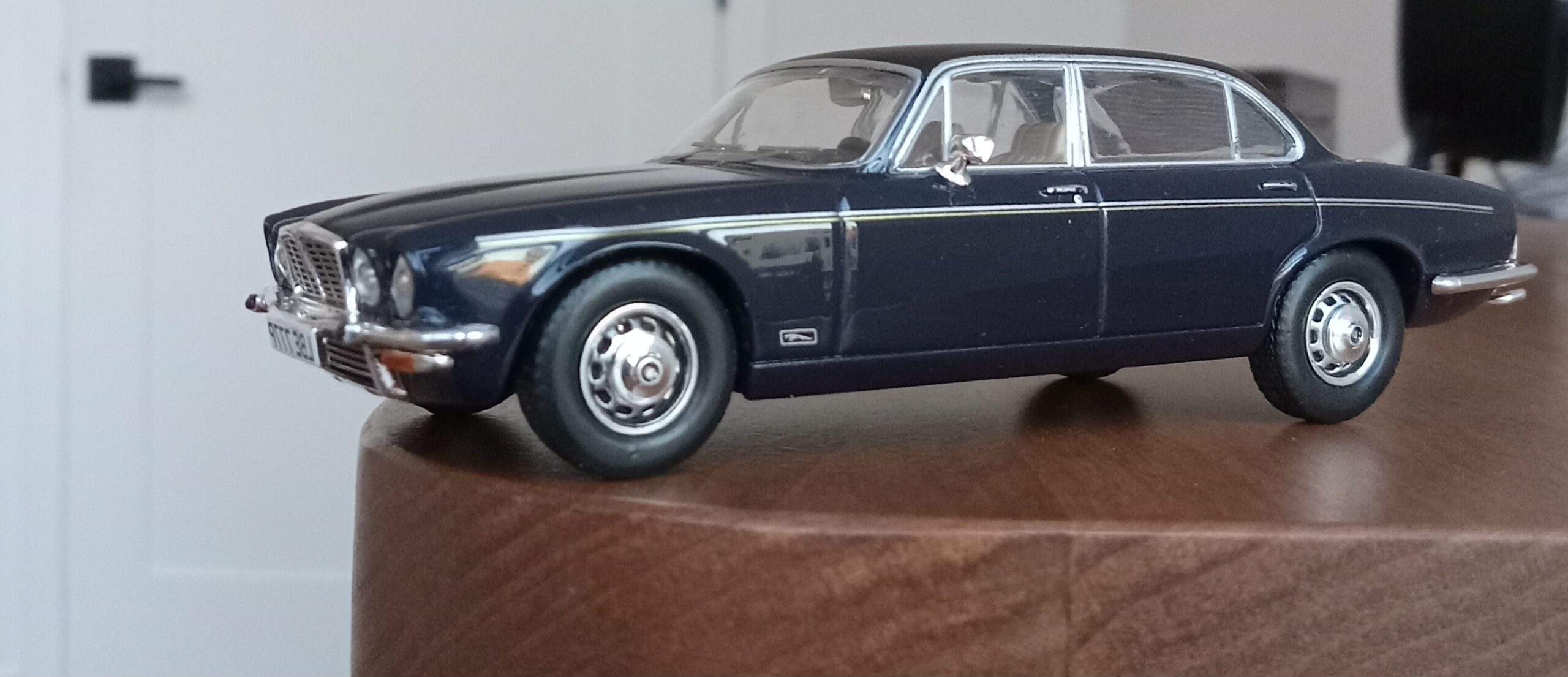
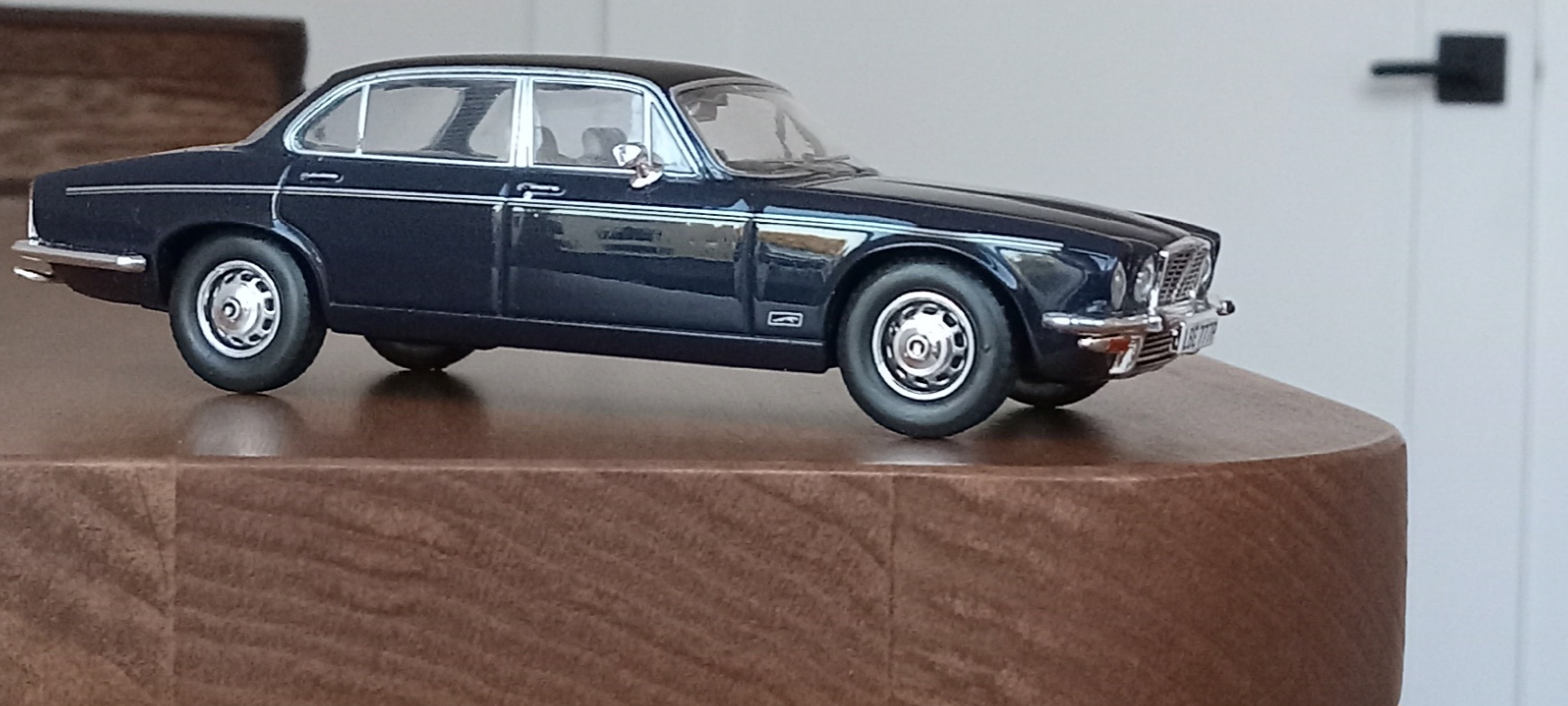
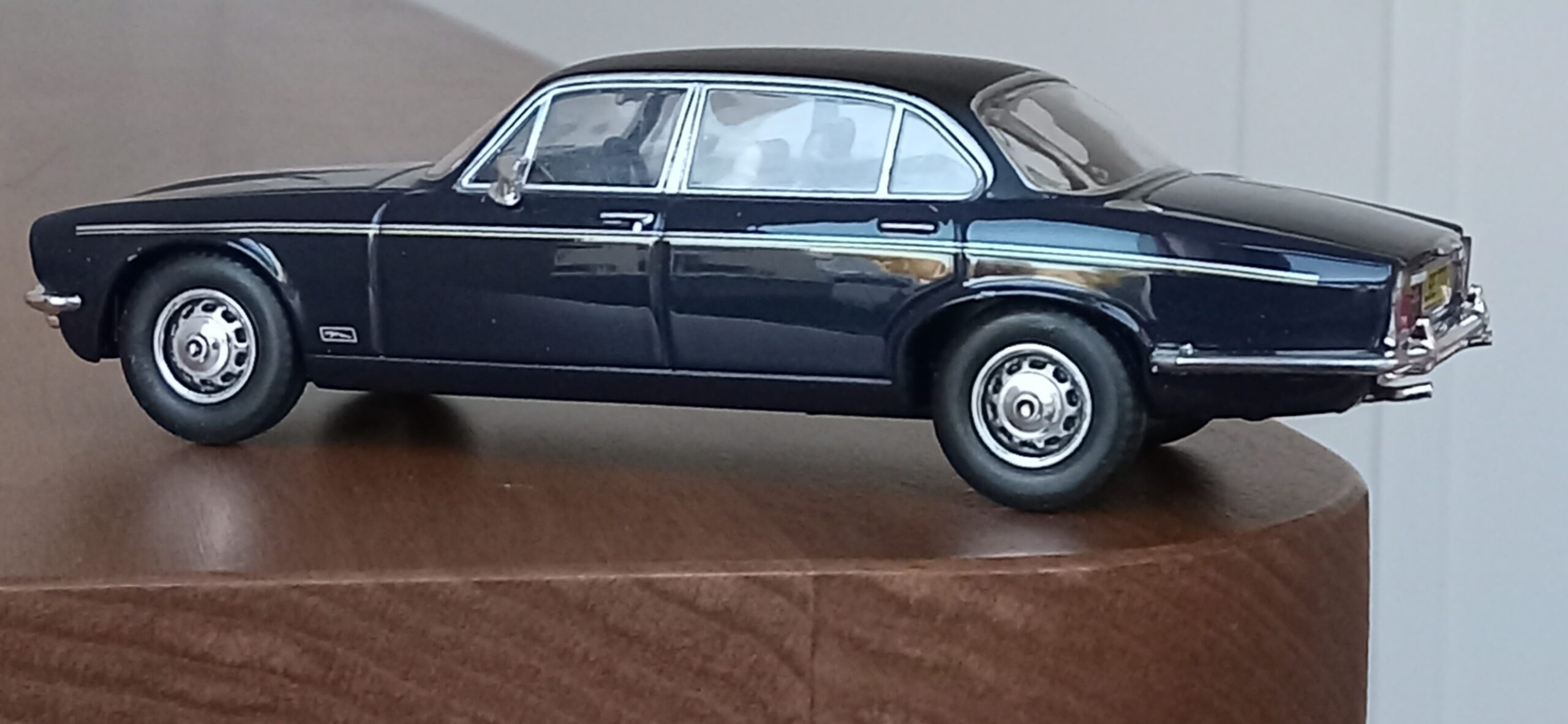
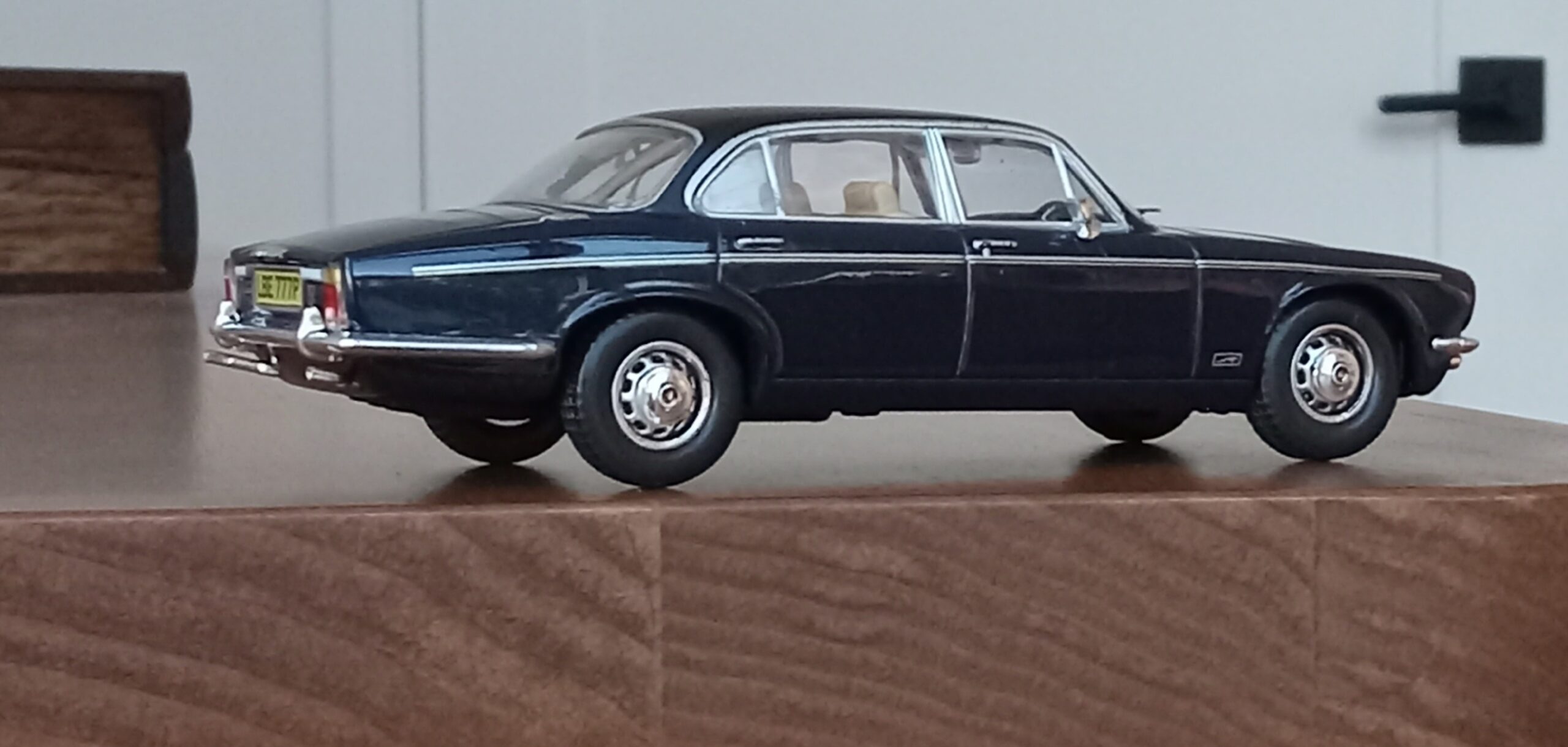
創業者にして、設計者かつデザイナーであったサー・ウイリアムズ・ライオンズが社運をかけて放った一台:XJ6 / XJ12プロジェクトは、旧態依然となった中型セダン『Sタイプ』と、巨大すぎて売り上げが低迷していた大型セダン『マーク10』を統合する形で、新たなジャガーのアイコンとなるべく開発され、1968に登場しました。
スタイリング:
外観デザインは、ライオンズ自身が担当し、イメージは従前の420G(マークX)の紡錘形の伸びやかな『葉巻型』のボディー造形を90%に濃縮したクラッシックかつ高密度なもので、内装は従前通りウォールナットと本革で英国高級車の世界を演出。(ただし安全性向上のためダッシュボード上端には厚いパッドが内蔵され、センタースイッチはトグル式からピアノキー型に置換されていました。)
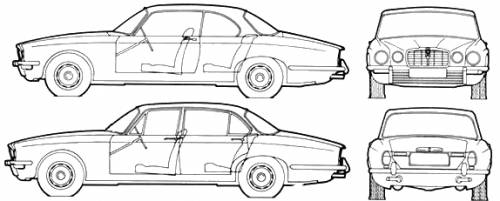
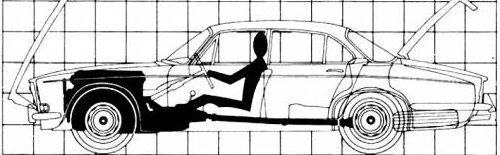
テクノロジー:
エンジンは、直列6気筒のDOHCで2.8Lと4.2Lの2種類が設定され、トランスミッションは4速ミッションまたは3速ATの組み合わせ、サスペンションは前がダブルウィッシュボーン+コイル、後ろがEタイプから踏襲したロアーIアームとアッパーアームを兼ねるドライブシャフト、トレーリングリンクで位置決めして左右2個ずつのコイル/ダンパーで吊る形式を採用(そのしなやかさか『猫足』と呼ばれました)、タイヤは、当時としては極端に太くロープロファイルのラジアルをダンロップと共同開発して装着、結果として、ロールス・ロイスを凌ぐ程の静粛性・快適性と、サルーンとは思えない運動性を高度に両立して高い評価を受けました。
追加モデル:XJ12シリーズ & LWB(ロング・ホイールベース)シリーズ
XJ12シリーズは、1972年7月に登場したEタイプ・シリーズIIIに搭載されていたV型12気筒、5,344ccエンジンをややデチューンして搭載したモデル、トランスミッションは3速ATのみ、重量1,821kg、最高速度は223km/h、同時にバッジエンジニアリング版であるディムラー・ダブルシックスも登場しました。LWBシリーズはXJ6/XJ12のホイールベースを2,870mmに拡大したモデルで、420Gの後継車に当たり、ホイールベース拡大分は後席の居住性向上に充てられ、バッジエンジニアリング版であるディムラー・ソブリンも用意されました。
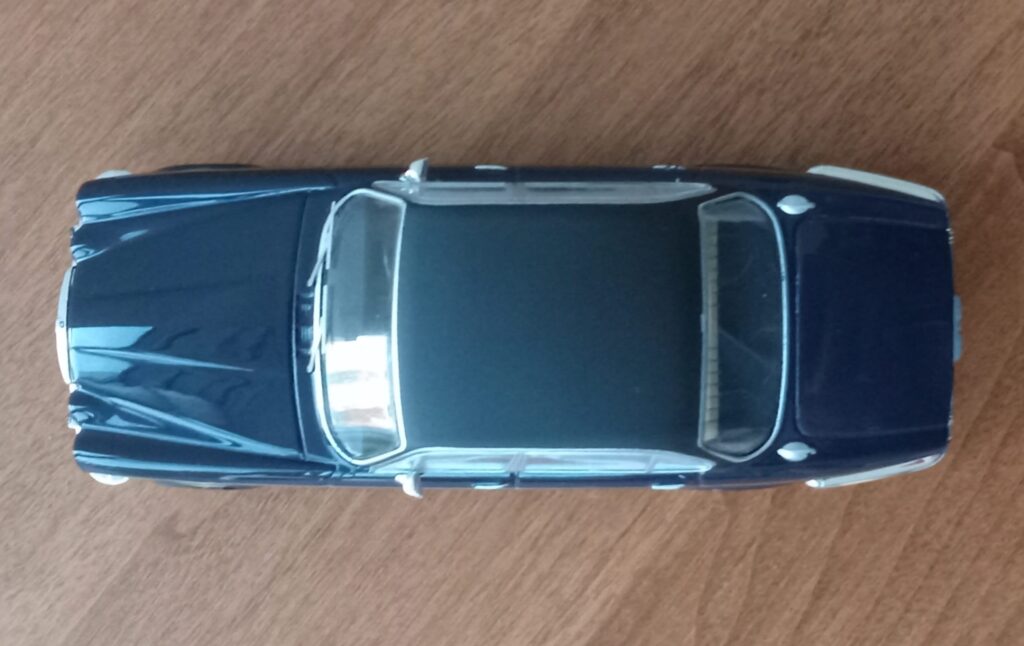
*主要諸元:
- 型式:XJ6/XJ12型
- 総排気量: 4,235 (258 cu. in.) 直列6気筒
: 5,343 (326 cu. in.) V型12気筒 - 最高出力 : 170 bhp (6気筒版)
:265 bhp (12気筒版) - 最大トルク:231 ft/lbs (6気筒版)
:294 ft/lbs (12気筒版) - 駆動方式:FR(フロントエンジン・リアドライブ)
- 定員:5名
- 車体サイズ:
- ホイールベース:2,864 mm
- 全長:4,947 mm
- 全幅:1,772 mm
- 全高:1,372 mm
- 車両重量:
1,872kg (XJ12)
*デザイン的特徴:イタリアデザインと英国デザインのマリアージュ?
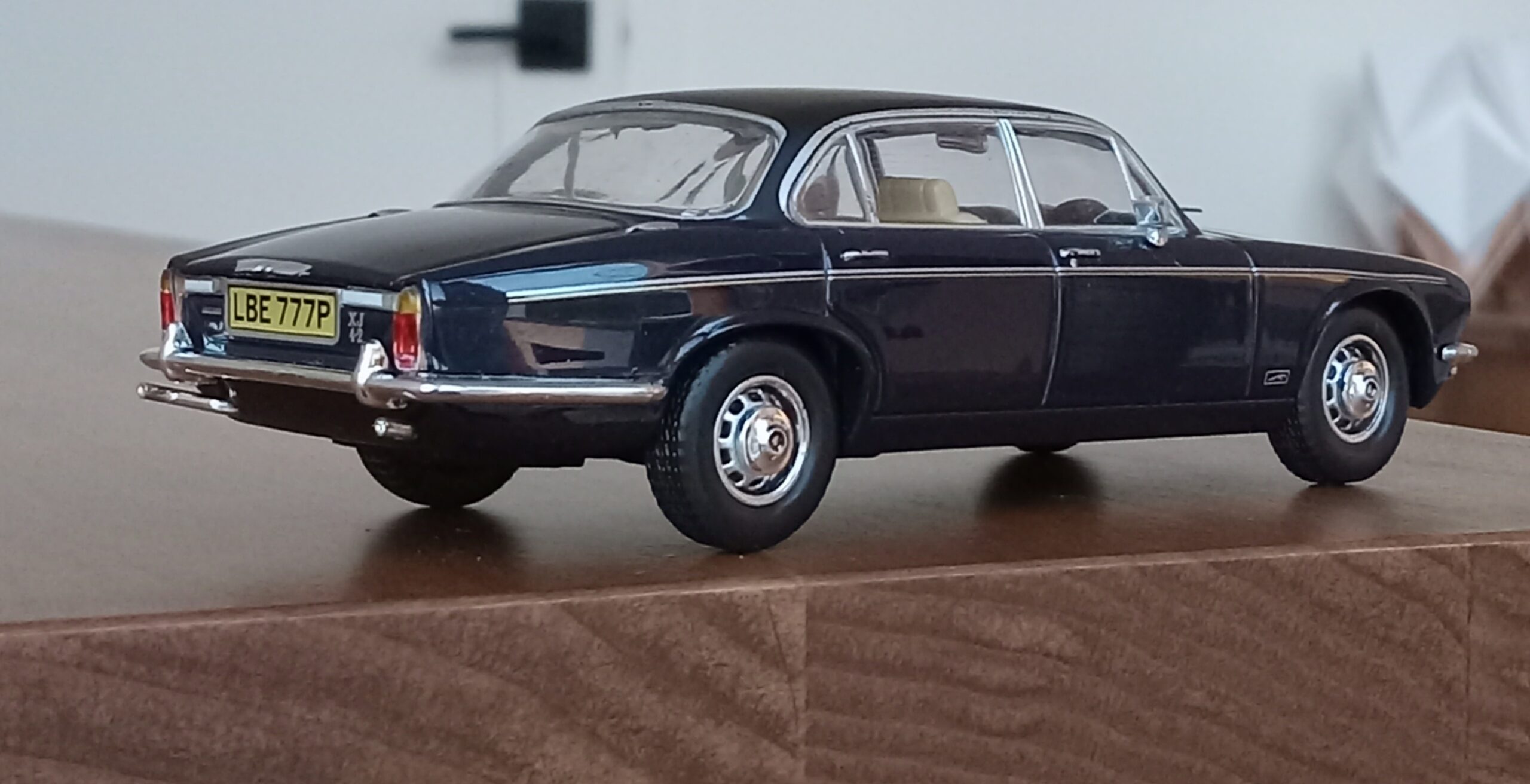
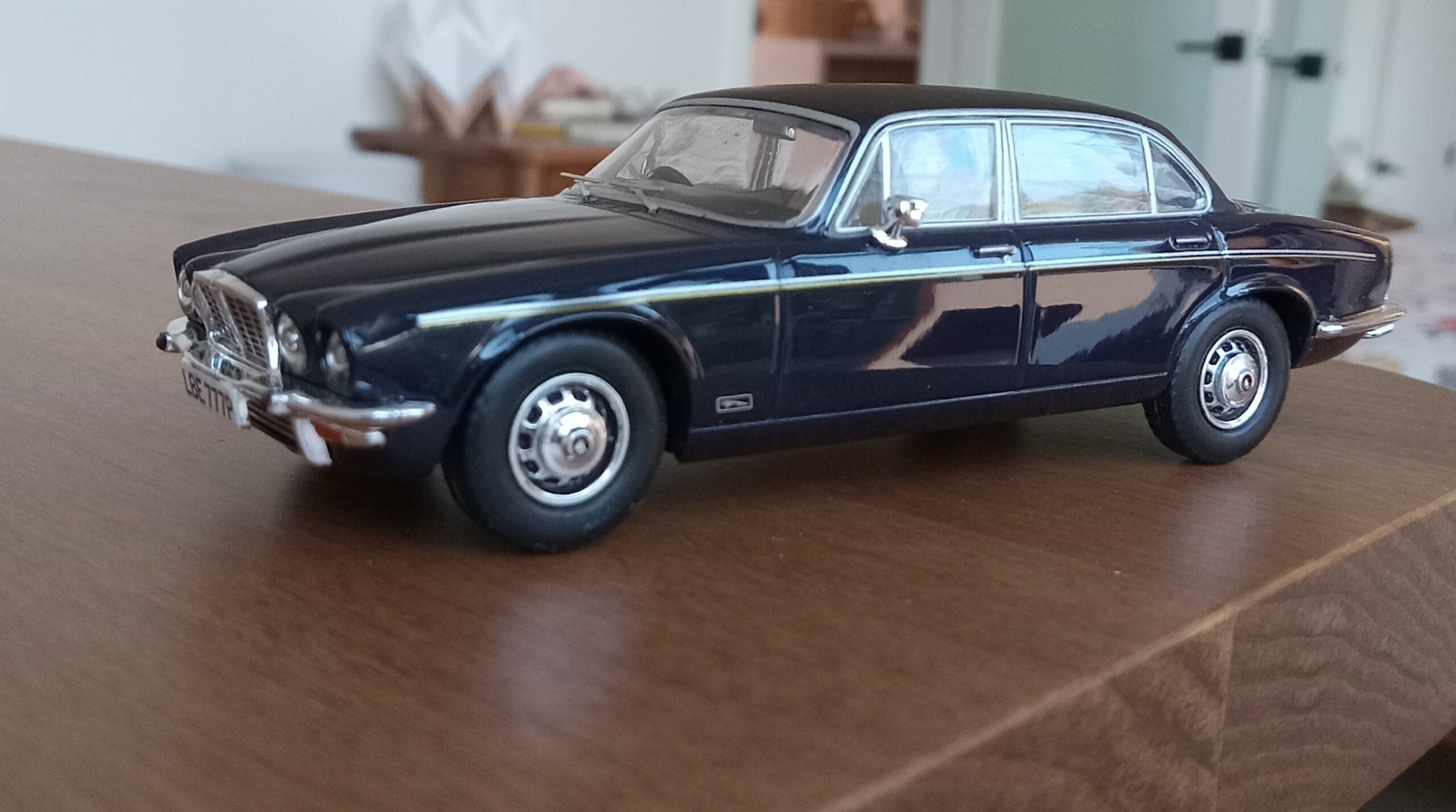
#大陸型バロック様式と英国型バロック
建築世界でバロック様式が語られる時に、
イタリアやフランス、ヨーロッパ大陸の
バロック建築が、
*豪華絢爛で優美なのに対して、
イギリスのバロック建築は、
一部を除いては、
*節制の効いた落ち着きが
特徴でした。
自動車の世界でも、ロールスロイスやベントレーなどの規制の英国自動車会社は建築と同じように、
*常識を重んじ、
*装飾華美にならず
*機能的な配置の中に、
*階級社会の象徴は
あくまでさりげなく、
(材質の差や、最小限の装飾を)
あっさり加えるにとどまっていました。
#英国的常識を覆す、ウイリアムズ・ライオンズの商才
それに対して比較的新興の自動車会社のジャガーは、
既存の英国高級車の常識に反して、
*価格を抑えたうえで、
*ディスク・ブレーキなどの新しい技術を惜しみなく使い、
*イタリア的(大陸的)な大胆で優雅な外観デザイン
を採用してきました。
結果として、既成のロールスロイス、ベントレーなどの高級車と巧妙に差別化され、
戦後の、XKシリーズやE-タイプの成功につながりました。
そんなジャガーから生まれた、類まれな4ドアセダンが今回取り上げました、
XJ6/12 シリーズです。
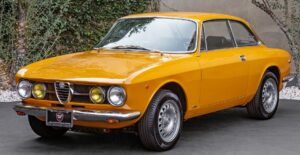
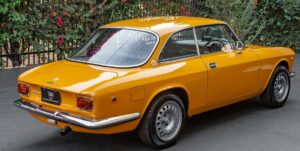
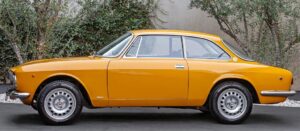
(車格は違いますが、外観上のテイストがXJシリーズと非常に近い立体構成から成り立つ、アルファロメオ・ジュリア 1750GTVベローチェ、1967-77)
#6つのデザイン的特徴
*車幅が狭目な英国車にはまれな、ボディー全体に溢れるふくよかで優雅なテーパー感あふれるボディー断面
*この上なく美しい理想的FRプロポーション+ちょこんと乗せた感じのグラスハウス部分(後部座席のヘッドルームが犠牲、、、泣)
*フロント、リアフェイシア、ウインドグラフィックなどにみられる、抑制が効いてうるさくならない程度の、装飾性あふれるグラフィック。---→出たその年に既にクラッシックな味わい
*ピニンファリーナとはまた違った、しかしまたとなく美しい前・後のタイヤハウスの切り欠きラインの繊細なデザイン
*ダンロップに特注された、ぶ厚く大ぶりなタイヤと絶妙な車軸位置が醸し出す、芳醇なスタンス
*シリーズ1から改良されたフロントバンパーの装着位置(グリルをリデザイン+上昇)
*徳大寺さん絶賛の、味わい深い中間色を取りそろえた外装色パレットと、分厚いエナメル塗装のクオリティーの高さ
それでは1つづつ
詳しく見て行きましょう。
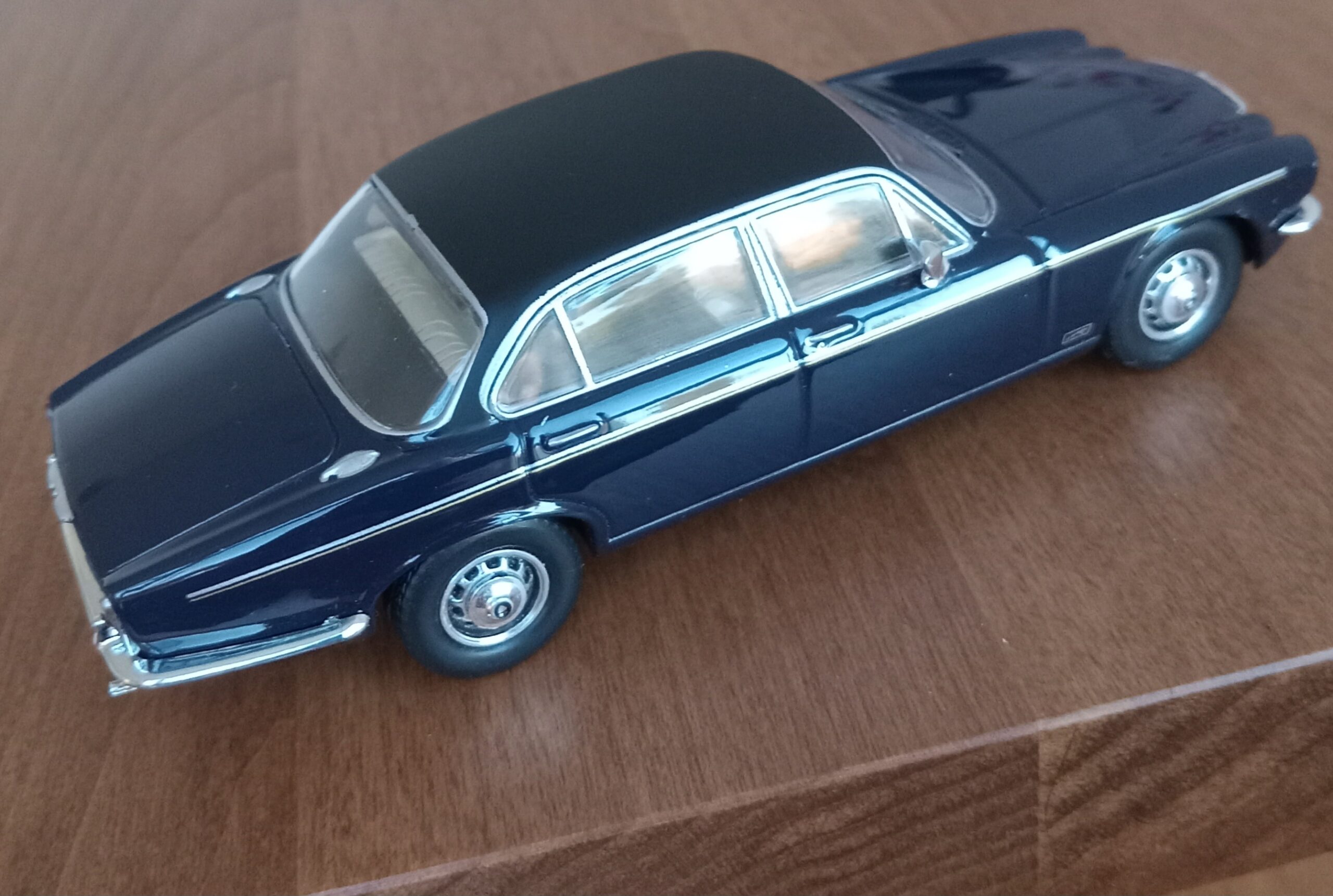
*車幅が狭目な英国車にはまれな、ボディー全体に溢れるふくよかで優雅なテーパー感あふれる(≒後期バロック・ロココ感あふれる)ボディー断面
(まさにイタリアからあつらえてきた立体裁断が決まったスーツを着こなす革新的な英国紳士)
ーーーーーー>あらゆる角度から、予想外の味わい深さを魅せるカメレオン的芳醇デザイン
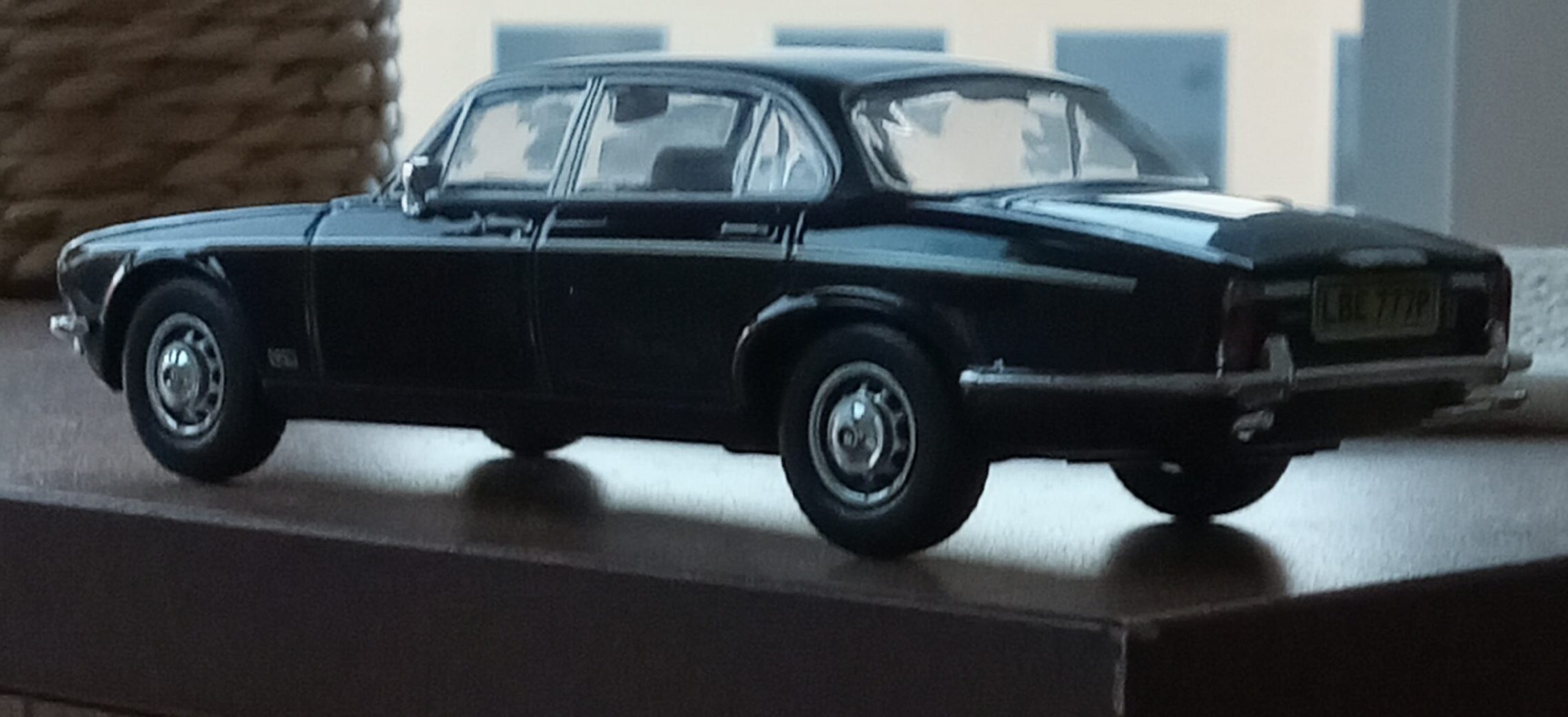
*この上なく美しい理想的FRプロポーション+ちょこんと乗せた感じのグラスハウス部分(後部座席のヘッドルームが犠牲、、、泣)
(420Gの全体イメージを8割程度に凝縮した感じですが、むしろマーク10の『間延び感』がなくなり、引き締まったサイドビューが他のFRセダンを寄せ付けません。)
ーーーーーー>近くにたたずんで、20分位じっと眺めていたいです。
*フロント、リアフェイシア、ウインドグラフィックなどにみられる、抑制が効いてうるさくならない程度の、装飾性あふれるグラフィック。
ーーーーーー>出たその年に既にクラッシックな味わい
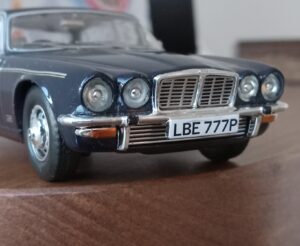
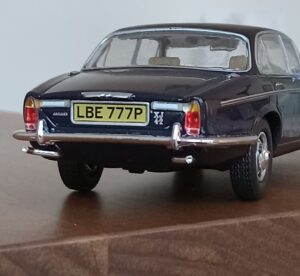
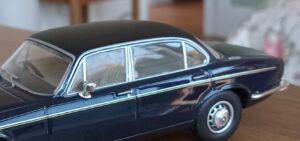
*ピニンファリーナとはまた違った、しかしまたとなく美しい前・後のタイヤハウスの切り欠きラインの繊細なデザイン
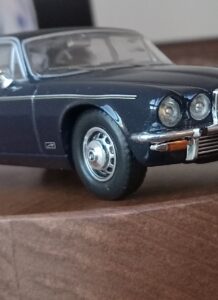
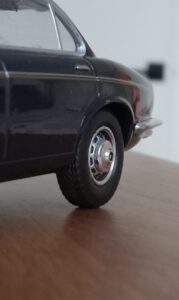
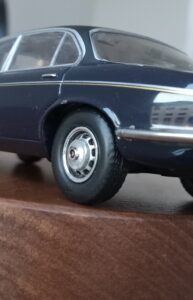
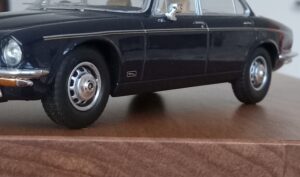
*ダンロップに特注された、ぶ厚く大ぶりなタイヤと絶妙な車軸位置が醸し出す、芳醇なスタンス
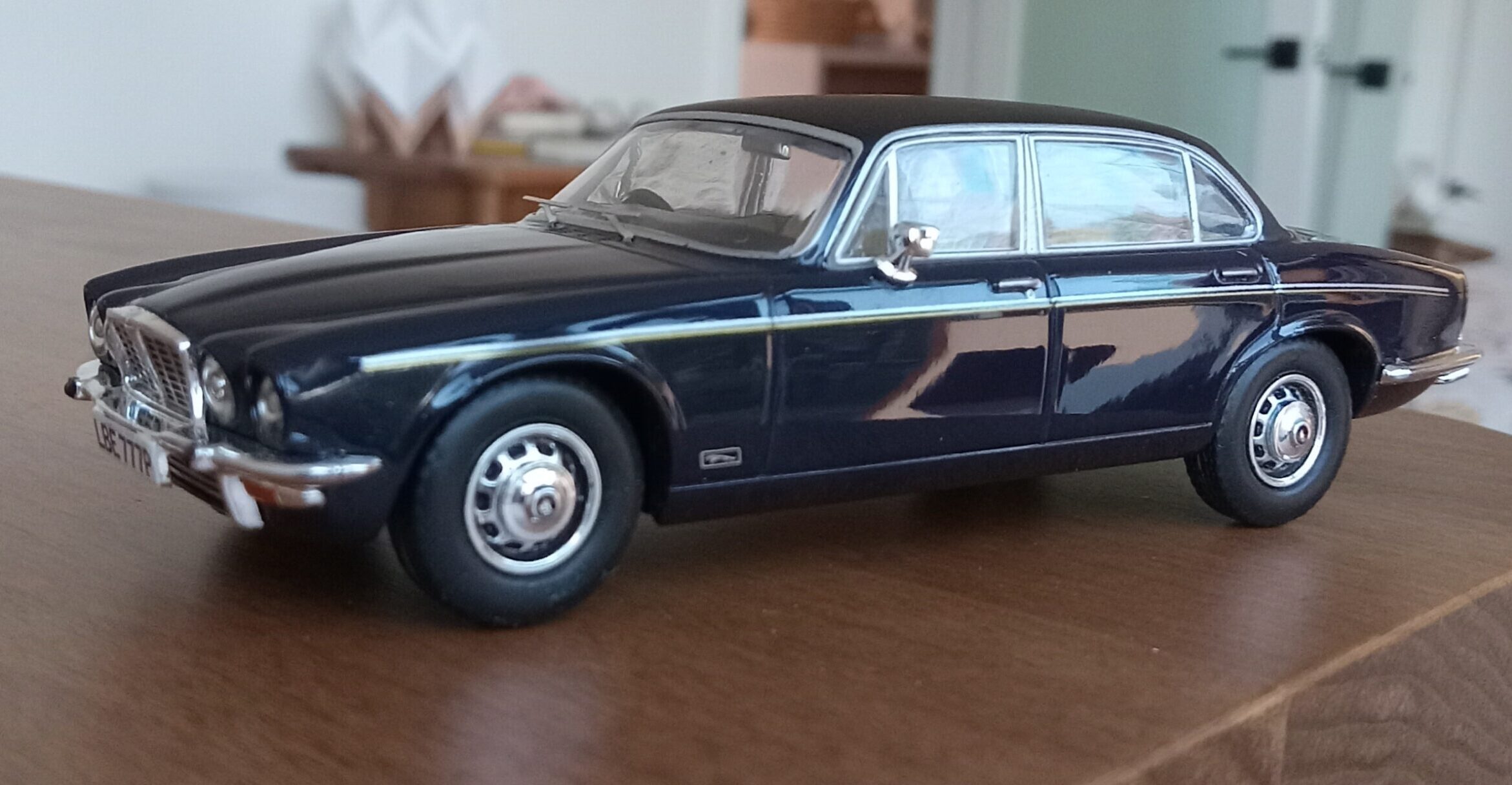
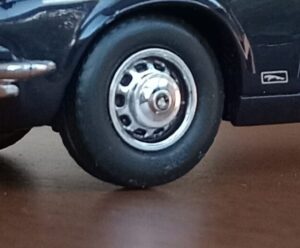
*シリーズ1から改良されたフロントバンパーの装着位置(グリルをリデザイン+上昇)
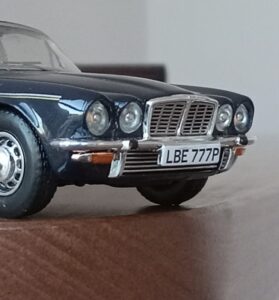
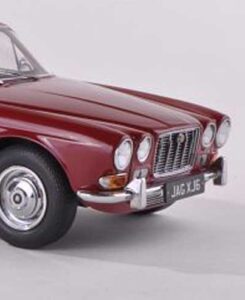
(赤いほうが1stシリーズです)
*徳大寺さん絶賛の、味わい深い中間色を沢山取りそろえた外装色パレットと、分厚いエナメル塗装のクオリティーの高さ
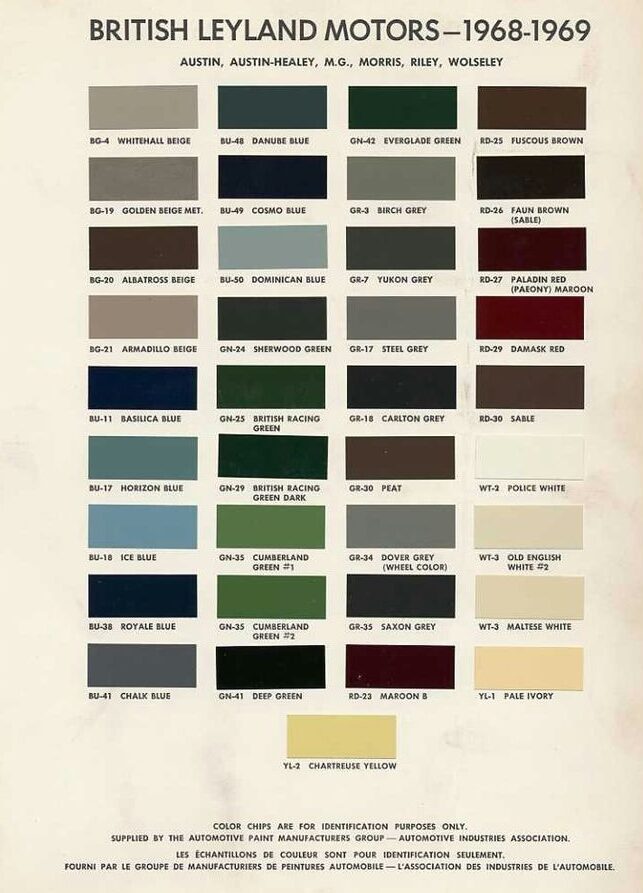
(ブリティッシュ・レイランド社の1968-69年当時のカラーチャート、当時の雰囲気のご参考までに)
*『私』とジャガーXJ6/12ーーーー隣のKEIJIさん
(学生時代の隣人、KEIJIさん所有のものと同じ色のXJ6、シリーズ3)
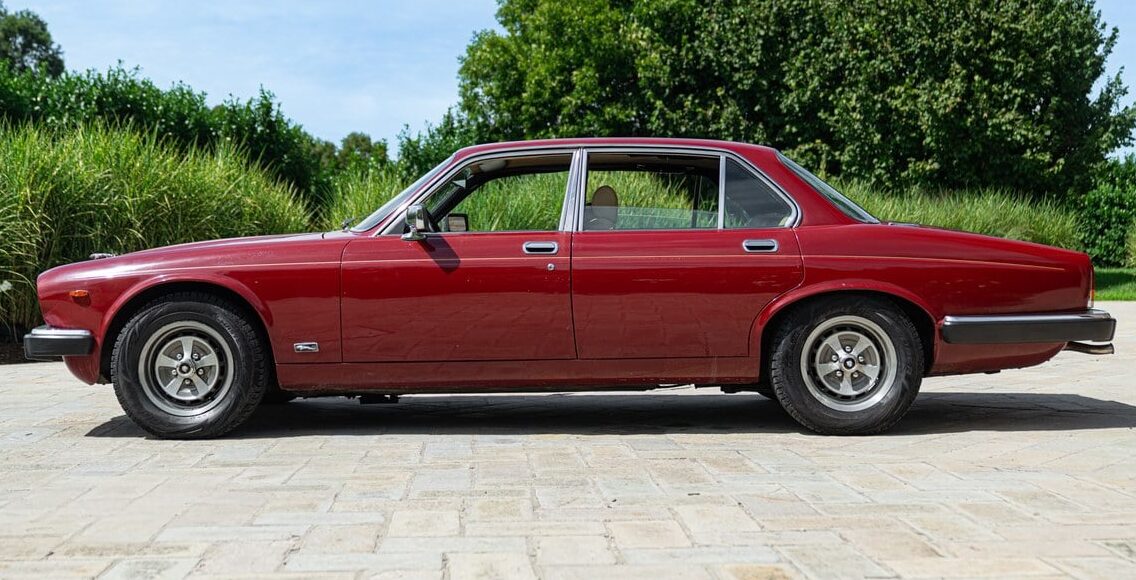
デザイン学生時代にルームメイトと間借りしていました借家の隣に住んでおられた、日系3世のKEIJIさん(仮名)は状態のあまりよくない、バーガンディーのXJ6シリーズ3を所有されていました。
知人から安く譲ってもらったそうですが、
当初『ぎりぎりで、何とか動く』感じだったのですか、
しばらくすると彼の家の前庭に
ほったらかしにされていました。
そんな折、学校の課題の『一日5枚のスケッチ』をこなすために、
彼のジャガーをいろんな角度でスケッチさせれ貰いました。
その時感じたのが、
*どの角度から見ても、味わい深く弱点がないデザインだな、、、しいて探せば、
*後部座席のヘッドルームの改善のため少し角ばったCピラーから屋根にかけてのラインがどうしても気になる点と、
*リアバンパーの取り付け位置の関係からかその大きさからか、リアのトランクあたりが尻下がりに見える点です。
この気になる2点ですが、
どちらもシリーズ2まではなかった点ですね。
KEIJIさんには、その後動かなくなったジャガーではなく、ホンダシビックで、彼の給料日に3回ほど、高級なお寿司を議馳走してもらうためパサデナ・ダウンタウンにある日本食レストランへ乗せて行ってもらいました。
#その他のXJ6/12に関する立体経験
*ヘルパ社製、1/87 プラスチック製のシリーズ3、XJ12(バーガンディー)
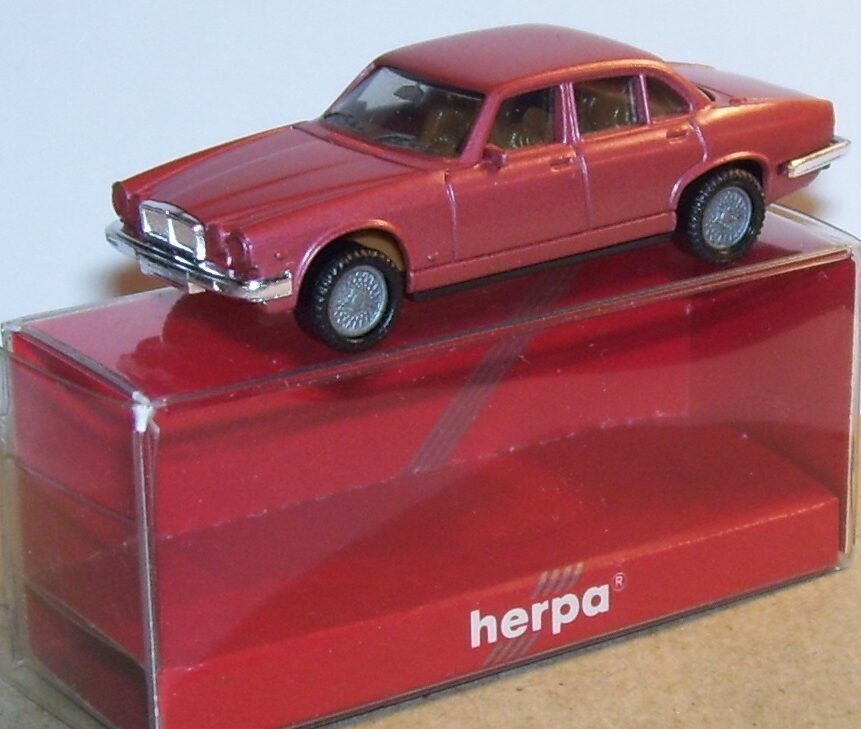
(鉄道模型用でしたが、全体のデッサンがきれいで、KEIJIさんのシリーズ3の特徴がよく出ていました。)
ーーー>確か他の色も集めてました。
*Vangurads社製、1/43 ジャガーXJ6 シリーズ1(バーガンディー)
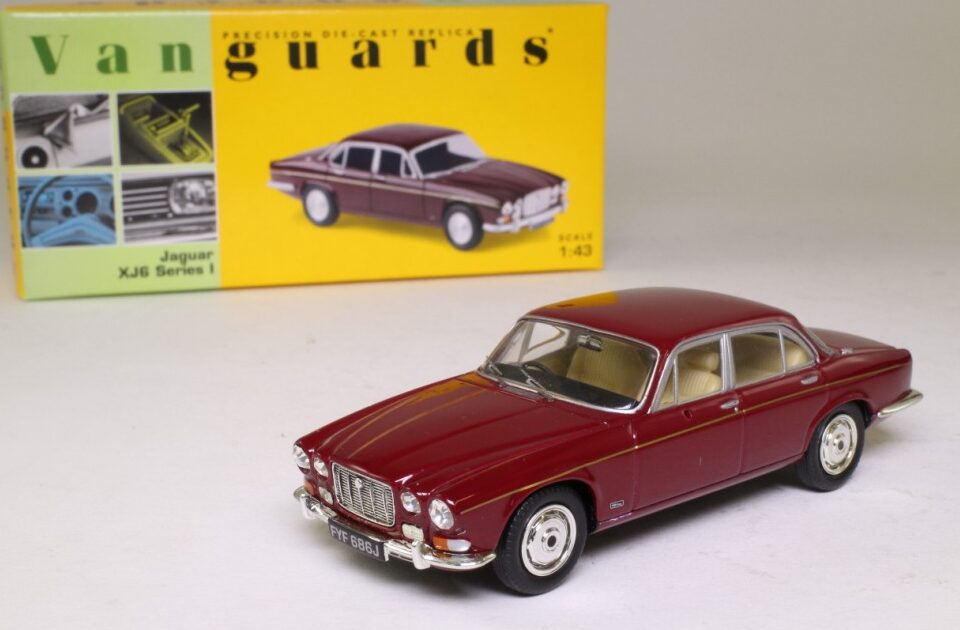
(既存のSOLIDO製やSMTA製に比べて格段にプロポーション、ボリューム感など出来が良く、宝石性のヘッドライトなど、面白いミニカーで、愛着を持って、もてあそんでおりました。)
ーー>もう一度買い戻すべき逸品です
*CORGI/Vanguards社製、1/43 ジャガーXJ6 シリーズ2(濃紺)
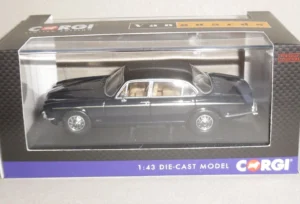
そんな中今回記事を書こうと、出来の良い模型を探しているうちに、大好きなメーカーヴァンガーズ社からシリーズ2のXJ6が出ているのを知り、急遽イギリスから取り寄せました。色違いの緑のXJ12も入手しましたが、濃紺のほうが写真写りが良かったので、こちらを使いました。
シリーズ1発売から20年以上がたちまして、
ディテール、塗装クオリティーなどすべての点で出来が良くなっていました。嬉
今後、バンがーズ社から
オースチンヒーレーBN1が出ることを祈っております。
*まとめと雑感:『デザイン・三題噺』コーナー
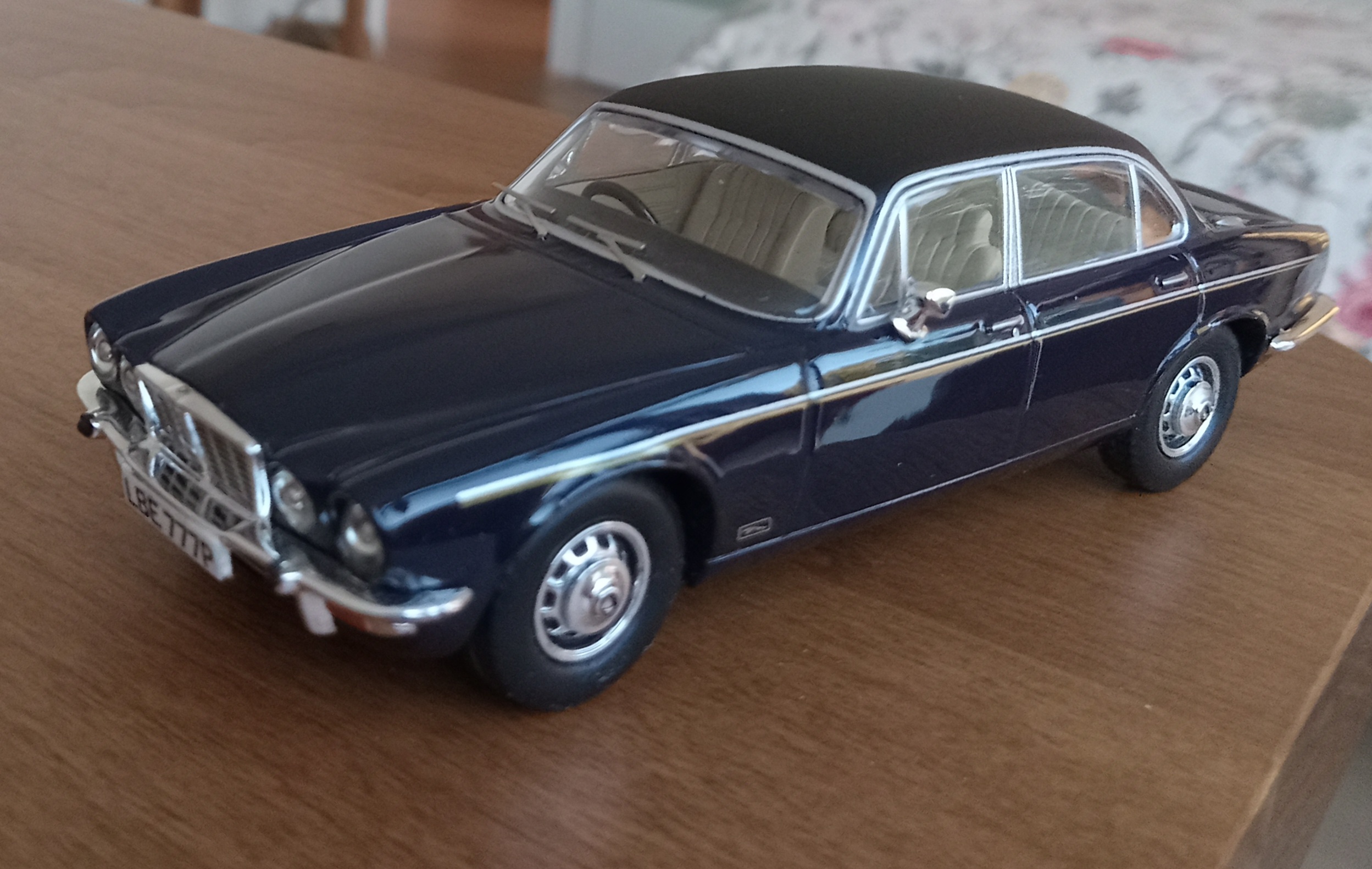
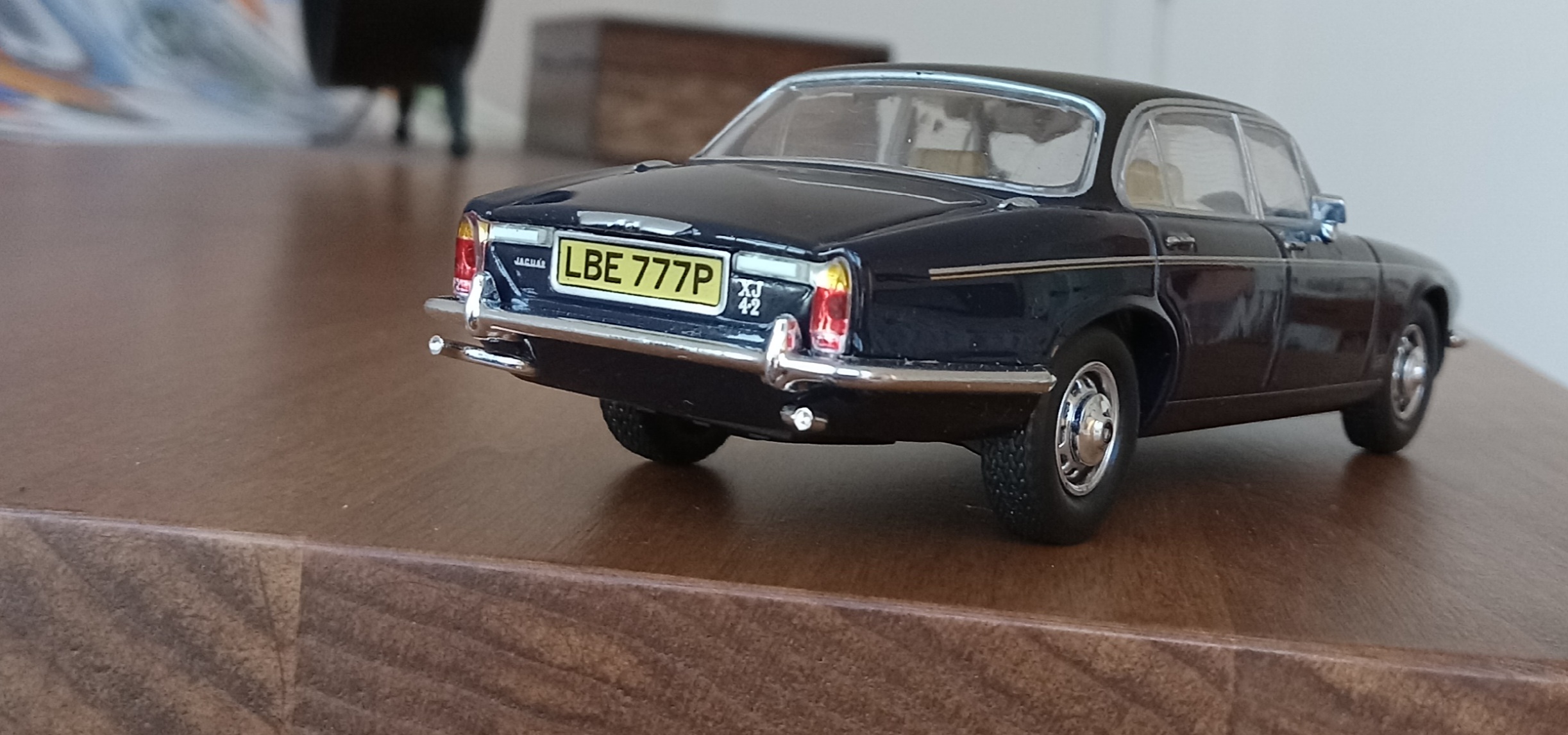
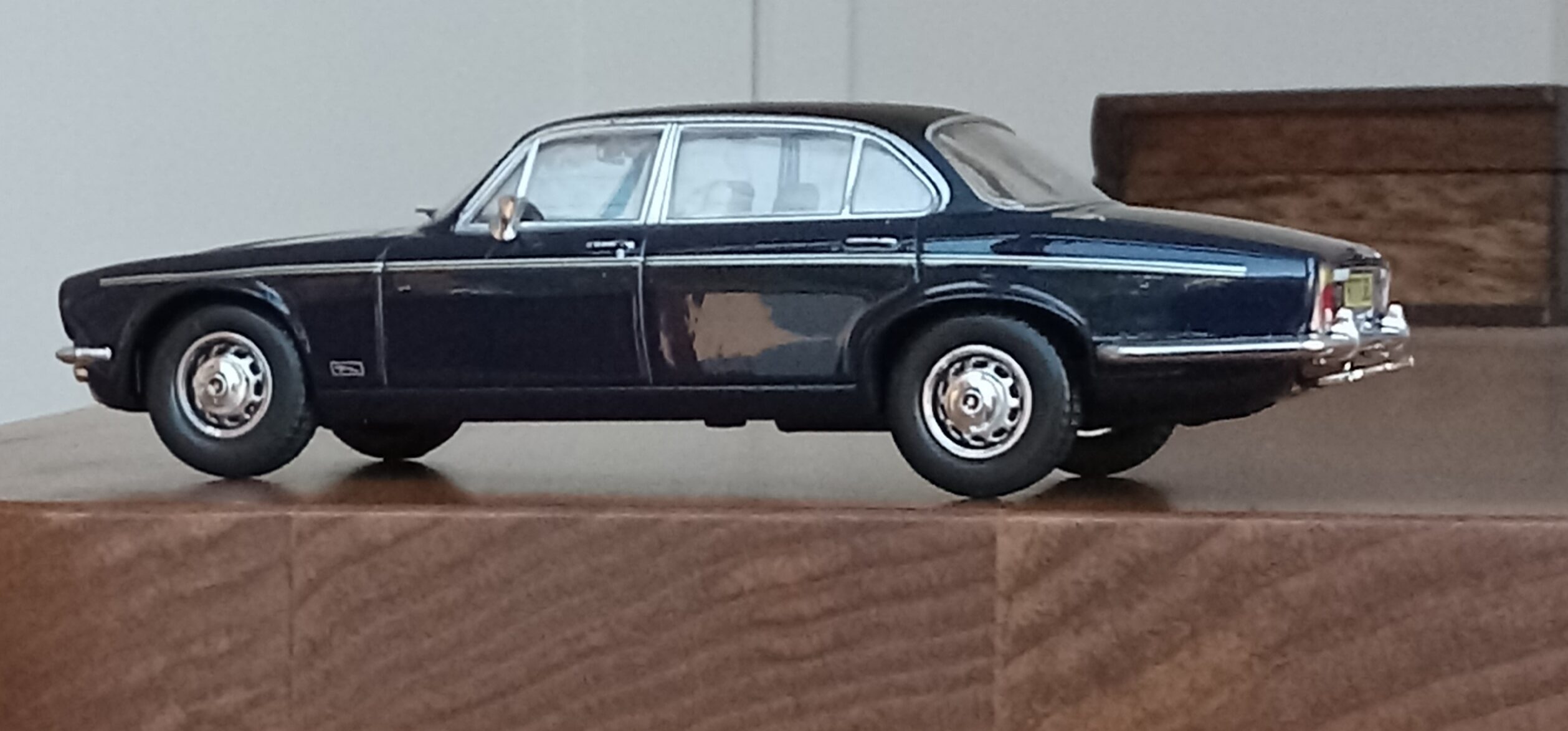
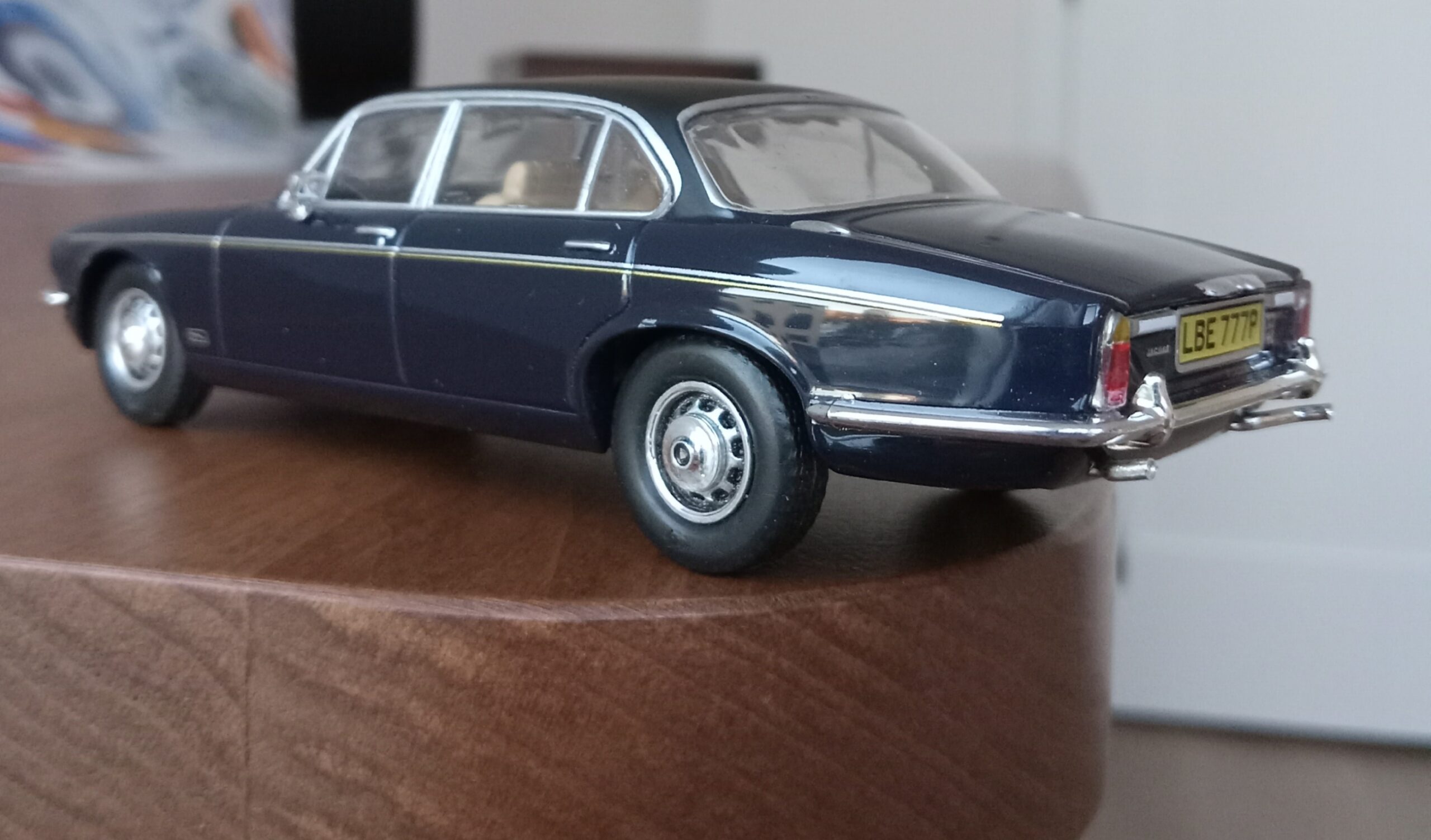
其れでは、今回のジャガーXJ12, セカンドシリーズにつての
お題を集めてみましょう!
こんな感じでどうでしょうか?
*策士、ウイリアム・ライオンズ
*大陸モードをまとった英国紳士
*隣の「KEIJIさん」とお寿司屋さん
エ~
ようこそのお運びで、
厚く御礼させていただきます、、、
一席、相変りません、ばかばかしいお笑いを聞いていただきまして、
失礼させていただきます。(3代目春団治風で)
パット見たところ、
なんか普通じゃないオーラ―みたいなものがありますね。
『ジャガーXJ12』と申します。
英国の策士:
ウイリアズ・ライオンズという紳士が作った傑作です。
当時の英国紳士の身だしなみは、
*常識を重んじ、
*装飾華美にならず
*機能的な配慮の中に、
*階級社会の象徴をさりげなく飾る、と言った
感じですが、
ライオンズさんは、
常識にとらわれず、
*当時のヨーロッパ大陸のファッションモード
*最新技術のオンパレード、
*おまけに、お求めやすいお値段、(ライバル車の半額)
等のマーケティング政策で、大成功をおさめ、
結局このXJの高級4ドアセダン自身が、
その後の英国高級車の方向を定める形となりました。
ーーーーーー>新たなる英国スタンダードとなりました。
その後月日が経ちまして、1990年代初め、
そんなジャガーXJシリーズも、早、シリーズ3となりました。
折からの英国経済の沈滞化や、労組関係のもつれ等もあり、
当時のジャガーの品質は最悪状態、
そんな中、
超バーゲンプライスでたたき売られた
中古のXJ6を、 友人から譲り受けたお隣の『KEIJIさん』、
一度、不動になったが最後、1万ドル以上修理につぎ込まない限り、
2度と動かないんだ、、、、と嘆いていました。
高級なお寿司屋さんに連れて行ってもらった折、
『人も女も車と同じで、
見た目だけで判断するとひどい目にあうぞ!』と半笑いで、
警告してくださいました。
ジャガーという名車、(品質的には、迷車?)にまとわりつく、若干のうさん臭さ、一度も最優良なものを生んでいない、いかがわしさ、そのすべてを包み込んだような、ウイリアムライオンズ氏の訳知り顔の人となり、
この辺のニュアンスすべてを憧れと失望を持って受け入れた『KEIJIさん』のおおらかさが言わしめた、(松本人志さん的な)半笑いの警告。
『ひとの人生も、自動車の美しいデザインも、業が深いもの」、というお話で、
お後がよろしいようで――
*その他のヨーロッパ製上級セダンたち
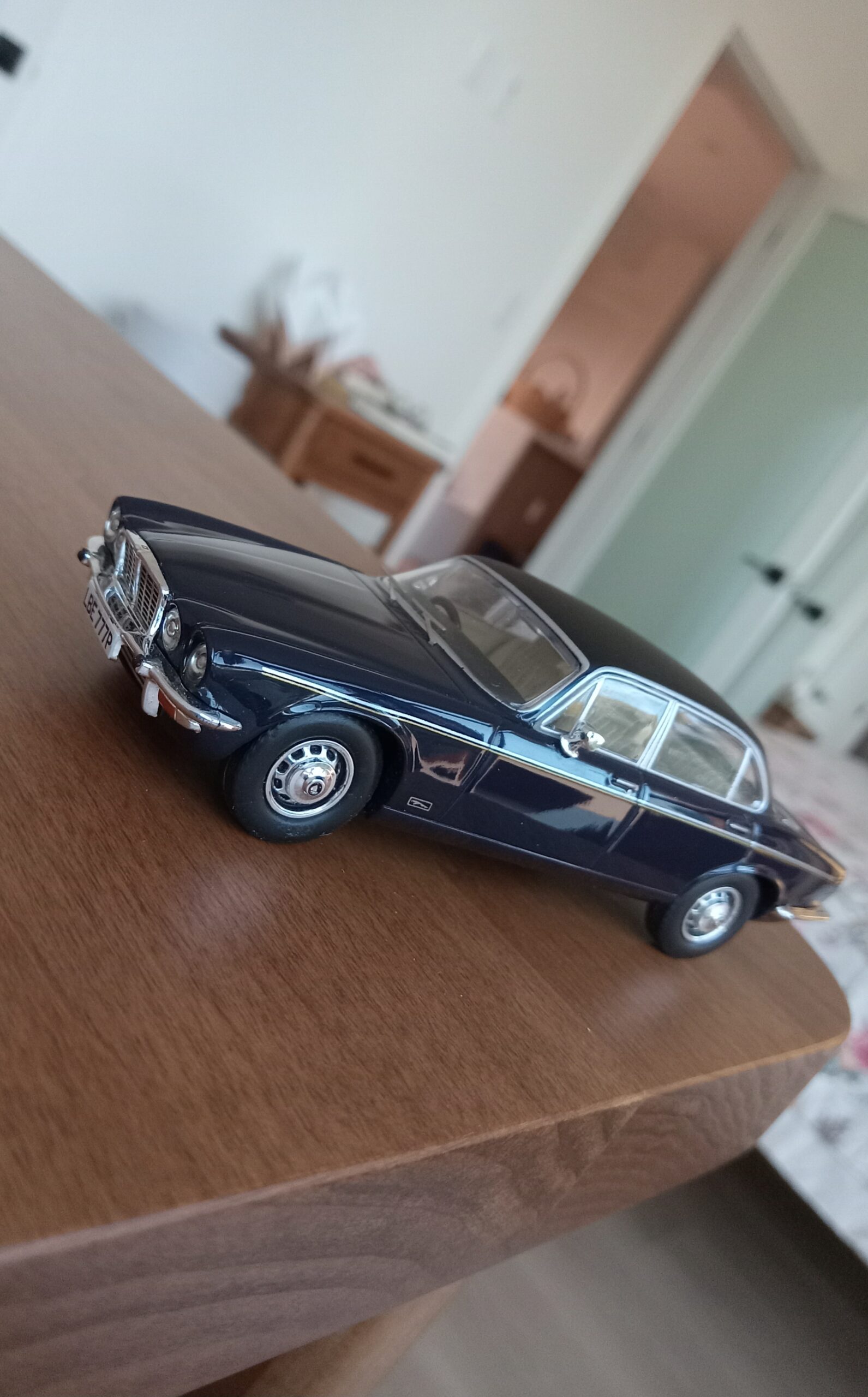
私の頭の中では
こんな欧州セダンたちがうごめいております。
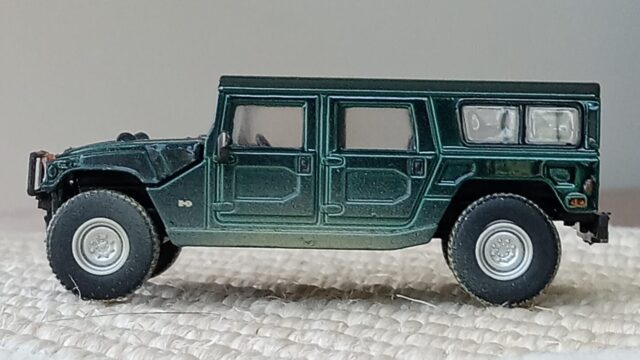
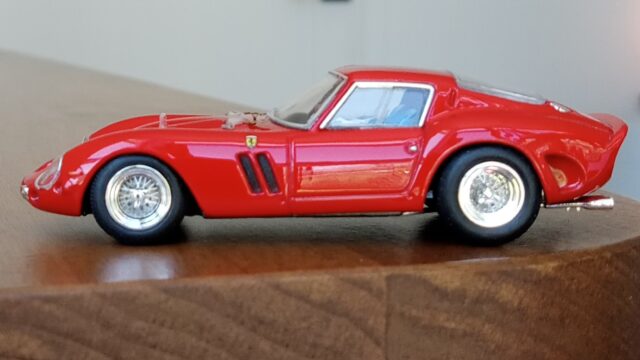
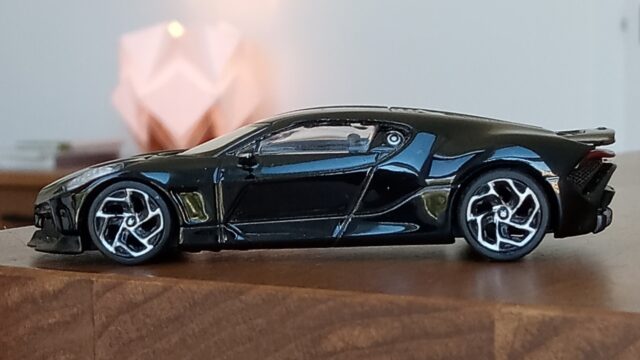
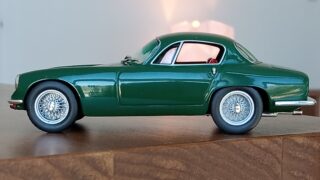
*アルファロメオ・164、1987 (シルバーの2トン)
(上下分割の当時流行のボディー構成に目が行きがちですが、全体の繊細な面構成が素晴らしいです、特にボンネットの微かなふくらみは、その下にあるエンジンの存在を現わしているそうです。)
ーーーーーー>ピニンファリーナの傑作セダンは、今見ても新鮮ですね。
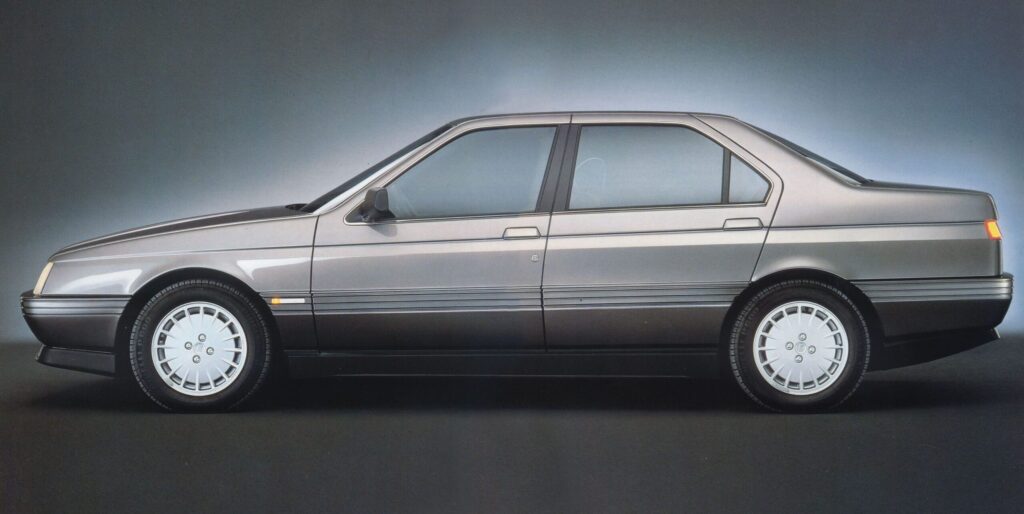
*フォルクスワーゲン、フェートンW12、2002 (シルバー)
(フェルディナンド・ピエヒ氏の肝いりでお金に糸目をつけず設計されたワーゲンの最高級車は、素晴らしくハリのある面創りがされていて、LAオートショウで目撃した時はそのオーラにやられてしまいました。今見るとそれほど大型でなく、結構パツンパツンな印象です。)
ーーーーー>余談ですが、このころのVW/AUDIの中・上級者の内装のフィット感には神がかったものを感じました。いまだにこの内装の写真を見ただけで、なぜか泣きそうになります(笑)
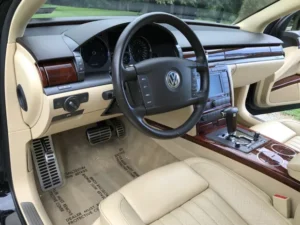
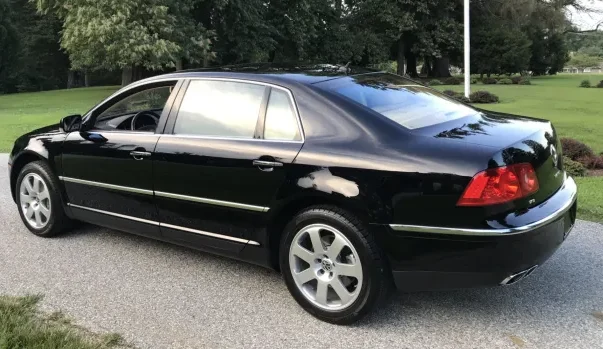
*アウディ A8(初代), 1994 (濃紺)
(オールアルミボディーをLAオートショウで始めてみた時、そのピンと張りつめたボディー表面になぜか軽くパンチしたくなりました(笑)すさまじいテンションが「コツン」と返ってきました。奇をてらわないボディーのプロポーションはアウディA4をさらに2段階理想化した感じです。)
ーーーー>こちらも、一ミリの隙もない内装の立て付けに感動のあまり、震えが止まりませんでした。カメラやブラウンのシェーバー、高級家電以上のはめ合わせの精度が、、、、
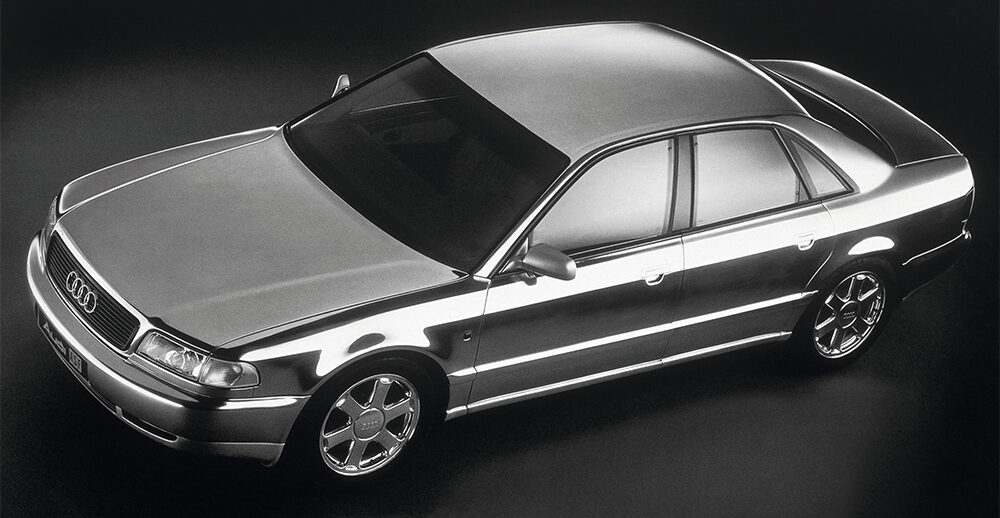
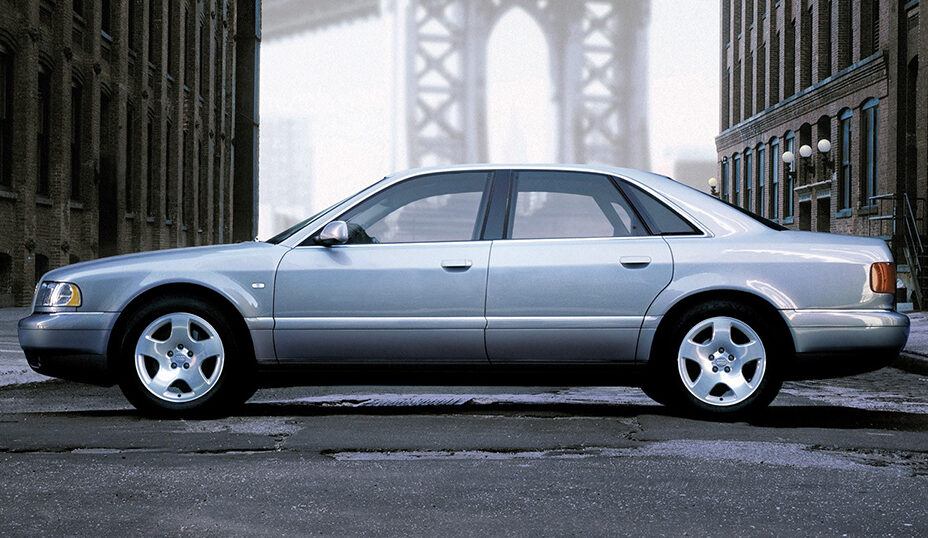
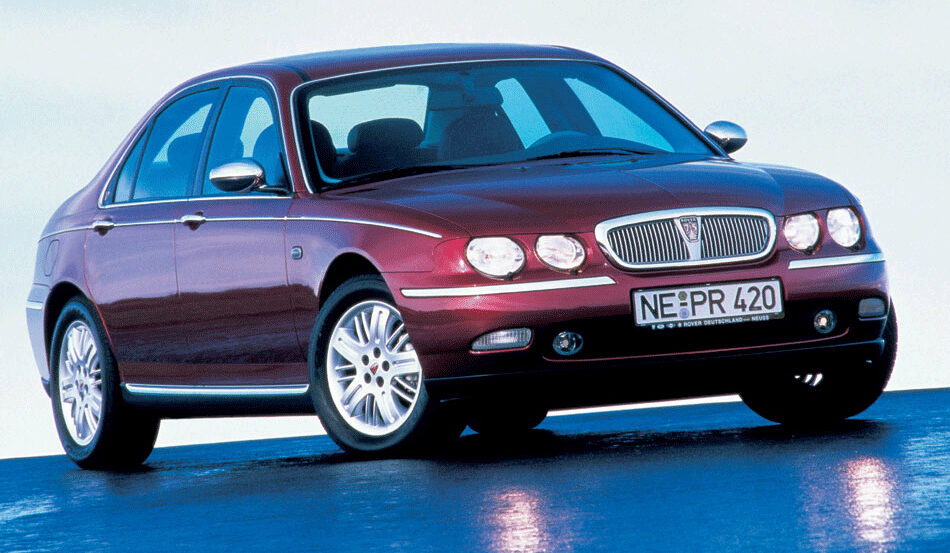
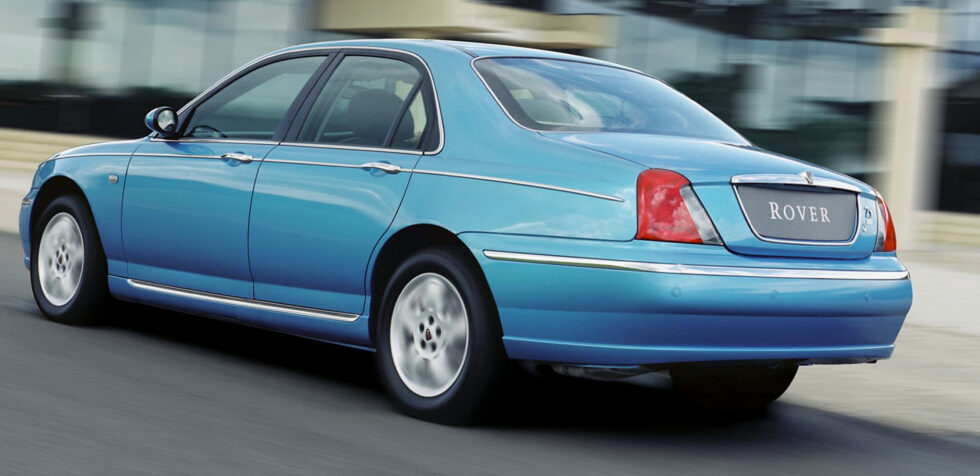
*ローバー75、1999(ライトブルー&グレーの2トン)
(初めて『CAR』誌上にてスクープ写真を見た時からひとめぼれ状態でした。ジャガーでもなく、RRやベントレーでもない、何百もの今は亡きイギリスの自動車会社の『残り香/ぺティーナ』を感じます。なぜか見るたび、ほんのり悲しくなります。泣)
ーーーーー>徳大寺さんも絶賛!英国自動車産業、意地の「9回裏逆転満塁ホームラン」的デザインです
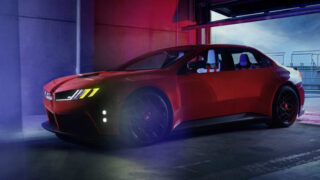
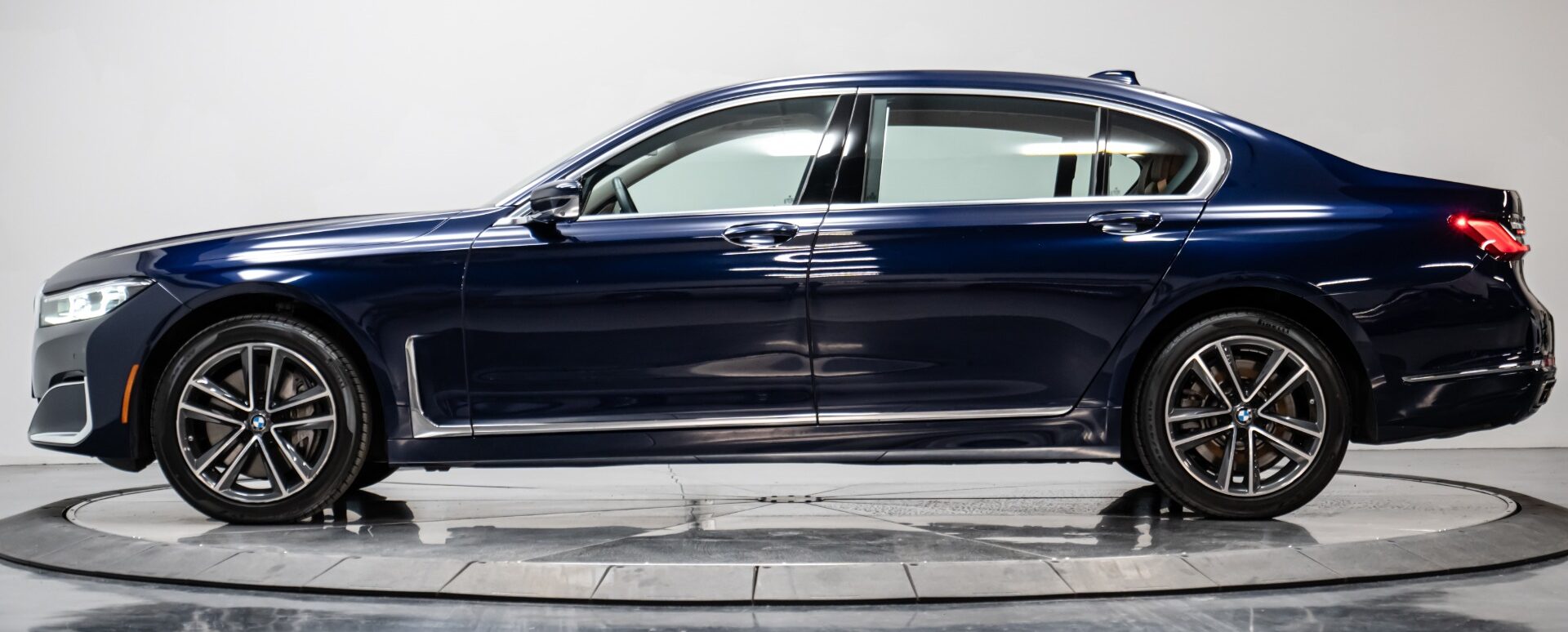
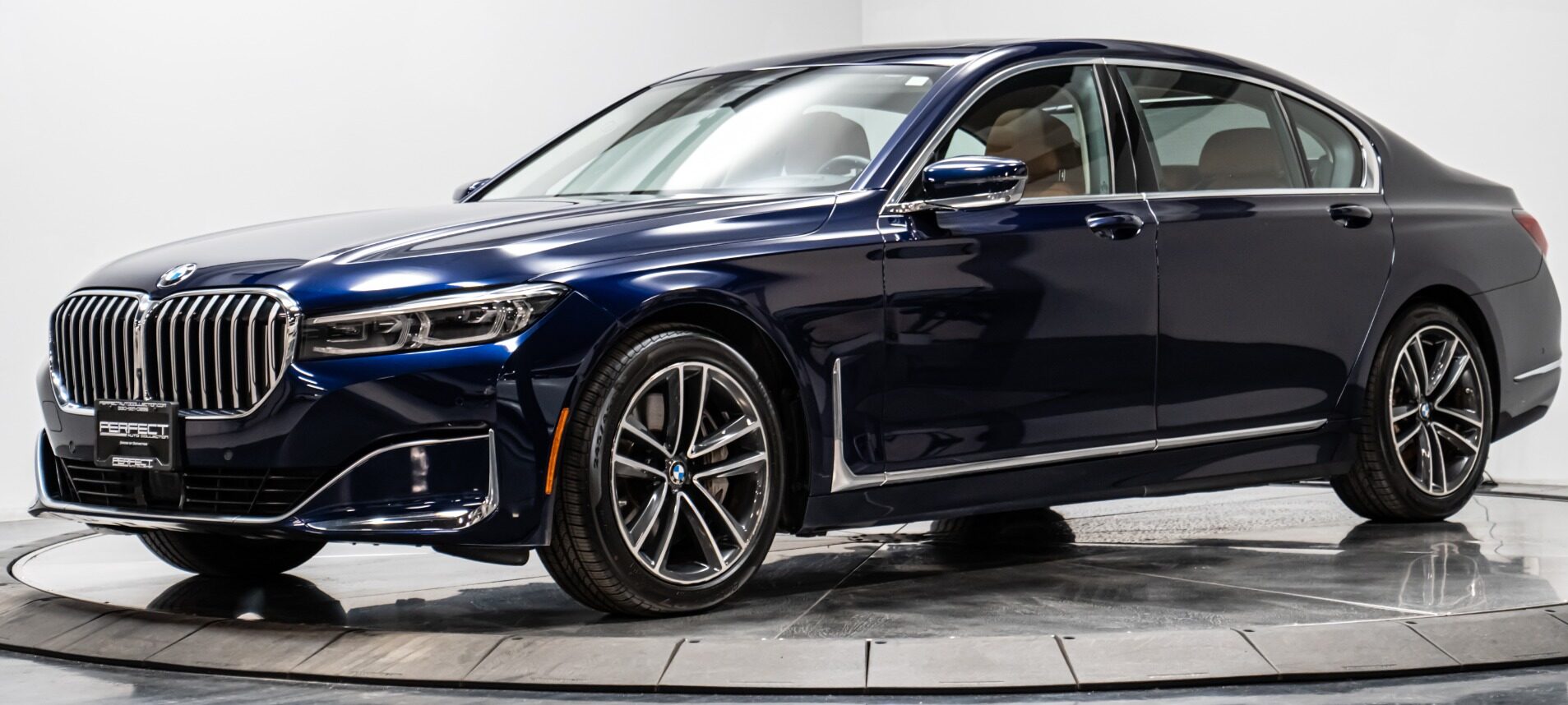
*BMW7シリーズ, 2024(ブラック)
(それまでのボンネット先端の不気味な落ち込み感を、まっすぐ伸びる潔さで解消、一気にFRフルサイズ・セダンの伸びやかな凄みが加わり、BMWのフルサイズ・セダンここに完成、といった感じでした。)
ーーーー>残念ながら2026年の新型はEV化のためか、ぎこちなさが抜けません。
 このジャガーもかなり長くなってしまいましたが、
お後がよろしいようで、、、、
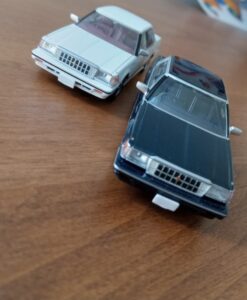 次回は私の父の最愛の自動車、
『いつかはクラウン』で有名な
7代目トヨタ・クラウンロイヤルサルーンに就て
語らせていただきます。
意外な題材です、どうなりますやら。
お楽しみに―
本ブログと記事内容につきまして:
ブログ記事を書くにあたり私の目標は、立体造形(料理も含めて)とのかかわりを通じて、私個人の特徴的(ネジ曲がり方も含めて)な評価軸を解明することで、「美しさ・美味しさ」に対する好奇心や、探求心を、どのように満足・充足させてきたのかを明記しておくことです。
従いまして、記事の中に出てくる、数字や年号、微細なデータなどには細心の注意を払っておりますが、時に大きな間違いや勘違いを犯していることも考えられます。特に自動車記事における主要諸元や、年号などには紛らわしいものも多く、あくまで参考程度に考えていただければ幸いです。
私としては、記事の中で個人的な外観デザインや味覚の評価、そこから広がる後半部分につなげるための、『流れ』を作るための客観的材料として年号やデータを挿入している感じです。あくまで重視したいのは、私個人の頭の中で起こる、記憶の錯そう的混沌から生まれる新たな『見方』や『情報の予想外のつながり』です。その勢いを作り出す、『流れ』の一環として、諸データが副次的に必要となるわけです。
話がそれますが、大好きな落語の世界に「三題噺」という、その場て会場から募った3つのお題を使って1つのお話に仕立てるといったお遊びがございますが、私はそれに近いことを立体造形の特徴や(料理のお味)をお題にして行っている感じがします。その中で頭の中に去来する数々の着想が、全く予想外で楽しく、次回からの記事内容を大幅に変えたり、新展開につながっています。
当ブロブの仕組み:
『好奇心の点と線 x 気まぐれ脳内回路=予想外の新展開』
こんな自分勝手なブログですが、今後ともよろしくお願いいたします。
追記:上記の『流れ』を作る為に必要な写真はできる限り、個人所有のミニカー・自前の料理などを使い撮影しておりますが、その他の必要最小限の図版や写真を他のブログ主様の記事や諸会社ホームページなどからお借りしております。(記事内容に合うよう加工させていただき、使用時は最小の解像度で載せております。)問題がある場合、ご連絡いただければ直ちに降ろさせていただきます。
追記2:当ブログ記事に掲載のミニカー写真等(個人撮影)は許可なしで、どのようにお使いいただいても結構です。私個人の創造性はこの世のもの、と言う認識の上で記事を製作しています。
!!!!!!!!!!!!!!!!!!!!!!!!!!!!!!!!!!!! Translation in English !!!!!!!!!!!!!!!!!!!!!!!!!!!!!!!!!!!!
Episode 15: Jaguar XJ12 Series 2, 1972
(CORGI/Vanguards, 1/43 Jaguar SJ6 Series 2, 4.2-Litre, Limited Edition 1000, 871/1000)
For me, the Jaguar XJ12 is
inextricably linked to the late Mr. Tokudaiji Yutaka.
Long after its publication ceased,
in the pages of the now-defunct magazine ‘NAVI’ published by Nihon Gensha,
during his ‘NAVI TALK’ interviews with Editor-in-Chief Mr. Okawa and others, and within British car features,
he spoke in his characteristic eloquent style about:
*His critiques of the Jaguar XJ6, XJ12, Daimler Double Six, and others
*His personal experiences owning three consecutive generations of the XJ12
* The myriad unique British car anecdotes that surfaced throughout these discussions…
Even now, long after that time,
his richly flavored phrasing and his erudition, backed by experience, continue to live within me,
shaping a ‘delicate nuanced part’ of my value judgments
regarding automobiles (and three-dimensional design).
Like this…
*The ‘cat-like suspension’ that glides smoothly
*The feminine, delicate ‘touch’ of the controls—switches, steering, accelerator, brakes
*The muted exterior colors unique to Jaguar and the nuances of the enamel paint
*The animalistic, living presence of its appearance… etc.
Now then,
let’s proceed as usual.
*Real Car Commentary: The Standard of British Luxury Sedans
*Design Features: The Marriage of Italian and British Design
*‘Me’ and the Jaguar XJ12: Neighbor KEIJI-san
*Beloved Sedans:
*Live Commentary: The Birth of the British Sedan Standard!!
Sir William Lyons, founder, engineer, and designer, staked the company’s future on this one car: The XJ6 / XJ12 project was developed to become the new Jaguar icon, integrating the outdated mid-size ‘S-Type’ sedan and the oversized, underperforming large ‘Mark 10’ sedan. It debuted in 1968.
Styling:
Lyonne himself handled the exterior design. The image was a classic, high-density form, condensing 90% of the previous 420G (Mark X)‘s spindle-shaped, elongated ‘cigar-shaped’ body styling. The interior continued to evoke the world of British luxury cars with walnut and genuine leather. (However, for improved safety, thick padding was integrated into the upper dashboard, and the center switches were replaced from toggle-style to piano-key type.)
Technology:
The engine lineup featured two inline-6 DOHC units: a 2.8L and a 4.2L. Transmission options paired these with either a 4-speed manual or a 3-speed automatic. Suspension employed a double wishbone + coil setup at the front. The rear utilized a design inherited from the E-Type: a lower I-arm combined with an upper arm that also served as the driveshaft, with trailing links for positioning and two coil springs/dampers per side (this suppleness earned it the nickname ‘cat feet’). Tires were extremely wide and low-profile radials, co-developed with Dunlop for the era. The result was a highly acclaimed balance of exceptional quietness and comfort, surpassing even Rolls-Royce, combined with surprising agility unheard of in a saloon.
Additional Models: XJ12 Series & LWB (Long Wheelbase) Series
The XJ12 series debuted in July 1972. It featured a slightly detuned version of the 5,344cc V12 engine from the E-Type Series III. Transmission was a 3-speed automatic only. Weighing 1,821 kg, it had a top speed of 223 km/h. Simultaneously, the badge-engineered version, the Daimler Double Six, also appeared. The LWB series extended the XJ6/XJ12 wheelbase to 2,870 mm, succeeding the 420G. The additional wheelbase length improved rear passenger comfort. A badge-engineered version, the Daimler Sovereign, was also offered.
*Key Specifications:
Model: XJ6/XJ12
Total Displacement: 4,235 cc (258 cu. in.) inline-6
: 5,343 cc (326 cu. in.) V12
Maximum Power: 170 bhp (6-cylinder version)
: 265 bhp (12-cylinder version)
Maximum Torque: 231 ft/lbs (6-cylinder version)
: 294 ft/lbs (12-cylinder version)
Drive System: FR (Front Engine, Rear Drive)
Seating Capacity: 5
Body Dimensions:
Wheelbase: 2,864 mm
Overall Length: 4,947 mm
Overall Width: 1,772 mm
Overall Height: 1,372 mm
Curb Weight:
1,872 kg (XJ12)
*Design Features: A marriage of Italian and British design?
#Continental Baroque vs. British Baroque
When discussing Baroque architecture in the architectural world,
Italian, French, and continental European
Baroque architecture is characterized by
*opulent splendor and grace,
whereas British Baroque architecture,
with some exceptions,
*exhibited restrained composure
as its defining feature.
In the automotive world, established British carmakers like Rolls-Royce and Bentley, much like their architectural counterparts,
* valued common sense,
* avoided ornate decoration,
* and within functional layouts,
* incorporated symbols of class society
only subtly,
(through material differences or minimal ornamentation)
adding them sparingly.
#Williams Lyons’ Business Acumen Defying British Norms
In contrast, the relatively new automaker Jaguar,
defying the conventions of existing British luxury cars,
*kept prices competitive,
*generously employed new technologies like disc brakes,
*and adopted bold, elegant exterior designs reminiscent of Italian (continental) styling.
This resulted in a clever differentiation from established luxury cars like Rolls-Royce and Bentley,
leading to the post-war success of the XK series and the E-Type.
The exceptional four-door sedan born from such a Jaguar is the subject of this feature:
the XJ6/12 series.
(Though differing in class, the Alfa Romeo Giulia 1750 GTV Veloce, 1967-77, shares a very similar exterior aesthetic with the XJ series, built on a three-dimensional structure)
#6 Design Characteristics
*A body profile overflowing with a plump, elegant taper—rare for a narrow British car—extending across the entire body
*The most beautiful, ideal FR proportions + a glasshouse section perched neatly atop (sacrificing rear seat headroom… sigh)
*Decorative graphics seen on the front and rear fascias, windshield graphics, etc., restrained enough to avoid being garish. ---→ Already possessing a classic aura in its debut year
*A delicate design of the front and rear wheel arch cutout lines, distinct from Pininfarina yet uniquely beautiful
*A rich stance created by the thick, generously sized tires specially commissioned from Dunlop and the exquisite axle positioning
*The mounting position of the front bumper, improved from the Series 1 (grille redesigned + raised)
*The exterior color palette, praised by Mr. Tokudaiji, featuring rich, nuanced intermediate tones, and the high quality of the thick enamel paint finish
Now, let’s examine each one
in detail.
*A body profile overflowing with a plump, elegant taper (≈ late Baroque/Rococo flair) – rare for narrow British cars
(Like an innovative British gentleman wearing a perfectly tailored suit from Italy)
ーーーーーー> A chameleon-like, rich design revealing unexpected depth from every angle
*The most beautiful, ideal FR proportions + a glasshouse section perched neatly atop (sacrificing rear headroom… sigh)
(It feels like condensing about 80% of the 420G’s overall image, but it actually eliminates the Mark 10’s ‘stretched-out feel’. The taut side view leaves other FR sedans in the dust.)
ーーーーーー>I want to stand nearby and gaze at it intently for about 20 minutes.
*The restrained yet richly decorative graphics seen on the front and rear fascias, windshield graphics, etc., never become garish.
ーーーーーー>It already possesses a classic charm in the year it debuted.
*The delicate design of the front and rear wheel arch cutouts—distinct from Pininfarina yet uniquely beautiful.
*The rich stance created by the thick, oversized tires specially ordered from Dunlop and the exquisite axle positioning
*The improved front bumper mounting position from the Series 1 (grille redesigned + raised)
(The red one is the 1st Series)
*The exterior color palette, praised by Mr. Tokudaiji, features a rich selection of tasteful mid-tones and the high quality of the thick enamel paint finish
(British Leyland’s 1968-69 color chart, for reference to the era’s atmosphere)
*‘Me’ and the Jaguar XJ6/12——My neighbor KEIJI-san
(An XJ6 Series 3 in the same color as the one owned by Mr. KEIJI, my neighbor during my student days)
Mr. KEIJI (pseudonym), a third-generation Japanese American who lived next door to the rented house I shared with my roommate during my design student days, owned a burgundy XJ6 Series 3 that was not in very good condition.
He said he got it cheap from an acquaintance,
but at first it seemed like it was barely running.
After a while, it was left abandoned in his front yard.
What I felt at that time was:
* No matter what angle you look at it from, it’s a tasteful design with no weaknesses… If I had to find something,
* I was a little concerned about the line from the slightly angular C-pillar to the roof, which was probably to improve the headroom in the rear seats.
* Perhaps because of the mounting position of the rear bumper, or perhaps because of its size, the rear trunk area seemed to slope downward.
These two points that bothered me
were not present in the Series 2.
After that, instead of the Jaguar that had stopped running, Keiji drove me to a Japanese restaurant in downtown Pasadena about three times on his payday to treat me to expensive sushi in his Honda Civic.
#Other XJ6/12 related three-dimensional experiences
* Helpa, 1/87 plastic Series 3, XJ12 (Burgundy)
(It was for model trains, but the overall design was beautiful and really captured the characteristics of KEIJI’s Series 3.)
ーーー>I’m pretty sure I collected other colors too.
*Vanguards, 1/43 Jaguar XJ6 Series 1 (Burgundy)
(Compared to existing SOLIDO and SMTA models, the proportions and sense of volume were significantly better. It was an interesting mini car with jewel-like headlights, and I played with it fondly.)
ーー>It’s a gem I should buy back again.
*CORGI/Vanguards, 1/43 Jaguar XJ6 Series 2 (Dark Navy)
While searching for a well-made model to feature in this article, I discovered that my favorite manufacturer, Vanguards, had released a Series 2 XJ6, so I quickly ordered it from the UK. I also acquired a green XJ12 in a different color, but the dark navy photographed better, so I used this one.
Over 20 years have passed since the Series 1 release,
and the detail, paint quality, and everything else have improved significantly. Delighted!
I sincerely hope Vanguards will release
an Austin-Healey BN1 in the future.
*Other European Premium Sedans
In my mind,
these European sedans are swirling around.
*Alfa Romeo 164, 1987 (Silver 2-ton)
(While the split-body design popular at the time tends to draw attention, the overall delicate surface composition is superb. The subtle bulge on the hood, in particular, is said to hint at the engine beneath.)
ーーーーーー>Pininfarina’s masterpiece sedan still looks fresh today.
*Volkswagen Phaeton W12, 2002 (Silver)
(Designed with no expense spared under Ferdinand Piëch’s personal oversight, this top-tier Volkswagen boasts wonderfully taut, sculpted surfaces. Witnessing it at the LA Auto Show, I was utterly captivated by its aura. Viewed today, it doesn’t seem overly large and gives quite a taut, crisp impression.)
ーーーーー>As an aside, the fit and finish of the interiors in mid-to-high-end VW/AUDI models from this era felt almost divine. Even now, just seeing photos of those interiors somehow makes me want to cry (lol).
*Audi A8 (first generation), 1994 (dark navy)
(When I first saw the all-aluminum body at the LA Auto Show, its taut surface made me want to lightly punch it for some reason (lol). The incredible tension bounced right back with a “thud.” The body proportions, free of gimmicks, felt like taking the Audi A4 and idealizing it two steps further.)
ーーーー> Here too, I was so moved by the interior’s fit and finish, with not a single millimeter of gap, that I couldn’t stop trembling. The precision of the fit was beyond cameras, Braun shavers, or high-end appliances…
*Rover 75, 1999 (Light Blue & Gray two-tone)
(I fell in love at first sight when I saw the scoop photos in ‘CAR’ magazine. It’s not a Jaguar, nor an RR or Bentley; it carries the lingering aura/patina of hundreds of now-defunct British car companies. For some reason, every time I see it, I feel a faint sadness. Cry)
ーーーーー> Mr. Tokudaiji raved about it too! It’s the British auto industry’s defiant, “bottom of the ninth, bases-loaded grand slam” design.
*BMW 7 Series, 2024 (Black)
(It resolved the previous bonnet’s unsettling dip with clean, straight lines, instantly adding the sleek grandeur of a rear-wheel-drive full-size sedan. It felt like BMW’s full-size sedan had finally reached perfection.)
ーーーー>Unfortunately, the 2026 model, likely due to its EV conversion, still feels awkward.
This Jaguar has also become quite lengthy,
but I’ll leave it at that for now…
Next time, I’ll discuss my father’s most beloved car,
the 7th-generation Toyota Crown Royal Saloon,
famous for the phrase “Someday, a Crown.”
An unexpected subject—I wonder how it will turn out.
Stay tuned―

これはCTAサンプルです。
内容を編集するか削除してください。