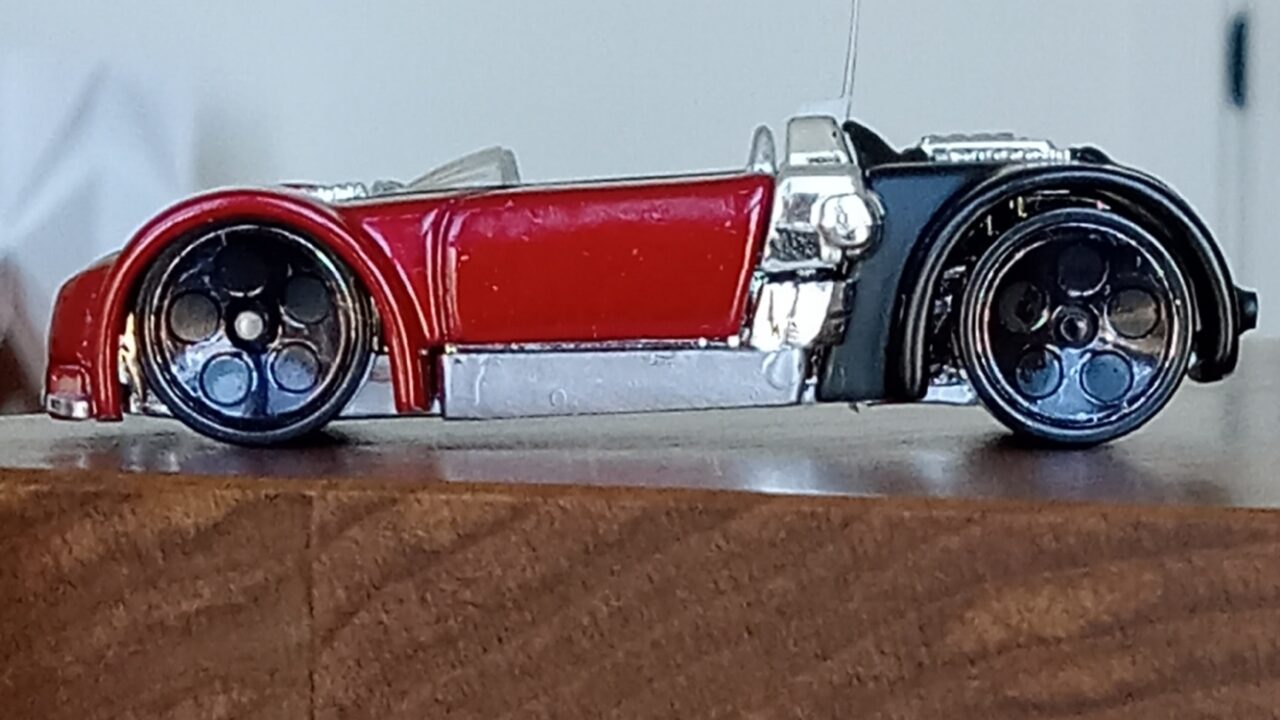
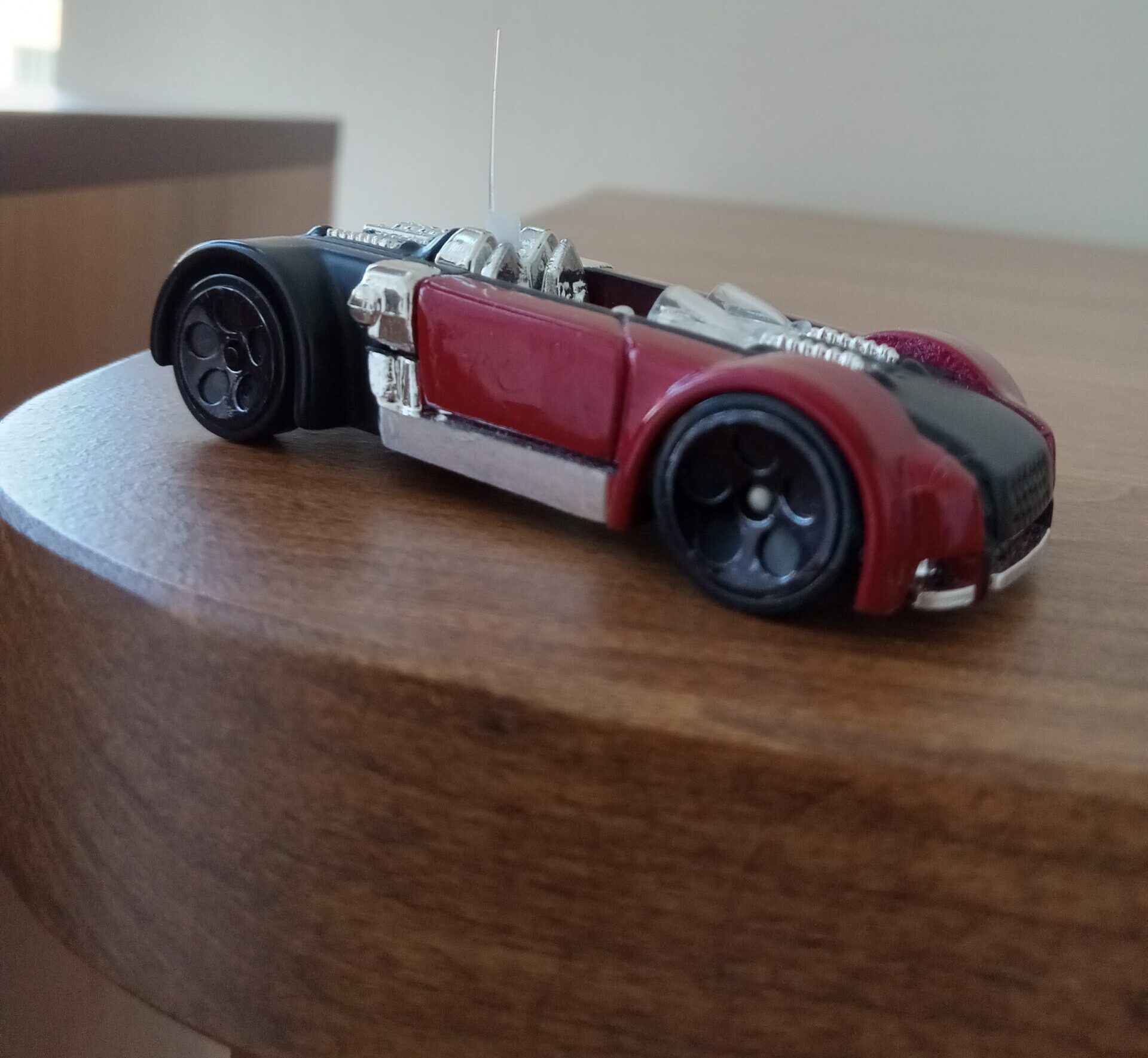
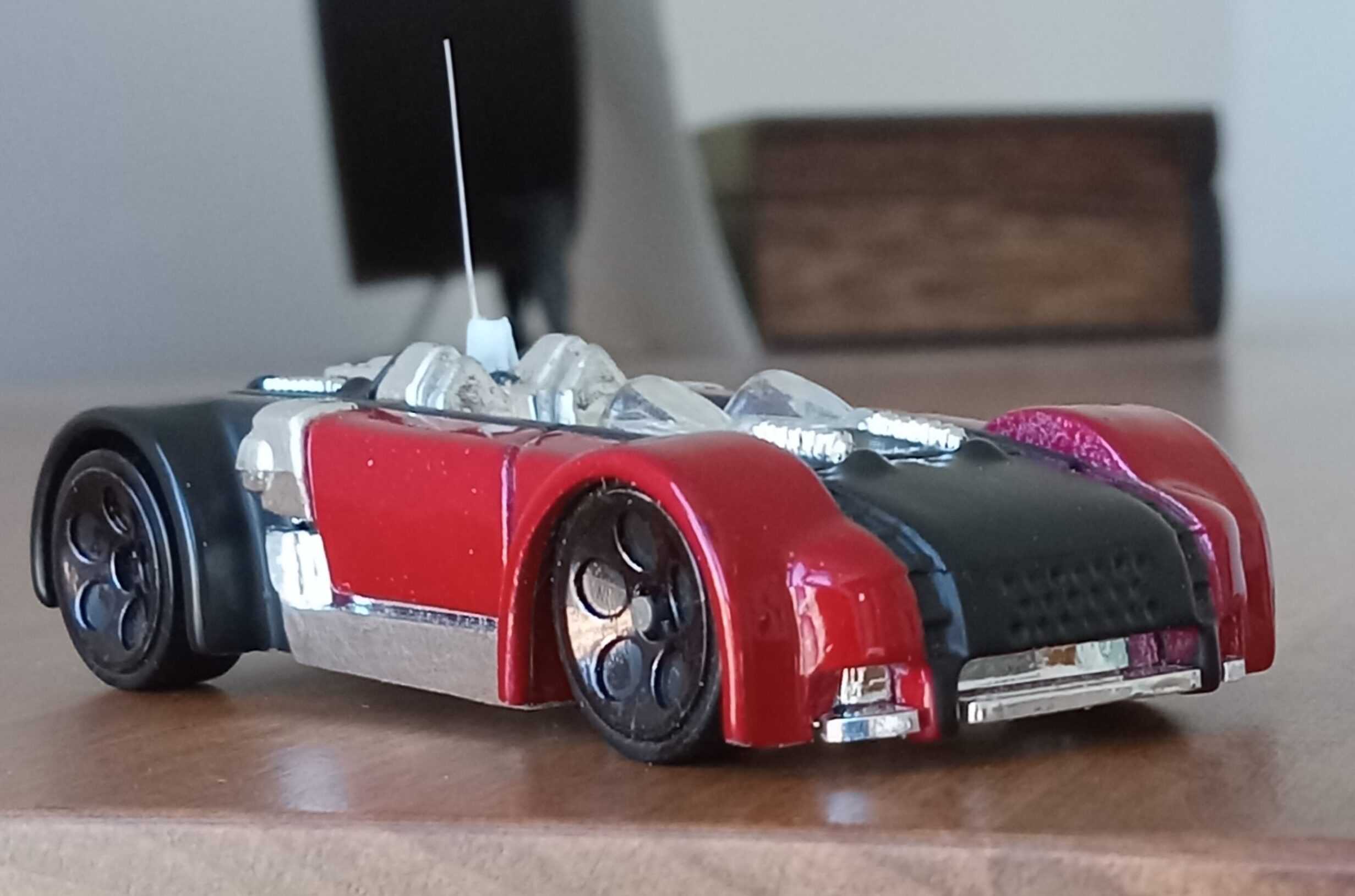
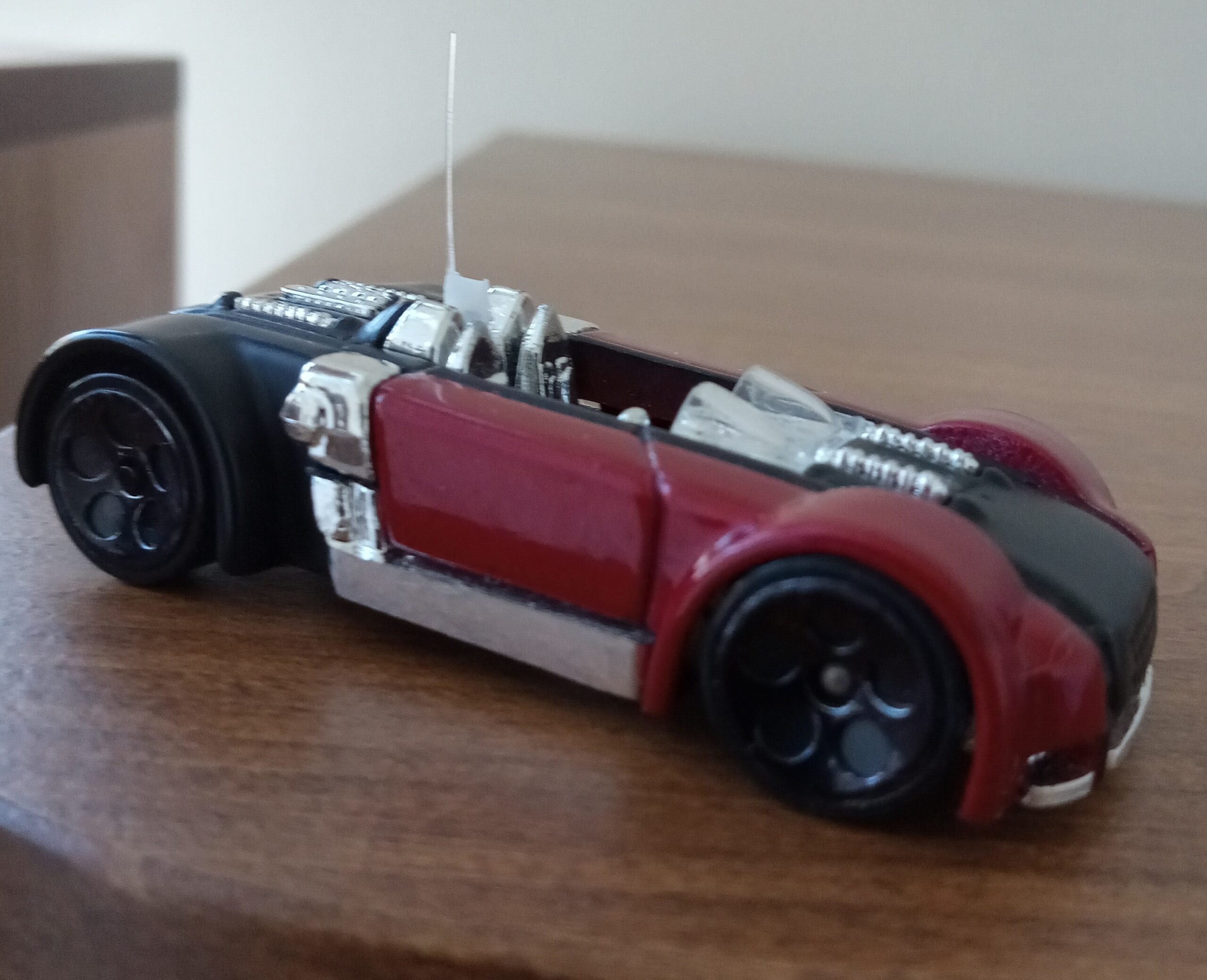
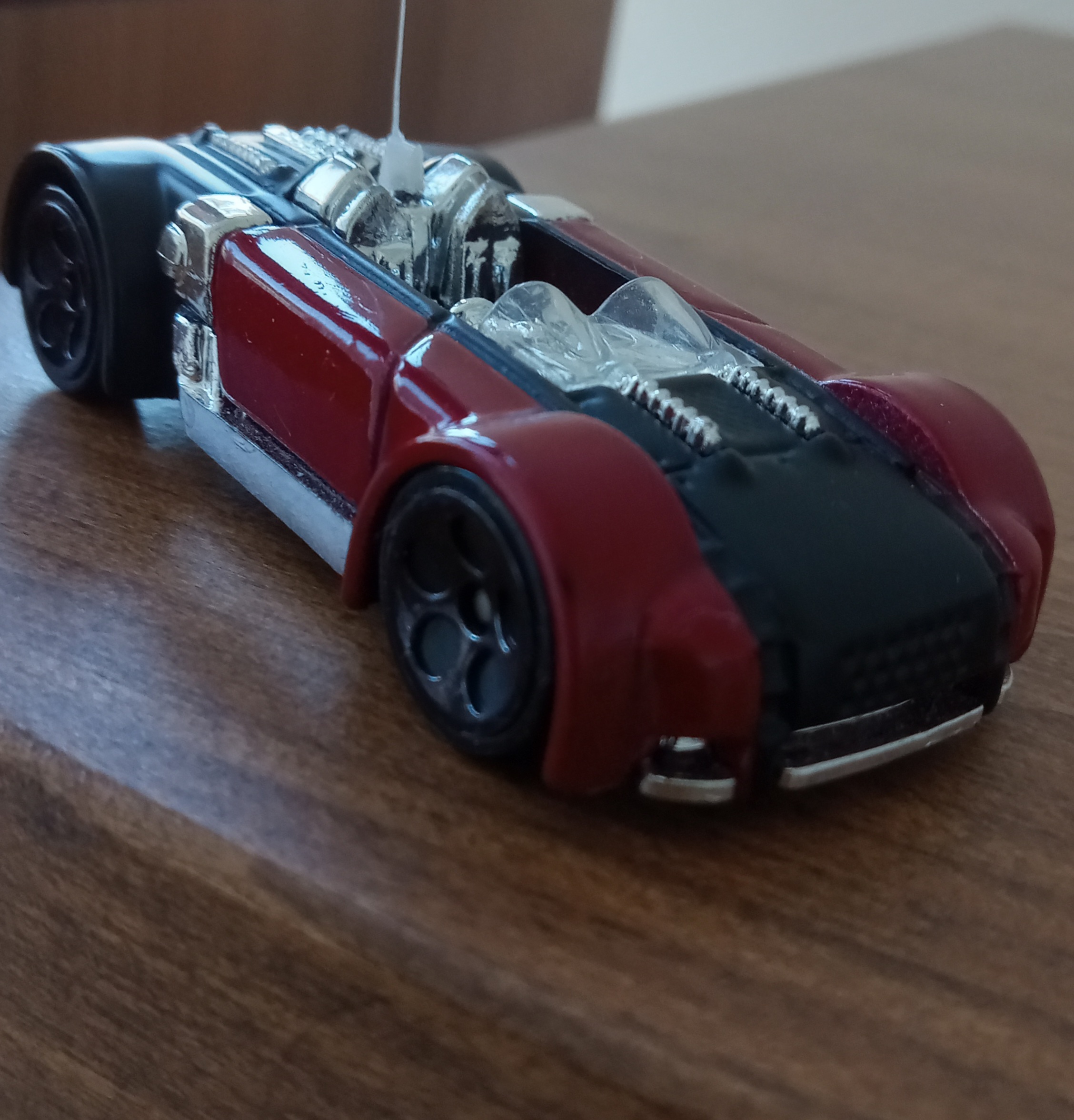
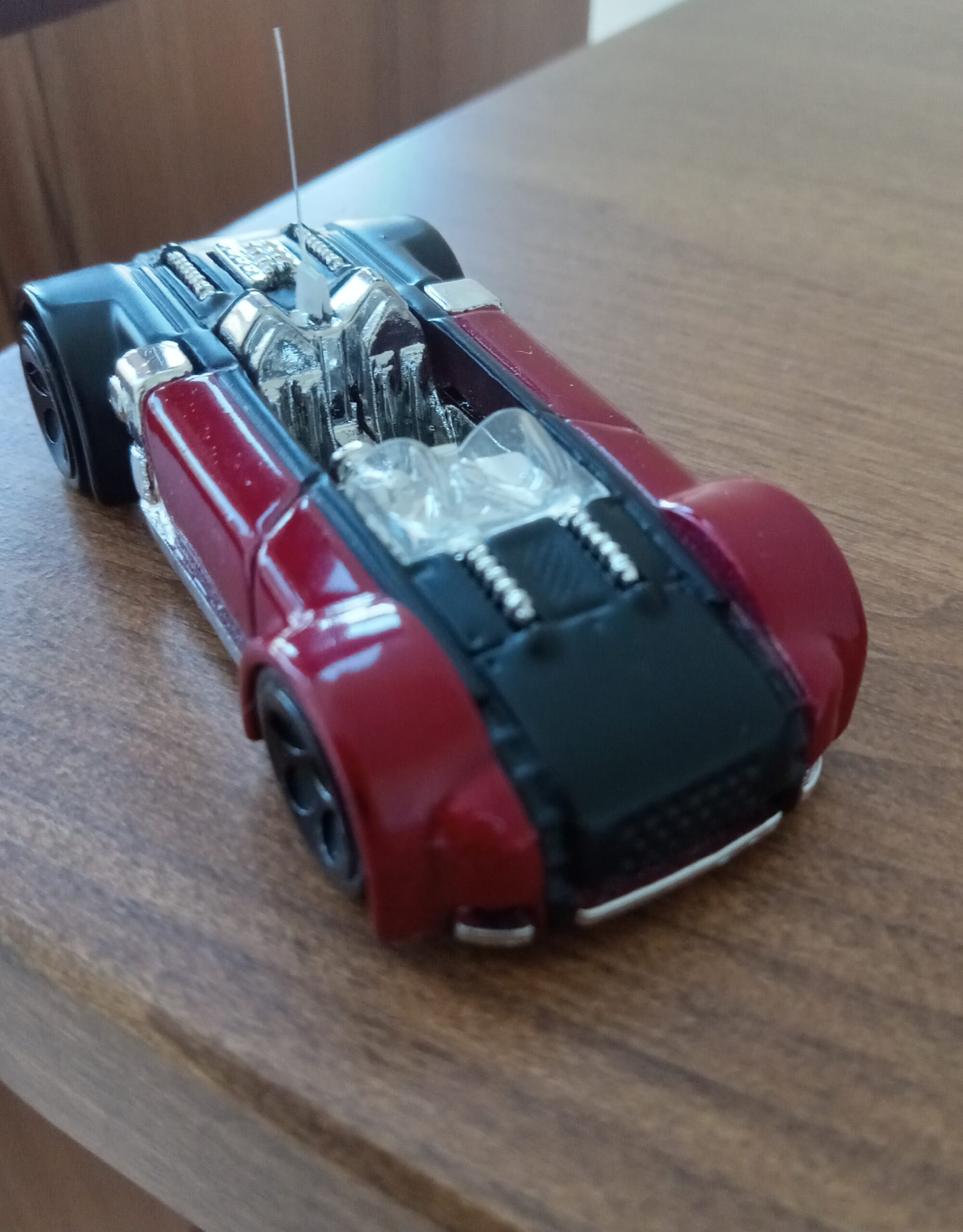
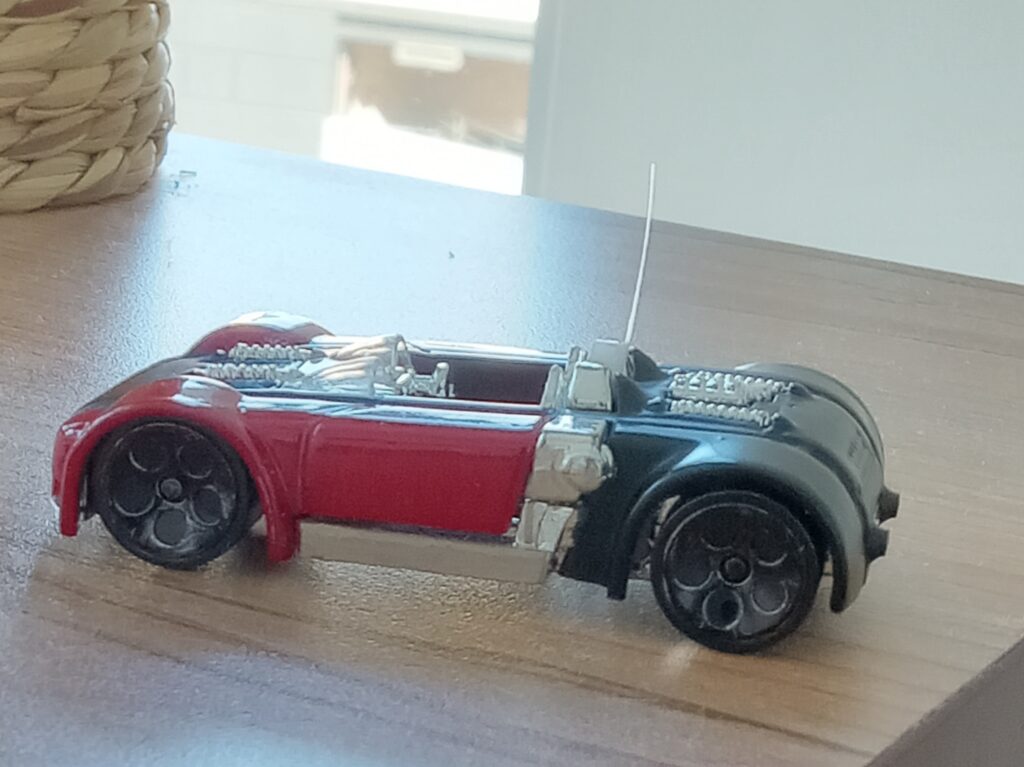
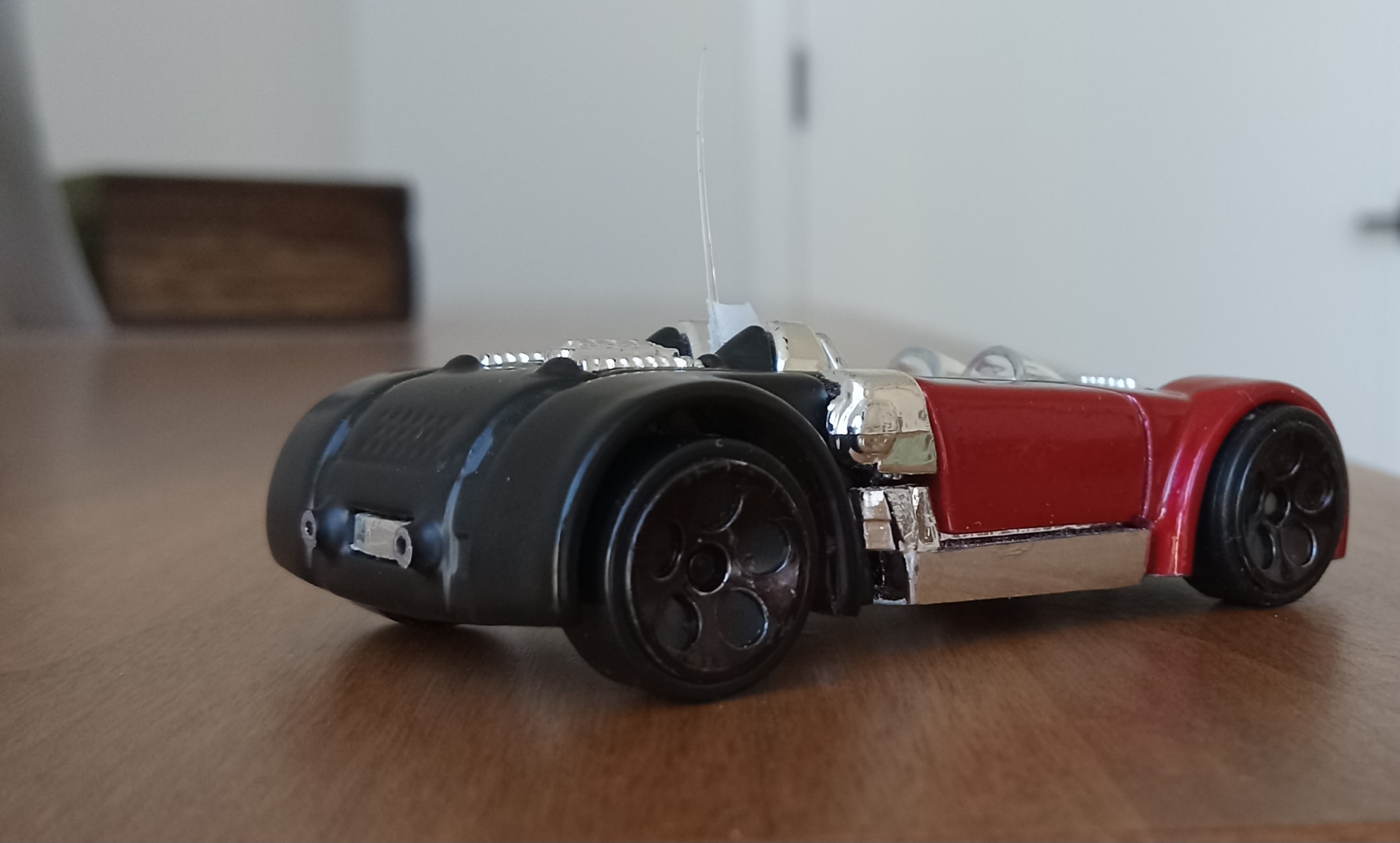
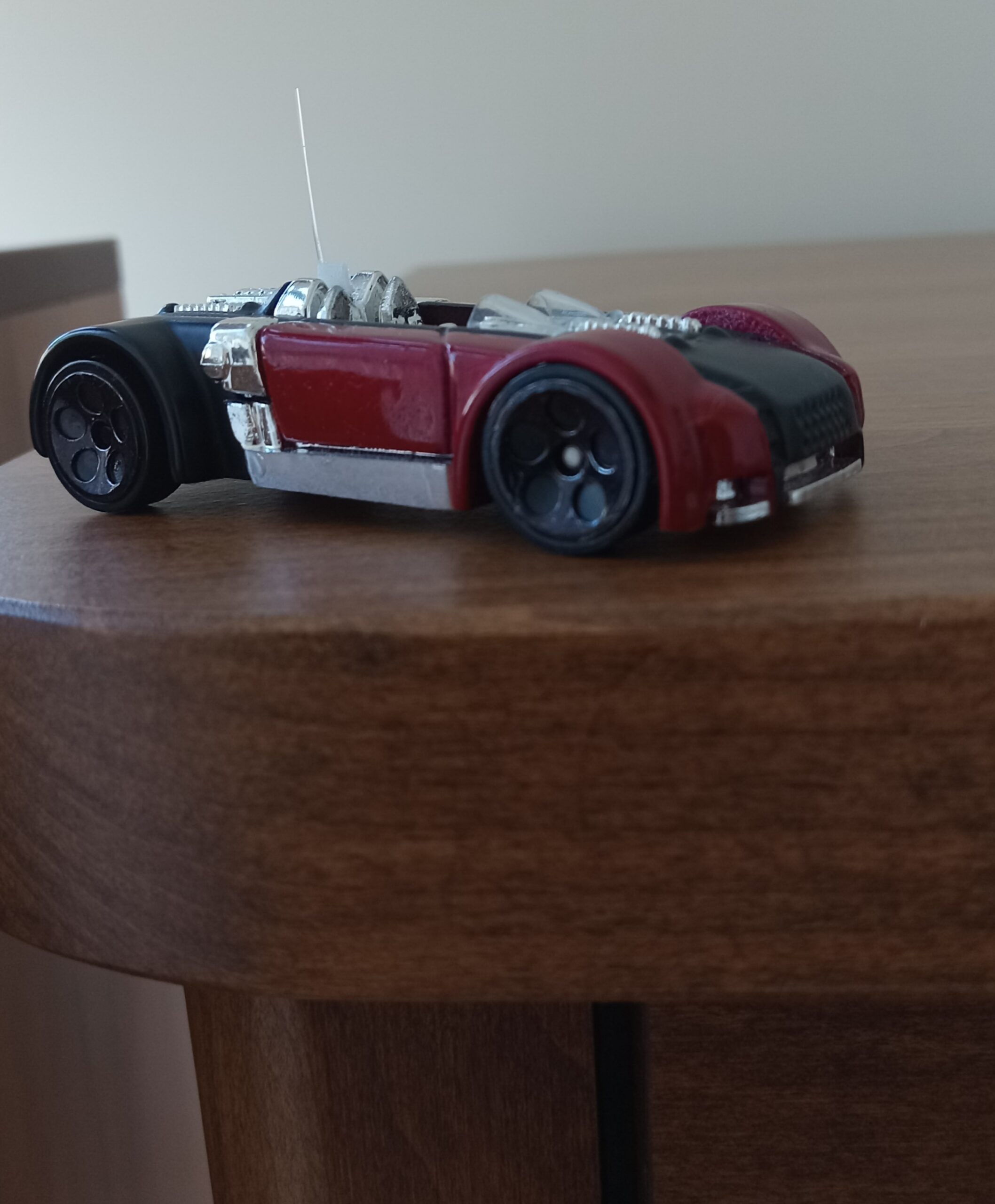
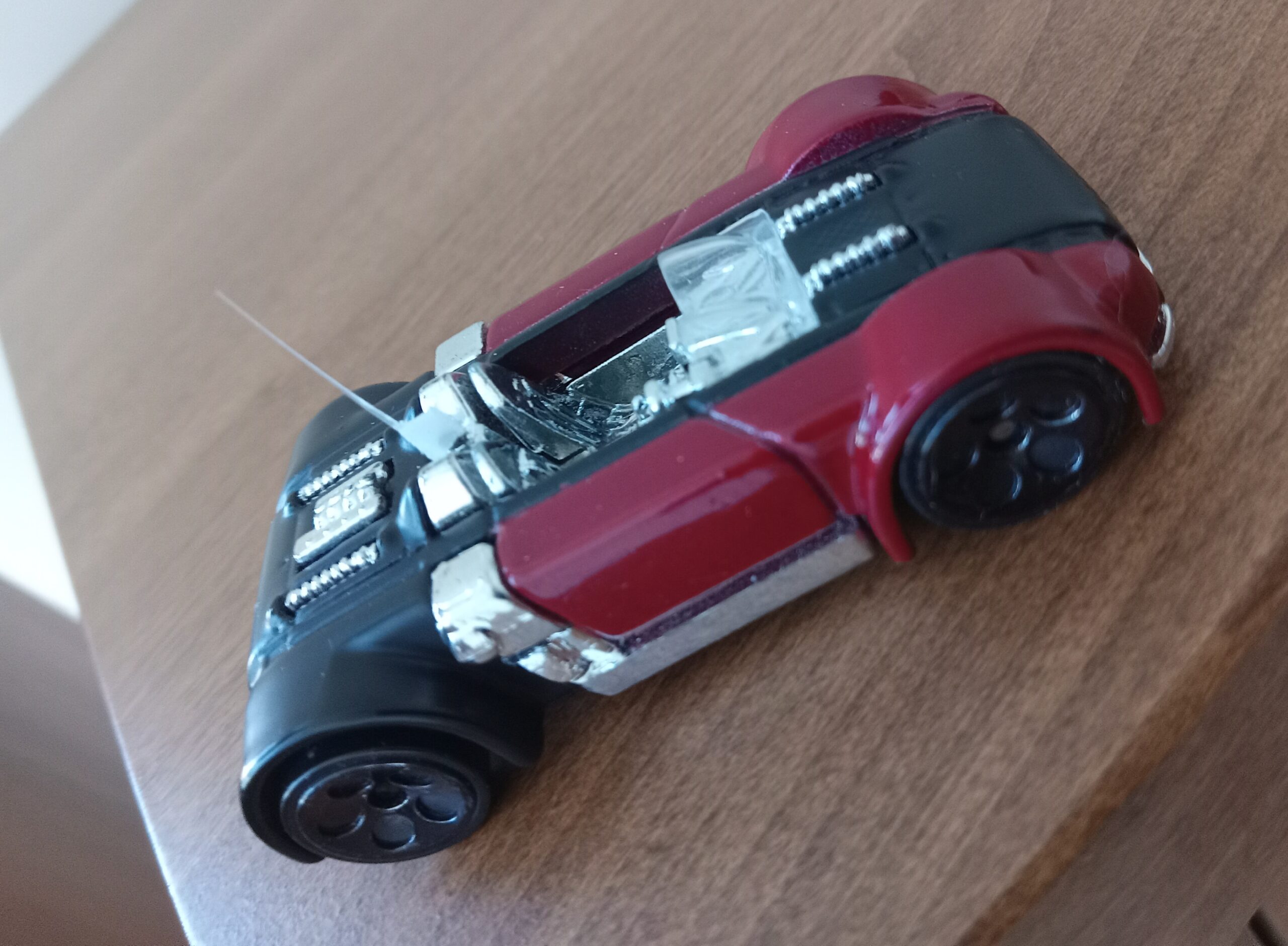
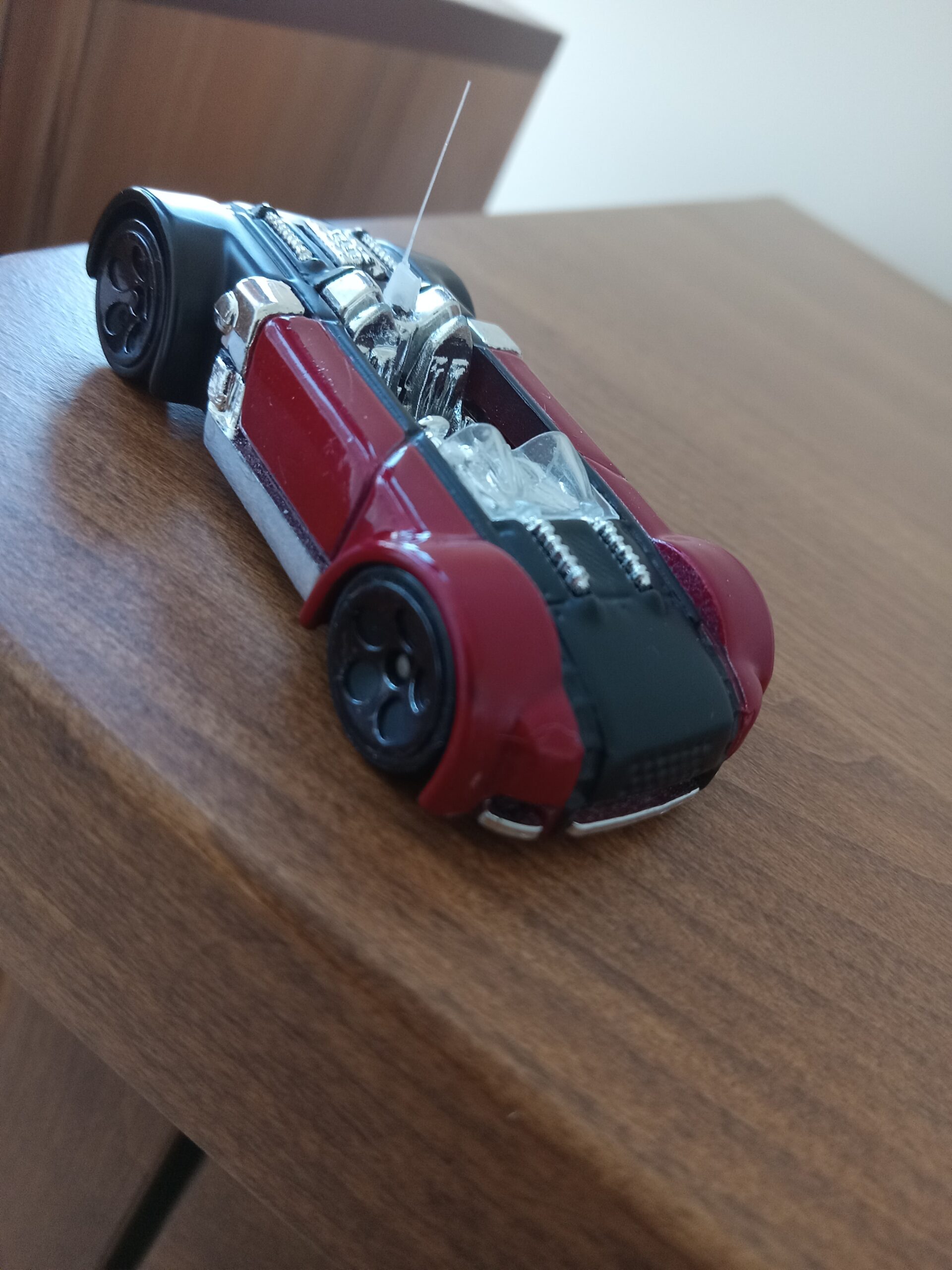
第12回:スズキ GSX-R/4 コンセプト・カー(外装色:メタリック・レッド&艶消し黒)
(マテル社、ホットホイール 1/64 スズキ GSX-R/4 コンセプト(メタリック・レッド&ブラック)から改造)
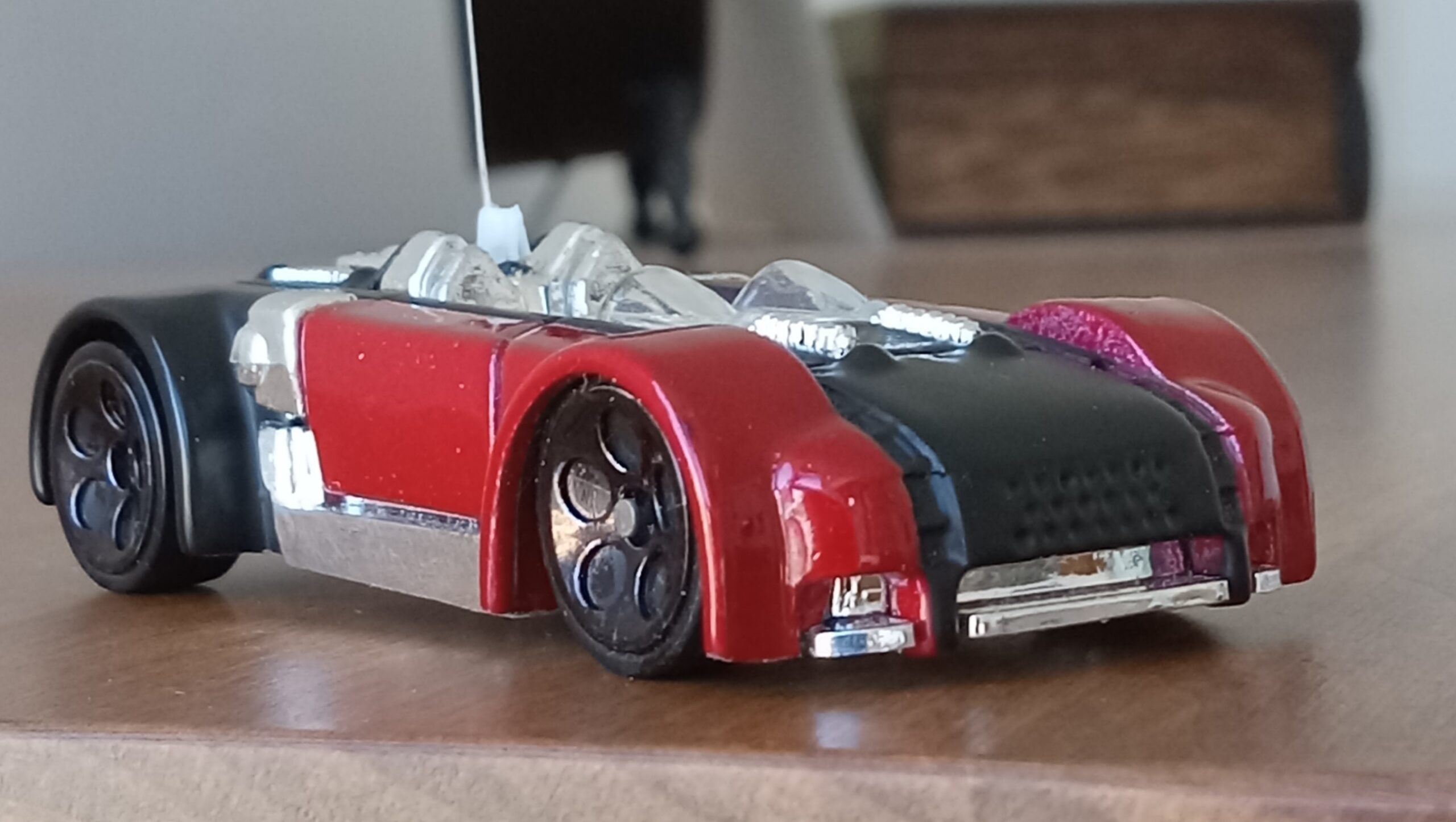
バイクにはあまり興味が無いのですが、
この、
*バイク・エンジンを
*ミッドシップに搭載した
*純粋2シーター
には心をつかまれました。
最初に、AUTOWEEK誌(アメリカのオートショーなどの速報性に優れた自動車週刊誌)の2001年、フランクフルト・モーターショーのレポート記事を見た時、
思わず「アッ!と」声を上げてしまうほどに、
一目惚れしてしまいました。
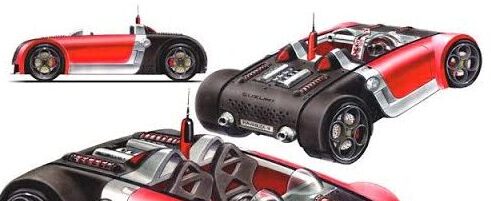
(特にこの意味不明なF1レーサーの車載カメラのような左右シートのヘッドレストの間にたた住む小箱とそこからのびる細いアンテナのりりしさにやられてしまい、その詳細がみられるコンセプトスケッチ(下)は、穴が開くほど拝ませていただきました。
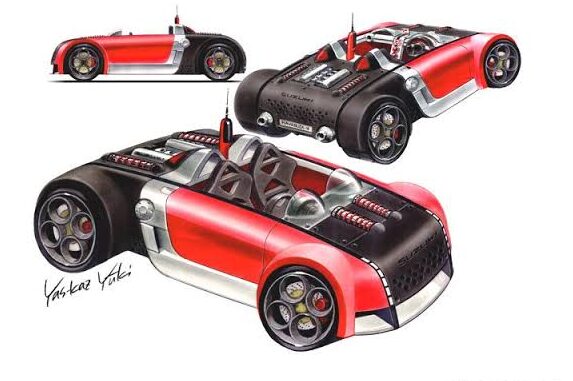
(結城康和さんのデザインスケッチ)
しかしその後、生産に移行されることはなく、
(初めからその予定がなかったのかも?)
結果として、

立体模型に恵まれず、
唯一、今回使わせていただきました、
マテルのホットホイールの登場が
あったのみです。
(このミニカー、部品・カラー分割が優れモノで、
少しの改造でかなり化けました。嬉)
ではこんな感じで、
レポートしてみたいです。
*客観解説:
*デザイン的特徴:
*『わたし』とGSX-R/4
*まとめと感想:
*その他の超軽量スポーツ4輪車:
*客観解説:バイク+スーパー7=?
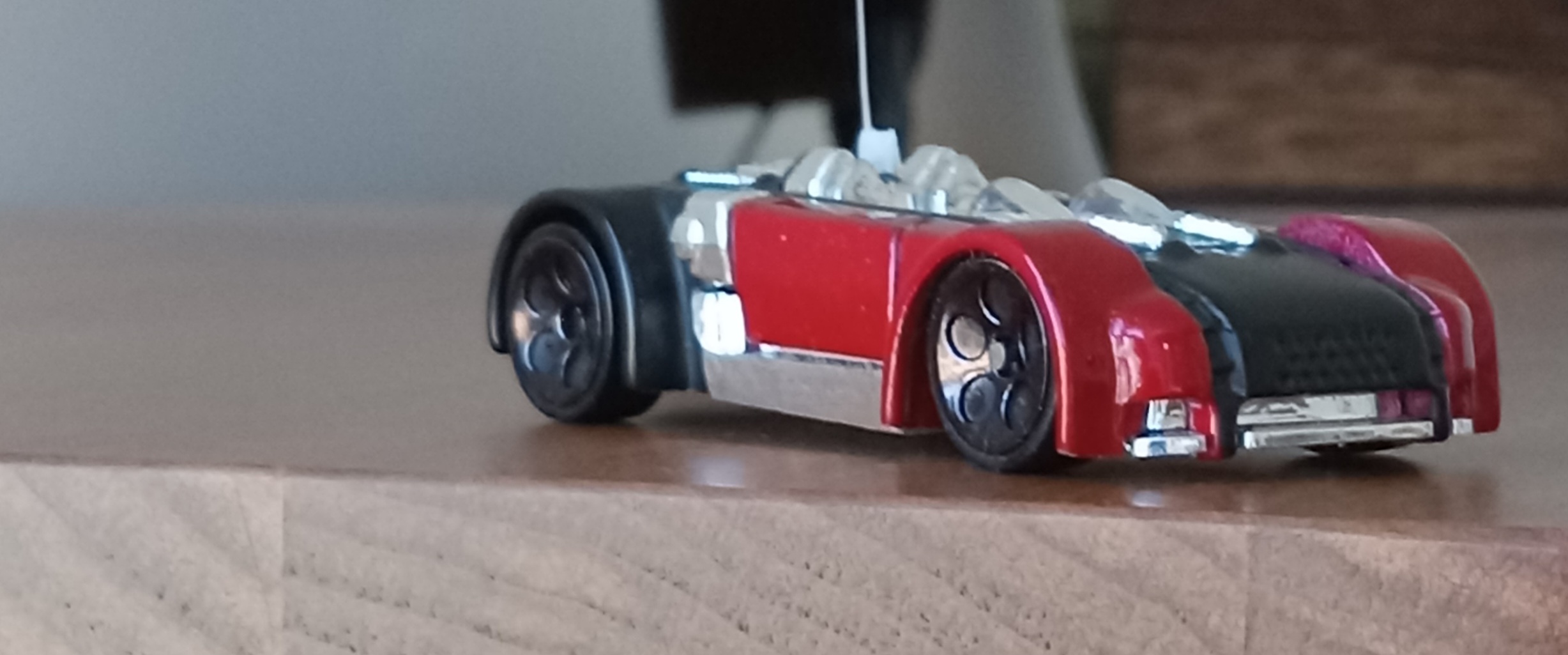
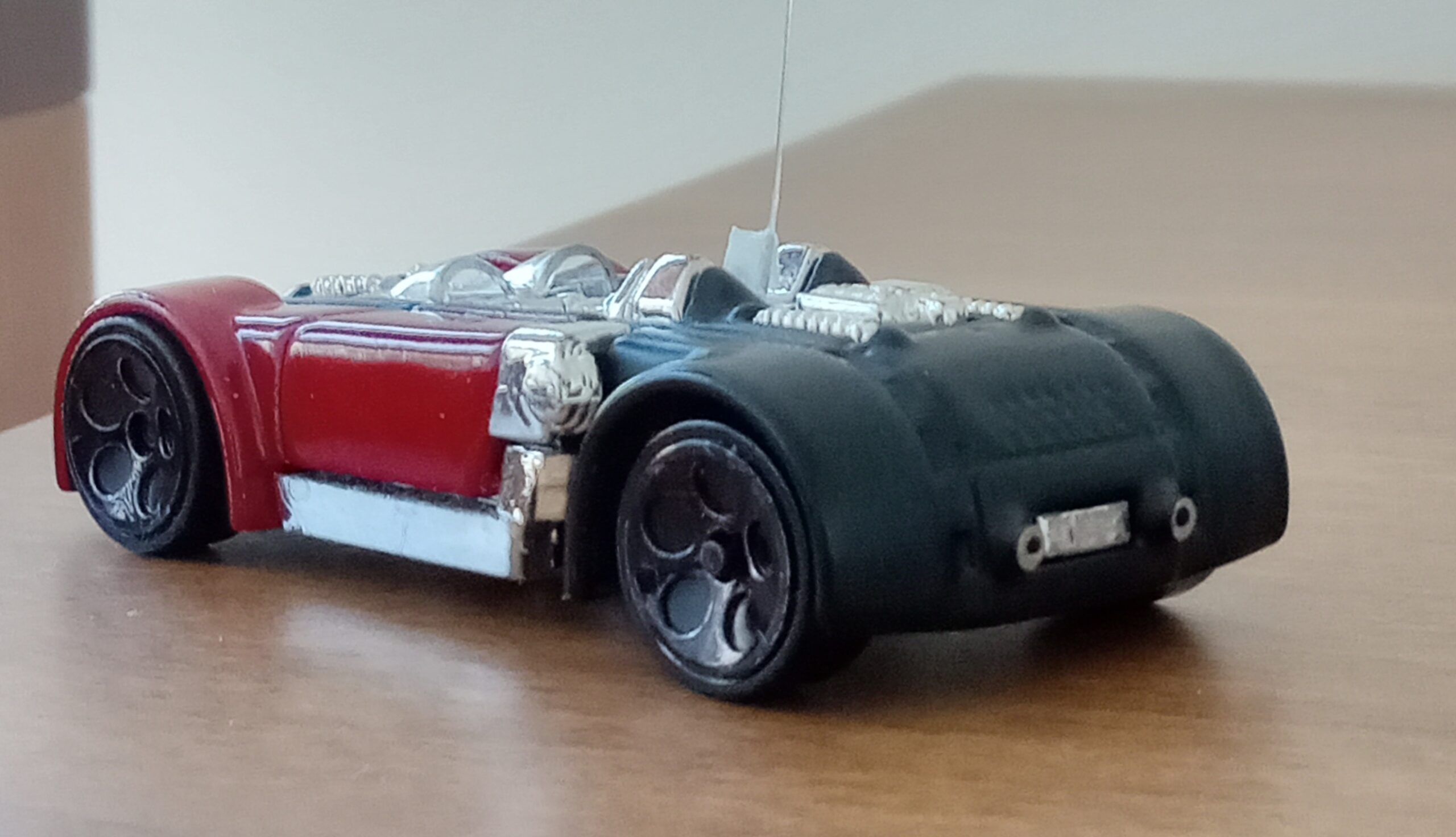
スズキ GSX-R/4 コンセプトは、2001年に発表されたミッドシップエンジン搭載のロードスターで、スズキのオートバイとコンパクトカー製造における専門技術を融合させたモデルです。このコンセプトカーは2001年のフランクフルトモーターショーで公開されましたが、その名称は高性能オートバイのGSX-Rシリーズに由来し、「4」は四輪を指します。
設計特徴:
GSX-R/4は、オートバイと同様に「ドライバーとマシンが一体となる感覚」を喚起するよう以下のように、驚愕的な設計内容になっていました。
*ボディ:軽量でリサイクルプラスチック製の着脱式パネルを採用し、カスタマイズを容易に、小型のウインドスクリーンはオートバイを駆る感覚を再現
*シャーシ:自社開発のアルミニウム製スペースフレームを採用し、非常に軽い車両重量を実現
*サスペンション:スプリングとダンパーユニットを露出させたダブルウィッシュボーン式サスペンションは、高さ調整可能で視認性が高く、レーシングカーのルックを再現
*コックピット:軽量でサポート性の高いバケットシートとデジタルダッシュボードディスプレイを装備
その他の特徴:
GSX-R/4は当時としては先進的な技術を多数搭載していました。
先進ナビゲーションシステム:「GSX-R4アドバンストナビゲーションシステム」は「サーキットナビゲーション機能」で特定レースコースの学習を支援し、「リプレイ機能」で走行パフォーマンスを分析
車載カメラ:CCDカメラが中央モニターに障害物を表示
ドライバー認証:「リストマウントシステム」(セイコーと共同開発)はドアロック解除機能とドライバー認証を兼ねる
調整可能なドライブモード:運転者は計器盤の画面からエンジン設定を変更可能
外部との通信データのやりとりをするためのデバイス: セイコーインスツル社で開発中だった「Wrist Mount Sysytem」(後に「Wristromo」として発売)のプロトタイプを用いています。
外観デザイン:
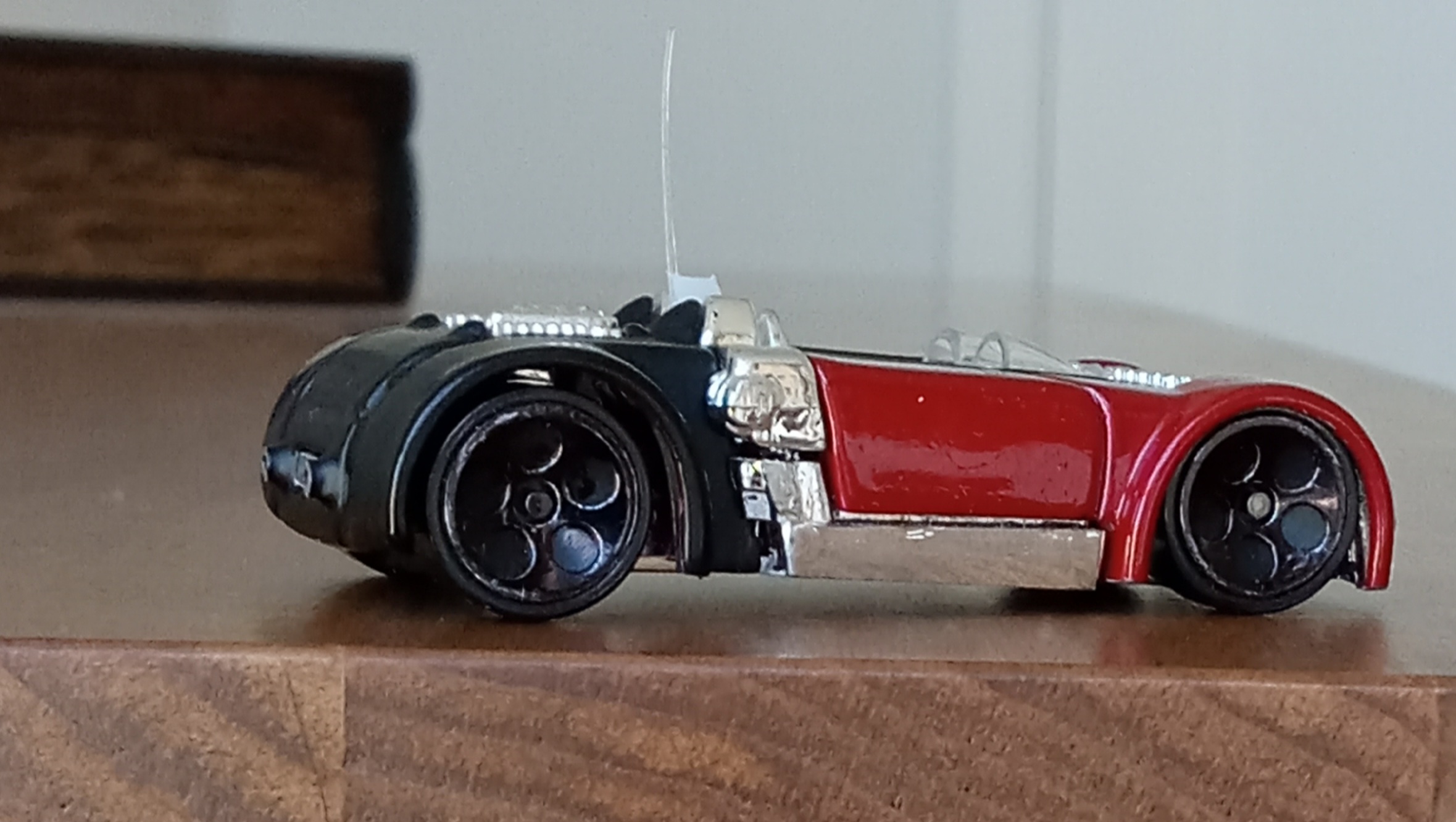
デザインは、スイフトやMRワゴンなどのチーフデザイナーである結城康和さんが担当し、フロントのメタリックレッドに塗られた部分や、中央のアルミフレーム、後部の黒無塗装の樹脂を大胆に使ったデザインは、バイクのサイドビューの構成を意識したデザインでです。
結城は当時の雑誌インタビューで、大きな造形はバイクのような構成、色彩はヨシムラカラーのGSX-Rをイメージしたと語っています。その上で、『日本らしいデザイン』として、あえて車好きに受ける、オーガニックフォームや、海外受けの「竹や紙」を使ったコンセプトを避け、ポリゴン的にキャラが立つような、ゲームやアニメにみられるような、欧米の若い人に期待値の高いイメージを演出したかった』と伝えています。
また、GSX-R/4は「スズキの二輪のスポーティなイメージを四輪車にも順次展開していく」というメッセージとしての役割もあり、それを受けてユーズウイークなどの海外誌では、同色の隼とGSX-R/4、そしてCONCEPT-Sが縦に並んだ写真を用いたスズキの企広告が、何度も掲載されていました。
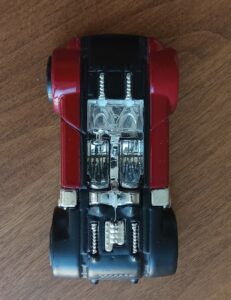
*主要諸元:
- 型式:GSX-R/4
- 総排気量:W701型 1,298.6cm3、4ストローク水冷DOHC4バルブ直列4気筒
(GSX1300Rハヤブサから流用)
- 最高出力::175㎰
- 最大トルク:14,1kg
- 駆動方式:MR(ミッドシップ)
- 定員::2名
- 車体サイズ
- 全長:3,550mm
- 全幅:1,730 mm
- 全高:1,010mm (アンテナ部分は含めず)
- 全長:3,550mm
- 車両重量
640kg
性能(推定値):
0-60mph加速3.5秒、最高速度137mph
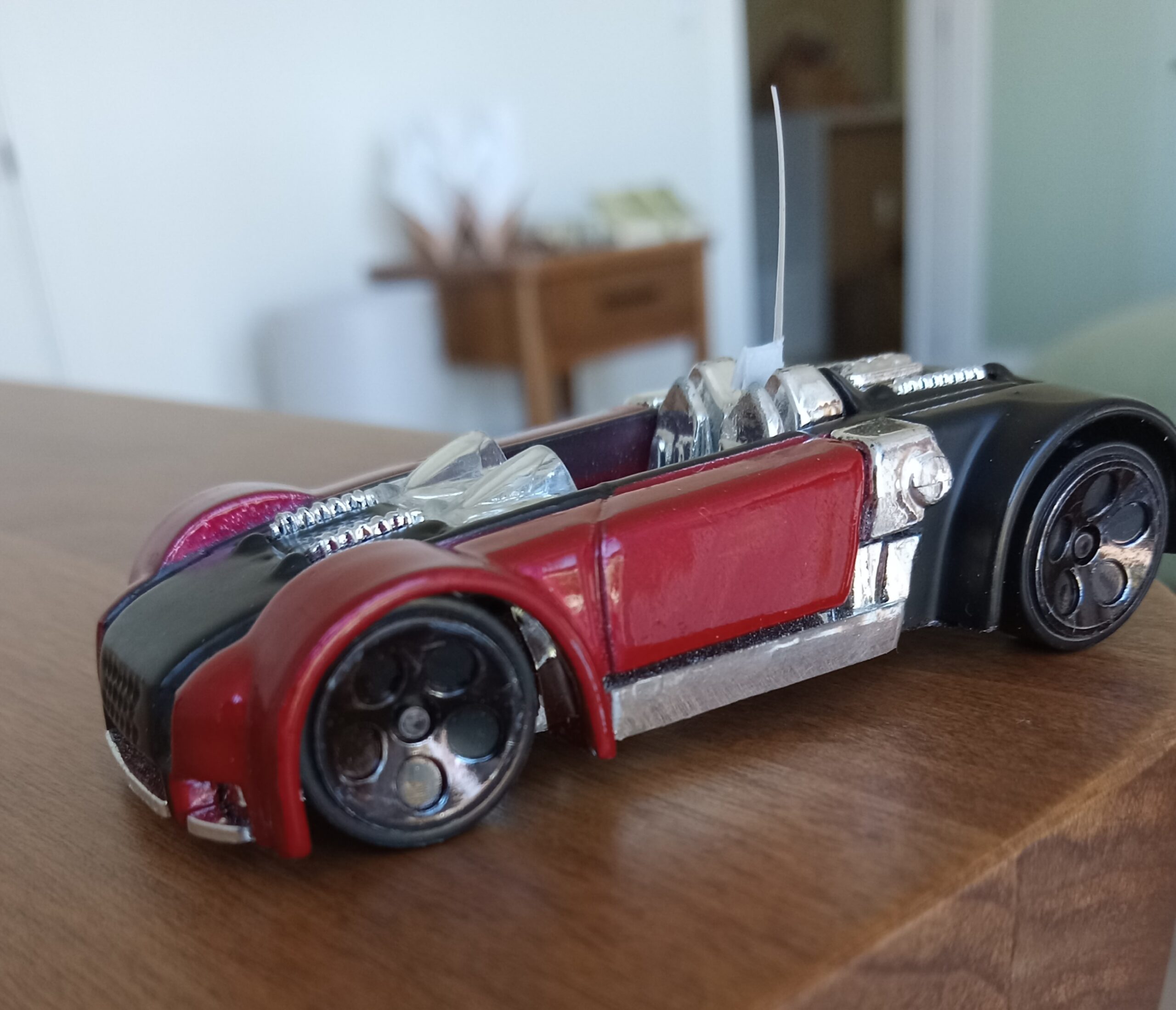
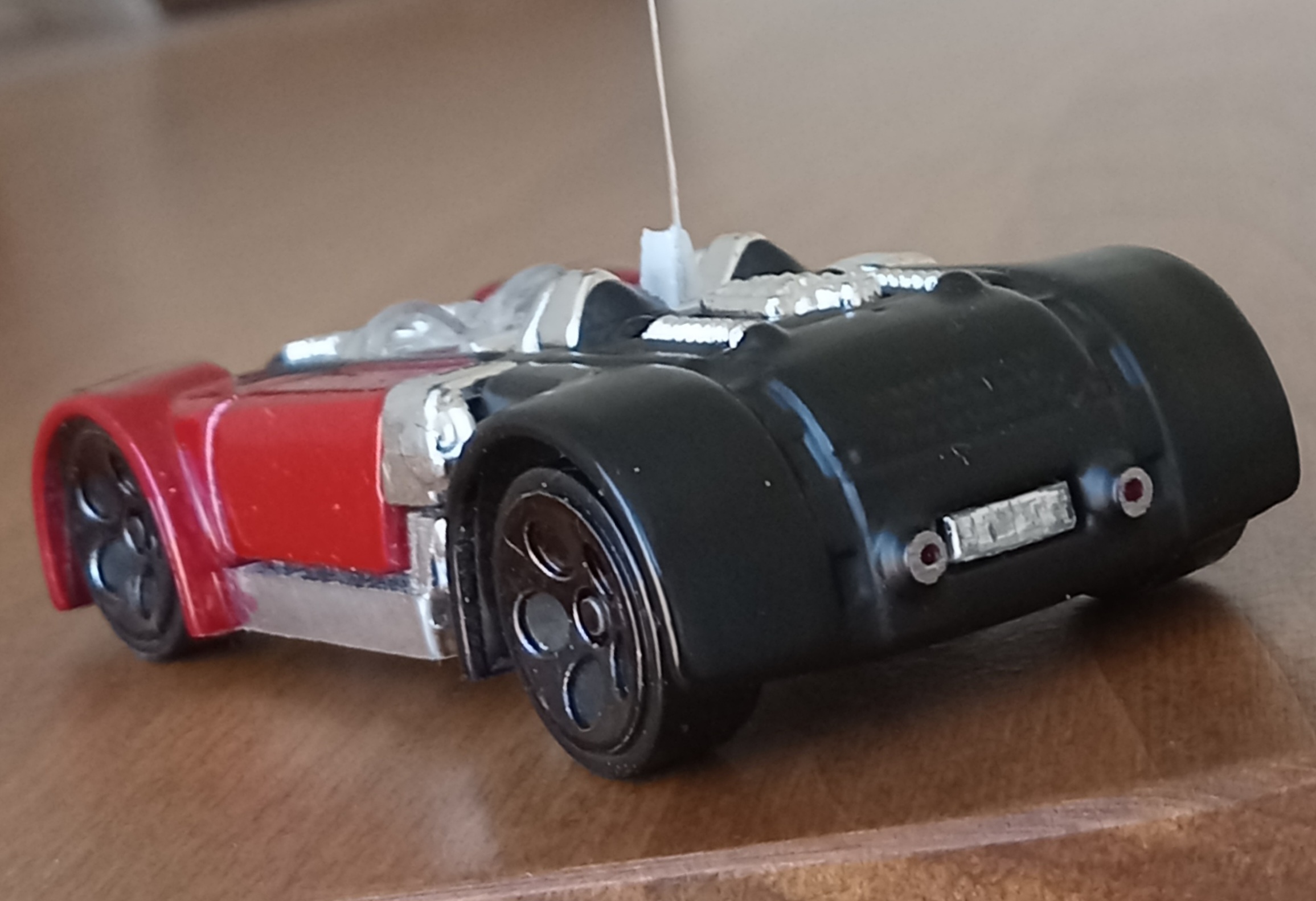
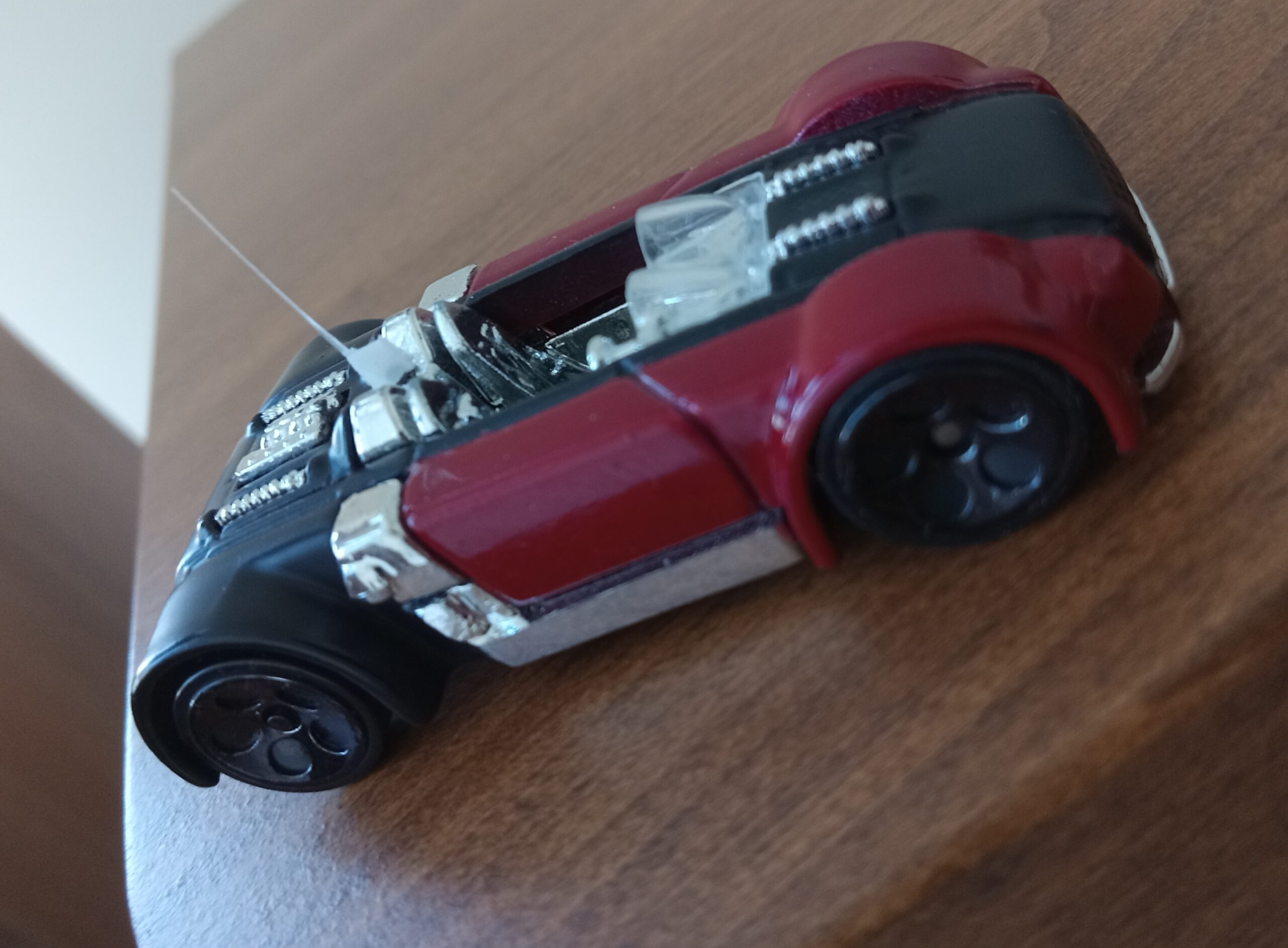
*デザイン的特徴:『4輪, キレキレバイク?』
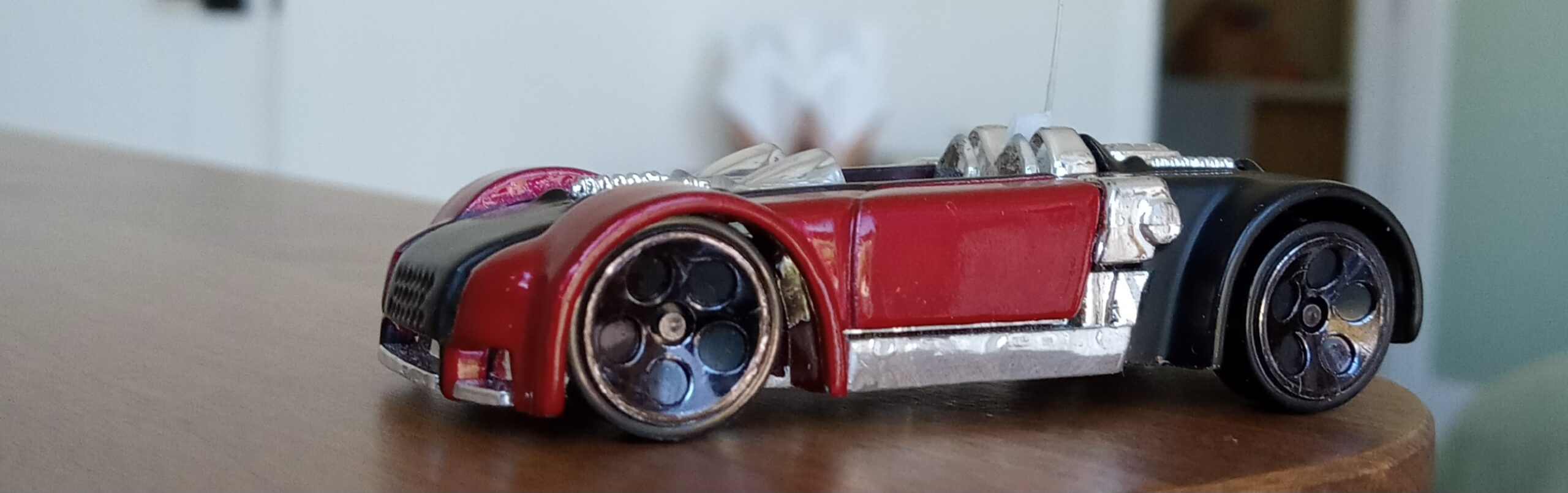
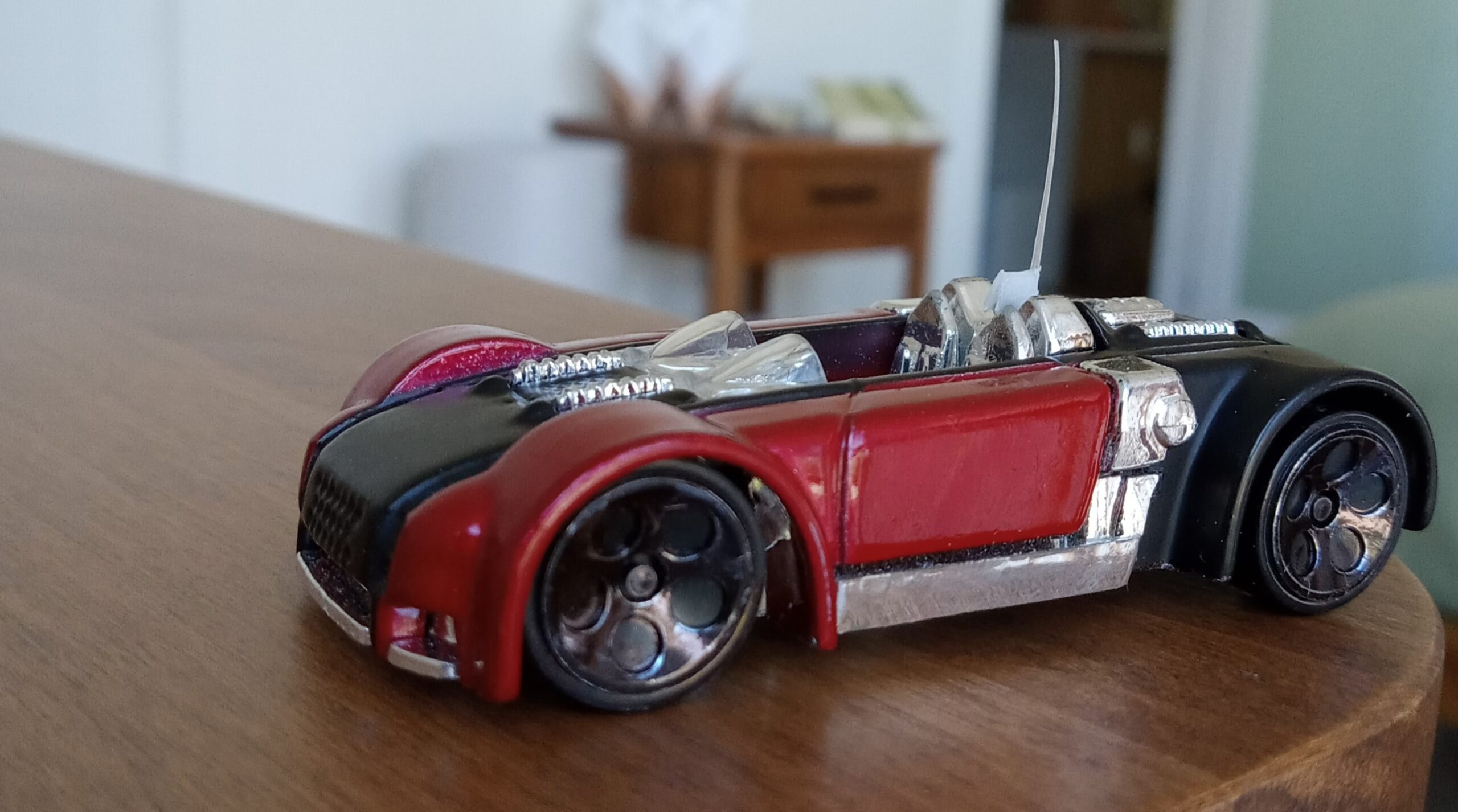
『四輪バイク』的コンセプトの
GSX-R/4にはいったい、
どのようなデザイン的特徴があるのか検証してみたいです。
以下の6点を挙げてみました。
1、2本の強靭なカーボン・フレームが象徴する、メカが露出したバイク的部分と、自動車的部分の織り成すハーモニーの妙味
2、赤、黒、アルミの地肌の3トーンが生み出す得も言われぬバランス感
3、バイクからそのまま移植されたようなメカディテールの数々
4、フロント&リアフェイシア部分のえぐみ溢れる、無機質=昆虫的な表情
5、車体中央部を引き絞る形をとる、センサー、カメラ、アンテナ部分のディテール感
6、全体にあふれる『粗と密のバランス感』
それではひとつづつ
見て行きましょう!
1、2本の黒く強靭なカーボン・フレームが象徴する、メカが露出したバイク的部分と、自動車的部分の織り成すハーモニーの妙味
(デザイナー:結城康和さんの狙い通りの、アニメやゲームの主人公が搭乗する、メカフェチを一瞬で悩殺する全体像と、ロータススーパーセブン的な超軽量スポーツカーの外観文法にもぴったりな、一つで2度おいしい超絶デザイン)
ーーーーーーー>このままの形で、英国バックヤード・メーカーで生産してほしいです!!
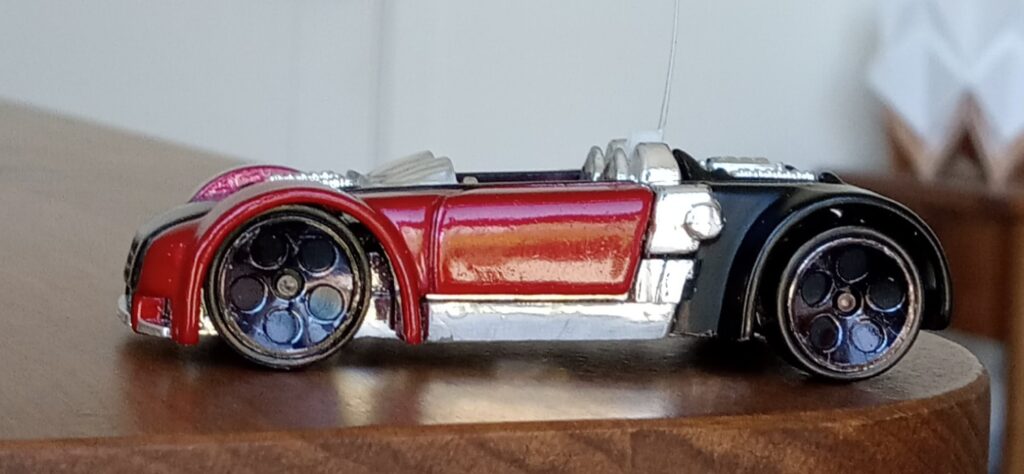
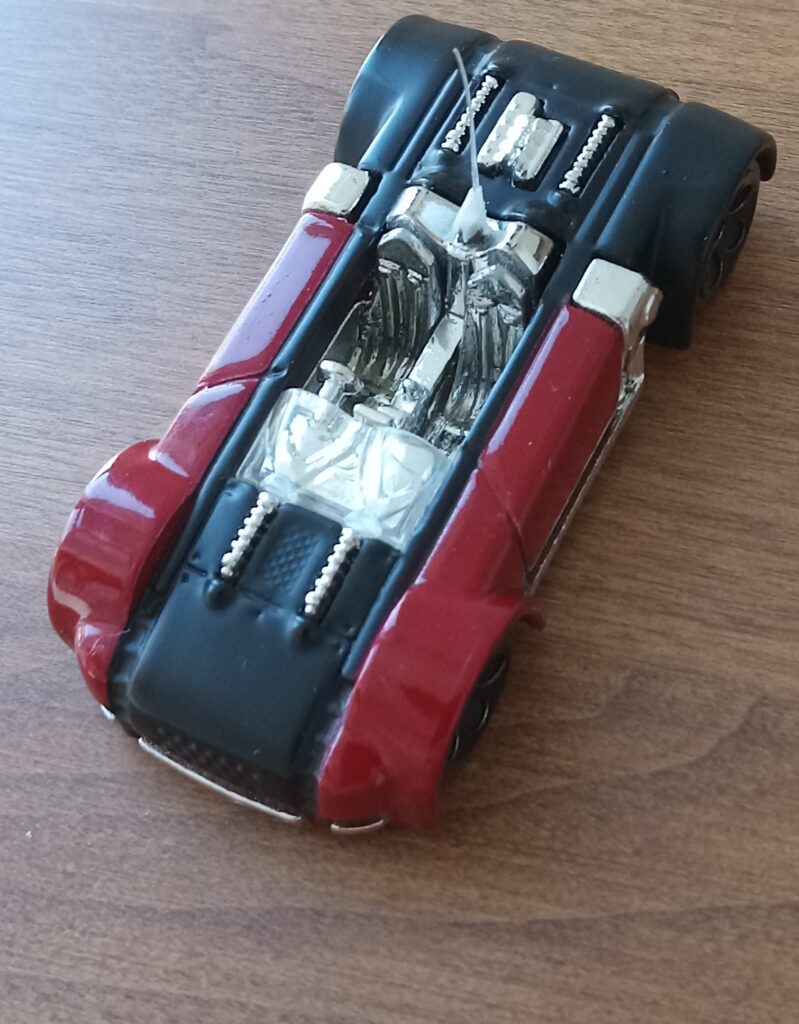
2、赤、黒、アルミの地肌の3トーンが生み出す得も言われぬバランス感
(レーサー・バージョンのGSX-R版、ヨシムラ・カラーからインスパイア―された3トーンがもたらす、色彩美、触感、質感差など複合素材からなる、バイク的世界を端的に象徴!!)
ーーーーーー>バイク好き、メカフェチを一瞬で魅惑する色合いと質感
3、バイクからそのまま移植されたようなメカディテールの数々
(フロント、リアそれぞれのボディ上面にプッシュロッド式ダブルウイッシュボーン式サスペンションのコイルスプリングやダンパーがむき出しで装着されているほか、シート背後のロールバーや小ぶりなフロントウインドシールドスクリーンなどによって、)
ーーーーーーーー>オートバイの雰囲気を醸し出している
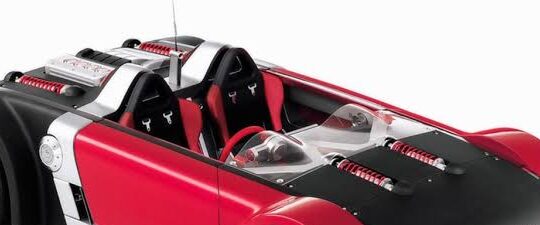
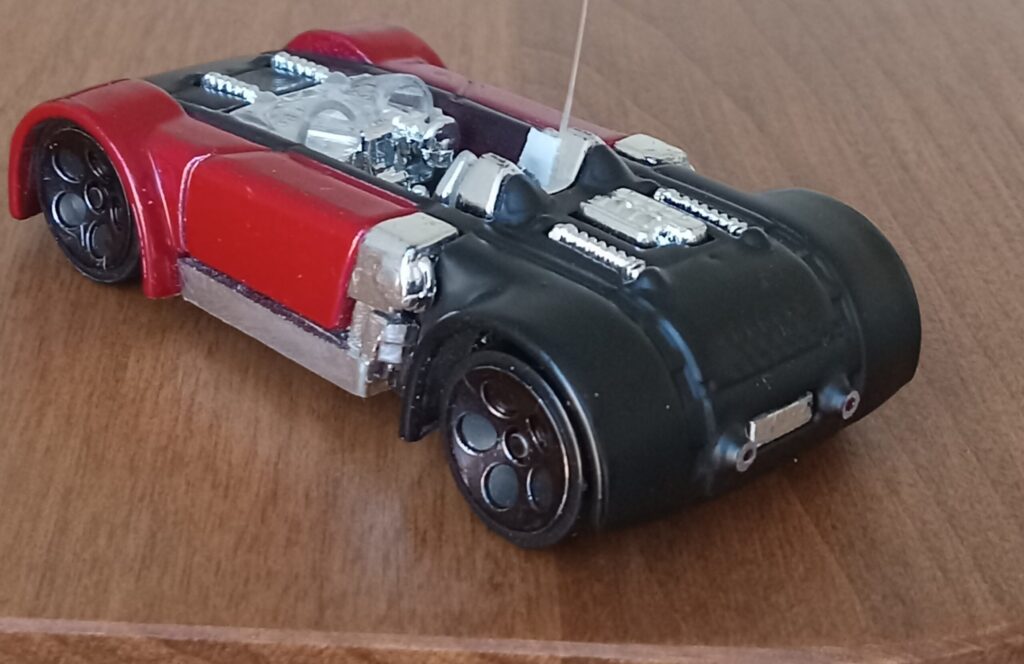
4、フロント&リアフェイシア部分のえぐみ溢れる、無機質=昆虫的な表情
ーーーーーー>表情を隠すことで、マスクをしたような不気味さを演出?
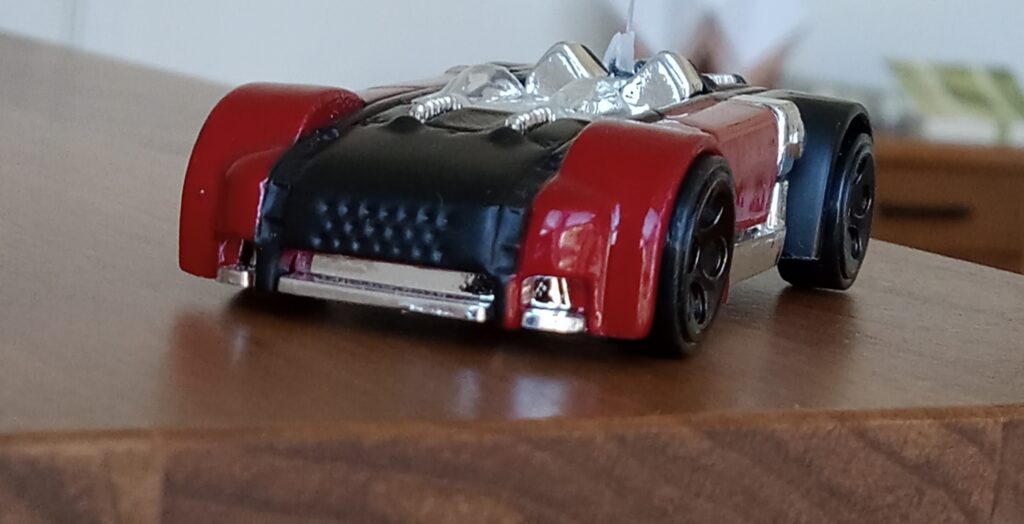
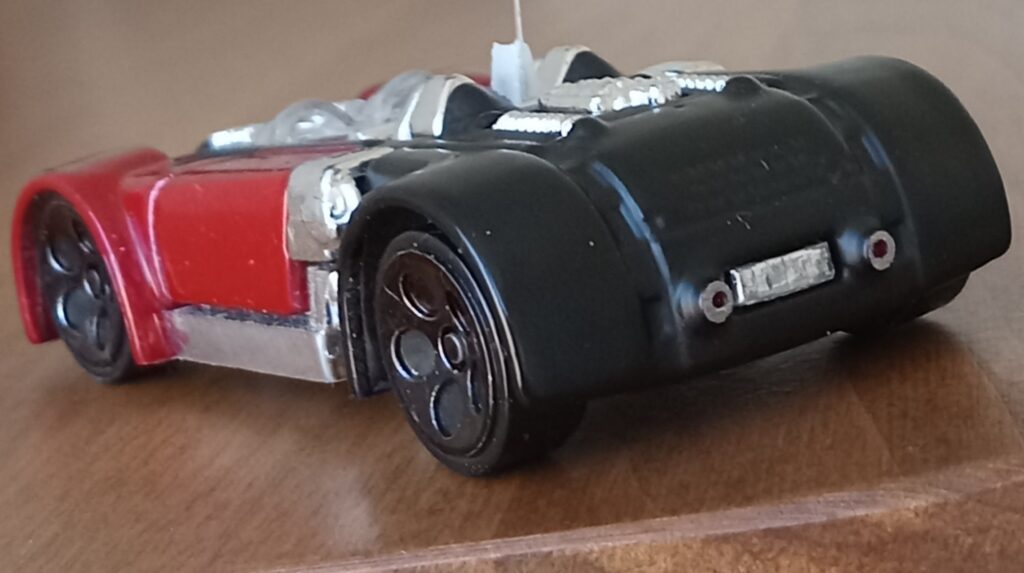
5、車体中央部を引き絞る形をとる、センサー、カメラ、アンテナ部分のディテール感
ーーーーーーー>単調になりがちな低い背筋に知的シンボルを付加
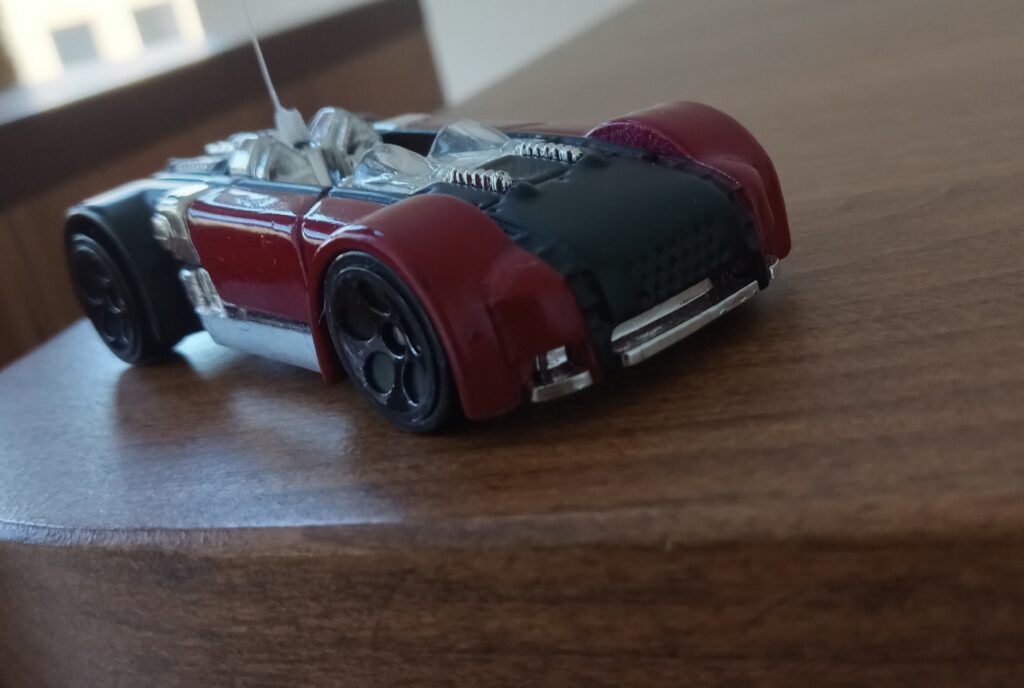
6、全体にあふれる『粗と密のコントラスト』
ーーーー>メカ・ディーテールと自動車的塗装ボディーのコントラスト
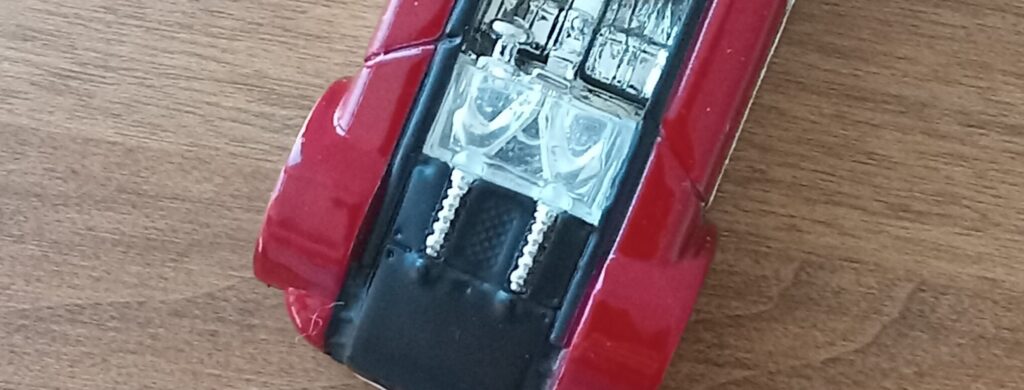
次は私のGSX-R/4にまつわる、
個人的体験を語ります。
*『私』とスズキ GSX-R/4:
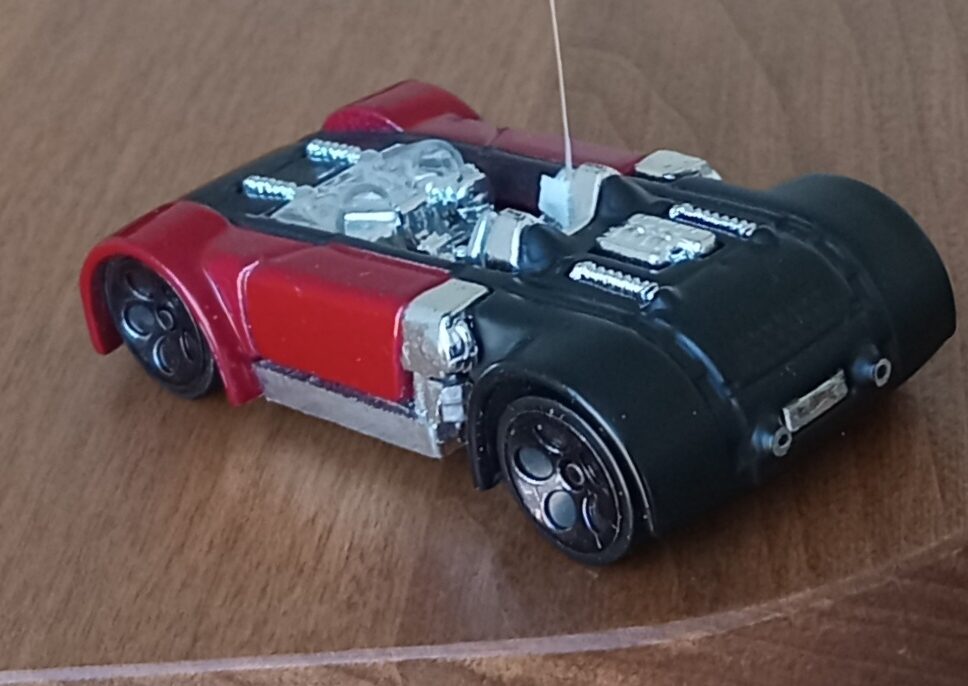
大型バイクエンジン+
ロータススーパー7のような葉巻型?ボディー
この単純な組み合わせを
この上なく美しい立体オブジェとして成立させた
デザイン手腕に拍手を送り続けた四半世紀でした。嬉
その間、数回の引っ越しや、
仕事場の移動の旅に(度に)、
荷物の中から見つけ出し、
手の中で温かくなるまで、
『あーでもないこーでもない』
と触ってきました。(このミニカー、前後のフェンダー部分が少し強調されていることも手伝って、掌の中で転がした感触が最高です!!)
私の理想のスポーツカー像とは?
個人的に、
運送機器のエクステリア・デザイナーである以前に、自動車という運動体のシャーシ設計に深い関心があり、特に運動性能の最大化が必須である、軽量スポーツカーのシャーシ設計には目がありません。(もちろん技術系の教育も経験もありませんので、福野野礼一郎さんの書籍等を教科書として付け焼刃的に学んだのみですが、、、、笑)
90年代前半の学生時代に、夏の課外授業(自由研究)を取っていた時、
当時全く元気のなかった、『英国の自動車会社、MGがFRのスポーツカー(MG-B) を復活させたら?』的なプロジェクトを創作したことがあるのですが、
その折、
自分が好きなスポーツカーシャーシは、
*高性能は小型エンジン(4気筒又はロータリー)を
*前輪車軸より後ろに乗せ、
*回転中心と運動重心を運転者にできるだけ近づけた、
フロント・ミッドシップと言える車台が理想と考えるに至りました。
第二候補としましては、
*同じく小さな高性能のエンジンを、
*後輪と運転者のおしりの間のできるだけ低い位置に搭載、
*その他の重量のある機器をことごとくコクピットより前に置くことで、
*フロントオーバーハングを伸ばすことなく、重量配分を50:50日に近づける
小型ミッドシップの理想形が突出していました。
そのプロジェクトは結局、
【MG:EQUISS】として結実しました。
*エクイスというのはラテン語で、【馬】を表し、フロントミッドの奥深くにコスワースチューンの2,2リットル四気筒DOHCエンジンを積み、文字通り『人馬一体』を実現した、軽量オープンスポーツカーでした。 (巨大な4枚のファイナル・レンダリングやパッケージドローイングは焼けてしまいましたが、私の記憶にははっきりと残っております)
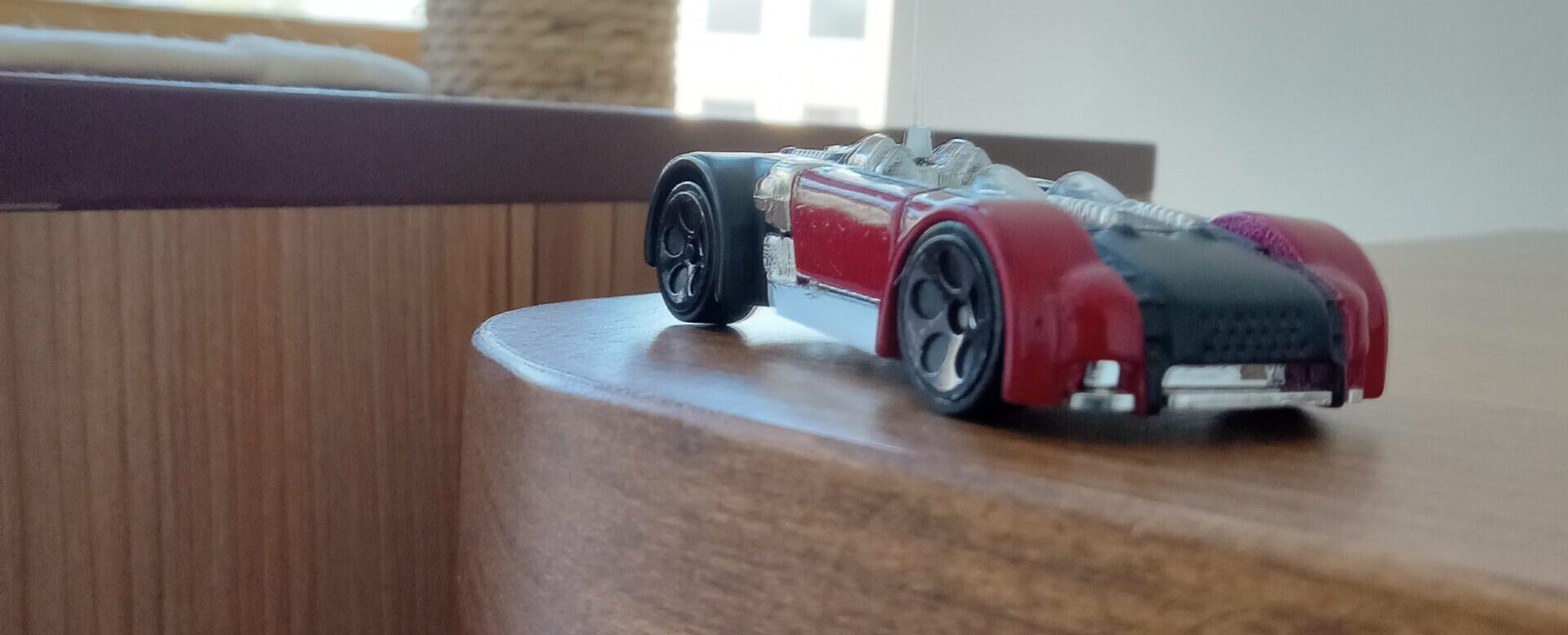
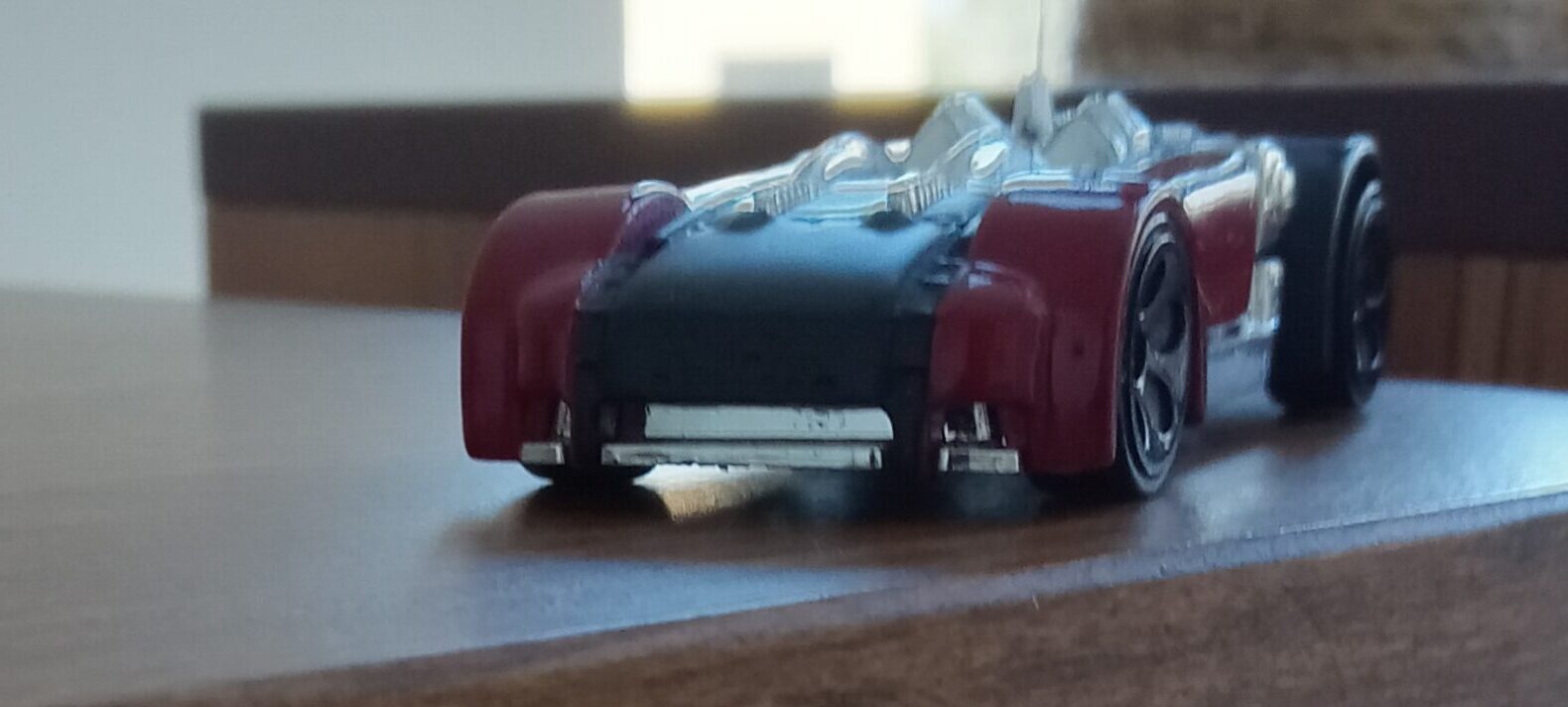
そんな中、2001年にスズキ・GSX-R/4が発表されたとき、
今回取り上げました、
第2番目のミッドシップのシャシー・デザインを実現化したスポーツカーとして、なんだか、他人事のような気がしませんでした。
実際のGSX-R/4Rがどの程度エンジンを低く搭載しているのかははっきりしませんが、
その後、私の頭の中ではズーーーーといかにしてエンジンを低く積むか?、の妄想が続いております。
では、次章ではその他の超軽量/高性能スポーツカー
の流れを見て行きましょう、
*その他の『EQUISS(名馬)』達、、、、
私の大好物の名馬たちです。
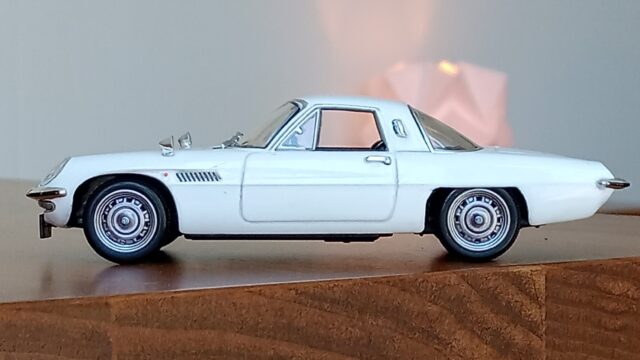
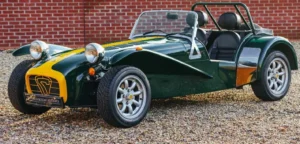
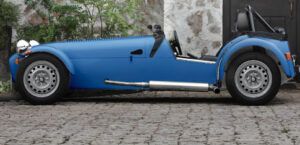
* ケーターハム・スーパーセブン, 1973
(超スパルタンなFRパッケージの権化、ロータスから譲り受けた外見デザインもこの上なくミニマリスティック!すべてがここから始まり、ここへ行き着きます。)
ーーーーーーー>軽量FRスポーツ・カーの出発点カツ、終着駅!
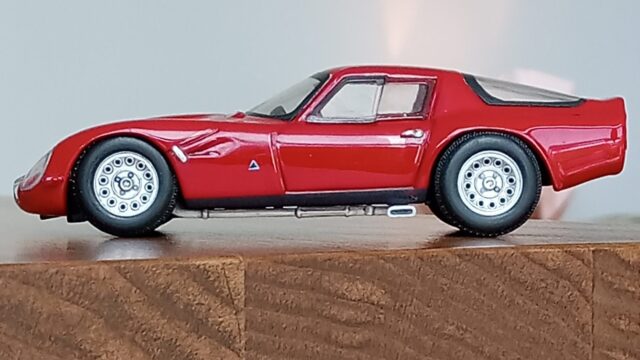
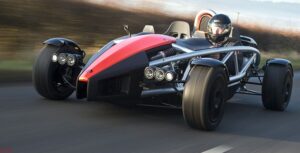
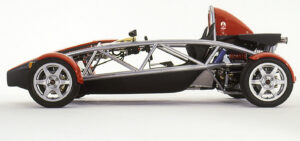
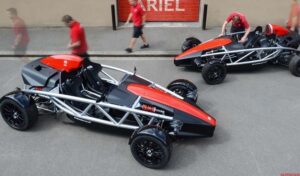
*アリエル・アトム、2000
(350馬力のホンダエンジンを積む最新型のアトム4,0よりも、ローバー製の1.6リットルエンジンを積んだオリジナルに魅力を感じます、チュブラーフレームを最小限のフェアリングとフェンダーカバーで覆った外観はある意味、F1以上にスパルタンそのもの)
ーーーーーー>ロータス・スーパーセブンの遺伝子が生きてます!!
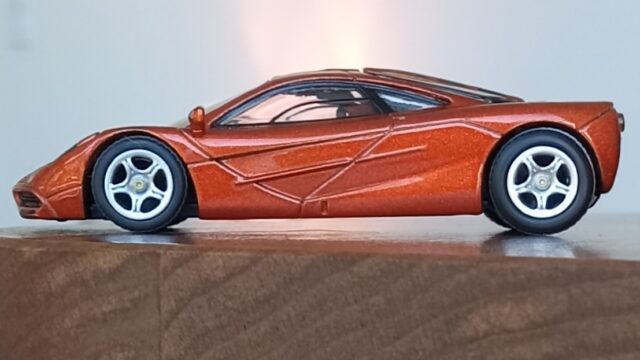
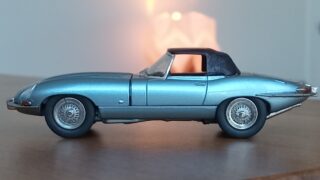
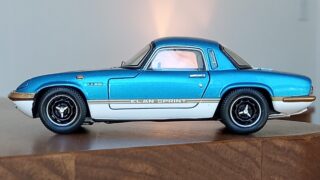
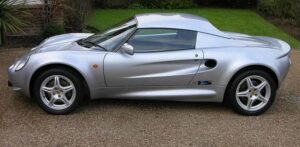
*ロータス・エリーゼ、1996
(全長3,7m、車重を690kgに抑え、エアコンやラジオもなし、といった徹底的に割り切ったパケージとそれを包み込むオーガニックで美しい外装デザインがすべての逸品!)
ーーーー>オペル・スピードスター、トヨタ・MRS, ポルシェ・ボクスター達の出発点?
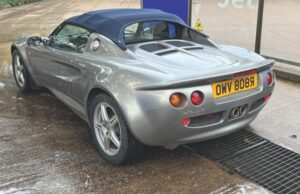
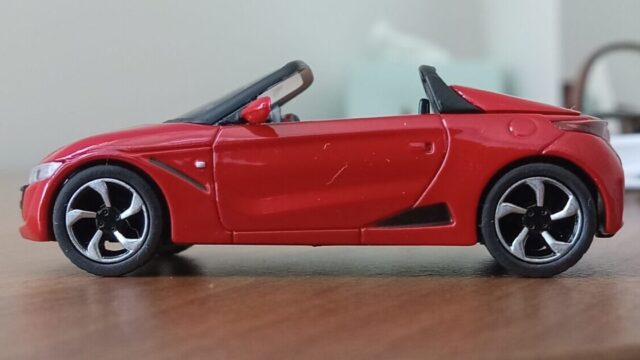
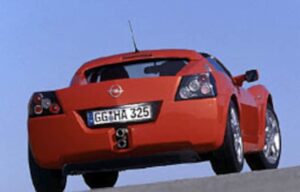
*オペル・スピードスター, 2001 (英国名:ボクスホール・VX220)
(ロータス設計のシャーシにGM的なクリスプな面構成と、センターの折れ線(GMクリーズ?)を生かした品格漂うデザインを合体!)
ーーーーーー>オペルGT 以来の、極端に珍しいアメリカ資本による軽量スポーツ・カーの復活!
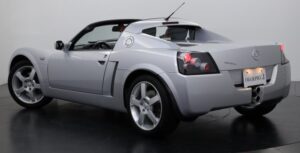
以前書かせていただきました、
イタリア製、軽量FRスポーツの流れは、
其の後のミッドシップ化に従い肥大化してしまいましたが、
此方の英国製の軽量スポーツカーの流れは、
現在まで脈々と息づいております。嬉
最後の2台につきましては、
次回以降に特集して語っていきますので、
そちらも、お楽しみに―
本ブログと記事内容につきまして:
ブログ記事を書くにあたり私の目標は、立体造形(料理も含めて)とのかかわりを通じて、私個人の特徴的(ネジ曲がり方も含めて)な評価軸を解明することで、「美しさ・美味しさ」に対する好奇心や、探求心を、どのように満足・充足させてきたのかを明記しておくことです。
従いまして、記事の中に出てくる、数字や年号、微細なデータなどには細心の注意を払っておりますが、時に大きな間違いや勘違いを犯していることも考えられます。特に自動車記事における主要諸元や、年号などには紛らわしいものも多く、あくまで参考程度に考えていただければ幸いです。
私としては、記事の中で個人的な外観デザインや味覚の評価、そこから広がる後半部分につなげるための、『流れ』を作るための客観的材料として年号やデータを挿入している感じです。あくまで重視したいのは、私個人の頭の中で起こる、記憶の錯そう的混沌から生まれる新たな『見方』や『情報の予想外のつながり』です。その勢いを作り出す、『流れ』の一環として、諸データが副次的に必要となるわけです。
話がそれますが、大好きな落語の世界に「三題噺」という、その場て会場から募った3つのお題を使って1つのお話に仕立てるといったお遊びがございますが、私はそれに近いことを立体造形の特徴や(料理のお味)をお題にして行っている感じがします。その中で頭の中に去来する数々の着想が、全く予想外で楽しく、次回からの記事内容を大幅に変えたり、新展開につながっています。
当ブロブの仕組み:
『好奇心の点と線 x 気まぐれ脳内回路=予想外の新展開』
こんな自分勝手なブログですが、今後ともよろしくお願いいたします。
追記:上記の『流れ』を作る為に必要な写真はできる限り、個人所有のミニカー・自前の料理などを使い撮影しておりますが、その他の必要最小限の図版や写真を他のブログ主様の記事や諸会社ホームページなどからお借りしております。(記事内容に合うよう加工させていただき、使用時は最小の解像度で載せております。)問題がある場合、ご連絡いただければ直ちに降ろさせていただきます。
追記2:当ブログ記事に掲載のミニカー写真等(個人撮影)は許可なしで、どのようにお使いいただいても結構です。私個人の創造性はこの世のもの、と言う認識の上で記事を製作しています。
!!!!!!!!!!!!!!!!!!!!!!!!!!!!!!!!!!!! Translation in English !!!!!!!!!!!!!!!!!!!!!!!!!!!!!!!!!!!!
Episode 12: Suzuki GSX-R/4 Concept Car (Exterior Color: Metallic Red & Matte Black)
(Modified from Mattel Hot Wheels 1/64 Suzuki GSX-R/4 Concept (Metallic Red & Black))
I’m not particularly interested in motorcycles,
but this
* mid-mounted motorcycle engine
* pure two-seater
captured my heart.
First, when I saw the report in AUTOWEEK magazine (an American automotive weekly known for its speed in covering events like auto shows) from the 2001 Frankfurt Motor Show,
I couldn’t help but gasp, “Ah!”
It was love at first sight.
(I was particularly captivated by the mysterious little box nestled between the headrests like an F1 racer’s onboard camera, and the slender antenna extending from it. I studied the concept sketch below, which showed its details, until I practically wore holes in it.)
(Design sketch by Yasukazu Yuki)
However, it never progressed to production,
(Perhaps it was never intended to begin with?)
As a result,
I never got my hands on a 3D model,
and the only thing available was this one,
the Hot Wheels version by Mattel,
which I’m using here.
(This mini-car is superbly made with excellent part and color separation;
with a little modification, it transformed quite a bit. Yay!)
So, with that in mind,
I’d like to proceed with this report.
* Objective Explanation:
* Design Features:
* ‘Me’ and the GSX-R/4
* Summary and Impressions:
* Other Ultra-Lightweight Sports 4-Wheelers:
* Objective Explanation: Motorcycle + Super 7 = ?
The Suzuki GSX-R/4 Concept, unveiled in 2001, is a mid-engine roadster that fuses Suzuki’s expertise in motorcycle and compact car manufacturing. This concept car debuted at the 2001 Frankfurt Motor Show. Its name derives from the high-performance GSX-R motorcycle series, with the “4” signifying four wheels.
Design Features:
The GSX-R/4 featured astonishing design elements intended to evoke the “sensation of driver and machine becoming one,” similar to a motorcycle:
*Body: Lightweight, removable panels made from recycled plastic for easy customization; a small windscreen replicates the motorcycle riding sensation
* Chassis: Utilized an in-house developed aluminum space frame, achieving extremely light vehicle weight
* Suspension: The double wishbone suspension exposed the spring and damper units, offering height adjustability and high visibility, recreating the look of a racing car
* Cockpit: Equipped with a lightweight, highly supportive bucket seat and a digital dashboard display
Other Features:
The GSX-R/4 incorporated numerous advanced technologies for its time.
Advanced Navigation System: The “GSX-R4 Advanced Navigation System” assists in learning specific race courses with its “Circuit Navigation Function” and analyzes driving performance with its “Replay Function”.
Onboard Camera: A CCD camera displays obstacles on the central monitor.
Driver authentication: The “Wrist Mount System” (co-developed with Seiko) combines door unlocking functionality with driver authentication
Adjustable drive modes: Drivers can modify engine settings via the instrument panel display
Device for external data communication: Utilizes a prototype of the “Wrist Mount System” (later released as “Wristromo”) under development by Seiko Instruments Inc.
Exterior Design:
The design was led by Yasukazu Yuki, chief designer of models like the Swift and MR Wagon. The bold use of metallic red on the front, the central aluminum frame, and the unpainted black resin at the rear was inspired by the side profile composition of motorcycles.
In a magazine interview at the time, Yuki stated that the overall form was inspired by motorcycle construction, while the color scheme evoked the Yoshimura-liveried GSX-R. He further explained, “As a ‘Japanese-style design,’ we deliberately avoided concepts popular with car enthusiasts, like organic forms, or those appealing overseas using ‘bamboo and paper.’ Instead, we aimed to create a polygonal, character-driven look reminiscent of games and anime—an image likely to resonate with young people in Europe and America.”
Furthermore, the GSX-R/4 served as a message to “gradually extend Suzuki’s sporty motorcycle image to its four-wheeled vehicles.” Reflecting this, overseas magazines like Use Week frequently featured Suzuki’s promotional ads using a vertical lineup photo of the Hayabusa, GSX-R/4, and CONCEPT-S, all in matching colors.
*Key Specifications:
Model: GSX-R/4
Total Displacement: W701 Type 1,298.6 cm³, 4-stroke
Water-cooled DOHC 4-valve inline 4-cylinder
(Derived from GSX1300R Hayabusa)
Maximum Power: 175 PS
Maximum Torque: 14.1 kgf·m
Drive System: MR (Mid-ship)
Seating Capacity: 2 persons
Vehicle Dimensions
Overall Length: 3,550 mm
Overall Width: 1,730 mm
Overall height: 1,010 mm (excluding antenna)
Vehicle weight
640 kg
Performance (estimated):
0-60 mph acceleration: 3.5 seconds, Top speed: 137 mph
*Design Features: ‘Four-wheeled, razor-sharp bike?’
The ‘four-wheeled bike’ concept
What exactly are the design features of the GSX-R/4?
I’d like to examine this.
I’ve listed the following six points:
1. The exquisite harmony woven between the exposed mechanical bike elements, symbolized by two sturdy carbon frames, and the automotive elements
2. The indescribable balance achieved by the three-tone palette of red, black, and raw aluminum
3. Numerous mechanical details that appear transplanted directly from a motorcycle
4. The aggressive, inorganic, insect-like expression of the front and rear fascia sections
5. The detailed design of the sensor, camera, and antenna sections that cinch the mid-section of the body
6. The overall sense of ‘balance between roughness and precision’ permeating the entire design
Now, let’s examine each one
in turn!
1. The exquisite harmony woven between the exposed mechanical motorcycle elements, symbolized by two sturdy black carbon frames, and the automotive components
(Designer: Yasukazu Yuki’s vision perfectly captures the allure of a mecha-fetishist’s dream ride—like something from anime or games—while also adhering to the aesthetic grammar of a Lotus Super Seven-style ultra-light sports car. A truly exceptional design that delivers twice the pleasure!)
ーーーーーーー> I want this produced exactly as is by a British backyard manufacturer!!
2. The indescribable balance created by the three-tone combination of red, black, and raw aluminum
(Inspired by the Yoshimura colors of the GSX-R racer version, this three-tone scheme delivers a complex blend of color beauty, tactile feel, and textural contrast from composite materials, succinctly symbolizing the motorcycle world!!)
——————> A color scheme and texture that instantly captivates bike enthusiasts and mechanical fetishists
3. Numerous mechanical details that look like they were transplanted directly from the bike
(Exposed coil springs and dampers from the pushrod double wishbone suspension mount on the upper surfaces of both front and rear bodies, alongside a roll bar behind the seat and a compact front windshield screen,)
——————> Evokes the atmosphere of a motorcycle
4. The front and rear fascia sections feature an intense, inorganic, insect-like expression
────────> By concealing its expression, does it create an eerie, masked-like effect?
5. The detailed design of the sensor, camera, and antenna sections, which cinch in the vehicle’s midsection
────────> Adds an intellectual symbol to the otherwise monotonous low back
6. The overall ‘contrast between rough and dense’
────> Contrast between mechanical details and the automotive-style painted body
Next, I’ll share my personal experience
with my GSX-R/4.
*‘Me’ and the Suzuki GSX-R/4:
A large motorcycle engine +
a cigar-shaped body reminiscent of the Lotus Super 7?
For a quarter century, I’ve applauded the design skill
that made this simple combination
into an utterly beautiful three-dimensional object. Joy
During that time, through several moves
and each journey to a new workplace,
I’d find it among my belongings,
hold it until it warmed in my hands,
and fiddle with it, thinking,
‘Hmm, maybe like this… no, like that…’ (This mini car, partly thanks to its slightly emphasized front and rear fenders, feels absolutely amazing when rolled around in your palm!!)
What is my ideal sports car?
Personally,
even before becoming an exterior designer for transport equipment, I had a deep fascination with the chassis design of automobiles as moving machines. I’m particularly captivated by the chassis design of lightweight sports cars, where maximizing performance is essential. (Of course, I have no formal technical education or experience, so I’m just a self-taught amateur using books by Mr. Fukuno Reiichiro as textbooks… lol)
Back in my student days in the early 90s, during a summer extracurricular project (free research),
I once created a project along the lines of, “What if the struggling British automaker MG revived their rear-engine sports car (the MG-B)?”
During that time,
I came to believe that my ideal sports car chassis design was one that could be described as front-mid-engine:
* A high-performance, small engine (four-cylinder or rotary)
* Mounted behind the front axle,
* With the rotational center and center of gravity positioned as close as possible to the driver.
As a second choice,
* A similarly small, high-performance engine,
* Mounted as low as possible between the rear wheels and the driver’s rear,
* With all other heavy components placed entirely forward of the cockpit,
* Achieving near 50:50 weight distribution without extending the front overhang
…the ideal small mid-engine layout stood out prominently.
That project ultimately materialized as the
【MG: EQUISS】.
*Equiss is Latin for “horse.” It was a lightweight open sports car that literally achieved “man and machine as one,” featuring a Cosworth-tuned 2.2-liter four-cylinder DOHC engine mounted deep within the front-mid position. (The massive four final renderings and package drawings were lost in the fire, but they remain vivid in my memory.)
Amidst this, when the Suzuki GSX-R/4 was announced in 2001,
it felt strangely personal to me,
as the sports car that realized the second mid-ship chassis design I’m discussing here.
While it’s unclear exactly how low the actual GSX-R/4R mounted its engine,
ever since, my mind has been consumed by the endless question: How do you mount an engine lower?
Now, in the next chapter, let’s look at the lineage of other ultra-lightweight/high-performance sports cars.
* Other ‘EQUISS’ (Famous Horses)…
These are my favorite famous horses.
* Caterham Super Seven, 1973
(The epitome of an ultra-spartan FR package. Its exterior design, inherited from Lotus, is also supremely minimalistic! Everything starts here and ends here.)
ーーーーーーー> The departure point and final destination for lightweight FR sports cars!
*Ariel Atom, 2000
(I find the original model with its Rover 1.6-liter engine more appealing than the latest Atom 4.0 packing a 350hp Honda engine. Its appearance, a tubular frame covered by minimal fairings and fender covers, is in a way more spartan than even F1.)
────────> The Lotus Super Seven’s DNA lives on!!
*Lotus Elise, 1996
(A total masterpiece! Its thoroughly stripped-down package—3.7m long, weight kept to 690kg, no AC or radio—and the organic, beautiful exterior design that wraps it all up!)
────> The starting point for the Opel Speedster, Toyota MRS, Porsche Boxster, and others?
*Opel Speedster, 2001 (UK name: Vauxhall VX220)
(Combines a Lotus-designed chassis with GM-style crisp surface geometry and a dignified design utilizing the central crease line (GM crease?))
————> The revival of an extremely rare American-funded lightweight sports car, the first since the Opel GT!
As I mentioned previously,
the Italian-made, lightweight FR sports car lineage
later bloated with the shift to mid-engine layouts,
but this British-made lightweight sports car lineage
has persisted steadily to this day. Yay!
Regarding the last two models,
I’ll feature and discuss them in future installments,
so stay tuned for those too―
Translated with DeepL.com

これはCTAサンプルです。
内容を編集するか削除してください。