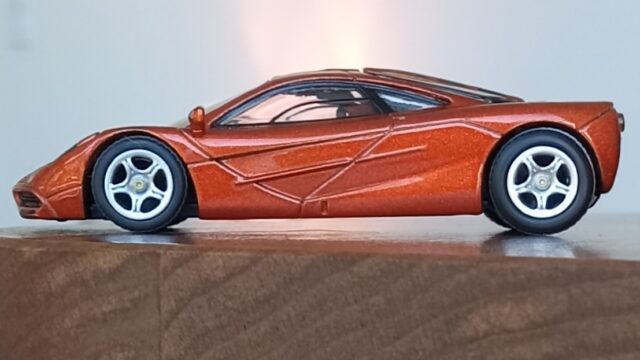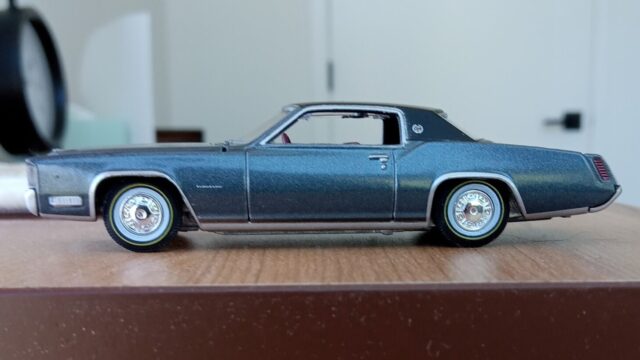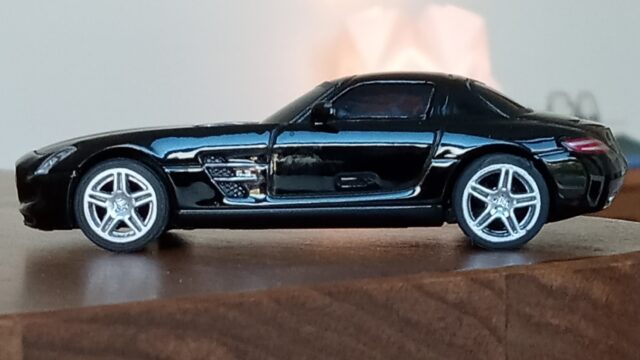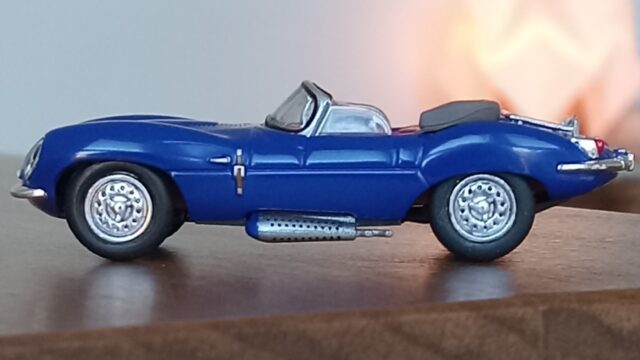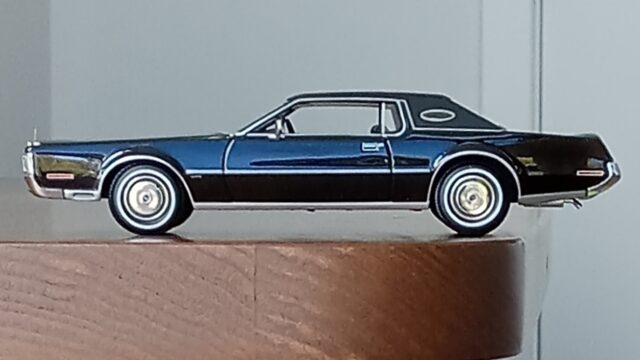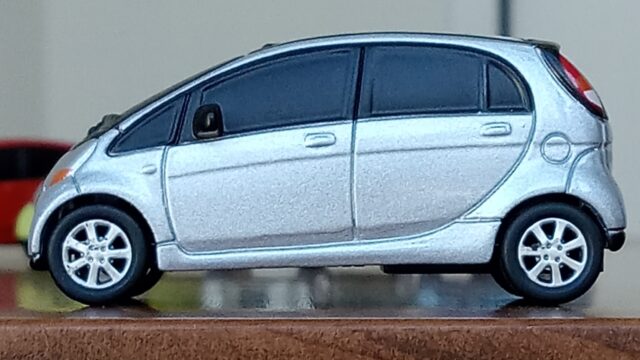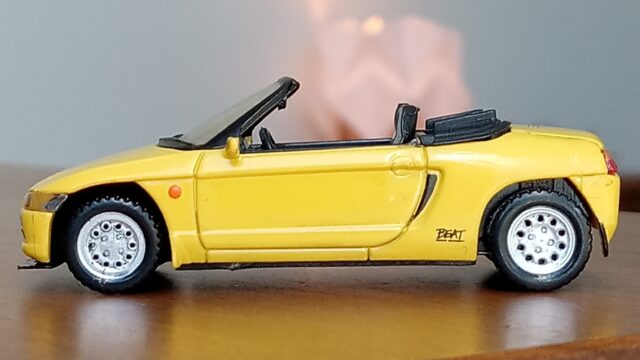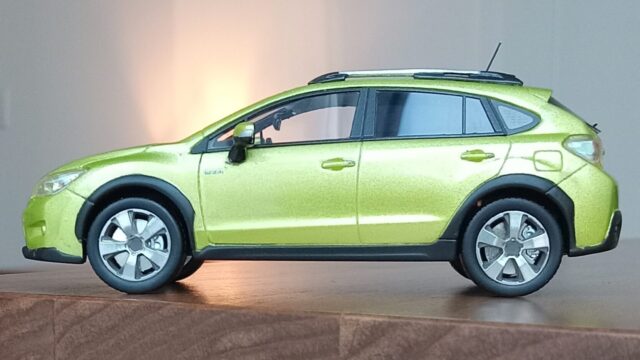
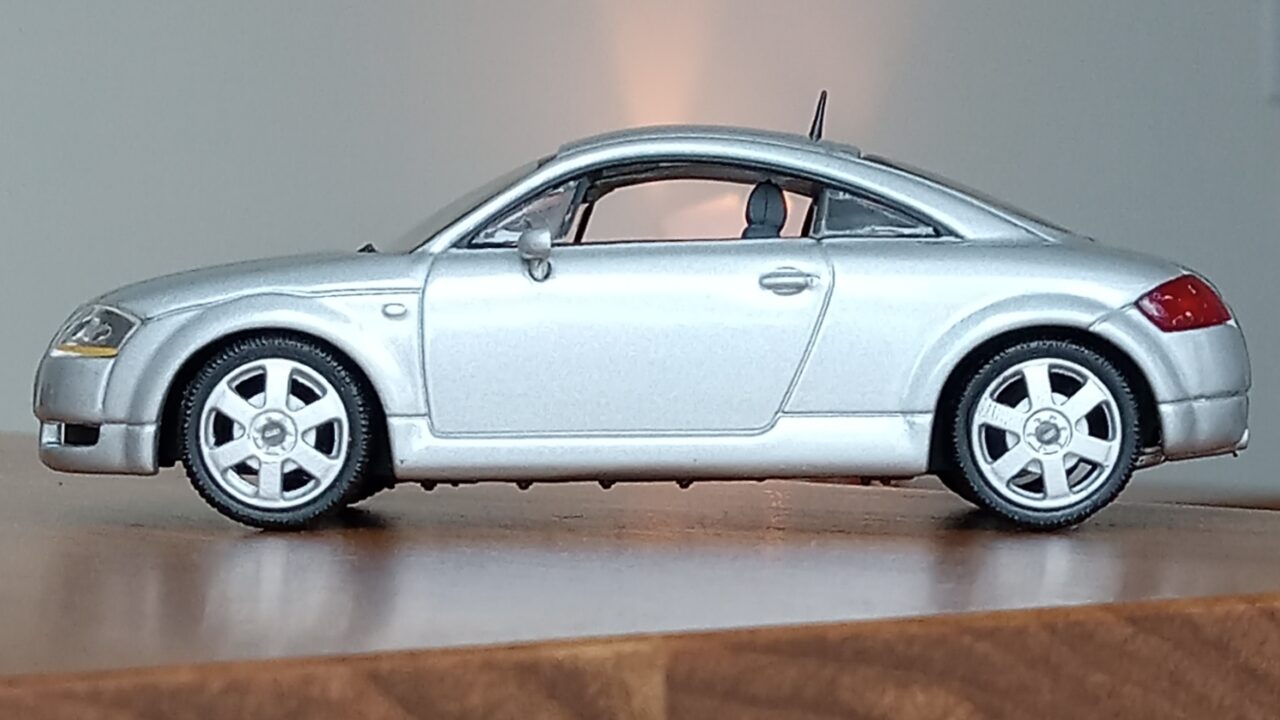
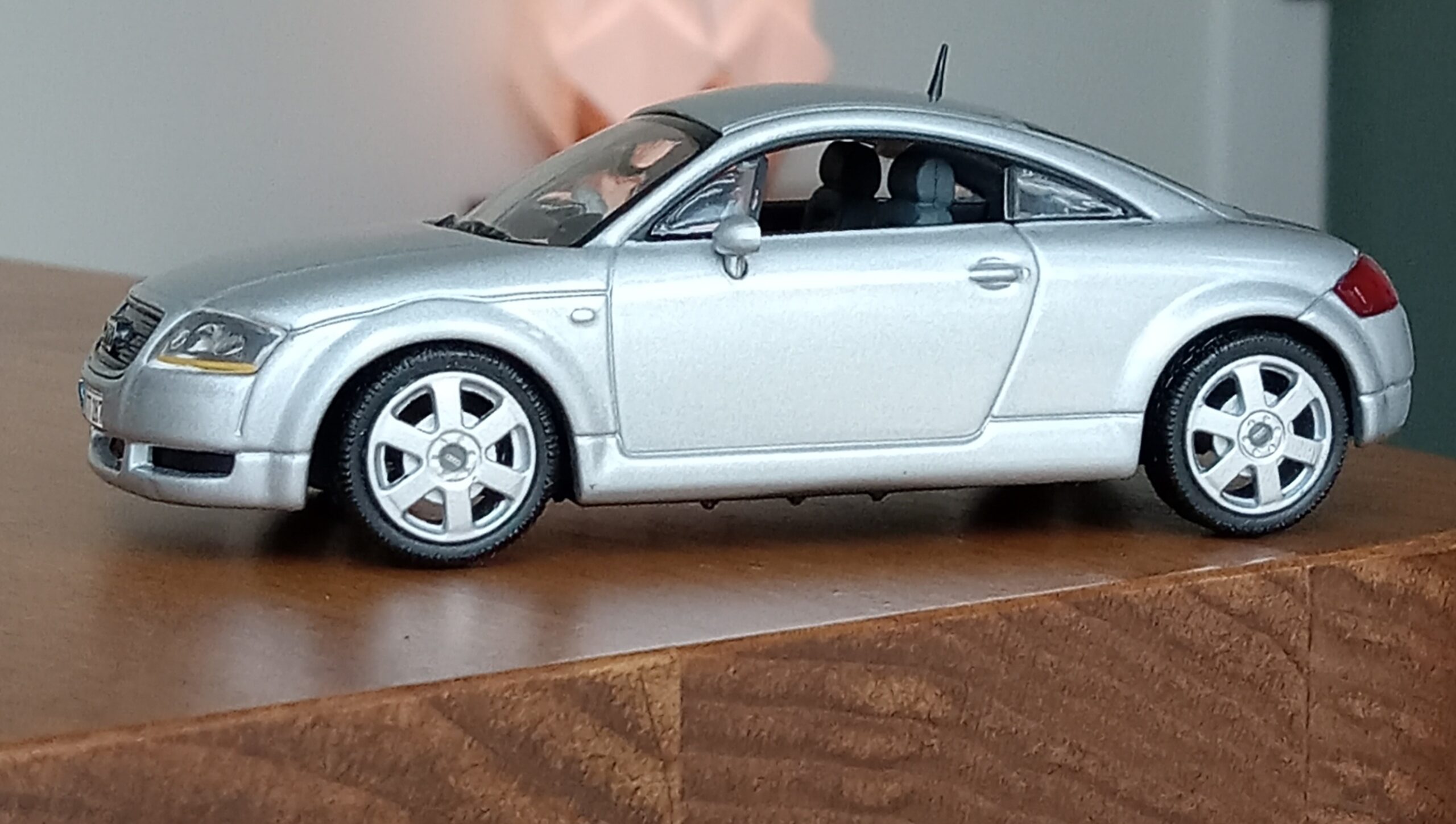
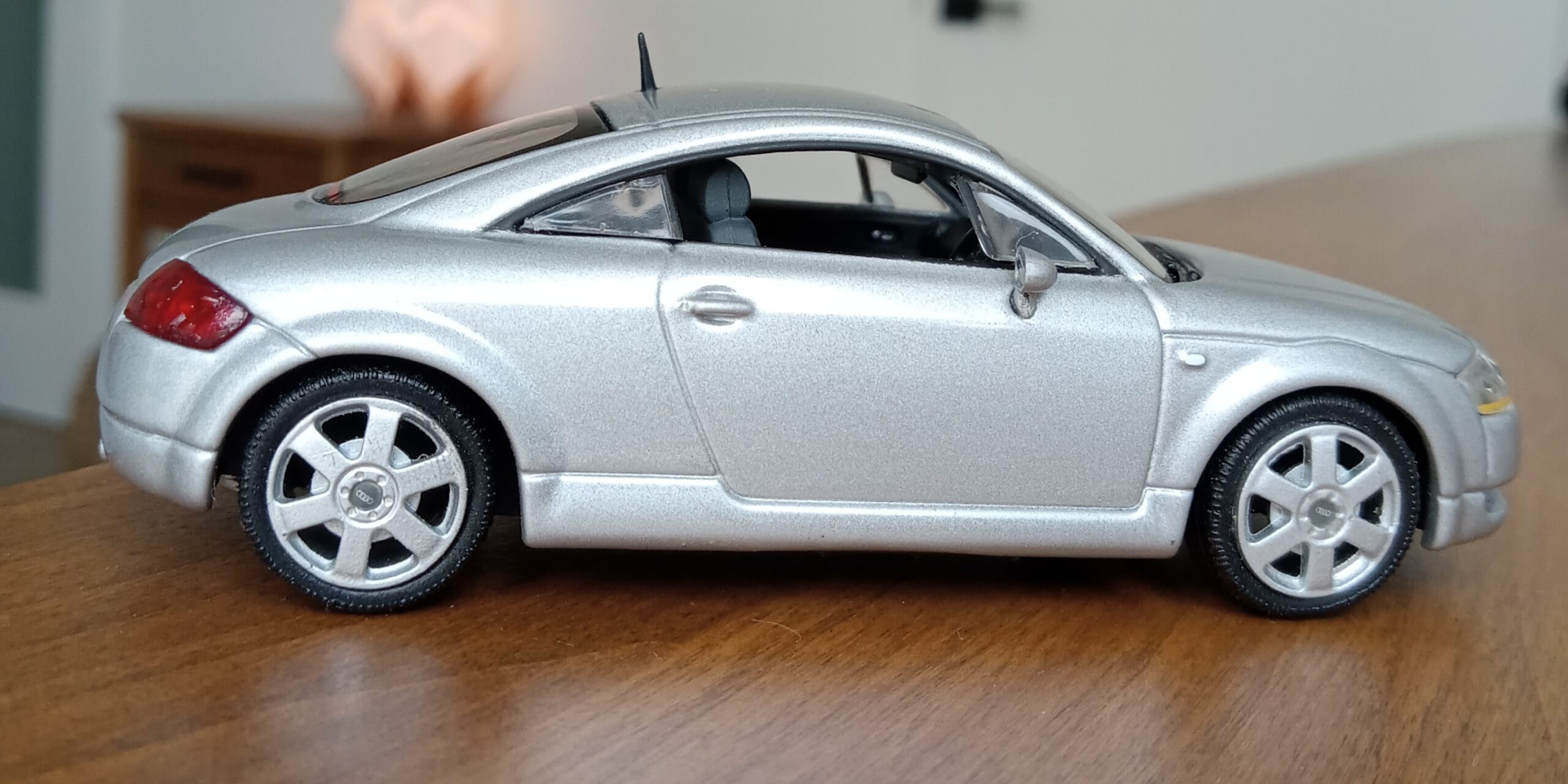
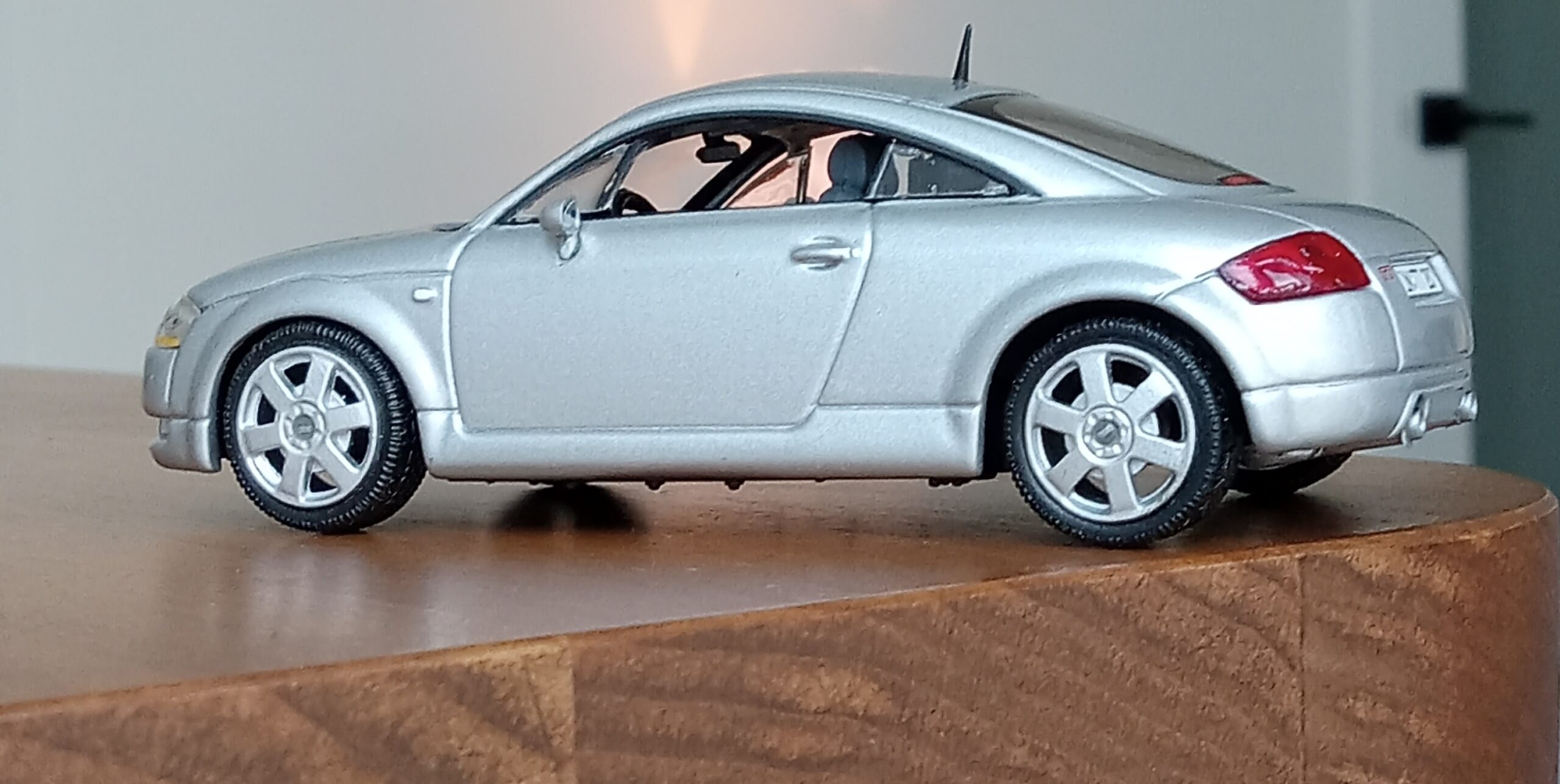
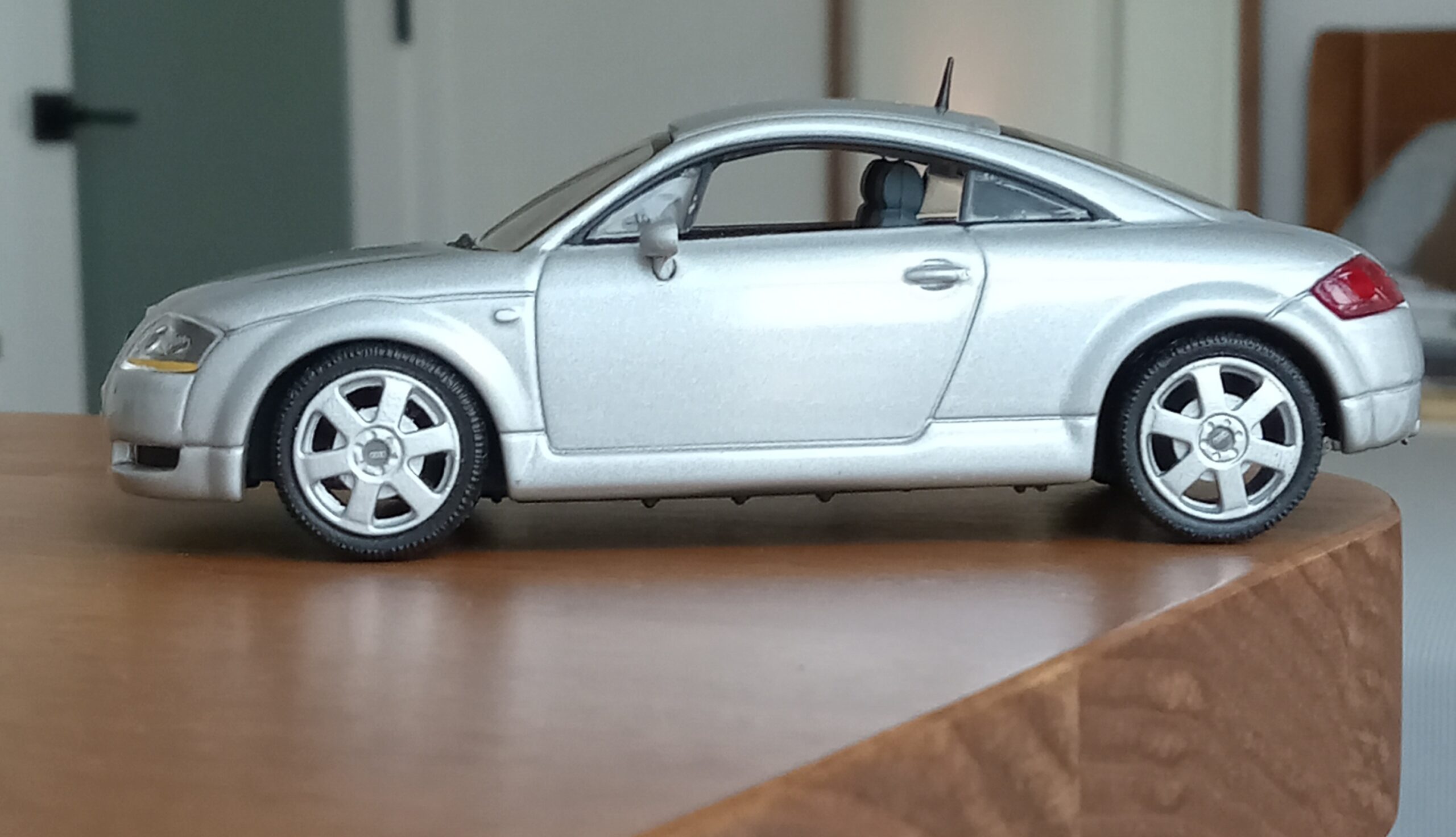
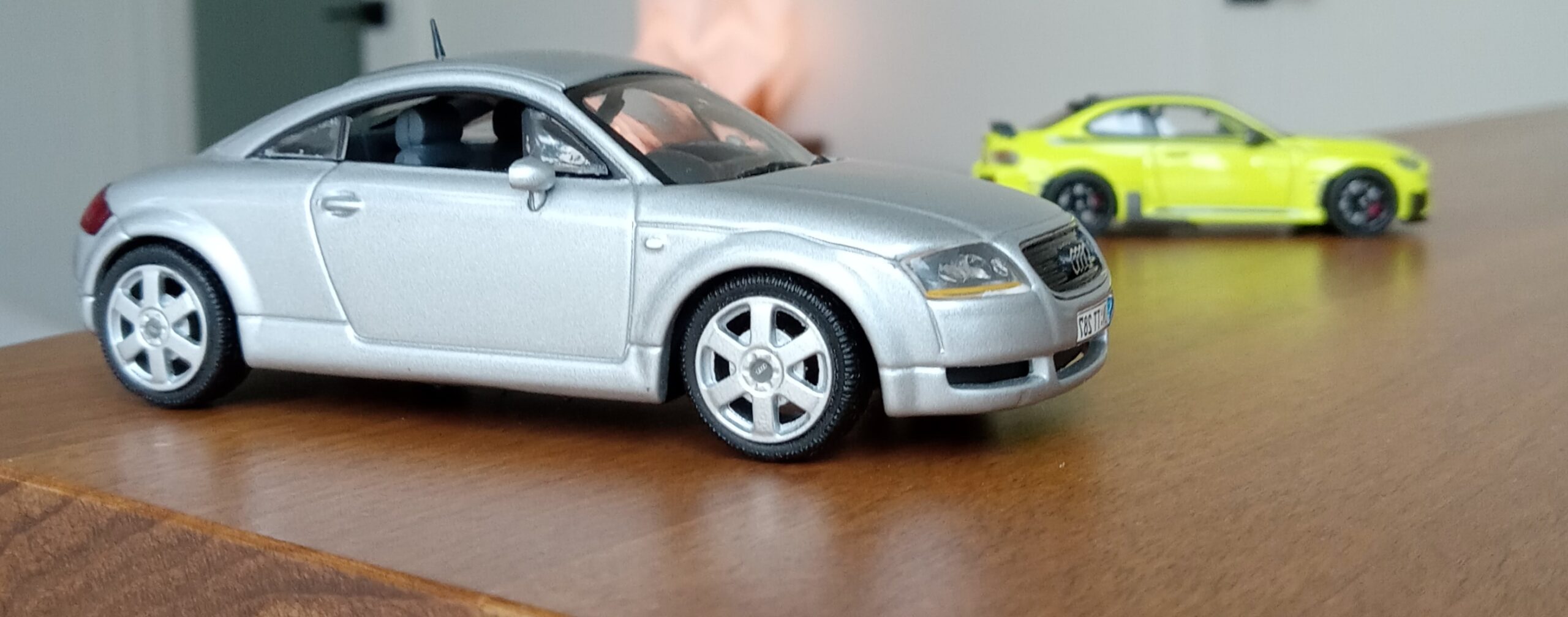
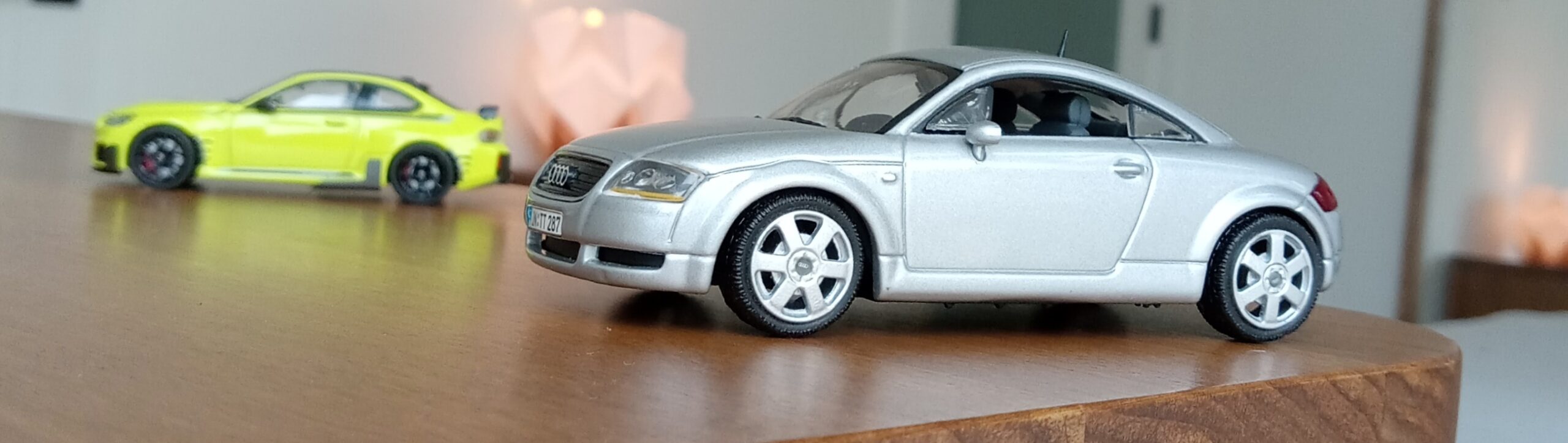
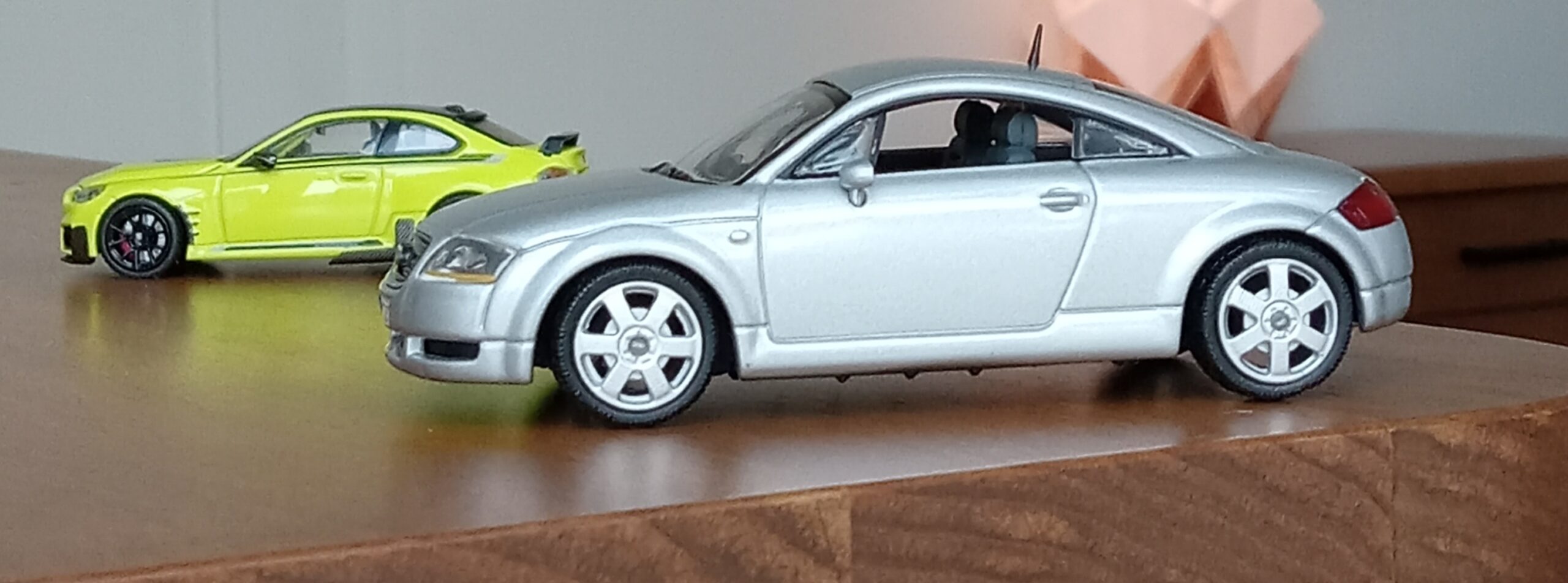
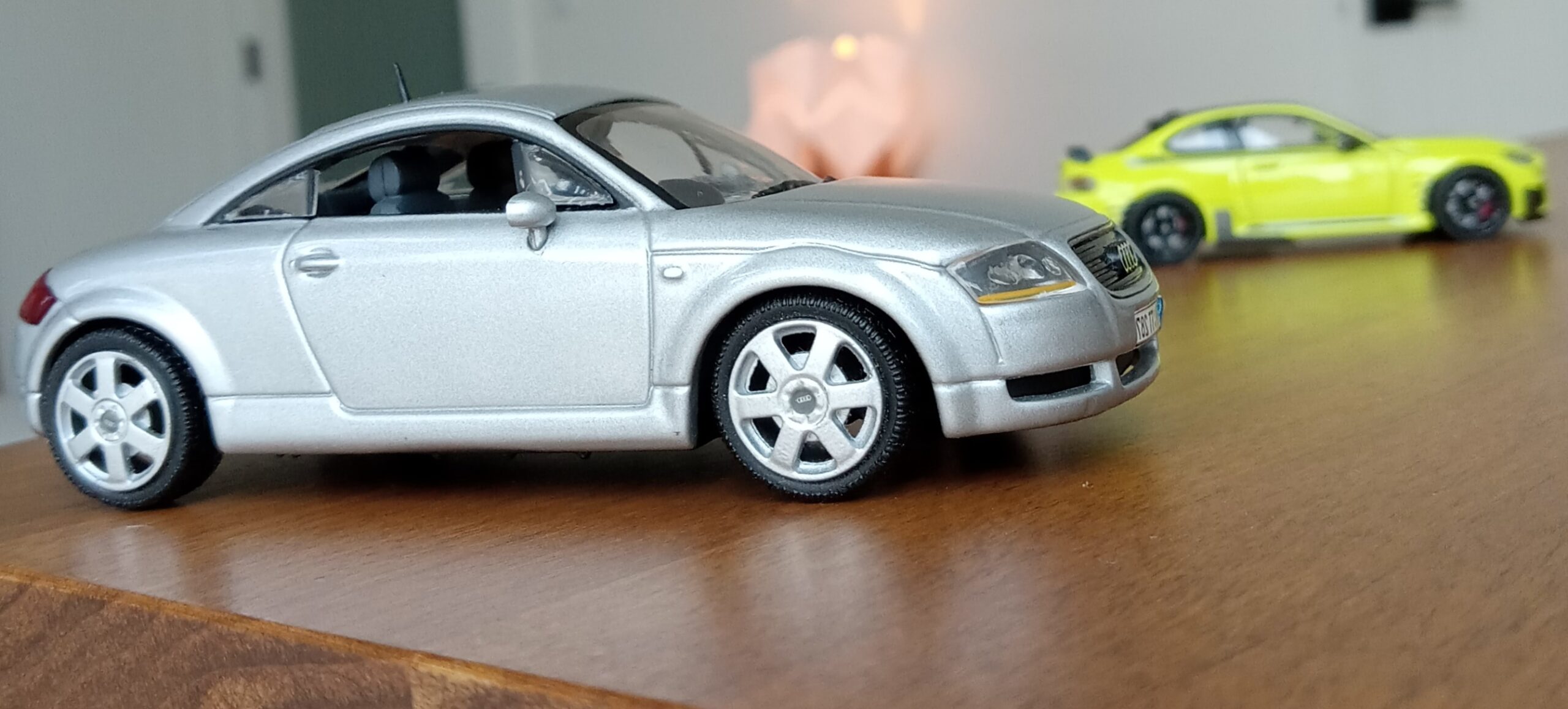
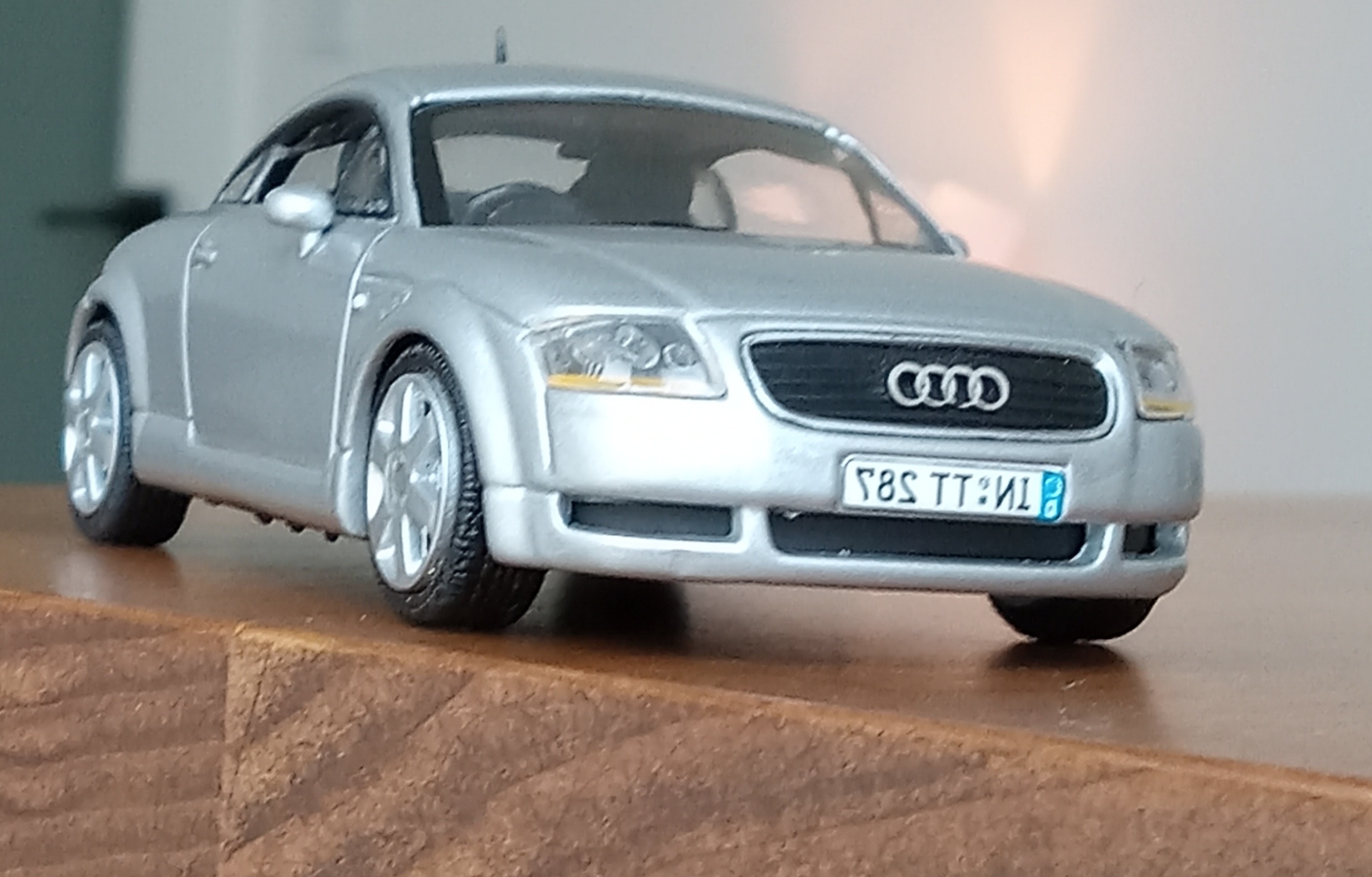
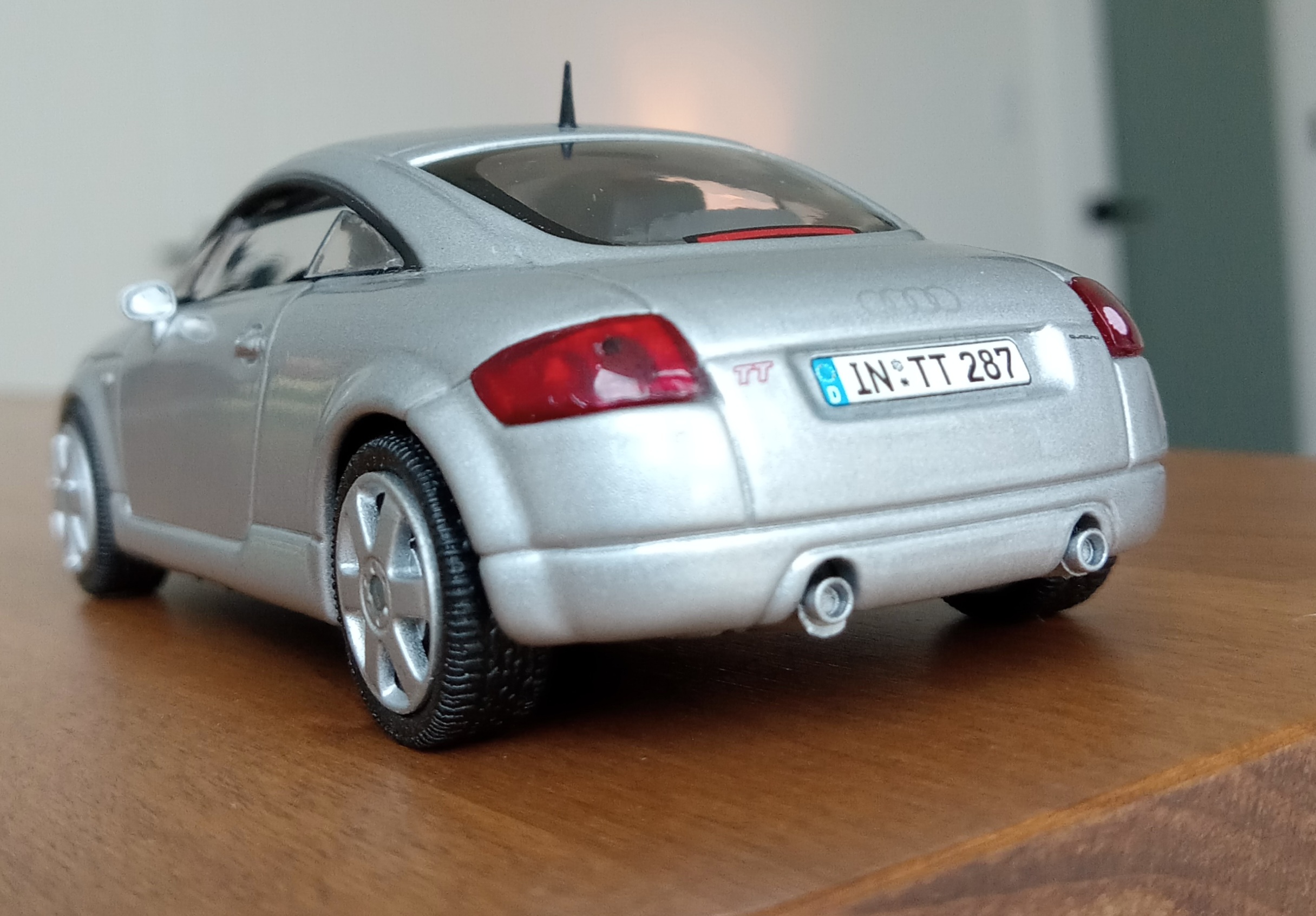
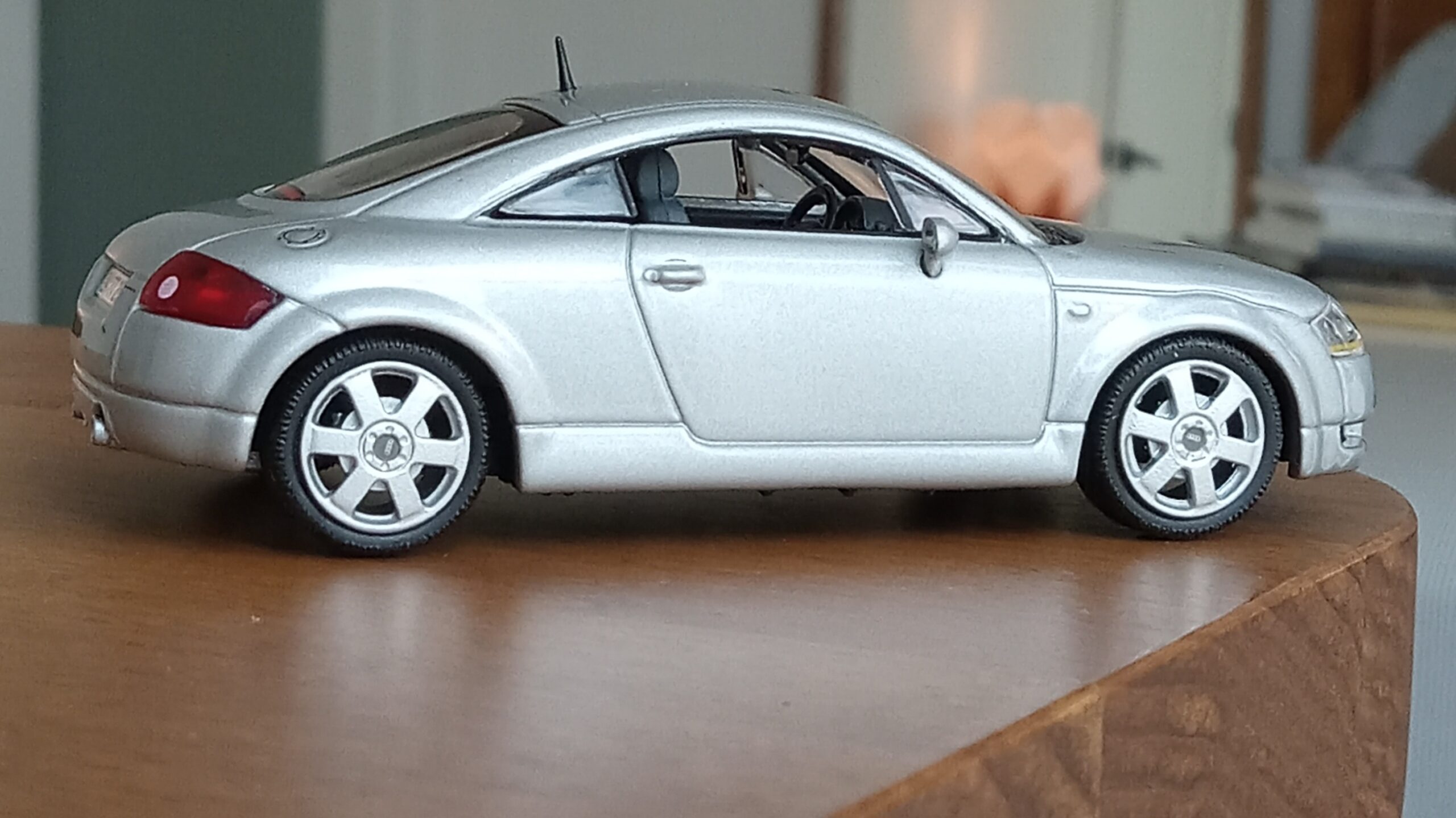
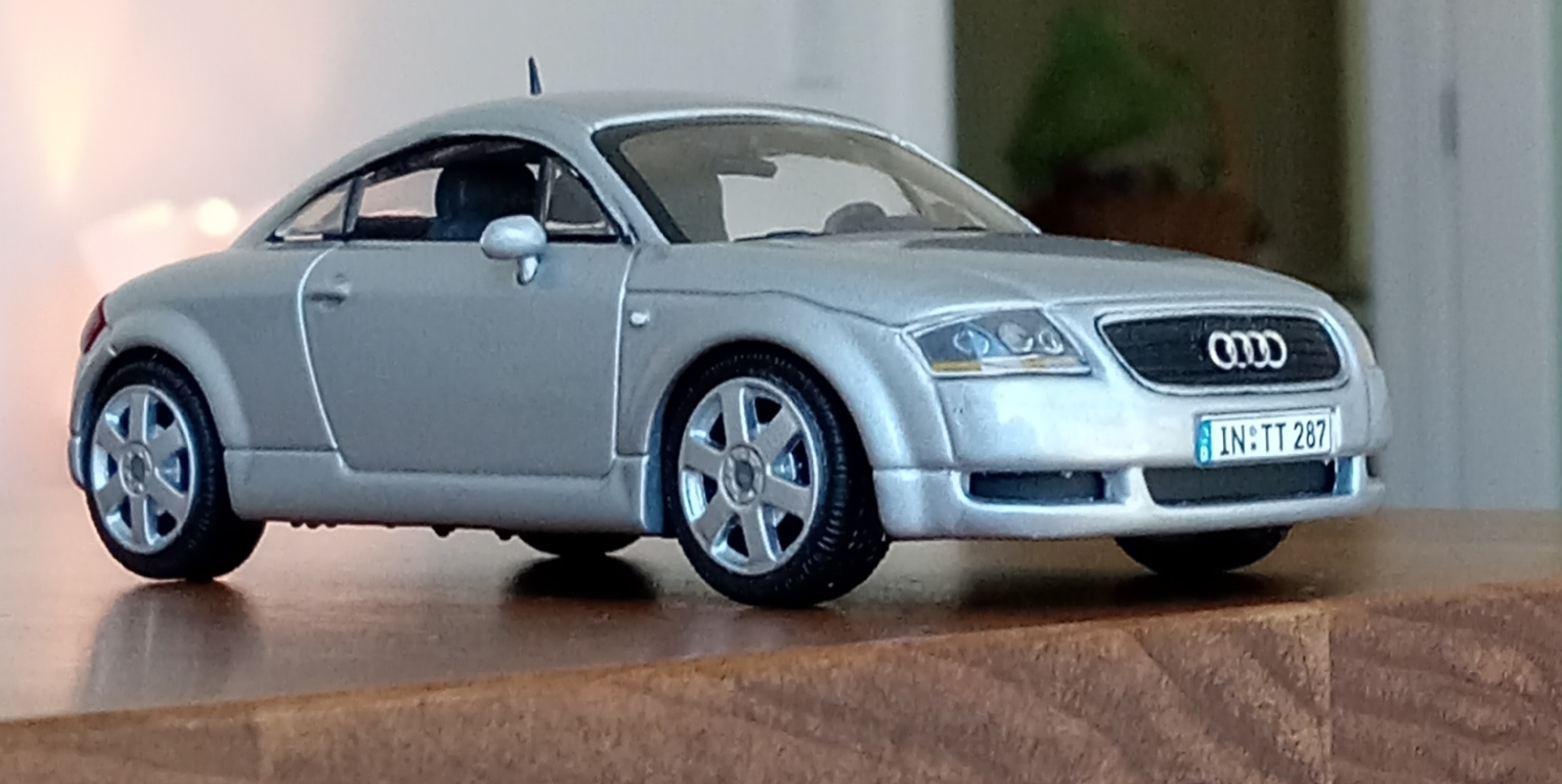
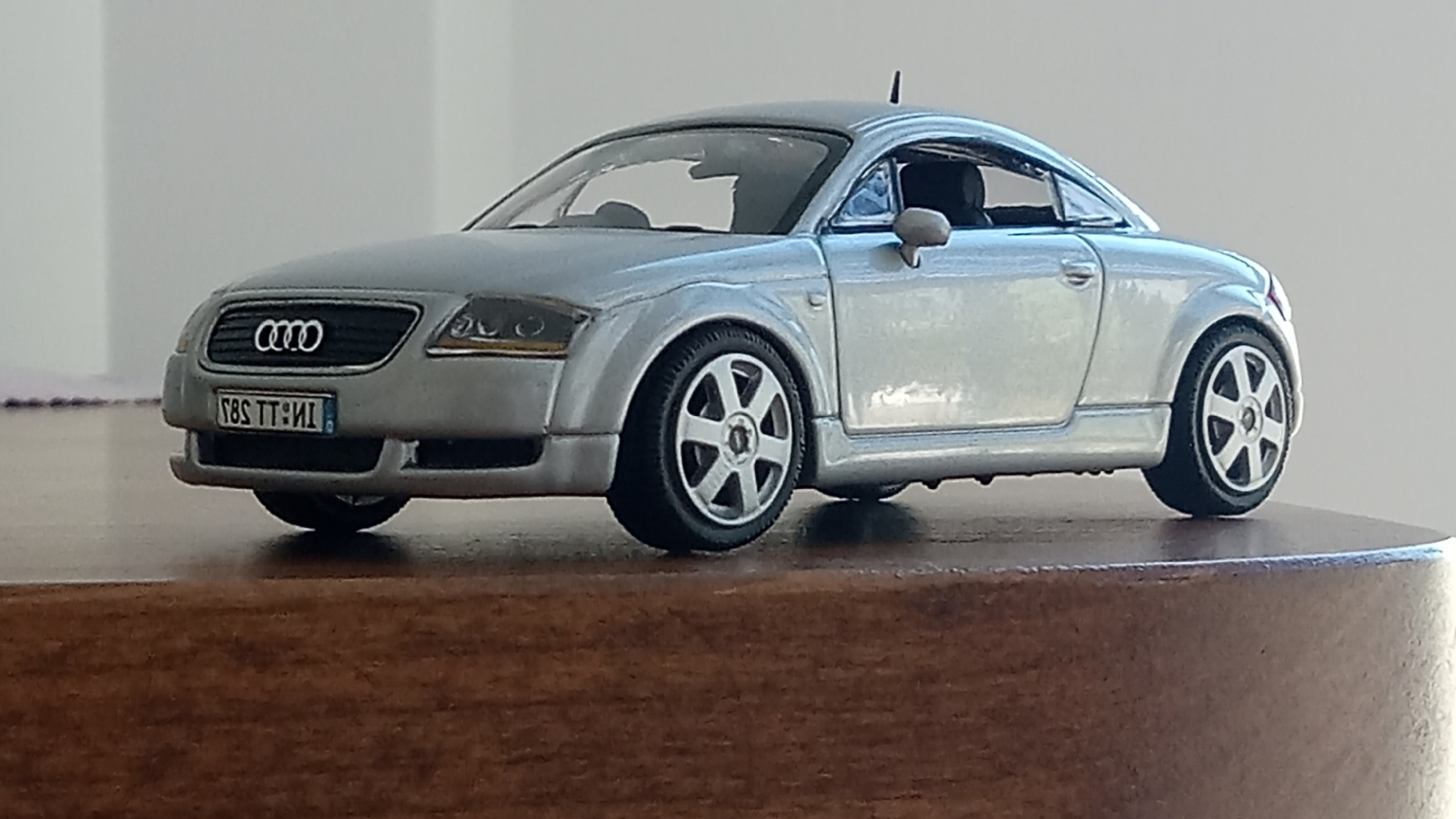
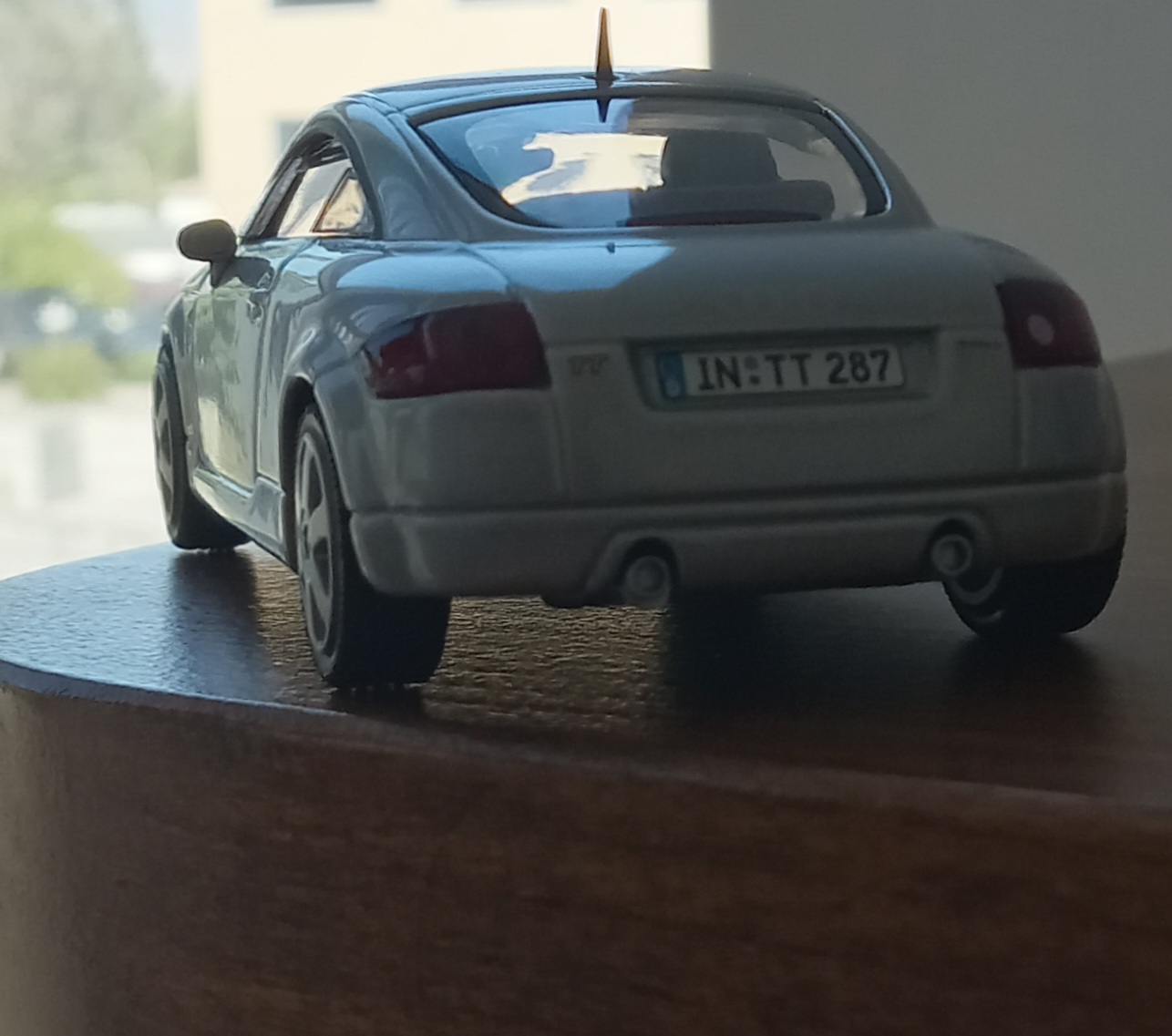
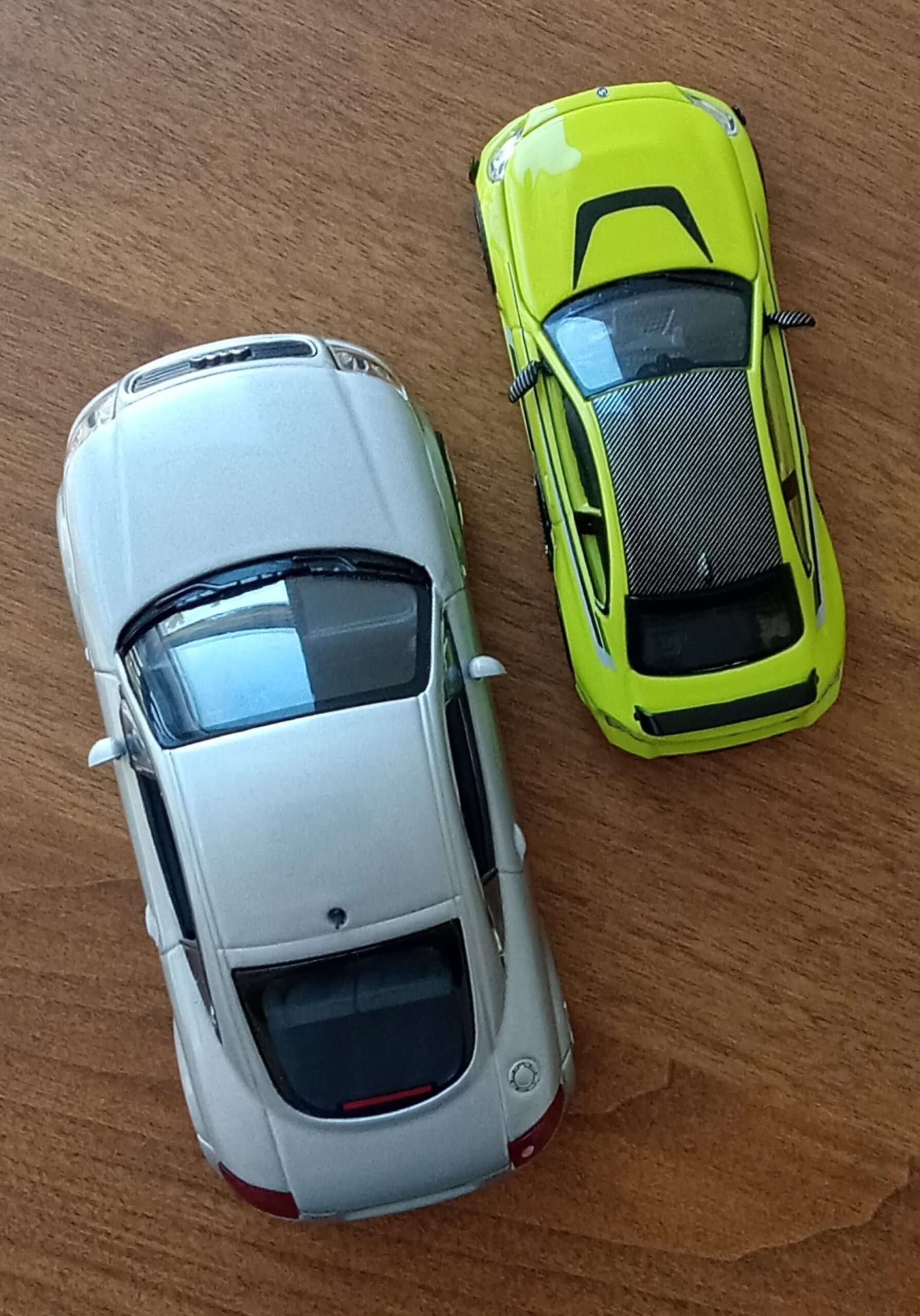
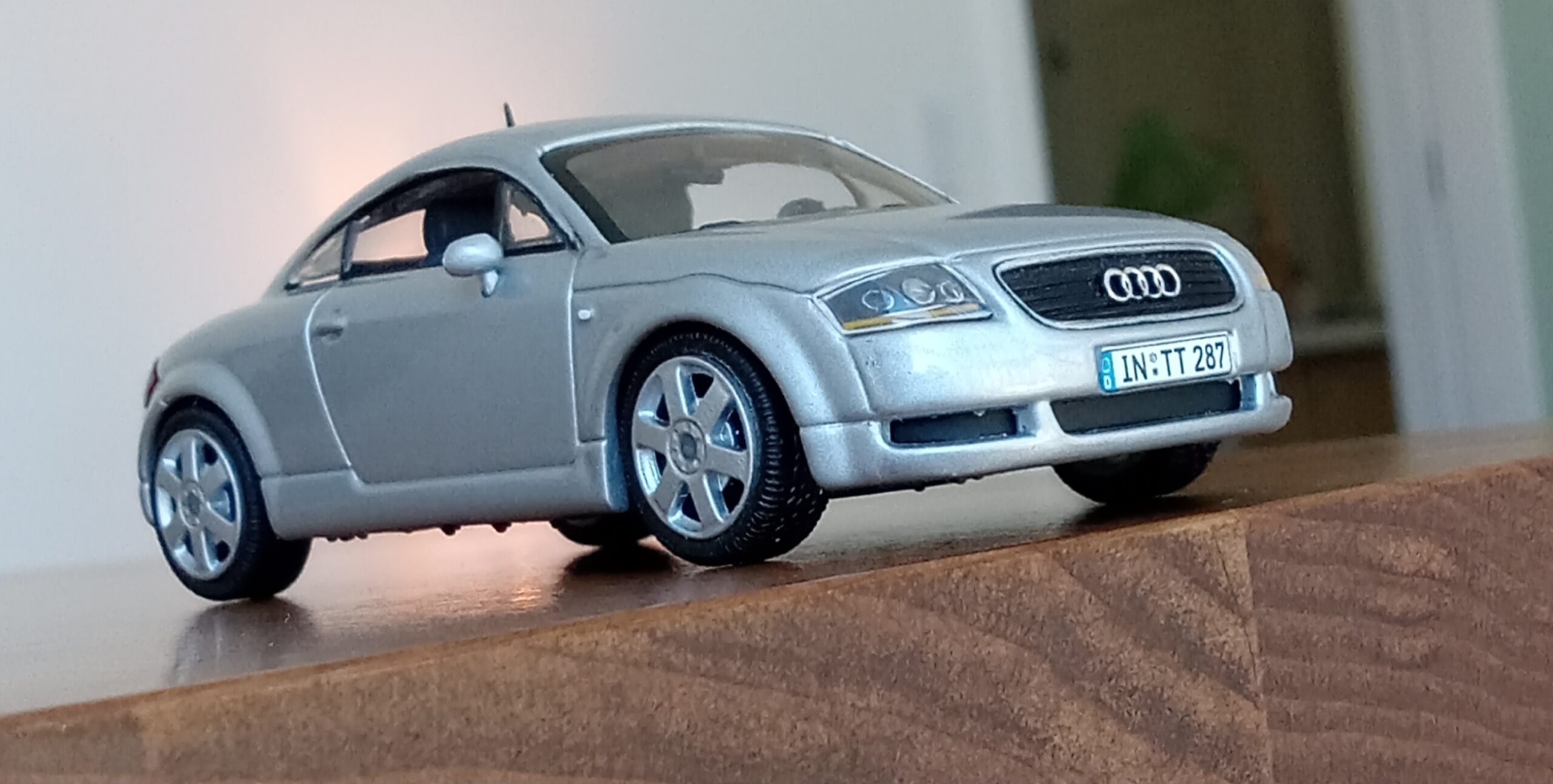
(写真撮影に使用したミニカー:ミニチャンプ社製、1/43ダイキャスト完成品、アウディーTT、1998(シルバー)ーーー>ボディーを上下に分けて、トラックサイズの最大化と軸位置を前傾姿勢に微調整)
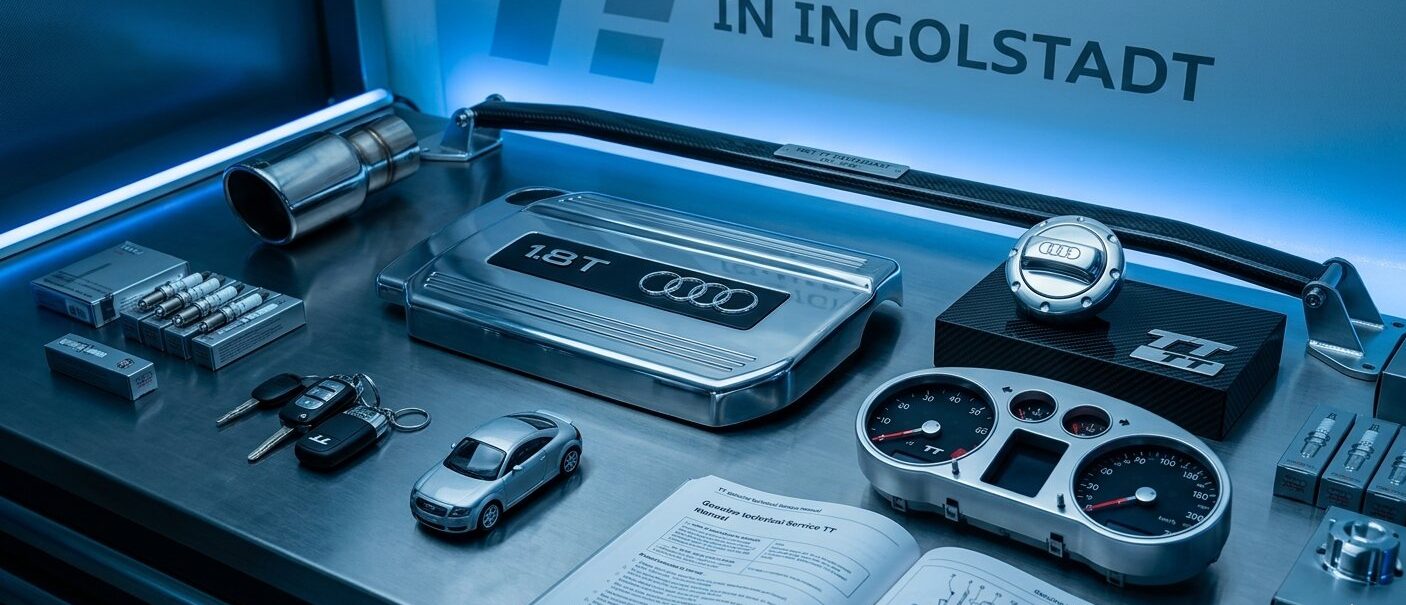
好みの自動車デザイン:第51回ーー2ドア・クーペの系譜: 第31回【ドイツ車編②】 初代アウディー・TT、1998(レイク・シルバー・メタリック)『Iジオメトリック+エモーション=傑作』1st Gen. AUDI TT、1998(Lake Silver Metallic)『Geometry+Emotion』
第51回目の今回は、『2ドアクーペの系譜、第31回』と題しまして、各国のお国柄や、外観デザインの個性が強く表れる、高級2ドア(GT)クーペ / ロードスターについてお話ししてみたいです。【注意:オープンカーを含む】
以下の要領で進めていきます。
第31回の今回はいよいよ
【ドイツ車編②】第004回としまして、
1998年発表の
初代アウディー・TT、1998(レイク・シルバー・メタリック)
についてのお話です。
【2ドア・クーペの系譜:目次】
【米国車編】
第1回:キャデラック・エルミラージュ、2013(メタリック・レッド)
第2回:リンカーン・コンチネンタル MK4、1972(ブラック)
第3回:マーキュリー・クーガー, 1967(LTメタリック・グリーン)
【ドイツ車編】
第4回:MB 500K スペシャル・ロードスター、1936(ブラック)
第5回:MB 300SL ロードスター、1957(シルバー)
第6回:MB SLS AMR ガルウイング、2010(ブラック)
【英国車編】
第7回:マクラーレン・F1、1992(メタリック・オレンジ)
第8回:ジャガー・XKSS ロードスター、1957(ロイヤル・ブルー)
第9回:ジャガー XKR クーペ、1996(ダークメタリック・グリーン)
【日本車・ニッサン編】
第10回:ニッサン 初代シルビア、1965(シャンペン・ゴールド)
第11回:ニッサン 5代目シルビア、1988(LTメタリック・グリーン)
【イタリア車編】
第12回:フェラーリ 250TR ポンツーンフェンダー、1958(赤)
第13回:フェラーリ 250GTO、1962(イタリアン・レッド)
第14回:ランボルギーニ・コンセプトS、2005(パール・ホワイト)
【日本車・マツダ編】
第15回:マツダ コスモ・スポーツ、1968(レーシング・ホワイト)
第16回:マツダ ユーノス・コスモ、タイプ‐S(2トン:黒&グレー)
【フランス車編】
第17回:ブガッティ・タイプ59、1935(フレンチ・ブルー)
第18回:シトロエン・SM、1970(シャンペーン・ゴールド)
第19回:ブガッティ・ラ・ヴォワチュール・ノワール、2019(黒)
【日本車・トヨタ編】
第20回:トヨタ/ヤマハ・2000GT、1967(アイボリー・ホワイト)
第21回:トヨタ・2代目ソアラ、1986 (クリスタル・ホワイトⅡ)
第22回:レクサス LC500【GWZ100型】、2017(MT・レッド)
【米国車編②】
第23回:ダッジ・チャレンジャー、1970&プリムス・バラクーダ、1971
第24回:ダッジ・ヴァイパー SRT‐10 ACR、 2008(ブラック)
第25回:フォード・シェルビーGR-1 コンセプト、2004(クローム)
【日本車・ミツビシ編】
第26回:ミツビシ・ギャラン λ、1976(ブラウン・メタリック)
第27回:ミツビシ・エクリプス【北米仕様】、2006(オレンジ・メタ)
【ドイツ車編②】
第28回:BMW M635CSi、1984 (ダーク・メタリックブルー)
第29回:MB 560SEC AMG 6.0 ワイドボディー、1989(ブラック)
第30回:BMW M2 純正パフォーマンス・パーツ仕様、2025(ネオン・ライム)
第31回:初代アウディー・TT、1998(レイク・シルバー・メタリック)
【日本車・スバル編】
第32回:スバル・クロストレック XV, 2012(ライムグリーン・メタリック】
【英国車編②】
第33回:ロータス・初代エリート, 1959(ブリティシュ・グリーン)
第34回:ロータス・エラン S4 スプリント,1969(2トン:ブルー、ホワイト&金)
第35回:ジャガー・Eタイプ ロードスター,1961(ライトブルー・メタリック)
【日本車:ホンダ(軽量スポーツ編)】
第36回:ホンダ S800、1966(レッド)
第37回:ホンダ 初代CR-X 1.5i、1983(ブルー&シルバー2トン)
第38回:ホンダ ビート、1991(サンバ・イエロー)
【日本車:トヨタ編②】
第39回:トヨタ コロナ・ハードトップ 1800GT-TR、1982 (レッド)
第40回:トヨタ GRスープラ 【DB型・A90/A91】 2019(シルバー)
第41回:トヨタ GR GT, 2027【予定】(ガンメタル系)
【米国車③番外編】:コルベットの系譜
第1回:1967年型 スティングレー【C2】コンバーチブル(ハードトップ・メタ青)
第2回:1972年型 コルベット 【C3】コンバーチブル(メタリック・ブルー)
第3回:1984年型 コルベット クーペ【C4】(ブライト・レッド)
第4回:コルベット・インディー【ミッド・シップの先行開発車】1986(シルバー)
第5回:スティングレー・コンセプト【先行開発車】、2009(プルー・メタリック)
#ドイツの生せる業:『幾何学+情緒=美の極致』

90年代半ばに
美術学校を休学していた時期に、
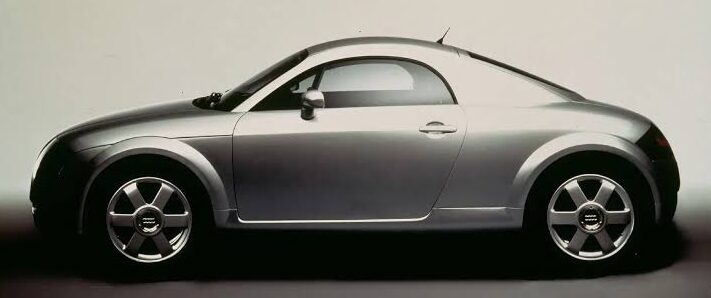 突如発表された、
アウディTTのコンセプト版:
「TT デザイン・スタディ・モデル、1995」
を見た時の衝撃は今でも忘れません。
そのパワフルな立体彫刻は、
*幾何学的な力強い楕円や直線のみを使って、
*ポルシェ911の似顔絵を描いた感じ、
がすさまじく、すぐ様に多様なスケッチを描いて、その素晴らしさを実感しました。
復学後、学部長のケン奥山氏と会食させていただいた折、
*TTの幾何学的な部分以上に、
*隠れた、情緒的ラインのすばらしさ、
(後ろに行くにしたがって、さりげなく絶妙にスイープ・アップした、ボディー下の見切りラインなど)
を教えていただき、TTが更に好きになりました。
1998年にほとんどそのままの姿で
発売開始された実車に友人が乗っていたこともあり、
常に身近にその奇跡的な出で立ちを感じていました。
こんな類まれな傑作車:
アウディ・TTについて、
以下の要領で深堀していきたいです。
*実車解説:
*外観デザインの特徴:
*『私』とアウディ・TT
*三題噺:バウハウス・革命児・フリーマントーマス
*その他の『幾何学的』傑作車たち、、、
*実車解説:『幾何学と情緒』の超絶な融合!

n
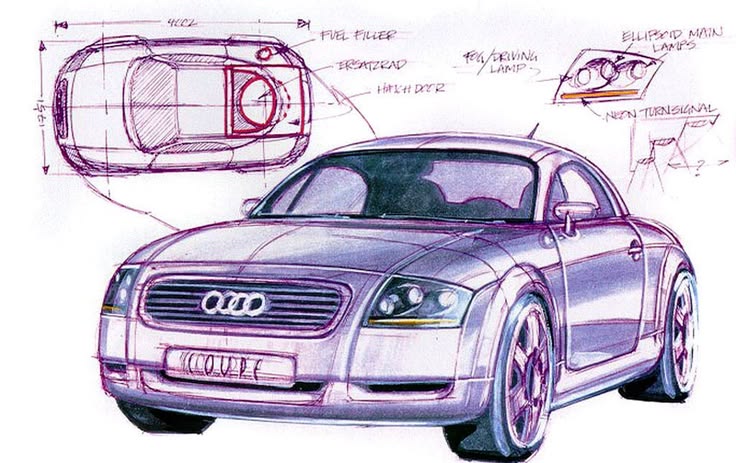
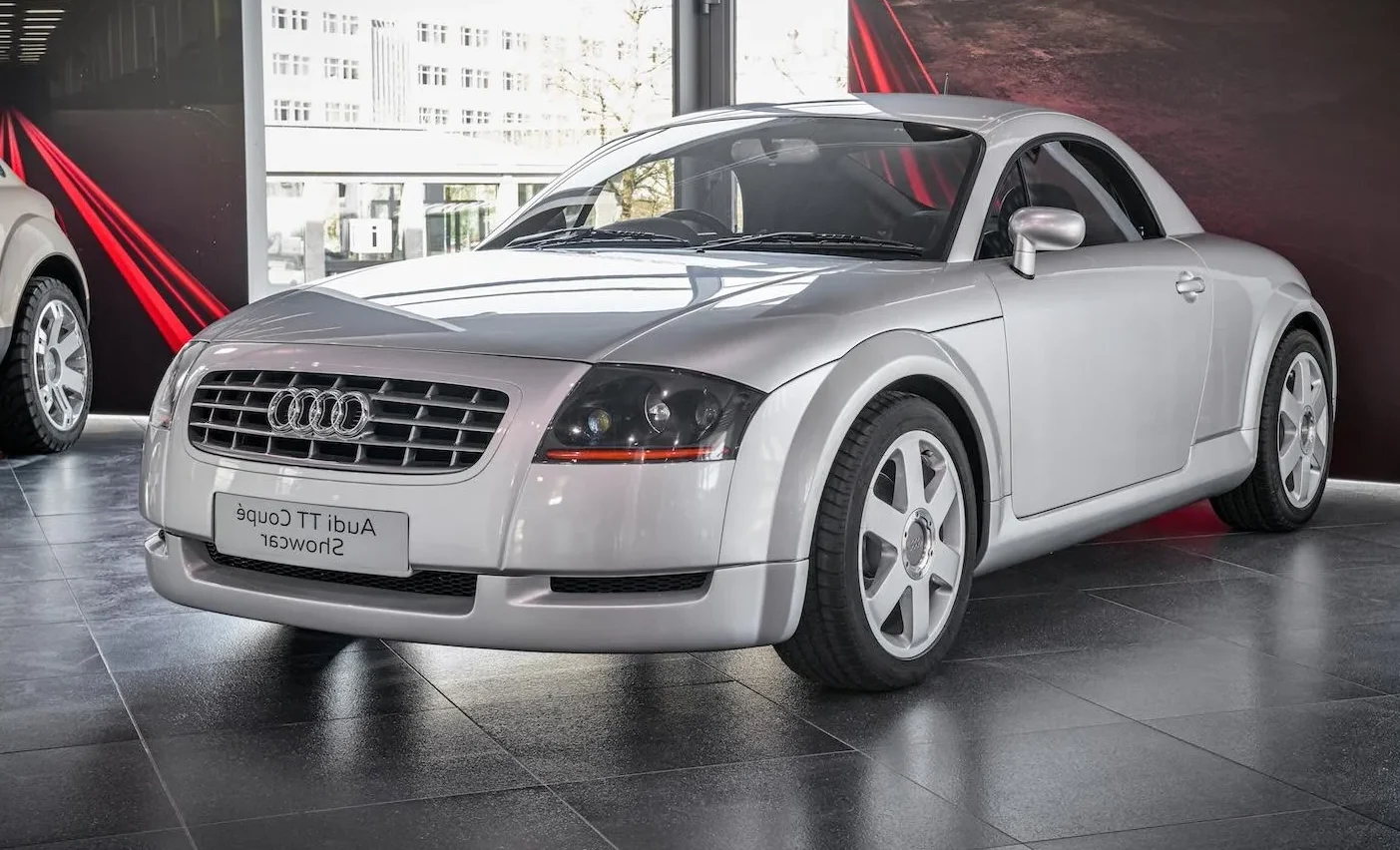
1998年に登場した初代アウディ・TT(タイプ8N)は、それまでの自動車デザインのセオリーを根底から覆した歴史的傑作です。アメリカ人デザイナーのフリーマン・トーマスがスケッチを描き、当時のデザイン部門責任者ペーター・シュライヤーがまとめ上げたこの一台は、ドイツの芸術運動「バウハウス」の精神を色濃く反映しています。
n
 n
nn
n
n
n
n
n
n
n
n
n
n
nn
n
n
n
n
n
n
n
n
n
n
n
n
n
n
n
n
n
n
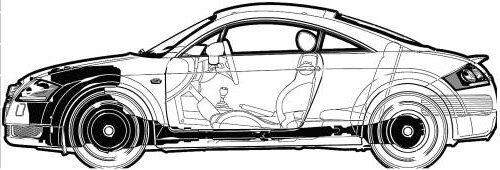
れた幾何学的なプロポーション(比率)にあります。
n
n
n
n
n
n
n
n
n
n
n
n
n
n
- フェンダーアーチ:タイヤを中心とした美しい半円のアーチが、力強く張り出しています。
- ルーフライン:サイドから見たとき、ルーフ(屋根)は前後対称に近い、一本の美しい孤(アーク)を描いてキャビンを包み込んでいます。
- 前後オーバーハングの対称性:フロントの先端から前輪までの長さ(フロントオーバーハング)と、リアの先端から後輪までの長さ(リアオーバーハング)の視覚的なボリュームがほぼ均等に作られており、車体全体がひとつの大きな「塊(カタマリ)」に見えるよう設計されています。
n
n
- ヘッドライト:現代の車のように吊り上がったり、複雑に変形したりしていません。ほぼ長方形に近いシンプルな形状の中に、丸いプロジェクターレンズが整然と配置されています。
- フロントグリル:アウディ伝統の「4つのリング(フォーリングス)」を中央に配した、プレーンな格子状のグリルです。派手な威嚇をせず、知的でタイムレスな表情を作り出しています。
n
- フラッシュサーフェス化(平滑化):ドアガラスとピラー(柱)、ボディの鉄板との段差が極限まで減らされています。視覚的なノイズ(凸凹)を徹底的に排除しています。
- ブリスターフェンダー:アウディのお家芸である「クワトロ(4WDシステム)」の力強さを表現するため、ホイールハウス周辺がカチッと四角く、しかし滑らかに外側へ張り出しています。ただ丸いだけのデザインに「力学的な強さ」を与えるスパイスとなっています。
n
- なだらかに落ちるテールエンド:ルーフからリアガラス、そしてトランクの先端へと、一切の段差なく一枚の滑らかな面として繋がっていくテールデザインは、初代TTの最も官能的で美しい部分です。
- テールランプの配置:フロントヘッドライトと完全に呼応(対比)する形で、シンプルな矩形(くけい)のライトがボディの角に埋め込まれています。
n
n
n
n
n
n
n
n
n
n
n
6. 結論:現代カーデザインに与えた影響
n
n
n
n
n
n
n
N
n
n
n
n
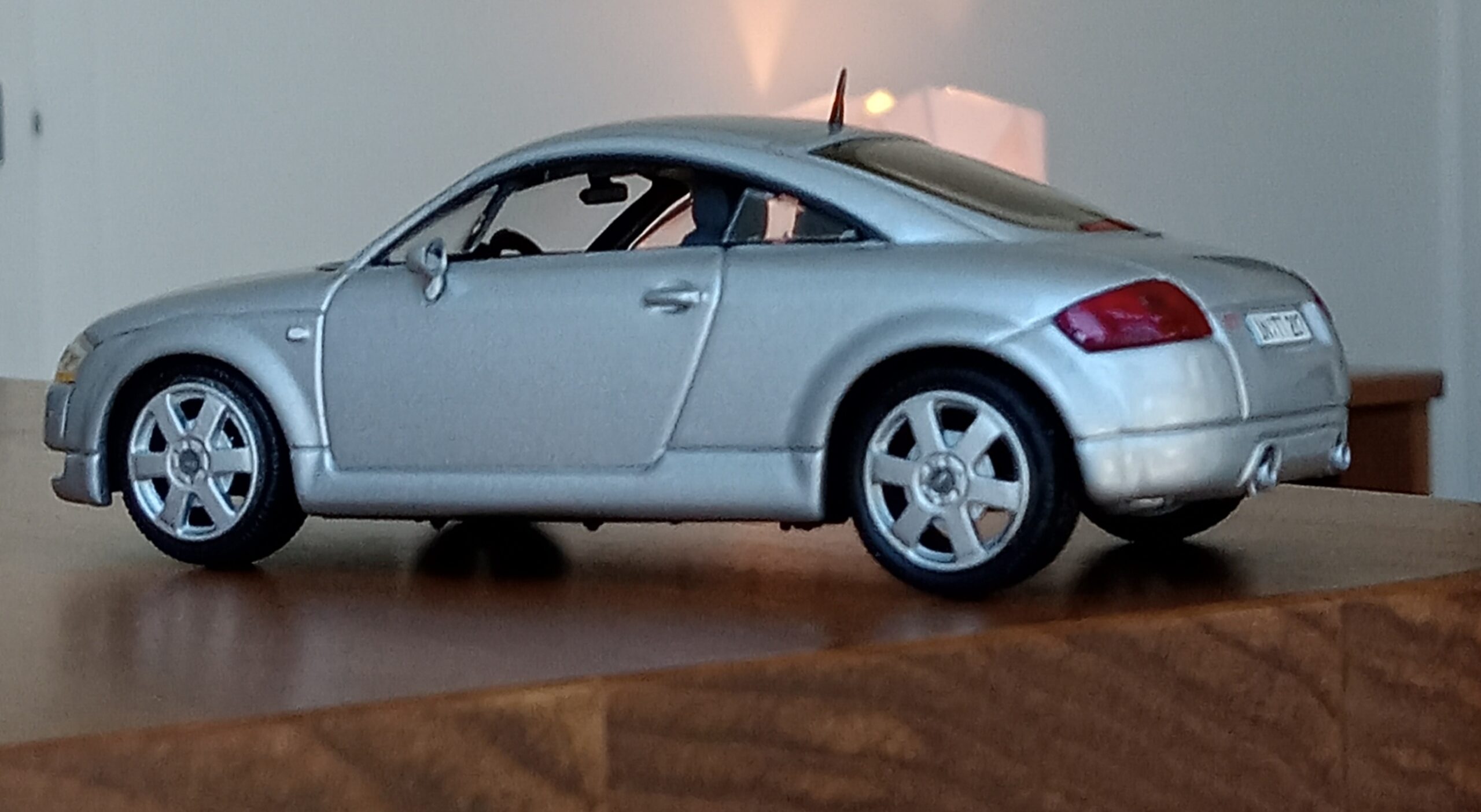
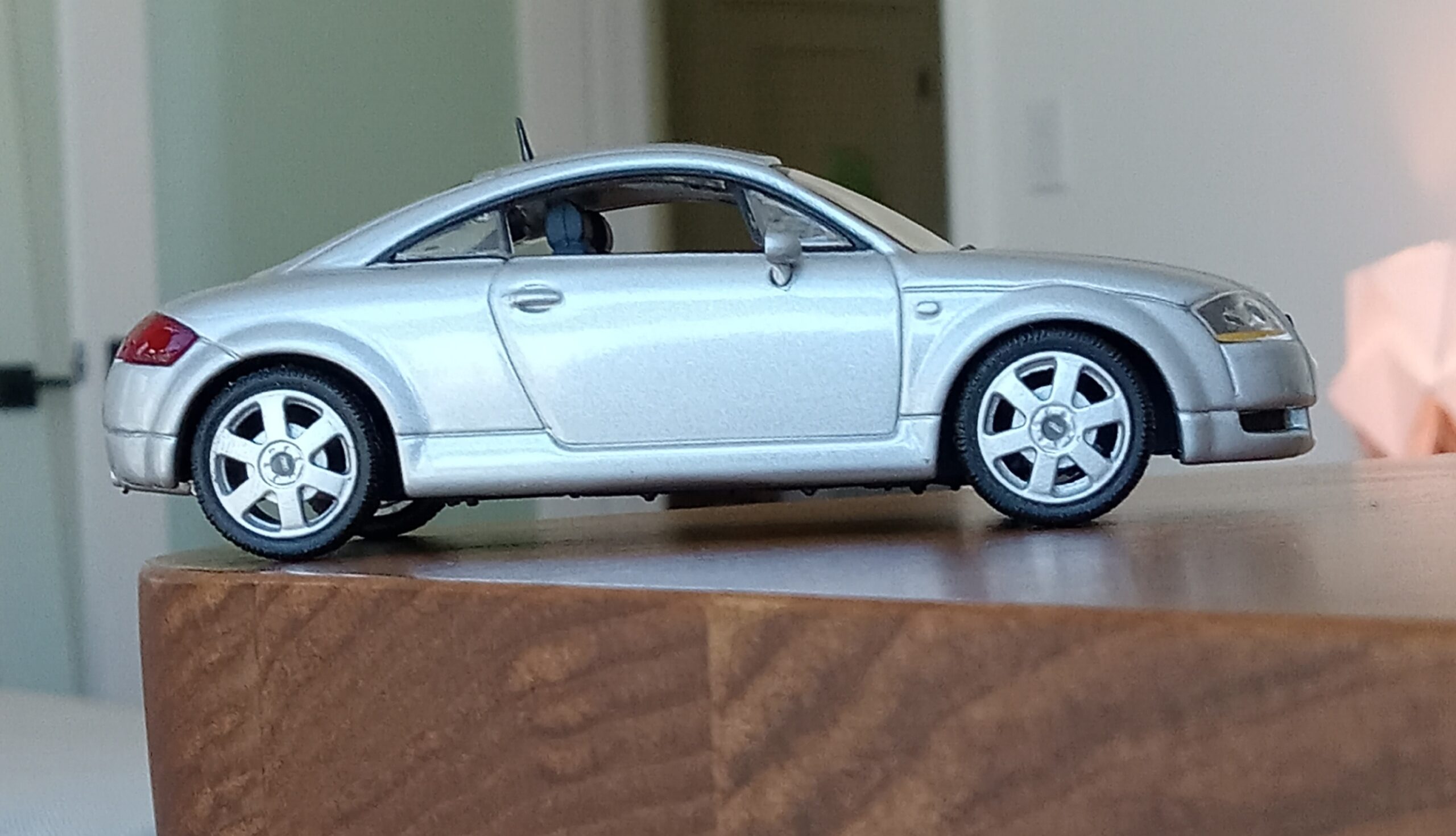
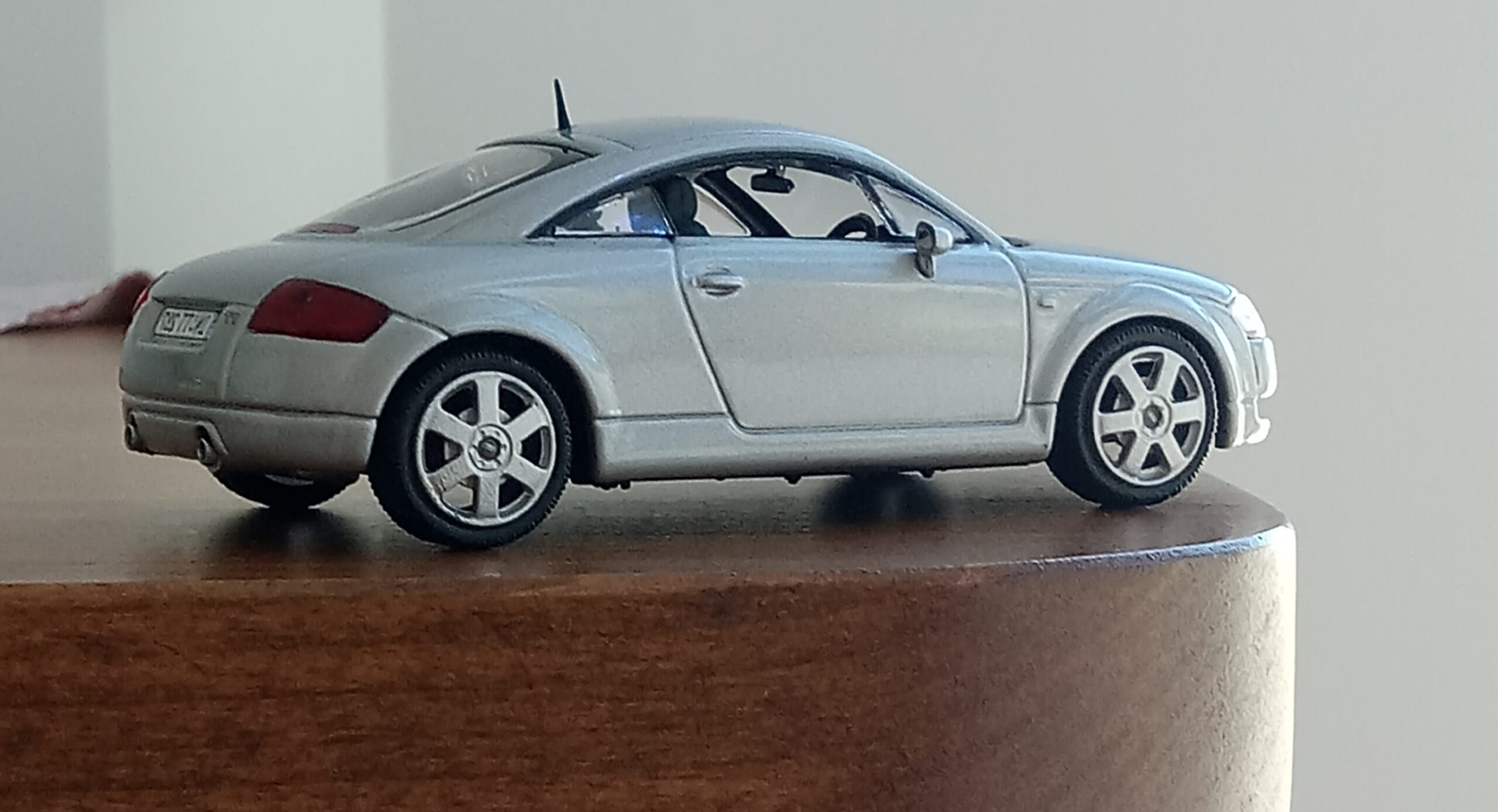
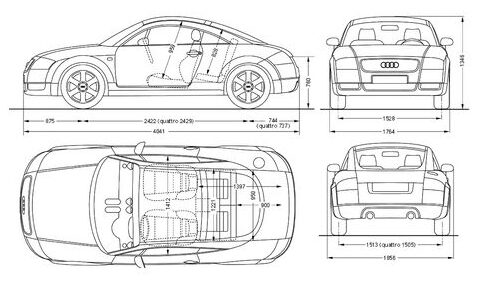
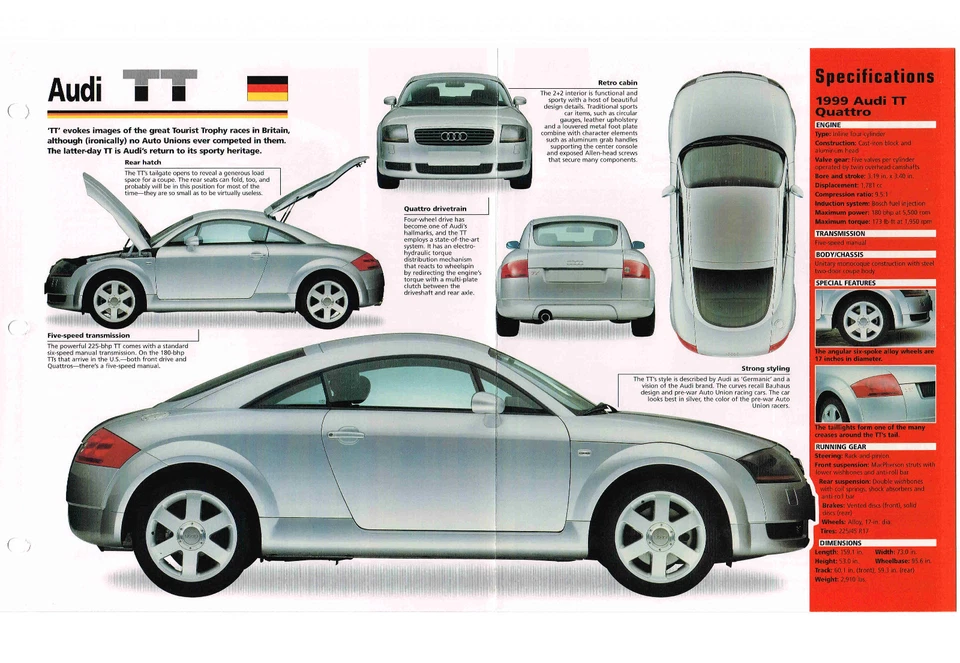
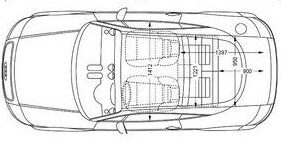
#三面写真:
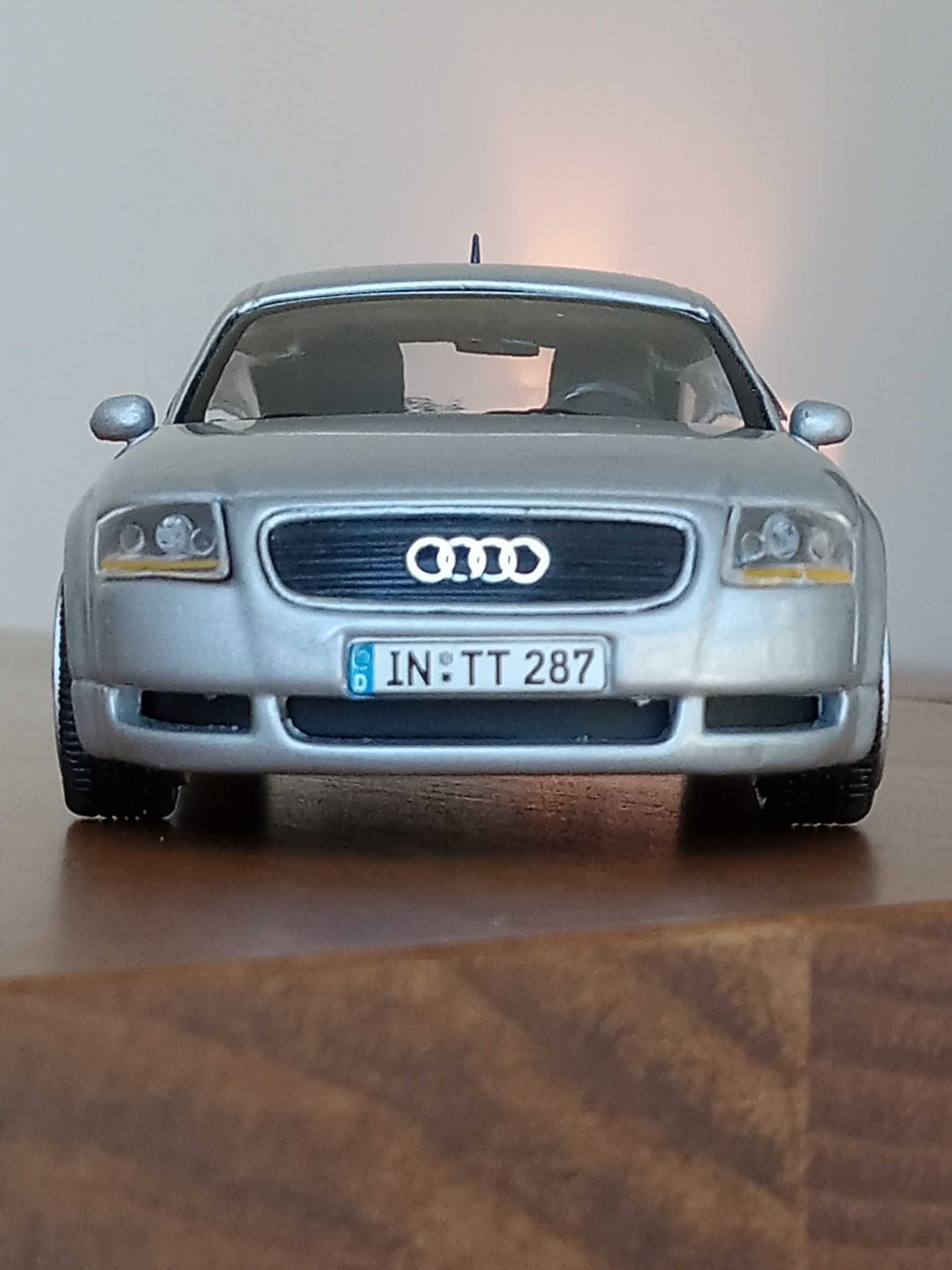
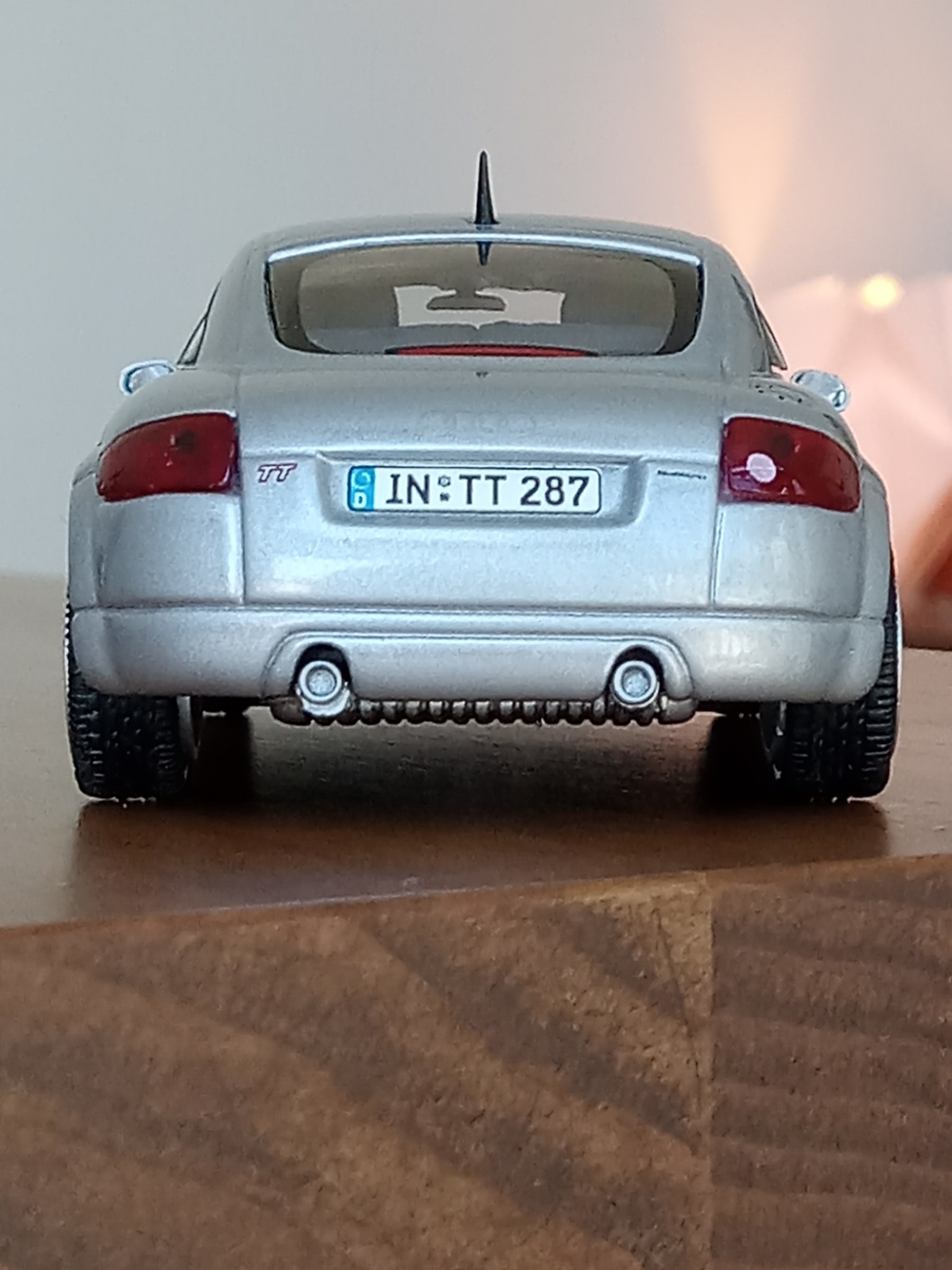
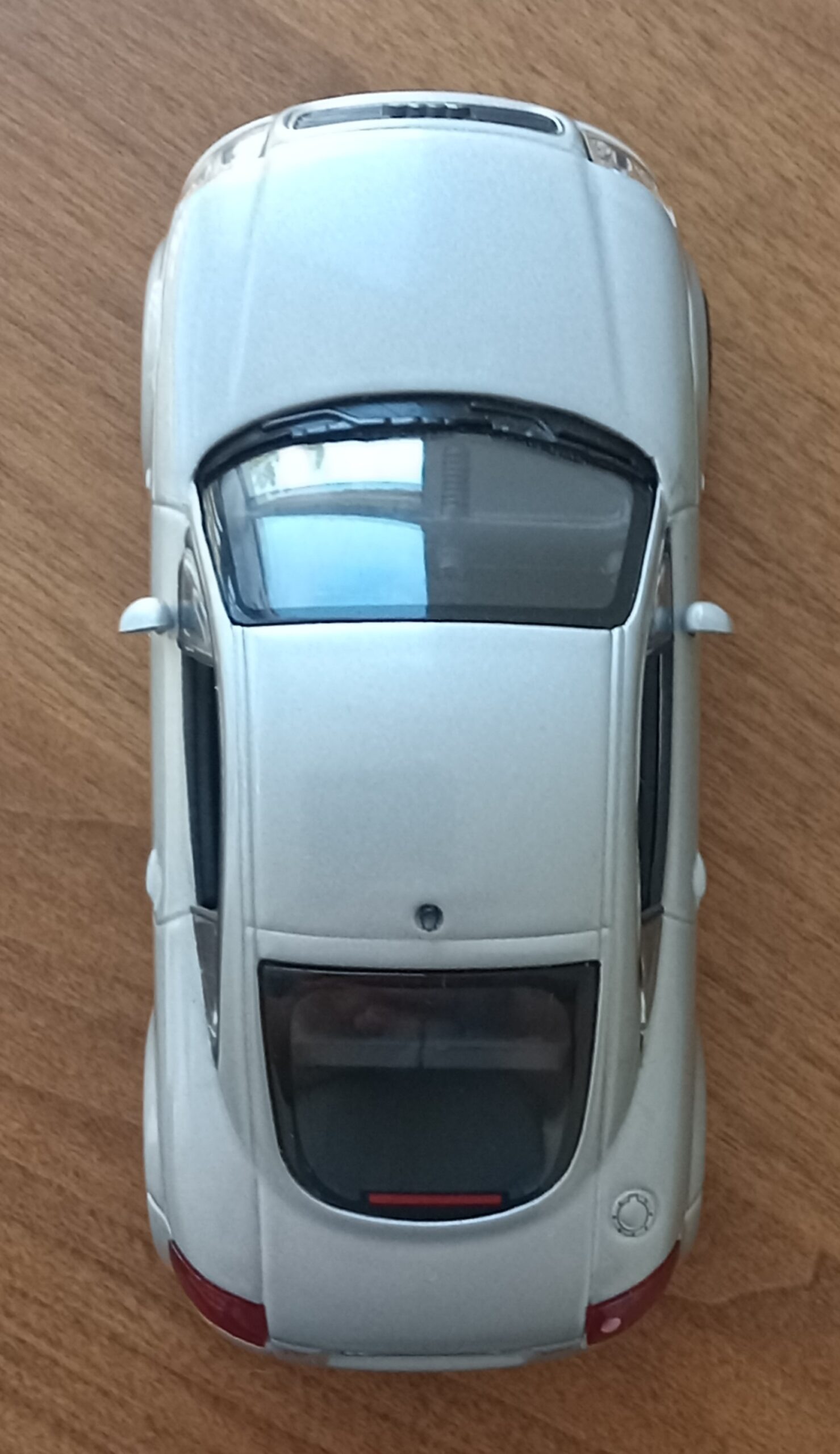
#主要諸元【8N型】:
- 型式:APX / BAM型
- 総排気量: 1,780 cc、直列4気筒DOHC20バルブIC付ターボ
- 燃料供給 : 電子制御式フューエルインジェクション
- 最高出力 : 225 ps (165 kW) / 5,900 rpm
- 最大トルク:: 28.6 kg・m (280 N・m) / 2,200〜5,500 rpm
- 駆動方式:フルタイム4WD (quattro)
- 定員:4名(2+2)
- 車体形式:2ドア・クーペ
- ホイールベース:2,425 mm
- 全長:4,060 mm
- 全幅:1,765 mm
- 全高:1,340 mm
- 車両重量:
1,330 kg
*外観デザインの特徴:蘇ったバウハウス・デザイン
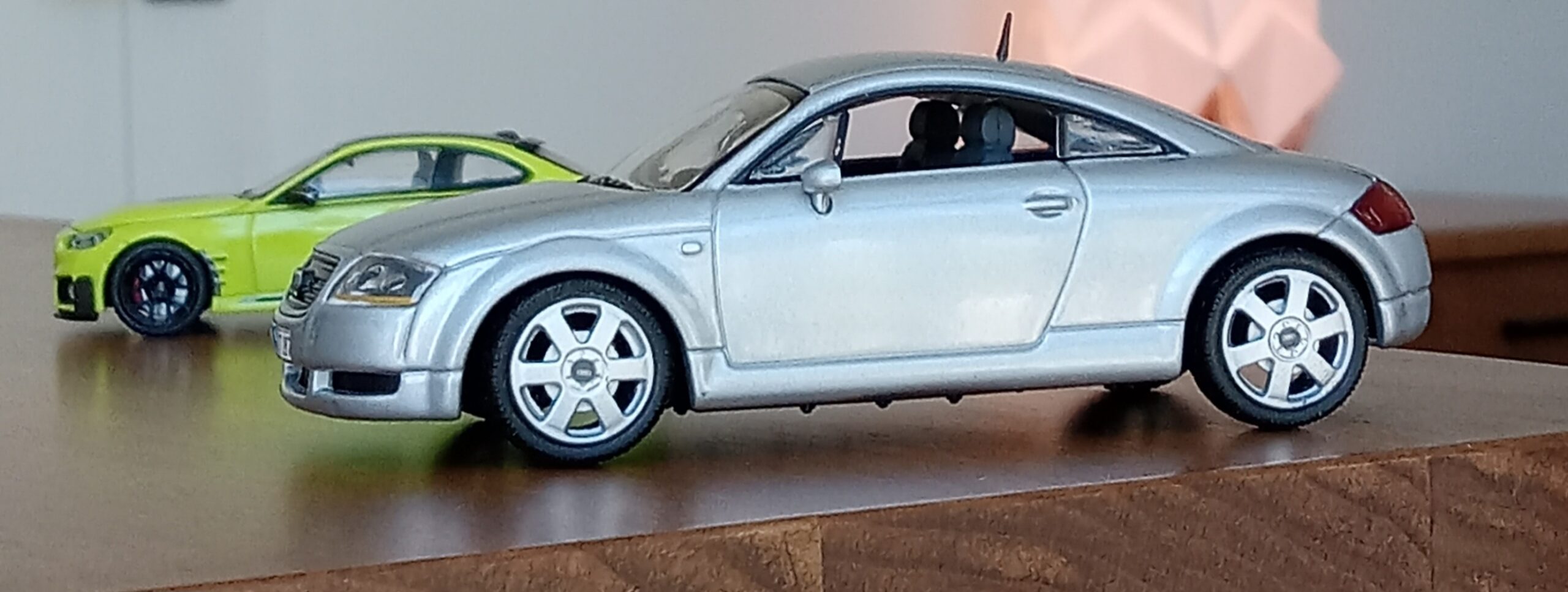
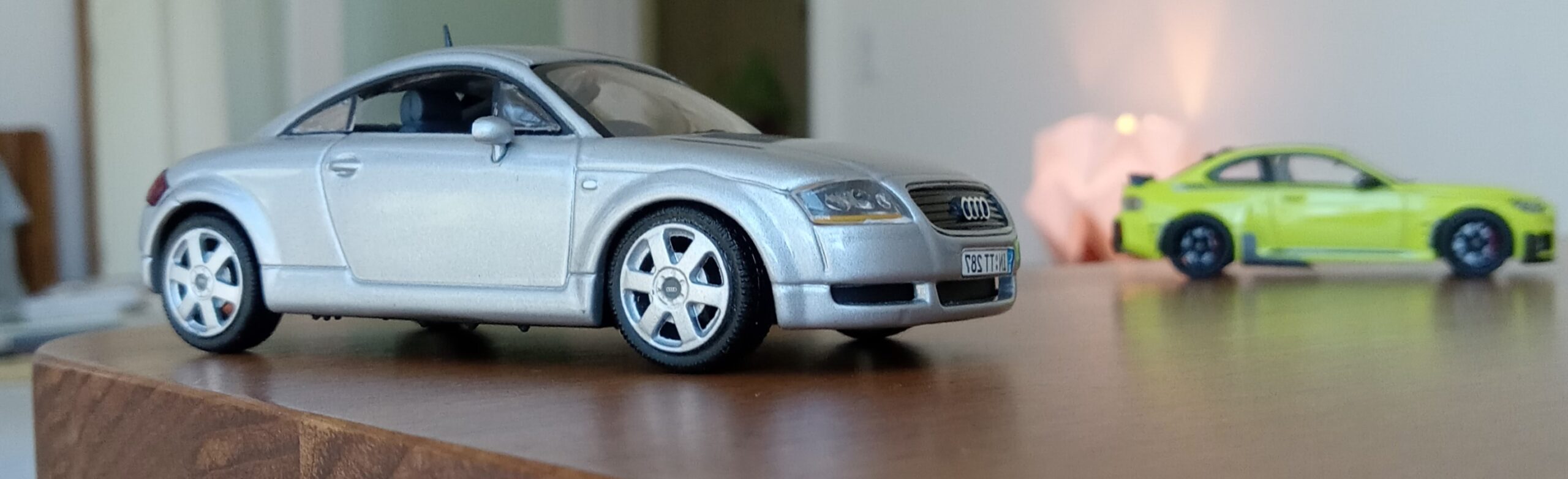
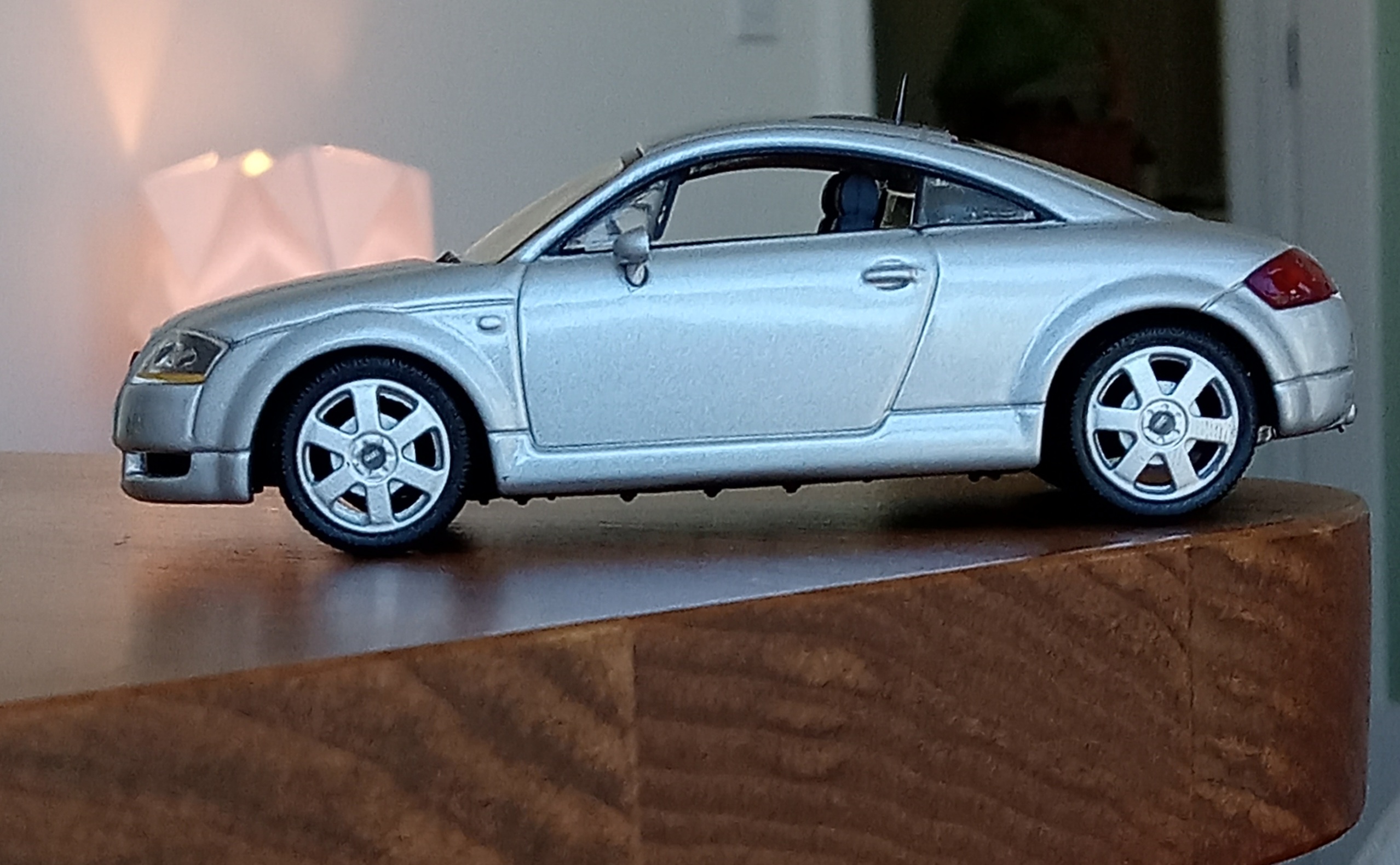
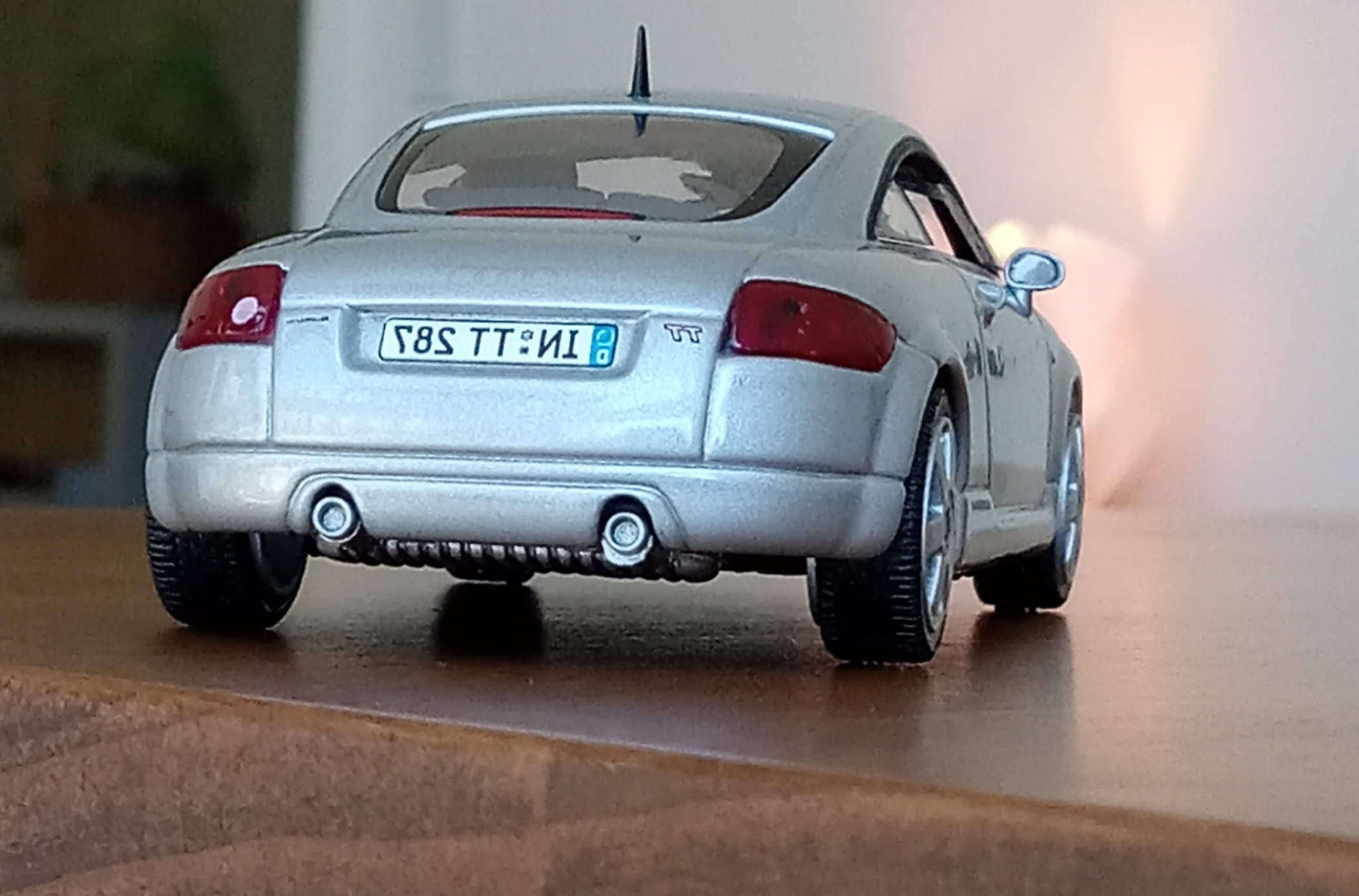
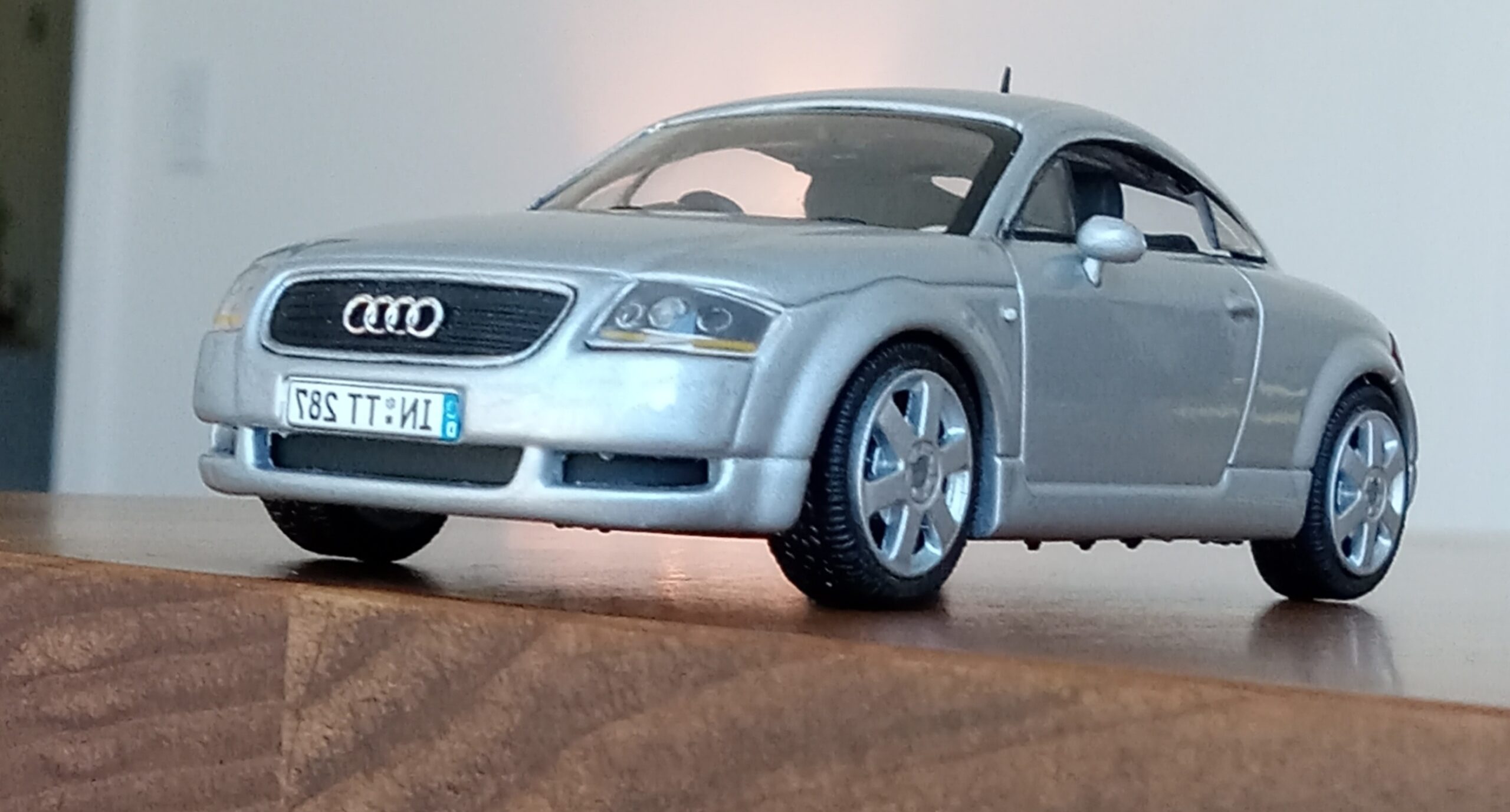
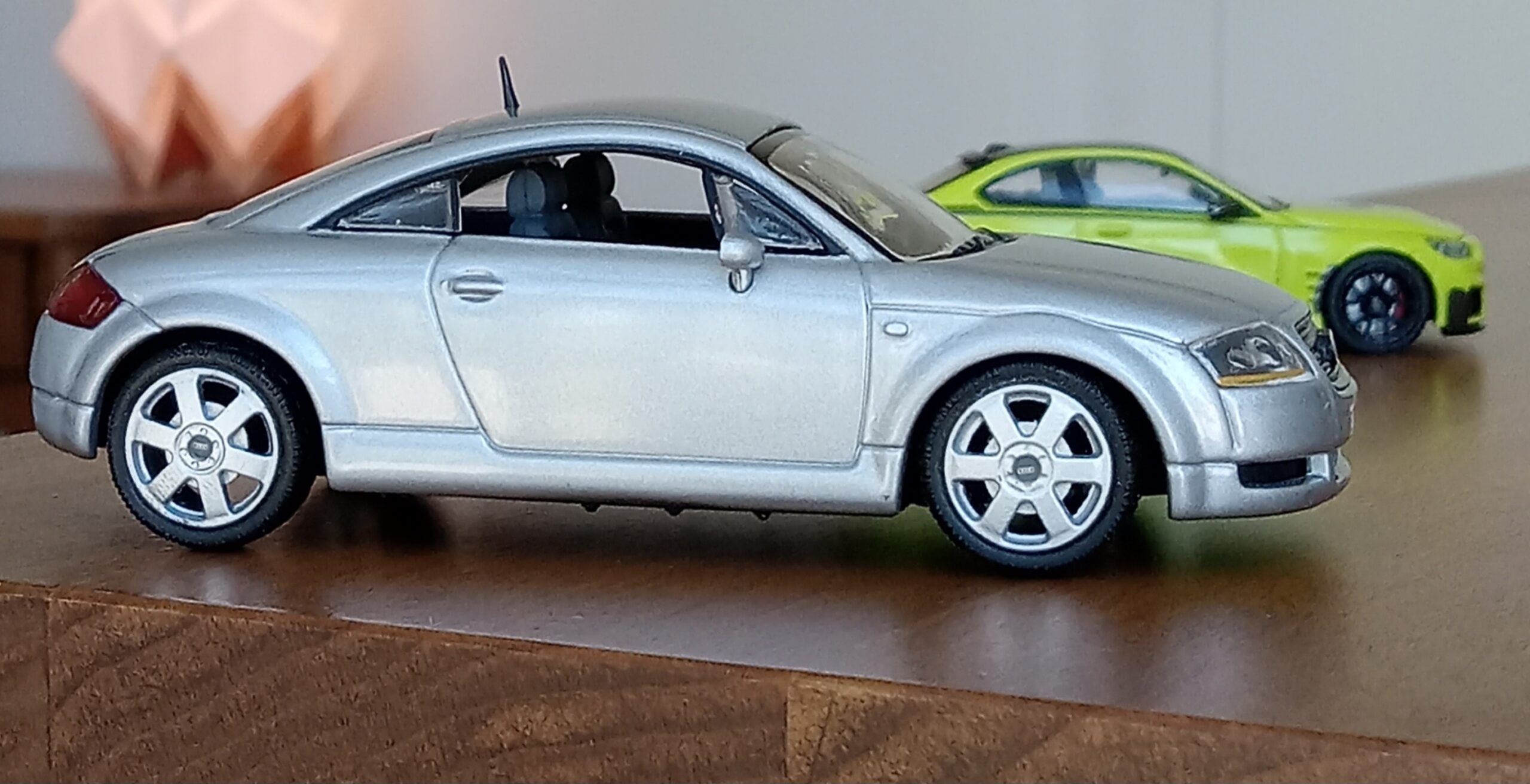
4mちょっとの小柄な全長の中に、
バウハウス的な3次元幾何学構成を実体化させた:
【アウディーTT】という実験は
見事な成功を収めました。
この稀有な名車の外観デザインの特徴を
以下の5点に絞り検討してみます。
1:アウディー、VWグループの小型FFシャーシの上に、分度器、コンパス、定規、雲形定規を駆使した上に、情緒的なディーテール、線分による魔法をかけることで成し得た、真似のしようがないほど完成された立体造形です。ーーーー>皇帝:ピエヒ氏全盛期の、アウディーデザインチームの勢いがひしひしと染み渡っています。
2:全体の大胆な面処理とコントラストを奏でる、フロントフェンダーとボンネット、ドアとスカットル部の見切り線などにみられる、小気味いいグラフィック処理の妙味ーーー>思わず真似したくなる処理ですね!
3:気持ちよく収まったフロントグリル、ヘッドライトが形作る、一度見たら忘れない、強烈な表情ーーー>何度も繰り返される『1/4の円弧』が素晴らしいリズムを奏でています。
4:高めのショルダーラインの上にちょこんとかぶさるハードトプ部分の得も言われぬ、半水滴型の美しさーーー>もちろんCD値にも貢献しています!
5:ロングホイールベースと比較的大柄なタイヤが生み出す、『抜群のスタンス感』
それではそれぞれ、
写真入りで見て行きましょう。
1:アウディー、VWグループの小型FFシャーシの上に、分度器、コンパス、定規、雲形定規を駆使した上に、情緒的なディーテール、線分による魔法をかけることで成し得た、真似のしようがないほど完成された立体造形です。
(フロントコーナー部分を大きくえぐるように丸めることで、リアオーバーハングと視覚的に同等の長さに見せることに成功ーーー>FFシャーシの弱点である、フロントオーバーハングの長さを巧妙に隠しています。)
ーーーー>皇帝:ピエヒ氏全盛期の、アウディーデザインチームの勢いがひしひしと染み渡っています。
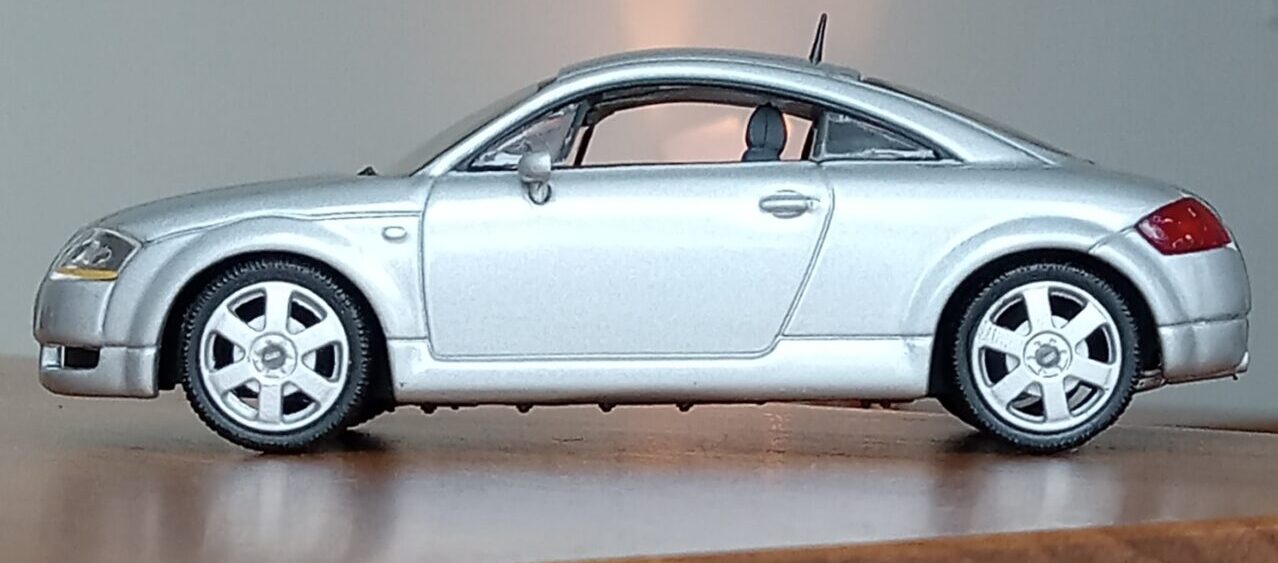
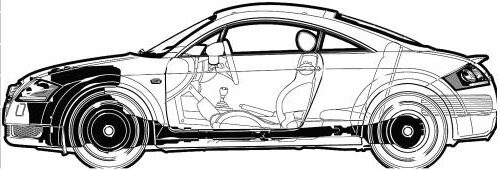
2:全体の大胆な面処理とコントラストを奏でる、フロントフェンダーとボンネット、ドアとスカットル部の見切り線などにみられる、小気味いいグラフィック処理の妙味
ーーー>思わず真似したくなる処理ですね!
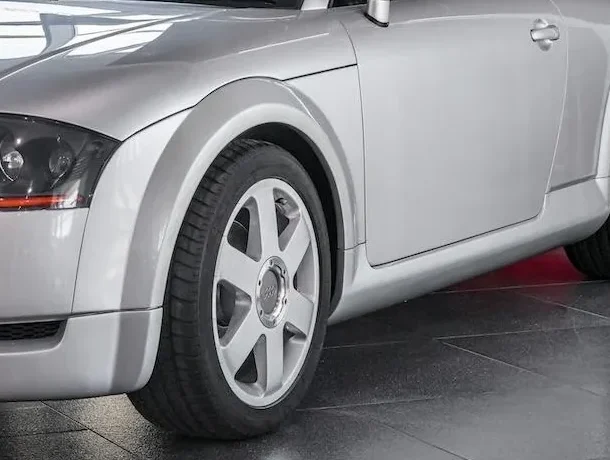
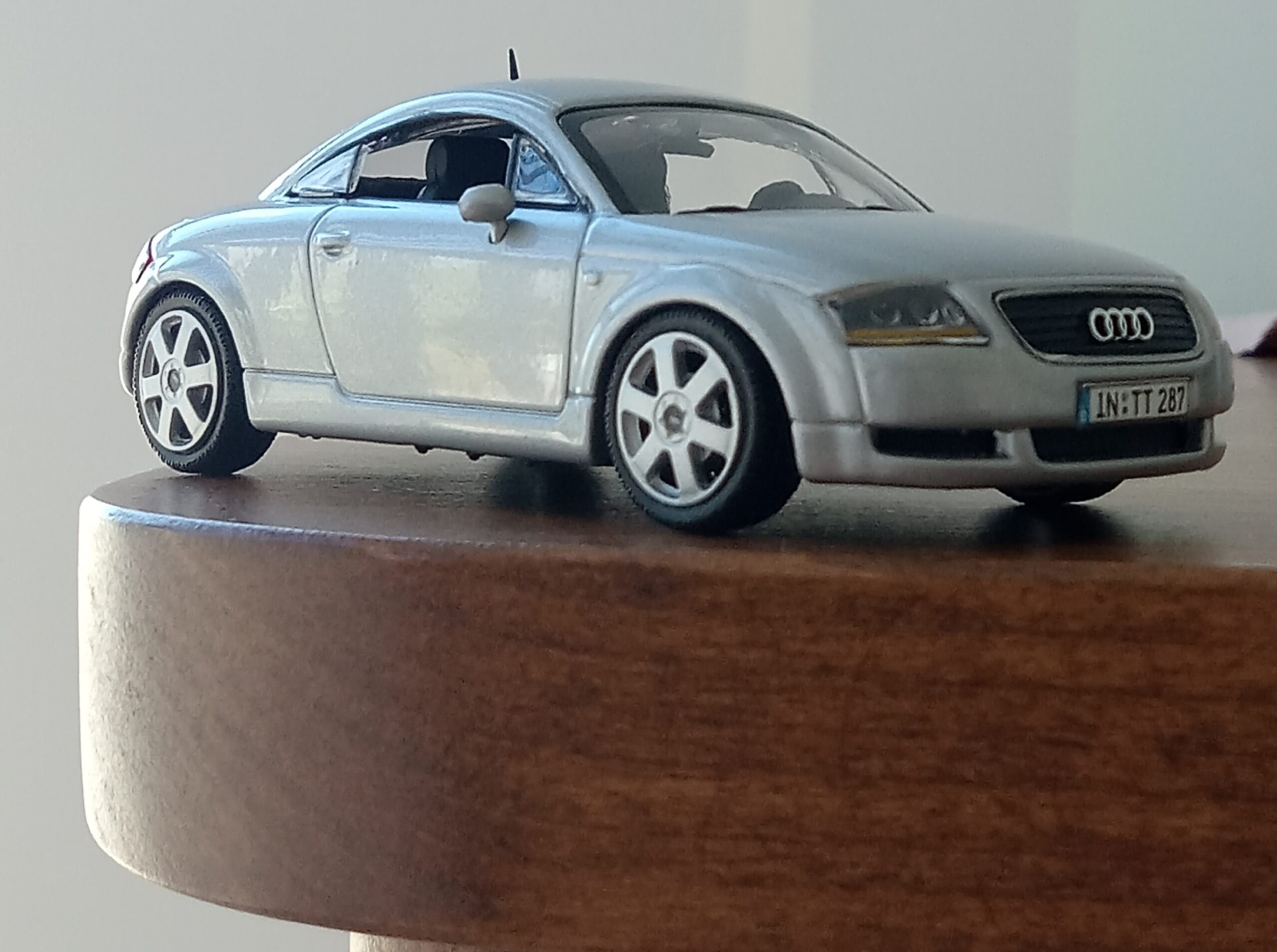
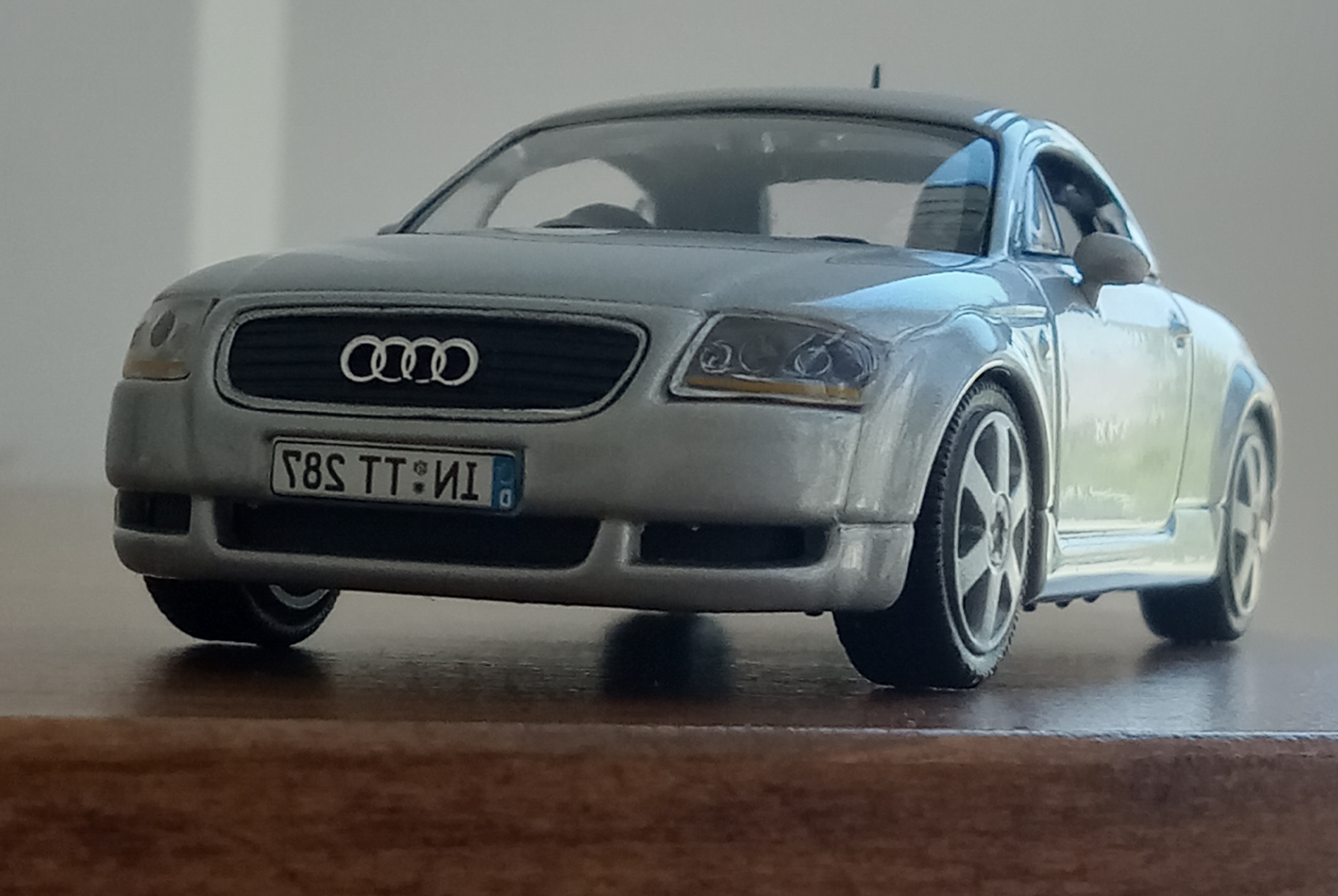
3:気持ちよく収まったフロントグリル、ヘッドライトが形作る、一度見たら忘れない、強烈な表情
ーーー>何度も繰り返される『1/4の円弧』が素晴らしいリズムを奏でています。
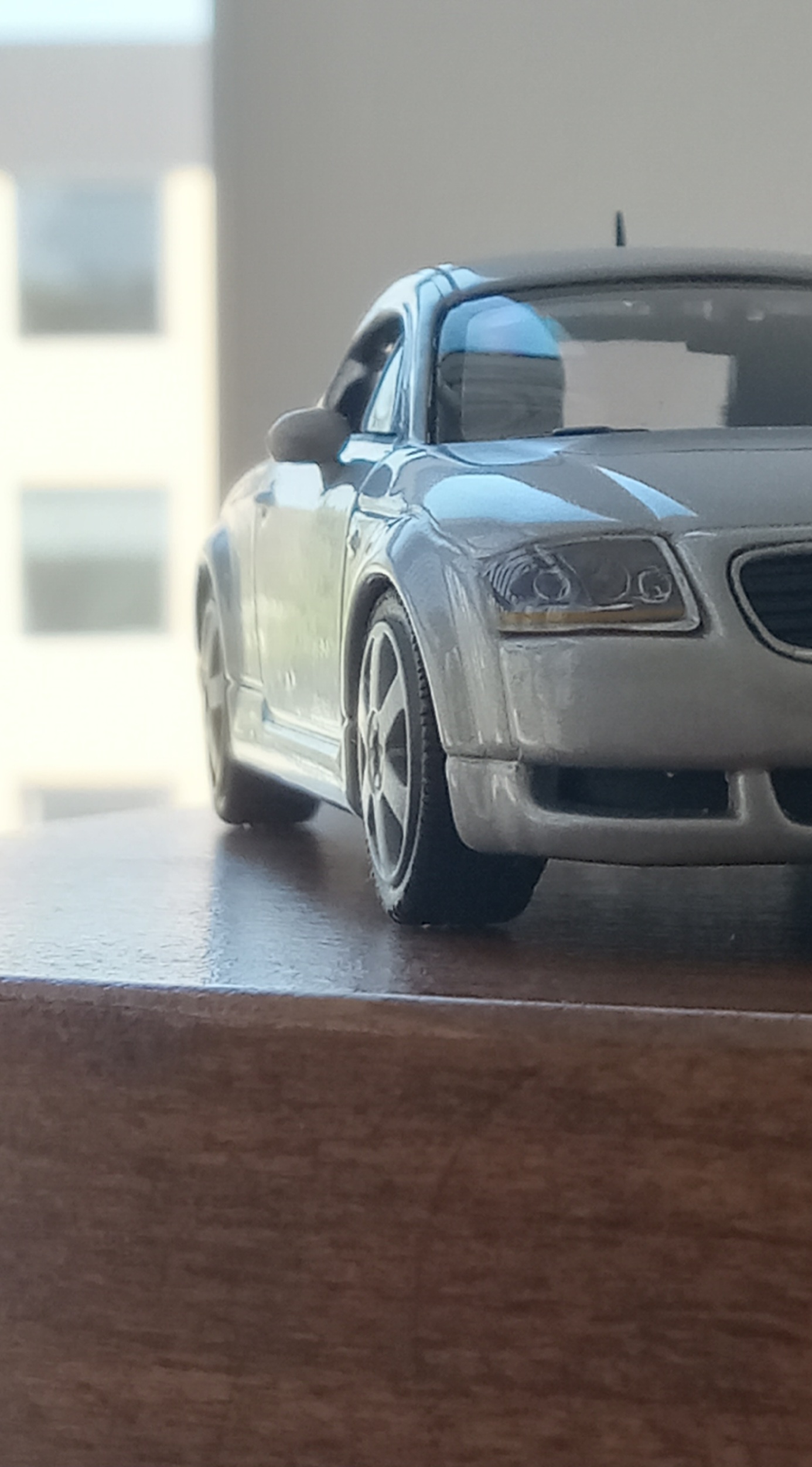
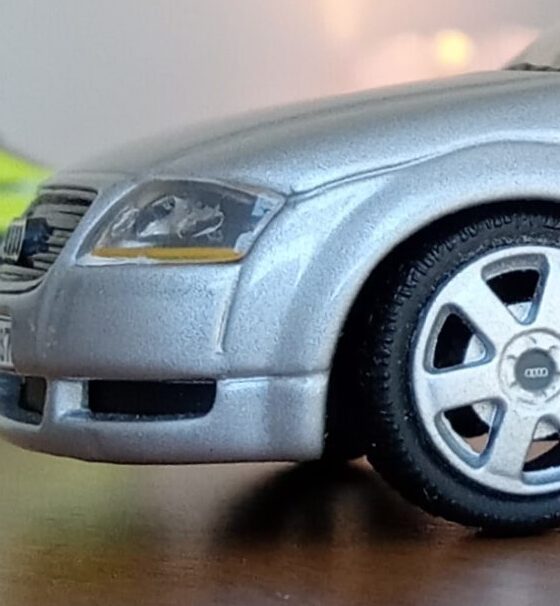
4:高めのショルダーラインの上にチョコンとかぶさるハードトプ部分の得も言われぬ、半水滴型の美しさ
ーーー>もちろんCD値にも貢献しています!
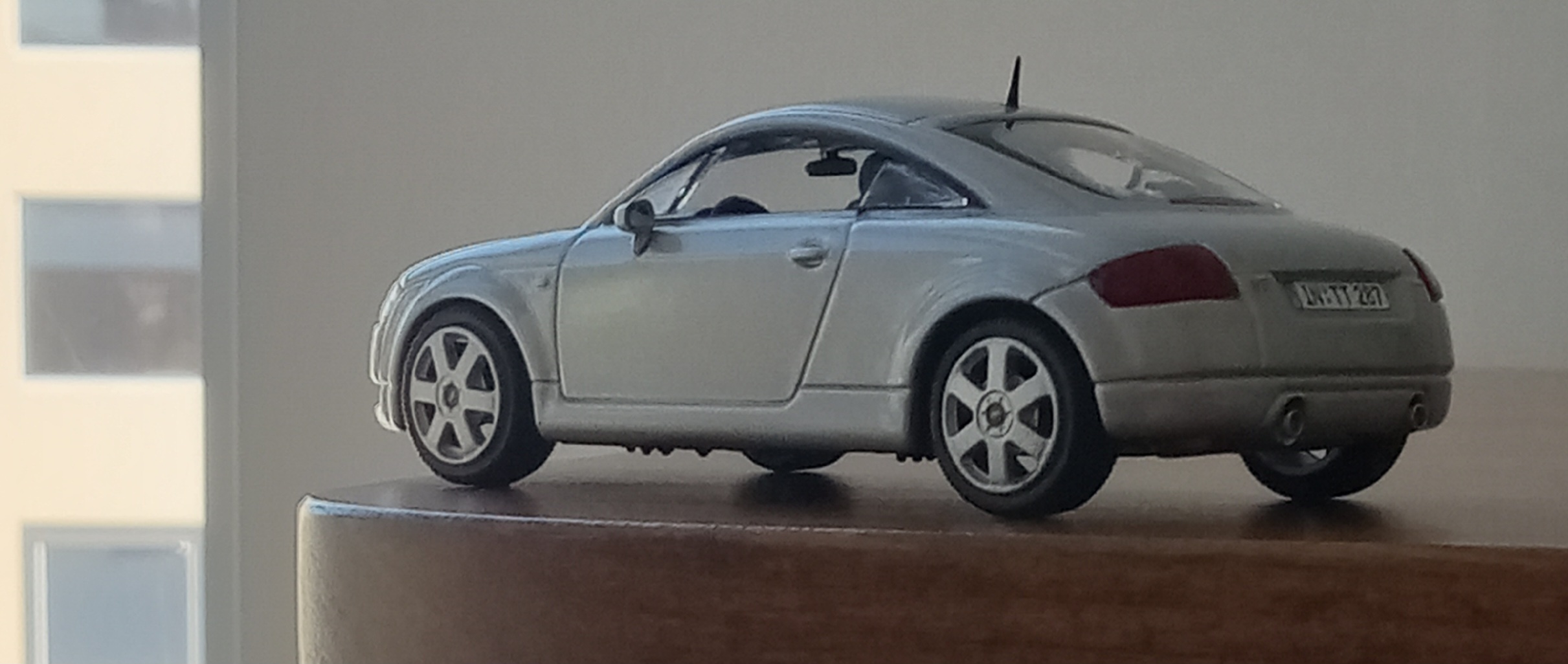
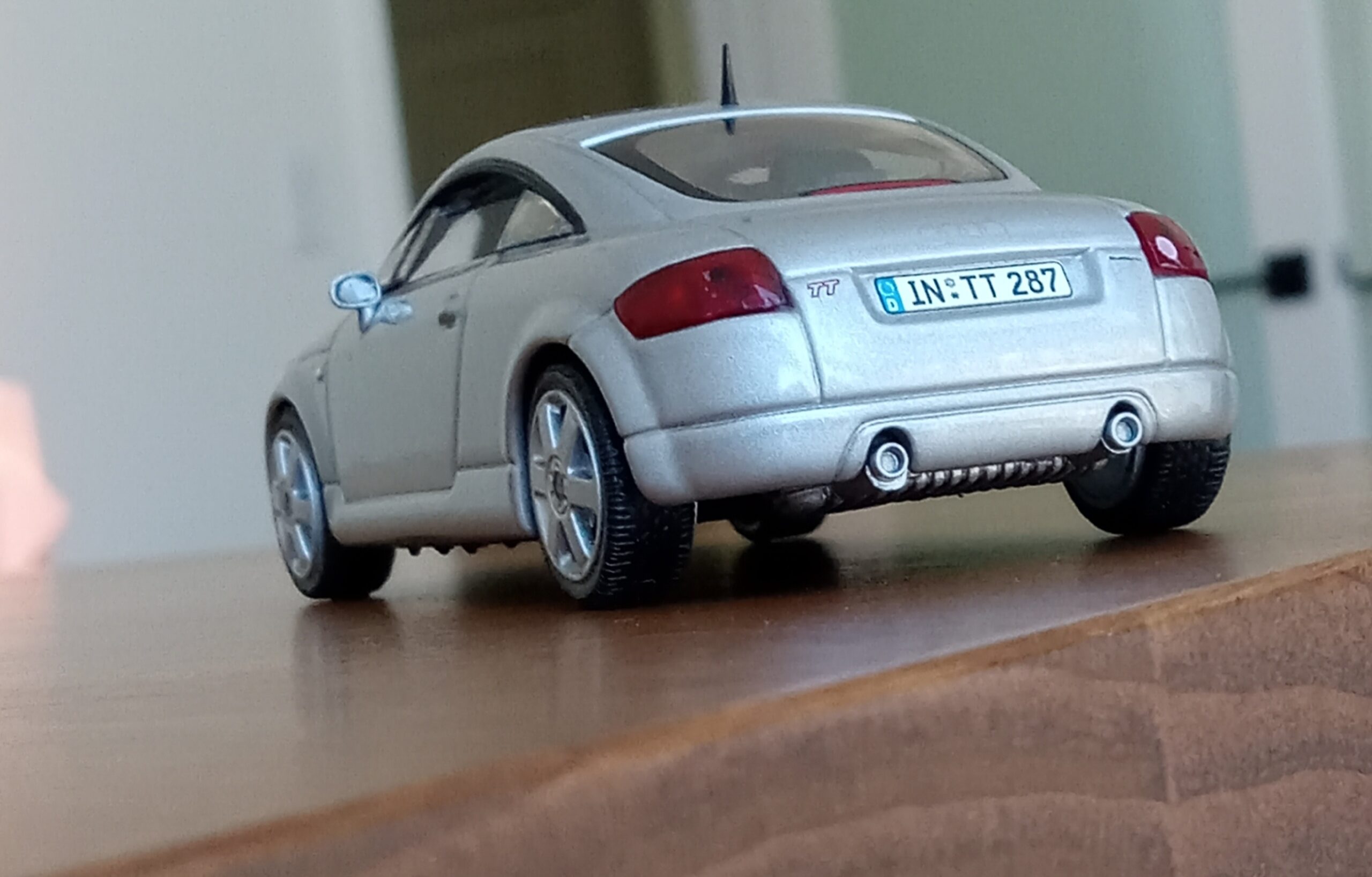
5:ロングホイールベースと比較的大柄なタイヤが生み出す、『抜群のスタンス感』
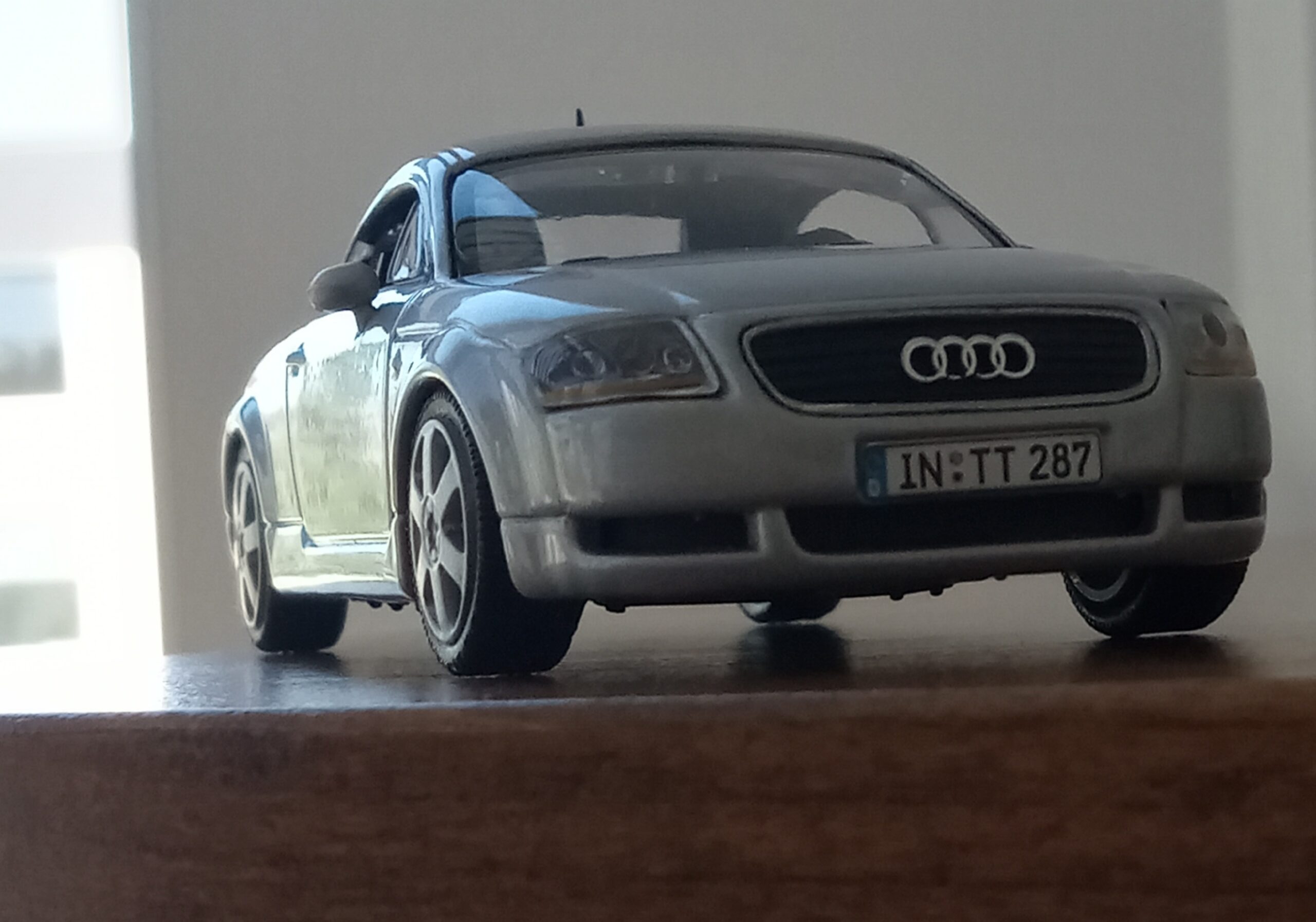
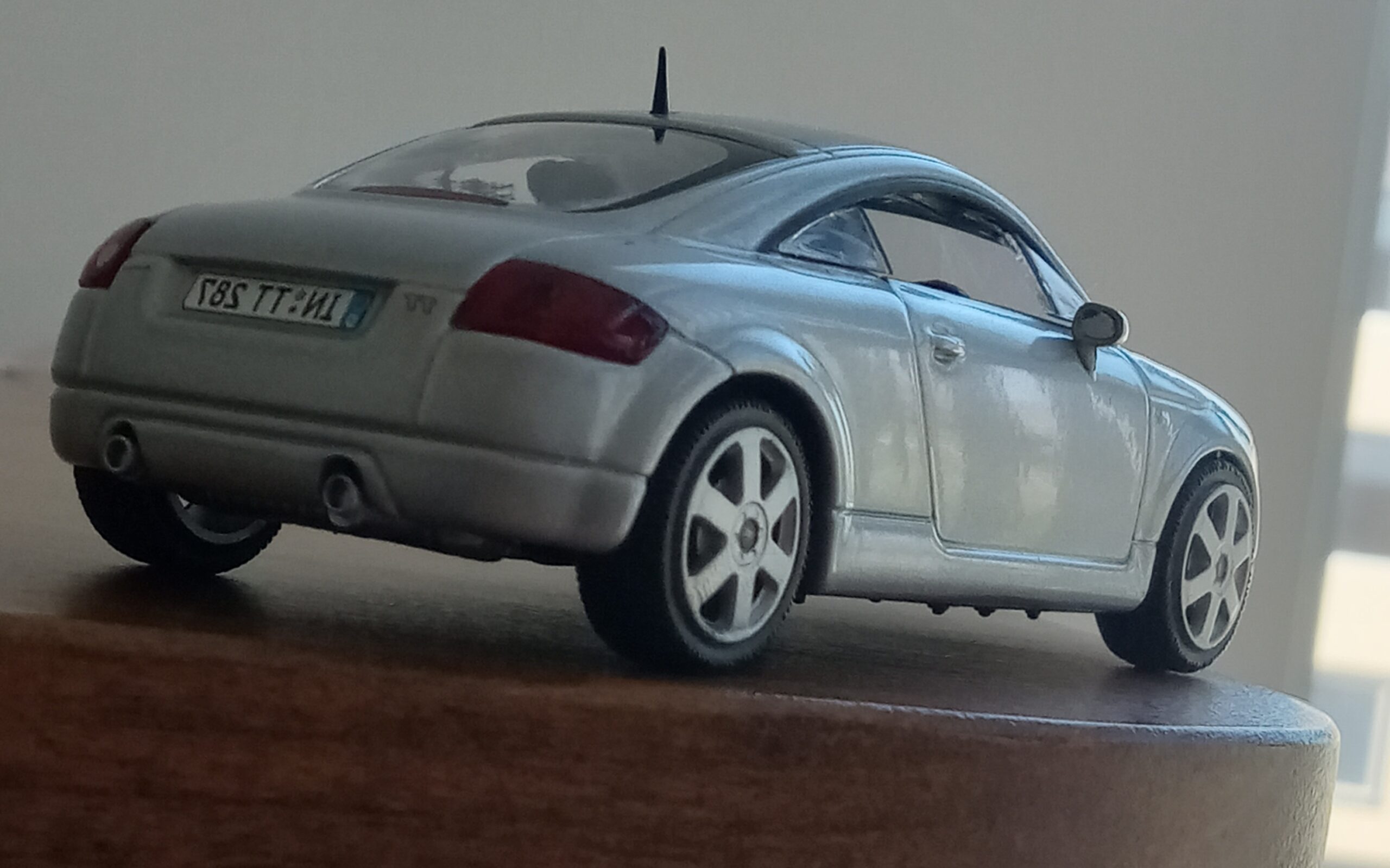
次は個人的な
【TT】体験です!
*『私』とアウディーTT:【ACCD–復学の理由】
#狭き門:自動車デザイナーという職業
1990年代前半のアートセンター工業デザイン学部の、
特に運送機器デザイン学科内には、
独特なオーラに満ちた雰囲気が漂っていました。
折からのアメリカ自動車業界の不振から、
卒業生の就職状況は過去最悪レベル、、、
ーーーーー>卒業生20人に対して新卒採用枠は2-3人でした。
それにもかかわらず、
相変わらず、学生たちの中からは
スーパースター的デザイナーが出現していました。
*マツダ・ロータリ搭載、大型クーペプロジェクトで大傑作を上程した:ニック・ピュー氏
*強烈なコンセプトを持った未来派スポーツカーを仕上げた:ジェイソン・ヒル氏(彼は後の学部長、ロン・ヒル氏のご子息)
*全員のデザインが光り輝いていたーーー>『ホンダ・アキュラ』スポンサードのインディー・レースカー・デザインプロジェクト 等など、、、
優秀な学生たちがひしめいていました。
そうした中、私自身は、
夜間クラスから低学期時はそうした周りのオーラ溢れる環境から刺激を受け、
溌剌と頑張っていましたが、
4学期、5学期と学期が進むにつれ、(8学期終了で、卒業となります)
言いようのないプレッシャーに押しつぶされ、
6学期途中で、うつ病と診断され、
学期終了を待たずに、休学することとなりました。
休学中は、
当時のルームメイトの勧めから
キリスト教の教会に通いながら、
*カスタムカーの日本への輸出を手掛ける会社や、
*パサデナのグリーン・ストリートにあった、
日本の骨董商で『指物師』として働いていました。
そんな中、1994年春、友人のクリスチャンの介在で、洗礼を受け、
キリスト教徒としての歩みを始めました。
#『アウディーTT』との出会い
休学中も、
自動車デザインに対する興味は持ち続け、
スケッチブックは当時のコンセプトカーの模写や、
自分のプロジェクトに関するスケッチであふれかえっていました。
パサデナのコロラド・ブルバードにあった、大きなニューススタンドで、
*アメリカの自動車雑誌御三家や、カスタムカー雑誌、
*英国製のクラッシックカー雑誌や、
*イタリア、ドイツの一般自動車雑誌に目を通すのが習慣でした。
そんな中ある時点から、
自動車デザイン系の雑誌も入荷するようになり、
日本製の『カースタイリング誌』を買い始めました。
1995-96年のある日、
カースタイリングに特集されていたのが、
コンセプト版の
『アウディーTT』
でした!!
斬新な幾何学デザインの衝撃を受けた私は、
それ以降のスケッチには、それまでのスケッチとは決別を告げる
*幾何学的面構成や、
*【Less is More】の、大胆な面構成
が前面に出始めました。
#復学の決心
そうした中、
*教会の牧師先生の説教にあった、
『ジョーダン川へ亡くした落とし物を拾いに戻る聖書の部分』が身に染み
*自分も過去にやり残した弱点克服のためにも、復学を、、、と
*現在の妻と出会い、うつ病に積極的に向き合い初め、
*精神科に通い、抗心性の薬を服用し始め、
心身ともに回復に向かい、
徐々に心が安定し始めました。
当時の自動車デザイン学科の学科長のロン・ヒル氏に
*キリスト教に改宗したことで、以前の完璧主義の自分に別れを告げ、
*他の生徒との競争より、自分の能力を信じて、自分が出来ることを突き詰めたい、旨の、
長文の手紙と、それまで書き溜めたスケッチ類を提出し、
6学期からの復学を希望する旨を伝えました。
その結果、5学期からの復学が認められ、
7年間のブランクを乗り越え、
その後一年半で、
とうとう卒業することが出来ました!
#アウディーTTの立体模型たち、、、
その後はこんな感じで、
アウディーTTの立体物と掌で、
かかわりあってきました。
*マッチボックス社製、1/64ダイキャスト完成品、アウディーTT, (メタリック・ブルー)
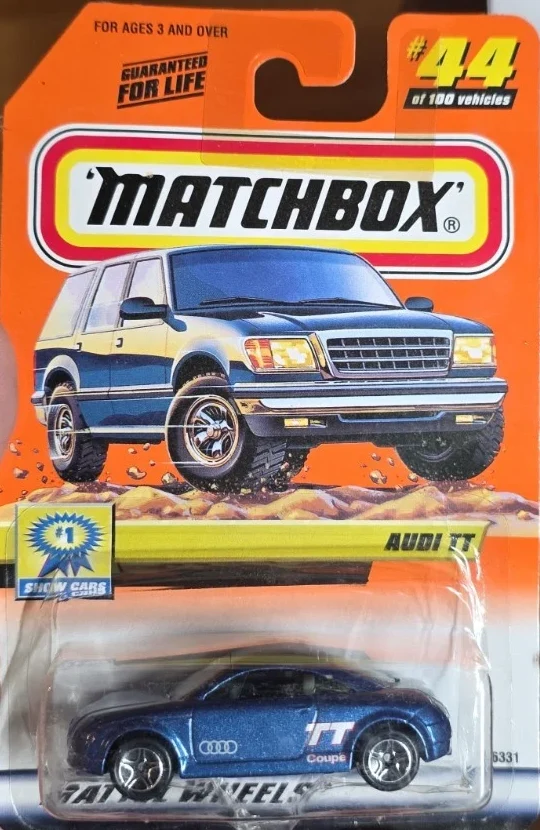
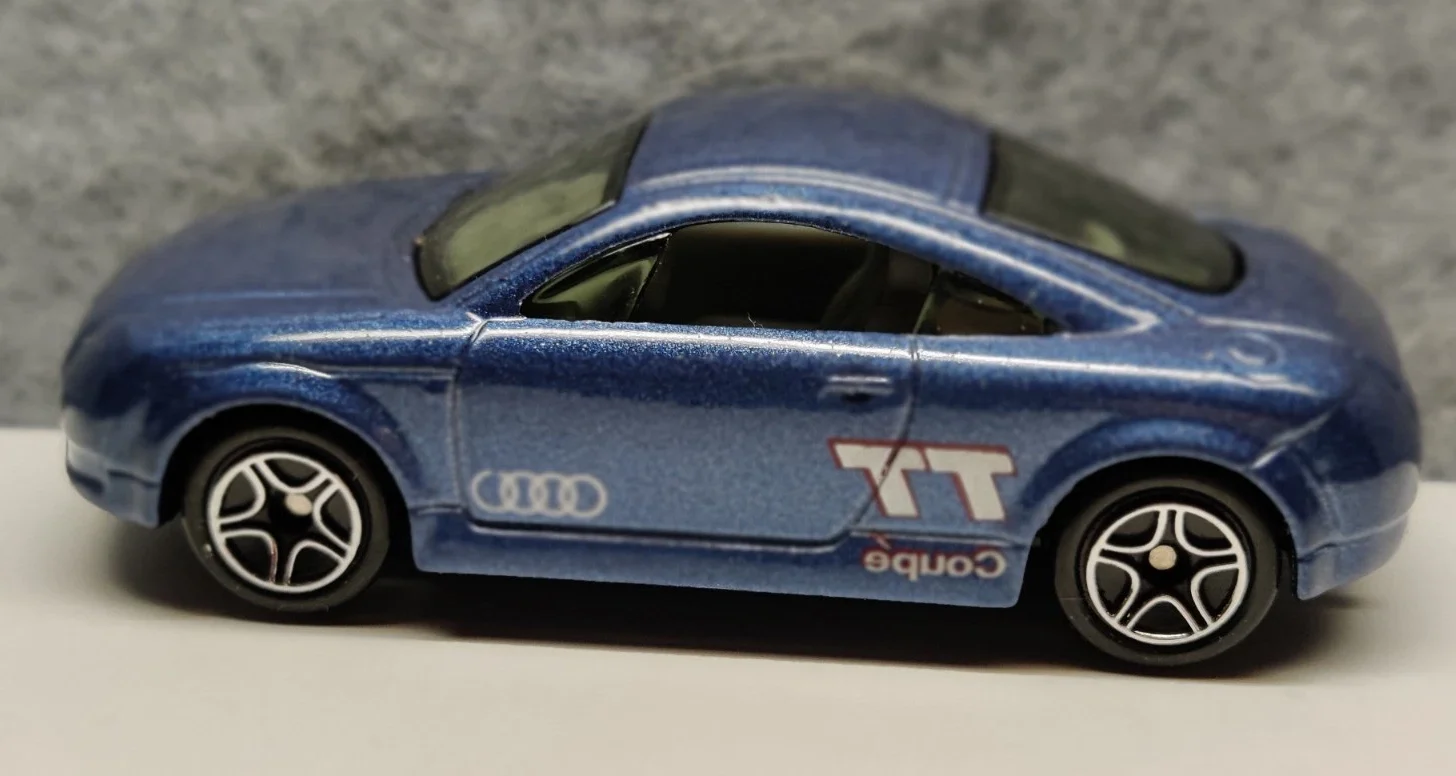 (少しモッサリしたキャスティングは正確にTTの個性的な造形を表現、
ーーー>1/58位のオーバースケールが玉にきず)
*ミニチャンプス社製、1/43ダイキャスト完成品、初代アウディーTT クーペ(シルバー)
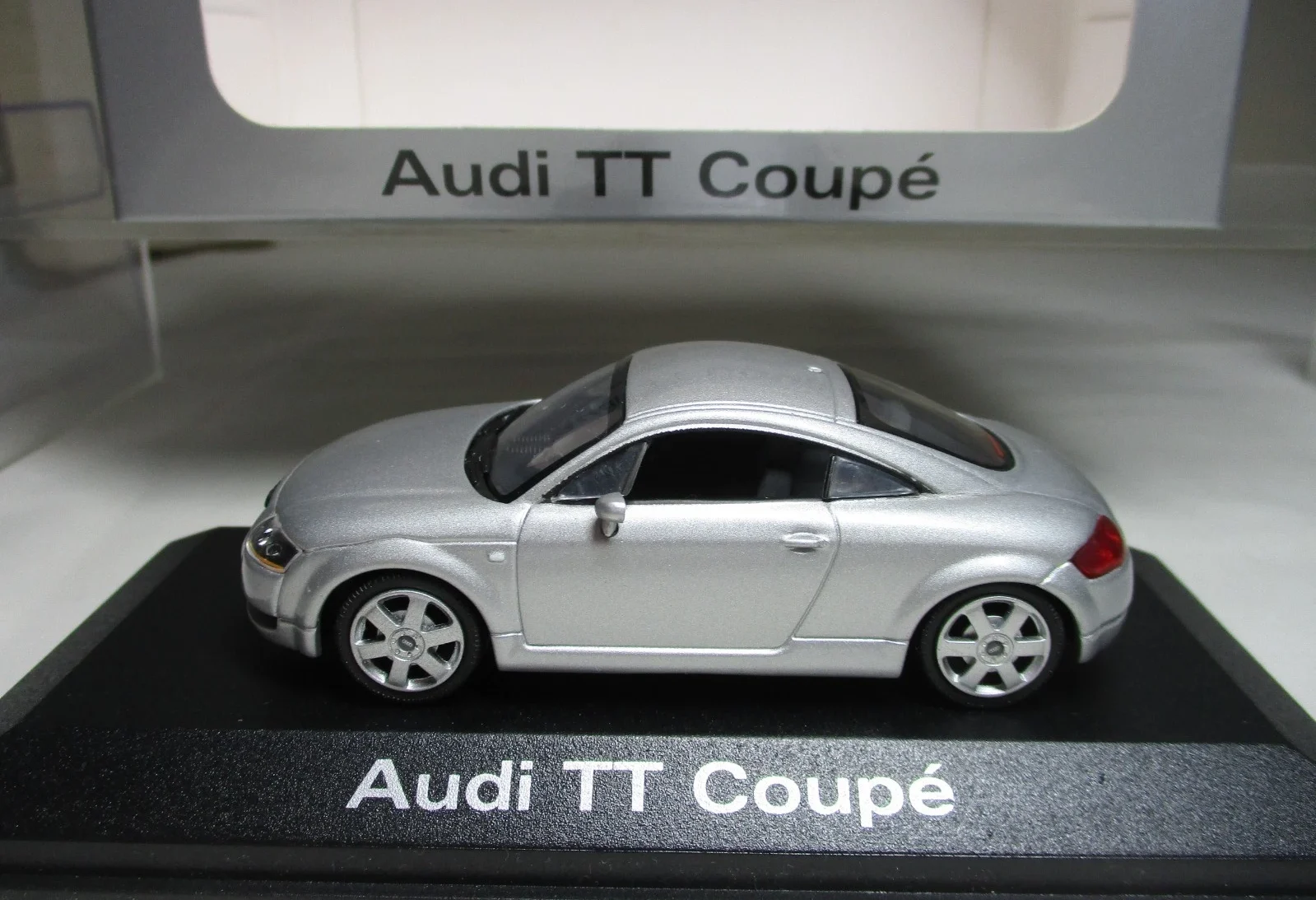
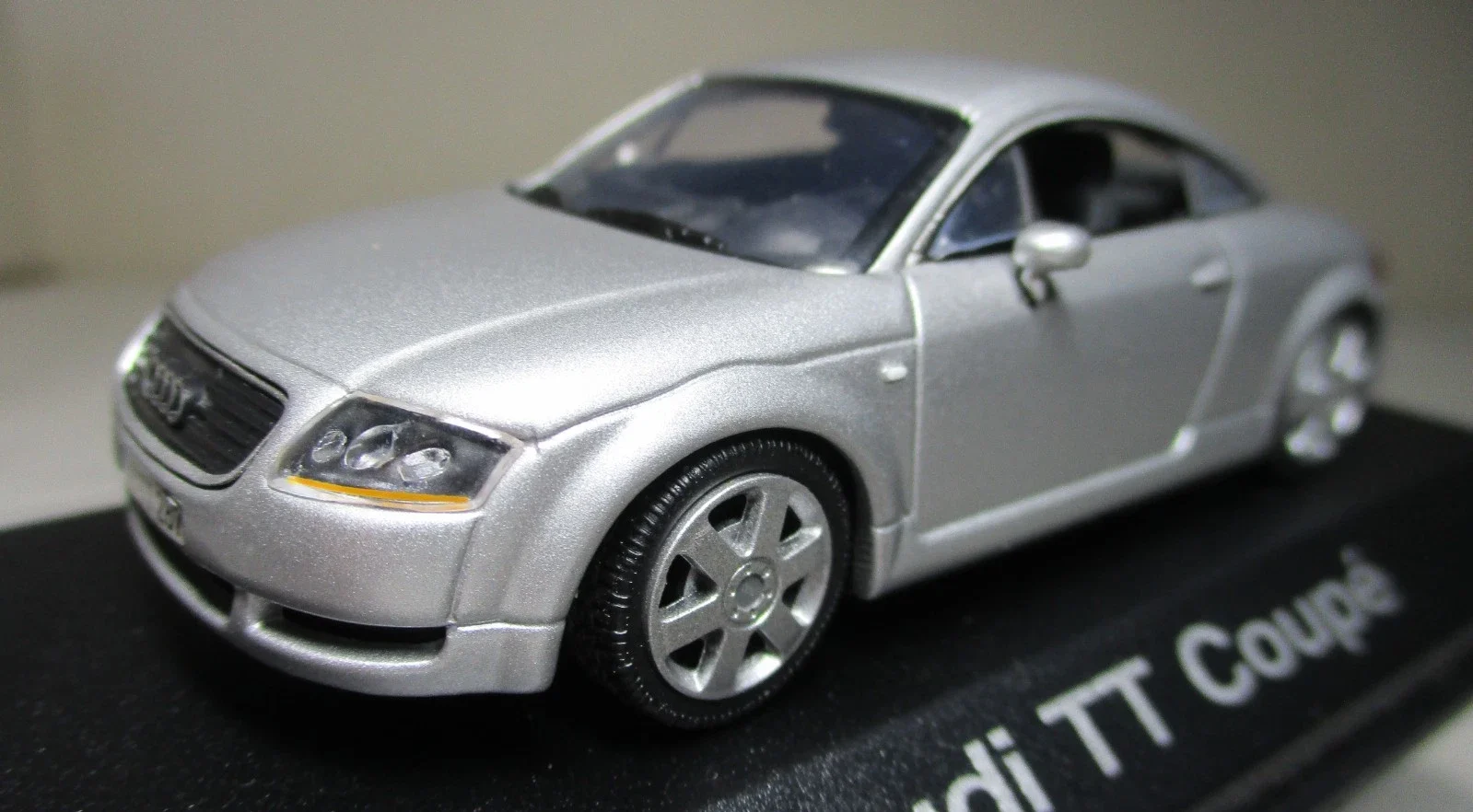
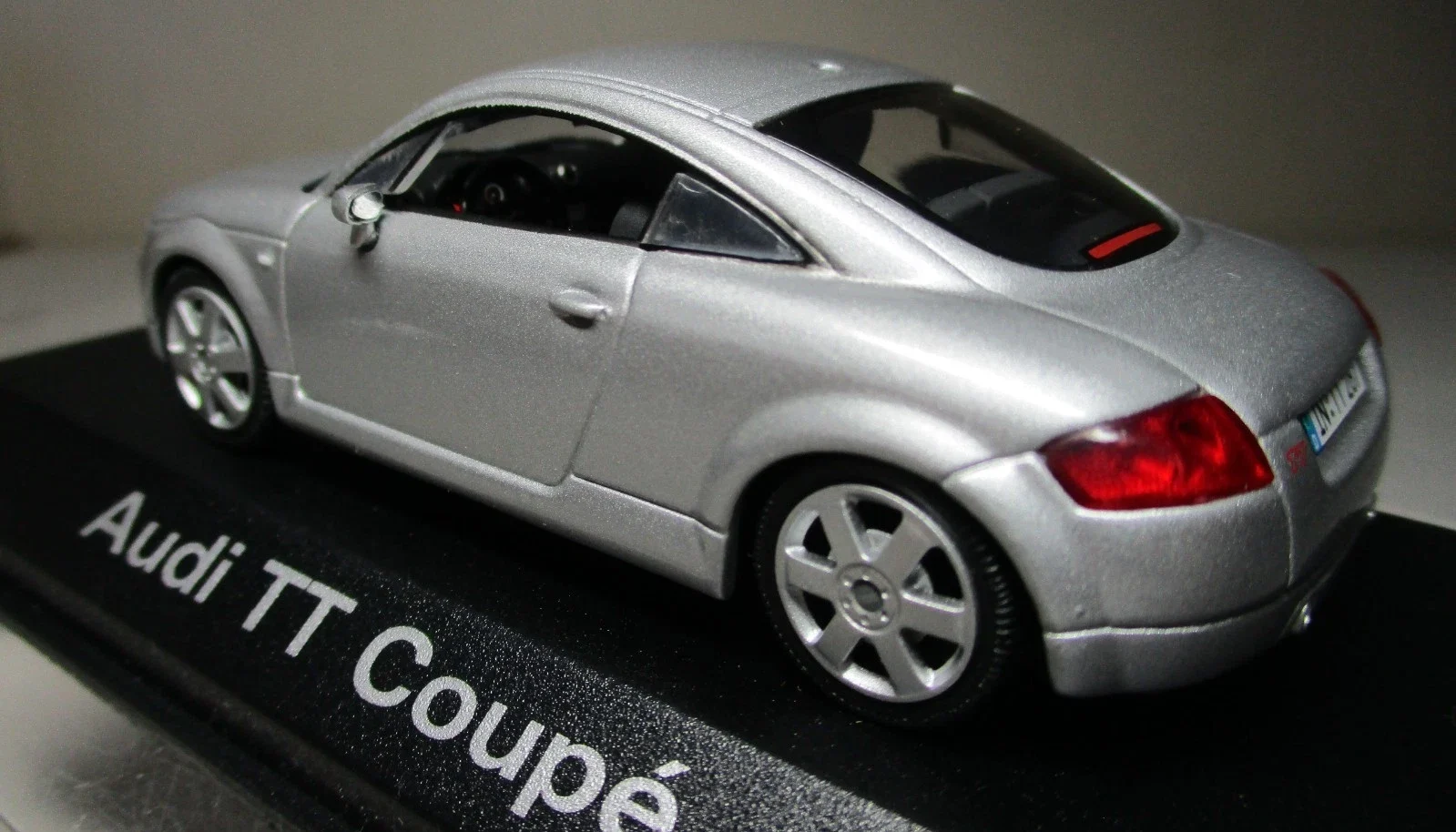 (現在の目から見ると若干甘いモールドが目立ちますが、ボディーのデッサンは上場、リアウイングなし、発売当時のオリジナル版の特徴をよく再現しています。
ーーー>タイヤの軸位置を上げて前傾姿勢に微調整したら大化けしました。)
では、お待ちかね?の(笑)
三大噺のお時間です!
*三題噺:バウハウス・情緒の機微・フリーマントーマス



今回のお題もなかなか手ごわそうですが、、、、
何とか頑張って
バシッと決めてみたいです!
お題:
*バウハウス
*情緒の機微
*フリーマン・トーマス
それでは、
【ジェミニ君】と協業して
頑張ります!】
1:初代アウディTT クーペの外観デザインにつての解説を、デザイナー目線の落語形式 (ドイツのパン屋の職人気質のそそっかしい弟子と、天才肌の親方との会話調で)で5000字以内で制作してください。全体を流れるテーマは、「ドイツ機能主義と情緒の蜜月」サゲはこのテーマを拾って、考え落ちで知的にお願いします。お題は:バウハウス・情緒の機微・フリーマントーマスの3題です。
2:サゲが意味不明です、下げでテーマを拾ってきれいに考え落ちで落としてくださいな。
3:全体を2000字に凝縮&下げで情緒の重要性に触れてください。
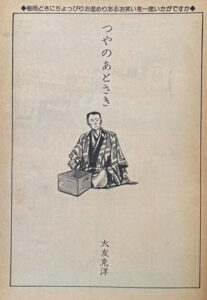
創作落語:『円と直線のプレッツェル』(1500字・ダジャレサゲ版)
N
N
n
n
n
n
n
n
n
フリッツ: 最高のプレッツェルですね! 僕も「機能主義と情緒の蜜月」を表現してみせます!……(こねこね)……よし、できました親方!
n
n
n
n
n
n
n
n
n
n
n
n
n
n
n
n
n
n
n
n
n
お後がよろしいようで、、、
n
n
n
n
n
n
n
n
n
n
n
N
- 中盤の親方がTTの「情緒」を熱弁するシーンでは、少しゆっくり、うっとりとした口調にすると、その後の弟子の「平麺パン」のバカバカしさが引き立ちます。
- 最後の「アウディの鉄板ですから」の直前は、少しだけ間(ま)を空けてお客さんの視線を集めてから、きれいに言い切るのがポイントです。
*アウディーTTの『落とし児』たち、、、

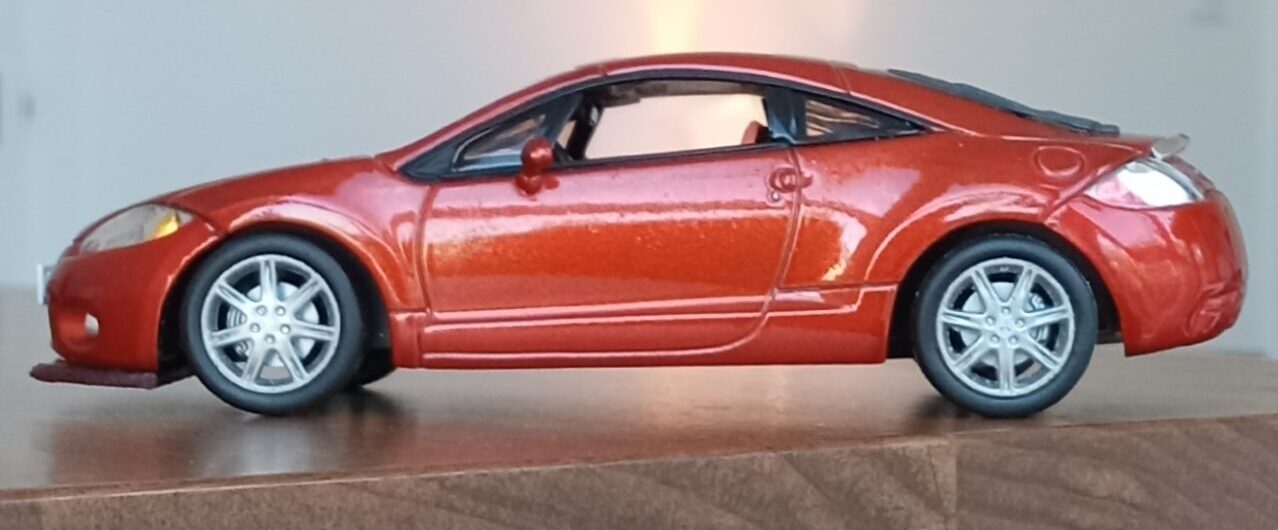
(Nissan 350Z)
(Mitsubishi Eclipse)
アウディーTTは数々のデザイナーに影響を与えましたが、
そのあまりにも完成された造形は、そう簡単に一般化されるものではなく、
*その創造性の殻は厚く、硬く、
*決して割れることのないほどに
完璧なものです!
そんな中数少ないデザインが、
『TT』の持つからの厚さを理解しつつ、
新たな方向へその創造性を伸ばした
優れたデザインとして成り立っています。
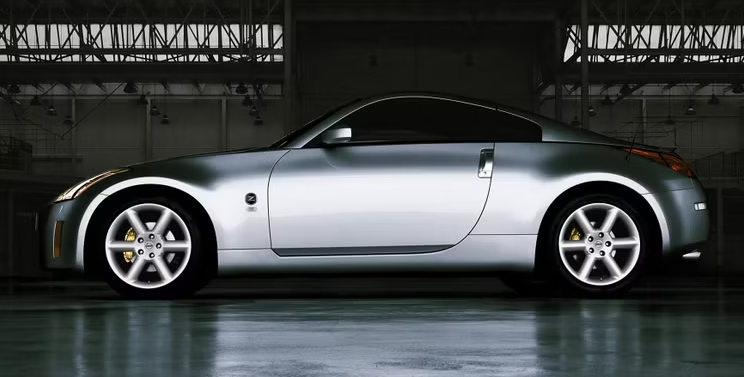
*ニッサン 350Z、2002(シルバー)
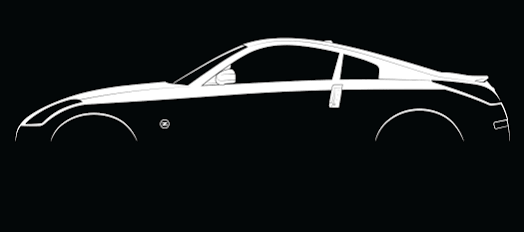
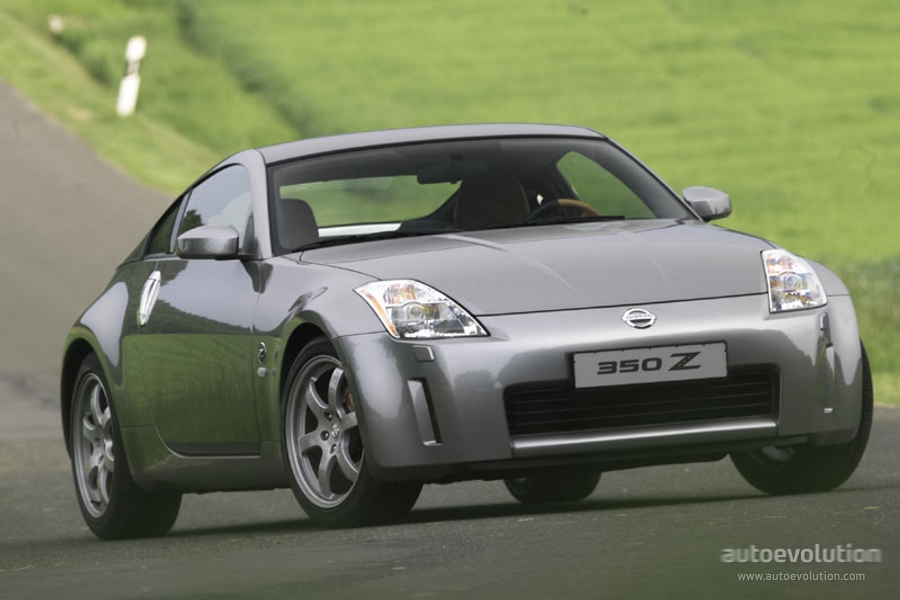
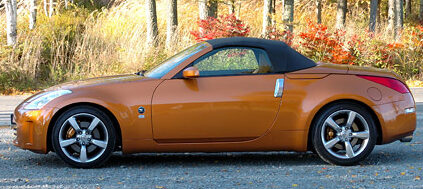 (骨格とボリュームという自動車立体造形の本質を突き詰め、装飾性を一切排し、シルエットとスタンスのみで、個性を主張した将来を先取りした復古モダニズムの極致
ーーー>今見ても全く古びていません。)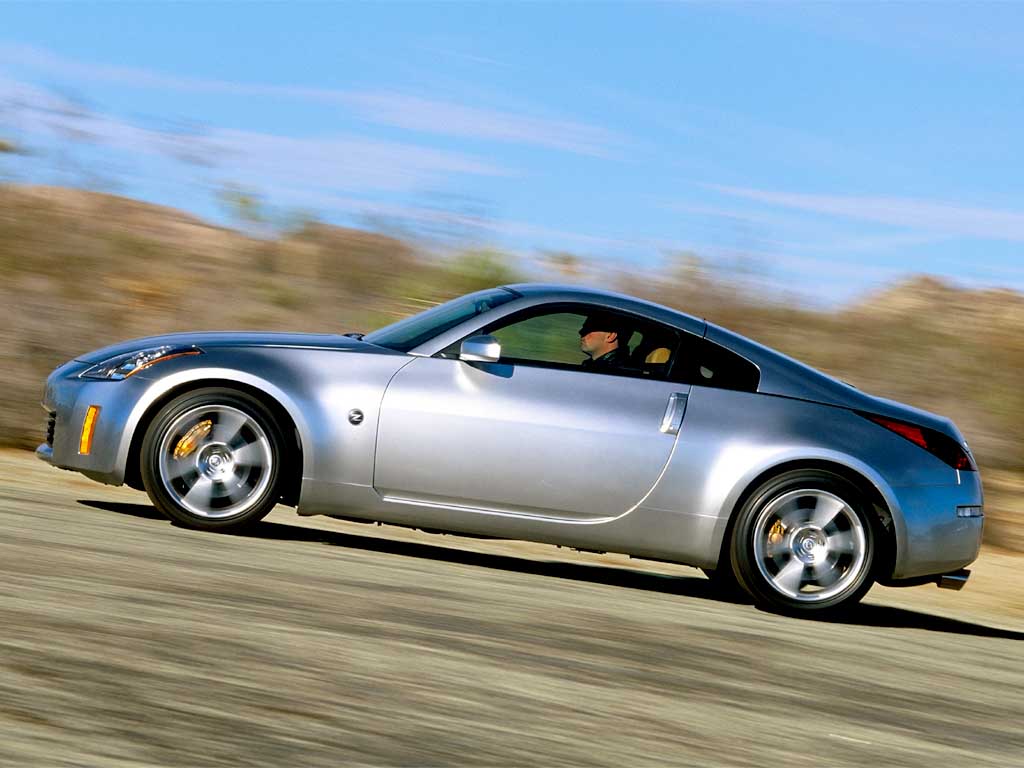
*ミツビシ・第4世代エクリプス【北米仕様】、2006(サンセット・オレンジ)
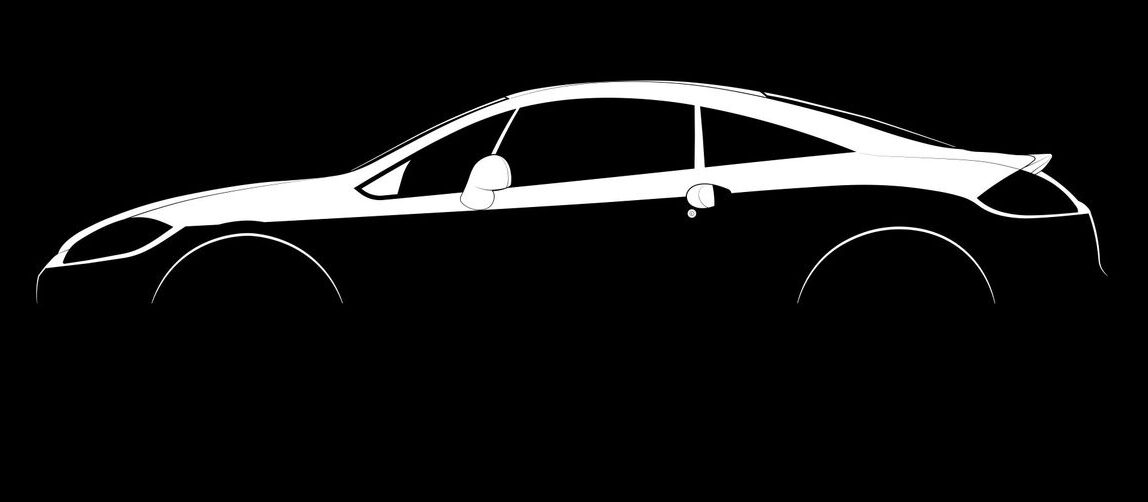
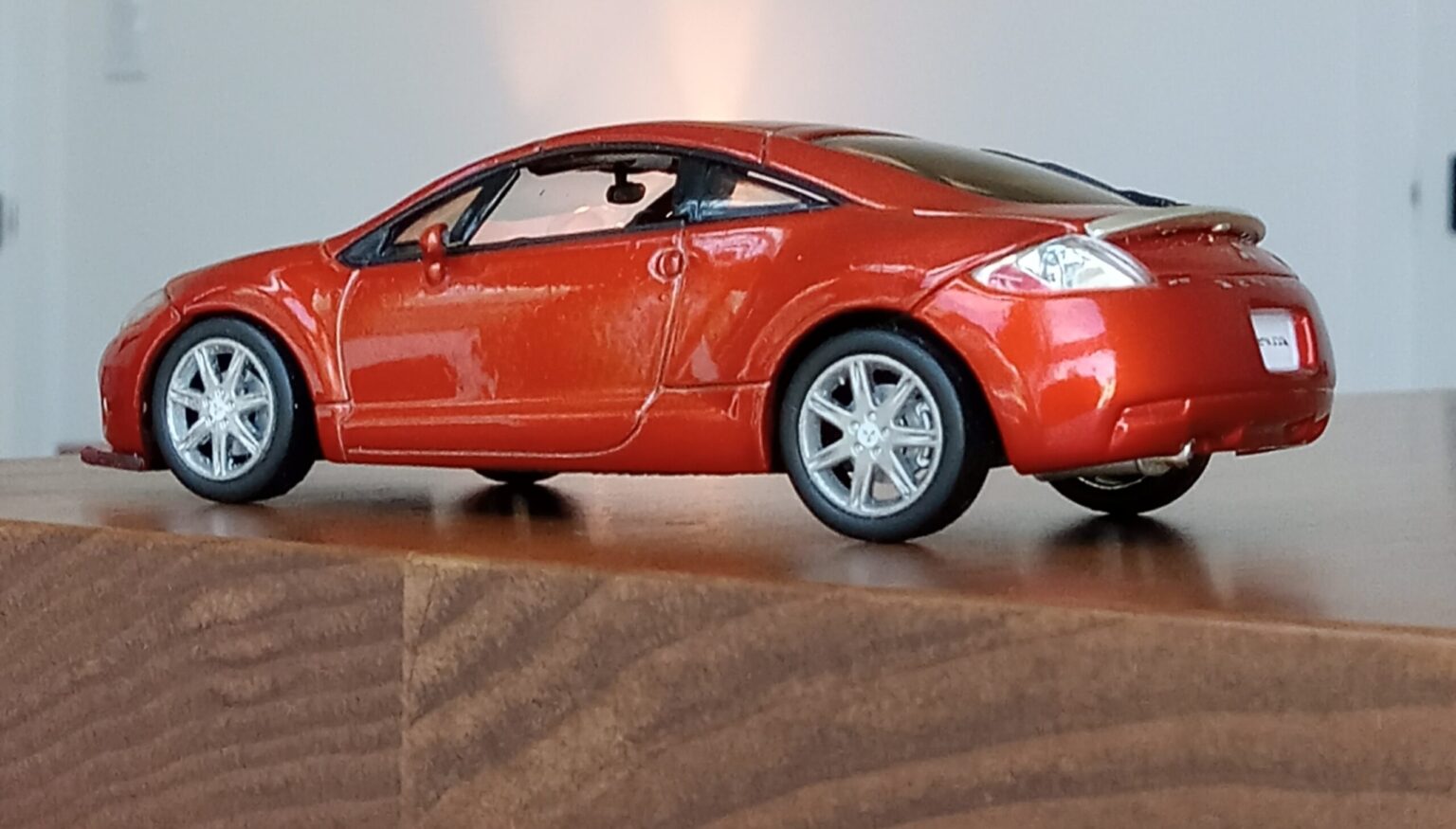
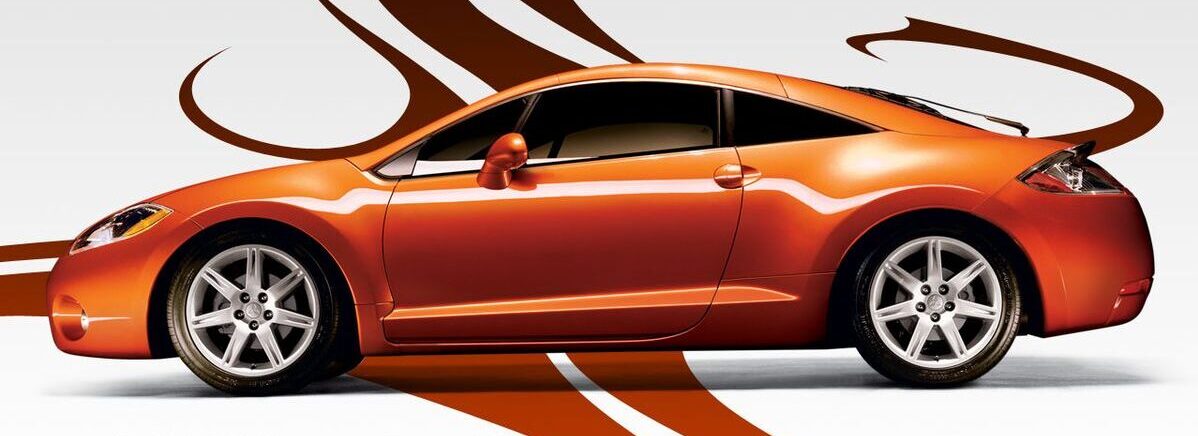 (アウディーTT的なモダンデザインに、クライスラー・ミツビシ的キャブ・フォアワードコンセプトを見事に掛け合わせた新アメリカン・マッスルの出現!
ーーー>後のスポーツカーのトレンドにつながらなかったのが残念、泣)
【Less is More】の
傑作デザインがそろいました、
将来的には美術館に
はいっていそうな「TT」ですね。
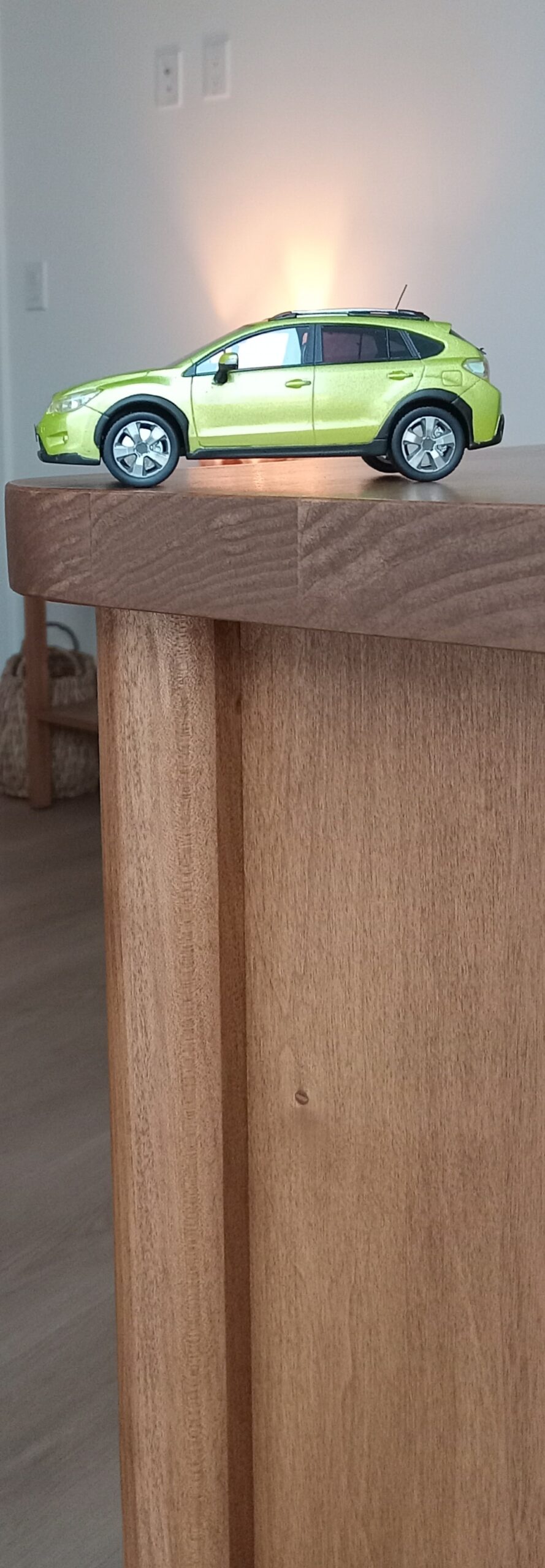
次回は、
【2代目スバル XV(クロストレック)】に付いて
深く切り込んでいきます。
本ブログと記事内容につきまして:
ブログ記事を書くにあたり私の目標は、立体造形(料理も含めて)とのかかわりを通じて、私個人の特徴的(ネジ曲がり方も含めて)な評価軸を解明することで、「美しさ・美味しさ」に対する好奇心や、探求心を、どのように満足・充足させてきたのかを明記しておくことです。
従いまして、記事の中に出てくる、数字や年号、微細なデータなどには細心の注意を払っておりますが、時に大きな間違いや勘違いを犯していることも考えられます。特に自動車記事における主要諸元や、年号などには紛らわしいものも多く、あくまで参考程度に考えていただければ幸いです。
私としては、記事の中で個人的な外観デザインや味覚の評価、そこから広がる後半部分につなげるための、『流れ』を作るための客観的材料として年号やデータを挿入している感じです。あくまで重視したいのは、私個人の頭の中で起こる、記憶の錯そう的混沌から生まれる新たな『見方』や『情報の予想外のつながり』です。その勢いを作り出す、『流れ』の一環として、諸データが副次的に必要となるわけです。
話がそれますが、大好きな落語の世界に「三題噺」という、その場て会場から募った3つのお題を使って1つのお話に仕立てるといったお遊びがございますが、私はそれに近いことを立体造形の特徴や(料理のお味)をお題にして行っている感じがします。その中で頭の中に去来する数々の着想が、全く予想外で楽しく、次回からの記事内容を大幅に変えたり、新展開につながっています。
当ブロブの仕組み:
『好奇心の点と線 x 気まぐれ脳内回路=予想外の新展開』
こんな自分勝手なブログですが、今後ともよろしくお願いいたします。
追記:上記の『流れ』を作る為に必要な写真はできる限り、個人所有のミニカー・自前の料理などを使い撮影しておりますが、その他の必要最小限の図版や写真を他のブログ主様の記事や諸会社ホームページなどからお借りしております。(記事内容に合うよう加工させていただき、使用時は最小の解像度で載せております。)問題がある場合、ご連絡いただければ直ちに降ろさせていただきます。
追記2:当ブログ記事に掲載のミニカー写真等(個人撮影)は許可なしで、どのようにお使いいただいても結構です。私個人の創造性はこの世のもの、と言う認識の上で記事を製作しています。
!!!!!!!!!!!!!!!!!!!!!!!!!!!!!!!!!!!! Translated in English!!!!!!!!!!!!!!!!!!!!!!!!!!!!!!!!!!!!
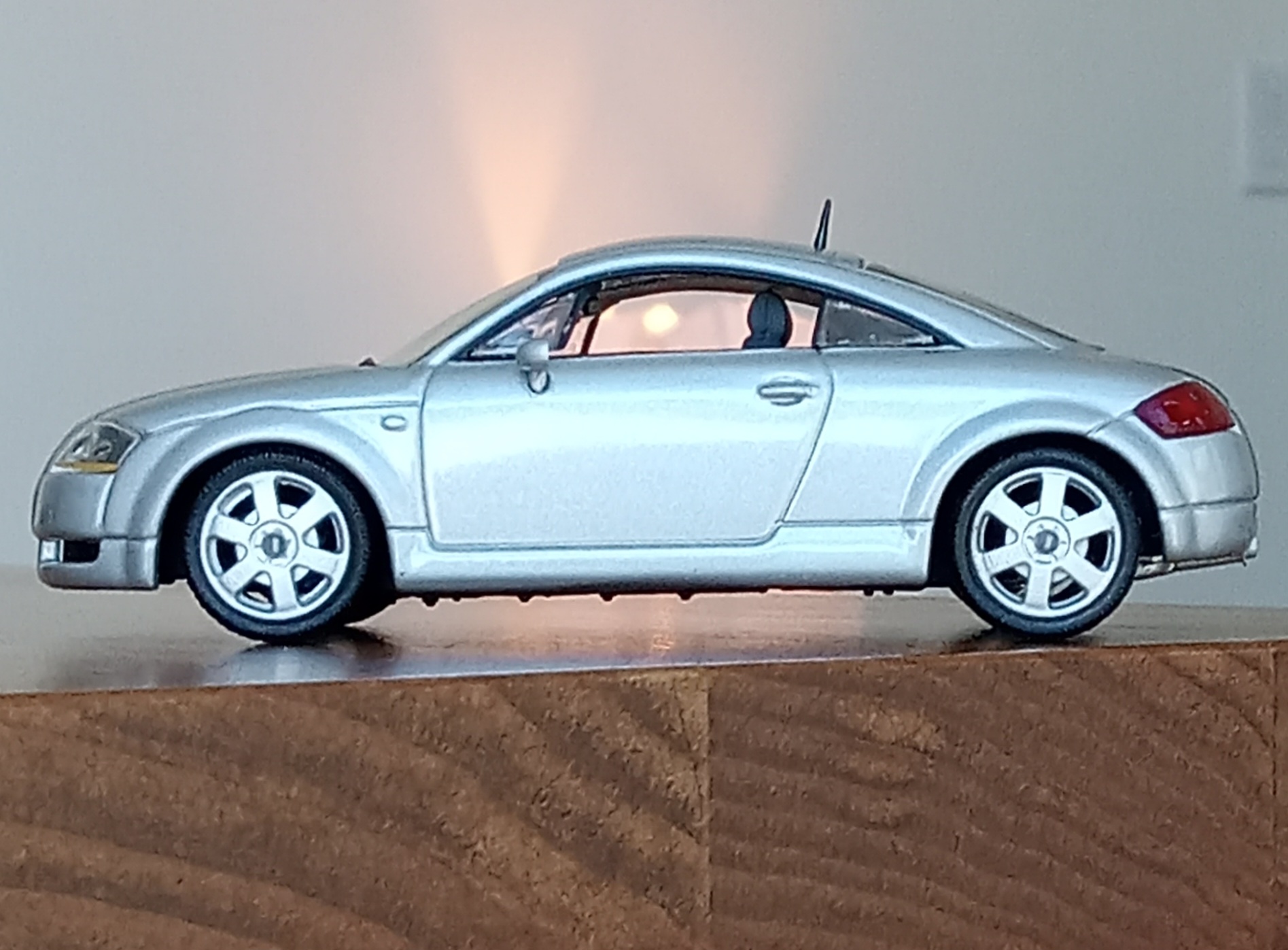
(Miniature car used for photography: Mini Champ, 1/43 scale die-cast model, Audi TT, 1998 (Silver) ——> The body was split into upper and lower sections to maximize track width and slightly adjust the axle position for a forward-leaning stance)
Favorite Car Designs: Part 51—The Lineage of 2-Door Coupes: Part 31 [German Cars, Part 2] First-Generation Audi TT, 1998 (Lake Silver Metallic) “Geometry + Emotion = Masterpiece” 1st Gen. AUDI TT, 1998 (Lake Silver Metallic) “Geometry + Emotion”
For this 51st installment, titled “The Lineage of 2-Door Coupes, Part 31,” I’d like to discuss luxury 2-door (GT) coupes and roadsters, which strongly reflect the national characteristics and unique exterior design styles of various countries. [Note: Includes convertibles]
I’ll proceed as follows.
For this 31st installment, we’ll finally move on to
[German Cars Part 2] Episode 004,
featuring the
first-generation Audi TT, released in 1998 (Lake Silver Metallic).
[The Lineage of 2-Door Coupes: Table of Contents]
[American Cars Series]
Part 1: Cadillac El Mirage, 2013 (Metallic Red)
Part 2: Lincoln Continental MK4, 1972 (Black)
Part 3: Mercury Cougar, 1967 (LT Metallic Green)
[German Cars]
Part 4: MB 500K Special Roadster, 1936 (Black)
Part 5: MB 300SL Roadster, 1957 (Silver)
Part 6: MB SLS AMR Gullwing, 2010 (Black)
[British Cars]
Part 7: McLaren F1, 1992 (Metallic Orange)
Episode 8: Jaguar XKSS Roadster, 1957 (Royal Blue)
Episode 9: Jaguar XKR Coupe, 1996 (Dark Metallic Green)
[Japanese Cars / Nissan Edition]
Episode 10: Nissan First-Generation Silvia, 1965 (Champagne Gold)
Episode 11: Nissan 5th-generation Silvia, 1988 (LT Metallic Green)
[Italian Cars]
Episode 12: Ferrari 250TR Pontoon Fender, 1958 (Red)
Episode 13: Ferrari 250GTO, 1962 (Italian Red)
Episode 14: Lamborghini Concept S, 2005 (Pearl White)
[Japanese Cars: Mazda Edition]
Episode 15: Mazda Cosmo Sport, 1968 (Racing White)
Episode 16: Mazda Eunos Cosmo, Type-S (Two-Tone: Black & Gray)
[French Cars]
Episode 17: Bugatti Type 59, 1935 (French Blue)
Episode 18: Citroën SM, 1970 (Champagne Gold)
Episode 19: Bugatti La Voiture Noire, 2019 (Black)
[Japanese Cars: Toyota Edition]
Episode 20: Toyota/Yamaha 2000GT, 1967 (Ivory White)
Episode 21: Toyota 2nd-Generation Soarer, 1986 (Crystal White II)
Episode 22: Lexus LC500 [GWZ100], 2017 (MT Red)
[American Cars Part 2]
Episode 23: Dodge Challenger, 1970 & Plymouth Barracuda, 1971
Episode 24: Dodge Viper SRT-10 ACR, 2008 (Black)
Episode 25: Ford Shelby GR-1 Concept, 2004 (Chrome)
[Japanese Cars: Mitsubishi Edition]
Episode 26: Mitsubishi Galant λ, 1976 (Brown Metallic)
Episode 27: Mitsubishi Eclipse [North American Spec], 2006 (Orange Metallic)
[German Cars Part 2]
Episode 28: BMW M635CSi, 1984 (Dark Metallic Blue)
Episode 29: Mercedes-Benz 560SEC AMG 6.0 Widebody, 1989 (Black)
Episode 30: BMW M2 with Genuine Performance Parts, 2025 (Neon Lime)
Episode 31: First-Generation Audi TT, 1998 (Lake Silver Metallic)
[Japanese Cars: Subaru Edition]
Episode 32: Subaru Crosstrek XV, 2012 (Lime Green Metallic)
[British Cars Part 2]
Episode 33: Lotus First-Generation Elite, 1959 (British Green)
Episode 34: Lotus Elan S4 Sprint, 1969 (Two-Tone: Blue, White & Gold)
Episode 35: Jaguar E-Type Roadster, 1961 (Light Blue Metallic)
[Japanese Cars: Honda (Lightweight Sports Cars)]
Episode 36: Honda S800, 1966 (Red)
Episode 37: Honda First-Generation CR-X 1.5i, 1983 (Blue & Silver Two-Tone)
Episode 38: Honda Beat, 1991 (Samba Yellow)
[Japanese Cars: Toyota Part 2]
Episode 39: Toyota Corona Hardtop 1800GT-TR, 1982 (Red)
Episode 40: Toyota GR Supra [DB Series, A90/A91], 2019 (Silver)
Episode 41: Toyota GR GT, 2027 [Planned] (Gunmetal)
[American Cars Part 3: Special Edition]: The Corvette Lineage
Episode 1: 1967 Stingray [C2] Convertible (Hardtop, Metallic Blue)
Episode 2: 1972 Corvette [C3] Convertible (Metallic Blue)
Episode 3: 1984 Corvette Coupe [C4] (Bright Red)
Episode 4: Corvette Indy [Mid-Ship Prototype], 1986 (Silver)
Episode 5: Stingray Concept [Prototype], 2009 (Blue Metallic)
#German Craftsmanship: “Geometry + Emotion = The Pinnacle of Beauty”
Back in the mid-90s,
while I was on leave from art school,
the concept version of the
Audi TT was suddenly unveiled:
“TT Design Study Model, 1995”
I still haven’t forgotten the shock I felt when I saw it.
That powerful three-dimensional sculpture—
* using only strong, geometric ellipses and straight lines,
* as if it were a portrait of the Porsche 911—
was so breathtaking that I immediately drew numerous sketches to truly appreciate its magnificence.
After returning to school, during a dinner with the dean, Mr. Ken Okuyama,
* he taught me that beyond the TT’s geometric elements,
* the hidden, emotional lines were truly magnificent—
(such as the lower body line that subtly and exquisitely sweeps upward toward the rear)
—and I grew to love the TT even more.
Since a friend of mine drove the actual production model—
which went on sale in 1998 with virtually no changes from the concept—
I was constantly able to experience its miraculous appearance up close.
Regarding this truly exceptional masterpiece:
the Audi TT,
I’d like to delve deeper into it as follows.
* Car Overview:
* Exterior Design Features:
* “Me” and the Audi TT
* Three-Theme Story: Bauhaus, Revolutionary, Freeman Thomas
* Other “Geometric” Masterpiece Cars…
* Car Overview: A Transcendent Fusion of “Geometry and Emotion”!
N
n
The first-generation Audi TT (Type 8N), introduced in 1998, is a historic masterpiece that fundamentally overturned the established theories of automotive design. Sketched by American designer Freeman Thomas and brought to fruition by Peter Schreyer, then head of the design department, this car strongly reflects the spirit of the German art movement “Bauhaus.”
n
(In this article, from the perspective of an automotive designer, I will thoroughly explain the design logic behind why the exterior design of the first-generation TT was so revolutionary.)
n
n
n
n
n
n
n
n
n
n
n
n
n
n
n
n
n n
n
n
n
n
n
n
n
n
n
n
n
n
n
n
n
n
n
1. Underlying Philosophy: “Bauhaus” and “Less Is More”
n
In the late 1990s, sports car design was dominated by “emotional expressions” such as flowing, organic curves; dynamic lines that seemed to exude speed; and complex air intakes designed to channel air. However, the TT took the opposite approach.
n
n
The Complete Elimination of Superfluous Ornamentation
On the TT’s body surface, aside from “absolutely necessary elements” such as turn signals, lights, and door handles, there are absolutely no character lines (decorative lines) serving purely ornamental purposes. It perfectly embodies the principle “Less is more,” a phrase famously attributed to architect Mies van der Rohe.
n
The Embodiment of “Form Follows Function”
The TT expressed the Bauhaus principle of “Form follows function” through ultimate minimalism. Every line and every curved surface has a “clear reason for existing,” and the car succeeds in creating a striking personality through the combination of geometric shapes alone (such as circles and straight lines).
n
n
2. Anatomy of Proportions: The Logical Fusion of Arcs and Straight Lines
n
The beauty of the first-generation TT lies not simply in being “round and cute.” It lies in its meticulously calculated
geometric proportions (ratios).
n
n
n
n
n
n
n
n
n
n
n
n
n
n
① Repetition and Symmetry of “Circles”:
The fundamental framework of the TT’s styling is the layering of “perfect circles (or arcs).”
n
Fender Arches: Beautiful semicircular arches centered on the tires protrude powerfully outward.
Roof Line: When viewed from the side, the roof forms a single, beautiful arc (arc) that is nearly front-to-rear symmetrical, enveloping the cabin.
Symmetry of Front and Rear Overhangs: The visual volume of the length from the front tip to the front wheels (front overhang) and the length from the rear tip to the rear wheels (rear overhang) is designed to be nearly equal, making the entire body appear as a single, large “mass.”
n
② The “sense of tension” created by the horizontal beltline
n
A single horizontal line (the beltline) runs straight across the side of the body from front to rear, as if dividing the curved elements vertically. This straight line sharply tightens the flow of the upper and lower arcs, imparting a sense of tension to the entire body, reminiscent of a “precision-engineered machine.” As a result, the car’s appearance resembles a “moving sculpture” carved from a metal ingot (block) rather than a conventional automobile.
③ A Sense of Compactness Created by the “High Beltline”
The area of the side windows (glass sections) is extremely narrow, while conversely, the sheet metal in the lower body sections—such as the doors and fenders—is designed to be very large. This “high beltline” creates a sense of security and compactness, reminiscent of an armored vehicle protecting its occupants, and accentuates the car’s unique low and wide sports car proportions.
n
n
3. Design Analysis of Specific Details
n
It is precisely because the overall silhouette (proportions) is perfect that the fine details (meticulous craftsmanship) shine even brighter.
n
Front Mask: Minimalism That Conceals a Strong Will
n
Headlights: Unlike modern cars, they are not slanted upward or intricately shaped. Round projector lenses are neatly arranged within a simple, nearly rectangular shape.
Front Grille: A plain, lattice-style grille featuring Audi’s traditional “Four Rings” at its center. It creates an intelligent, timeless expression without any flashy aggression.
n
Side View: A Surface Design That Embody the Ultimate in Clean Lines
n
Flat Surfaces (Smoothing): The gaps between the door glass, pillars, and the body panels have been minimized to the absolute limit. Visual noise (unevenness) has been thoroughly eliminated.
Blister Fenders: To express the power of Audi’s signature “Quattro” (4WD system), the area around the wheel wells is sharply squared off yet smoothly flares outward. This serves as a design element that adds “dynamic strength” to what would otherwise be a merely rounded design.
n
Rear View: The most distinctive feature and the pinnacle of aesthetics
n
Gently Sloping Tail End: The tail design—which flows seamlessly from the roof to the rear window and then to the tip of the trunk as a single, smooth surface without any steps—is the most sensual and beautiful aspect of the first-generation TT.
Taillight Placement: In perfect harmony (and contrast) with the front headlights, simple rectangular lights are embedded at the corners of the body.
n
Fuel Lid: The Iconic Metal Detail
n
One of the most famous details of the first-generation TT’s exterior is the round aluminum fuel lid. Its racy design, featuring exposed bolts arranged in a circular pattern, serves as a striking accent against the painted body panels and symbolizes Audi’s premium philosophy of craftsmanship: “using authentic materials (aluminum).”
n
n
n
4. The Magic of Contrast: The Coexistence of Inanimate and Organic Elements
n
n
n
The true reason the first-generation TT’s design took the world by storm lies in the fact that two opposing elements—“cold geometry (industrial)” and “glamorous vitality (organic)”—coexist without a single line out of place.
n
When a car is built based solely on geometric specifications, it usually ends up looking like “just a box” or a “cold household appliance,” and its appeal (emotion) as a vehicle fades. However, the TT imbues the fender bulges and the curved surfaces along the body sides with an exquisite “sensuality (tension).”
Even the distortion of the scenery reflected on the body surface when light hits it has been meticulously calculated, so that even when stationary, the car exudes a mysterious sense of vitality, as if it were swelling under intense internal pressure. This exquisite control of “coldness and warmth” was where the design team truly showcased their skill.
n
n
n
5. Design Ideals and Reality: The Drama of Adding the Rear Spoiler
n
From a designer’s perspective, there is one “incident” that cannot be ignored. That is the specification change known as the “addition of the rear spoiler,” which took place from late 1999 through 2000, the year following the car’s launch.
n
The “Lift” Problem Caused by Too Much Perfection
n
The first-generation TT was so perfectly symmetrical, with a roofline featuring smooth arcs like an airplane wing, that it had a weakness: at ultra-high speeds exceeding 180 km/h, it generated strong aerodynamic forces (lift) that caused the body to try to lift off the road. This led to accidents where drivers lost control while driving at high speeds on European autobahns and other highways.
n
A Designer’s Dilemma and the Defeat of Form?
n
As an immediate countermeasure, Audi issued a recall (modification) to install Electronic Stability Program (ESP) and a small rear spoiler at the end of the trunk as standard equipment.
For the designers of that era, the “perfectly smooth, unbroken line” at the rear end of the trunk—unobstructed by anything—was a symbol of the Bauhaus philosophy and a sacred space they were absolutely unwilling to compromise. Attaching a spoiler that looked like an afterthought seemed like a “defeat” that would tarnish the purity of the design.
n
However, looking at the spoiler that was actually installed, it’s clear that Audi’s design team didn’t treat it as a mere aftermarket part; instead, they integrated it with an extremely precise form tailored to the width of the body. Today, among car collectors, the “early models without spoilers” are revered as iconic precisely because of their purity; however, the later models with spoilers can also be seen as another authentic embodiment of the Bauhaus philosophy (“form follows function”), in the sense that their shape evolved in accordance with the natural laws (function) of aerodynamics.
n
n
n
6. Conclusion: Impact on Modern Car Design
n
n
n
n
n
n
n
N
n
n
The first-generation Audi TT is a landmark vehicle that elevated automotive styling—which had previously been constrained by the need to accommodate “engine placement” and “passenger space”—into the realm of “pure industrial design” (the aesthetics of industrial products).
n
In terms of packaging (the foundation), it utilized the same standard front-wheel-drive platform as the Volkswagen Golf (Generation IV) and the Audi A3 of that era. Nevertheless, the power of its design—which completely concealed that mundane framework and established a “unique symbol (icon) instantly recognizable to anyone”—can only be described as astonishing.
Amid the current trend in automotive design, where vehicles intimidate one another with excessive character lines and massive grilles, the “aesthetics of subtraction” (less is more) demonstrated by the first-generation TT continues to quietly challenge us designers to ask, “What is a truly beautiful form?”
n
n
n
#Three-view photos:
#Key Specifications [8N Model]:
Model: APX / BAM
Total Displacement: 1,780 cc, inline-4 DOHC 20-valve turbocharged with intercooler
Fuel Supply: Electronically controlled fuel injection
Maximum Power: 225 ps (165 kW) / 5,900 rpm
Maximum Torque: 28.6 kg·m (280 N·m) / 2,200–5,500 rpm
Drivetrain: Full-time 4WD (quattro)
Seating Capacity: 4 passengers (2+2)
Body Style: 2-door coupe
Wheelbase: 2,425 mm
Overall Length: 4,060 mm
Overall Width: 1,765 mm
Overall Height: 1,340 mm
Curb Weight:
1,330 kg
*Exterior Design Features: The Revival of Bauhaus Design
Within its compact overall length of just over 4 meters,
it brought to life a Bauhaus-inspired three-dimensional geometric composition:
The experiment known as the
[Audi TT] was a resounding success.
We will examine the exterior design features of this rare masterpiece
by focusing on the following five points.
1: Built on the Audi and VW Group’s compact front-wheel-drive chassis, this three-dimensional form—achieved by masterfully employing protractors, compasses, rulers, and cloud-shaped rulers, and by weaving magic through emotive details and line segments—is so flawlessly executed that it is virtually impossible to imitate. ———> The momentum of the Audi design team during the heyday of “Emperor” Piech is palpable throughout.
2: The bold treatment of the overall surfaces and the delightful graphic finesse seen in the contrast between the front fenders and hood, as well as the trim lines on the doors and scuttle—it’s the kind of design you can’t help but want to imitate!
3: The front grille and headlights fit together perfectly, creating an unforgettable, striking expression—the repeated “quarter-circle arcs” create a wonderful rhythm.
4: The indescribable, half-teardrop-shaped beauty of the hardtop section, perched daintily atop the high shoulder line—> Of course, this also contributes to the drag coefficient!
5: The “outstanding sense of stance” created by the long wheelbase and relatively large tires
Now, let’s take a look at each of these
with photos.
1: Built on the Audi/VW Group’s compact front-wheel-drive chassis, this is a three-dimensional form of unparalleled perfection—achieved by masterfully utilizing protractors, compasses, rulers, and cloud-shaped rulers, and then casting a spell with evocative details and lines.
(By significantly rounding out the front corners, the designers succeeded in making the front overhang appear visually equivalent in length to the rear overhang—> This cleverly conceals the long front overhang, a weakness of front-wheel-drive chassis.)
——> The momentum of the Audi design team during the heyday of “Emperor” Piech is palpable.
2: The bold treatment of the overall surfaces and the delightful graphic finesse seen in the contrast between the front fenders and hood, as well as the trim lines on the doors and scuttle panels
—> It’s the kind of design you can’t help but want to imitate!
3: The front grille fits perfectly, and together with the headlights, it creates an unforgettable, striking expression.
――> The repeated “quarter-circle arcs” create a wonderful rhythm.
4: The indescribable, half-teardrop-shaped beauty of the hardtop section, perched lightly atop the high shoulder line
――> Of course, it also contributes to the CD value!
5: The “outstanding sense of stance” created by the long wheelbase and relatively large tires
Next up is my personal
【TT】 experience!
* “Me” and the Audi TT: 【ACCD—Reasons for Returning to School】
#The Narrow Gate: The Profession of Automotive Designer
In the early 1990s, at Art Center College of Design’s School of Industrial Design—
particularly within the Department of Transportation Design—
there was an atmosphere filled with a unique aura.
Due to the slump in the U.S. automotive industry at the time,
the job market for graduates was at an all-time low…
————> For every 20 graduates, there were only 2–3 entry-level positions available.
Despite this,
as always,
superstar designers continued to emerge from among the students.
* Nick Pugh: Presented a masterpiece in the large coupe project featuring a Mazda rotary engine
* Jason Hill (son of Ron Hill, who later became the department chair), who created a futuristic sports car with a striking concept
* Every student’s design shone brilliantly—> The “Honda Acura”-sponsored Indy race car design project, and many others…
The school was teeming with outstanding students.
Amidst all this, I myself,
while taking night classes during my first few semesters, was inspired by the vibrant atmosphere around me
and worked with great enthusiasm,
but as I progressed through my fourth and fifth semesters (graduation occurs after completing eight semesters),
I was crushed by an indescribable pressure,
and midway through my sixth semester, I was diagnosed with depression,
leading me to take a leave of absence before the semester ended.
During my leave of absence,
at the suggestion of my roommate at the time,
I began attending a Christian church,
while working as a *joiner* at
*a company that handled the export of custom cars to Japan,
and at a Japanese antique shop
on Green Street in Pasadena.
Amid all this, in the spring of 1994, through the mediation of a Christian friend, I was baptized
and began my journey as a Christian.
# My Encounter with the “Audi TT”
Even while on leave from school,
I remained interested in automotive design,
and my sketchbook was overflowing with copies of concept cars from that era
and sketches for my own projects.
At a large newsstand on Colorado Boulevard in Pasadena,
*I made it a habit to browse the “Big Three” American automotive magazines, custom car magazines,
*British classic car magazines,
*and general automotive magazines from Italy and Germany.
Then, at some point,
magazines focused on automotive design began arriving,
and I started buying the Japanese magazine *Car Styling*.
One day in 1995–96,
the special feature in *Car Styling* was
the concept version of
the “Audi TT”
!!
Struck by the impact of its innovative geometric design,
my sketches from that point on began to feature—marking a break from my previous work—
*geometric surface compositions, and
*bold surface compositions based on the principle of “Less is More.”
These elements came to the forefront.
#Decision to Return to School
Amidst all this,
* A passage from the Bible mentioned in a sermon by my church pastor—
“returning to the Jordan River to retrieve what was lost”—really struck a chord with me
* I decided to return to school to overcome the weaknesses I had left unaddressed in the past…
* I met my current wife and began actively confronting my depression,
* started seeing a psychiatrist and taking antidepressants,
and began to recover both physically and mentally,
gradually finding stability in my mind.
To Mr. Ron Hill, the head of the Automotive Design Department at the time,
* I explained that by converting to Christianity, I had bid farewell to my former perfectionist self,
* and that rather than competing with other students, I wanted to trust in my own abilities and pursue what I was capable of to the fullest.
I submitted a long letter along with the sketches I had accumulated up to that point,
and expressed my desire to return to school starting in the sixth semester.
As a result, I was granted permission to return starting in the fifth semester,
and after overcoming a seven-year hiatus,
over the next year and a half,
I was finally able to graduate!
#Audi TT 3D models…
Since then, it’s been like this—
I’ve been engaging with
Audi TT 3D models and my palms.
*Matchbox, 1/64 die-cast ready-to-display model, Audi TT (Metallic Blue)
(The slightly chunky casting accurately captures the TT’s distinctive design,
——> The overscale (about 1/58) is a minor flaw)
* Mini Champs, 1/43 die-cast ready-to-display model, First-generation Audi TT Coupe (Silver)
(From today’s perspective, the slightly rough molding stands out, but the body’s proportions are excellent. It lacks a rear wing and faithfully reproduces the features of the original version released at the time.
――> After slightly adjusting the tire axle position to give it a more forward-leaning stance, it really came into its own.)
Now, the moment you’ve all been waiting for? (lol)
It’s time for the “Three Great Stories”!
*Three-Theme Story: Bauhaus, The Subtleties of Emotion, Freeman Thomas
This round’s themes look pretty tough, but…
I’ll do my best
to nail it!
Themes:
*Bauhaus
*The Subtleties of Emotion
*Freeman Thomas
So then,
I’ll be collaborating with
[Gemini-kun] and
do my best!】
1: Please create a commentary on the exterior design of the first-generation Audi TT Coupe in the style of a rakugo story from a designer’s perspective (in the form of a conversation between a scatterbrained apprentice with the work ethic of a German baker and his genius master), within 5,000 characters. The overarching theme is “The Harmony of German Functionalism and Emotion.” The closing should pick up on this theme and conclude with an intellectual, thought-provoking punchline. The three key topics are: Bauhaus, the subtleties of emotion, and Freeman Thomas.
2: The closing is unclear—please pick up the theme in the closing and wrap it up neatly with a well-thought-out punchline.
3: Condense the entire piece to 2,000 characters and touch on the importance of emotion in the punchline.
n
Original Rakugo: “The Pretzel of Circles and Straight Lines” (1,500 characters, pun-based punchline version)
N
N
Hans (Master): Hey, hey, it’s noisy in here, Fritz. …Outside the window? Ah, isn’t that the first-generation Audi TT Coupe?
n
Fritz (Apprentice): An Audi TT? It’s so round, it looks like it was drawn with just a ruler and compass—it’s like bread from the future!
n
Hans: At its core lies the design philosophy our Germany takes pride in—the spirit of the “Bauhaus,” or rather, “German Functionalism,” which eliminates waste and pursues geometric purity. Both the roof and the fenders trace magnificent semicircles to form a perfect sphere, don’t they?
n
Fritz: Wow! So it’s a cold car made by a bunch of sticklers for logic.
n
Hans: That’s where you’re being shallow. If it were built solely on cold logic, it wouldn’t have captivated the whole world. Woven into that car, behind the cold logic, is the warmth of human touch… so to speak, the “subtleties of emotion.”
n
Fritz: The subtleties of emotion?
n
Hans: Take, for example, the horizontal line running along the door. It converges toward the front and rear lights with a sense of speed, rising ever so slightly with a soft nuance—as if a craftsman had gently stroked it by hand. Furthermore, because the front and rear designs are nearly symmetrical, people instinctively sense a sacred beauty in it. It’s truly a “honeymoon between German functionalism and emotion.” It was precisely because Freeman Thomas, a designer from the U.S., observed German tradition from the outside that this magnificent fusion of reason and emotion was born.
n
Fritz: That’s the best pretzel ever! I’ll show you what I mean by the “honeymoon between functionalism and emotion” too! …(kneading) …All right, it’s done, Master!
n
Hans: Let me see now… Hey, what’s this? It’s just a “completely flat, square piece of dough.”
n
Fritz: This is “ultimate functionalism,” stripped of all unnecessary elements.
n
Hans: Don’t be ridiculous—there’s not even a hint of emotion here. No one’s going to think this is beautiful, and no one’s going to buy it. Hurry up and shape a real pretzel.
n
Fritz: Yeah, yeah. …Okay, this time for sure! Here’s my special dome-shaped bread, a fusion of the Bauhaus spirit and my subtle sense of emotion! I even arranged the coarse sugar on the outside with the precision of a TT’s aluminum fuel cap!
n
Hans: Oh, this is beautiful. …Huh? Wait a minute. Fritz, you didn’t forget to put yeast in this dough, did you? It feels cold to the touch and is really heavy.
n
Fritz: Aaaah!!! I forgot!
n
Hans: You idiot! Without yeast, the bread won’t rise! It’s just a cold, hard lump of flour! No matter how geometrically perfect you make the exterior, it won’t have that fluffy “warmth of human touch (emotion)!”
n
Fritz: Oh no… The shape is exactly as calculated, but I forgot to add the life that makes it rise from the inside.
n
Hans: That’s exactly what I’ve been saying. What makes Freeman Thomas and his team so great is that they took a cold, logical mass of “circles and straight lines” and added yeast—in the form of a craftsman’s emotional handiwork—to make that TT Coupe rise plumply and richly from the inside out. Relying on logic alone just results in a cold, lifeless iron box. It’s only when emotion takes root there that it becomes a legendary car (or loaf of bread) loved by everyone.
n
Fritz: I see… So it’s not enough to rely solely on calculations (functionalism); unless you breathe that plump, vibrant life (emotion) into it, it can’t become the real thing.
n
Hans: Now that you get it, go ahead and get rid of that failed piece.
n
Fritz: Yes, sir. …But boss, take a good look at this rock-hard loaf—I forgot to add the yeast. It didn’t rise at all when I baked it—it’s as hard as a rock.
n
Hans: Hard? So what?
n
Fritz: Well, I just thought this was the very embodiment of “perfect geometry (Bauhaus)”—100% pure, with all unnecessary human emotions and vague warmth completely eliminated.
n
Hans: Hmph. Who on earth would be happy with such rock-hard bread that lacks any warmth or emotion whatsoever?
n
Fritz: No, no, I guarantee they’ll be happy. …After all, that car is an Audi “Teppan.”
n
Hans: —Shut up! Don’t turn bread into a Teppan!
n
n
n
n
Well then, that’s all for now…
n
n
n
n
n
n
n
n
n
n
n
N
[Performance Tips]
In the mid-scene where the master passionately discusses the “emotional appeal” of TT, speak in a slightly slower, dreamy tone to make the absurdity of the apprentice’s “flatbread” stand out even more.
Just before the final line, “It’s an Audi griddle, after all,” the key is to pause briefly to capture the audience’s attention before delivering the line cleanly.
Should we add more detailed elements to this script—such as “the heat from the bread-baking oven” or “gestures representing the fuel cap”—along with staging details like how to use the folding fan as a prop? Please let me know if there’s anything else you’d like to discuss.
*The “offspring” of the Audi TT…
(Nissan 350Z)
(Mitsubishi Eclipse)
The Audi TT has influenced countless designers,
but its form is so perfectly realized that it cannot be easily generalized;
*The shell of its creativity is thick and hard,
*so perfect that it will never crack!
It is perfect!
Amidst this, a few rare designs
have succeeded in understanding the depth of the “TT’s” essence,
while extending that creativity in a new direction,
standing out as outstanding designs in their own right.
* Nissan 350Z, 2002 (Silver)
(The pinnacle of retro-modernism that anticipated the future—pursuing the essence of automotive three-dimensional form through structure and volume, eliminating all ornamentation, and asserting its individuality through silhouette and stance alone—> It doesn’t look dated at all, even today.)
* Mitsubishi 4th-generation Eclipse [North American spec], 2006 (Sunset Orange)
(The emergence of a new American muscle car that masterfully blends Audi TT-style modern design with the Chrysler-Mitsubishi cab-forward concept!
—> It’s a shame this didn’t lead to future sports car trends, sigh)
A collection of
masterpiece designs embodying “Less is More,”
This “TT” looks like it could
end up in an art museum someday.
Next time,
I’ll take an in-depth look
at the [2nd-generation Subaru XV (Crosstrek)].
About This Blog and Its Content:
My goal in writing these blog posts is to clarify my personal, distinctive criteria for evaluation—including my somewhat unconventional perspectives—as shaped by my involvement with three-dimensional art (including cooking), and to document how I have satisfied and fulfilled my curiosity and desire to explore “beauty” and “deliciousness.”
Consequently, while I pay the utmost attention to the numbers, dates, and detailed data that appear in my articles, it is possible that I may occasionally make significant errors or misunderstandings. In particular, key specifications and dates in automotive articles can often be confusing, so I would appreciate it if you would consider them for reference only.
For my part, I feel as though I’m inserting dates and data into the articles as objective material to create a “flow” that connects my personal assessments of exterior design and taste to the broader themes explored in the latter half of the piece. What I ultimately prioritize are the new “perspectives” and “unexpected connections between pieces of information” that emerge from the chaotic jumble of memories in my own mind. The various data points are needed secondarily as part of that “flow” to generate that momentum.
As a slight digression, in the world of rakugo—which I love—there’s a playful format called “san-dai-banashi,” where a performer weaves a single story using three topics solicited on the spot from the audience. I feel like I’m doing something similar, using the characteristics of three-dimensional sculptures and (the flavors of dishes) as my prompts. The countless ideas that flit through my mind during this process are completely unexpected and delightful; they often drastically change the content of future articles or lead to new developments.
How This Blog Works:
“Spots and Lines of Curiosity x Whimsical Mental Circuits = Unexpected New Developments”
This blog may be a bit self-indulgent, but I hope you’ll continue to follow along.
P.S.: To create the “flow” described above, I take as many photos as possible using my own die-cast cars and home-cooked meals. However, I do borrow the bare minimum of other illustrations and photos from other bloggers’ posts and company websites. (I edit them to fit the article’s content and post them at the lowest possible resolution.) If there are any issues, please contact me, and I will remove them immediately.
Addendum 2: You are free to use the photos of die-cast cars and other images (taken by me) featured in this blog’s posts in any way you like without permission. I create these posts with the understanding that my personal creativity belongs to me alone.
Translated by DeepL.com

これはCTAサンプルです。
内容を編集するか削除してください。