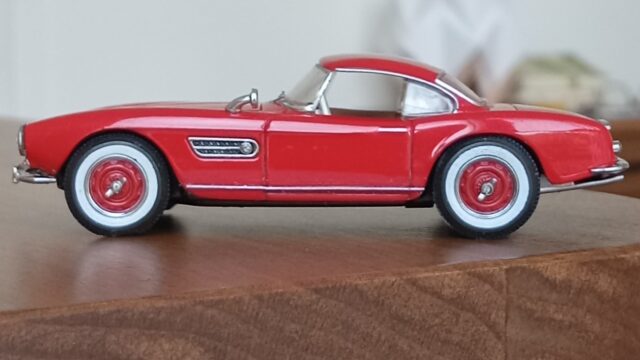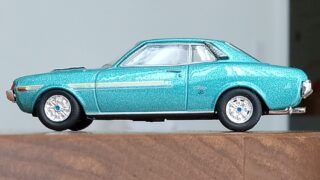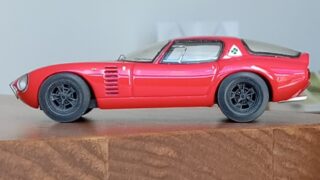
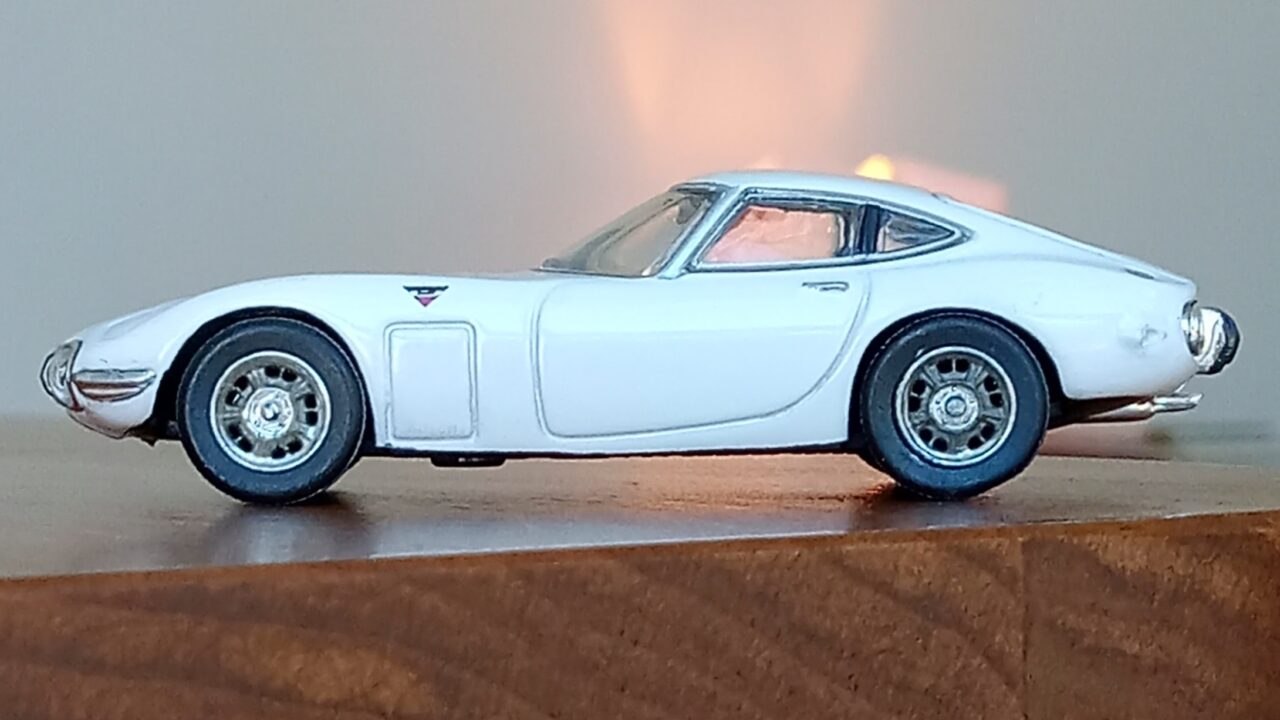
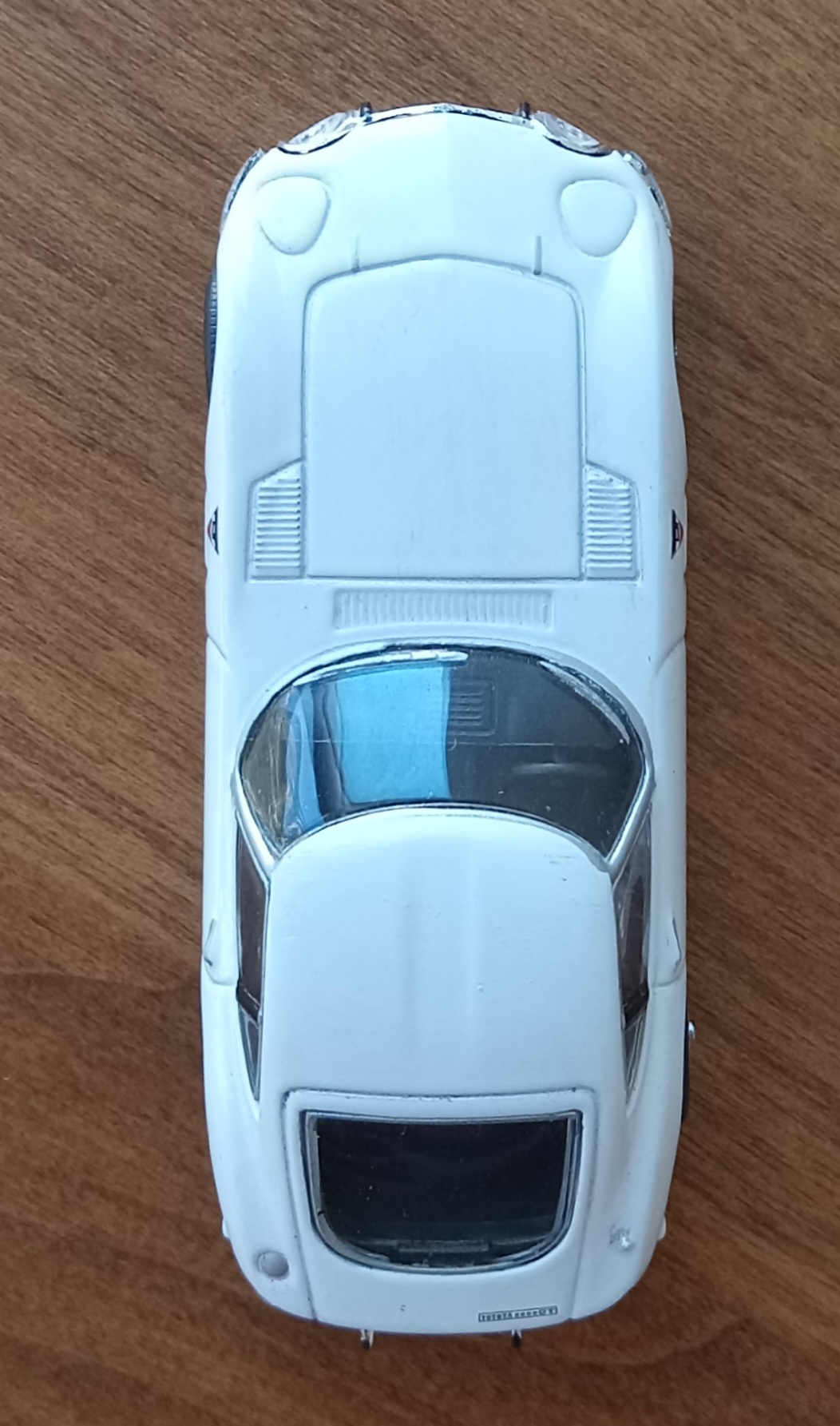
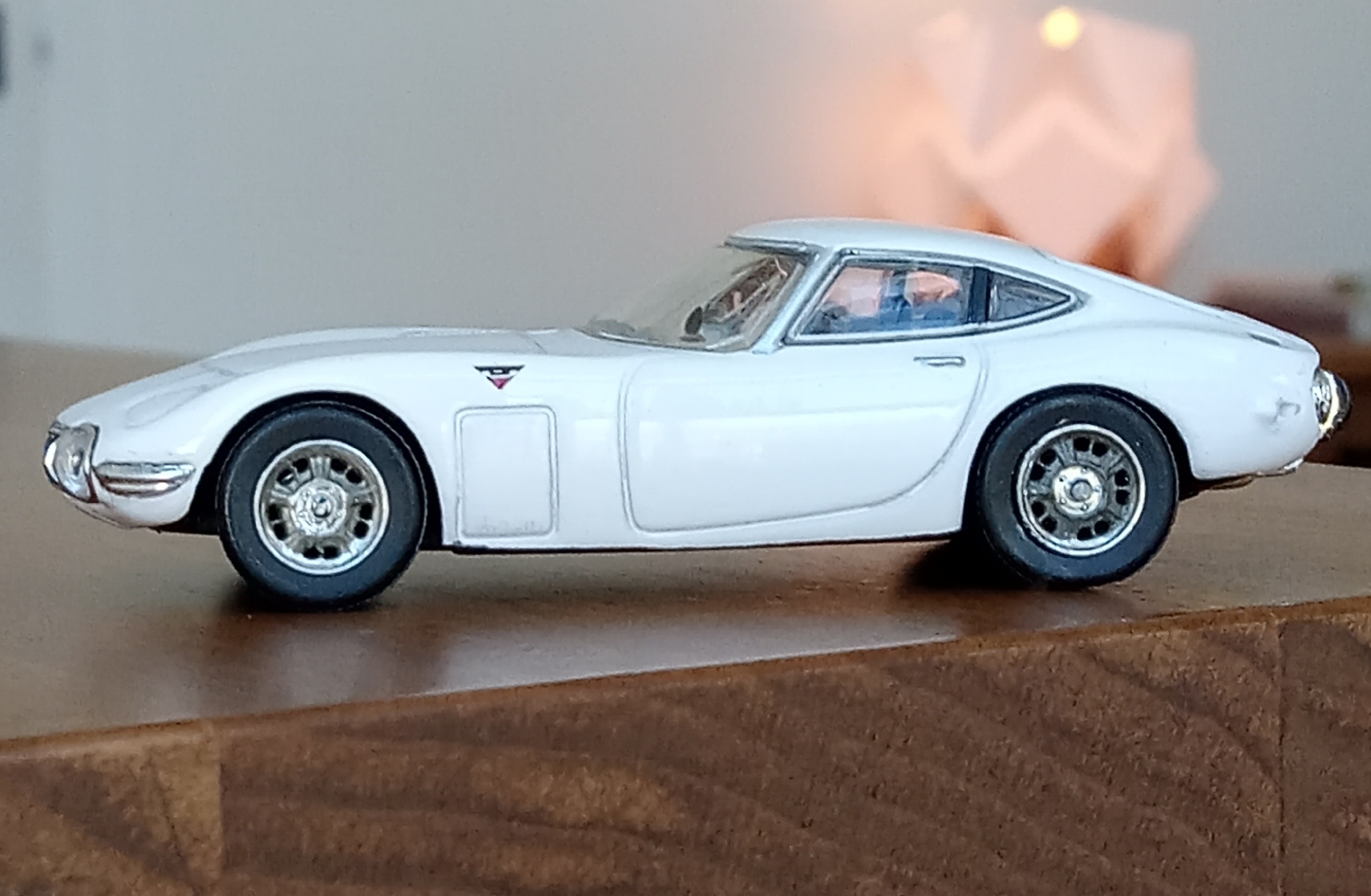
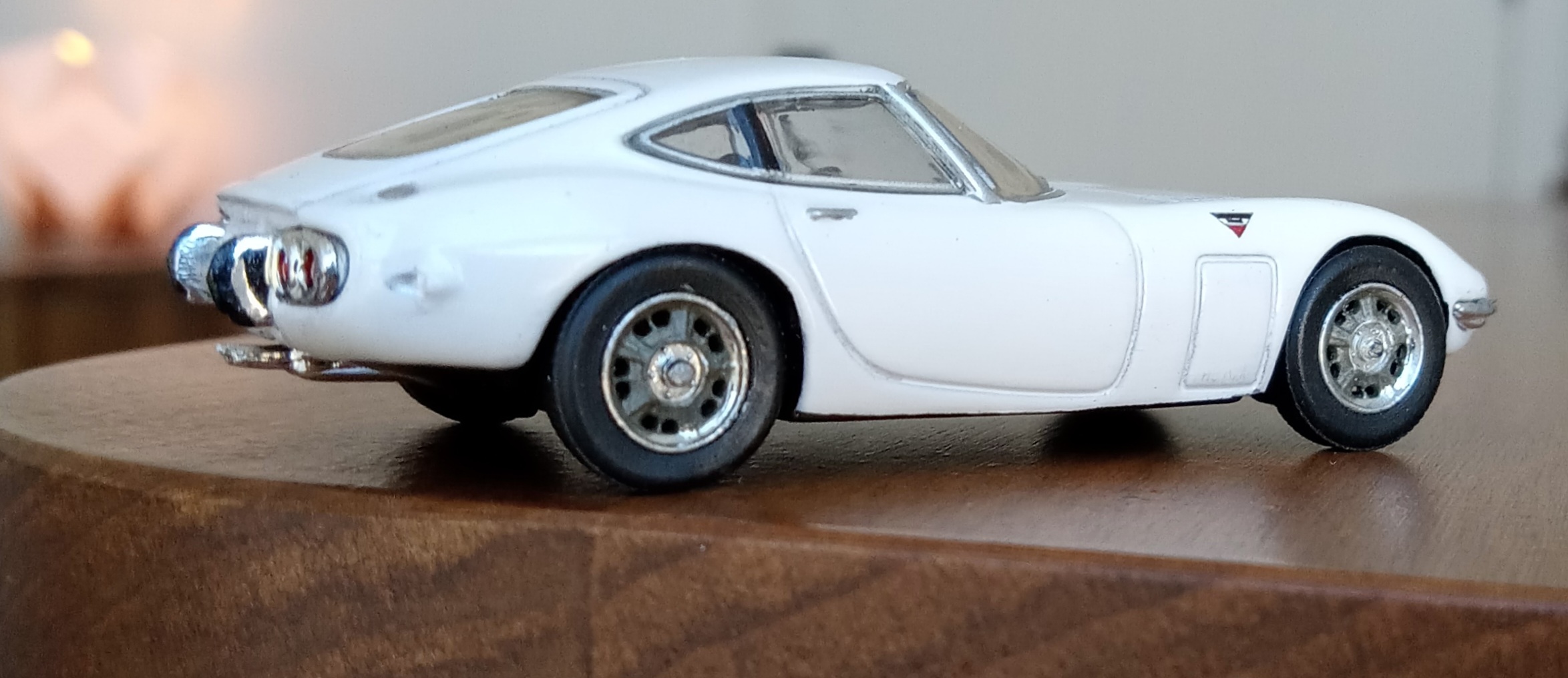
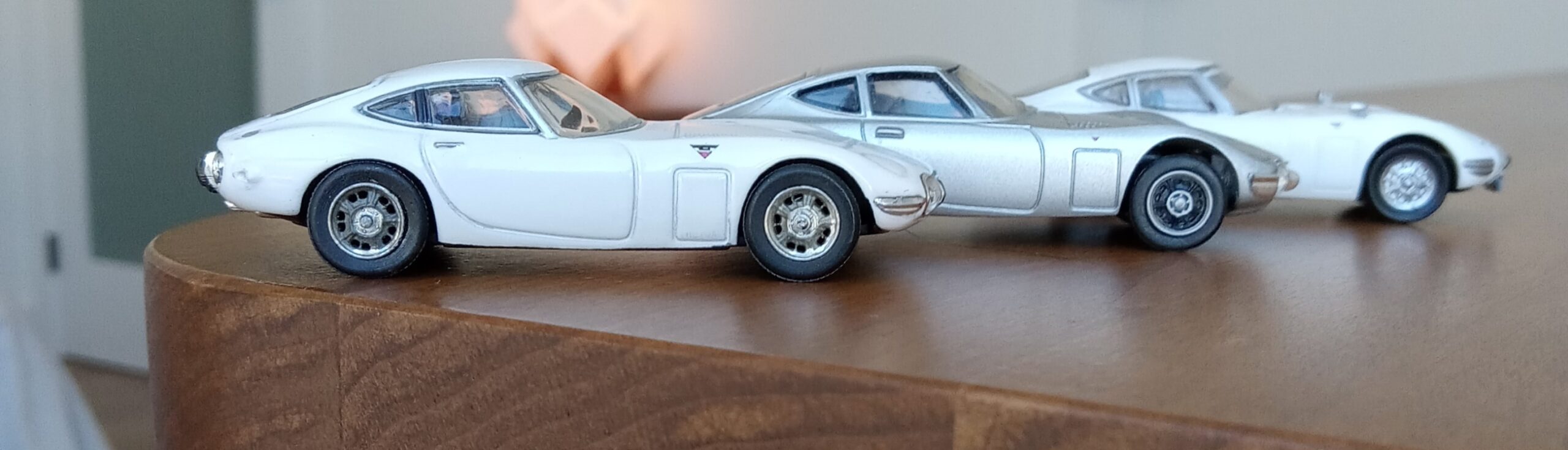
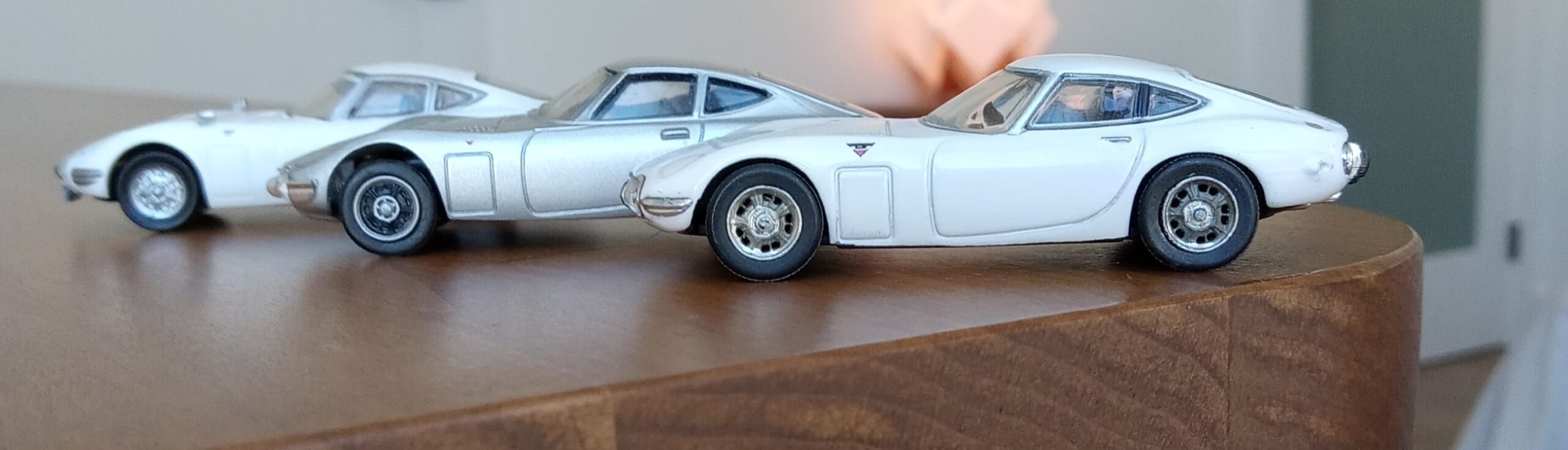
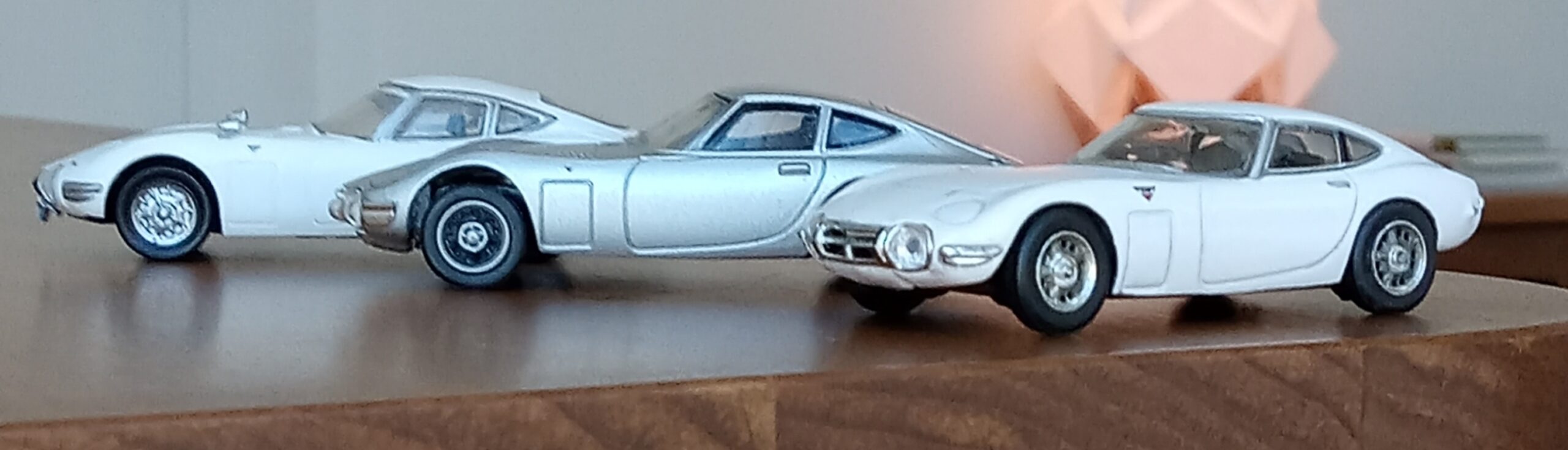
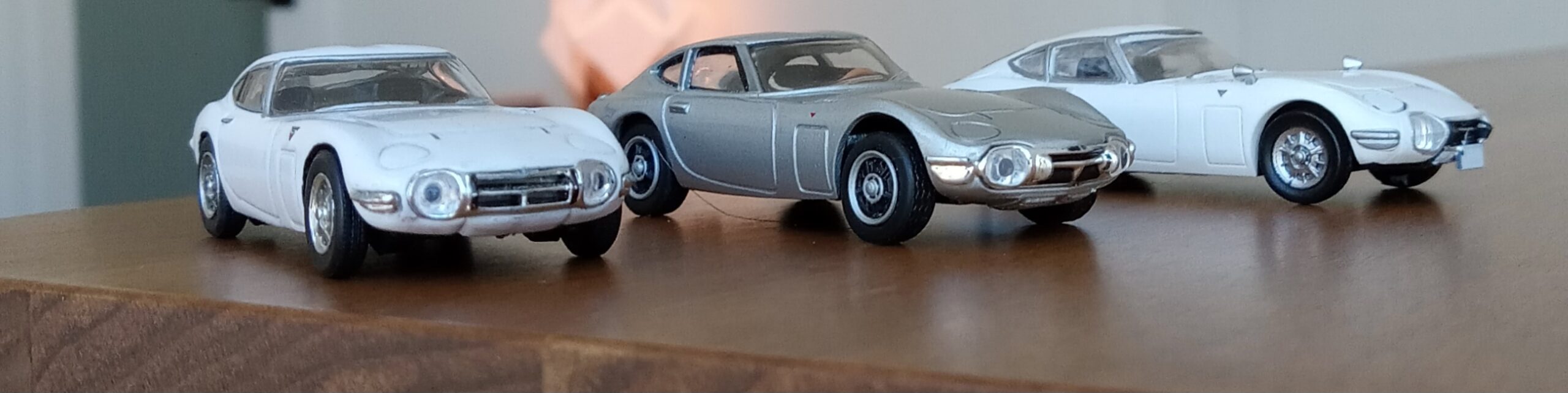
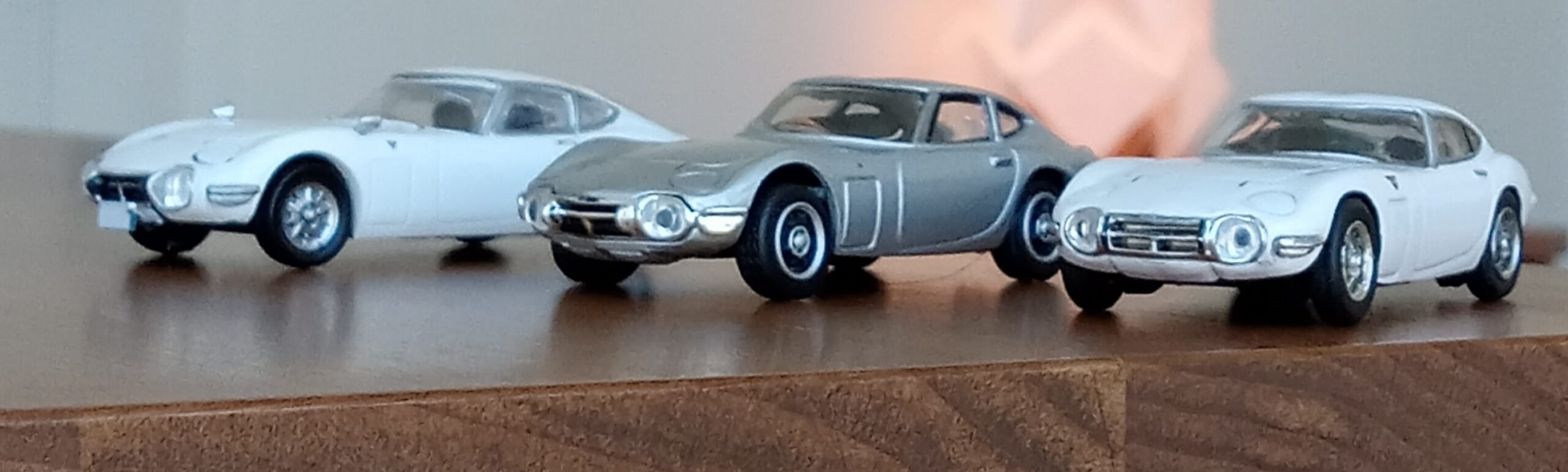
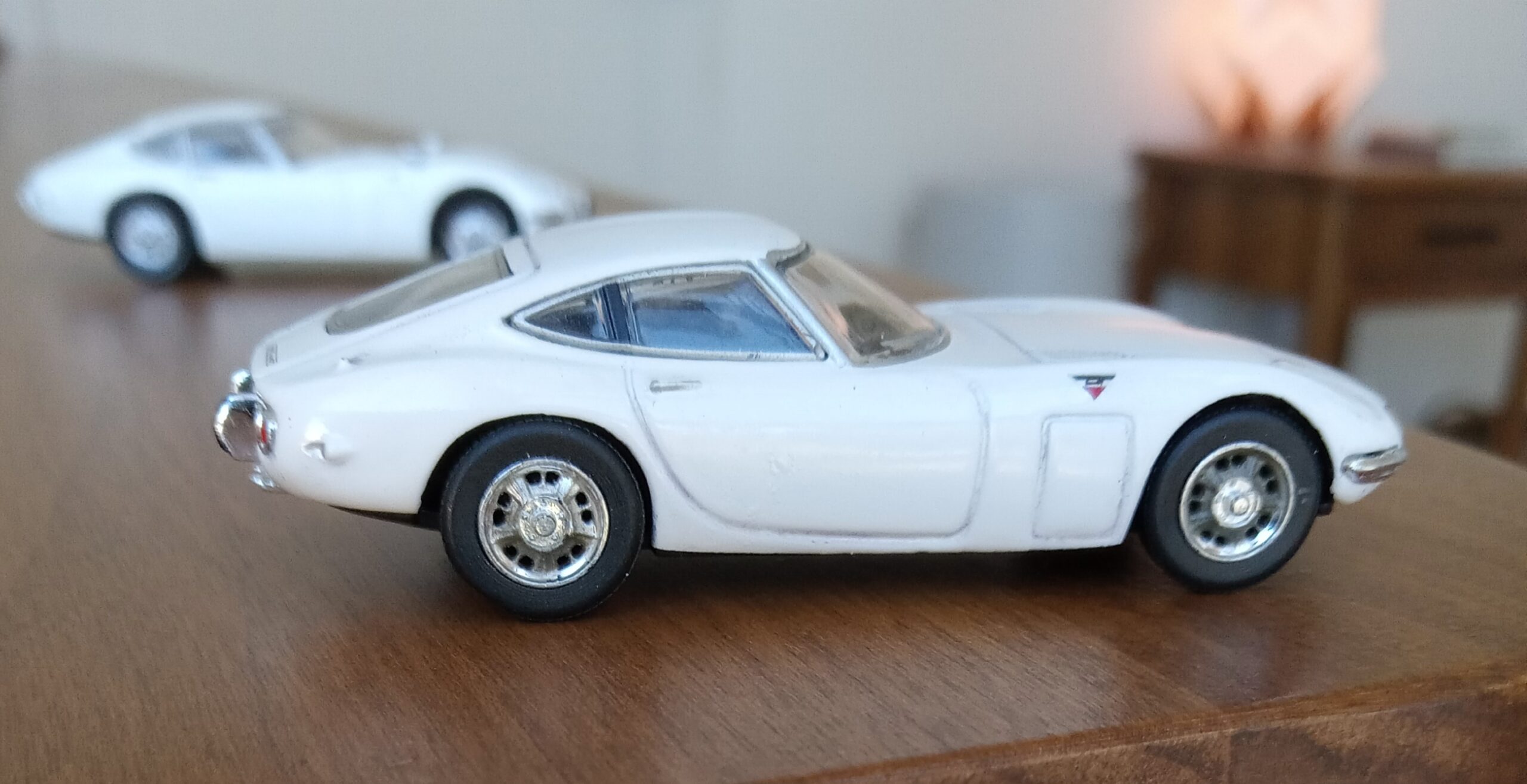
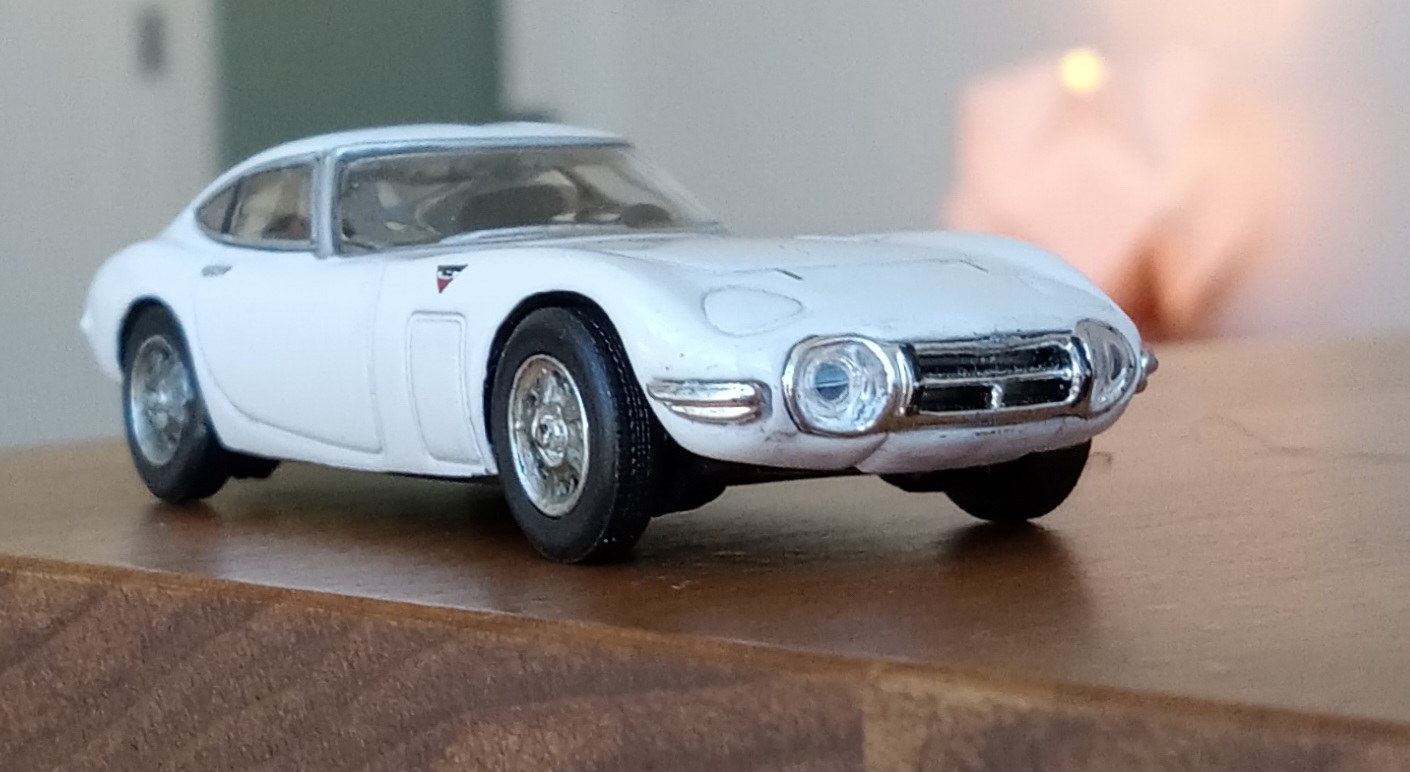
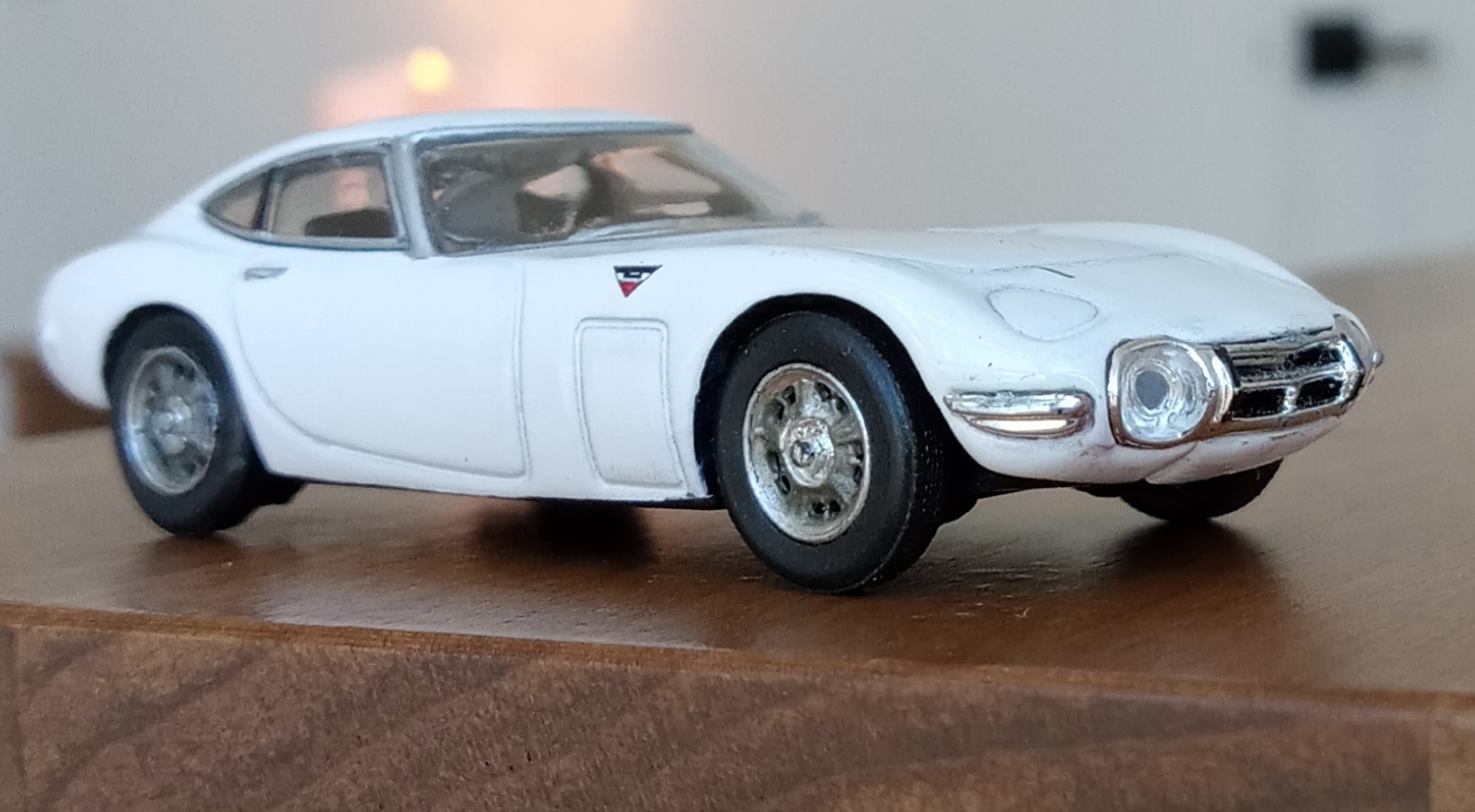
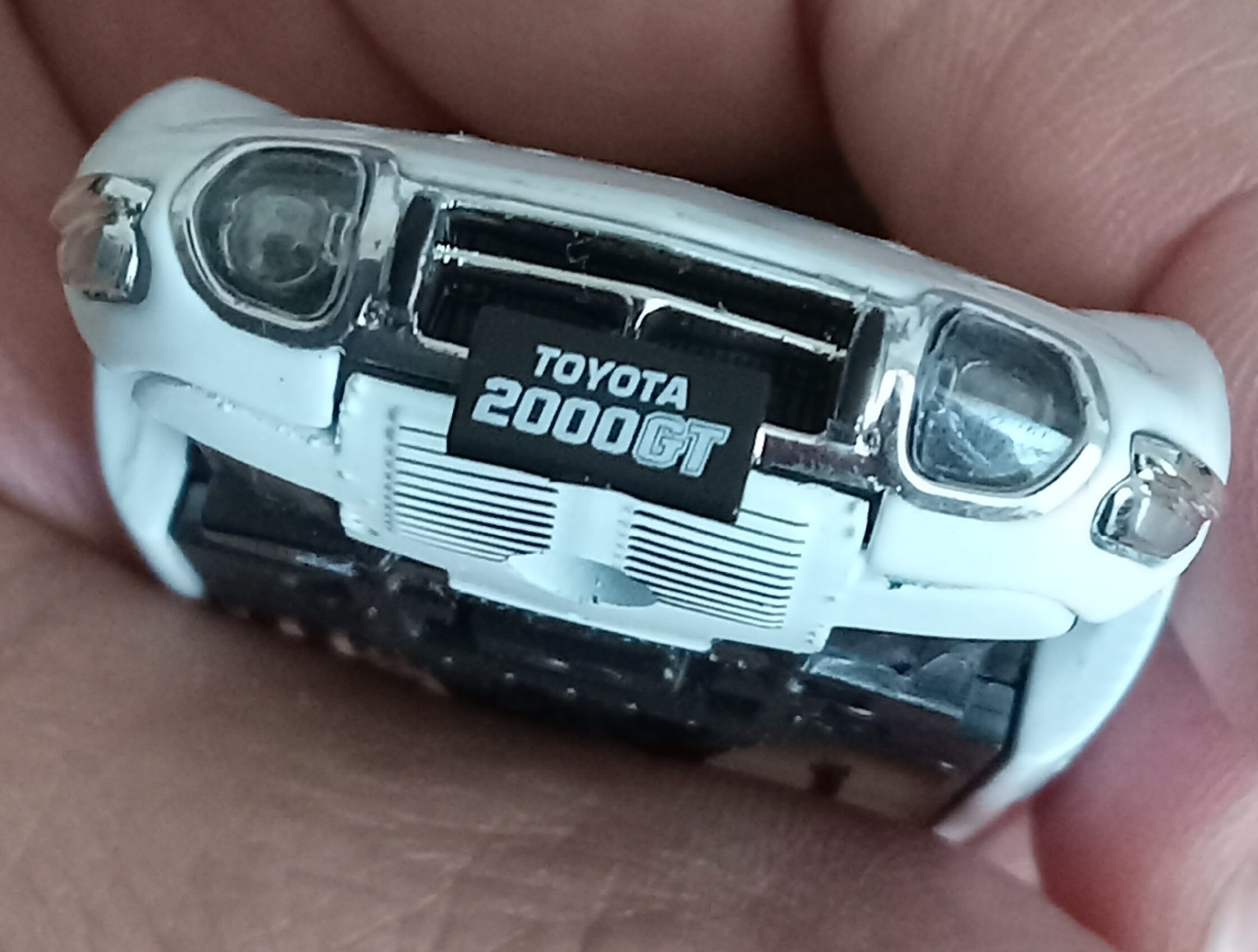
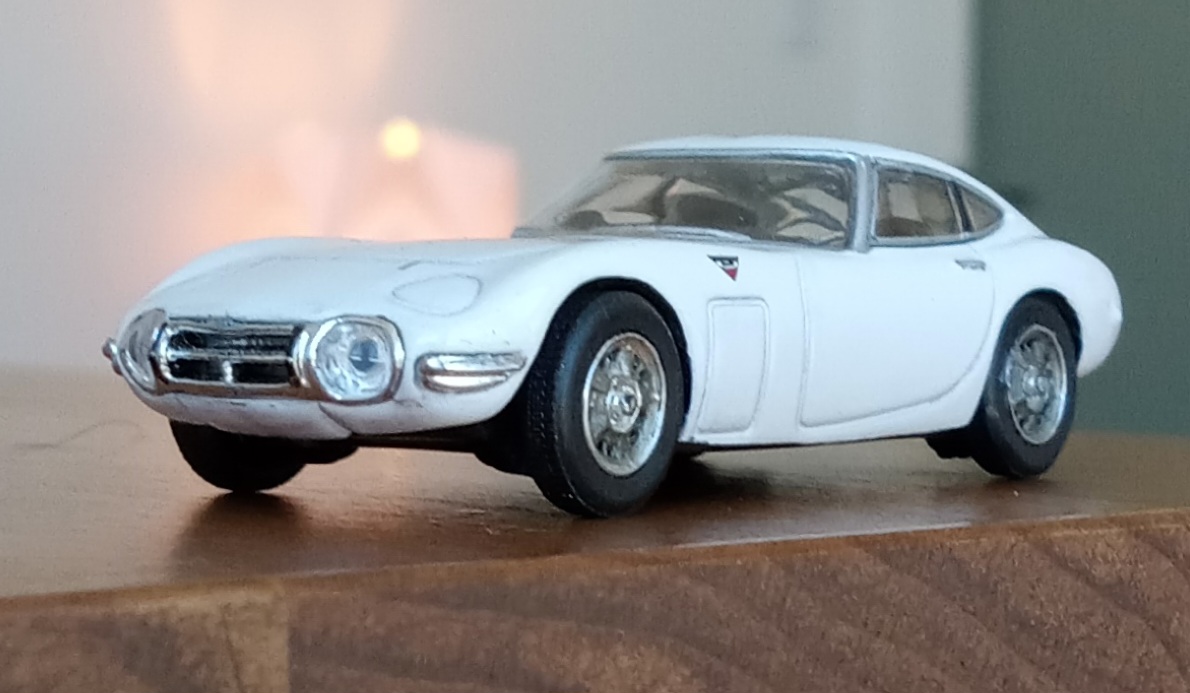
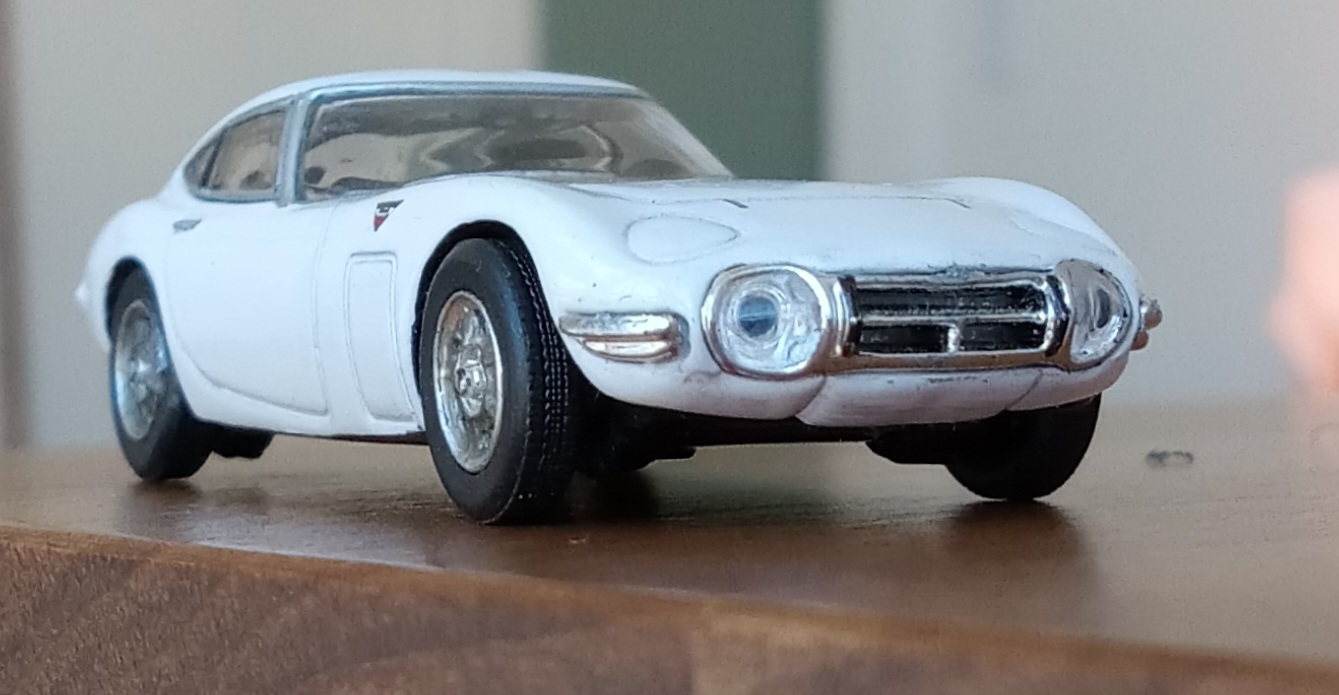
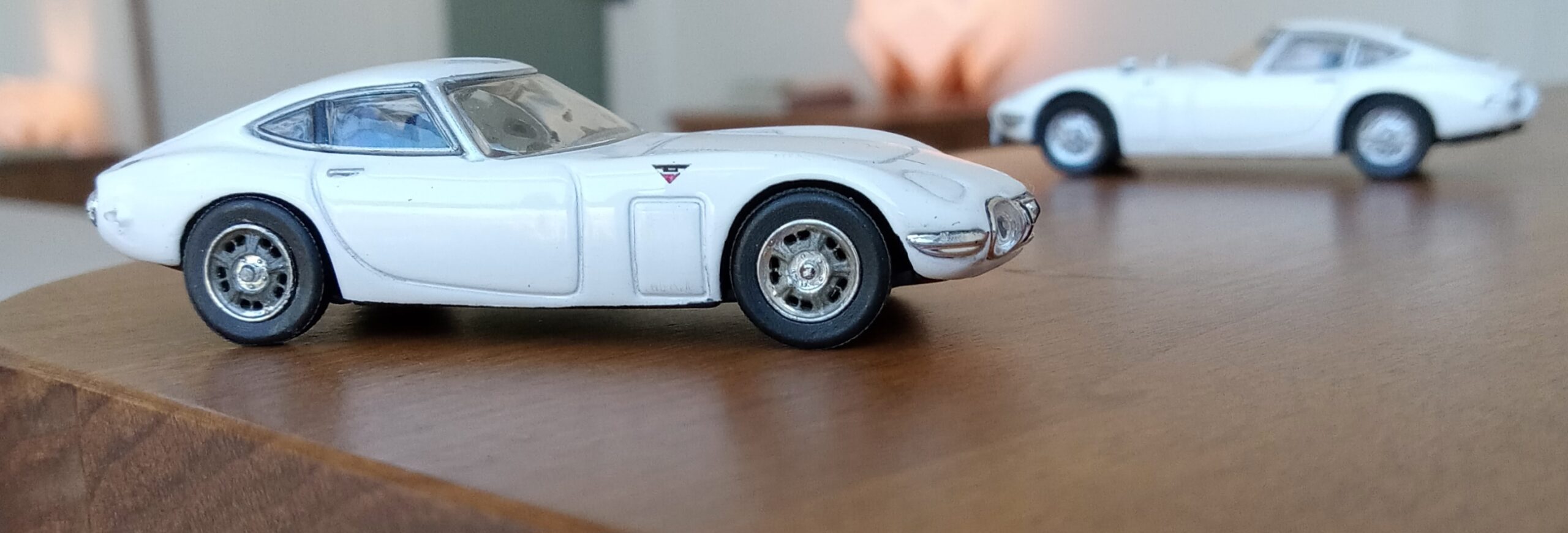
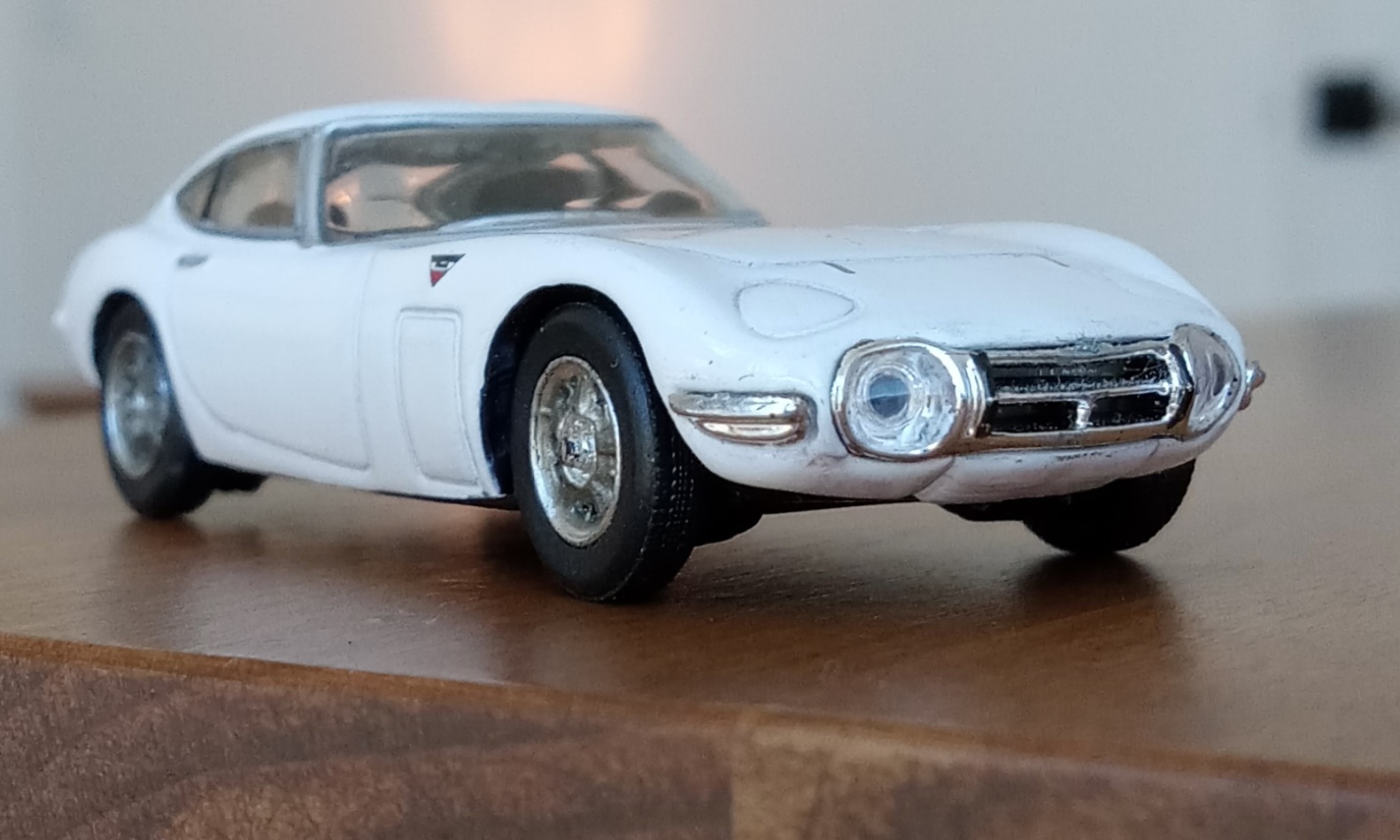
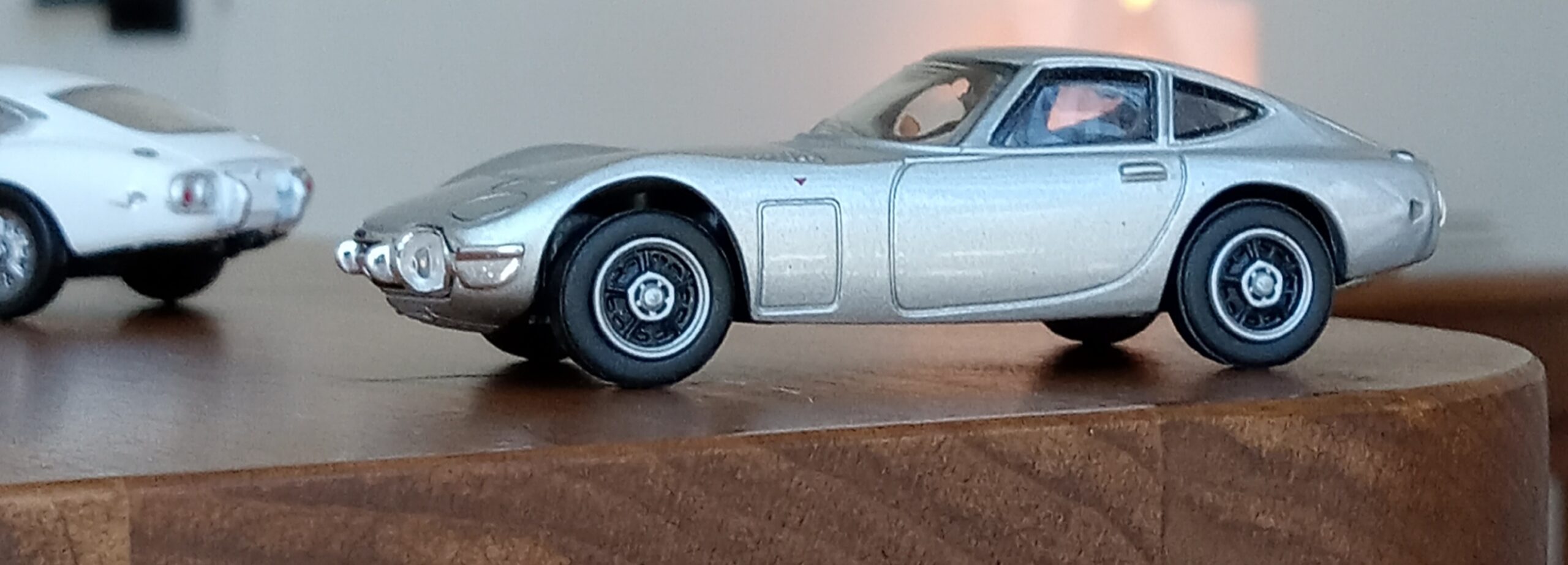
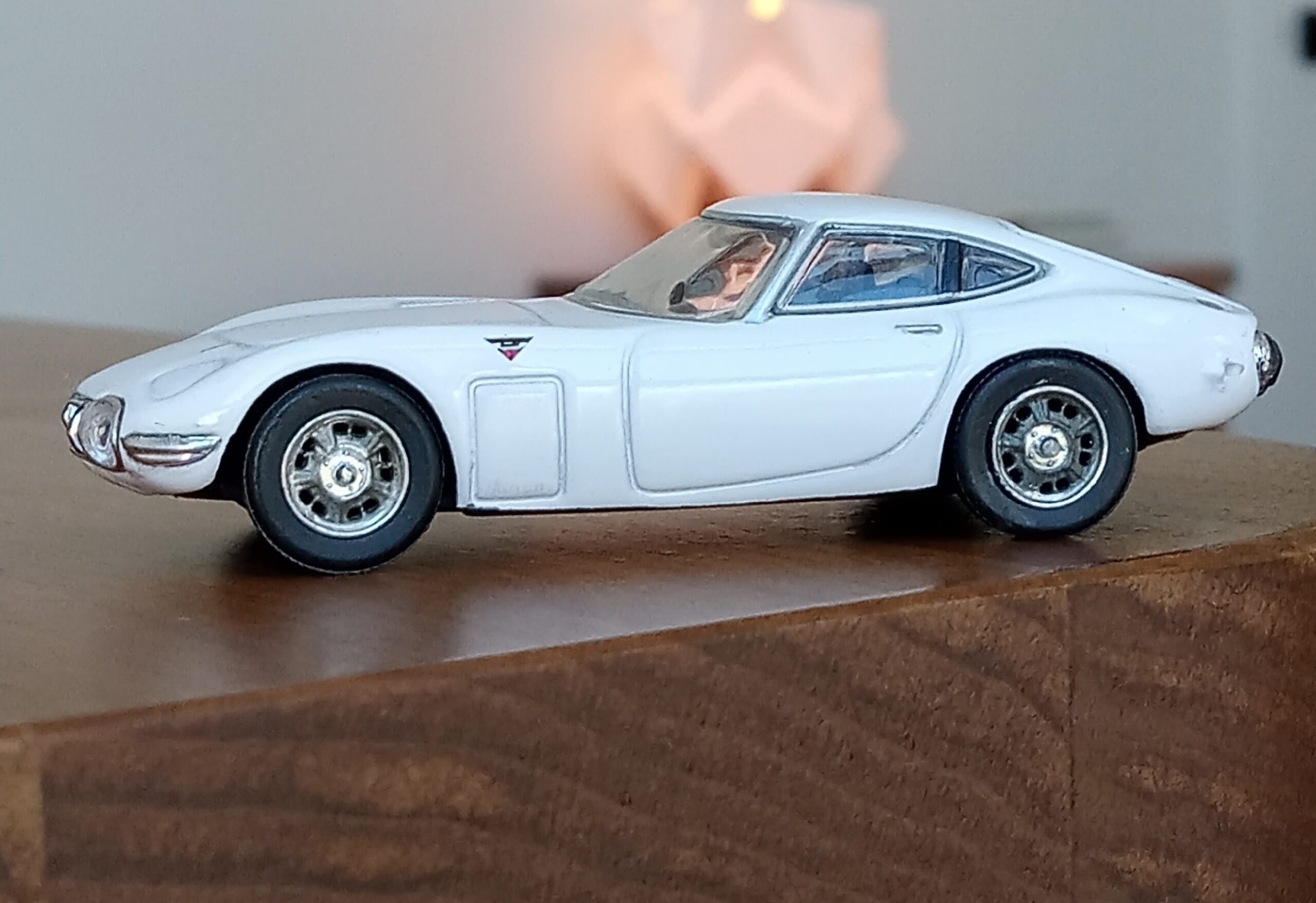
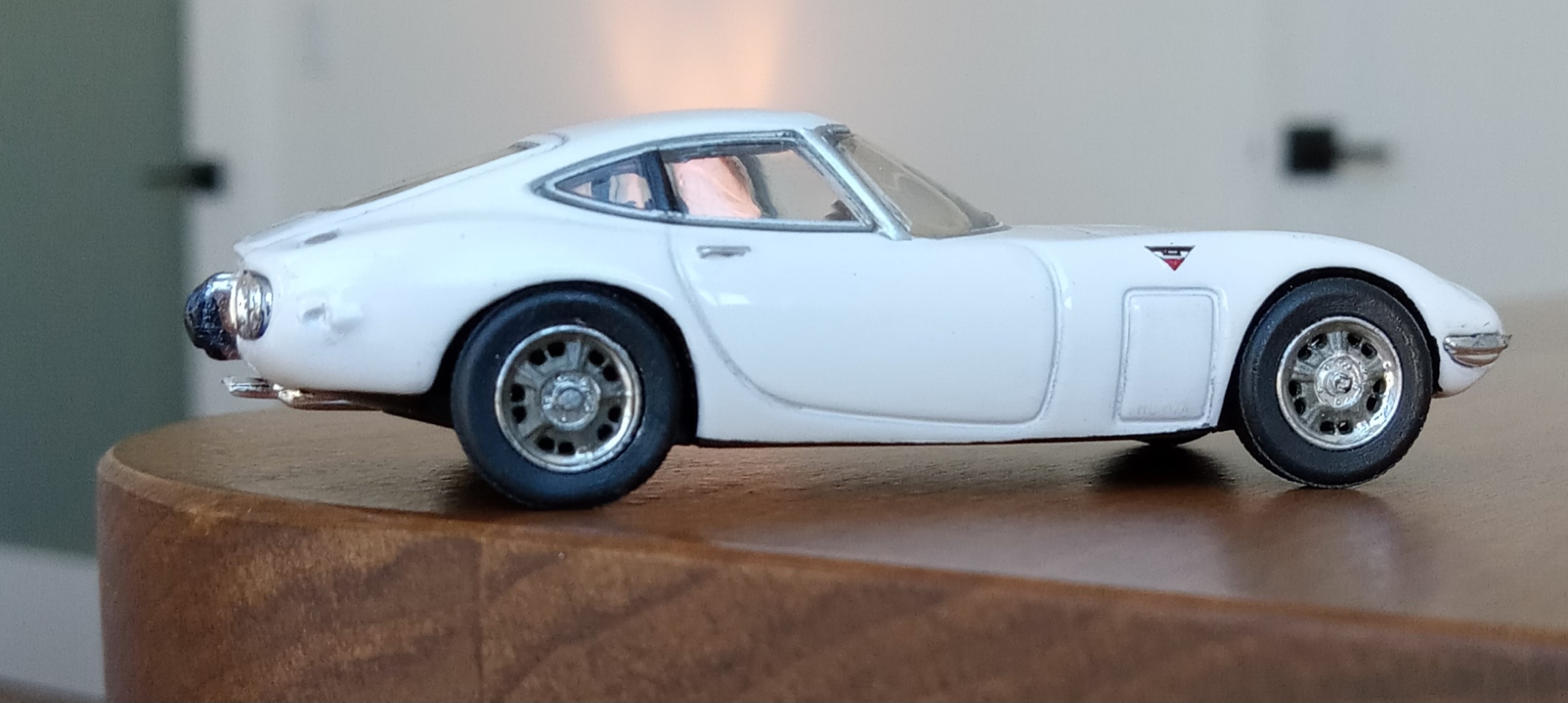
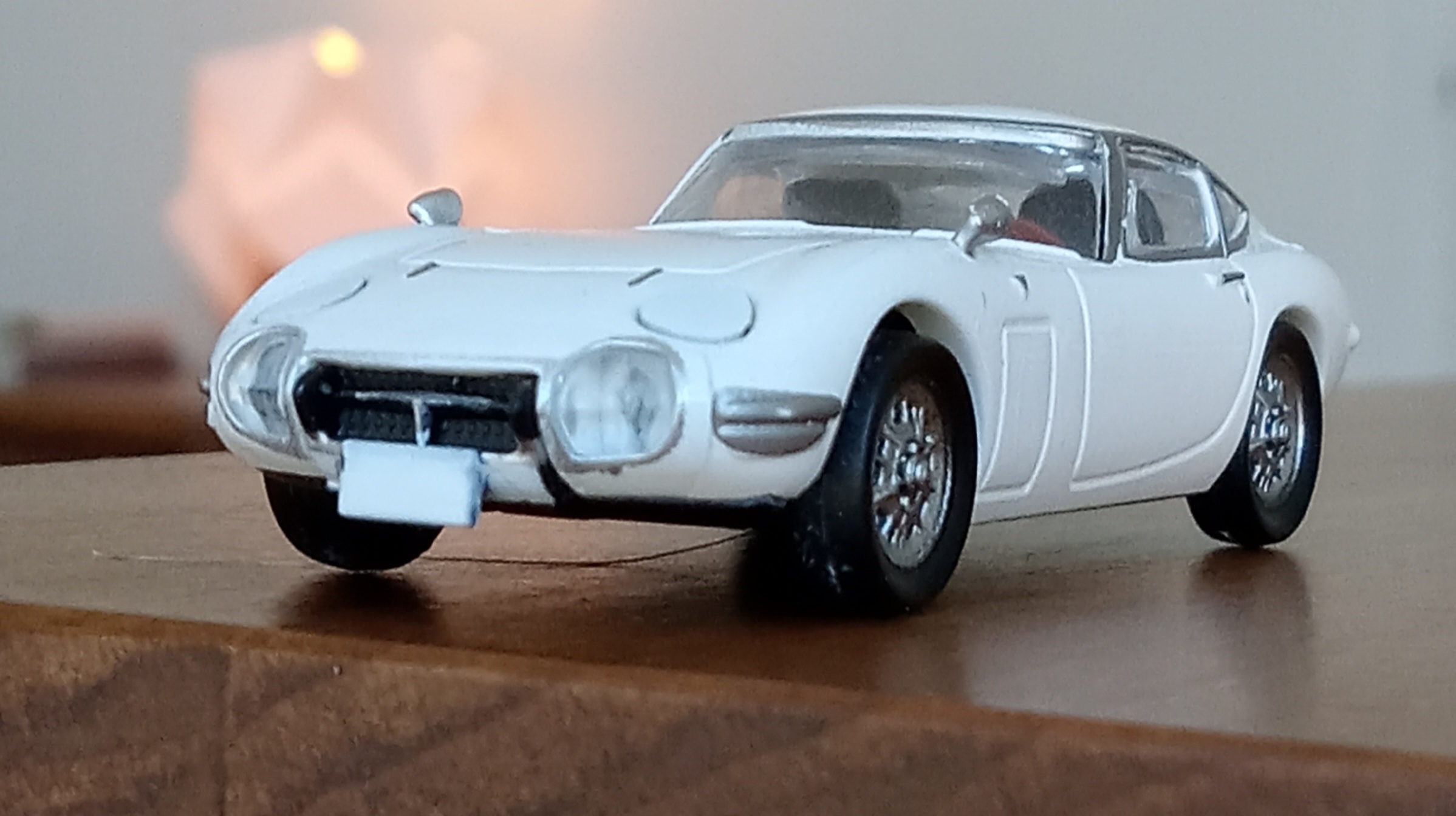
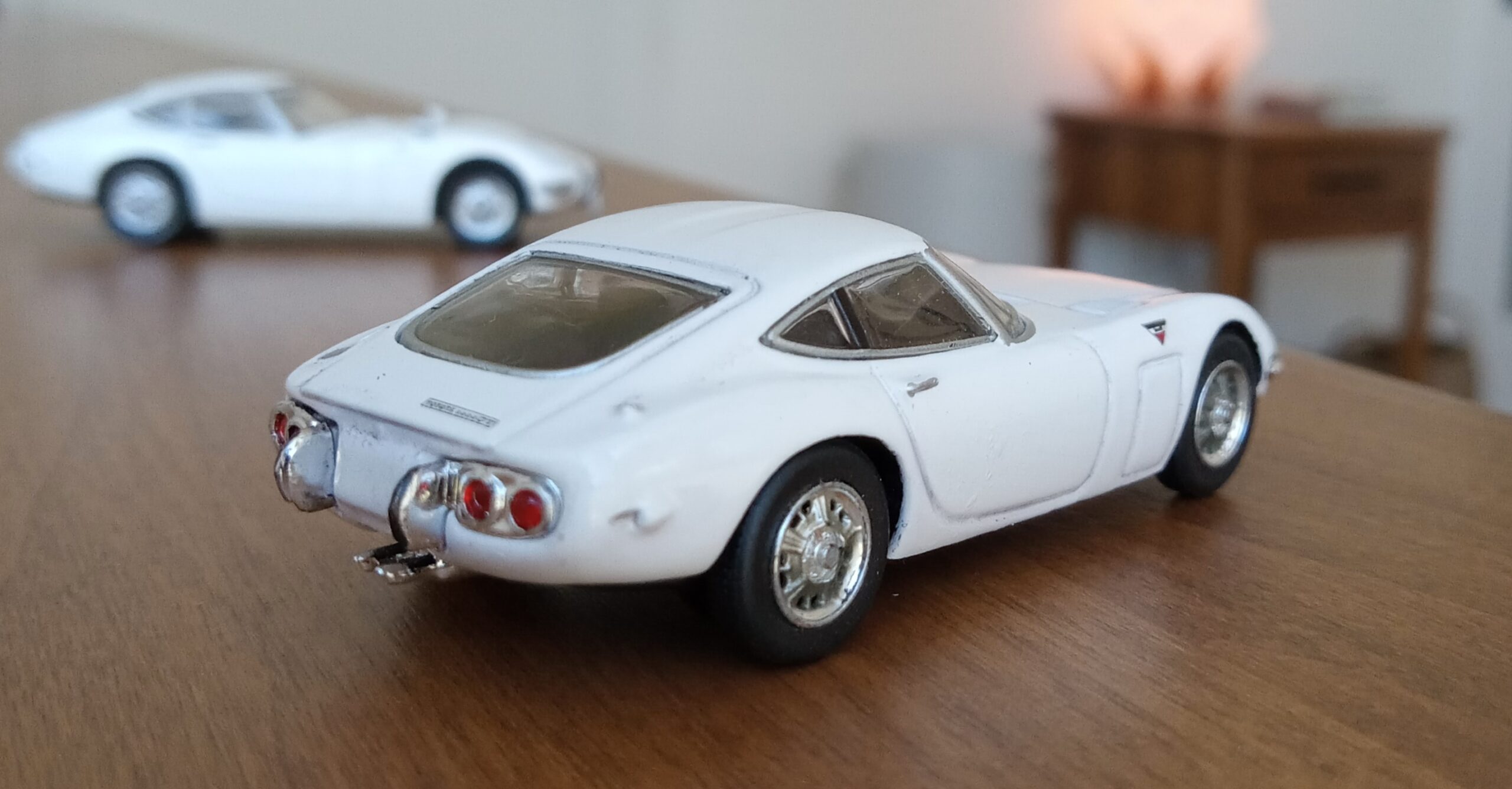
(撮影に使用したミニカー:京商製、1/64 ダイキャスト完成品、トヨタ2000GT【前期型】)
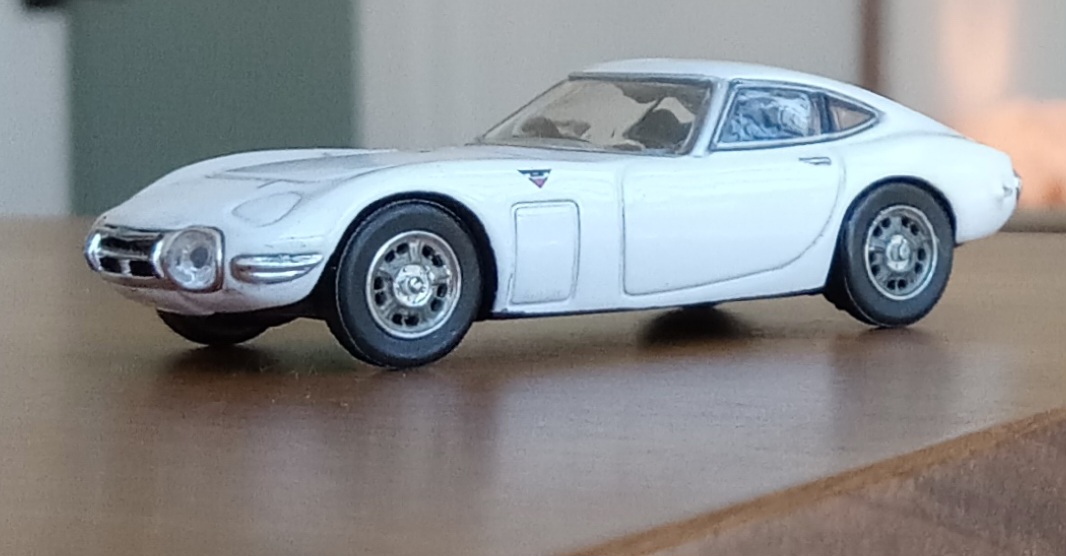
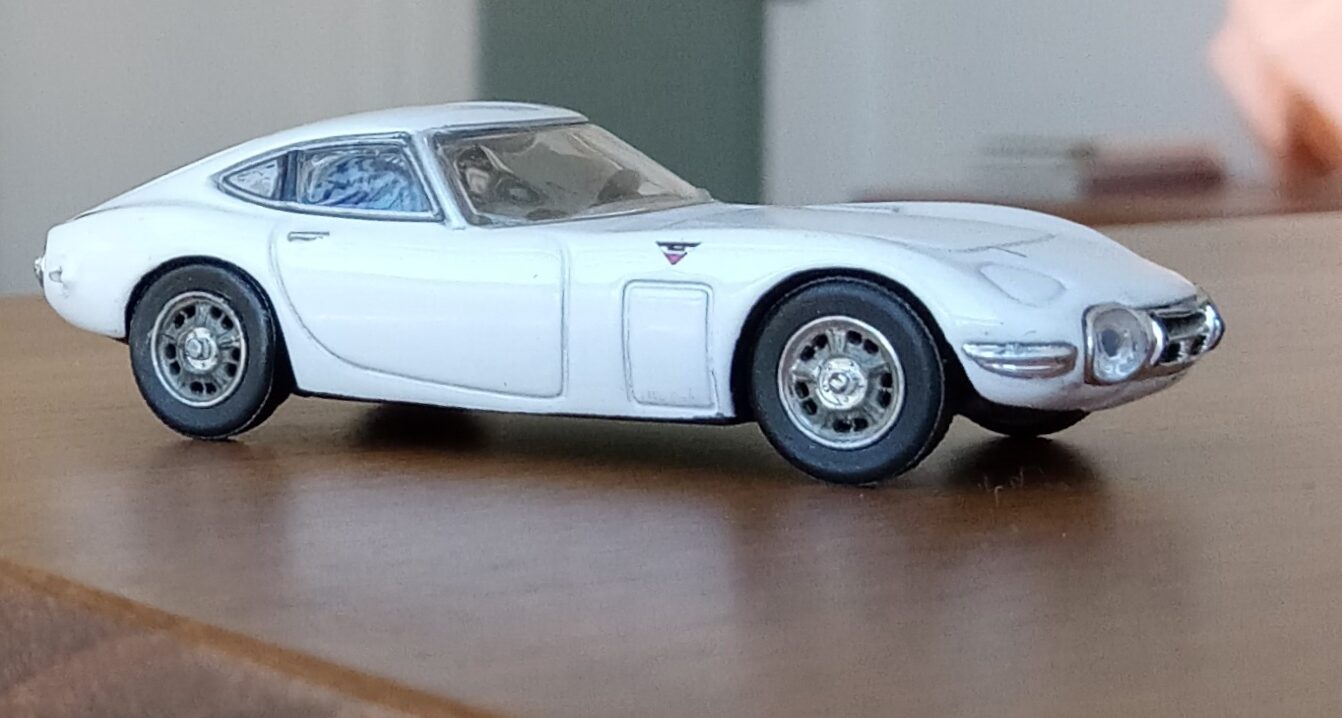
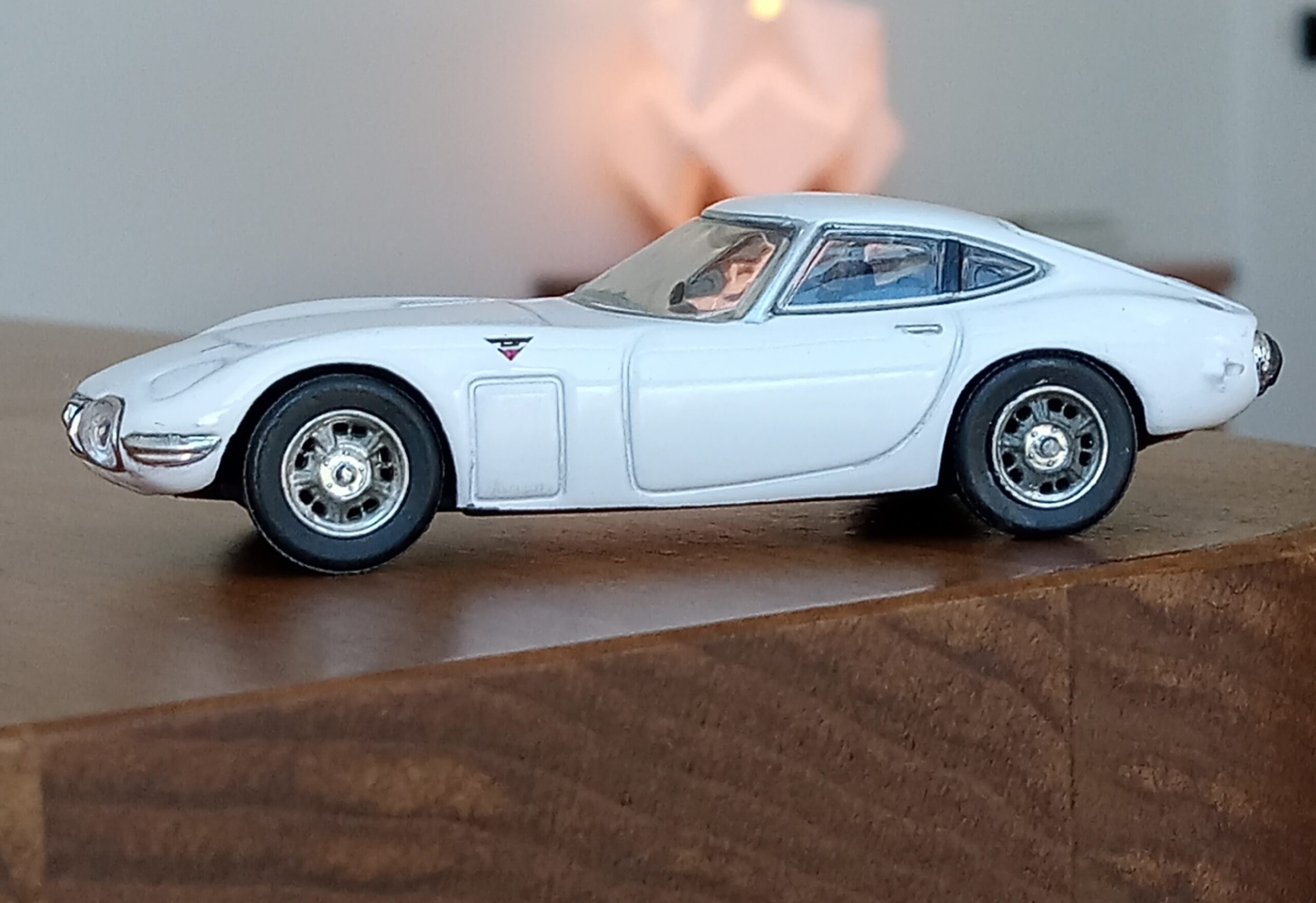
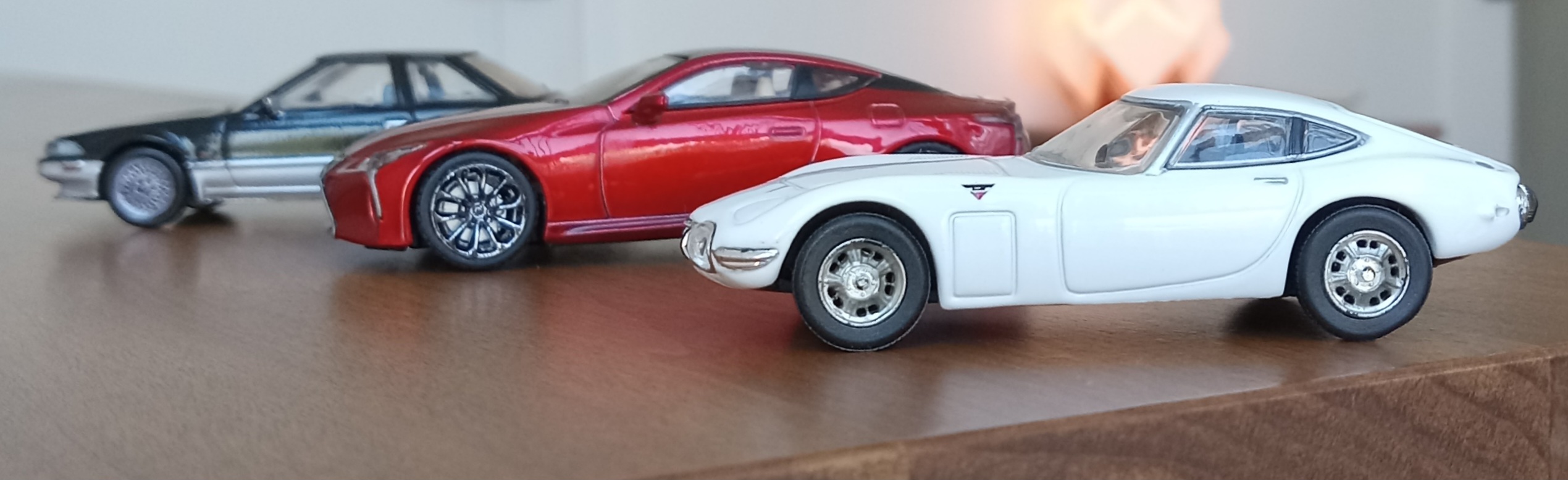
第40回ーー2ドア・クーペの系譜: 第20回【日本車・トヨタ編】 トヨタ・ヤマハ 2000GT、1967 (アイボリー・ホワイト) 『日本が産んだ世界の至宝』 Toyota/Yamaha 2000GT, 1967『The Ultimate of Japanese Classic Cars』
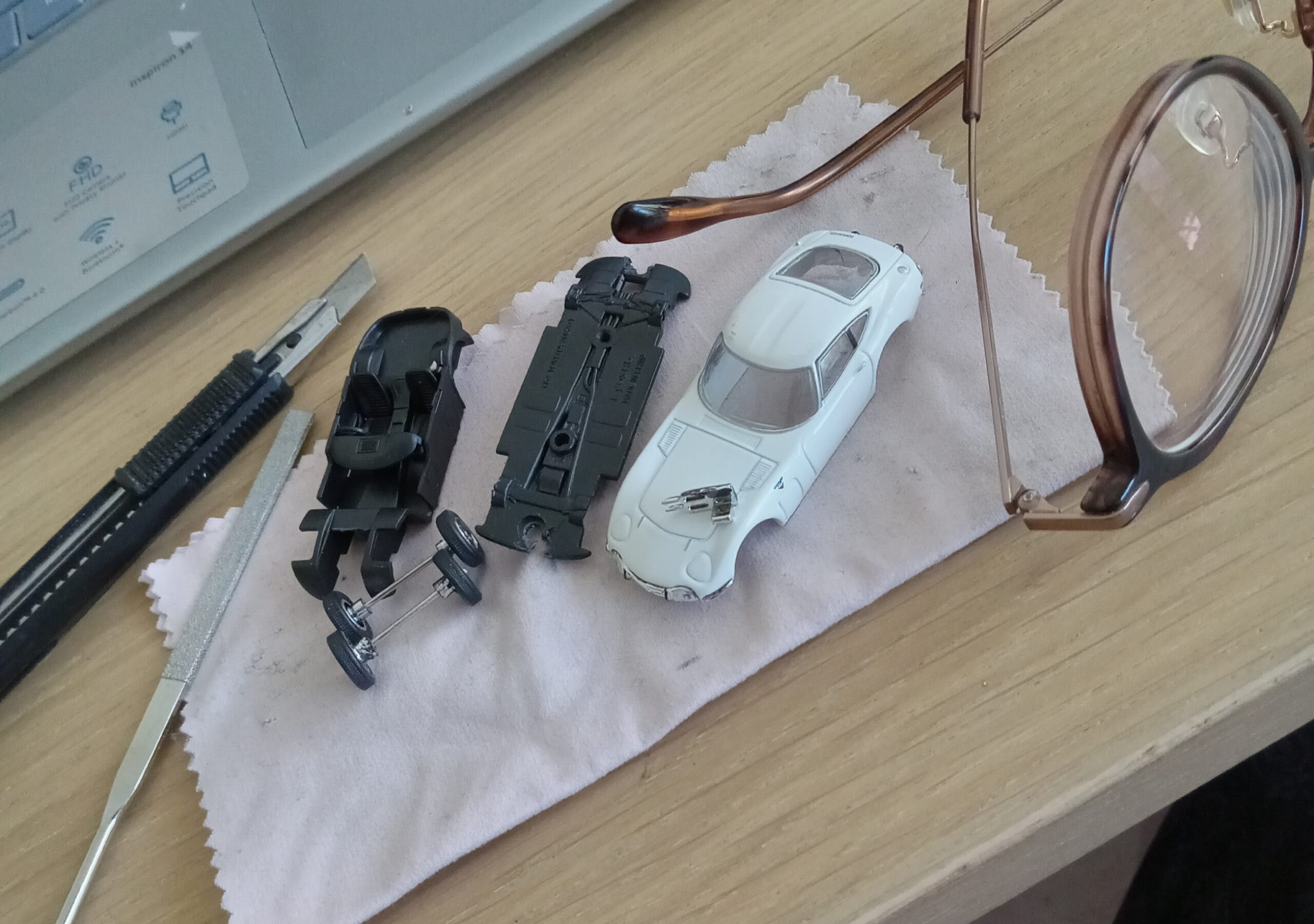
【ミニ・改造過程の写真集:】
<改造箇所:>
*カシメ止めを破壊して、ボディーと奢侈を分解、
*車軸を外して、車幅と車軸位置を微調整、
*タイヤハウスの内側を黒で塗装後、
*ボディーの下半分を中心に、墨入れ&汚し、
*メッキ部分の禿をクロームマーカで修正
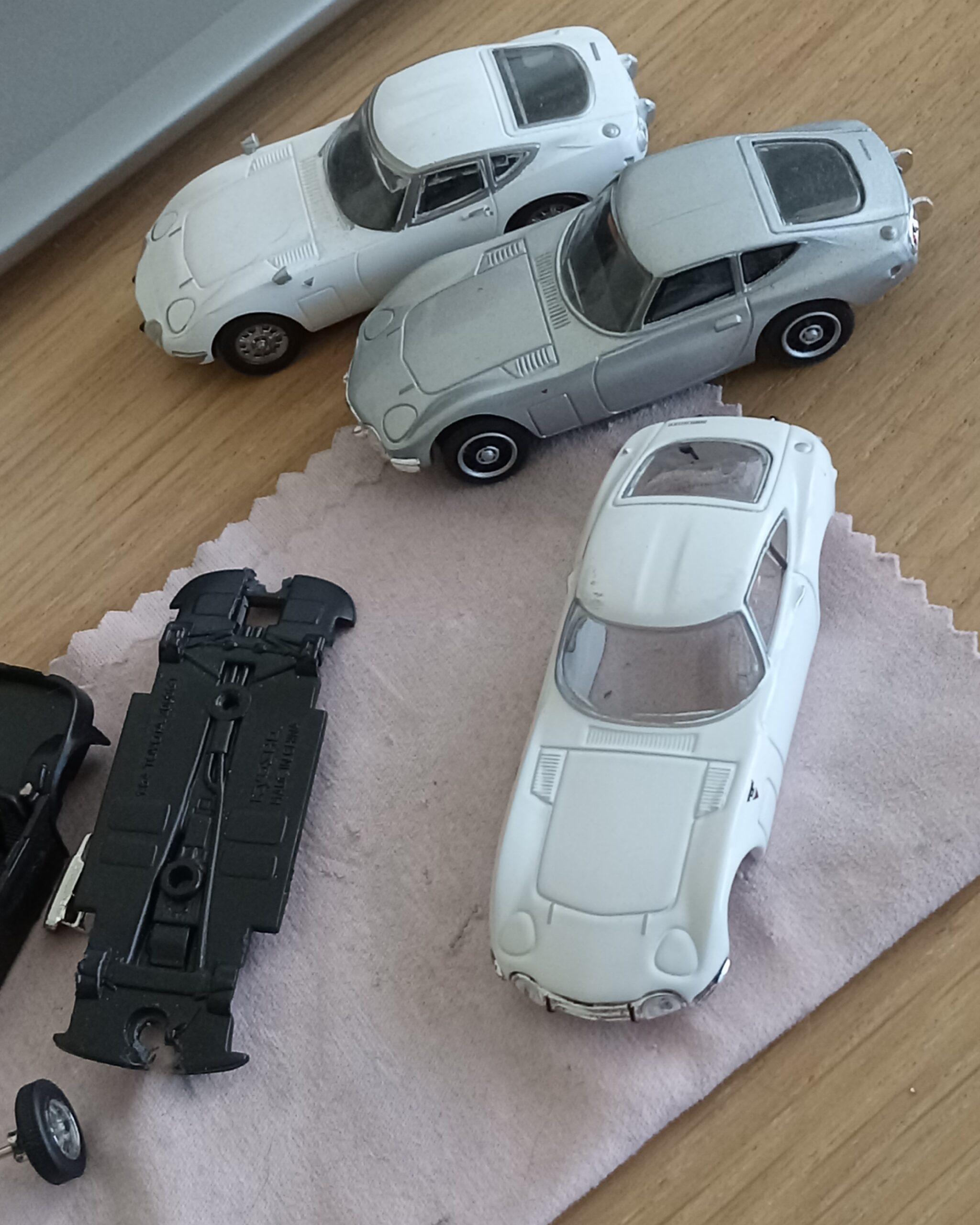
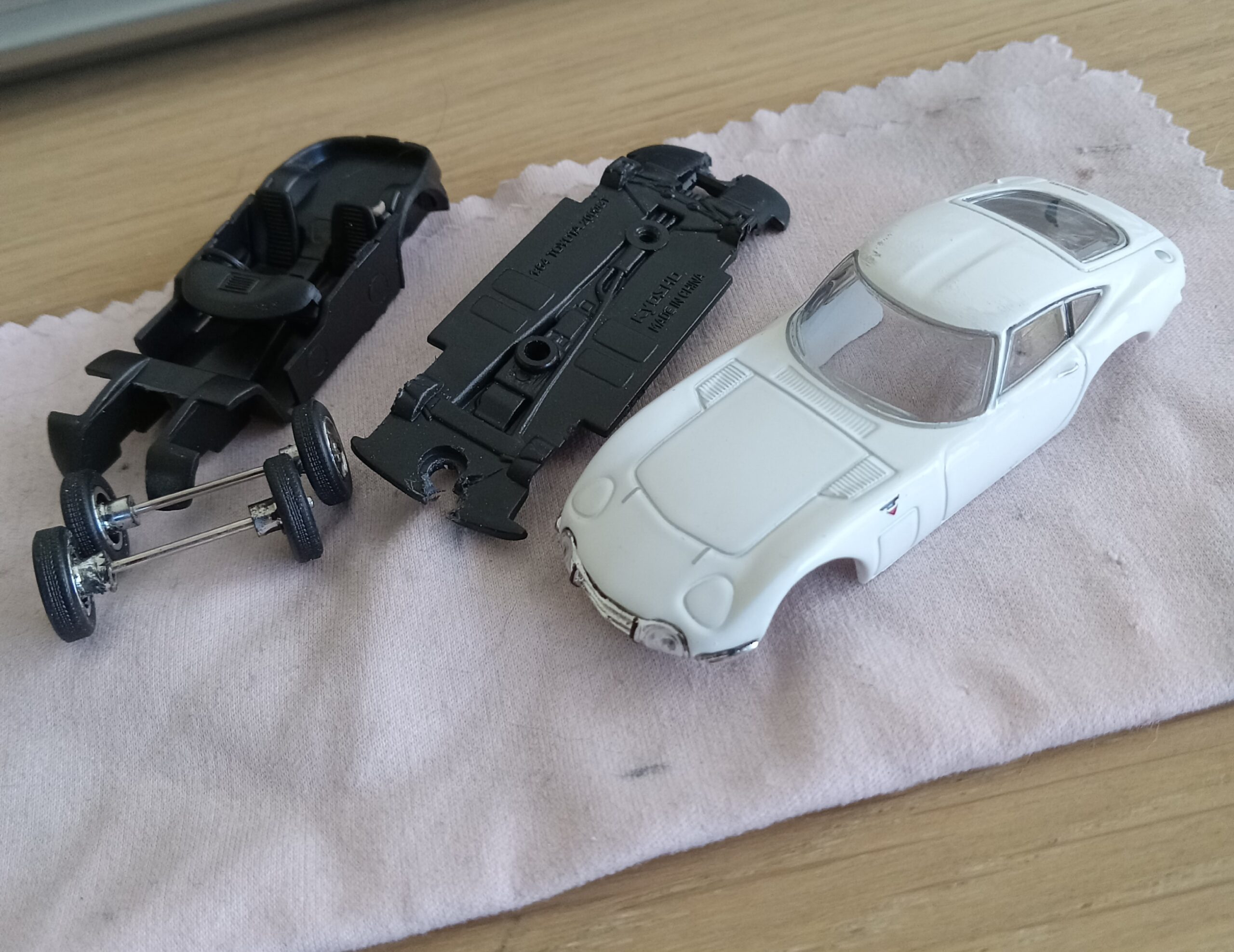
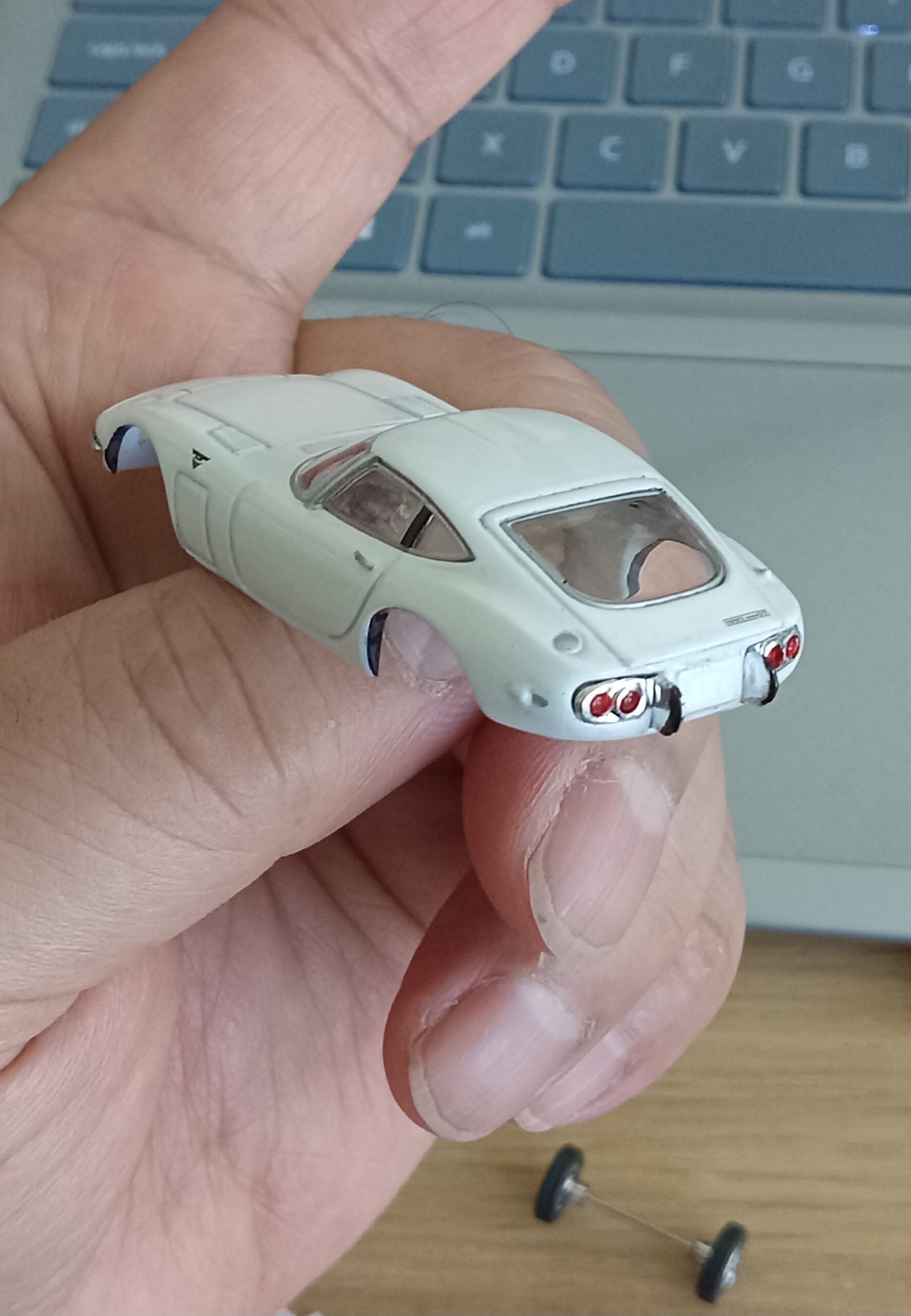
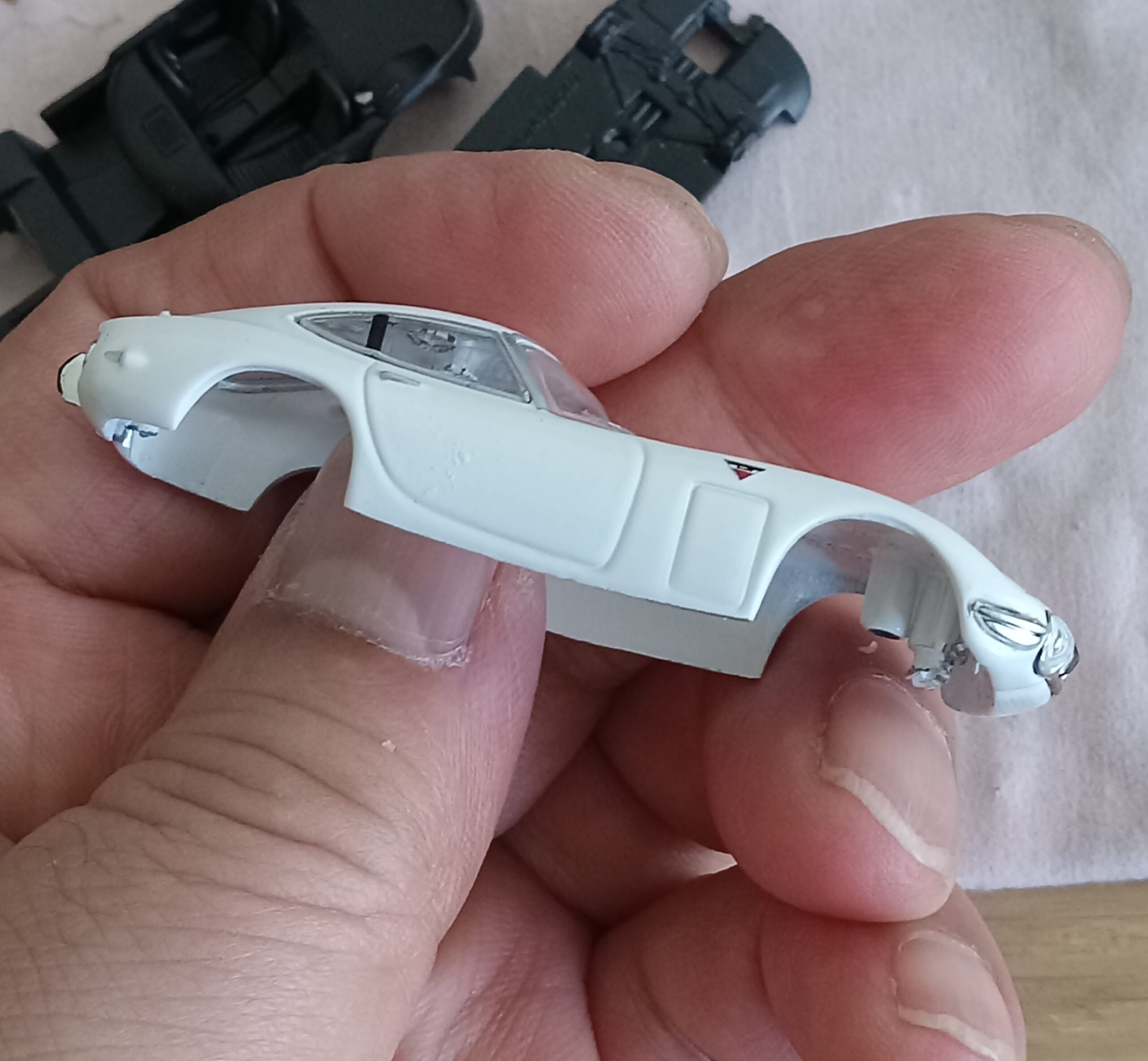
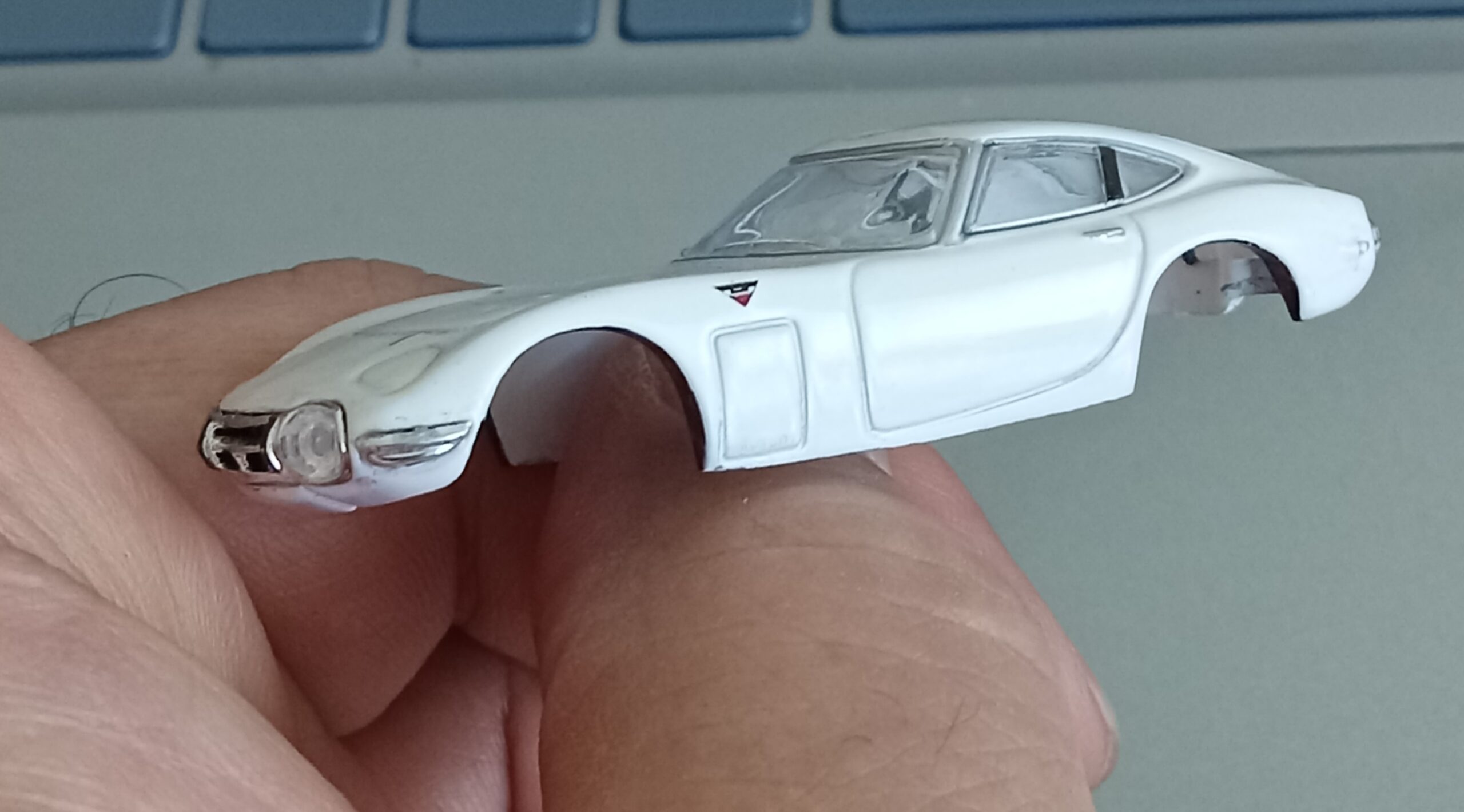
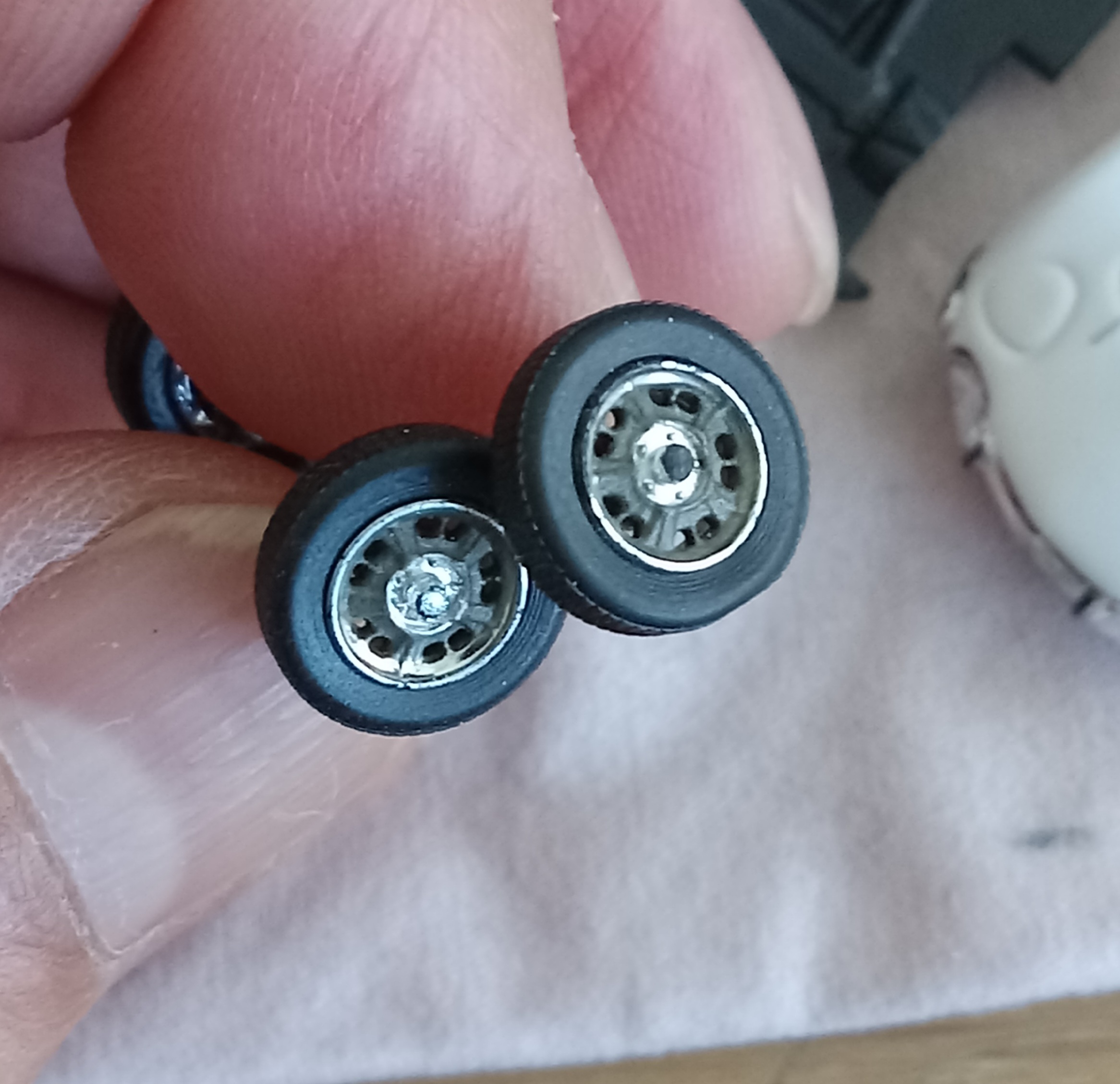
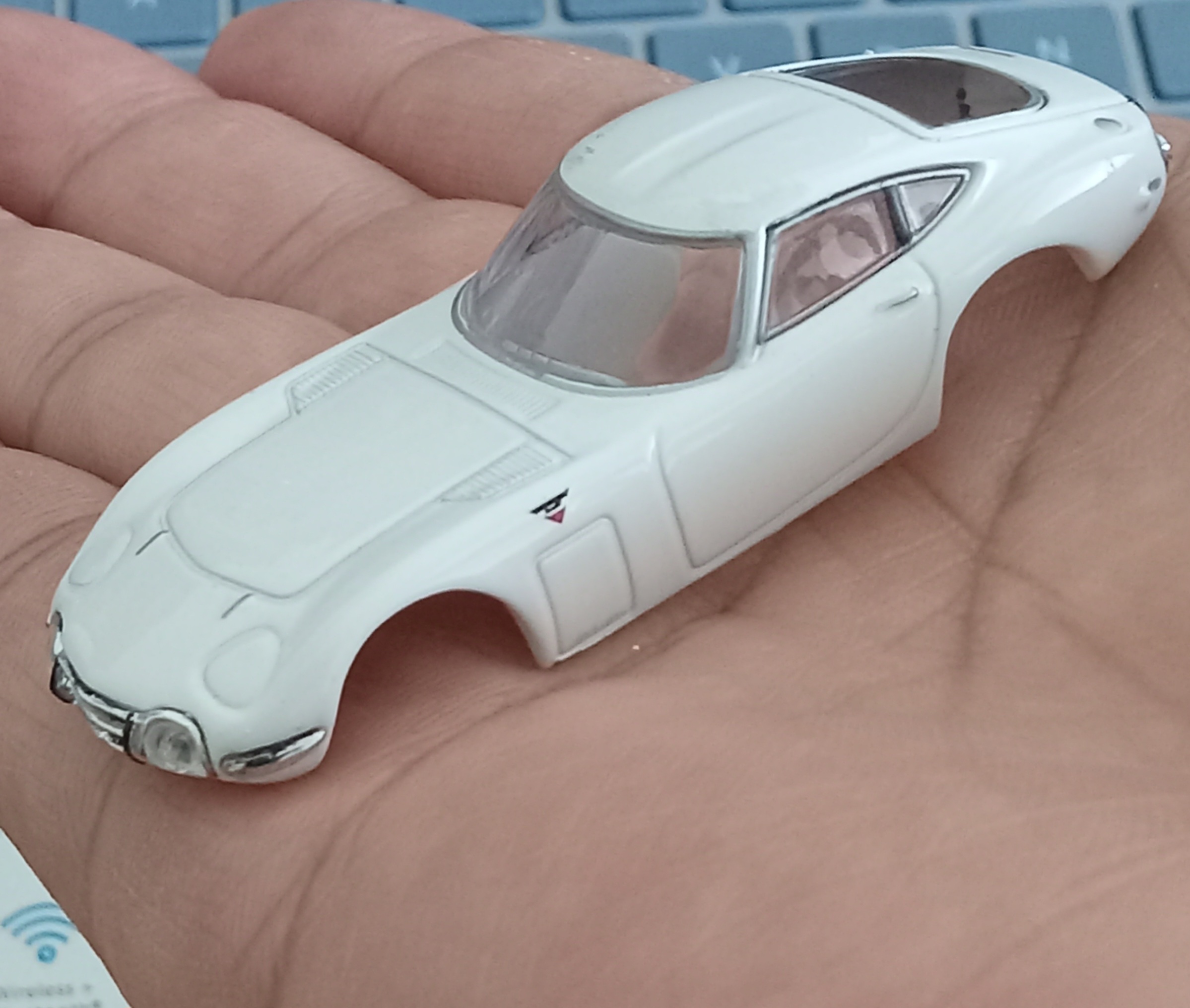
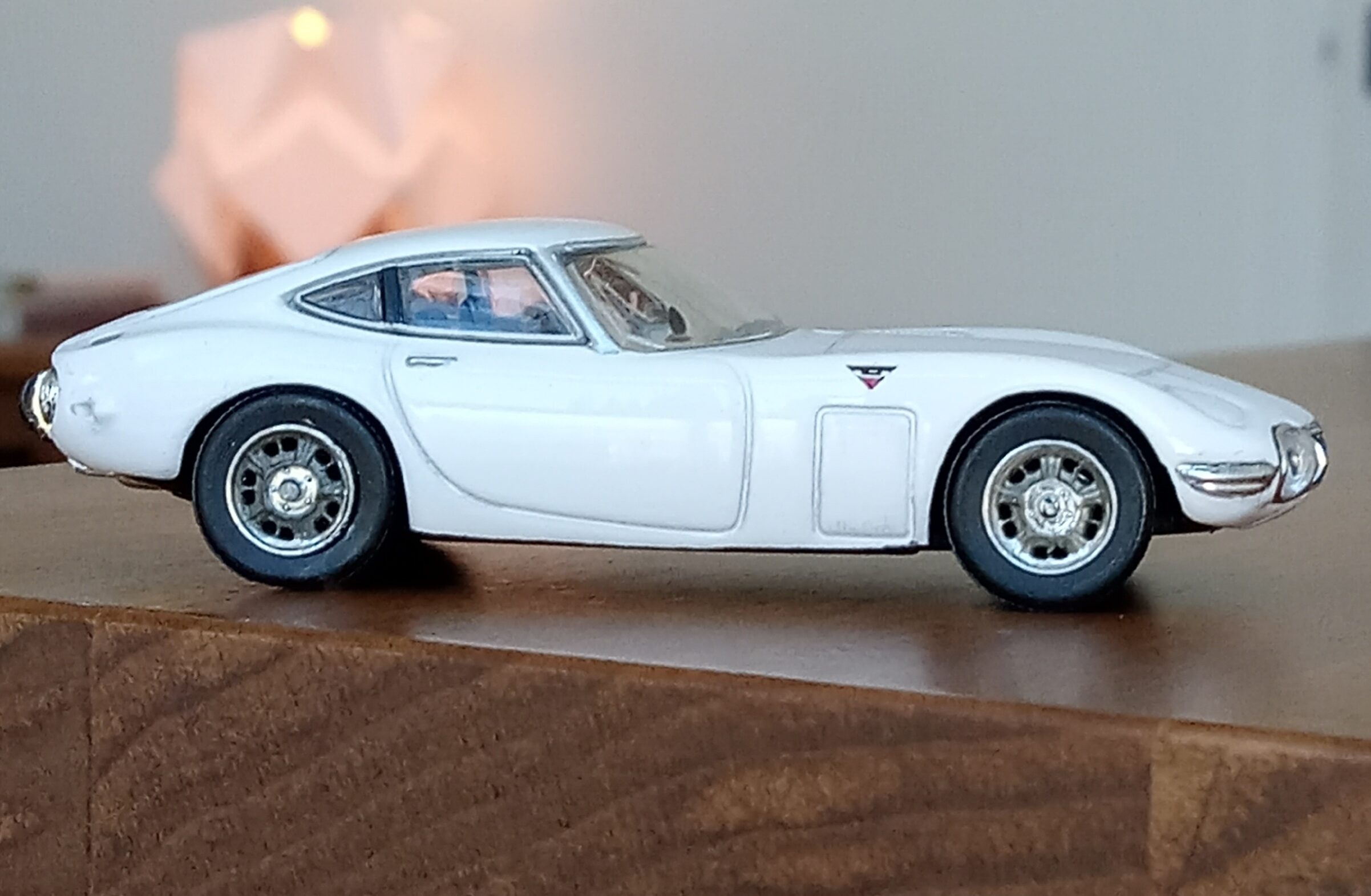
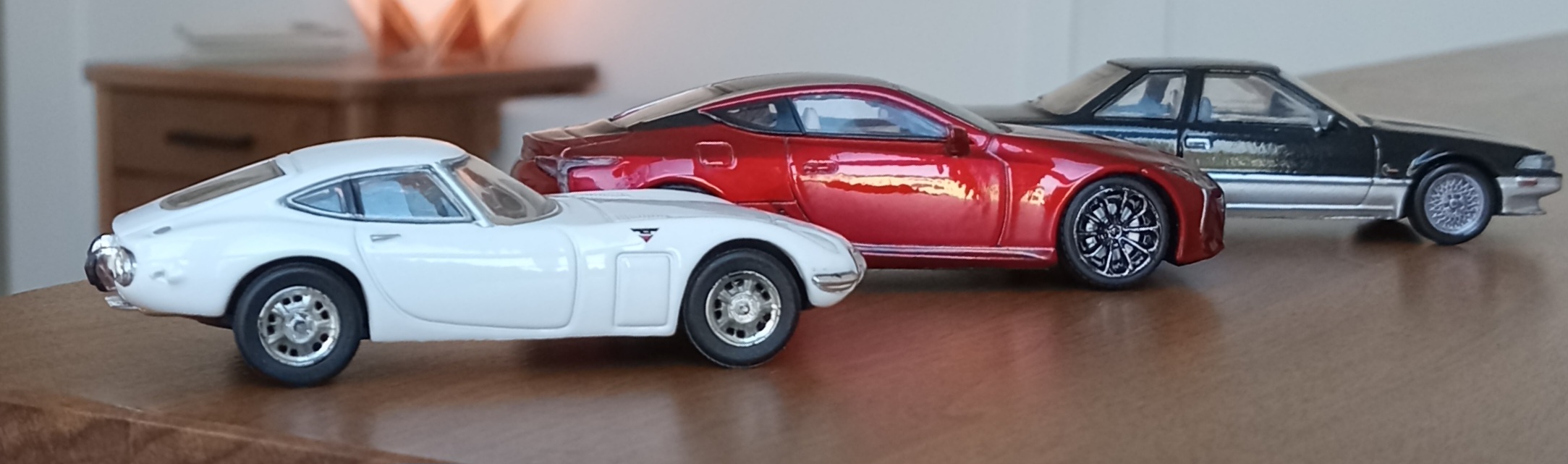
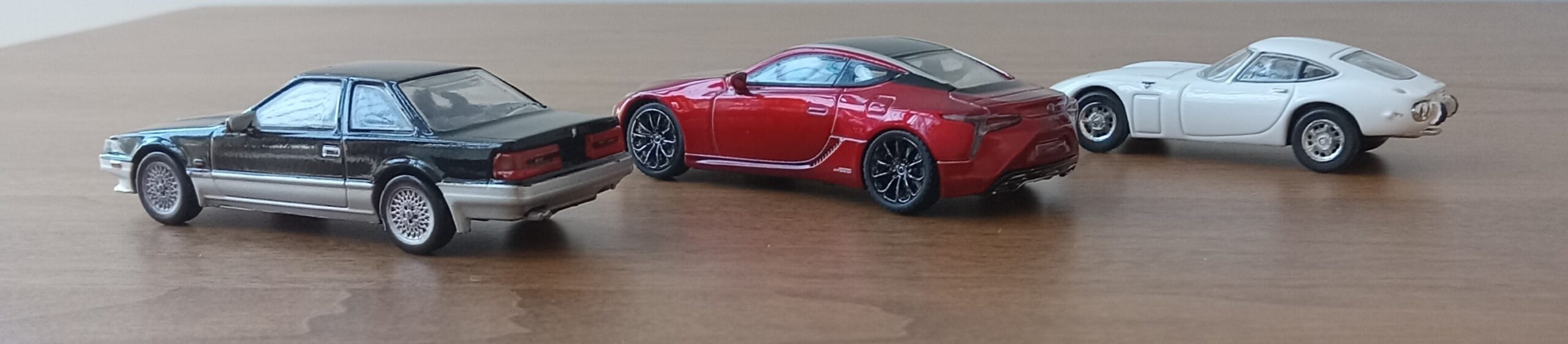
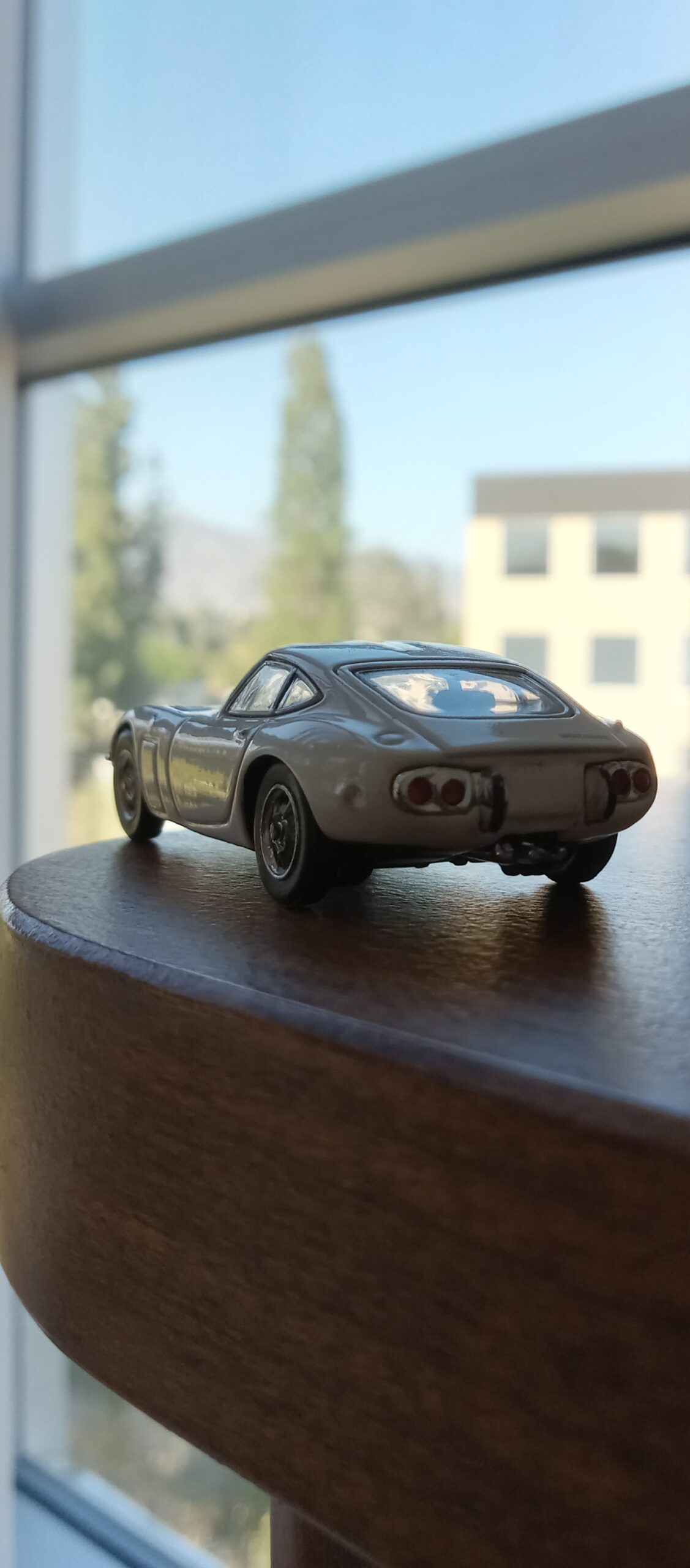
(改造写真はここまでです)
#好みの自動車デザインーー2ドア・クーペの系譜:
第40回目の今回は、『2ドアクーペの系譜、第20』と題しまして、各国のお国柄や、外観デザインの個性が強く表れる、高級2ドア(GT)クーペ / ロードスターについてお話ししてみたいです。【注意:オープンカーを含む】
以下の要領で進めていきます。
第20回の今回はいよいよ
【日本車・トヨタ編】としまして、
1967年発表の
トヨタ・ヤマハ 2000GT、1967 (アイボリー・ホワイト)
についてのお話です。
【2ドア・クーペの系譜:目次】
【米国車編】
第1回:キャデラック・エルミラージュ、2013(メタリック・レッド)
第2回:リンカーン・コンチネンタル MK4、1972(ブラック)
第3回:マーキュリー・クーガー, 1967(LTメタリック・グリーン)
【ドイツ車編】
第4回:MB 500K スペシャル・ロードスター、1936(ブラック)
第5回:MB 300SL ロードスター、1957(シルバー)
第6回:MB SLS AMR ガルウイング、2010(ブラック)
【英国車編】
第7回:マクラーレン・F1、1992(メタリック・オレンジ)
第8回:ジャガー・XKSS ロードスター、1957(ロイヤル・ブルー)
第9回:ジャガー XKR クーペ、1996(ダークメタリック・グリーン)
【日本車・ニッサン編】
第10回:ニッサン 初代シルビア、1965(シャンペン・ゴールド)
第11回:ニッサン 5代目シルビア、1988(LTメタリック・グリーン)
【イタリア車編】
第12回:フェラーリ 250TR ポンツーンフェンダー、1958(赤)
第13回:フェラーリ 250GTO、1962(イタリアン・レッド)
第14回:ランボルギーニ・コンセプトS、2005(パール・ホワイト)
【日本車・マツダ編】
第15回:マツダ コスモ・スポーツ、1968(レーシング・ホワイト)
第16回:マツダ ユーノス・コスモ、タイプ‐S(2トン:黒&グレー)
【フランス車編】
第17回:ブガッティ・タイプ59、1935(フレンチ・ブルー)
第18回:シトロエン・SM、1970(シャンペーン・ゴールド)
第19回:ブガッティ・ラ・ヴォワチュール・ノワール、2019(黒)
【日本車・トヨタ編】
第20回:トヨタ/ヤマハ・2000GT、1967(アイボリー・ホワイト)
第21回:トヨタ・2代目ソアラ、1986 (2トン:黒&グレー)
第22回:レクサス LC【GWZ100型】、2017(メタリック・レッド)
【米国車編②】
第23回:ダッジ・チャレンジャー&プリムス・バラクーダ、1971
第24回:ダッジ・ヴァイパー SRT‐10 ACR、 2008(ブラック)
第25回:フォード・シェルビーGR-1 コンセプト、2004(クローム)
【日本車・ミツビシ編】
第26回:ミツビシ・ギャラン λ、1976(ブラウン・メタリック)
第27回:ミツビシ・エクリプス【北米仕様】、2006(オレンジ・メタ)
【ドイツ車編②】
第28回:BMW M635CSi、1984 (ダーク・メタリックブルー))
第29回:MB 560SEC AMG 6.0 ワイドボディー、1989(ブラック)
第30回:BMW M2 純正パフォーマンス・パーツ、2025(ネオン・ライム)
第31回:初代アウディーTT、1998(レイク・シルバー・メタリック)
【日本車・スバル編】
第32回:スバル・クロストレック XV, 2012(ライムグリーン・メタリック】
【英国車編②】
第33回:ロータス・初代エリート, 1959(ブリティシュ・グリーン)
第34回:ロータス・エラン S4 スプリント(2トン:ブルー、ホワイト&金)
第35回:ジャガー・Eタイプ ロードスター(ライトブルー・メタリック)
【日本車:ホンダ(軽量スポーツ編)】
第36回:ホンダ S800、1966(レッド)
第37回:ホンダ 初代CR-X 1.5i、1983(ブルー&シルバー2トン)
第38回:ホンダ ビート、1991(サンバ・イエロー)
【番外編】:コルベットの系譜
第1回:1967年型 スティングレー【C2】コンバーチブル(ハードトップ・メタ青)
第2回:1972年型 コルベット 【C3】コンバーチブル(メタリック・ブルー)
第3回:1984年型 コルベット クーペ【C4】(ブライト・レッド)
第4回:コルベット・インディー【ミッド・シップの先行開発車】(シルバー)
第5回:スティングレー・コンセプト【先行開発車】、2009(プルー・メタリック)
n
n
n
n
n
#クラシックカー世界の至宝
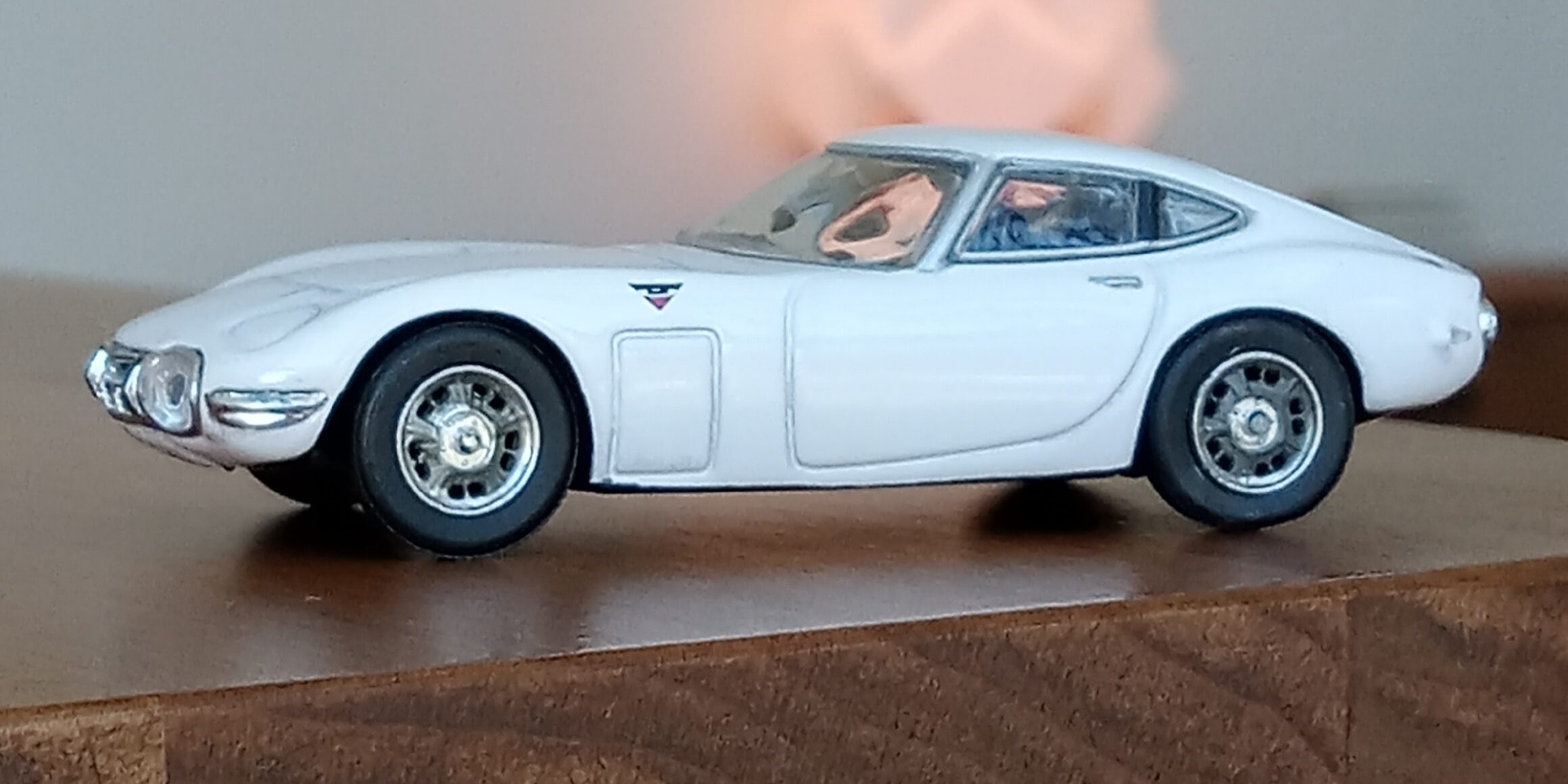
お待たせしました、
いよいよ世界的に価値のある美しい日本車、
不朽の名作、
トヨタ・ヤマハ
2000GTの登場です。
ここ20年ほどの名車ベスト100などには、常に上位に食い込んでくる名車で、
海外でも、
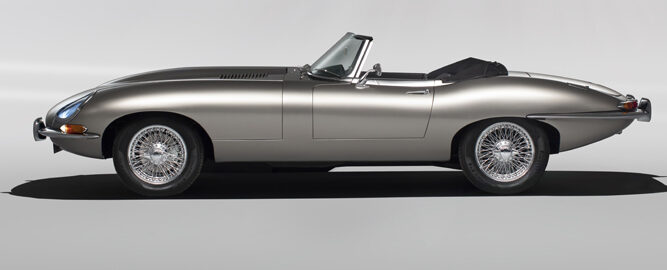 *ジャガーEタイプや
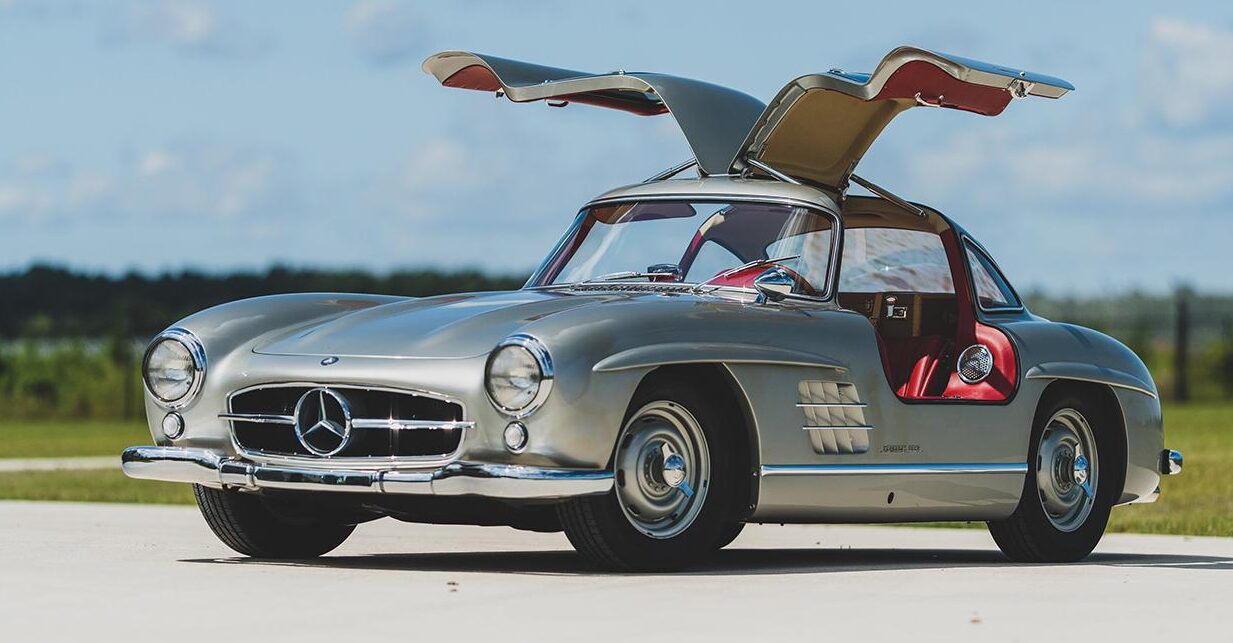 *メルセデス300SL
(ガルウイング)などと
比べられる存在になりつつあります。
個人的には、
やはりその日本車離れした、
*伸びやかで美しいプロポーションや、
*抑揚に満ちたしなやかな立体造形に、
魅せられてきました。
幸いにも、
トヨタ自動車のおひざ元の名古屋で育った私は、
大学への通学中にに出没する『純白の2000GT』を何度も見かける経験が出来まして、
そのたびに、
『何だこりゃ!』ととと、
あまりにも低く地を這うような異形に
感嘆の声を上げてしまいました。』
その後クラッシックカーの展示会や、
トヨタ博物館などで実写を観察するたびに、
『50年以上も前に、こんなものをよく作れたモノだ!』と
呟いてしまいました。
それでは、
日本が産んだ世界の至宝:
トヨタ2000GTに付きまして、
こんな感じで見て行きたいです。
*実車解説:トヨタ設計、ヤマハ生産の名車
*外観デザインの特徴:BMW507との共通点?
*『私』と2000GT:低くて小さいデザイン、、、
*三題噺:縁の下・桂離宮・設計図
*その他の美しき、トヨタデザインたち、、、
*実車解説:トヨタ設計、ヤマハ生産の名車とは?
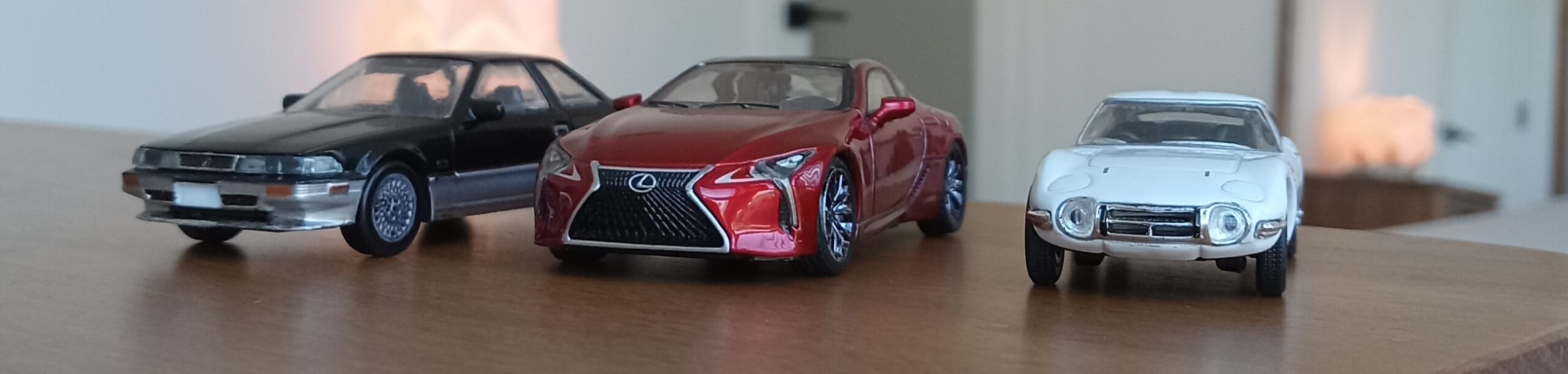
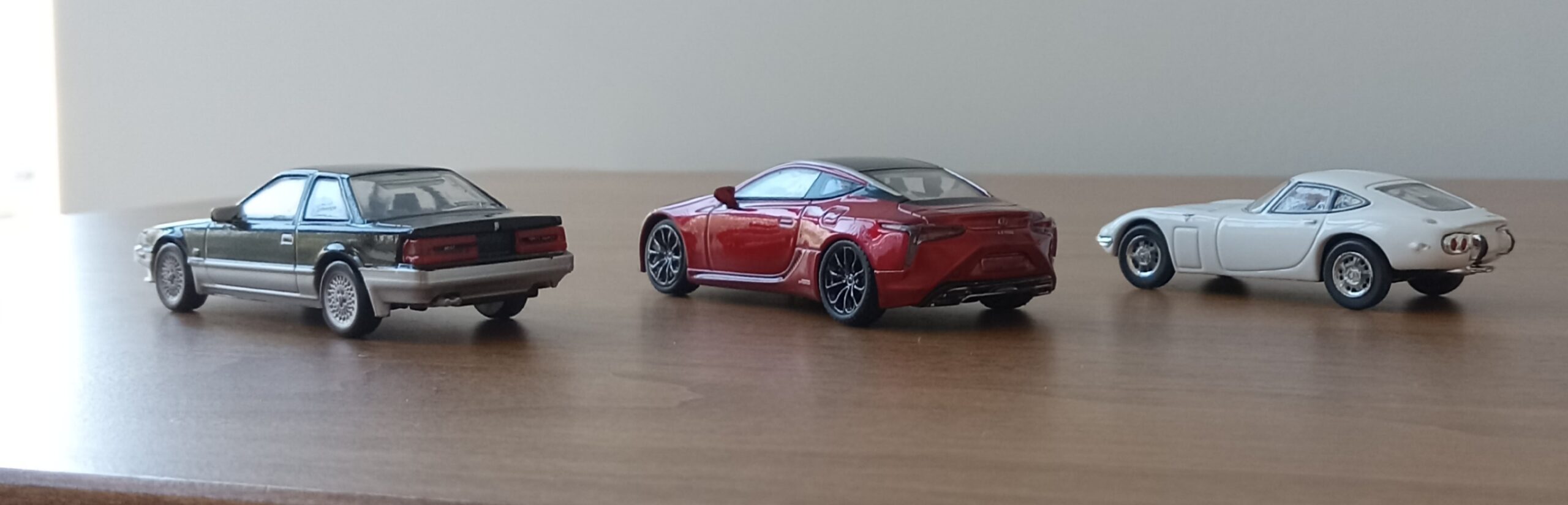
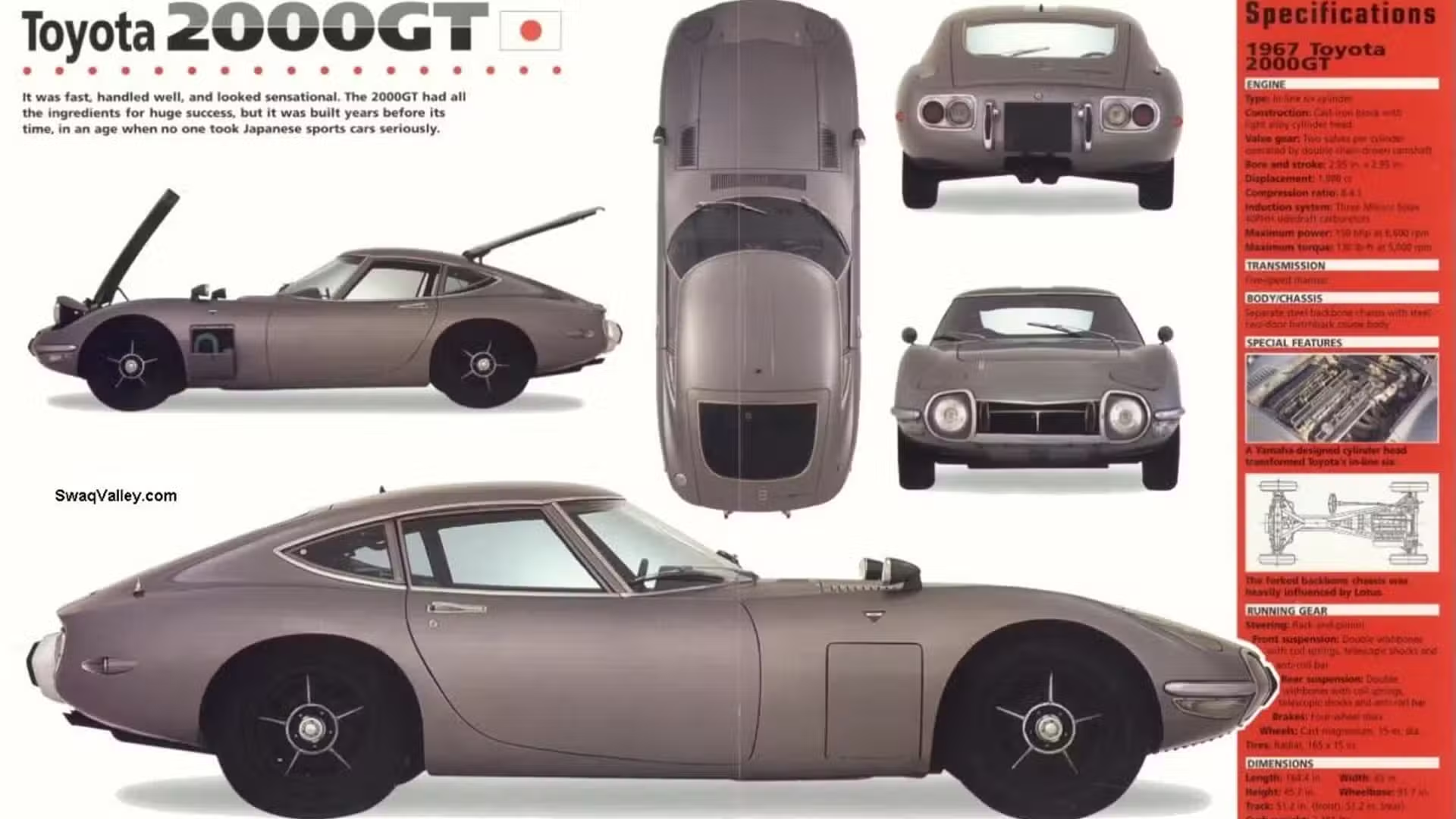
トヨタとヤマハ発動機が共同開発し、1967年から1970年にかけて製造された日本初の本格的スポーツカーです 。わずか337台のみ生産された希少性と流麗なデザインから、「動く博物館」とも称され、現在も世界中で伝説的な名車として愛されています。
n
N
n
N
N
N
N
N
N
N
N
N
N
N
N
N
N
N
Nn
N
N
N
Nn
N
n
N
N
N
N
N
N
NN
N
N
Nn
N
N
N
N
N
N
N
N
N
N
車両の概要:
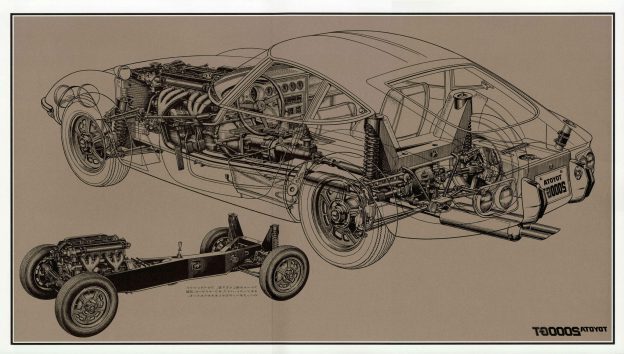
トヨタは世界水準のスポーツカーを開発するため、当時二輪車で技術力を誇っていたヤマハ発動機に協力を仰ぎました。ヤマハの持つ優れたエンジン技術とオートバイ作りのノウハウが、2000GTの根幹を形成しています。
*生産年数: 1967年〜1970年
*総生産台数: 337台
*型式: MF10 / MF10L
N
N
n
トヨタ2000GTの外観デザインは、トヨタのデザイナー野崎喩(のざき さとる)が主導し、ヤマハ発動機の協力を得て完成されたものです。空力性能を徹底的に追求し、世界水準の美しさと機能美を両立させた日本自動車史における傑作です。
n
N
N
Nn
N
N
N
N
N
N
N
N
N
その流麗なスタイリングは、以下の特徴的な要素で構成されています。
1. プロポーション(全体像)
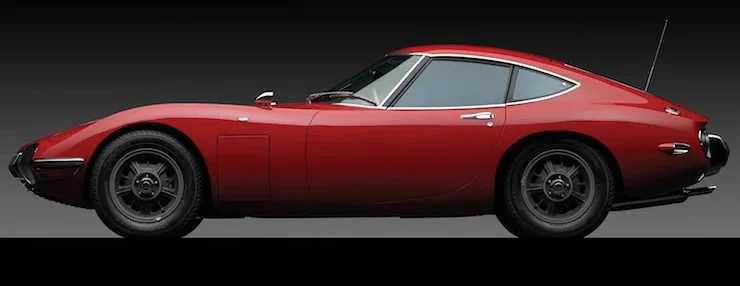
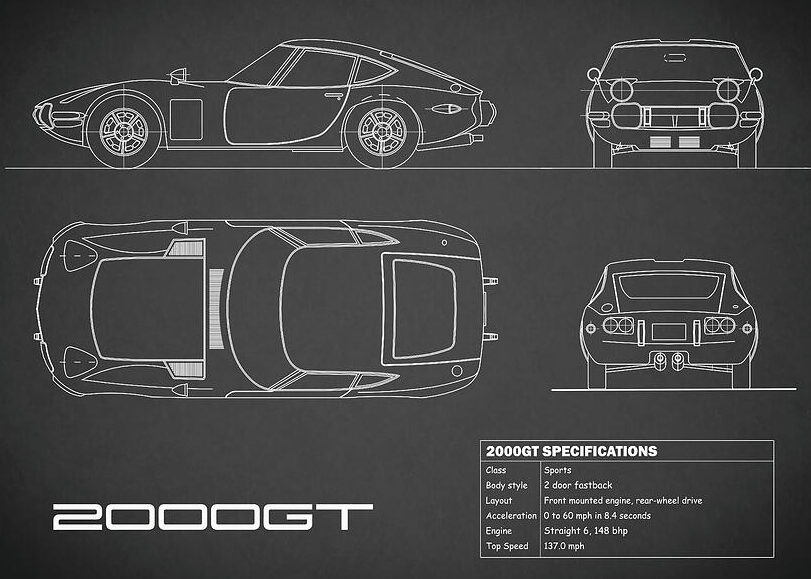
*ロングノーズ&ショートデッキ: 極限まで車高を低く(全高1160mm)抑え、エンジンルームを前に出し、室内を後方に配置することで、スポーツカーの王道である美しいプロポーションを実現しました。
*流線型のファストバック: ルーフラインからリアエンドにかけてなだらかに落ちる形状は、空気抵抗(Cd値)を大幅に削減するための機能的なデザインです。
2. フロントマスク
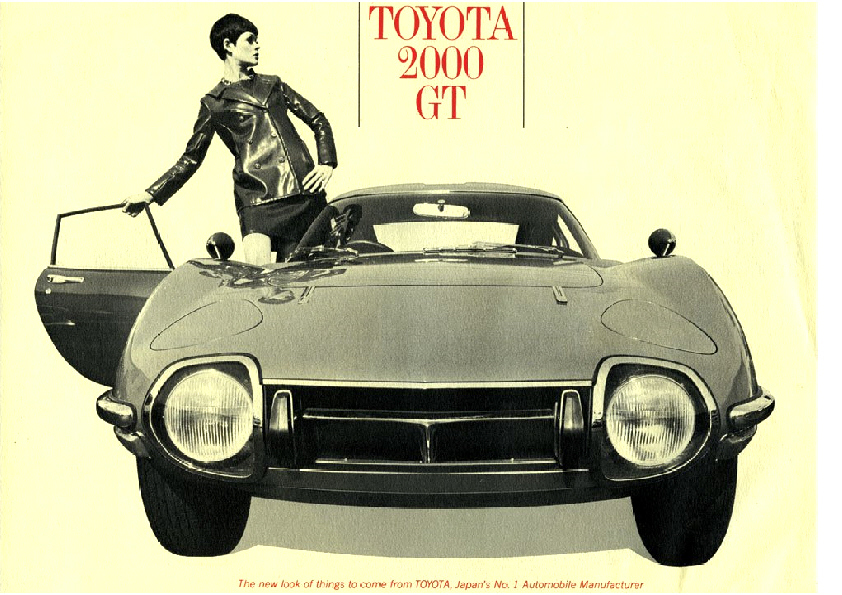
*リトラクタブルヘッドライトとフォグランプ: ボンネット上に格納されるリトラクタブルライトと、グリル両脇に配置された大型の補助前照灯(フォグランプ)の組み合わせが、個性的で精悍な「顔」を作り出しています。
*T字型グリル: 中央に配置された「T」をモチーフにしたクロームメッキのオーナメントが特徴です。
n
n
n
n
N
n
N
N
NN
Nn
N
Nn
N
N
N
N
3. サイドビューと細部
*曲面ガラスの採用: 当時としては画期的な強く湾曲したラップアラウンドウインドシールドを採用し、空力特性の向上と美しいサイドラインに貢献しています。
*抑揚のあるフェンダー: 前輪の盛り上がりからドアにかけてなだらかに下がり、リアホイールに向けて再び筋肉質な膨らみを見せるフェンダーラインが、ダイナミックな印象を与えます。
n
n
m
n
n
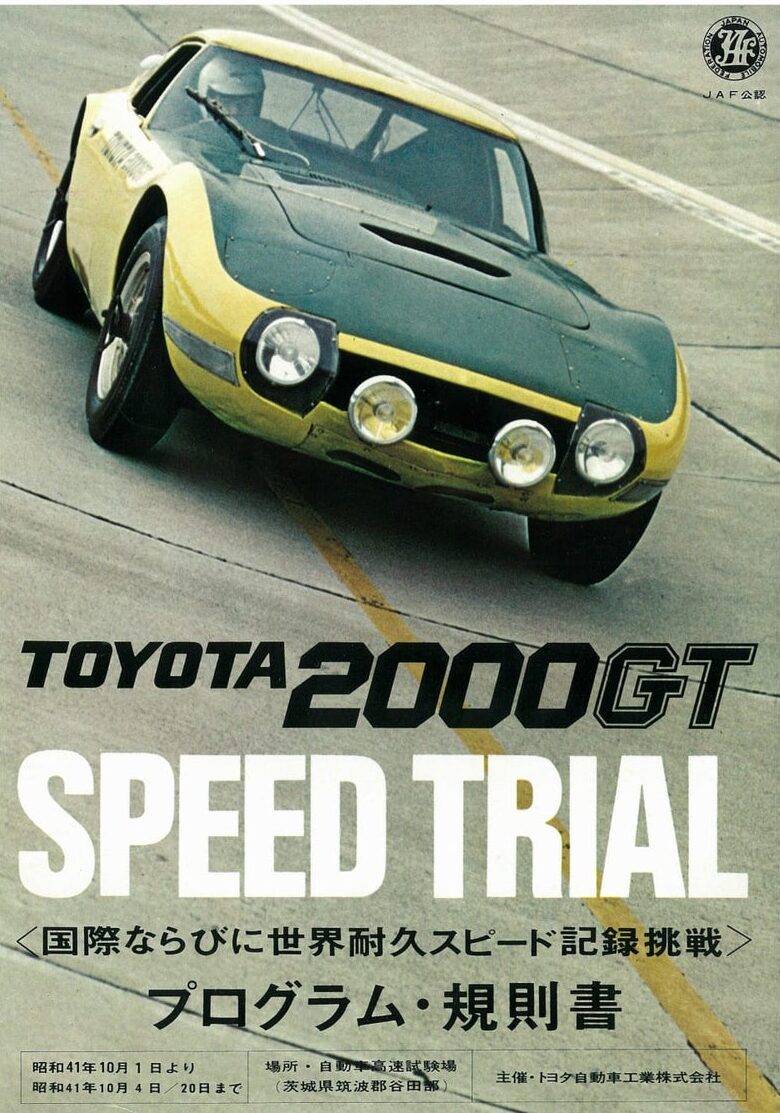
*最高出力: 150 PS / 6,600 rpm
*足回り: 4輪ダブルウィッシュボーン式サスペンション、4輪ディスクブレーキ
n
N
NN
n前期型と後期型の違い:
1968年8月のマイナーチェンジにより、前期型と後期型に分けられます 。
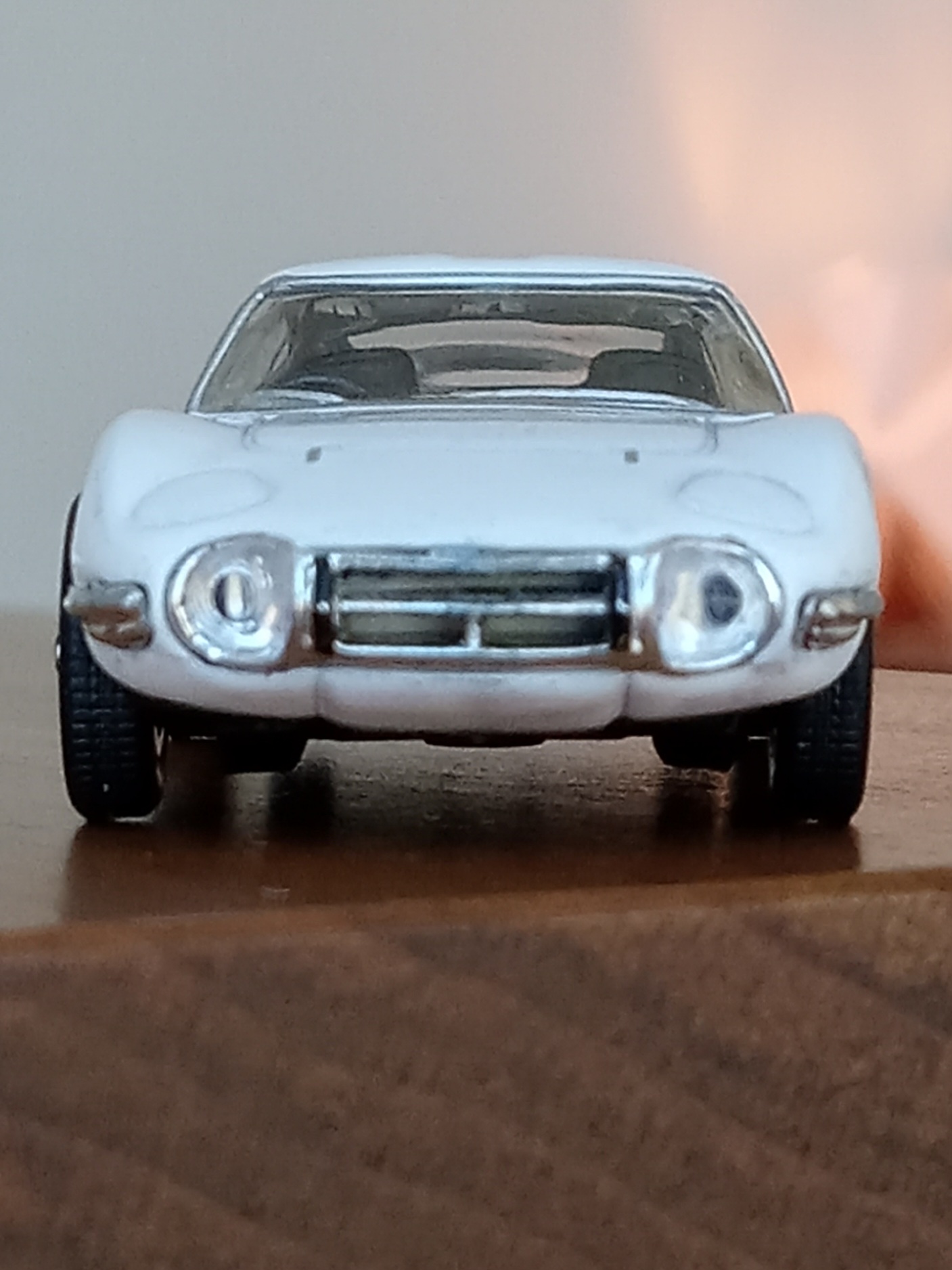
*前期型: リトラクタブルヘッドランプの下にあるフォグランプが大きく、ノーズがシャープ。
*後期型: クーラーの標準装備化、座席へのヘッドレスト追加、フォグランプの小型化、熱線入りリアガラスの採用など、実用性と快適性が向上しました。また、ごくわずかにオートマチック車(トヨグライド)も販売されました 。
n
映画『007』への登場:
トヨタ2000GTの名を世界的なものにしたのが、1967年公開の映画『007は二度死ぬ』です。ボンドカーとして特別にオープン仕様(コンバーチブル)が2台制作され、劇中で華麗な活躍を見せました。
n
m
m
現在の価値・レストア:
#主要諸元:
- 型式:3M型
- 総排気量:1,988 cc
- エンジン型式: 10A型・水冷直列2ローター
- 燃料供給装置:ソレックス(SOLEX)キャブレター 3連装
- 最高出力 : 150 PS / 6,600 rpm
- 最大トルク:18.0 kgf·m(176.5 N·m)/ 5,000 rpm
最高速度:220 km/h
- 駆動方式:FR(フロントエンジン・後輪駆動)
- 定員:2名
- 車体形式:2ドア・クーペ
- タイヤサイズ:165HR15
(当時の標準仕様、のちに195HR15などの表記もあり) - ホイールベース:2,330 mm
- 全長:4,175 mm
- 全幅:1,600 mm
- 全高:1,160 mm
- 車両重量:
1,120 kg
*外観デザインの特徴:BMW507との共通点とは?
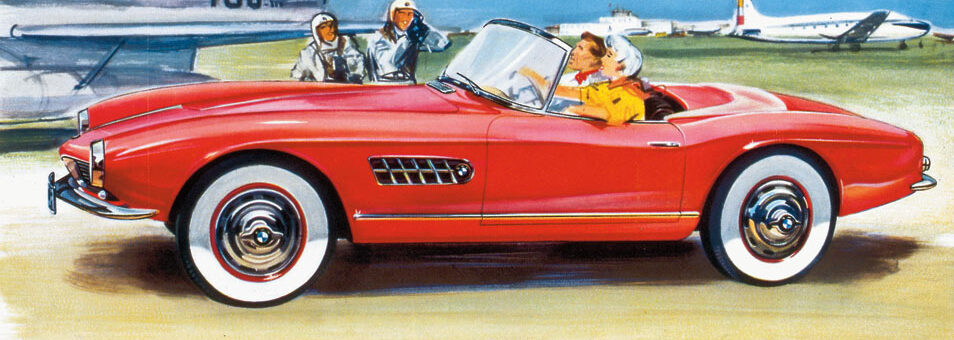
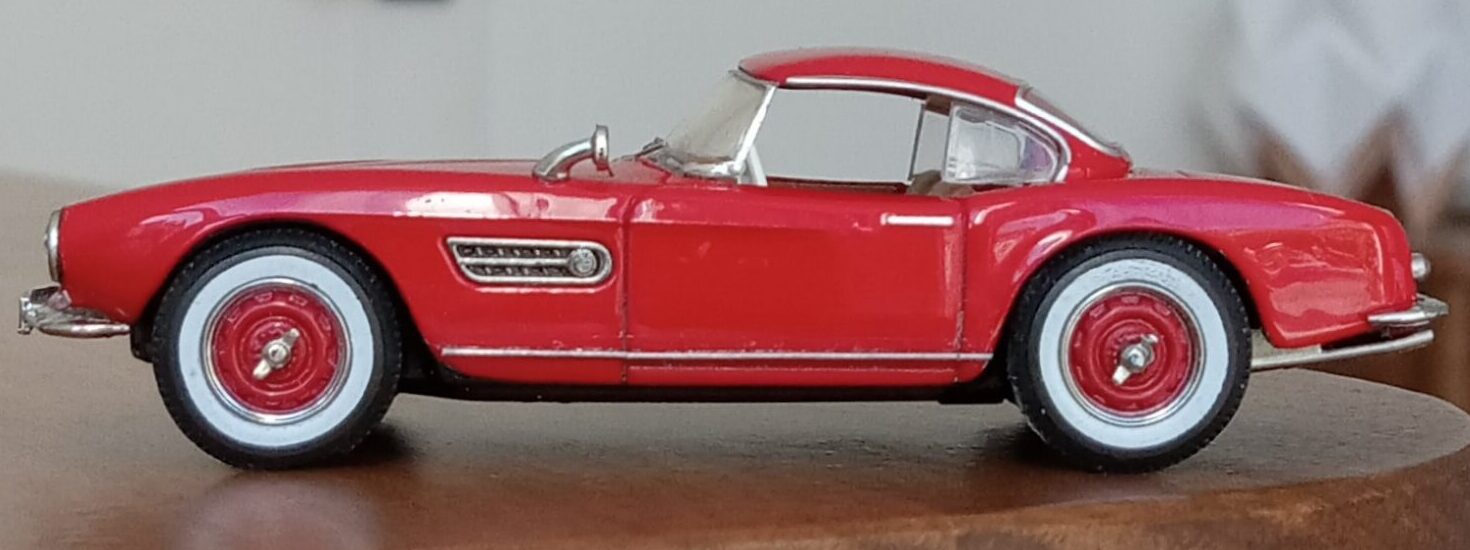
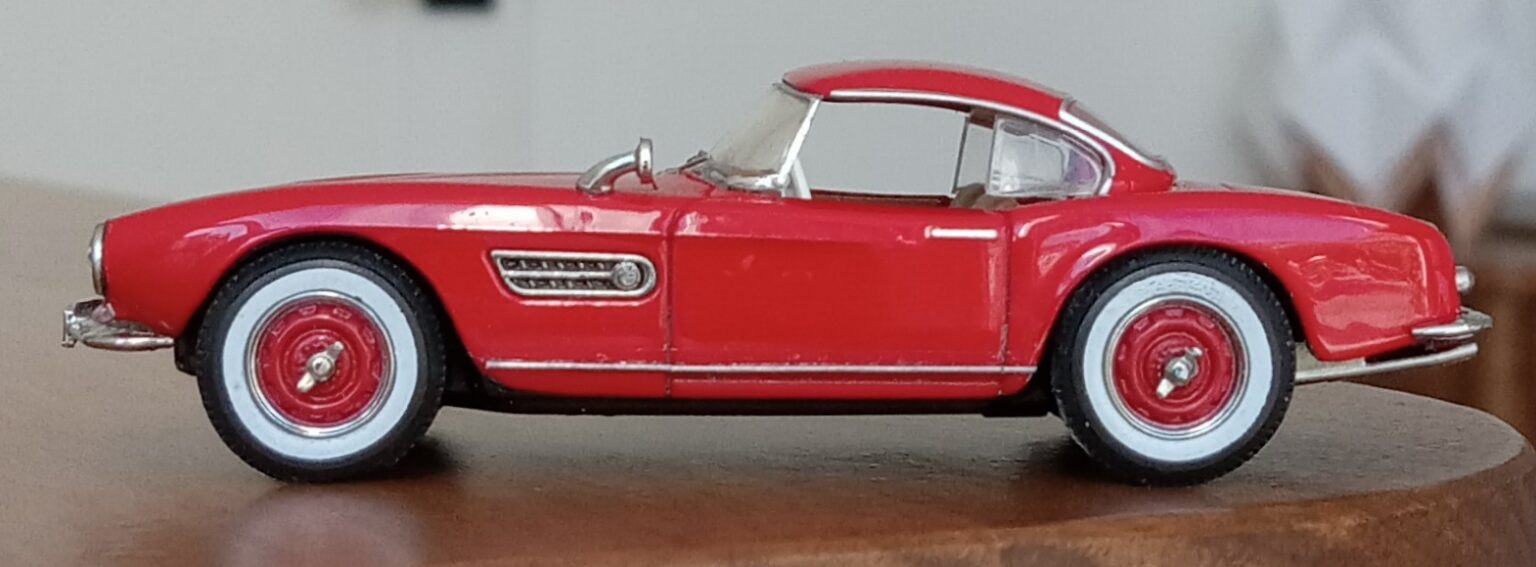 (BMW507, 1958 ハードトップ装着版)
現在の通説では、
『トヨタ2000GT』のデザイナーは
トヨタ社内の野崎喩(のざき さとる)さんと
そのチームの作品だと言われております。
しかしながら、個人的に長らく、BMW507をデザインした、アメリカ人デザイナーがデザイン作業にかかわっているといったうわさ話を信じてきました。悲
よくよく調べてみますと、
プロジェクトのごく初期段階で、日産とヤマハのスポーツカープロジェクトのデザインにアメリカ人デザイナーがかかわっていたのが、ネットの発達していない中、曲解され伝わったものだと知りました。
実情はこんな感じだそうです。
n
【2000GT】こぼれ話:
n
n
また、アメリカ留学の経験と、日本離れした非常に洗練されたロングノーズ・ショートデッキのプロポーションを持っていたことから、欧米のデザイナーが関わったという誤った推測や噂が広まることになりました。
n
アルブレヒト・フォン・ゲルツ
トヨタ 2000GTのデザインに関しては、ドイツ出身のインダストリアルデザイナーであるアルブレヒト・フォン・ゲルツが関与したという説も存在します。実際には、彼は日産自動車の依頼でダットサン(初代フェアレディZ)のプロトタイプ(開発コード:A550X)」をデザインしていましたが、日産がその計画を中断した経緯があります。その後、そのデザインコンセプトがトヨタに持ち込まれ、野崎喩らのチームが市販モデルに向けてさらに昇華させたと言われています。
n
n
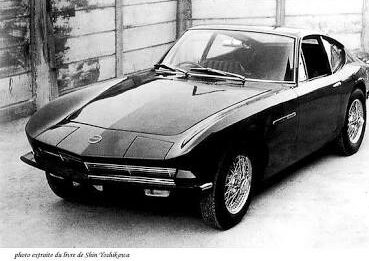 (開発コード:A550X)
―ーー>初代シルビア サイズのボディーに、トヨタ2000GT似のリトラクタブルライト、初代Zのキャビンデザイン、おまけに、BMW507 そっくりな逆スラントなフロントノーズ形状、、、)
n
n
n
n
日本の雑誌:ノスタルジック・ヒーロー誌のインタビューで、
アルブレヒト・フォン・ゲルツ氏は、
彼のトヨタ2000GT外観デザインへの直接の関与を
否定されています。
しかし個人的には、
彼がデザインした1959年発売の『BMW507』との類似点があまりにも多く、
「初期段階で、トヨタ2000GTとフェアレディーZ【S-30型】に対して与えた影響は測りしえないものだったであろう、」と推測します。
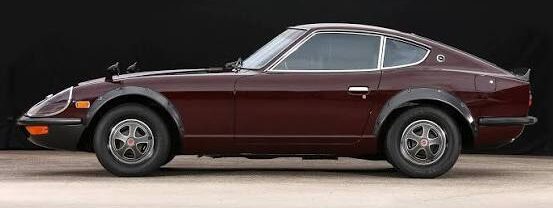
#三車の比較:
*BMW507, 1959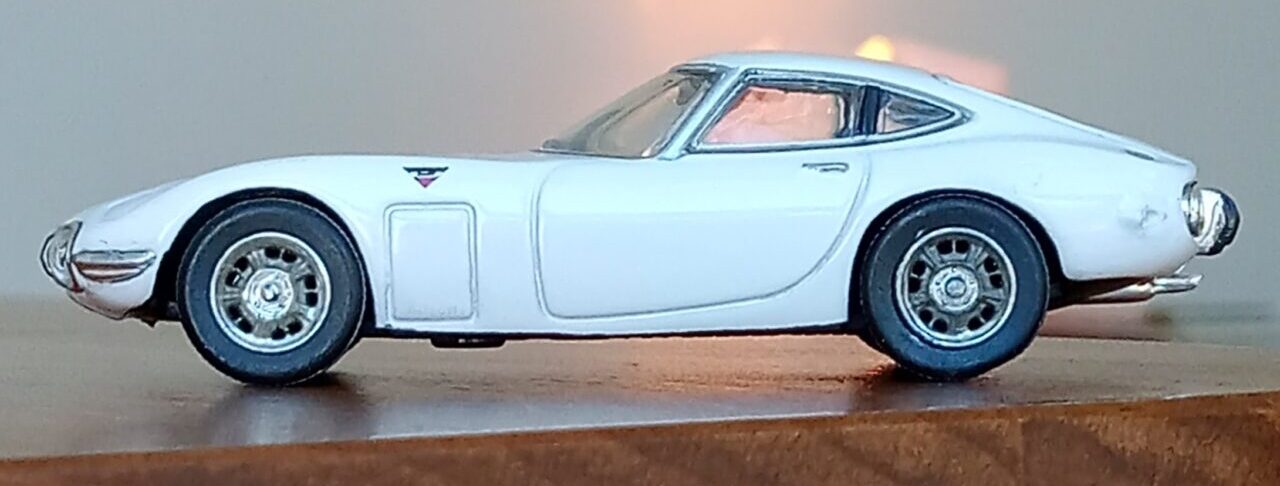
*トヨタ2000GT, 1967
*日産 初代フェアレディー240Z、1970
いずれにしても、デザイナーの如何を問わず、
この3車が素晴らしい外観デザインをもって、
「自動車史に燦然と輝いている名車中の名車」であること
は間違いありません。
それでは本題のデザインの特徴について
話してみたいです。
#外観デザインの特徴:
独断と偏見にて、
以下の6点を挙げてみたいです。
1:ロングノーズショートデッキの古典的プロポーションのみに終わらず、プラス地を這うようなボディー後半部にめり込んだキャビン部の一体感から生まれる、スーパーカー的なカリスマ
(キャビン自体の低さはアルファのTZ-並みにボディー側にめり込んでますが、全体のまとまり感は、フェラーリ250GTO’62のようにスムーズに仕上がっています)ーーーーー>実車を見るとその凄まじい車高の低さにびっくりです!!
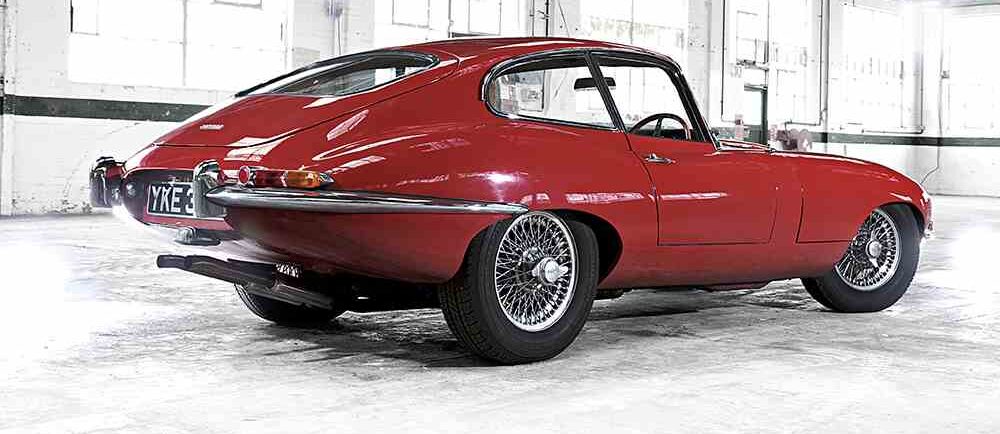
2:曲面主体のジャガー・タイプEに比べて、曲面と美しいハーモニーを描く、ボンネット先端や4か所のフェンダー上にみられる折れ線的なクリーズラインの効果的な使用
ーーーー>丸みと角さのコントラストが、独特の緊張感を与えています。
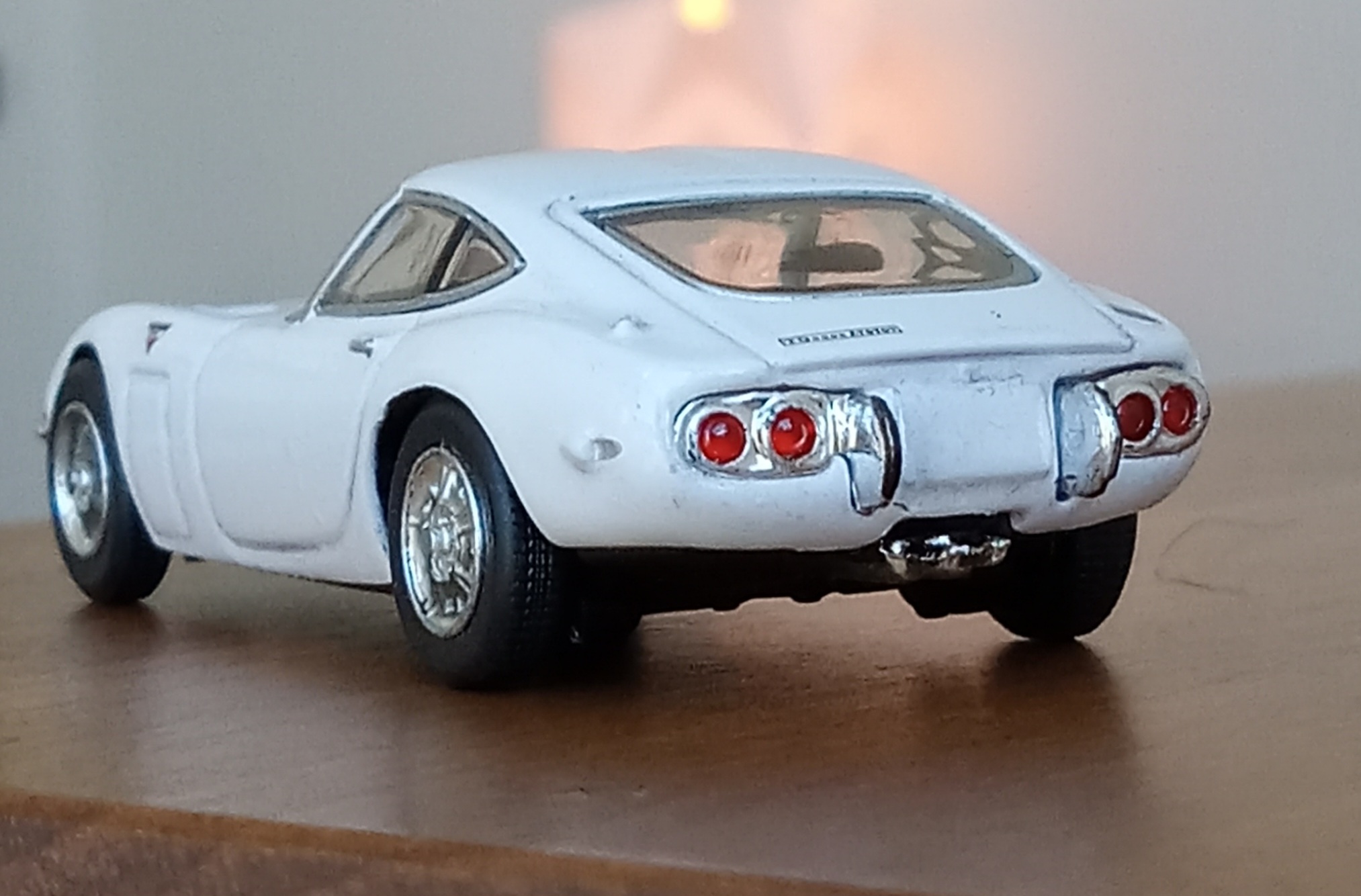
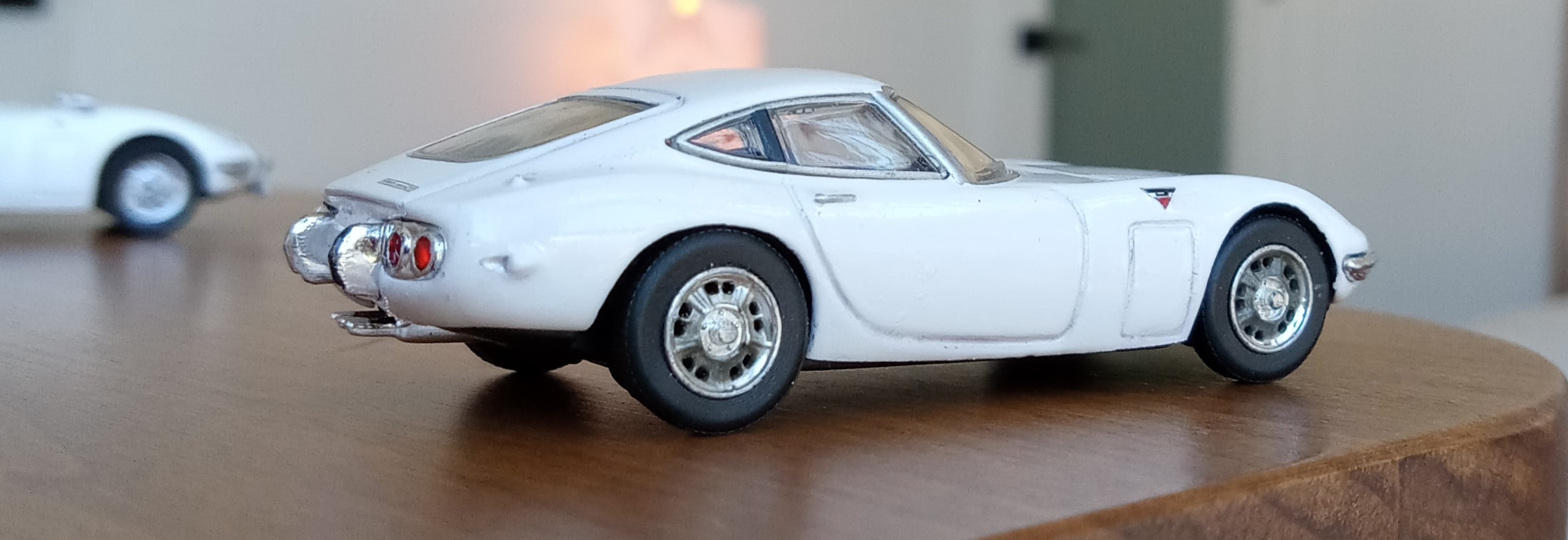
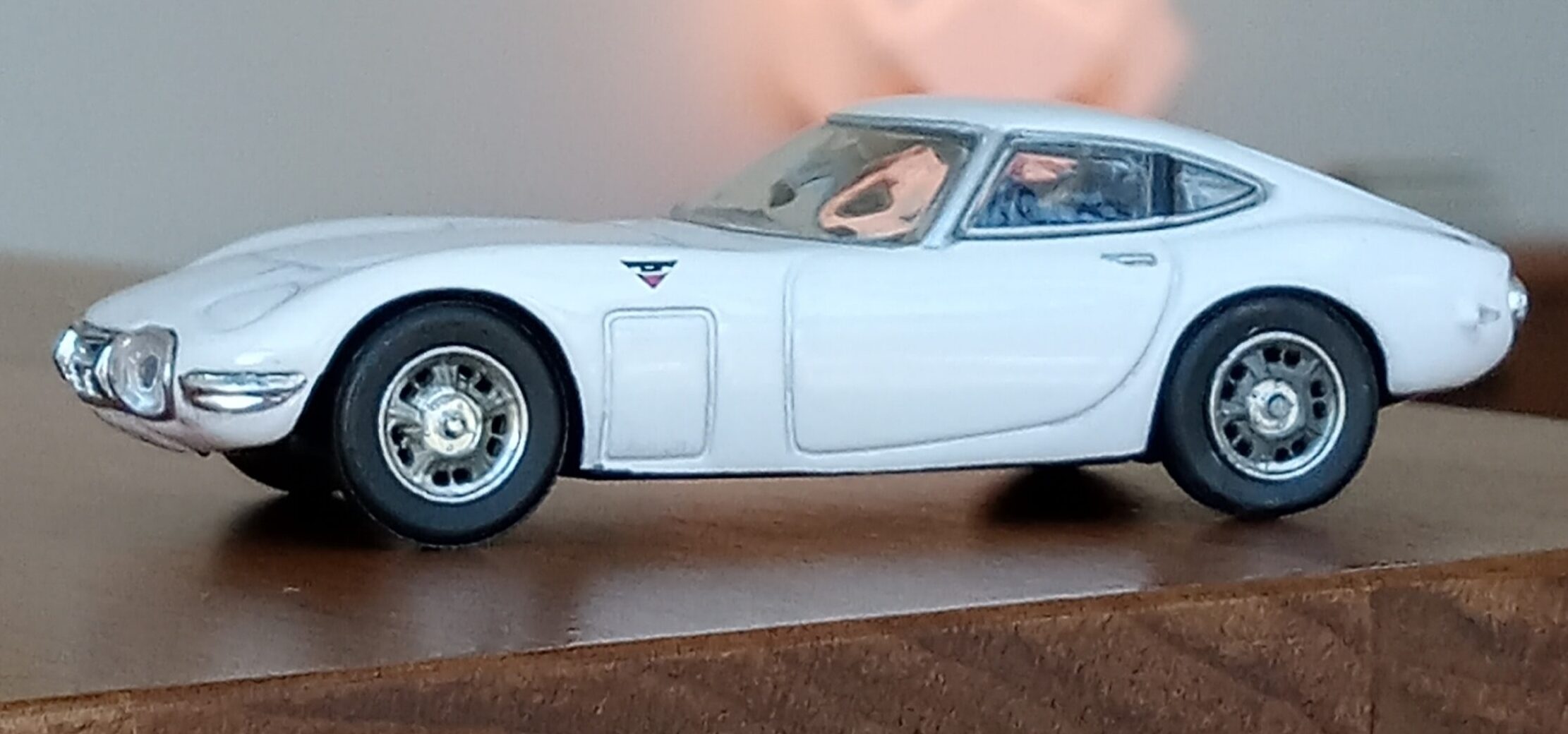
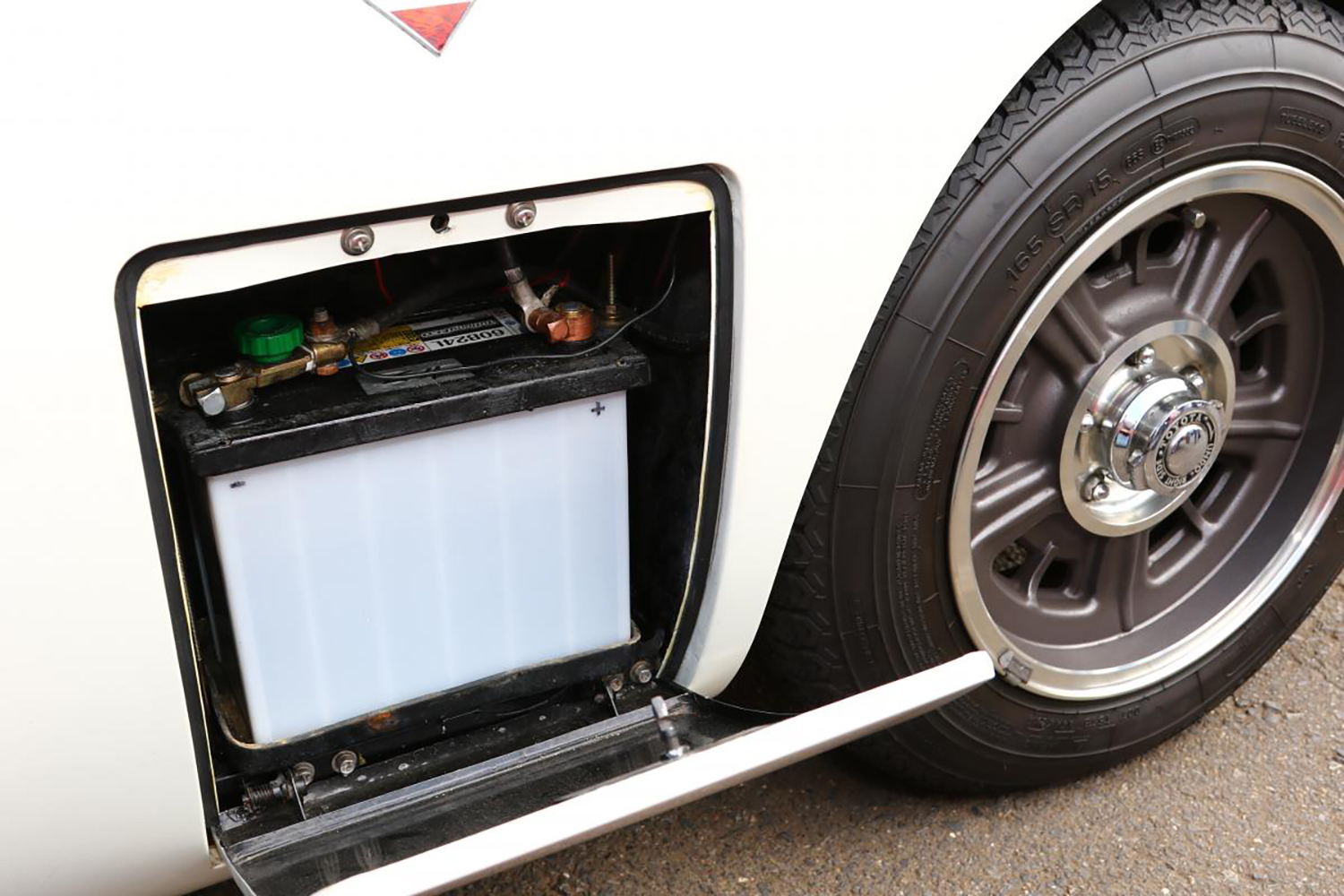
3:エンジンのセットバックの度合いをさらに強調するかのような、フロントタイヤの後ろに位置するサービスハッチやボンネットルーバーなどの意匠デザインの「特別にあつらえました感」
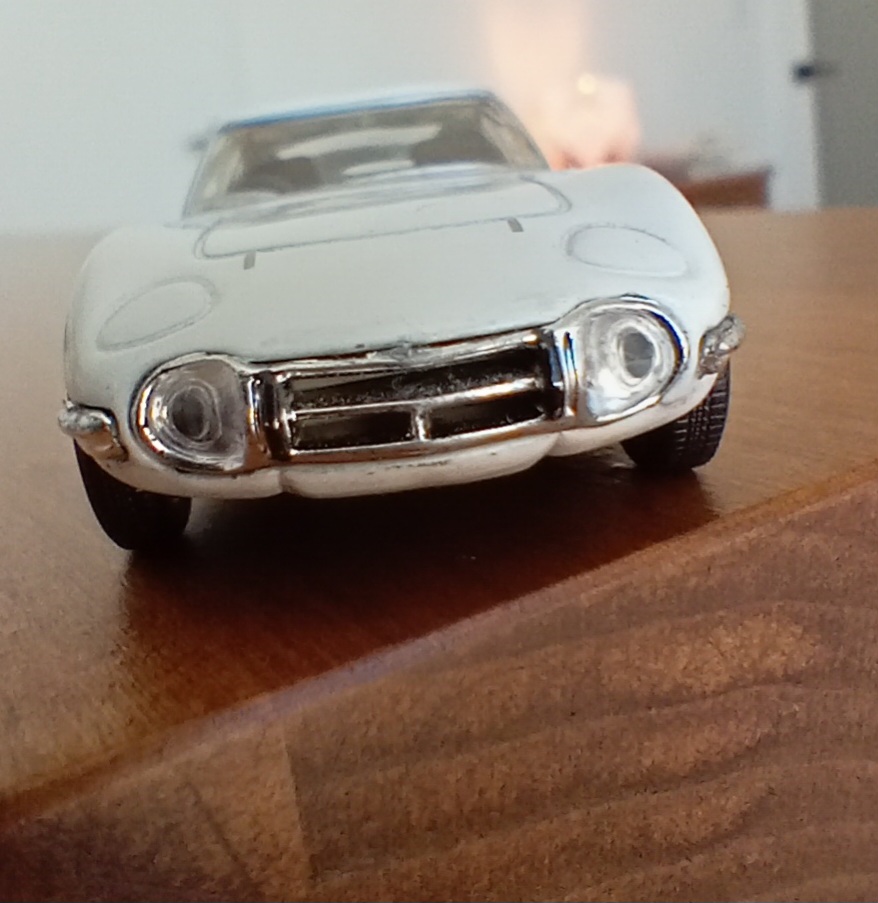
4:他に似たものが全くない、「一度見たら忘れられない』フロントフェイシアのデザイン
ーーーー>子供の頃はフォグランプ自体がヘッドライトと勘違いしてました。
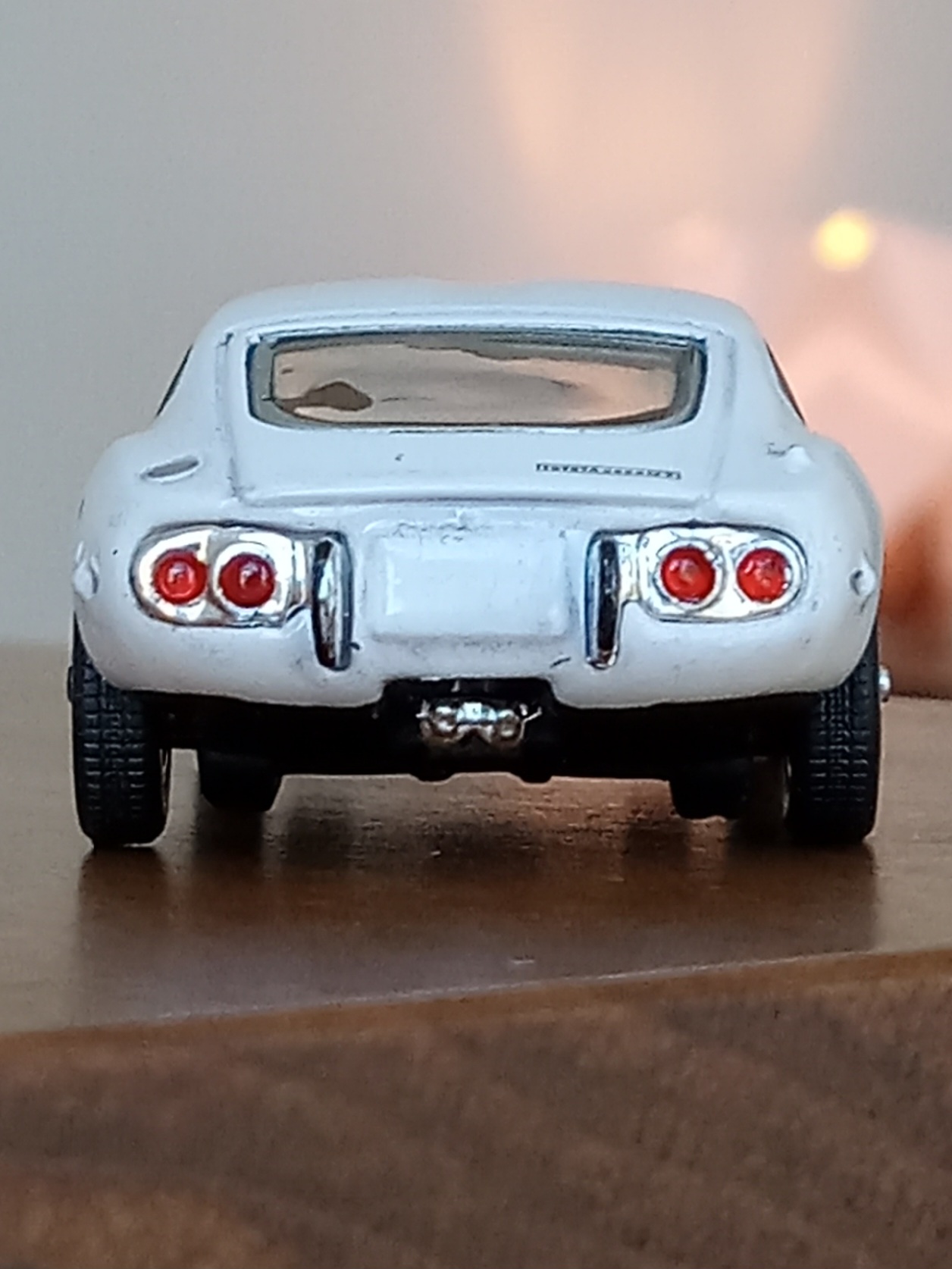
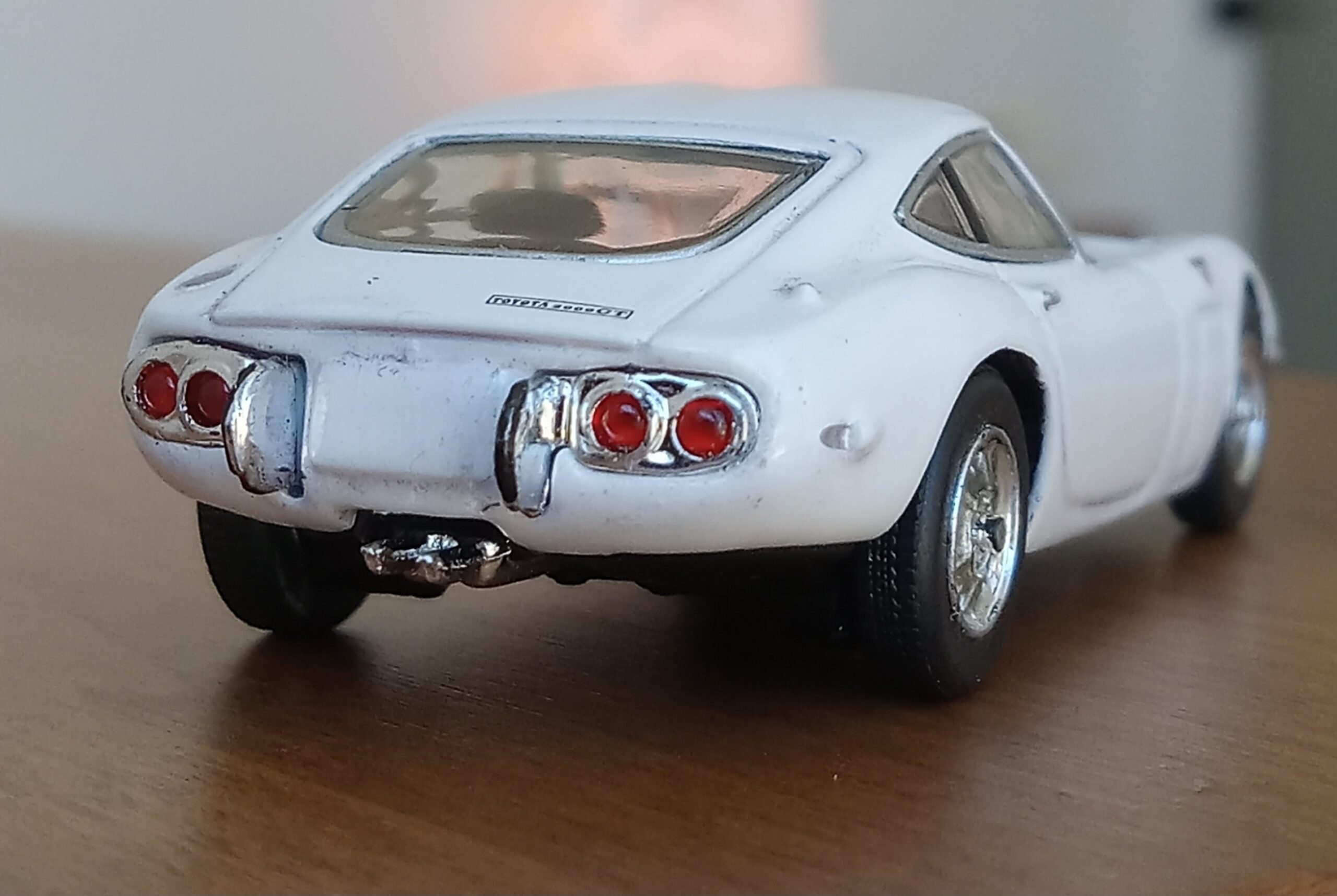
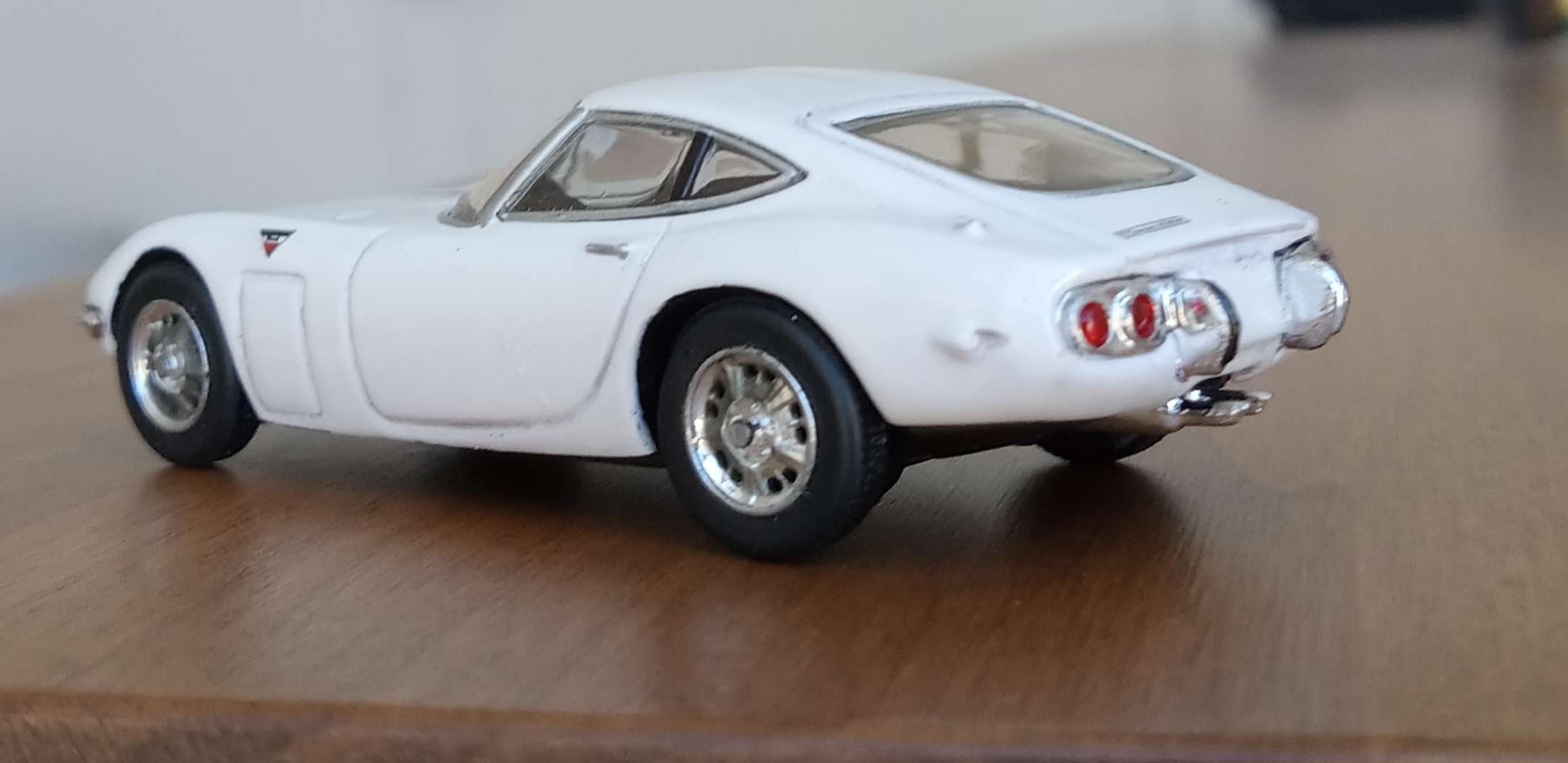
5:大きくスイープ・アップしたボディーサイド下端の見切り線と、それを強調するセンター2本出しのテールパイプと個性あふれるリアバンパーの絶妙な配置
6: 当時の常識を上回る、15インチ・ラジアルタイヤを装備することで、文字通りの「大下駄はいた韋駄天」イメージの醸造に成功
それではそれぞれ
写真入りで見て行きましょう。
1:ロングノーズショートデッキの古典的プロポーションのみに終わらず、それプラス、地を這うようにボディー後半部にめり込んだキャビン部の一体感から生まれる、スーパーカー的、動的カリスマ
(極端に低いキャビン自体はアルファのTZ-並みにボディー側にめり込んでますが、全体のまとまり感は、フェラーリ250GTO’62のようにスムーズなバランスに仕上がっています)
ーーーーー>実車を見るとその凄まじい車高の低さにびっくりです!!
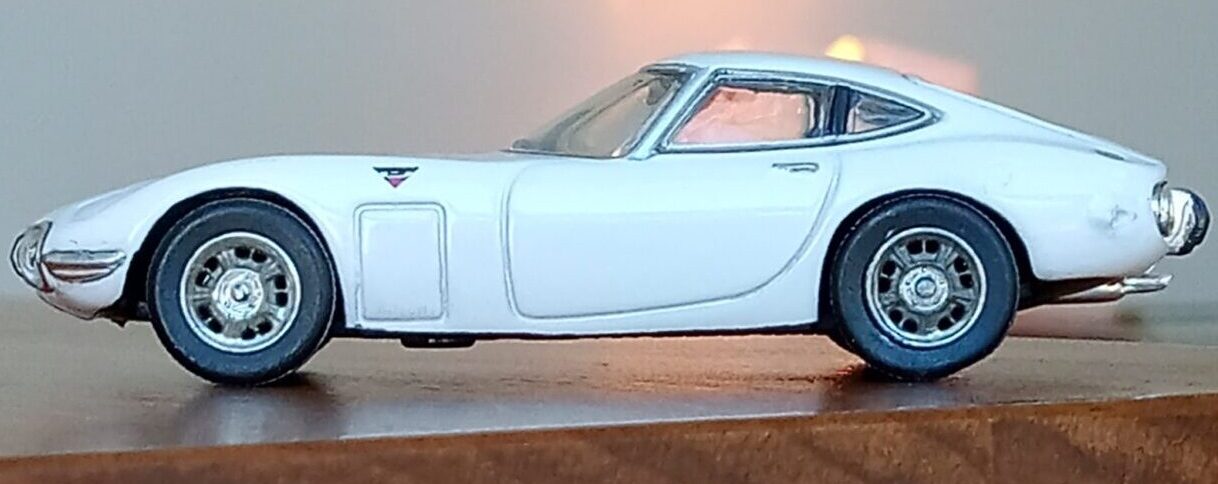
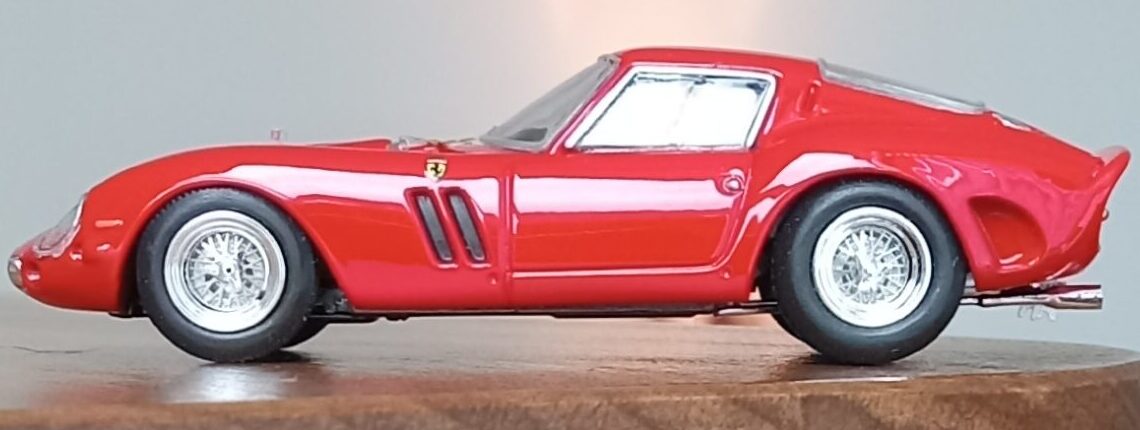
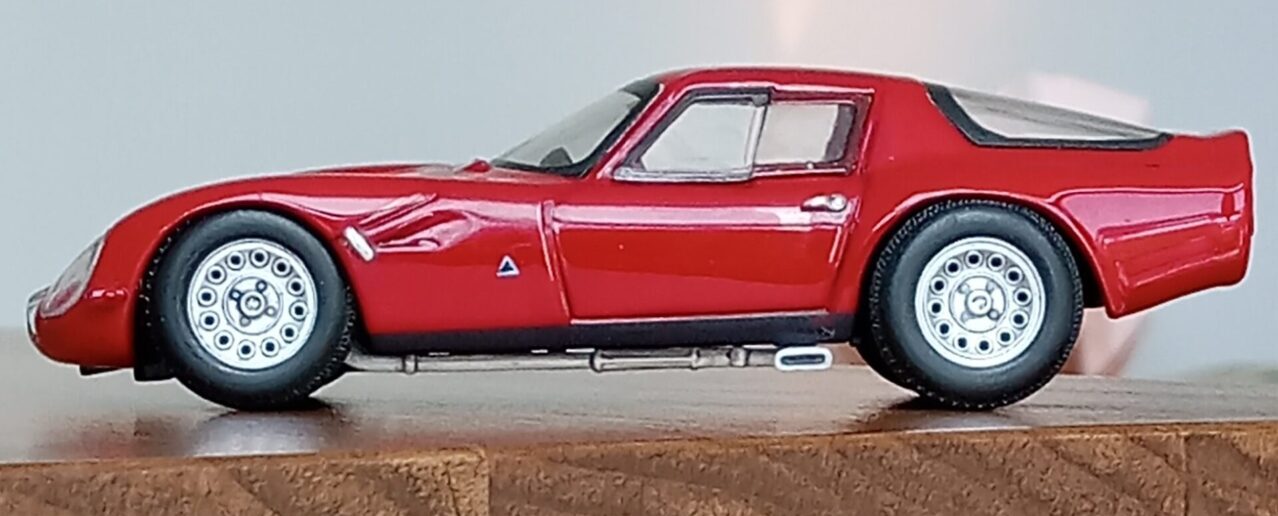
(車高:1,150mm)
(フェラーリ250GTO’62
ー全高:1,210㎜)
(アルファTZ-2ー全高:1,060㎜)
2:曲面主体のジャガー・タイプEに比べて、曲面と美しいハーモニーを描く、ボンネット先端や4か所のフェンダー上にみられる折れ線的なクリーズラインの効果的な使用
ーーーー>丸みと角さのコントラストが、独特の緊張感を与えています。
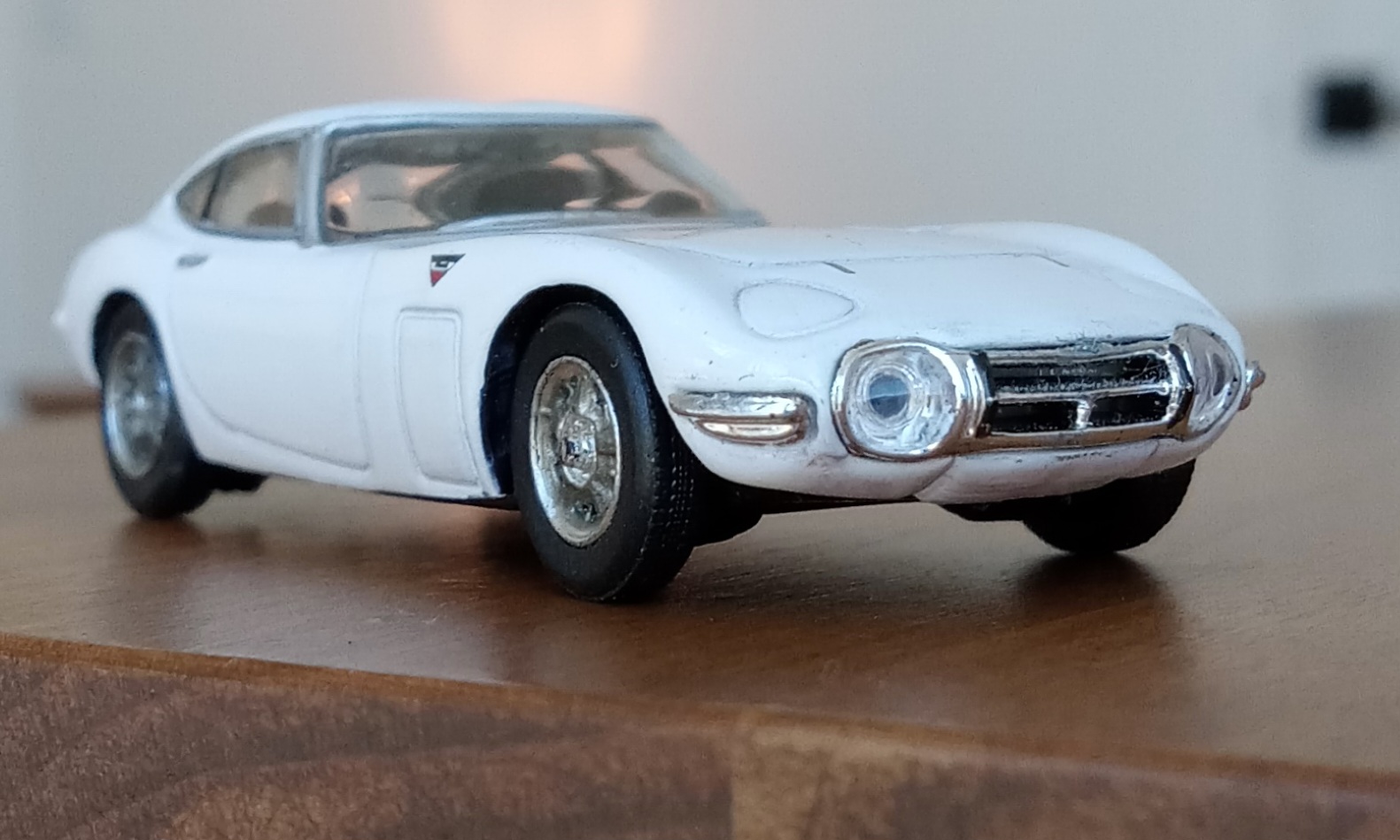
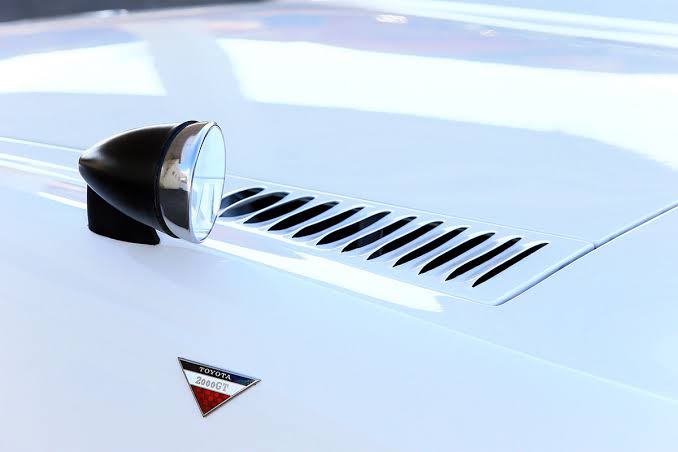
3:エンジンのセットバックの度合いをさらに強調するかのような、フロントタイヤの後ろに位置するサービスハッチやボンネットルーバーなどの意匠デザインのーーーー>「特別にあつらえました感」
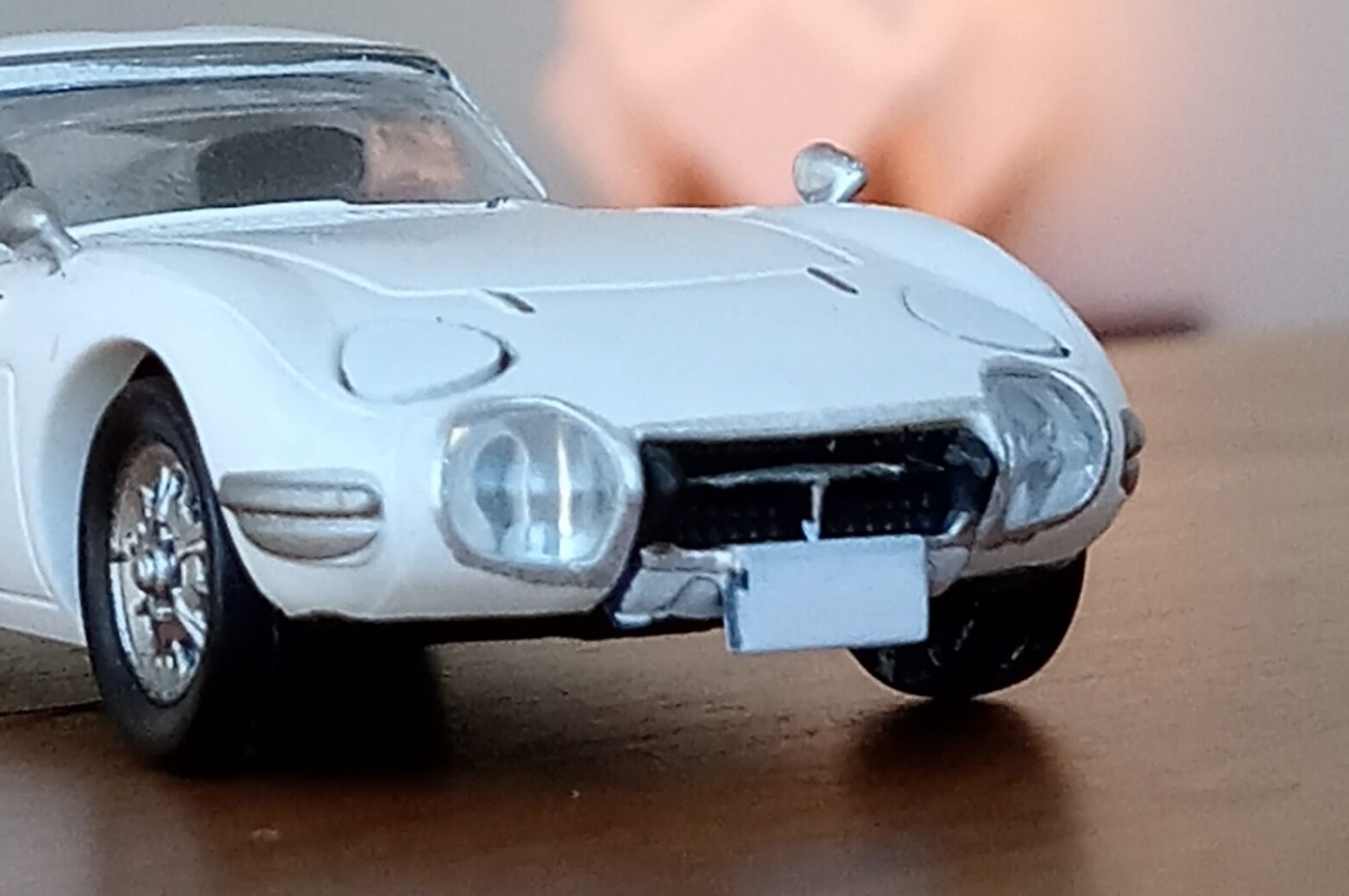
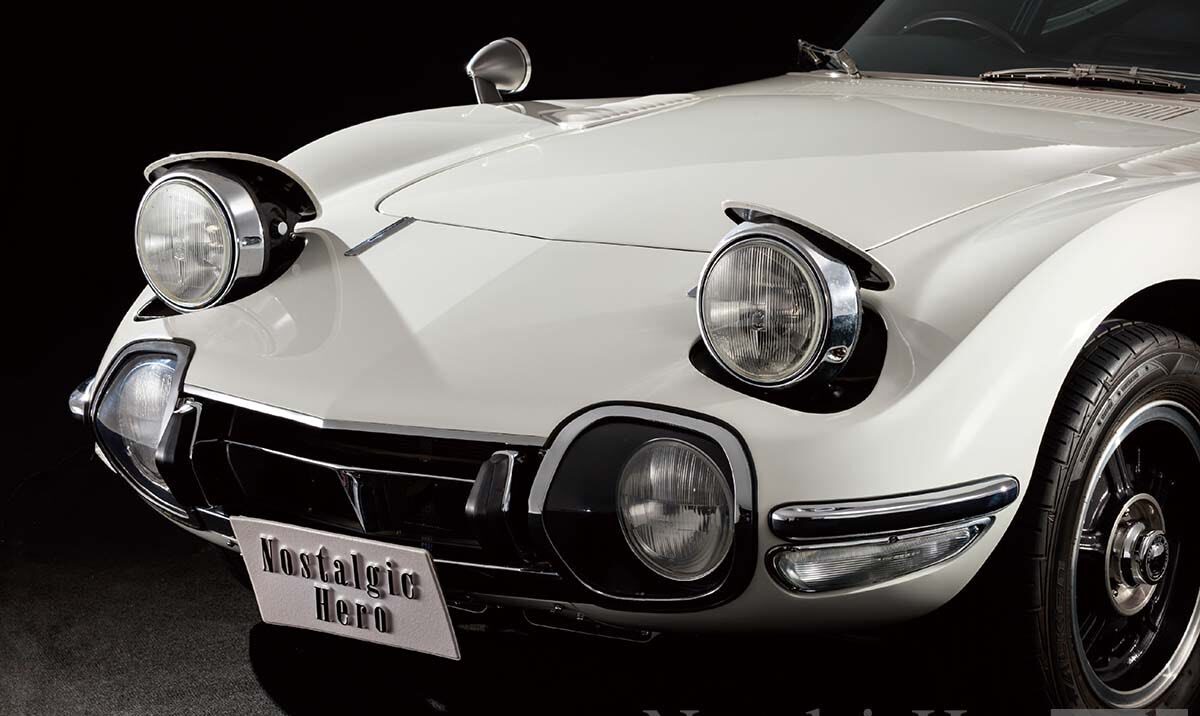
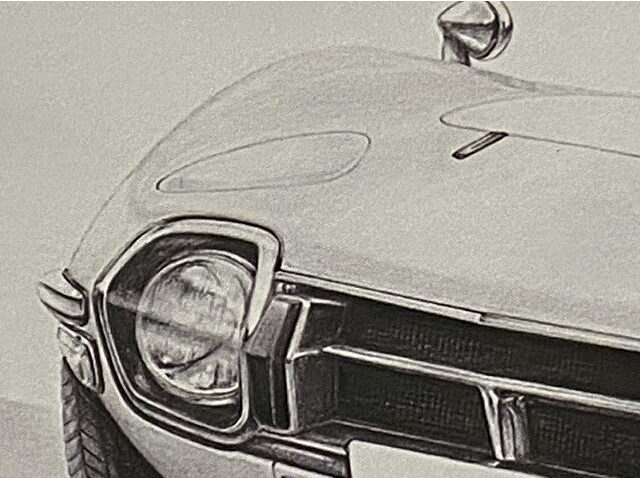
4:他に似たものが全くない、「一度見たら忘れられない』フロントフェイシアのデザイン
ーーーー>子供の頃はフォグランプ自体がヘッドライトと勘違いしてました。
5:大きくスイープ・アップしたボディーサイド下端の見切り線と、それを強調するセンター2本出しのテールパイプと個性あふれるリアバンパーの絶妙な配置
ーーーー>を思い出します。
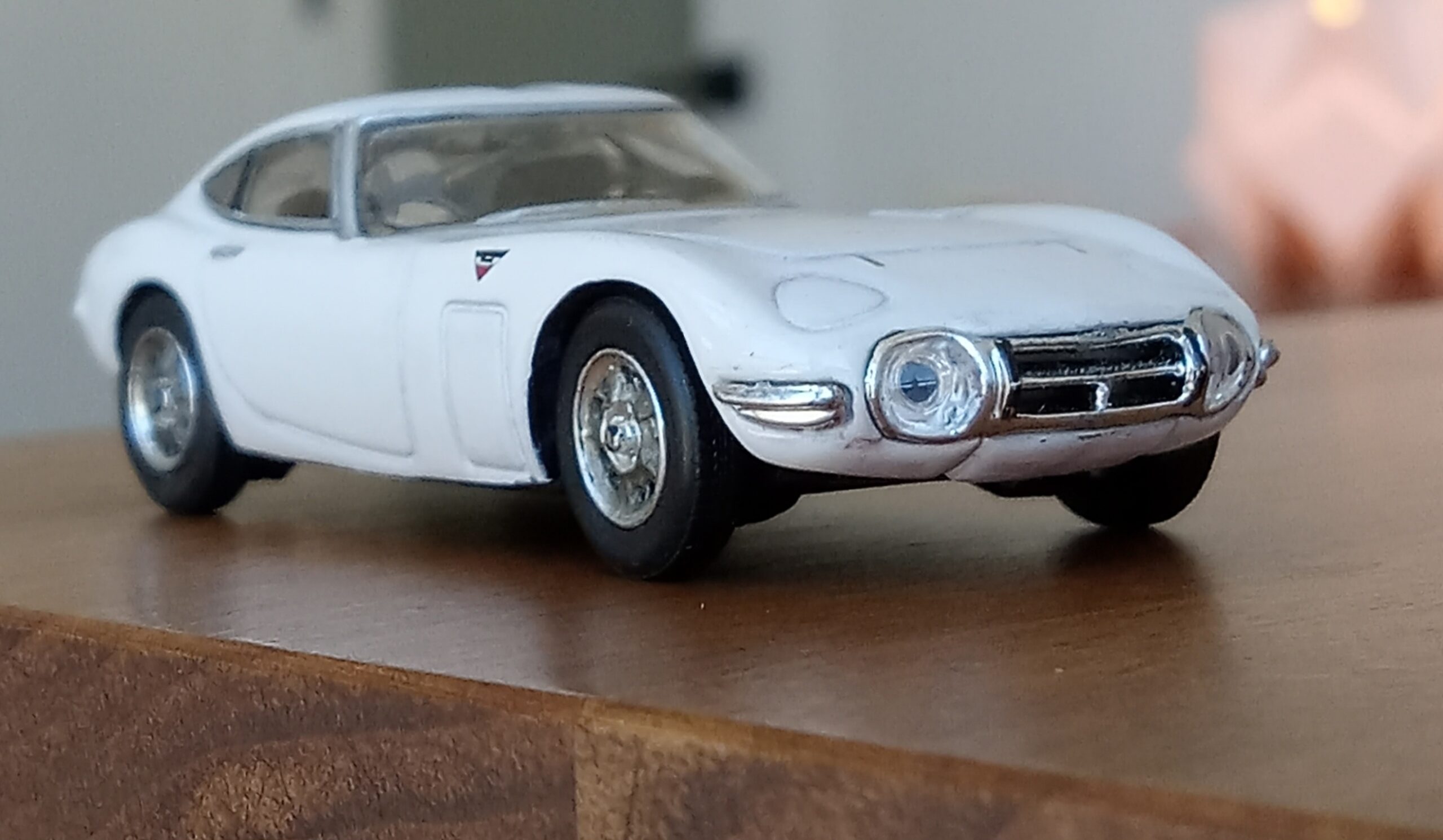
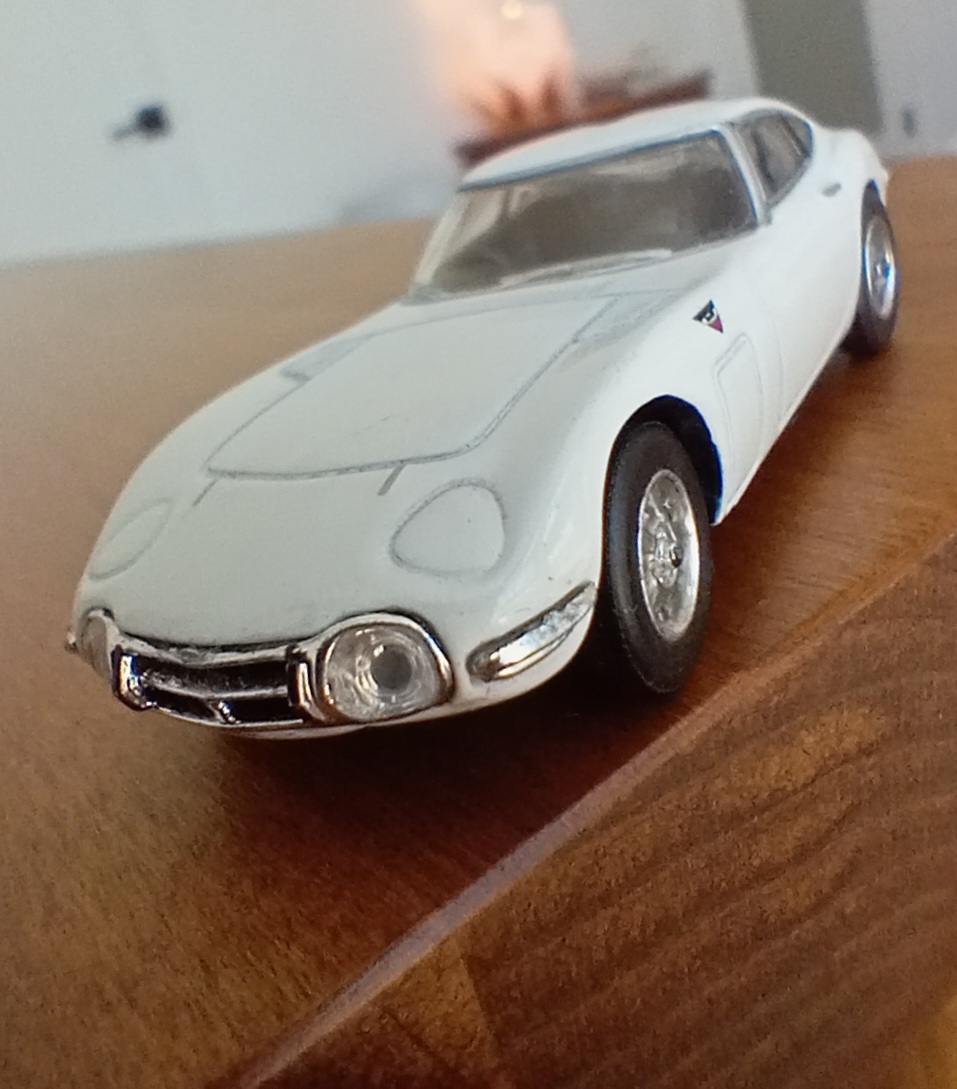
6: 当時の常識を上回る、15インチ・ラジアルタイヤを装備することで、文字通りの「大下駄はいた韋駄天」イメージの醸造に成功
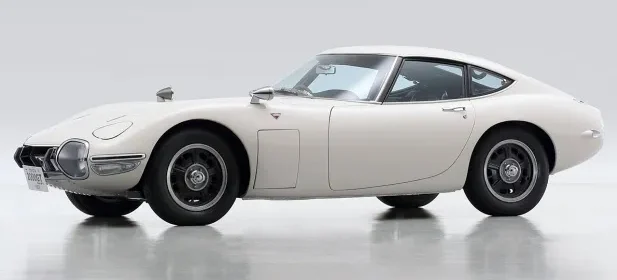
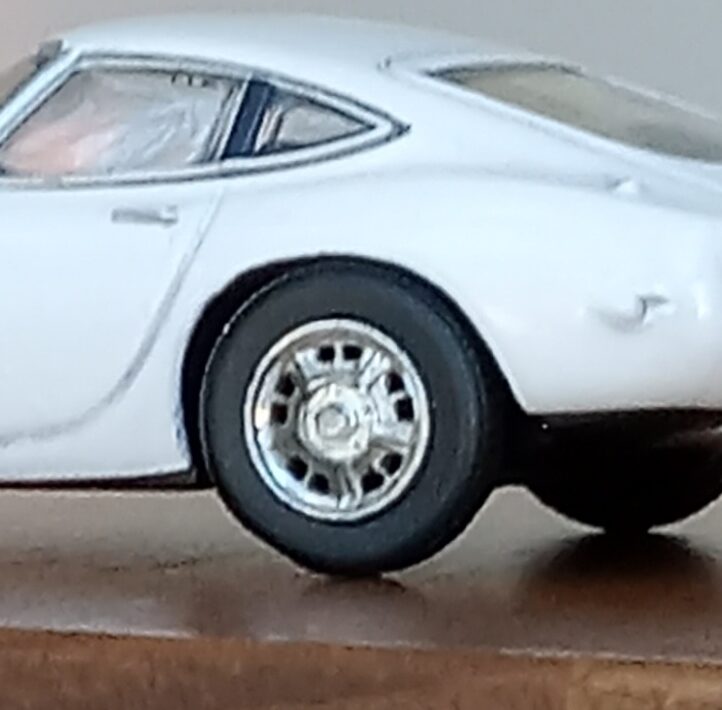
*『私』とトヨタ2000GT:車高問題の解決!
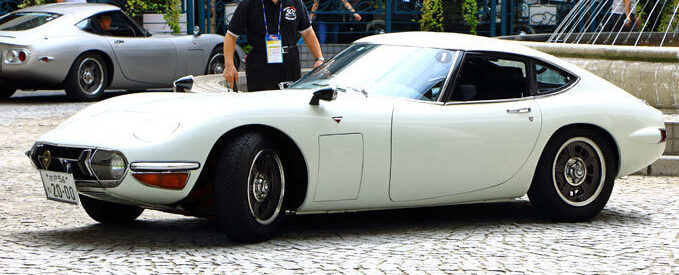 (リアの車高がへたり気味の2000GT:デザイン上、フロントフェンダーアーチがリアに比べてかなり上までえぐれていることもあり、リアサスのへたりがさらにそのえぐれを強調することとなり、不安定感を強調してしまいます、、、、泣)
私がバス通学中に遭遇していた
『純白の2000GT』ですが、
名古屋市西区の興生通り、浄心から浅間町あたりに出没して、
バスから見下ろす形だったこともあり、
*リアの車高が異常に低く、
*逆に前側は少し高めで、
*ふわふわと『へたり気味の老体に鞭打つ』感じで、
*なんだか情けなく
あまりポジティブな印象がありませんでした。

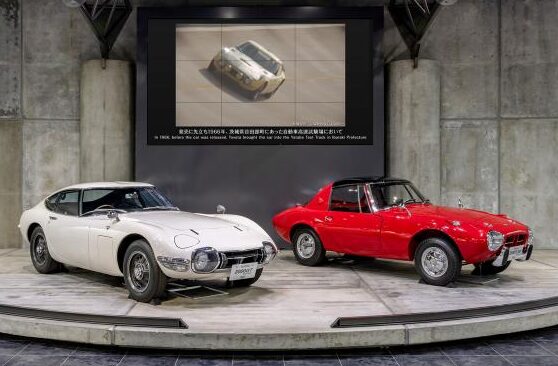
その後留学中の1989年に帰国した時
新しくできたトヨタ博物館に、同じく自動車好きの父と訪れた折
*前後のタイヤの位置がシャキッと決まって、
*生き生きと、完璧にレストアされた
2000GTがトヨタ・スポーツ800とともに鎮座していました。
この
*繊細さと大胆さが共存する、
*均整と抑揚に富んだ
得も言われぬ姿を見て以来、
私の『』2000GT熱は上がりっぱなしで、その後知るに至った『MW507との出生の秘密のきわどさ』なども重なり、更なる泥沼にはまる形が今現在も続いています。
#立体体験:トヨタ2000GT編
幼いころから、
トヨタのおひざ元の名古屋に育った私は、こんな感じで、
立体を通して慣れ親しんできました、
*トヨタ工場見学のお土産版プラモデルキット:トヨタ2000GT

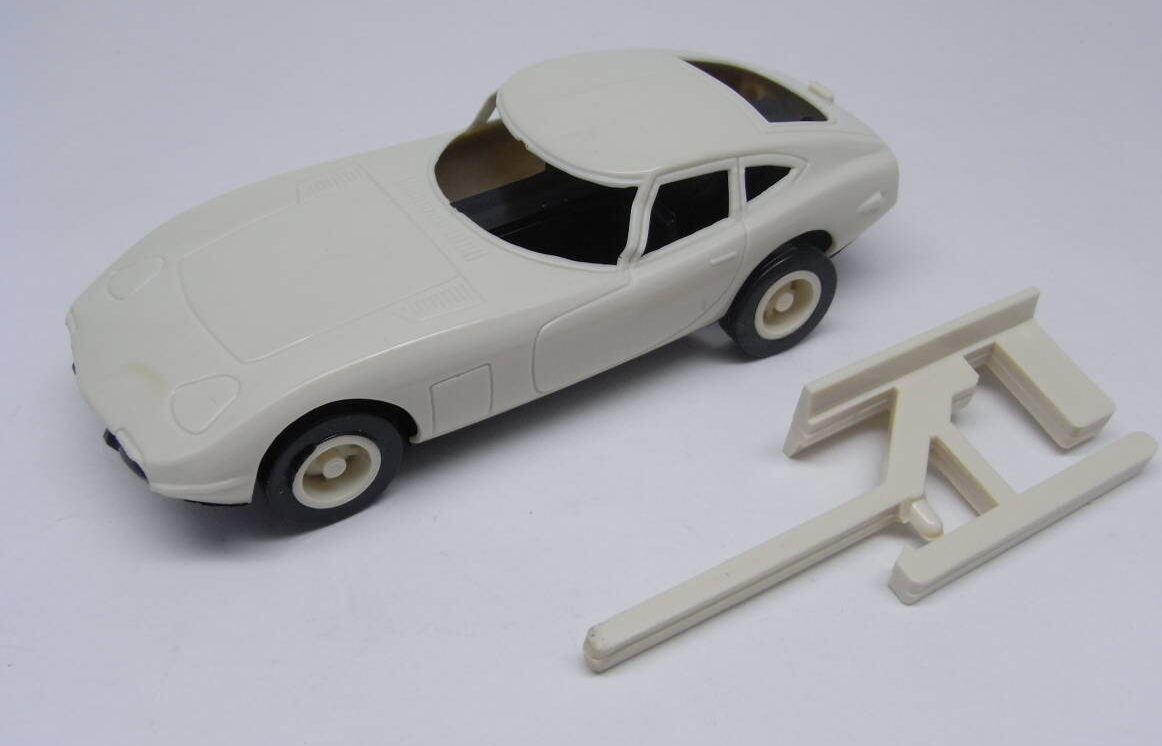
(トヨタの高岡工場に社会見学に行くともらえたプラ製キットで、バネ仕掛けで射出できます)
ーーー>個人的に頂いた記憶はないのですが、友人が赤いのを持っていたような、、、、)
*オオタキ製 プラモデル・キット、1/16 トヨタ 2000GT(クリーム色の成形色)
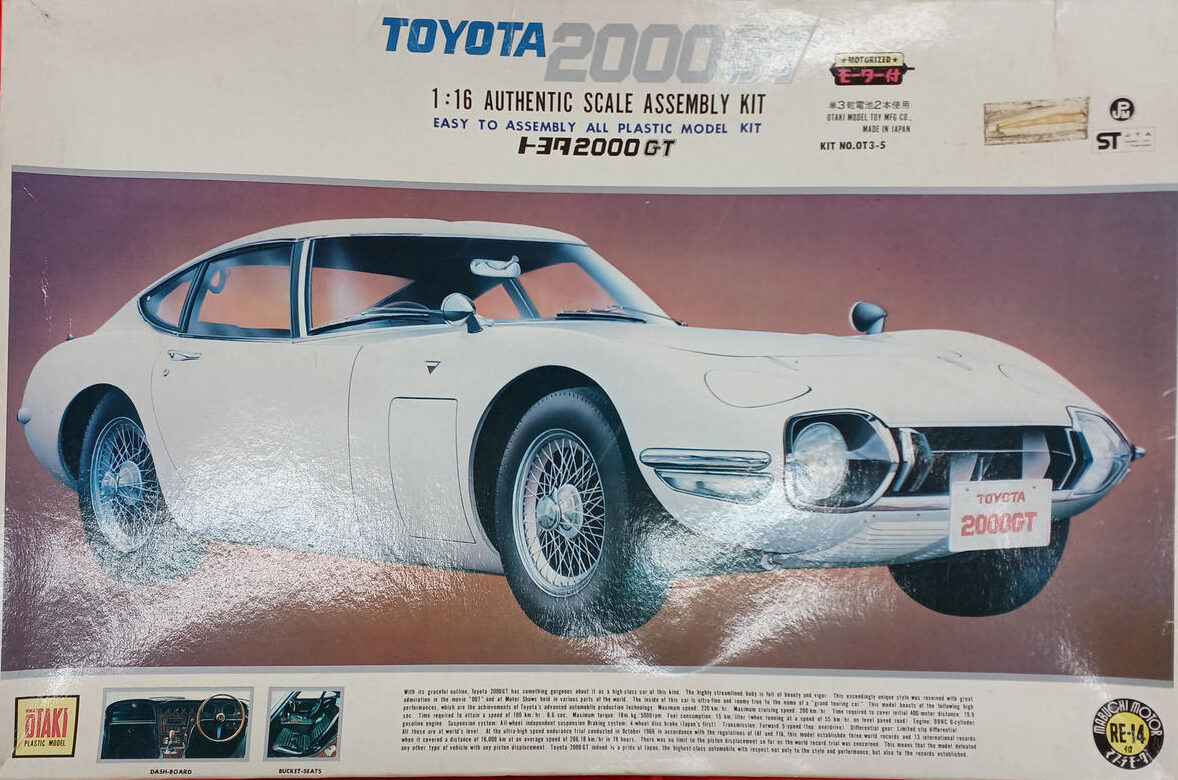
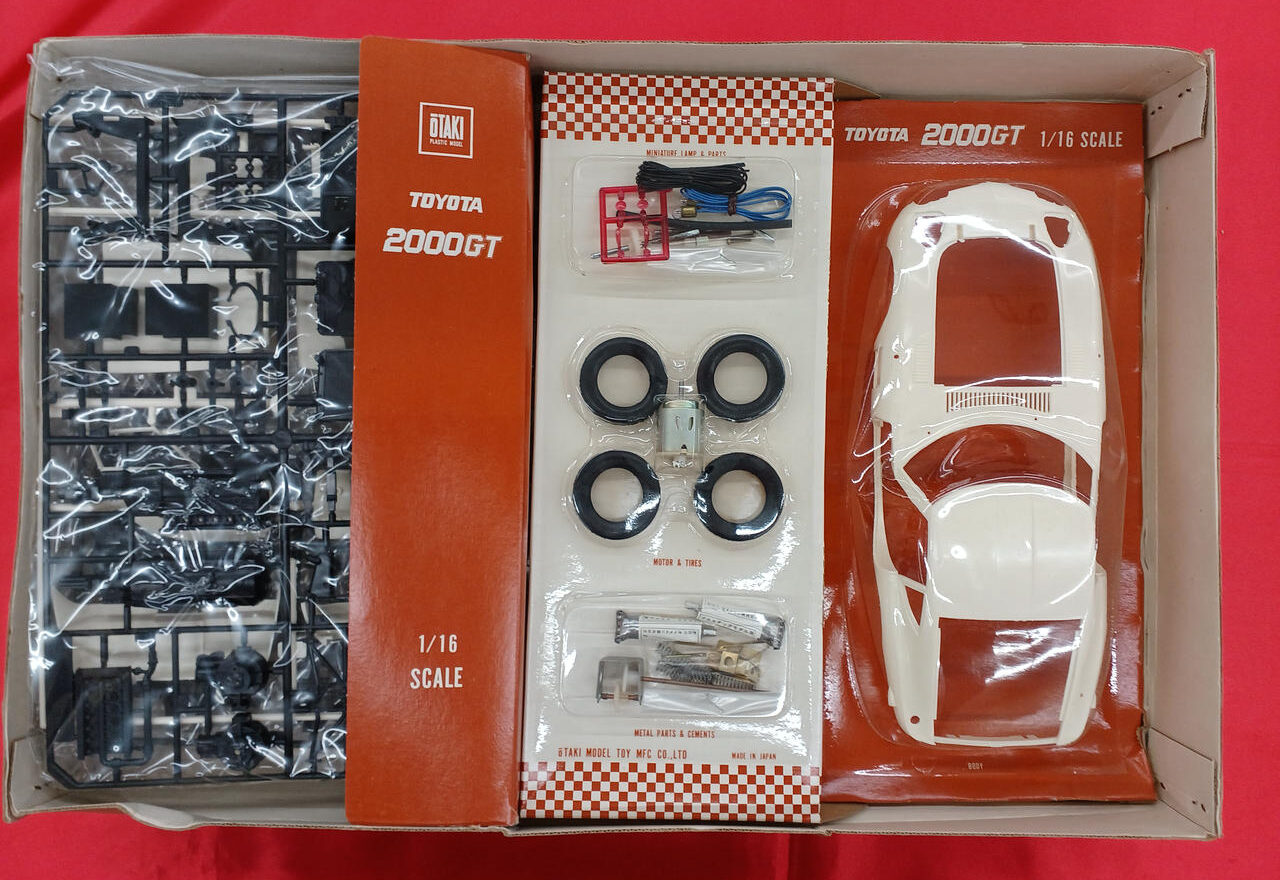
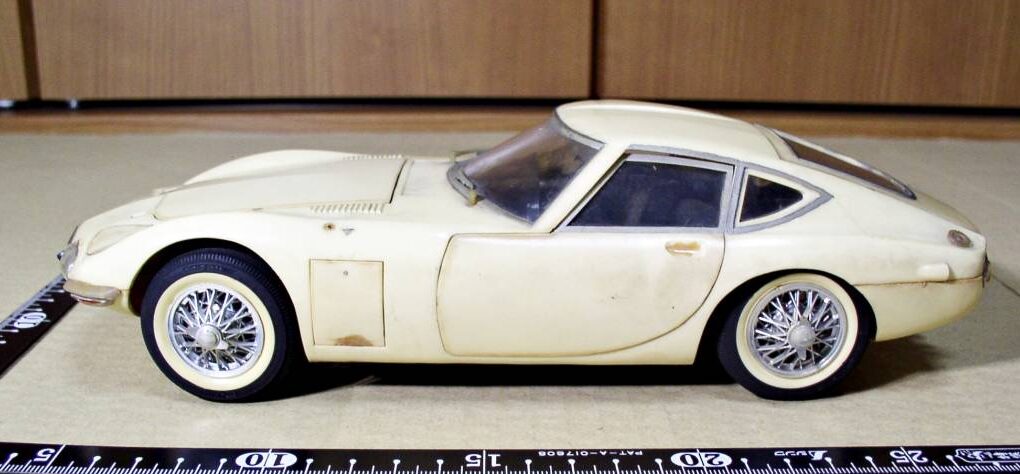
(小学生当時唯一の大型キットで、その後も延々と生産されていた記憶があります。フロントフェンダー後ろのサービス・ドアまで開閉可能な精密設計が売りでしたが、リアのデフあたりにゴムチューブを使ったり、なぜかホワイト・ウオール仕様のタイヤだったり、ちぐはぐ感がありましたが、
ーーーー>独特のかなり黄味がかったクリーム色の成形色と、厚手のボディーの感触が今もこの手のひらに残ってます。
*ニチモ製、1/24 プラモデルキット、トヨタ2000GT【前期型】
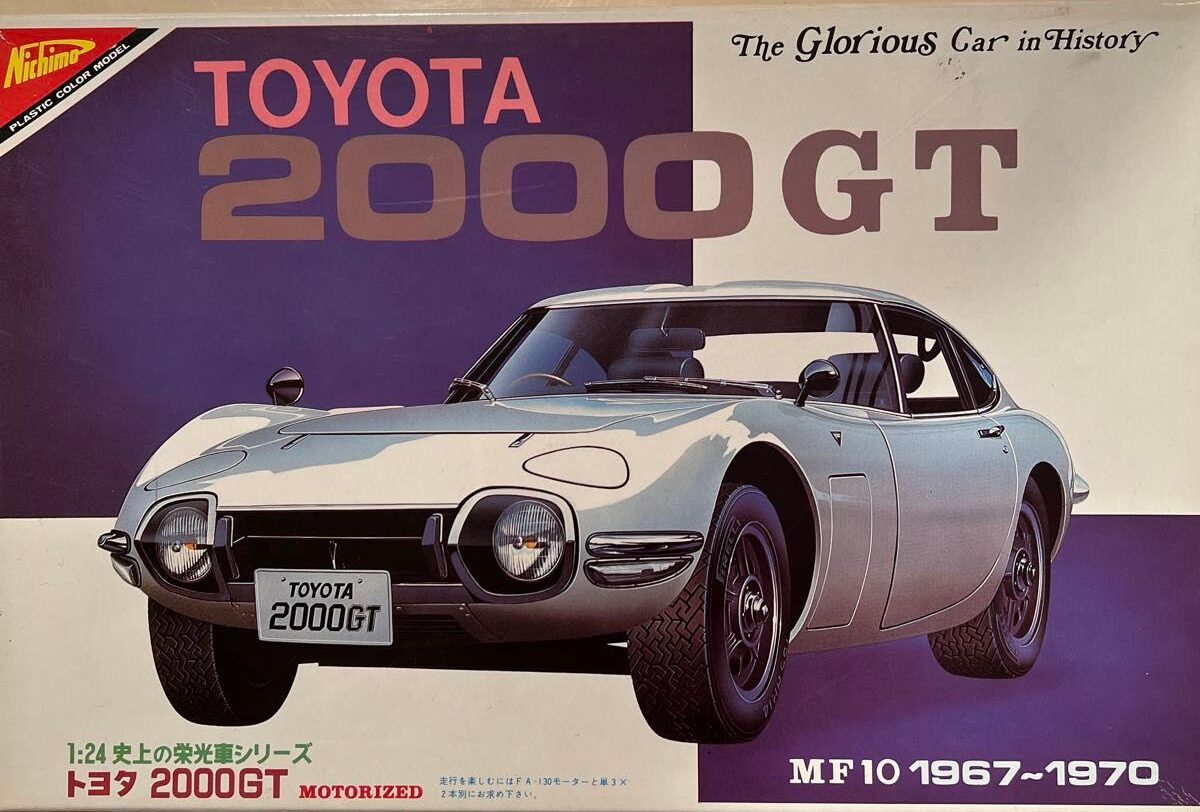
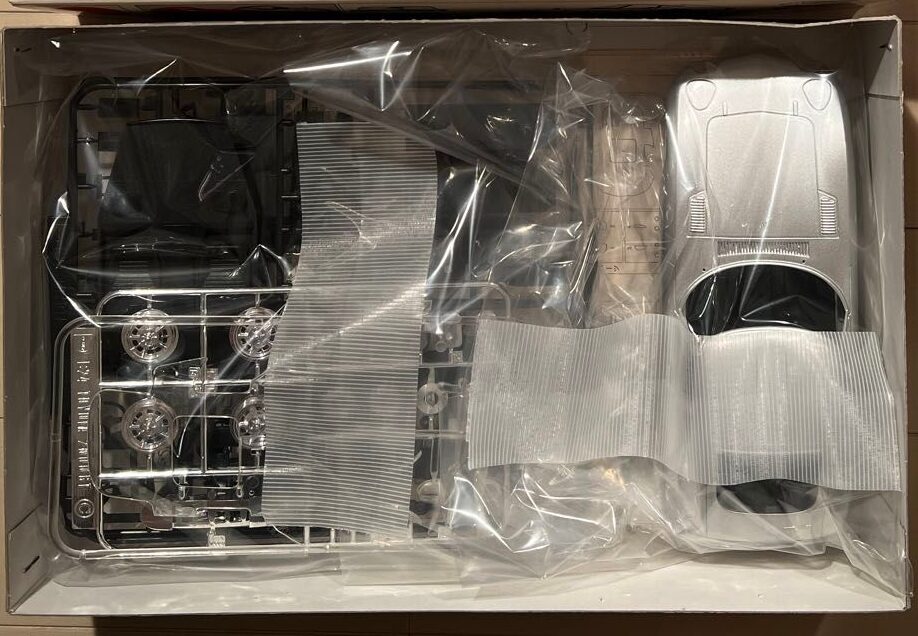 (可動部などない、ニチモらしいカッチリとした設計を覚えています。
ーーーー>ハセガワ製の決定版が出る前は市場でよく見かけました。)
*ハセガワ製 1/24プラキット、トヨタ2000GT【前期型】
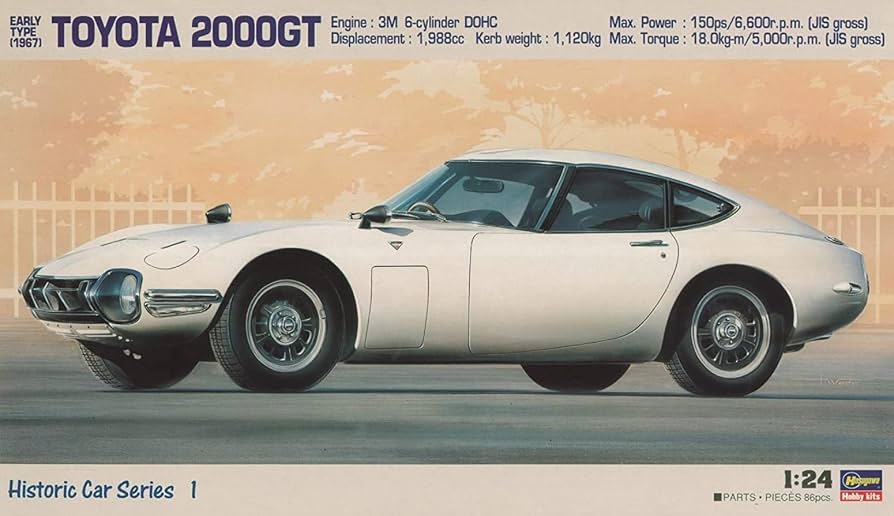
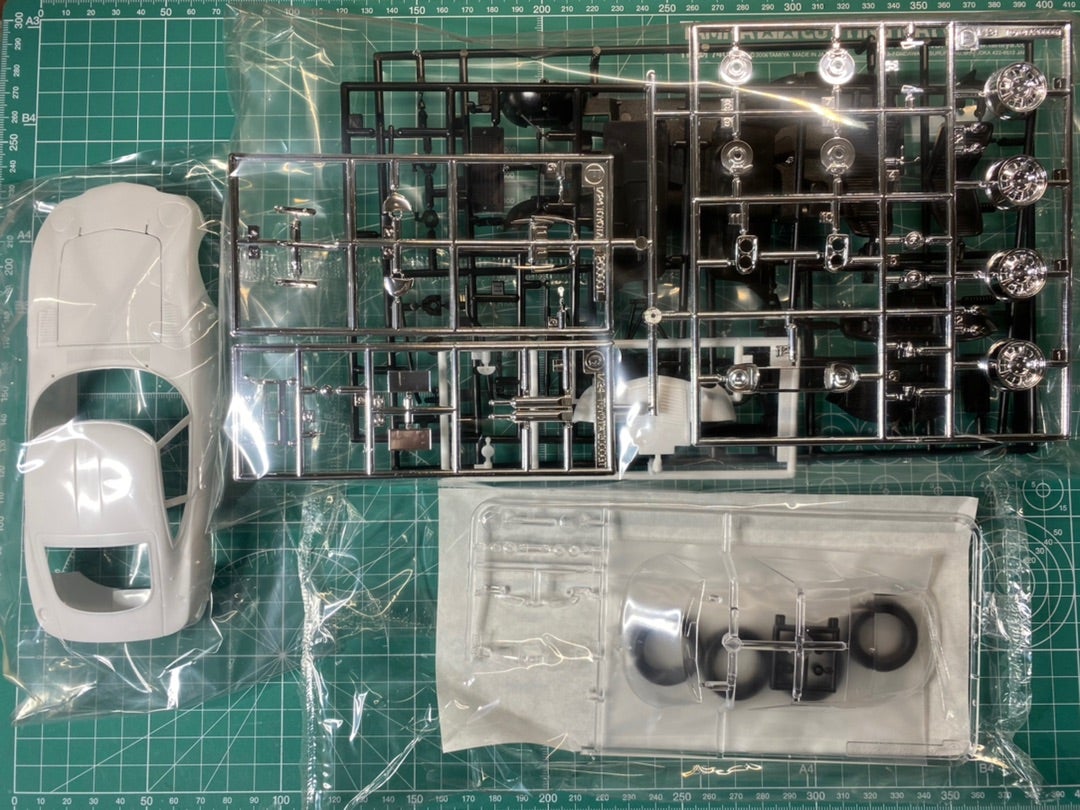
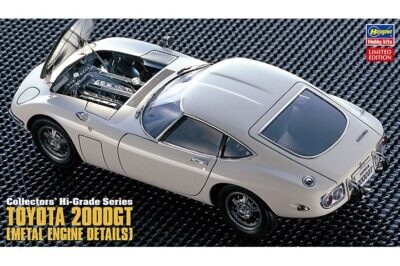
(1/24、2000GTプラキットのスタンダードと呼ぶにふさわしい手堅い出来、発売から20年以上が経過しても、レーシングバージョン、エンジン付きバージョンが追加される、
ーーーーー>息の長い傑作キットです。)
ではいよいよ、
ミニカーのご紹介です。
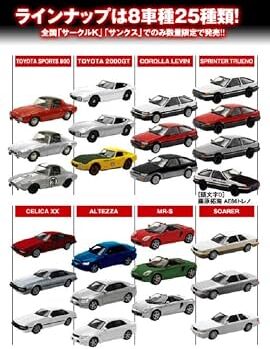
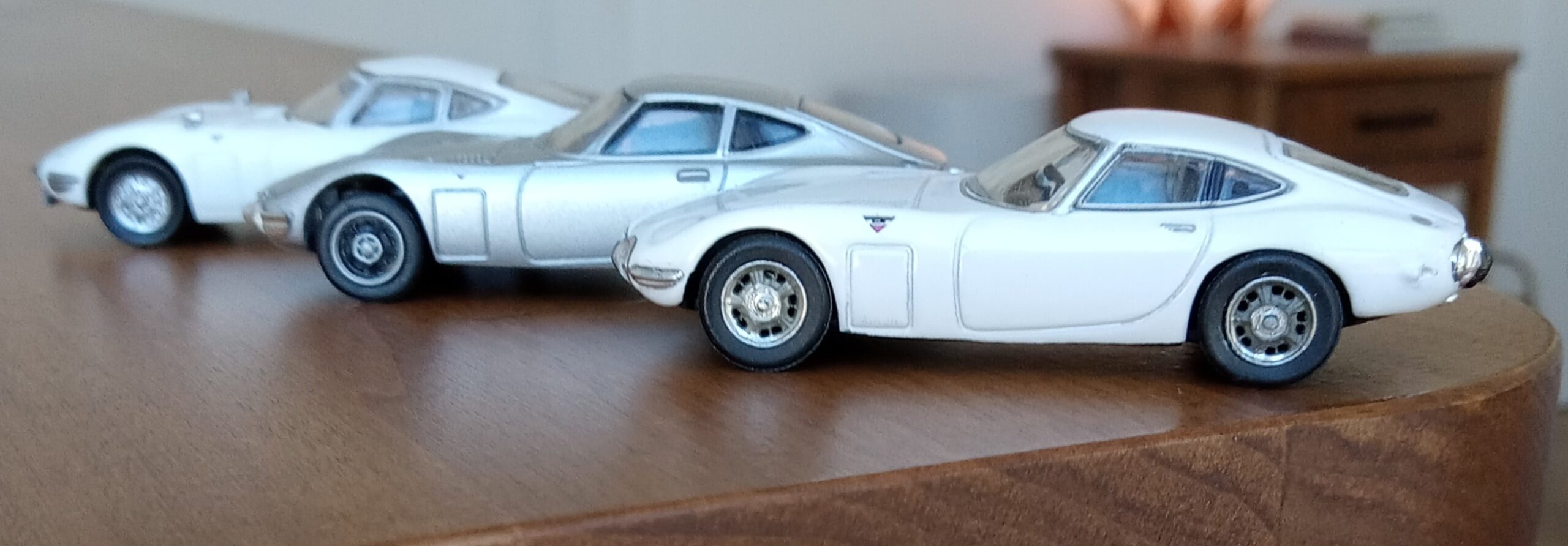
*タカラ・トミーアーツ製, 1/64ガチャガチャの景品【半完成品】トヨタ2000GT【前期型】(ペガサス・ホワイト)
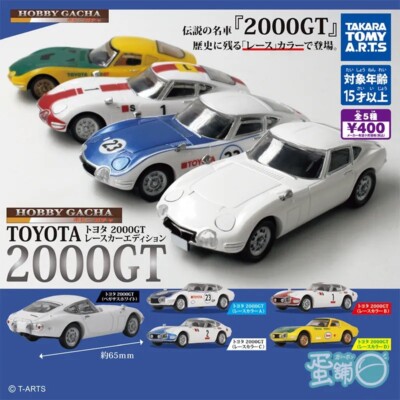 (全体の印象は跋文ですが、やはり塗装クオリティーやメッキ部品の出来はダイキャスト氏のミニカーに劣ります
ーーーー>ヘッドライトの開閉状態を選べます!!)
* 版名車コレクション」完成品、 トヨタ2000GT(シルバー)
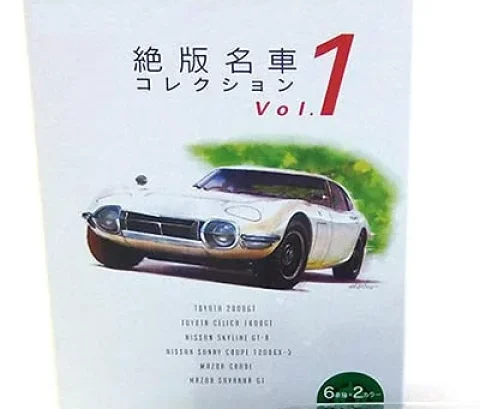
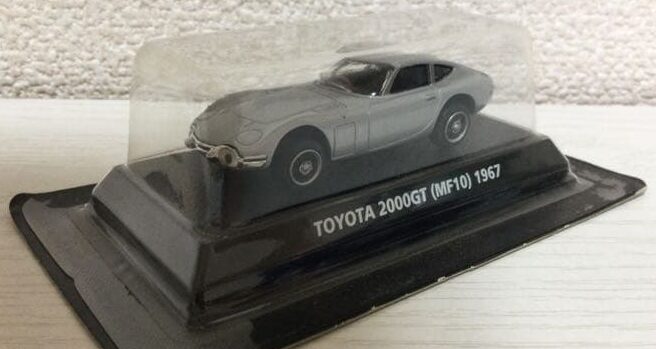 (フロントフェンダーの盛り上がりが強調された抑揚あるボディー造形が秀逸な傑作です。
--→落ち着いた京商版と対照的な逸品です。)
*京商製、1/64ダイキャスト完成品、トヨタ2000GT(ペガサス・ホワイト)
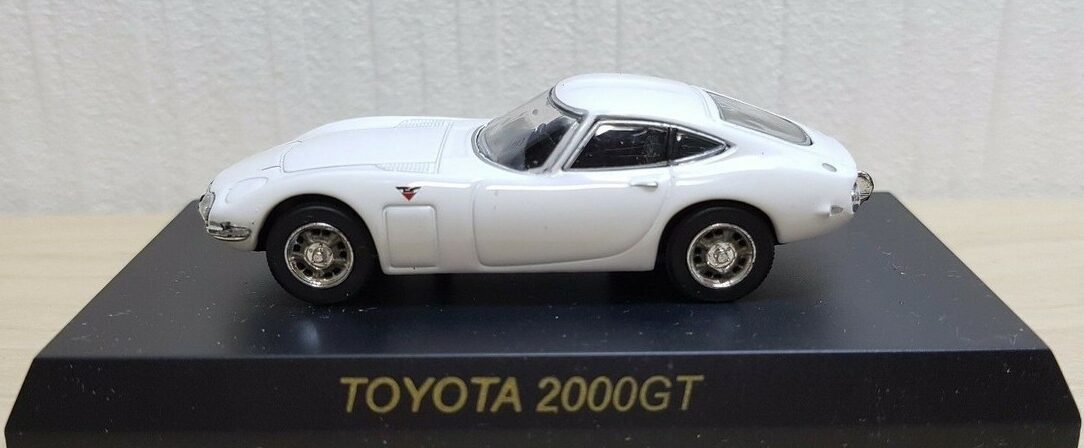
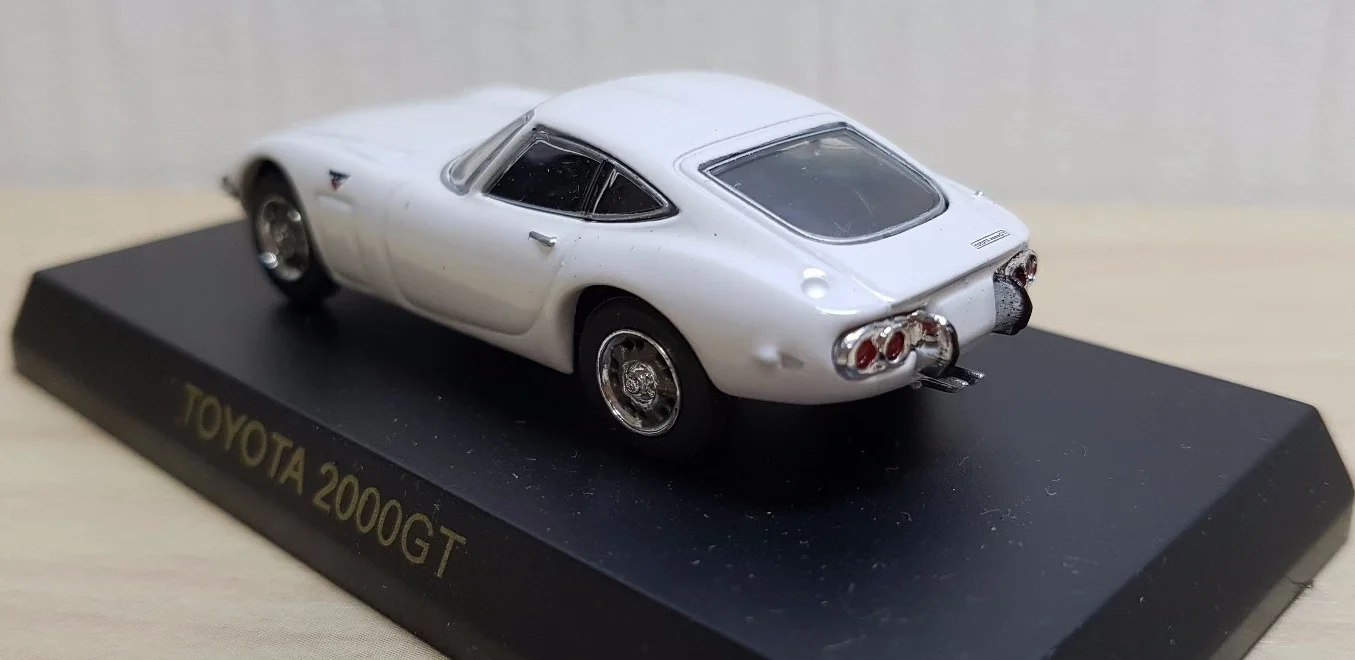 (このミニカーを見て、「一切の手抜きなしで、このスケール、この値段での【大盤振る舞いぶり】に京商の底力を感じて、一気に大ファンになりました。
ーーー>ディテール再現以上に小さいなりの『一筆書きの力強さ』が秀逸すぎます。
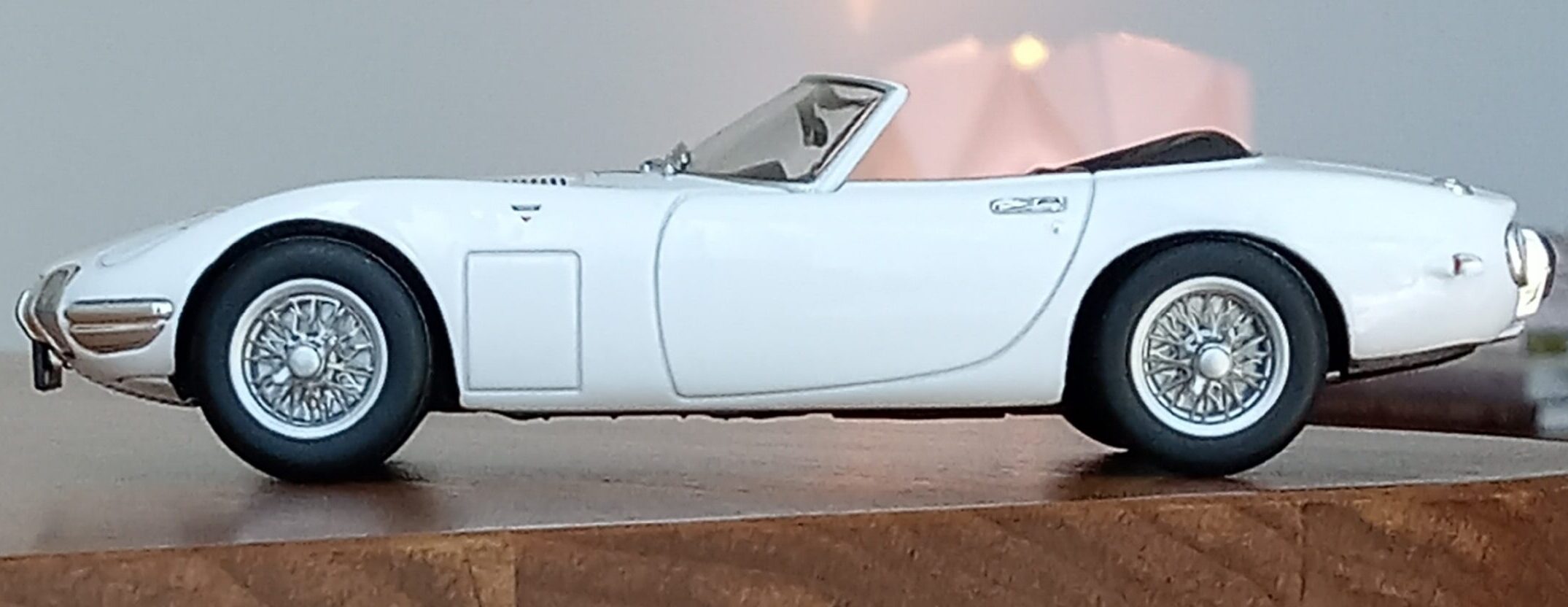
*アシェット社製、国産名車プレミアムコレクション(定期購読者特典)1/43ダイキャスト完成品、トヨタ2000GT・ロードスター(ペガサス・ホワイト)
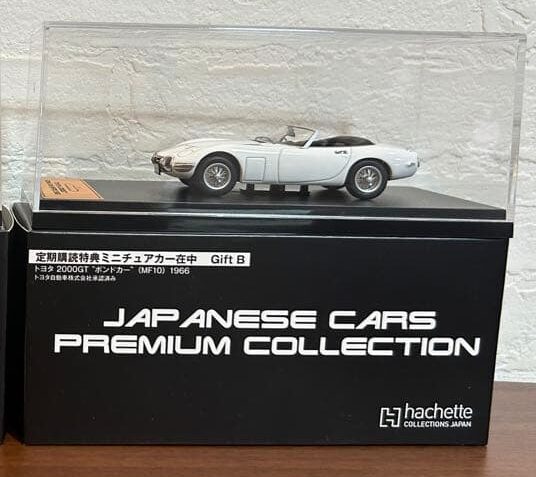
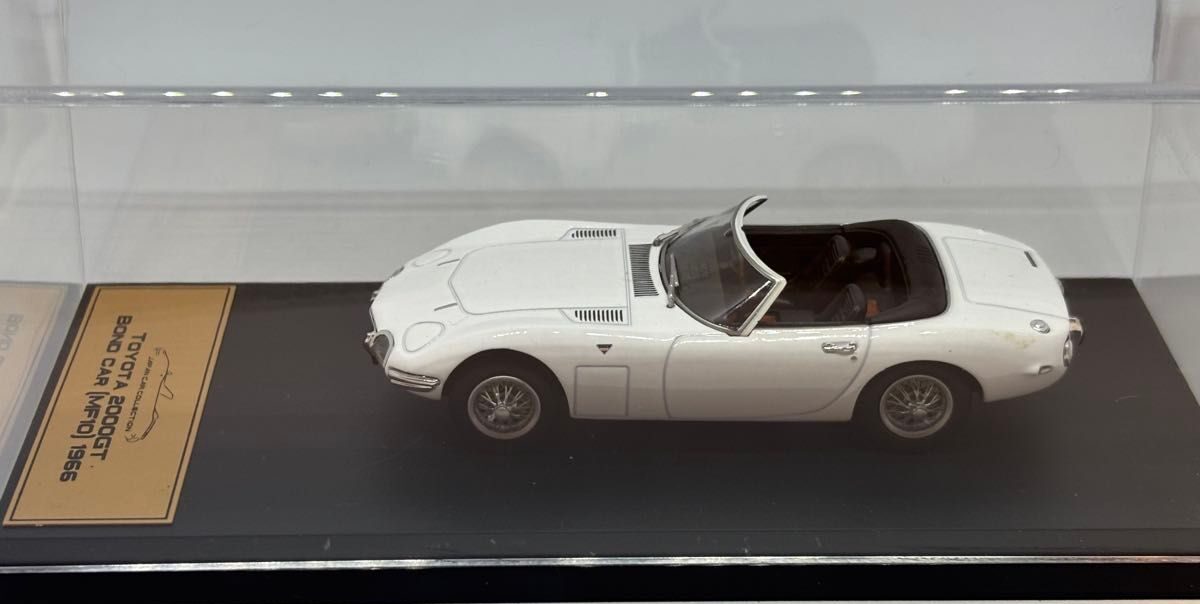
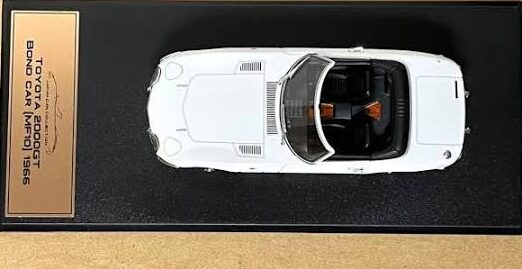
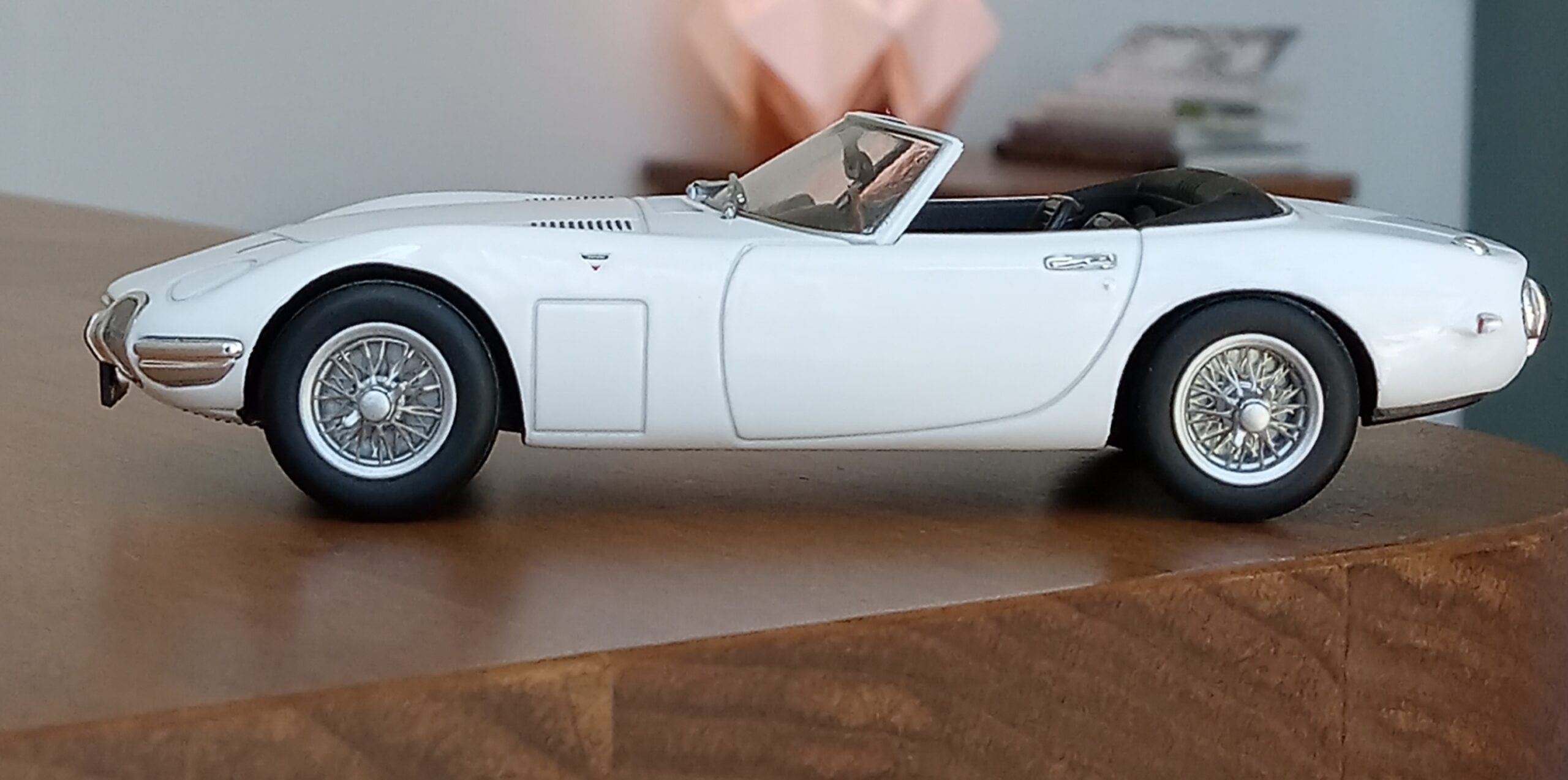 (レジン商品並みのシャープなボディー造形に精密な内装も魅力的、
ーーーー>かなり正確な考証がされているそうで、足回りの小改造で見違えりました。)
こんな感じで、
『掌の友』と暮らしてきました、、、
ではおなじみの、
三題噺の時間です!
*三題噺:縁の下・桂離宮・設計図
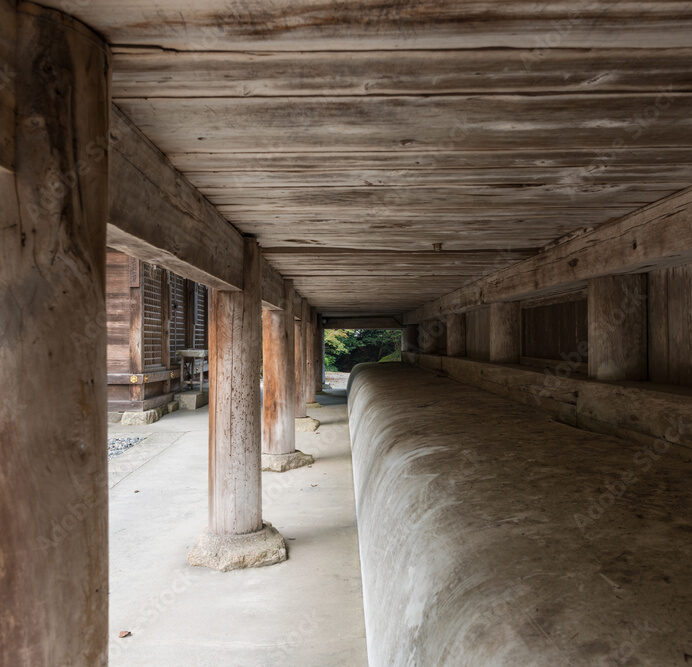
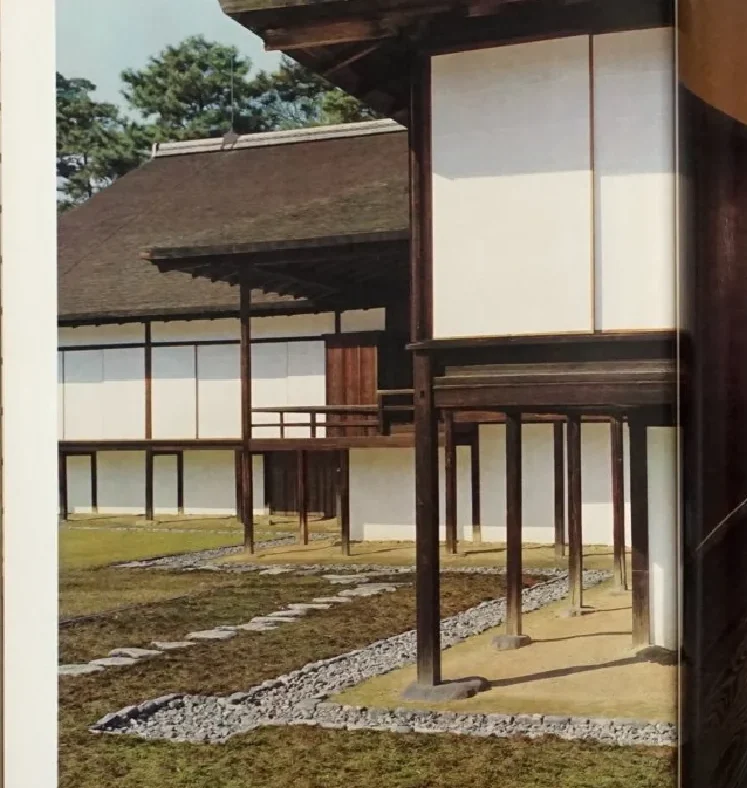
今回いただきましたお題も、
難しそうなものですが、
こんな感じです。
*縁の下
*桂離宮
*設計図
今回も【AI】とタッグを組んで、
単純ながら、意味の通る『オチ』を見つけました。
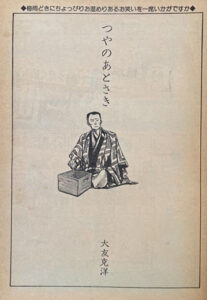
落語「デザイナーの意地が産んだ世界の至宝」
『エ~一席
おつきあいの程を願っておきますがぁー
八っつぁん:「なるほど、大物の影がちらついてたわけだ」
n
n
n
苦労しながらも、3題出揃いましたところで、泣笑
お後がよろしいようで。ペンペン』
n
n
N
n
N
M
n
N
n
N
M
n
N
*その他の『美しきトヨタ車』たち、、、

【子の顔自体、全然美しくないですね、、、ごめんなさい】
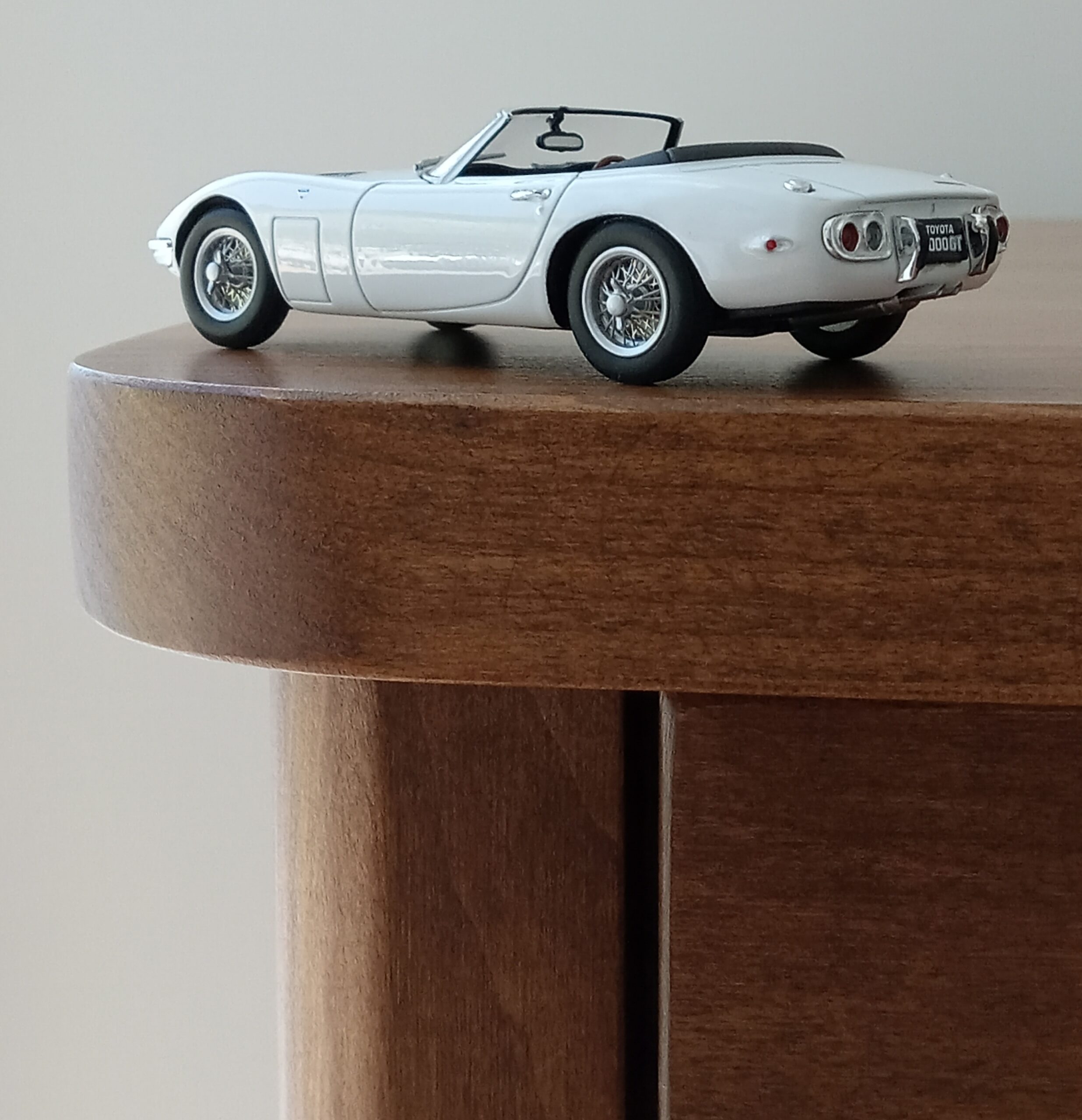
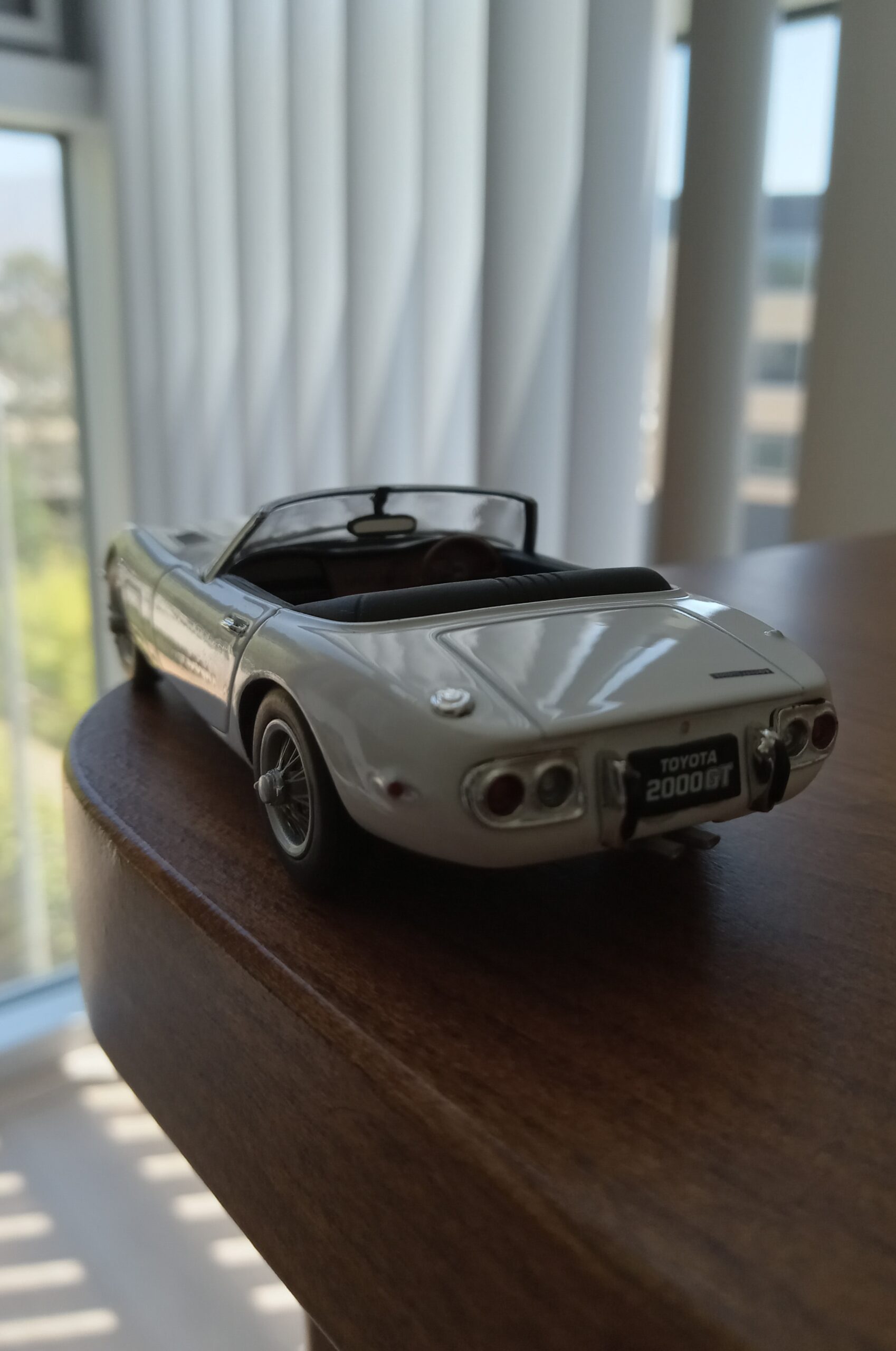
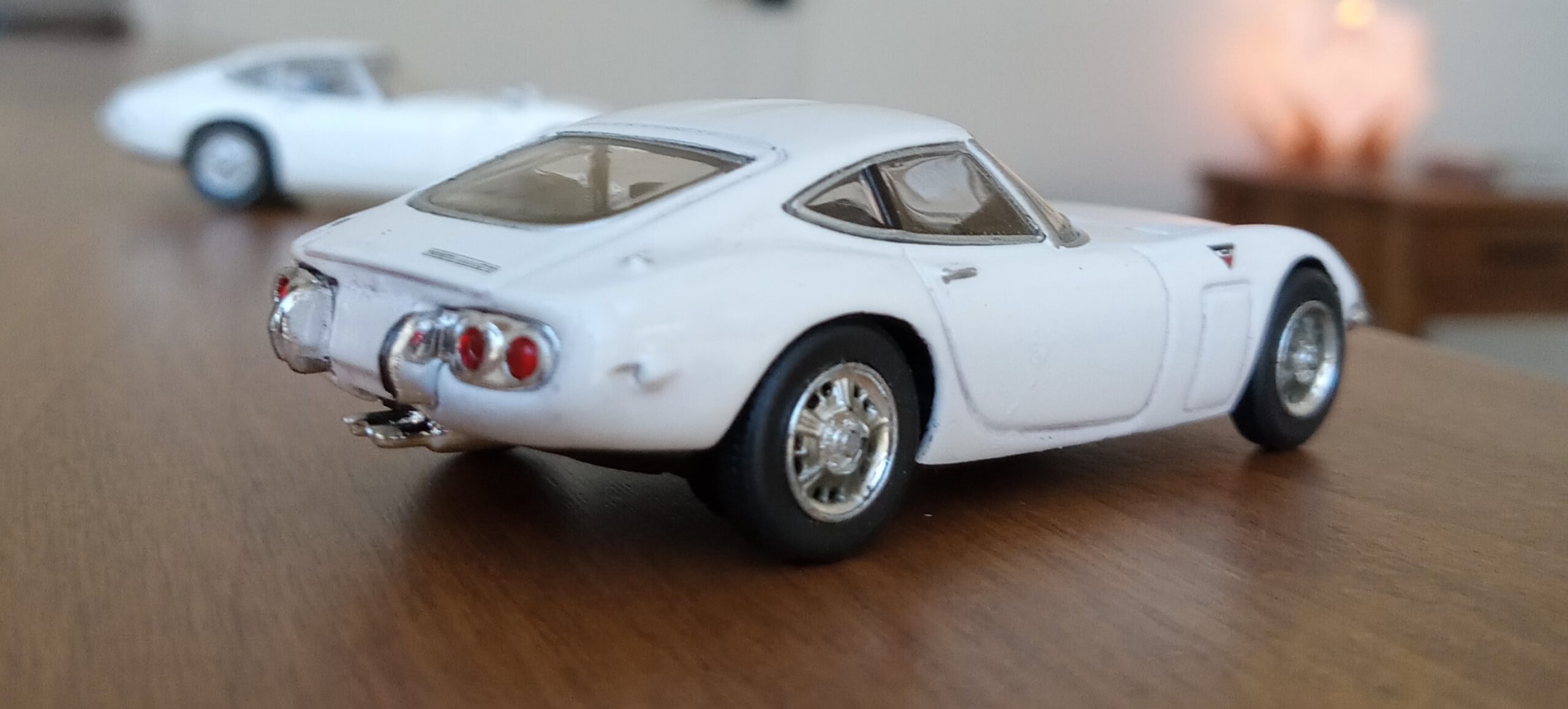
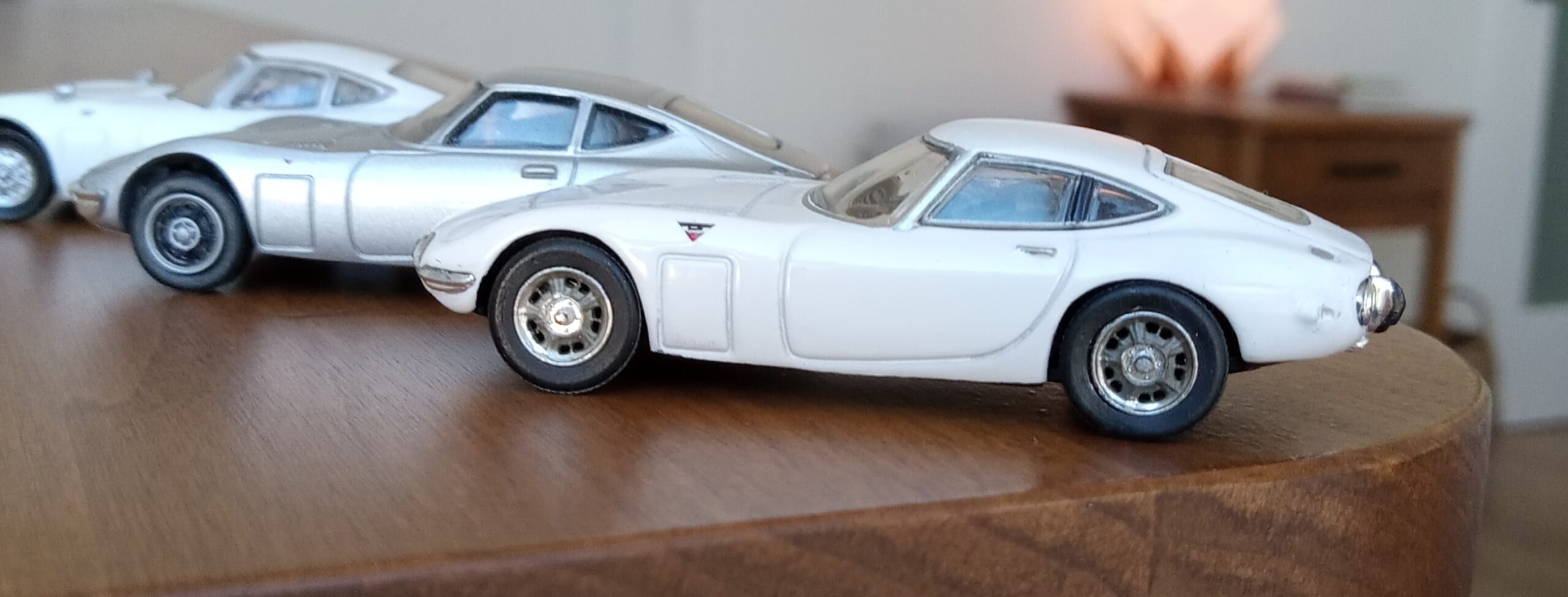
現在では、
『自動車世界の至宝』と言っていいほどの称賛を受ける、
我らが
【トヨタ2000GT】ですが、
私の独断で、
その他の美しいトヨタ車を集めてみました。
*トヨタスポーツ800、1965【フレーム・レッド】
(トヨタ初の2座スポーツカーは同時期のライバル車、ホンダS800に比べ、全長も全幅も大きく、フットボールの様にボリュームがある立体造形が見どころ
ーーーー>日東模型の1/24の傑作キットを2回組んだ記憶が強いです)
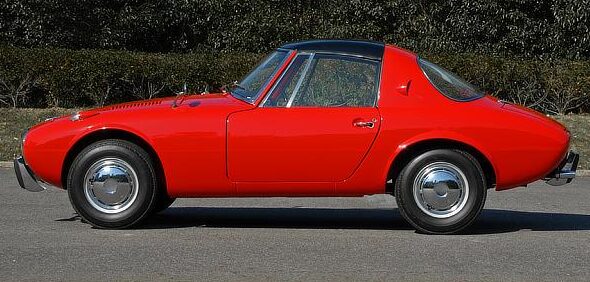
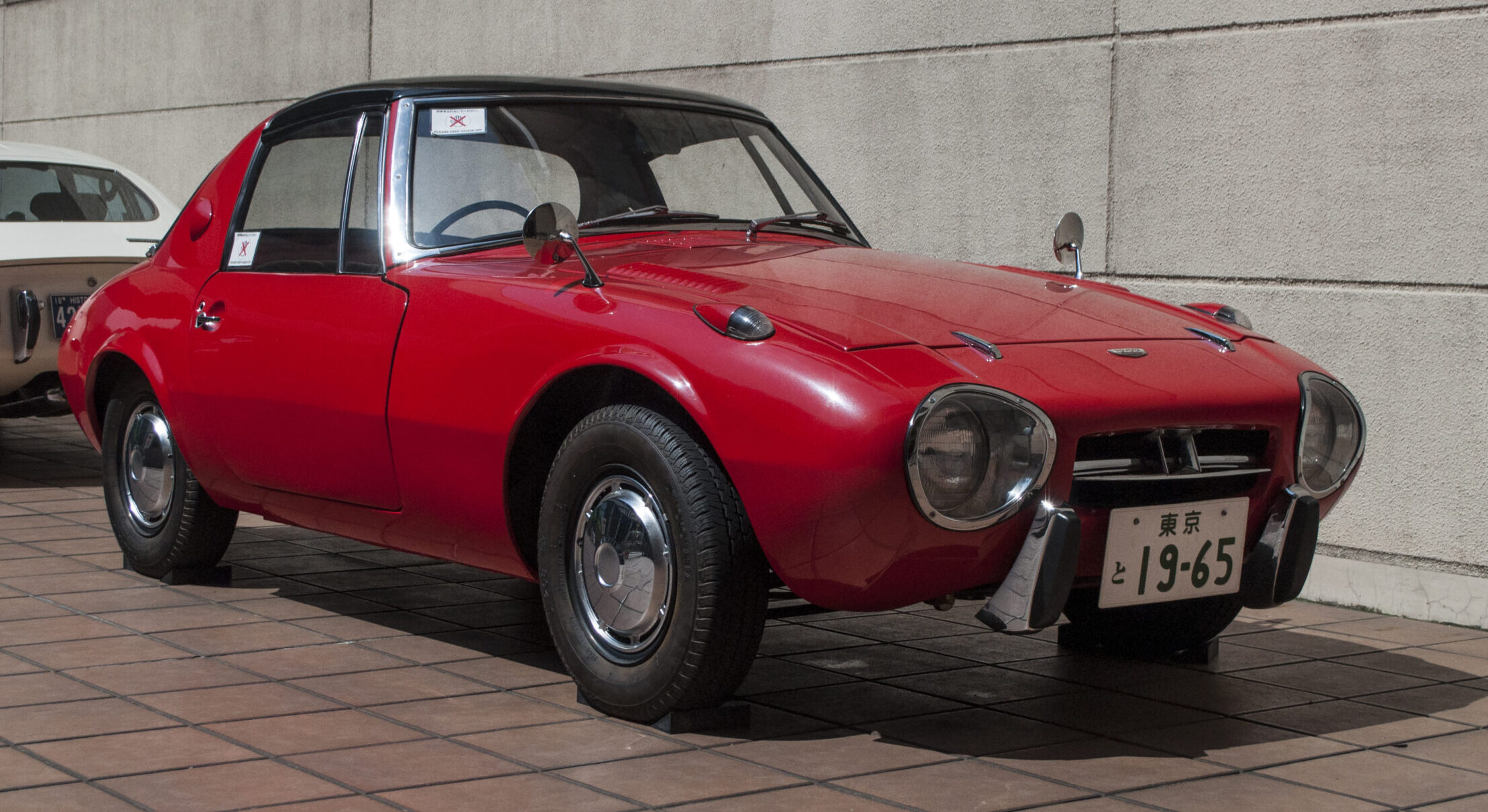
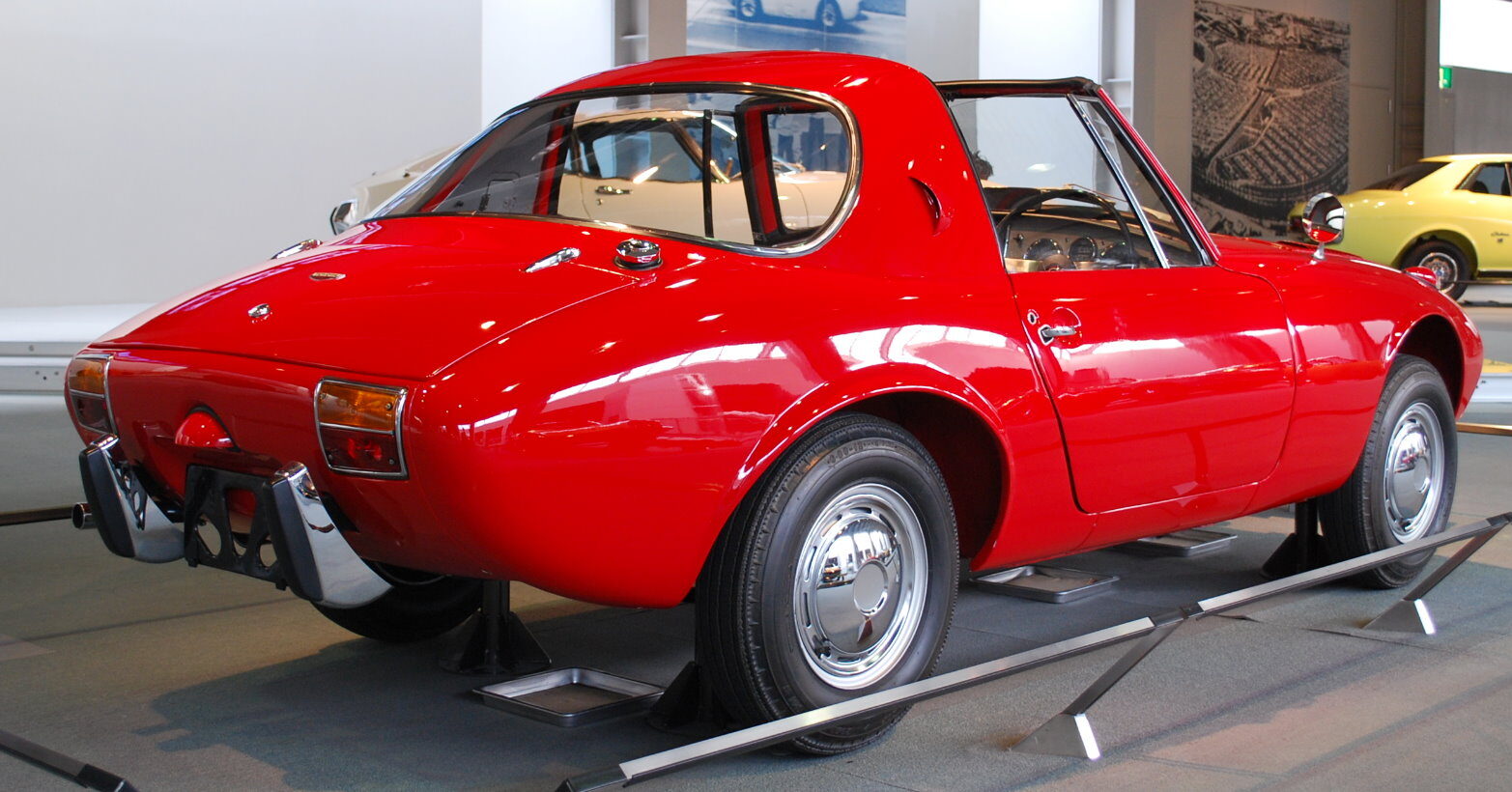
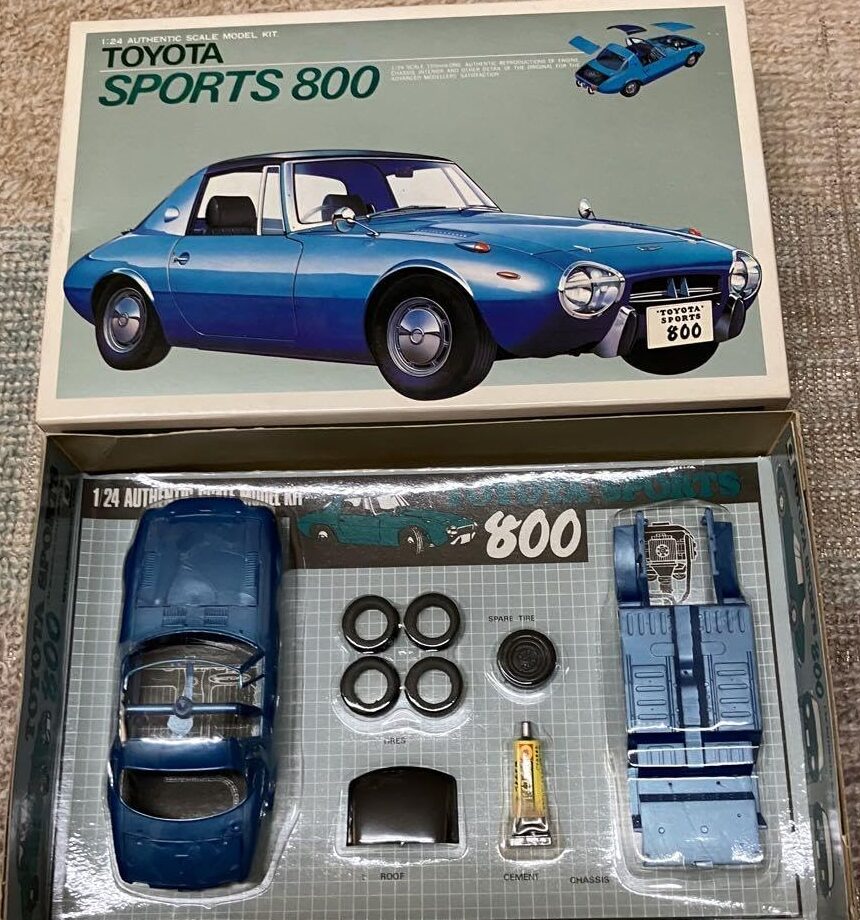 (日東模型製の傑作キット、このシリーズでトヨタ2000GTが出なかったのは、『プラモ界の7不思議』です!!)
*トヨタ コロナ・ハードトップ1800GT-TR、1982【ブレージング・レッド】
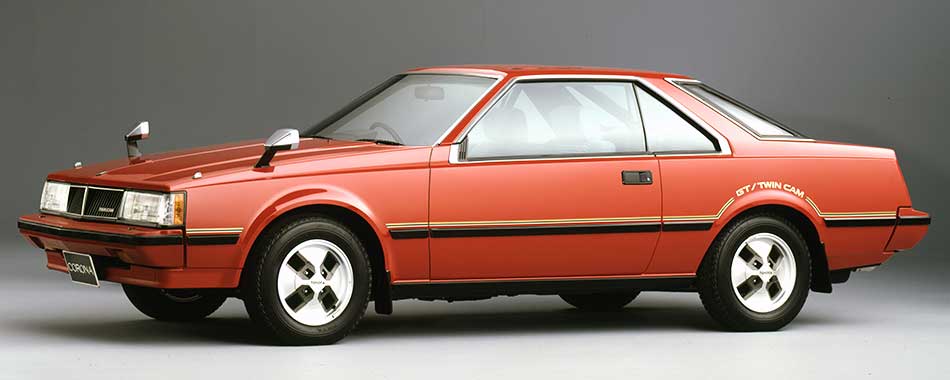
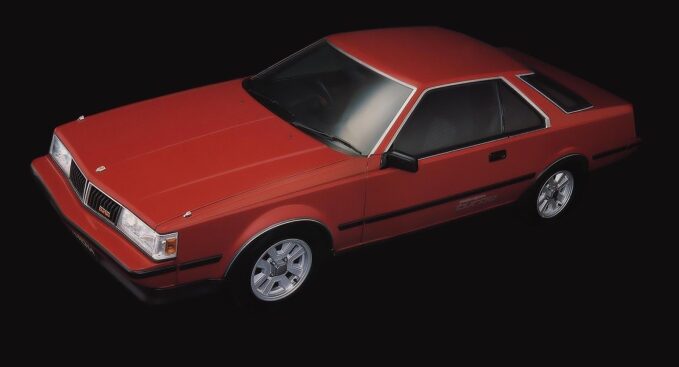
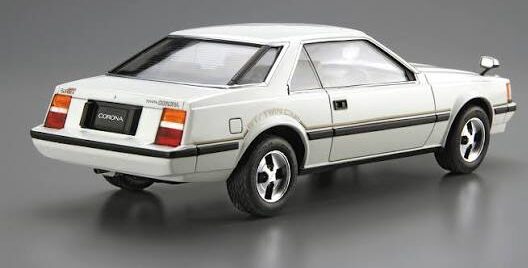 (日本車最後のピラーレスハードトップ、当時のフォード・サンダーバードのデザインを縮小した感じの造形美は今見ても新鮮な驚きに満ちています。
---→美しいプロポーションはアオシマ製プラモ&トミカ製ミニカーで語り継がれるでしょう!)
*トヨタ GR・スープラ、2019(プロミネンス・レッド)
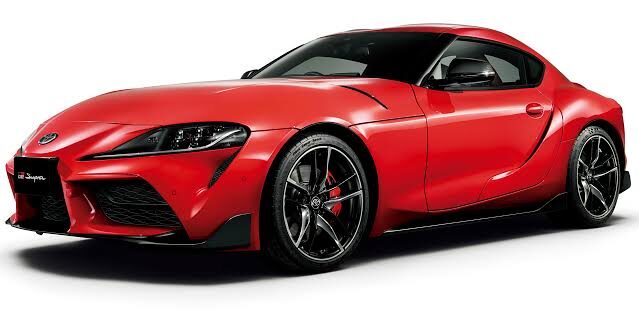
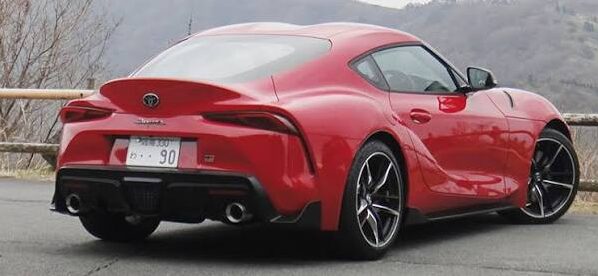
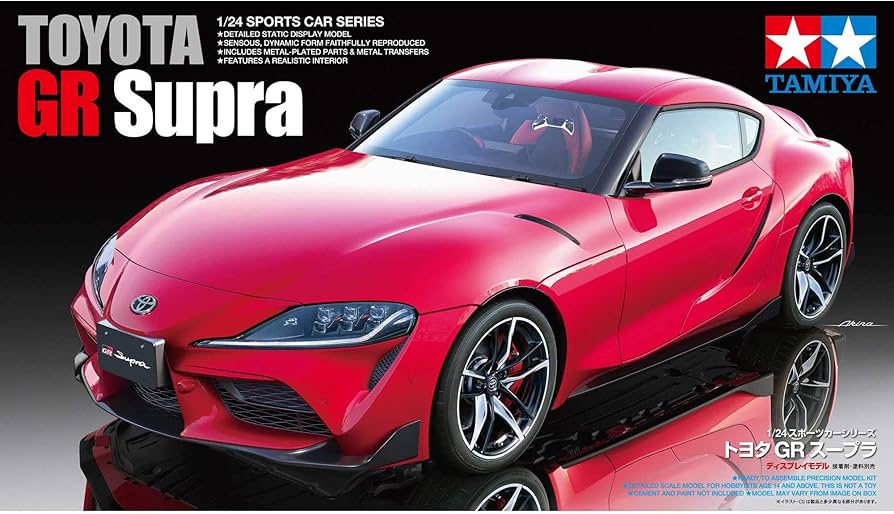 (同時期に生産化されたレクサスLCと同じように、コンセプトカーそのままを出来る限り忠実に生産車に生かし切った、トヨタ・LEXUSデザインの『油の乗り切った時期の傑作造形』
ーーー>個人的には、やや平凡な同じシャーシを分かち合ったBMWZ4よりはるかに意義深いデザインだと感じます。)
こんな感じで、
強力な2ドアクーペがひしめいていた
『トヨタ車デザイン』
探せばまだかなりあると思われますが、
また後程、ということで、、、
今回取り上げました、
トヨタ2000GT,
改めてその偉大さに感服しました。
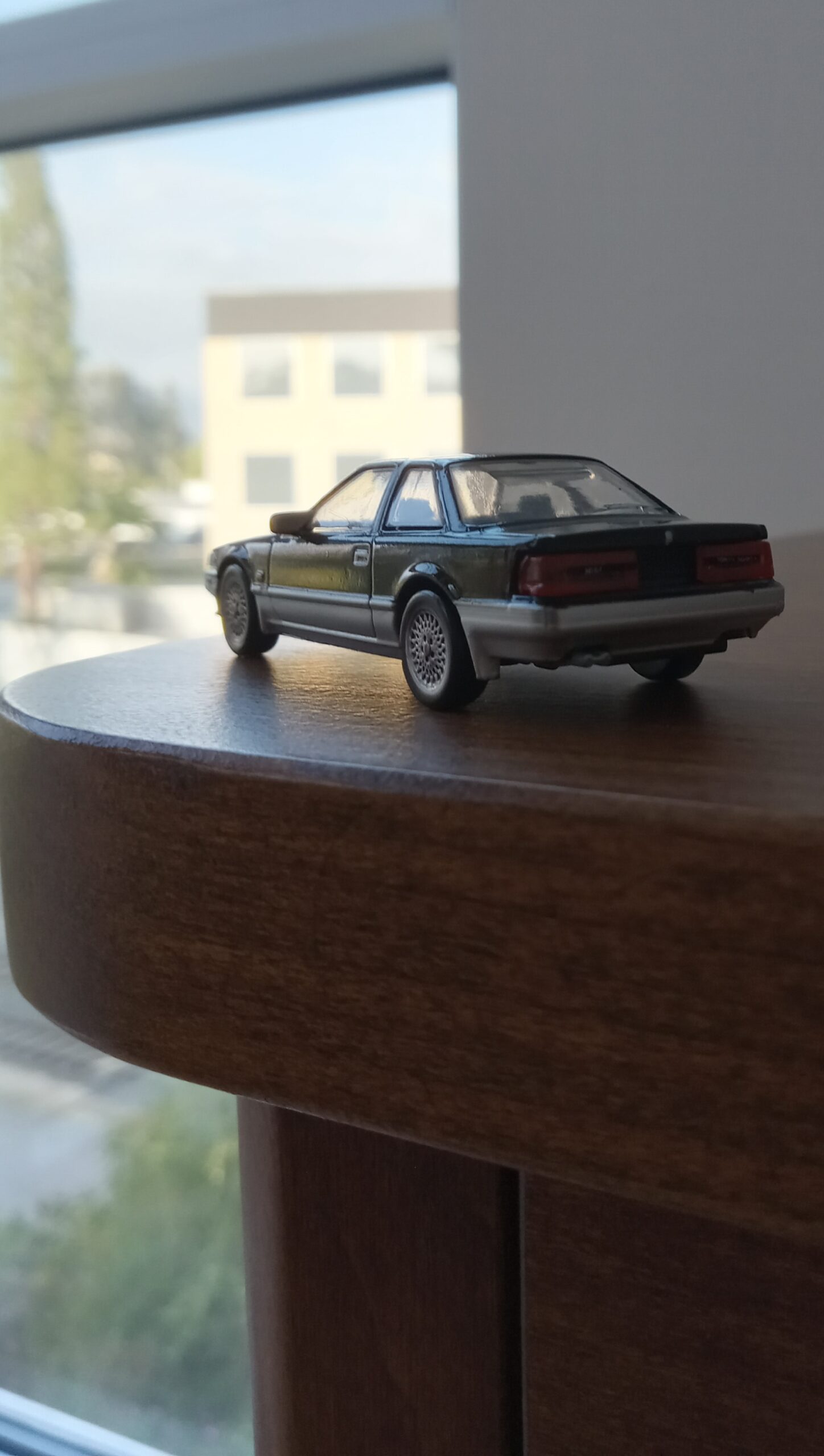 次回は、
次回は、
トヨタクーペの最高峰
『2代目・ソアラ(Z-20型)』
について個人的な体験中心で
お話ししたいです。
お楽しみに――
本ブログと記事内容につきまして:
ブログ記事を書くにあたり私の目標は、立体造形(料理も含めて)とのかかわりを通じて、私個人の特徴的(ネジ曲がり方も含めて)な評価軸を解明することで、「美しさ・美味しさ」に対する好奇心や、探求心を、どのように満足・充足させてきたのかを明記しておくことです。
従いまして、記事の中に出てくる、数字や年号、微細なデータなどには細心の注意を払っておりますが、時に大きな間違いや勘違いを犯していることも考えられます。特に自動車記事における主要諸元や、年号などには紛らわしいものも多く、あくまで参考程度に考えていただければ幸いです。
私としては、記事の中で個人的な外観デザインや味覚の評価、そこから広がる後半部分につなげるための、『流れ』を作るための客観的材料として年号やデータを挿入している感じです。あくまで重視したいのは、私個人の頭の中で起こる、記憶の錯そう的混沌から生まれる新たな『見方』や『情報の予想外のつながり』です。その勢いを作り出す、『流れ』の一環として、諸データが副次的に必要となるわけです。
話がそれますが、大好きな落語の世界に「三題噺」という、その場て会場から募った3つのお題を使って1つのお話に仕立てるといったお遊びがございますが、私はそれに近いことを立体造形の特徴や(料理のお味)をお題にして行っている感じがします。その中で頭の中に去来する数々の着想が、全く予想外で楽しく、次回からの記事内容を大幅に変えたり、新展開につながっています。
当ブロブの仕組み:
『好奇心の点と線 x 気まぐれ脳内回路=予想外の新展開』
こんな自分勝手なブログですが、今後ともよろしくお願いいたします。
追記:上記の『流れ』を作る為に必要な写真はできる限り、個人所有のミニカー・自前の料理などを使い撮影しておりますが、その他の必要最小限の図版や写真を他のブログ主様の記事や諸会社ホームページなどからお借りしております。(記事内容に合うよう加工させていただき、使用時は最小の解像度で載せております。)問題がある場合、ご連絡いただければ直ちに降ろさせていただきます。
追記2:当ブログ記事に掲載のミニカー写真等(個人撮影)は許可なしで、どのようにお使いいただいても結構です。私個人の創造性はこの世のもの、と言う認識の上で記事を製作しています。
!!!!!!!!!!!!!!!!!!!!!!!!!!!!!!!!!! Translated in English !!!!!!!!!!!!!!!!!!!!!!!!!!!!!!!!!!
(Miniature car used in the photoshoot: Kyosho, 1/64 die-cast model, Toyota 2000GT [Early Model])
Episode 40—The Lineage of 2-Door Coupes: Episode 20 [Japanese Cars: Toyota Edition] Toyota/Yamaha 2000GT, 1967 (Ivory White) “A World Treasure Born in Japan” Toyota/Yamaha 2000GT, 1967 “The Ultimate of Japanese Classic Cars”
[Photo Gallery of the Mini Modification Process:]
<Modification Areas:>
* Removed the rivets to separate the body from the chassis,
* Removed the axles to fine-tune the vehicle width and axle positions,
* Painted the inside of the wheel wells black,
* Applied wash and weathering, focusing on the lower half of the body,
* Retouched worn chrome parts with a chrome marker
(Modification photos end here)
#Favorite Car Designs—The Lineage of 2-Door Coupes:
For this 40th installment, titled “The Lineage of 2-Door Coupes, Part 20,” I’d like to discuss luxury 2-door (GT) coupes and roadsters, which strongly reflect the national characteristics and unique exterior designs of various countries. [Note: Includes convertibles]
I’ll proceed as follows.
For this 20th installment, we’ll finally move on to
[Japanese Cars: Toyota Edition],
featuring the
Toyota-Yamaha 2000GT, 1967 (Ivory White),
which was unveiled in 1967.
[The Lineage of 2-Door Coupes: Table of Contents]
[American Cars Edition]
Part 1: Cadillac El Mirage, 2013 (Metallic Red)
Part 2: Lincoln Continental MK4, 1972 (Black)
Part 3: Mercury Cougar, 1967 (LT Metallic Green)
[German Cars]
Part 4: MB 500K Special Roadster, 1936 (Black)
Part 5: MB 300SL Roadster, 1957 (Silver)
Part 6: MB SLS AMR Gullwing, 2010 (Black)
[British Cars]
Part 7: McLaren F1, 1992 (Metallic Orange)
Episode 8: Jaguar XKSS Roadster, 1957 (Royal Blue)
Episode 9: Jaguar XKR Coupe, 1996 (Dark Metallic Green)
[Japanese Cars / Nissan Edition]
Episode 10: Nissan First-Generation Silvia, 1965 (Champagne Gold)
Episode 11: Nissan 5th-Generation Silvia, 1988 (LT Metallic Green)
[Italian Cars]
Episode 12: Ferrari 250TR Pontoon Fender, 1958 (Red)
Episode 13: Ferrari 250GTO, 1962 (Italian Red)
Episode 14: Lamborghini Concept S, 2005 (Pearl White)
[Japanese Cars: Mazda Edition]
Episode 15: Mazda Cosmo Sport, 1968 (Racing White)
Episode 16: Mazda Eunos Cosmo, Type-S (Two-Tone: Black & Gray)
[French Cars]
Episode 17: Bugatti Type 59, 1935 (French Blue)
Episode 18: Citroën SM, 1970 (Champagne Gold)
Episode 19: Bugatti La Voiture Noire, 2019 (Black)
[Japanese Cars: Toyota Edition]
Episode 20: Toyota/Yamaha 2000GT, 1967 (Ivory White)
Episode 21: Toyota 2nd-Generation Soarer, 1986 (Two-Tone: Black & Gray)
Episode 22: Lexus LC [GWZ100], 2017 (Metallic Red)
[American Cars Part 2]
Episode 23: Dodge Challenger & Plymouth Barracuda, 1971
Episode 24: Dodge Viper SRT-10 ACR, 2008 (Black)
Episode 25: Ford Shelby GR-1 Concept, 2004 (Chrome)
[Japanese Cars: Mitsubishi Edition]
Episode 26: Mitsubishi Galant λ, 1976 (Brown Metallic)
Episode 27: Mitsubishi Eclipse [North American Spec], 2006 (Orange Metallic)
[German Cars Part 2]
Episode 28: BMW M635CSi, 1984 (Dark Metallic Blue)
Episode 29: Mercedes-Benz 560SEC AMG 6.0 Widebody, 1989 (Black)
Episode 30: BMW M2 with Genuine Performance Parts, 2025 (Neon Lime)
[Japanese Cars: Subaru Edition]
Episode 31: Subaru Crosstrek XV, 2012 (Lime Green Metallic)
The Corvette Lineage: (Special Edition)
Episode 1: 1967 Stingray [C2] Convertible (Hardtop, Metallic Blue)
Episode 2: 1972 Corvette [C3] Convertible (Metallic Blue)
Episode 3: 1984 Corvette Coupe [C4] (Bright Red)
Part 4: Corvette Indy [Mid-Ship Prototype] (Silver)
Part 5: Stingray Concept [Prototype], 2009 (Metallic Blue)
n
n
n
n
n
#Treasures of the Classic Car World
Thank you for waiting.
At long last, here comes a beautiful Japanese car of global significance—
a timeless masterpiece:
the Toyota-Yamaha
2000GT.
This legendary car has consistently ranked among the top entries in “Top 100 Classic Cars” lists over the past 20 years or so,
and even overseas,
*it is increasingly being compared to
the Jaguar E-Type and
* the Mercedes 300SL
(Gullwing),
it is increasingly being held up as a comparable icon.
Personally,
I’ve always been captivated by its qualities that set it apart from typical Japanese cars:
* its graceful and beautiful proportions, and
* its supple, three-dimensional design full of dynamic curves.
Fortunately,
having grown up in Nagoya—Toyota’s home turf—
I had the chance to spot the “pure white 2000GT” numerous times while commuting to college,
and every single time,
I couldn’t help but exclaim, “What on earth is this?!”
I was left in awe of its unusual shape,
which seemed to skim so low over the ground.
Later, whenever I observed the real thing at classic car shows
or at the Toyota Museum,
I’d find myself muttering,
“How on earth did they manage to build something like this over 50 years ago!”
So then,
let’s take a look at
the world treasure born in Japan:
the Toyota 2000GT,
in this manner.
* Real-Car Commentary: The Legendary Car Designed by Toyota and Produced by Yamaha
* Exterior Design Features: Similarities to the BMW 507?
* “Me” and the 2000GT: A Low and Compact Design…
* Three-Theme Story: The Unsung Heroes, Katsura Imperial Villa, and Blueprints
* Other Beautiful Toyota Designs…
* Car Overview: What Is This Legendary Car Designed by Toyota and Produced by Yamaha?
The Toyota 2000GT is
Japan’s first full-fledged sports car, jointly developed by Toyota and Yamaha Motor and manufactured from 1967 to 1970. Due to its rarity—only 337 units were produced—and its elegant design, it is often referred to as a “moving museum” and is still cherished worldwide as a legendary classic car.
n
N
n
N
N
N
n
N
N
N
n
N
N
N
n
N
N
N
n
N
N
N
n
Nn
N
N
N
Nn
N
n
N
N
N
N
N
N
N
NN
N
N
n
Nn
N
N
N
N
N
n
N
N
N
N
N
Vehicle Overview:
To develop a world-class sports car, Toyota sought the cooperation of Yamaha Motor, which at the time was renowned for its technical expertise in motorcycles. Yamaha’s superior engine technology and motorcycle-building know-how formed the foundation of the 2000GT.
* Production Years: 1967–1970
* Total Production: 337 units
* Model Code: MF10 / MF10L
n
N
N
n
Exterior Design:
n
n
The exterior design of the Toyota 2000GT was spearheaded by Toyota designer Satoru Nozaki and completed with the cooperation of Yamaha Motor. It is a masterpiece in the history of Japanese automobiles that thoroughly pursued aerodynamic performance while achieving a balance between world-class beauty and functional elegance.
n
n
n
N
N
Nn
N
N
N
n
N
N
N
n
N
N
N
Its sleek styling is composed of the following distinctive elements.
1. Proportions (Overall Appearance)
* Long Nose & Short Deck: By keeping the vehicle height as low as possible (overall height: 1,160 mm), moving the engine compartment forward, and positioning the passenger compartment toward the rear, the car achieves the beautiful proportions characteristic of a classic sports car.
* Streamlined Fastback: The shape that slopes gently from the roofline to the rear end is a functional design intended to significantly reduce aerodynamic drag (Cd value).
m
2. Front End
* Retractable Headlights and Fog Lights: The combination of retractable headlights stored within the hood and large auxiliary headlights (fog lights) positioned on either side of the grille creates a distinctive and bold “face.”
* T-Shaped Grille: It features a chrome-plated ornament in the center inspired by the letter “T.”
n
n
n
n
n
n
n
N
n
N
N
NN
Nn
N
Nn
N
N
N
N
3. Side View and Details
* Curved Glass: The car featured a strongly curved, wraparound windshield—a groundbreaking design for its time—which contributed to improved aerodynamics and beautiful side lines.
* Sculpted Fenders: The fender lines, which slope gently downward from the bulge over the front wheels to the doors before swelling again in a muscular curve toward the rear wheels, create a dynamic impression.
n
n
n
n
m
n
Key Specifications and Technology:
n
It was generously equipped with technology that was groundbreaking for a mass-produced Japanese car at the time, achieving high performance rivaling European sports cars with a top speed of 220 km/h.
n
* Engine: 2.0L inline-6 DOHC (manufactured by Yamaha)
* Maximum output: 150 PS / 6,600 rpm
* Chassis: 4-wheel double wishbone suspension, 4-wheel disc brakes
n
n
N
NN
n Differences between early and late models:
Following a minor redesign in August 1968, the model was divided into early and late versions.
* Early model: Larger fog lamps located below the retractable headlights and a sharper front end.
* Late model: Practicality and comfort were improved with features such as standard air conditioning, the addition of headrests to the seats, smaller fog lamps, and heated rear windows. In addition, a very small number of automatic transmission models (Toyoglide) were also sold.
n
n
Appearance in the “James Bond” Movie:
The 1967 film *James Bond 007: You Only Live Twice* made the Toyota 2000GT a household name worldwide. Two special open-top (convertible) models were built specifically as Bond cars and made a spectacular appearance in the film.
n
m
m
Current Value and Restoration:
Very few of these cars remain today, and it is not uncommon for them to fetch prices in the hundreds of millions at overseas auctions. To ensure they can continue to be driven for many years to come, Toyota’s “GR Heritage Parts Project” is supplying discontinued genuine
#Key Specifications:
Model: 3M
Total Displacement: 1,988 cc
Engine Model: 10A, water-cooled inline 2-rotor
Fuel System: Triple SOLEX carburetors
Maximum Power: 150 PS / 6,600 rpm
Maximum Torque: 18.0 kgf·m (176.5 N·m) / 5,000 rpm
Top Speed: 220 km/h
Drivetrain: FR (Front-engine, rear-wheel drive)
Seating Capacity: 2
Body Style: 2-door coupe
Tire Size: 165HR15
(Standard specification at the time; later specifications included 195HR15, etc.)
Wheelbase: 2,330 mm
Overall Length: 4,175 mm
Overall Width: 1,600 mm
Overall Height: 1,160 mm
Curb Weight:
1,120 kg
*Exterior Design Features: What Are the Similarities with the BMW 507?
(BMW 507, 1958 hardtop version)
According to current conventional wisdom,
the designer of the “Toyota 2000GT” is said to be
Satoru Nozaki, an in-house designer at Toyota,
and his team.
However, personally, for a long time, I believed the rumors that the American designer who created the BMW 507 was involved in the design process. Sadly
Upon closer investigation,
I learned that in the very early stages of the project, American designers were involved in the design of sports car projects for Nissan and Yamaha; however, in the days before the internet, this information was misinterpreted and misreported.
The actual situation is apparently as follows.
n
[2000GT] Behind-the-Scenes Story:
The design of the Toyota 2000GT was not led by an American, but by Satoru Nozaki, a Japanese designer at Toyota. Drawing on his experiences studying design in the United States, he created a sleek sports car that met world-class standards.
The detailed background regarding the design of the Toyota 2000GT is as follows.
n
1. Designer: Satoru Nozaki:
Satoru Nozaki, a Toyota industrial designer, was responsible for the majority of the exterior design. He had studied at the Art Center College of Design in California, USA, in 1963 (Showa 38), and upon his return to Japan, he used the sketches he had made during that time as the basis for finalizing the 2000GT’s design.
n
n
n
2. Reasons Behind the “American Designer” Rumor:
At the time, Toyota had set the goal of developing a “world-class Gran Turismo (GT car).” To that end, the company intentionally pursued a “styling reminiscent of European cars (such as the Jaguar E-Type).”
Furthermore, due to the designer’s experience studying in the United States and the car’s highly sophisticated “long-nose, short-deck” proportions—which were quite different from typical Japanese designs—misconceptions and rumors spread that a Western designer had been involved.
n
n
3. Another Foreign Designer Involved:
Albrecht von Gertz
There is also a theory that Albrecht von Gertz, a German industrial designer, was involved in the design of the Toyota 2000GT. In reality, he had been commissioned by Nissan Motor to design the prototype of the Datsun (the first-generation Fairlady Z; development code: A550X), but Nissan subsequently halted that project. It is said that this design concept was subsequently brought to Toyota, where a team led by Yutaka Nozaki further refined it for the production model.
n
n
(Development code: A550X)
——> A body the size of the first-generation Silvia, retractable headlights reminiscent of the Toyota 2000GT, the cabin design of the first-generation Z, and, to top it off, a reverse-slanted front nose shape that looked exactly like the BMW 507…
n
n
n
n
4. Development via the Team’s “Tag-Team Method”
Unlike conventional car manufacturing, development was carried out by a small, elite team from Toyota and Yamaha Motor. During the design phase, Yuzuru Nozaki did not start by drawing line art from scratch; instead, he adopted a “tag-team method” in which engineers and designers took turns adding the basic layout and vehicle dimensions to a single drawing. This approach made it possible to achieve both a low ride height to reduce aerodynamic drag and an extremely low seating position, resulting in those beautiful proportions.
n
n
In an interview with the Japanese magazine *Nostalgic Hero*,
Albrecht von Gertz
denied having been directly involved
in the exterior design of the Toyota 2000GT.
However, personally,
I believe there are far too many similarities with the “BMW 507” he designed, released in 1959,
and I speculate that “his influence on the Toyota 2000GT and the Fairlady Z [S-30 model] in the early stages must have been immeasurable.”
#Comparison of the Three Cars:
* BMW 507, 1959
* Toyota 2000GT, 1967
* Nissan First-Generation Fairlady 240Z, 1970
In any case, regardless of who the designers were,
there is no doubt that these three cars, with their magnificent exterior designs,
are “the cream of the crop among legendary cars, shining brilliantly in automotive history.”
Now, let’s turn to the main topic:
the design features.
# Exterior Design Features:
Based purely on my own subjective opinion,
I’d like to highlight the following five points.
1: Not only do they feature the classic “long nose, short deck” proportions, but they also possess a supercar-like charisma born from the seamless integration of the cabin—which appears to be recessed into the rear section of the body as if hugging the ground—with the rest of the vehicle
(While the cabin itself is recessed into the body to a depth comparable to the Alfa Romeo TZ-series, the overall sense of cohesion is finished as smoothly as the 1962 Ferrari 250 GTO) ———> When you see the actual car, you’ll be amazed by just how incredibly low it sits!!
2: Compared to the Jaguar E-Type, which relies primarily on curved surfaces, this model makes effective use of angular crease lines—seen at the tip of the hood and on the four fenders—that create a beautiful harmony with the curves
ーーーー>The contrast between the rounded and angular elements creates a unique sense of tension.
3: The “custom-made” feel of design elements like the service hatch and hood louvers—positioned behind the front tires—seems to further emphasize how far back the engine is set.
4: The front fascia design is unlike anything else—it’s “unforgettable once you’ve seen it.”
ーーーー>When I was a kid, I used to mistake the fog lights for headlights.
5: The exquisitely placed, distinctive rear bumper, the center dual exhaust pipes that accentuate it, and the sharply swept-up lower edge of the body side.
Now, let’s take a closer look at each of these
features with photos.
1: It goes beyond just the classic “long nose, short deck” proportions; it also exudes a supercar-like, dynamic charisma born from the seamless integration of the cabin, which seems to sink into the rear half of the body as if skimming the ground.
(While the extremely low cabin itself is recessed into the body to a degree comparable to the Alfa Romeo TZ, the overall cohesion is finished with a smooth balance reminiscent of the 1962 Ferrari 250 GTO.)
ーーーーー>When you see the actual car, you’ll be amazed by just how incredibly low it sits!!
(Ride height: 1,150 mm)
(Ferrari 250 GTO ’62
—Overall height: 1,210 mm)
(Alfa TZ-2 – Overall height: 1,060 mm)
2: Compared to the Jaguar E-Type, which is dominated by curved surfaces, the effective use of angular crease lines—seen at the tip of the hood and on the four fenders—creates a beautiful harmony with the curves.
ーーーー>The contrast between the rounded and angular elements lends a unique sense of tension.
3: Design elements such as the service hatch and hood louvers, positioned behind the front tires—as if to further emphasize how far back the engine is set—create a sense of “custom-made” craftsmanship.
4: The front fascia design, which is unlike anything else and “unforgettable once seen”
ーーーー>When I was a child, I used to mistake the fog lights themselves for headlights.
5: The sharply swept-up lower edge of the body side, accentuated by the twin center exhaust pipes and the uniquely styled rear bumper—all arranged in an exquisite composition
ーーーー>brings back memories.
* “Me” and the Toyota 2000GT: Solving the Ride Height Issue!
(A 2000GT with a slightly sagging rear ride height: Due to the design, the front fender arches are cut quite high compared to the rear, and the sagging of the rear suspension further accentuates that cut, making the car feel unstable… sob)
The
“pure white 2000GT,”
used to appear on Kosei-dori in Nishi Ward, Nagoya—from the area around Jōshin to Asama-chō—
and since I was looking down at it from the bus,
* its rear ride height was abnormally low,
* while the front, conversely, was a bit high,
* and it bounced around as if “whipping an old, sagging body,”
* which somehow seemed pitiful,
so I didn’t have a very positive impression of it.
Later, when I returned to Japan in 1989 after studying abroad,
I visited the newly opened Toyota Museum with my father, who is also a car enthusiast,
* where the front and rear tires were perfectly aligned,
* and the car looked vibrant and perfectly restored.
The 2000GT was on display alongside the Toyota Sports 800.
Ever since seeing this
* form where delicacy and boldness coexist,
* rich in balance and dynamic contrast,
an indescribable sight,
my passion for the 2000GT has only continued to grow. Combined with what I later learned—such as the “dangerously close secret of its origins with the MW507”—I’ve found myself sinking deeper and deeper into this obsession, a trend that continues to this day.
#3D Experience: Toyota 2000GT Edition
Having grown up in Nagoya—
right in Toyota’s backyard—since I was a child, I’ve become familiar with this car
through three-dimensional models like this:
*Souvenir plastic model kit from a Toyota factory tour: Toyota 2000GT
(A plastic model kit given to students on field trips to Toyota’s Takaoka Plant; it features a spring-loaded ejection mechanism.)
——> I don’t personally remember ever getting one, but I think a friend of mine had a red one…)
* Otaki Plastic Model Kit, 1/16 Scale Toyota 2000GT (cream-colored)
(I remember this was the only large-scale kit available when I was in elementary school, and it remained in production for a very long time afterward. Its selling point was the precise design that even allowed the service door behind the front fender to open and close, but it felt a bit mismatched—for example, they used a rubber tube around the rear differential, and for some reason, the tires were whitewall—but
ーーーー>Even now, the unique, distinctly yellowish-cream mold color and the feel of the thick body remain in the palm of my hand.
*Nichimo 1/24 Scale Plastic Model Kit, Toyota 2000GT [Early Model]
(I remember its rigid, typical Nichimo design with no moving parts.
——> I used to see this one quite often on the market before Hasegawa released their definitive version.)
* Hasegawa 1/24 Plastic Model Kit, Toyota 2000GT [Early Model]
(1/24 scale—a solid kit worthy of being called the standard for 2000GT plastic kits. Even more than 20 years after its release, racing versions and versions with engines have been added,
ーーーーー>It’s a long-lasting masterpiece kit.)
Now, finally,
let’s take a look at the die-cast model.
* Takara Tomy Arts, 1/64 Gachagacha Prize [Semi-Assembled] Toyota 2000GT [Early Model] (Pegasus White)
(While the overall impression is decent, the paint quality and finish of the chrome parts are still inferior to those of the Die-Cast model.
——> You can choose whether the headlights are open or closed!!)
* “Classic Car Collection” Ready-to-Display Model, Toyota 2000GT (Silver)
(This is a masterpiece with an excellent, dynamic body design that emphasizes the contours of the front fenders.
--→It’s a gem that stands in stark contrast to the more subdued Kyosho version.)
* Kyosho, 1/64 Die-Cast Ready-to-Display Model, Toyota 2000GT (Pegasus White)
(When I saw this die-cast model, I felt Kyosho’s true strength in their “generous” approach—no corners cut at this scale and price point—and instantly became a huge fan.
――→ Beyond the detailed reproduction, the “powerful, fluid lines” that come through despite its small size are simply outstanding.
* Manufactured by Hachette, Japanese Classic Cars Premium Collection (Subscriber Bonus) 1/43 die-cast ready-to-display model, Toyota 2000GT Roadster (Pegasus White)
(The sharp body sculpting, on par with resin models, and the precise interior are also captivating,
——> I hear the historical accuracy is quite high, and with a few minor modifications to the suspension, it looks completely transformed.)
Like this,
I’ve been living with my “Friends in the Palm of My Hand”…
Now, it’s time for the familiar
“Three-Theme Story”!
*Three-Theme Story: Behind the Scenes, Katsura Rikyu, Blueprints
The topics I received this time
seem challenging as well,
but here they are.
* Behind the Scenes
* Katsura Rikyu
* Blueprints
Once again, I teamed up with [AI]
and came up with a “punchline” that’s simple yet makes sense.
Rakugo: “A World Treasure Born from a Designer’s Pride”
“Well~, let’s get this show on the road.
I hope you’ll stick with me for a bit—
n
Retired Man: “Hey, Hachisan, remember that ‘Toyota 2000GT’ we talked about the other day? Behind that beautiful, flowing exterior design, there was a passionate drama played out by a group of men. The man who brought that vision to life was Satoru Nozaki, a young genius designer who is the pride of Japan. He studied cutting-edge design at the Art Center in the U.S., and he infused that car with a quiet yet dignified aesthetic unique to Japan—much like gazing upon Kyoto’s Katsura Imperial Villa.”
n
Hachisan: “Wow, so it was designed by a Japanese guy named Mr. Nozaki? I was totally sure it was just a copy of some old foreign design.”
n
The Retired Old Man: “Exactly! Actually, there had long been rumors around the world that Albrecht von Gertz—the renowned German-American designer who worked on the BMW 507—might have been involved. Gertz did indeed come to Japan at that time and was working on a sports car prototype project with another company (Nissan). That project fell through, and as things turned out, it eventually led to Toyota’s project, so people started saying with conviction, ‘That beautiful design is Gertz’s legacy.’”
n
Hachisan: “I see. So the shadow of a big name was looming over it.”
n
The Retired Gentleman: “But you know, the Japanese development team—led by Mr. Nozaki—had their pride. Completely different from Gertz’s proposal, they redrew the blueprints from scratch on a blank sheet of paper with their own hands. They used an advanced method called the ‘tag-team approach,’ where the engine team, the suspension team, and Nozaki’s team took turns jotting down their ideas on a single drawing. They wanted to prove to the world, ‘This is where Japanese technology and beauty lie!’ so they worked on those drawings day and night, forgetting to eat or sleep. That’s why that car is 100% pure Made in Japan—the crystallization of Nozaki and his team’s very souls.”
n
Hachisan: “That’s so cool! So those blueprints were packed with the pride of true craftsmen.”
n
The Retired Master: “On top of that, there’s a story behind that car called the ‘Tronca (Coda Tronca) Legend’—all about perfecting aerodynamics.”
n
Hachisan: “The thief Tronca? That sounds a bit ominous.”
N
The Retired Master: “No, that’s not it. In Italian, it means ‘truncated (tronca) tail (coda).’ The British Jaguar E-Type, which was considered ‘the most beautiful in the world’ back then, had a slim, elegantly tapered rear end, but it had a weakness: the rear would lift up when driving at high speeds. So, the Japanese design team led by Mr. Nozaki—while respecting the Jaguar’s beauty—adopted the ‘tronca’ technique, which involves cleanly cutting off the very end of the body to smooth out the airflow over the rear. It blended perfectly with Japan’s unique aesthetic sensibility of eliminating waste.”
n
Hachisan: “Wow! So they overcame the Jaguar’s weakness with the ‘tronca’ and finished it with a beauty rivaling the Emperor’s residence? And on top of that, it’s incredibly fast! The Japanese really know how to do it!”
The Retired Old Man: “Exactly. While chanting prayers to run like Skanda, the god of speed, they lowered the ride height to the absolute minimum to reduce air resistance. Thanks to that, it sits so low to the ground that you almost hit your head when getting in or out.”
n
Hachisan: “If it’s that low, when you’re driving, if a pebble or a bolt falls under the car, the gap’s so narrow you won’t be able to pick it up, will you?”
n
The Retired Old Man: “Ah, well, there isn’t even a speck of space left under the car, like the space under a beam…”
n
n
n
Despite all the trouble, now that we’ve come up with all three topics, tears and laughter
That seems to wrap things up. Pen-pen’
n
n
N
n
N
M
n
N
n
N
M
n
N
*Other “Beautiful Toyota Cars”…
[The kid’s face itself isn’t beautiful at all… I’m sorry]
Nowadays,
our
【Toyota 2000GT】
is praised to the point where it can be called
“the crown jewel of the automotive world,”
but
on my own whim,
I’ve gathered some other beautiful Toyota cars.
* Toyota Sports 800, 1965 [Frame Red]
(Toyota’s first two-seater sports car was larger in both length and width than its contemporary rival, the Honda S800; its voluminous, three-dimensional design—resembling a football—is a highlight.
——> I vividly remember building Nitto Model’s 1/24-scale masterpiece kit twice.)
(It’s one of the “Seven Wonders of the Plastic Model World” that Nitto Models never released a Toyota 2000GT in this series!!)
* Toyota Corona Hardtop 1800GT-TR, 1982 [Blazing Red]
(As the last pillarless hardtop among Japanese cars, its sculptural beauty—which feels like a scaled-down version of the Ford Thunderbird’s design from that era—is still full of fresh surprises even today.
---→ Its beautiful proportions will surely live on through Aoshima’s plastic models and Tomica’s die-cast cars!)
*Toyota GR Supra, 2019 (Prominence Red)
(Just like the Lexus LC, which went into production around the same time, this is a “masterpiece of design at the height of its powers” from Toyota and Lexus, faithfully translating the concept car into a production model as closely as possible.
―――> Personally, I feel this design is far more significant than the somewhat ordinary BMW Z4, which shares the same chassis.)
So,
this is what “Toyota car design” was like
during a time when
powerful two-door coupes were in abundance.
I suspect there are still quite a few more examples out there if you look for them,
but I’ll save those for another time…
Regarding the Toyota 2000GT
I featured this time,
I was once again deeply impressed by its greatness.
Next time,
I’d like to talk about
the pinnacle of Toyota coupes,
the “Second-Generation Soarer (Z-20 model),”
focusing mainly on my personal experiences.
Stay tuned――
Regarding this blog and its content:
My goal in writing these blog posts is to clarify my personal, distinctive criteria for evaluation—including my somewhat unconventional perspectives—through my involvement with three-dimensional art (including cooking), and to document how I have satisfied and fulfilled my curiosity and desire to explore “beauty and deliciousness.”
Consequently, while I pay the utmost attention to the numbers, years, and detailed data that appear in my articles, it is possible that I may occasionally make significant errors or misunderstandings. In particular, key specifications and model years in automotive articles can often be confusing, so I would appreciate it if you treated them as general references only.
For my part, I feel that I’m inserting dates and data into the articles as objective material to create a “flow” that connects my personal assessments of exterior design and taste to the broader themes explored in the latter half of the piece. What I ultimately prioritize are the new “perspectives” and “unexpected connections between pieces of information” that emerge from the chaotic jumble of memories in my own mind. The various data points are needed secondarily as part of that “flow” to generate that momentum.
As a slight digression, in the world of rakugo—which I love—there’s a playful format called “san-dai-banashi,” where a performer weaves a single story using three topics solicited on the spot from the audience. I feel like I’m doing something similar, using the characteristics of three-dimensional sculptures and (the flavors of dishes) as my prompts. The countless ideas that flit through my mind during this process are completely unexpected and delightful; they often drastically change the content of future articles or lead to new developments.
How This Blog Works:
“Spots and Lines of Curiosity x Whimsical Mental Circuits = Unexpected New Developments”
This blog may be a bit self-indulgent, but I hope you’ll continue to follow along.
P.S.: To create the “flow” described above, I take as many photos as possible using my own die-cast cars and home-cooked meals. However, I do borrow the bare minimum of other illustrations and photos from other bloggers’ posts and company websites. (I edit them to fit the article’s content and post them at the lowest possible resolution.) If there are any issues, please contact me and I will remove them immediately.
Update 2: You are free to use the photos of die-cast cars and other images (taken by me) featured in this blog’s posts in any way you like without permission. I create these posts with the understanding that my personal creativity belongs to me alone.
Translated with DeepL.com

これはCTAサンプルです。
内容を編集するか削除してください。