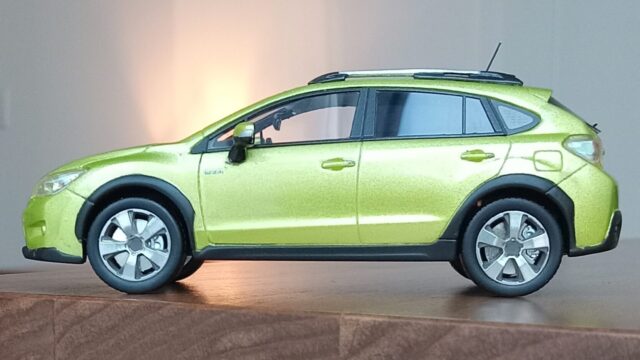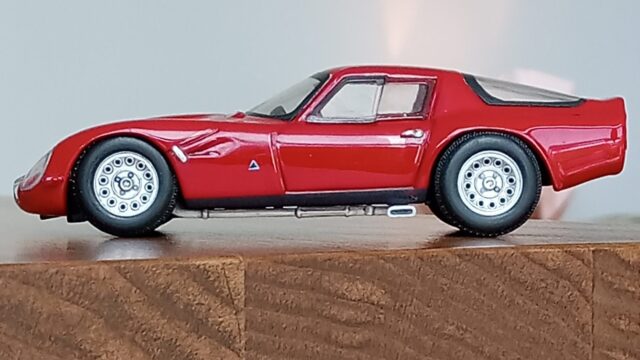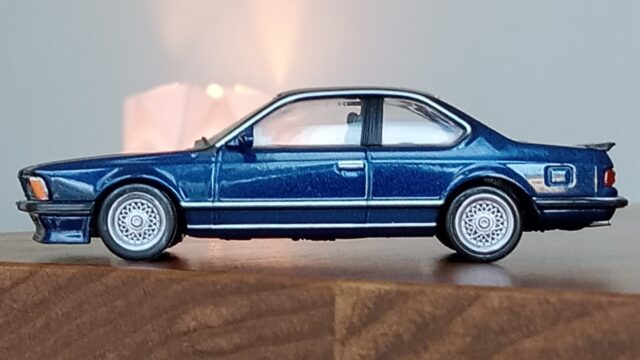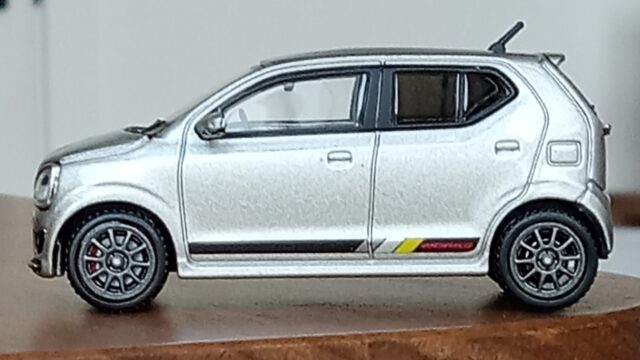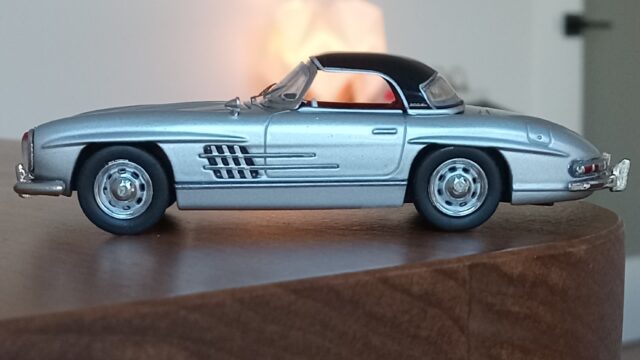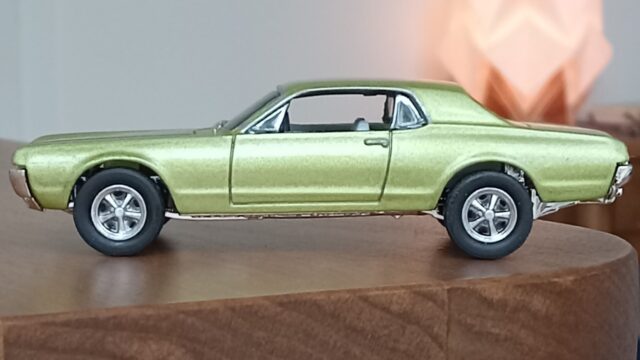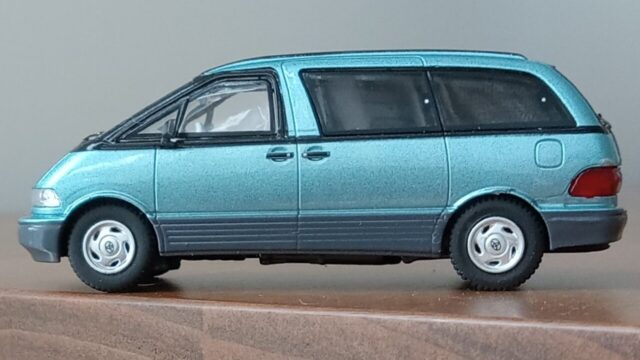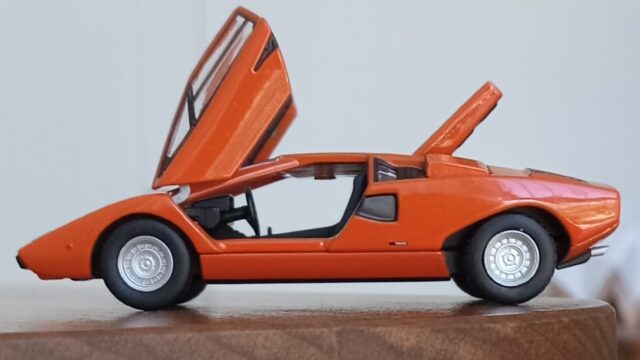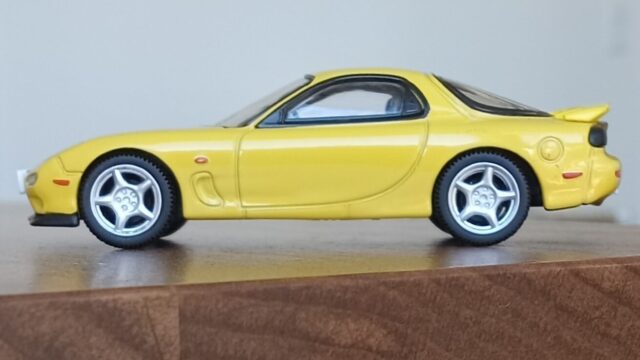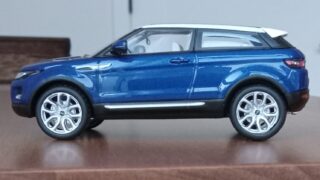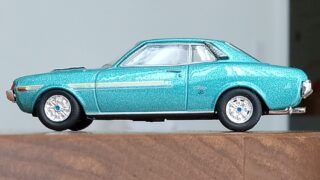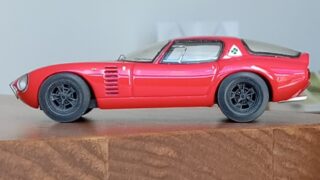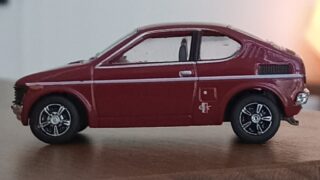
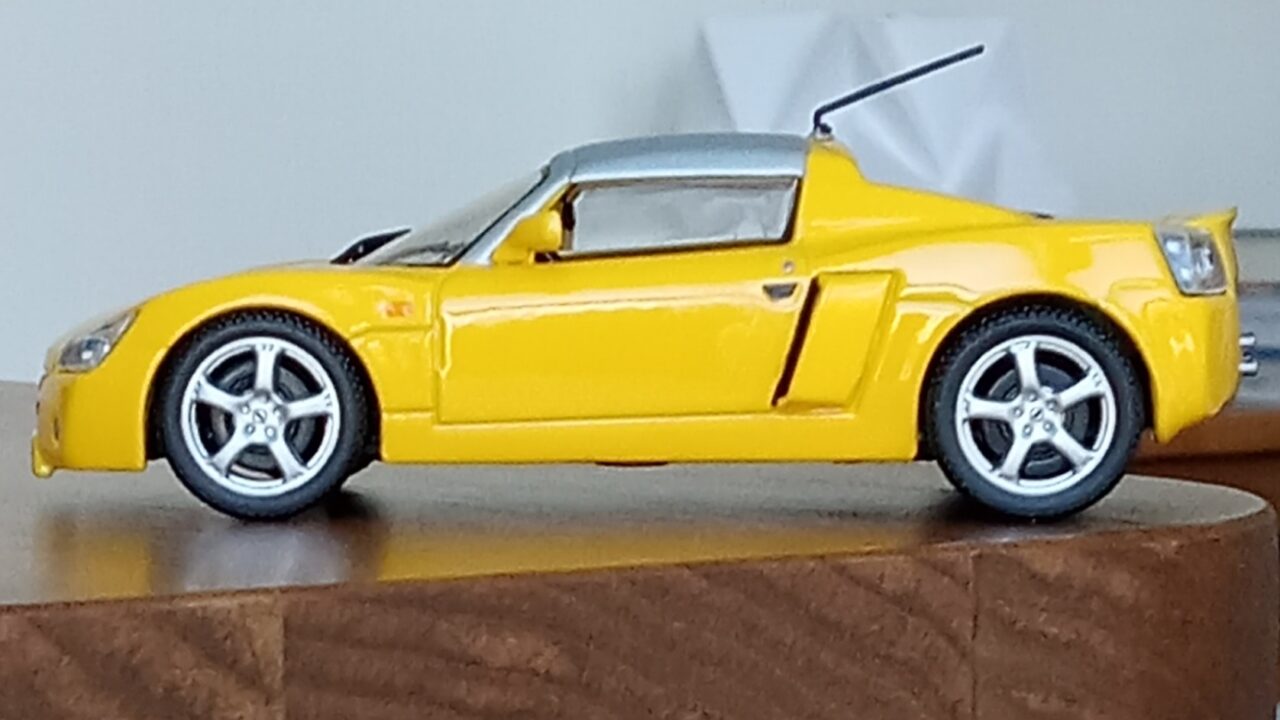
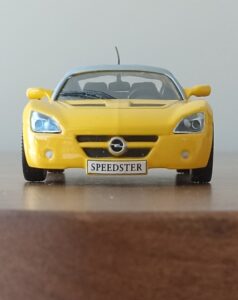
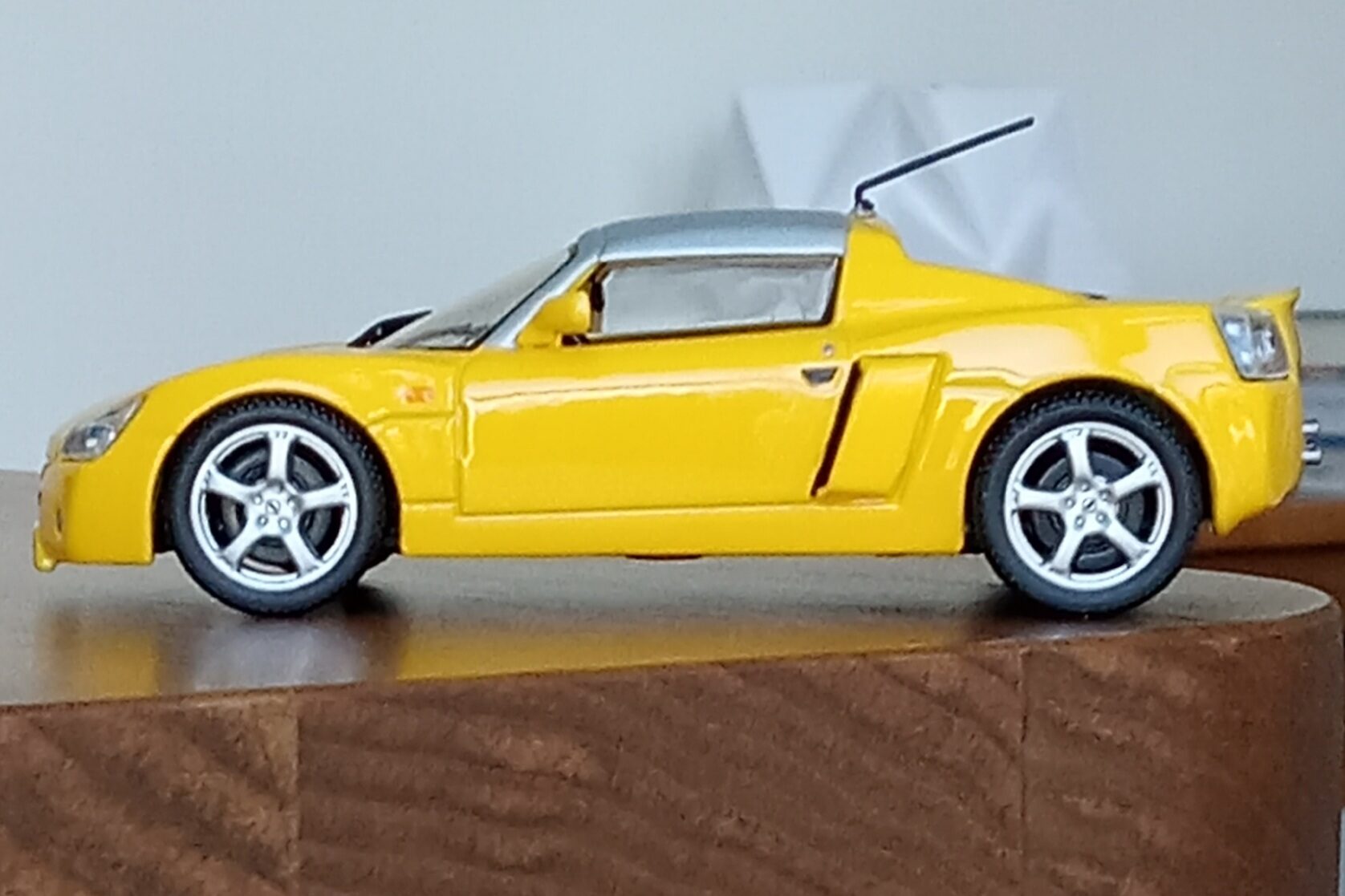
第13回:オペル・スピードスター、2001(外装色:ブライト・イエロー)
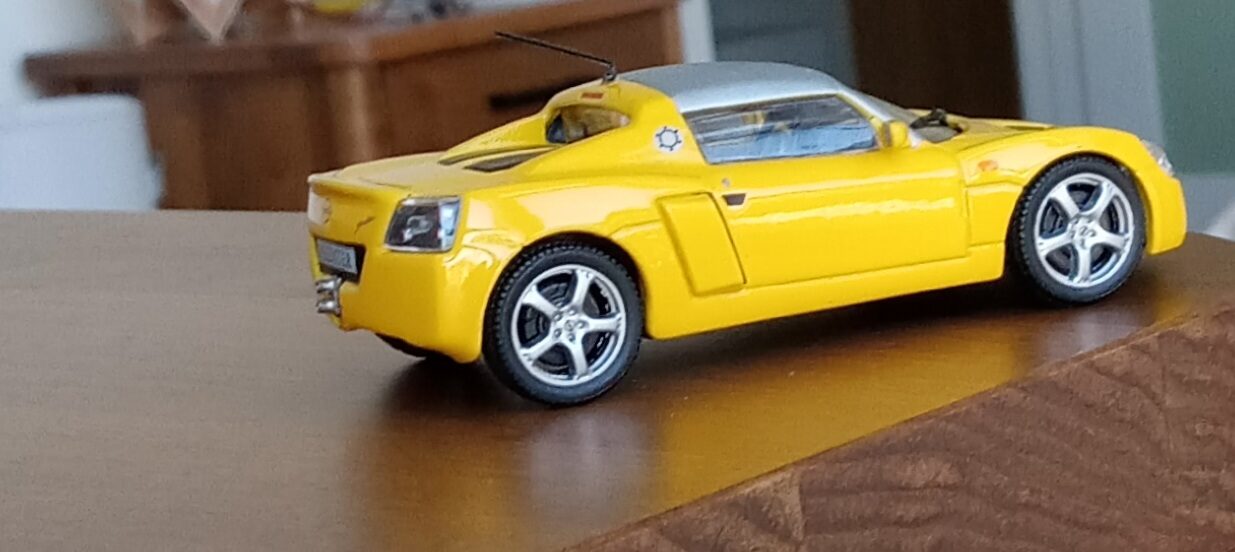
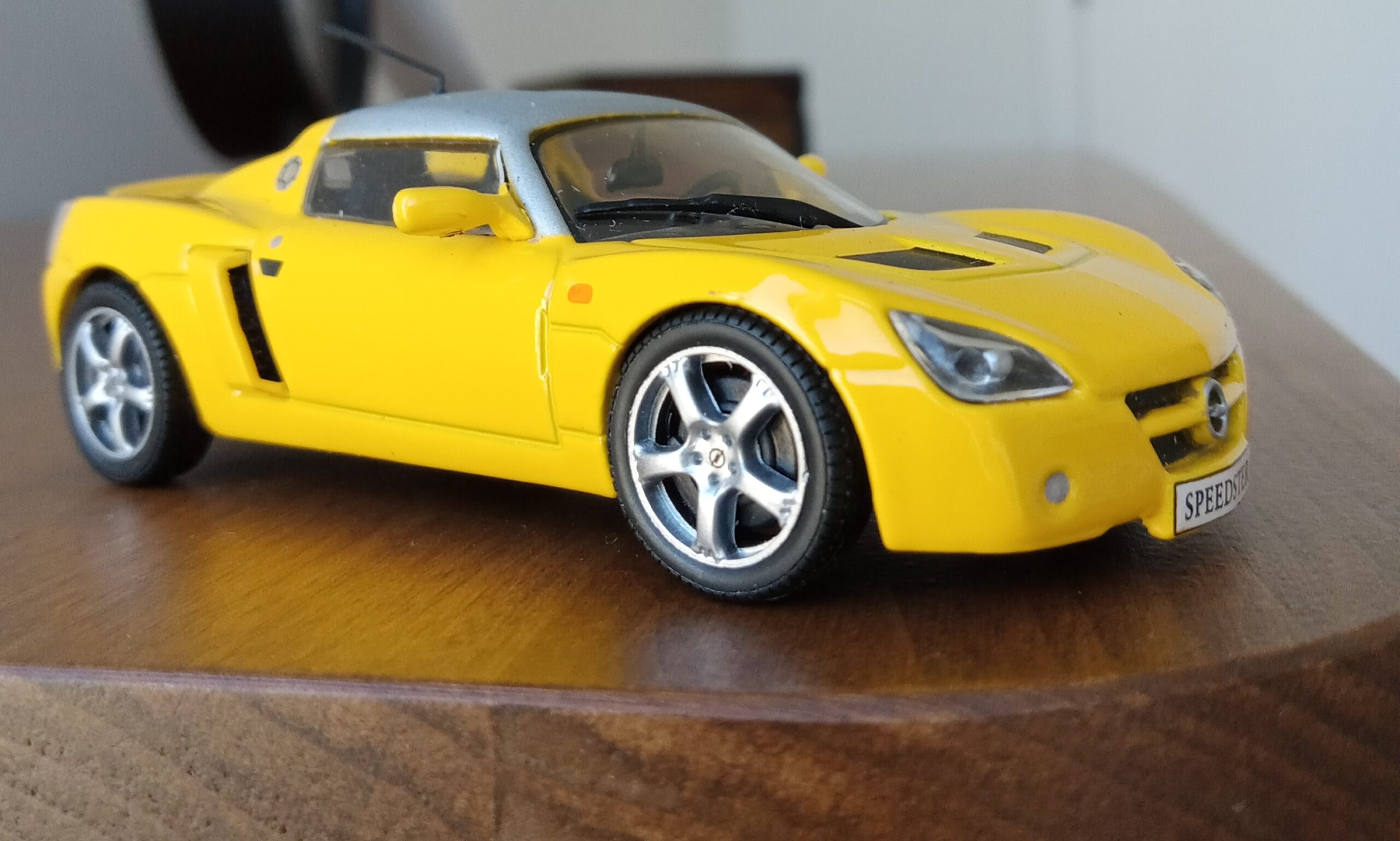
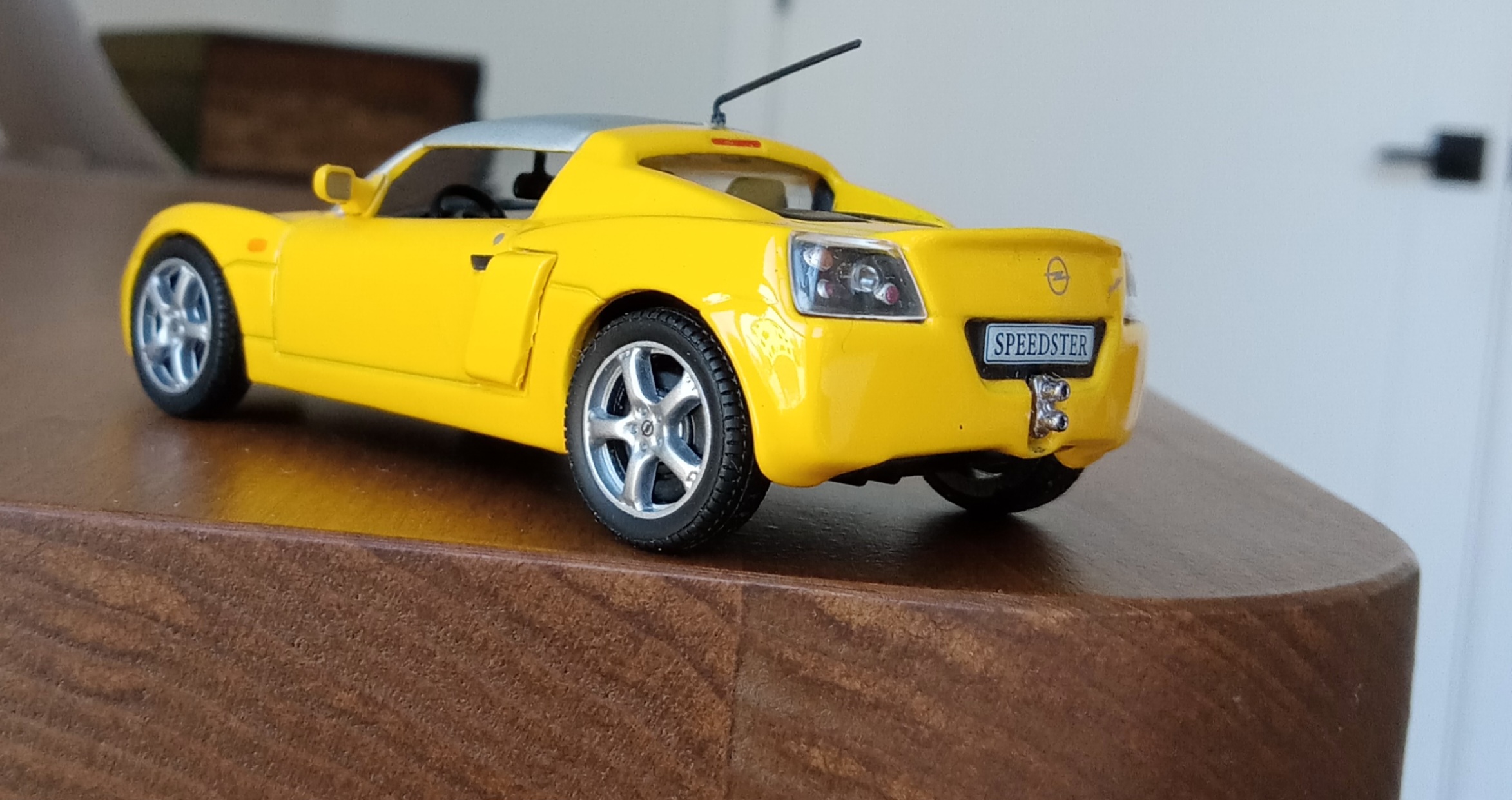
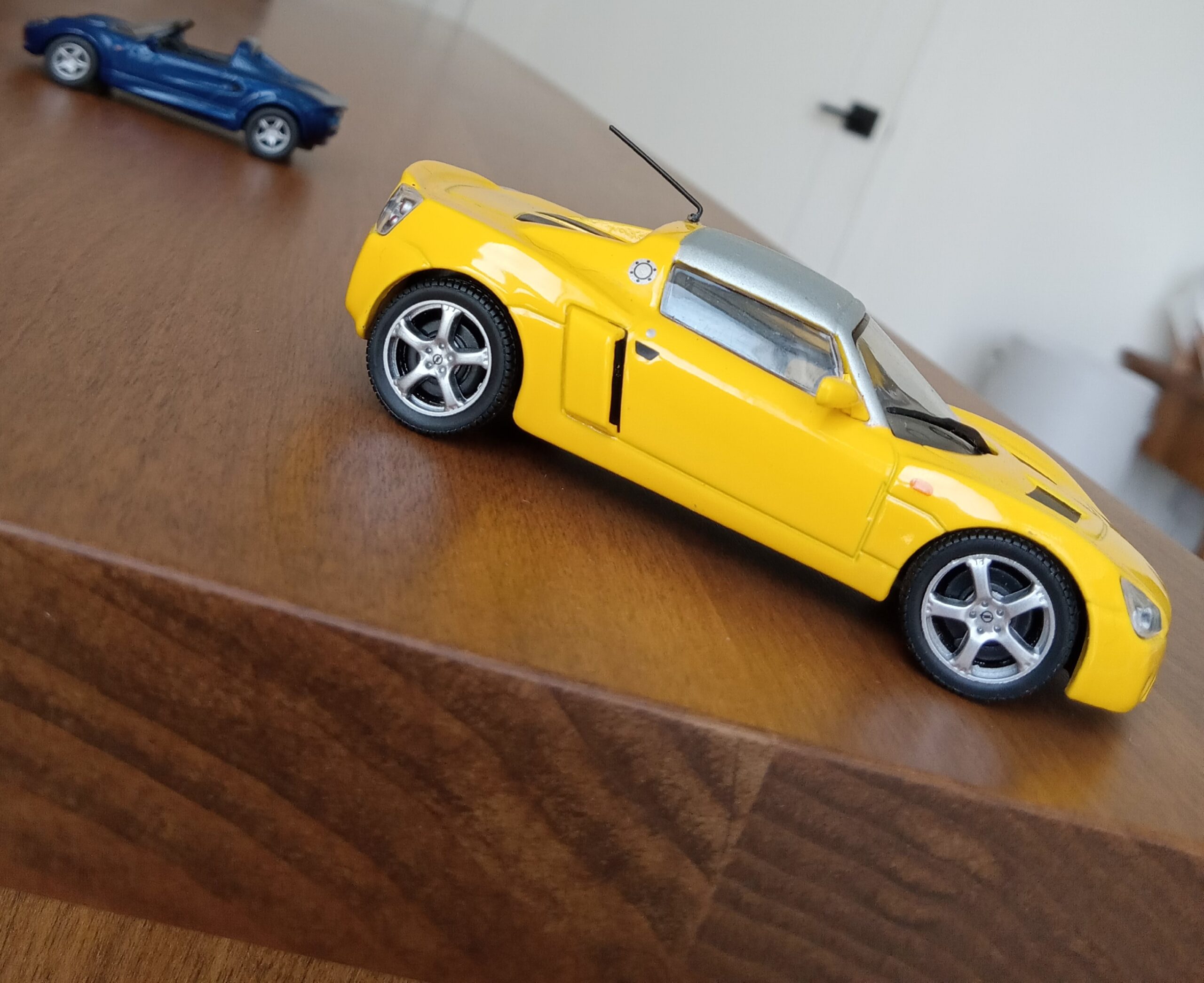
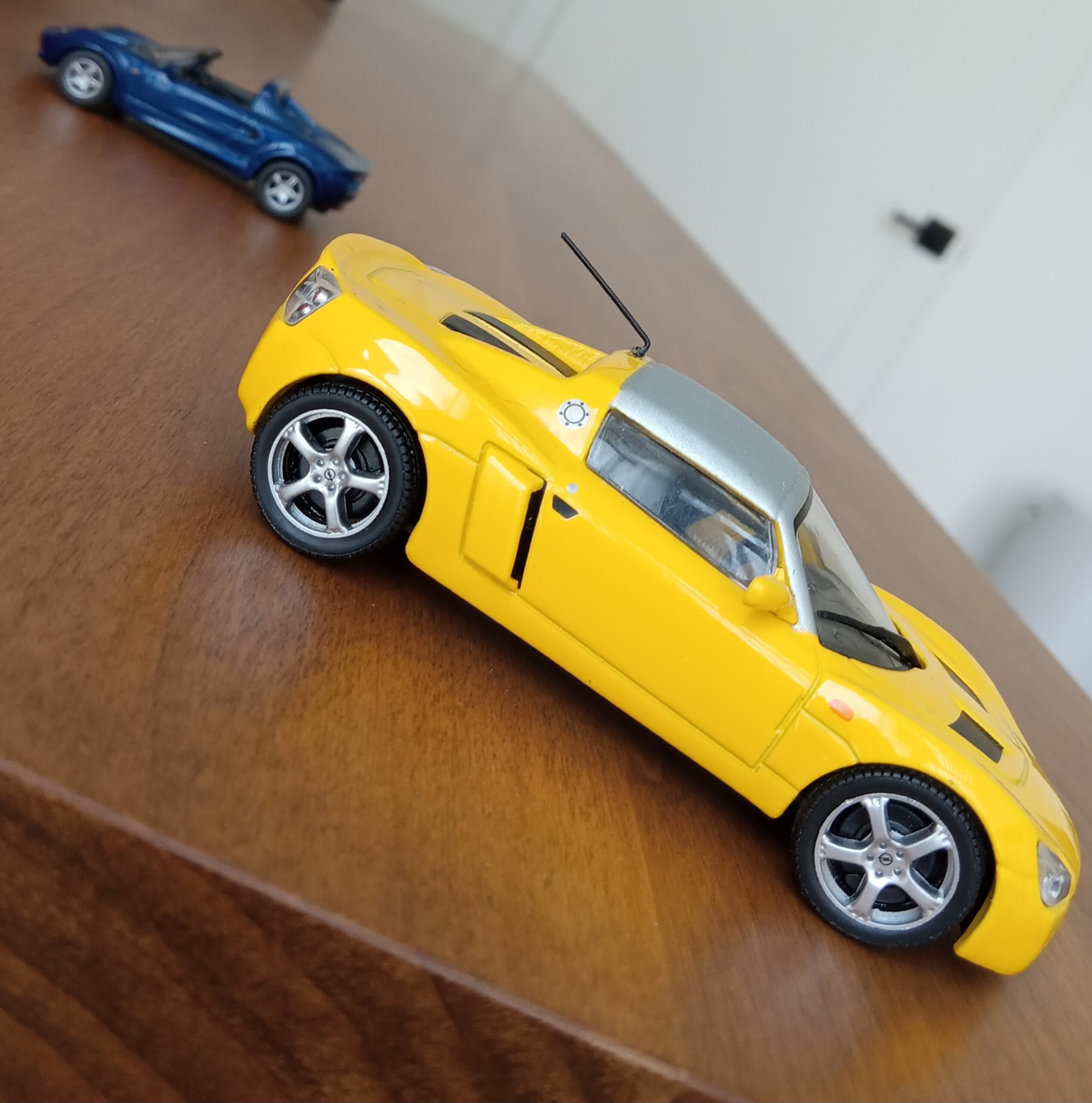
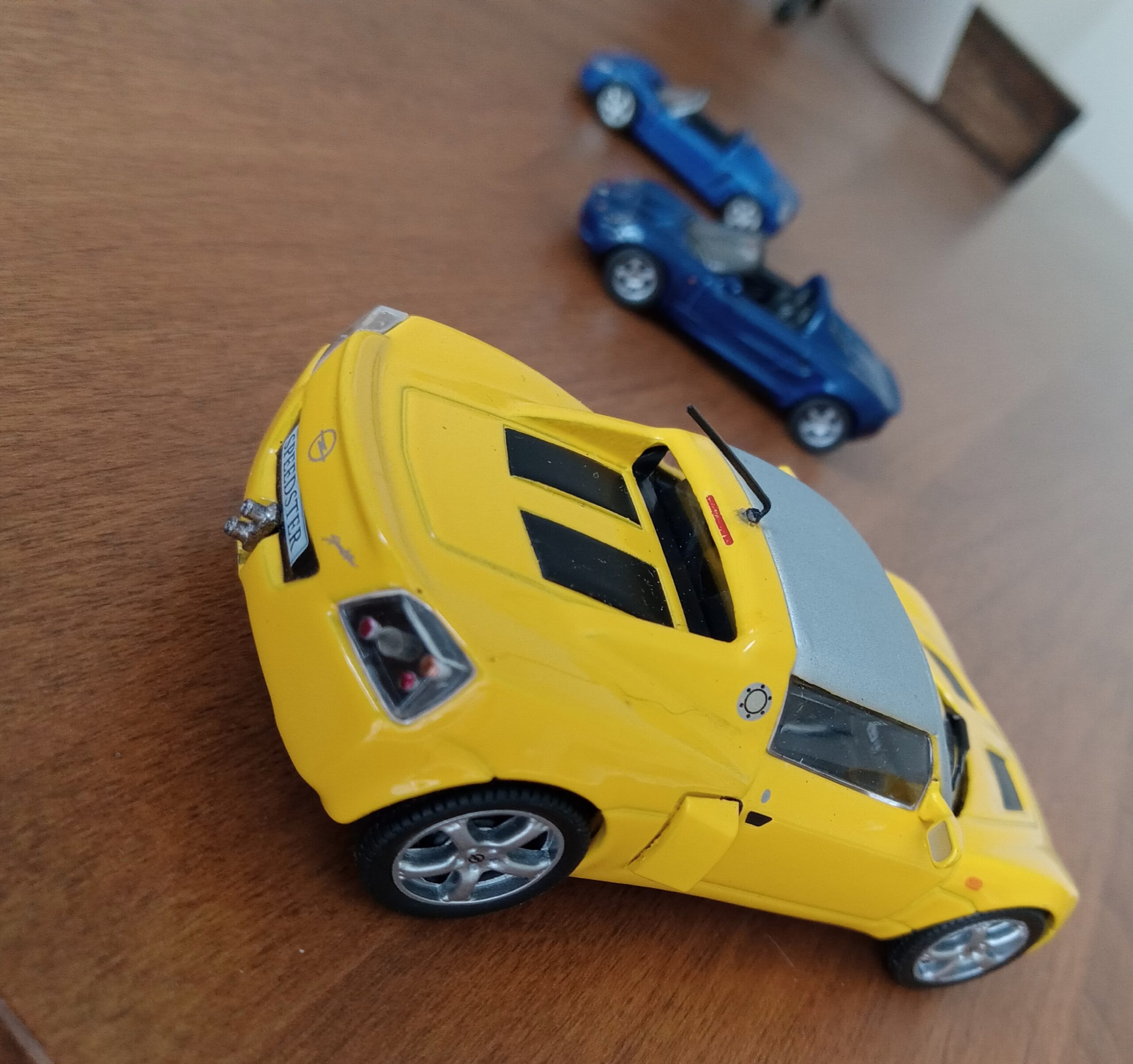
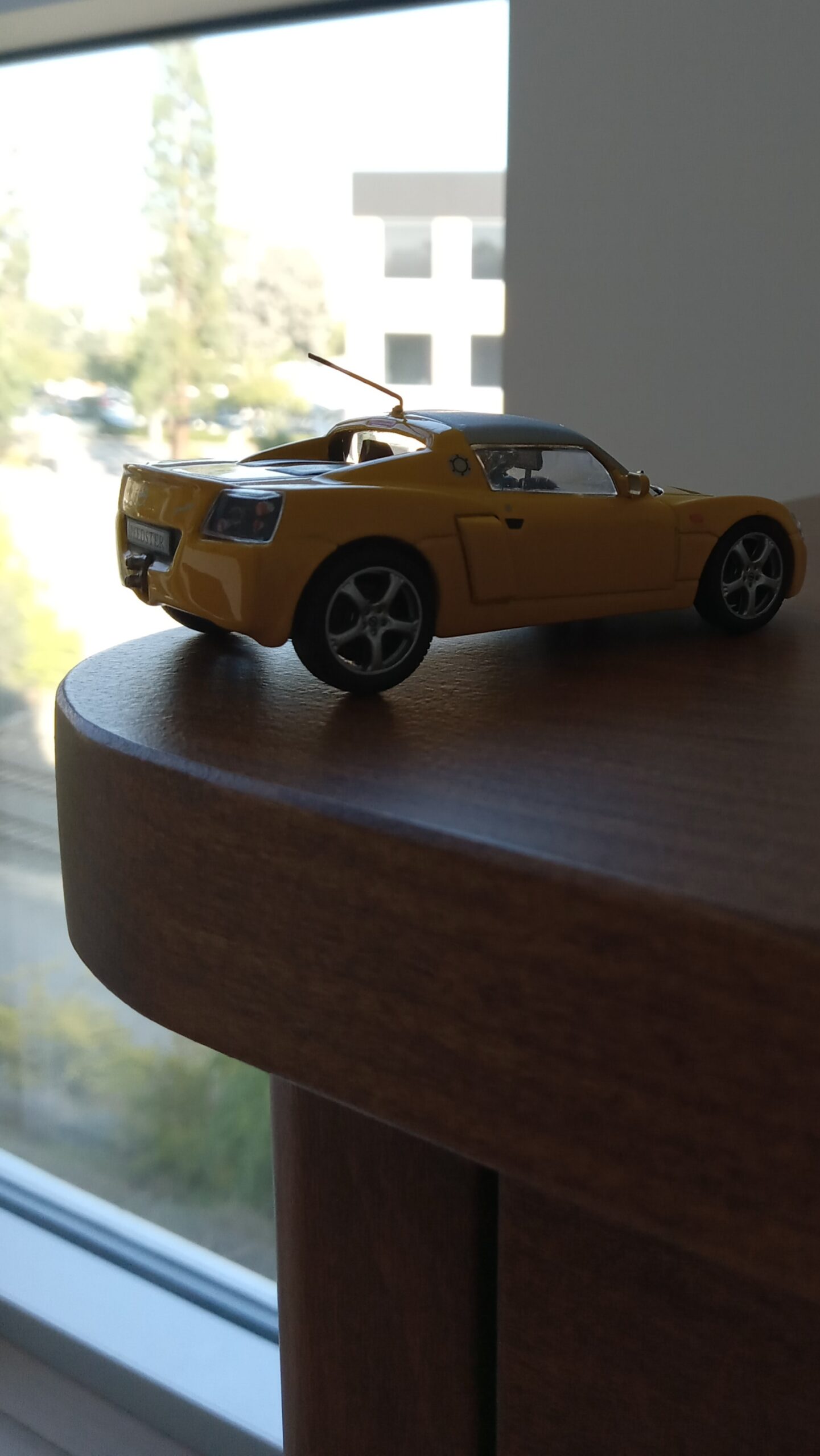
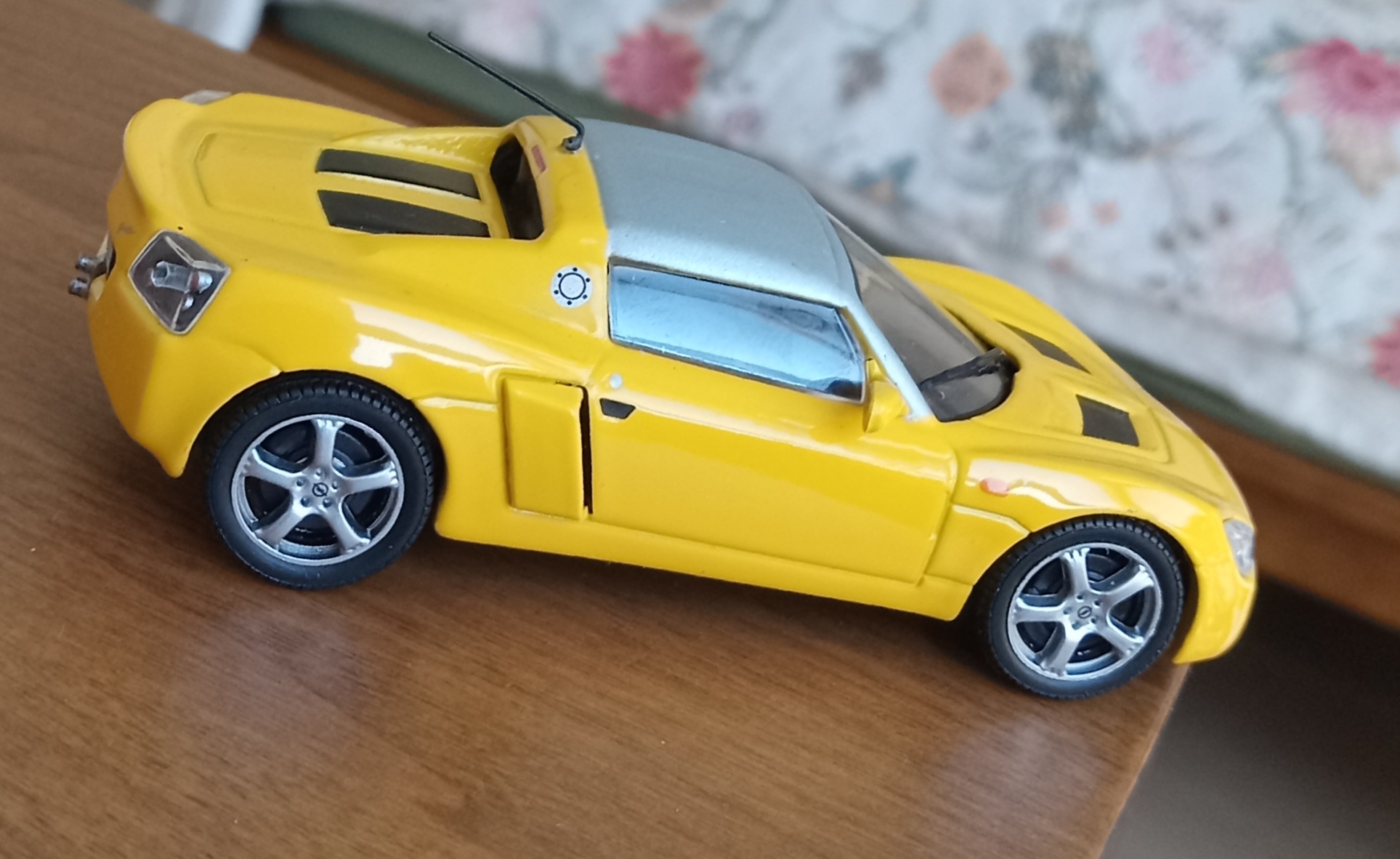
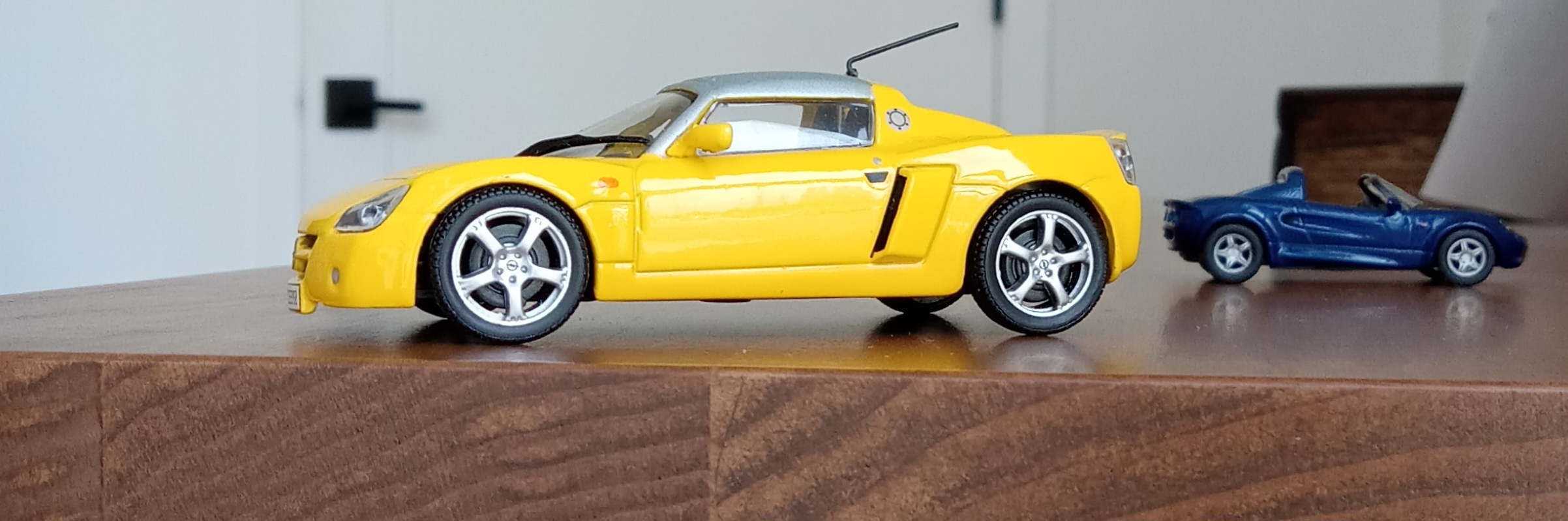
(IXO製、1/43 オペル・スピードスター, 2001 (ブライト・イエロー))
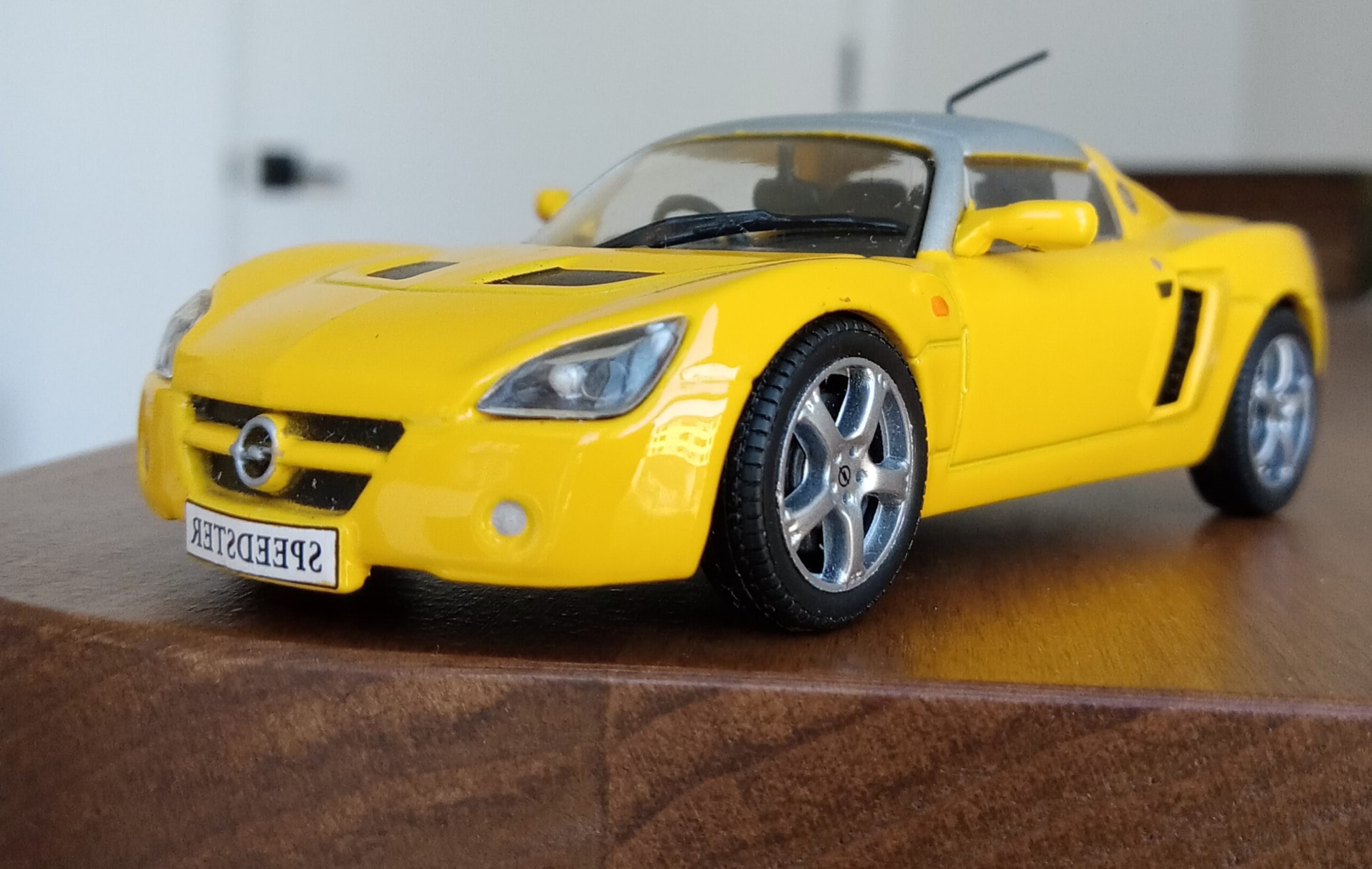
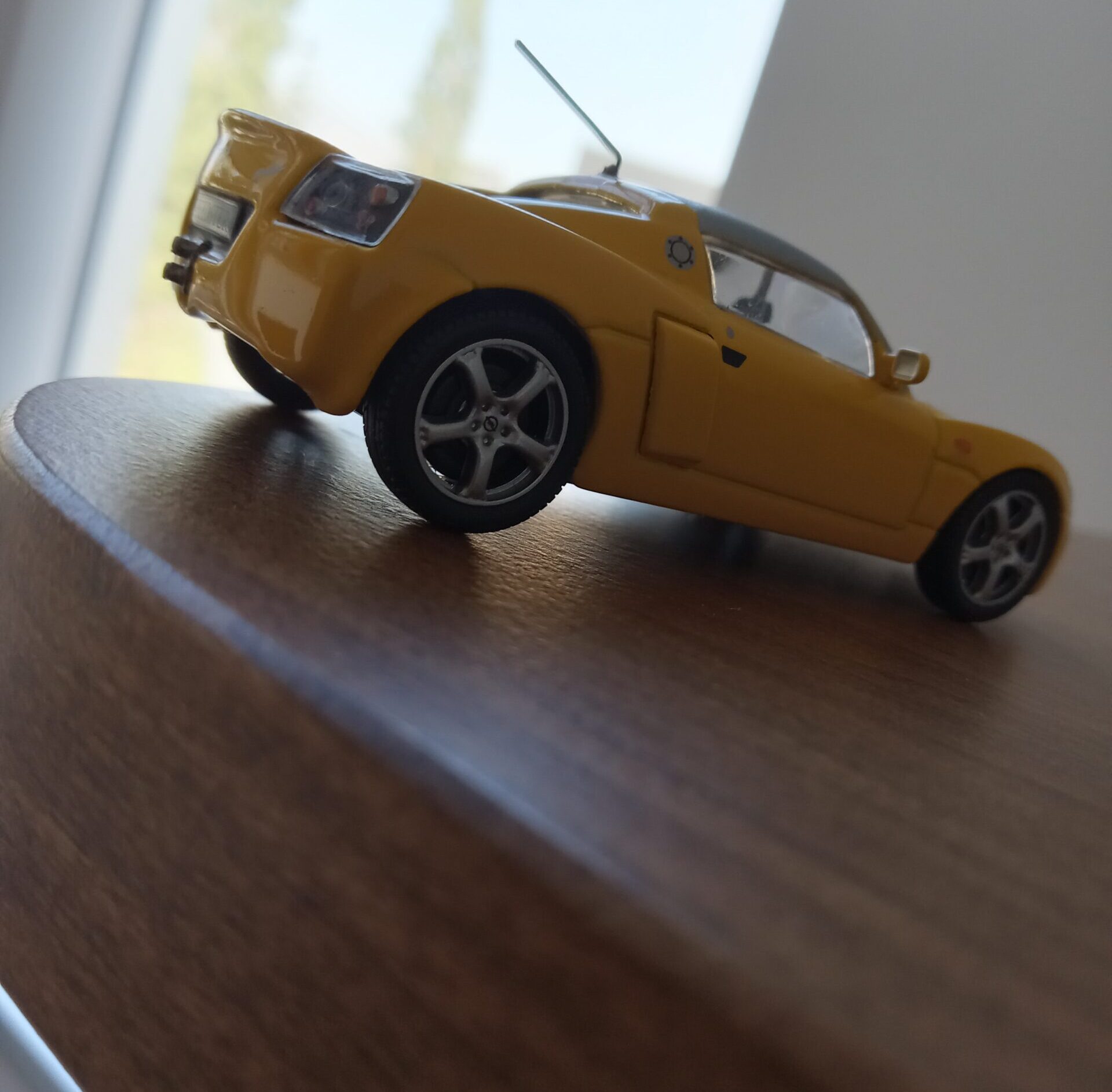
『オペル・スピードスター』は私にとって、
*1番好きなものと、
*2番目に好きなものが、
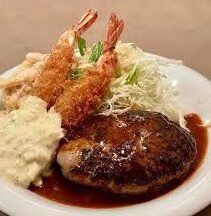
どちらも一つのお皿に乗った、
洋食屋さんの
『ハンバーグ・エビフライセット』
みたいな、
 夢の組み合わせです。
つまり、
*英国式の、タイトな小型スポーツ・カーのシャーシ・パケージと、
*おおらか、かつ大胆な、アメリカ式(GM式)外観デザインの
理想的な、マリアージュ(結合/結婚)が
実現しました。
*初代:ロータス・エリーゼとは?
それでは、先ず何より、
今回取り上げます、オペル・スピードスターの原型となった、類まれなほどに磨き上げられた英国の『宝石』=ロータス・エリーゼについて、少しご紹介させていただきます。
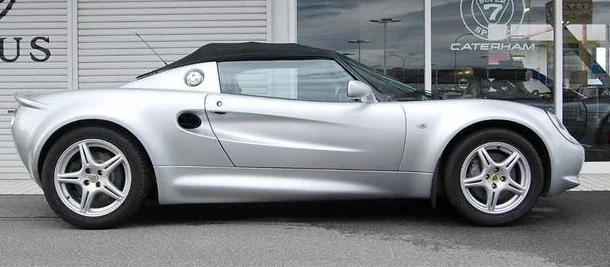
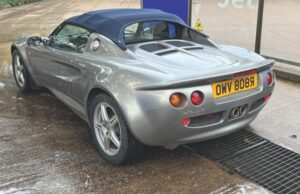
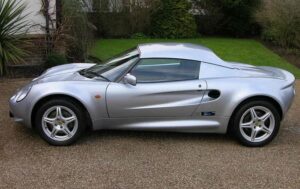
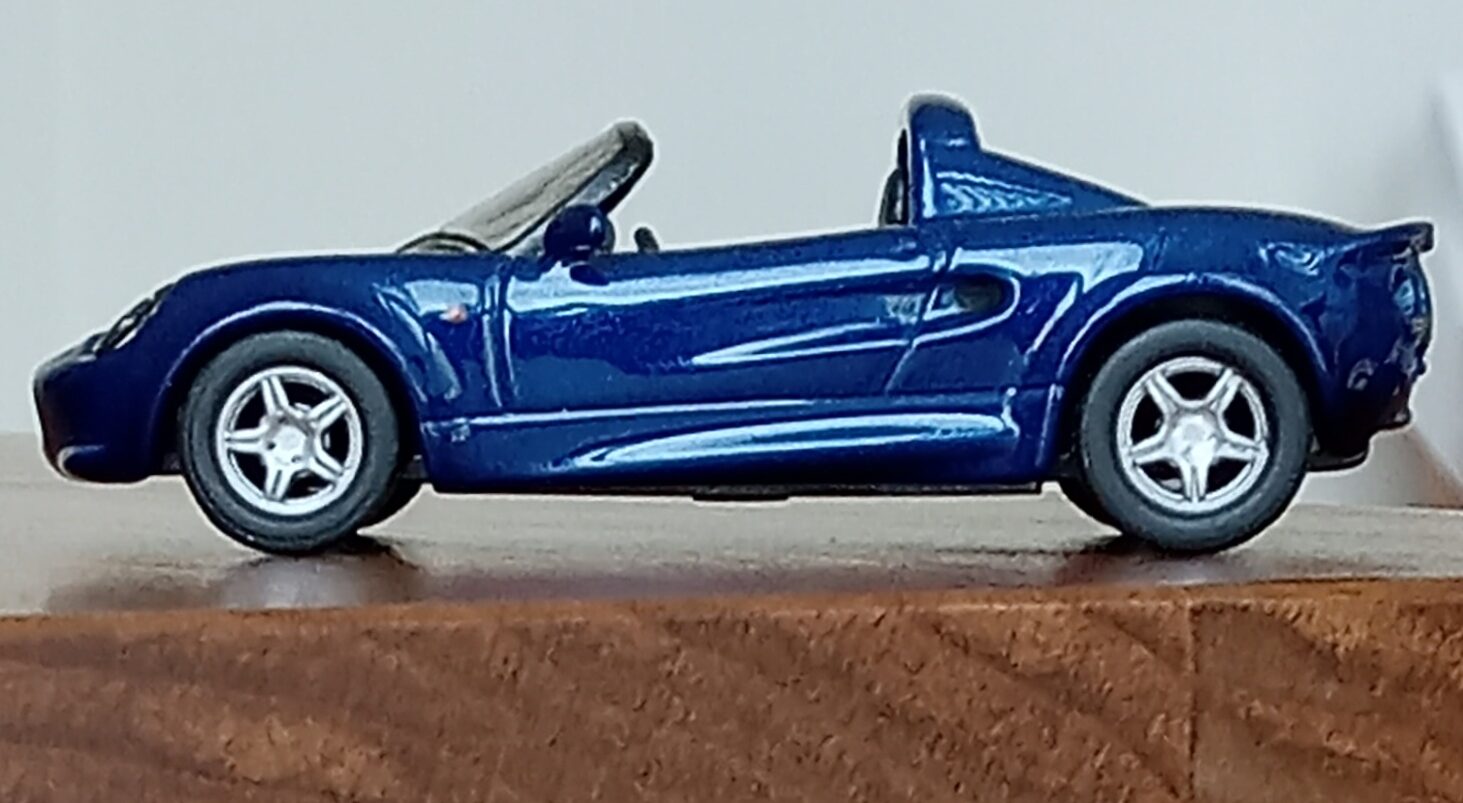
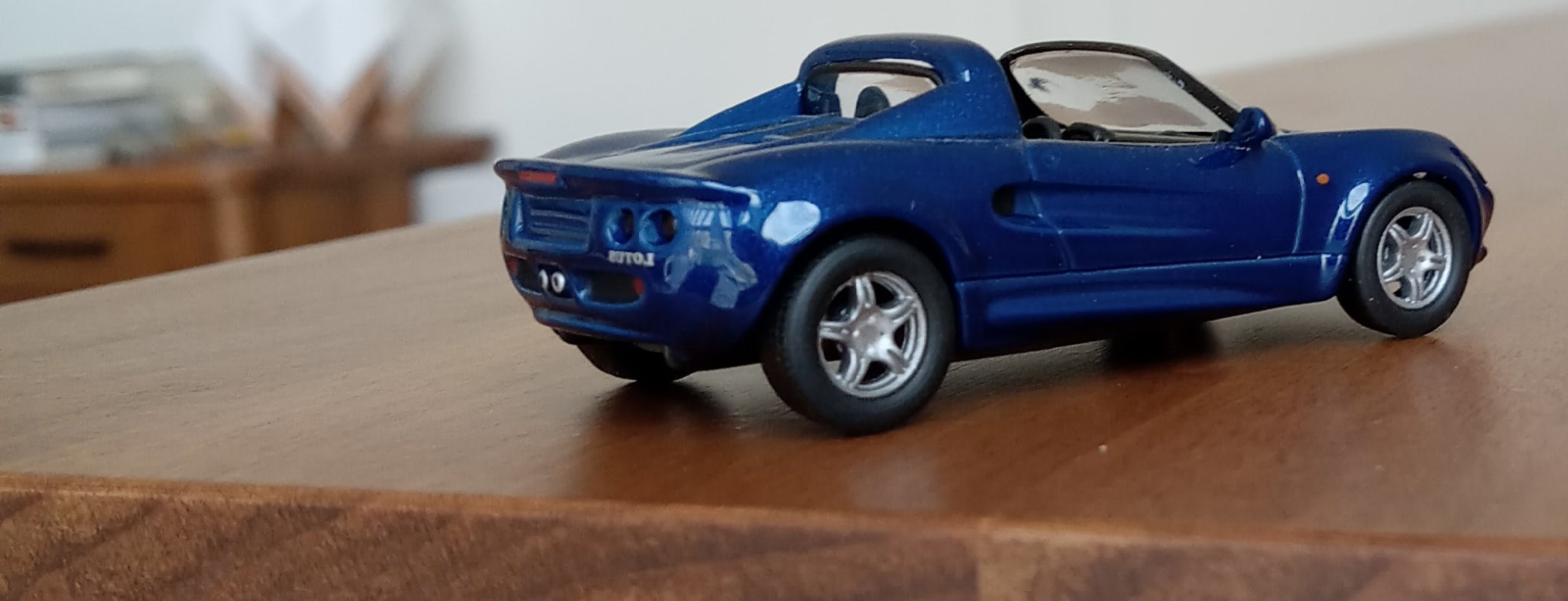
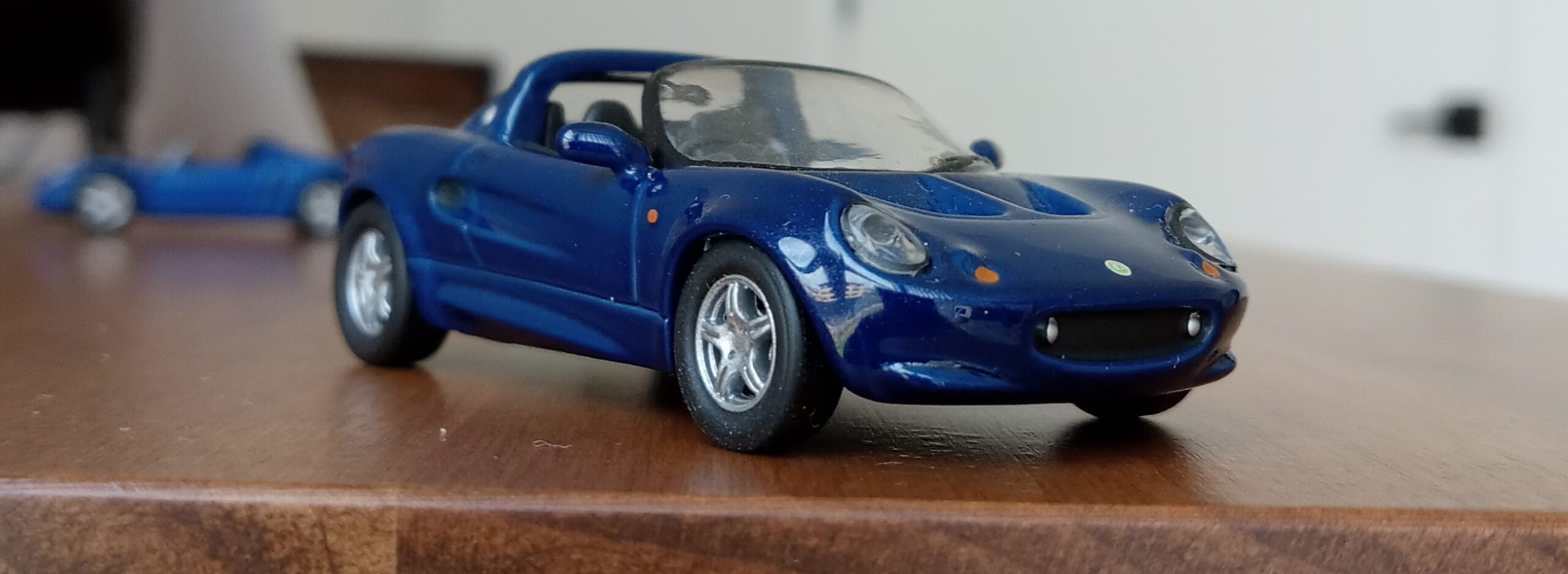
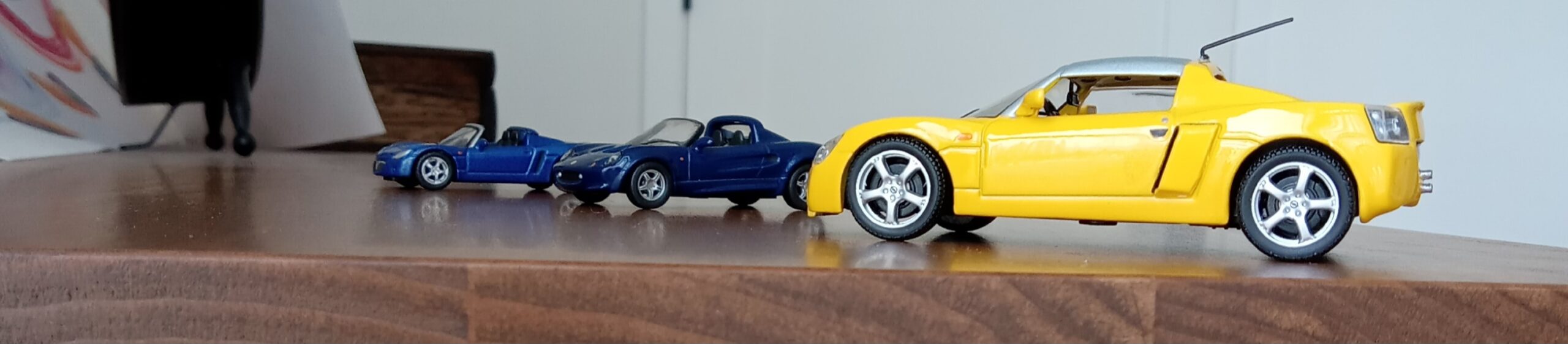
(京商製,1/64 ロータス・エリーゼ(ダーク・メタリックブルー))
1995年のフランクフルト・ショーで初公開され、翌1996年に発売開始されたロータス・エリーゼは、アルミ合金製の部材を接着剤で組み立てたバスタブフレームに、FRP製のボディを組み合わせた超軽量な構造が特徴です。(アルミニウム製シャシーの組み立てに接着剤を用いることにより、剛性を確保したうえで、組立て精度を向上させながら、シャシー単体で680kgと軽量化に寄与しています。)
ジュリアン・トムソンxリチャード・ラックハム
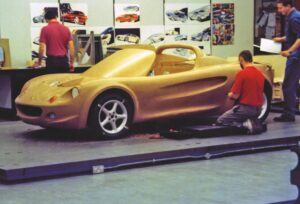
ジュリアン・トムソン(デザイナー)とリチャード・ラックハム(エンジニア)の黄金コンビが手掛けた設計/デザインは、通常の『技術屋』対『アーティスト』のデザイン上の確執とは無縁なもので、お互いが「ミニマルで洗練された美しさ」のために喜んで残業して骨を折る覚悟で臨んだものでした、その結果、最小限のコストで、不必要な装備を徹底的にそぎ落としたデザインが完成しました。
1998年にフォルクスワーゲンに移籍したトムソンさんは 『ワーゲンのテール・ライト一つの設計代金とロータス・エリーゼの全設計費用が同じだった。』と伝えています。
彼の一番のお気に入りは、「インテークまわりからリアに向けて、古いスーパーカーのように、パワー感が増していく雰囲気。」と語っていました。
ロータス・エリーゼは世界中の愛好家から広く受け入れられ、2021年に生産が終了、後継車の「エミーラ」にバトンを受け渡しました。シリーズ3までに合計3,5000台が製造されました。(この数字は少量生産のメーカーロータスにとっては記録的なものとなりました。)
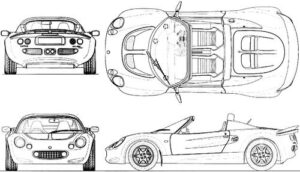
*主要諸元:
- 型式:111S型
- 総排気量: ローバー・18K4K
1,796 cc 直列4気筒DOHC - 最高出力::143 bhp @ 7,000 rpm
- 最大トルク:128.3 ft/lbs @ 4,500 rpm
- 駆動方式:MR(ミッドシップ)
- 定員::2名
- 車体サイズ
- 全長:3,734 mm
- 全幅:1,703 mm
- 全高:1,148 mm
- 全長:3,734 mm
- 車両重量
714kg
ではこんな感じで、
レポートしてみたいです。
*客観解説:
*デザイン的特徴:
*『わたし』とオペル・スピードスター
*まとめと感想:
*その他の軽量ミッドシップ・スポーツ:
*客観解説:ロータス・シャーシ+GMデザイン=?
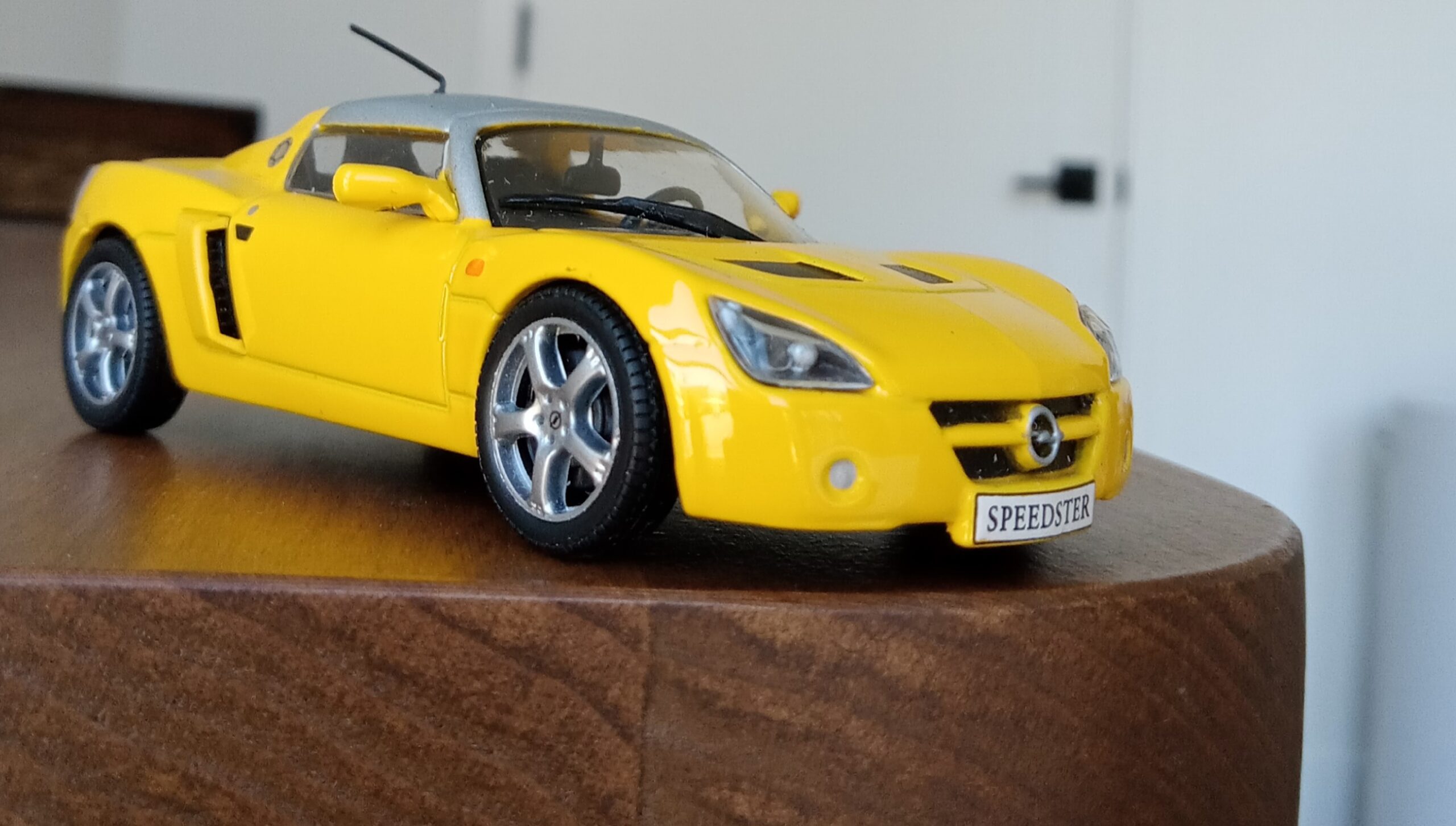
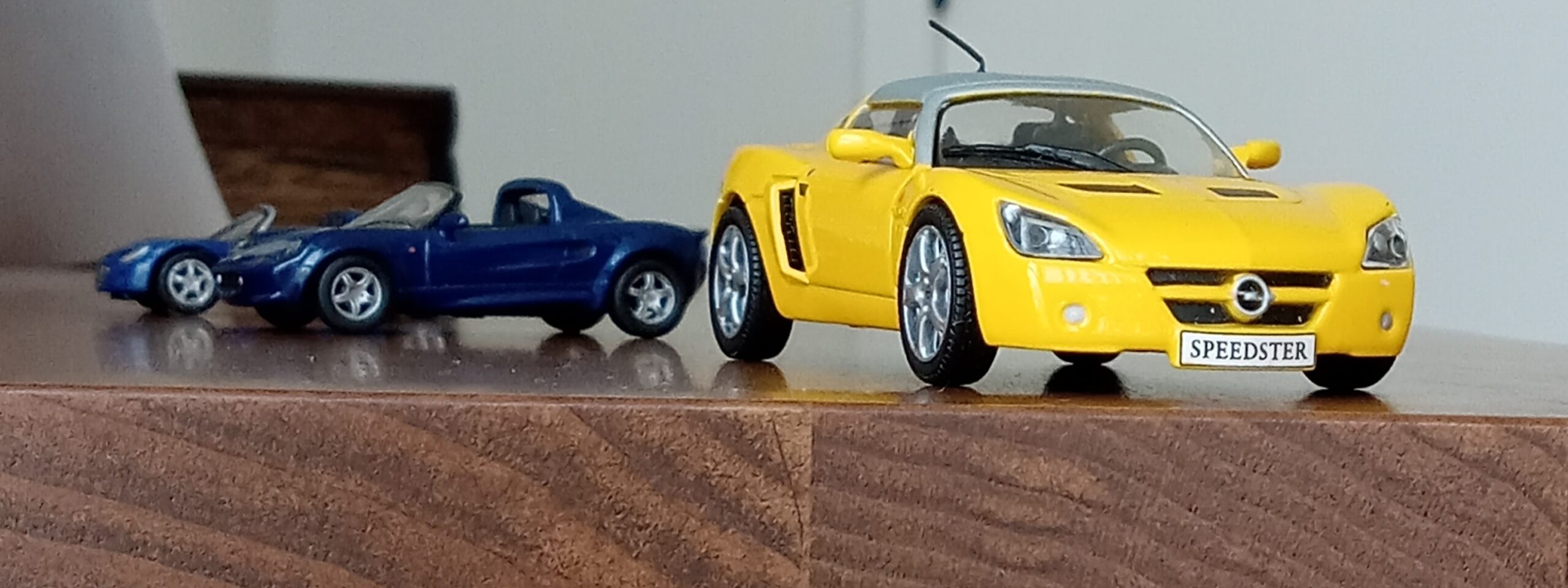
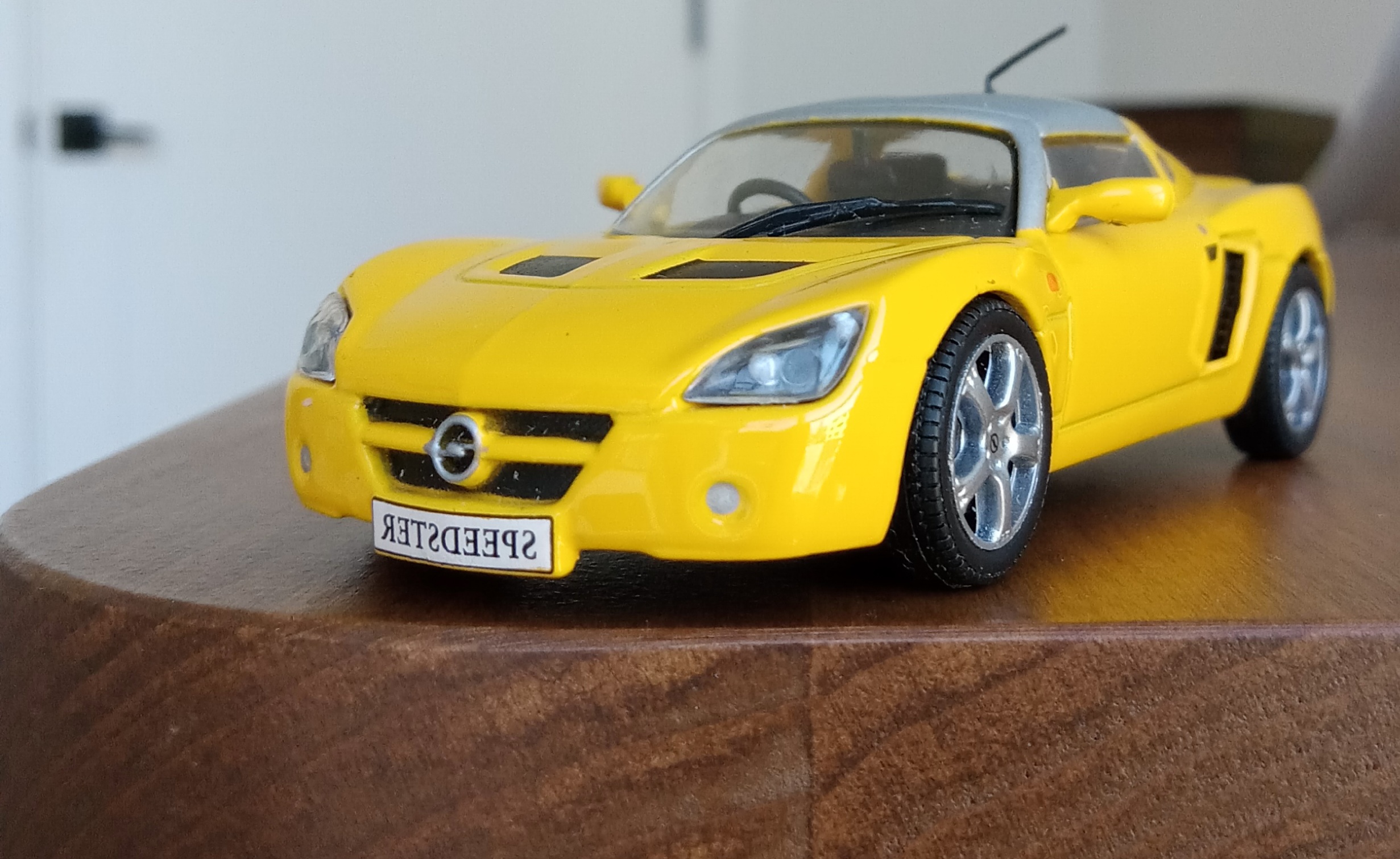
スピードスター(Speedster)は、ドイツの自動車メーカのオペルが2001年から2005年まで販売していた軽量ミッドシップ・スポーツカーです。1999年にサロン・アンテルナショナル・ド・ロトで試作車が出展され、2001年にはオペルの本拠地であるドイツ、生産工場のあるイギリスを皮切りに販売開始、なおイギリスではボクスホールブランドで販売され、車名はVX220となりました。
オペルの自動車生産100周年を記念したモデルで、同社の量産車としては初の本格スポーツカーとなるオープン・2シータで、英国のスポーツカーメーカー、ロータス・エリーゼの基本設計を元に共同開発され、製造もロータスの工場で行われました。エリーゼよりは100kgほど重いものの、870kgの車重は2座オープンカーとして非常に軽量なものでした。
特筆すべき機構的には、
*前後ともダブルウイッシュボーン形式のサスペンションや、
*アルミ押し出し材をエポキシ瞬間接着剤を用いて組み立てる手法、
*ERP製の外装を持つことなどは、
基本となったエリーゼと同様でしたが、
エリーゼと共用するコンポーネンツは1割程度であると公表されており、外観デザインは当時のオペルのトレンドに載ったエッジの利いた独自のもので、いわゆるバッジエンジニアリングの類でありませんでした。(エアバック、ABS、オーディオなどが標準で備わる点も、完全なサーキット志向のエリーゼとは異なりました。)
搭載されるガソリンエンジン2種は、
いずれもECOTEC と呼ばれるGM製直列4気筒で、ミッドシップに横置きされ、後輪を駆動、ターボモデルはボディの軽量さとも相まって、発進から100 km/hまで4.9秒で加速可能、この値は355馬力の3.8リッターエンジンを積むポルシェ911カレラS(997型)と同等でした。
日本では右ハンドルの自然吸気モデルのみが、2003年に80台限定で受注生産、販売されました。受注生産としたのは、外装やシート、ソフトトップ(幌)の色の組み合わせが82通りにもなるため、購入者の意向に沿ったモデルを用意できるようにするためのGM/ヤナセ側の粋な配慮でした。
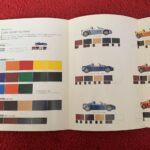
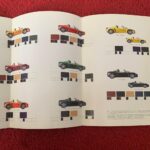
(82通りのカラーコーディネイトが可能だったオーダー形式の説明、日本カタログより)
*主要諸元:
- 型式:E00Z22型
- 総排気量: 2.2L 直4 ECOTEC
2.0L 直4 ECOTEC (ターボ) - 最高出力::147bhp (直4)/ 200bhp (ターボ、2003年に追加)
- 最大トルク:20,7kg@ 4,500 rpm (直4)
- 駆動方式:MR(ミッドシップ)
- 定員::2名
- 車体サイズ
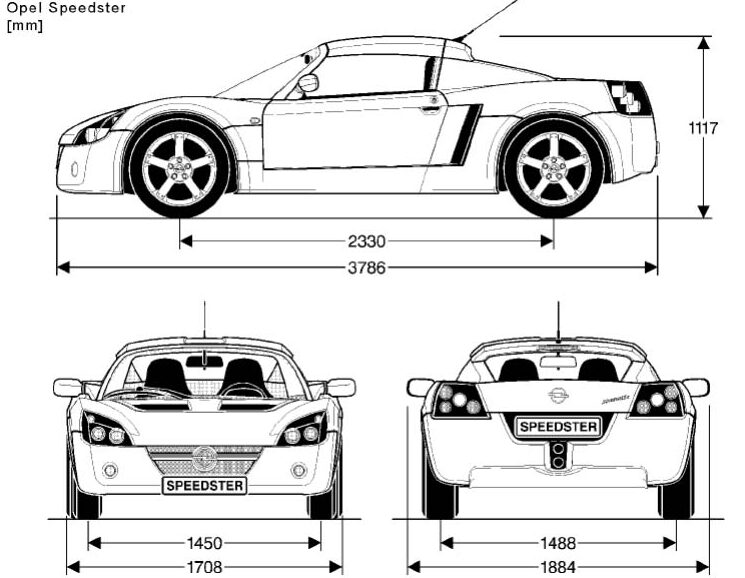
- 全長:3,786mm
- 全幅:1,708 mm
- 全高:1,117mm
- 全長:3,786mm
- 車両重量
870kg / 930kg (ターボ)
*オペル・スピードスターのデザイン的特徴とは?
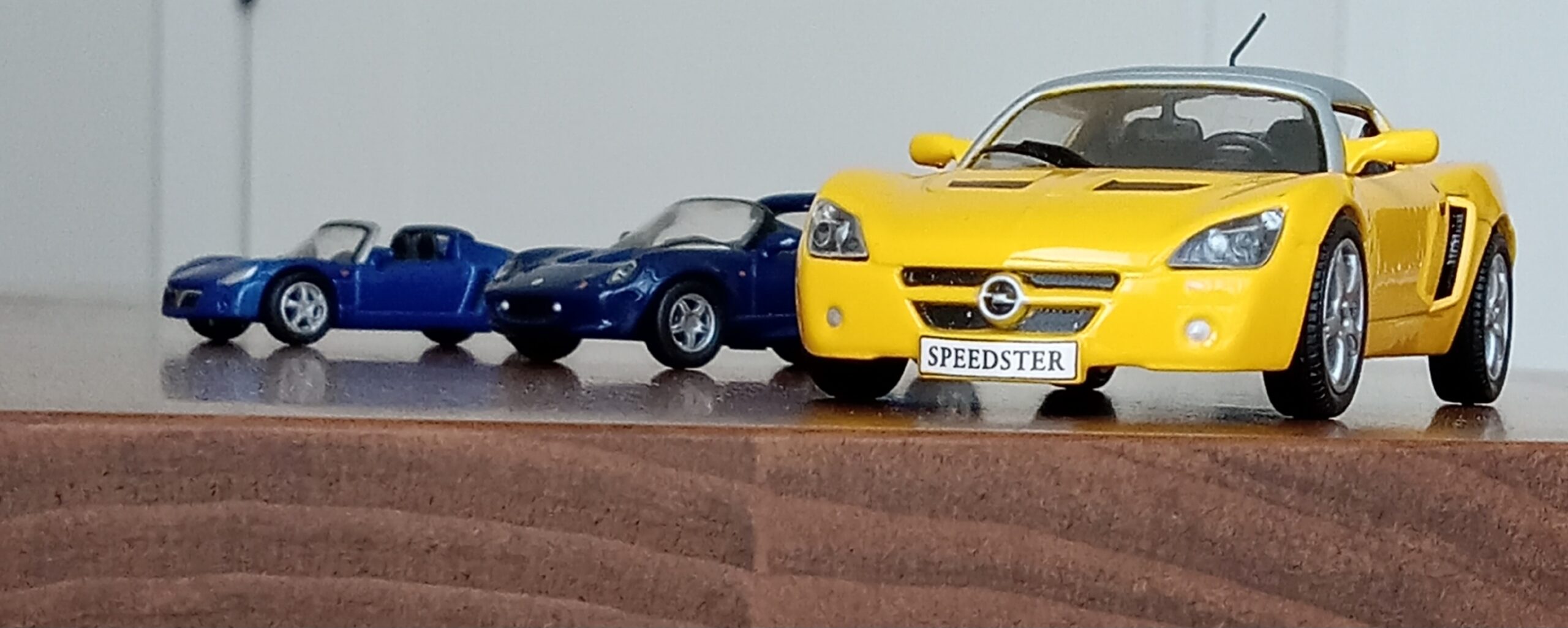
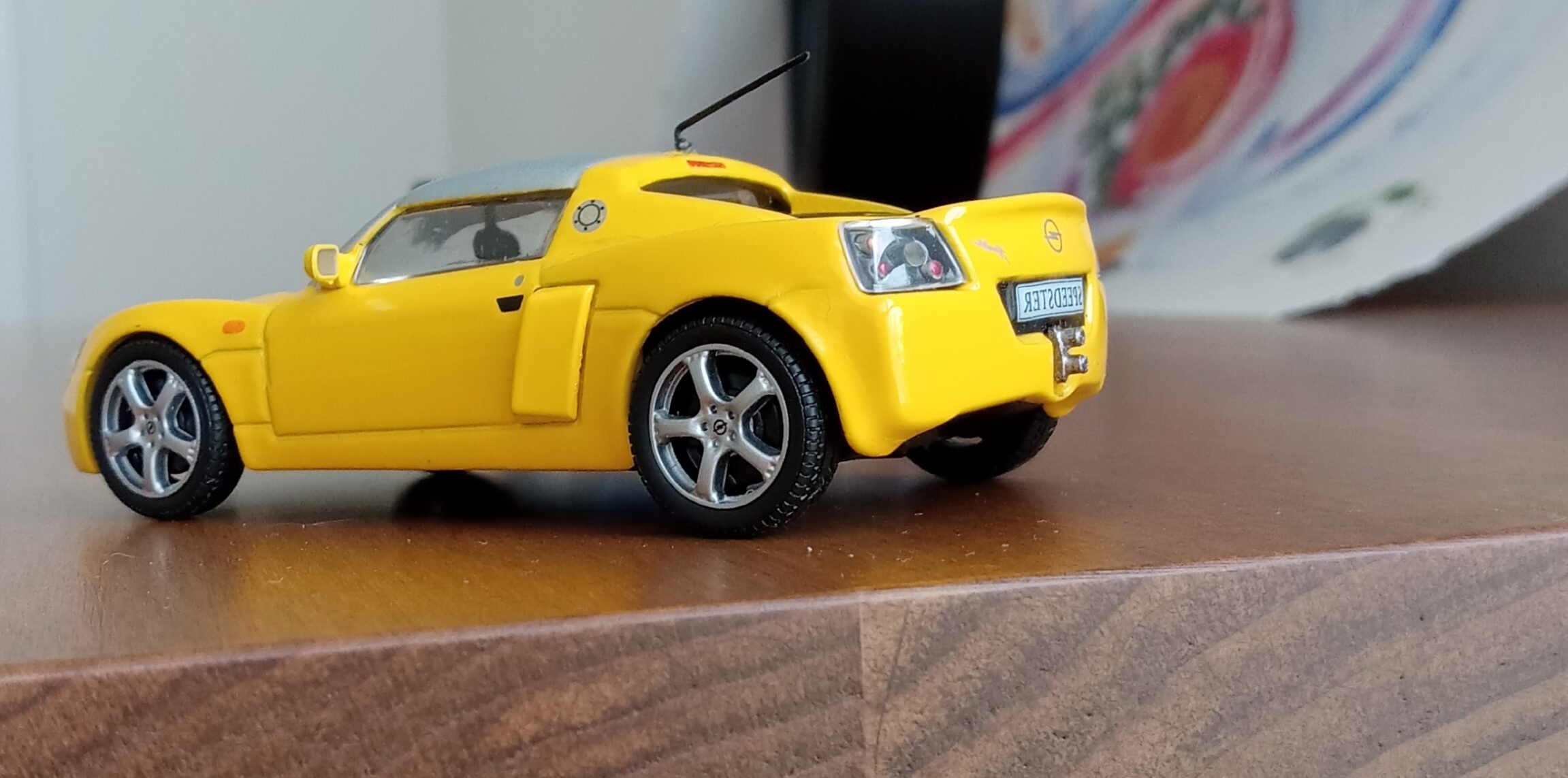
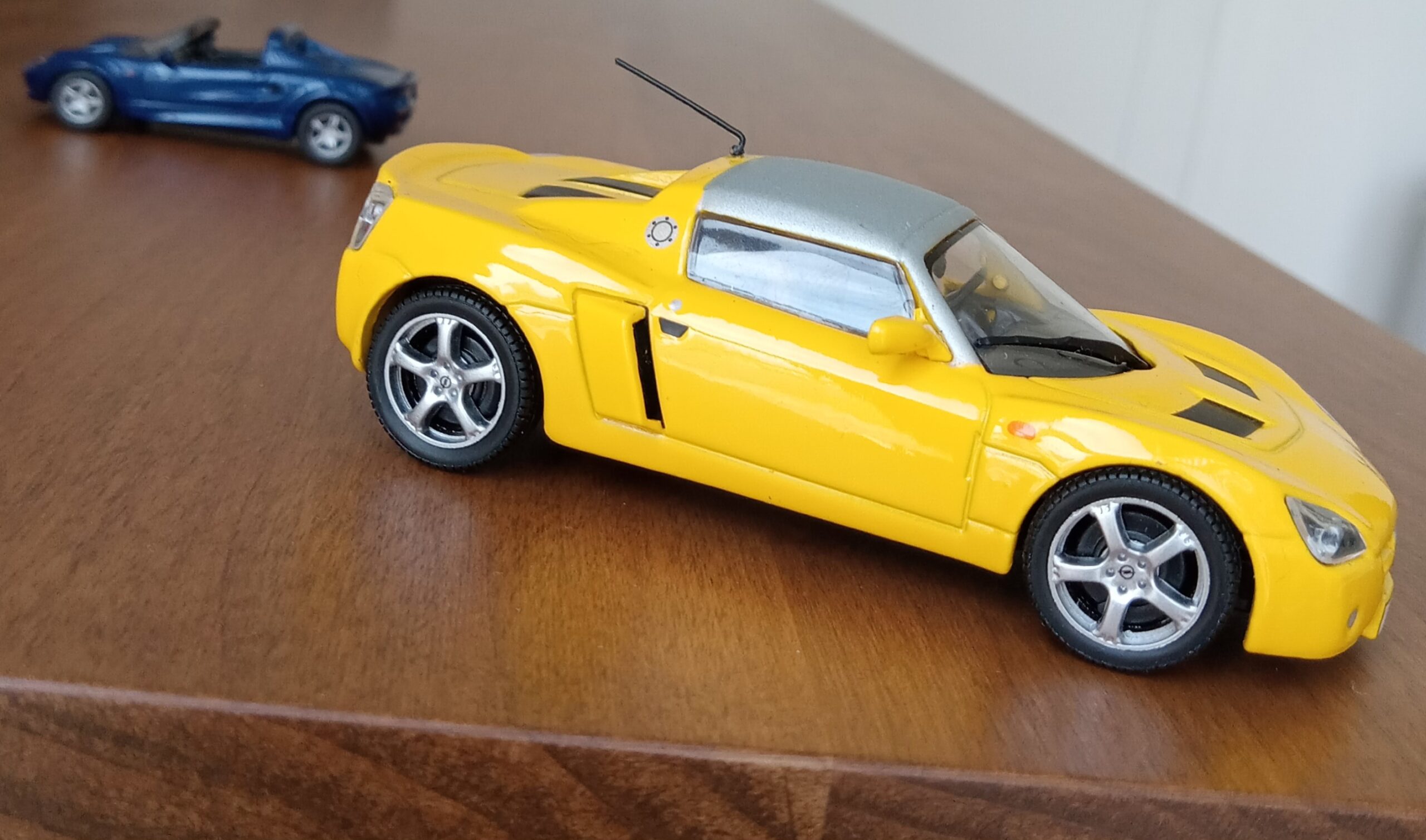
ではいよいよ本題、
デザイン的特徴を観察していきましょう!!
こんな感じで
6ポイントを上げてみました。
1、軽量ミッドシップ2シーターの理想的シャーシと、2001年当時、最新鋭のGMデザインの理想的な(一度っきりの)結婚!
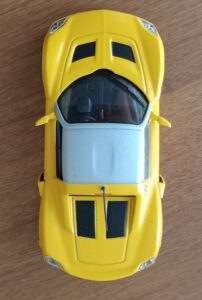
2、ガラス面積を最小化することで得られた、小さな野球帽のようなキャビンデザイン
3、直線基調のネオクラッシックなボディー造形と、GMのトレードマーク: ボディーセンタを走るクリーズ・ライン(折れ線テーマ)の復活
4、2300㎜のロングホイールベース、大径タイヤサイズ、更には、175㎜といった異常に細い前輪幅から得られる、素晴らしい『スタンス=はばかり感』
5、オペル、シボレー、コルベットに通じる精悍な表情を見せるフロントフェイシア
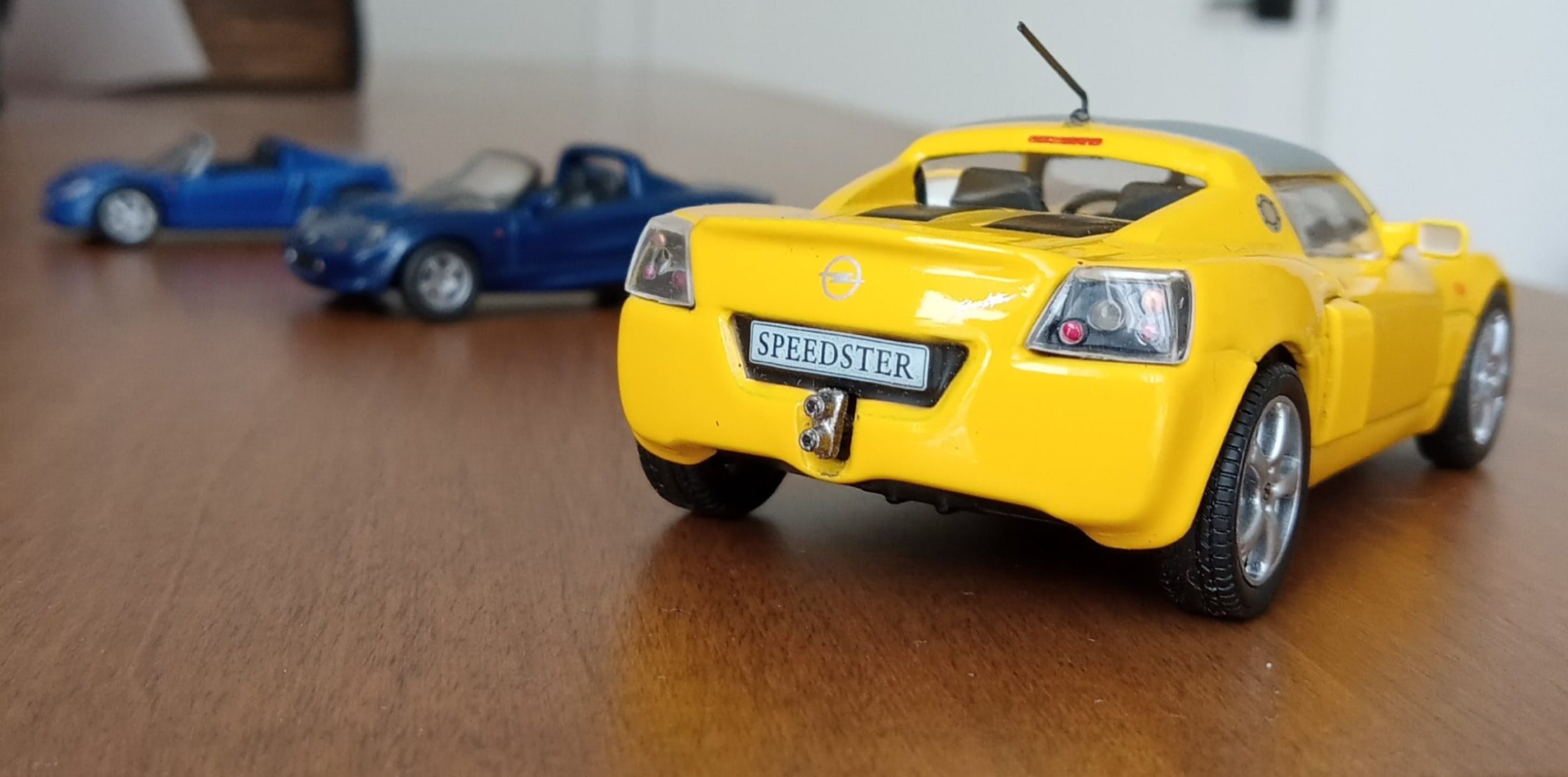
6、角基調の力強いリアフェイシアと小気味よいテールエンド・グラフィック
それでは、
一つづつ見て行きましょう!
1、軽量ミッドシップ2シーターの理想的シャーシと、2001年当時、最新鋭のGMデザインの理想的な(一度っきりの)結婚!
(後のアルファロメオ4Cなどにつながる、理想を突き詰めた軽量ミッドシップ・スポーツ・シャーシに、2000年代のアメリカ、GM本社の『直線基調のネオクラシック』なデザインを先取りしたどこから見てもバランスの取れた造形美のカタマリ)
ーーーー>2000年代のカマロや、コルベットの原石が見て取れました。
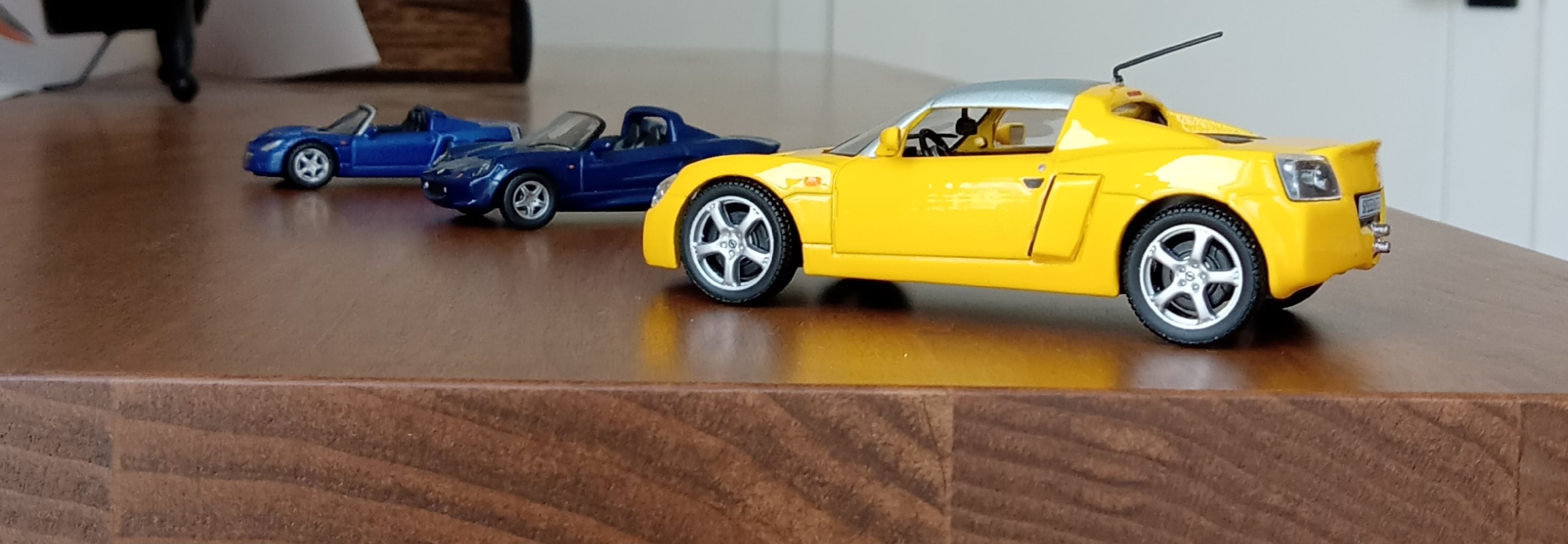
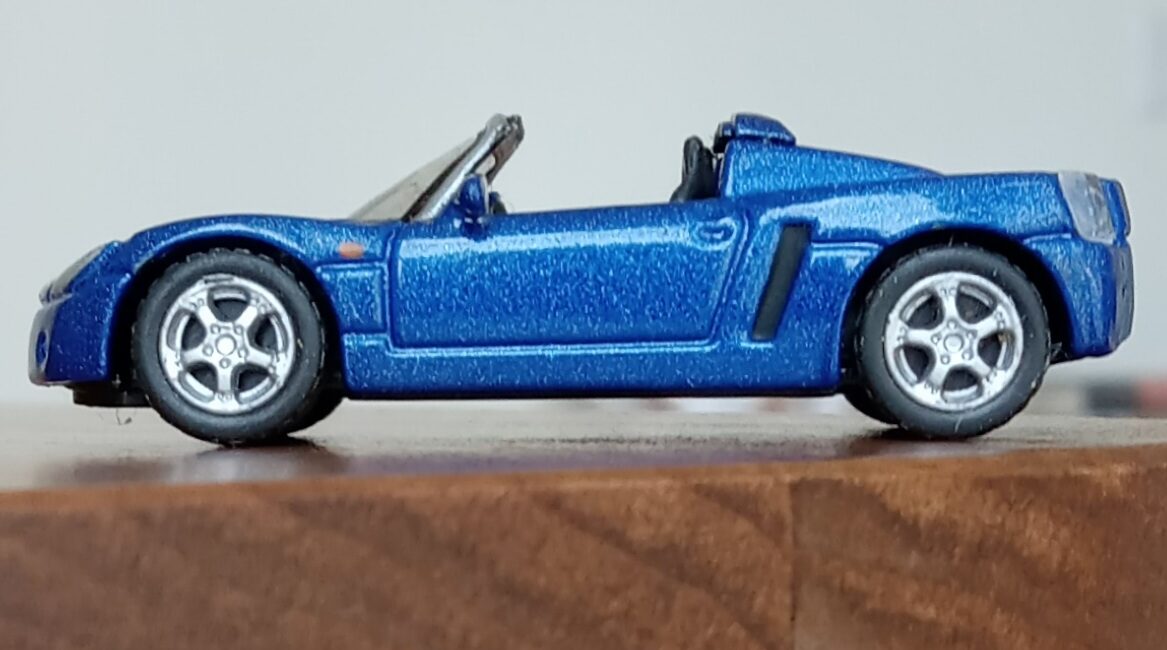 (Yat/Ming社製、1/72 オペル・スピードスター, 2001(メタリック・ブルー))
2、ガラス面積を最小化することで得られた、小さな野球帽のようなキャビン・デザイン
(すでに学びました、アルファロメオTZ-2などにも顕著な、剛性確保と、軽量化や視界確保のためのキャビンの絞り込みとガラス面の最小化から得られた、異常に小さなかわいいキャビン)
ーーーーーー>全高の低さと相まって、低重心の強調にも貢献!!


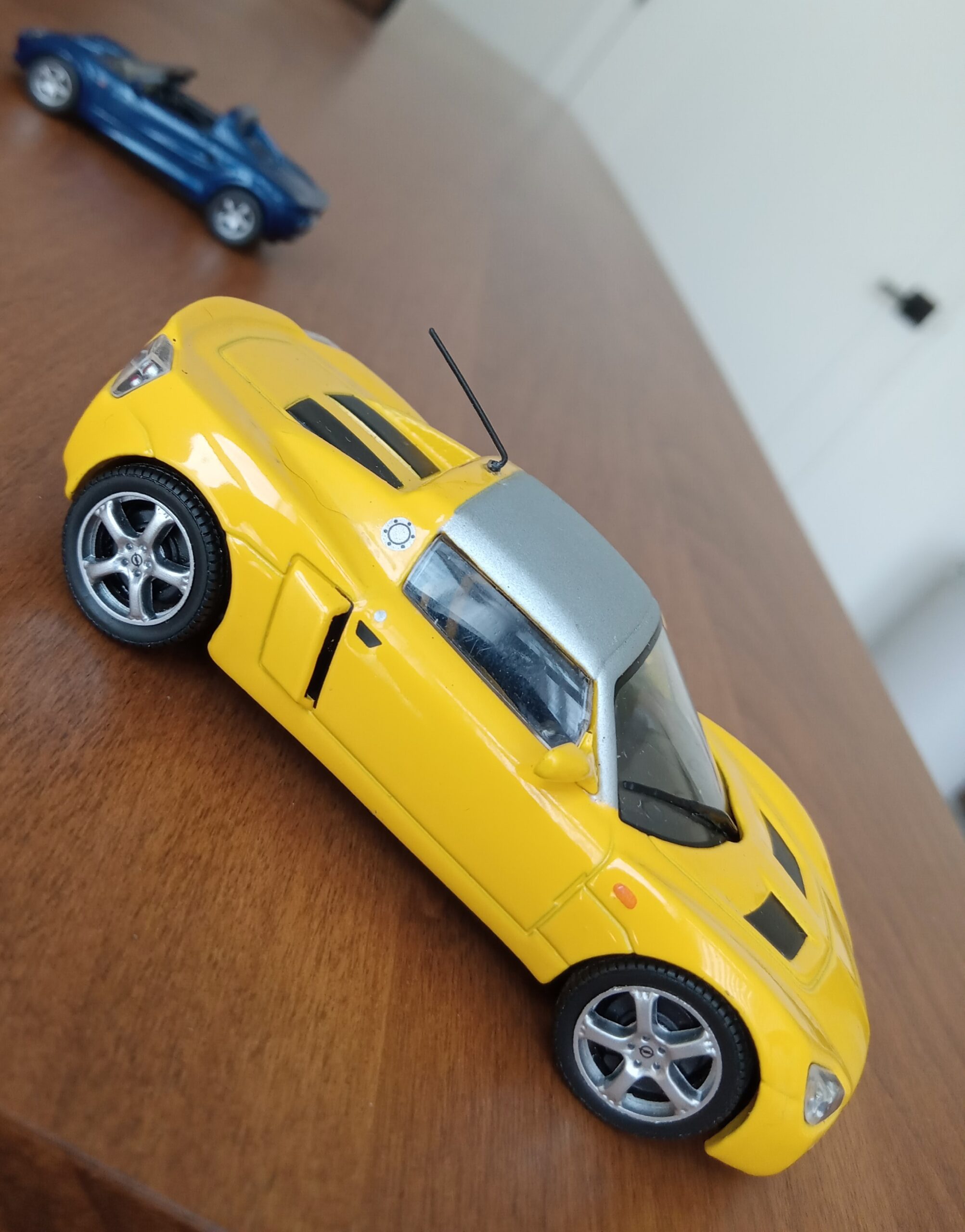
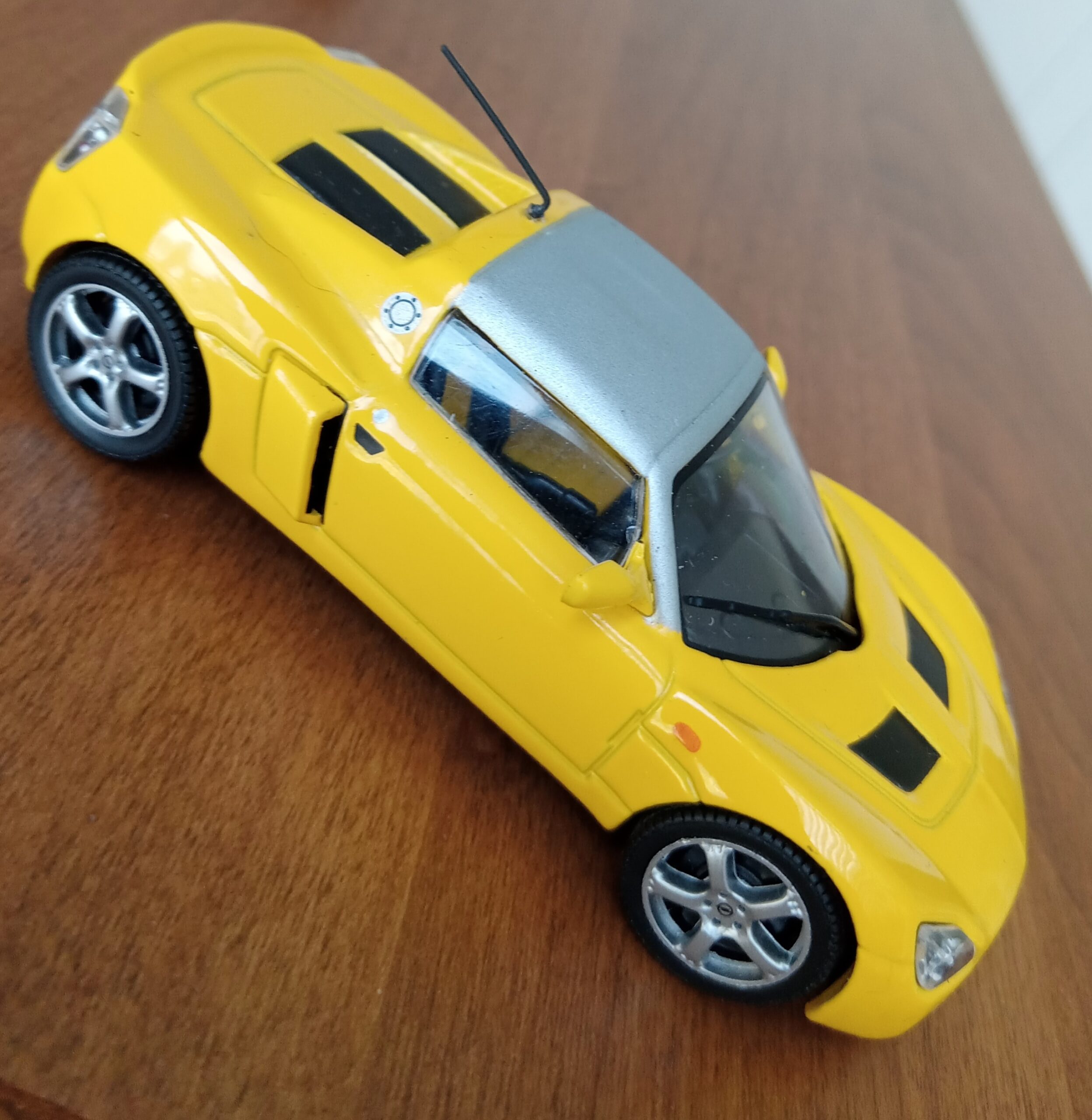
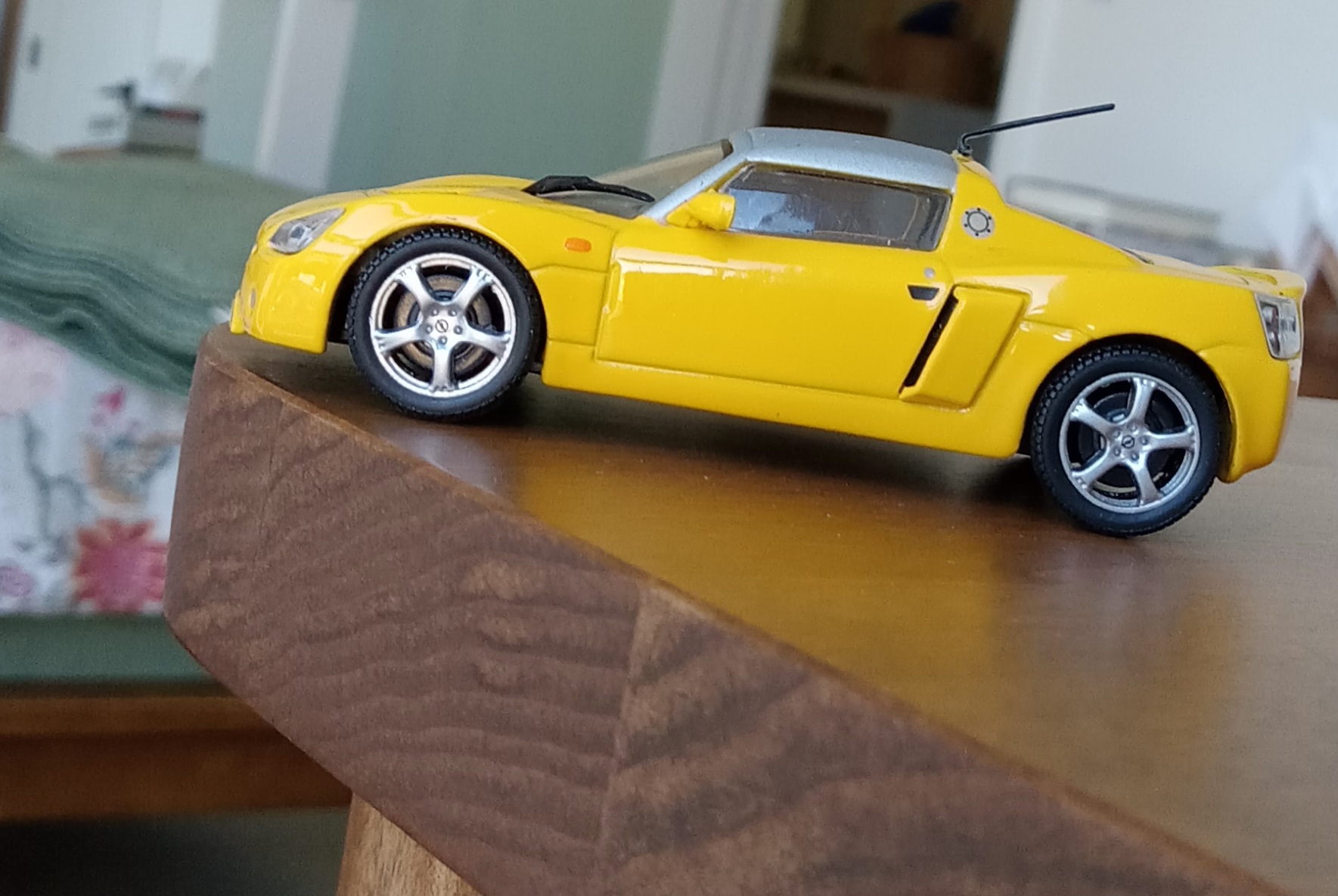
3、直線基調のネオクラッシックなボディー造形と、GMのトレードマーク: ボディーセンタを走るクリーズ・ライン(折れ線テーマ)の復活
(力強い4輪の強調を促す、全後フェンダーアーチの存在感と、中央を走る、クリーズ・ラインのパワー)
ーーーーーー>その後の米国GMデザインの復活を促した形に見えます。
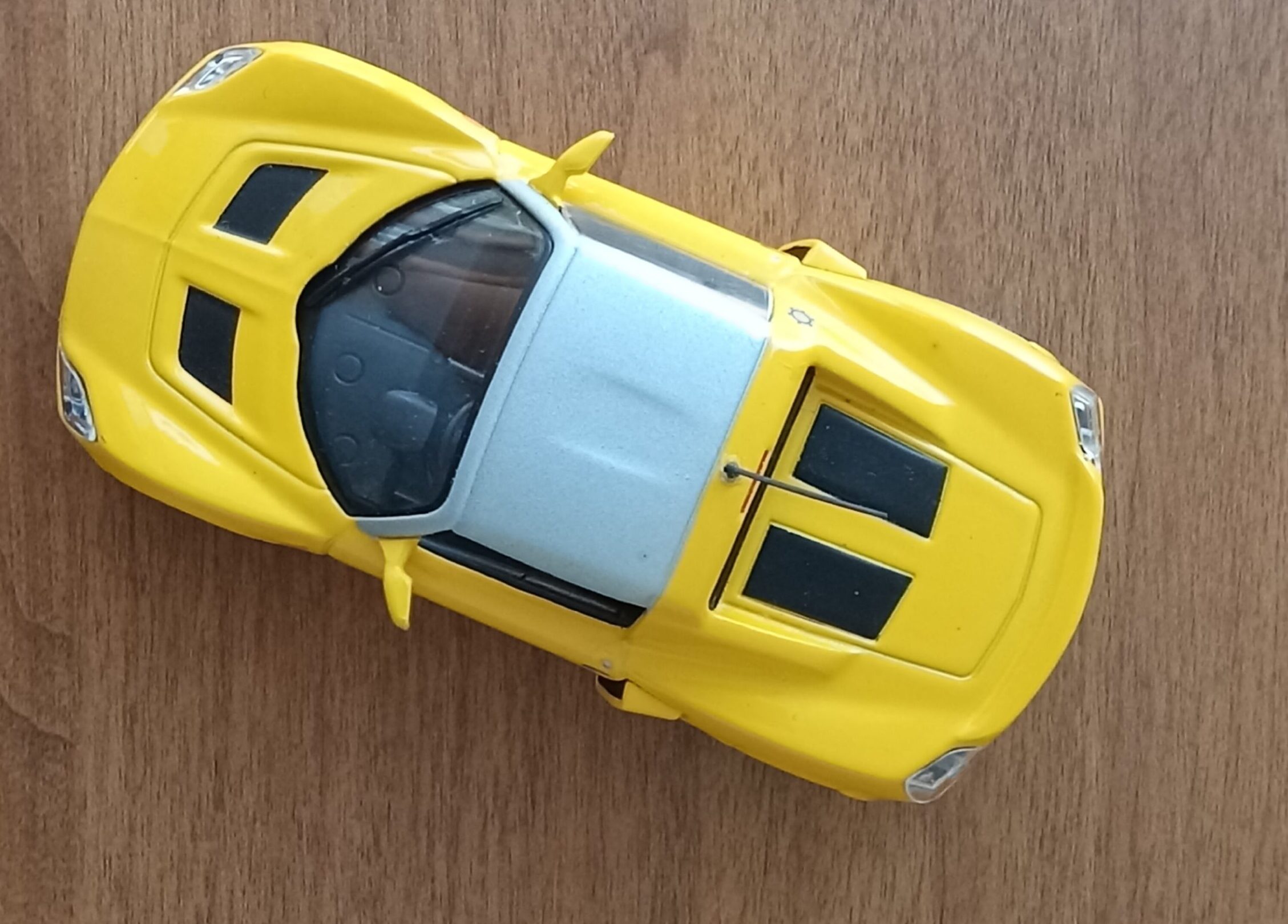
4、2300㎜のロングホイールベース、大径タイヤサイズ、更には、175㎜といった異常に細い前輪幅から得られる、素晴らしい『スタンス=はばかり感』
ーーーーーー>大径タイヤサイズ+細目のタイヤサイズ=実際以上にトラックの広さを強調、の図式)
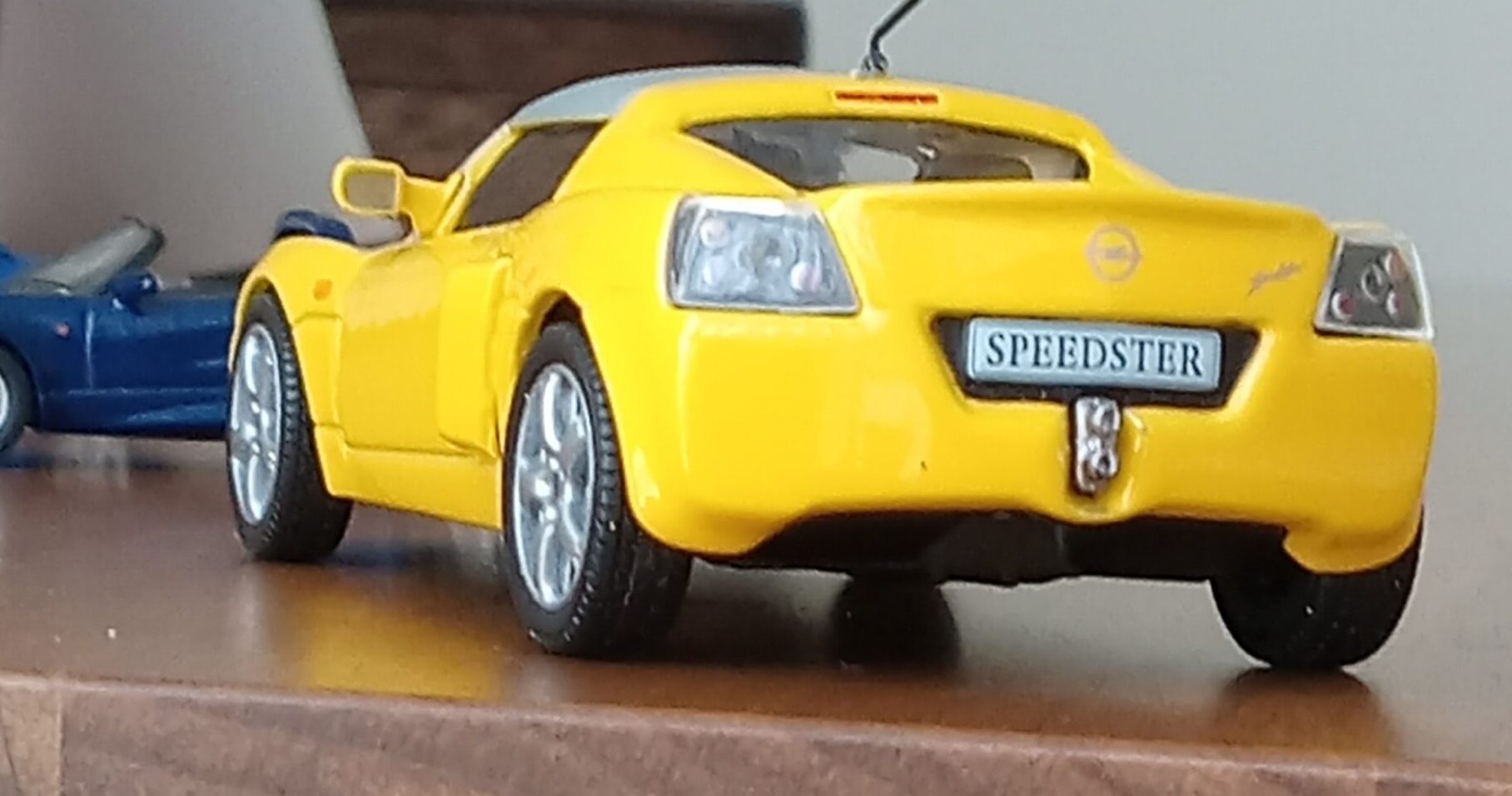
5、オペル、シボレー、コルベットに通じる精悍な表情を見せるフロントフェイシア
ーーーーー>きりっとしてシャープでクリスプなGM/シボレー顔です。
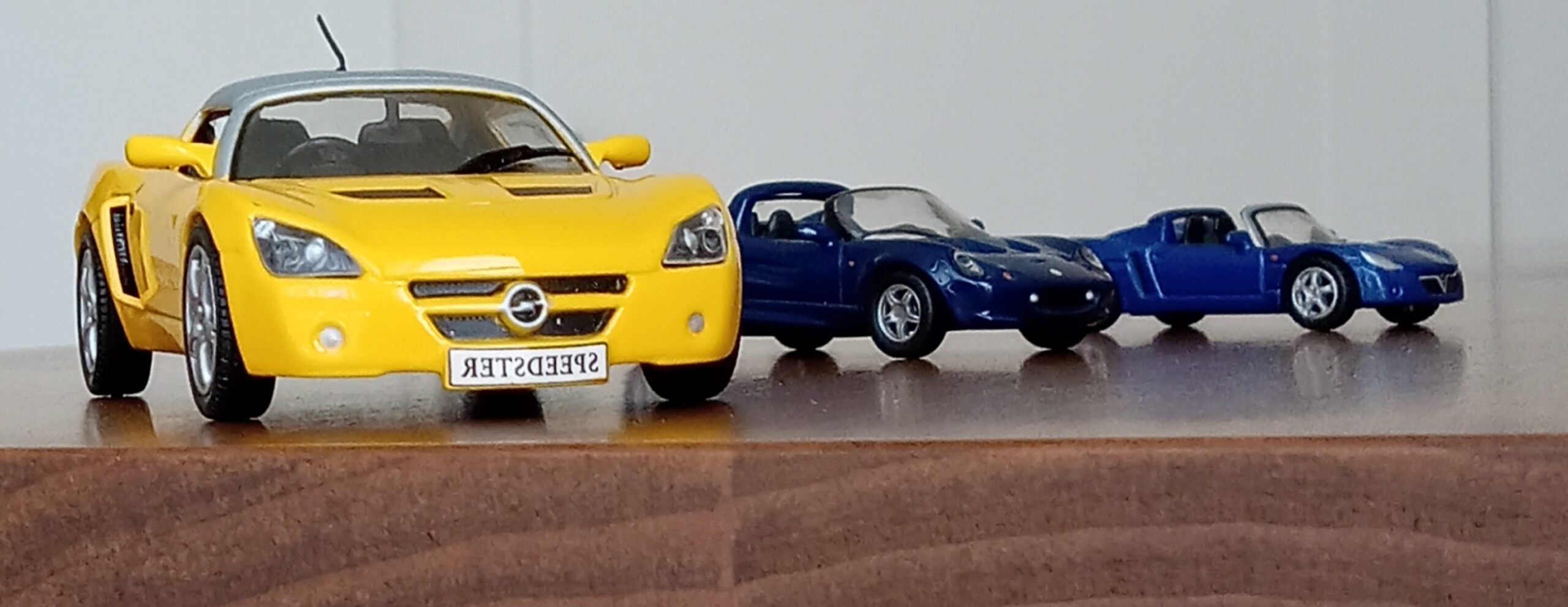
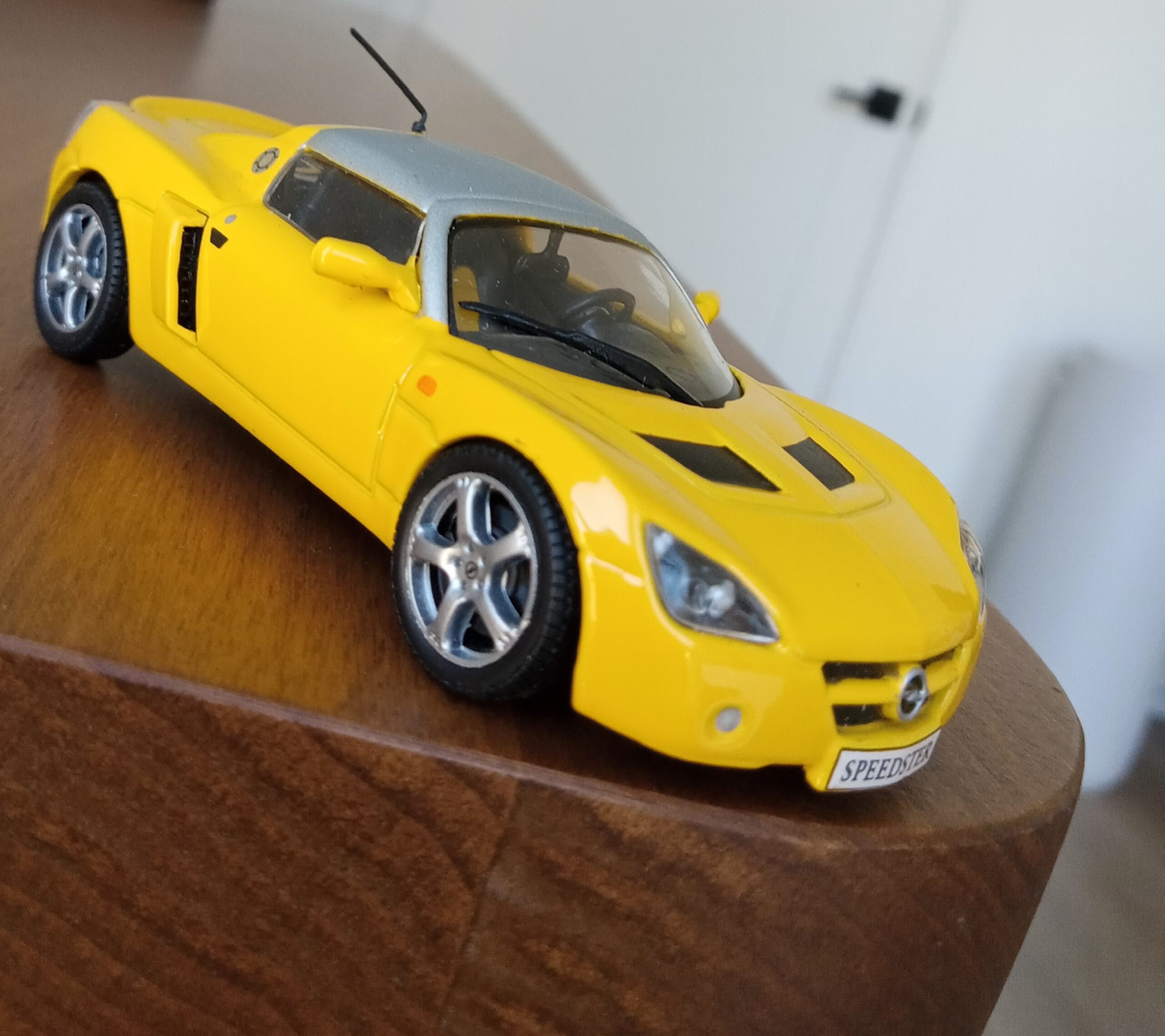
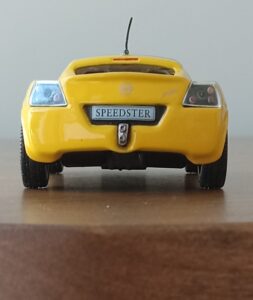
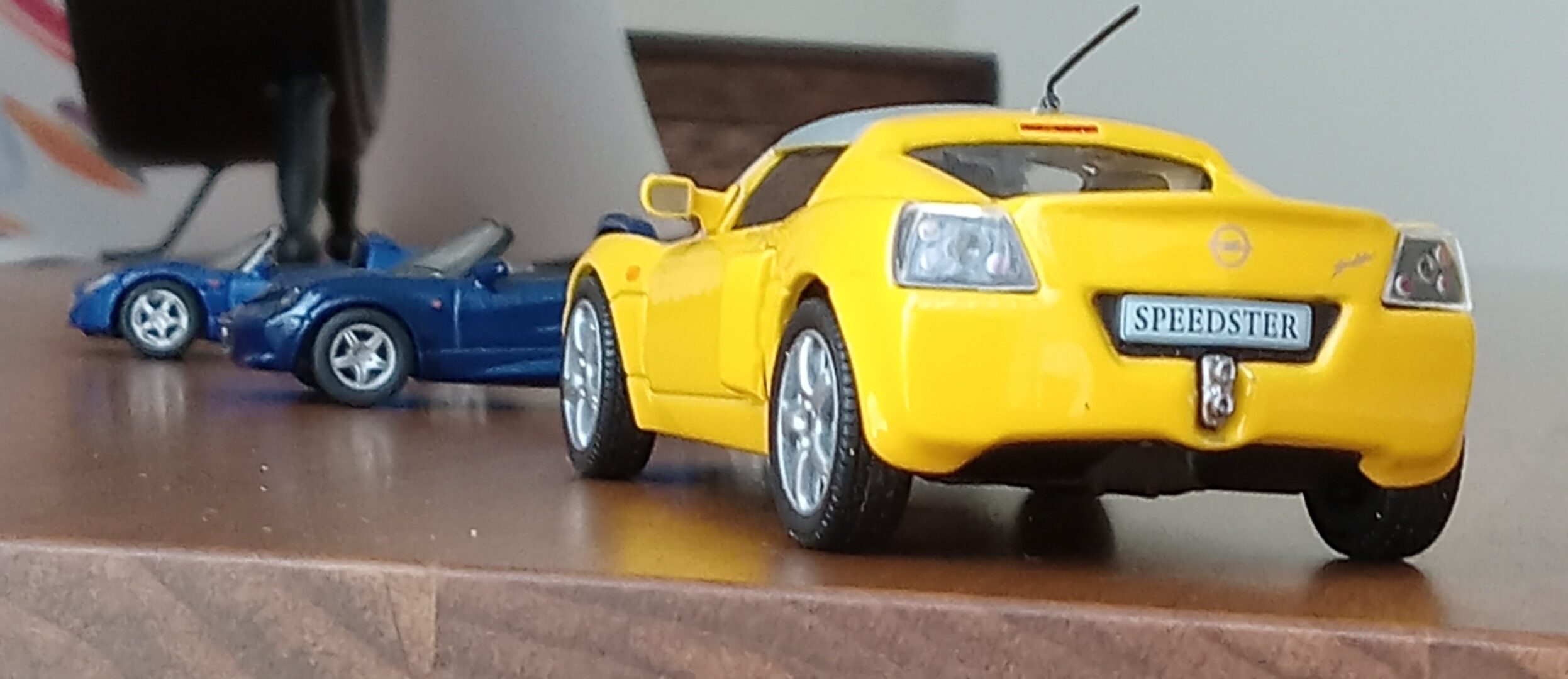
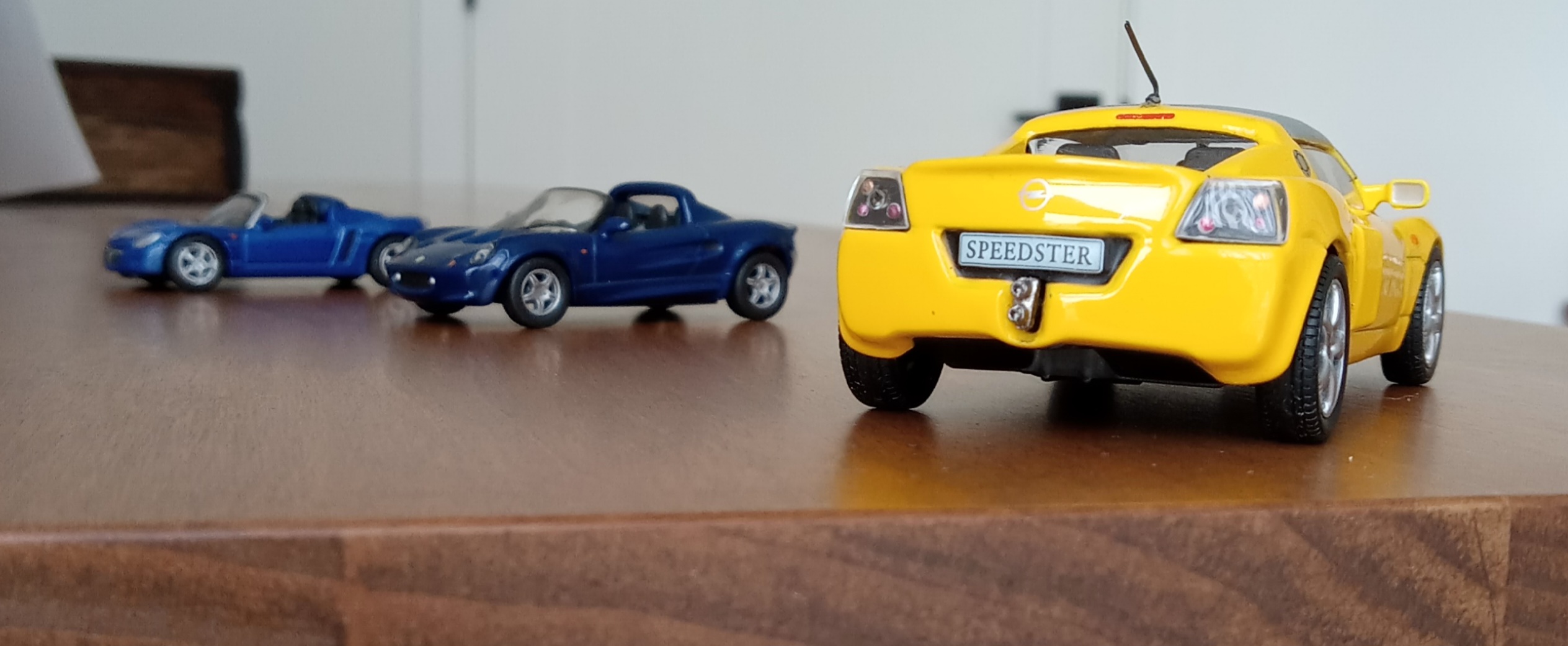
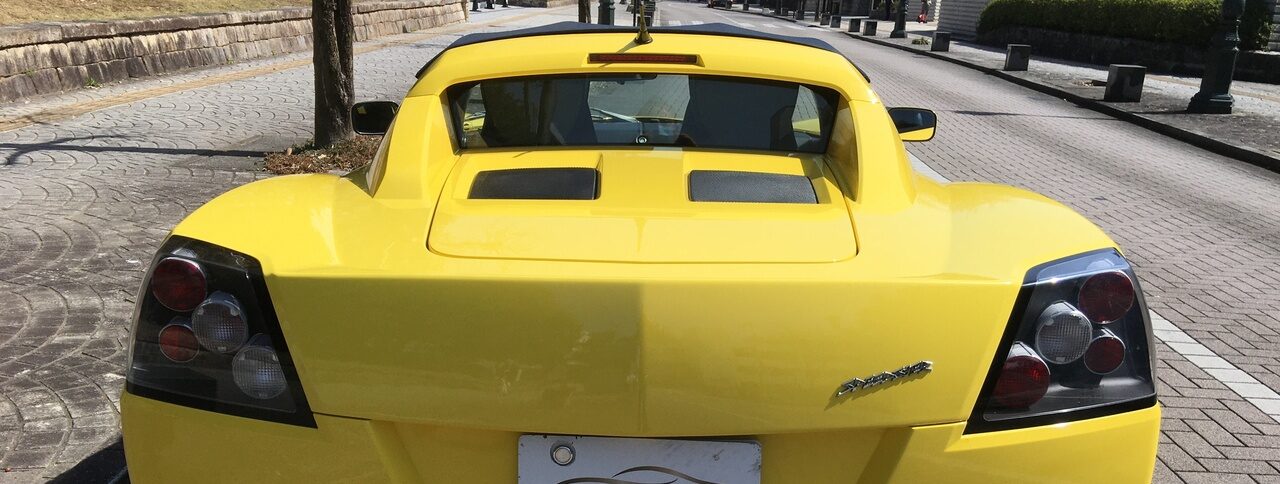
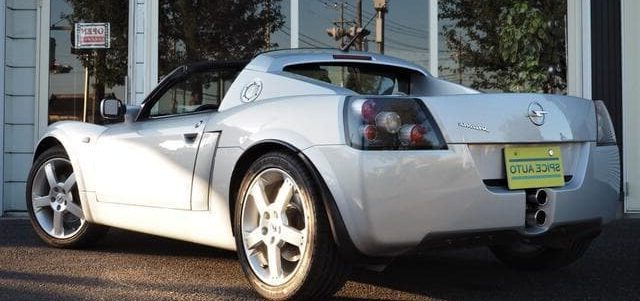
6、角基調の力強いリアフェイシアと小気味よいテールエンド・グラフィック
ーーーーーーー>ミニカーでははっきりしてないですが、リアフェイシアにもはっきりした折れ線アリ!!
*『私』とオペル・スピードスター:
私にとって、
オペル・スピードスターとは、
所有したい自動車ナンバーワン
の一品です!!!
デザインが一番好きな車は、
既にお話ししましたように、
*オースチン・ヒーレーBN/1なのですが、
現在では相当値上がりしてしまい、
状態の悪いモノでも、すでに手の届かない存在となっております。
*運動音痴の私が、
唯一手元において、近所を乗り回したい車、、、
白状しますと、
幼いころから、手を動かして物を作るのは上手なほうでしたが、
とにかく、
*楽器の演奏や、
*器械体操、雲梯、棒のぼり、
*ダンスや演劇が
大の苦手で、長じて運転免許を取ることになるのですが、
いつも事故を起こすのでは?と内心不安でした、、、、
そんな私が、唯一常に近くに置いておいて乗り回したいと感じる車が
このオペル・スピードスターです。
(次点は僅差で、ホンダS660です。)
*手元に置いて常に見ていたい理由:
私にとって自動車のデザインも、やはりその他のプロダクトデザインと同じで、とにかく愛でて、触っていたいというのがあります。
つまり、
*視覚、触角を使ってかかわっていたい、
といった欲求が強いです。
その欲求に対して、この初代オペル・スピードスターほど
*見ていて飽きない、
*触り続けたい、
*どことなく人懐っこい、
*そこまでハンサムでないけど、
*ほぼ、あらゆるアングルが『ベストアングル』な、
こんな立体は、ほかにあまり知りません。
この4個目の、
*ほぼ、あらゆるアングルが『ベストアングル』というところが重要なところで、
ここ4ヶ月ほど個人的なデザインについてのブログ記事を書いてきて、やっと気づいた、
私にとって一番大切なデザイン要素とは、この、
*出しゃばったグラフィック的な押し出しのあるなしにかかわらず、つまりは、そこまでハンサムである必要はなく、とにかく弱点のあるアングルがない、360度どこから見上げても覗いても、見下げても、「すべてがベストアングルな立体」に憧れがある、ということです。
この車の場合、
2日間4時間ほどファインダーを覗いてあーでもない、こーでもないと、
200枚ほどの写真を撮っている間、
唯一、
*フロントフェンダーとウインドシールドが作る角度に
若干の弱さが出る画角がある、
というのが唯一の弱点で、
その他はすべて、あまりアングルを選ぶ必要もなく、
どんなに突飛なアングルで無作為に撮影しても
すごくカッコイイ形が映し出されます!!!嬉
こんなところで、私にとって、
デザインの数ある美的観点の中で、絶対に譲れない、
一点が判明したのは、
思いもよらない、
大収穫です。
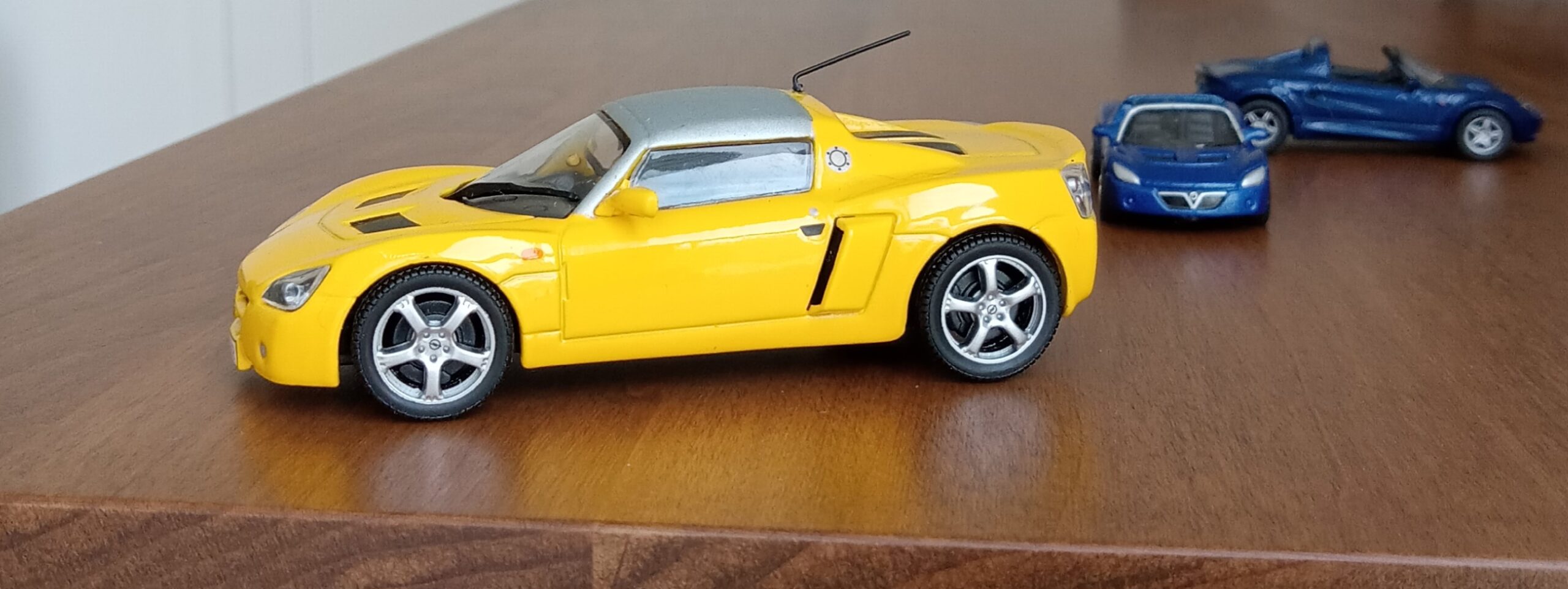
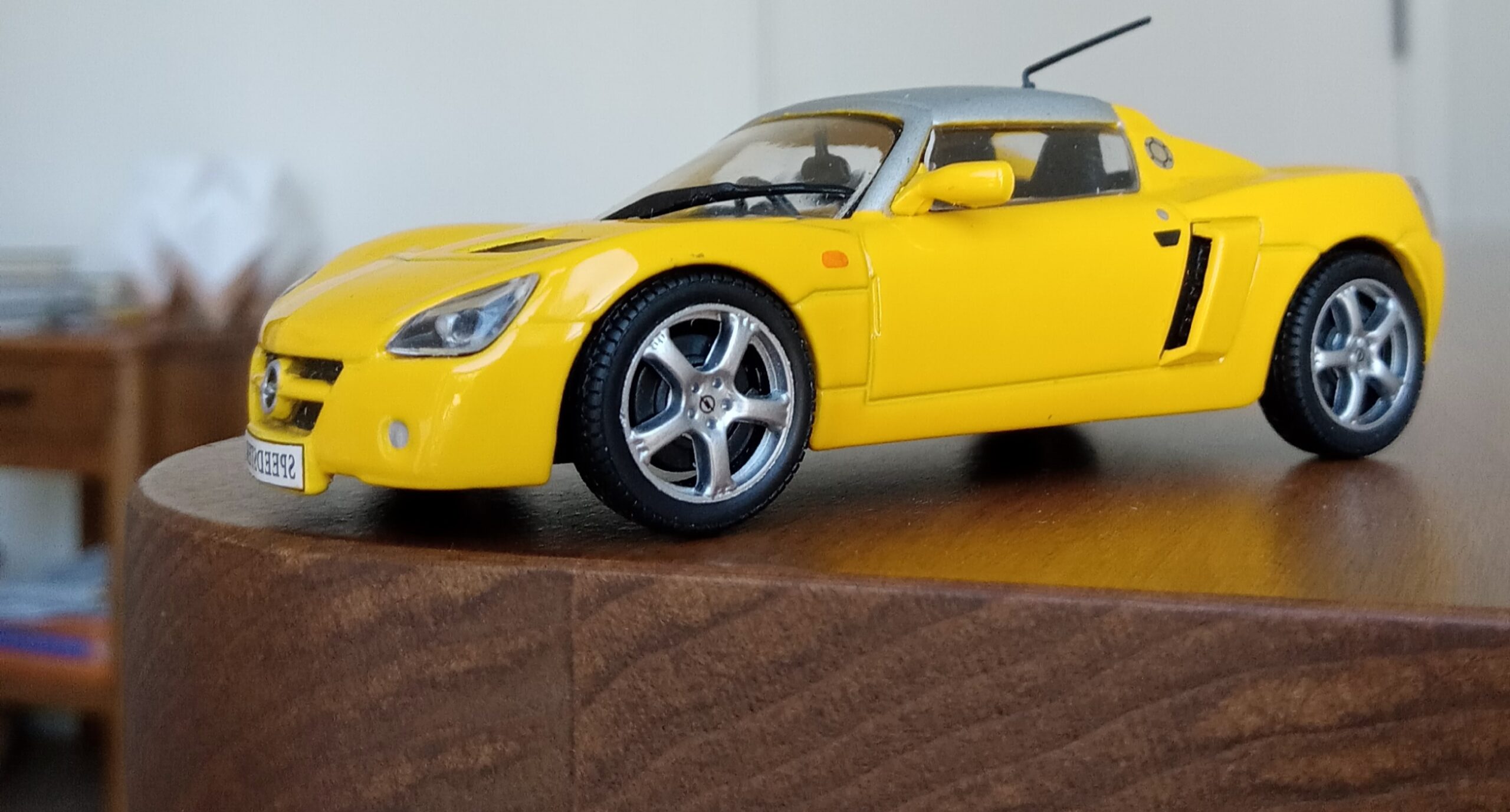
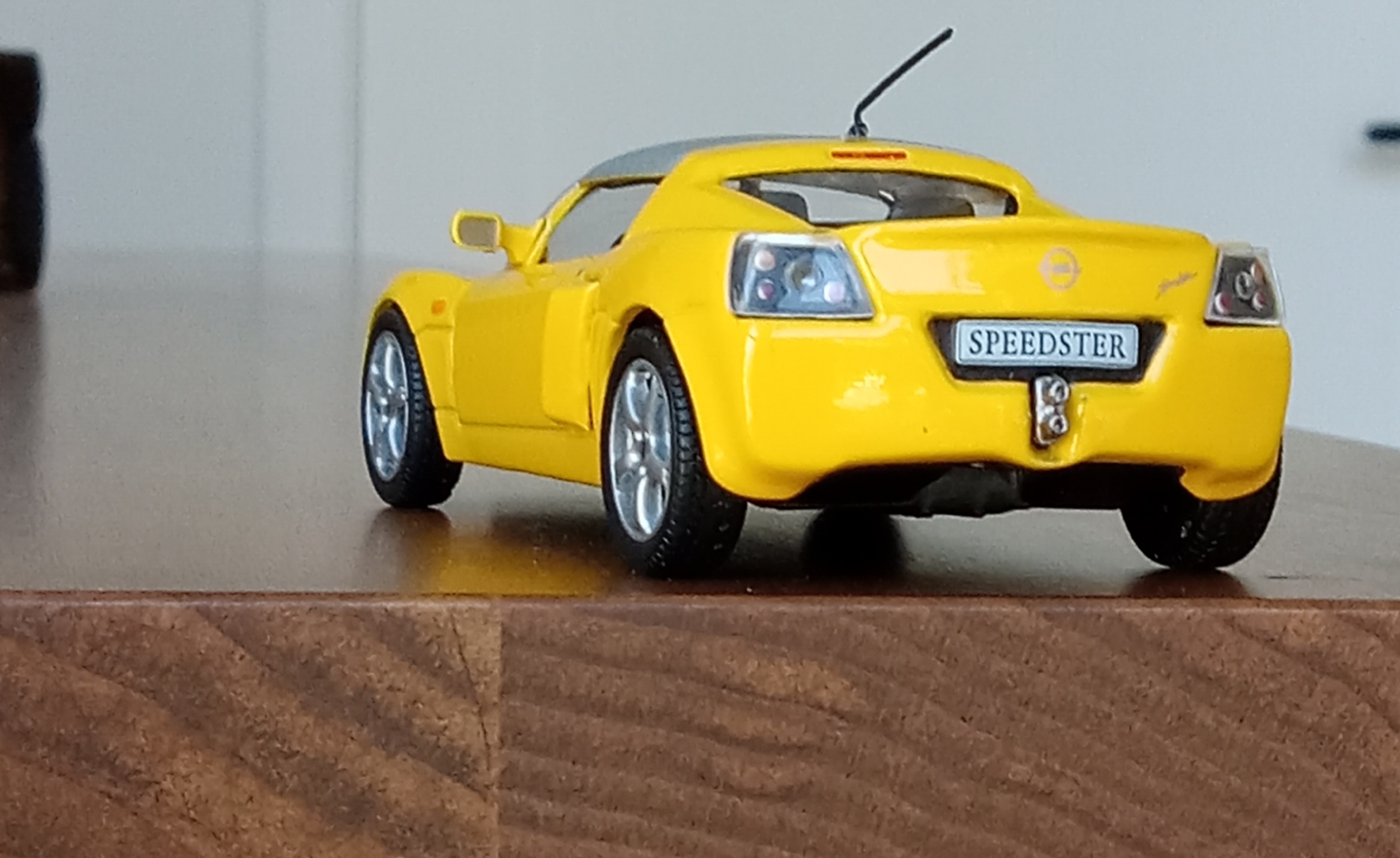
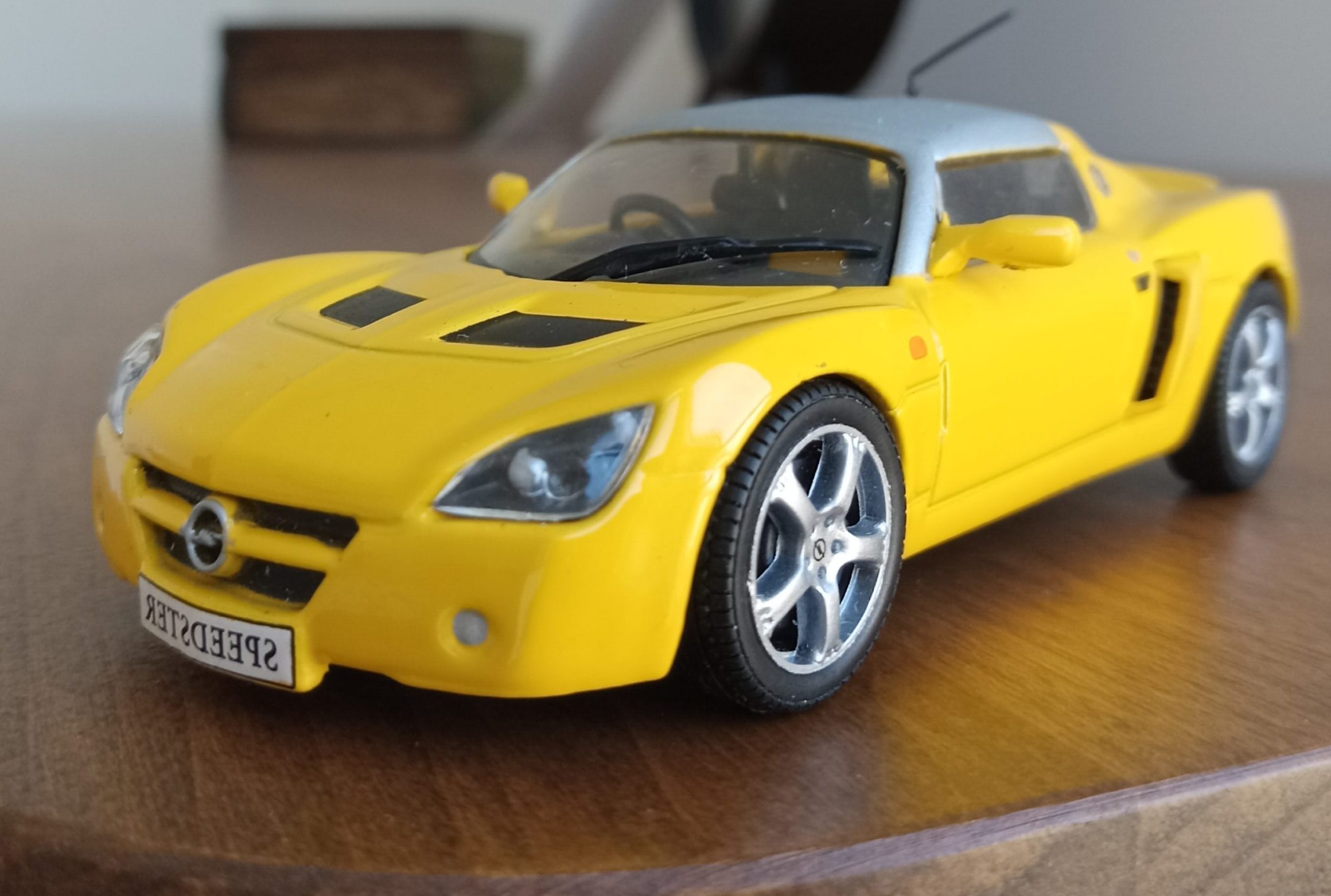
では次に、その他の
軽量ミッドシップデザインについて見て行きましょう。
*その他の軽量ミッドシップ・デザインのクルマたち、、、
最後のアルファの4C以外はどれもが、
その時代時代の各メーカーが趣向を凝らし、
お金を賢くやりくりして、何とか大衆向け価格で売り出した、
プロダクトデザインのお手本のような
『Dood Design』ぞろいです。
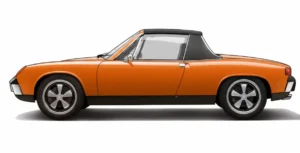
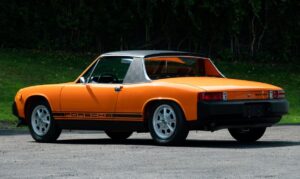
*ワーゲン・ポルシェ・914、1969(オレンジ)
(ワーゲンの親しみやすさと、ポルシェのカリスマ性を兼ね備えた外観、平凡なようで、意外に味わい深いサイドビューと繊細なリア・クオータービューが好みです。)
ーーーーーーー>静寂の中に咲く花一輪
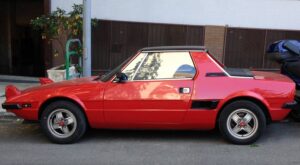
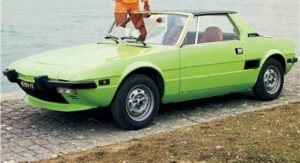
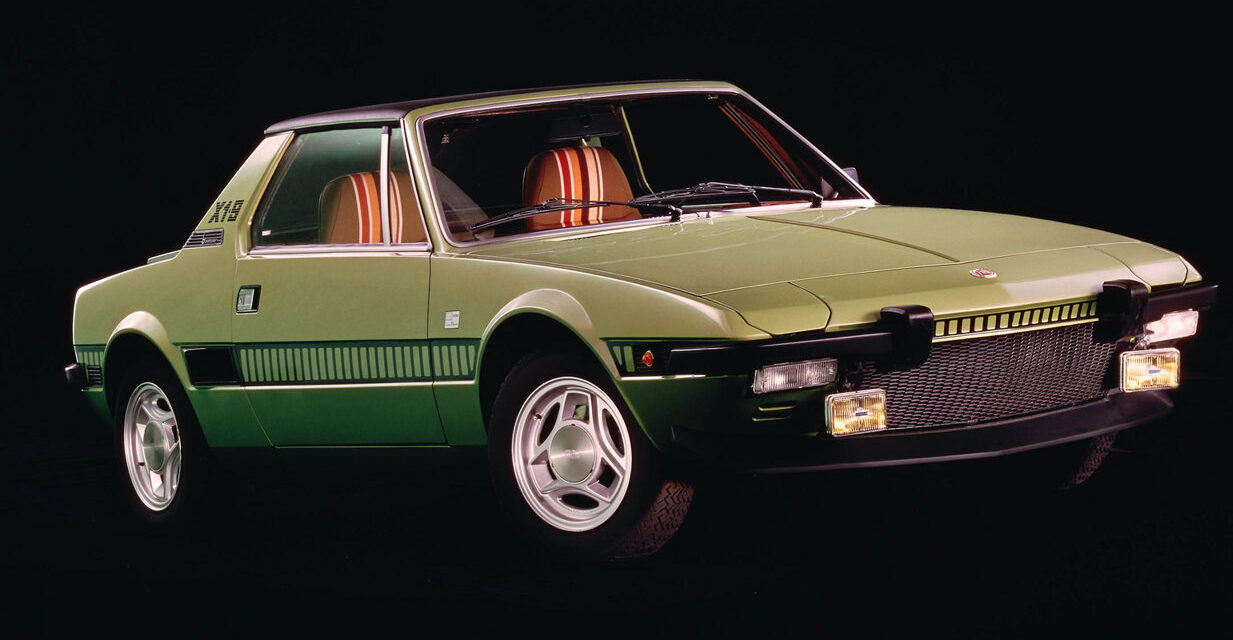
*フィアット・X1/9、1972 (ブライト・グリーン)
(マルチェロ・ガンディー二の傑作大衆向けスポーツカー・デザイン、サイドビューが同時期にデザインされた、市販型ランチアストラトスによく似ていますが、此方はサイド面が角基調で、パキッとしていますね。バンダイ製、1/20のキットがこの緑色で、いろんな角度からよく眺めていました。アメリカへの輸出が大きな比率だったためか、バンパーが大きめですが、)
ーーーーー>それを目立たせない為のサイドの幾何学模様のグラフィックが大好きでした、、、、
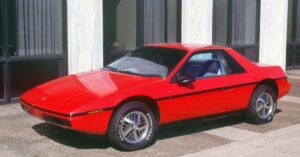
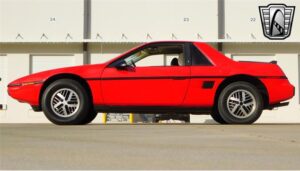
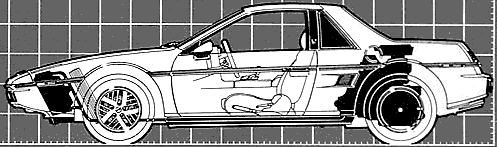
*ポンティアック・フィエロ・クーペ、1984 (ファイアー・レッド)
(アメリカ初の量産ミッドシップはフィアットX1/9と同じ、大衆車。セクレタリ・カーとして初期のクーペ型は若い女性に大人気となり、渡米初期の90年代にはあちらこちらで見かけました。ロン・ヒル氏の最高傑作、本当に尊敬に値するデザインです。)
ーーーーー>フェラーリーっぽくしようと躍起になった後期のファーストバック版より、初期のクーペのシャキッとした潔さに惚れてます。
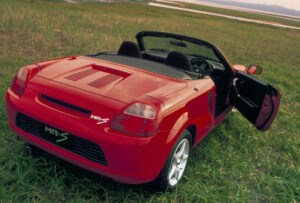
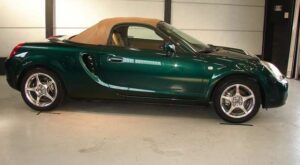
*トヨタ・MR-S, 1999 (メタリック・ブルー)
(ミニ・ポルシェ・ボクスターと揶揄されてますが、むしろ2代目のボクスターのボディーの厚みや、サイドインテークの形を予見した部分も評価したい、武骨なデザイン、リアクオータービューが一番カッコいいと思います。)
ーーーーーーー>車高を下げ、風防と幌を低めに改造してみたいです。
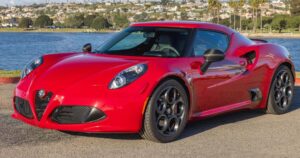
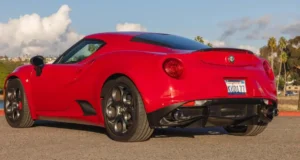
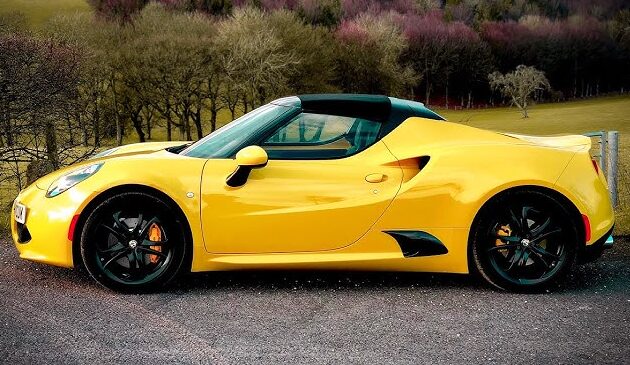
*アルファロメオ・4C, 2013 (アルファ・レッド)
(アルファTZ2以降しばらく途絶えたアルファの軽量スポーツカーが、見事帰還、以前以上に理想化した形での登場、キャビンの最小化からくる全体の引き締まった造形は健在、独特の切れきれ感がカリスマ性を発揮。)
ーーーーー>これぞイタリアンス軽量化のお化け的変態スピリットがプンプン匂います。(笑)
この分野も『自分が買いたいクラス』ということもあり
ついつい、力が入ってしまい長々と恐縮です。
小型ミッドシップは、
合理にかなった形態なので、今後、
電池式自動車の形態をとっても行かされる駆動形態だと感じます。
今後も目が離せませんねー
本ブログと記事内容につきまして:
ブログ記事を書くにあたり私の目標は、立体造形(料理も含めて)とのかかわりを通じて、私個人の特徴的(ネジ曲がり方も含めて)な評価軸を解明することで、「美しさ・美味しさ」に対する好奇心や、探求心を、どのように満足・充足させてきたのかを明記しておくことです。
従いまして、記事の中に出てくる、数字や年号、微細なデータなどには細心の注意を払っておりますが、時に大きな間違いや勘違いを犯していることも考えられます。特に自動車記事における主要諸元や、年号などには紛らわしいものも多く、あくまで参考程度に考えていただければ幸いです。
私としては、記事の中で個人的な外観デザインや味覚の評価、そこから広がる後半部分につなげるための、『流れ』を作るための客観的材料として年号やデータを挿入している感じです。あくまで重視したいのは、私個人の頭の中で起こる、記憶の錯そう的混沌から生まれる新たな『見方』や『情報の予想外のつながり』です。その勢いを作り出す、『流れ』の一環として、諸データが副次的に必要となるわけです。
話がそれますが、大好きな落語の世界に「三題噺」という、その場て会場から募った3つのお題を使って1つのお話に仕立てるといったお遊びがございますが、私はそれに近いことを立体造形の特徴や(料理のお味)をお題にして行っている感じがします。その中で頭の中に去来する数々の着想が、全く予想外で楽しく、次回からの記事内容を大幅に変えたり、新展開につながっています。
当ブロブの仕組み:
『好奇心の点と線 x 気まぐれ脳内回路=予想外の新展開』
こんな自分勝手なブログですが、今後ともよろしくお願いいたします。
追記:上記の『流れ』を作る為に必要な写真はできる限り、個人所有のミニカー・自前の料理などを使い撮影しておりますが、その他の必要最小限の図版や写真を他のブログ主様の記事や諸会社ホームページなどからお借りしております。(記事内容に合うよう加工させていただき、使用時は最小の解像度で載せております。)問題がある場合、ご連絡いただければ直ちに降ろさせていただきます。
追記2:当ブログ記事に掲載のミニカー写真等(個人撮影)は許可なしで、どのようにお使いいただいても結構です。私個人の創造性はこの世のもの、と言う認識の上で記事を製作しています。
!!!!!!!!!!!!!!!!!!!!!!!!!!!!!!!!!!!! Translation in English !!!!!!!!!!!!!!!!!!!!!!!!!!!!!!!!!!!!
Episode 13: Opel Speedster, 2001 (Exterior Color: Bright Yellow)
(IXO, 1/43 Opel Speedster, 2001 (Bright Yellow))
The Opel Speedster is like
*my favorite thing
and
*my second favorite thing
both on one plate—
like a Western-style restaurant’s
‘Hamburger Steak and Fried Shrimp Set’.
It’s a dream combination.
In other words,
* The British-style, tight compact sports car chassis package and
* The generous, bold American-style (GM-style) exterior design
achieved an ideal marriage.
* The First Generation: What is the Lotus Elise?
First and foremost,
let me briefly introduce the exceptionally refined British ‘jewel’ that became the prototype for the Opel Speedster we’re featuring this time: the Lotus Elise.
(Kyosho, 1/64 Lotus Elise (Dark Metallic Blue))
First unveiled at the 1995 Frankfurt Motor Show and launched the following year in 1996, the Lotus Elise is characterized by its ultra-lightweight construction. This features a tubular aluminum alloy frame assembled with adhesive, combined with a fiberglass body. (Using adhesive to assemble the aluminum chassis ensures rigidity while improving assembly precision, contributing to a lightweight chassis weighing just 680kg.)
Julian Thomson x Richard Rackham
The design/engineering by the golden duo of Julian Thomson (designer) and Richard Rackham (engineer) was free from the typical design conflicts between ‘technicians’ and ‘artists’. Both were willing to work overtime and put in the effort for the sake of “minimal, refined beauty.” The result was a design that achieved minimal cost by thoroughly stripping away unnecessary equipment.
Thomson, who moved to Volkswagen in 1998, remarked, “The design fee for a single Volkswagen tail light was the same as the entire design cost for the Lotus Elise.”
His favorite aspect was “the atmosphere of increasing power, like an old supercar, from the intake area towards the rear.”
The Lotus Elise was widely embraced by enthusiasts worldwide. Production ended in 2021, passing the baton to its successor, the Emira. A total of 35,000 units were manufactured through Series 3. (This figure became a record for the small-production manufacturer Lotus.)
*Key Specifications:
Model: 111S
Total Displacement: Rover 18K4K
1,796 cc inline-4 DOHC
Maximum Power: 143 bhp @ 7,000 rpm
Maximum Torque: 128.3 ft/lbs @ 4,500 rpm
Drivetrain: MR (Mid-engine)
Seating Capacity: 2
Body Dimensions
Overall Length: 3,734 mm
Overall Width: 1,703 mm
Overall Height: 1,148 mm
Curb Weight
714 kg
So, I’d like to report on it like this.
* Objective Explanation:
* Design Features:
* ‘Me’ and the Opel Speedster
* Summary and Impressions:
* Other Lightweight Mid-Engine Sports Cars:
* Objective Analysis: Lotus Chassis + GM Design = ?
The Speedster is a lightweight mid-engine sports car sold by German automaker Opel from 2001 to 2005. A prototype was exhibited at the 1999 Salon International de l’Automobile. Sales commenced in 2001, starting in Germany (Opel’s headquarters) and the UK (where its production plant was located). In the UK, it was sold under the Vauxhall brand as the VX220.
This model commemorated Opel’s 100th anniversary of automobile production. It was the company’s first true production sports car, an open two-seater. Developed jointly with British sports car manufacturer Lotus based on the basic design of the Lotus Elise, it was also manufactured at Lotus’s factory. Although about 100 kg heavier than the Elise, its 870 kg curb weight was exceptionally light for a two-seat open car.
Notable mechanical features included:
* Double wishbone suspension at both front and rear,
* Construction using epoxy instant adhesive to assemble extruded aluminum sections,
* An exterior made from ERP-produced panels.
were similar to the Elise it was based on.
However, it was announced that only about 10% of components were shared with the Elise. The exterior design was uniquely edgy, riding the Opel trend of the time, and was not a mere badge engineering exercise. (Features like airbags, ABS, and audio being standard also distinguished it from the purely circuit-focused Elise.)
The two gasoline engines offered
were both GM-made ECOTEC inline-four cylinders, mounted transversely in the mid-engine position driving the rear wheels. The turbo model, aided by the body’s light weight, could accelerate from 0 to 100 km/h in 4.9 seconds, matching the performance of the Porsche 911 Carrera S (997 model) equipped with a 355-horsepower 3.8-liter engine.
In Japan, only the right-hand-drive naturally aspirated model was offered, with a limited production run of 80 units accepted for order and sold in 2003. The decision to handle orders individually was a thoughtful consideration by GM/Yanase, allowing them to prepare models tailored to the buyer’s preferences, given the 82 possible combinations of exterior, seat, and soft top (canvas roof) colors.
(Explanation of the order format allowing 82 color combinations, from the Japanese edition log)
*Key Specifications:
Model: E00Z22
Total Displacement: 2.2L inline-4 ECOTEC
2.0L inline-4 ECOTEC (turbo)
Maximum Power: 147 bhp (inline-4) / 200 bhp (turbo, added in 2003)
Maximum Torque: 20.7 kg·m @ 4,500 rpm (Inline-4)
Drivetrain: MR (Mid-engine)
Seating Capacity: 2 passengers
Body Dimensions
Overall Length: 3,786 mm
Overall Width: 1,708 mm
Overall Height: 1,117 mm
Curb Weight
870kg / 930kg (Turbo)
*What are the design characteristics of the Opel Speedster?
Now, let’s get to the main topic:
Observing its design features!!
Here are
6 points I’ve highlighted.
1. The ideal marriage (a one-time-only union!) of a lightweight mid-engine two-seater chassis and GM’s cutting-edge design from 2001!
2. A small, baseball cap-like cabin design achieved by minimizing glass area
3. Neo-classical body styling based on straight lines and the revival of GM’s trademark crease line (folded-line theme) running along the body center
4. The superb stance and presence achieved through a 2300mm long wheelbase, large tire size, and an unusually narrow front track width of 175mm.
5. A front fascia displaying a fierce expression reminiscent of Opel, Chevrolet, and Corvette.
6. Powerful, angular rear fascia and crisp tail end graphics
Now then,
let’s examine each point!
1. The ideal chassis for a lightweight mid-engine two-seater, married perfectly (and only once) with GM’s cutting-edge design of 2001!
(A masterpiece of balanced sculptural beauty from every angle, combining the ultimate lightweight mid-engine sports chassis concept—later seen in the Alfa Romeo 4C—with GM’s early 2000s American ‘neo-classic with linear themes’ design language)
→ You could see the raw potential for the Camaro and Corvette of the 2000s.
(Yat/Ming 1/72 Opel Speedster, 2001 (Metallic Blue))
2. The small, baseball cap-like cabin design achieved by minimizing glass area
(As we’ve learned, this abnormally small, cute cabin resulted from squeezing the cabin and minimizing glass surfaces—a prominent feature also seen in the Alfa Romeo TZ-2—to ensure rigidity, reduce weight, and secure visibility)
────────> Combined with its low overall height, this also contributes to emphasizing a low center of gravity!!
3. Neo-classical body styling with straight lines and the revival of GM’s trademark crease line running along the body center (folded-line theme)
(The presence of the full rear fender arches emphasizes the powerful four wheels, while the crease line running through the center adds power)
────────> This appears to be the shape that later spurred the revival of GM’s American design.
4. The 2300mm long wheelbase, large tire size, and exceptionally narrow front track width of 175mm create an outstanding ‘stance = sense of presence’.
────────> Formula: Large-diameter tires + narrow tire width = Emphasizes the truck’s width beyond its actual dimensions.
5. The front fascia displays a fierce expression reminiscent of Opel, Chevrolet, and Corvette.
────────> It’s a crisp, sharp, and defined GM/Chevrolet face.
6. Powerful angular rear fascia and satisfying tail end graphics
────────> Not clearly visible on the mini car, but the rear fascia has distinct creases!!
*Me and the Opel Speedster:
For me,
the Opel Speedster is
the number one car
I want to own!!!
As I’ve mentioned before,
my absolute favorite car design is
*the Austin-Healey BN/1,
but nowadays, prices have skyrocketed so much
that even poorly maintained examples are now completely out of reach.
*As someone who’s clumsy at sports,
this is the one car I’d love to have close by to drive around the neighborhood…
To be honest,
I was actually pretty good at making things with my hands since I was little,
But anyway,
*playing musical instruments,
*gymnastics, monkey bars, pole climbing,
*dancing and theater
were my absolute worst subjects. When I finally got my driver’s license as an adult,
I was always secretly worried I’d cause an accident…
For someone like me, the only car I constantly want close by to drive around is
this Opel Speedster.
(A close second is the Honda S660.)
Reasons I want to keep it close and look at it constantly:
For me, automotive design is just like any other product design—I simply want to admire it and touch it.
In other words,
I have a strong desire to engage with it
through sight and touch.
For that desire, I know of few other three-dimensional objects that match this first-generation Opel Speedster in how:
*It never gets boring to look at,
*You want to keep touching it,
*It has an inexplicably friendly feel,
*It’s not overly handsome, but
*Almost every angle is its ‘best angle’.
This fourth point—
* Almost every angle is the ‘best angle’—is crucial.
After writing blog posts about personal design for about four months now, I’ve finally realized:
The most important design element for me is this:
*regardless of whether it has an assertive, graphic presence or not. In other words, it doesn’t need to be exceptionally handsome; it just needs to have no weak angles. I’m drawn to a three-dimensional object that looks perfect from every angle—whether you look up at it, peek around it, or look down on it.
In the case of this car,
after spending about 4 hours over 2 days peering through the viewfinder, trying this and that,
and taking around 200 photos,
the only
*angle where the front fender and windshield create a slightly weak angle
in certain shots
That’s the only weak spot.
Otherwise, there’s little need to pick angles carefully.
No matter how wildly off-kilter or random the shot,
it still captures an incredibly cool shape!!! Yay!
Right here, for me,
among the many aesthetic aspects of design,
one absolute non-negotiable point became clear.
It’s an unexpected,
huge discovery.
Now, let’s move on to examine
other lightweight mid-engine designs.
*Other lightweight mid-engine design cars…
*Volkswagen Porsche 914, 1969 (Orange)
(I like its appearance, which combines the friendliness of a Volkswagen with the charisma of a Porsche. It seems ordinary, but it has a surprisingly tasteful side view and a delicate rear quarter view.)
ーーーーーーー>A single flower blooming in silence
*Fiat X1/9, 1972 (Bright Green)
(Marcello Gandini’s masterpiece sports car design for the masses. The side view is very similar to the commercially available Lancia Stratos, which was designed around the same time, but this one has a more angular side profile and a crisp look. I used to look at this green 1/20 scale kit made by Bandai from various angles. Perhaps because a large proportion were exported to the United States, the bumpers are on the large side.)
ーーーーー>I loved the geometric patterns on the sides that were designed to make it less noticeable…
*Pontiac Fiero Coupe, 1984 (Fire Red)
(America’s first mass-produced mid-engine car, a people’s car like the Fiat X1/9. The early coupe became hugely popular with young women as a “secretary car,” and I saw them everywhere during my early days in the US in the 90s. Ron Hill’s masterpiece—truly a design worthy of respect.)
ーーーーー>I’m smitten with the crisp, clean lines of the early coupes, rather than the later fastback versions that desperately tried to look Ferrari-like.
*Toyota MR-S, 1999 (Metallic Blue)
(It’s often mocked as a Mini Porsche Boxster, but I actually appreciate how its rugged design foreshadowed the second-gen Boxster’s body thickness and side intake shape. The rear quarter view is the coolest part.)
ーーーーーーー> I’d love to lower the ride height and modify the windshield and soft top to be lower.
*Alfa Romeo 4C, 2013 (Alfa Red)
(Alfa’s lightweight sports car, absent since the Alfa TZ2, made a splendid return. It arrived in an even more idealized form than before. The overall taut sculpting, born from minimizing the cabin, remains intact. Its uniquely sharp, angular feel exudes charisma.)
————> This reeks of that monstrously perverted Italian lightweight spirit. (lol)
Since this is also the ‘class I’d personally want to buy,’
I couldn’t help but get carried away and ramble on—my apologies.
Small mid-engine layouts
are inherently rational forms, so I feel they’ll remain viable drive configurations
even when adopting battery-powered vehicle forms in the future.
Can’t take my eyes off this going forward, huh?
Translated by DeepL

これはCTAサンプルです。
内容を編集するか削除してください。