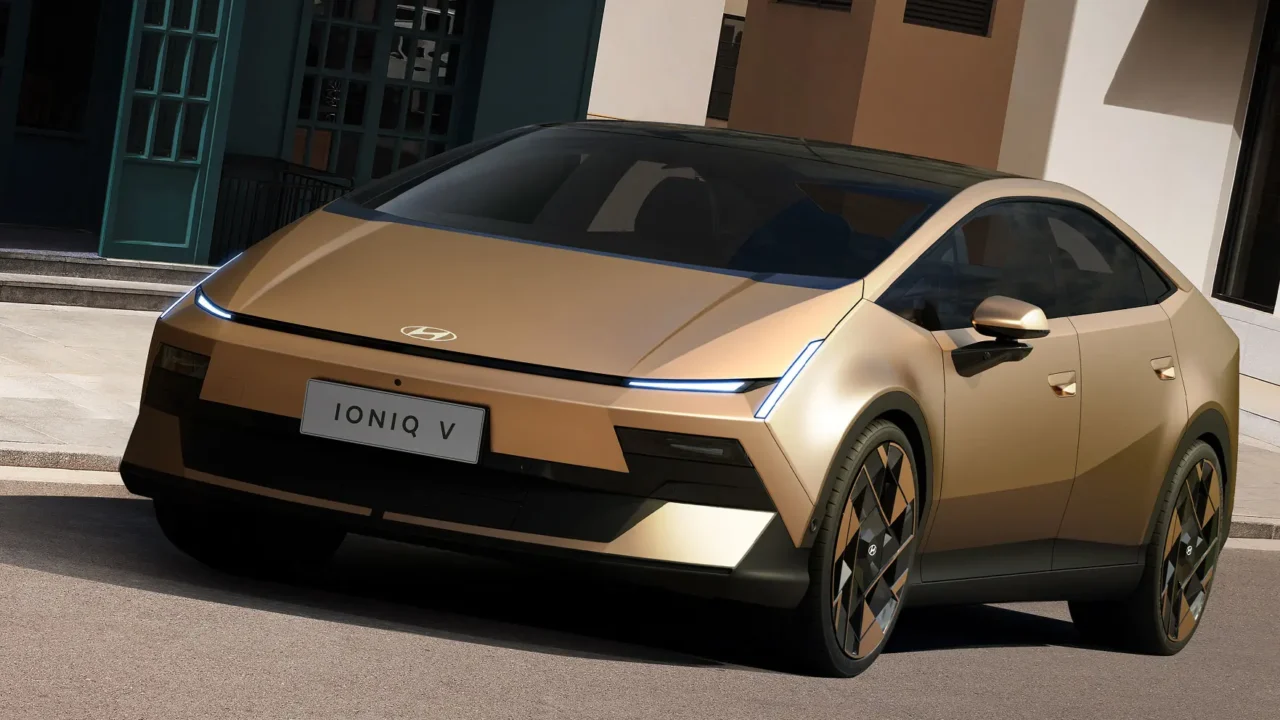
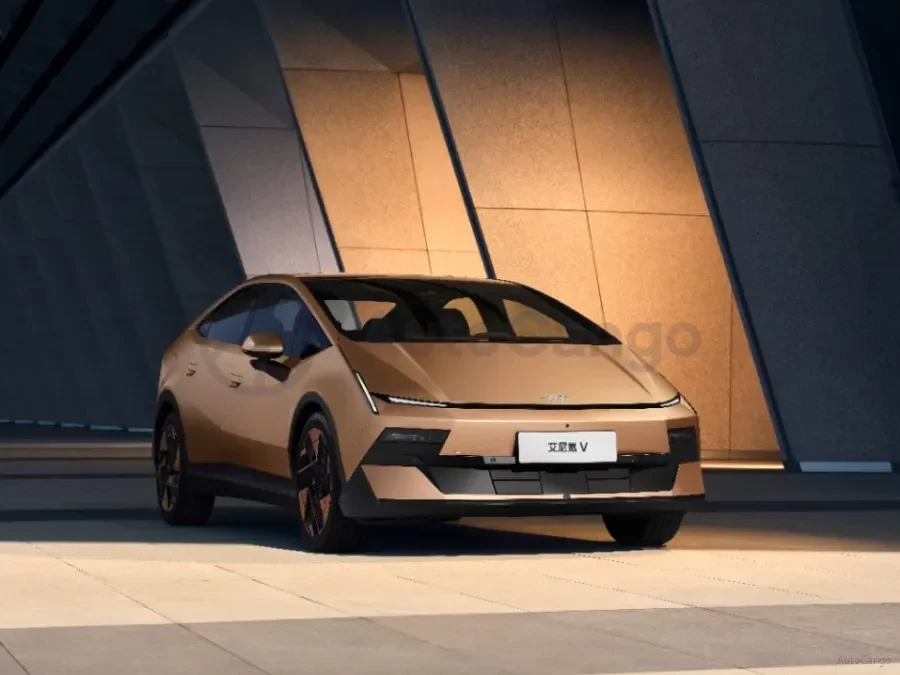
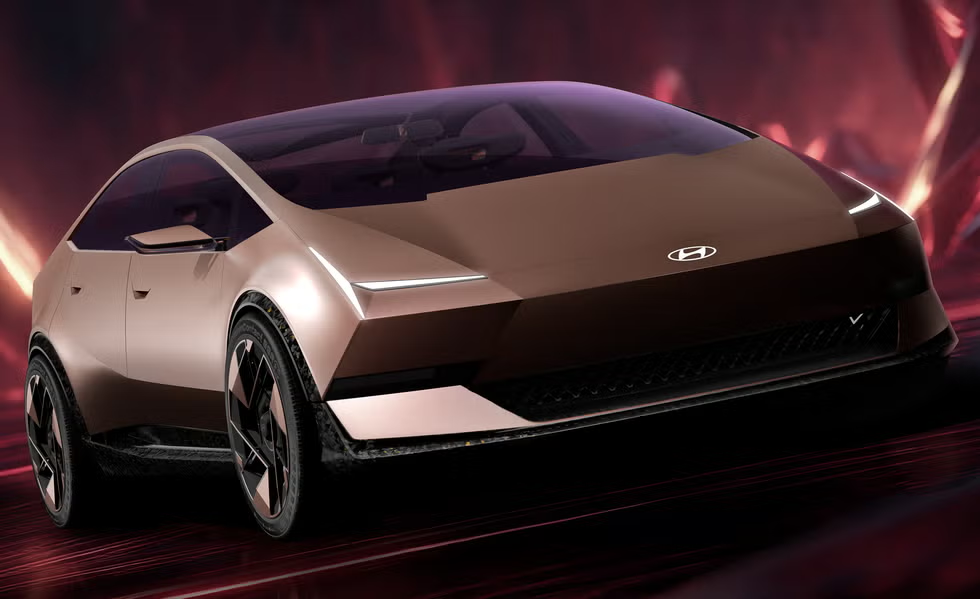
好奇心レポート010:『現代デザイン、本気の予感』ーーー【現代 アイオニックVーEV:プリウス型のか完成形!?】 【Hyundai IONIQ V】ーーーSerious Improvement :『The Future Masterpiece in Chinese Market?』
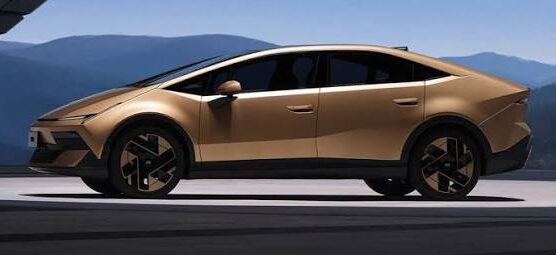
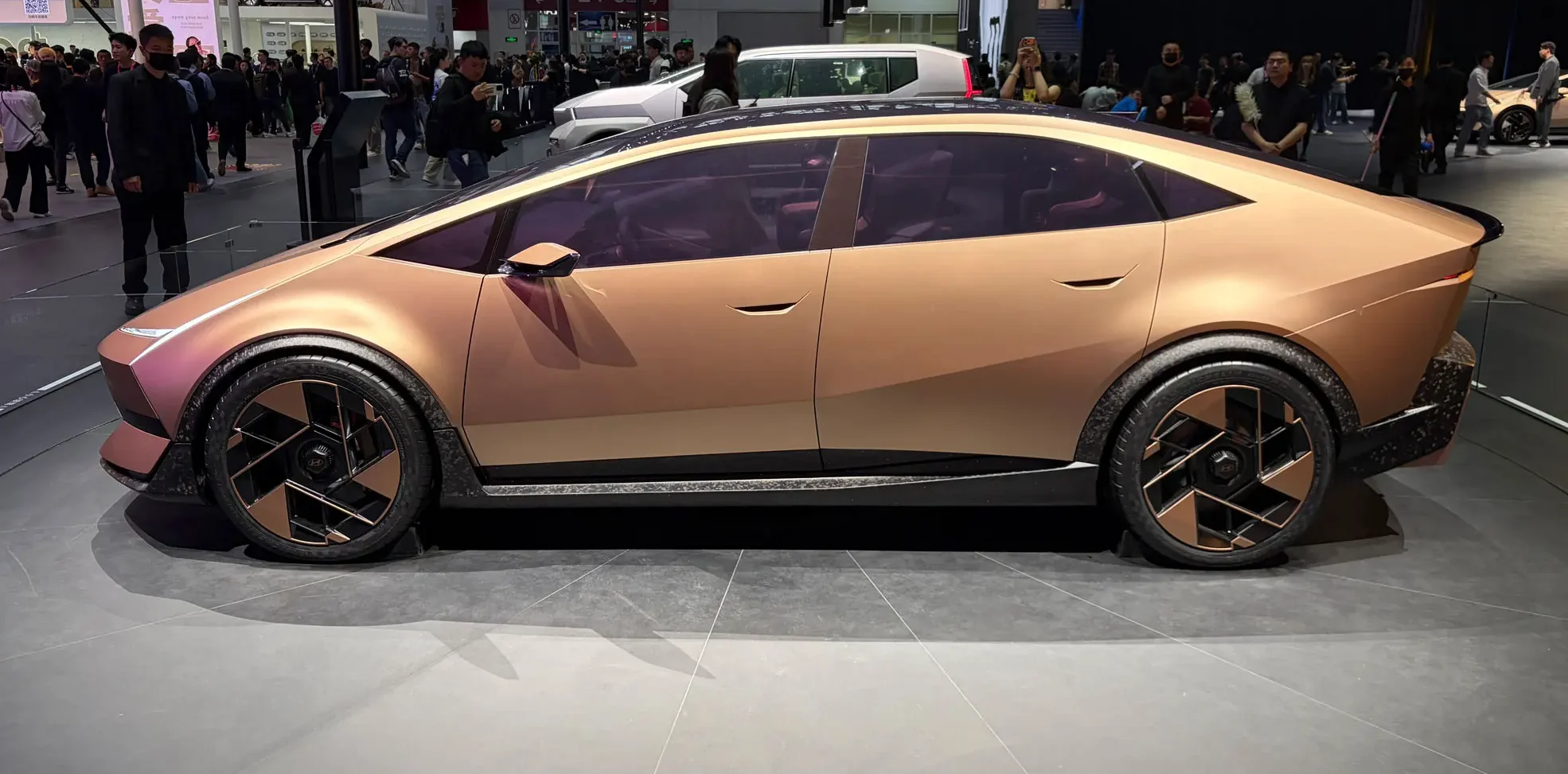
上海モータ―ショーで発表の翌日、
偶然ネット情報で発見しました!!
思わず、
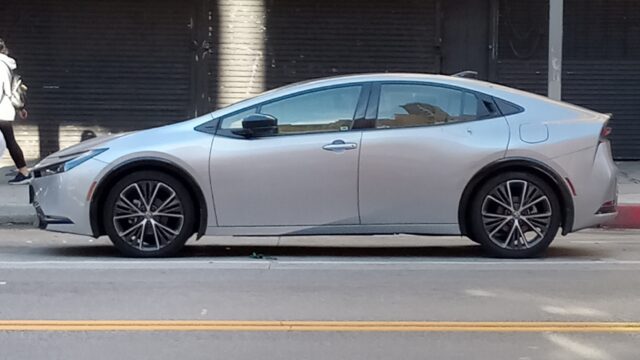
『新型プリウス?』
と心の中で、
叫んでいました。
Hyundai/現代製の市販車だと聞いて、
2度驚きました。
(KIAと違い、アメリカ市場での現代デザインは今一つパッとしないので、、、)
スポーツ・クーペのように激変して、
トヨタの主軸セダンの座からおろされた本家トヨタのプリウスの座を奪うかのように、
登場した、
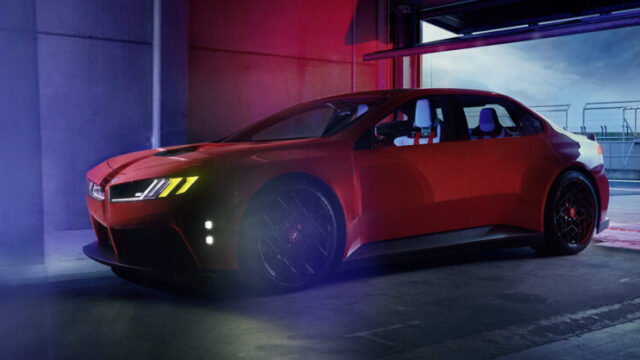
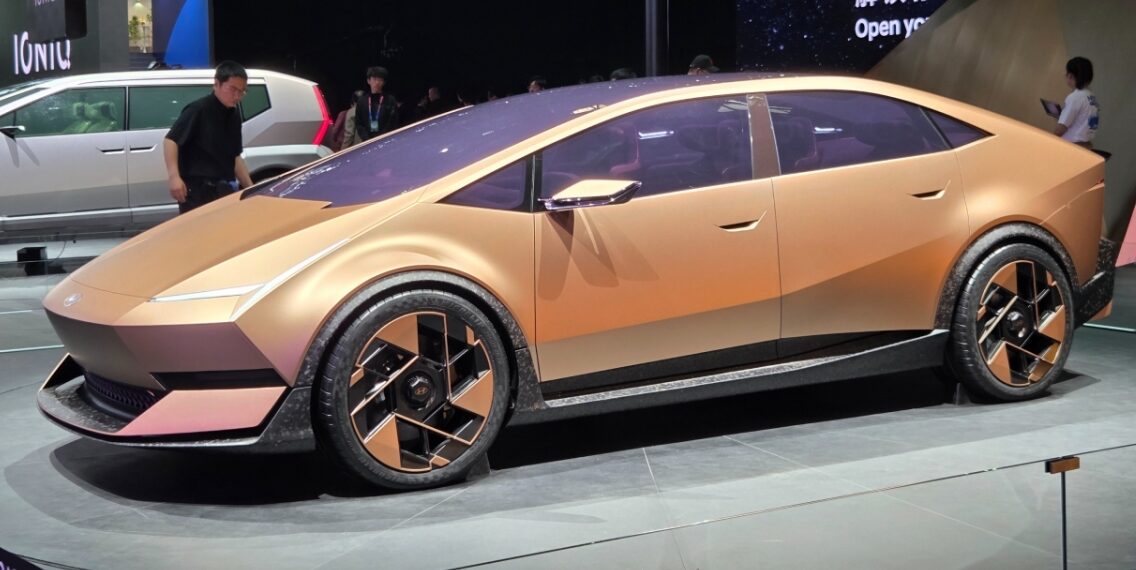
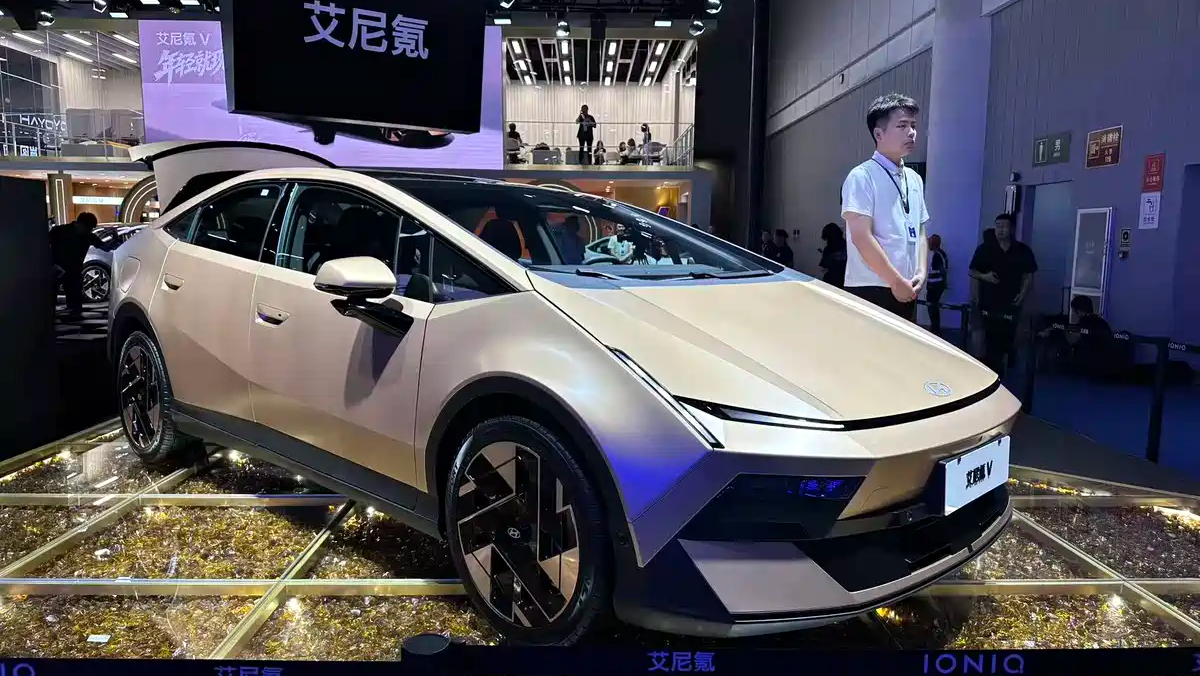
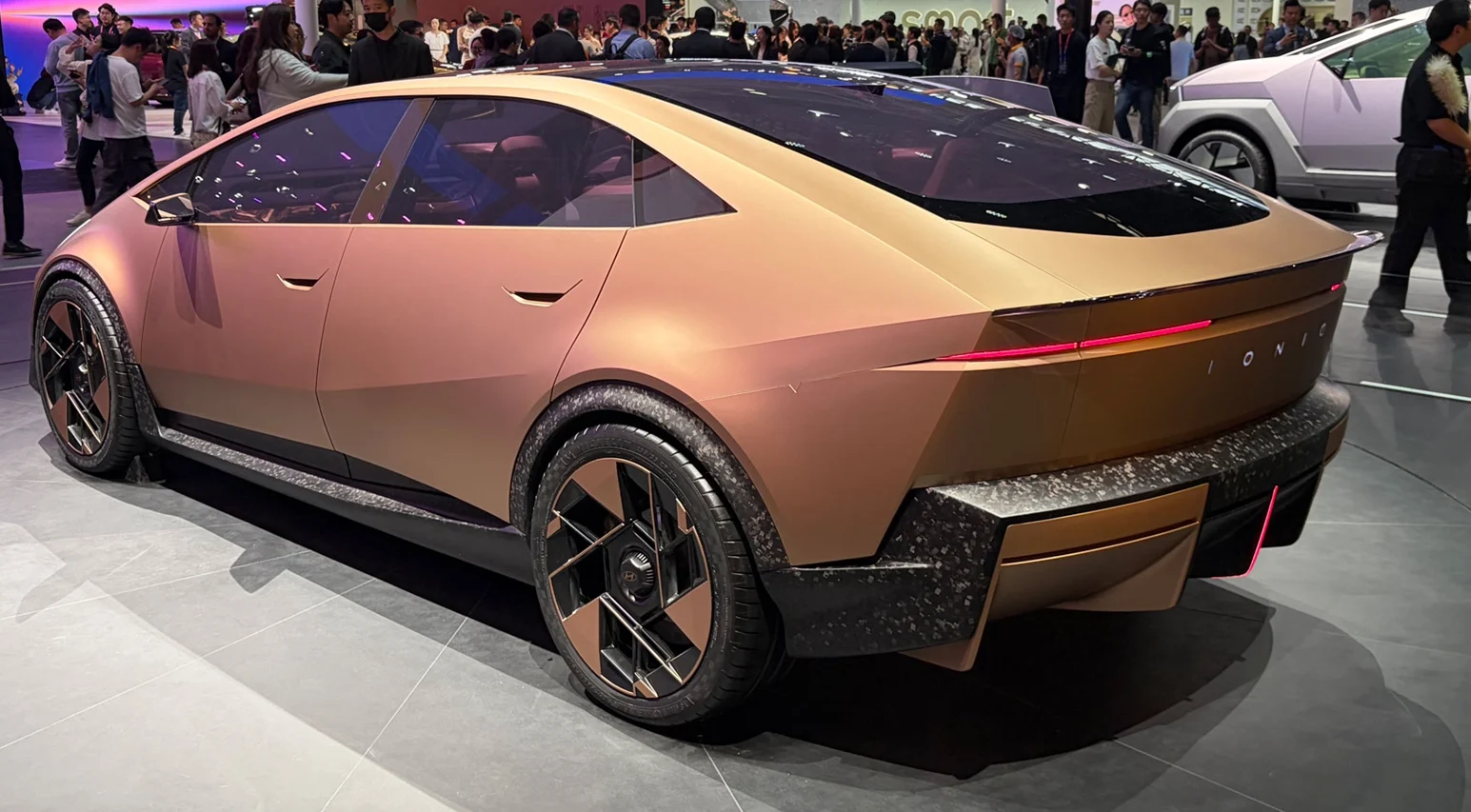
*少し背筋が曲がり気味ですが、大きなカーブを描く、『ワンモーションな』全体像。
*ロングホイールベースが担保する、素晴らしい『スタンス感』、
*凝りに凝った三角と四角を多用した幾何学グラフィックの新鮮さ
等など、本来のプリウスがこうあってほしいといった、外観造形です!
そしてもう一つ、
宣伝資料をチェックしていて、気付いたのですが、
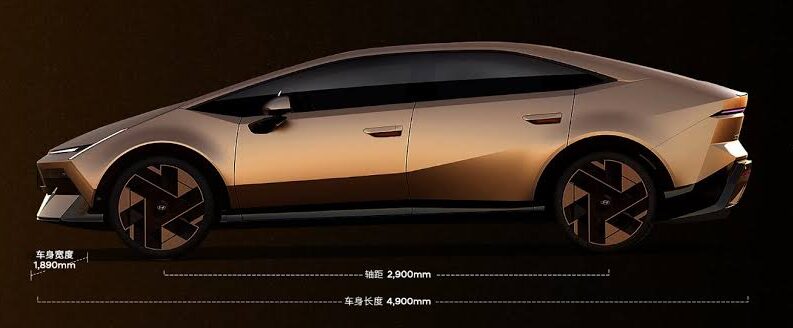
全長が【4m90cm】もありました!
さすが大きめの自動車が人気の、
中国での電動セダン市場をごそっと頂く感じでしょうか?
こんな感じで、
レポートして行きます。
*実車紹介:現代デザイン躍進のきっかけに?
*デザイン考察:『これ、、時期プリウス』ですか?
*その他の『中国市場のEV達』、、、
*実車紹介:現代デザインの躍進のきっかけに?
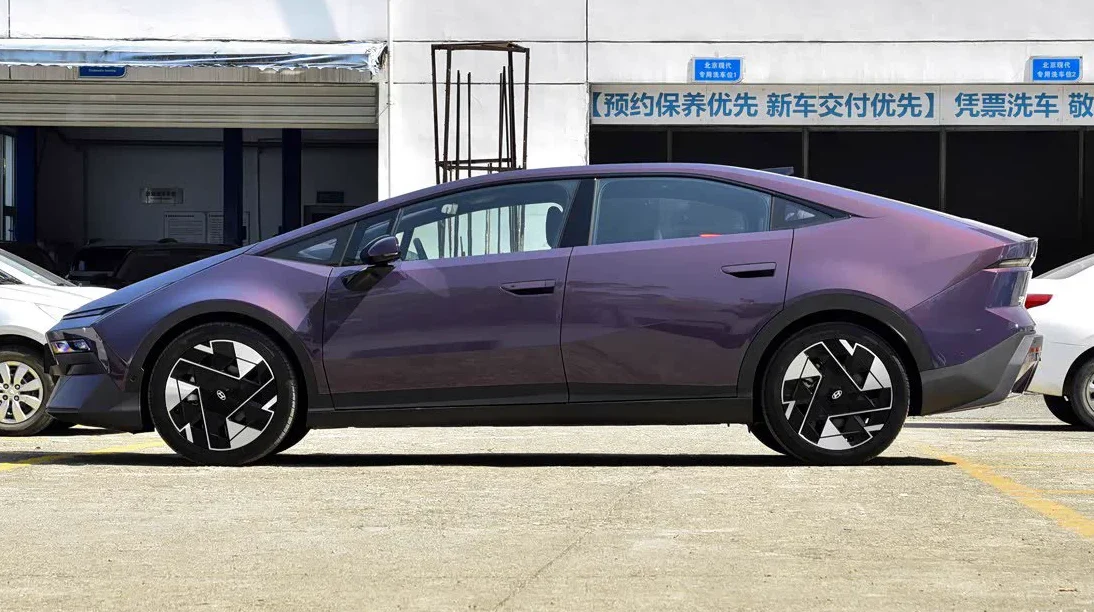
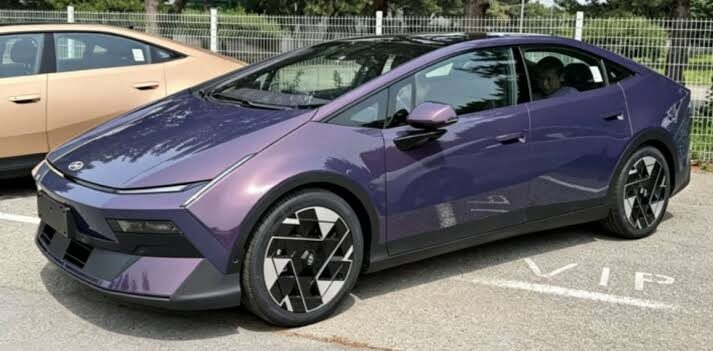
#実車解説:
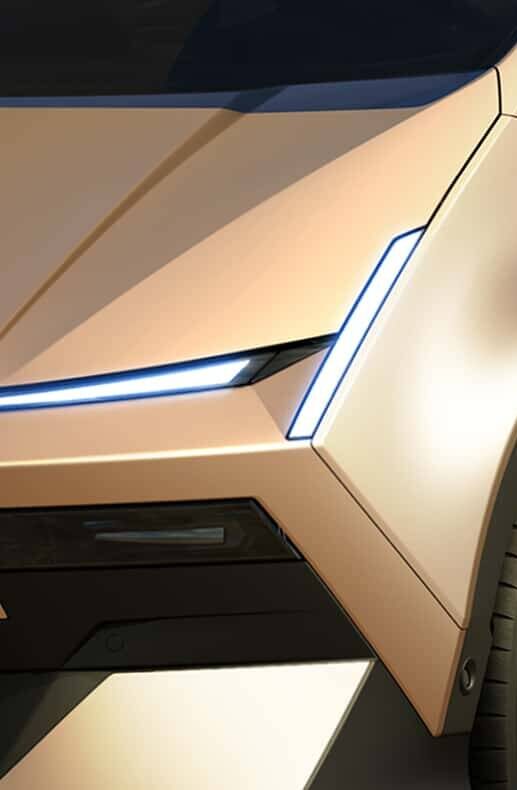
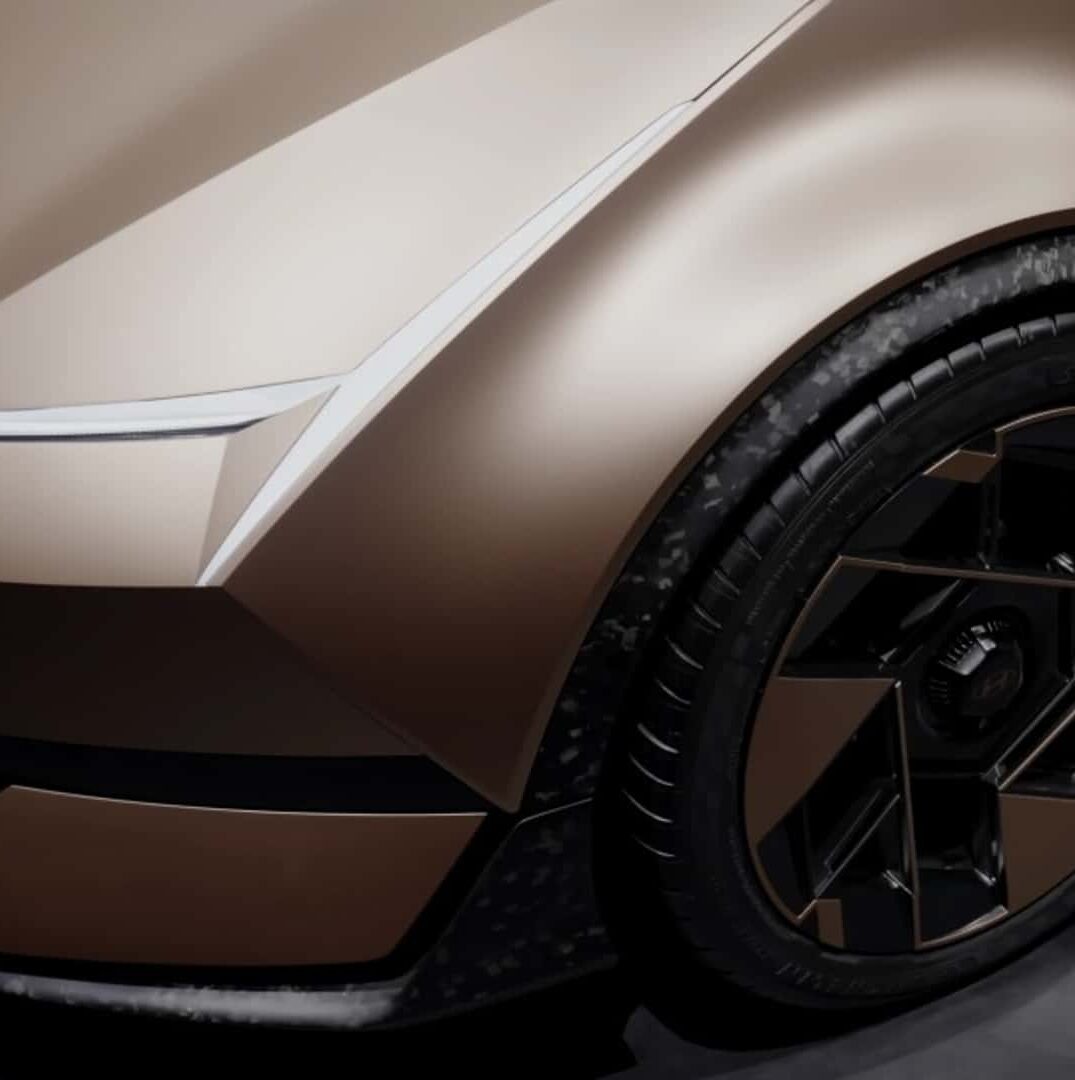
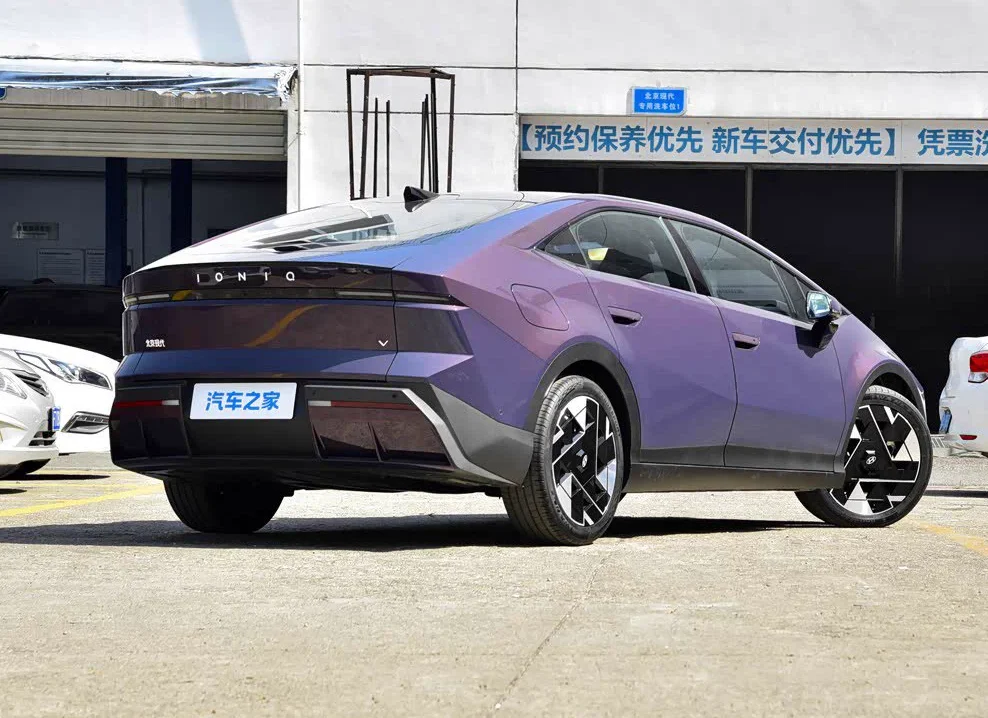
2026年9月、ヒョンデ(現代自動車)の中国合弁会社である北京現代が正式発表した最新型EV 「アイオニックV(IONIQ V、艾尼氪V)」は、グローバルモデルの「アイオニック5」とは明確に一線を画す、中国市場専用の開発思想から生まれた気鋭のプロダクトです。 [1, 2, 3, 4]
n
n
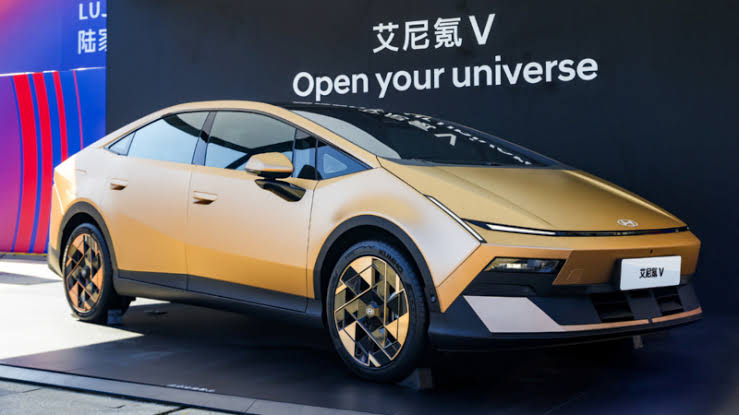
最新型アイオニックVの明快なコンセプトテーマは、『The Origin(啓元晶核)』、そしてそれを具体化する造形コアとしての『One-Curve(一体化曲線)』です。
n
n
グローバル版アイオニック5が1970年代のヘリテージを「パラメトリック・ピクセル」というドット絵的デジタル表現で再解釈したレトロフューチャーであったのに対し、中国向けのアイオニックVは「未来の宇宙船」をストレートに体現しています。
Aピラーからルーフ、そしてリアのリップスポイラーへと澱みなく一筆書きで繋がる『One-Curve』のファストバック(リフトバック)シルエットは、極限まで空気抵抗(Cd値)を低減する機能美と、新時代の知性を感じさせる極めて先鋭的な美学の融合を表現しています。
n
n
n
- 面構成(サーフェス・トリートメント):
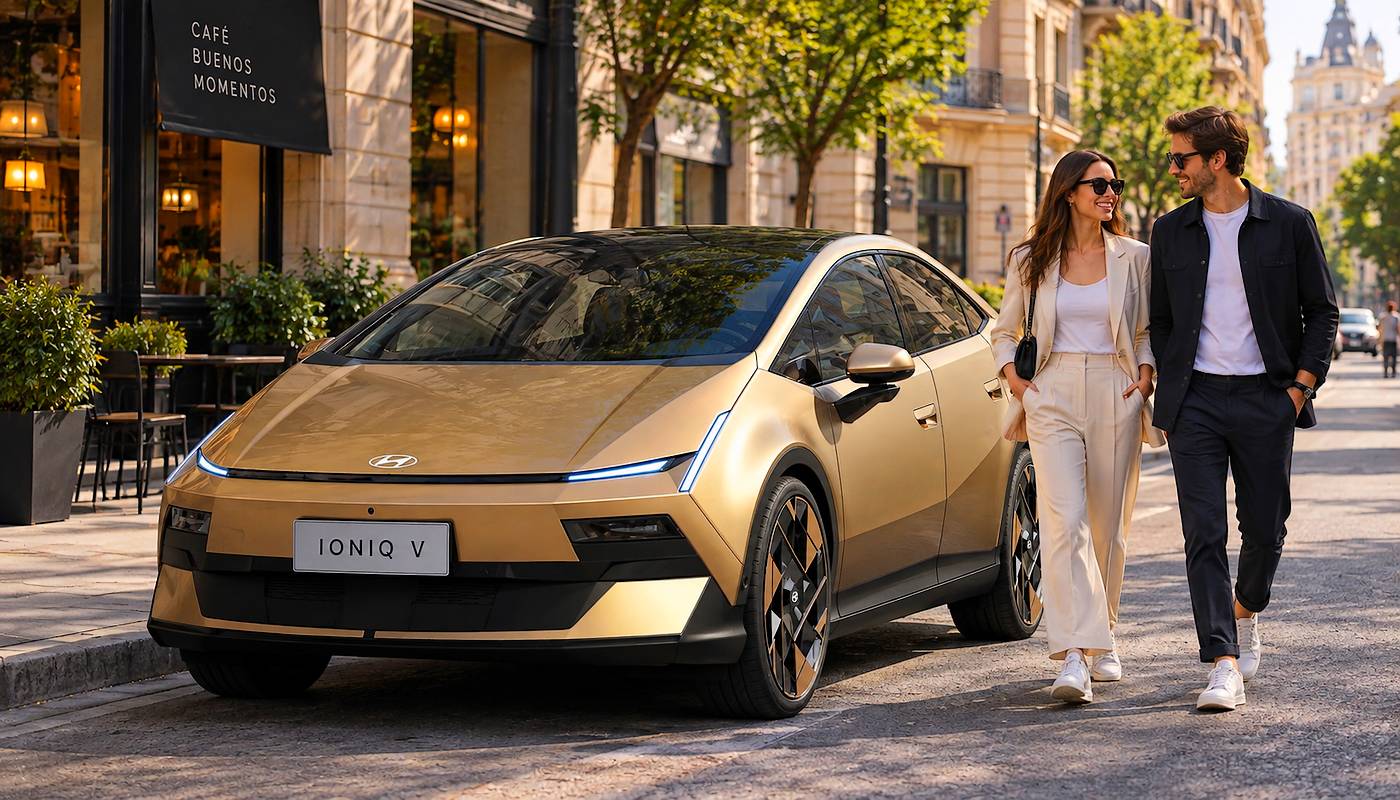
『One-Curve』の流麗なキャビンシルエットを支えるボディサイドには、カミソリで削ぎ落としたかのようなシャープな3次元キャラクターラインが走ります。海外メディアからは「プリウスの流麗さとランボルギーニの幾何学的なエッジを融合させたよう」とも評される、サイバーパンクかつクリーンな面構成が強い緊張感を生み出しています。
n - ディテールとシグネチャー:
フロントには光の刃を想起させる立体的な「ライトブレード・スプリットヘッドライト」、リアには宇宙空間を想起させる「スター・トレック・テールライト」を配置。さらにドアノブを格納式にし、サッシュレス(フレームレス)ドアやフローティング・サイドミラー、V字型のスポークホイールを採用することで、コンセプトカーがそのまま街に飛び出してきたかのような非現実的な先進性を量産車へと落とし込んでいます。
n - カラーマテリアル(CMF):
「サイバーゴールド」「ディメンションパープル」「ガンマグリーン」といった、従来のファミリーセダンの常識を覆すバイタリティ溢れる全8色の未来的なカラーパレットが、複雑な面の陰影をよりドラマチックに引き立てます。
n
N
- 面構成(サーフェス・トリートメント):
n
n
- ディメンションとパッケージ:
全長4,900mm、全幅1,890mm、ホイールベース2,900mmという体躯は同社の「ソナタ」クラスに匹敵しますが、EV専用アーキテクチャのおかげで、オーバーハングは極限まで短く、キャビンは一回り上のクラスの広さを確保しています。
n - コックピットの視覚的ミニマリズム:
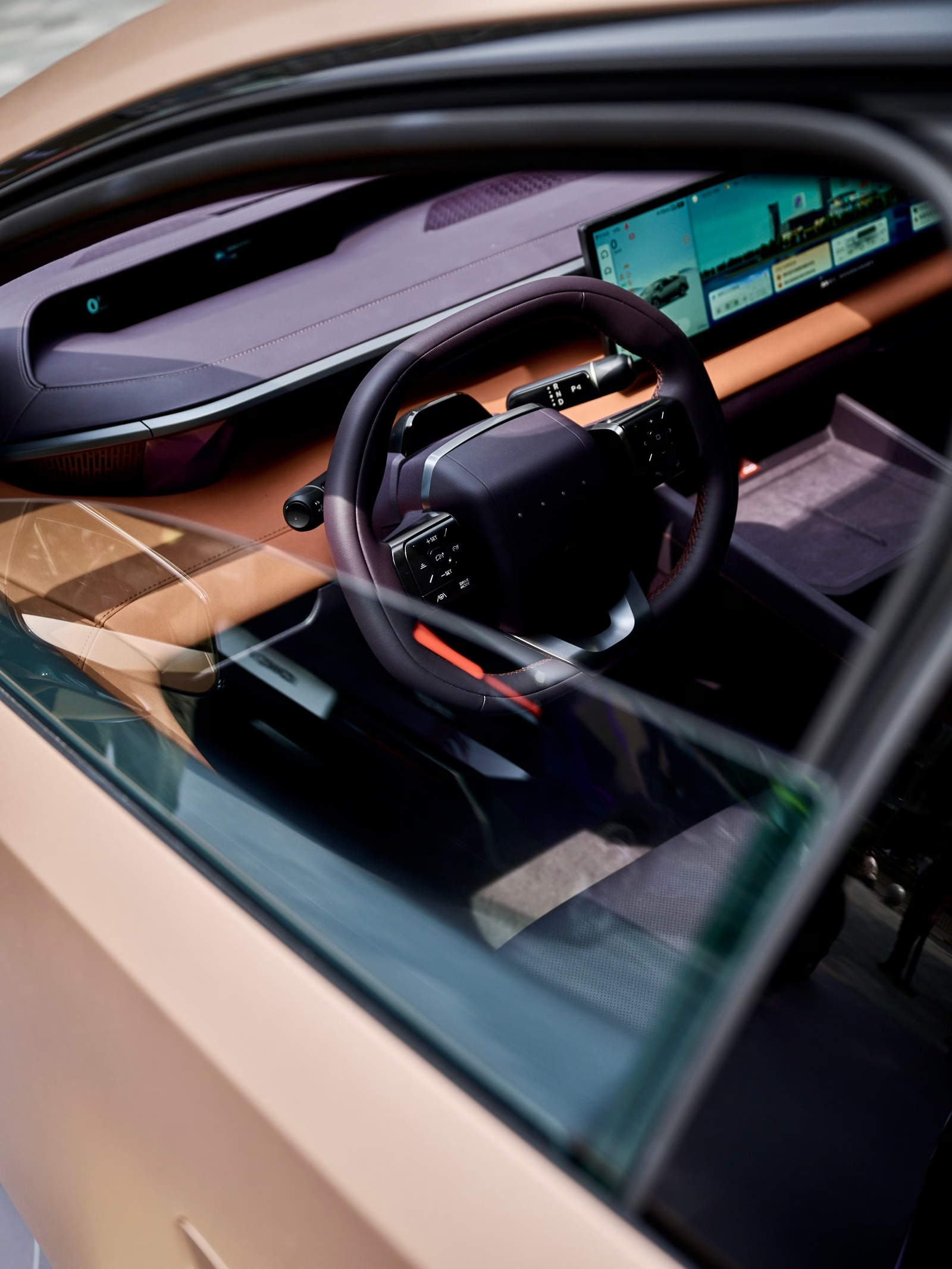
インテリアのテーマは「インテリジェント・リビングスペース」です。最大の見どころは、ダッシュボードを横断する「27インチの超薄型4Kパノラマスクリーン」。従来の独立した計器盤を廃し、ドライバーの視線前方には「サイバーアイ・ホライズン HUD(ヘッドアップディスプレイ)」を投影することで、インパネ周りのノイズを完全に排除したミニマルな水平基調のデザインを完成させました。
n - 強力なデジタル機構:
この広大なスクリーンを支えるのは、車載用SoCの最高峰である「Qualcomm Snapdragon 8295」。中国現地大手のBaidu(百度)やByteDance(字節跳動)のAI大規模言語モデル(LLM)を統合したスマートアシスタントが組み込まれ、デジタルネイティブ世代の期待に応えるユーザー体験(UX)を創出しています。
n - 電動パワートレイン:
最先端の「800V高電圧ファストchargingアーキテクチャ」を搭載し、超急速充電に対応。CATL製のLFP(リン酸鉄リチウム)バッテリー(53.5kWh / 66.8kWh)を巧みにフロアへ敷き詰め、中国CLTC基準で最大650kmの長距離航続を可能にする実用的なパッケージを構築しています。
n
n
- ディメンションとパッケージ:
n
n
n
アイオニックVは、単なる「安価なローカライズモデル」ではありません。中国市場における熾烈なEV競争を勝ち抜くため、世界のヒョンデが培ってきた高度なデザイン・エンジニアリングと、中国現地の最先端サプライチェーン(CATLの電池、Momentaの自動運転技術、ByteDanceのAI)を極めて高い次元で融合させた、戦略的ハイブリッド・クリエイティブの結晶です。
n
- インテリアの素材感(サステナブル素材など)
- グローバル版「アイオニック5」との詳細なディテール比較共同開発された自動運転システム(Momenta技術)との親和性
など、気になる点を教えていただければ、さらに深掘りして解説します。
*デザイン考察:『これ、、、次期プリウス』ですか?
<https://www.youtube.com/watch?v=HS9xjCrczck>
ーーーーー>このヴィデオを見て確認できましたが、
このまま市販されるようで、トランクやドアの開口部には、
市販車らしいメタル材の継ぎ目や、溶接跡がうかがえます。
#コンセプト&細部確認資料:
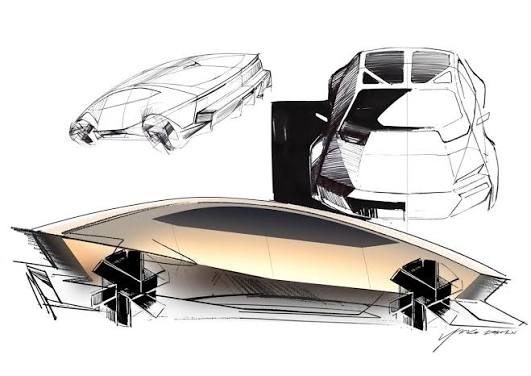
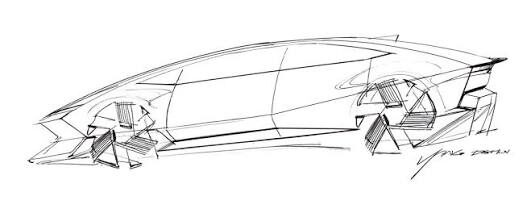
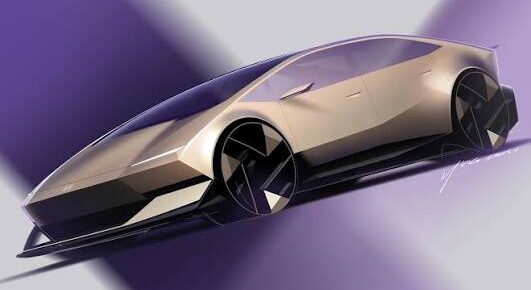
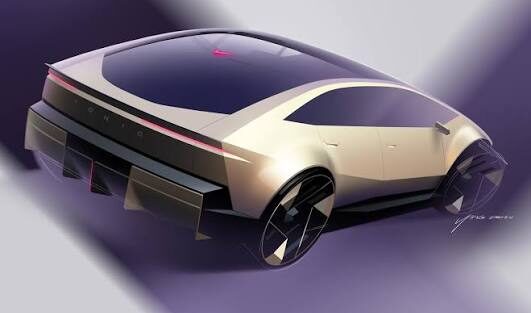
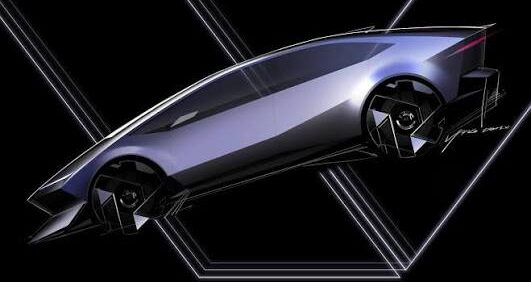
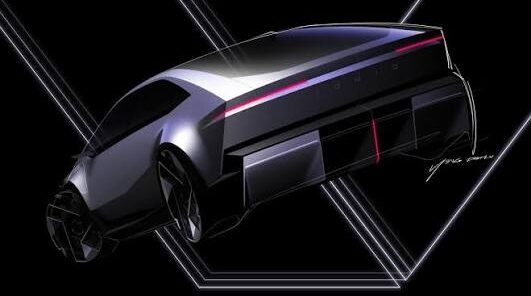
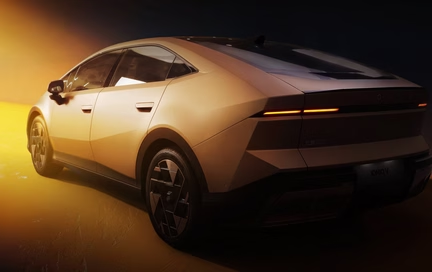
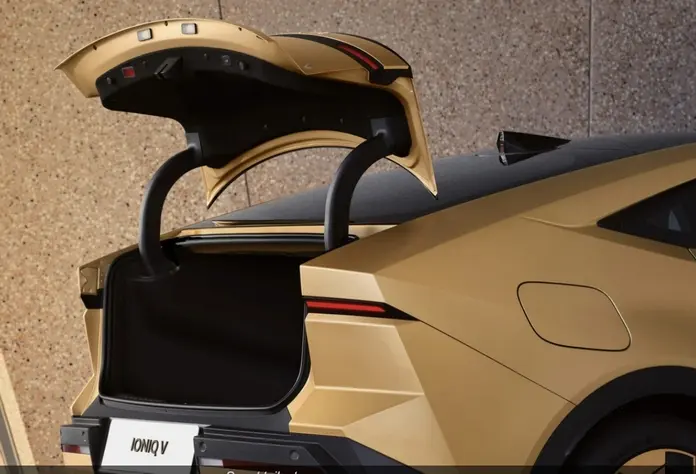
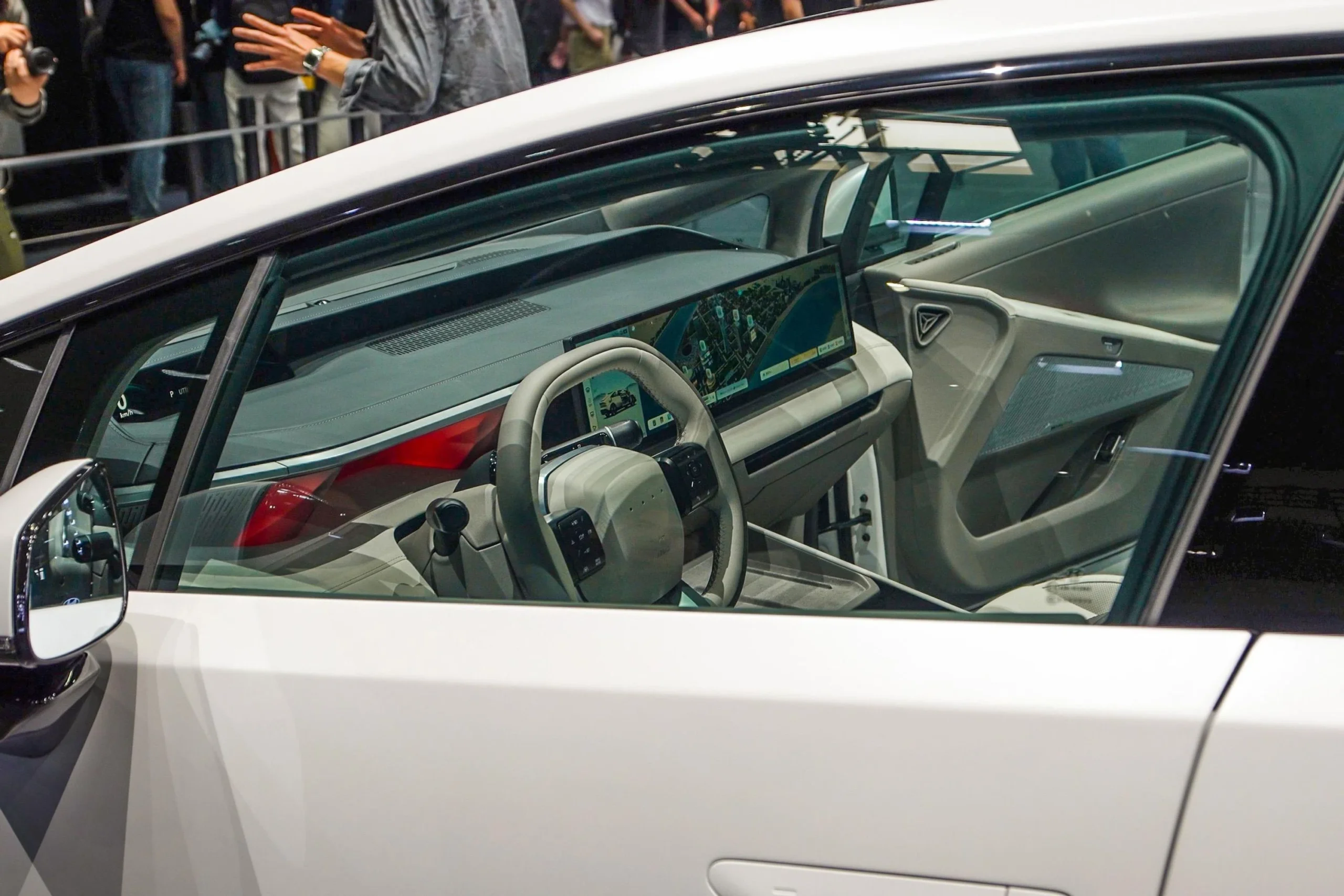
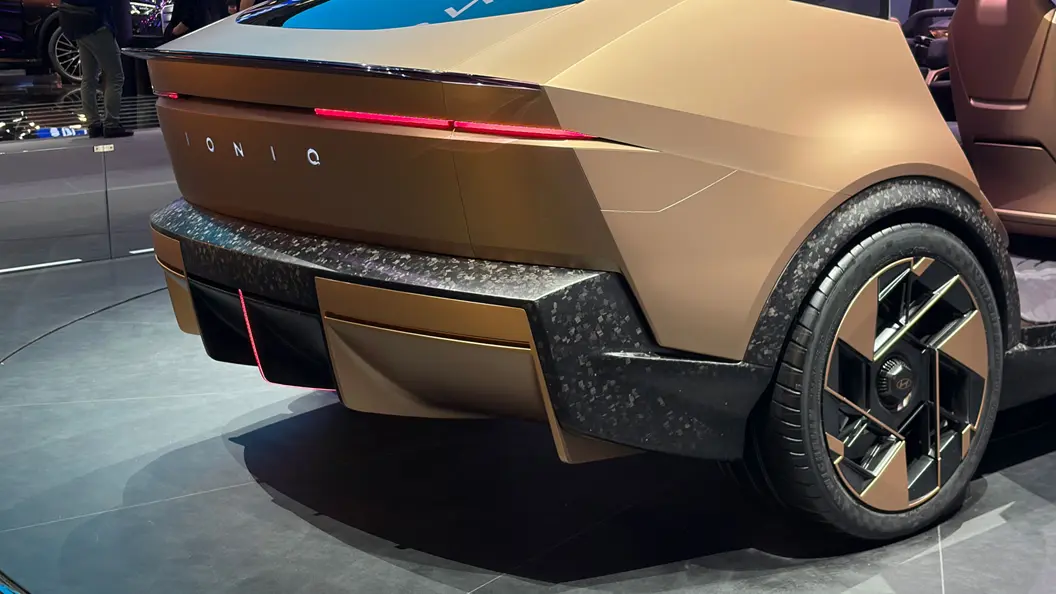
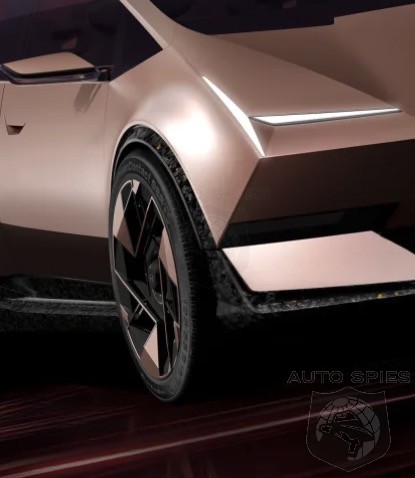
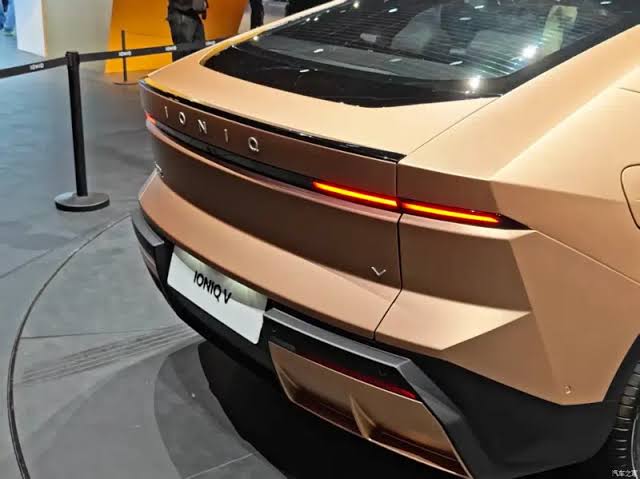
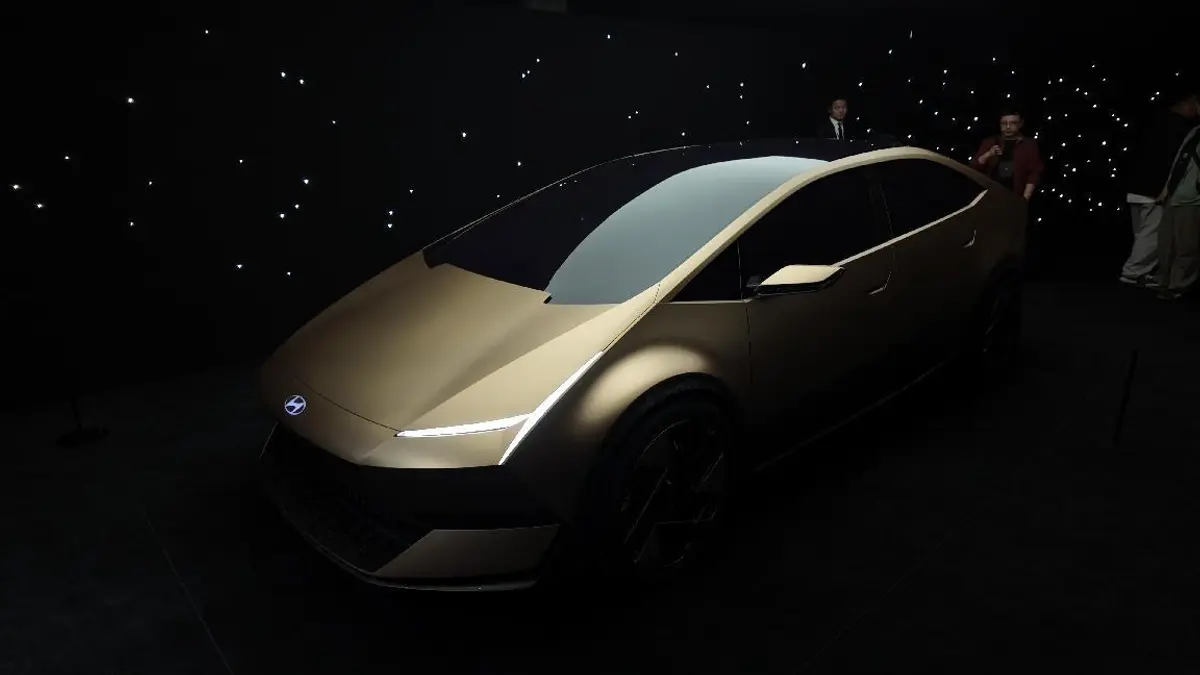
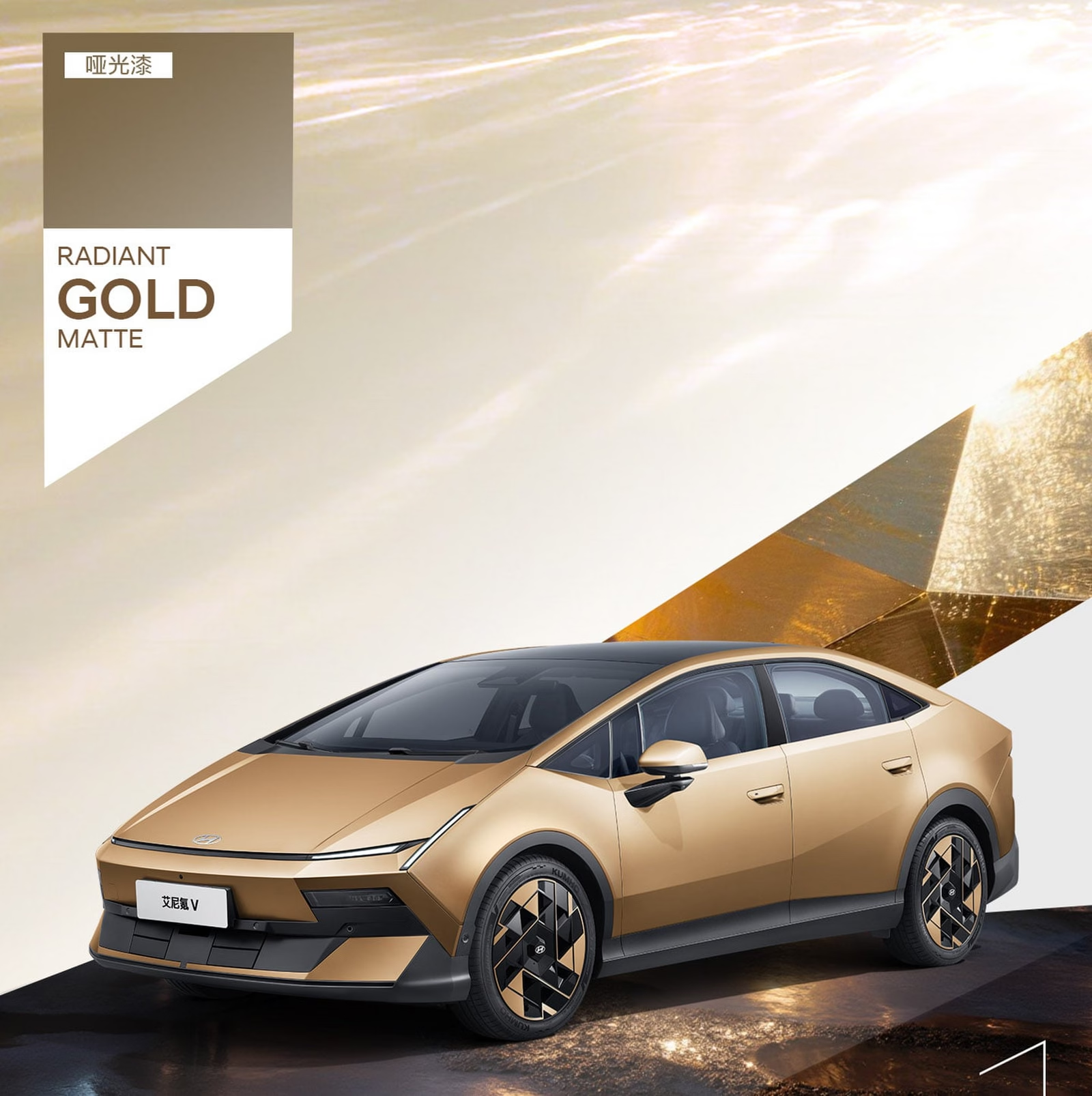
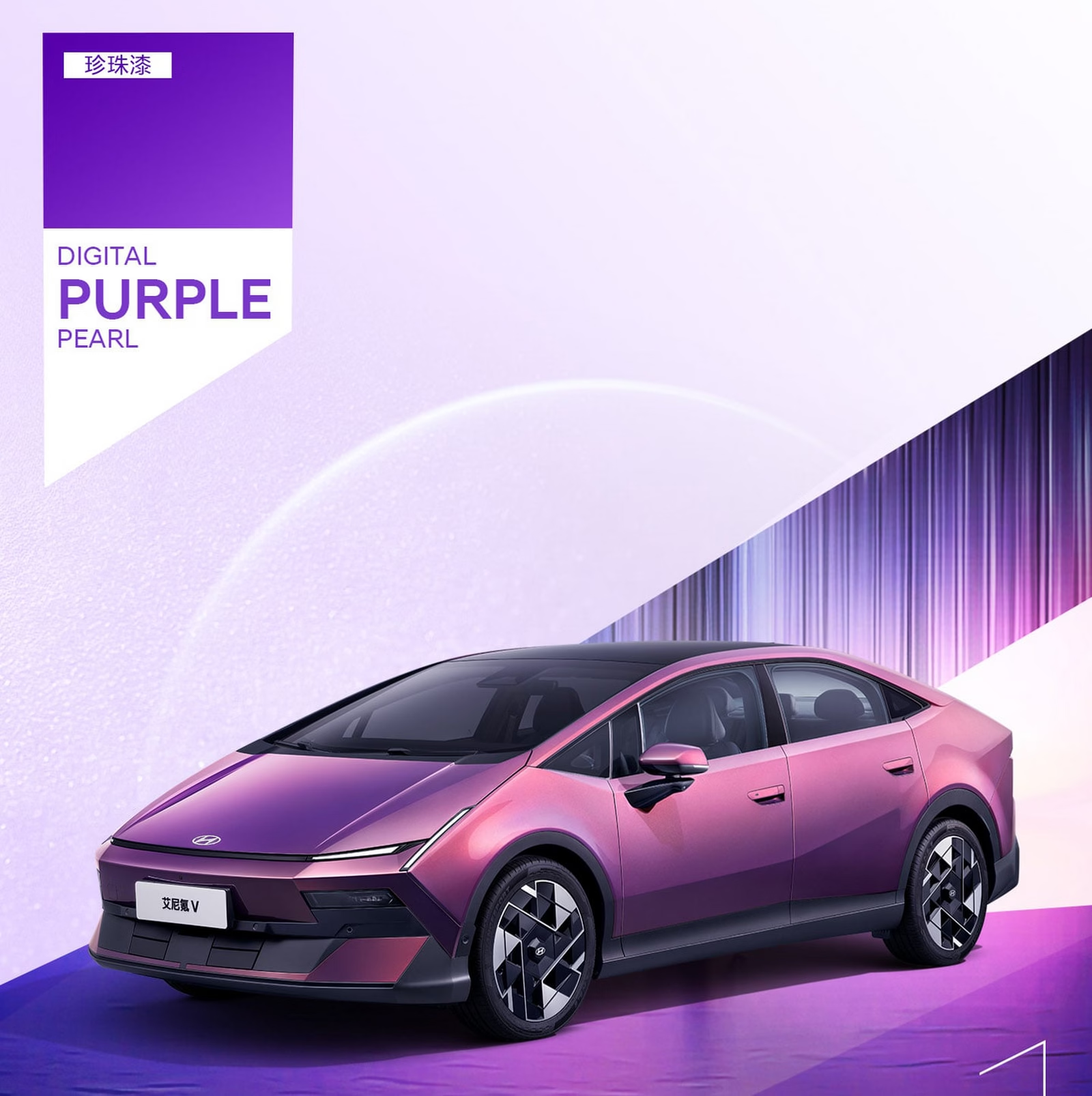
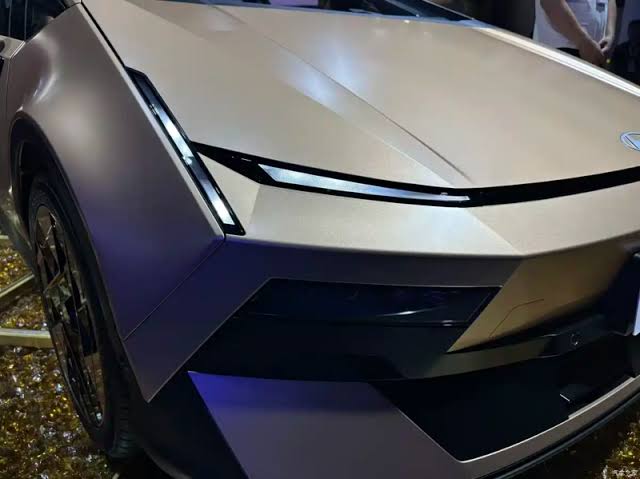
非常に意欲的で、
魅力のカタマリのような、
現代『Ioniq V 【ビーナス】』の
外観デザインの特徴を5つ挙げ、
この素晴らしいデザインを
讃えてみたいです!!
1:とてつもない『スタンス感』を成り立たせる、ロング・ホイールベースと、それを支える強力+緊張感あふれるルーフラインのすばらしさ
ーーー>プリウスに比べるとむしろ、折れ曲がり気味なルーフラインなのが逆に新しいです。
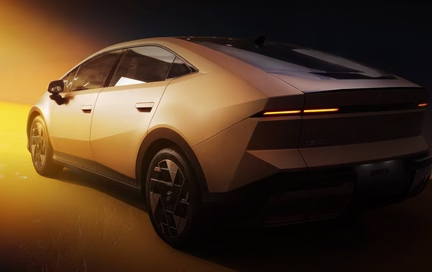
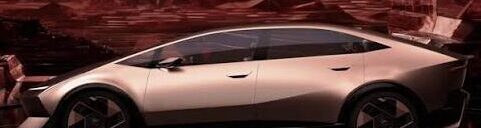
2:オリジナルスケッチにみられる両端が尖った魚型のテーマがさりげなく生かされたボディー横からリアにつながるスイープライン
(学生時代にスケッチヘルプという、上級生からスケッチやレンダリングテクニックを教えていただける制度があったのですが、このアイオニックVのチーフデザイナーのサングヨップ・リー(SangYup Lee)さんから教えていただいた時のデモのスケッチにそっくりです、、、)
ーーー>『魚型のテーマ』がこのデザイナーの生涯1つの、デザインテーマじゃないかと感じます!!
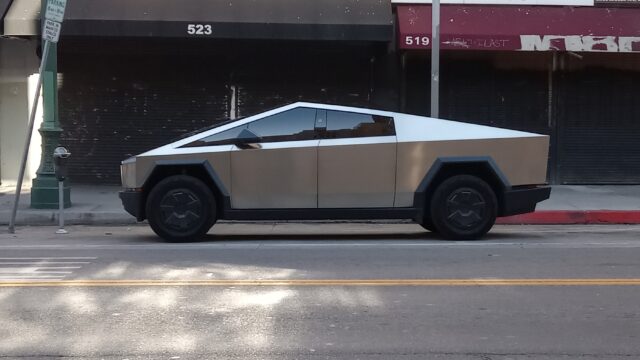
3:よくよく観察してみますと、直線的、極めて幾何学的な面構成が、プリウスのパッケージを、サイバートラック的なパキパキ面に収めた感じも見えてきました、、、
ーーーー>この車が『テスラ3(Ⅹ0.9倍)』だったら既に買ってました。
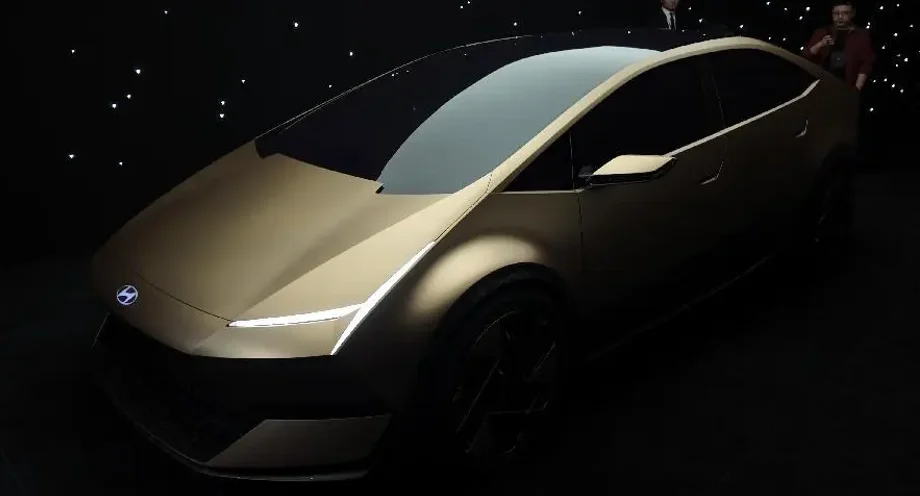
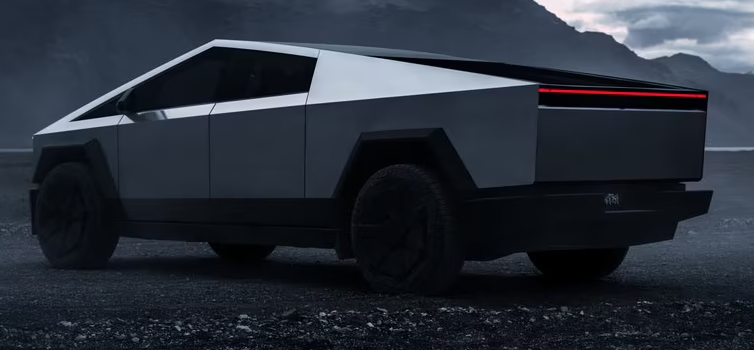
4:ゴリゴリの幾何学・ポリゴン感抜群のフロントフェイシアの面構成とグラフィック
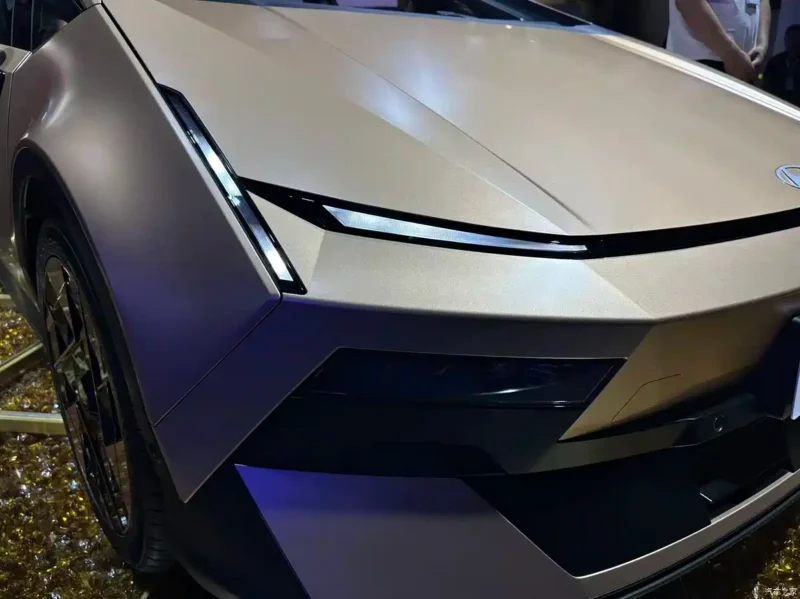
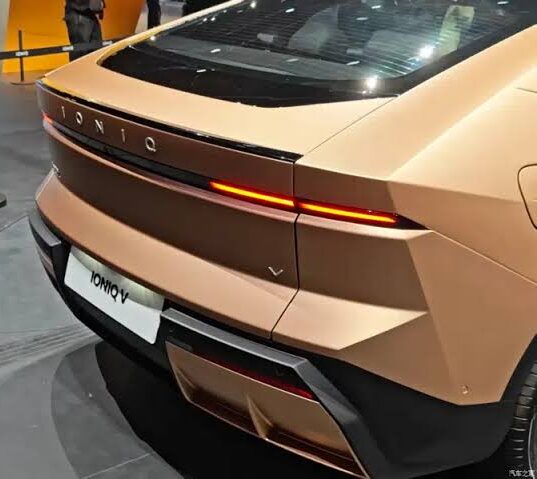
5:フロントに比べると一見おとなしく見えるリアフェイシアですが、拡大写真を見てビックリ、こちらこそ興味深い『ディテール面構成』の坩堝でした!!
ーーーー>この凄まじい粗密感が生産車だと考えると、、、、嬉しいやら、恐ろしいやら、、、
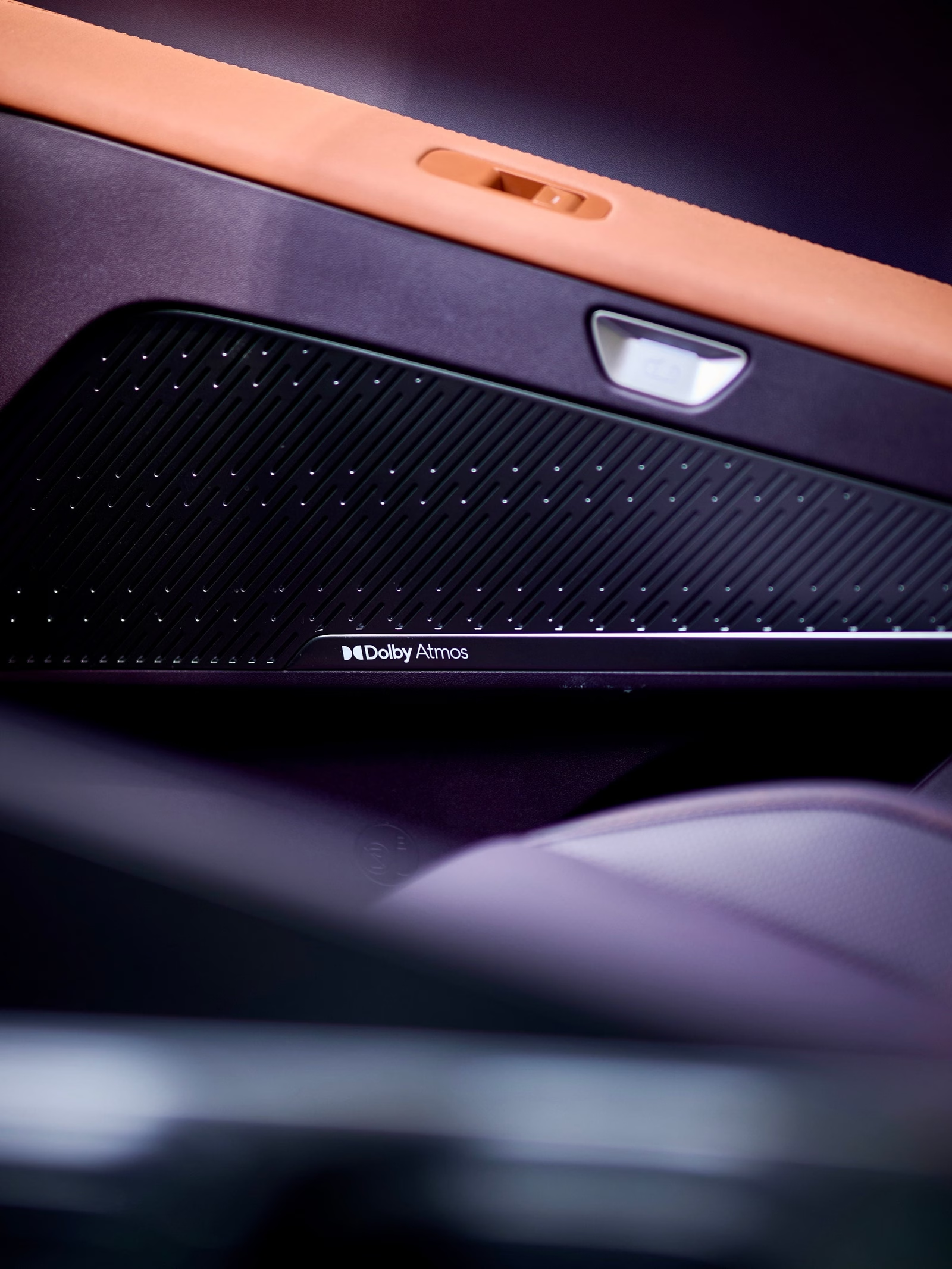
#インテリアの粗密の作りこみも素晴らしすぎます
--->質感の選択と組み合わせ、中間色を多用したカラーコーディネイトも秀逸です
*終章:その他、中国市場の『最新EV車』たち、、、
それでは現在も発展が止まらない、
中国市場のEV最前線のデザインを見て行きましょう!
*シャオミー社製、EV「SU7」、2026【スーパー・カーカテゴリー】
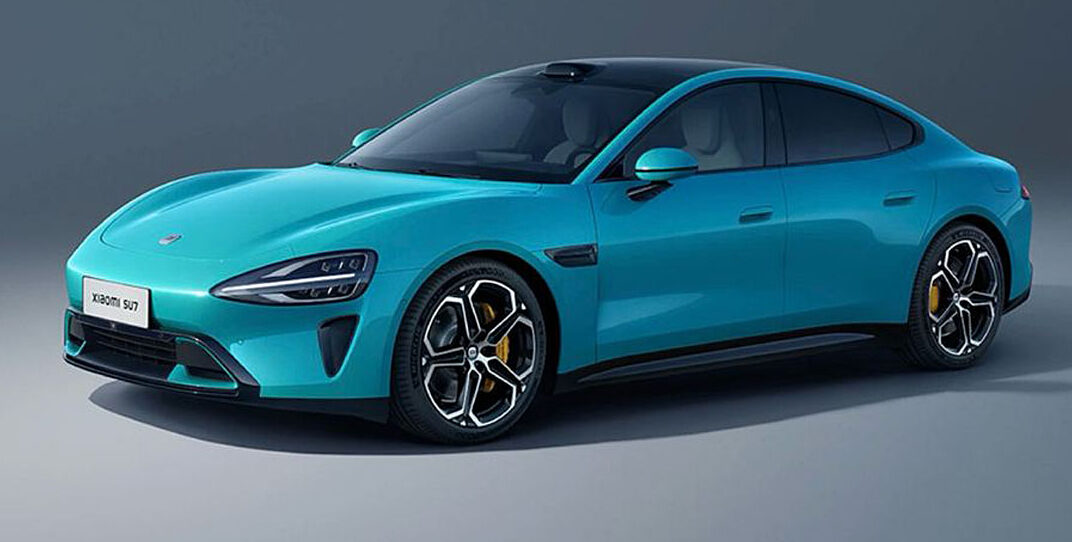
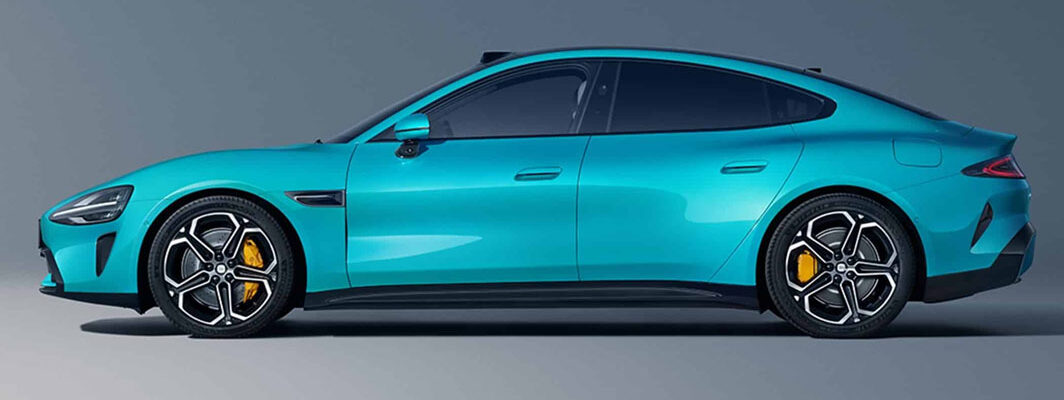
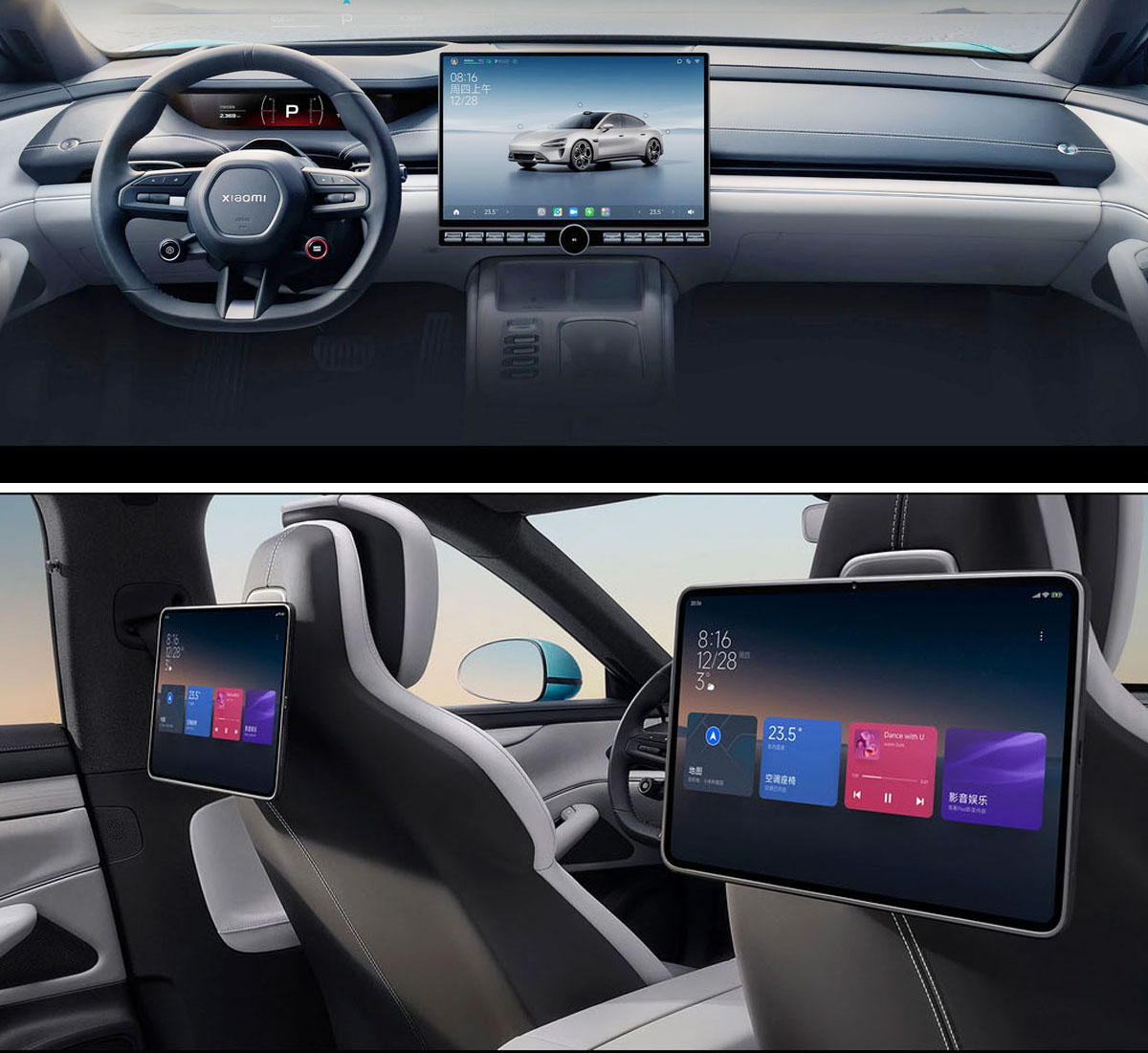 (先日の上海モーターショーにて、以前から予告されていた上級車「SU7」の生産が発表されました、非常に美しいボディー曲面とFR的なプロポーションを持ち、AI機能に関しては、シャオミーの本業の為お手の物。
ーーー>もう少し骨太な骨格があるとさらに素晴らしいですね。)
*ボルボ EX-30、2025(白・黒 2トーン)
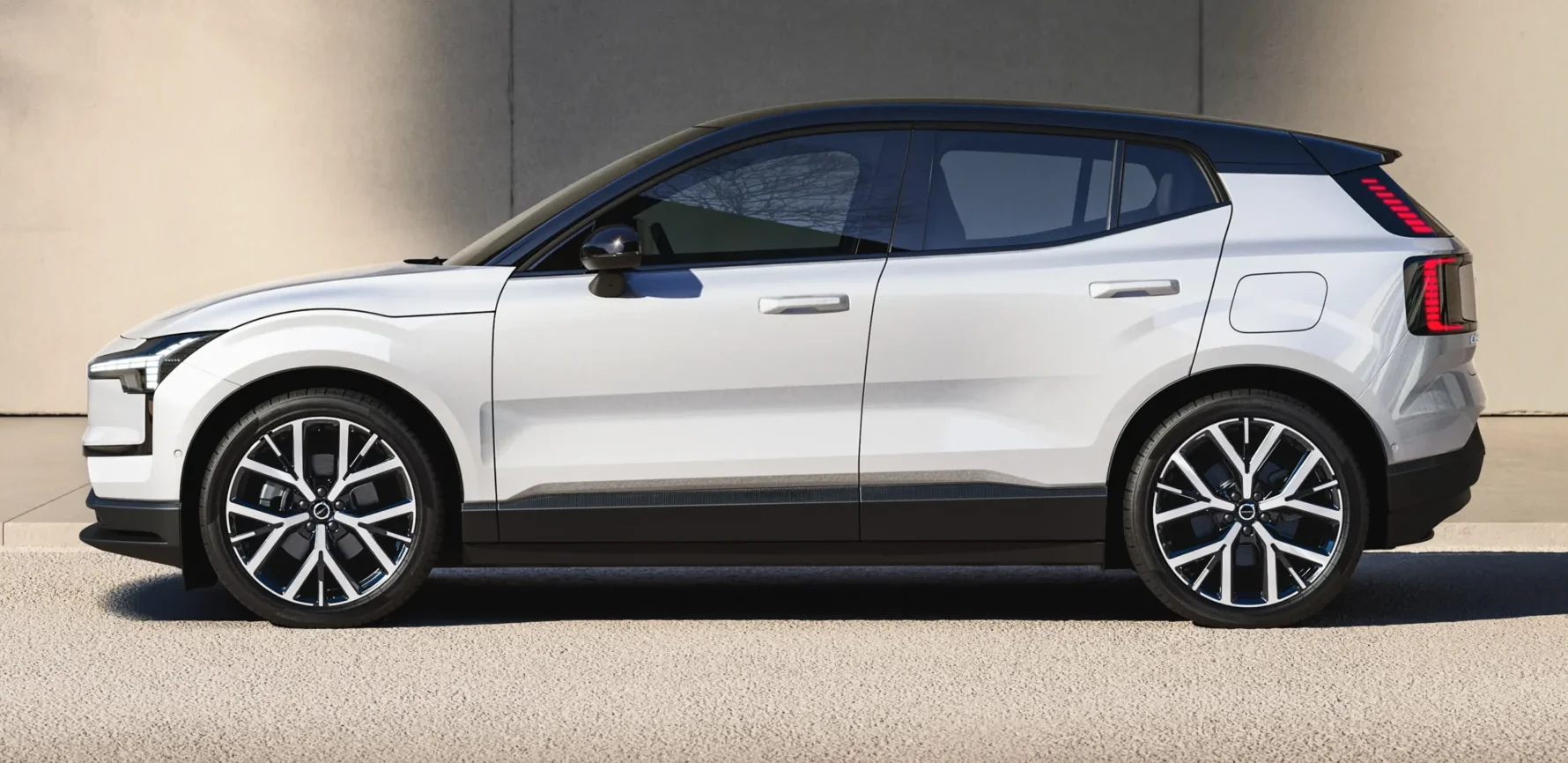
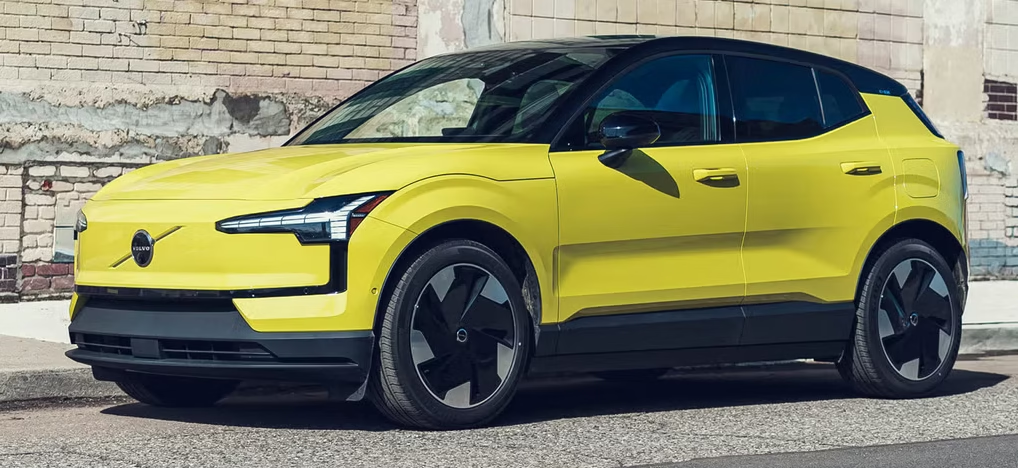
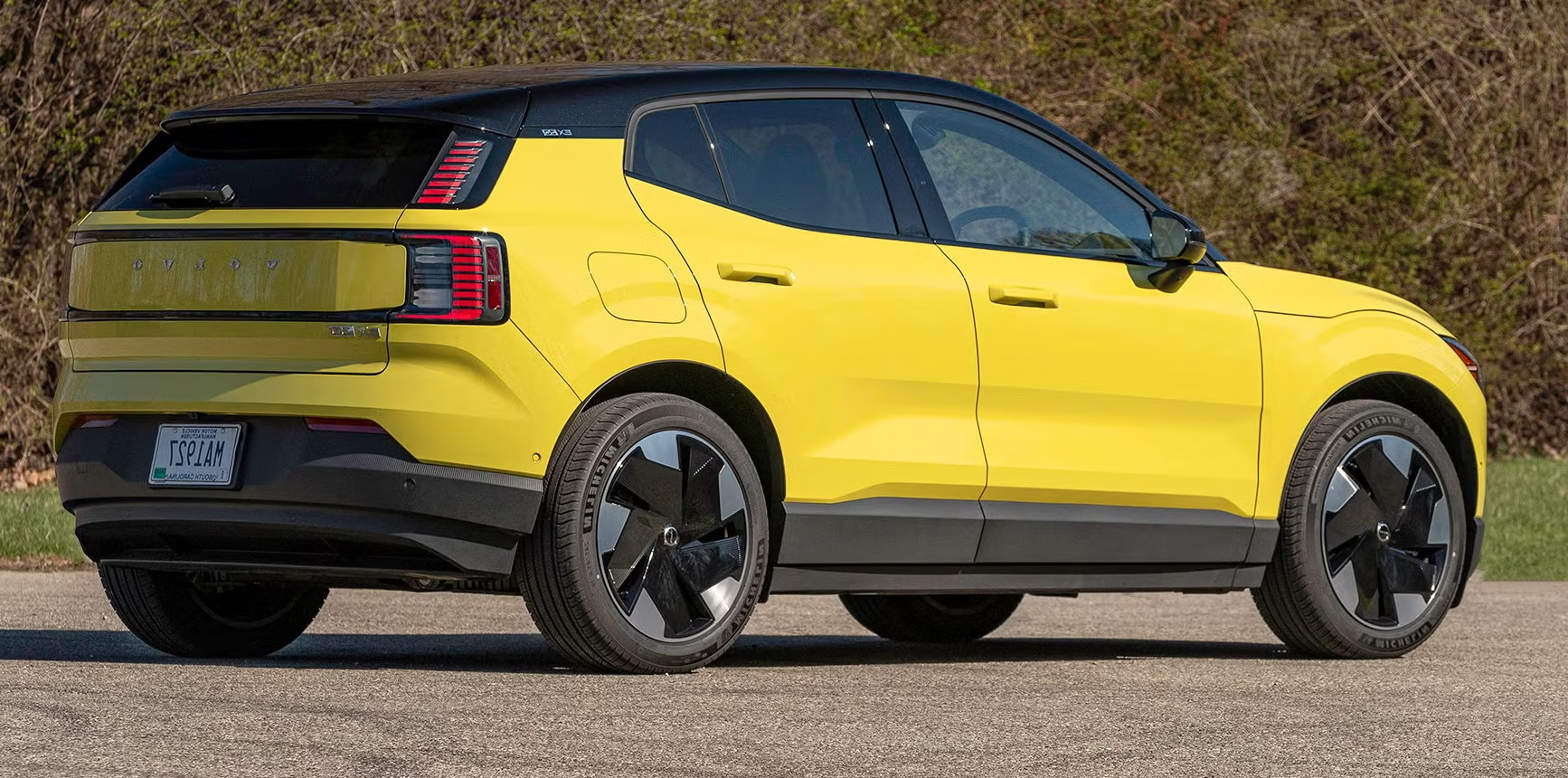
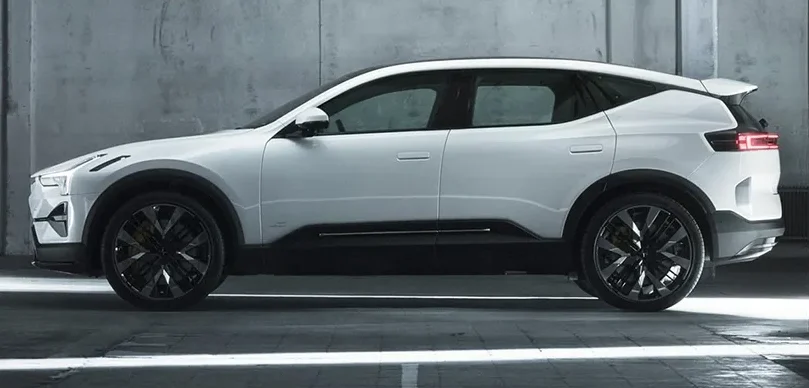
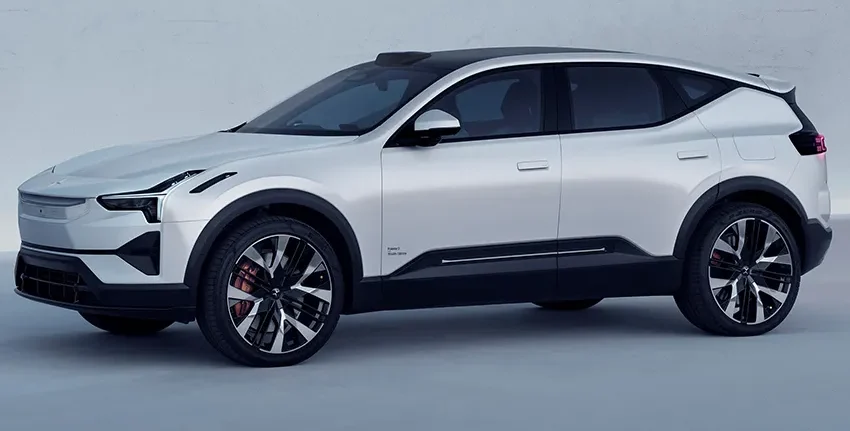 (親会社の吉利汽車(ジーリー)傘下のボルボ製の小型EVです、同じくジーリー傘下のポールスター3をミニチュア化したような外観デザインが魅力です。
ーーー>4,2mという限られた空間を美しい立体が満たします!)
今後も目が離せない、
先進デザインの宝庫=
『中国EV業界』は
今後も目が離せません!
本ブログと記事内容につきまして:
ブログ記事を書くにあたり私の目標は、立体造形(料理も含めて)とのかかわりを通じて、私個人の特徴的(ネジ曲がり方も含めて)な評価軸を解明することで、「美しさ・美味しさ」に対する好奇心や、探求心を、どのように満足・充足させてきたのかを明記しておくことです。
従いまして、記事の中に出てくる、数字や年号、微細なデータなどには細心の注意を払っておりますが、時に大きな間違いや勘違いを犯していることも考えられます。特に自動車記事における主要諸元や、年号などには紛らわしいものも多く、あくまで参考程度に考えていただければ幸いです。
私としては、記事の中で個人的な外観デザインや味覚の評価、そこから広がる後半部分につなげるための、『流れ』を作るための客観的材料として年号やデータを挿入している感じです。あくまで重視したいのは、私個人の頭の中で起こる、記憶の錯そう的混沌から生まれる新たな『見方』や『情報の予想外のつながり』です。その勢いを作り出す、『流れ』の一環として、諸データが副次的に必要となるわけです。
話がそれますが、大好きな落語の世界に「三題噺」という、その場て会場から募った3つのお題を使って1つのお話に仕立てるといったお遊びがございますが、私はそれに近いことを立体造形の特徴や(料理のお味)をお題にして行っている感じがします。その中で頭の中に去来する数々の着想が、全く予想外で楽しく、次回からの記事内容を大幅に変えたり、新展開につながっています。
当ブロブの仕組み:
『好奇心の点と線 x 気まぐれ脳内回路=予想外の新展開』
こんな自分勝手なブログですが、今後ともよろしくお願いいたします。
追記:上記の『流れ』を作る為に必要な写真はできる限り、個人所有のミニカー・自前の料理などを使い撮影しておりますが、その他の必要最小限の図版や写真を他のブログ主様の記事や諸会社ホームページなどからお借りしております。(記事内容に合うよう加工させていただき、使用時は最小の解像度で載せております。)問題がある場合、ご連絡いただければ直ちに降ろさせていただきます。
追記2:当ブログ記事に掲載のミニカー写真等(個人撮影)は許可なしで、どのようにお使いいただいても結構です。私個人の創造性はこの世のもの、と言う認識の上で記事を製作しています。
!!!!!!!!!!!!!!!!!!!!!!!!!!!!!!!!!!!! Translated in English !!!!!!!!!!!!!!!!!!!!!!!!!!!!!!!!!!!!
Curiosity Report 010: “Contemporary Design: A Hint of Something Serious” —— [Hyundai IONIQ V-EV: A Prius-Style Model or the Final Form!?] [Hyundai IONIQ V] —— Serious Improvement: “The Future Masterpiece in the Chinese Market?”
The day after its unveiling at the Shanghai Auto Show,
I stumbled upon this online by chance!!
Without thinking,
“A new Prius?”
I found myself
shouting that in my mind.
When I heard it was a production car from Hyundai,
I was surprised all over again.
(Unlike Kia, Hyundai’s designs for the U.S. market haven’t really stood out so far…)
It made its debut with a dramatic transformation reminiscent of a sports coupe,
as if it were poised to dethrone the original Toyota Prius—which had been knocked off its throne as Toyota’s flagship sedan—
with:
* An overall “one-motion” silhouette that curves dramatically, though the roofline is slightly sloped.
* A superb “stance” ensured by the long wheelbase,
* The freshness of the meticulously crafted geometric graphics featuring abundant triangles and squares
And so on—this exterior design is exactly what I’ve always wanted the original Prius to look like!
And one more thing:
I noticed this while checking the promotional materials—
The overall length was a whopping  !
As expected, given the popularity of larger cars,
it feels like they’re aiming to capture the entire electric sedan market in China, doesn’t it?
With that in mind,
I’ll be reporting on it as follows.
* Real Car Introduction: A Catalyst for Hyundai’s Design Leap Forward?
* Design Analysis: “Is this… the next-generation Prius?”
* Other “EVs in the Chinese Market”…
* Real Car Introduction: A Catalyst for Hyundai’s Design Leap Forward?
#Real Car Analysis:
Prompt for AI [Gemini]: Please provide an explanation focused on the mechanical structure and exterior design of the latest Ioniq V unveiled in China, written from a designer’s perspective and limited to 3,000 characters. Please provide details on the design team and key figures. Clearly state the concept theme.
n
In September 2026, Beijing Hyundai—Hyundai Motor Company’s Chinese joint venture—officially unveiled the latest EV, the “IONIQ V (艾尼氪V).” This cutting-edge product was born from a development philosophy tailored exclusively for the Chinese market, clearly distinguishing it from the global “IONIQ 5” model. [1, 2, 3, 4]
In China—a fiercely competitive market that is reshaping the future of the automotive industry—we will thoroughly dissect this model’s innovative design, mechanics, and the creative core behind it from a designer’s perspective.
n
n
1. Concept Themes: “The Origin (Qiyuan Jinghe)” and “One-Curve”
n
The clear-cut concept themes of the latest IONIQ V are “The Origin (Qiyuan Jinghe)” and “One-Curve (Integrated Curve),” which serves as the sculptural core that brings this vision to life.
n
n
n
While the global Ionic 5 was a retro-futuristic design that reinterpreted 1970s heritage through a “parametric pixel” digital expression reminiscent of dot art, the Ionic V for the Chinese market directly embodies a “spaceship of the future.”
The “One-Curve” fastback (liftback) silhouette—which flows seamlessly in a single stroke from the A-pillar to the roof and on to the rear lip spoiler—embodies a fusion of functional beauty that minimizes aerodynamic drag (Cd value) to the absolute limit and an extremely avant-garde aesthetic that evokes the intelligence of a new era.
N
n
2. A Designer’s Perspective on Exterior Design
n
When observing the Ionic V from a designer’s perspective, its most distinctive feature lies in the coexistence of “low-polygon-style edge definition” and “extremely luxurious proportions.”
n
Surface Composition (Surface Treatment):
Running along the body sides that support the “One-Curve” silhouette’s flowing cabin are sharp, three-dimensional character lines that appear as if carved with a razor. Described by international media as “a fusion of the Prius’s fluidity and the geometric edges of a Lamborghini,” the cyberpunk yet clean surface composition creates a strong sense of tension.
n
Details and Signature Features:
The front features three-dimensional “Light Blade Split Headlights” reminiscent of blades of light, while the rear is equipped with “Star Trek Taillights” evoking outer space. Furthermore, by incorporating retractable door handles, sashless (frameless) doors, floating side mirrors, and V-shaped spoke wheels, the car brings an otherworldly sense of advanced technology—as if a concept car had leaped straight onto the streets—into a production vehicle.
n
Color, Material, and Finish (CMF):
A futuristic color palette of eight vibrant shades—including “Cyber Gold,” “Dimension Purple,” and “Gamma Green”—that defies the conventions of traditional family sedans, dramatically accentuating the shadows and highlights of the complex surfaces.
n
N
3. Mechanical and Interior Design: Premium Intelligent Space
n
This outstanding styling is made possible only by the structural (packaging) strengths of an EV-specific platform.
n
Dimensions and Packaging:
With an overall length of 4,900 mm, a width of 1,890 mm, and a wheelbase of 2,900 mm, its dimensions rival those of the company’s “Sonata” class; however, thanks to its dedicated EV architecture, the overhangs are minimized to the absolute limit, ensuring a cabin spaciousness typically found in a class above.
n
Visual Minimalism in the Cockpit:
The interior’s theme is “Intelligent Living Space.” The standout feature is the “27-inch ultra-slim 4K panoramic screen” that spans the dashboard. By eliminating the traditional separate instrument cluster and projecting the “Cyber Eye Horizon HUD (Head-Up Display)” directly into the driver’s line of sight, the designers have achieved a minimalist, horizontal-themed design that completely eliminates visual clutter around the instrument panel.
n
Powerful Digital Architecture:
Powering this expansive screen is the “Qualcomm Snapdragon 8295,” the pinnacle of automotive SoCs. It features a built-in smart assistant that integrates large-scale language models (LLMs) from major Chinese tech giants Baidu and ByteDance, creating a user experience (UX) that meets the expectations of the digital native generation.
n
Electric Powertrain:
Equipped with a state-of-the-art “800V high-voltage fast-charging architecture,” it supports ultra-fast charging. CATL-manufactured LFP (lithium iron phosphate) batteries (53.5 kWh / 66.8 kWh) are cleverly integrated into the floor, creating a practical package that enables a long-range driving range of up to 650 km under the Chinese CLTC standard.
n
n
4. Design Team and Key Figures
n
This drastic transformation was spearheaded by a team led by SangYup Lee (Vice President and Head of Hyundai Global Design Center), who oversees Hyundai’s global design, along with the elite team at the “Hyundai China Design Center,” which directly incorporated local design trends under his leadership.
n
SangYup Lee is a master of automotive design who has worked on models such as the Chevrolet Camaro and Bentley and has even won the World Car Design of the Year award. The essence of his design philosophy lies in the “chess piece” theory. Rejecting the “clone” approach—where all models are given the same face—his philosophy involves “giving each model a unique character (Origin) tailored to its role and market,” much like a king, queen, or knight.
For the Ioniq V, under Mr. Lee’s expert guidance in form management and with the Chinese design team taking the lead, they succeeded in fully embodying the local users’ insights: an “overwhelming sense of high-tech” and a “dynamic sense of the future.”
n
n
5. Overall Assessment: A Milestone from a Designer’s Perspective
n
n
The Ioniq V is not merely an “inexpensive localized model.” To prevail in the fierce EV competition in the Chinese market, it is the culmination of a strategic hybrid creative effort that seamlessly integrates, at an extremely high level, the advanced design and engineering cultivated by Hyundai globally with China’s cutting-edge local supply chain (CATL batteries, Momenta’s autonomous driving technology, and ByteDance’s AI).
Relying not on superfluous embellishments but solely on its dynamic silhouette (“One-Curve”) and geometric sharpness (“The Origin”) to express the future, its presence offers one answer to the direction next-generation EV design should take.
n
n
Are there any specific design details you’d like to know more about?
The texture of the interior materials (such as sustainable materials)
A detailed comparison of design elements with the global “Ioniq 5” Its compatibility with the co-developed autonomous driving system (Momenta technology)
If you let us know what points interest you—such as these—we’ll delve deeper and provide a more detailed explanation.
*Design Analysis: “Is this… the next-generation Prius?”
<https://www.youtube.com/watch?v=HS9xjCrczck>
ーーーーー> I was able to confirm this by watching the video,
and it appears it will be released to the market as is; on the trunk and door openings,
you can see metal seams and weld marks typical of production vehicles.
#Concept & Detail Reference Materials:
It’s incredibly ambitious,
a true bundle of charm—
Here are five key features of the exterior design
of the Hyundai “Ioniq V [Venus],”
and I’d like to
pay tribute to this wonderful design!!
1: The magnificence of the long wheelbase—which creates an incredible sense of “stance”—and the powerful, taut roofline that supports it
——> Compared to the Prius, the roofline actually has a slightly curved profile, which is refreshingly new.
2: The sweeping line running from the side of the body to the rear, which subtly incorporates the fish-shaped theme with pointed ends seen in the original sketches
(Back in college, there was a program called “Sketch Help” where upperclassmen taught us sketching and rendering techniques. This looks exactly like the demo sketch I was shown by SangYup Lee, the chief designer of the Ionic V…)
――> I get the feeling that the “fish-shaped theme” might be this designer’s lifelong design motif!!
3: Upon closer inspection, I began to see how the linear, highly geometric surface composition seems to have encapsulated the Prius’s silhouette within sharp, Cybertruck-like surfaces…
―――> If this car were a “Tesla 3 (×0.9),” I would have already bought it.
4: The front fascia’s surface composition and graphics, with their hardcore geometric and polygonal feel, are outstanding
5: At first glance, the rear fascia looks more subdued compared to the front, but when I looked at the close-up photos, I was surprised—it turned out to be a veritable melting pot of fascinating “detailed surface compositions”!!
——–> When you think about how this incredible interplay of detail and simplicity is found in a production car… I’m not sure whether to be thrilled or terrified…
#The attention to detail in the interior’s texture and finish is simply amazing
--->The selection and combination of textures, as well as the color coordination that makes heavy use of neutral tones, are also outstanding
*Final Chapter: Other “Latest EVs” in the Chinese Market…
Now, let’s take a look at the cutting-edge EV designs in the Chinese market,
where development shows no signs of slowing down!
* Xiaomi’s EV “SU7,” 2026 [Supercar Category]
(At the recent Shanghai Auto Show, production of the previously teased premium model “SU7” was announced. It features exceptionally beautiful body curves and FR-style proportions, and when it comes to AI capabilities, it’s second nature to Xiaomi given their core business.
——> It would be even more impressive with a slightly more robust frame.)
* Volvo EX-30, 2025 (White/Black Two-Tone)
(This compact EV is manufactured by Volvo, a subsidiary of parent company Geely Automobile. Its exterior design is appealing, resembling a scaled-down version of the Polestar 3, which is also part of the Geely group.
―――>A beautiful three-dimensional form fills the limited 4.2-meter space!)
One to keep an eye on in the future—
a treasure trove of cutting-edge design:
The “Chinese EV industry”
is definitely one to watch!
Regarding this blog and its content:
My goal in writing these blog posts is to clarify my personal, distinctive criteria for evaluation—including my somewhat unconventional perspective—through my involvement with three-dimensional design (including cooking), and to document how I have satisfied and fulfilled my curiosity and desire to explore “beauty and deliciousness.”
Therefore, while I pay the utmost attention to the numbers, dates, and detailed data that appear in my articles, it is possible that I may occasionally make significant errors or misunderstandings. In particular, key specifications and dates in automotive articles can often be confusing, so I would appreciate it if you treated them as general references only.
For my part, I feel as though I’m inserting dates and data into the articles as objective material to create a “flow” that connects my personal assessments of exterior design and taste to the broader themes explored in the latter half of the piece. What I ultimately prioritize are the new “perspectives” and “unexpected connections between pieces of information” that emerge from the chaotic jumble of memories in my own mind. The various data points are needed secondarily as part of that “flow” to generate that momentum.
As a slight digression, in the world of rakugo—which I love—there’s a playful format called “sandaibana,” where a performer weaves a single story using three topics solicited on the spot from the audience. I feel like I’m doing something similar here, using the characteristics of three-dimensional sculptures and (the flavors of dishes) as my prompts. The countless ideas that flit through my mind during this process are completely unexpected and delightful; they often drastically change the content of future articles or lead to new developments.
How This Blog Works:
“Spots and Lines of Curiosity x Whimsical Mental Circuits = Unexpected New Developments”
This blog may be a bit self-indulgent, but I hope you’ll continue to follow along.
Note: To create the “flow” described above, I take as many of the necessary photos as possible using my own miniature cars and home-cooked meals. However, I do borrow the absolute minimum required illustrations and photos from other bloggers’ posts and company websites. (I edit them to fit the article’s content and post them at the lowest possible resolution.) If there are any issues, please contact me, and I will remove them immediately.
Addendum 2: You are free to use the photos of die-cast cars and other images (taken by me) featured in this blog’s posts in any way you like without permission. I create these posts with the understanding that my personal creativity is my own.
Translated with DeepL.com

これはCTAサンプルです。
内容を編集するか削除してください。